NER Class E1 — The Workhorse that Spanned Three Railway Eras
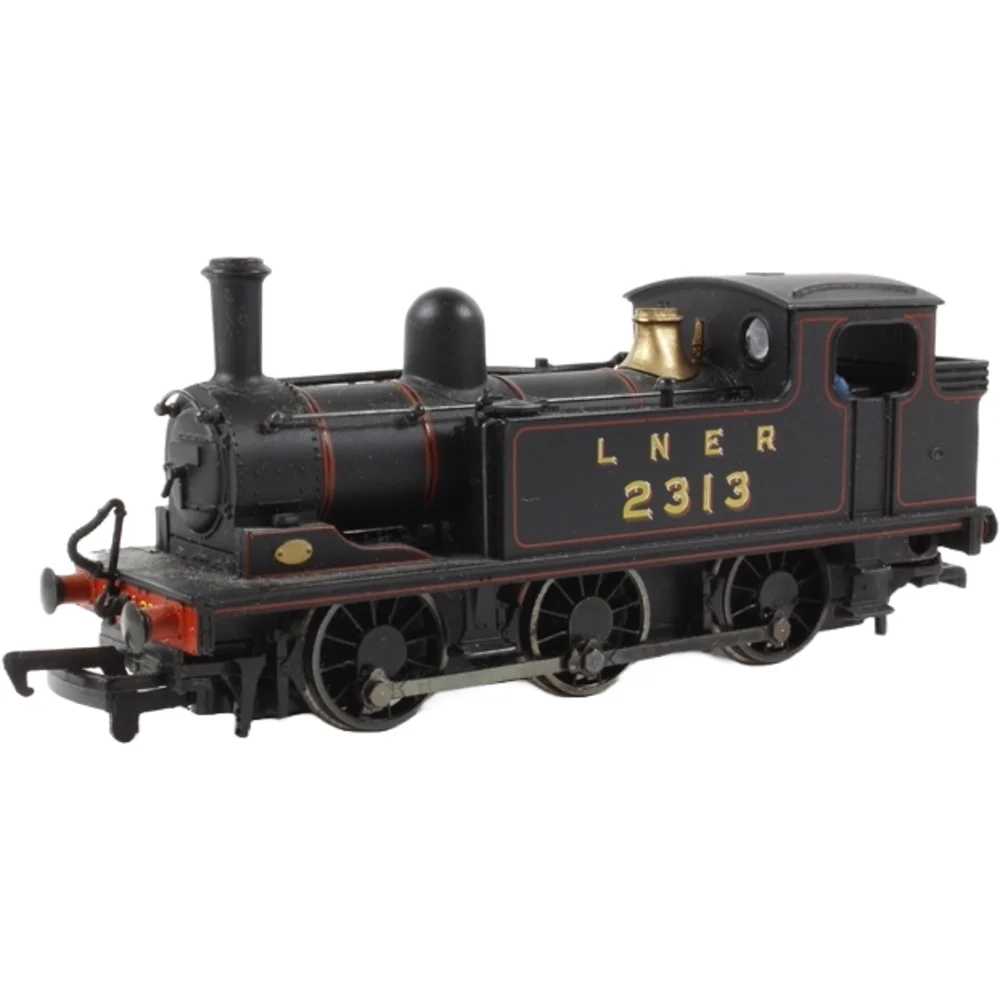
Bachmann 31-054 J72 in OO
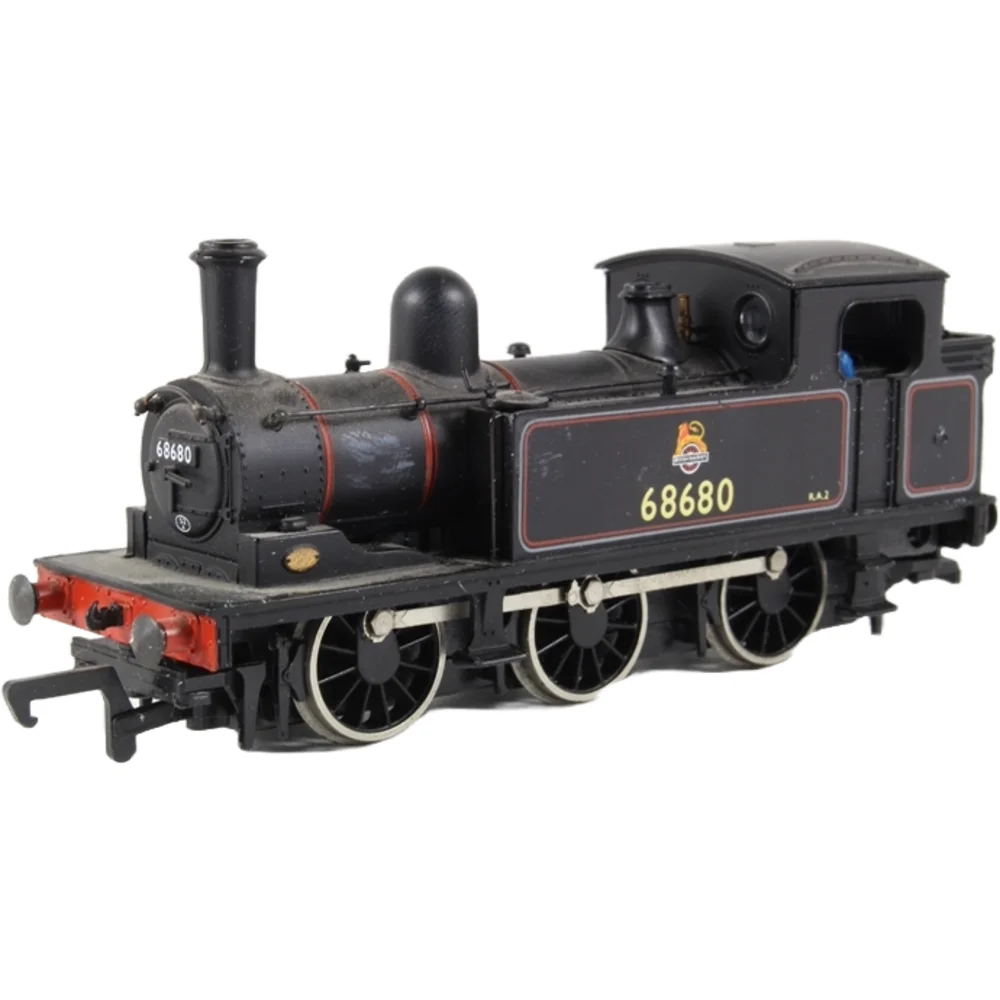
Bachmann 31-052 J72 in OO
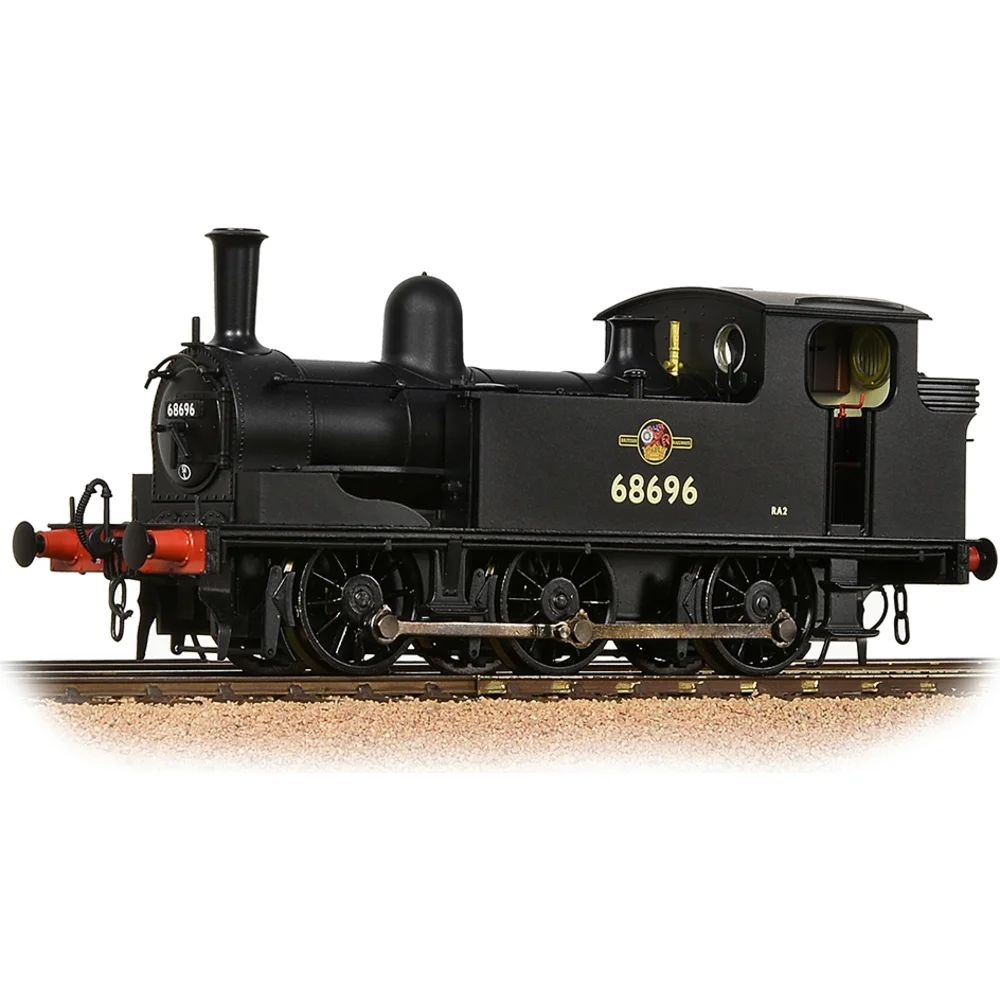
Bachmann 31-062 J72 in OO
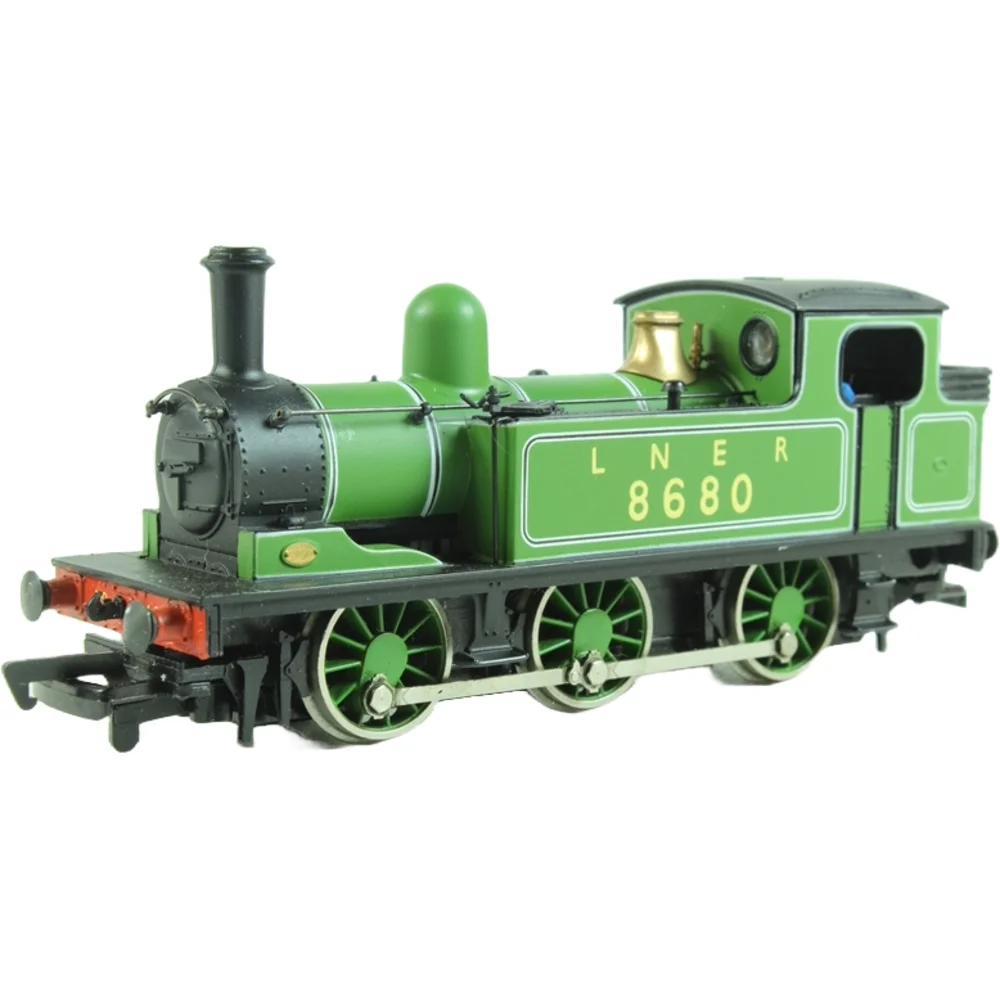
Bachmann 31-050 J72 in OO
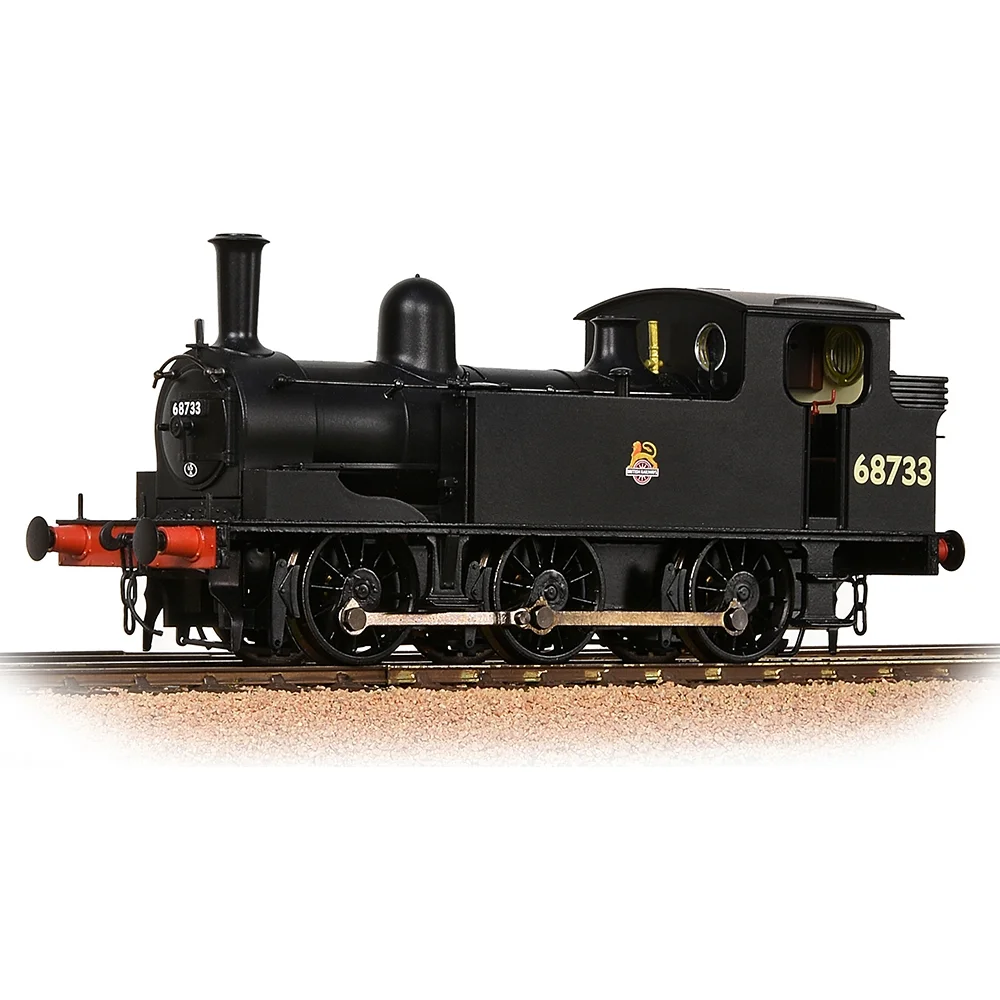
Bachmann 31-061 J72 in OO
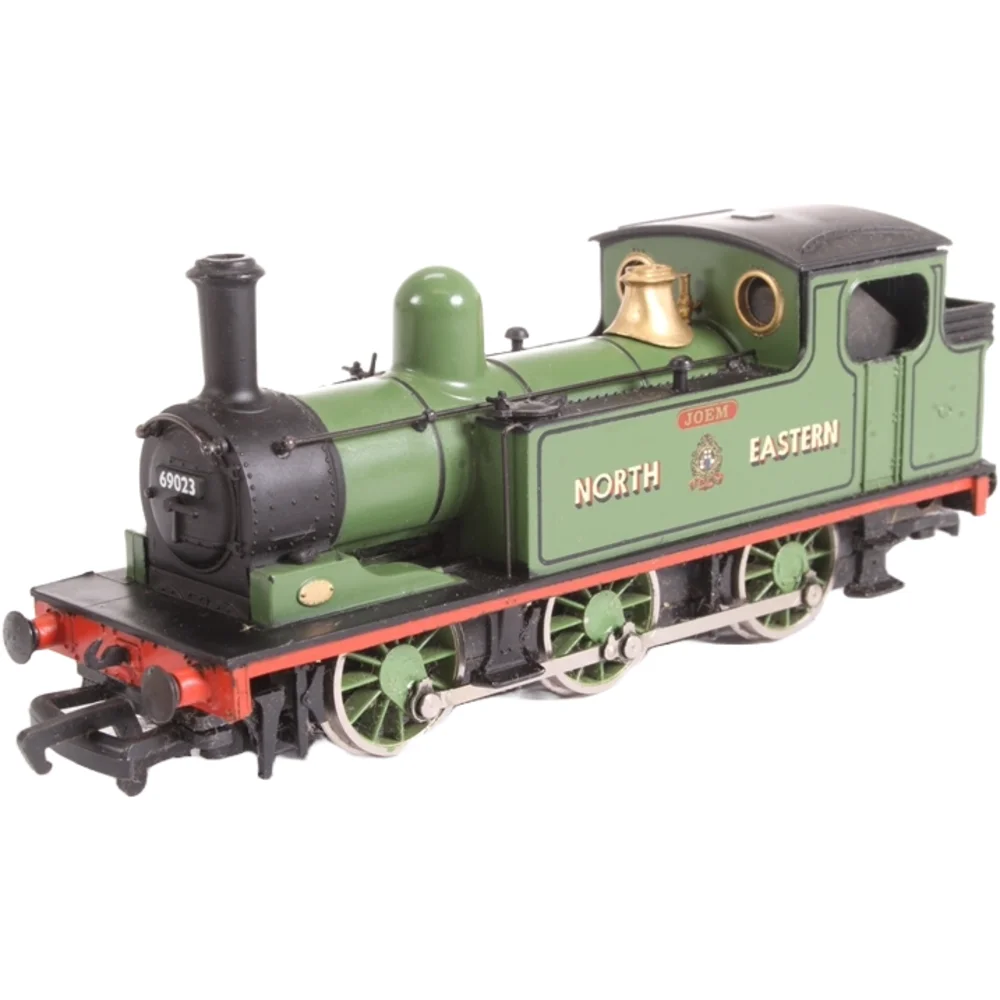
Mainline 37067 J72 in OO
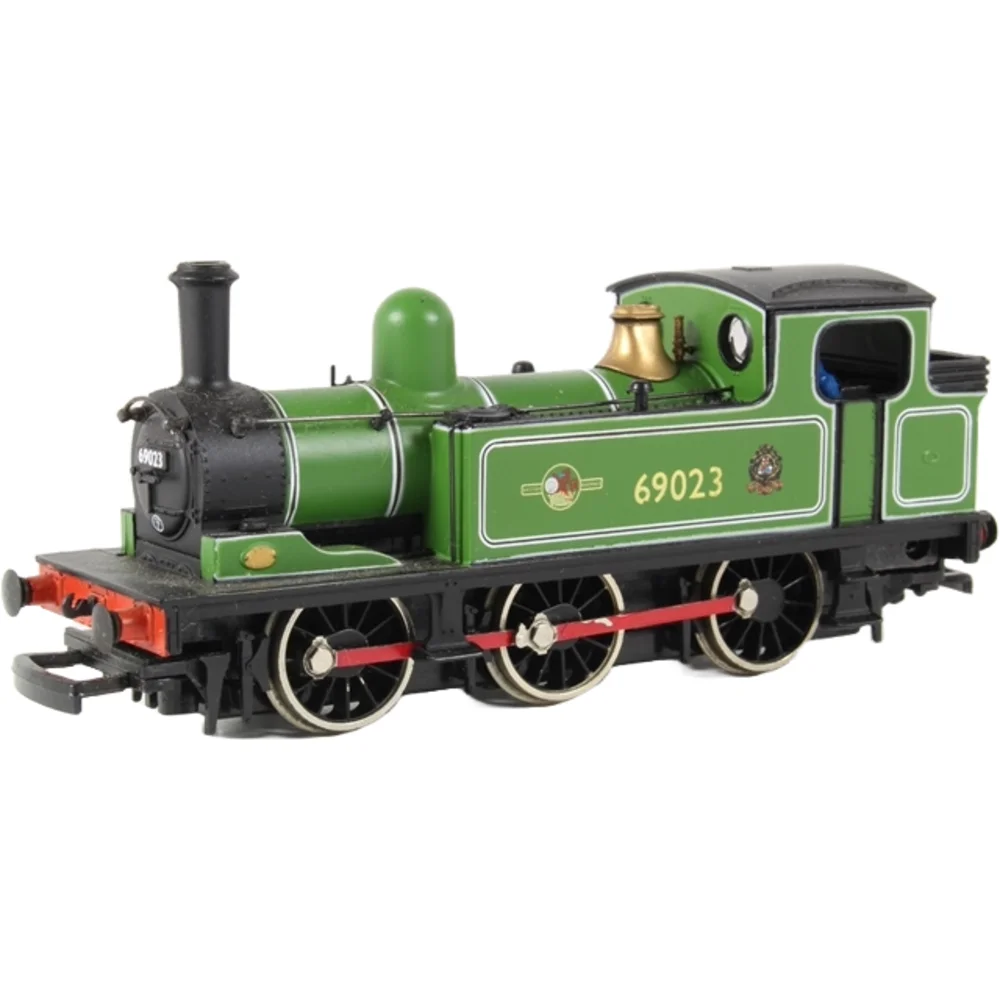
Bachmann 31-051 J72 in OO
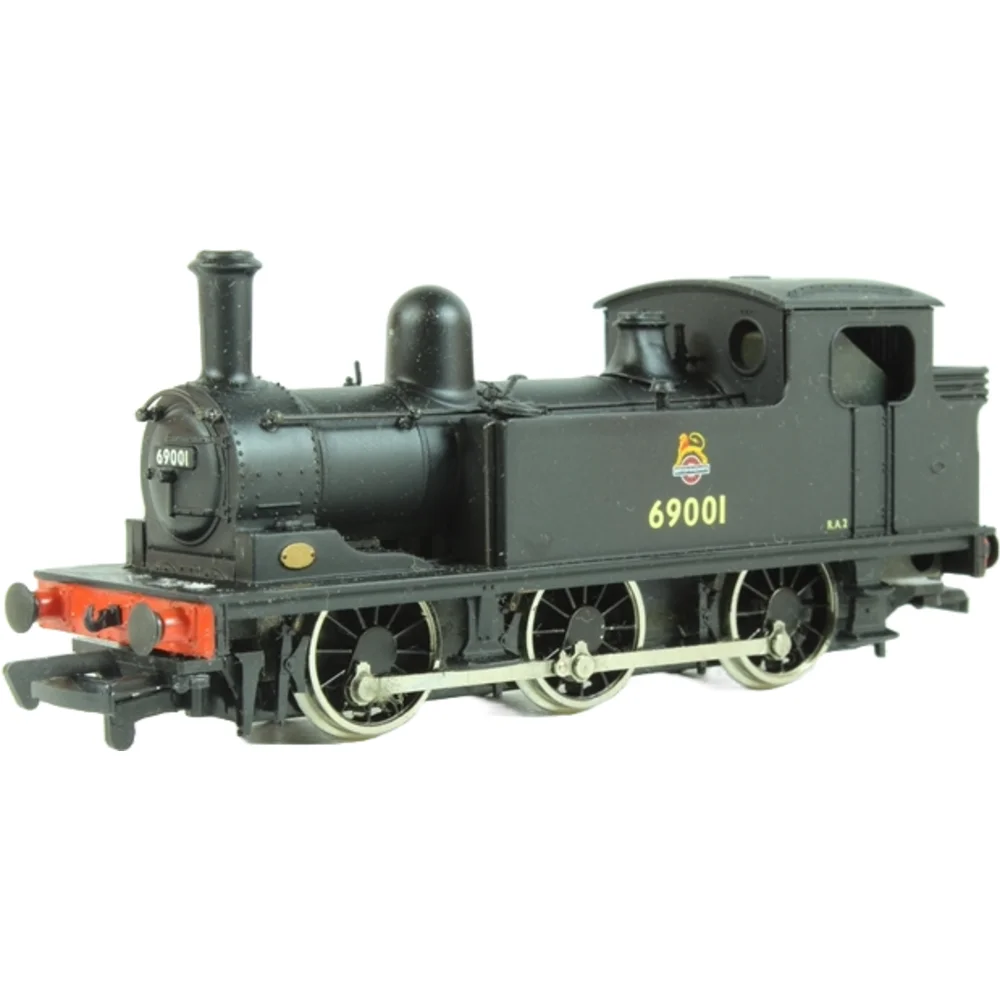
Mainline 37070 J72 in OO
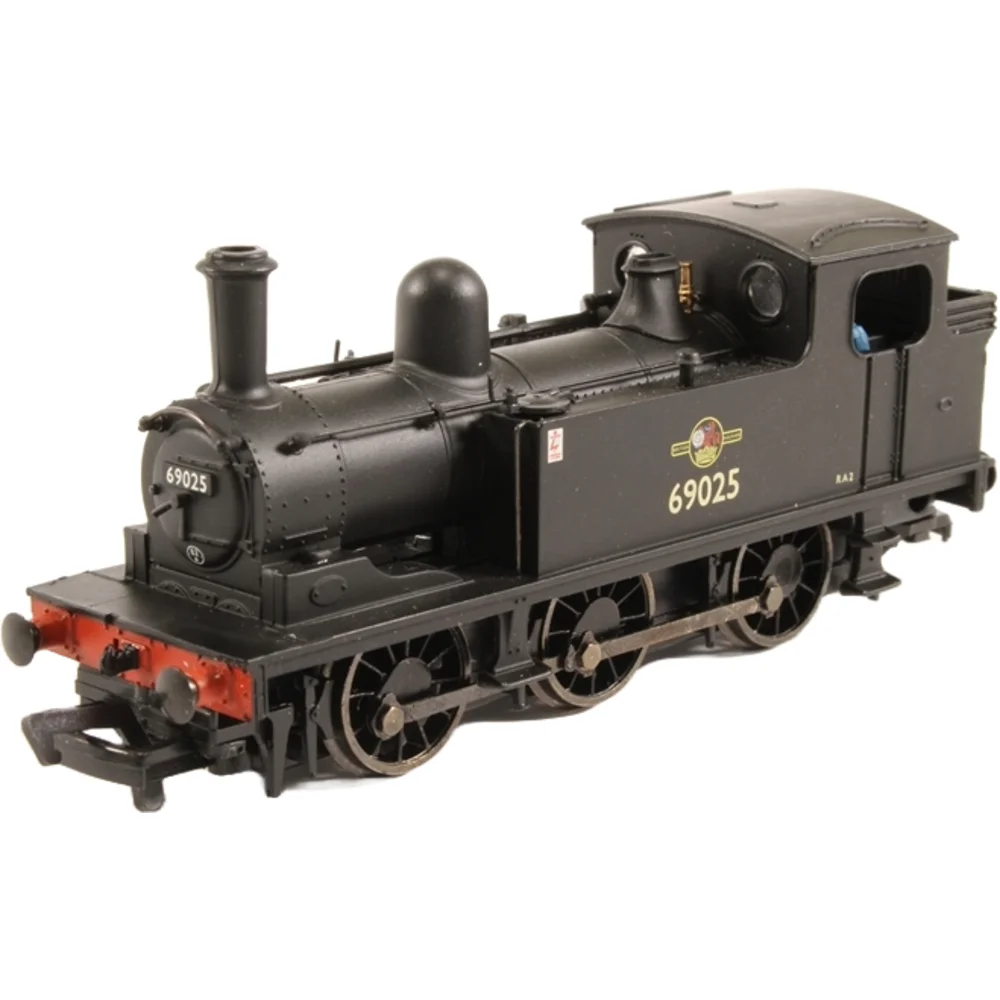
Bachmann 31-056 J72 in OO
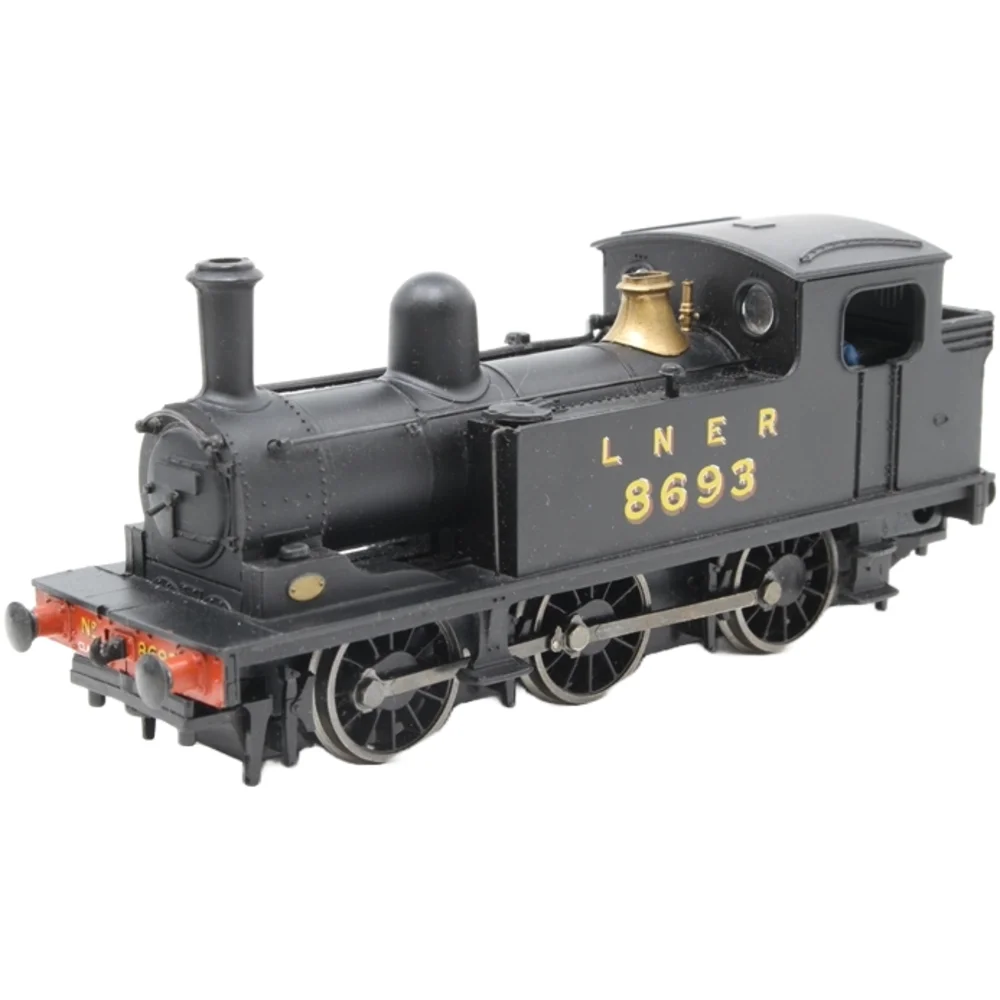
Bachmann 31-057 J72 in OO
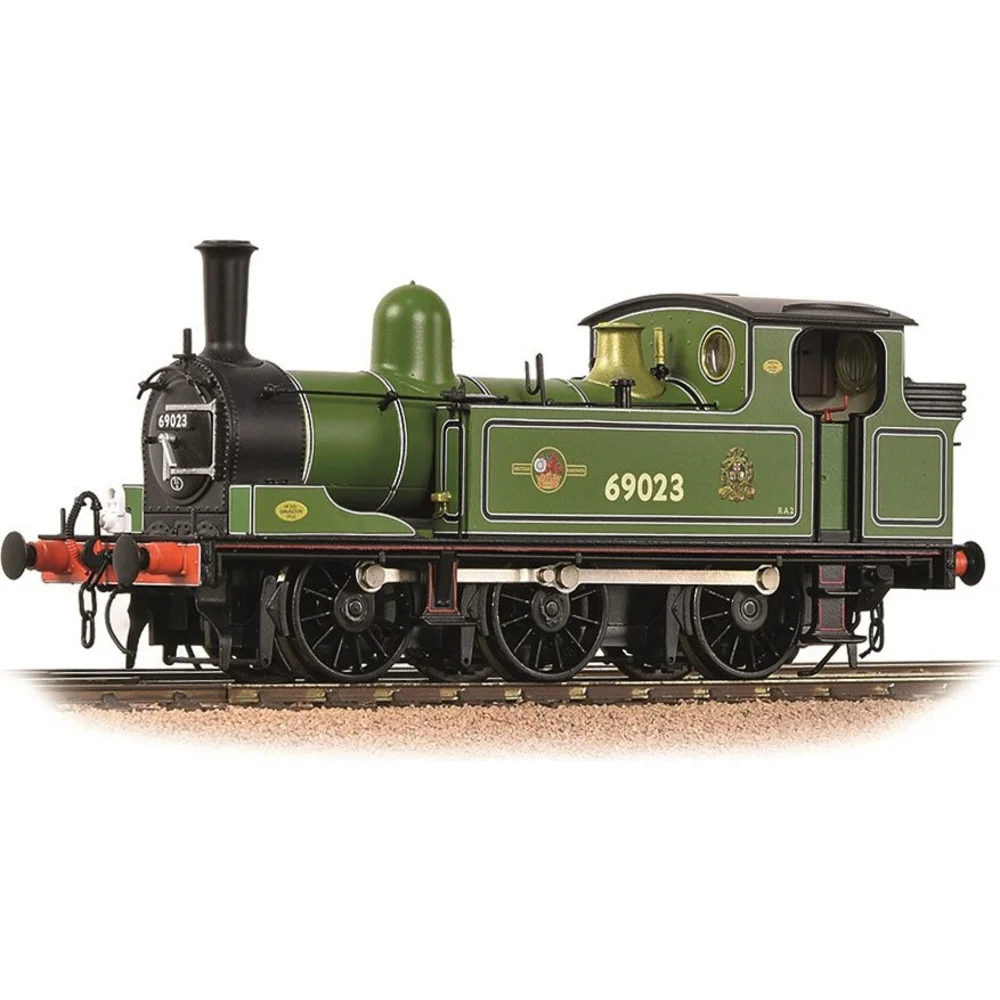
Bachmann 31-060K J72 in OO
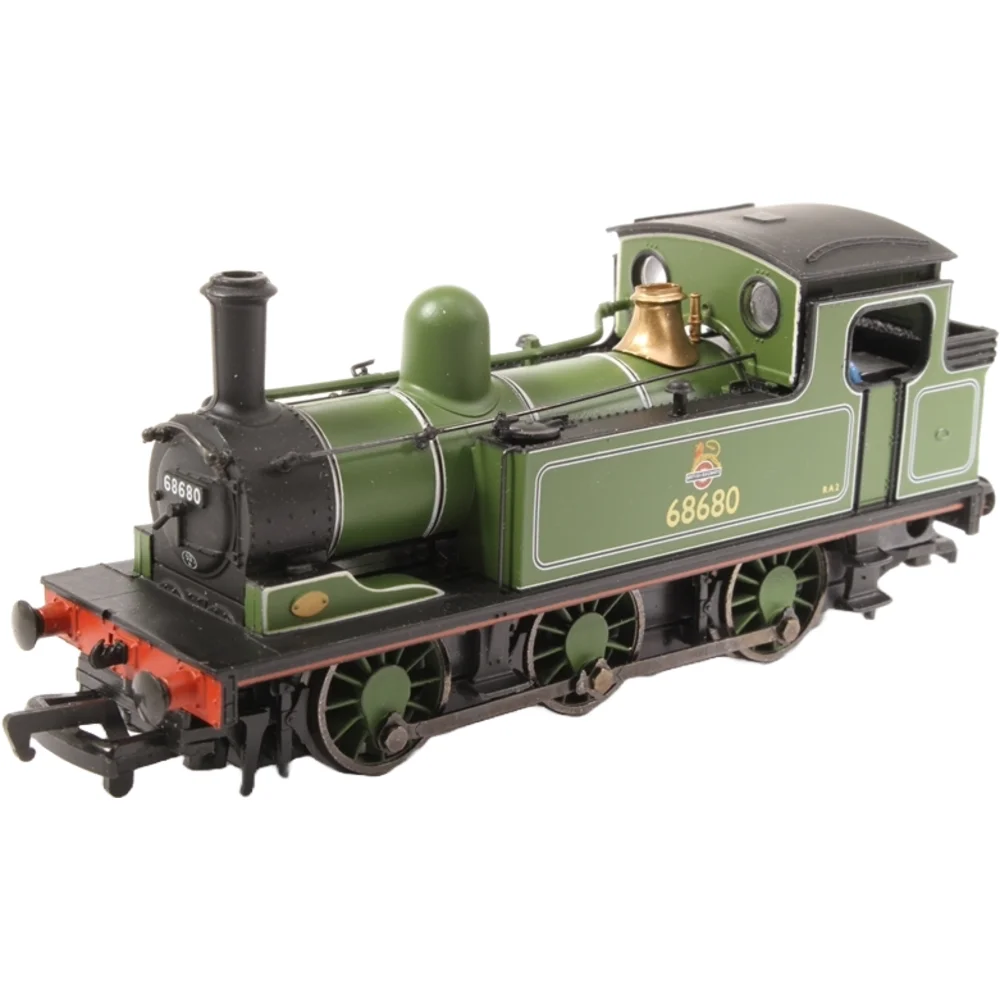
Bachmann 31-055 J72 in OO
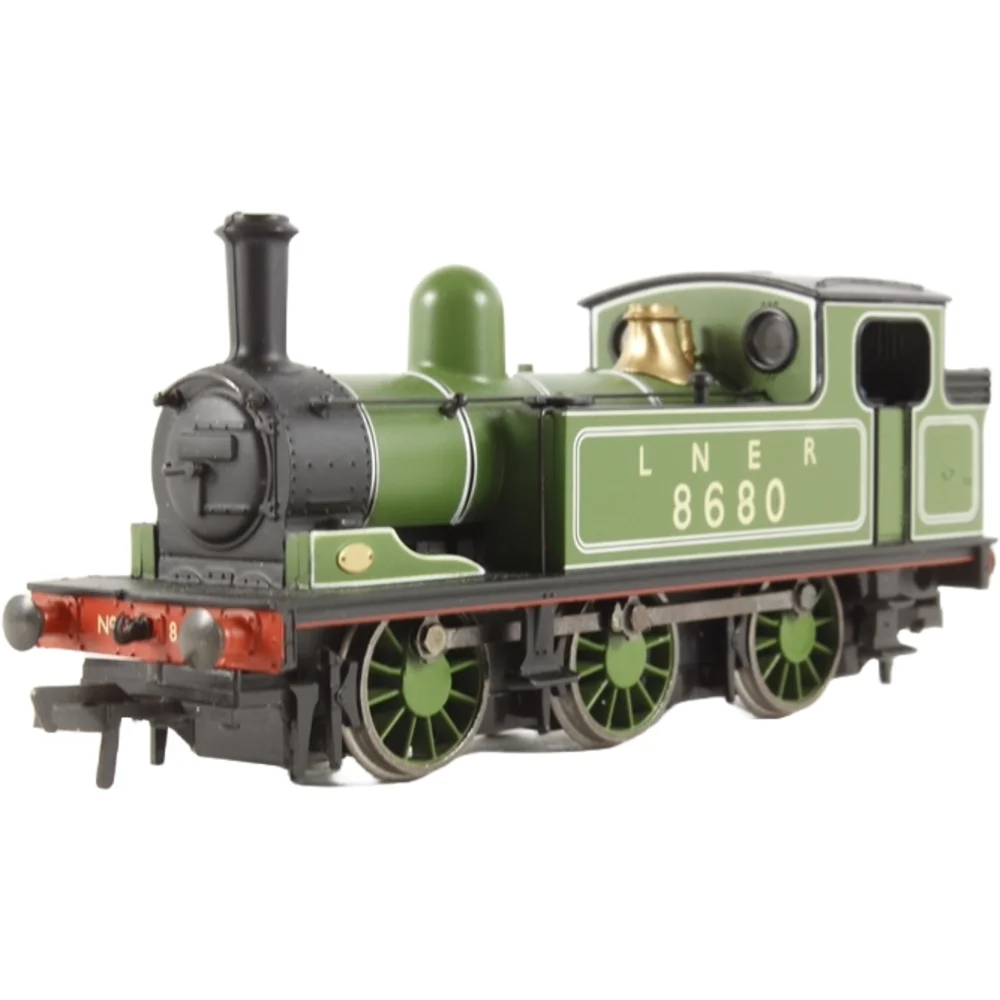
Bachmann 31-050A J72 in OO
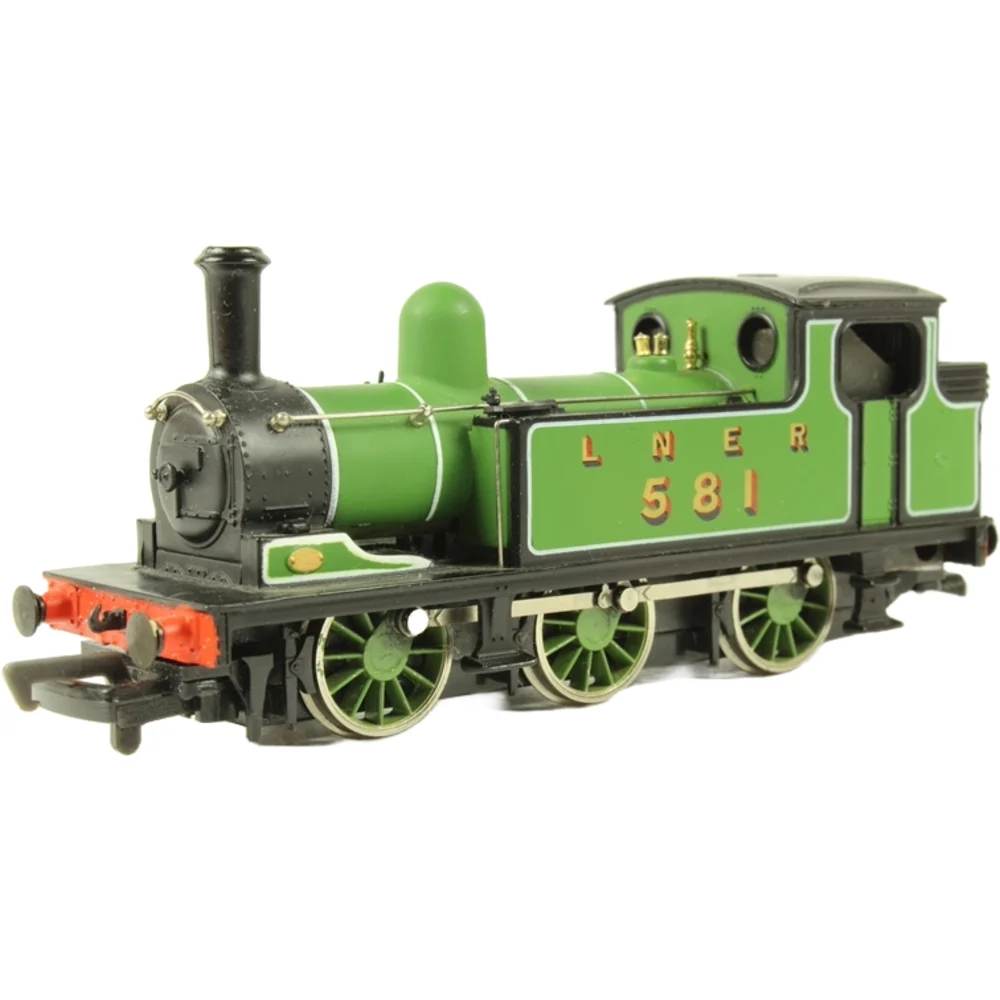
Mainline 37054 J72 in OO
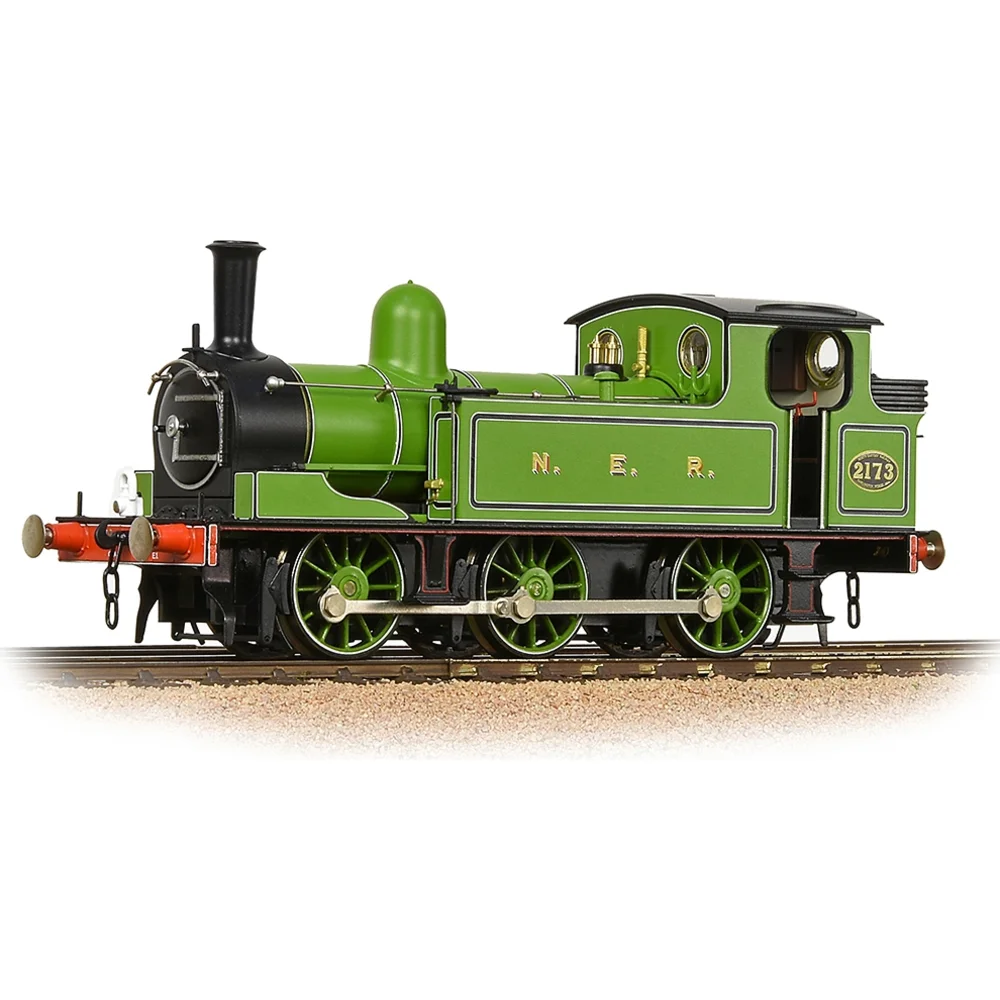
Bachmann 31-063 Class E1 in OO
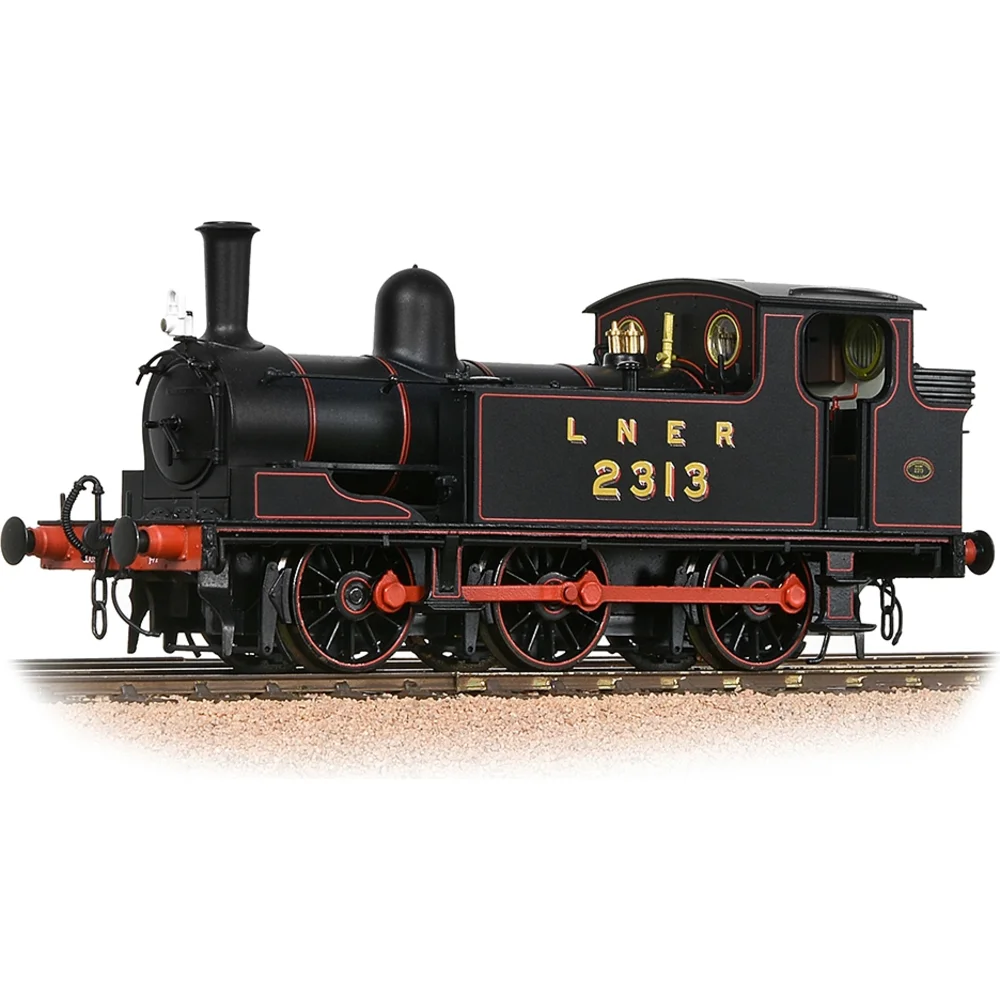
Bachmann 31-060 J72 in OO
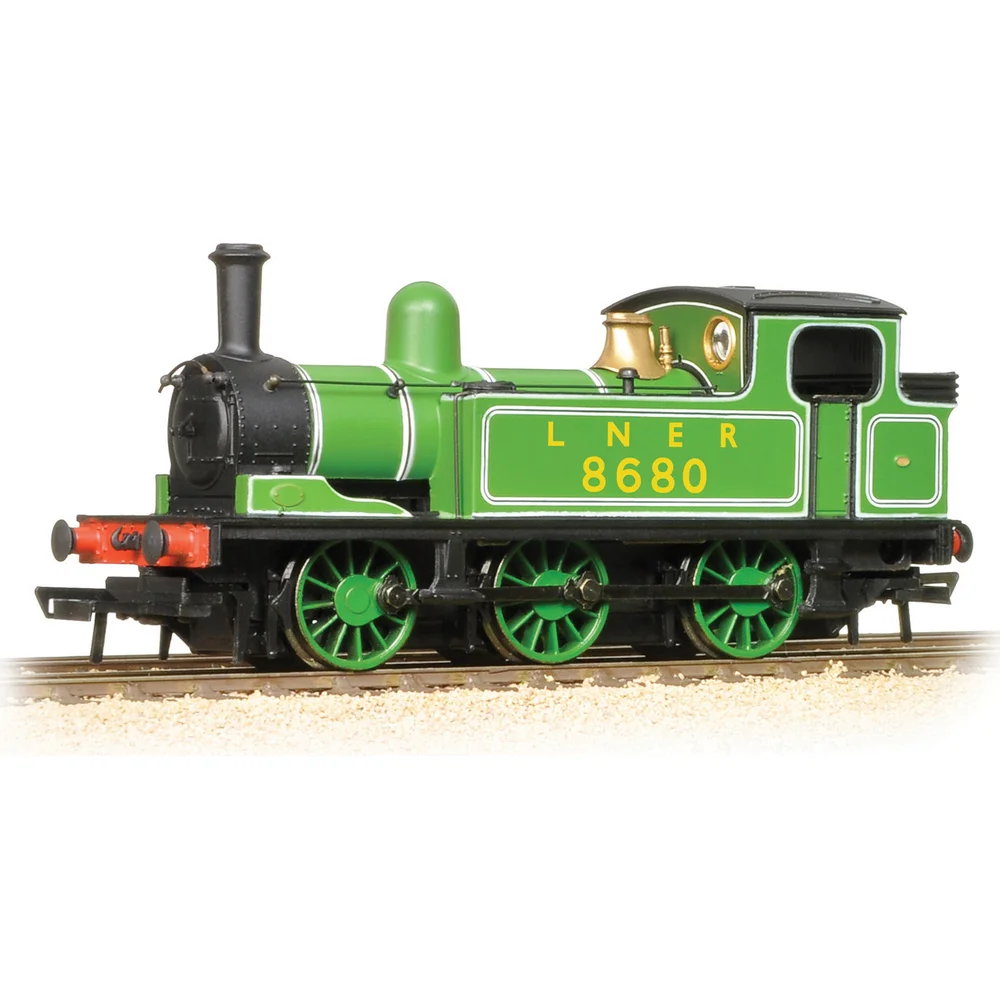
Graham Farish 372-825 J72 in N
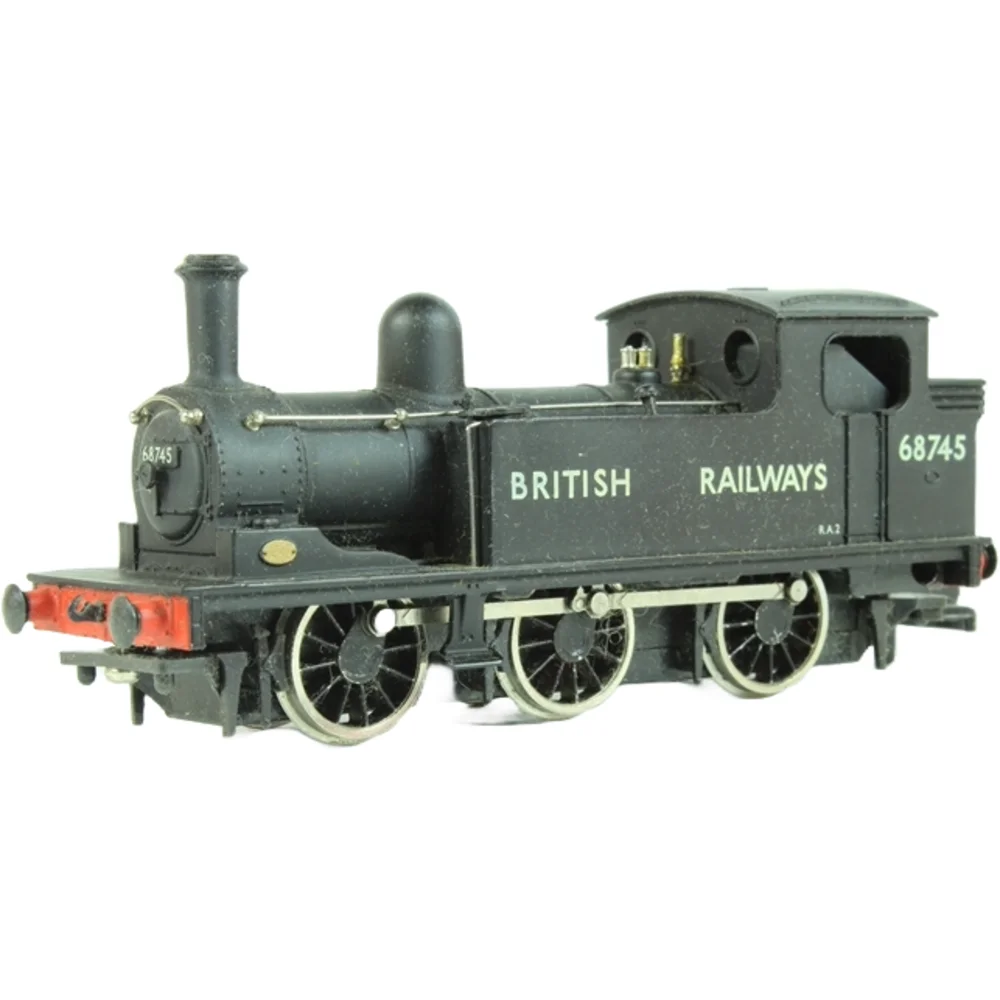
Mainline 37055 J72 in OO
Contents
- Historical Background and Context
- Design and Technical Specifications
- Service History and Operations
- Withdrawal/Preservation/Legacy
- Modelling Significance and Scale Replications
- Unique Modelling Tips and Layout Integration
- Technical Innovation and Engineering Legacy
- Finally
- Frequently Asked Questions
- eBay Listings
The North Eastern Railway Class E1, later classified as LNER Class J72, stands as one of the most remarkable locomotive designs in British railway history — not for revolutionary innovation, but for extraordinary longevity and adaptability. These unassuming 0-6-0 tank engines achieved something virtually unique in steam locomotive development: they were built continuously, without significant modification, across three distinct railway eras spanning an unprecedented 53 years.
Designed by Wilson Worsdell in 1898 as an evolution of his brother Thomas's successful Class E design, the NER Class E1 became the definitive British shunting locomotive. While larger, more glamorous express engines captured headlines, these modest workhorses quietly revolutionized freight operations across the North Eastern Railway's extensive network, proving that sometimes the most enduring engineering solutions are those that prioritize reliability over spectacle.
For railway enthusiasts and model railway hobbyists, the Class E1 represents the epitome of functional railway engineering — locomotives that embody the transition from Victorian craftsmanship to standardized mass production. Their survival story, culminating in the preservation of 69023 "Joem," offers modern modellers an authentic window into everyday railway operations that formed the backbone of Britain's industrial economy for over six decades.
Quick Takeaways
- 113 locomotives built: Constructed across 53 years (1898-1951) by three different railway companies — a likely world record
- Standardization pioneer: Virtually unchanged design demonstrated Wilson Worsdell's engineering excellence and forward-thinking approach
- Universal shunting duties: Allocated across 21 different depots from Scotland to East Anglia for freight and carriage shunting
- Extended departmental service: Final two locomotives served until 1967 in specialized de-icing roles on Tyneside
- Single survivor preserved: BR 69023 "Joem" continues operating on heritage railways, maintained by North Eastern Locomotive Preservation Group
- Modeling favorite: Available from multiple manufacturers in OO gauge, with Bachmann's 2019 release setting new detail standards
- Operational legacy: Influenced British Railway's Class 08 diesel shunter design through proven mechanical arrangements and depot allocation patterns
Historical Background and Context
The story of the NER Class E1 begins with a family rivalry that would inadvertently create one of Britain's most successful locomotive designs. When Wilson Worsdell succeeded his brother Thomas William Worsdell as Locomotive Superintendent of the North Eastern Railway in 1890, he inherited the successful Class E (later LNER J71) shunting locomotives that had proven their worth across the NER's growing freight network.
However, Wilson Worsdell harbored strong reservations about his brother's design preferences. T.W. Worsdell favored Joy valve gear and compound expansion — sophisticated engineering solutions that Wilson considered unnecessarily complex for everyday shunting duties. The younger Worsdell believed in the philosophy that the best engineering solutions were often the simplest ones, a principle that would profoundly influence the Class E1's development.
The North Eastern Railway's operational requirements in the 1890s demanded reliable, economical shunting power capable of handling the increasing freight traffic generated by rapid industrial expansion. Coal traffic from Durham and Northumberland collieries, iron ore movements to Teesside ironworks, and general merchandise through major ports like Hull and Middlesbrough all required locomotives that could work tirelessly in demanding conditions with minimal maintenance requirements.
Engineering Philosophy: Simplicity Over Sophistication
Wilson Worsdell's approach to locomotive design emphasized proven mechanical solutions over fashionable innovations. His preference for Stephenson valve gear over Joy valve gear, and simple expansion over compound systems, reflected a practical understanding that everyday reliability trumped theoretical efficiency gains. This philosophy would prove remarkably prescient, as the Class E1's mechanical simplicity enabled their extraordinary service longevity.
The transition from T.W. Worsdell's Class E to Wilson's Class E1 represented more than just incremental improvement — it embodied a fundamental shift toward standardization that would characterize early 20th-century railway engineering. By enlarging the cylinders from 16 inches by 22 inches to 17 inches by 24 inches while reducing wheel diameter from 4 feet 6 inches to 4 feet 1¼ inches, Wilson Worsdell created a locomotive better suited to the heavy-haul, low-speed work that defined freight operations.
These modifications actually represented a return to earlier NER practice under Edward Fletcher, Wilson Worsdell's predecessor as CME. Fletcher had established design principles emphasizing robust construction and operational simplicity — values that Wilson Worsdell now reintroduced with the benefit of intervening technological advances. The result was a locomotive that combined Fletcher's mechanical soundness with contemporary manufacturing techniques.
The timing of the Class E1's introduction in 1898 proved fortuitous. Britain's railway network was approaching peak development, with freight traffic reaching unprecedented levels that would continue growing through the Edwardian era and beyond. The NER, serving some of the country's most industrialized regions, required locomotives capable of handling this expansion while providing the operational flexibility necessary for varied shunting duties across diverse depot locations.
Design and Technical Specifications
Wilson Worsdell's design for the Class E1 represented a masterclass in practical locomotive engineering, prioritizing operational reliability and maintenance simplicity over theoretical performance maxima. The locomotive's fundamental arrangement — an 0-6-0 tank engine with inside cylinders and Stephenson valve gear — had proven successful in countless applications, but Worsdell's refinements elevated the design to new levels of effectiveness.
The increased cylinder dimensions compared to the predecessor Class E provided significantly enhanced tractive effort while maintaining the proven bore-to-stroke ratio that ensured efficient steam usage. The 17-inch cylinder diameter represented the optimal compromise between power output and mechanical stresses, while the 24-inch stroke provided the longer expansion cycle necessary for improved thermal efficiency during sustained shunting operations.
Worsdell's decision to reduce wheel diameter to 4 feet 1¼ inches from the Class E's 4 feet 6 inches reflected his sophisticated understanding of locomotive performance characteristics. Smaller wheels provided increased tractive effort through improved gear ratio while reducing reciprocating masses — crucial advantages for locomotives required to start heavy loads from rest repeatedly throughout their working day. The reduction also lowered the locomotive's center of gravity, improving stability during shunting operations.
Class E vs. Class E1: Engineering Evolution
Comparing the specifications reveals Wilson Worsdell's systematic approach to design improvement. The Class E1's larger cylinders (17" × 24" vs. 16" × 22") provided 18% more tractive effort, while smaller wheels (4'1¼" vs. 4'6") increased starting tractive effort by an additional 10%. These changes transformed a competent shunting locomotive into an exceptional one, explaining the Class E1's eventual dominance over its predecessor.
The boiler design maintained proven NER practice while incorporating detail improvements learned from Class E operation. Operating pressure of 140 psi provided ample steam generation for the enlarged cylinders while remaining within conservative stress limits that ensured long service life. The firebox design optimized coal burning efficiency, crucial for locomotives that might remain in steam for extended periods during yard operations.
Stephenson valve gear was retained despite contemporary trends toward more sophisticated systems. This choice reflected Worsdell's practical experience that Stephenson gear's mechanical simplicity, ease of maintenance, and predictable wear characteristics outweighed any theoretical advantages of alternative systems. The valve gear's robust construction proved ideal for the harsh conditions of freight yard service, where locomotives faced constant starting and stopping with minimal opportunity for gentle treatment.
The tank and bunker arrangement followed established NER practice, providing adequate water and coal capacity for typical depot duties while maintaining the compact dimensions essential for working in restricted yard spaces. Water capacity of 1,200 gallons and coal capacity of 2 tons proved optimal for day-long shunting duties, eliminating frequent servicing interruptions while keeping overall weight within acceptable limits for track and bridge loadings.
Frame construction utilized the proven NER bar frame design, providing robust mounting for cylinders and motion components while allowing easy access for maintenance. The inside cylinder arrangement kept the locomotive's width within loading gauge limits while positioning heavy components close to the centerline for optimal weight distribution. This arrangement also protected the motion from damage during shunting operations — a crucial consideration for locomotives working in congested yards.
Service History and Operations
The operational story of the NER Class E1 encompasses six decades of dedicated service across one of Britain's most demanding railway networks. From their introduction in 1898 through final withdrawal in 1967, these locomotives handled the unglamorous but essential tasks that kept Britain's freight network functioning efficiently. Unlike express passenger locomotives that captured public attention, the Class E1's contribution was measured in millions of tons of coal moved, thousands of wagons marshalled, and countless trains assembled in yards across northern England and Scotland.
Initial deployment concentrated on the NER's core territory, with locomotives allocated to major freight yards at Newcastle, Darlington, York, and Hull. These strategic locations enabled the class to handle the diverse traffic flows that characterized the NER's operations — coal from Durham collieries, iron ore to Teesside steelworks, general merchandise through east coast ports, and agricultural products from the Vale of York.
The locomotives quickly established reputations for exceptional reliability and operational flexibility. Unlike larger freight engines that were restricted to main line operations, the Class E1's compact dimensions and modest axle loading allowed them to work virtually anywhere within the NER system. This versatility proved invaluable as traffic patterns evolved throughout their service lives, enabling depot managers to deploy them wherever shunting power was needed most urgently.
Wartime Service: The Home Front Heroes
During both World Wars, Class E1 locomotives became crucial to Britain's war effort, handling massive increases in freight traffic while regular maintenance was deferred due to material shortages. Their robust construction and simple systems proved ideal for intensive wartime service, with many locomotives working extended hours for months without major repairs. This demanding service validated Worsdell's emphasis on mechanical simplicity and build quality.
The remarkable 53-year construction span (1898-1951) meant that Class E1 locomotives entered service under dramatically different operational conditions. Early engines worked in the expansive Edwardian era when railways dominated long-distance transport, while the final British Railways batch entered service during the dawn of the diesel age. This longevity required considerable adaptability, as the locomotives evolved from purely freight duties to include carriage shunting, station pilot work, and specialized operations.
By the 1920s, LNER inherited 75 Class E1 locomotives that were redistributed across an expanded network stretching from Scotland to East Anglia. The standardization benefits of the design became increasingly apparent as LNER operating practices emphasized interchangeability between depots. A Class E1 could be transferred from York to Eastfield (Glasgow) and immediately undertake productive work without extensive crew familiarization or specialized maintenance requirements.
The locomotives' operational characteristics adapted remarkably well to changing traffic patterns throughout their service lives. During the 1930s Depression, reduced freight volumes meant many spent periods in storage, but their simple systems and robust construction enabled rapid return to service when traffic recovered. World War II brought intensive utilization as railway freight traffic surged beyond pre-war levels, with many Class E1s working extended shifts to handle munitions, food supplies, and military equipment movements.
Post-war nationalization in 1948 saw British Railways inherit 81 surviving locomotives, with the remarkable decision made to build 28 additional examples at Darlington between 1949-1951. This unprecedented vote of confidence in a 50-year-old design reflected the class's proven operational value and the absence of any superior replacement design. The BR-built locomotives incorporated minor detail improvements but remained fundamentally unchanged from Worsdell's original conception.
Allocation Patterns: Strategic Deployment
By 1951, final allocations revealed the class's strategic importance: Alexandra Dock (14), York (11), Middlesbrough (10), West Hartlepool (10), and Gateshead (9) held the largest concentrations. These deployments reflected the locomotives' specialization in heavy industrial and port operations, where their combination of power and maneuverability proved irreplaceable until diesel shunters became available.
The introduction of 350hp diesel shunters (later BR Class 08) during the 1950s gradually displaced the Class E1 from primary duties. However, their withdrawal was remarkably gradual, reflecting both their continued usefulness and the absence of sufficient diesel replacements. The class remained largely intact until 1958, when systematic withdrawals began as diesel deliveries accelerated.
Fleet
| Ordered By | Built By | Built | Withdrawn | Length Of Service | Running Numbers | Names |
|---|---|---|---|---|---|---|
| North Eastern Railway | North Eastern Railway | December 1898 | February 1960 | 61.2 years | NER 1715, LNER 8671, BR 68671 | |
| North Eastern Railway | North Eastern Railway | December 1898 | October 1961 | 62.8 years | NER 1718, LNER 8672, BR 68672 | |
| North Eastern Railway | North Eastern Railway | December 1898 | May 1961 | 62.4 years | NER 1721, LNER 8673, BR 68673 | |
| North Eastern Railway | North Eastern Railway | December 1898 | October 1961 | 62.8 years | NER 1722, LNER 8674, BR 68674 | |
| North Eastern Railway | North Eastern Railway | December 1898 | September 1961 | 62.8 years | NER 1732, LNER 8675, BR 68675 | |
| North Eastern Railway | North Eastern Railway | December 1898 | September 1960 | 61.8 years | NER 1744, LNER 8676, BR 68676 | |
| North Eastern Railway | North Eastern Railway | December 1898 | October 1961 | 62.8 years | NER 1746, LNER 8677, BR 68677 | |
| North Eastern Railway | North Eastern Railway | December 1898 | February 1961 | 62.2 years | NER 1761, LNER 8678, BR 68678 | |
| North Eastern Railway | North Eastern Railway | December 1898 | June 1960 | 61.5 years | NER 1770, LNER 8679, BR 68679 | |
| North Eastern Railway | North Eastern Railway | December 1898 | January 1960 | 61.1 years | NER 462, LNER 8670, BR 68670 | |
| North Eastern Railway | North Eastern Railway | March 1899 | October 1961 | 62.6 years | NER 1720, LNER 8680, BR 68680 | |
| North Eastern Railway | North Eastern Railway | March 1899 | November 1960 | 61.7 years | NER 1728, LNER 8681, BR 68681 | |
| North Eastern Railway | North Eastern Railway | March 1899 | December 1959 | 60.8 years | NER 1733, LNER 8682, BR 68682 | |
| North Eastern Railway | North Eastern Railway | March 1899 | March 1961 | 62.0 years | NER 1734, LNER 8683, BR 68683 | |
| North Eastern Railway | North Eastern Railway | March 1899 | March 1961 | 62.0 years | NER 1736, LNER 8684, BR 68684 | |
| North Eastern Railway | North Eastern Railway | March 1899 | October 1960 | 61.6 years | NER 1741, LNER 8685, BR 68685 | |
| North Eastern Railway | North Eastern Railway | April 1899 | August 1961 | 62.3 years | NER 1742, LNER 8686, BR 68686 | |
| North Eastern Railway | North Eastern Railway | April 1899 | September 1961 | 62.4 years | NER 1747, LNER 8687, BR 68687 | |
| North Eastern Railway | North Eastern Railway | April 1899 | October 1961 | 62.5 years | NER 1749, LNER 8688, BR 68688 | |
| North Eastern Railway | North Eastern Railway | April 1899 | October 1961 | 62.5 years | NER 1763, LNER 8689, BR 68689 | |
| North Eastern Railway | North Eastern Railway | August 1914 | February 1961 | 46.5 years | NER 2173, LNER 8690, BR 68690 | |
| North Eastern Railway | North Eastern Railway | September 1914 | December 1960 | 46.3 years | NER 2174, LNER 8691, BR 68691 | |
| North Eastern Railway | North Eastern Railway | September 1914 | October 1961 | 47.1 years | NER 2175, LNER 8692, BR 68692 | |
| North Eastern Railway | North Eastern Railway | September 1914 | August 1961 | 46.9 years | NER 2176, LNER 8693, BR 68693 | |
| North Eastern Railway | North Eastern Railway | September 1914 | November 1959 | 45.2 years | NER 2177, LNER 8694, BR 68694 | |
| North Eastern Railway | North Eastern Railway | September 1914 | April 1962 | 47.6 years | NER 2178, LNER 8695, BR 68695 | |
| North Eastern Railway | North Eastern Railway | September 1914 | January 1961 | 46.3 years | NER 2179, LNER 8696, BR 68696 | |
| North Eastern Railway | North Eastern Railway | September 1914 | February 1960 | 45.4 years | NER 2180, LNER 8697, BR 68697 | |
| North Eastern Railway | North Eastern Railway | September 1914 | October 1961 | 47.1 years | NER 2181, LNER 8698, BR 68698 | |
| North Eastern Railway | North Eastern Railway | October 1914 | December 1958 | 44.2 years | NER 2182, LNER 8699, BR 68699 | |
| North Eastern Railway | North Eastern Railway | October 1914 | December 1958 | 44.2 years | NER 2183, LNER 8700, BR 68700 | |
| North Eastern Railway | North Eastern Railway | October 1914 | October 1960 | 46.0 years | NER 2184, LNER 8701, BR 68701 | |
| North Eastern Railway | North Eastern Railway | October 1914 | August 1961 | 46.8 years | NER 2185, LNER 8702, BR 68702 | |
| North Eastern Railway | North Eastern Railway | October 1914 | October 1961 | 47.0 years | NER 2186, LNER 8703, BR 68703 | |
| North Eastern Railway | North Eastern Railway | October 1914 | October 1961 | 47.0 years | NER 2187, LNER 8704, BR 68704 | |
| North Eastern Railway | North Eastern Railway | November 1914 | November 1960 | 46.0 years | NER 2188, LNER 8705, BR 68705 | |
| North Eastern Railway | North Eastern Railway | November 1914 | October 1960 | 45.9 years | NER 2189, LNER 8706, BR 68706 | |
| North Eastern Railway | North Eastern Railway | November 1914 | April 1962 | 47.4 years | NER 2190, LNER 8707, BR 68707 | |
| North Eastern Railway | North Eastern Railway | November 1914 | August 1961 | 46.8 years | NER 2191, LNER 8708, BR 68708 | |
| North Eastern Railway | North Eastern Railway | November 1914 | February 1962 | 47.3 years | NER 2192, LNER 8709, BR 68709 | |
| North Eastern Railway | North Eastern Railway | October 1920 | March 1959 | 38.4 years | NER 2303, LNER 8710, BR 68710 | |
| North Eastern Railway | North Eastern Railway | October 1920 | August 1961 | 40.8 years | NER 2304, LNER 8711, BR 68711 | |
| North Eastern Railway | North Eastern Railway | October 1920 | January 1959 | 38.3 years | NER 2305, LNER 8712, BR 68712 | |
| North Eastern Railway | North Eastern Railway | October 1920 | October 1961 | 41.0 years | NER 2306, LNER 8713, BR 68713 | |
| North Eastern Railway | North Eastern Railway | November 1920 | March 1960 | 39.3 years | NER 2307, LNER 8714, BR 68714 | |
| North Eastern Railway | North Eastern Railway | November 1920 | July 1961 | 40.7 years | NER 2308, LNER 8715, BR 68715 | |
| North Eastern Railway | North Eastern Railway | November 1920 | February 1961 | 40.3 years | NER 2309, LNER 8716, BR 68716 | |
| North Eastern Railway | North Eastern Railway | November 1920 | November 1961 | 41.0 years | NER 2310, LNER 8717, BR 68717 | |
| North Eastern Railway | North Eastern Railway | December 1920 | June 1958 | 37.5 years | NER 2311, LNER 8718, BR 68718 | |
| North Eastern Railway | North Eastern Railway | December 1920 | January 1961 | 40.1 years | NER 2312, LNER 8719, BR 68719 | |
| North Eastern Railway | Armstrong Whitworth | April 1922 | September 1961 | 39.4 years | NER 2313, LNER 8720, BR 68720 | |
| North Eastern Railway | Armstrong Whitworth | April 1922 | August 1961 | 39.3 years | NER 2314, LNER 8721, BR 68721 | |
| North Eastern Railway | Armstrong Whitworth | April 1922 | February 1960 | 37.8 years | NER 2315, LNER 8722, BR 68722 | |
| North Eastern Railway | Armstrong Whitworth | April 1922 | September 1963 | 41.4 years | NER 2316, LNER 8723, BR 68723 | |
| North Eastern Railway | Armstrong Whitworth | April 1922 | December 1960 | 38.7 years | NER 2317, LNER 8724, BR 68724 | |
| North Eastern Railway | Armstrong Whitworth | April 1922 | April 1960 | 38.0 years | NER 2318, LNER 8725, BR 68725 | |
| North Eastern Railway | Armstrong Whitworth | April 1922 | June 1961 | 39.2 years | NER 2319, LNER 8726, BR 68726 | |
| North Eastern Railway | Armstrong Whitworth | April 1922 | February 1960 | 37.8 years | NER 2320, LNER 8727, BR 68727 | |
| North Eastern Railway | Armstrong Whitworth | April 1922 | October 1961 | 39.5 years | NER 2321, LNER 8728, BR 68728 | |
| North Eastern Railway | Armstrong Whitworth | April 1922 | October 1961 | 39.5 years | NER 2322, LNER 8729, BR 68729 | |
| North Eastern Railway | Armstrong Whitworth | May 1922 | November 1960 | 38.5 years | NER 2323, LNER 8730, BR 68730 | |
| North Eastern Railway | Armstrong Whitworth | May 1922 | May 1960 | 38.0 years | NER 2324, LNER 8731, BR 68731 | |
| North Eastern Railway | Armstrong Whitworth | May 1922 | October 1961 | 39.4 years | NER 2325, LNER 8732, BR 68732 | |
| North Eastern Railway | Armstrong Whitworth | May 1922 | July 1962 | 40.2 years | NER 2326, LNER 8733, BR 68733 | |
| North Eastern Railway | Armstrong Whitworth | May 1922 | October 1961 | 39.4 years | NER 2327, LNER 8734, BR 68734 | |
| North Eastern Railway | Armstrong Whitworth | May 1922 | October 1958 | 36.4 years | NER 2328, LNER 8735, BR 68735 | |
| North Eastern Railway | Armstrong Whitworth | June 1922 | October 1963 | 41.3 years | NER 2329, LNER 8736, BR 68736 | |
| North Eastern Railway | Armstrong Whitworth | June 1922 | August 1961 | 39.2 years | NER 2330, LNER 8737, BR 68737 | |
| North Eastern Railway | Armstrong Whitworth | June 1922 | November 1960 | 38.4 years | NER 2331, LNER 8738, BR 68738 | |
| North Eastern Railway | Armstrong Whitworth | June 1922 | August 1959 | 37.2 years | NER 2332, LNER 8739, BR 68739 | |
| North Eastern Railway | Armstrong Whitworth | June 1922 | July 1961 | 39.1 years | NER 2333, LNER 8740, BR 68740 | |
| North Eastern Railway | Armstrong Whitworth | August 1922 | June 1959 | 36.8 years | NER 2334, LNER 8741, BR 68741 | |
| North Eastern Railway | Armstrong Whitworth | August 1922 | October 1961 | 39.2 years | NER 2335, LNER 8742, BR 68742 | |
| North Eastern Railway | Armstrong Whitworth | September 1922 | October 1961 | 39.1 years | NER 2336, LNER 8743, BR 68743 | |
| North Eastern Railway | Armstrong Whitworth | October 1922 | September 1961 | 38.9 years | NER 2337, LNER 8744, BR 68744 | |
| London & North Eastern Railway | London & North Eastern Railway | November 1925 | September 1961 | 35.8 years | LNER 500, LNER 8745, BR 68745 | |
| London & North Eastern Railway | London & North Eastern Railway | November 1925 | December 1958 | 33.1 years | LNER 512, LNER 8746, BR 68746 | |
| London & North Eastern Railway | London & North Eastern Railway | November 1925 | October 1961 | 35.9 years | LNER 516, LNER 8747, BR 68747 | |
| London & North Eastern Railway | London & North Eastern Railway | November 1925 | January 1959 | 33.2 years | LNER 524, LNER 8748, BR 68748 | |
| London & North Eastern Railway | London & North Eastern Railway | December 1925 | August 1960 | 34.7 years | LNER 542, LNER 8749, BR 68749 | |
| London & North Eastern Railway | London & North Eastern Railway | December 1925 | December 1962 | 37.0 years | LNER 566, LNER 8750, BR 68750 | |
| London & North Eastern Railway | London & North Eastern Railway | December 1925 | May 1959 | 33.4 years | LNER 571, LNER 8751, BR 68751 | |
| London & North Eastern Railway | London & North Eastern Railway | December 1925 | February 1960 | 34.2 years | LNER 574, LNER 8752, BR 68752 | |
| London & North Eastern Railway | London & North Eastern Railway | December 1925 | August 1960 | 34.7 years | LNER 576, LNER 8753, BR 68753 | |
| London & North Eastern Railway | London & North Eastern Railway | December 1925 | April 1962 | 36.3 years | LNER 581, LNER 8754, BR 68754 | |
| British Railways | British Railways | October 1949 | September 1963 | 13.9 years | BR 69001 | |
| British Railways | British Railways | November 1949 | October 1964 | 14.9 years | BR 69005, BR 58 | |
| British Railways | British Railways | November 1949 | October 1962 | 12.9 years | BR 69002 | |
| British Railways | British Railways | November 1949 | December 1963 | 14.1 years | BR 69003 | |
| British Railways | British Railways | November 1949 | September 1963 | 13.8 years | BR 69004 | |
| British Railways | British Railways | November 1949 | December 1963 | 14.1 years | BR 69006 | |
| British Railways | British Railways | November 1949 | October 1962 | 12.9 years | BR 69007 | |
| British Railways | British Railways | December 1949 | December 1963 | 14.0 years | BR 69008 | |
| British Railways | British Railways | December 1949 | September 1963 | 13.8 years | BR 69009 | |
| British Railways | British Railways | December 1949 | October 1962 | 12.8 years | BR 69010 | |
| British Railways | British Railways | December 1949 | December 1963 | 14.0 years | BR 69011 | |
| British Railways | British Railways | December 1949 | February 1961 | 11.2 years | BR 69012 | |
| British Railways | British Railways | December 1949 | January 1962 | 12.1 years | BR 69013 | |
| British Railways | British Railways | December 1949 | February 1962 | 12.2 years | BR 69014 | |
| British Railways | British Railways | December 1949 | September 1961 | 11.8 years | BR 69015 | |
| British Railways | British Railways | January 1951 | October 1964 | 13.8 years | BR 69016 | |
| British Railways | British Railways | January 1951 | April 1962 | 11.3 years | BR 69017 | |
| British Railways | British Railways | January 1951 | October 1962 | 11.8 years | BR 69018 | |
| British Railways | British Railways | January 1951 | December 1963 | 12.9 years | BR 69019 | |
| British Railways | British Railways | January 1951 | December 1963 | 12.9 years | BR 69020 | |
| British Railways | British Railways | April 1951 | October 1964 | 13.5 years | BR 69023, BR 59 | |
| British Railways | British Railways | April 1951 | September 1963 | 12.4 years | BR 69021 | |
| British Railways | British Railways | April 1951 | December 1962 | 11.7 years | BR 69022 | |
| British Railways | British Railways | April 1951 | September 1963 | 12.4 years | BR 69024 | |
| British Railways | British Railways | April 1951 | December 1963 | 12.7 years | BR 69025 | |
| British Railways | British Railways | May 1951 | April 1962 | 10.9 years | BR 69026 | |
| British Railways | British Railways | May 1951 | October 1962 | 11.4 years | BR 69027 | |
| British Railways | British Railways | May 1951 | October 1964 | 13.4 years | BR 69028 |
Withdrawal/Preservation/Legacy
The twilight years of the Class E1 witnessed both rapid decline and remarkable survival, as changing motive power policies accelerated their withdrawal while highlighting their enduring practical value. The introduction of diesel shunters fundamentally altered freight yard operations, offering advantages in maintenance requirements, operational flexibility, and crew working conditions that steam locomotives could not match.
Withdrawals commenced in earnest during 1958, with large numbers succumbing in 1960 and 1961 as diesel deliveries reached sufficient quantities to handle routine shunting duties. The speed of withdrawal was remarkable — from a virtually intact class in 1957 to fewer than a dozen survivors by 1963. This rapid decline reflected both the efficiency of diesel replacements and British Railways' determination to eliminate steam traction as quickly as practical considerations allowed.
However, two locomotives — Nos. 69005 and 69023 — received an unexpected reprieve when transferred to departmental stock in 1964. Renumbered as Departmental 58 and 59, these veterans found new purpose in specialized operations that showcased their adaptability even in the diesel age. Their primary duty involved de-freezing coal wagons at the Blyth shipping staithes during winter months, using steam heating to restore frozen coal to flowable condition.
The Blyth Coal Staithes: A Final Mission
The specialized coal-thawing operations at Blyth represented a unique application of steam power that diesel locomotives could not replicate. The Class E1's ability to generate large quantities of steam made them ideal for heating frozen coal wagons, demonstrating how their fundamental design characteristics remained valuable even as mainstream applications disappeared. This service extended their operational lives well beyond their intended retirement dates.
After a year at Blyth, both locomotives were relocated to Gateshead for additional duties including the unsuccessful experiment of using No. 58 to clean diesel locomotive bogies — a task that proved incompatible with steam operation. More successfully, both engines were employed for point de-icing duties in Tyne Yard during harsh winter conditions, where their steam generation capabilities again proved valuable.
The final chapter began in 1966 when No. 59 (69023) was sold to Mr. R. Ainsworth, a preservation pioneer who recognized the locomotive's historical significance. No. 58 continued in departmental service until October 1967, becoming the very last Class E1 in British Railways service before scrapping in January 1968. This extraordinary service life — nearly 70 years for some examples — established records unlikely to be equaled by any subsequent locomotive class.
69023 "Joem" (named after Mr. Ainsworth's parents, Joseph and Emmeline) underwent comprehensive restoration and became one of the preservation movement's early success stories. Currently maintained by the North Eastern Locomotive Preservation Group, the locomotive has operated on numerous heritage railways, proving that Worsdell's design principles remain as valid today as they were over a century ago.
The preservation of 69023 provides invaluable insights into early 20th-century locomotive construction and operational practices. Unlike many preserved locomotives that represent unique prototypes or experimental designs, Joem exemplifies the everyday engineering excellence that characterized British steam locomotive development. Its continued operation demonstrates the robustness of Worsdell's design philosophy and offers modern audiences authentic experiences of industrial railway operations.
Legacy Assessment: Engineering Influence
The Class E1's influence extended beyond its immediate service period, informing British Railways' approach to standardized design and depot allocation strategies. The class's mechanical simplicity and operational flexibility provided templates for diesel shunter development, while their distribution patterns influenced network planning for decades. Their 53-year construction span remains unmatched in locomotive history.
Modelling Significance and Scale Replications
The enduring appeal of the NER Class E1 among railway modellers reflects both its historical significance and inherent visual charm. These compact, purposeful locomotives capture the essence of everyday railway operations while offering manageable proportions ideal for model railway layouts. Unlike massive express engines that can overwhelm smaller layouts, the Class E1's modest dimensions make it suitable for virtually any scale railway while providing authentic operational scenarios.
Bachmann has emerged as the premier manufacturer of Class E1 models, with their 2019 OO gauge release setting new standards for detail accuracy and operational performance. This completely retooled model replaced earlier Mainline Railways versions, incorporating modern manufacturing techniques and comprehensive research to achieve unprecedented authenticity. The Bachmann model features correctly proportioned boiler tapering, authentic inside valve gear visible beneath the boiler, and precisely detailed cab interiors that capture the locomotive's working environment.
The model's technical specifications reflect contemporary expectations for ready-to-run locomotives. A powerful coreless motor provides smooth low-speed operation essential for shunting scenarios, while flywheel drive ensures consistent performance. DCC Ready preparation includes Next18 decoder sockets, enabling digital control installation, while sound-fitted versions incorporate authentic cylinder beats, whistle sounds, and operational effects that bring prototypical character to model operations.
Bachmann Model Features: Setting New Standards
The 2019 Bachmann release includes sprung buffers, separate handrails, detailed valve gear, realistic firebox lighting, and etched cab doors. An accessory pack provides posable headlamps and three-link couplings, while multiple livery options cover NER green, LNER black, and BR variations. This attention to detail makes the model suitable for both casual operators and serious exhibition layouts.
Multiple livery options reflect the locomotive's service across three railway eras. NER lined green represents the original Edwardian elegance, while LNER black captures the functional wartime and post-war appearance. British Railways versions include both early and late variations, with some models featuring the distinctive lined green "station pilot" livery applied to selected examples during the 1960s.
For serious modellers seeking ultimate accuracy, white metal kits remain available from specialist manufacturers including Nu-Cast and Perseverance Models. These 4mm scale kits allow construction of highly detailed models incorporating subtle variations between different construction batches. DJH's Piercy Range offers O gauge kits for larger scale enthusiasts, while 3SMR produces 3mm scale versions for fine-scale modellers.
The preserved locomotive 69023 "Joem" provides invaluable reference material for accurate modeling. Regular operation on heritage railways enables photographers and researchers to document authentic operational details often lost when locomotives become static museum exhibits. This ongoing operational heritage ensures that model manufacturers can achieve unprecedented accuracy in reproducing working locomotive characteristics.
Scale modeling of the Class E1 benefits from comprehensive documentation preserved in various archives. Original works drawings, maintenance records, and operational photographs provide detailed references for accurate reproduction of specific locomotives and time periods. This wealth of source material enables modellers to create authentic representations ranging from pristine new construction through various service modifications to final withdrawal condition.
Models
| Builder | Catalogue # | Year | Running # | Class, Operator (Livery) "Name" | Scale | Finish | Era | DCC |
|---|---|---|---|---|---|---|---|---|
| Bachmann | 30-060 | 2009 | 581 | London & North Eastern Railway J72, London & North Eastern Railway (Lined Apple Green) | OO | P | 3 | No |
| Bachmann | 30-100 | 1991 | 68745 | London & North Eastern Railway J72, British Railways (Black with Early Emblem) | OO | P | 4 | No |
| Bachmann | 31-050 | 1990 | 8680 | London & North Eastern Railway J72, London & North Eastern Railway (Lined Apple Green) | OO | P | 3 | No |
| Bachmann | 31-050A | 1999 | 8680 | London & North Eastern Railway J72, London & North Eastern Railway (Lined Apple Green) | OO | P | 3 | No |
| Bachmann | 31-051 | 1990 | 69023 | London & North Eastern Railway J72, British Railways (Lined Green with Late Crest) | OO | P | 5 | No |
| Bachmann | 31-052 | 1990 | 68680 | London & North Eastern Railway J72, British Railways (Lined Black with Early Emblem) | OO | P | 4 | No |
| Bachmann | 31-053 | 1990 | 69012 | London & North Eastern Railway J72, British Railways (Black with Late Crest) | OO | P | 5 | No |
| Bachmann | 31-054 | 1996 | 2313 | London & North Eastern Railway J72, London & North Eastern Railway (Lined Black) | OO | P | 3 | No |
| Bachmann | 31-055 | 1996 | 68680 | London & North Eastern Railway J72, British Railways (Lined Green with Early Emblem) | OO | P | 4 | No |
| Bachmann | 31-055A | 2002 | 68737 | London & North Eastern Railway J72, British Railways (Black with Early Emblem) | OO | W | 4 | No |
| Bachmann | 31-056 | 2003 | 68723 | London & North Eastern Railway J72, British Railways (Lined Apple/Doncaster Green with Late Crest) | OO | P | 5 | No |
| Bachmann | 31-056 | 1996 | 69025 | London & North Eastern Railway J72, British Railways (Black with Late Crest) | OO | P | 5 | No |
| Bachmann | 31-057 | 1999 | 8693 | London & North Eastern Railway J72, London & North Eastern Railway (Black) | OO | P | 3 | No |
| Bachmann | 31-058 | 2004 | 68727 | London & North Eastern Railway J72, British Railways (Black with Late Crest) | OO | W | 5 | No |
| Bachmann | 31-059 | 2008 | 69022 | London & North Eastern Railway J72, British Railways (Black with Late Crest) | OO | P | 5 | No |
| Bachmann | 31-060 | 2018 | 2313 | London & North Eastern Railway J72, London & North Eastern Railway (Lined Black) | OO | P | 3 | N18DCC |
| Bachmann | 31-060K* | 2021 | 69023 | London & North Eastern Railway J72, British Railways | OO | P | 9 | N18DCC |
| Bachmann | 31-060SF | 2021 | 2313 | London & North Eastern Railway J72, London & North Eastern Railway (Lined Black) | OO | P | 3 | DCCS |
| Bachmann | 31-061 | 2018 | 68733 | London & North Eastern Railway J72, British Railways (Black with Early Emblem) | OO | P | 4 | N18DCC |
| Bachmann | 31-061SF | 2021 | 68733 | London & North Eastern Railway J72, British Railways (Black with Early Emblem) | OO | P | 4 | DCCS |
| Bachmann | 31-062 | 2018 | 68696 | London & North Eastern Railway J72, British Railways (Black with Late Crest) | OO | P | 5 | N18DCC |
| Bachmann | 31-062SF | 2021 | 68696 | London & North Eastern Railway J72, British Railways (Black with Late Crest) | OO | P | 5 | DCCS |
| Bachmann | 31-063 | 2018 | 2173 | North Eastern Railway Class E1, North Eastern Railway (Lined Green) | OO | P | 2 | N18DCC |
| Bachmann | 31-063SF | 2021 | 2173 | North Eastern Railway Class E1, North Eastern Railway (Lined Green) | OO | P | 2 | DCCS |
| Dapol | 25-022-001 | 1715 | North Eastern Railway Class E1, North Eastern Railway (Lined Green) | N | P | 2 | No | |
| Dapol | 25-022-001D | 1715 | North Eastern Railway Class E1, North Eastern Railway (Lined Green) | N | P | 2 | DCCF | |
| Dapol | 25-022-003 | 68677 | London & North Eastern Railway J72, British Railways (Black with Early Emblem) | N | P | 4 | No | |
| Dapol | 25-022-003D | 68677 | London & North Eastern Railway J72, British Railways (Black with Early Emblem) | N | P | 4 | DCCF | |
| Dapol | 25-022-004 | 69023 | London & North Eastern Railway J72, British Railways (Black with Late Crest) | N | P | 5 | No | |
| Dapol | 25-022-004D | 69023 | London & North Eastern Railway J72, British Railways (Black with Late Crest) | N | P | 5 | DCCF | |
| Dapol | 25-022-005 | 68723 | London & North Eastern Railway J72, British Railways | N | P | No | ||
| Dapol | 25-022-005D | 68723 | London & North Eastern Railway J72, British Railways | N | P | DCCF | ||
| Dapol | 2S-022-001† | 1715 | North Eastern Railway Class E1, North Eastern Railway (Lined Green) | N | P | 2 | DCC6 | |
| Dapol | 2S-022-001D† | 1715 | North Eastern Railway Class E1, North Eastern Railway (Lined Green) | N | P | 2 | DCCF | |
| Dapol | 2S-022-003† | 68677 | London & North Eastern Railway J72, British Railways (Black with Early Emblem) | N | P | 4 | DCC6 | |
| Dapol | 2S-022-003D† | 68677 | London & North Eastern Railway J72, British Railways (Black with Early Emblem) | N | P | 4 | DCCF | |
| Dapol | 2S-022-004† | 69023 | London & North Eastern Railway J72, British Railways (Black with Late Crest) | N | P | 5 | DCC6 | |
| Dapol | 2S-022-004D† | 69023 | London & North Eastern Railway J72, British Railways (Black with Late Crest) | N | P | 5 | DCCF | |
| Dapol | 2S-022-005† | 68723 | London & North Eastern Railway J72, British Railways (Lined Green with Late Crest) | N | P | 5 | DCC6 | |
| Dapol | 2S-022-005D† | 68723 | London & North Eastern Railway J72, British Railways (Lined Green with Late Crest) | N | P | 5 | DCCF | |
| Graham Farish | 372-825 | 2018 | 2173 | London & North Eastern Railway J72, London & North Eastern Railway (Lined Black) | N | P | 3 | DCC6 |
| Graham Farish | 372-825 | 2015 | 8680 | London & North Eastern Railway J72, London & North Eastern Railway (Lined Apple Green) | N | P | 3 | DCC6 |
| Graham Farish | 372-826 | 2015 | 69001 | London & North Eastern Railway J72, British Railways (Black with Early Emblem) | N | P | 4 | DCC6 |
| Graham Farish | 372-826 | 2018 | 68733 | London & North Eastern Railway J72, British Railways (Black with Early Emblem) | N | P | 4 | DCC6 |
| Graham Farish | 372-827 | 2018 | 68696 | London & North Eastern Railway J72, British Railways (Black with Late Crest) | N | P | 5 | DCC6 |
| Graham Farish | 372-827 | 2015 | 69028 | London & North Eastern Railway J72, British Railways (Black with Late Crest) | N | P | 5 | DCC6 |
| Graham Farish | 372-828 | 2018 | 2173 | North Eastern Railway Class E1, North Eastern Railway (Lined Green) | N | P | 2 | DCC6 |
| Mainline | 37054 | 581 | London & North Eastern Railway J72, London & North Eastern Railway (Lined Apple Green) | OO | P | 3 | No | |
| Mainline | 37055 | 68745 | London & North Eastern Railway J72, British Railways (Black) | OO | P | 3 | No | |
| Mainline | 37067 | 69023 | London & North Eastern Railway J72, British Railways "Joem" | OO | P | 4/5 | No | |
| Mainline | 37070 | 69001 | London & North Eastern Railway J72, British Railways (Black with Early Emblem) | OO | P | 4 | No |
Unique Modelling Tips and Layout Integration
Creating convincing operational scenarios for Class E1 models requires understanding the prototype's working environment and daily routines. Unlike express passenger locomotives that followed timetabled services between major stations, shunting engines worked continuously within freight yards, assembling trains, distributing wagons, and maintaining constant activity that forms the backbone of realistic model railway operations.
Authentic freight yard operations should emphasize the locomotive's primary role in wagon sorting and train assembly. Typical duties included collecting wagons from various sidings, organizing them by destination, and assembling complete trains for departure to other yards or destinations. Model operations can recreate these activities using card-based switching systems or computer-generated work orders that specify realistic shunting movements.
Operational Authenticity: Shunting Sequences
Realistic Class E1 operation involves constant low-speed movements with frequent stops for coupling and uncoupling operations. Model operators should emphasize gentle acceleration, precise positioning, and the patient approach that characterized prototype shunting work. The locomotive's excellent slow-speed characteristics make these operations particularly satisfying to recreate in miniature.
Period-appropriate wagon consists are crucial for authentic Class E1 operations. The locomotives typically handled mixed freight trains comprising various wagon types including open wagons for coal and minerals, covered vans for general merchandise, cattle trucks for livestock movements, and tank wagons for liquid traffic. Model consists should reflect this diversity while maintaining prototypical proportions — typically 10-20 wagons for branch line transfers or local trip workings.
Layout design should accommodate the locomotive's compact dimensions while providing adequate operational interest. Industrial sidings, goods yards, and branch line terminals offer ideal settings that complement the Class E1's capabilities. Coal merchant premises, manufacturing facilities, and agricultural processing plants all require shunting services that justify the locomotive's presence while creating engaging operational scenarios.
Weathering techniques for Class E1 models should reflect their working environment while maintaining the inherent dignity of well-maintained steam locomotives. Unlike locomotives engaged in heavy mineral traffic, shunting engines were generally kept in reasonable condition due to their visibility around passenger areas and the need for reliable daily operation. Focus weathering on operational areas: light oil staining around cylinder drain cocks, subtle coal dust on the bunker sides, and gentle exhaust residue around the chimney.
The key to convincing Class E1 weathering lies in understanding the locomotive's daily routine. These engines worked constantly but were serviced regularly, creating a "working clean" appearance rather than heavy industrial grime. Use diluted washes to create subtle color variations, dry brush techniques for highlighting mechanical details, and careful placement of oil stains to suggest regular lubrication without excessive accumulation.
Weathering Zones: Authentic Aging Patterns
Focus weathering efforts on high-wear areas: buffer faces (metal wear), coupling hook areas (paint chips from constant use), cylinder areas (oil staining), and running plate edges (foot wear from crew access). The coal bunker should show loading stains but not excessive accumulation, while the water tank areas remain relatively clean due to regular washing during servicing.
Lighting and electrical details can significantly enhance model authenticity. The prototype locomotives carried oil-burning headlamps positioned on the front buffer beam, with additional tail lamps for safety during propelling movements. Modern LED technology enables realistic lamp effects that can be controlled independently, allowing accurate representation of different operational modes.
Sound installation transforms Class E1 models from static displays into living recreations of steam operation. The locomotives' distinctive exhaust beat, whistle characteristics, and operational sounds create immersive experiences that capture the atmosphere of busy freight yards. Quality sound decoders can reproduce the gentle chuff of light shunting movements, the sharp exhaust bark of heavy starting efforts, and the characteristic sounds of steam operation that defined the prototype's working environment.
Technical Innovation and Engineering Legacy
While the NER Class E1 may not have introduced revolutionary technologies, its engineering legacy lies in demonstrating the superiority of proven, refined design over fashionable innovation. Wilson Worsdell's conservative approach to locomotive engineering established principles that influenced British steam design for decades, proving that evolutionary improvement often surpasses revolutionary change in practical applications.
The locomotive's mechanical arrangements became templates for subsequent British shunting locomotive designs. The inside cylinder layout, bar frame construction, and Stephenson valve gear combination established a standard configuration that was repeatedly validated through decades of reliable service. Even when more sophisticated alternatives became available, the basic Class E1 arrangement remained the preferred solution for medium-power applications.
The class's standardization philosophy anticipated modern manufacturing principles by emphasizing interchangeable components and simplified maintenance procedures. This approach enabled the remarkable 53-year construction span while maintaining complete parts compatibility between locomotives built decades apart. The concept of "design freeze" — refusing to modify successful specifications — would later become standard practice in industrial manufacturing.
Influence on Diesel Development
The Class E1's operational characteristics directly influenced British Railways' specification for diesel shunters. The successful 0-6-0 wheel arrangement, power output suitable for typical freight movements, and compact dimensions that enabled universal deployment all became requirements for the subsequent Class 08 diesel design. The transition from steam to diesel thus preserved many fundamental operational concepts pioneered by the Class E1.
The locomotives' thermal efficiency compared favorably with contemporary designs despite their conservative specification. The 140 psi boiler pressure, moderate superheat, and optimized cylinder proportions achieved excellent coal consumption figures while maintaining reliability standards that more complex designs often failed to match. This efficiency stemmed from careful attention to basic thermodynamic principles rather than exotic technical solutions.
Maintenance philosophy established by the Class E1 emphasized accessibility over complexity. Every major component could be reached and serviced using standard workshop tools, while the robust construction tolerated the inevitable rough handling that characterized freight yard operations. This practical approach to engineering influenced generations of locomotive designers who recognized that operational reliability often trumped theoretical performance advantages.
The class's adaptability to changing requirements demonstrated superior engineering foresight. Originally designed for 1890s traffic patterns, the locomotives successfully adapted to dramatically different operational requirements throughout their service lives. Their ability to handle everything from heavy coal drags to delicate carriage shunting proved that well-conceived basic designs possess inherent flexibility that enables long-term utility.
Finally
The North Eastern Railway Class E1 stands as a testament to engineering wisdom that prioritized substance over spectacle, reliability over innovation, and practical effectiveness over theoretical perfection. These unassuming locomotives achieved something that eluded many more celebrated designs: they remained useful, relevant, and economically viable throughout fundamental changes in railway technology and operational practices.
Wilson Worsdell's design philosophy — emphasizing proven mechanical solutions, robust construction, and operational simplicity — created locomotives that transcended their original purpose to become essential components of Britain's railway infrastructure for over six decades. The remarkable fact that British Railways chose to build additional examples in 1949-1951, more than 50 years after the original design, validates the fundamental soundness of Worsdell's engineering decisions.
For railway enthusiasts, the Class E1 represents the golden age of steam engineering when designers combined scientific understanding with practical experience to create machines that were both mechanically sophisticated and operationally straightforward. The survival of 69023 "Joem" ensures that future generations can experience authentic steam operation and appreciate the engineering excellence that these modest locomotives embodied.
Model railway hobbyists find in the Class E1 an ideal subject that combines historical authenticity with practical layout operation. Whether represented through ready-to-run models or detailed kit construction, these locomotives bring credibility and character to any steam-era layout while providing engaging operational scenarios that recreate the essential but often overlooked freight operations that sustained Britain's industrial economy. Their compact dimensions, appealing proportions, and rich operational heritage make them perfect ambassadors for the everyday excellence that defined British steam locomotion.
Frequently Asked Questions
How many NER Class E1 locomotives were built and over what time period?
A total of 113 Class E1 locomotives were constructed between 1898 and 1951, spanning an unprecedented 53 years. This included 50 built by NER at Darlington Works, 25 by Armstrong Whitworth, 10 by LNER at Doncaster, and 28 by British Railways at Darlington, making it likely the longest production run in locomotive history.
What made the Class E1 design so successful and long-lasting?
Wilson Worsdell's emphasis on proven mechanical solutions, robust construction, and operational simplicity created locomotives that remained relevant despite changing railway conditions. The conservative design avoided fashionable but unreliable innovations, while careful proportioning of cylinders, wheels, and boiler created optimal performance characteristics for shunting duties.
Are any Class E1 locomotives preserved and where can they be seen?
Only one Class E1 survives: BR 69023 "Joem," preserved by the North Eastern Locomotive Preservation Group. Currently based at the North Yorkshire Moors Railway, it regularly operates on heritage railways and attends special events, providing the only opportunity to experience authentic Class E1 operation.
What was unique about the final two Class E1 locomotives in service?
Nos. 69005 and 69023 were transferred to departmental stock in 1964 for specialized duties including de-freezing coal wagons at Blyth staithes and point de-icing at Tyne Yard. This extended their service lives until 1967, making them among the last steam locomotives in British Railways regular service.
Which model railway manufacturers produce Class E1 locomotives?
Bachmann produces the most detailed ready-to-run OO gauge models with their 2019 release featuring comprehensive detail and DCC capability. Kit options include Nu-Cast and Perseverance in 4mm scale, DJH in O gauge, and 3SMR in 3mm scale, offering various levels of detail and construction challenges.
What operational duties were Class E1 locomotives primarily used for?
Class E1s were designed for shunting and light freight duties, handling wagon sorting in freight yards, assembling trains, distributing coal wagons, and carriage shunting at passenger stations. Their compact size and reliable operation made them ideal for working in restricted spaces where larger locomotives couldn't operate effectively.
How did the Class E1 differ from its predecessor, the Class E?
Wilson Worsdell enlarged the cylinders from 16" × 22" to 17" × 24" while reducing wheel diameter from 4'6" to 4'1¼", providing increased tractive effort better suited to heavy shunting work. He also eliminated the Joy valve gear and compound expansion that his brother T.W. Worsdell had favored.
What liveries did Class E1 locomotives carry during their service lives?
Class E1s appeared in NER lined green (original), LNER black (standard freight livery), and various BR schemes including black with early and late emblems. Some received special lined green "station pilot" livery during the 1960s, while preserved 69023 operates in an attractive NER/BR hybrid apple green scheme.
Why were additional Class E1s built by British Railways in 1949-1951?
BR's decision to build 28 additional locomotives reflected the design's proven reliability and continued relevance for freight operations. With no superior replacement design available and ongoing requirements for medium-power shunting locomotives, the 50-year-old Class E1 specification remained the most cost-effective solution.
What impact did the Class E1 have on later locomotive designs?
The class's mechanical arrangements became templates for British shunting locomotive design, while their operational characteristics influenced BR's specification for Class 08 diesel shunters. The standardization philosophy and emphasis on proven solutions over innovation became hallmarks of successful locomotive engineering.
How should modellers approach weathering a Class E1 locomotive?
Focus on subtle "working clean" effects rather than heavy industrial grime, as shunting engines were regularly serviced. Apply light oil staining around cylinders, coal dust on bunker sides, and gentle exhaust residue around the chimney while maintaining the locomotive's inherent dignity and operational cleanliness standards.
What made the 53-year construction span possible for the Class E1?
Wilson Worsdell's "design freeze" philosophy maintained complete parts compatibility between locomotives built decades apart. The conservative specification avoided technological obsolescence, while robust construction and proven mechanical arrangements remained relevant despite changing operational requirements, enabling continuous production across three railway eras.