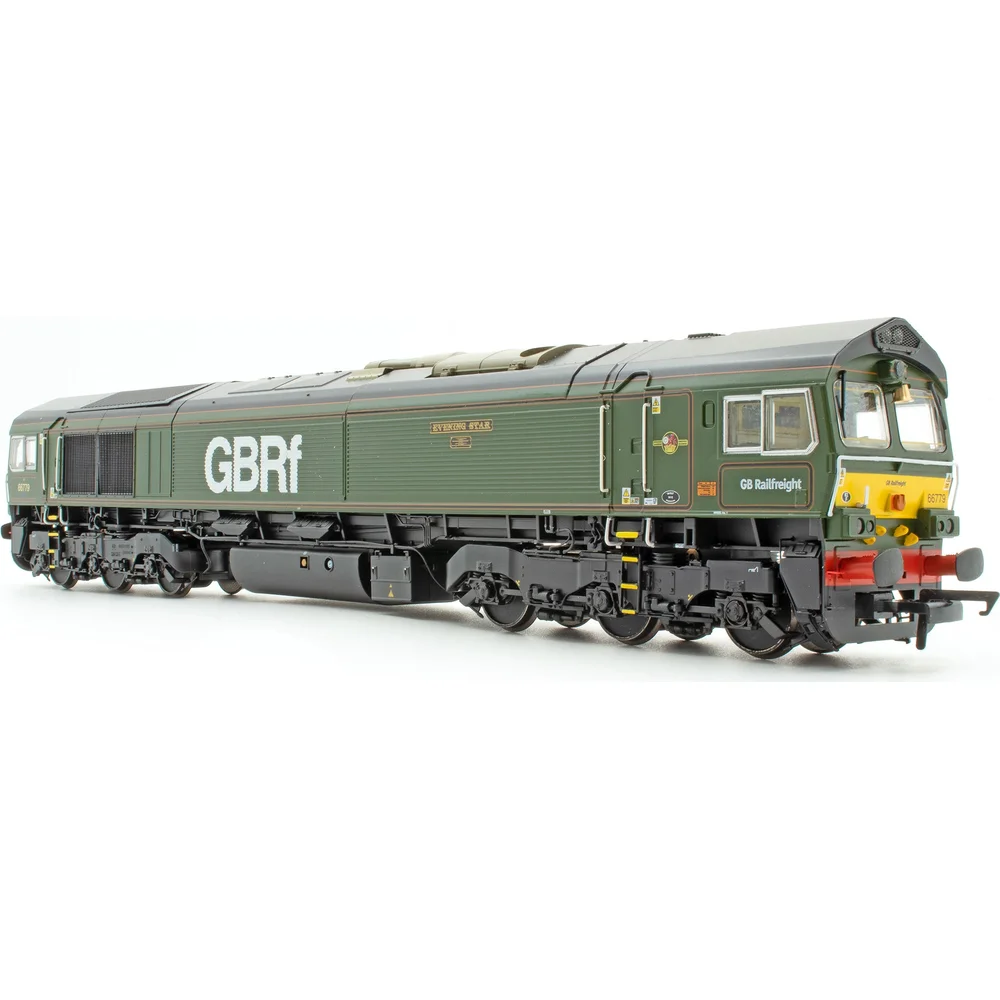
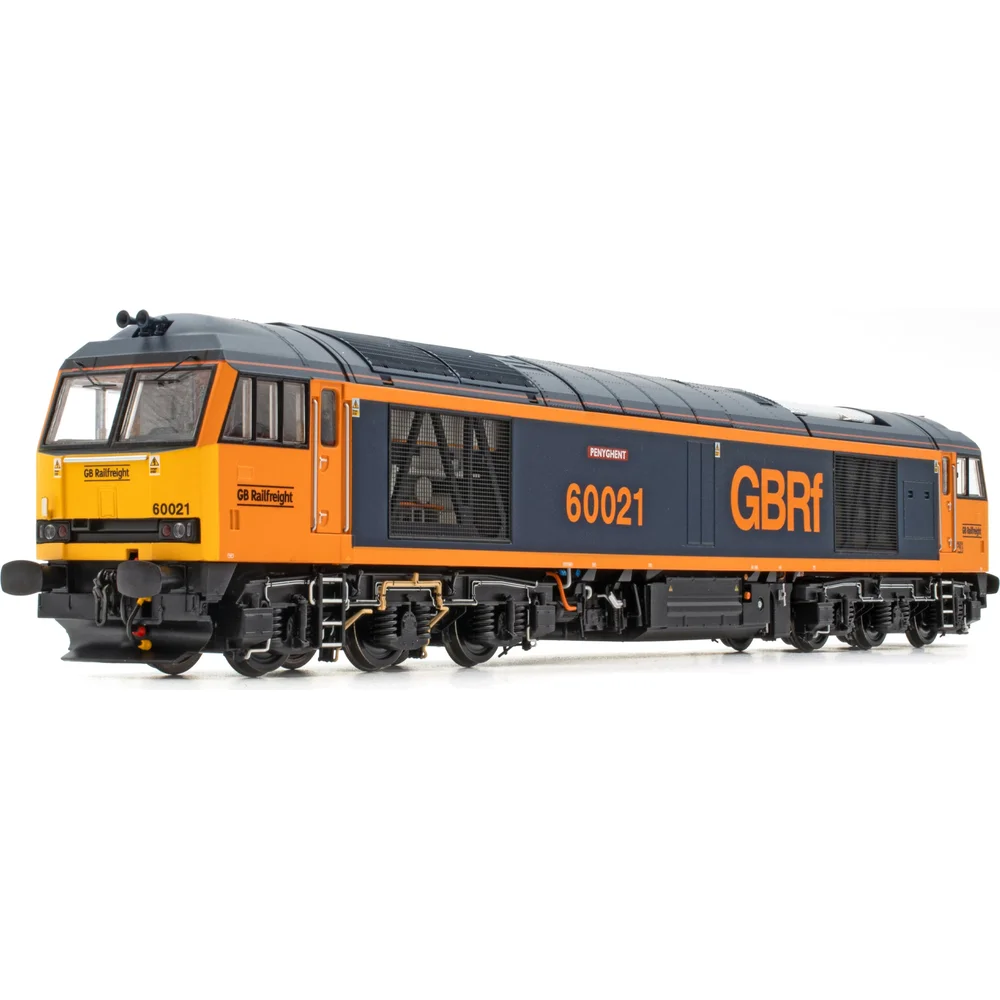
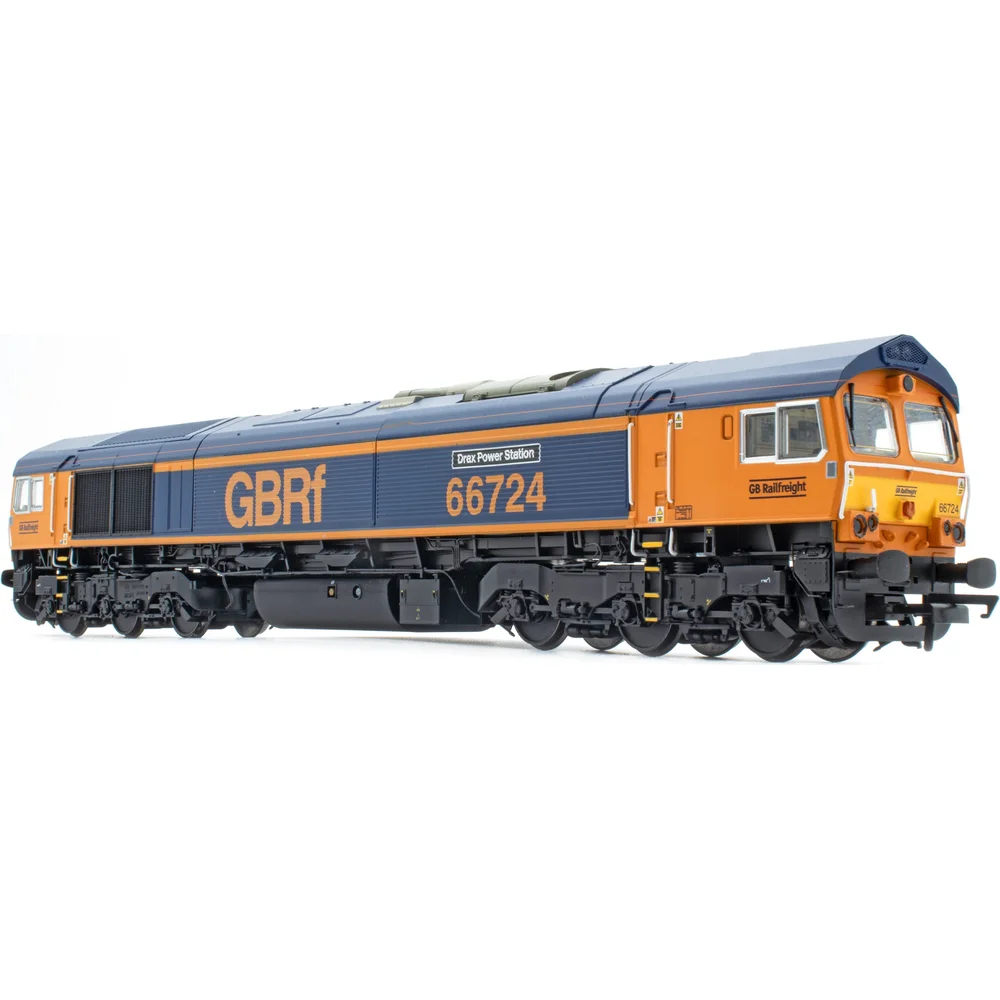
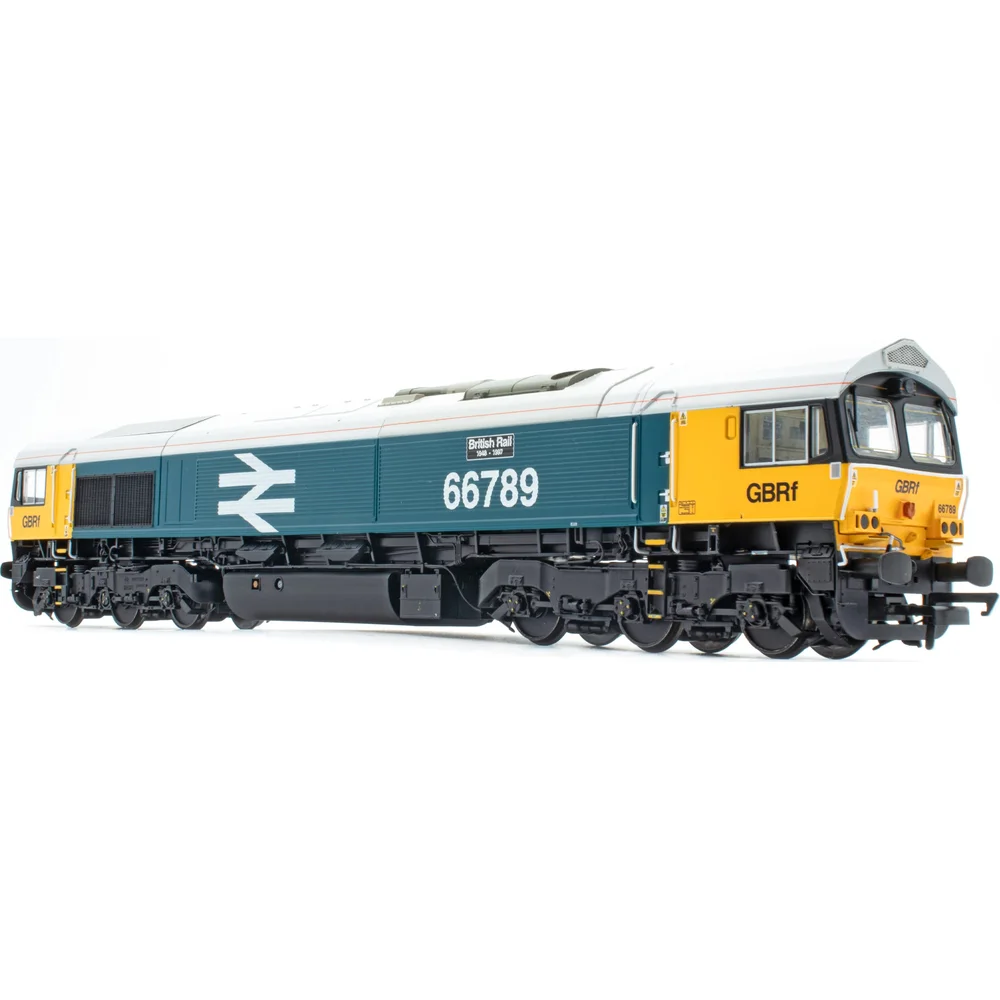
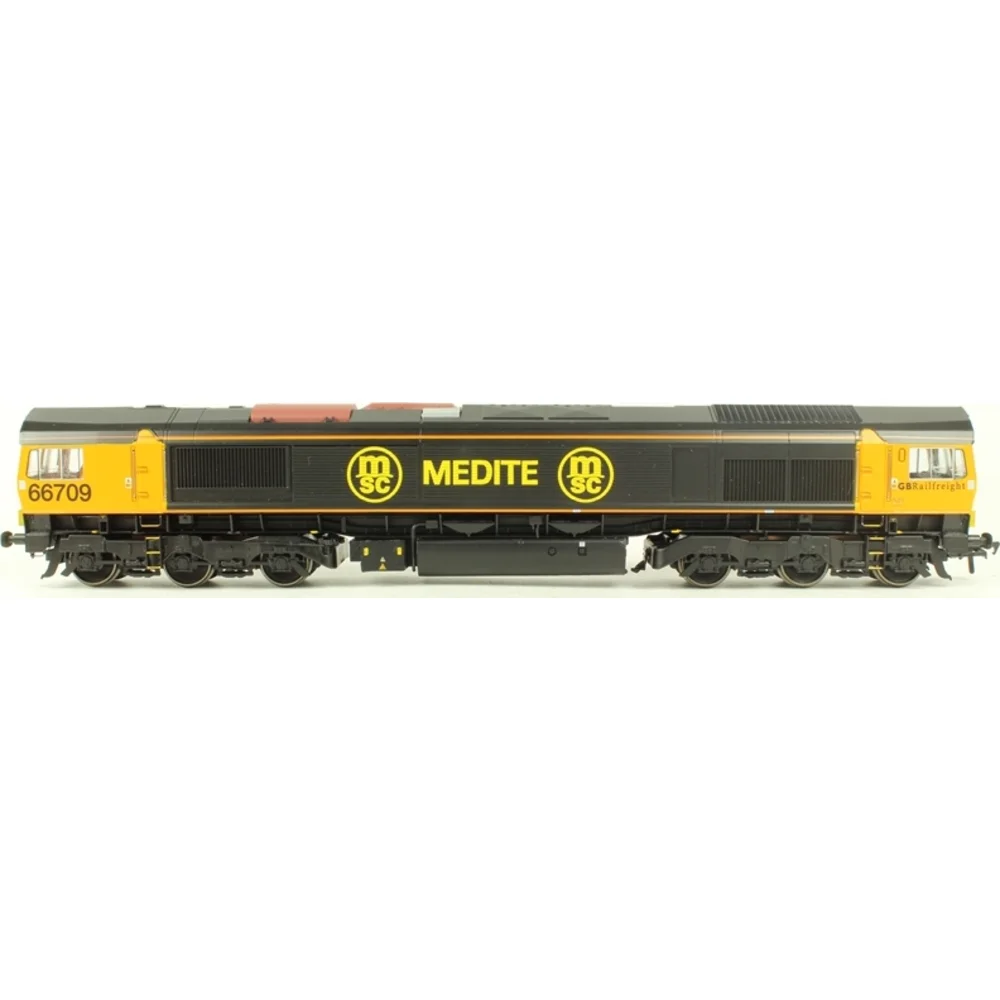
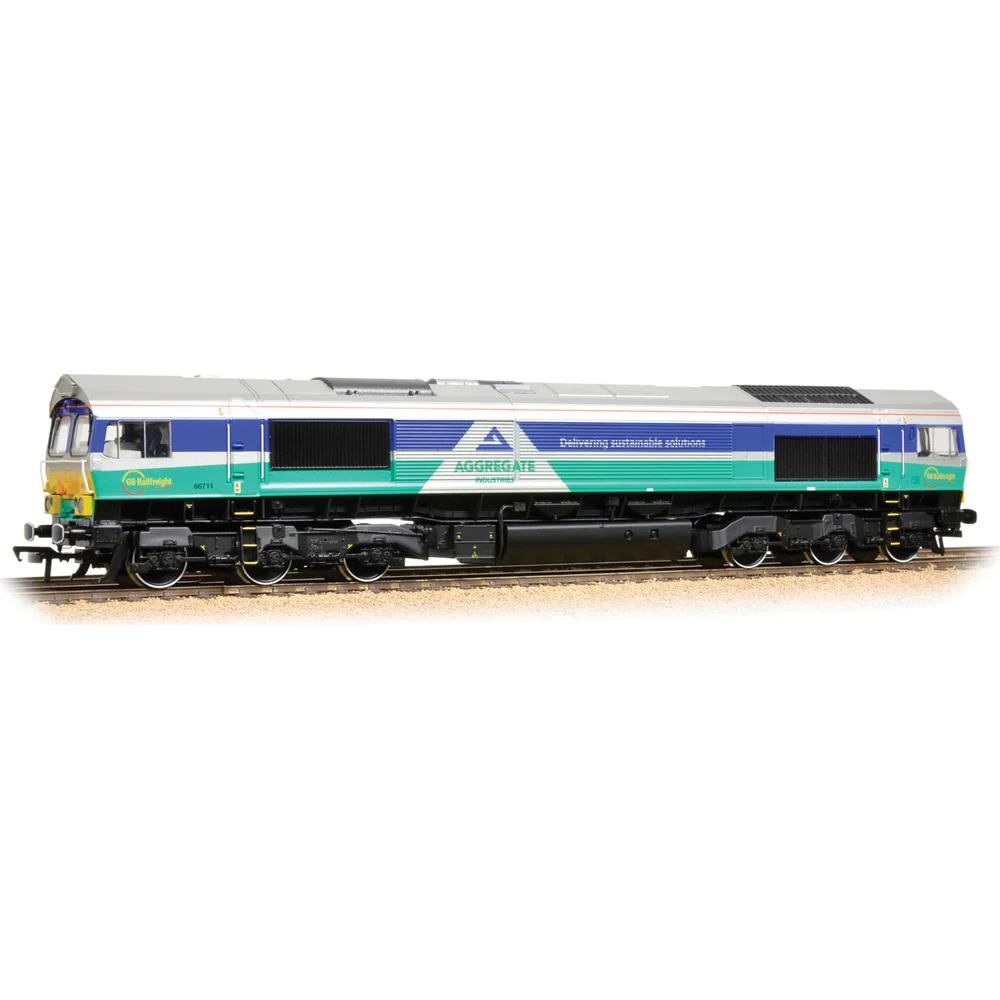
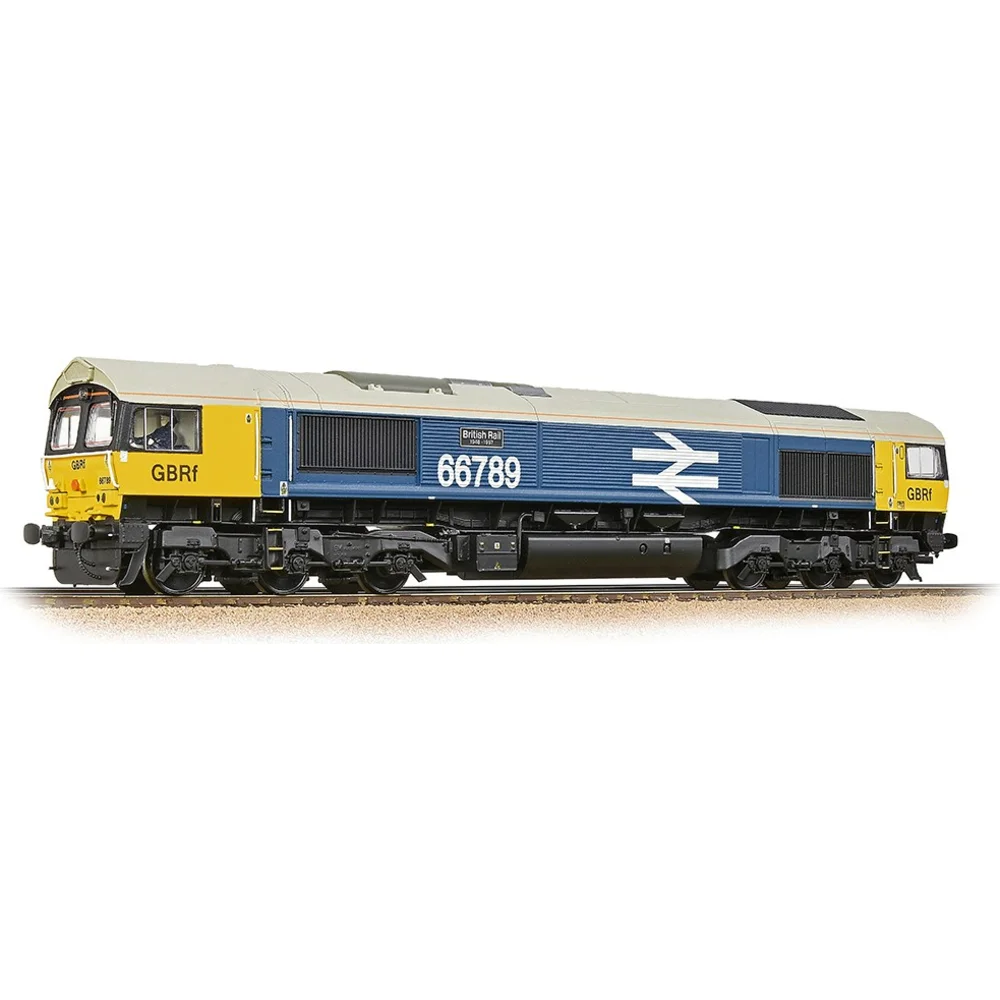
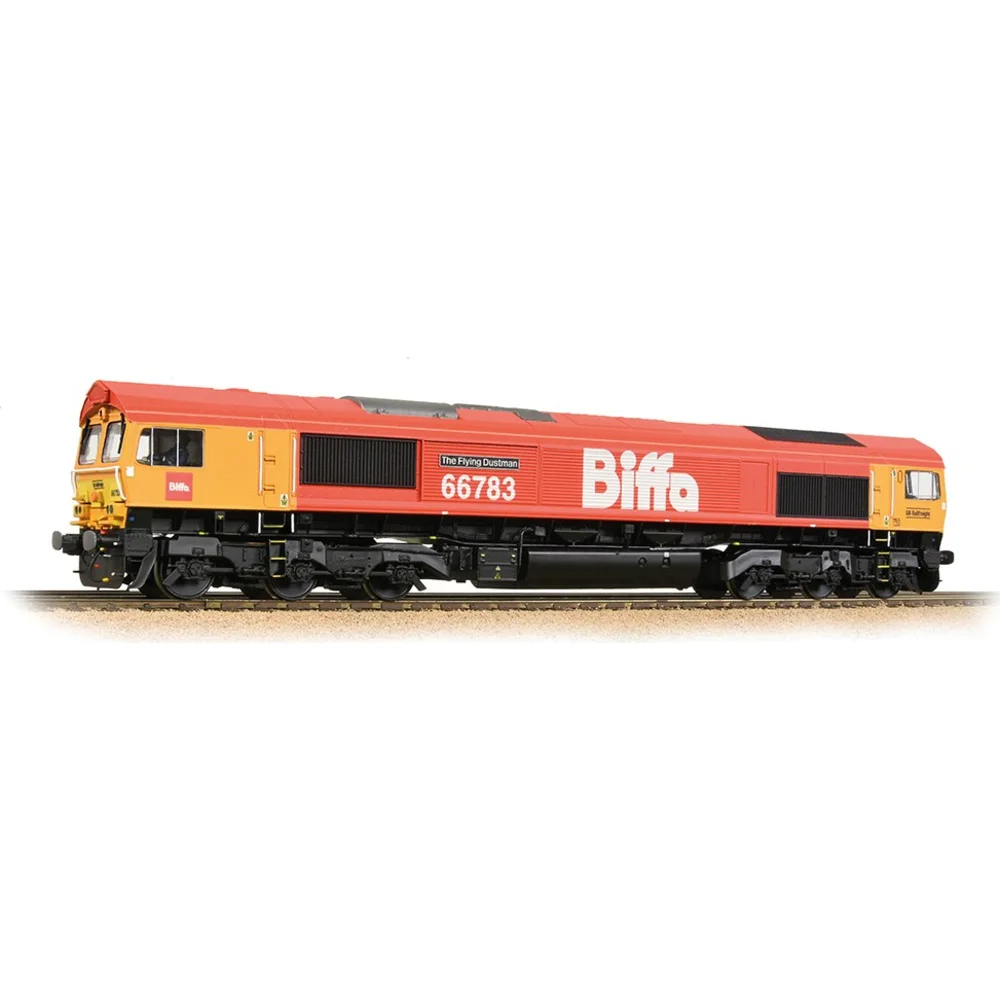
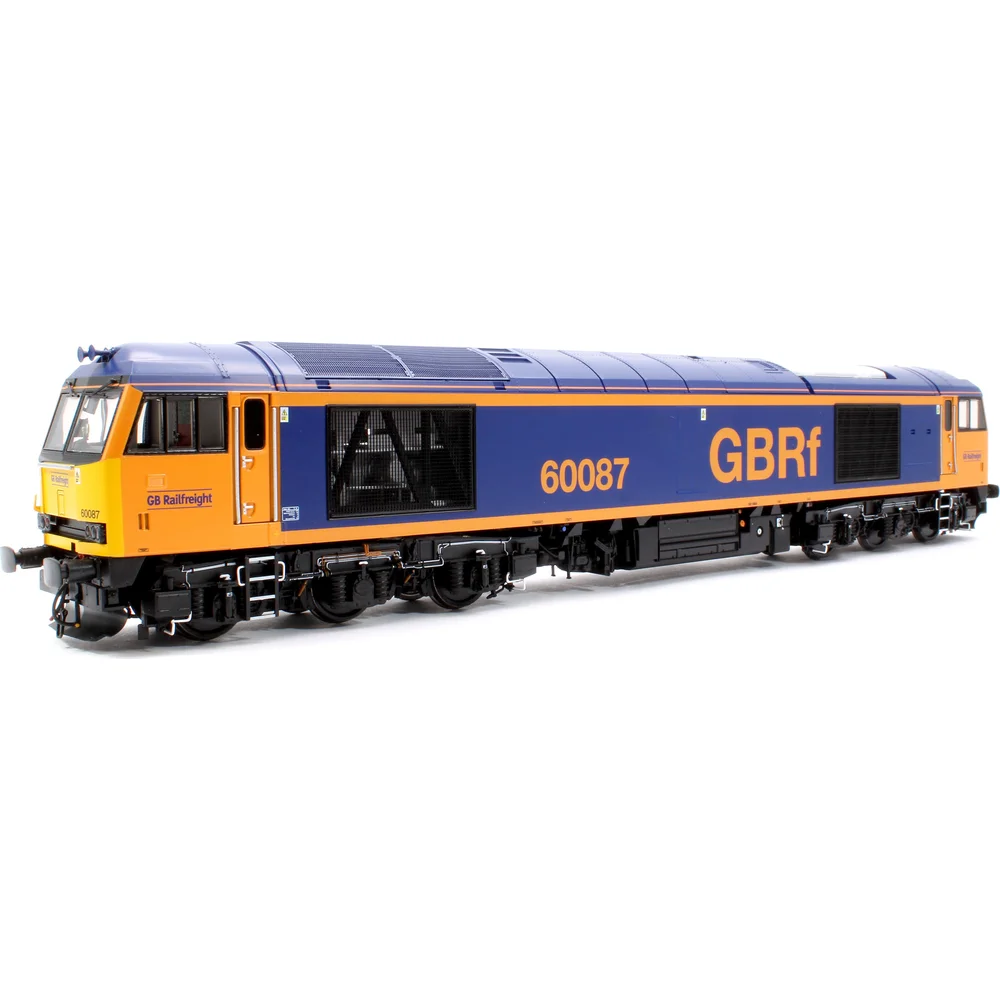
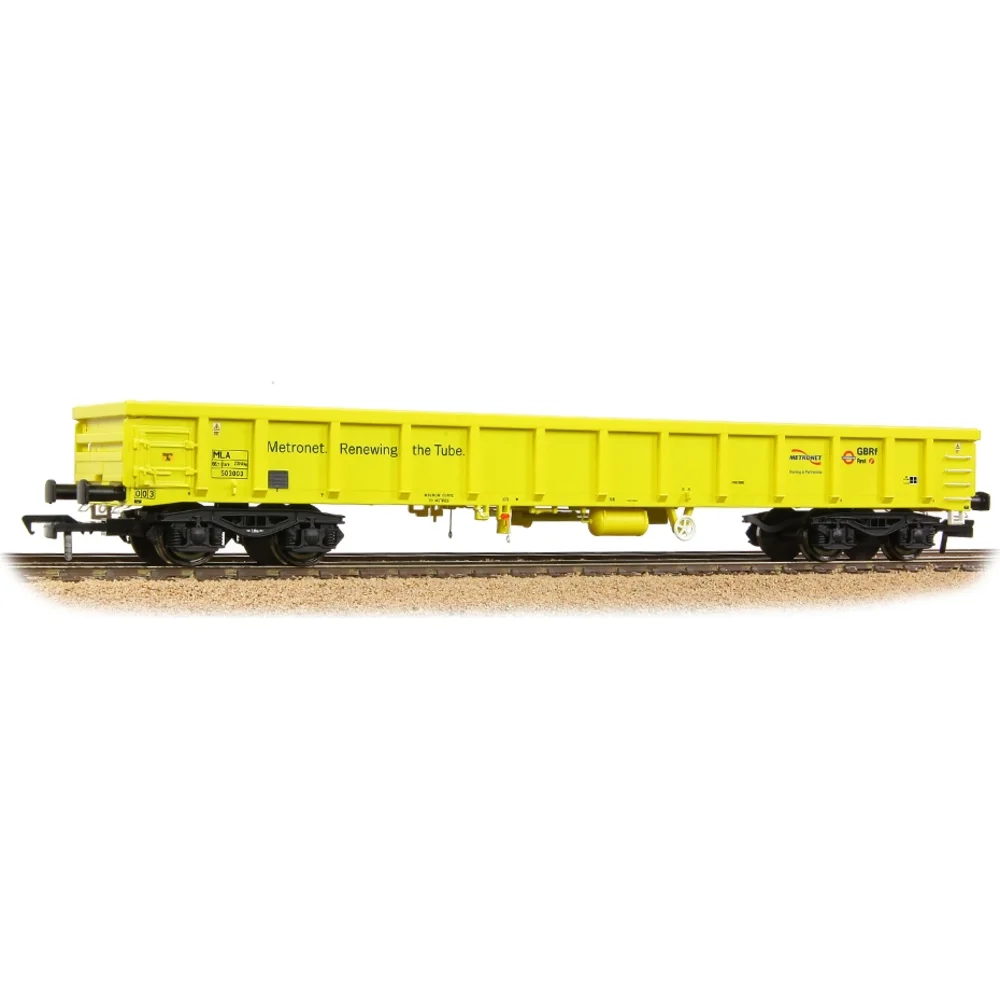
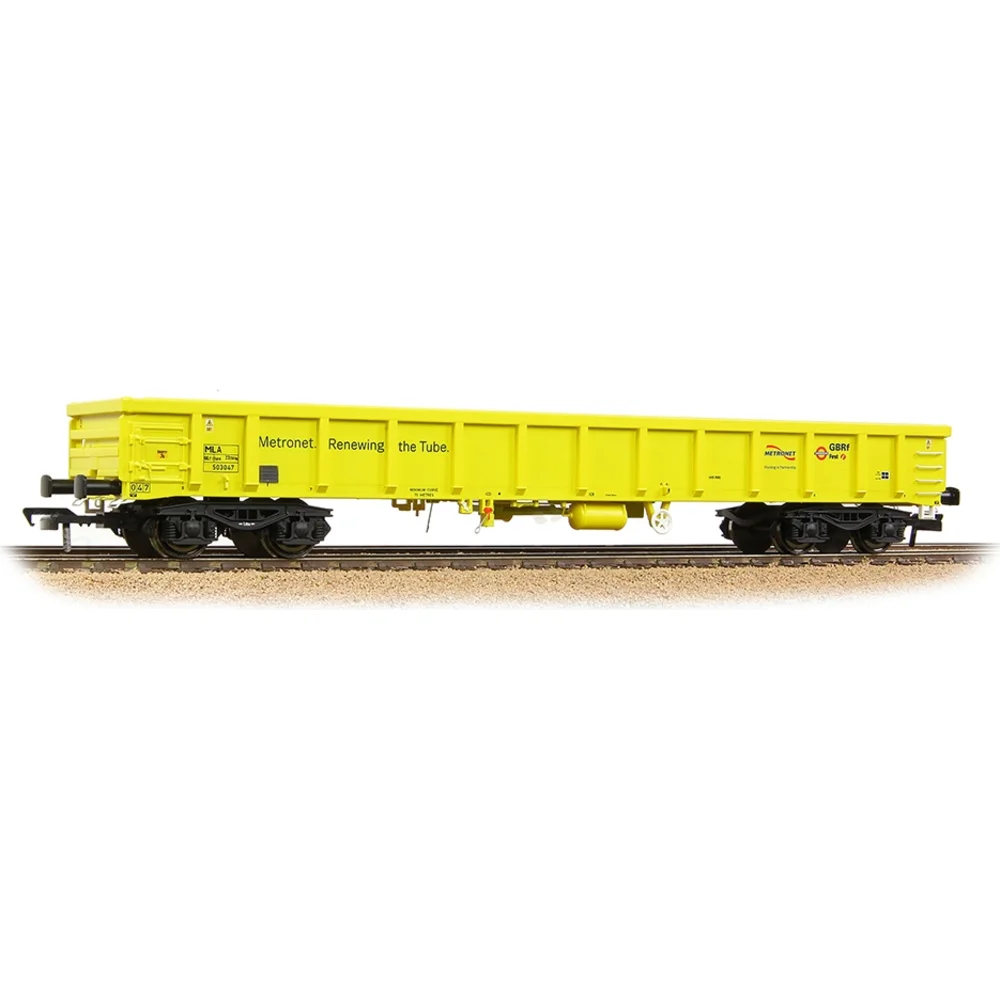
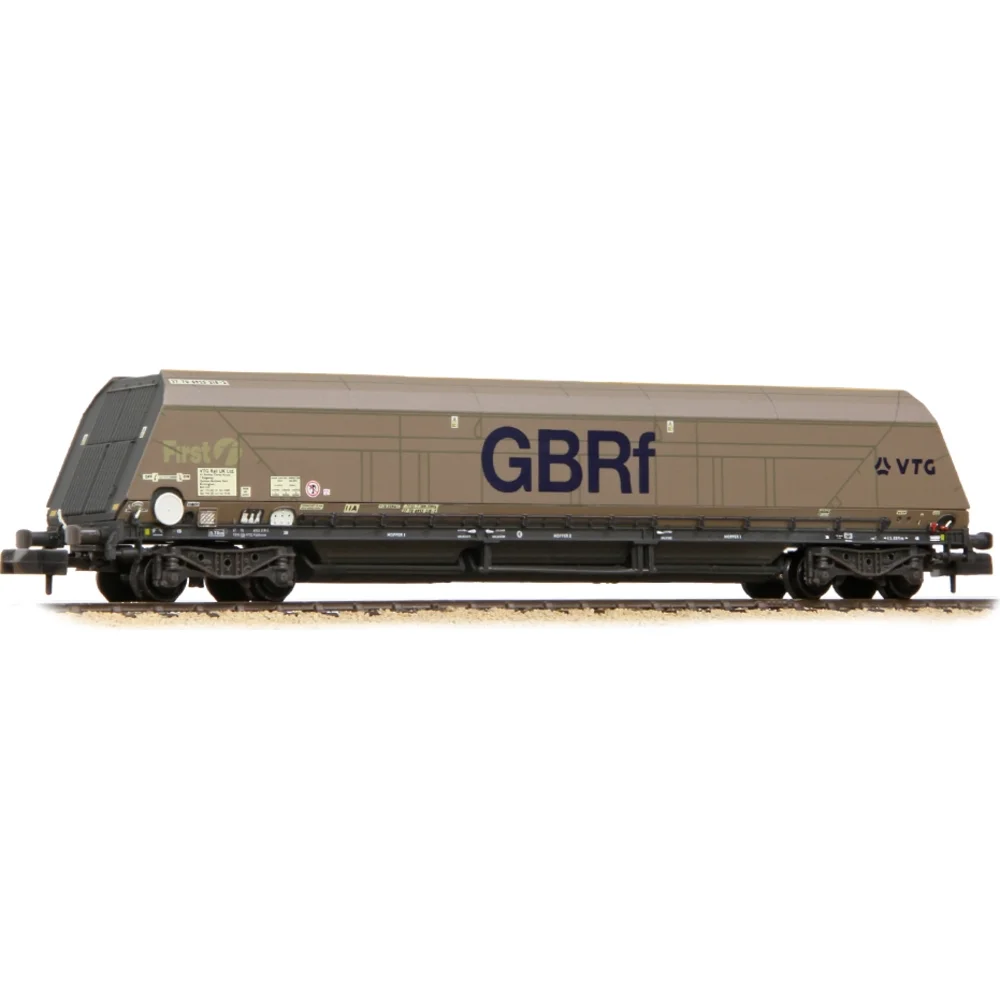
GB Railfreight stands as one of the UK rail freight industry's greatest success stories, transforming from a ambitious startup in 1999 into one of Britain's "Big Four" freight operators. Moving 22% of Britain's rail freight with an impressive 99% reliability record, GB Railfreight has revolutionised freight transport across the UK through innovative services, strategic partnerships, and a diverse locomotive fleet. For railway enthusiasts and model railway hobbyists, GBRf offers a fascinating contemporary freight operation that combines modern efficiency with the enduring appeal of diesel traction, providing countless opportunities for authentic prototype modelling and operational inspiration.
Quick Takeaways
- Modern Success Story: Founded in 1999, GB Railfreight now operates 170 locomotives and handles over 2,000 trainloads weekly
- Market Leadership: Third largest UK freight operator, moving 22% of Britain's rail freight with exceptional 99% reliability
- Diverse Operations: Services include intermodal, biomass, aggregates, infrastructure, automotive and Caledonian Sleeper passenger trains
- Fleet Innovation: Pioneering bi-mode Class 99 locomotives and comprehensive Class 66, 92, and rebuilt Class 69 operations
- Strategic Partnerships: Major contracts with Network Rail, HS2, MSC UK, Drax Group, and Aggregate Industries
- Modelling Appeal: Extensive range of locomotives in distinctive liveries available across all popular scales
- Future Investment: £150 million investment in sustainable Class 99 hybrid locomotives supporting net-zero targets
The Genesis and Early Development of GB Railfreight
The story of GB Railfreight begins with entrepreneurial vision and strategic timing during Britain's evolving rail freight landscape. Unlike most post-privatisation freight operators that emerged from British Rail's legacy companies, GBRf was conceived as an entirely new enterprise by the forward-thinking management of GB Railways in early 1999. This clean-sheet approach would prove instrumental in creating a company unencumbered by historical operational constraints or outdated practices.
The company's formation reflected the ambitious expansion plans of parent company GB Railways, which had already established itself through the successful Anglia Railways franchise and the pioneering Hull Trains open-access operation. GB Railways' management recognised the significant opportunities emerging within the UK's liberalised rail freight market, particularly as traditional operators focused on defending existing traffic rather than developing new markets.
GB Railfreight commenced operations on 1st April 2000, following the award of a crucial eight-year contract to operate infrastructure trains for Railtrack. This foundational contract provided the financial stability necessary for long-term growth whilst establishing GBRf's reputation for reliability in the demanding infrastructure sector. The company's first locomotive order comprised seven brand-new Class 66 locomotives from General Motors' Electro-Motive Division, setting the standard for modern, reliable traction that would define GBRf's operational philosophy.
The early years demonstrated the company's commitment to service innovation and customer focus. February 2002 marked GBRf's entry into the lucrative intermodal sector with container services from the Port of Felixstowe, whilst the first bulk freight contract for British Gypsum established the company's credentials in traditional freight markets. This dual-track approach of serving both emerging and established freight sectors would become a hallmark of GBRf's commercial strategy.
For model railway enthusiasts, this formative period offers fascinating opportunities to recreate the early 2000s rail freight scene. The pristine condition of newly-delivered Class 66s in original GBRf livery, combined with modern container wagons and infrastructure trains, provides authentic prototype inspiration for contemporary freight layouts representing Britain's railway renaissance.
Corporate Evolution and Ownership Changes
The corporate journey of GB Railfreight reflects the dynamic nature of Britain's post-privatisation railway industry, with multiple ownership changes shaping the company's development whilst preserving its operational independence and distinctive corporate culture. Each ownership transition brought fresh investment, strategic direction, and expanded opportunities that enabled GBRf to strengthen its market position and service portfolio.
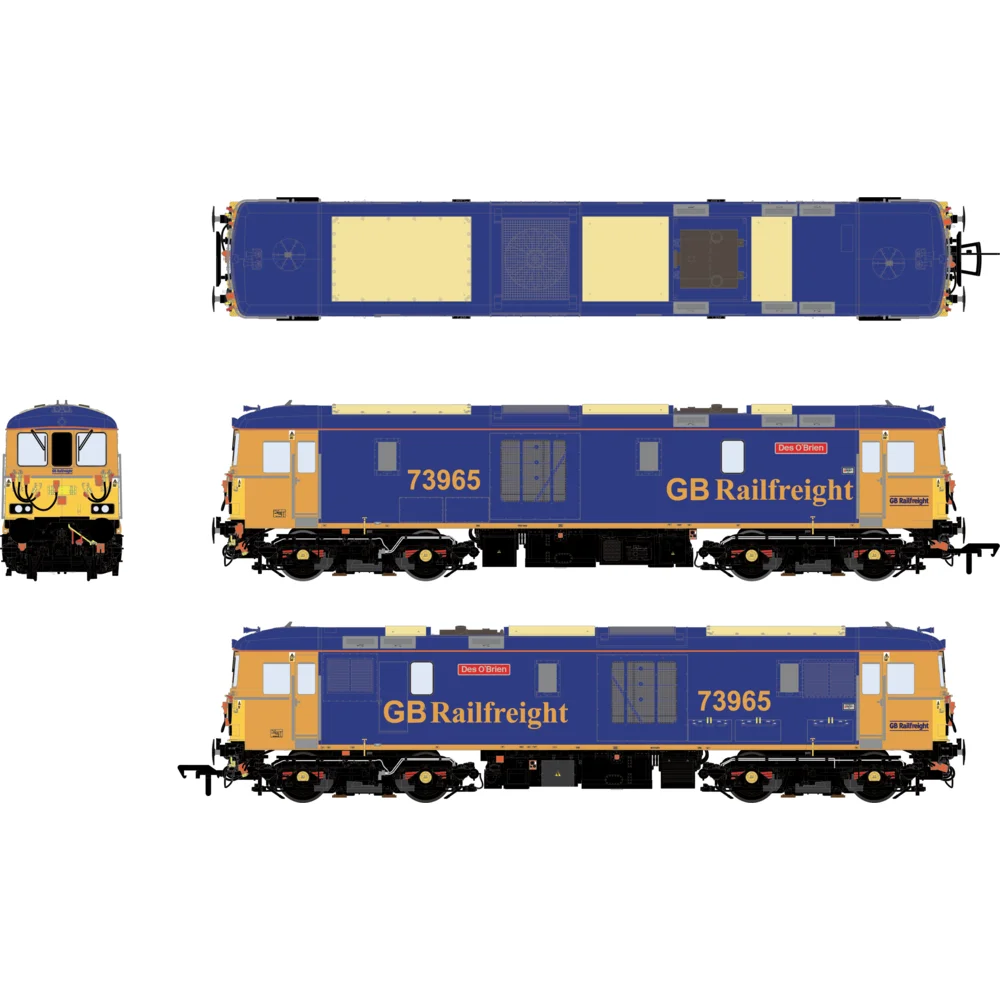
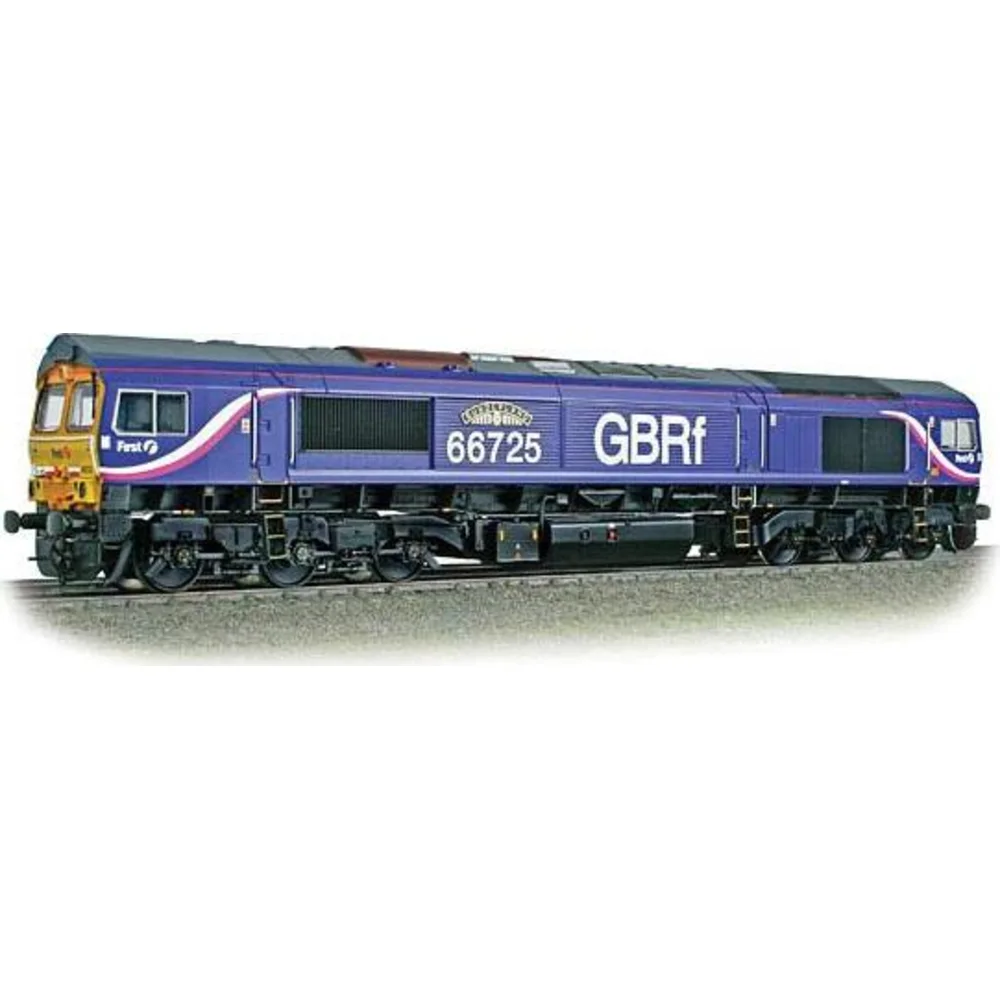
The acquisition by FirstGroup in August 2003 marked the company's first major ownership change, resulting in rebranding as First GBRf. FirstGroup's substantial financial resources and established railway expertise provided opportunities for significant fleet expansion and service development. During this period, GBRf acquired its first Class 73 electro-diesel locomotives from the former Gatwick Express fleet, adding operational flexibility for Network Rail infrastructure contracts requiring third-rail capability in southern England.
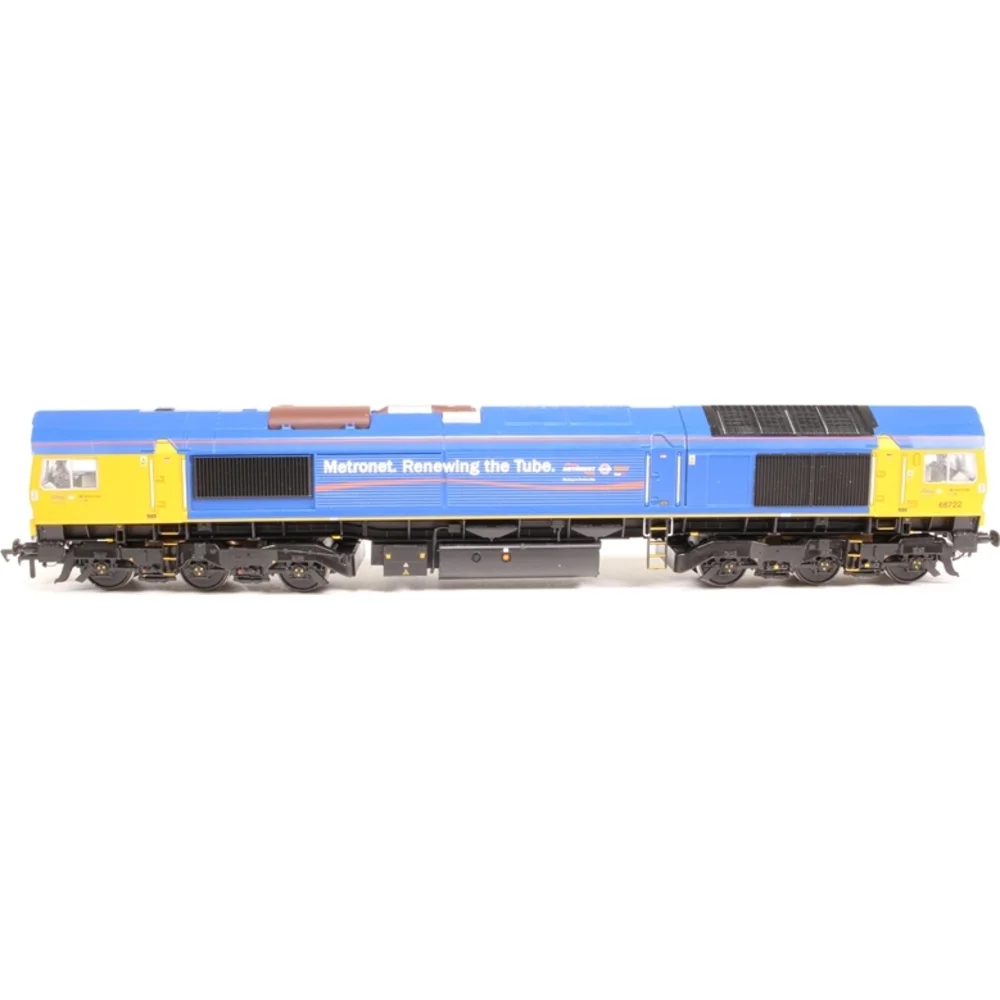
The expansion into passenger-related services demonstrated GBRf's operational versatility under FirstGroup ownership. Royal Mail contracts utilising Class 325 electric multiple units established the company's credentials in time-sensitive, high-frequency operations, whilst London Underground infrastructure work for Metronet showcased expertise in complex urban rail environments. The introduction of coal traffic services for major power generators including Drax Group and EDF Energy marked GBRf's successful entry into the UK's largest rail freight sector.
Europorte's acquisition in June 2010 brought continental European expertise and the restoration of the popular GB Railfreight branding. The integration with Europorte's operations provided access to a fleet of Class 92 electric locomotives designed for Channel Tunnel services, establishing GBRf as a significant international freight operator. This period witnessed substantial fleet expansion through both new locomotive purchases and strategic acquisitions from other operators.
The 2016 acquisition by Swedish investment firm EQT AB represented a new phase of strategic development, with partial integration into the Hector Rail network providing European operational synergies. The transition to Infracapital ownership in September 2019 brought infrastructure investment expertise and long-term strategic vision, culminating in the landmark £150 million investment in revolutionary Class 99 bi-mode locomotives that position GBRf at the forefront of sustainable rail freight technology.
Fleet Development and Locomotive Operations
The locomotive fleet of GB Railfreight represents one of the most diverse and strategically assembled collections in the UK rail freight sector, carefully developed to meet the varied demands of contemporary freight operations whilst maintaining standardisation efficiencies wherever possible. The company's fleet strategy demonstrates sophisticated understanding of both operational requirements and economic realities, balancing new technology with proven reliability.
The Class 66 diesel locomotives form the backbone of GBRf operations, with over 80 examples providing the reliable, high-availability traction essential for intensive freight schedules. These General Motors-designed locomotives, renowned for their exceptional reliability and low maintenance requirements, enable GBRf to achieve its industry-leading 99% performance reliability. The fleet includes locomotives sourced from various suppliers, including new-build examples and carefully selected second-hand acquisitions from European operators, all converted to UK operating standards.
GBRf's Class 92 electric locomotive fleet provides essential capability for international services through the Channel Tunnel and domestic operations on electrified routes. These dual-voltage machines, capable of operating on both 25kV AC overhead systems and the Channel Tunnel's unique 25kV/750V DC supplies, demonstrate the company's commitment to maximising operational flexibility. The recent investment in upgrading these locomotives ensures continued availability for high-value international container services.
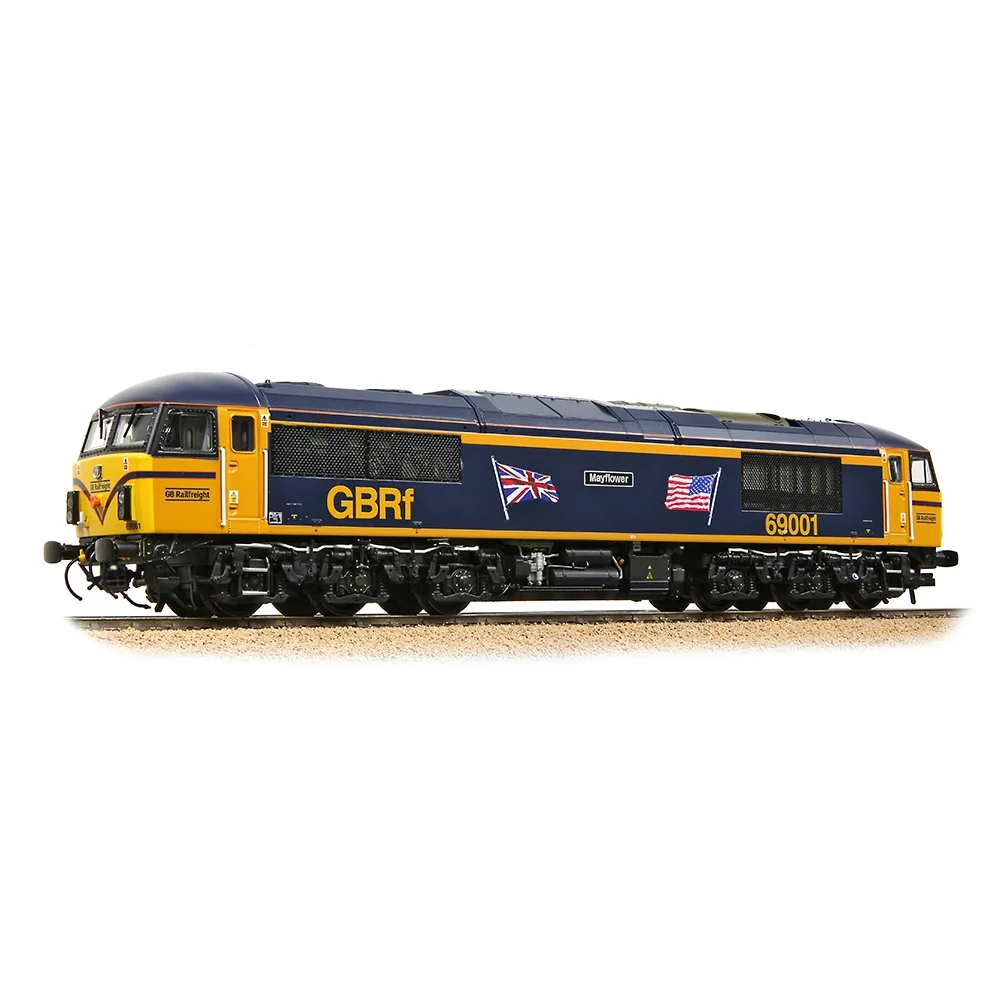
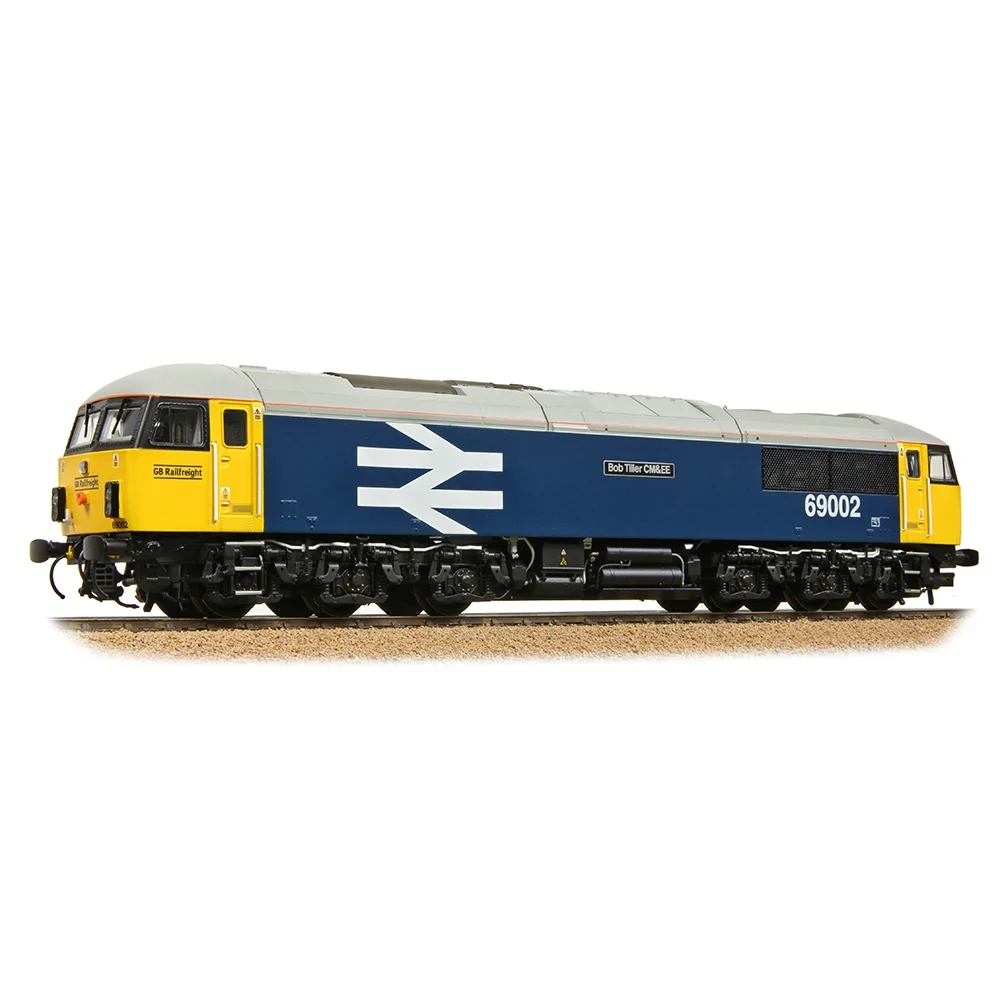
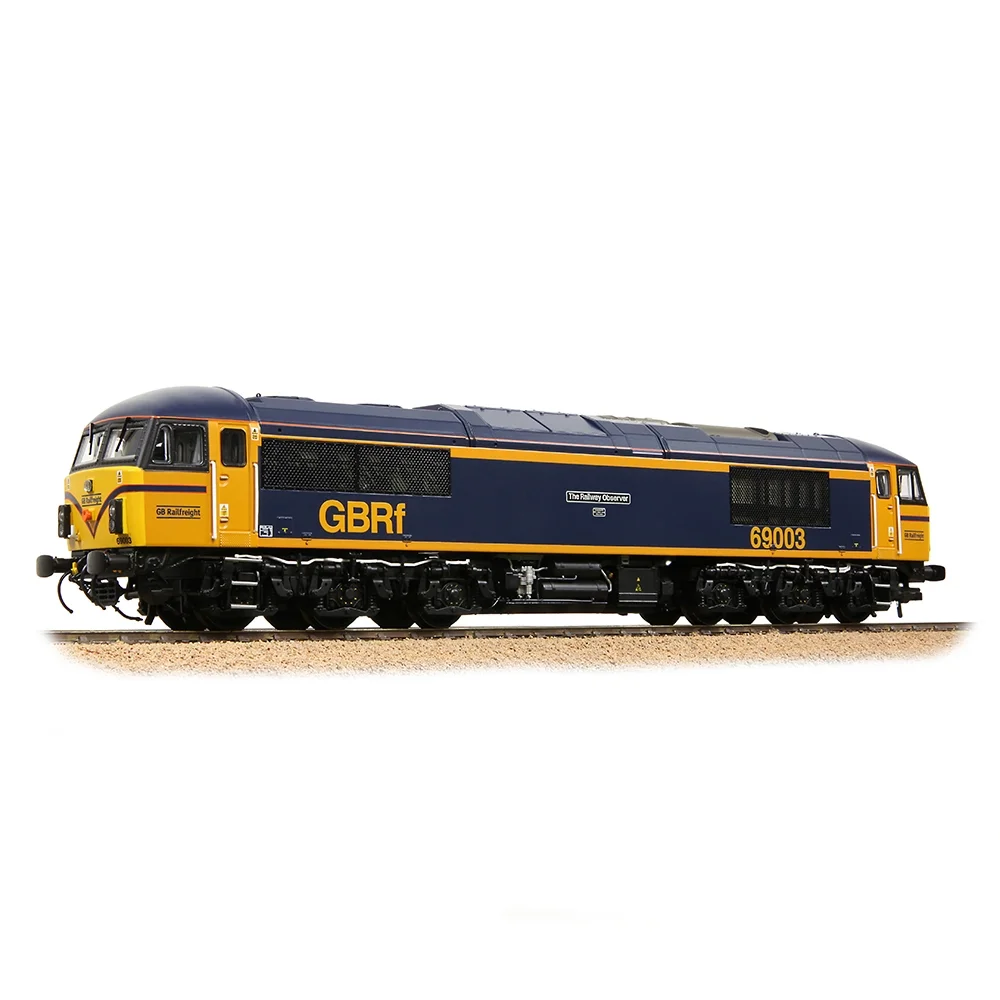
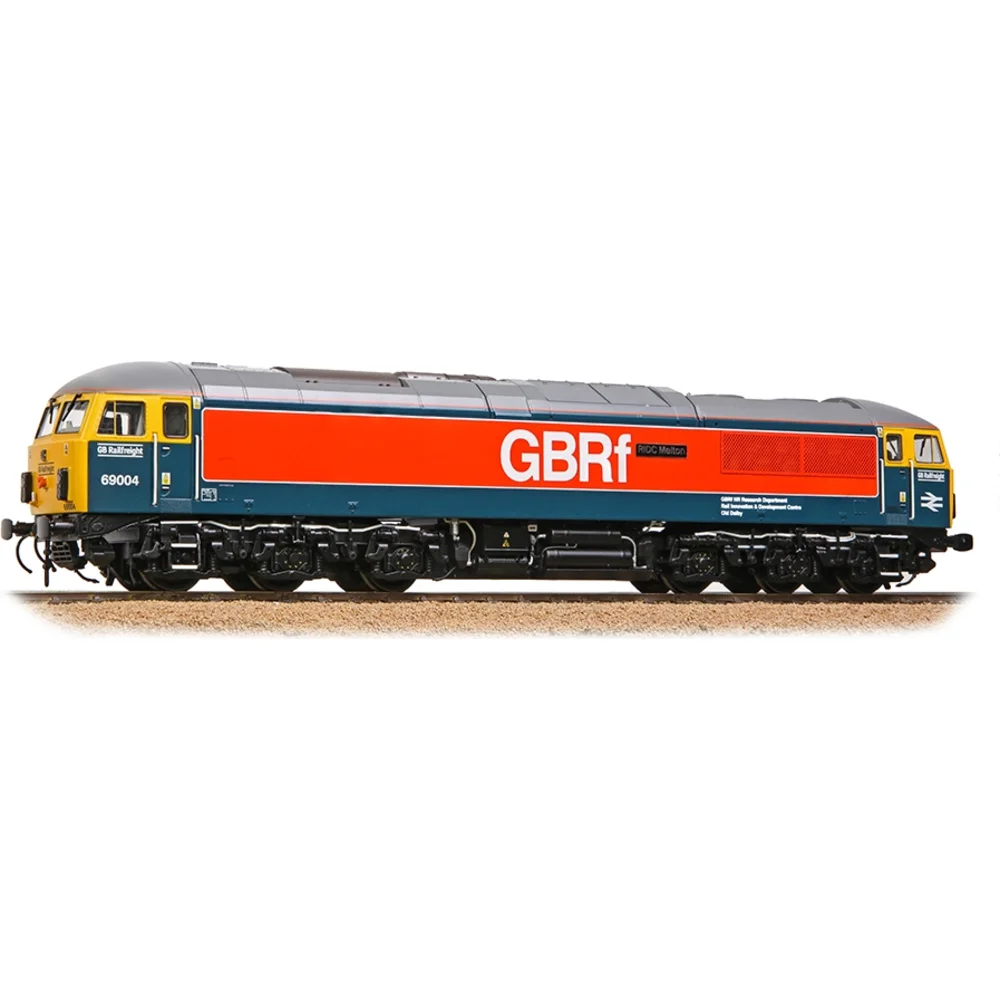
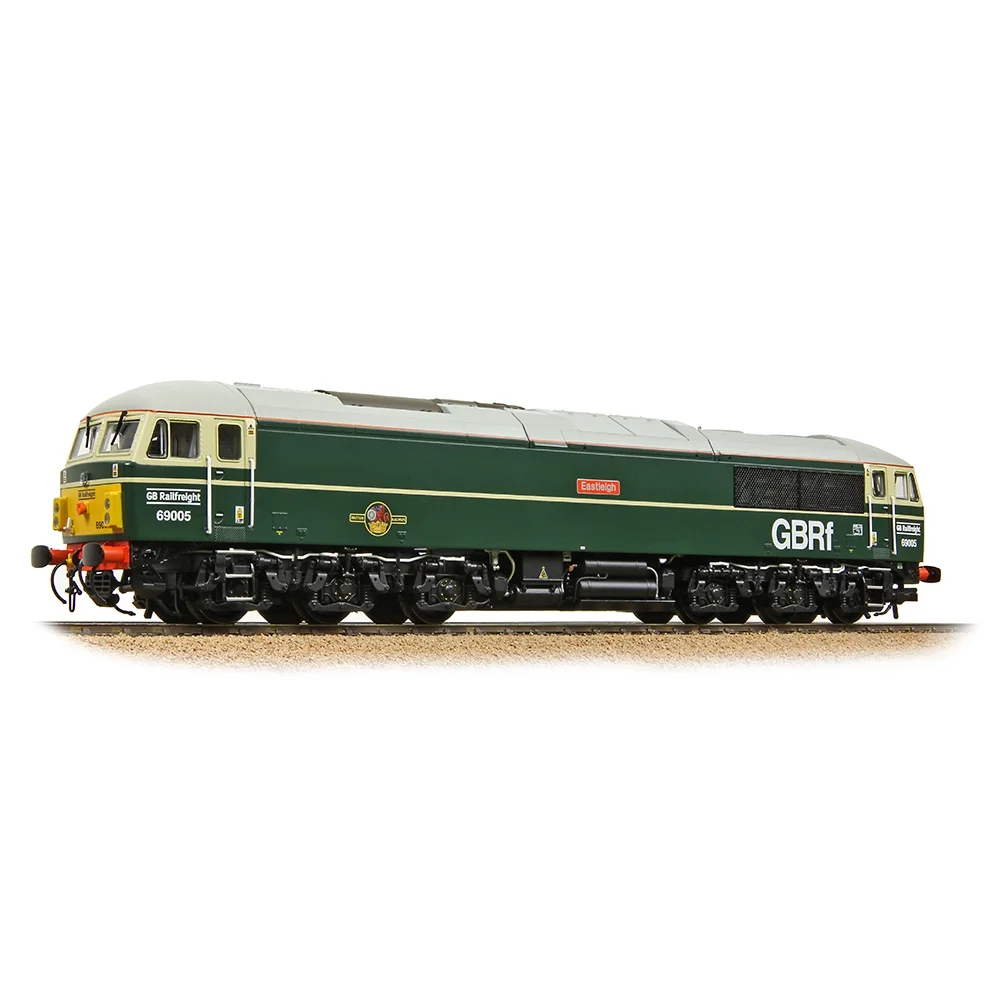
The innovative Class 69 locomotive project showcases GBRf's forward-thinking approach to fleet renewal and standardisation. These locomotives, rebuilt by Progress Rail from 1970s-vintage Class 56 hulls, feature modern EMD 12-710 series engines and electronic control systems identical to those used in Class 66s. This approach provides additional traction capacity whilst maintaining fleet standardisation benefits, demonstrating practical engineering solutions to capacity constraints.
The flagship Class 99 bi-mode locomotives represent the most significant technological advancement in GBRf's fleet development. These Stadler-built machines combine diesel engine capability with battery power and provision for future electrification, offering unprecedented flexibility and environmental performance. The 30-locomotive fleet, delivered from 2025 onwards, positions GBRf as a pioneer in sustainable freight traction whilst supporting the UK government's net-zero carbon targets.
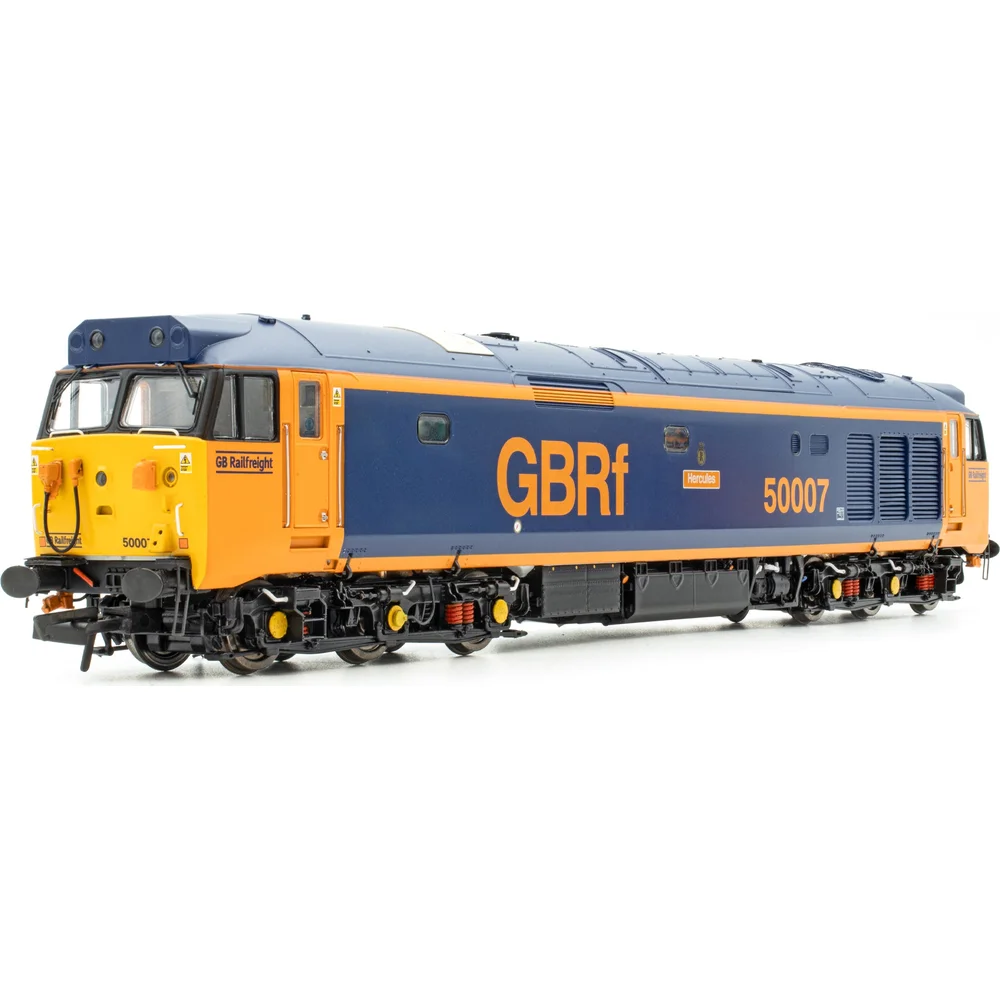
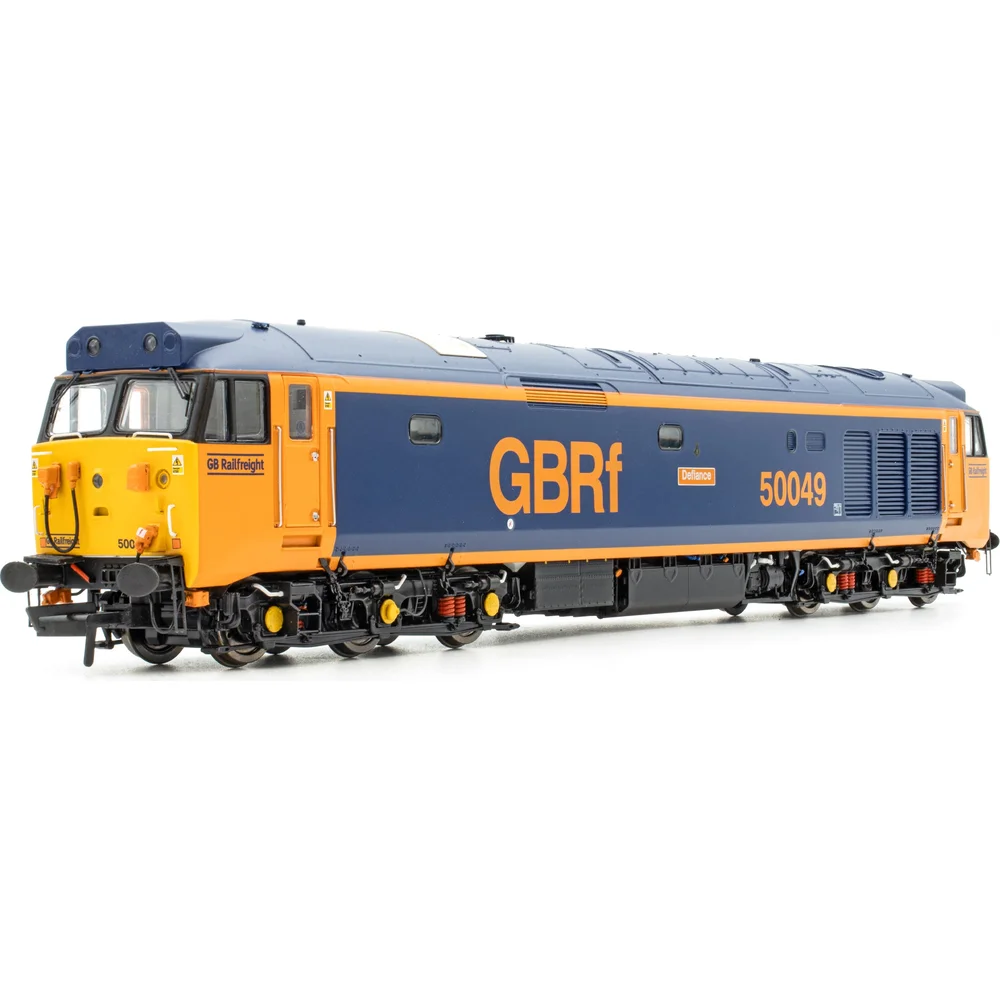
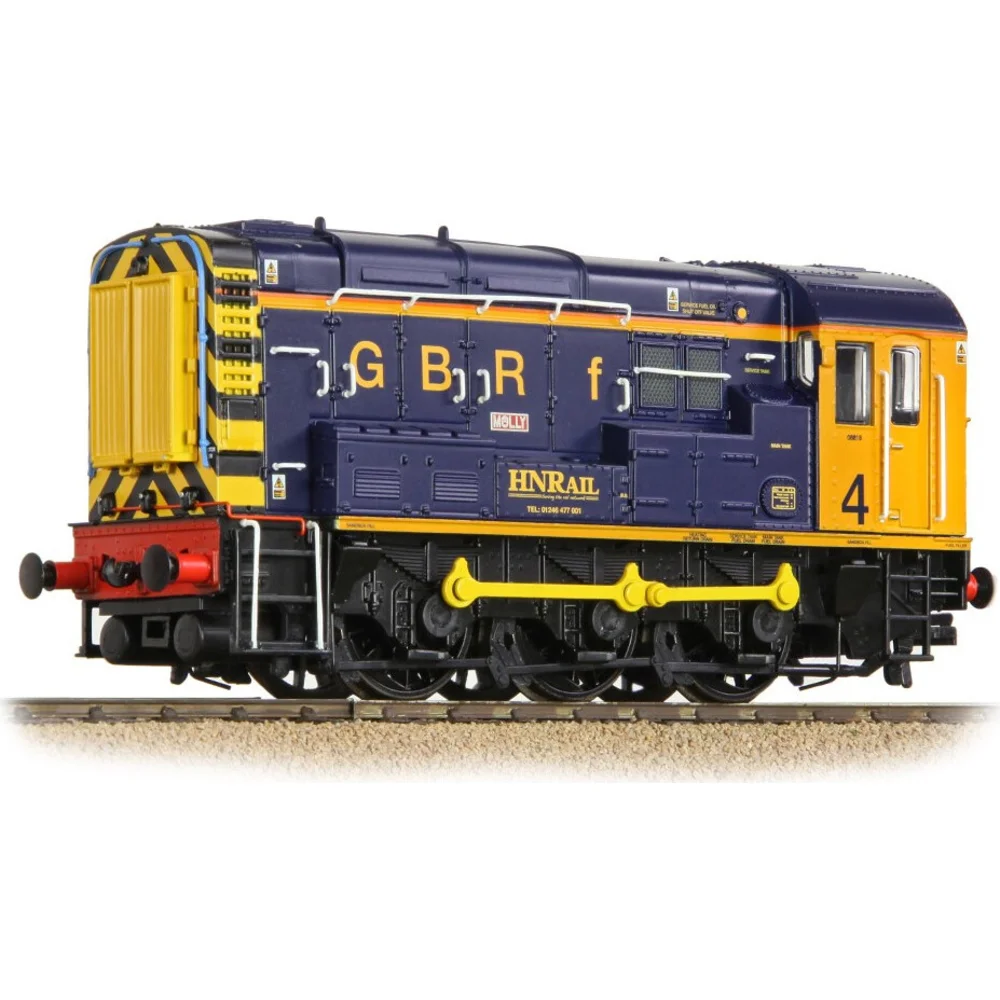
Specialist locomotive types add operational capabilities for niche markets. The heritage Class 50 locomotives on loan from preservation groups demonstrate GBRf's engagement with railway enthusiasts whilst providing backup traction capability. Shunting operations utilise both modern Class 08 diesel locomotives and innovative hybrid designs, reflecting the company's comprehensive approach to efficient terminal operations.
Service Portfolio and Market Innovation
GB Railfreight has established itself as the UK freight industry's most innovative operator through a diverse service portfolio that spans traditional bulk commodities, cutting-edge intermodal operations, and specialised niche markets. The company's success stems from identifying emerging opportunities whilst maintaining excellence in established freight sectors, creating a resilient business model that withstands economic volatility and changing market conditions.
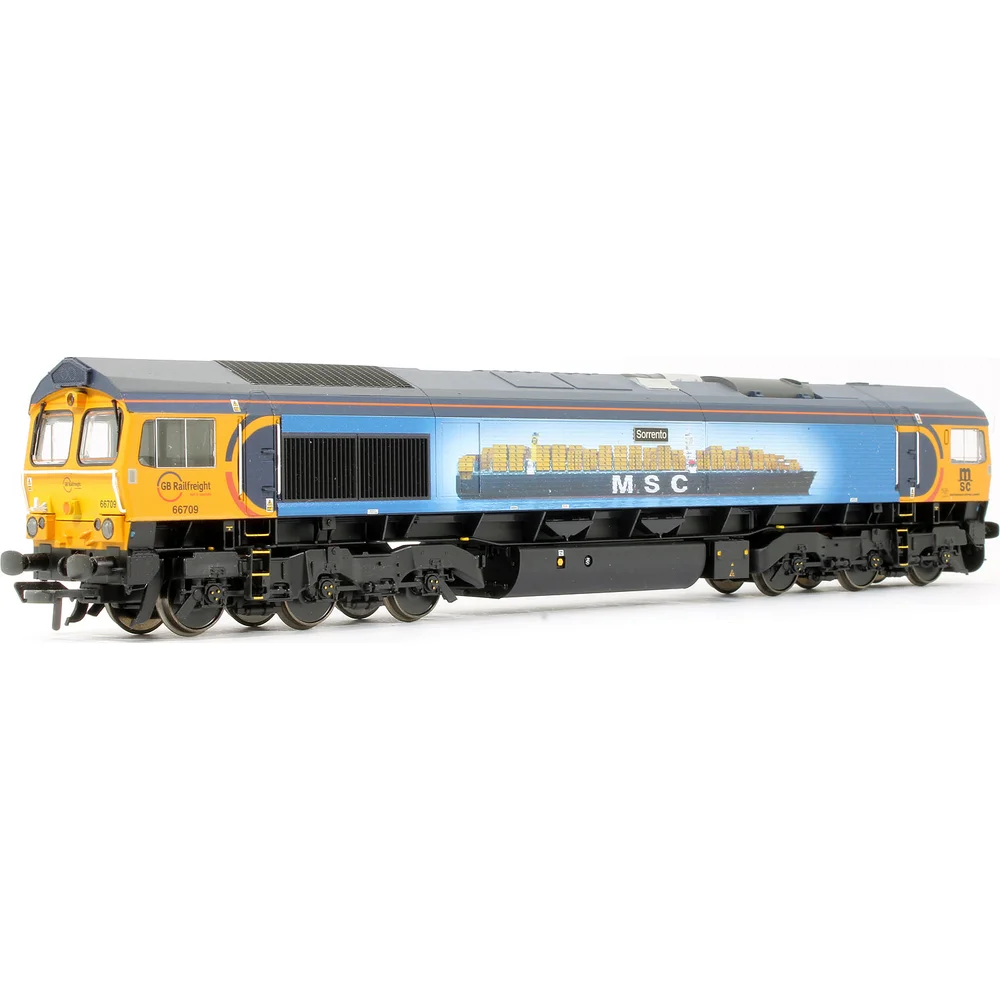
Intermodal container services represent one of GBRf's most significant growth areas, capitalising on the shift towards containerised freight and the UK's position as a major international trade gateway. Services from major ports including Felixstowe, Southampton, and Tilbury connect with inland terminals throughout England and Scotland, providing reliable alternatives to increasingly congested road networks. The company's partnership with MSC UK, one of the world's largest container shipping lines, demonstrates the scale and importance of these operations to international trade.
The biomass sector showcases GBRf's ability to develop entirely new freight markets through innovative service design and strategic partnerships. Biomass transportation for renewable energy generation, particularly serving Drax Group's converted power stations, required development of specialised wagon fleets and operational procedures for handling sustainable wood pellets imported from North America and Europe. This market, virtually non-existent before 2010, now represents a significant portion of GBRf's revenue and demonstrates the company's adaptability to changing energy policies.
Aggregates and construction materials form the foundation of GBRf's traditional freight operations, serving customers including Aggregate Industries, Tarmac, and numerous independent quarry operators. These services require intimate knowledge of local geology, quarry operations, and construction industry cycles, areas where GBRf's customer-focused approach provides competitive advantages over larger, more impersonal operators. The integration with HS2 construction logistics demonstrates the company's capability to support major infrastructure projects.
Infrastructure train operations for Network Rail represent one of GBRf's longest-established service sectors, evolved from the original Railtrack contract that launched the company's operations. These services include ballast trains for track maintenance, rail delivery for renewal projects, and specialised movements of infrastructure equipment. The technical complexity and safety-critical nature of this work requires highly trained staff and demonstrates GBRf's operational competence across all freight sectors.
The Caledonian Sleeper passenger service contract, commenced in April 2015, illustrates GBRf's operational versatility and willingness to embrace non-traditional opportunities. Operating nightly services between London and Scotland using Class 92 electric locomotives south of Edinburgh and rebuilt Class 73 locomotives for Highland extensions, this contract showcases the company's capability to deliver passenger service reliability standards whilst maintaining freight operation focus.
Geographic Coverage and Operational Network
The operational network of GB Railfreight demonstrates comprehensive coverage of the British railway system, with strategic positioning of depots, maintenance facilities, and operational bases designed to serve customers efficiently whilst minimising empty running and operational costs. This network development reflects careful analysis of freight flows, customer locations, and infrastructure constraints across England, Scotland, and Wales.
GBRf's headquarters in Peterborough occupies a central position within the UK rail network, providing excellent access to the East Coast Main Line and connections to all major freight routes. The facility houses the company's main control centre, coordinating over 2,000 weekly train movements across the national network, whilst providing locomotive maintenance and crew training facilities. The 2021 facility upgrade, officially opened by the Rail Minister, demonstrates the company's commitment to this strategic location.
Scottish operations centre on facilities in Edinburgh and Glasgow, supporting the extensive Highland network services including the Caledonian Sleeper operation and freight services to remote locations. The historic achievement of operating Class 66 locomotives to Oban station in 2024, requiring extensive route clearance work with Network Rail, demonstrates GBRf's commitment to serving Scotland's most challenging railway routes and expanding operational possibilities for charter and tourist services.
Southern England operations focus on the extensive third-rail electrified network, utilising the unique capabilities of Class 73 electro-diesel locomotives for Network Rail infrastructure services. These operations require specialised knowledge of DC traction systems and the complex interface between freight trains and intensive passenger services on the congested routes serving London's commuter belt.
Welsh operations serve the principality's diverse industrial base, from steel works in South Wales to aggregate quarries in North Wales. The complexity of Welsh railway operations, with challenging gradients, weight restrictions, and single-line sections, requires experienced crews and careful operational planning. GBRf's success in these markets demonstrates the company's ability to operate efficiently in challenging geographical and operational conditions.
Cross-border operations via the Channel Tunnel utilise GBRf's Class 92 fleet for continental services, connecting UK freight terminals with European destinations. These services require compliance with multiple national railway safety systems and demonstrate the company's international operational capabilities, essential for serving the UK's post-Brexit trade requirements.
Technology and Innovation Leadership
GB Railfreight has established itself as the UK freight industry's technology leader through strategic investments in locomotive innovation, operational systems, and sustainable transport solutions that position the company at the forefront of railway modernisation. This technological focus reflects understanding that operational efficiency, environmental responsibility, and customer service excellence depend upon continuous innovation and system development.
The revolutionary Class 99 hybrid locomotives represent the most significant technological advancement in UK freight traction for decades. These Stadler-designed machines combine diesel engines with battery power systems and provision for future overhead electrification compatibility, enabling operations on both electrified and non-electrified routes whilst significantly reducing carbon emissions. The £150 million investment demonstrates GBRf's commitment to sustainable transport and positions the company as a pioneer in clean freight technology.
Digital technology integration enhances operational efficiency through sophisticated train planning and monitoring systems. The company's Peterborough control centre utilises advanced software to optimise locomotive utilisation, crew scheduling, and route planning, contributing to the exceptional 99% reliability performance that distinguishes GBRf from competitors. Real-time monitoring of locomotive performance enables predictive maintenance strategies that maximise availability whilst minimising operating costs.
Locomotive standardisation strategies demonstrate sophisticated understanding of fleet economics and operational efficiency. The Class 69 rebuild programme, converting 1970s-vintage Class 56 hulls with modern EMD powerplants and electronics identical to Class 66 locomotives, provides additional capacity whilst maintaining standardisation benefits for crew training, spare parts inventory, and maintenance procedures. This approach optimises capital investment whilst preserving operational synergies.
Safety technology implementation includes advanced train monitoring systems, improved driver vigilance devices, and comprehensive risk management procedures that exceed regulatory requirements. The company's exemplary safety record reflects systematic investment in technology and training that prioritises employee and public safety whilst maintaining operational efficiency. These systems provide template solutions for the broader UK freight industry.
Environmental technology adoption extends beyond locomotive innovation to encompass terminal operations, fuel efficiency programmes, and modal shift initiatives that reduce the environmental impact of freight transport. The integration of renewable energy sources at depot facilities and the development of cleaner maintenance procedures demonstrate comprehensive commitment to environmental responsibility across all operational areas.
Corporate Culture and Employee Development
The success of GB Railfreight reflects a distinctive corporate culture that prioritises employee empowerment, professional development, and collaborative teamwork whilst maintaining the operational discipline essential for safe, reliable freight operations. This culture distinguishes GBRf from larger, more hierarchical competitors and contributes significantly to the company's exceptional performance standards and customer satisfaction levels.
The company's five core principles - Safety, Professionalism, Empowerment, Trust, and Enjoyment - provide clear guidance for employee behaviour whilst creating a positive working environment that attracts and retains skilled railway professionals. These principles reflect understanding that motivated, well-trained employees deliver superior customer service whilst maintaining the safety standards essential for successful freight operations.
Professional development programmes include comprehensive apprenticeship schemes across administration, safety, engineering, and commercial functions, providing structured career progression for employees at all levels. The "Train Manager" concept, replacing traditional "driver" terminology, reflects the broader responsibilities and professional status accorded to locomotive crews, encompassing customer liaison, technical problem-solving, and operational decision-making beyond basic train operation.
Safety culture excellence permeates all aspects of GBRf operations, from initial employee recruitment through ongoing professional development and operational procedures. The company's safety record exceeds industry averages whilst maintaining productivity levels that enable competitive service pricing. This achievement reflects systematic investment in training, equipment, and procedures that embed safety consciousness throughout the organisation.
Employee engagement initiatives include regular consultation processes, social events, and recognition programmes that maintain high morale and job satisfaction. The company's relatively small size enables direct communication between management and operational staff, fostering collaborative relationships that larger operators struggle to maintain. This engagement contributes to low staff turnover and high productivity levels.
Diversity and inclusion programmes ensure GBRf attracts talent from all backgrounds whilst creating welcoming workplace environments for employees regardless of gender, ethnicity, or background. The railway industry's traditional challenges in attracting diverse workforces require proactive approaches that GBRf has embraced through targeted recruitment, mentoring programmes, and inclusive workplace policies.
Strategic Partnerships and Customer Relationships
GB Railfreight has built its market-leading position through strategic partnerships and customer relationships that extend far beyond simple haulage contracts to encompass comprehensive logistics solutions, technical collaboration, and shared commercial objectives. These relationships demonstrate the company's evolution from transport provider to integral supply chain partner for major UK businesses and infrastructure projects.
The partnership with Network Rail exemplifies GBRf's role as a trusted infrastructure service provider, handling complex engineering trains, emergency response services, and specialised equipment movements essential for maintaining Britain's railway network. This relationship, dating from the company's founding in 2000, demonstrates consistent service excellence and technical competence that enables Network Rail to focus on infrastructure management whilst relying on GBRf for reliable, cost-effective transport services.
HS2 construction logistics represents one of the UK's most demanding freight transport challenges, requiring coordination with multiple contractors, adherence to strict environmental standards, and operation within highly regulated construction sites. GBRf's appointment as a key logistics partner demonstrates industry recognition of the company's project management capabilities and operational flexibility, whilst providing substantial revenue opportunities from this generation-defining infrastructure project.
The relationship with MSC UK reflects GBRf's position within international supply chains serving Britain's import/export trade. This partnership requires operational coordination with port authorities, shipping schedules, and inland terminals whilst maintaining the punctuality essential for container liner services. The five-year contract extension announced in 2021 demonstrates mutual satisfaction with service standards and commercial arrangements.
Automotive sector partnerships include vehicle distribution services for major manufacturers and support for automotive supply chains requiring just-in-time delivery reliability. These contracts demonstrate GBRf's capability to serve demanding industrial customers where service failure creates immediate production consequences and financial penalties. The technical requirements for vehicle transport, including specialised wagon designs and careful handling procedures, showcase the company's operational sophistication.
Energy sector relationships span traditional coal transport, renewable biomass logistics, and nuclear waste management services, reflecting the diverse requirements of Britain's evolving energy infrastructure. The transition from coal to biomass transport for power generation companies illustrates GBRf's adaptability to changing market requirements whilst maintaining service excellence across different commodity types.
Modelling GB Railfreight: Locomotives, Liveries, and Layout Inspiration
For model railway enthusiasts, GB Railfreight offers exceptional opportunities to recreate contemporary UK freight operations through accurate scale models, authentic operational scenarios, and distinctive livery schemes that capture the company's modern efficiency and professional image. The extensive range of available models across all popular scales enables modellers to construct comprehensive GBRf-themed layouts representing specific time periods, geographic regions, or operational specialisations.
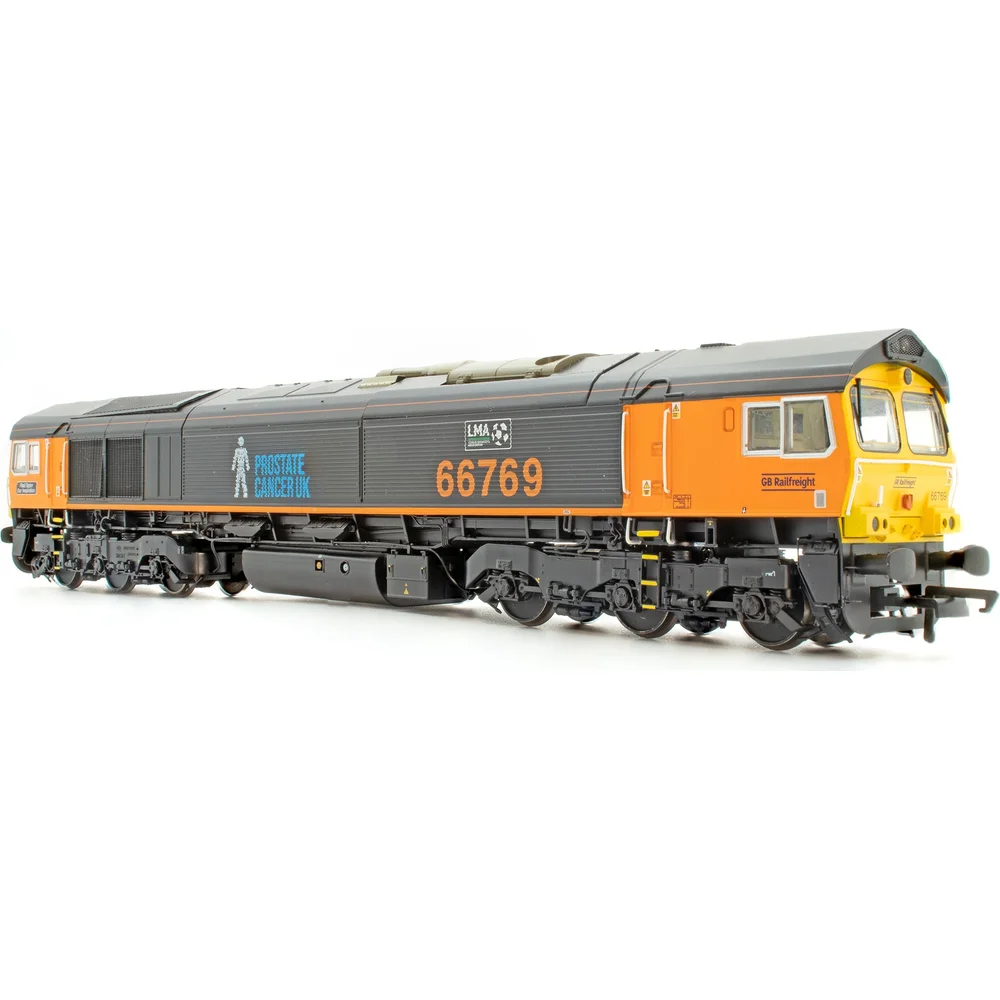
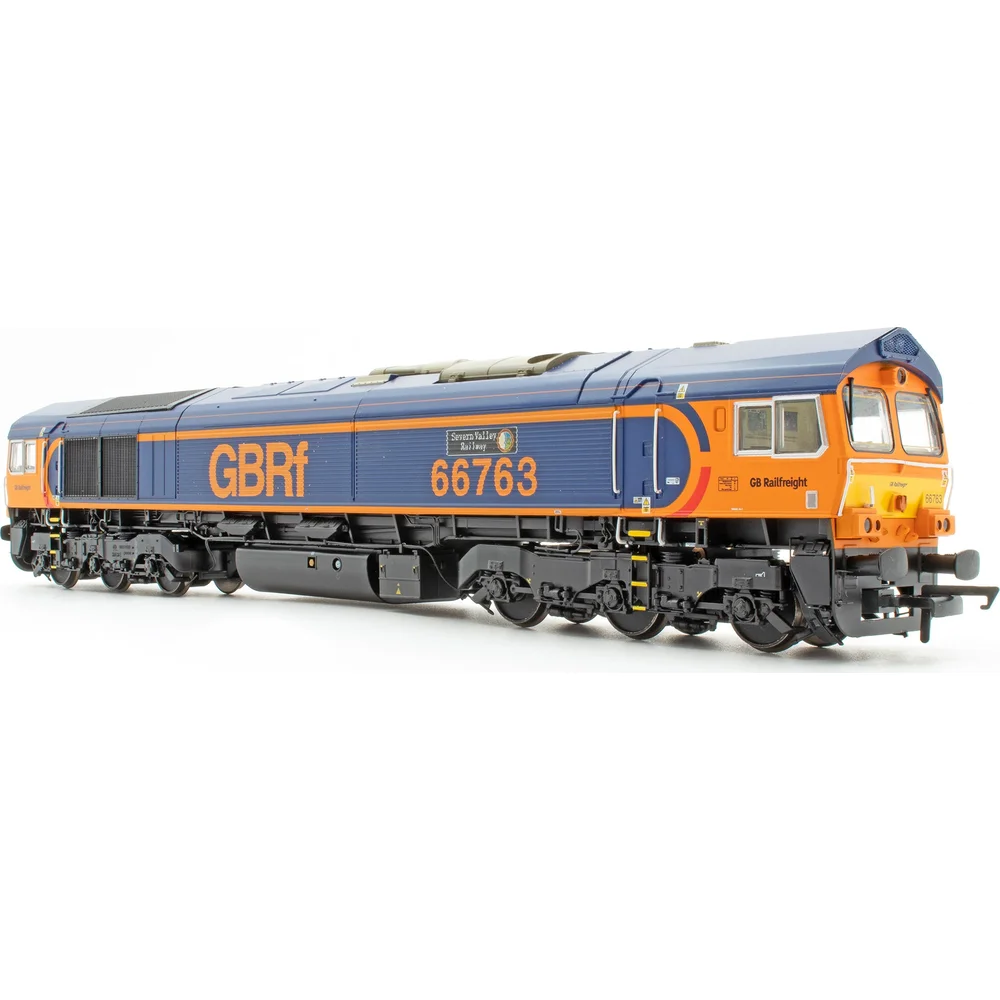
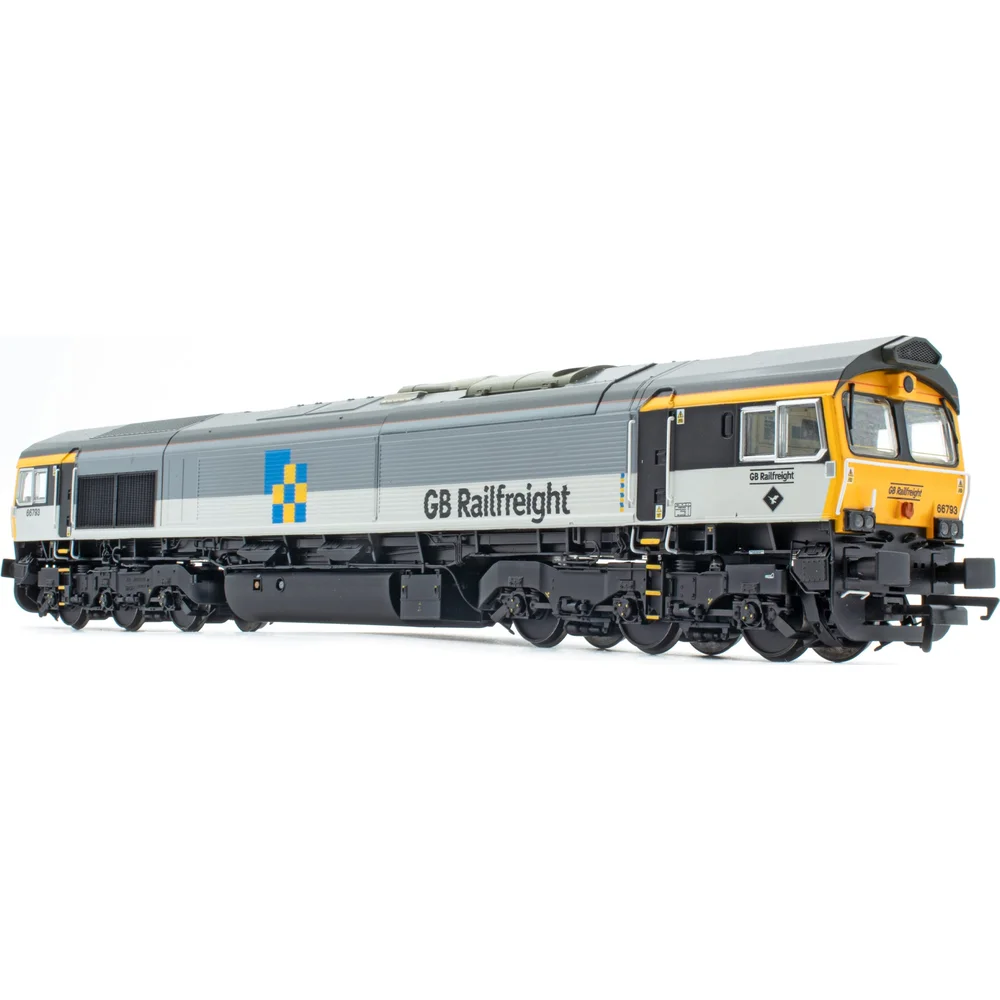
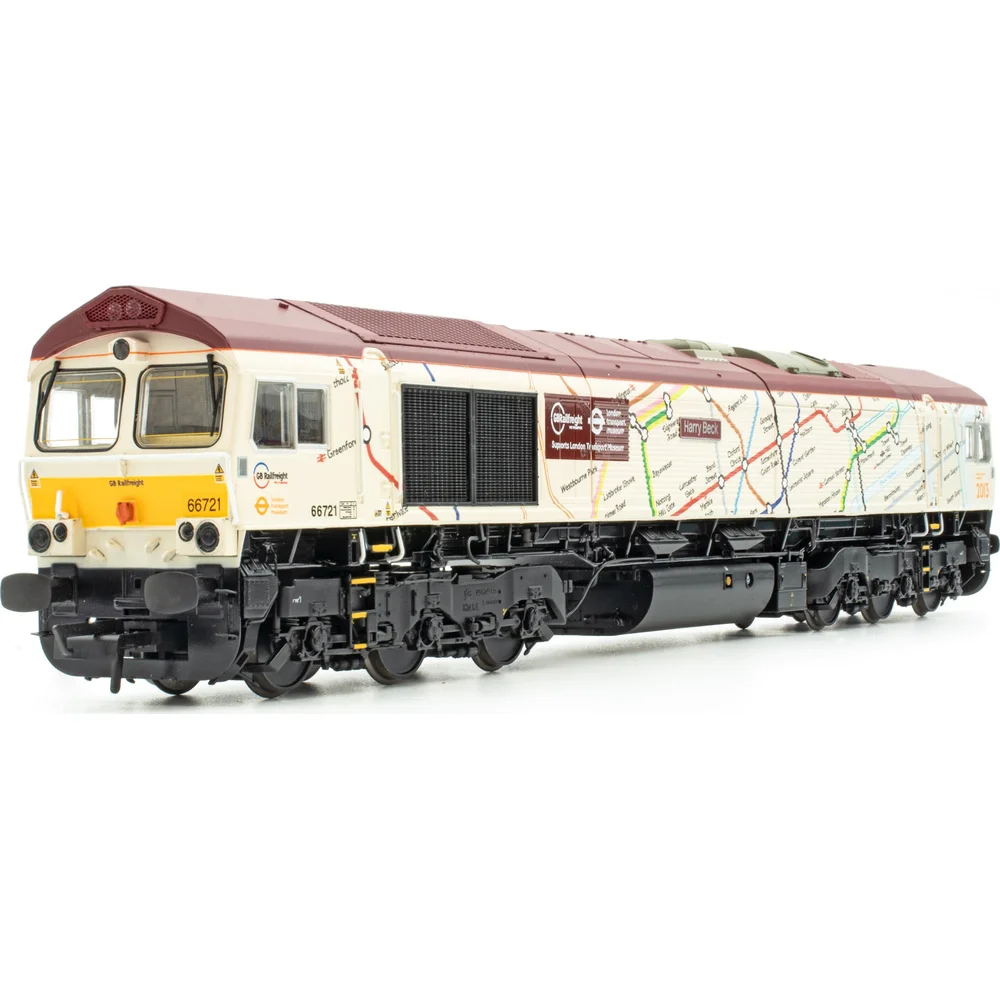
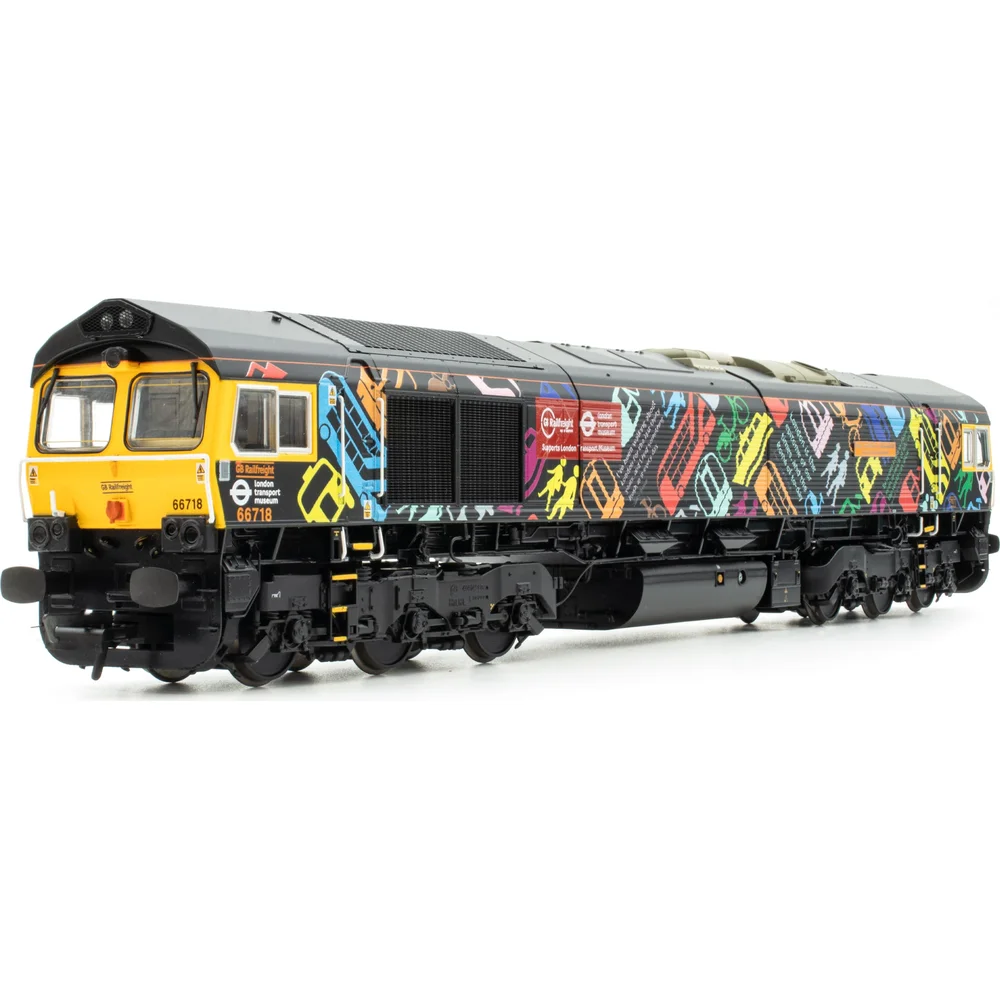
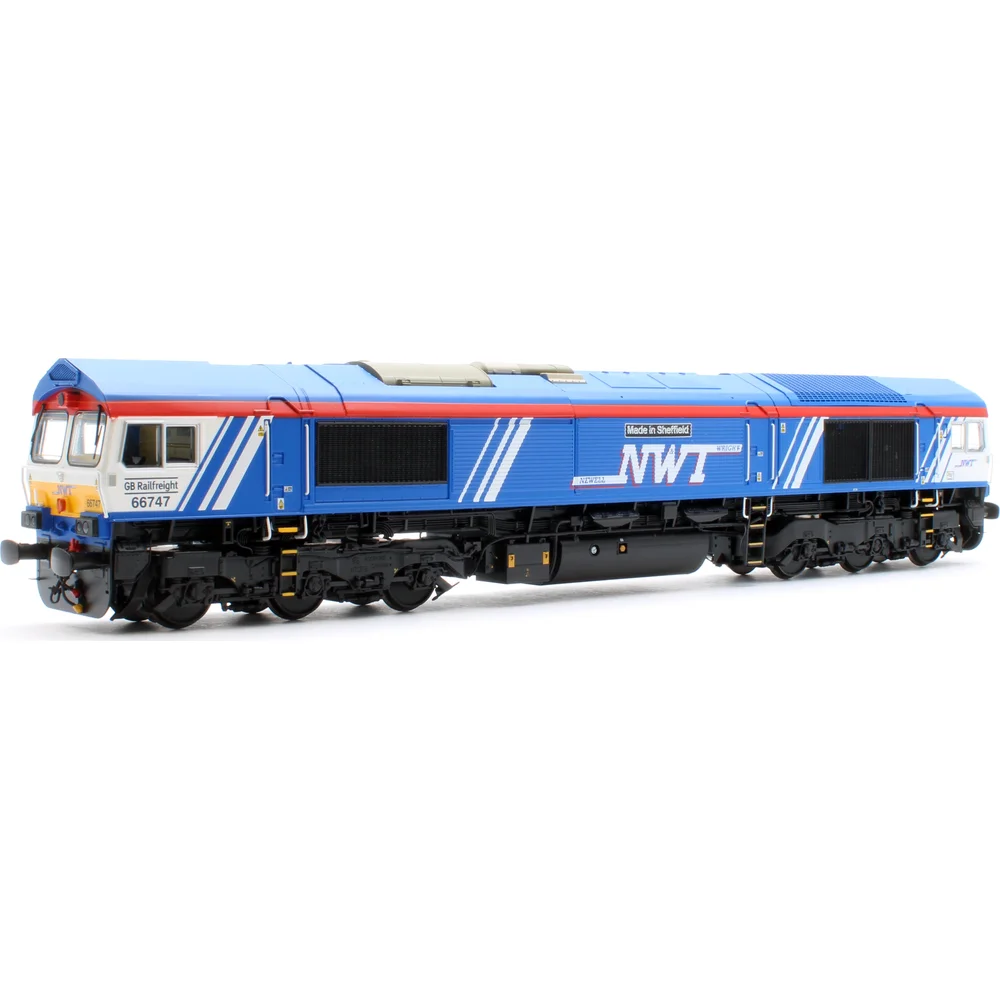
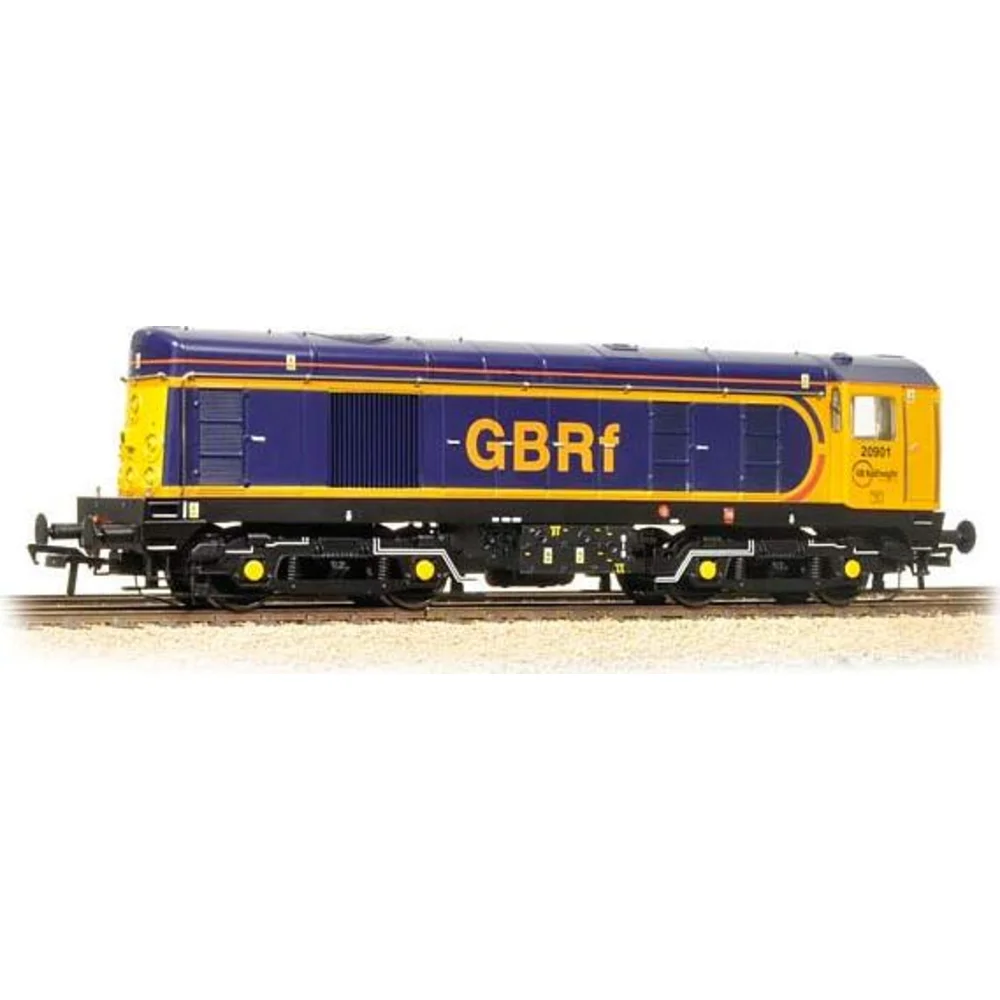
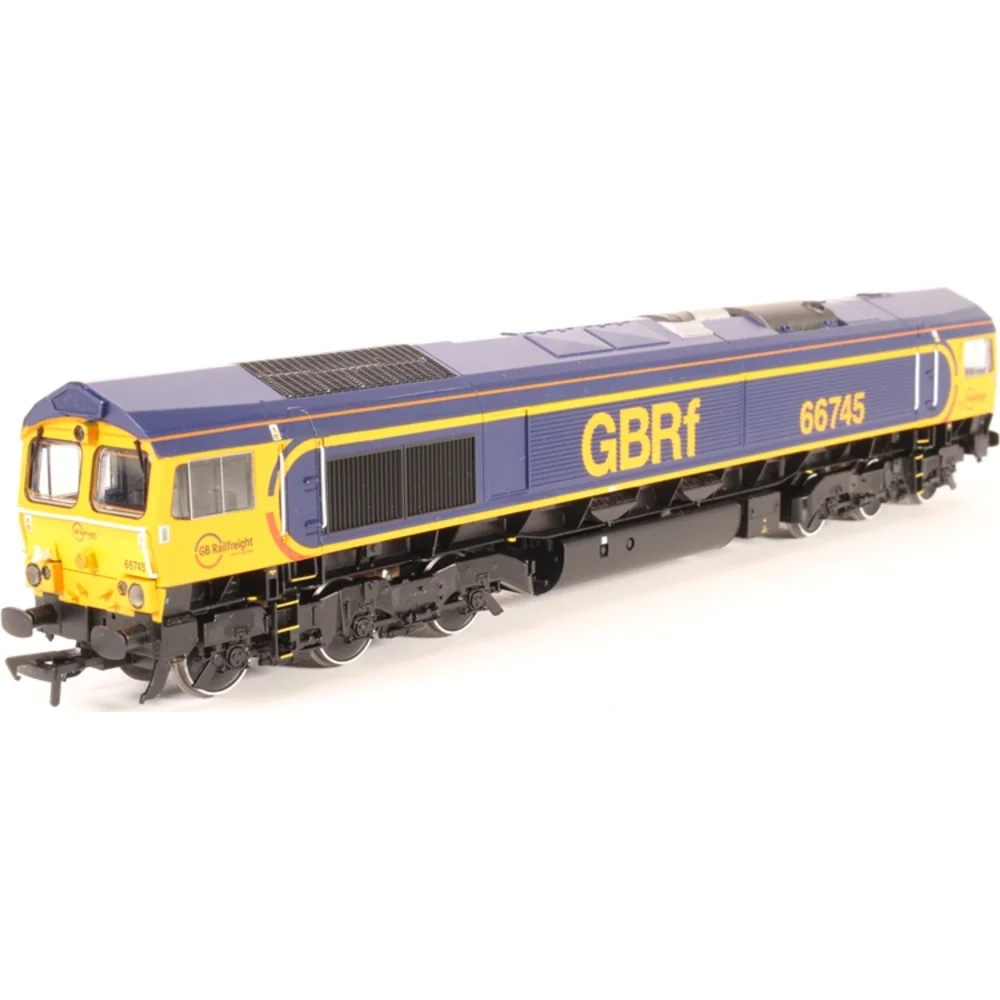
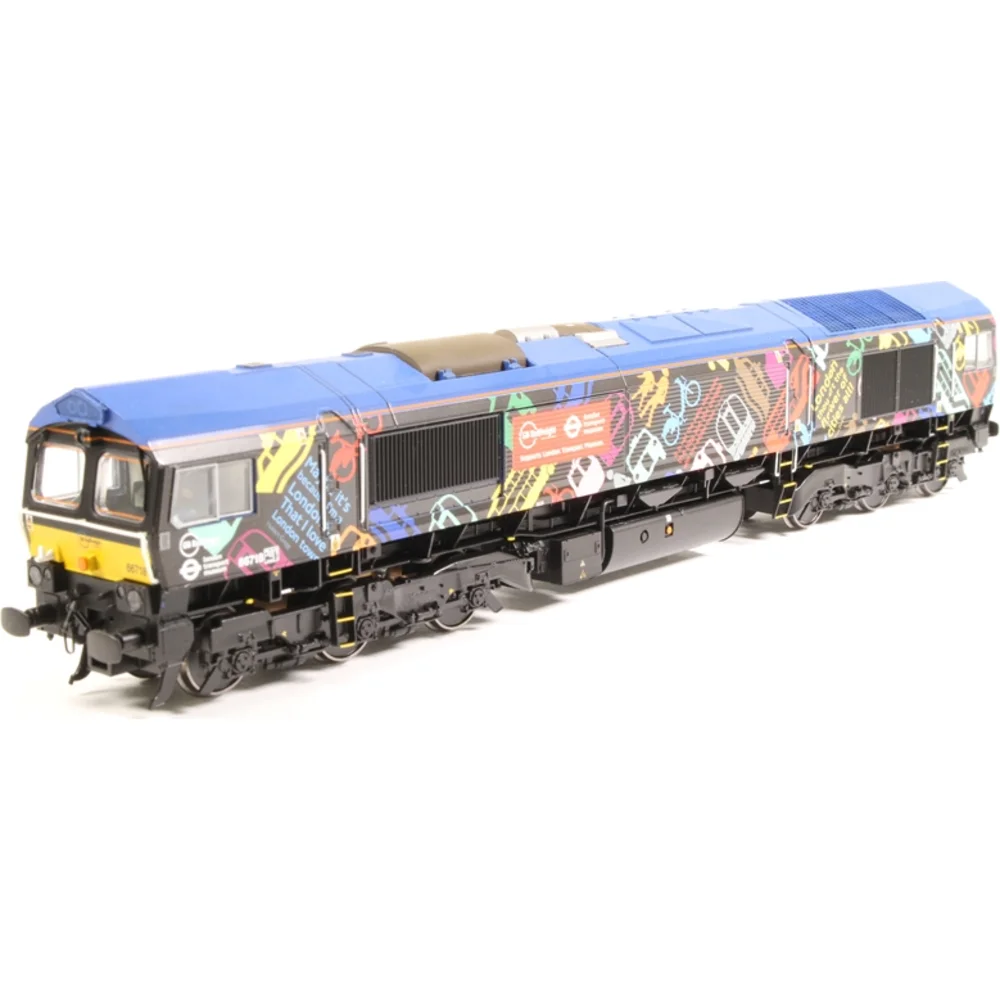
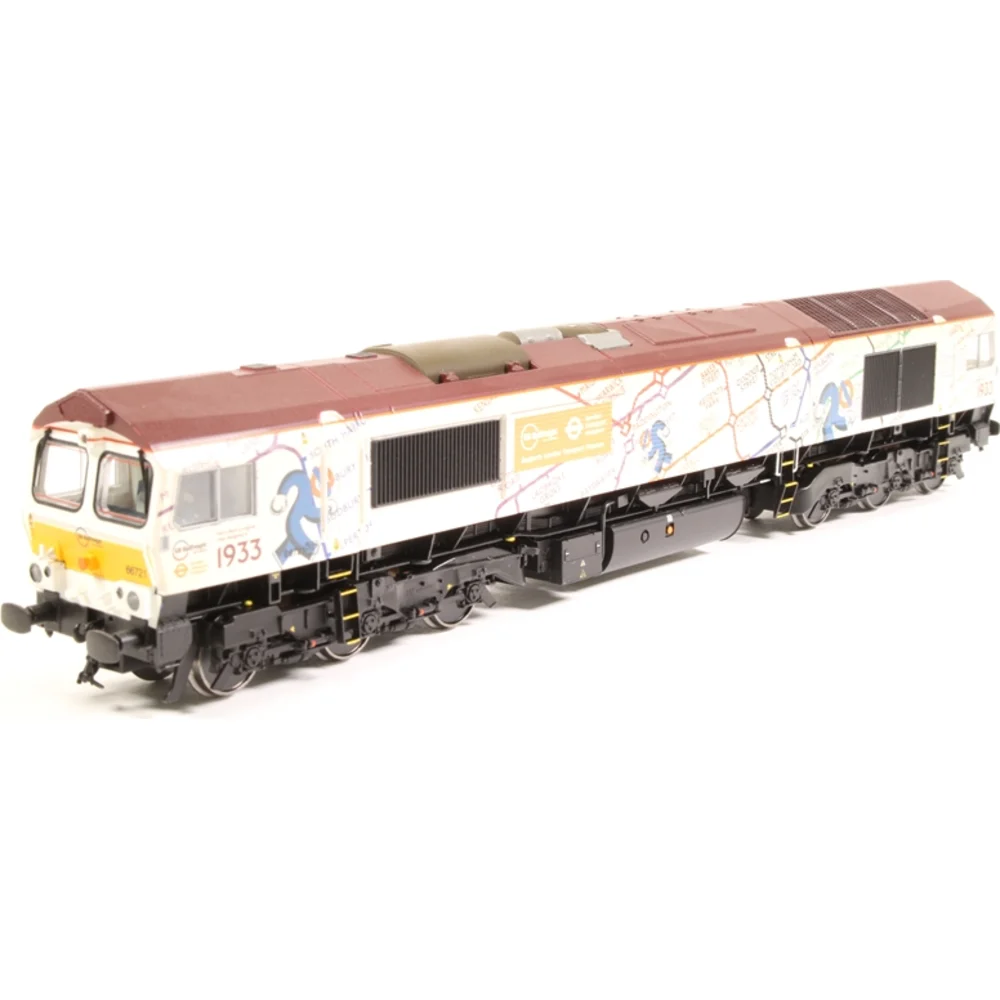
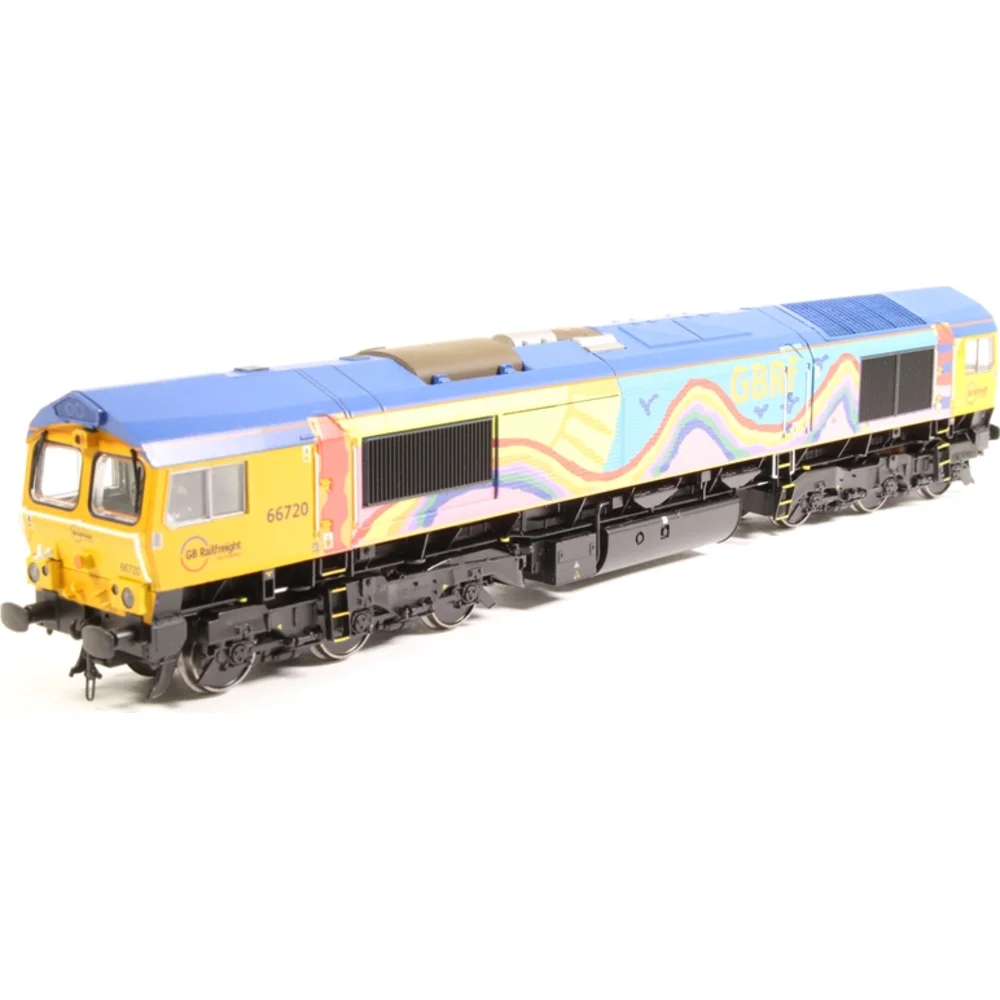
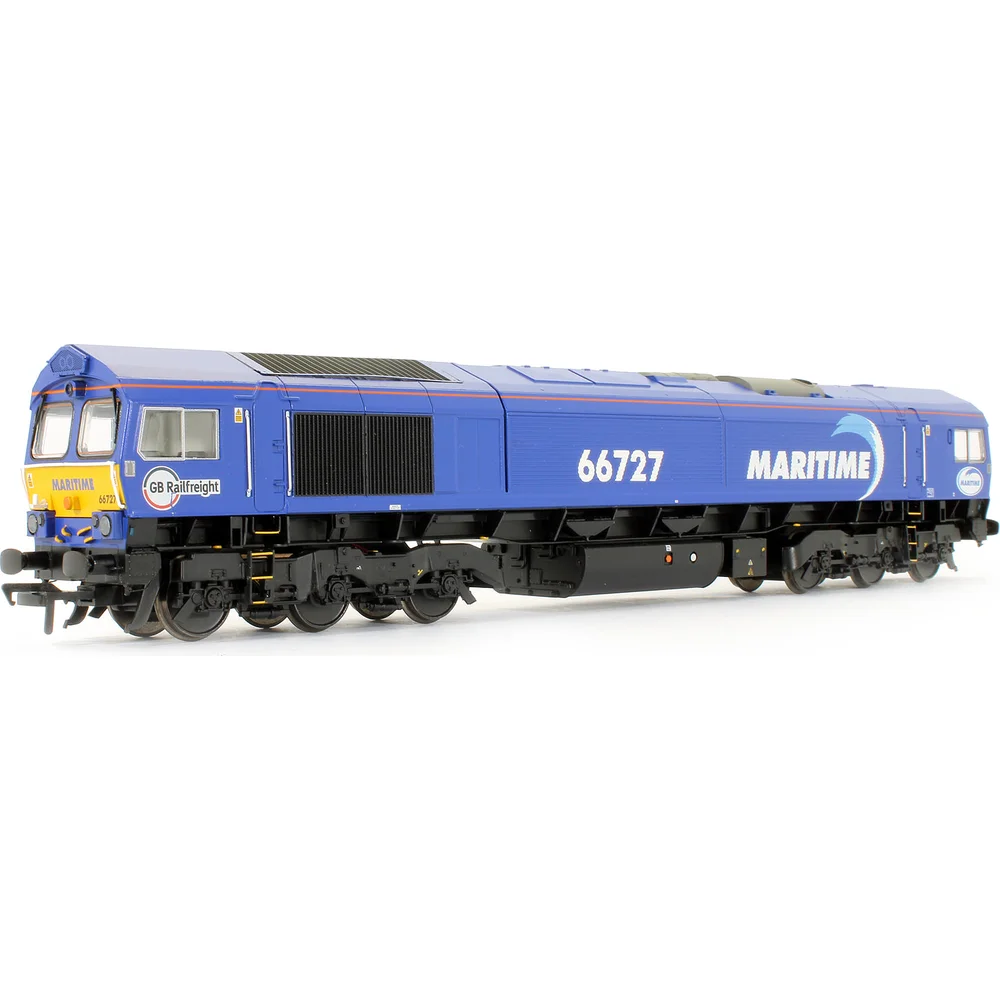
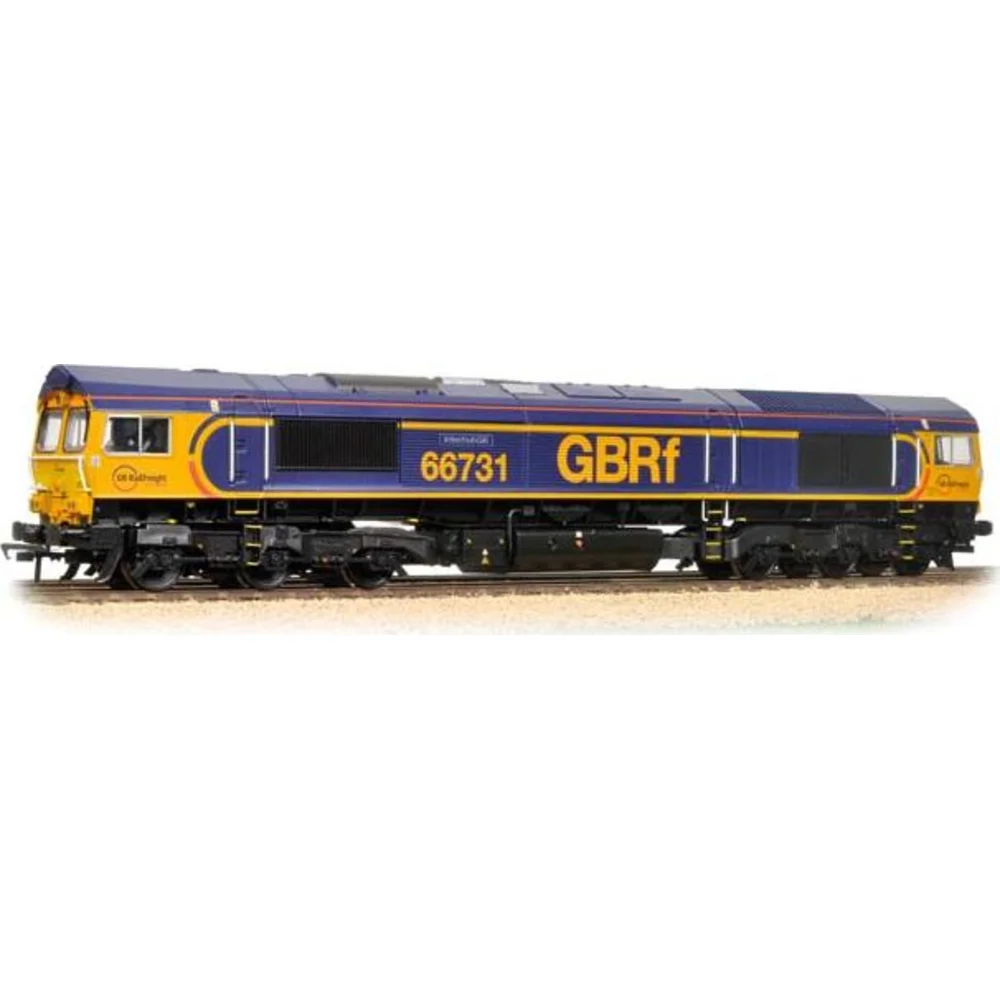
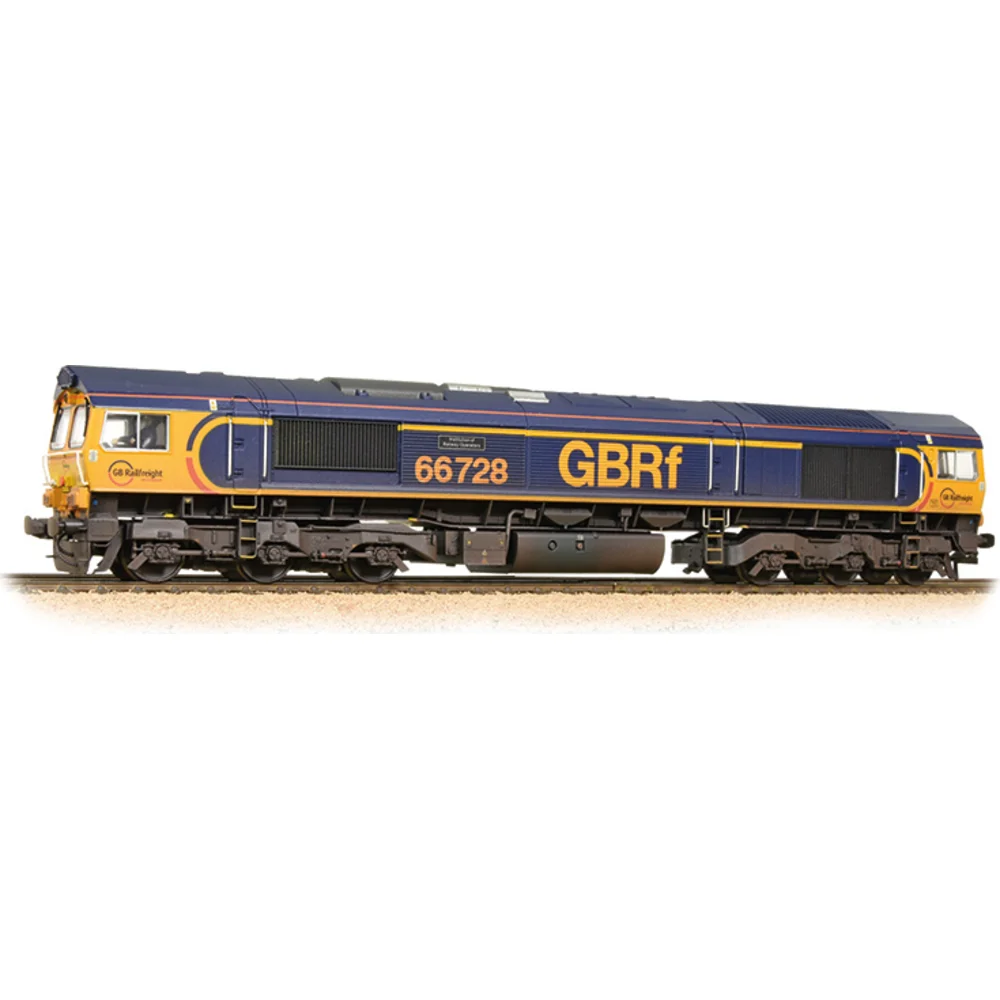
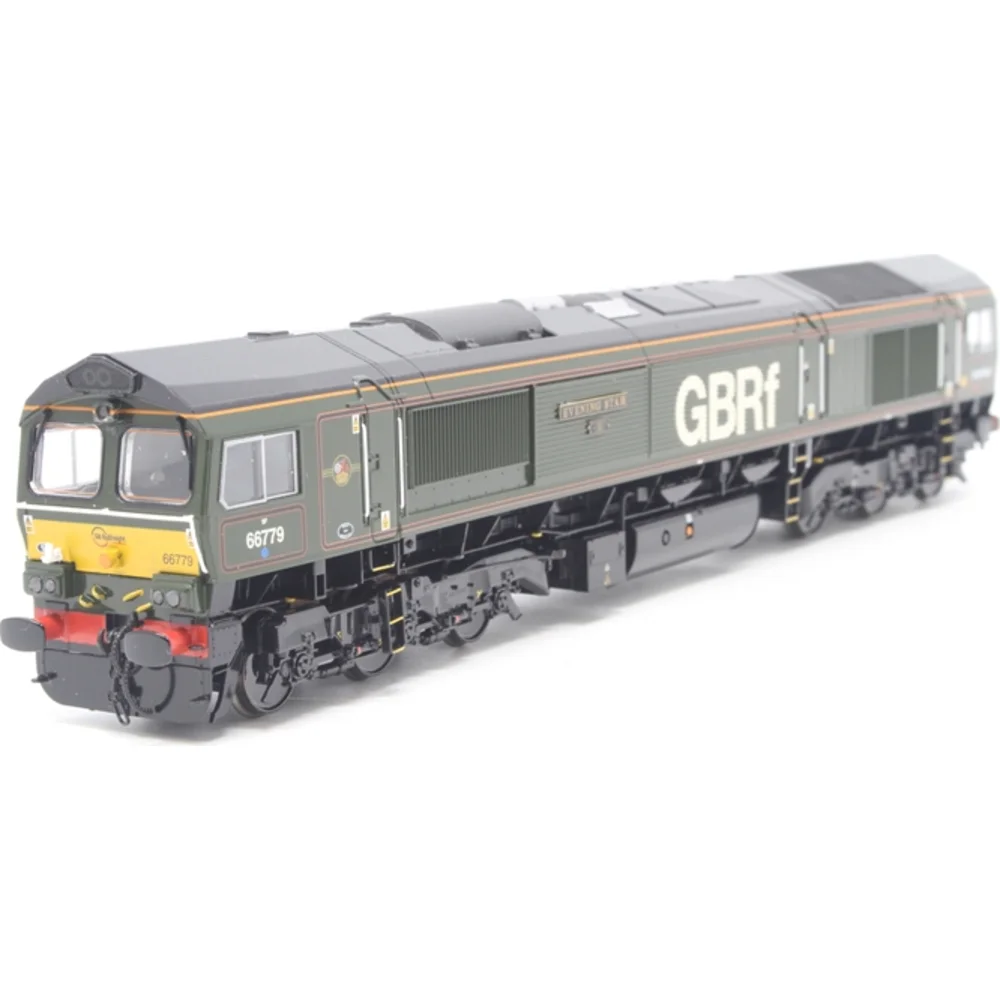
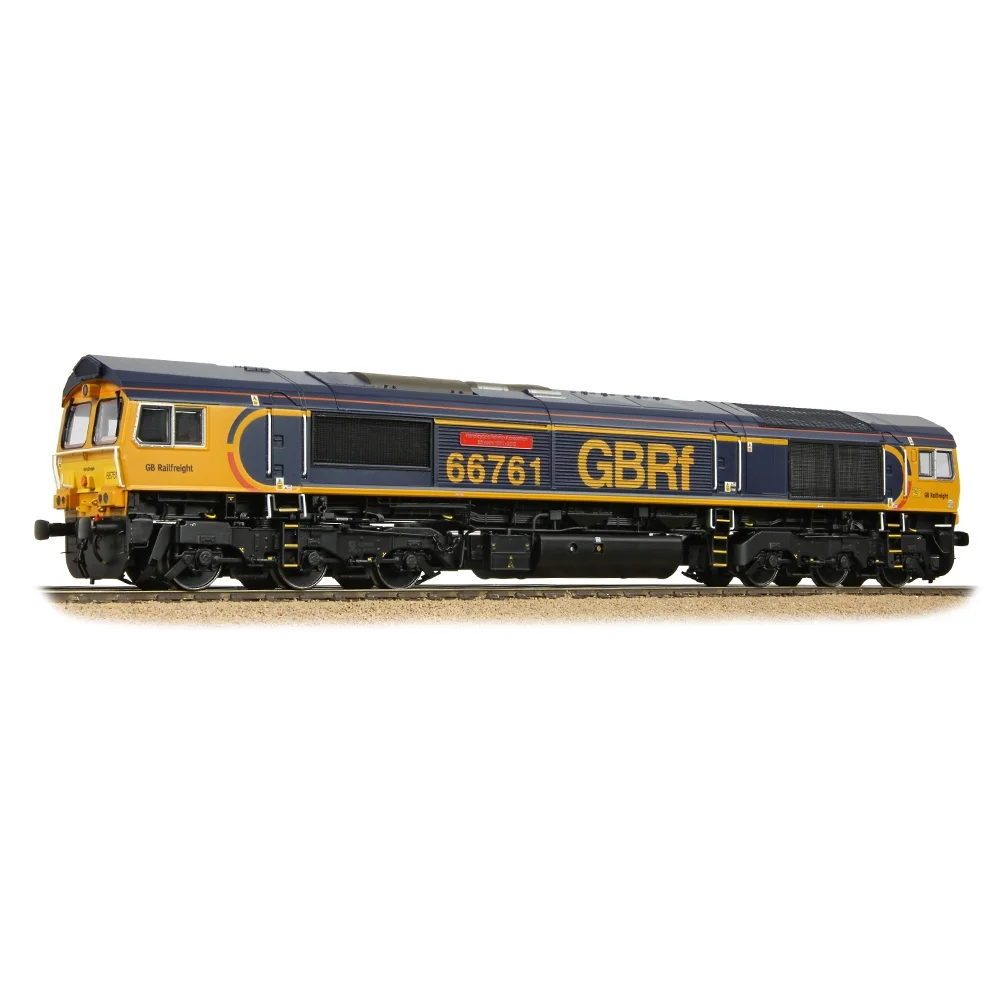
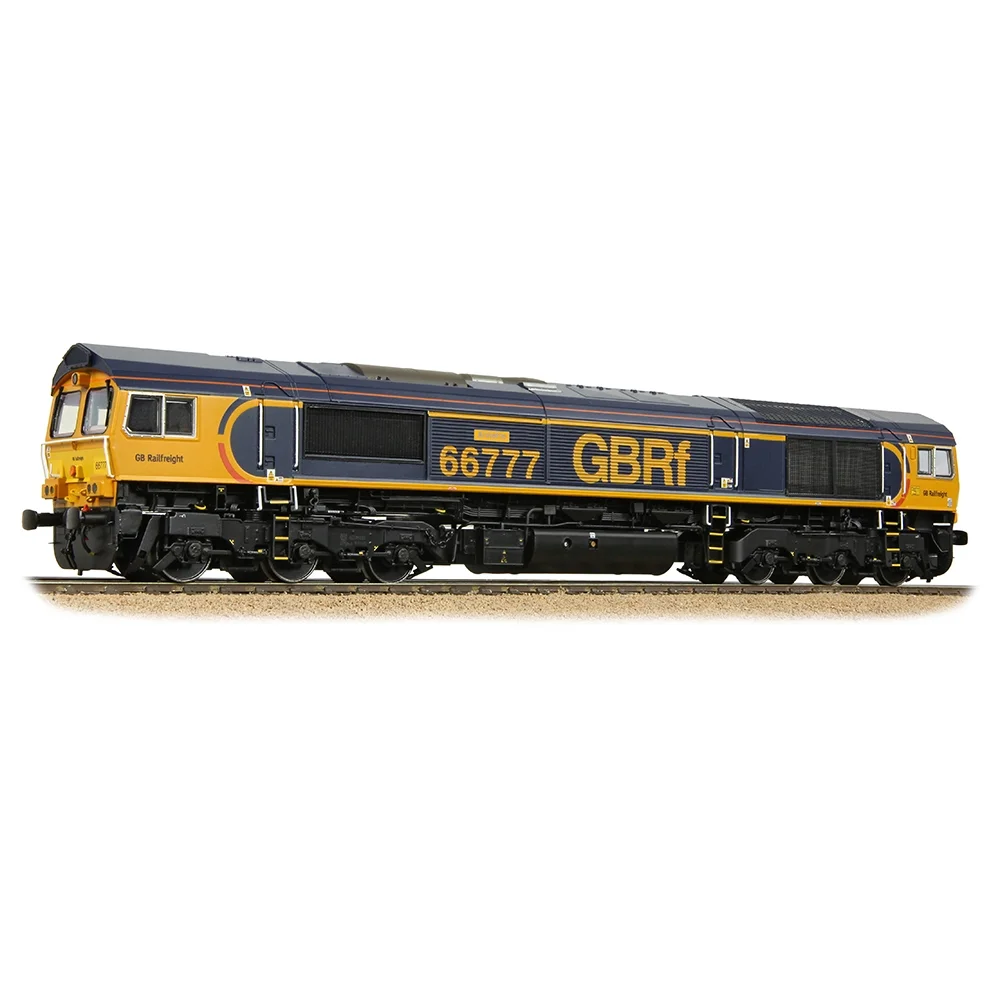
Locomotive selection should reflect GBRf's diverse fleet composition and operational requirements. Class 66 diesel locomotives in GBRf's distinctive blue livery with orange and white accent colours provide the foundation for any authentic representation. Multiple manufacturers including Hornby, Bachmann, and Heljan offer highly detailed OO gauge models with authentic running numbers, while Dapol and Graham Farish provide N gauge alternatives for space-conscious modellers. The weathering variations between different fleet members, from pristine condition to well-used working appearance, provide opportunities for realistic fleet representation.
The Class 92 electric locomotives add operational interest and authentic variety to GBRf layouts, particularly those representing Channel Tunnel services or electrified main line operations. These distinctive locomotives, with their angular styling and dual-voltage capability markings, provide striking visual contrast to the more numerous Class 66s whilst representing GBRf's international service capabilities.
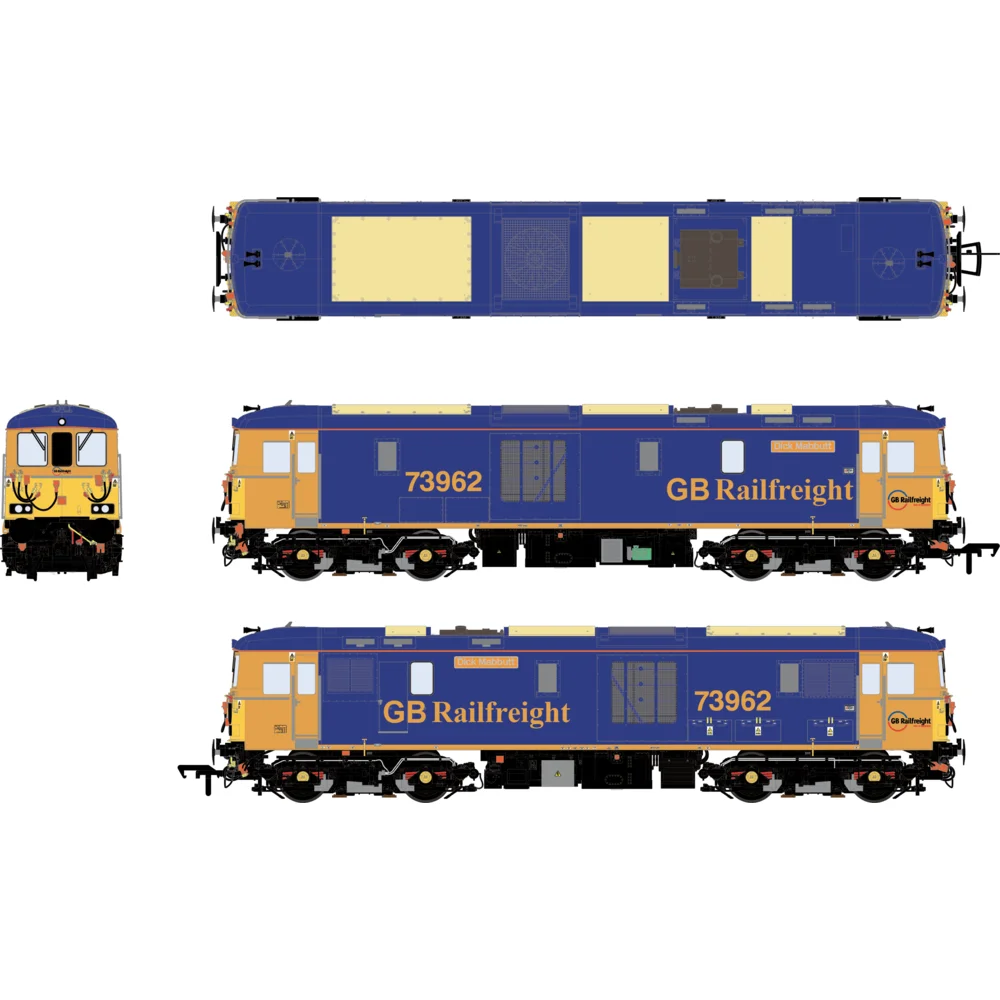
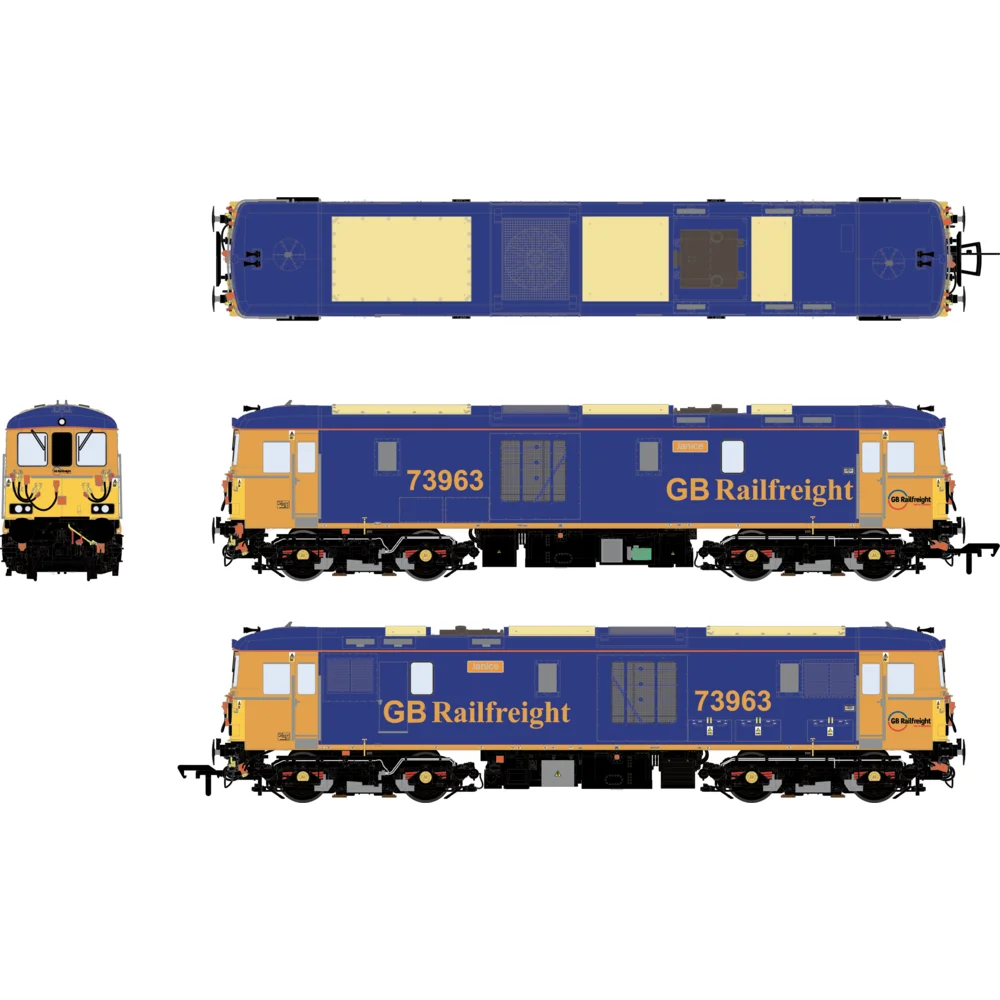
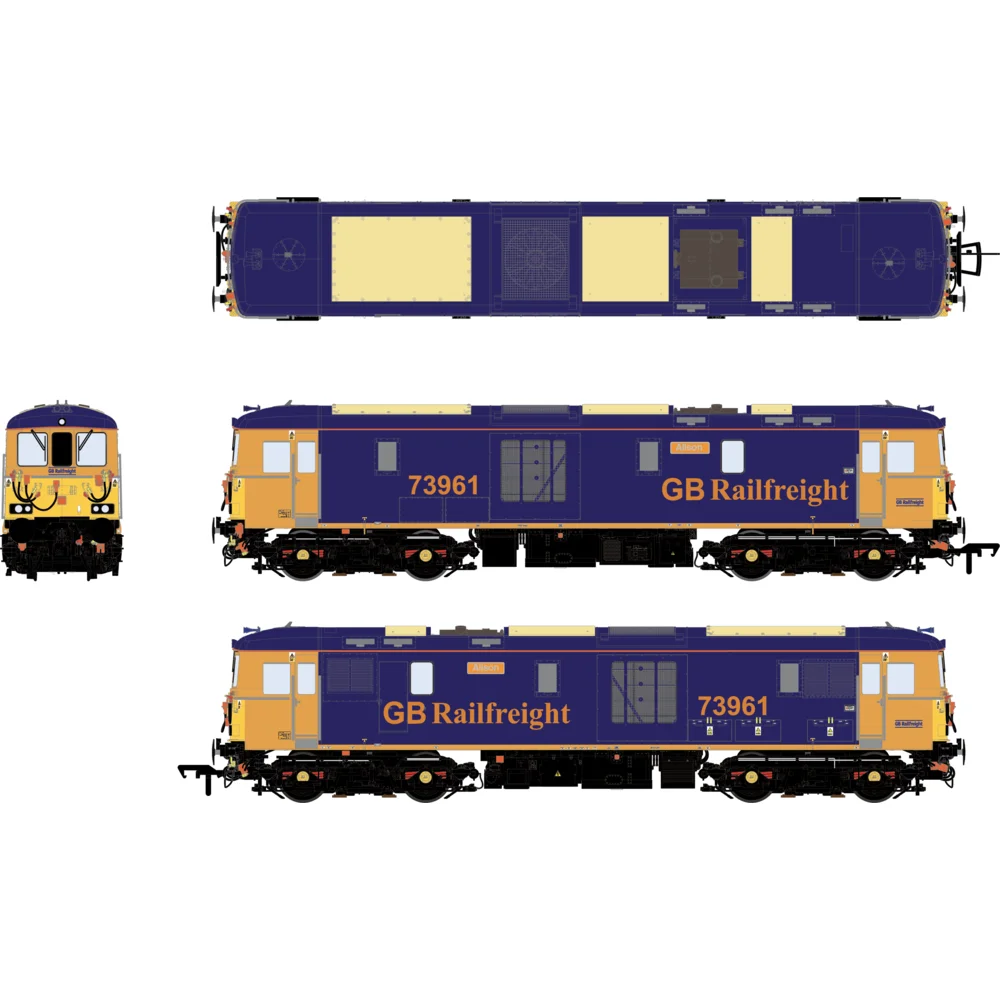
Specialty locomotive types including Class 73 electro-diesels, Class 08 shunters, and the heritage Class 50 machines that operated briefly in GBRf service offer opportunities for niche modelling projects. The rebuilt Class 69 locomotives, available as detailed conversion kits for existing Class 56 models, represent cutting-edge prototype development whilst providing unique modelling challenges for advanced enthusiasts.
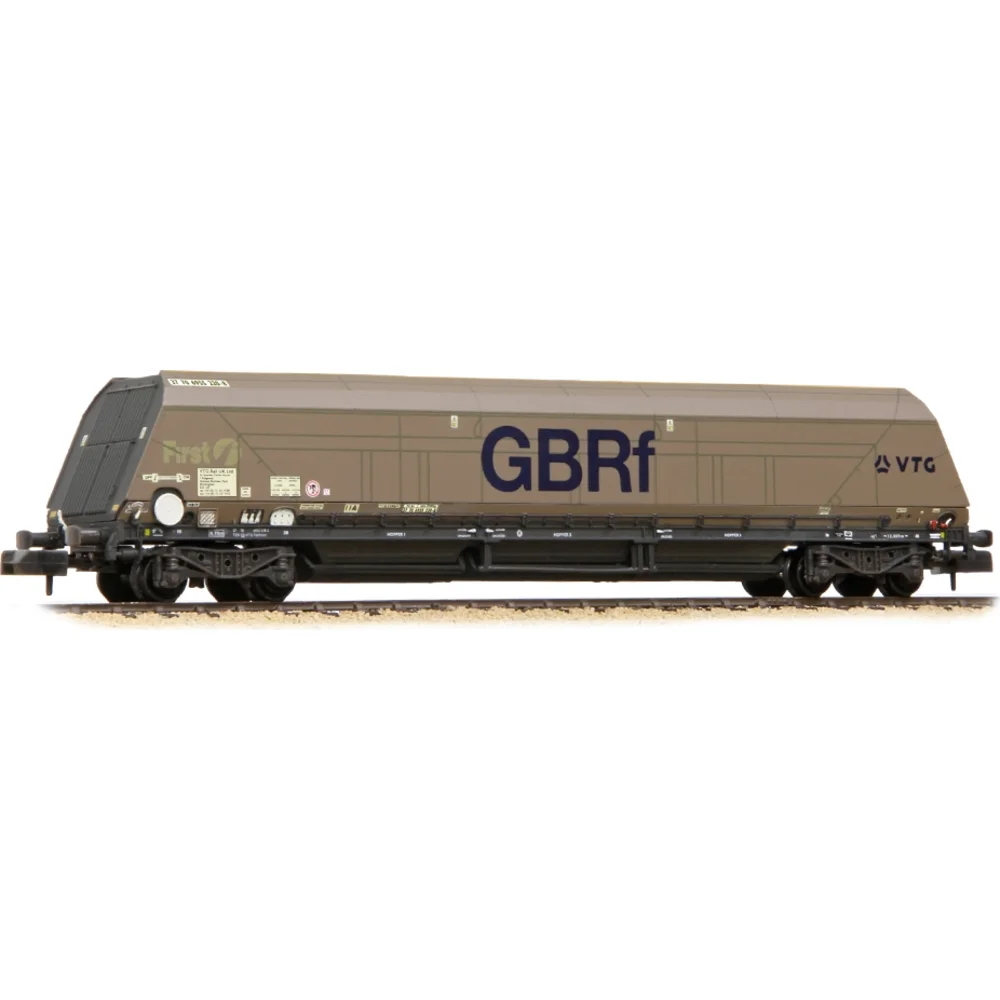
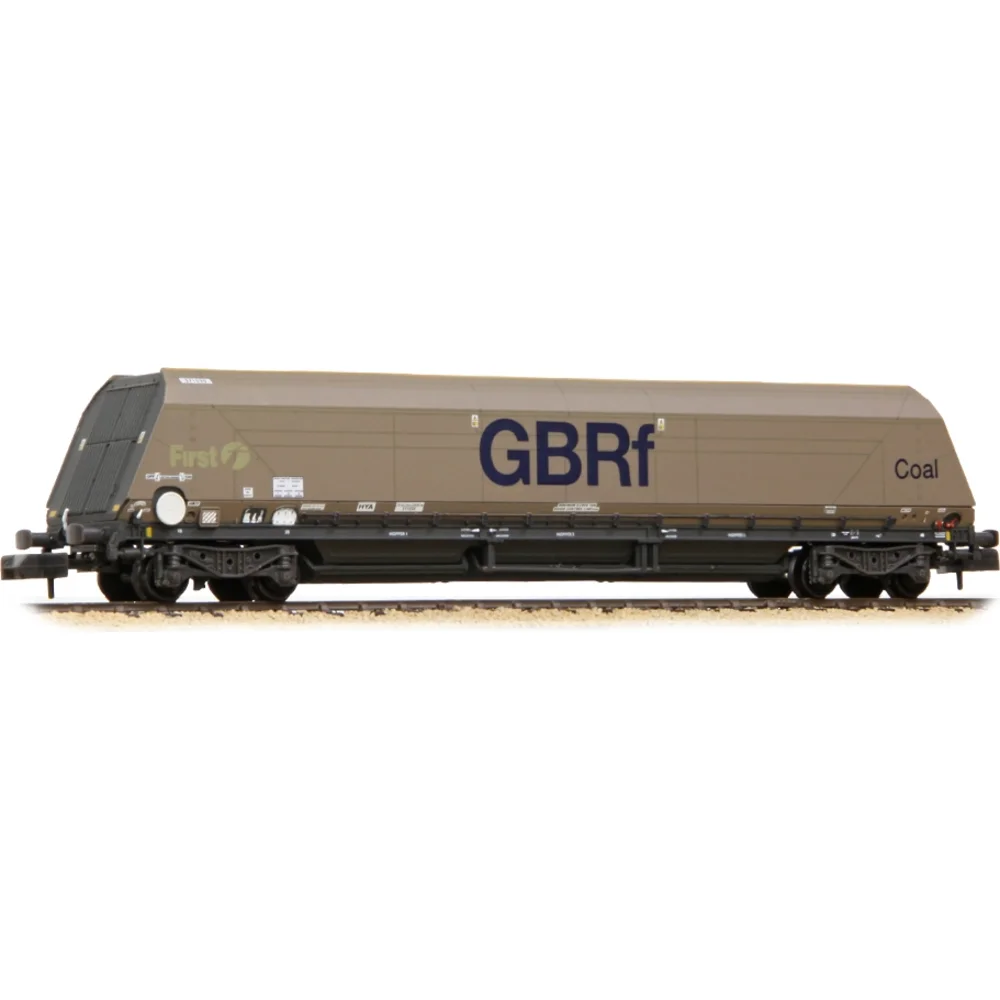
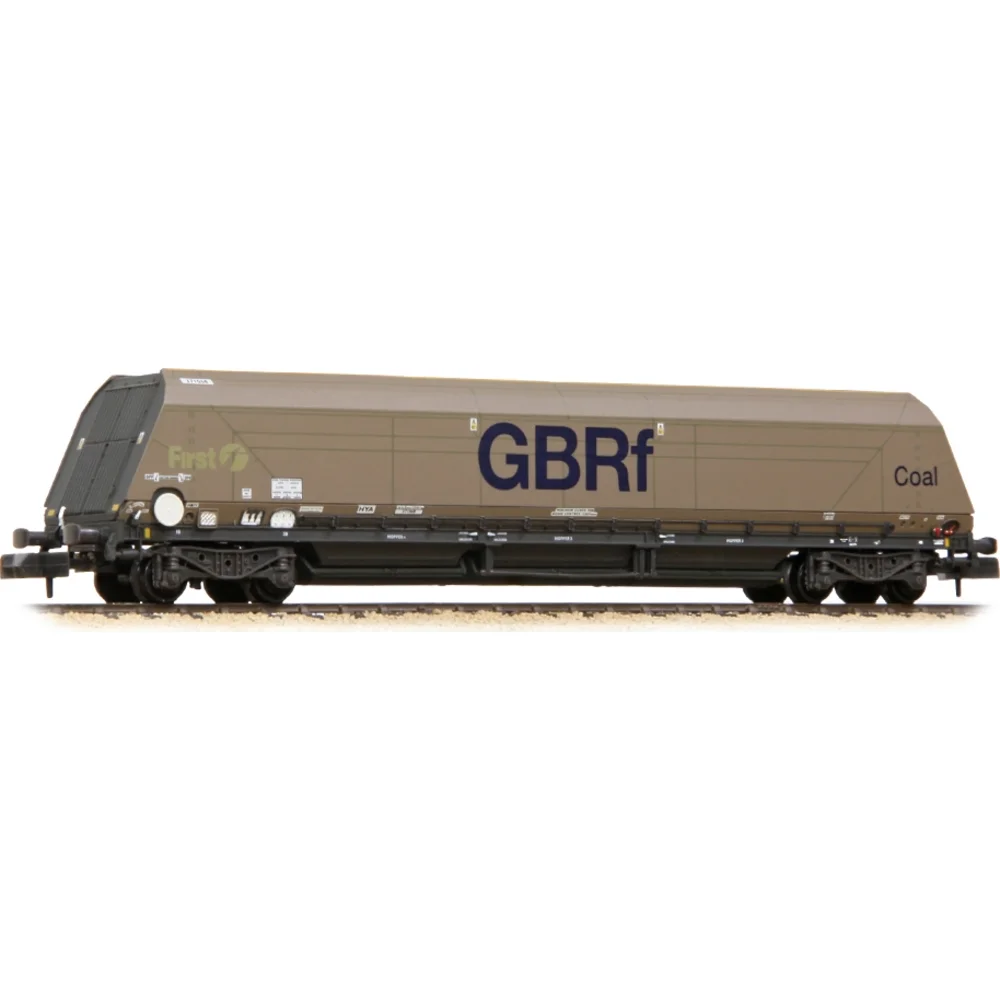
Rolling stock authenticity requires careful attention to wagon types and loading patterns that reflect GBRf's diverse traffic portfolio. Container wagons for intermodal services, aggregate hoppers for construction traffic, and specialised biomass wagons for power station services each require specific model types and operational scenarios. The company's infrastructure train operations utilise specialist wagons for ballast, rail, and engineering equipment that add operational interest to layout designs.
Layout planning should incorporate authentic GBRf operational patterns, from port terminals handling international containers to aggregate quarries serving local construction markets. Branch line layouts can represent biomass collection points or aggregate terminals, whilst main line schemes enable recreation of high-speed container services and infrastructure trains. The integration of passenger services, particularly the Caledonian Sleeper operation, demonstrates GBRf's operational versatility.
Livery accuracy requires attention to the evolution of GBRf corporate colours, from the original scheme through FirstGroup modifications to the current blue, orange, and white design. Weathering techniques should reflect the demanding operational environment of freight trains, with particular attention to fuel spillage around filler caps, brake dust accumulation, and general service wear that distinguishes working locomotives from pristine exhibition models.
The Future of GB Railfreight: Sustainability and Growth
GB Railfreight stands at the forefront of Britain's transition towards sustainable freight transport, with strategic investments and operational innovations that position the company as a leader in decarbonising the UK's logistics infrastructure. The company's comprehensive approach to environmental responsibility encompasses locomotive technology, operational efficiency, and modal shift initiatives that support national net-zero carbon objectives whilst maintaining commercial competitiveness.
The flagship Class 99 hybrid locomotive programme represents the most significant investment in clean freight technology undertaken by any UK rail freight operator. These revolutionary machines, combining diesel engines with battery power and electrification readiness, will halve carbon emissions compared to conventional traction whilst providing operational flexibility essential for Britain's mixed electrified and non-electrified network. The 30-locomotive order demonstrates commitment to technological leadership and environmental stewardship.
Operational efficiency programmes focus on maximising train lengths, optimising route planning, and improving terminal productivity to reduce the environmental impact per tonne transported. The company's sophisticated planning systems enable efficient locomotive utilisation and reduced empty running, contributing to both environmental and economic performance. These efficiency gains demonstrate that environmental responsibility and commercial success can be mutually reinforcing objectives.
Modal shift initiatives promote the transfer of freight from road to rail transport, capitalising on rail's inherent environmental advantages for bulk commodity transport and long-distance container services. GBRf's partnerships with major retailers, manufacturers, and logistics companies facilitate these transfers whilst providing the reliable, cost-effective services essential for customer satisfaction. Each tonne transferred from road to rail produces measurable carbon emission reductions.
Infrastructure development projects include terminal modernisation, electric charging facilities for hybrid locomotives, and digital technology integration that enhance operational capability whilst reducing environmental impact. The company's Peterborough headquarters upgrade includes renewable energy installations and environmental management systems that demonstrate comprehensive commitment to sustainable business practices.
Market expansion opportunities include developing new freight flows for emerging industries, supporting Britain's post-Brexit trade requirements, and capitalising on government infrastructure investment programmes. The integration of advanced technology, skilled workforce development, and strategic partnerships positions GBRf to capture these opportunities whilst maintaining the operational excellence that has driven the company's remarkable growth from startup to industry leader.
Finally
GB Railfreight represents the definitive success story of Britain's privatised railway industry, demonstrating how entrepreneurial vision, operational excellence, and strategic innovation can create a thriving business whilst serving essential national infrastructure requirements. From its foundation as an ambitious startup in 1999 to its current position as the UK's third-largest freight operator, GBRf has consistently exceeded expectations whilst pioneering new approaches to freight transport that benefit customers, employees, and the broader British economy.
The company's journey from seven Class 66 locomotives and a single infrastructure contract to a fleet of 170 locomotives handling over 2,000 weekly services illustrates the transformation possible when innovative management meets market opportunity. The impressive 99% reliability record, sustained over more than two decades of operation, reflects systematic attention to operational detail and customer service that distinguishes GBRf from larger, more established competitors.
For railway enthusiasts and model railway hobbyists, GB Railfreight provides unparalleled opportunities to study and recreate contemporary freight operations through accurate scale models, authentic operational scenarios, and detailed prototype information. The company's diverse locomotive fleet, distinctive livery schemes, and varied traffic portfolio enable modellers to construct comprehensive layouts representing modern British freight transport whilst celebrating the engineering excellence and operational professionalism that define successful railway enterprise.
The strategic investment in revolutionary Class 99 hybrid locomotives demonstrates GBRf's commitment to environmental leadership and technological innovation that will influence freight transport development throughout Britain and beyond. As the UK transitions towards sustainable transport systems and net-zero carbon objectives, GB Railfreight's pioneering approach provides practical solutions that balance environmental responsibility with commercial viability, ensuring the company remains at the forefront of Britain's freight transport evolution for decades to come.
Frequently Asked Questions
When was GB Railfreight founded and who were the original owners?
GB Railfreight was established in April 1999 as a subsidiary of GB Railways, commencing operations on 1st April 2000. Unlike other post-privatisation freight operators, GBRf was created as an entirely new company rather than emerging from British Rail's legacy freight businesses, providing fresh entrepreneurial approach to UK rail freight markets.
What types of freight does GB Railfreight transport and who are their major customers?
GBRf operates diverse freight services including intermodal containers, biomass for power generation, aggregates and construction materials, infrastructure trains, and automotive transport. Major customers include Network Rail, HS2, MSC UK, Drax Group, Aggregate Industries, and Tarmac, demonstrating the company's broad market coverage.
How many locomotives does GB Railfreight operate and what are the main types?
The company operates approximately 170 locomotives, primarily Class 66 diesels which form the fleet backbone. Additional types include Class 92 electric locomotives for Channel Tunnel services, rebuilt Class 69s, Class 73 electro-diesels, and the revolutionary new Class 99 hybrid locomotives being delivered from 2025 onwards.
What makes the new Class 99 locomotives special and how will they benefit operations?
The Class 99 bi-mode locomotives combine diesel engines with battery power and electrification readiness, enabling operation on both electrified and non-electrified routes whilst halving carbon emissions. This £150 million investment positions GBRf at the forefront of sustainable freight technology and supports UK net-zero targets.
Which model railway manufacturers produce GB Railfreight locomotives and rolling stock?
Multiple manufacturers offer GBRf models across popular scales. Hornby, Bachmann, and Heljan produce detailed OO gauge Class 66 locomotives in authentic GBRf livery, whilst Dapol and Graham Farish provide N gauge alternatives. Specialist manufacturers offer conversion kits for Class 69 rebuilds and other unique fleet members.
What is GB Railfreight's performance record and how does it compare to competitors?
GBRf maintains an exceptional 99% reliability record that has been sustained since 2009, significantly exceeding industry averages. The company handles over 2,000 trainloads weekly, moving approximately 22% of Britain's rail freight, making it the third-largest freight operator in the UK market behind DB Cargo UK, Freightliner, and Direct Rail Services.
Does GB Railfreight operate passenger services and what are these services?
Yes, GBRf operates the Caledonian Sleeper overnight passenger services between London and Scotland since April 2015. These services utilise Class 92 electric locomotives south of Edinburgh and rebuilt Class 73 locomotives for Highland extensions, demonstrating the company's operational versatility beyond freight transport.
How has GB Railfreight's ownership changed over the years?
The company has experienced multiple ownership changes: acquired by FirstGroup in 2003 (branded as First GBRf), sold to Europorte in 2010, purchased by EQT AB in 2016, and finally acquired by Infracapital in September 2019. Each ownership change brought fresh investment and strategic development opportunities.
What career opportunities and training programmes does GB Railfreight offer?
GBRf offers comprehensive apprenticeship programmes across administration, safety, engineering, and commercial functions. Career paths include Rail Operators, Train Managers (drivers), and various technical and commercial roles. The company employs over 1,400 people with structured training programmes and professional development opportunities throughout the UK.
How can businesses arrange to use GB Railfreight services for their freight transport needs?
Businesses can contact GBRf directly through their commercial team or work with third-party logistics providers who subcontract services. The company offers comprehensive freight solutions including wagon supply, logistics support, and door-to-door services beyond basic rail haulage, providing flexible options for different customer requirements.
What environmental benefits does GB Railfreight provide compared to road transport?
Rail freight produces approximately 76% fewer carbon emissions per tonne-kilometre compared to road transport. GBRf's operations remove thousands of HGV journeys from Britain's road network annually, reducing congestion, air pollution, and infrastructure wear. The new Class 99 hybrid locomotives will further halve emissions compared to conventional diesel traction.
Where can I find accurate information about GB Railfreight liveries and numbering for model railway purposes?
The company's official website provides current fleet information and livery details. Railway enthusiast websites, specialist modelling forums, and manufacturer websites offer detailed prototype information including accurate colour specifications, numbering schemes, and livery variations across different time periods essential for authentic model railway representation.