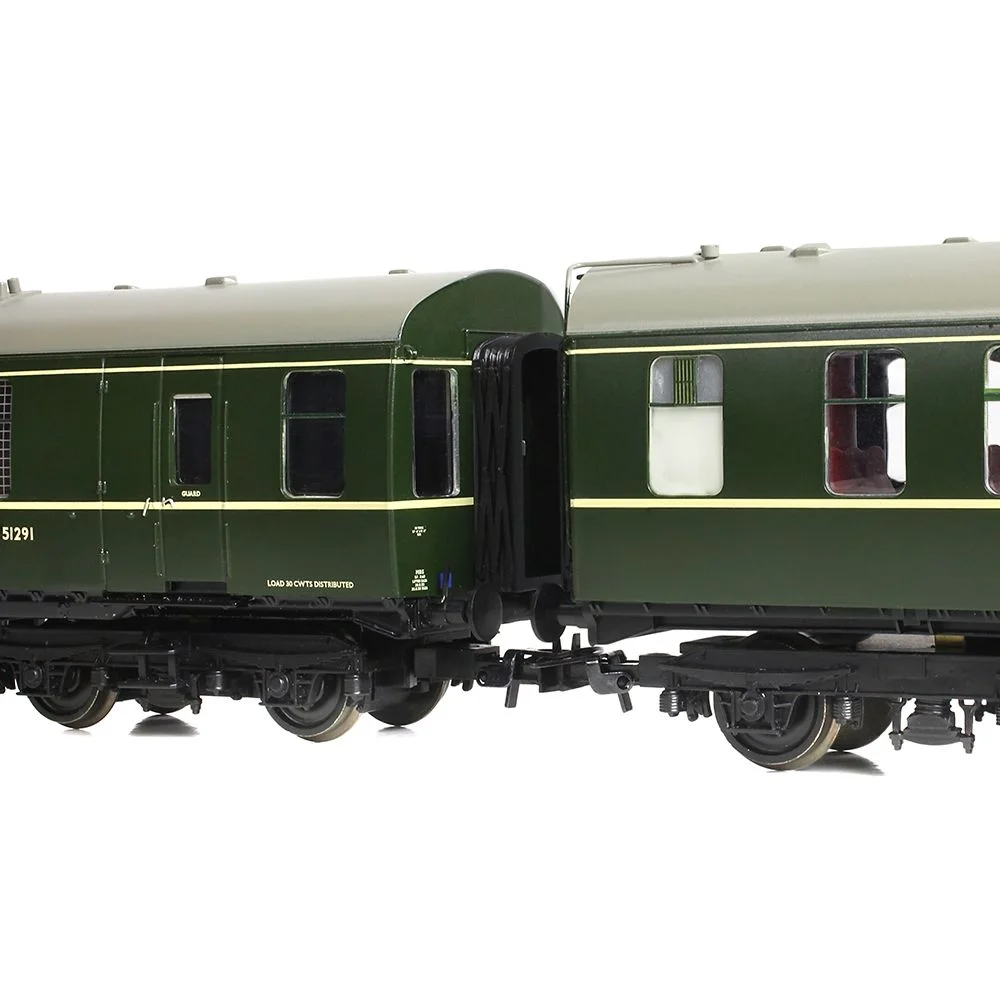
Bachmann 31-326B
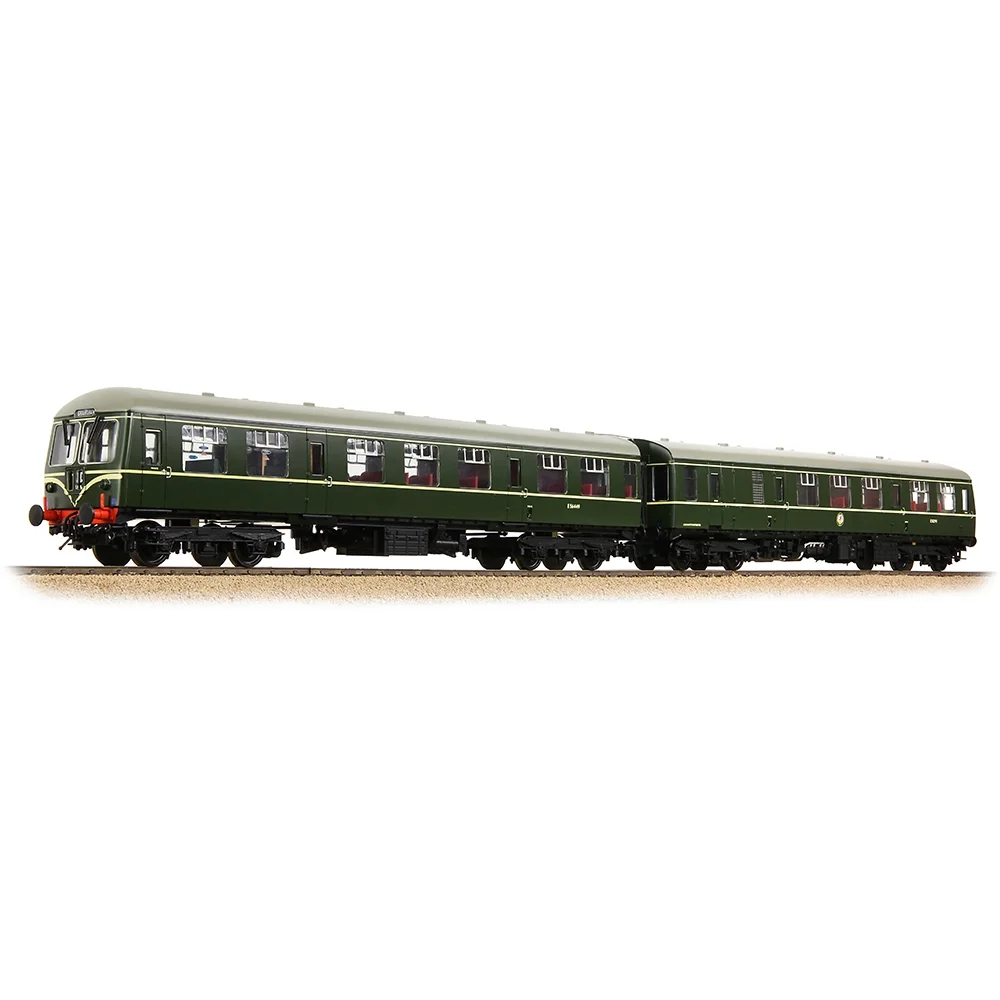
British Rail Class 105 DMBS E51291 British Railways Green
Bachmann's Description & Specifications
The Bachmann Branchline tooling for the British Rail Class 105 "Cravens" two-car DMUs was introduced in 2010, marking a significant addition to OO gauge model offerings. Replicating the Cravens-built 1950s units with high fidelity, it arrived during Bachmann's expansion of British outline models powered by its Branchline brand.
Model reviewers consistently praised the tooling for its exceptional detailing, including accurate bogie and roof features, and crisp livery application. The motor was noted for smooth, quiet running and reliable performance across layouts. Lighting features, particularly directional headlights and illuminated destination blinds, were highlighted as strong points, adding realism without excessive flicker. Interior detailing and cab features also received positive attention. Community discussions often focused on decoder installation, which was described as straightforward but requiring care when accessing the chassis. Hobbyists also shared tips for improving lighting contact by ensuring the body is fully seated, and many reported successful sound installations using Loksound micro decoders and stay-alive modules.
Video reviews from channels such as Oorail.com and Everard Junction showcased the model's performance, detailing, and lighting features, with demonstrations on various layouts. These reviews emphasized the model's suitability for 1950s–1980s era scenes and praised its weight and running qualities. Social media and forums featured numerous upgrade guides, including Roads & Rails tutorials for fitting sound decoders and stay-alive capacitors, reflecting strong community engagement and enthusiasm for customization. Overall, the tooling has maintained a positive reputation among collectors and operators alike.
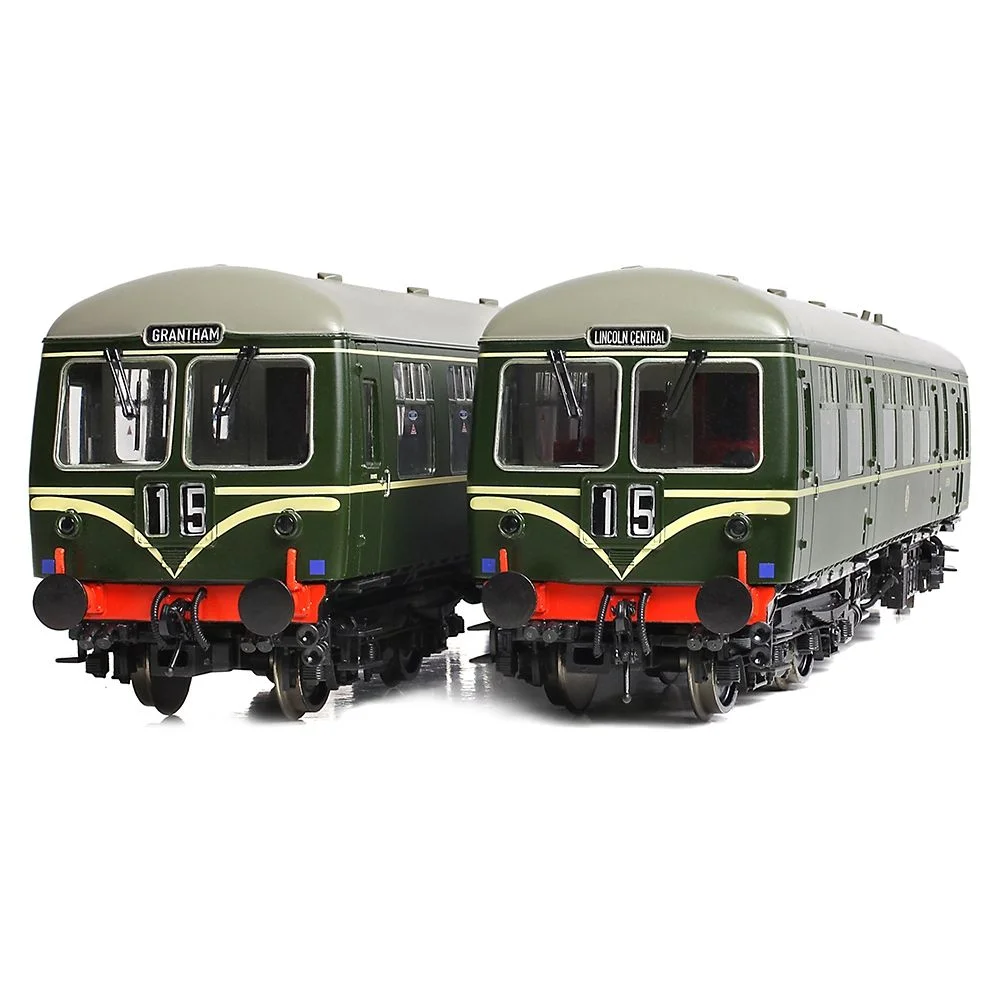
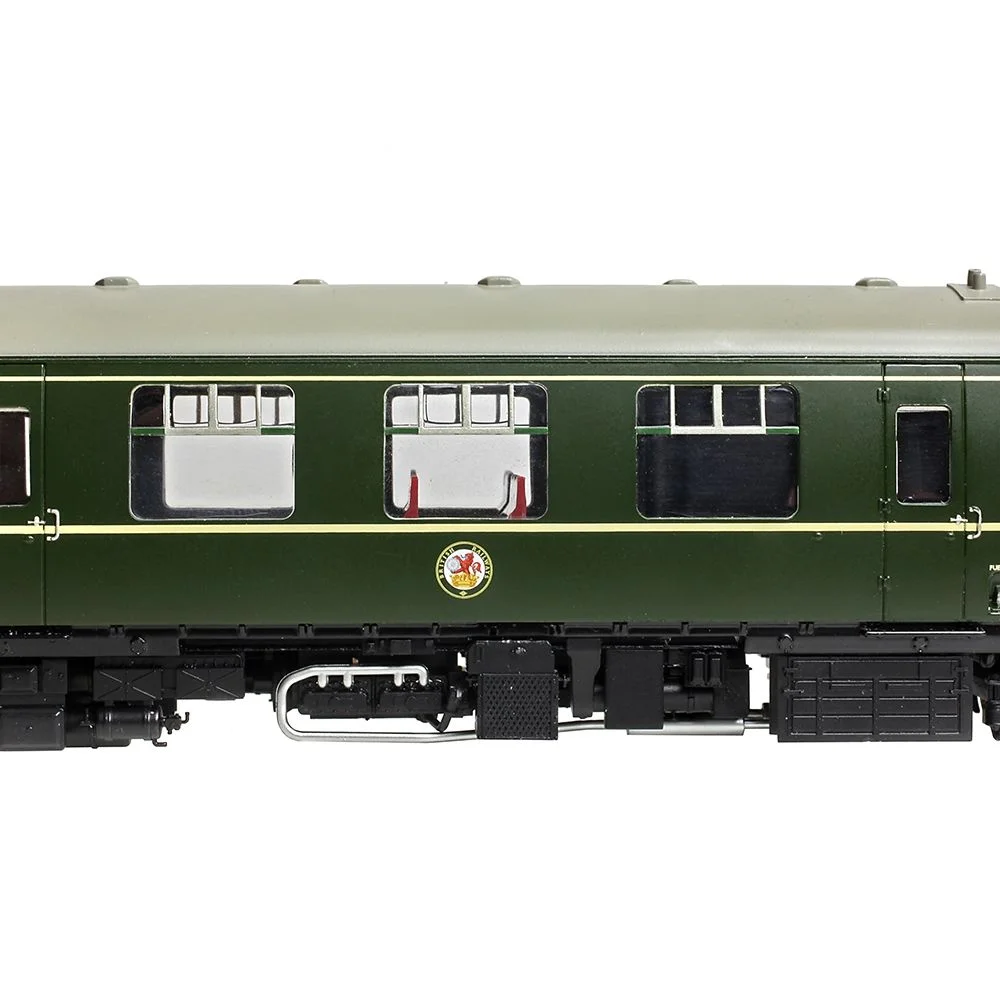
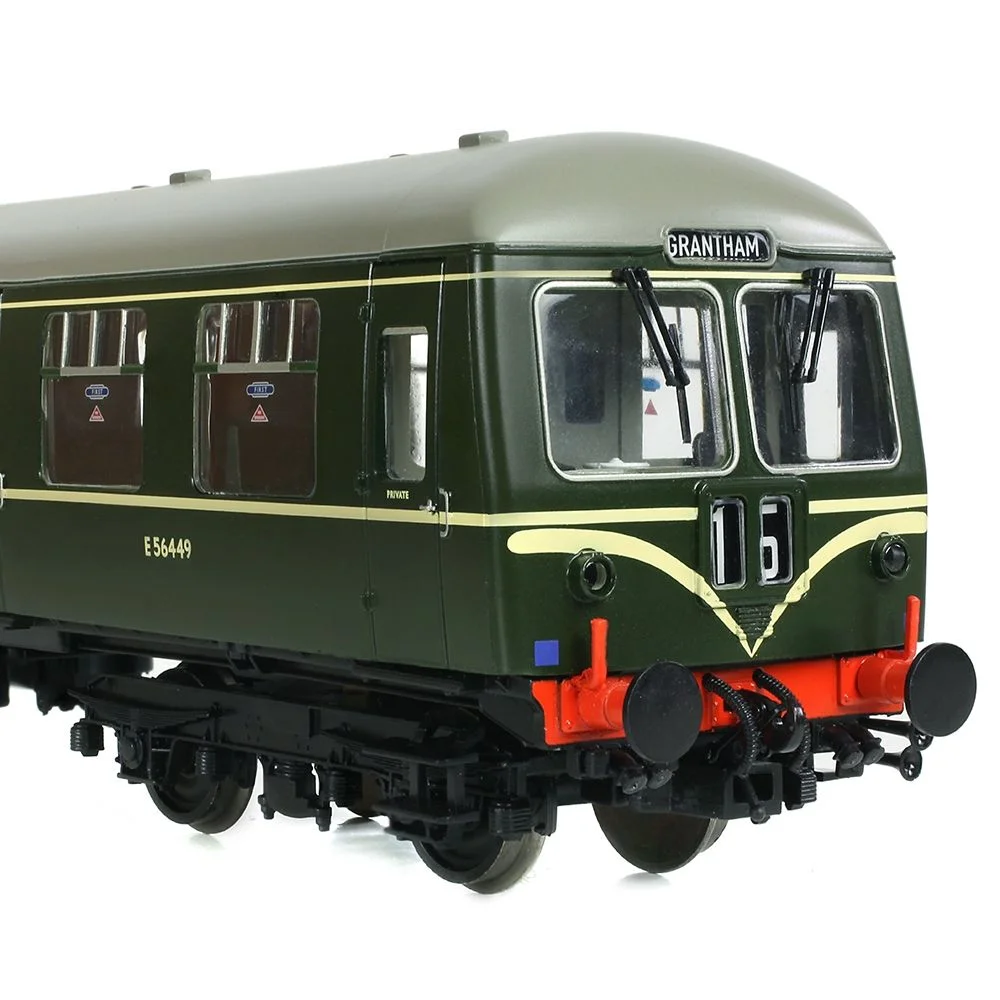
Detailing: Two-piece plastic body with separately fitted details including coach-end railings, exhausts, handrails, lamp irons, roof piping and vestibules. Underframe contains authentically moulded air tanks, battery box, piping, horn, driveshafts, engine pipework, footsteps, fuel tank and speedometer cables. Windows include wipers, glazing is clear, and interior cab detail and seating are present. Roof-mounted lamp irons and bufferbeam detailing are included. Separate cosmetic screw-link coupling for display-only purposes; sprung buffers.
Class & Prototype
- Class: British Rail Class 105 DMBS
- Traction: Diesel Multiple Unit
- Built: -
- Total Built: -
- Running Number: E51291
The British Rail Class 105 & 106 were Cravens-built diesel multiple units serving four BR regions from 1957-1988. These 302 vehicles featured distinctive Mark 1 coaching stock bodywork and operated rural branches, suburban services, and cross-country routes across Eastern, London Midland, North Eastern, and Scottish regions. The sole distinction between classes was engine type: Class 105 used AEC 220 engines, Class 106 had Leyland 680 powerplants. Only three vehicles survive in preservation at the East Lancashire and Llangollen Railways.
Operator & Livery
- Operator: British Railways
- Livery: Green
- Era: 4/5
British Railways transformed Britain's fragmented rail network into a unified national system following nationalisation on 1st January 1948. Created from the "Big Four" companies under the Transport Act 1947, BR operated most of Great Britain's railways until rebranding as British Rail in 1965, managing over 20,000 route miles and inheriting nearly 20,000 locomotives of diverse designs.
The organisation pioneered standardisation through its revolutionary BR Standard locomotive programme (1951-1960), producing 999 advanced steam engines under Robert Riddles' direction. These included the versatile Britannia Pacifics, mighty 9F freight engines, and mixed-traffic classes that incorporated the best features from all predecessor companies. The 1955 Modernisation Plan accelerated diesel and electric traction development, creating fascinating mixed-traction operations.
Notable achievements included establishing unified locomotive classification systems, introducing distinctive corporate liveries, and managing the complex transition from steam to modern traction. BR's six regional structure preserved operational diversity whilst enabling standardisation of practices, signalling, and rolling stock that had eluded private enterprise for over a century.
The BR era represents steam traction's final flowering alongside emerging diesel technology, creating unparalleled locomotive variety. Today, this heritage remains highly popular with railway enthusiasts through extensive preserved fleets, heritage railway operations, and comprehensive model ranges from manufacturers like Hornby, Bachmann, and Dapol, making BR subjects essential for authentic post-war British railway modelling across all scales.