Bachmann 31-676
British Railways AL5 E3058 British Railways Electric Blue
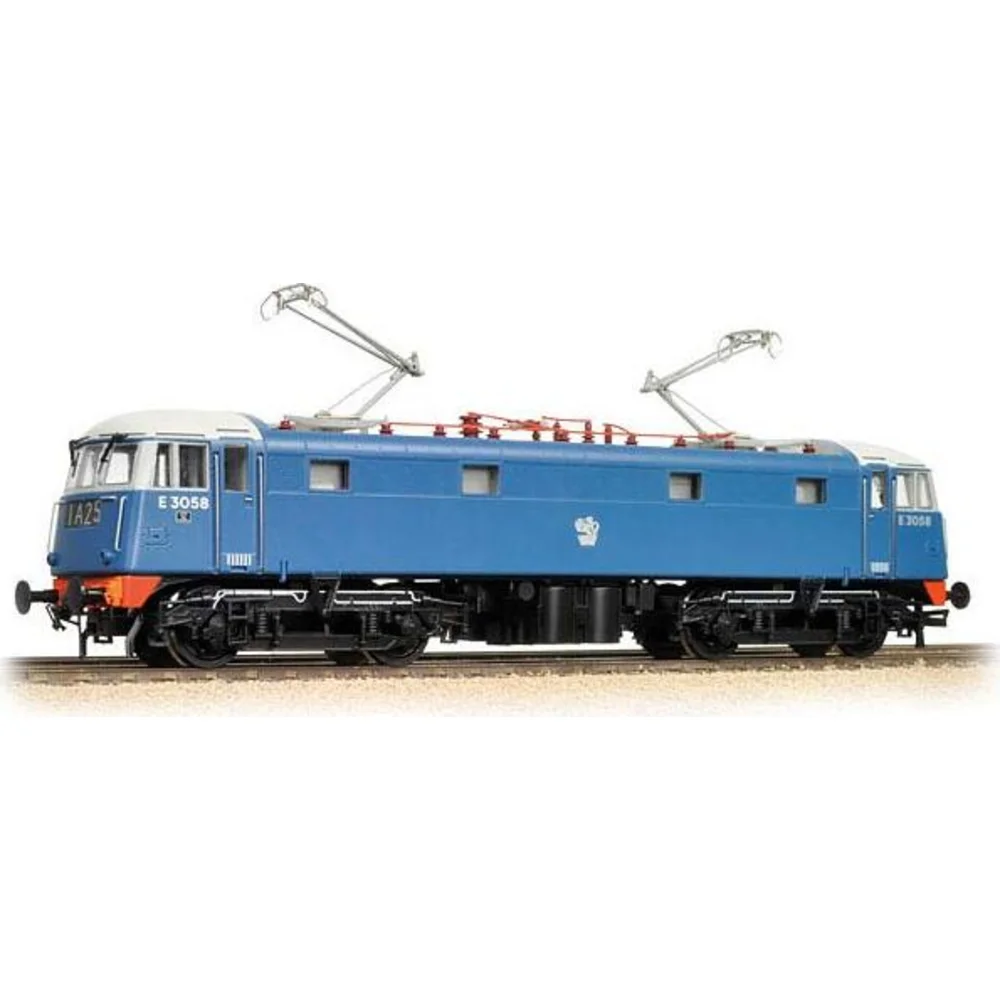
Source: Bachmann
MRDB.Entities.SelectOption
Tooling
Announced in 2012, Bachmann’s British Rail Class 85 marked the company’s first UK-outline AC electric locomotive in OO gauge. The prototype Class 85, originally designated AL5, was built between 1961 and 1964 for the electrification of the West Coast Main Line. Bachmann’s decision to produce this model filled a long-standing gap in the market for accurate AC electrics, following mixed reception of earlier models from other manufacturers.
The model was widely praised for its accurate body shape, fine detailing, and exceptional roof equipment, particularly the pantograph which was considered superior to previous offerings. Running performance was reported as smooth and reliable. Minor criticisms focused on pantograph adjustment and calls for finer-scale grilles in future reissues. Enthusiasts on RMweb and YouTube highlighted its appeal as an essential addition for West Coast Main Line layouts, with many fitting sound decoders for enhanced realism.
Detailing: Factory-fitted separate details including handrails, buffer-beam detail, roof-mounted electrical equipment, Stone Faiveley AMBR pantograph, window wipers, and fully detailed cab interior. Sprung metal buffers. Etched cab emblems. Accessory packs provided additional detailing parts for buffer-beams and pipework and cosmetic screw-link couplings.
Class & Prototype
- Class: British Railways AL5
- Traction: -
- Built: 1961-1964
- Total Built: 40
- Running Number: E3058
- Ordered By: British Railways
- Built By: British Railways
- Built At: Doncaster
- Built: 06/1961
- Withdrawn: 11/1991
- Length of Service: 30.4 years
- Running Numbers: BR E3058, BR 85003, BR 85113
- Names: -
The British Rail Class 85 electric locomotive was built at Doncaster Works between 1961-1964 as part of the West Coast Main Line's innovative five-prototype AC electrification programme. Originally designated AL5, these 40 Bo-Bo locomotives produced 3,200 hp and earned the nickname "Britain's most boring class" through exceptional reliability—semiconductor rectifiers avoided the dramatic failures plaguing contemporary types. Serving express passenger, parcels, and freight duties across the WCML for thirty years, the class was progressively displaced by Classes 87 and 90 before final withdrawal in December 1991. Only 85006 survives in preservation at Barrow Hill Roundhouse. Bachmann's discontinued 2012 OO gauge range remains the sole model representation, with typical pricing £155-165 for remaining new stock.
Operator & Livery
- Operator: British Railways
- Livery: Electric Blue
- Era: 5 - British Railways Late Crest
British Railways transformed Britain's fragmented rail network into a unified national system following nationalisation on 1st January 1948. Created from the "Big Four" companies under the Transport Act 1947, BR operated most of Great Britain's railways until rebranding as British Rail in 1965, managing over 20,000 route miles and inheriting nearly 20,000 locomotives of diverse designs.
The organisation pioneered standardisation through its revolutionary BR Standard locomotive programme (1951-1960), producing 999 advanced steam engines under Robert Riddles' direction. These included the versatile Britannia Pacifics, mighty 9F freight engines, and mixed-traffic classes that incorporated the best features from all predecessor companies. The 1955 Modernisation Plan accelerated diesel and electric traction development, creating fascinating mixed-traction operations.
Notable achievements included establishing unified locomotive classification systems, introducing distinctive corporate liveries, and managing the complex transition from steam to modern traction. BR's six regional structure preserved operational diversity whilst enabling standardisation of practices, signalling, and rolling stock that had eluded private enterprise for over a century.
The BR era represents steam traction's final flowering alongside emerging diesel technology, creating unparalleled locomotive variety. Today, this heritage remains highly popular with railway enthusiasts through extensive preserved fleets, heritage railway operations, and comprehensive model ranges from manufacturers like Hornby, Bachmann, and Dapol, making BR subjects essential for authentic post-war British railway modelling across all scales.