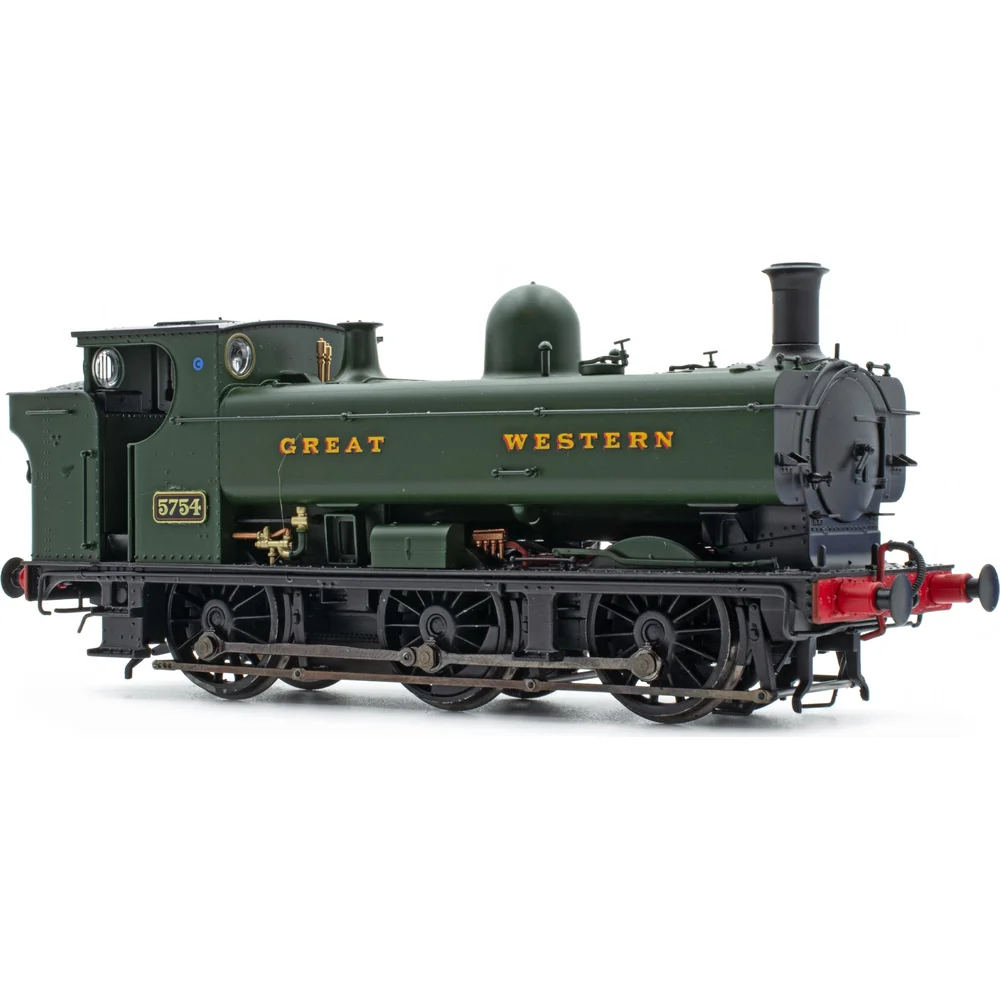
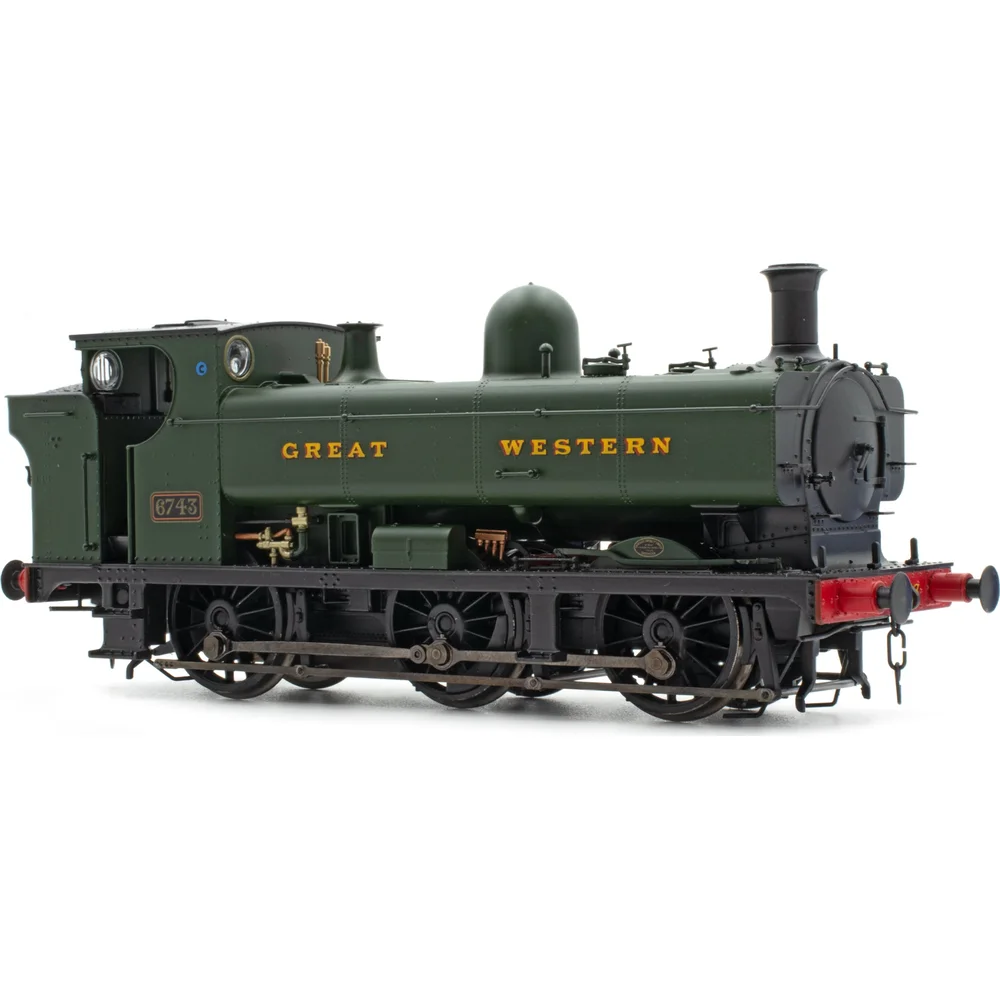
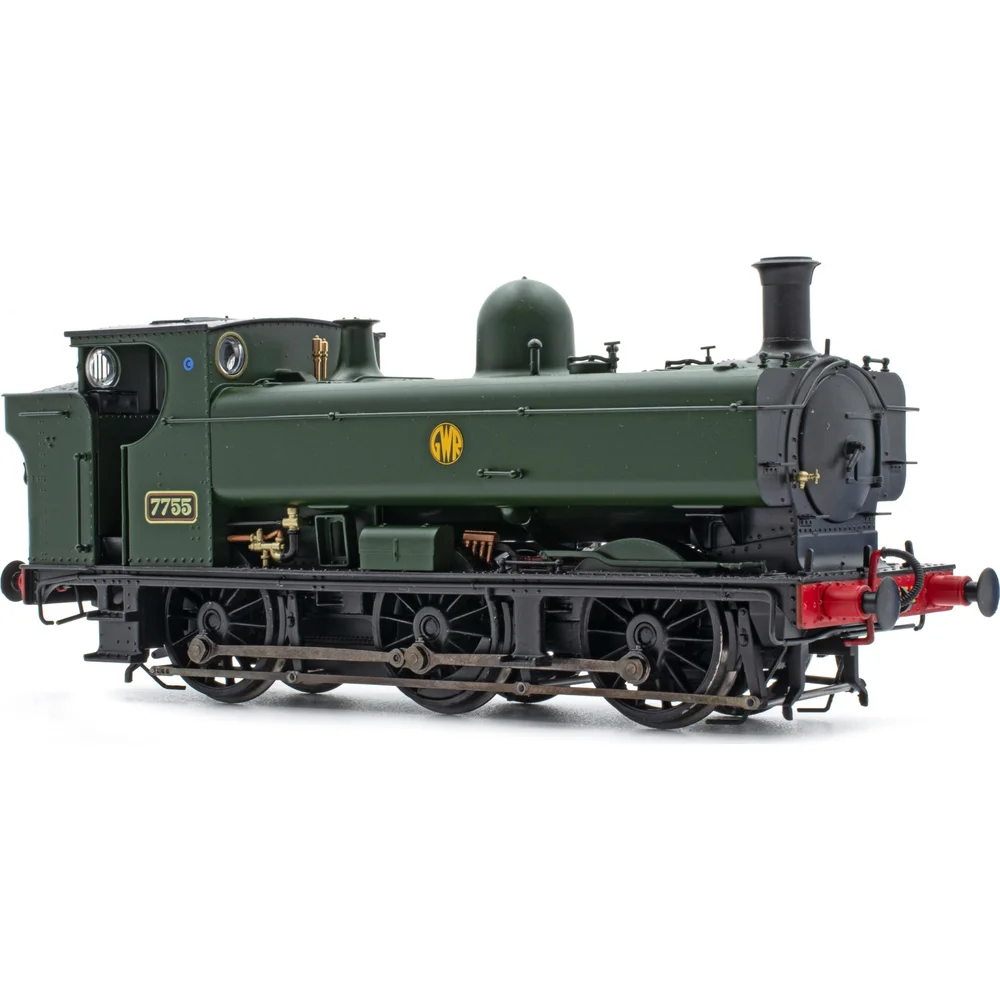
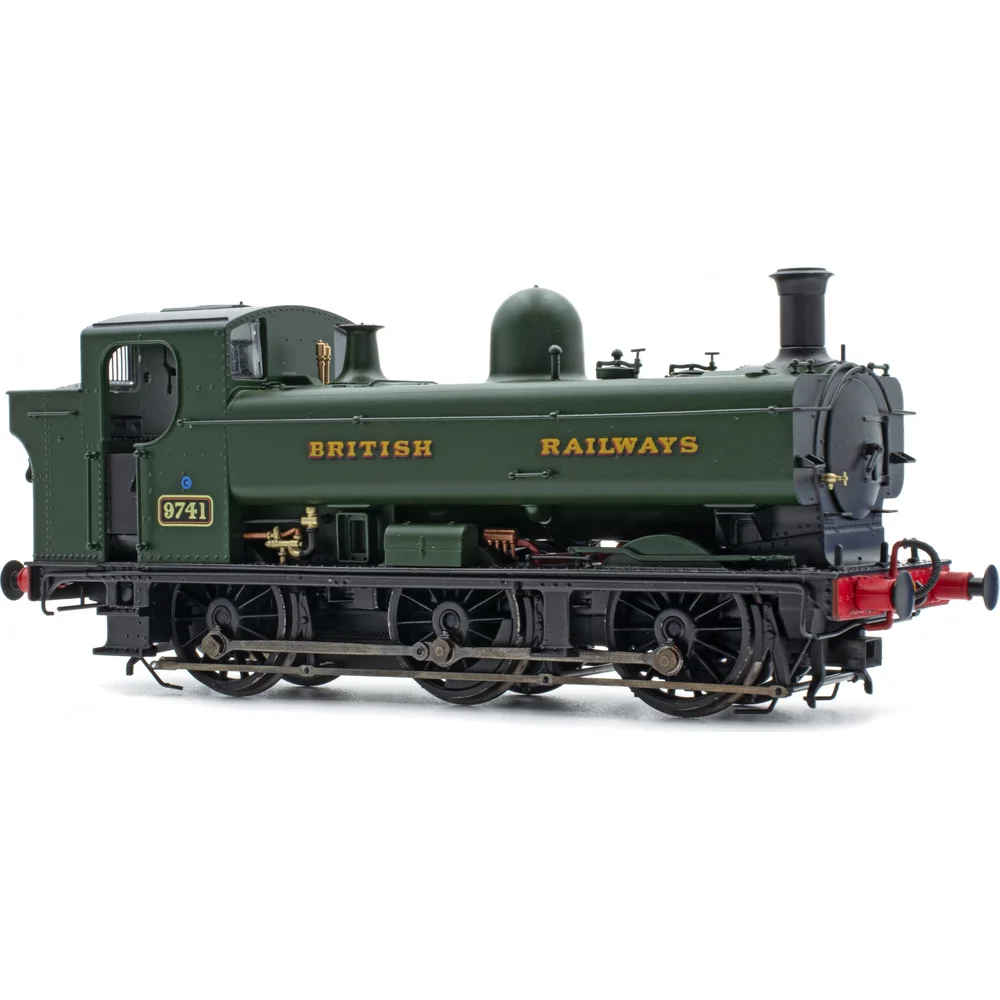
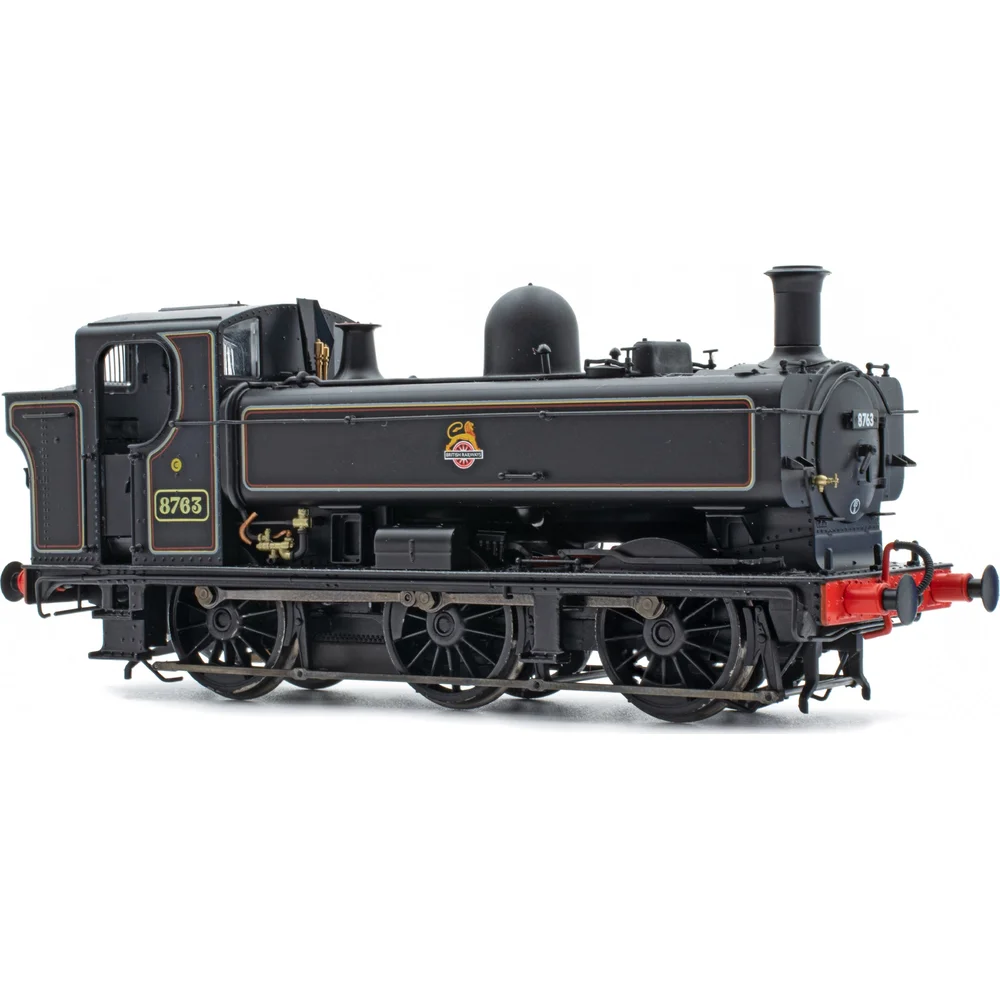
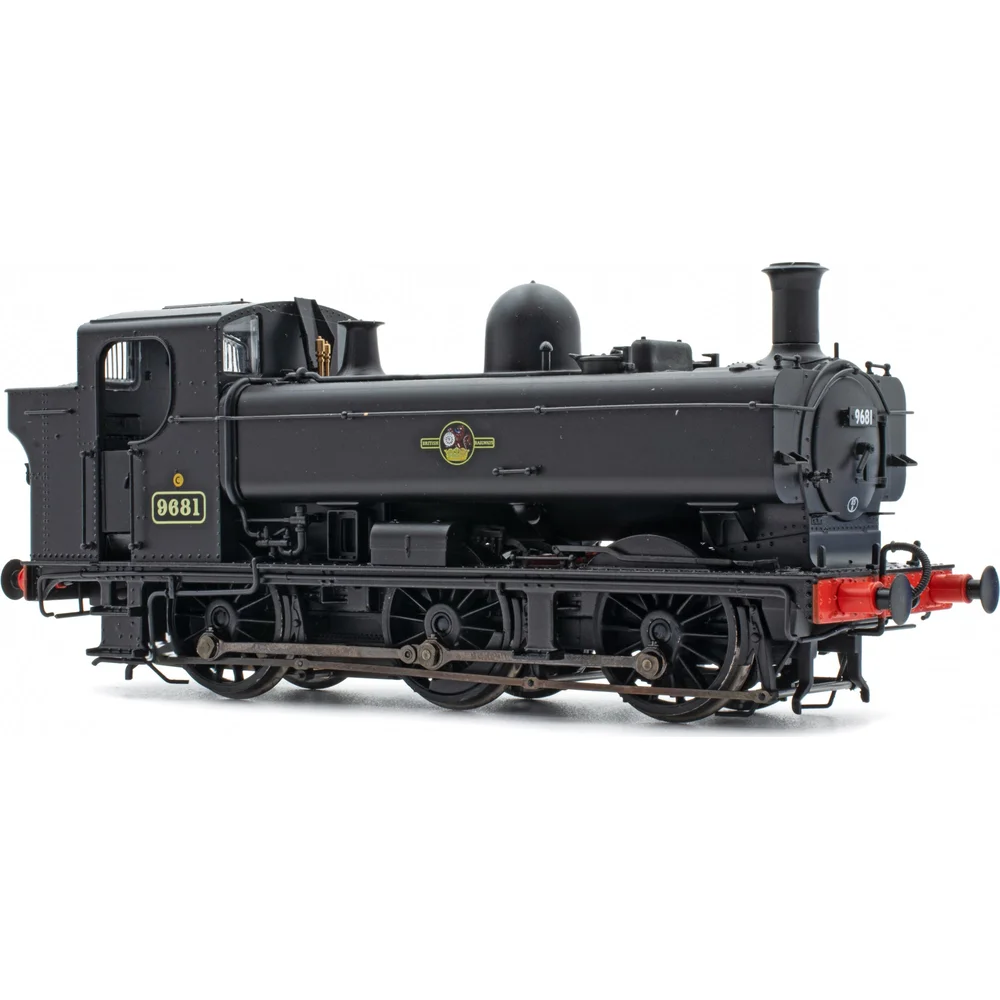
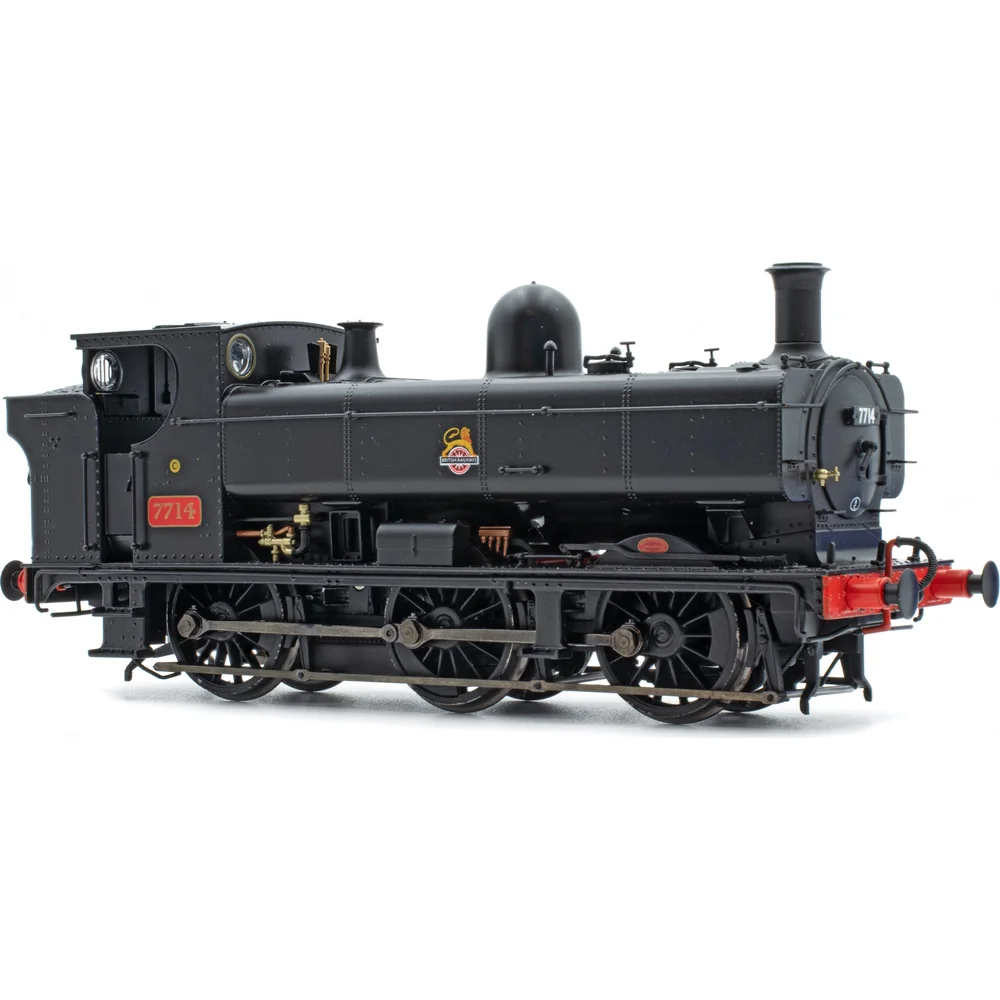
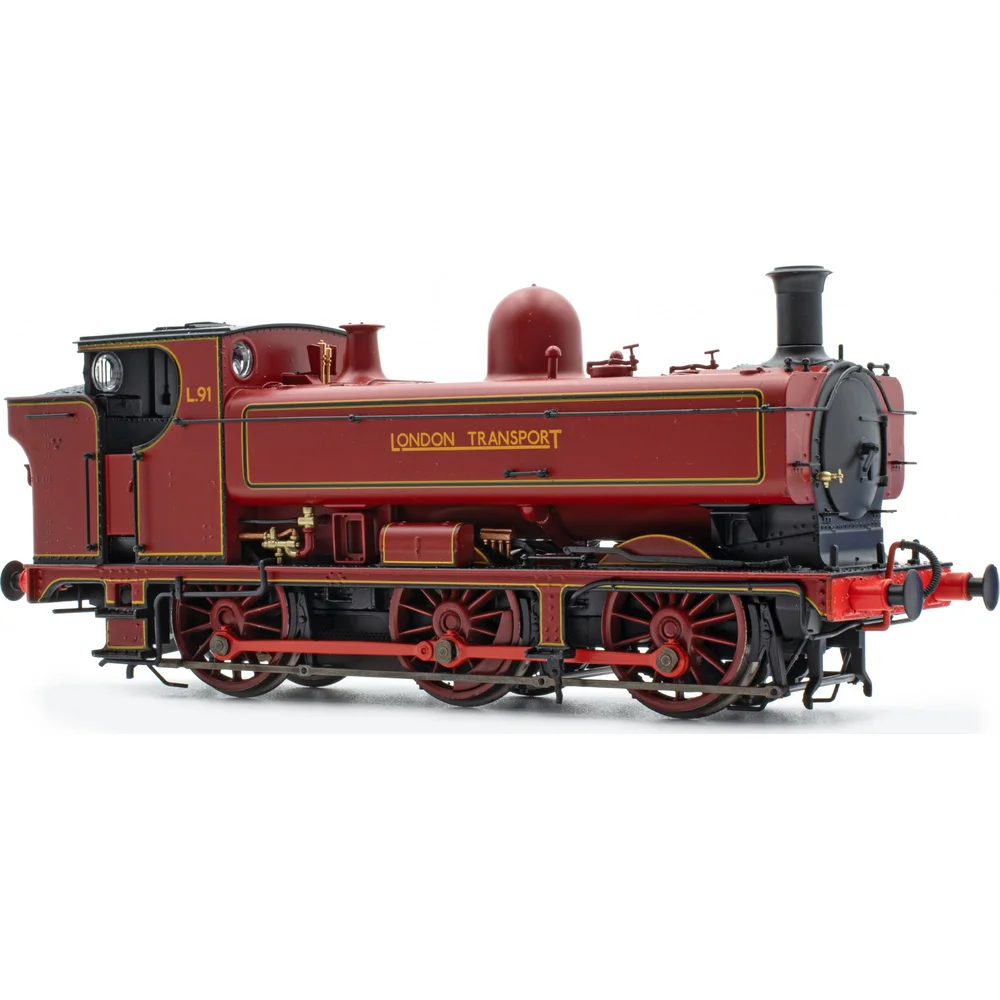
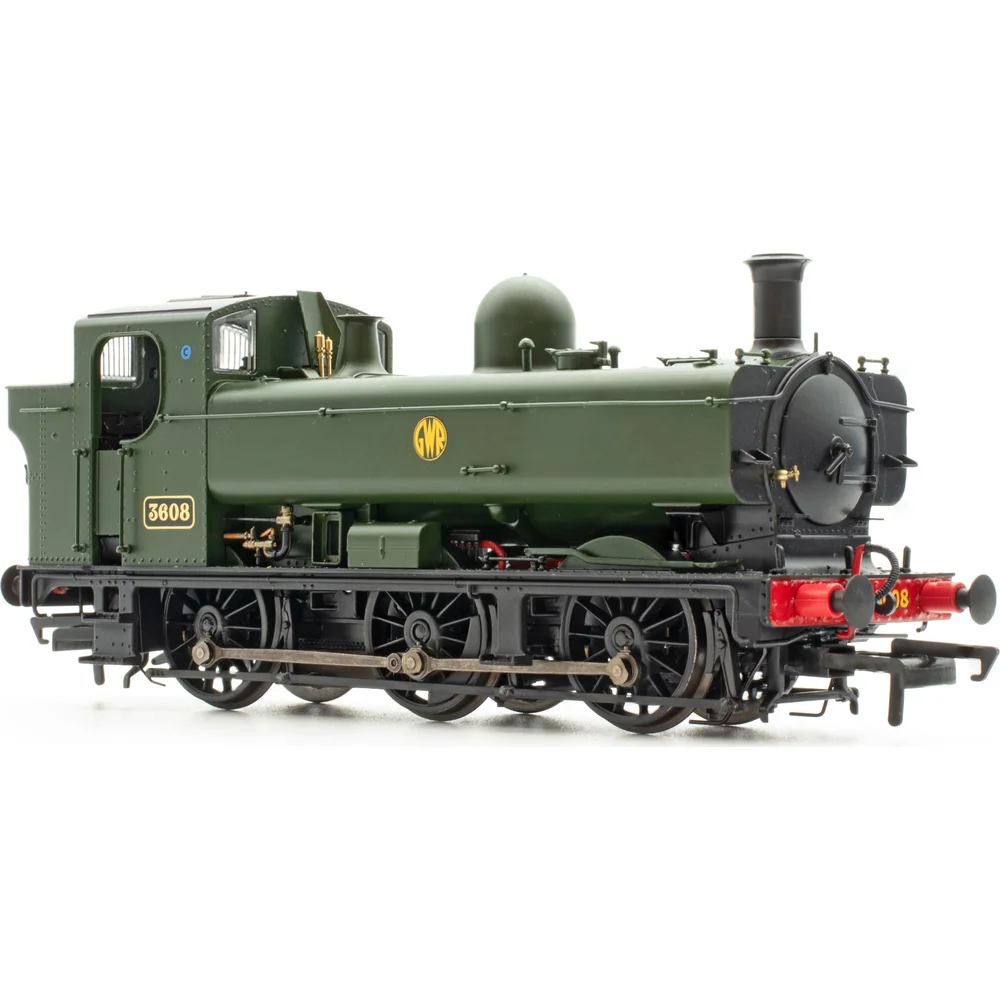
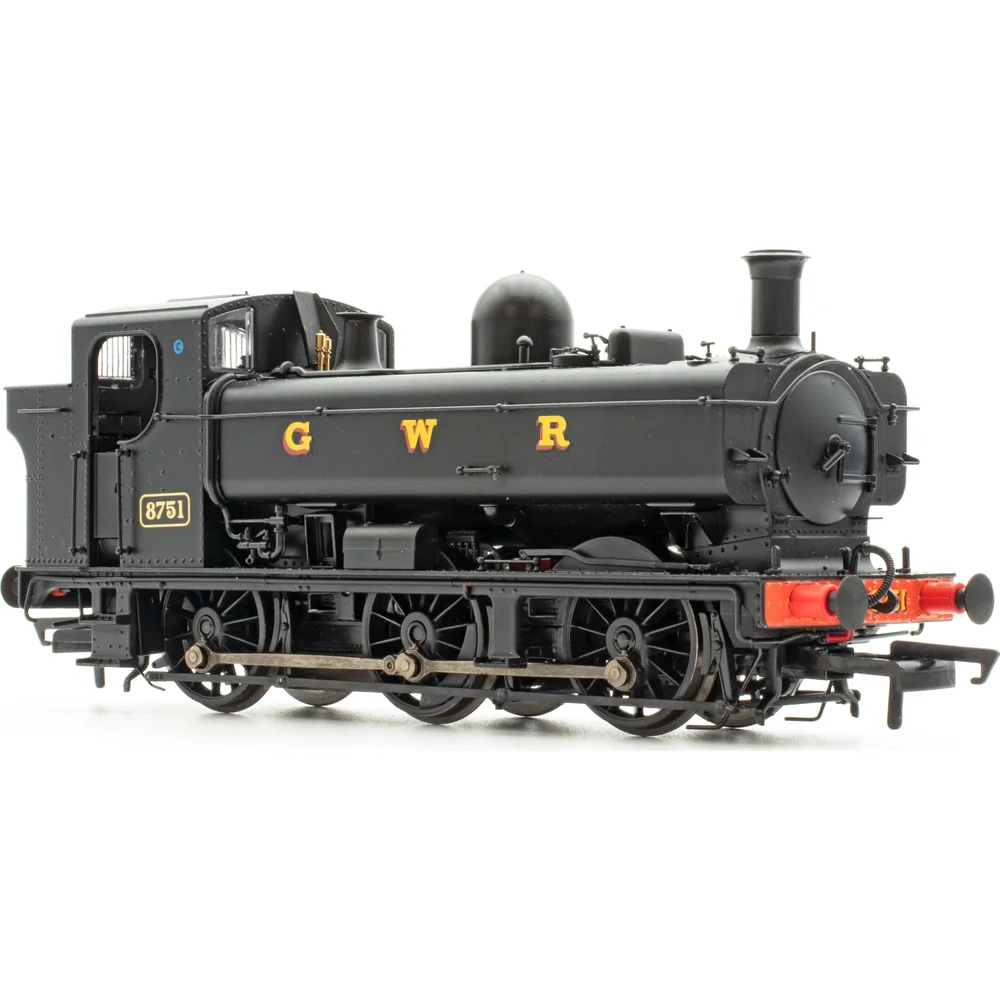
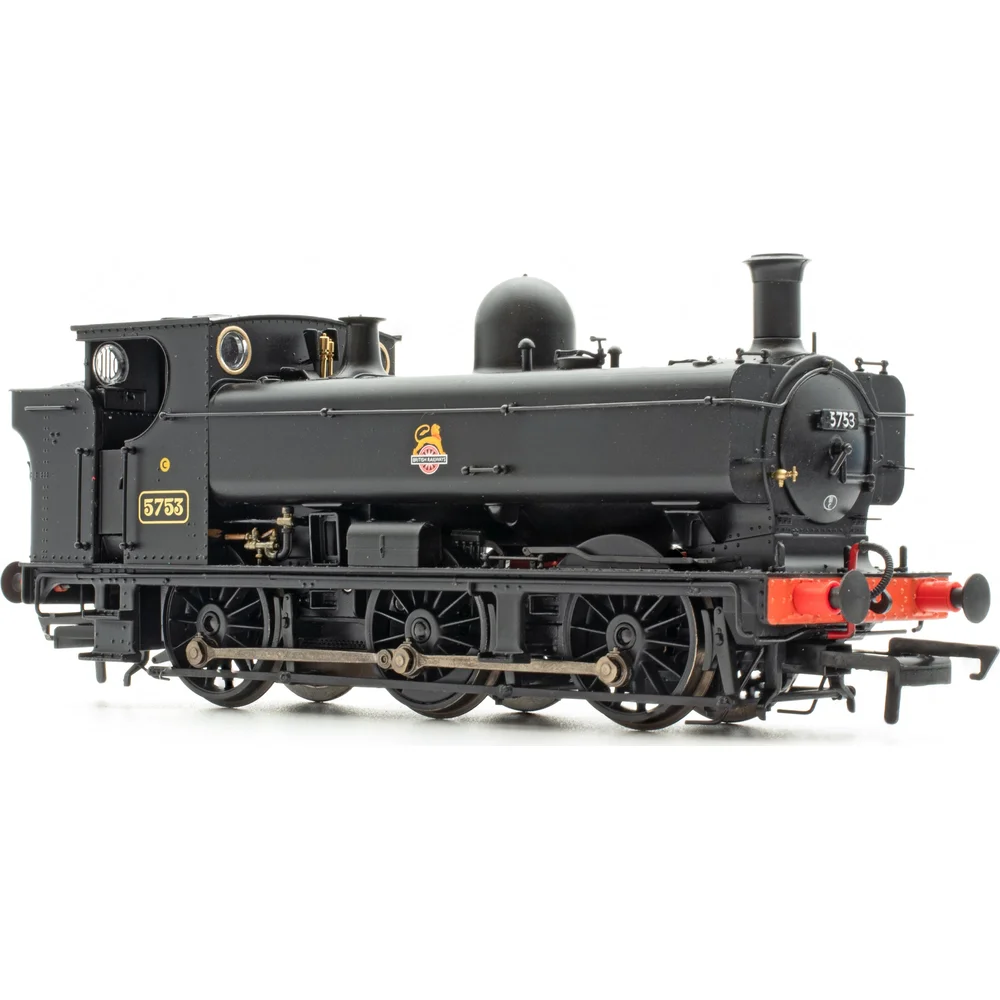
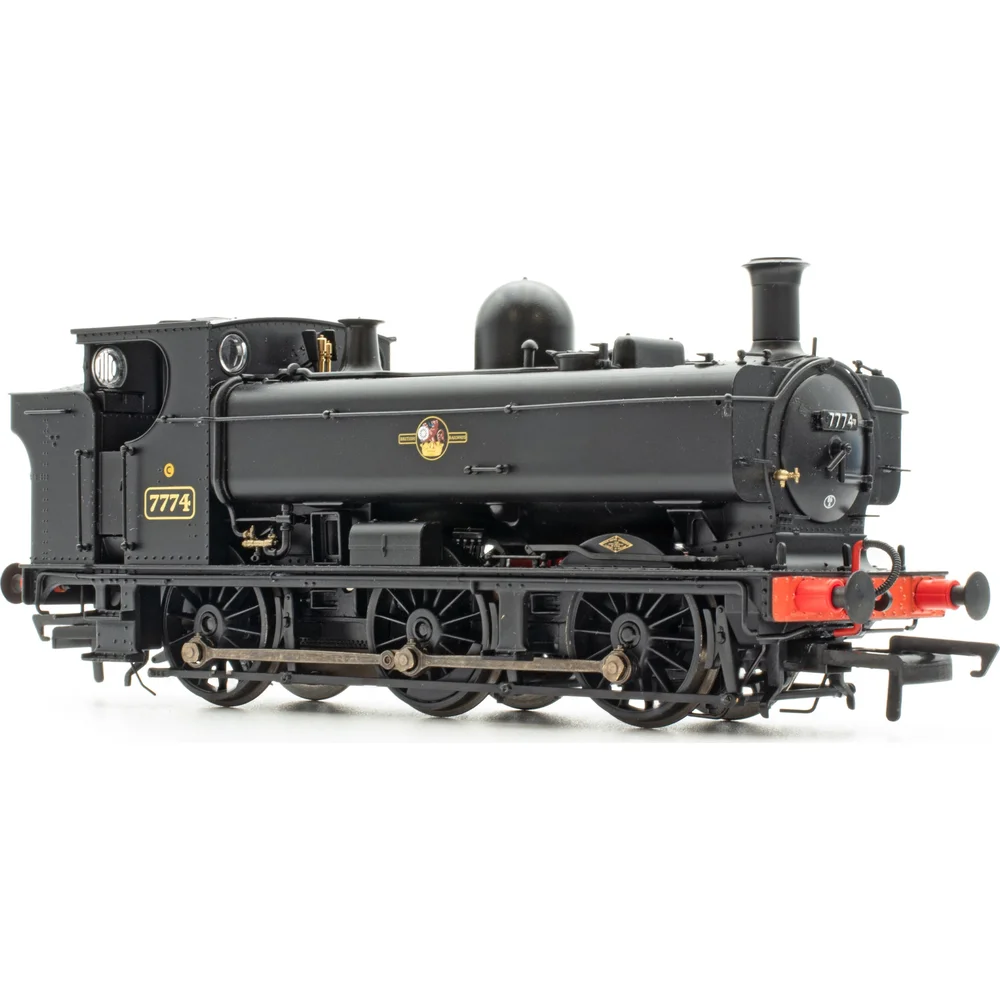
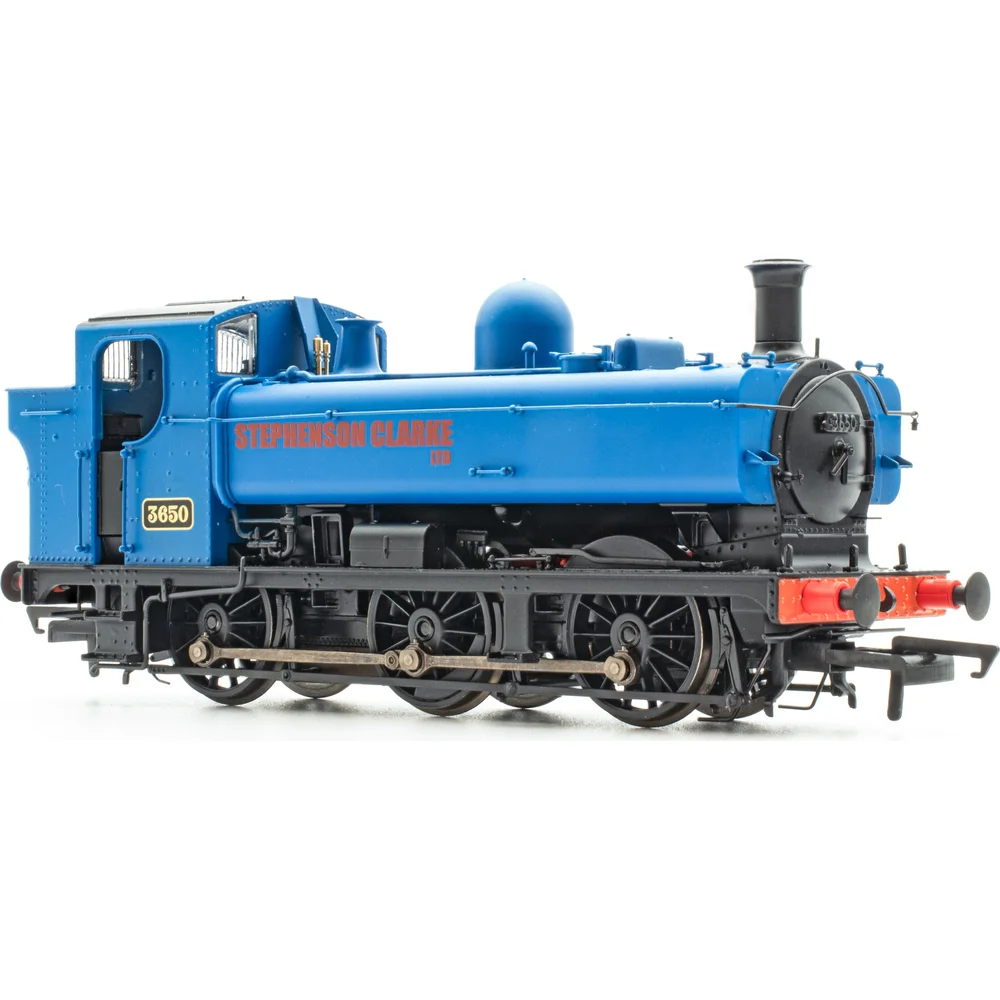
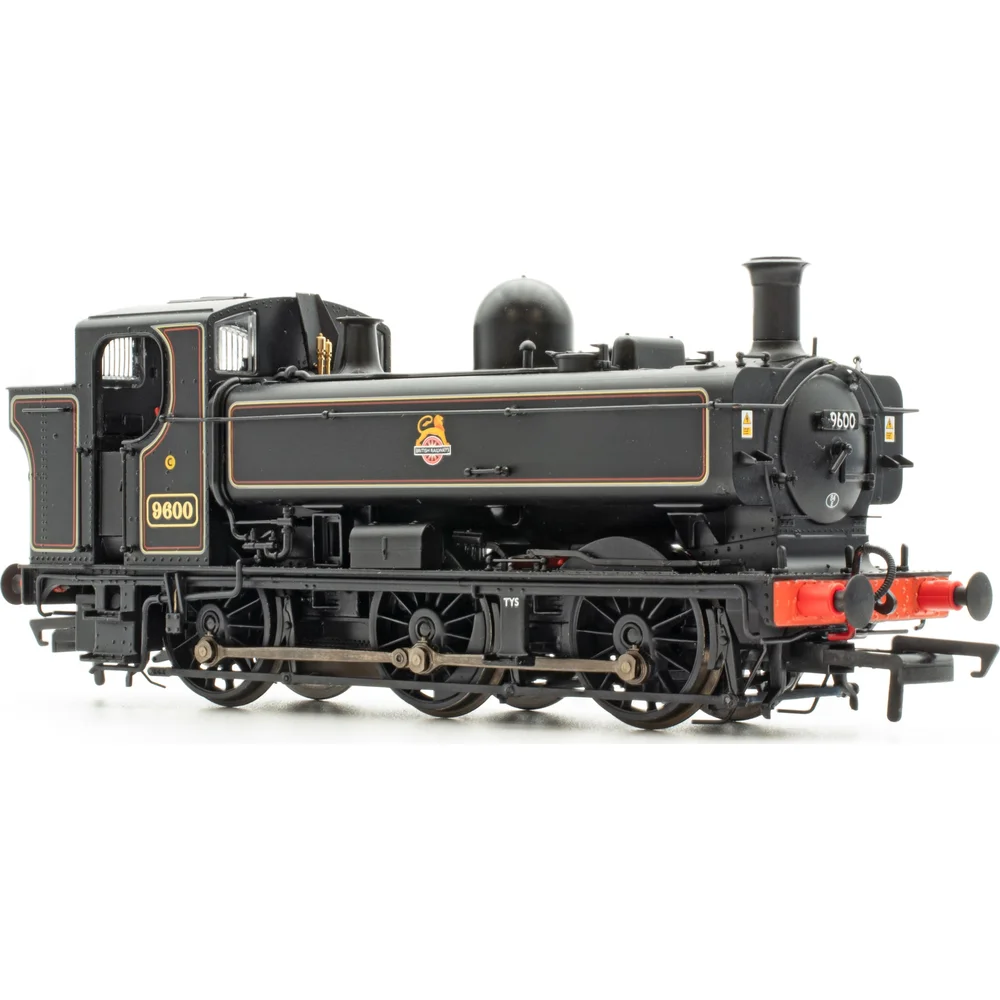
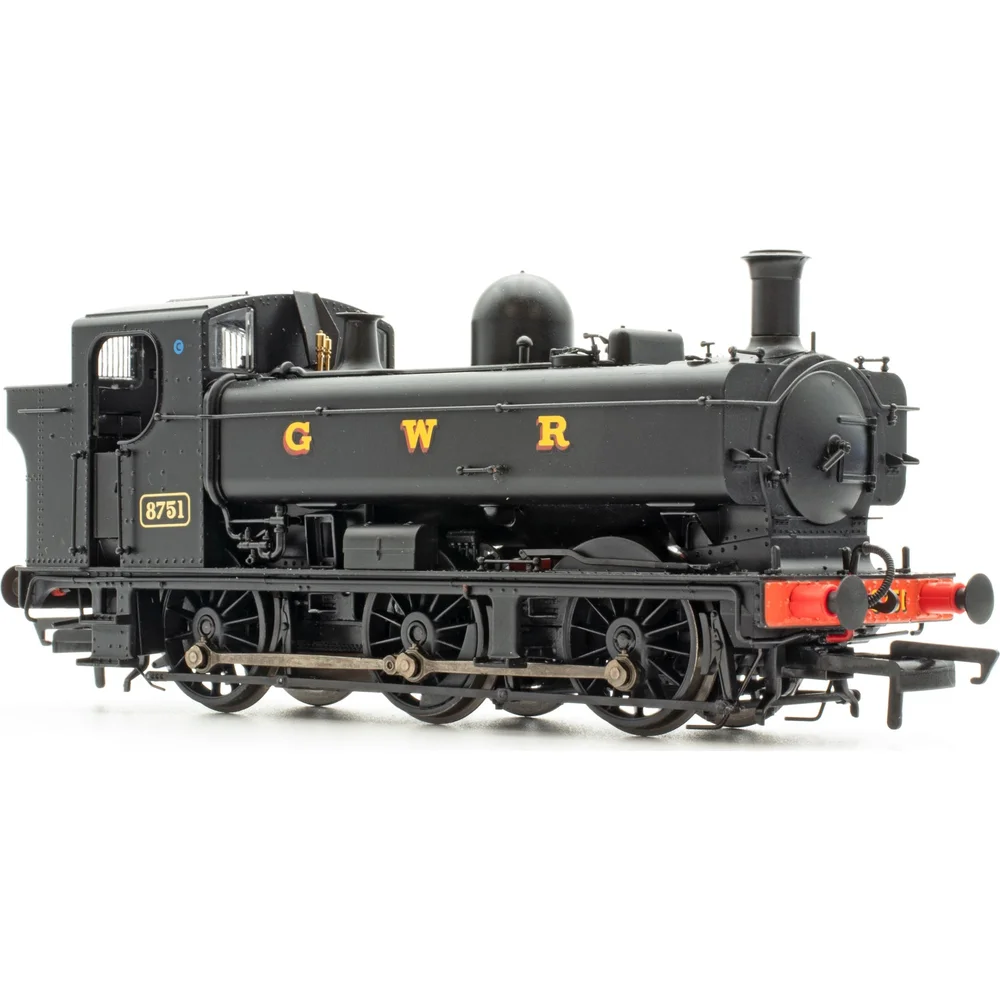
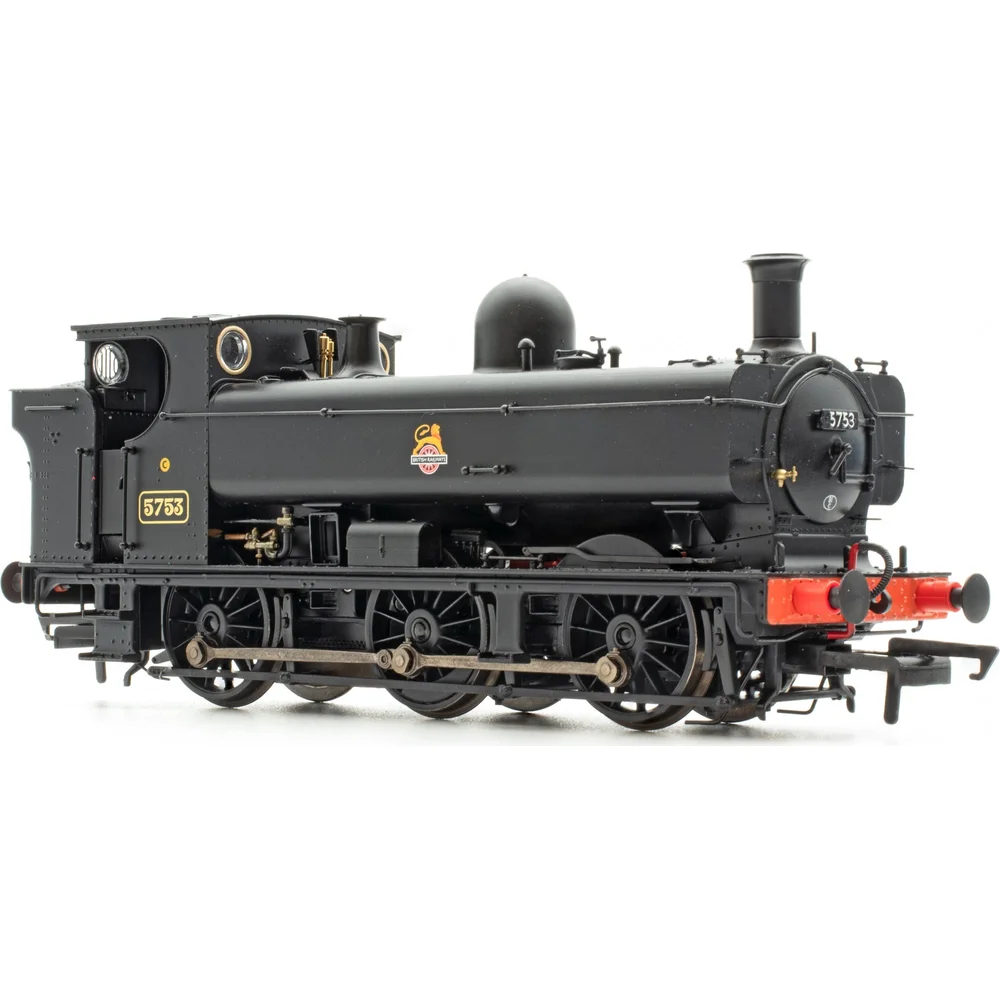
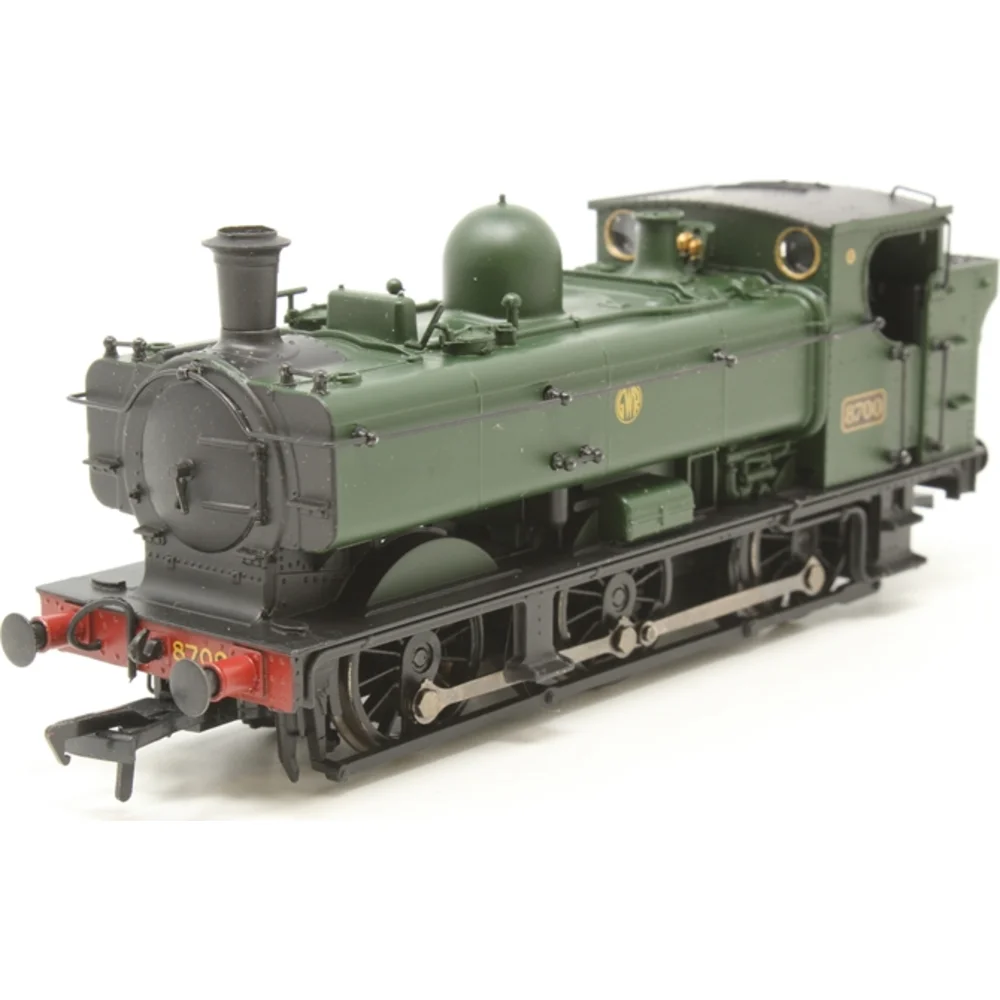
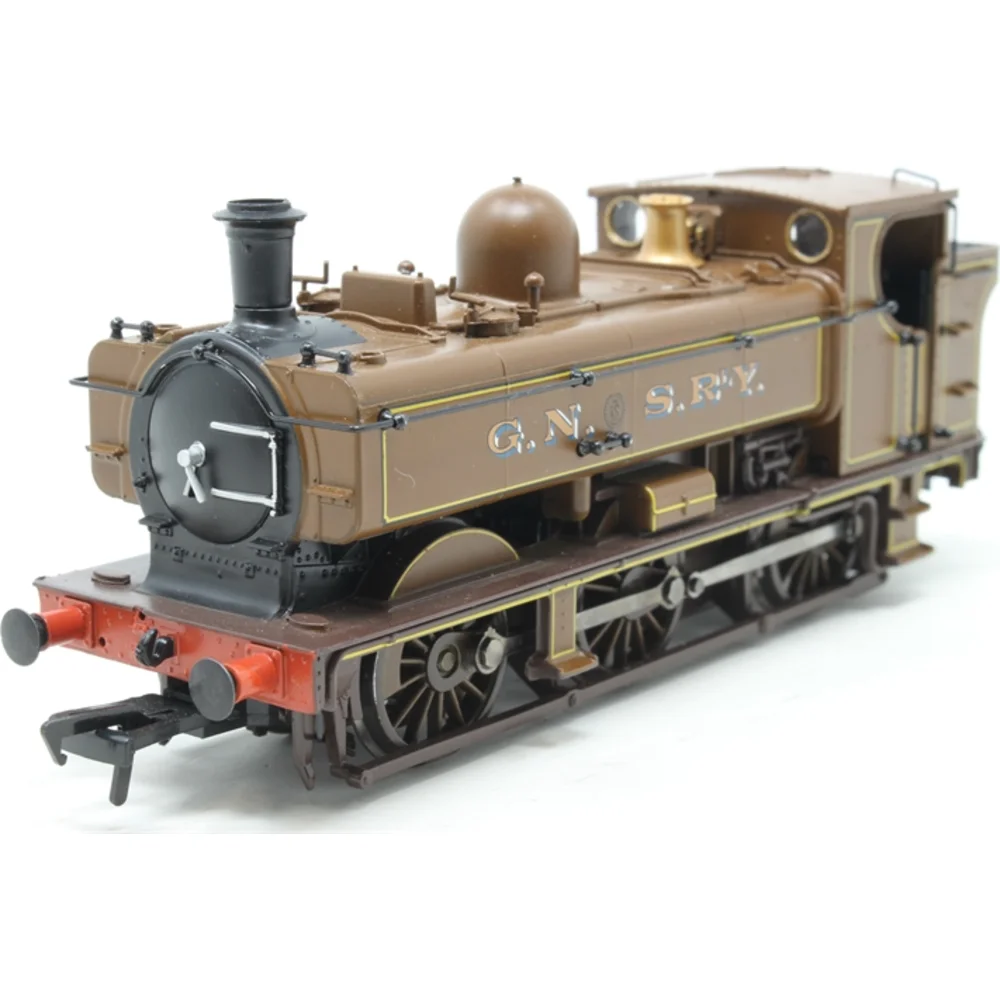
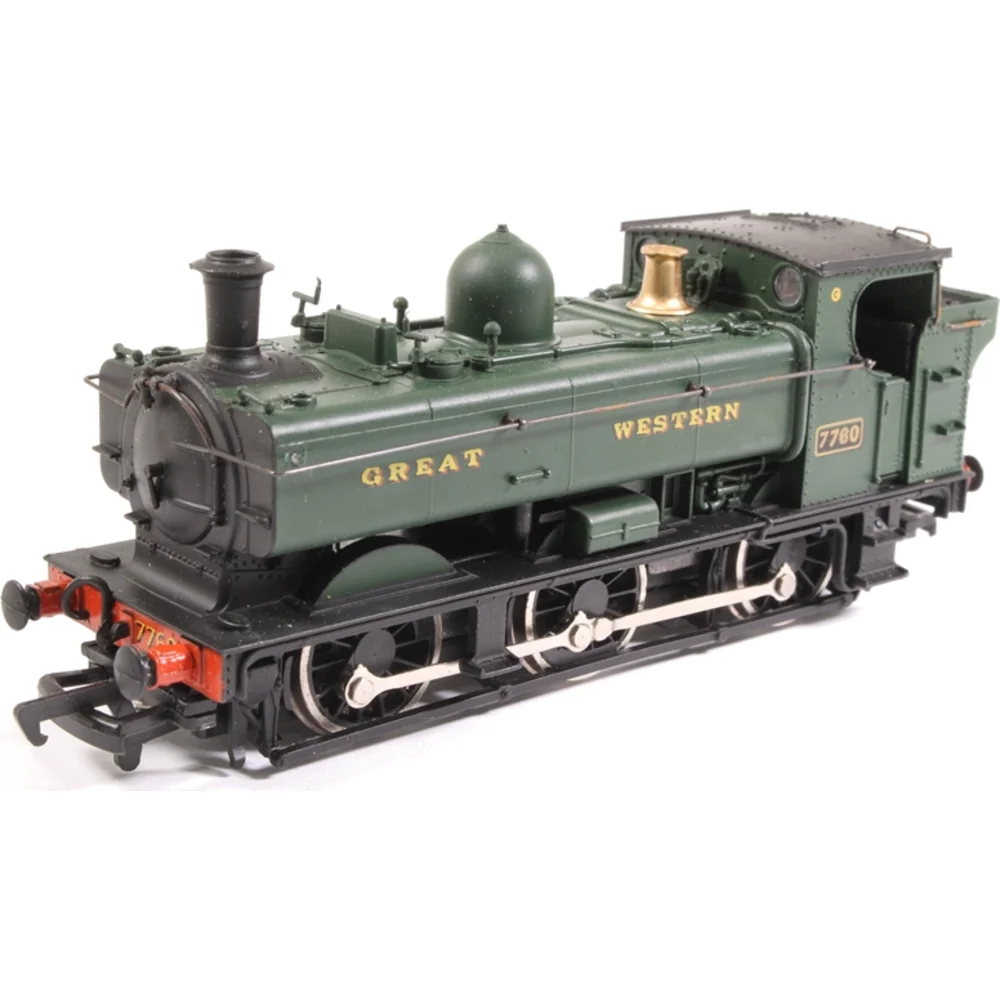
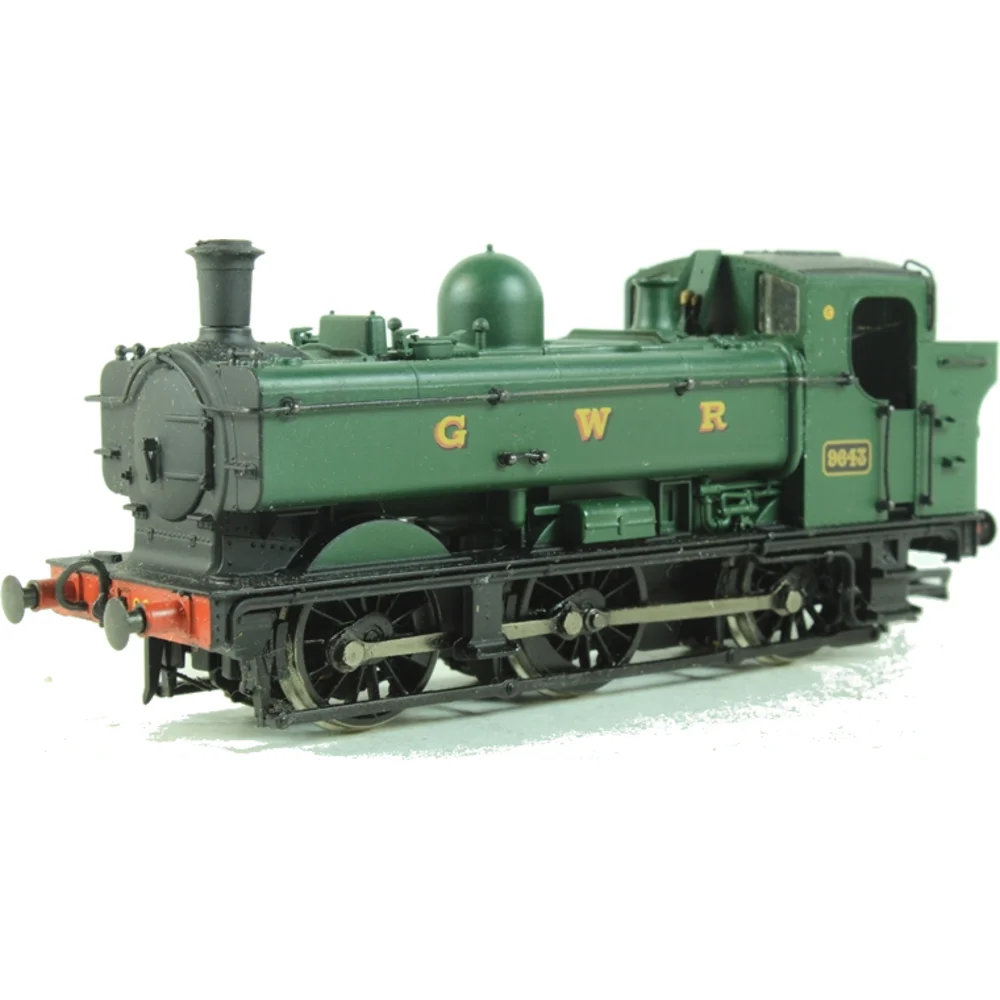
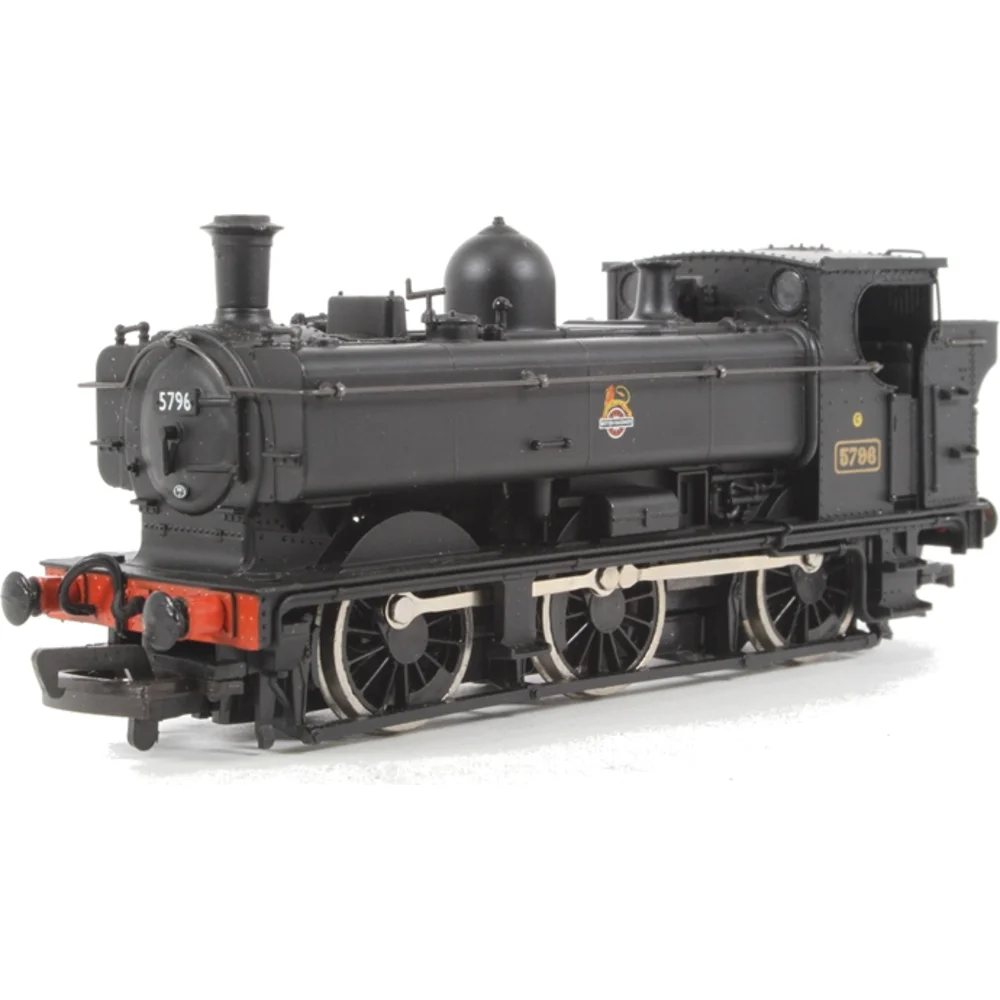
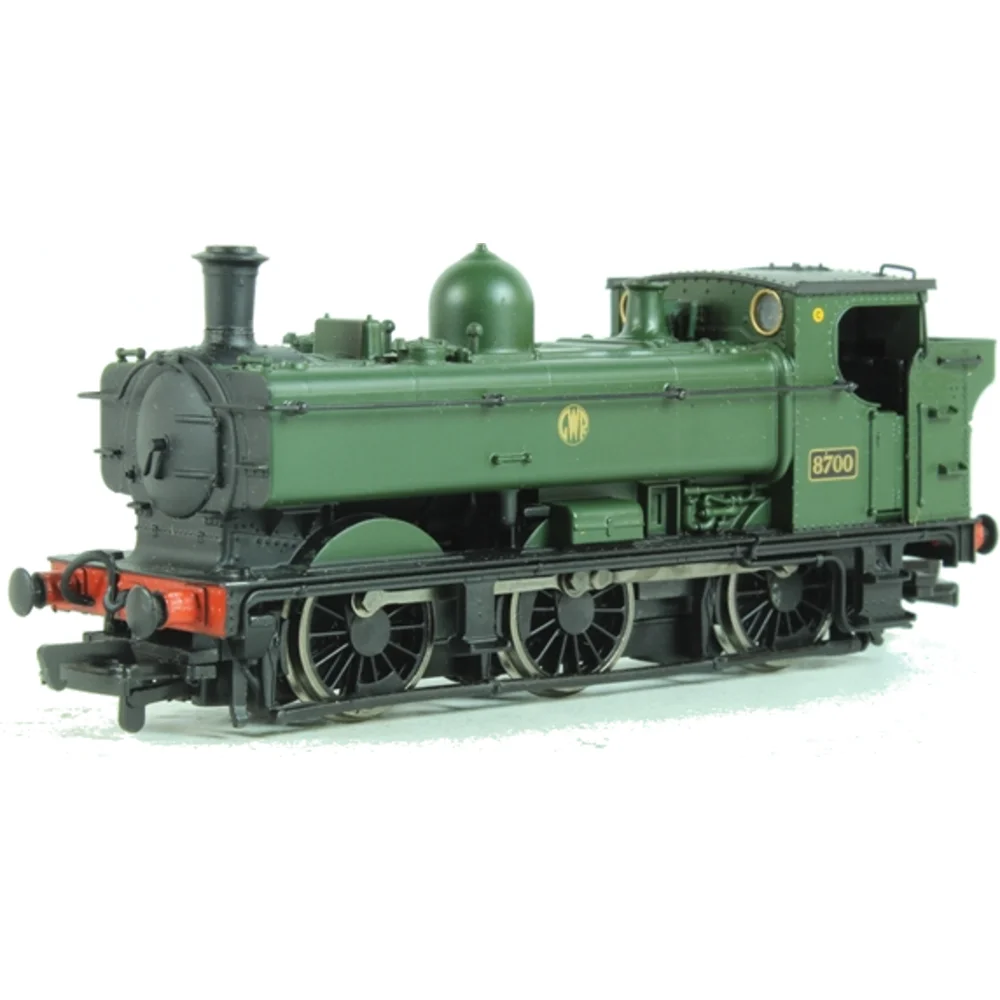
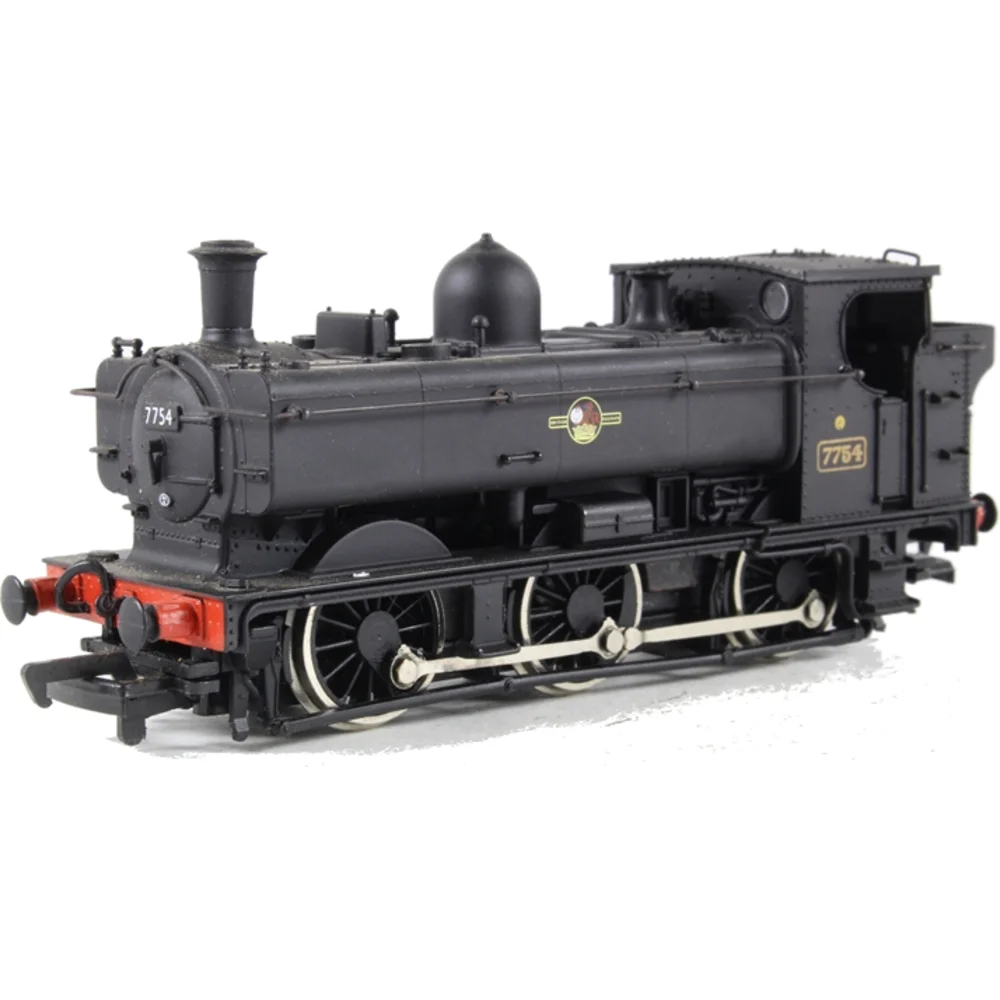
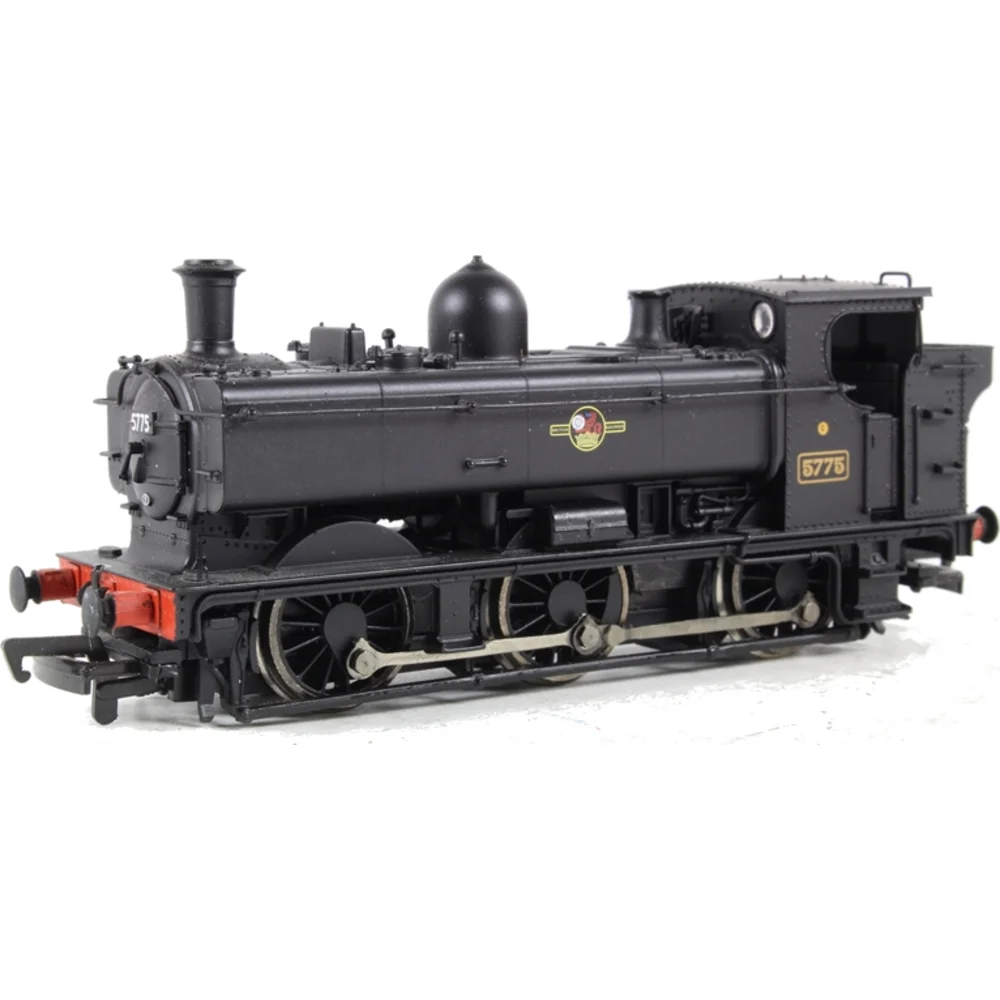
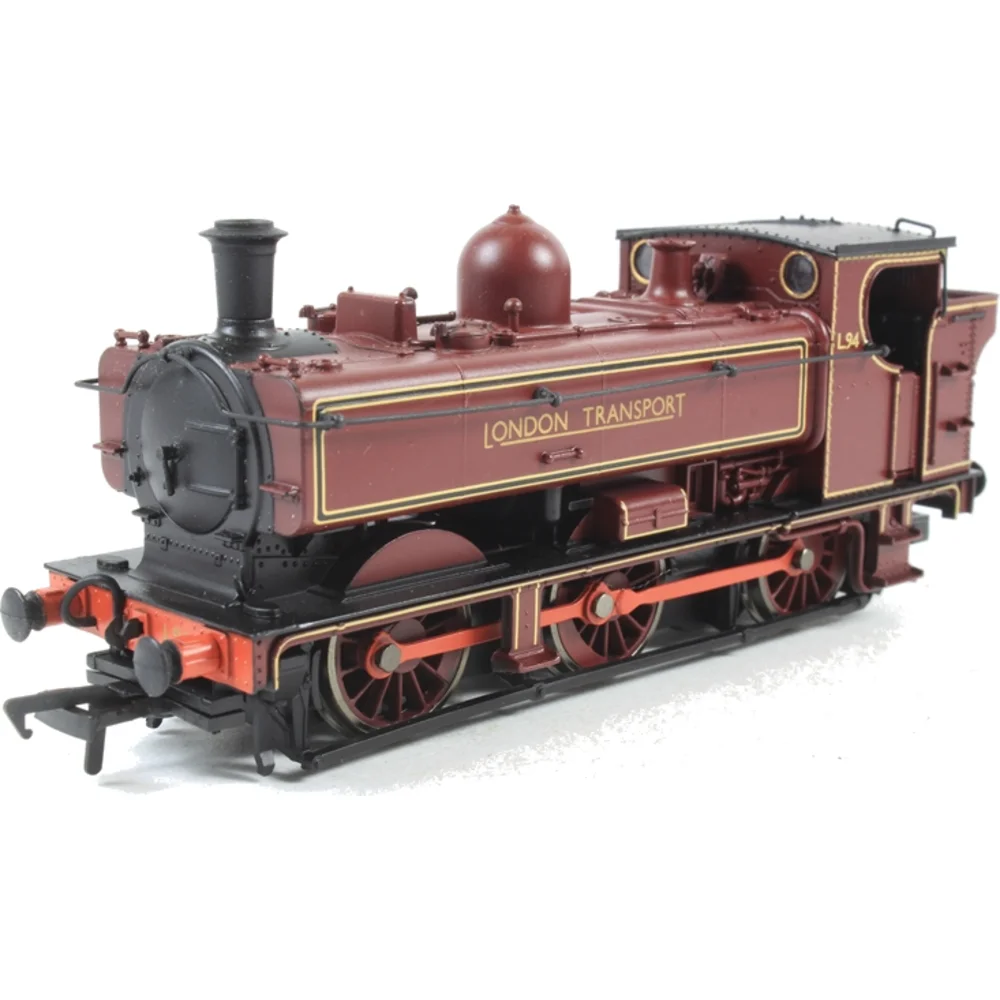
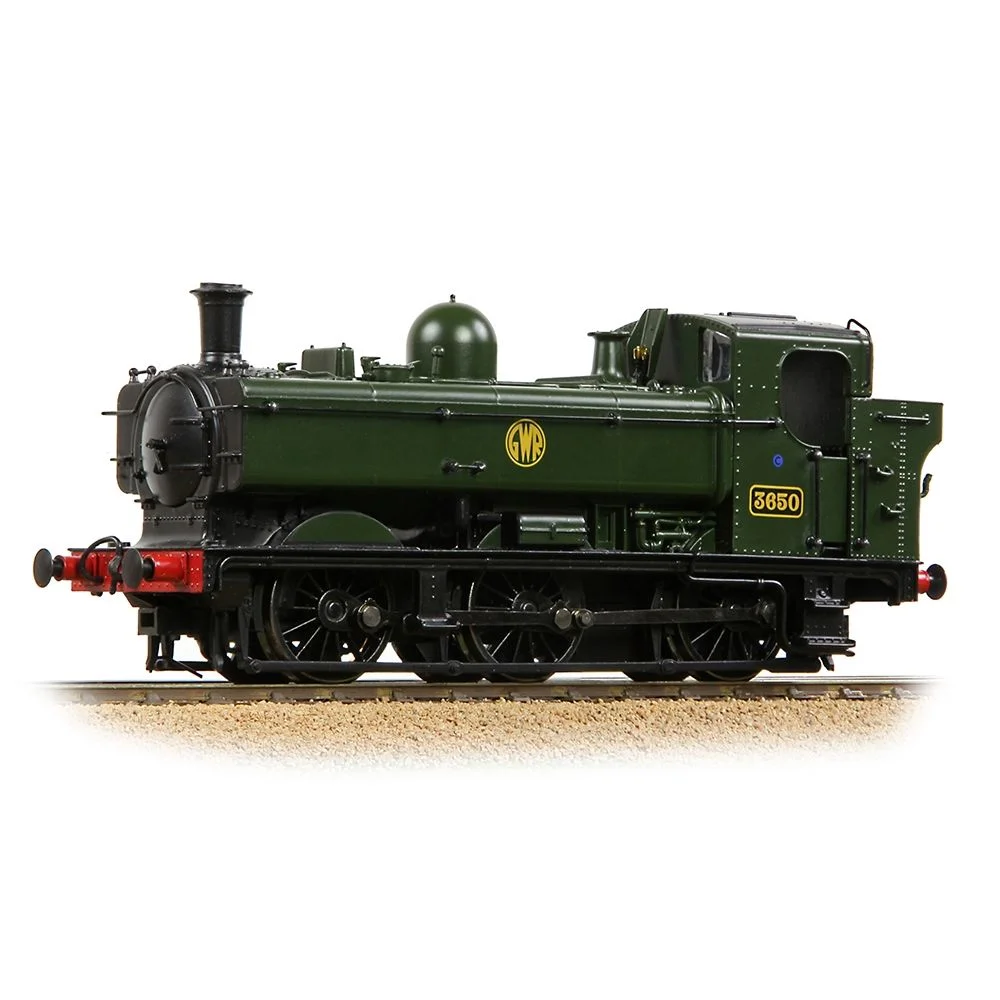
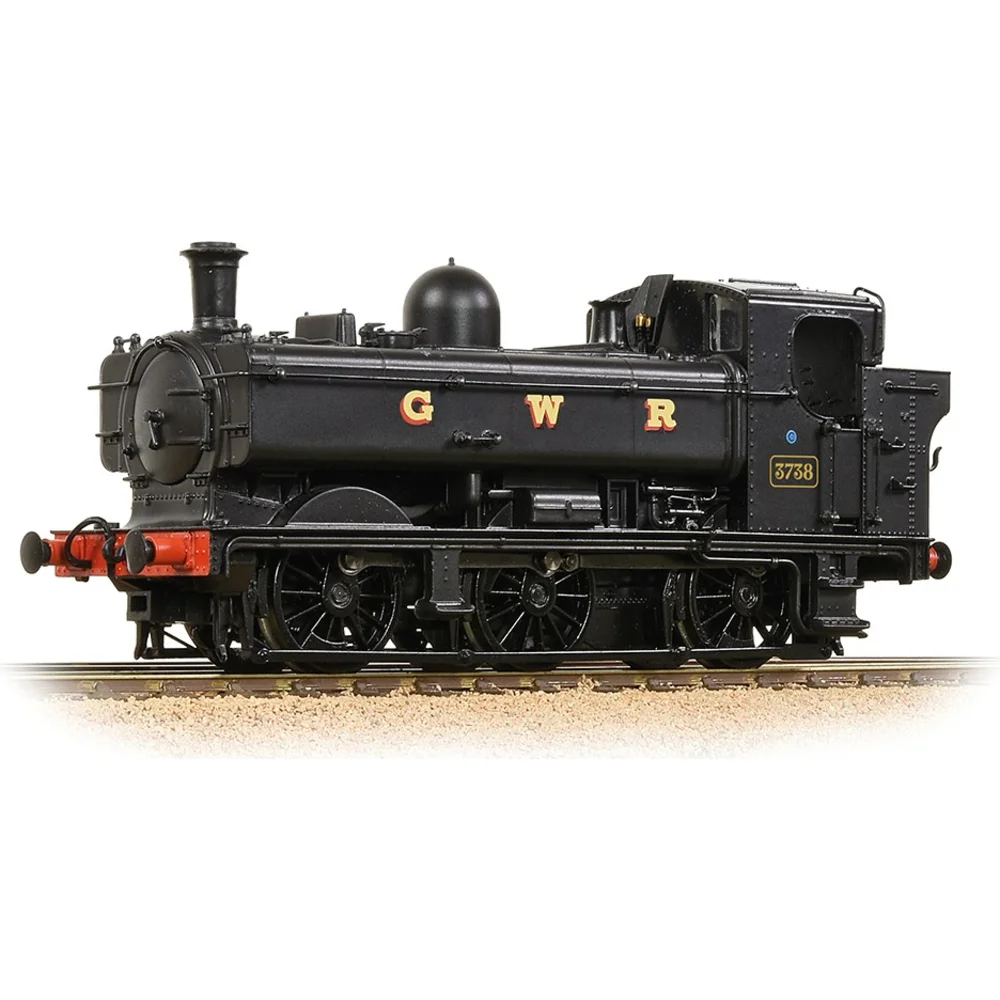
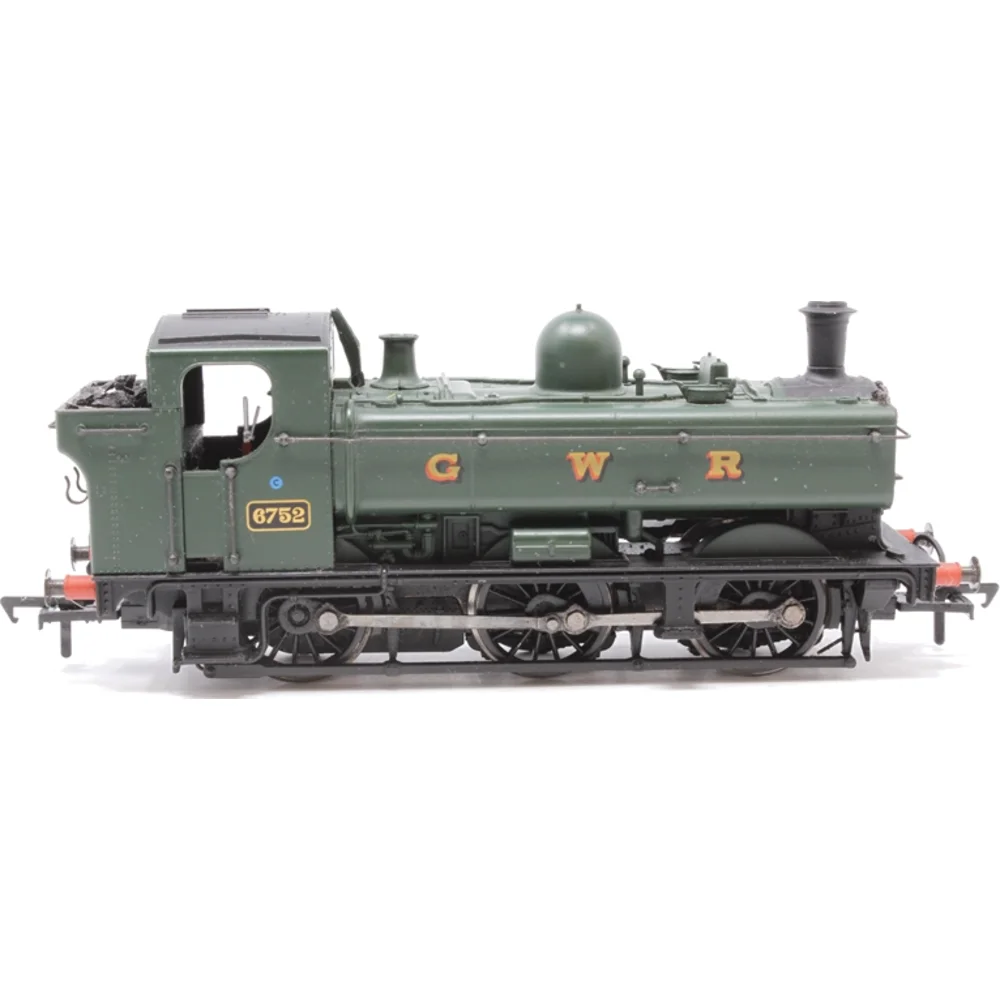
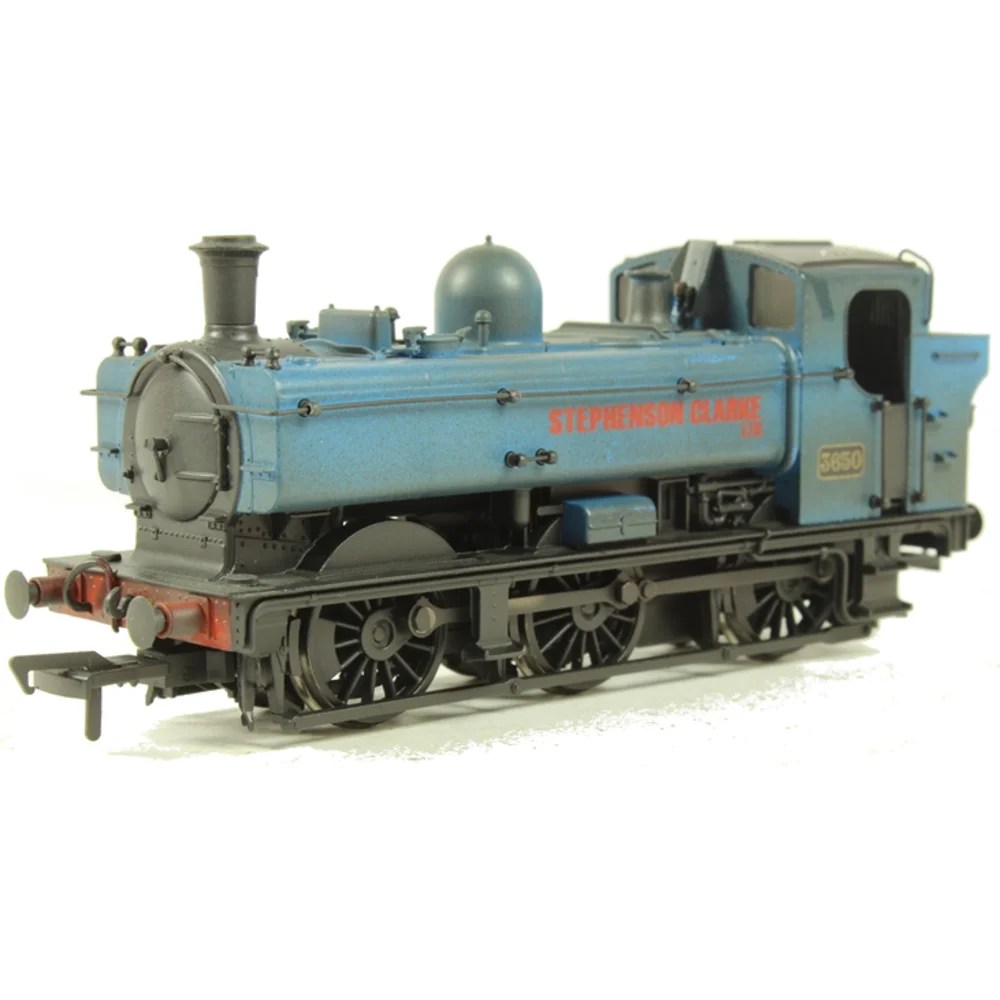
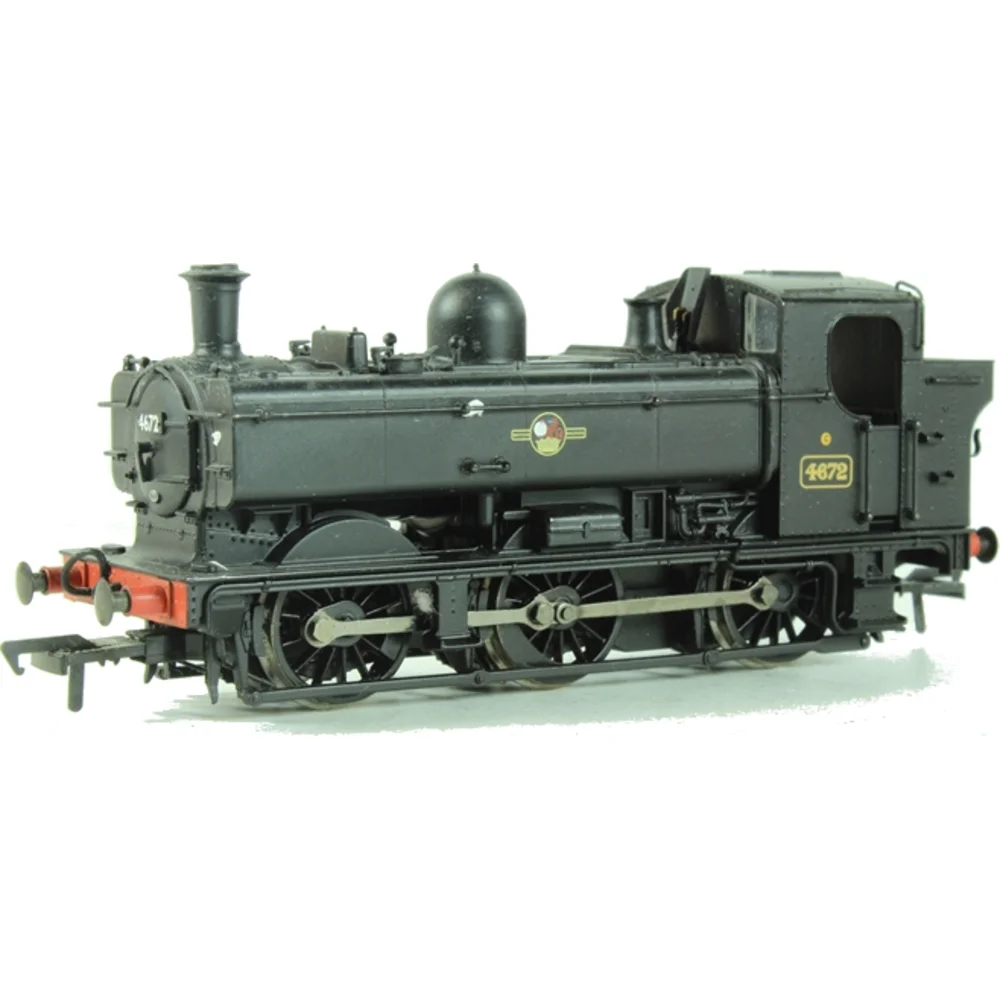
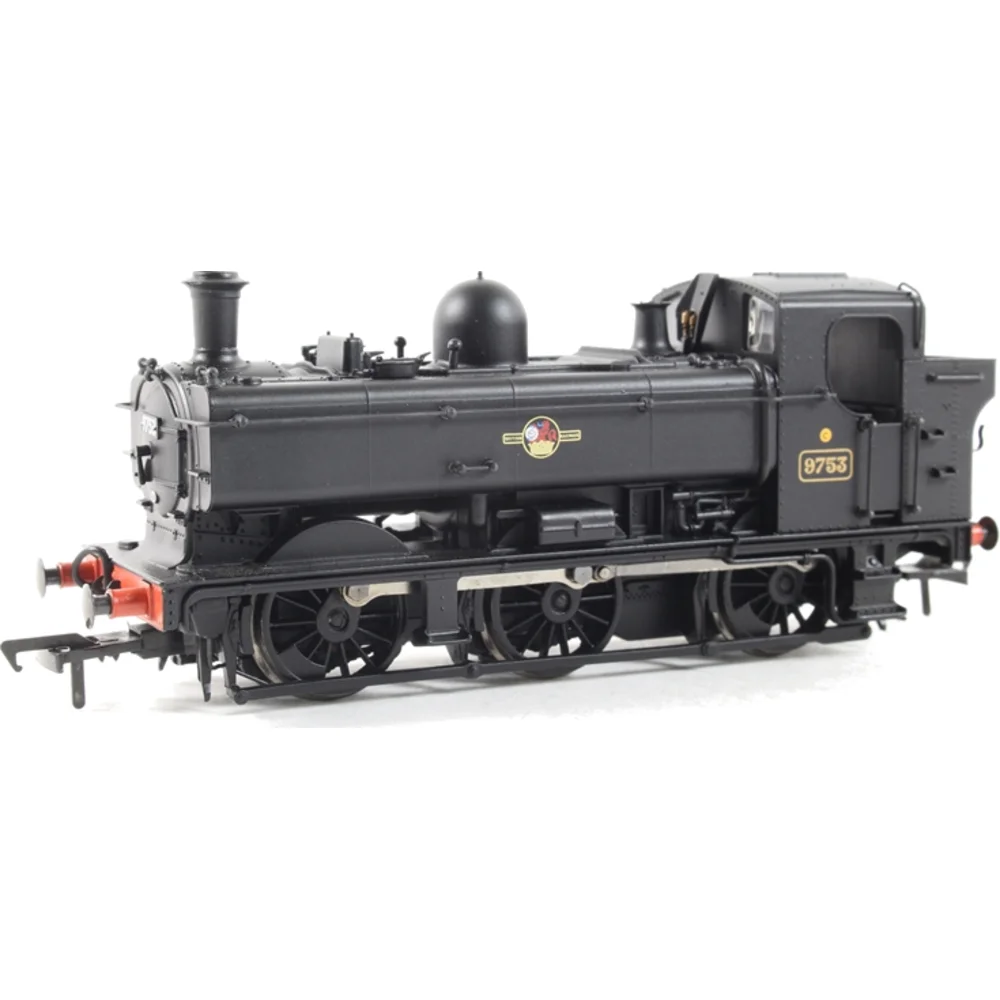
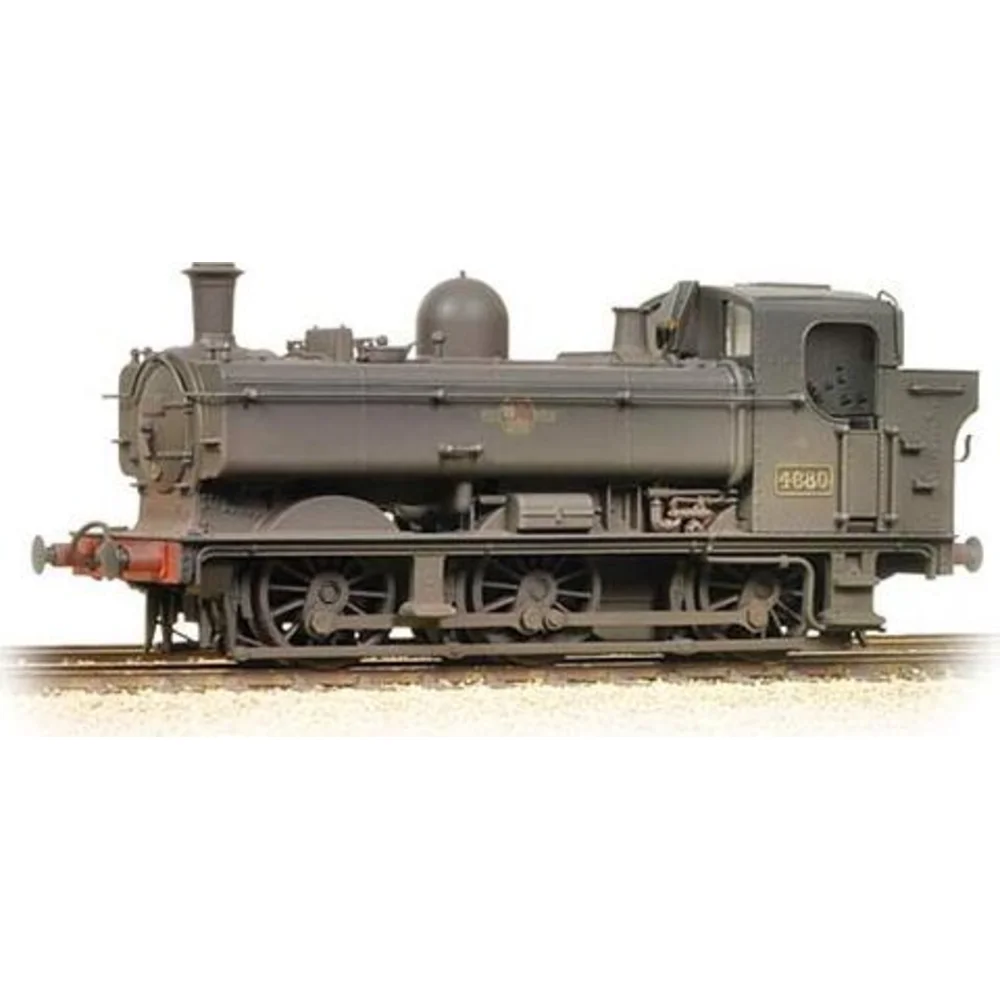
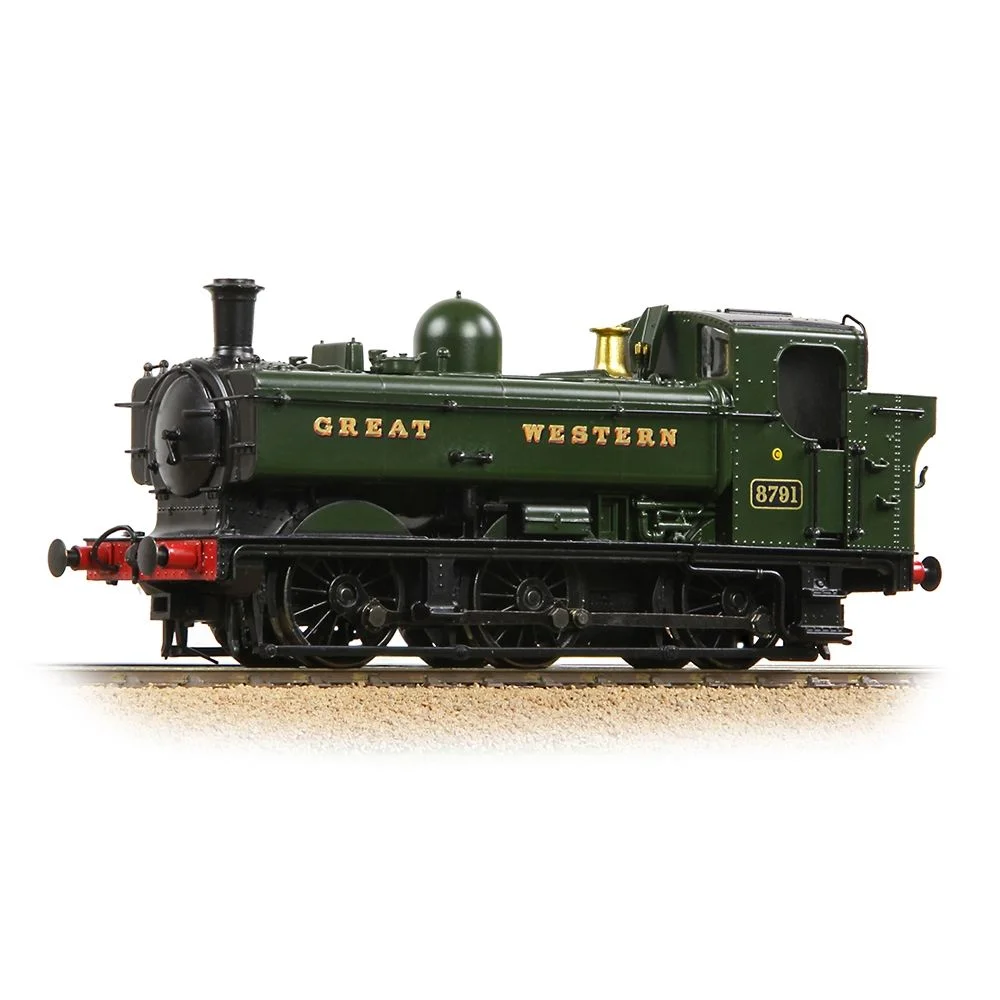
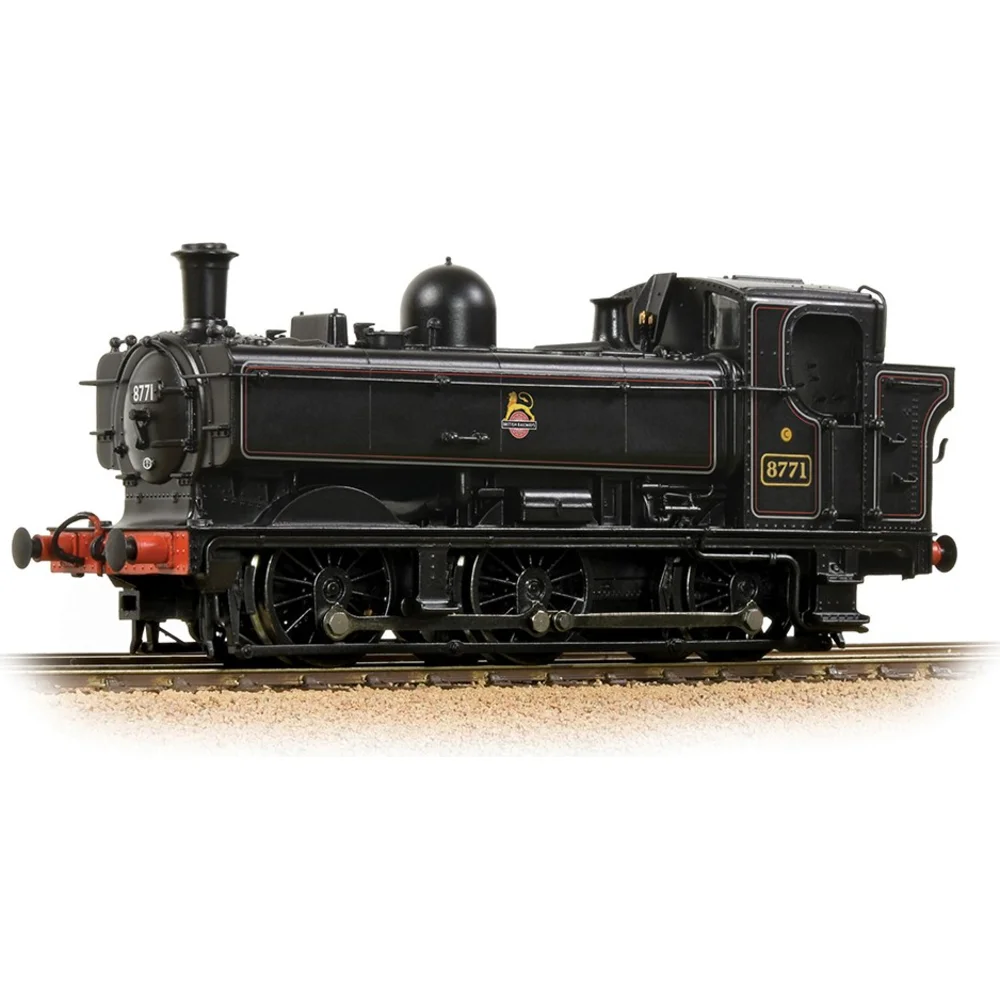
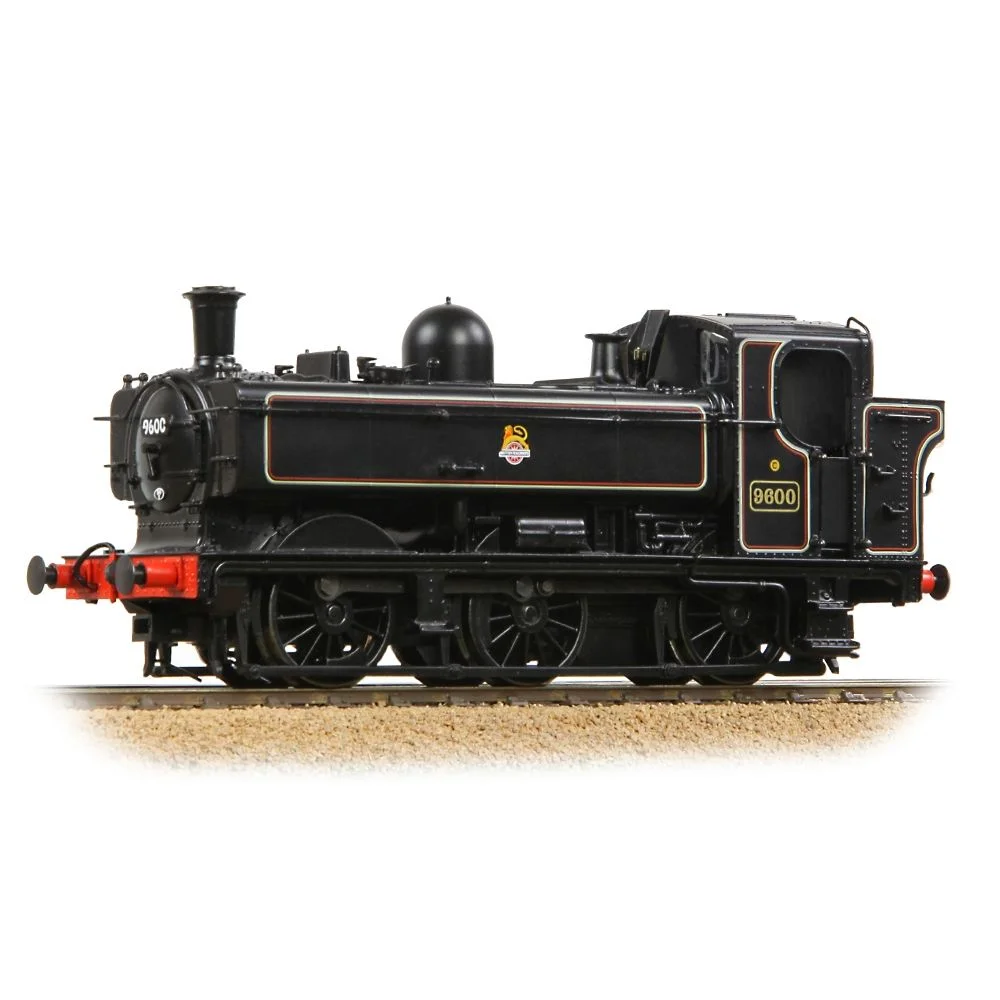
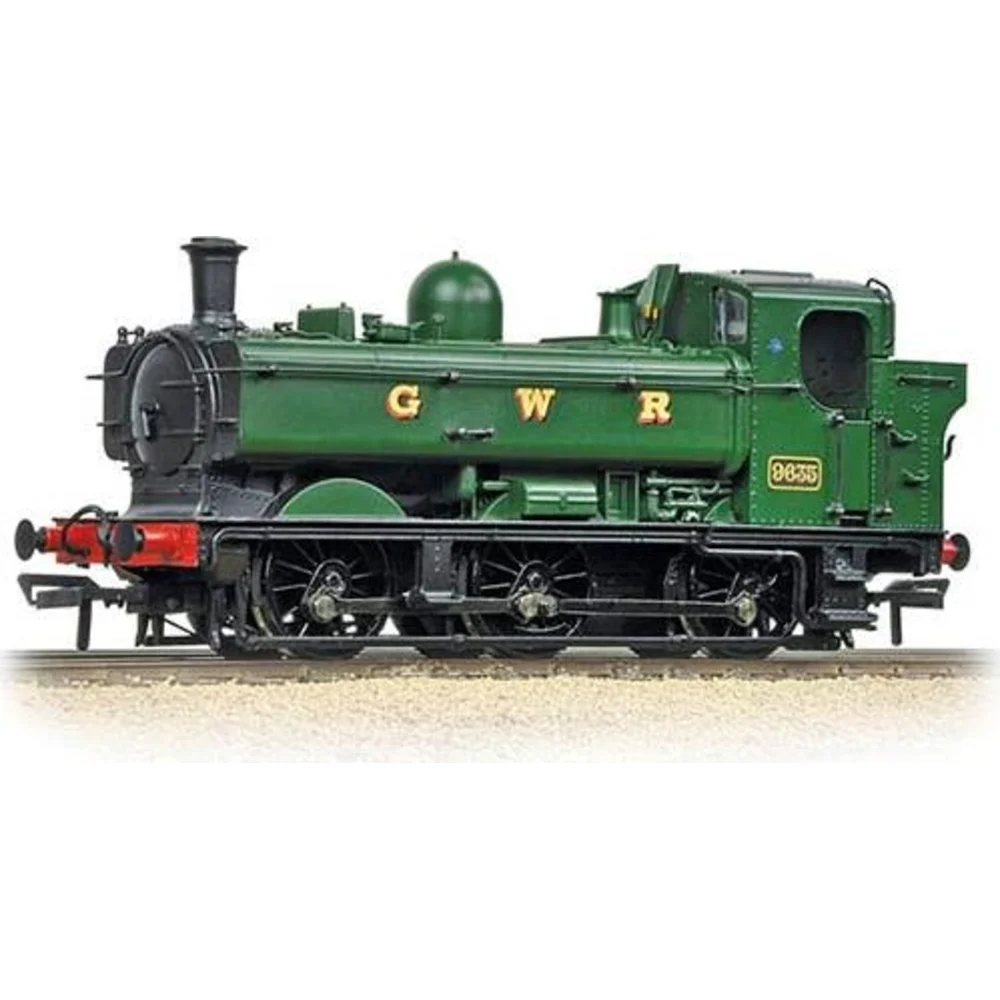
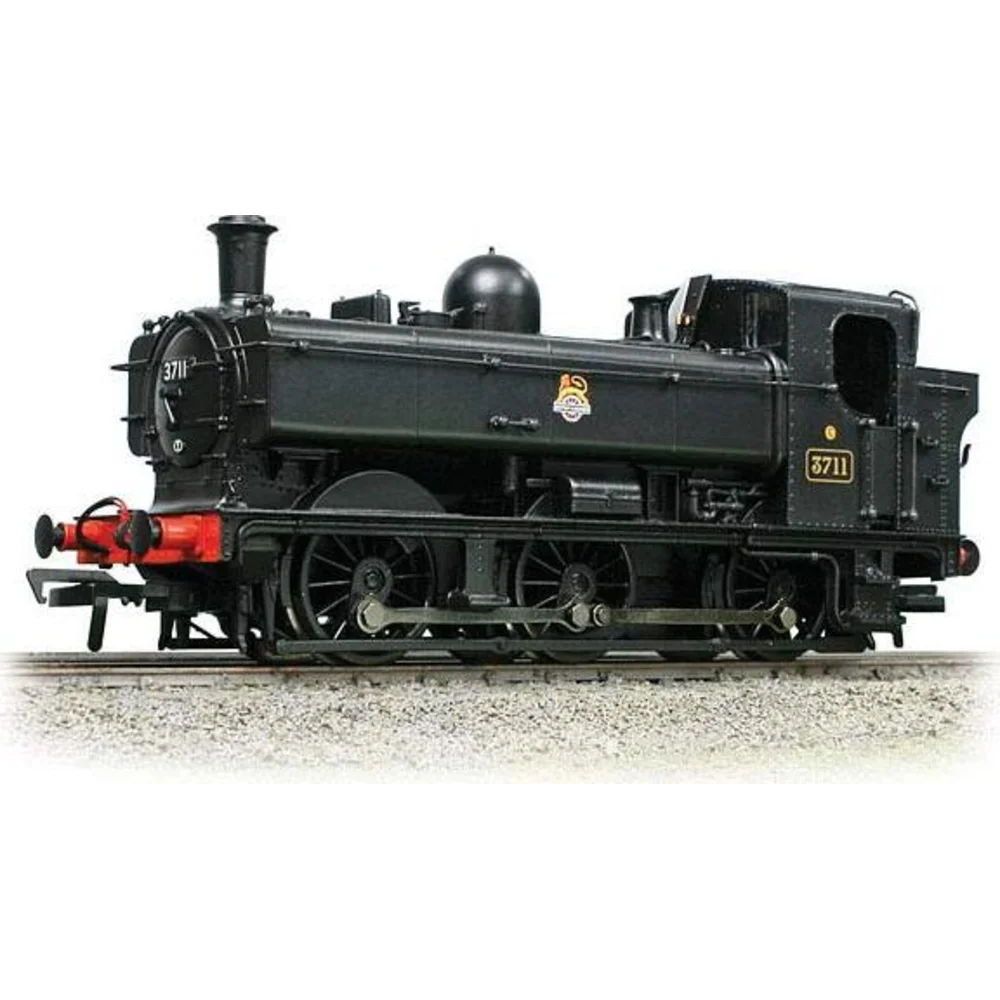
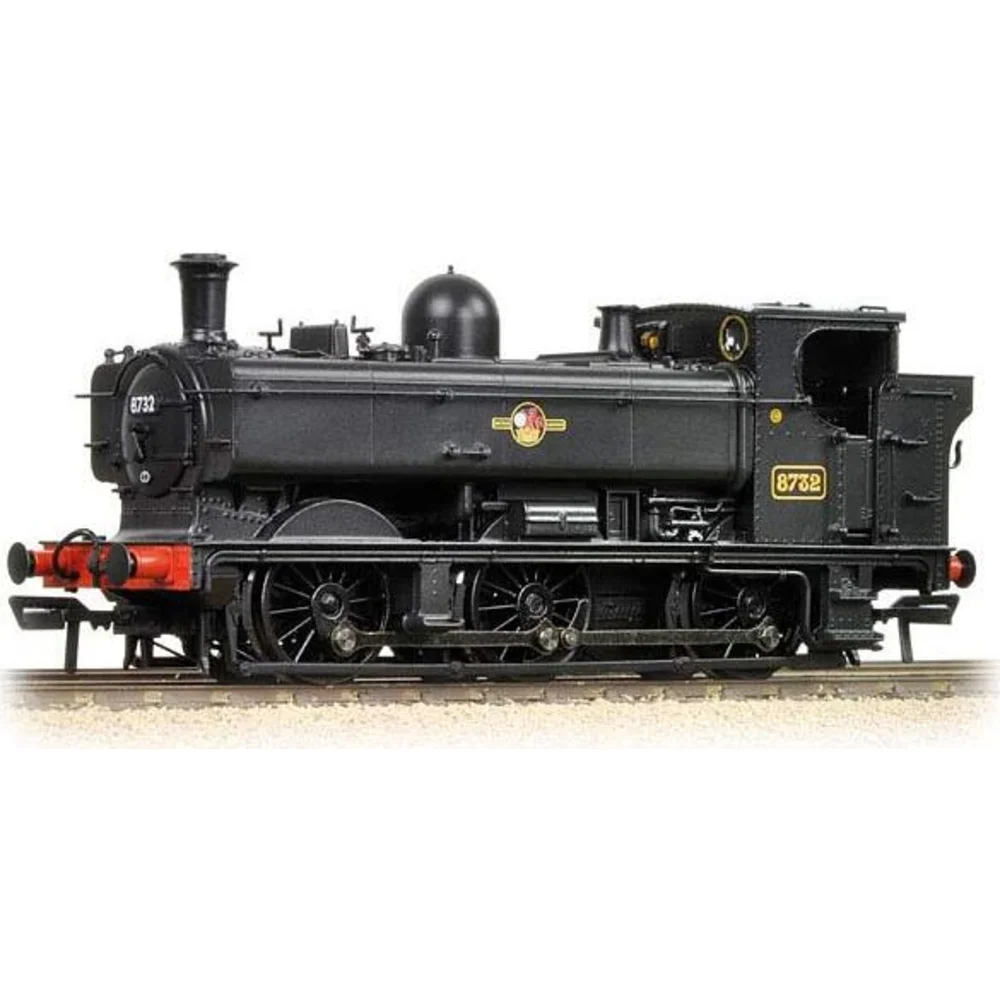
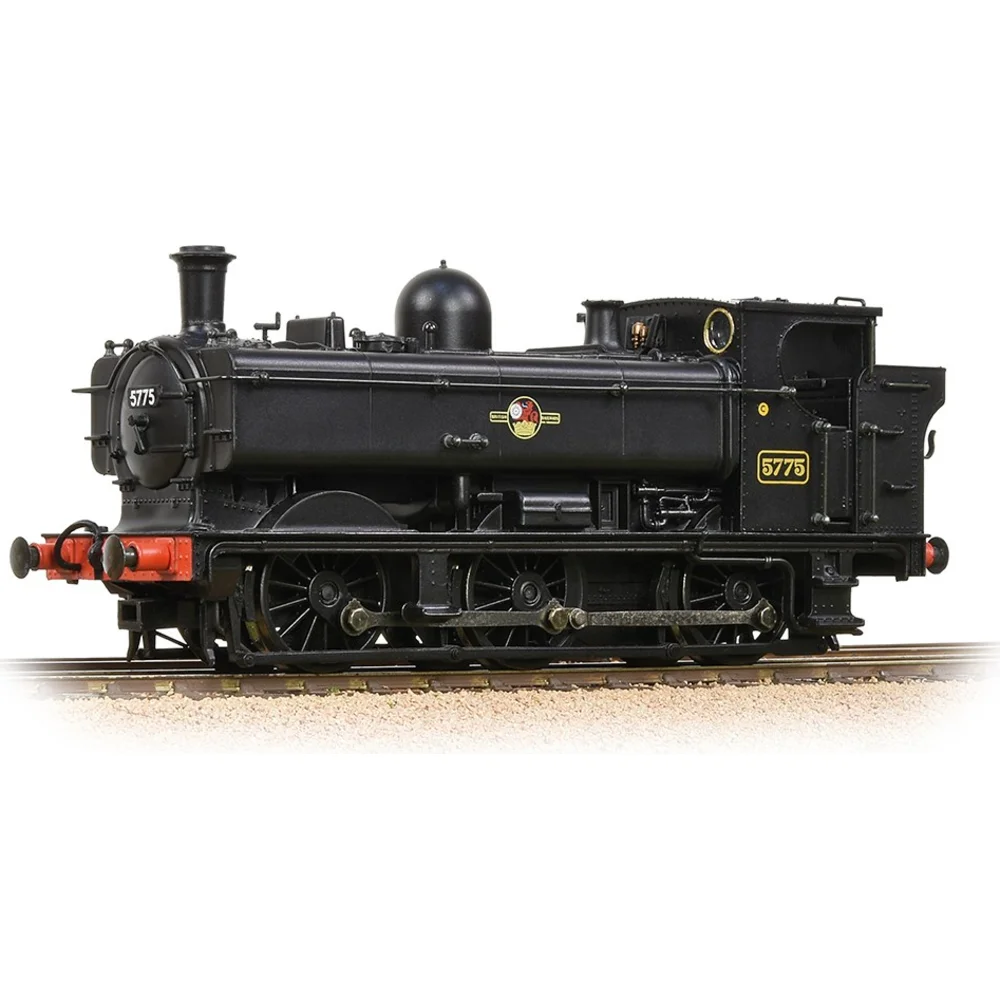
The GWR 5700 Class stands as one of the most significant achievements in British locomotive design, representing the pinnacle of pannier tank development and becoming the most numerous class in Great Western Railway history. With 863 locomotives built between 1929 and 1950, these distinctive 0-6-0 pannier tanks epitomised Charles Collett's philosophy of standardisation and practical efficiency, serving faithfully across the entire GWR network from humble shunting duties to prestigious passenger services.
Born from the urgent need to replace an ageing fleet of Victorian-era tank locomotives, the GWR 5700 Class emerged as the definitive solution to the Great Western's motive power requirements for secondary routes, branch lines, and local freight operations. Their revolutionary pannier tank design, necessitated by the adoption of efficient Belpaire fireboxes, became the template for all subsequent GWR 0-6-0 locomotive development and influenced British railway engineering for decades.
From the coal valleys of South Wales to the holiday resorts of Devon and Cornwall, the 5700 Class locomotives became synonymous with everyday railway operation. Their remarkable versatility saw them handling everything from heavy coal trains to London Transport's engineering services, whilst thirteen examples served the London Underground network until 1971, decades after steam had vanished from British Railways.
Quick Takeaways
- Production record: 863 locomotives built 1929-1950, making them the most prolific GWR class and second most numerous British steam locomotive design
- Pannier tank innovation: Revolutionary side-mounted water tanks enabled Belpaire firebox adoption whilst providing superior maintenance access compared to saddle tanks
- Universal deployment: Operated across 90% of GWR network with Yellow route classification, proving exceptional versatility for mixed traffic duties
- Construction diversity: Built by seven different manufacturers including external contractors, demonstrating GWR's commitment to standardisation during Depression-era employment schemes
- Extended service life: London Transport examples worked until 1971, with industrial variants serving into the 1970s, spanning over four decades of operation
- Preservation success: Sixteen locomotives survive in preservation across multiple heritage railways, representing excellent survival rate for working locomotives
- Modern modelling excellence: Accurascale's revolutionary new models feature Next18 DCC, sound capability, and unprecedented detail accuracy with multiple livery options
Historical Background and Context
The genesis of the GWR 5700 Class lay in the fundamental transformation of the Great Western Railway's locomotive fleet during the 1920s. Following the 1923 Grouping, Charles Collett inherited responsibility for not only the existing GWR locomotive stock but also the diverse and often incompatible designs absorbed from twenty-eight constituent companies. This administrative challenge created an unprecedented opportunity to implement comprehensive standardisation across one of Britain's largest railway networks.
By 1929, the ageing fleet of Victorian-era 0-6-0 tank locomotives was approaching the end of its economic life. These elderly machines, many dating from the 1880s and rebuilt with pannier tanks during the 1910s, lacked the power and efficiency required for increasingly demanding freight and passenger operations. The most pressing need was for a modern, standardised design that could handle the diverse duties performed by these predecessors whilst offering simplified maintenance and improved reliability.
The timing of the 5700 Class development coincided with both the technical maturity of GWR design principles and the economic challenges of the Great Depression. The decision to order 200 additional locomotives beyond the initial batch of 100 was made possible by interest-free government loans intended to relieve unemployment during the economic downturn. This employment creation scheme enabled the GWR to accelerate locomotive replacement whilst supporting British manufacturing during difficult economic times.
Contemporary railway engineering practice favoured evolutionary rather than revolutionary design changes, and the 5700 Class perfectly exemplified this conservative approach. Rather than pursuing untested innovations, Collett's team refined proven concepts including the Belpaire firebox, Stephenson valve gear, and inside cylinder arrangement that had characterised successful GWR designs for decades. The result was a locomotive that combined familiar engineering principles with modern manufacturing techniques.
Engineering Innovation: Pannier Tank Adoption
The adoption of pannier tanks represented more than aesthetic preference; it was an engineering necessity driven by the GWR's commitment to Belpaire fireboxes. The square-topped Belpaire design provided superior heat transfer compared to round-topped alternatives, but proved incompatible with traditional saddle tanks. Pannier tanks offered the optimal solution, enabling efficient firebox design whilst providing excellent maintenance access to valve gear and cylinders.
The initial production allocation between the North British Locomotive Company and Swindon Works reflected both capacity constraints and the GWR's desire to maintain manufacturing flexibility. This arrangement established the precedent for subsequent orders that would eventually involve seven different manufacturers, creating one of the most diverse construction programmes in British locomotive history whilst maintaining remarkable design consistency.
Design and Technical Specifications
The engineering excellence of the GWR 5700 Class lay in the sophisticated integration of proven mechanical components within a carefully optimised overall design. At the heart of each locomotive was the Standard No. 1 boiler, featuring the characteristic Belpaire firebox that had become synonymous with GWR practice. This parallel-barrelled boiler design provided 1,455 square feet of heating surface combined with 262 square feet of superheater surface, ensuring adequate steam generation for the locomotive's intended duties.
The revolutionary pannier tank arrangement represented the most visually distinctive feature of the design. Unlike traditional saddle tanks that straddled the boiler barrel, the pannier tanks were mounted as separate rectangular containers on either side of the locomotive. This configuration provided 1,200 gallons of water capacity whilst allowing unrestricted access to the locomotive's mechanical components during maintenance operations. The design proved so successful that it became standard for virtually all subsequent GWR 0-6-0 development.
The locomotive's mechanical layout followed established GWR principles with two 17½-inch diameter by 24-inch stroke cylinders driving 4ft 7½in diameter coupled wheels through Stephenson valve gear. This conservative arrangement provided the reliability and simplicity that characterised successful Swindon designs, whilst the relatively modest cylinder dimensions ensured compatibility with the power output of the Standard No. 1 boiler. The total locomotive weight of 47 tons 10 cwt represented an optimal balance between adhesive weight and route availability.
The frame construction utilised the traditional GWR bar frame design with substantial built-up plate frames providing exceptional strength for heavy freight duties. The locomotive's relatively short wheelbase of 15ft 6in enabled negotiation of tight curves whilst maintaining excellent tracking characteristics on straight track. This dimensional compromise proved crucial for operation on the diverse infrastructure that characterised the GWR network, from main line curves to industrial sidings.
Detail variations between production batches reflected both evolutionary improvements and the diversity of manufacturing sources. Early examples featured round spectacle windows and slightly different handrail arrangements, whilst locomotives built after 1933 incorporated the improved cab design introduced with the 8750 sub-class. These subtle differences provide fascinating prototype variations for serious modellers whilst demonstrating the continuous refinement that characterised GWR engineering practice.
Service History and Operations
The operational deployment of the GWR 5700 Class demonstrated their remarkable versatility across virtually every type of railway duty except express passenger services. Initial allocations concentrated on major locomotive depots throughout the GWR system, with significant numbers assigned to South Wales depots for coal traffic, West Country locations for mixed freight and passenger work, and strategic positions along main lines for pilot and banking duties.
Coal traffic from the Welsh valleys represented perhaps the most demanding regular duty undertaken by 5700 Class locomotives. These services required hauling substantial loads over challenging gradients, often working in multiple with larger locomotives or providing banking assistance for heavy trains. The class's combination of reasonable power output and excellent route availability made them indispensable for coal traffic operations, where their ability to work over lightly-built branch lines proved crucial for mine access.
Passenger operations showcased the class's unexpected capabilities beyond their official designation as "light goods and shunting engines." Branch line services throughout Devon, Cornwall, and Wales relied heavily on 5700 Class locomotives for local trains, whilst their vacuum brake equipment and steam heating apparatus enabled operation of corridor coaching stock on longer-distance services. Holiday traffic to West Country resorts regularly saw these locomotives handling substantial trains during peak summer periods.
Operational Highlight: London Transport Service
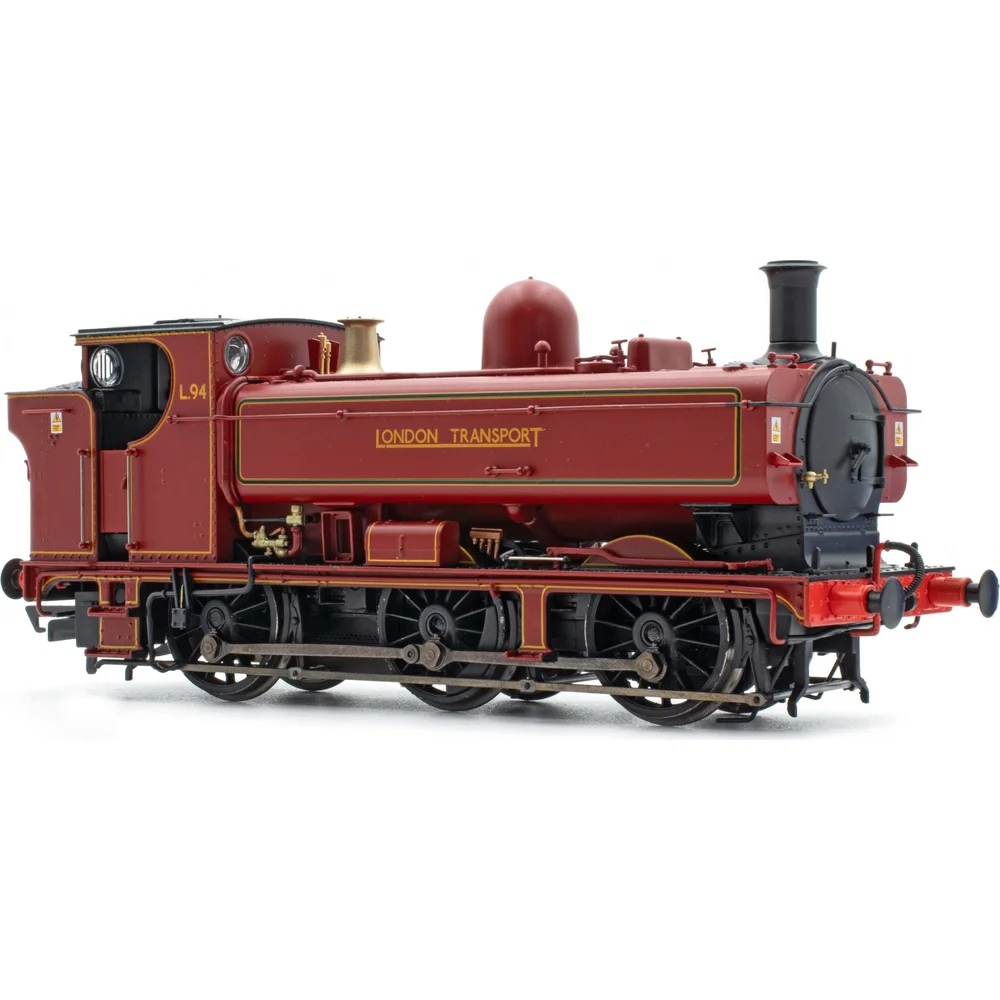
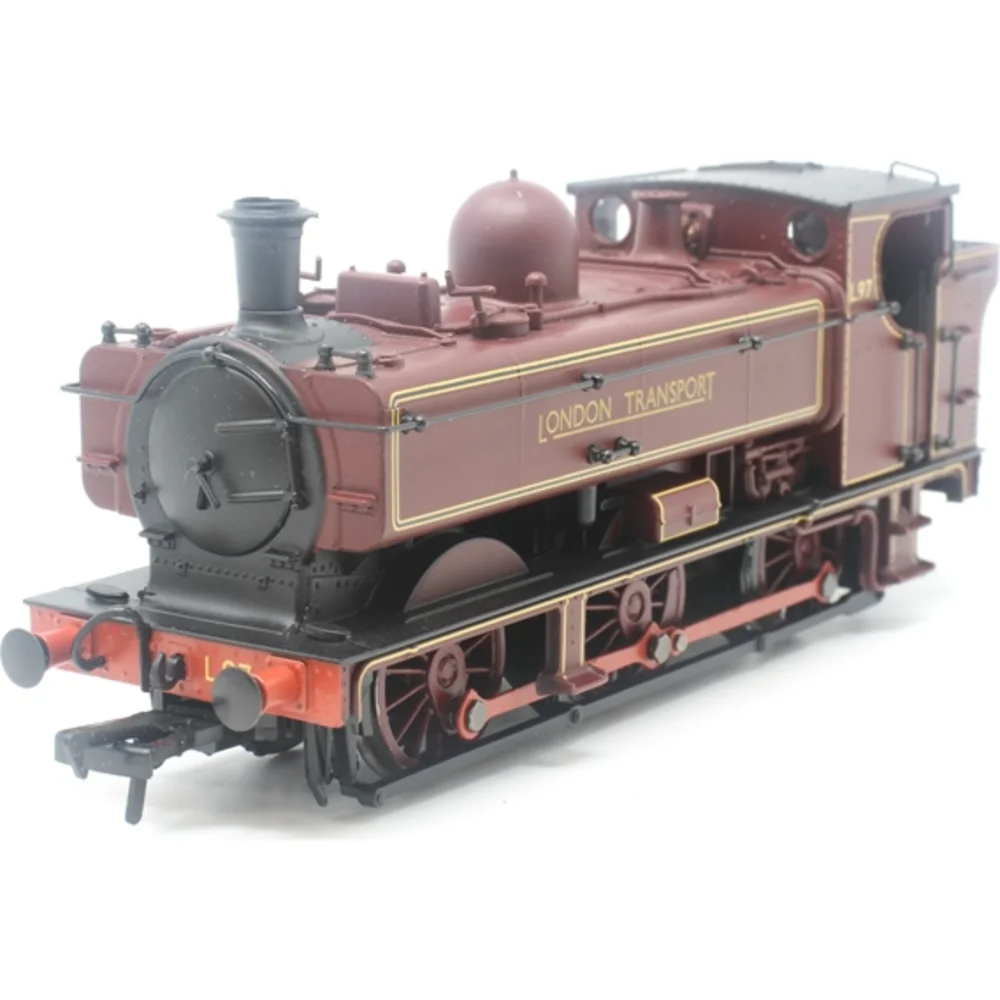
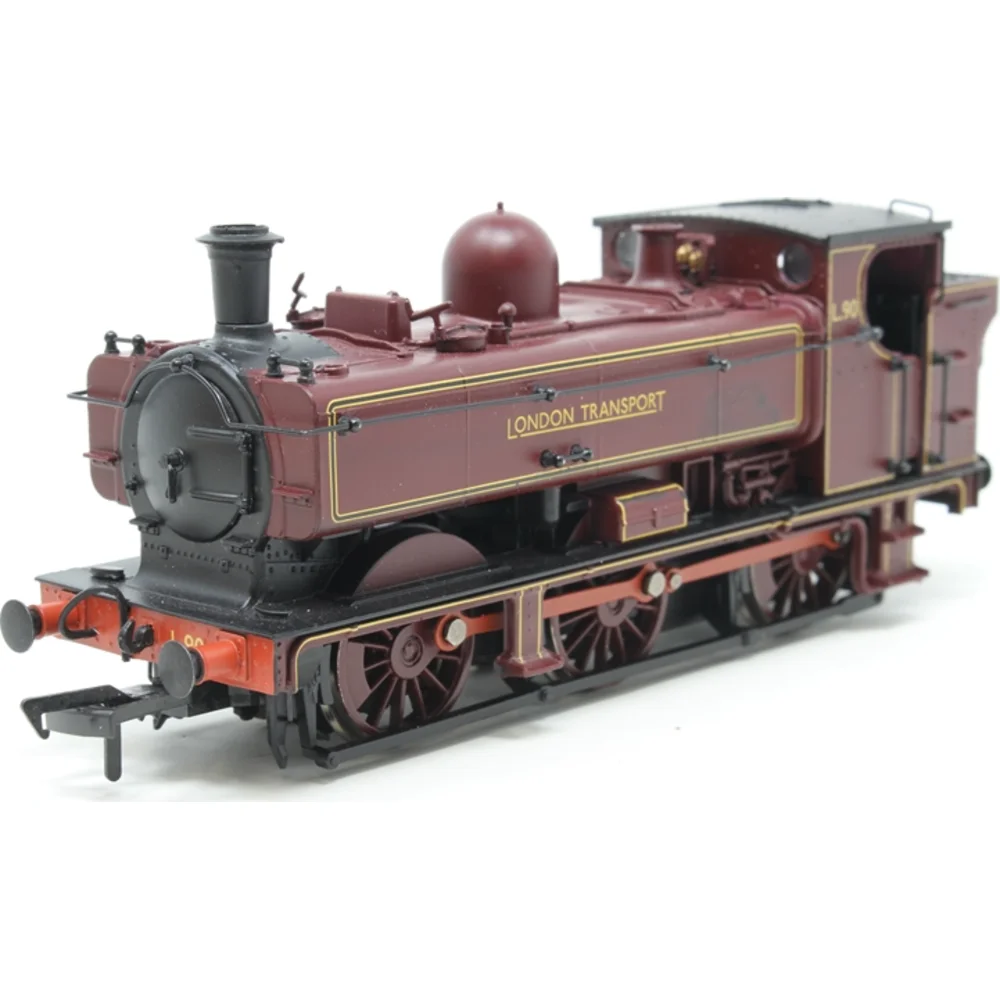
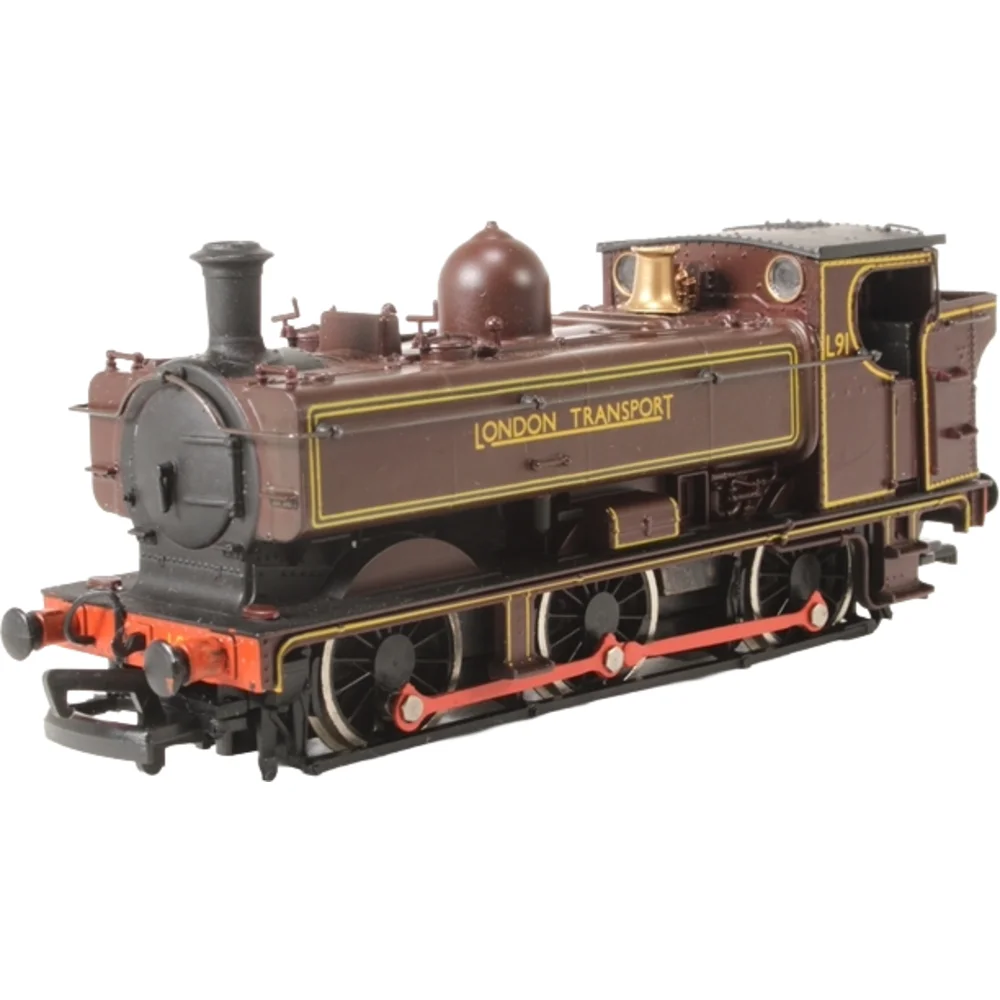
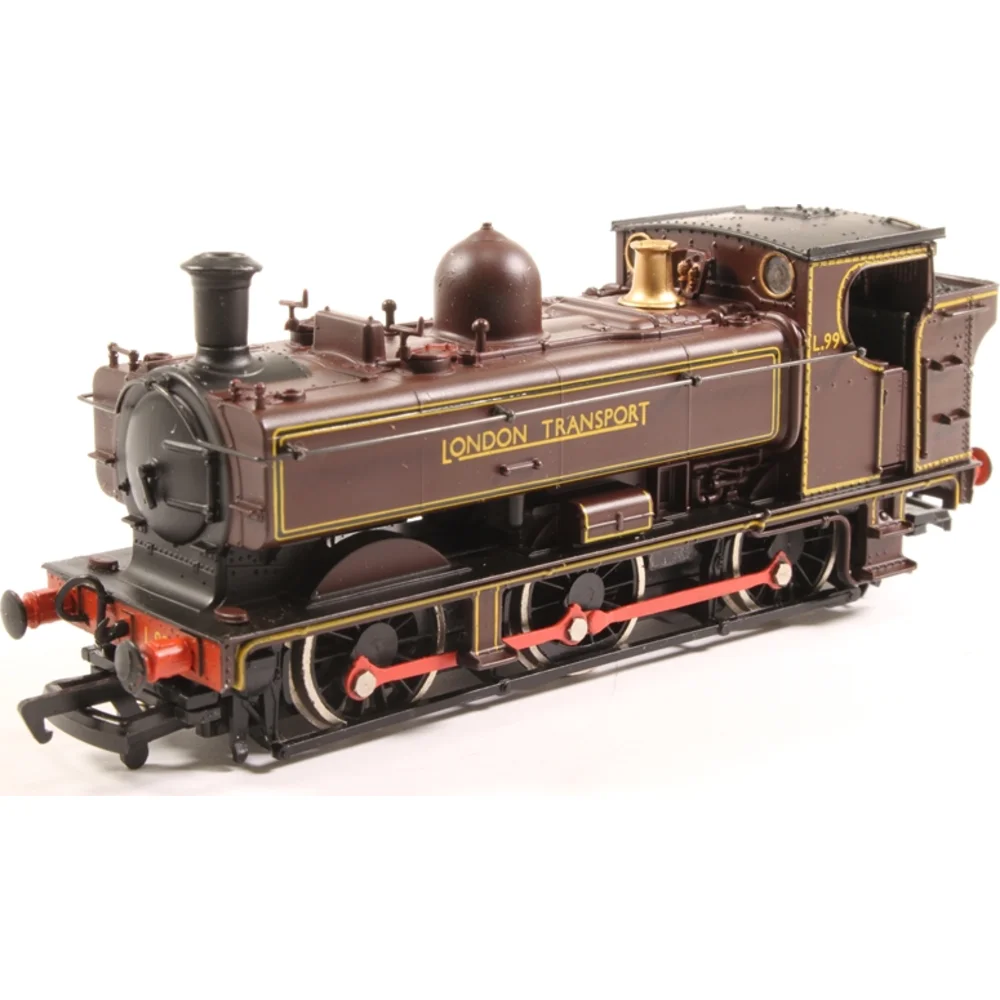
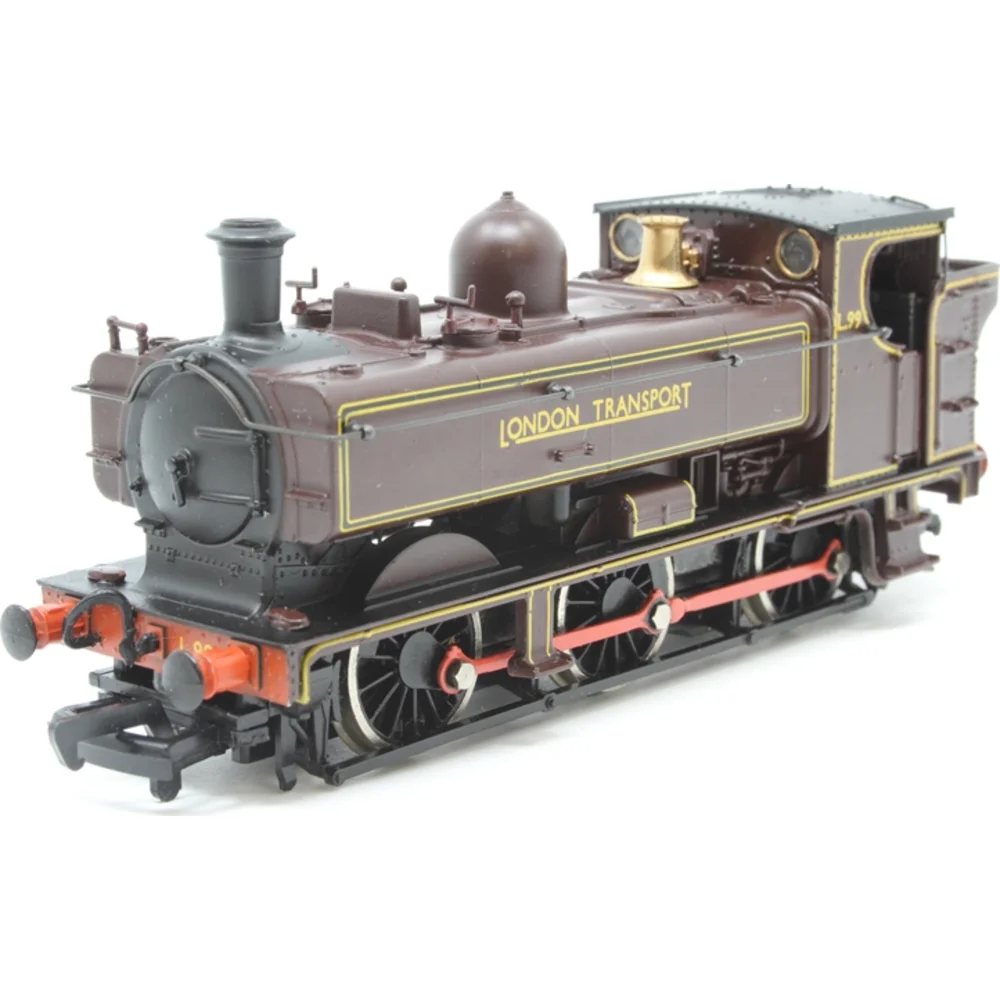
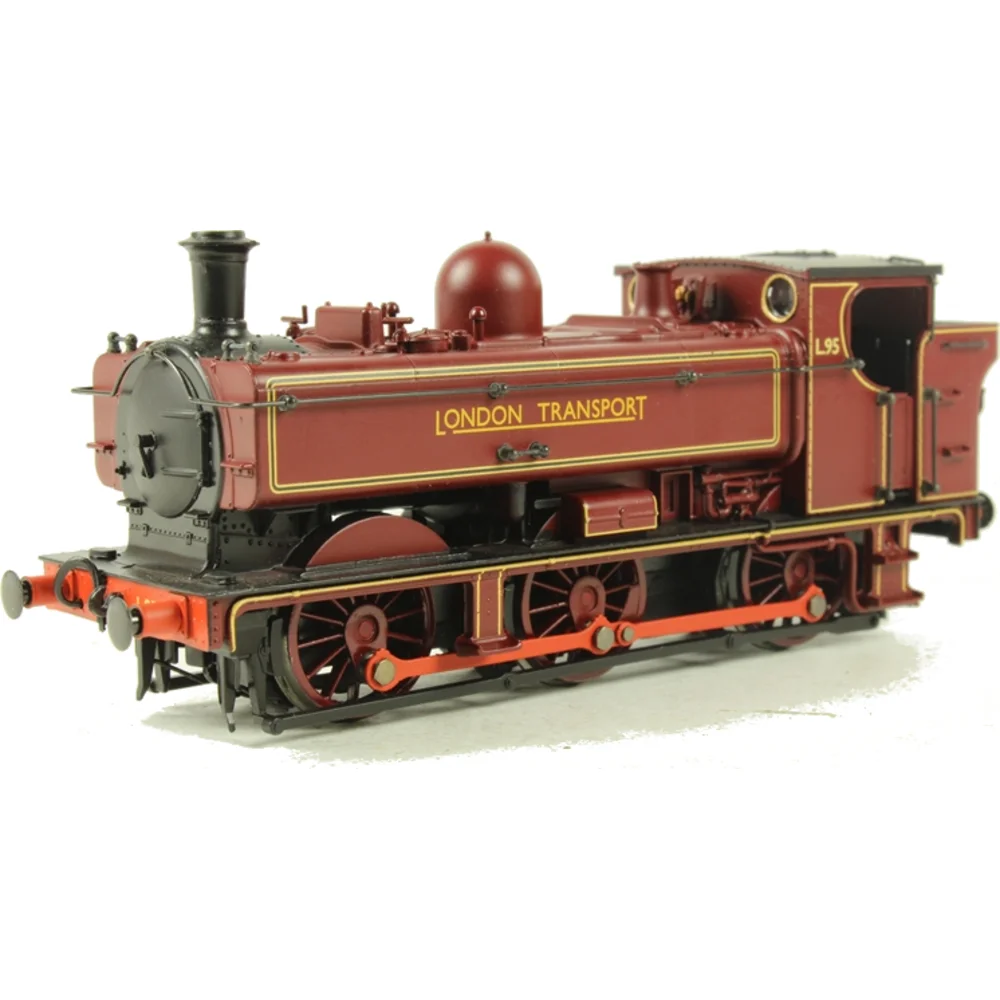
Thirteen 5700 Class locomotives were purchased by London Transport Executive between 1956 and 1963, receiving numbers L89-L99 and distinctive maroon livery. These locomotives handled engineering trains, ballast workings, and the notorious spoil trains to Croxley Tip, working alongside electric services until 1971. Several preserved examples continue to operate in authentic London Transport livery, providing unique insights into this fascinating chapter of urban railway operation.
The transition to British Railways in 1948 brought expanded operational opportunities as the former regional boundaries dissolved. 5700 Class locomotives found themselves working over former Southern Railway metals around Weymouth, handling boat trains through the streets to the harbour and operating the branch line to Portland. Six locomotives allocated to Nine Elms depot worked empty coaching stock between Waterloo and Clapham Junction, replacing elderly LSWR tank locomotives in this crucial operational role.
Industrial and specialist applications demonstrated the class's adaptability to unusual requirements. No. 7722 received unique winding gear for operating the Pwllyrhebog Colliery incline, whilst thirteen locomotives received spark arresting chimneys for work at sites with significant fire risks during World War Two. These modifications illustrated both the basic soundness of the design and the GWR's willingness to adapt standard locomotives for specialist applications.
The route classification change to Yellow in 1950 recognised the class's low hammer blow characteristics, enabling operation over approximately 90% of the Western Region network. This classification improvement came at precisely the right time to maximise the locomotives' utility during the final decade of widespread steam operation, ensuring continued relevance despite the advancing tide of dieselisation.
Withdrawal, Preservation, and Legacy
The withdrawal pattern of the GWR 5700 Class reflected both the progress of modernisation and the locomotives' fundamental utility for secondary duties. Withdrawals began gradually during the late 1950s, accelerating significantly following the 1955 Modernisation Plan as diesel shunters and multiple units assumed responsibilities previously handled by steam tank locomotives. However, the class's versatility and route availability ensured continued employment well beyond many contemporary designs.
The final phase of GWR steam operation saw 5700 Class locomotives concentrated at depots serving the more remote parts of the Western Region, where their ability to operate over lightly-built infrastructure remained valuable. The last locomotive in British Railways service was withdrawn from Croes Newydd depot in November 1966, marking the end of nearly four decades of continuous operation across the former GWR network.
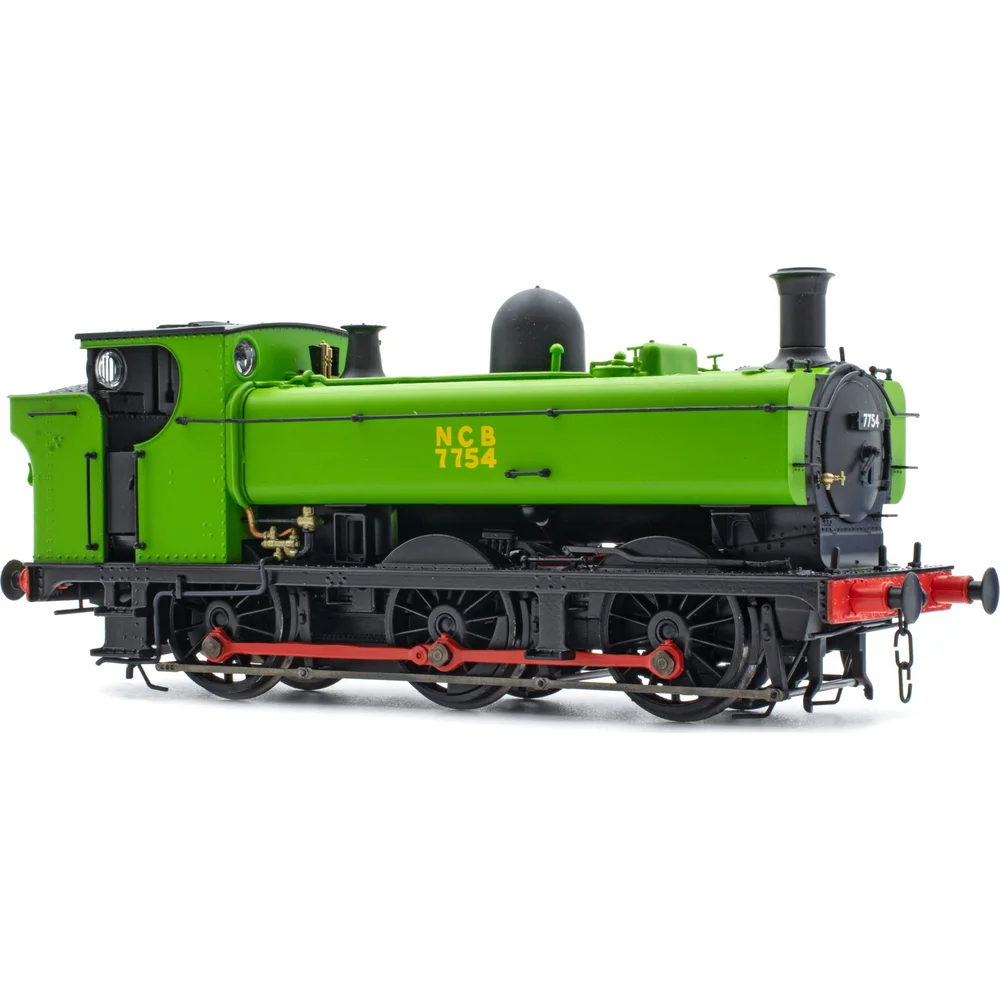
Remarkably, nineteen locomotives escaped immediate scrapping through sales to industrial operators, London Transport, and the National Coal Board. This unusually high survival rate reflected both the locomotives' mechanical reliability and their suitability for the lighter duties that characterised post-withdrawal industrial service. The National Coal Board's purchase of five examples for South Wales collieries continued a long-established tradition of GWR pannier tanks finding second careers in the coal industry.
Preservation Success Story
Sixteen 5700 Class locomotives survive in preservation, representing one of the most comprehensive rescue efforts for any single class. Notable survivors include No. 3650 at Didcot Railway Centre, No. 4612 at Bodmin & Wenford Railway, and No. 5764 (L95) at Severn Valley Railway still wearing London Transport livery. The exceptional preservation rate reflects both the class's historical significance and the dedication of heritage railway volunteers.
The preservation movement recognised the 5700 Class's historical importance early, with several locomotives entering heritage railway ownership during the 1970s and 1980s. Many examples acquired from London Transport required minimal restoration work, having been maintained to commercial standards until the early 1970s. This factor contributed significantly to the success of preservation efforts, as locomotives could often be returned to service with relatively modest investment.
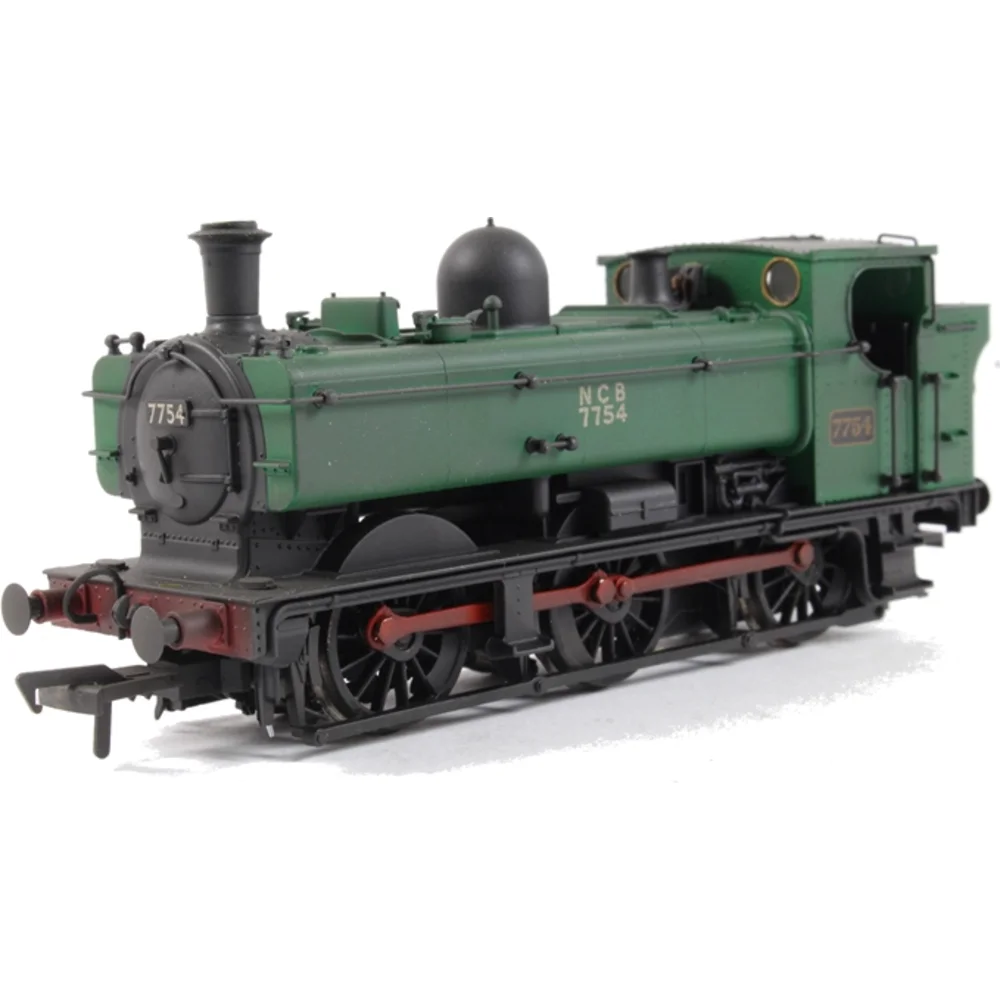
No. 7754 holds particular significance as the last 5700 Class locomotive in industrial service, working at Deep Duffryn Colliery until 1975 when mechanical failure finally ended its career. The locomotive's subsequent donation to the National Museum of Wales and current ownership by Llangollen Railway Trust demonstrates the continued recognition of the class's importance in Welsh industrial history.
The engineering legacy of the 5700 Class extended far beyond the individual locomotives, influencing British tank locomotive design until the end of steam construction. The pannier tank concept proved so successful that it became universal for subsequent GWR 0-6-0 development, whilst the emphasis on standardisation and reliability informed locomotive procurement policies throughout the nationalised railway era.
Modelling Significance and Scale Replications
The GWR 5700 Class represents exceptional significance for railway modellers, offering authentic operational possibilities across multiple eras whilst exemplifying the classic British pannier tank locomotive. The class's widespread deployment, diverse livery applications, and extended service life make it suitable for layouts representing any period from the 1930s through to the end of the London Transport steam era in 1971.
Hornby established the foundation for 5700 Class modelling with releases dating back to 1971, though these early models reflected the manufacturing limitations of their era. The 1985 Mainline Railways version provided significant improvements in detail and running characteristics, establishing the class as popular choice for operational layouts throughout the 1980s and 1990s. These pioneering efforts introduced generations of modellers to the distinctive proportions and character of the pannier tank locomotive.
Bachmann's 2005 Branchline release represented a quantum leap forward in 5700 Class modelling, featuring DCC-ready specifications, improved detail levels, and authentic livery applications. The model's 8-pin DCC socket and robust construction made it popular for both analogue and digital layouts, whilst the availability of multiple livery options enabled authentic recreation of different operational periods and geographical regions.
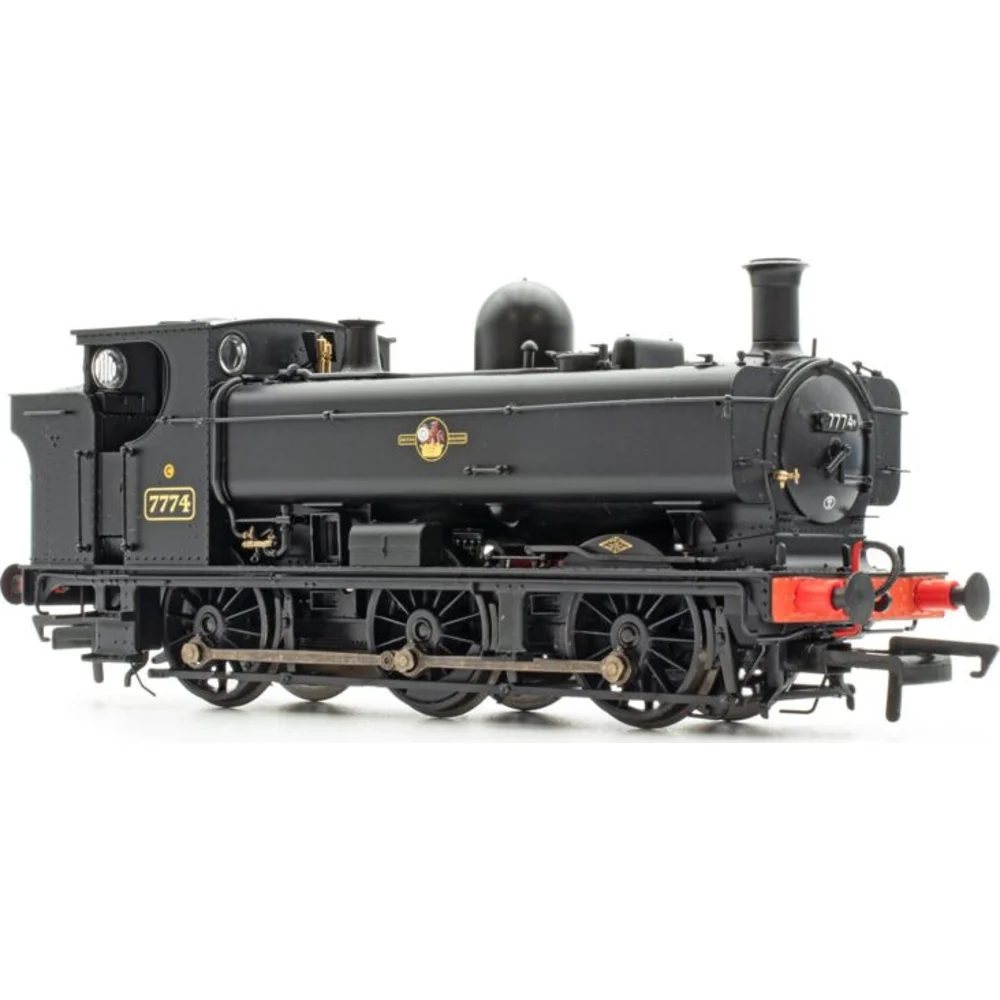
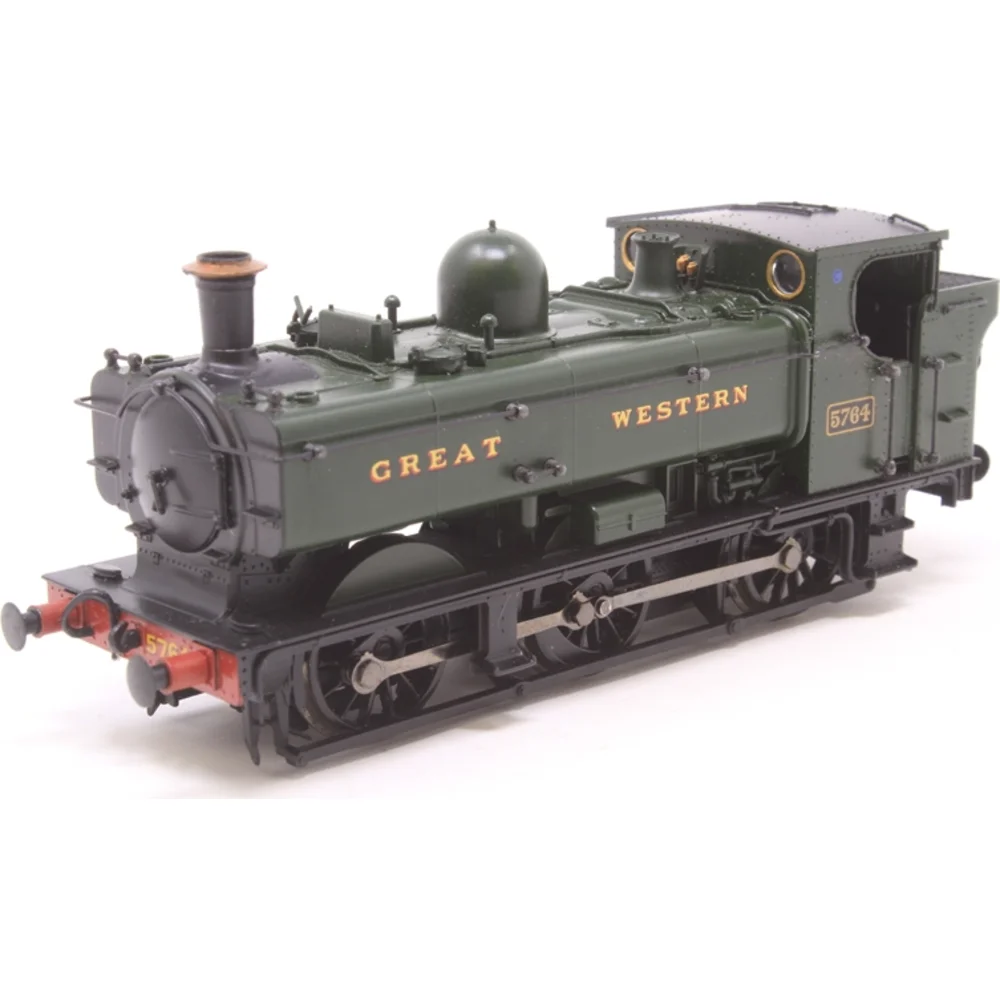
The revolutionary development in 5700 Class modelling came with Accurascale's announcement of their all-new range scheduled for 2025 release. These models feature unprecedented accuracy based on detailed surveys of preserved locomotives, with Next18 DCC capability, ESU LokSound V5 sound fitting options, and authentic detail variations reflecting different construction batches and operational modifications.
Modelling Excellence: Accurascale Innovation
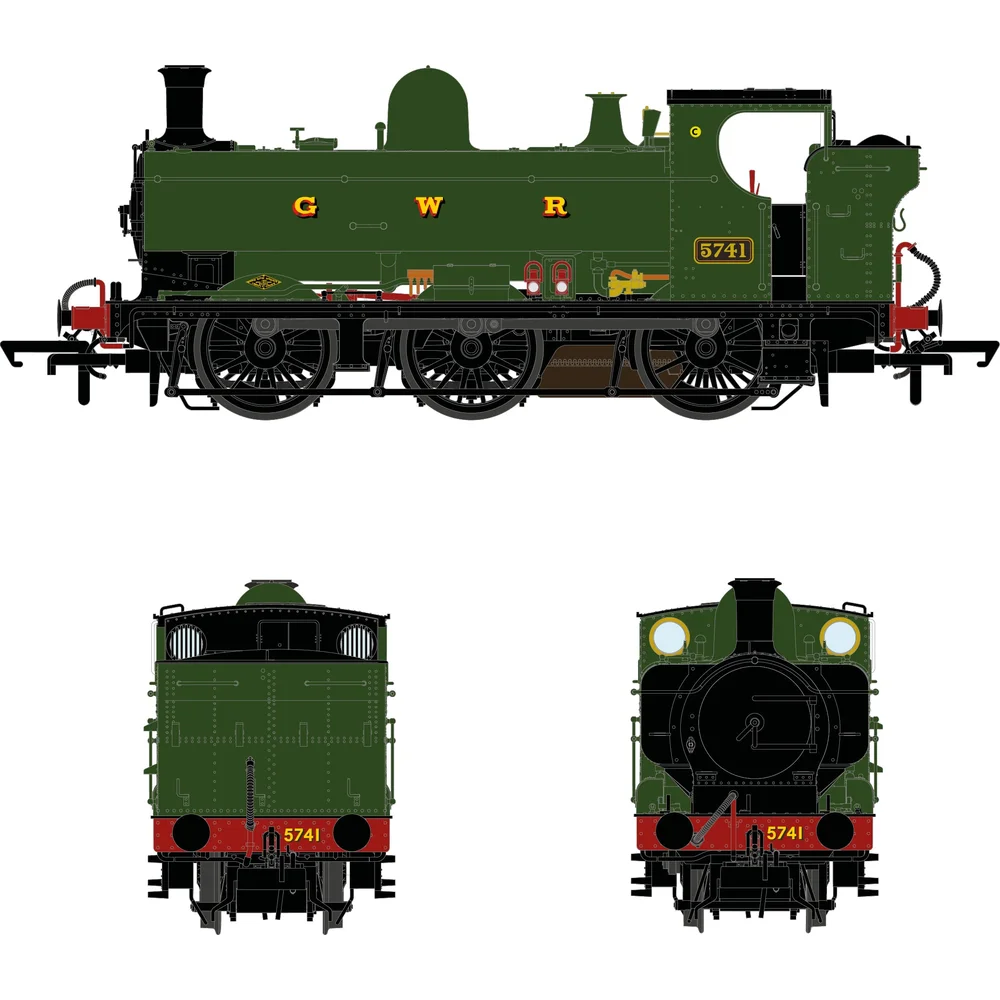
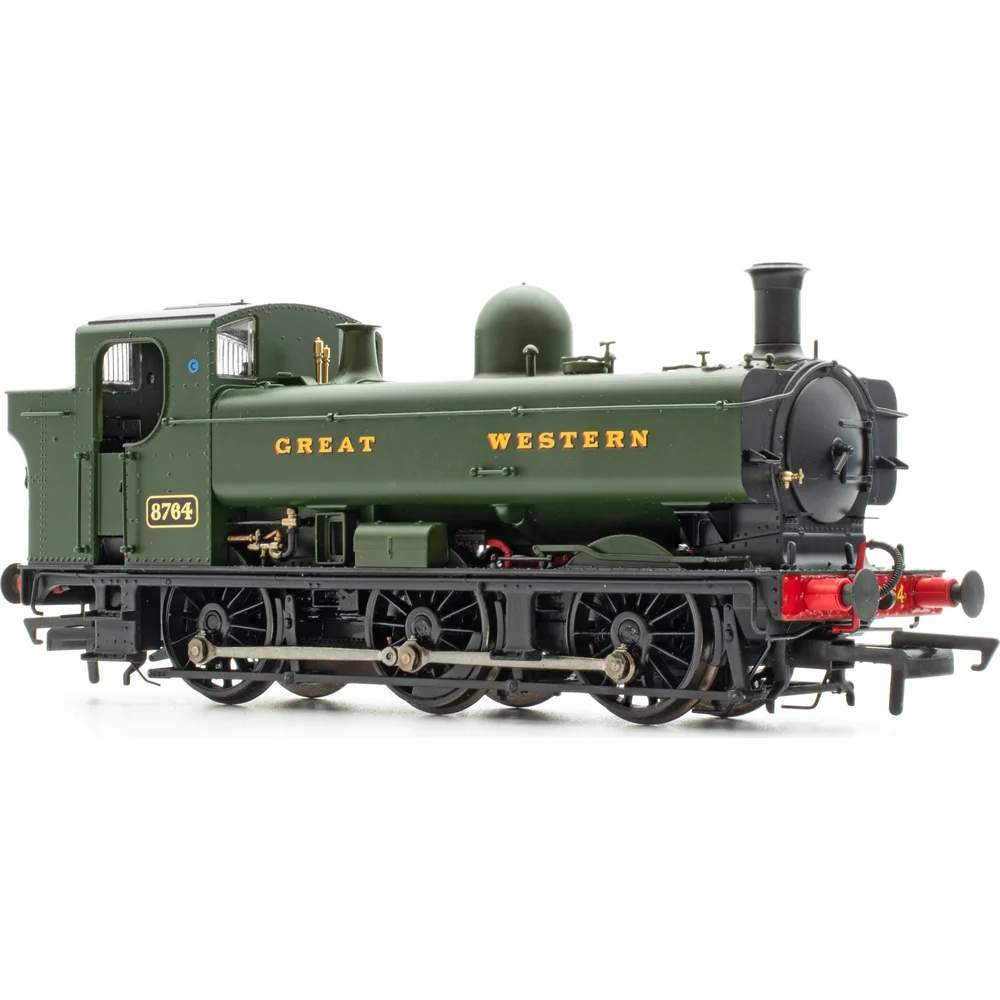
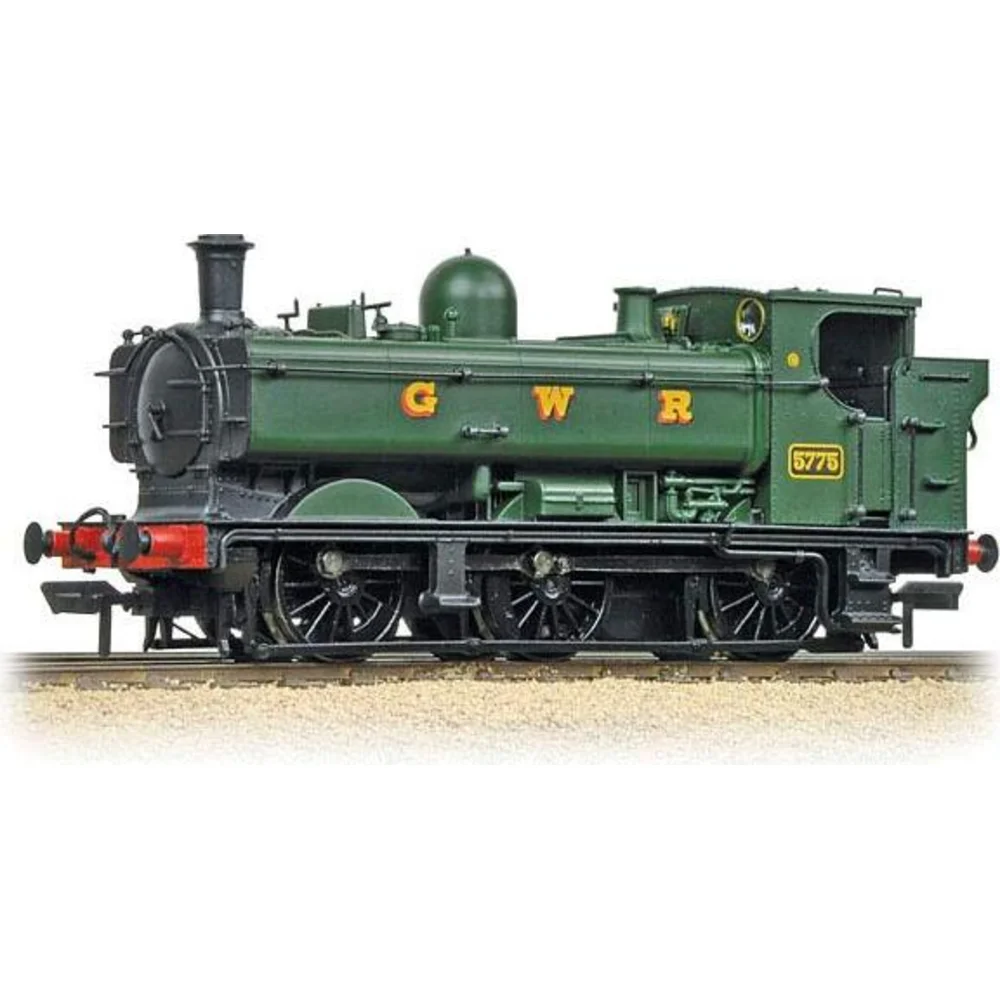
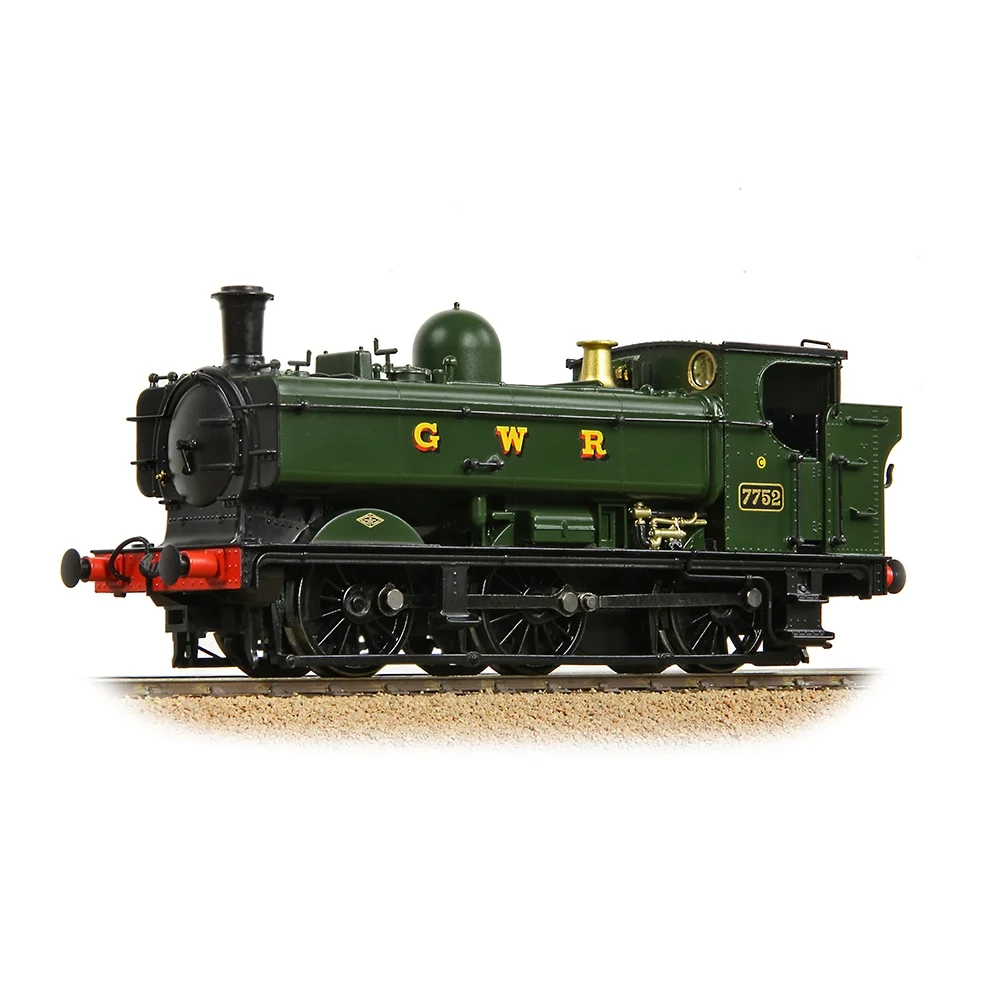
Accurascale's 5700 Class models represent the current state-of-the-art in British outline locomotive reproduction. Features include die-cast chassis with all-wheel pickup, coreless motor with flywheel, twin LED firebox flicker, scale-width handrails and pipework, fully detailed cab interior, and authentic livery applications including GWR green, "shirtbutton" style, BR black, and London Transport maroon variants.
N gauge modellers benefit from excellent representations by Graham Farish and Dapol, both offering the distinctive pannier tank proportions in the smaller scale. These models capture the essential character of the prototype whilst providing reliable running characteristics essential for continuous operation on typical domestic layouts. The availability of multiple livery options ensures authentic representation across different operational periods.
O gauge enthusiasts can choose from Dapol (following their acquisition of Lionheart Models) and Minerva Models, both producing highly detailed representations that showcase the class's mechanical refinement. These larger scale models enable appreciation of detail features that distinguish the 5700 Class from contemporary designs, whilst their substantial weight ensures excellent running characteristics typical of O gauge operation.
Unique Modelling Tips and Layout Integration
Successfully incorporating GWR 5700 Class locomotives into model railway layouts requires understanding their versatile operational patterns and the infrastructure that supported their diverse duties. Unlike express passenger locomotives designed for high-speed main line running, the 5700 Class excelled in mixed traffic operation that encompassed everything from heavy coal trains to local passenger services, providing exceptional scope for authentic layout scenarios.
Track planning should reflect the class's role as universal motive power for secondary routes and local services. Typical operational scenarios include branch line passenger trains with three to five coaches, local freight services with fifteen to twenty wagons, and shunting duties in goods yards and industrial sidings. The locomotives' modest dimensions and excellent curve-negotiating ability make them ideal for layouts with restricted space and tight radius curves.
Authentic consist formation requires careful attention to period-appropriate rolling stock and operational practices. Passenger services typically employed GWR corridor or compartment coaching stock in formations suited to local traffic demands, whilst freight operations featured the diverse wagon types that characterised mixed goods trains. The class's vacuum brake equipment enabled handling of vacuum-fitted freight trains that were becoming increasingly common during the later years of steam operation.
Modelling Technique: Authentic Weathering Approaches
5700 Class weathering should reflect their hard-working mixed traffic duties whilst maintaining the relatively clean appearance expected of locomotives handling passenger services. Focus on coal dust around bunker areas, oil staining on running plates and motion components, and graduated exhaust effects on smokebox and chimney. Avoid heavy industrial weathering that would be inappropriate for passenger-rated locomotives, instead emphasising the worn appearance that comes from continuous daily service.
Sound-equipped DCC models benefit from programming that reflects the 5700 Class's characteristic working patterns. Unlike express locomotives with sustained high-speed running, pannier tanks operated with frequent stops for signal checks, station calls, and operational delays. Configure sound decoders with realistic acceleration curves that mirror the careful control required when starting heavy trains on gradients, whilst incorporating appropriate whistle codes for local passenger and freight operations.
Depot scenes provide excellent opportunities for static display and operational interest. Model engine sheds with the modest facilities typical of branch line depots, including water columns, coal stages scaled for tank locomotive operation, and inspection pits sized for 0-6-0 wheelbase requirements. The class's widespread deployment means that virtually any GWR-themed layout can justifiably feature a 5700 Class locomotive without compromising historical accuracy.
Seasonal operation offers fascinating variations in 5700 Class duties, particularly evident in holiday resort areas where summer traffic demands dramatically exceeded winter requirements. Model summer holiday trains with additional coaches and relief services, contrasting with sparse winter operations that showcase the locomotives' efficiency in maintaining services during periods of reduced demand. This operational variety provides compelling justification for varying train lengths and frequencies throughout the operating session.
Industrial applications enable representation of the class's remarkable versatility beyond traditional railway operation. Model colliery branches, steelworks internal railways, and the unique London Transport engineering operations that employed these locomotives well into the 1970s. Such scenarios provide opportunities for unusual operational patterns whilst demonstrating the fundamental soundness of the design that enabled decades of service in diverse applications.
Finally
The GWR 5700 Class represents far more than a successful locomotive design; these 863 machines embodied the pinnacle of British pannier tank development and demonstrated how thoughtful engineering responding to real operational needs could create locomotives of exceptional longevity and versatility. From their introduction as standardised replacements for an ageing fleet through their evolution into universal motive power for the Great Western network, the 5700 Class proved that conservative engineering principles applied with intelligence and precision could achieve remarkable results.
The class's influence on British locomotive development extended far beyond the individual machines, establishing design principles and construction techniques that informed railway engineering until the end of steam construction. The pannier tank concept, perfected through the 5700 Class development, became universal for subsequent GWR 0-6-0 designs whilst influencing similar locomotives built for other railway companies throughout the 1930s and 1940s.
For contemporary railway enthusiasts, the 5700 Class offers unparalleled opportunities to understand the complexity and efficiency of British railway operation during the steam era's mature period. The sixteen preserved examples enable direct experience of these historically significant locomotives, whilst the excellent scale models available from multiple manufacturers support authentic recreation of their diverse operational characteristics across layouts of all scales and complexity levels.
The modelling significance extends beyond simple locomotive representation to encompass broader themes of standardisation, operational efficiency, and the evolution of British railway engineering during a period of rapid technological development. Layout builders can recreate authentic historical scenarios whilst illustrating the fundamental principles that made the Great Western Railway one of the world's most efficient transportation systems.
Ultimately, the GWR 5700 Class story demonstrates that engineering excellence often emerges from the intelligent application of proven principles rather than pursuit of theoretical innovation. These locomotives succeeded because they addressed real operational requirements with practical solutions, creating machines that combined reliability, efficiency, and versatility in proportions that ensured continued relevance across four decades of changing railway operation.
Frequently Asked Questions
How many GWR 5700 Class locomotives were built and when?
A total of 863 GWR 5700 Class locomotives were built between 1929 and 1950, making them the most prolific class in GWR history. Construction involved the initial 50 by North British Locomotive Company and 50 by Swindon Works in 1929, followed by additional batches through seven different manufacturers.
What made the pannier tank design superior to earlier saddle tanks?
Pannier tanks enabled the adoption of efficient Belpaire fireboxes whose square-topped design was incompatible with traditional saddle tanks. The side-mounted pannier arrangement provided excellent maintenance access to cylinders and valve gear whilst offering adequate water capacity and improved weight distribution for operational stability.
Why were 5700 Class locomotives used by London Transport?
London Transport purchased thirteen 5700 Class locomotives between 1956-1963 for engineering trains, ballast workings, and spoil trains to Croxley Tip. Their compact dimensions and proven reliability made them ideal for London Underground's remaining steam duties, continuing service until 1971 in distinctive maroon livery.
What was the route classification of the 5700 Class and its significance?
Initially classified as Blue route, the 5700 Class was reclassified to Yellow in 1950 due to their low hammer blow characteristics. This change enabled operation over approximately 90% of the Western Region network, dramatically expanding their utility during the final decades of steam operation.
Which preserved 5700 Class locomotives are currently operational?
Several preserved 5700 Class locomotives operate on heritage railways including No. 4612 at Bodmin & Wenford Railway, No. 5764 (L95) at Severn Valley Railway, and No. 7752 (L94) with Vintage Trains. Operational status varies, so check with individual preservation groups for current availability and running schedules.
What differences exist between early and late production 5700 Class locomotives?
Early examples featured round spectacle windows and slightly different handrail arrangements, whilst post-1933 locomotives incorporated rectangular windows and improved cab design from the 8750 sub-class. These variations provide excellent prototype diversity for serious modellers seeking authentic detail accuracy.
Are there any 5700 Class models available in scales other than OO gauge?
Yes, Graham Farish and Dapol produce N gauge versions, whilst Dapol (post-Lionheart acquisition) and Minerva Models offer O gauge representations. These models capture the essential pannier tank character whilst providing scale-appropriate detail levels and reliable running characteristics for their respective gauges.
What rolling stock should I use with 5700 Class locomotive models?
Authentic consists include GWR corridor and compartment coaching stock for passenger services (typically 3-5 coaches), mixed freight trains with period-appropriate wagons (15-20 vehicles), and industrial trains reflecting the class's diverse operational roles. London Transport examples should be paired with engineering stock and ballast wagons.
How can I model the London Transport 5700 Class locomotives authentically?
Several preserved examples maintain authentic London Transport maroon livery with LT numbers L89-L99. Model engineering trains, spoil workings to Croxley Tip, and depot shunting duties using appropriate LT infrastructure. Accurascale and other manufacturers offer London Transport livery options with correct numbering and detail variations.
What was unique about the 5700 Class construction programme?
The 5700 Class construction involved seven different manufacturers including external contractors, unusual for GWR practice. This diversity reflected both capacity constraints and government employment creation schemes during the Great Depression, whilst maintaining remarkable design consistency across all production batches through strict standardisation.
How did the 5700 Class compare to contemporary tank locomotives from other railways?
The 5700 Class was larger and more powerful than most contemporary 0-6-0 tank designs, with superior route availability and operational flexibility. The pannier tank arrangement was unique to GWR practice, whilst the emphasis on standardisation and reliability influenced tank locomotive development across British railways throughout the 1930s and 1940s.
What happened to the 5700 Class locomotives that went to the National Coal Board?
Five locomotives served NCB collieries in South Wales, retaining their BR numbers but receiving minimal maintenance. No. 7754 was the last in industrial service until 1975, when mechanical failure ended its career at Deep Duffryn Colliery. It's now preserved at Llangollen Railway representing this important industrial heritage aspect.