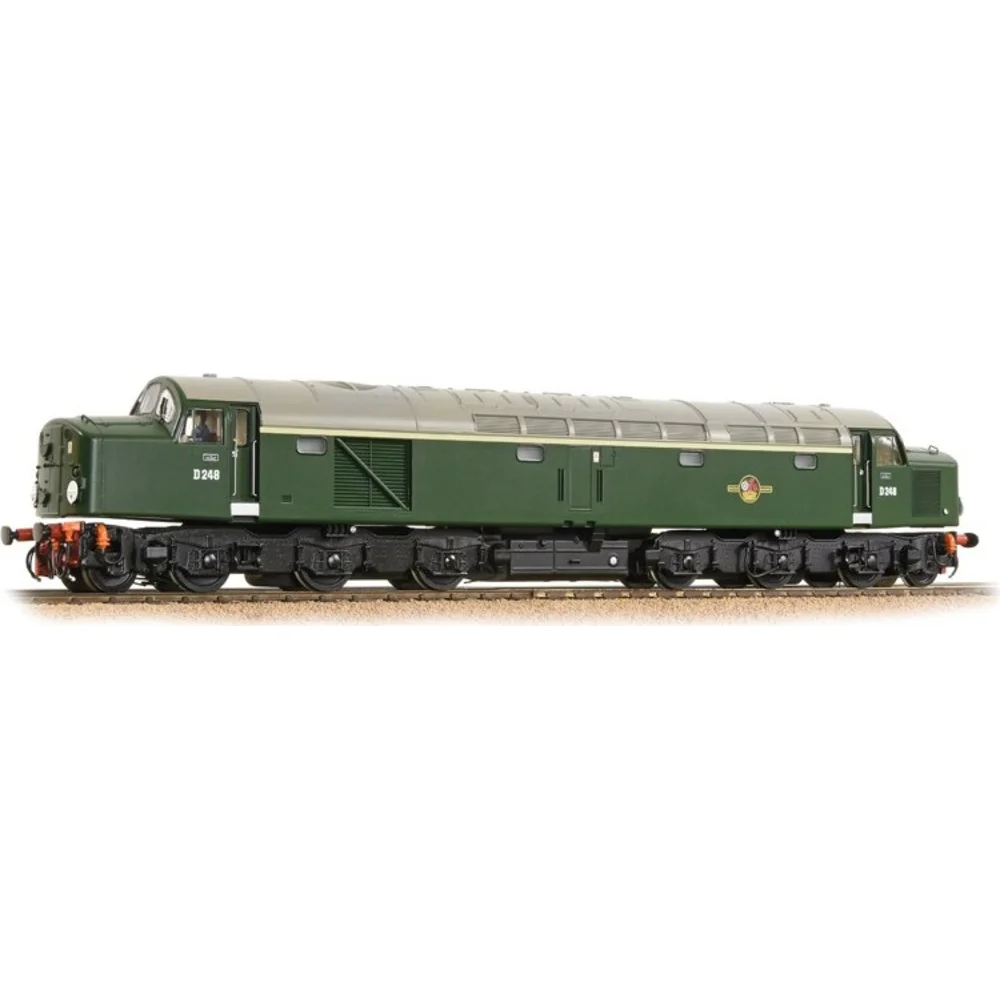
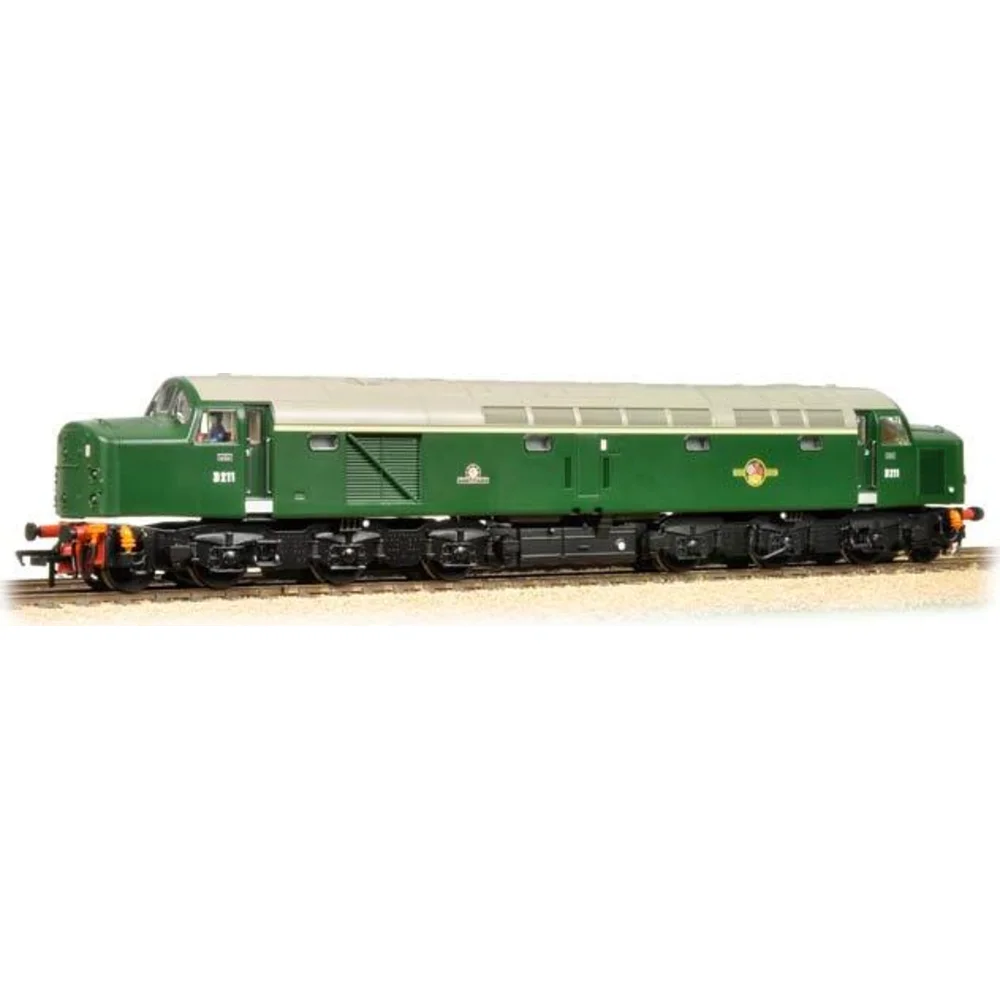
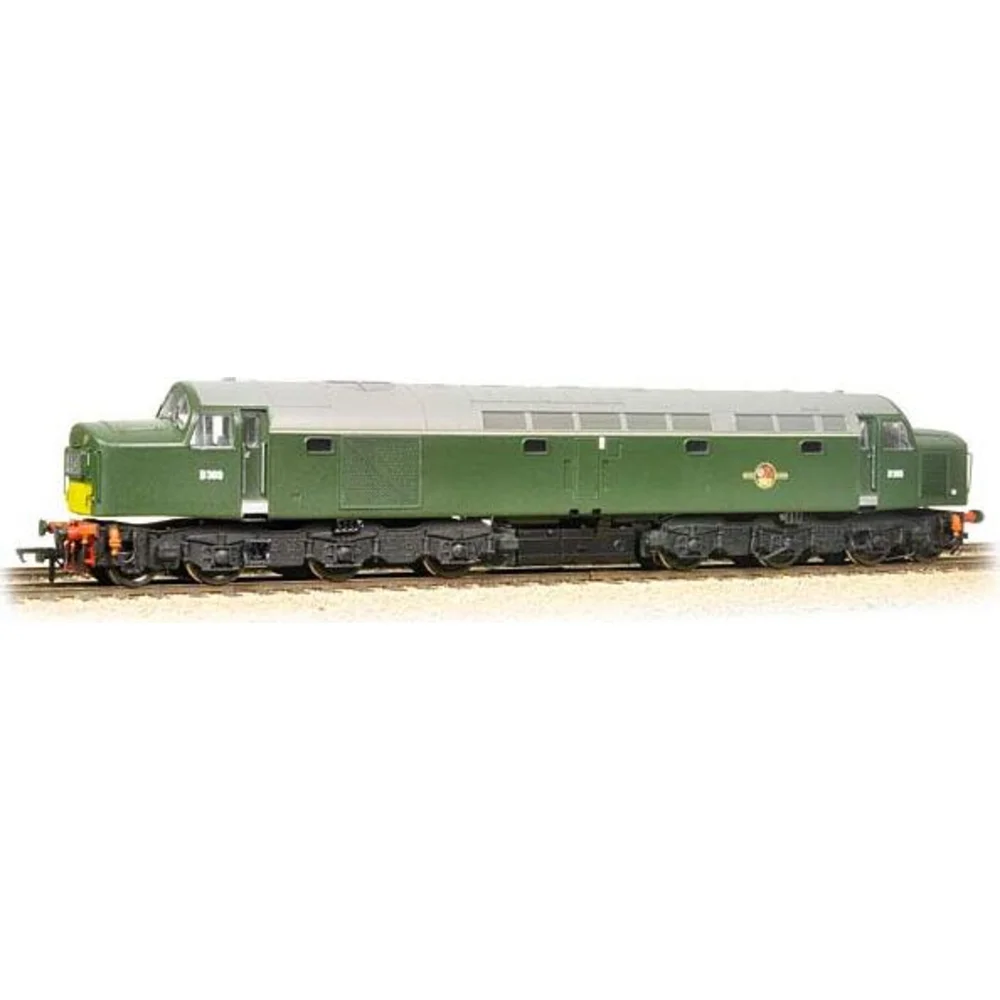
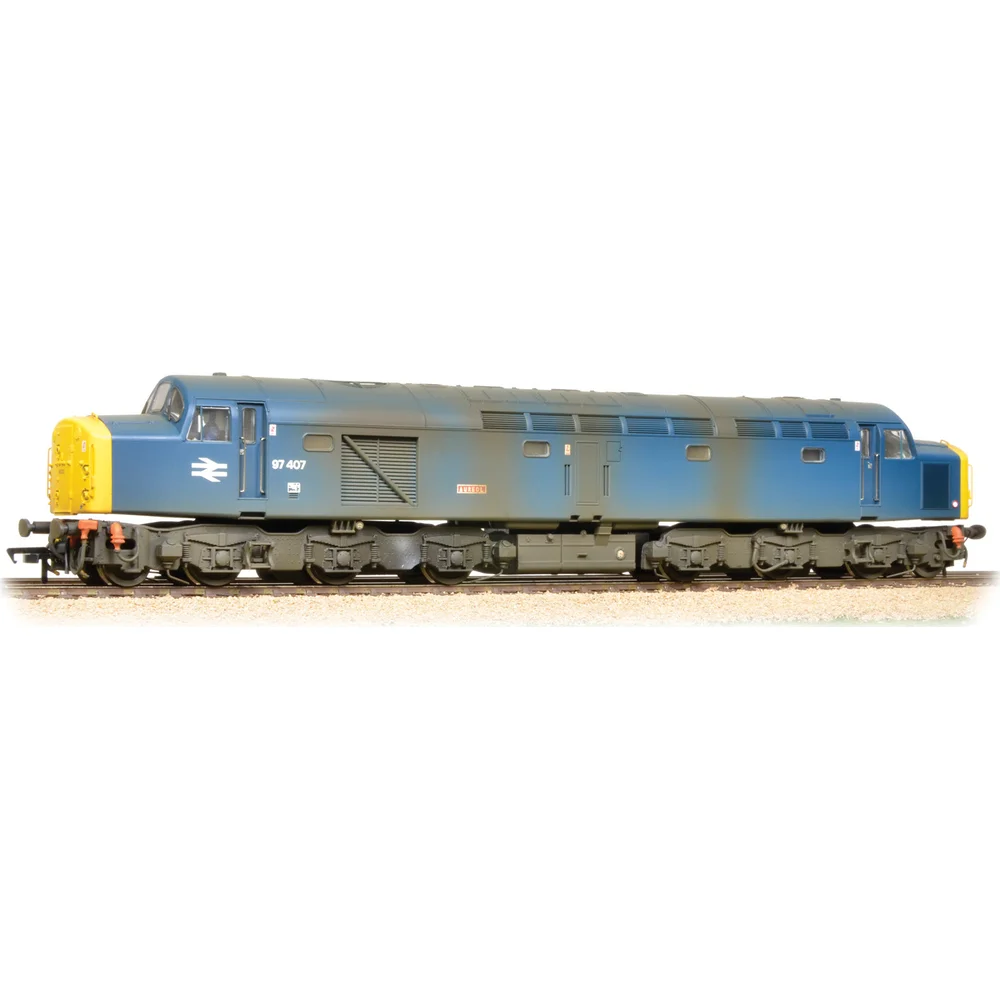
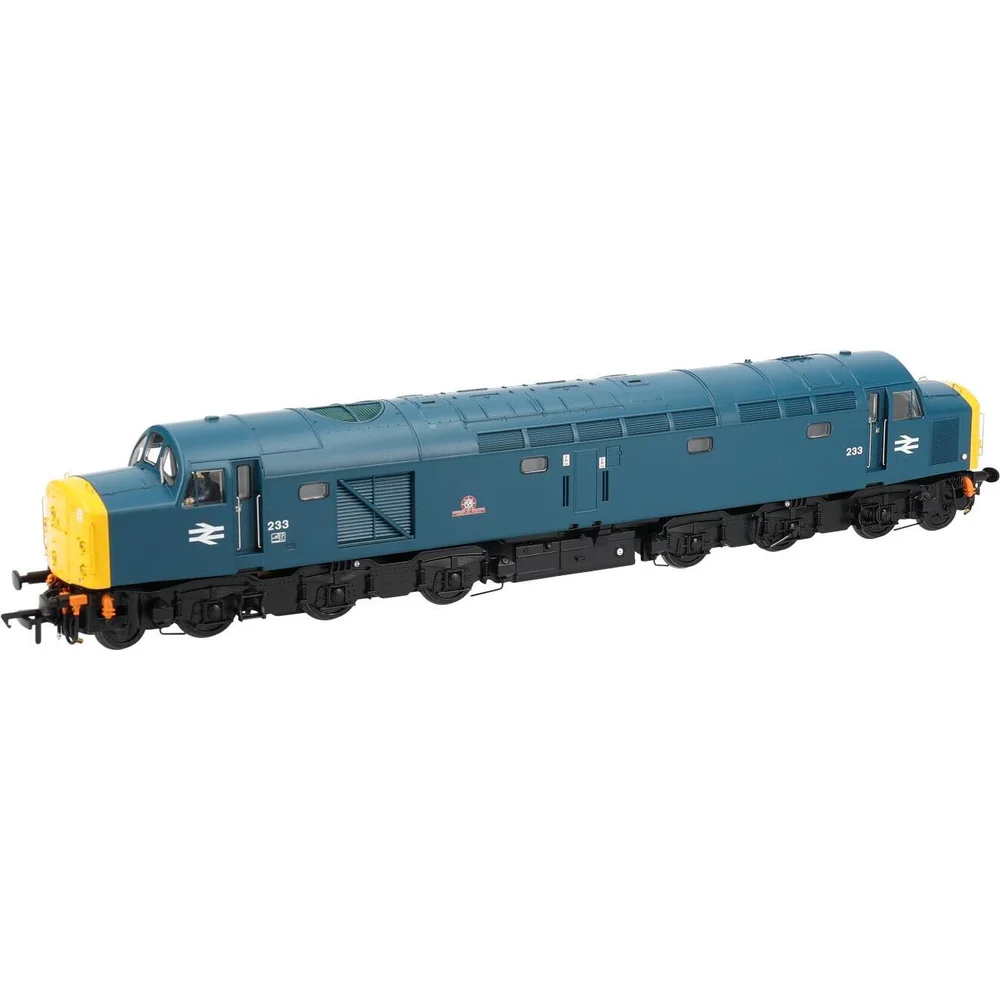
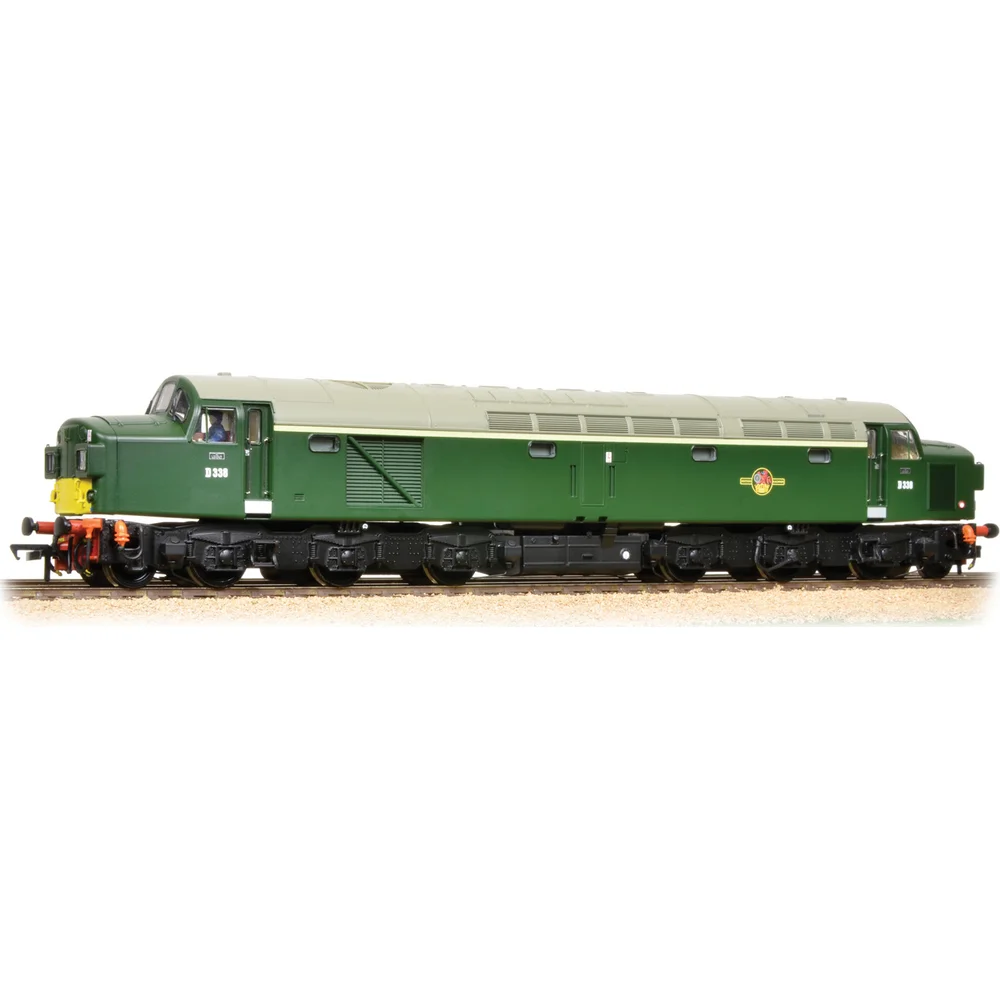
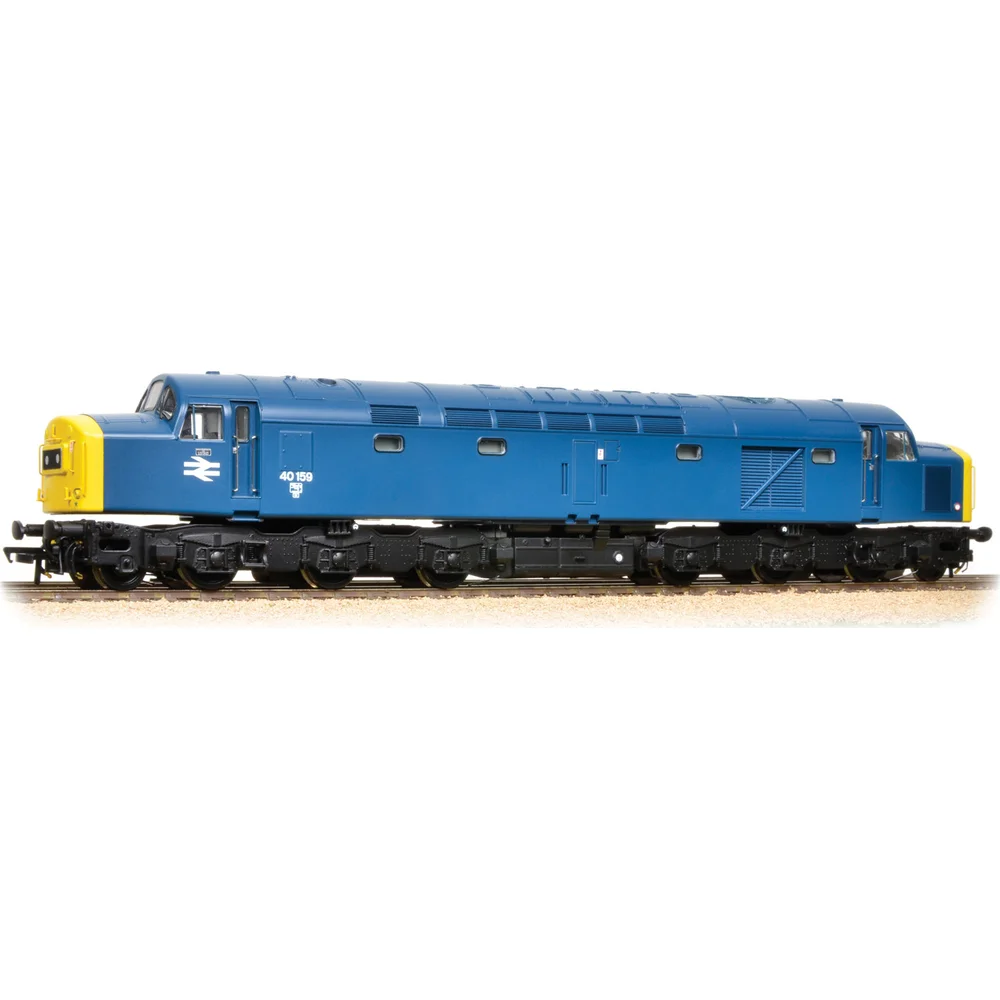
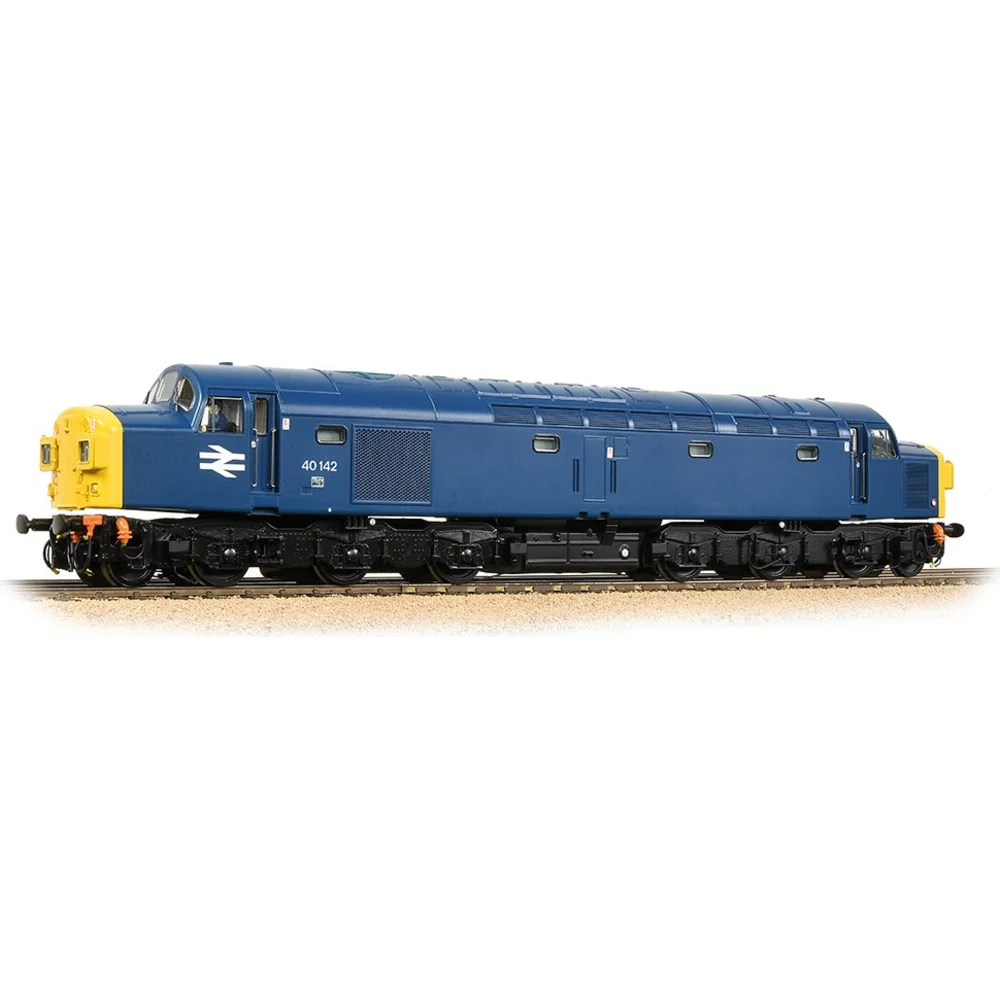
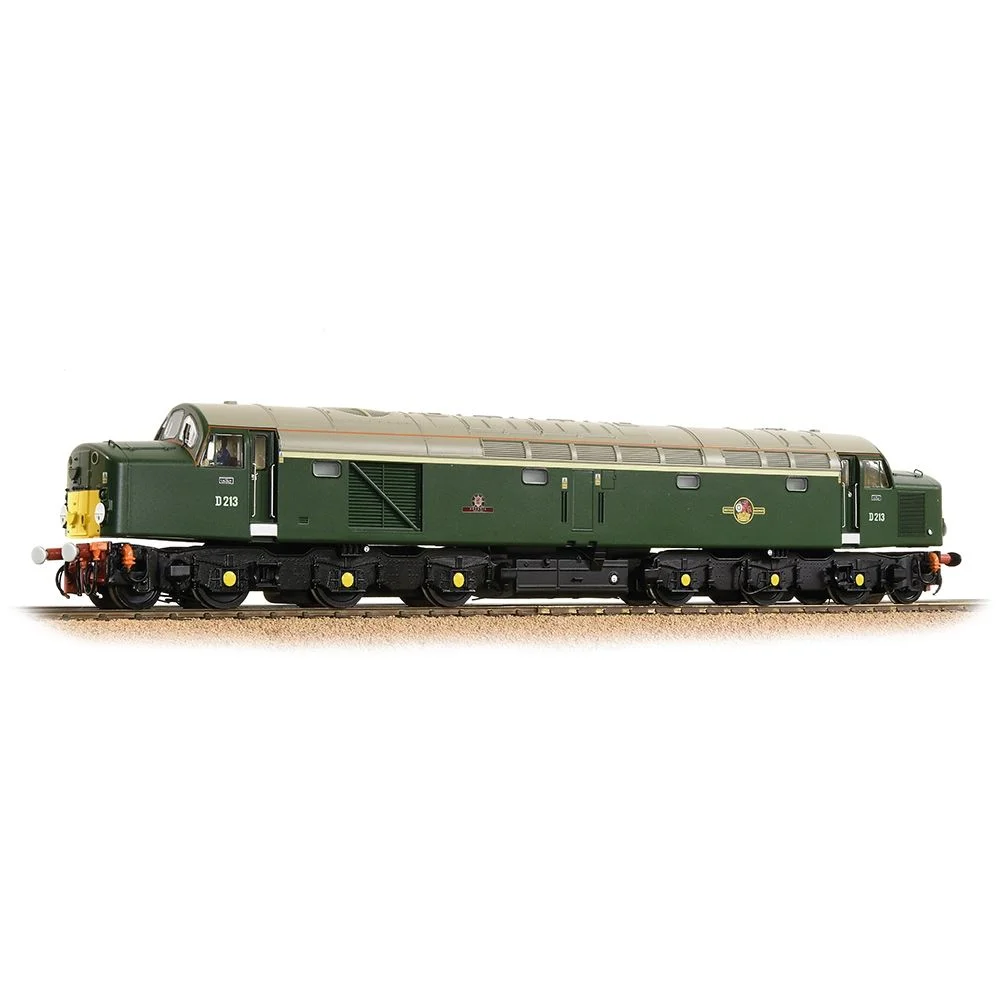
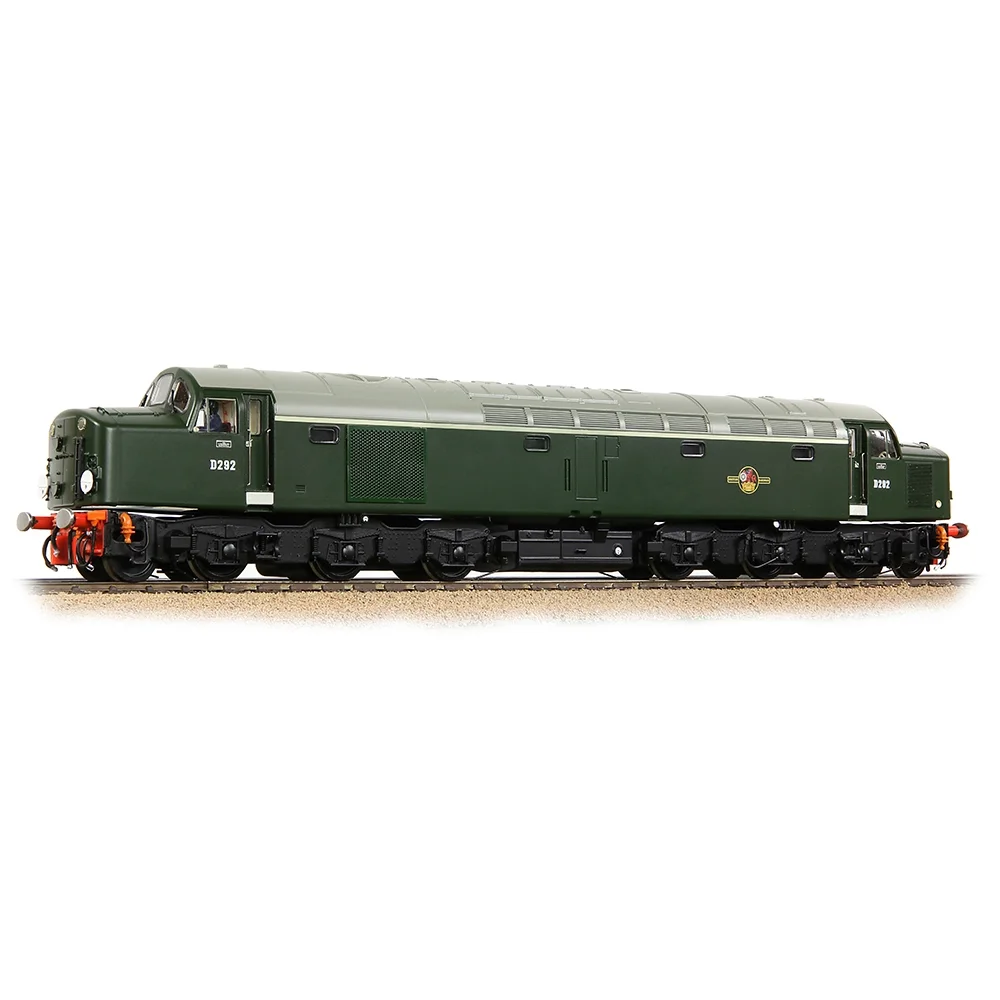
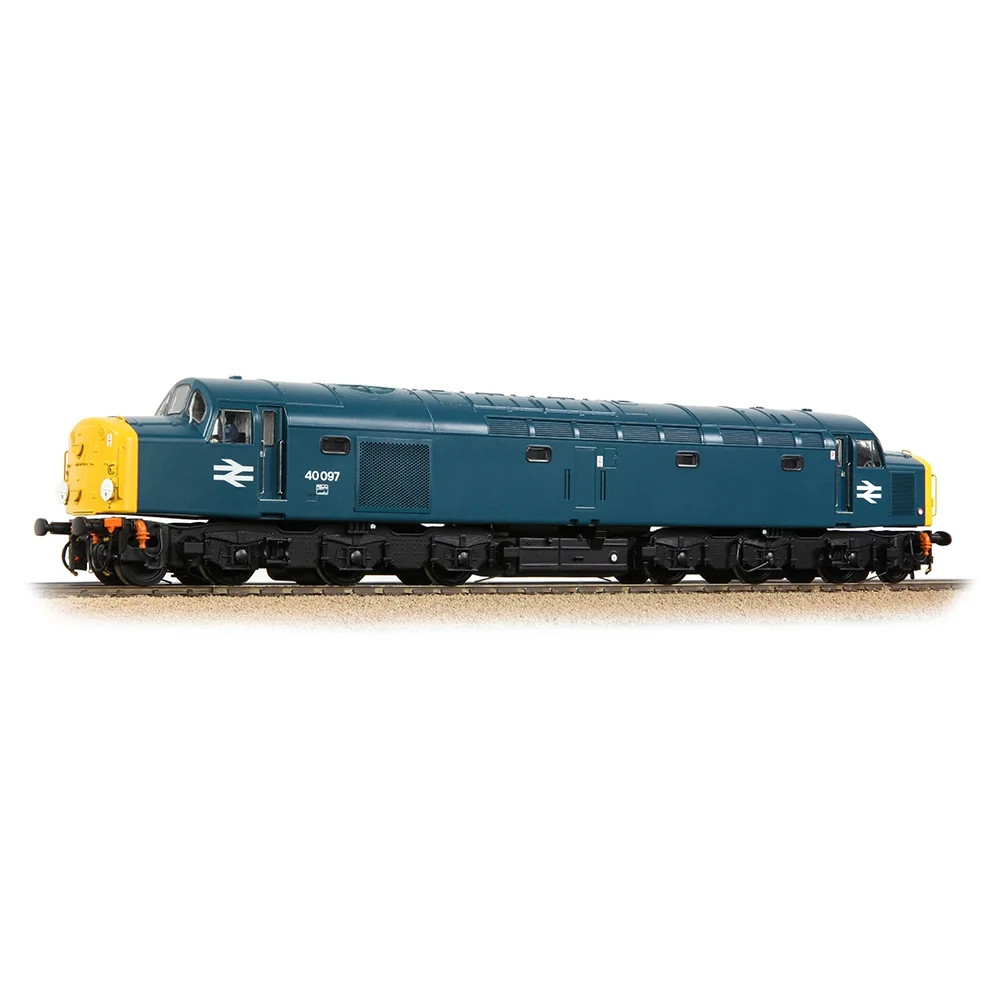
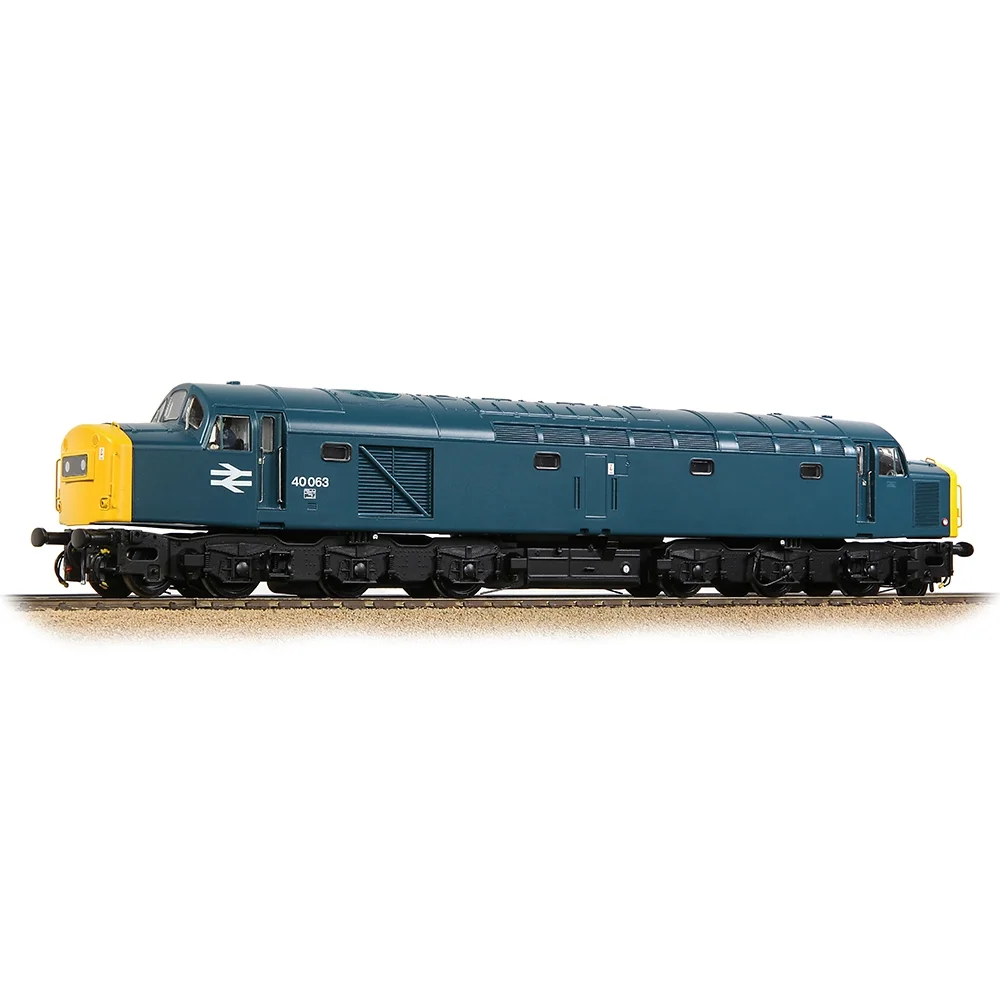
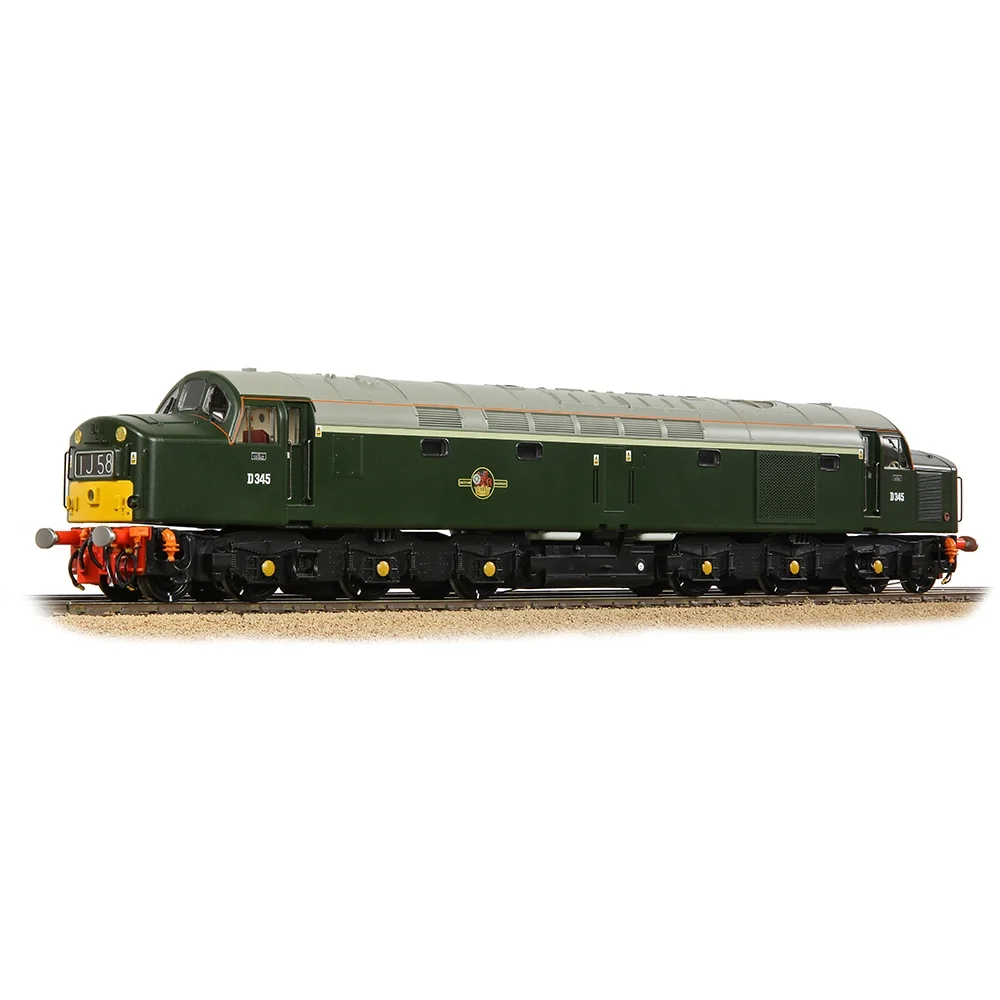
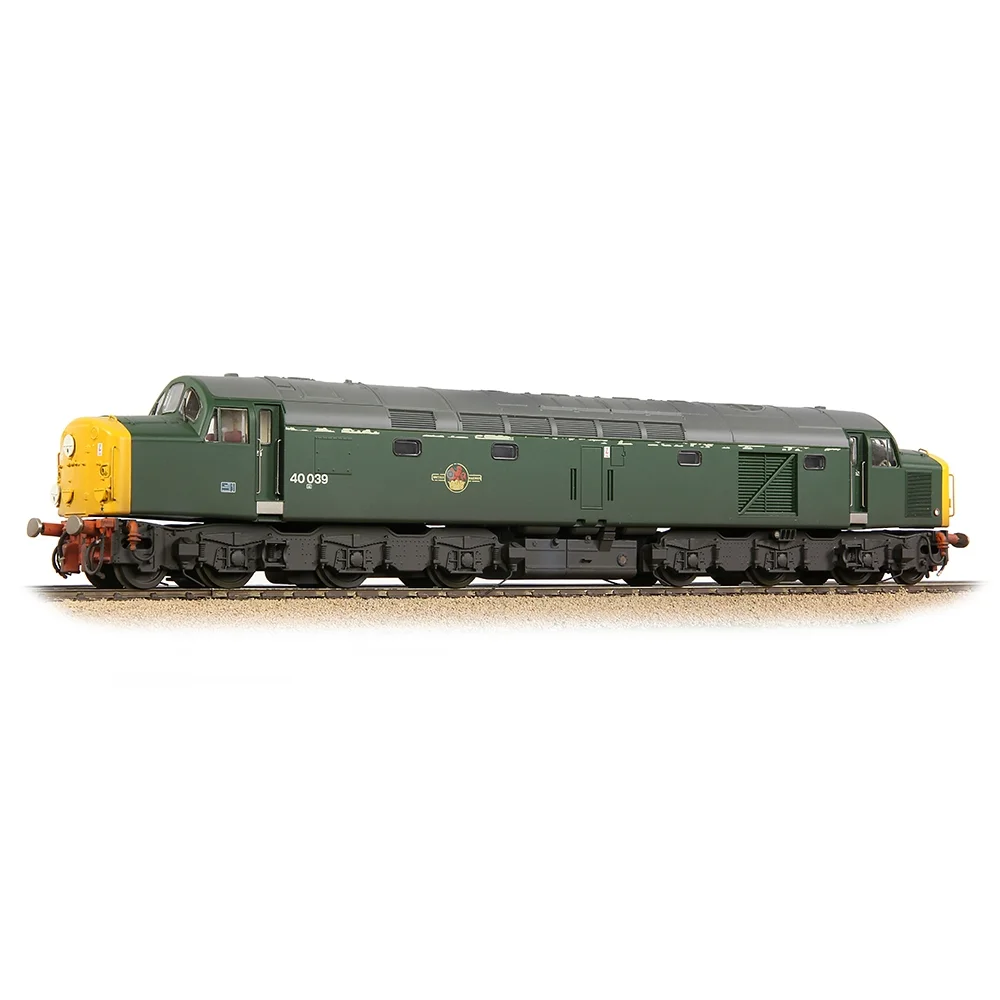
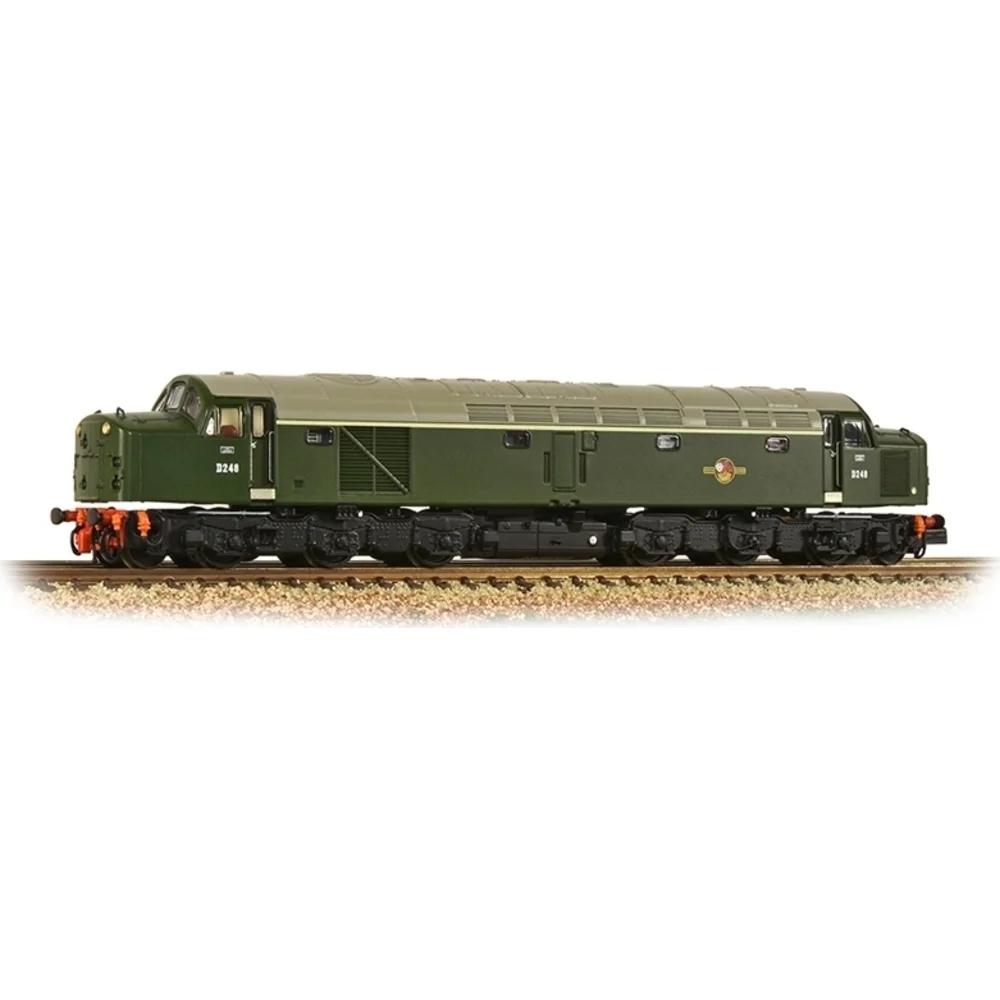
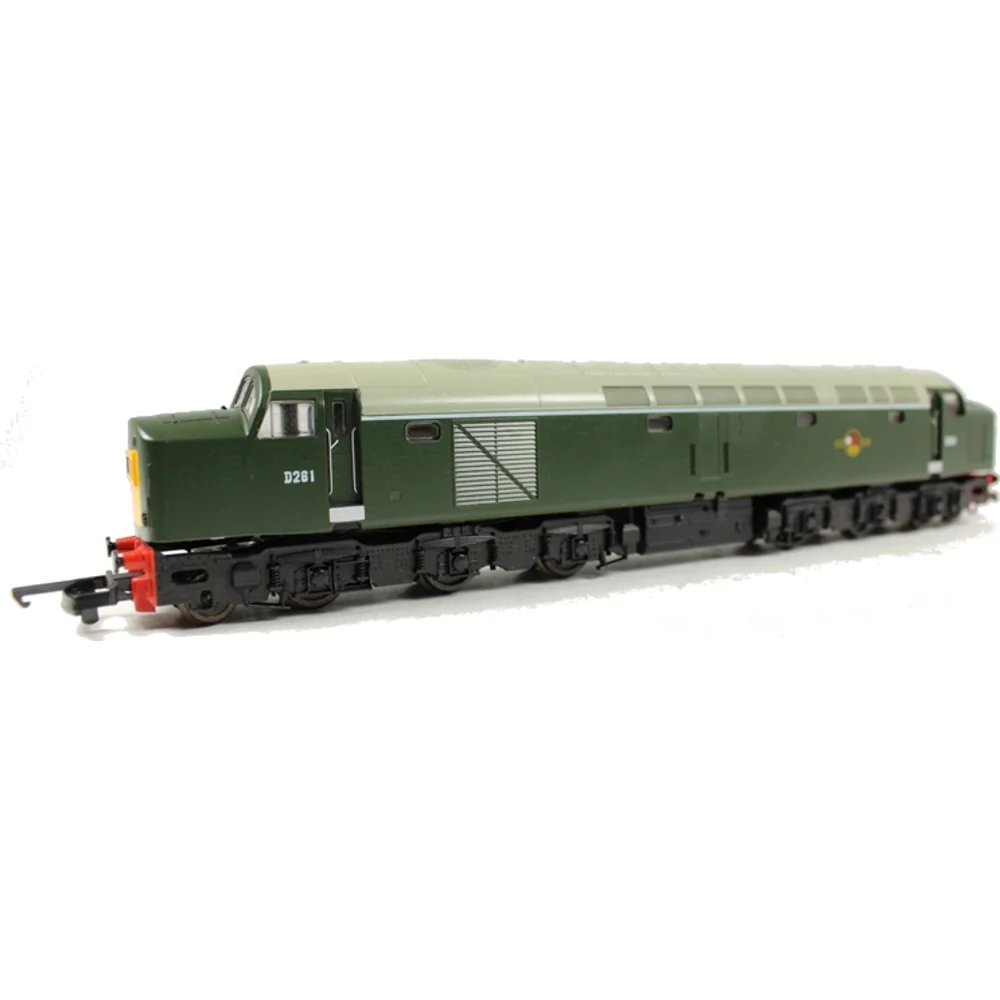
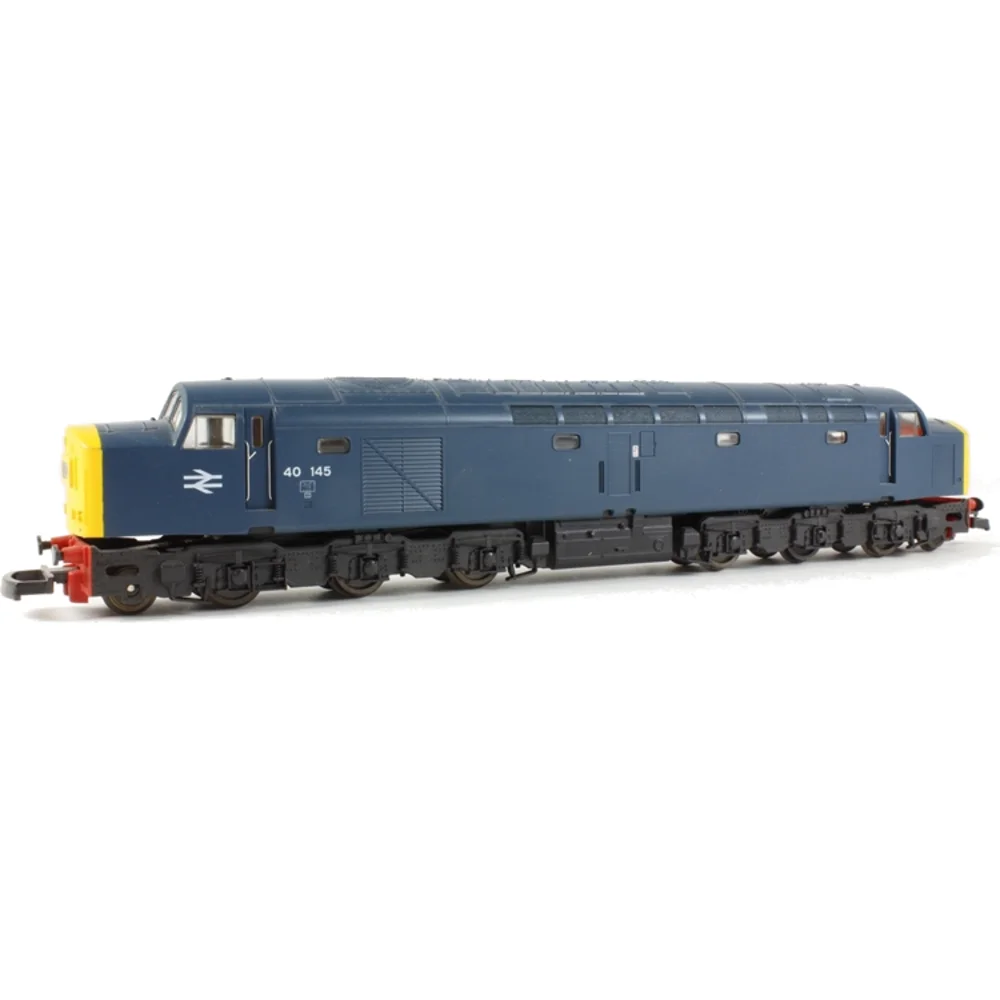
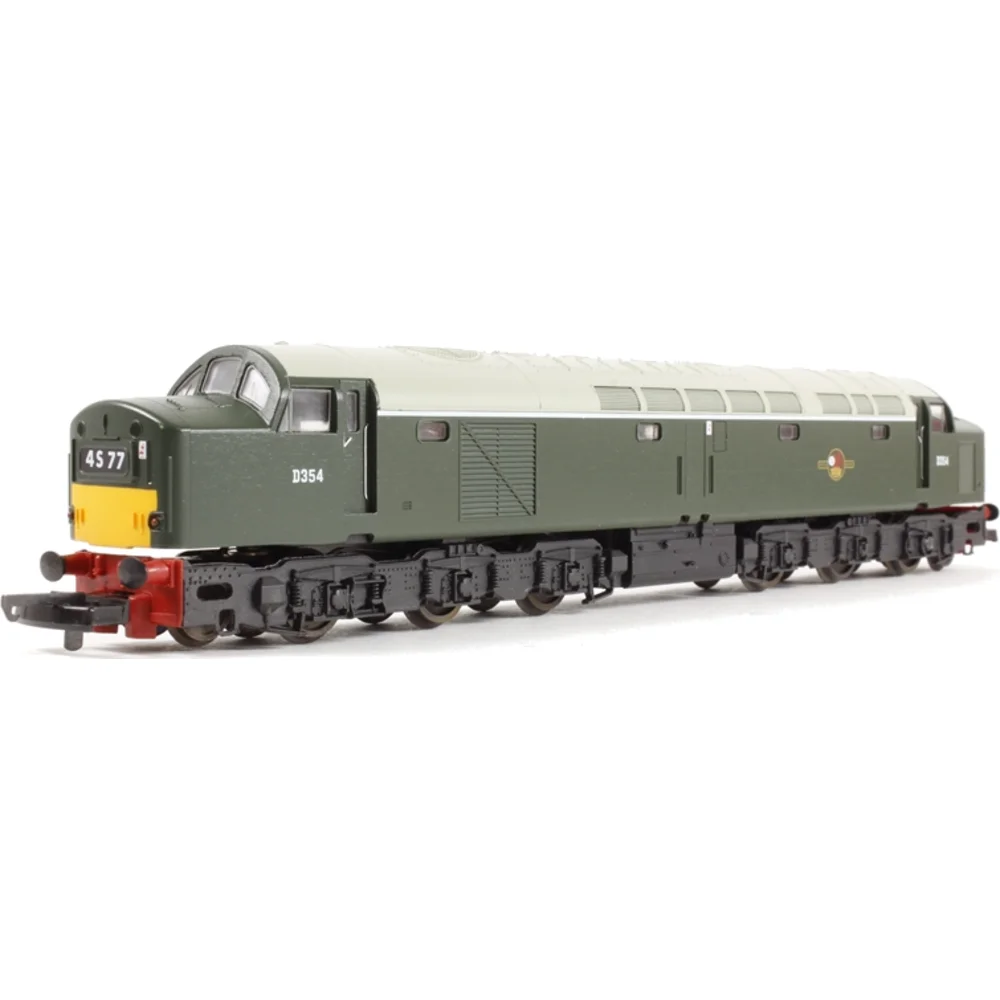
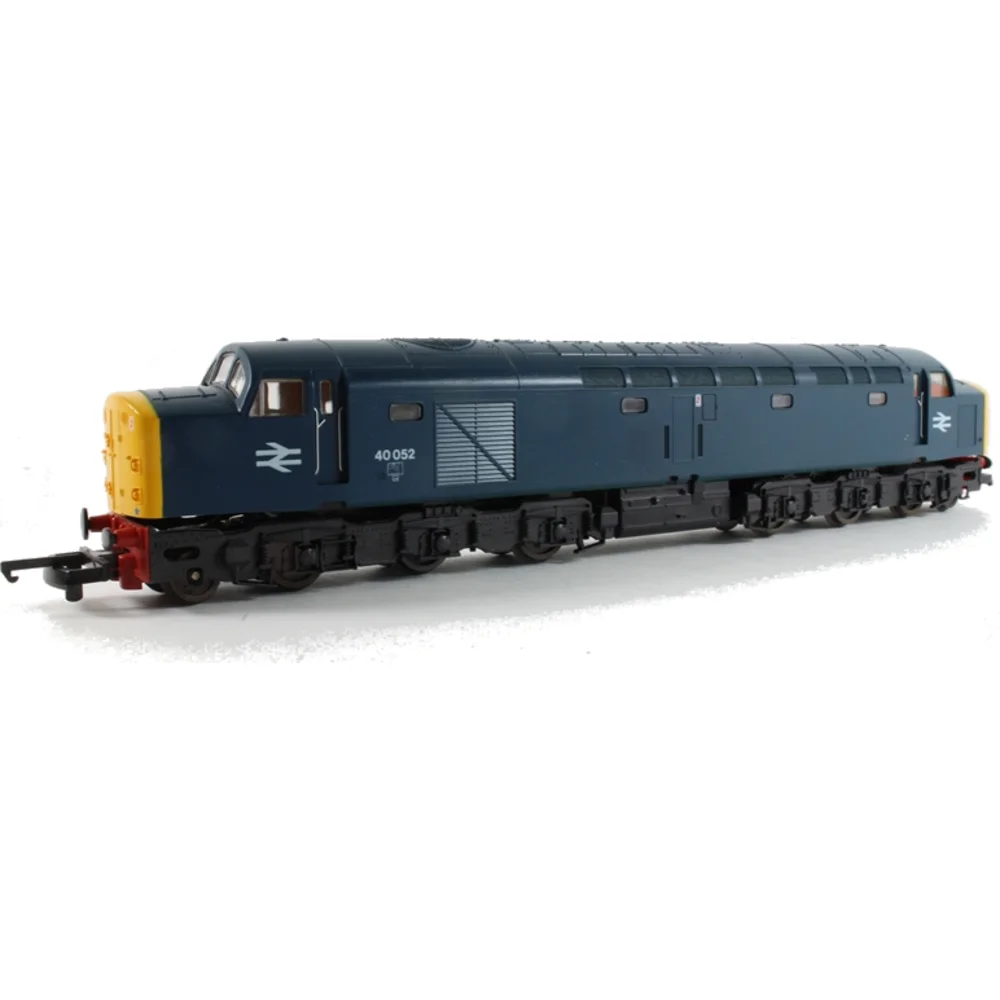
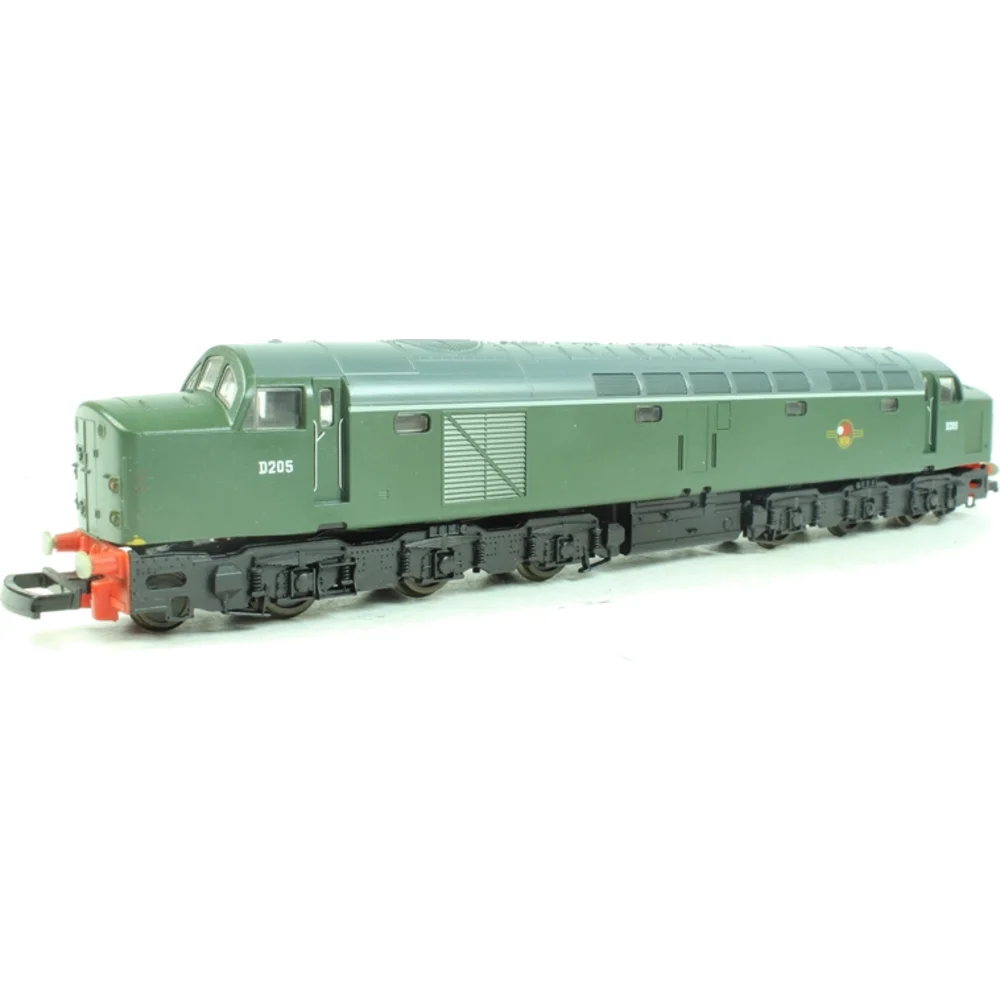
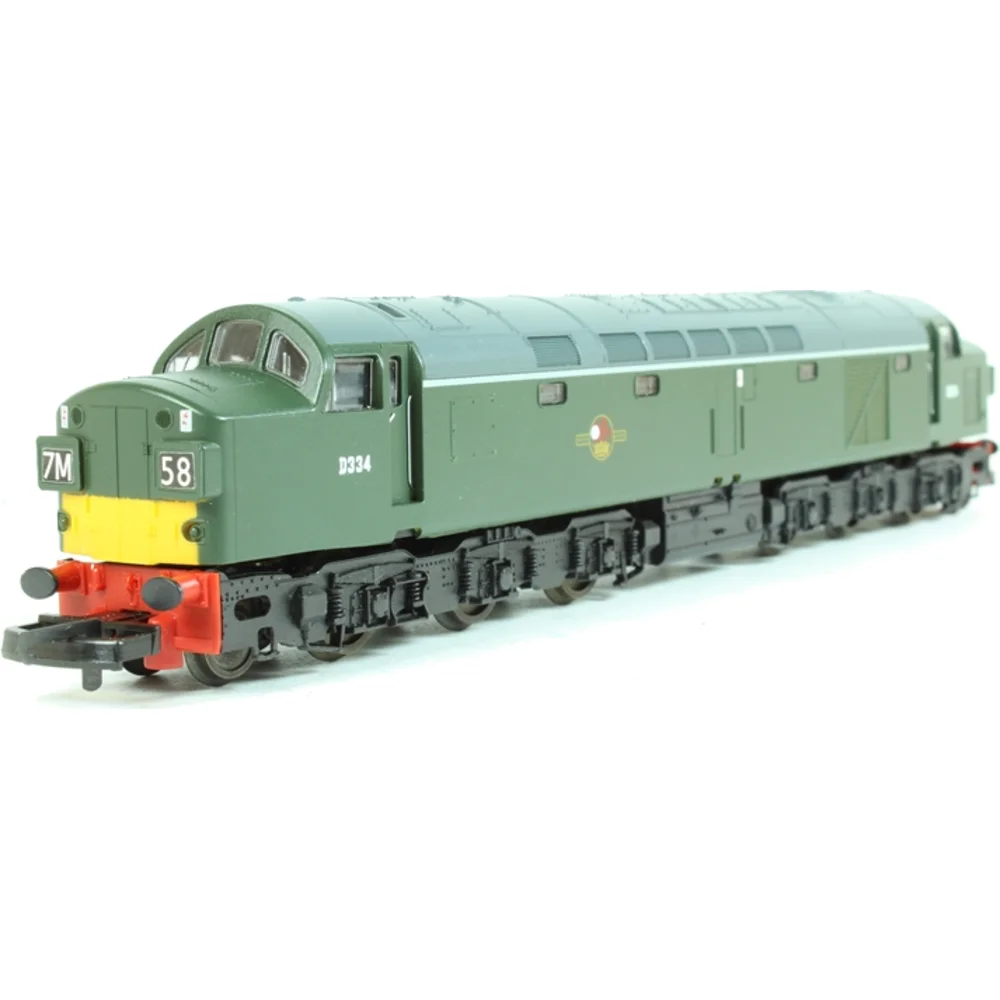
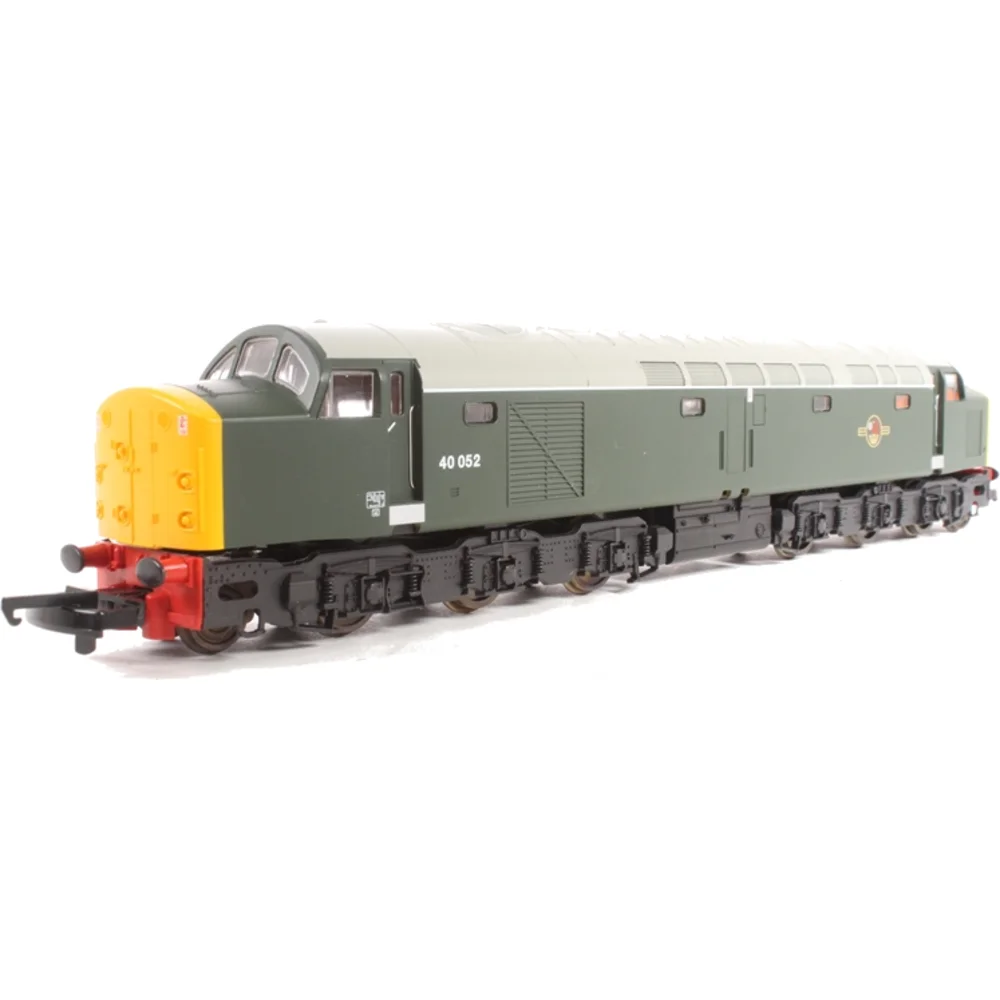
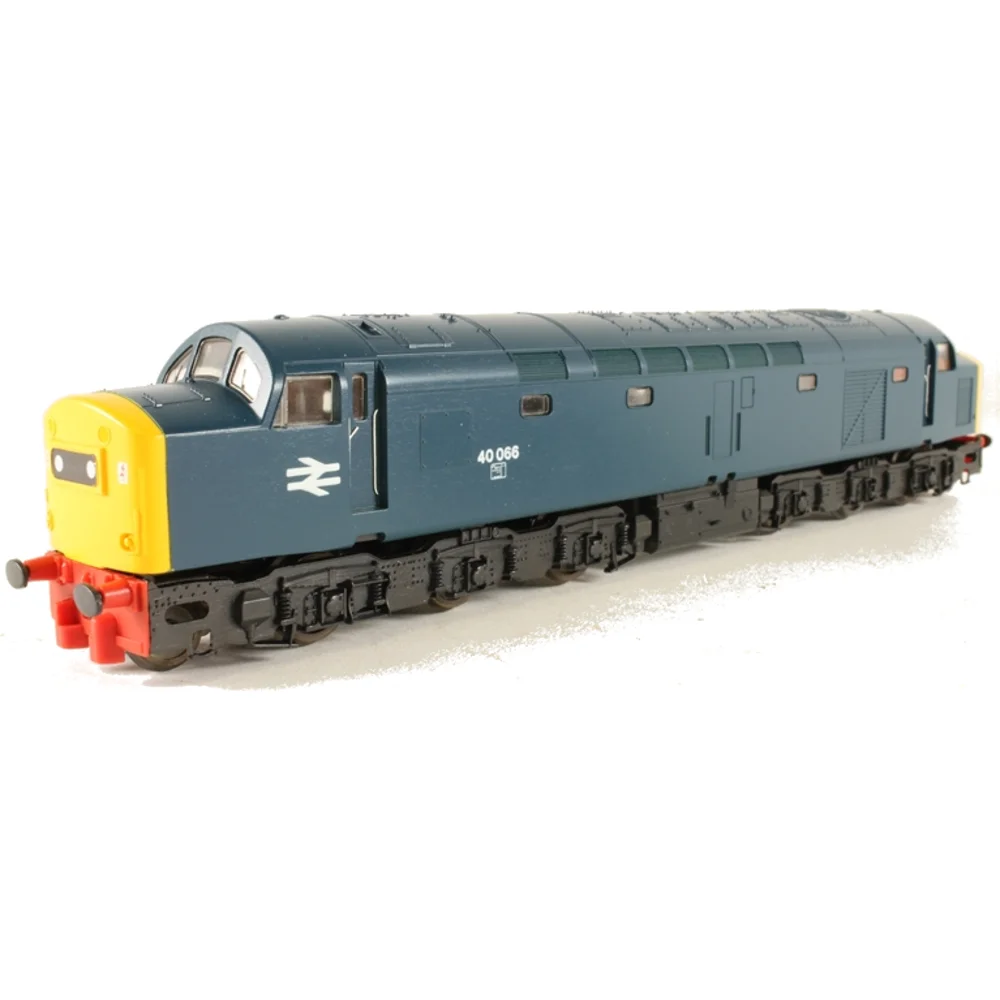
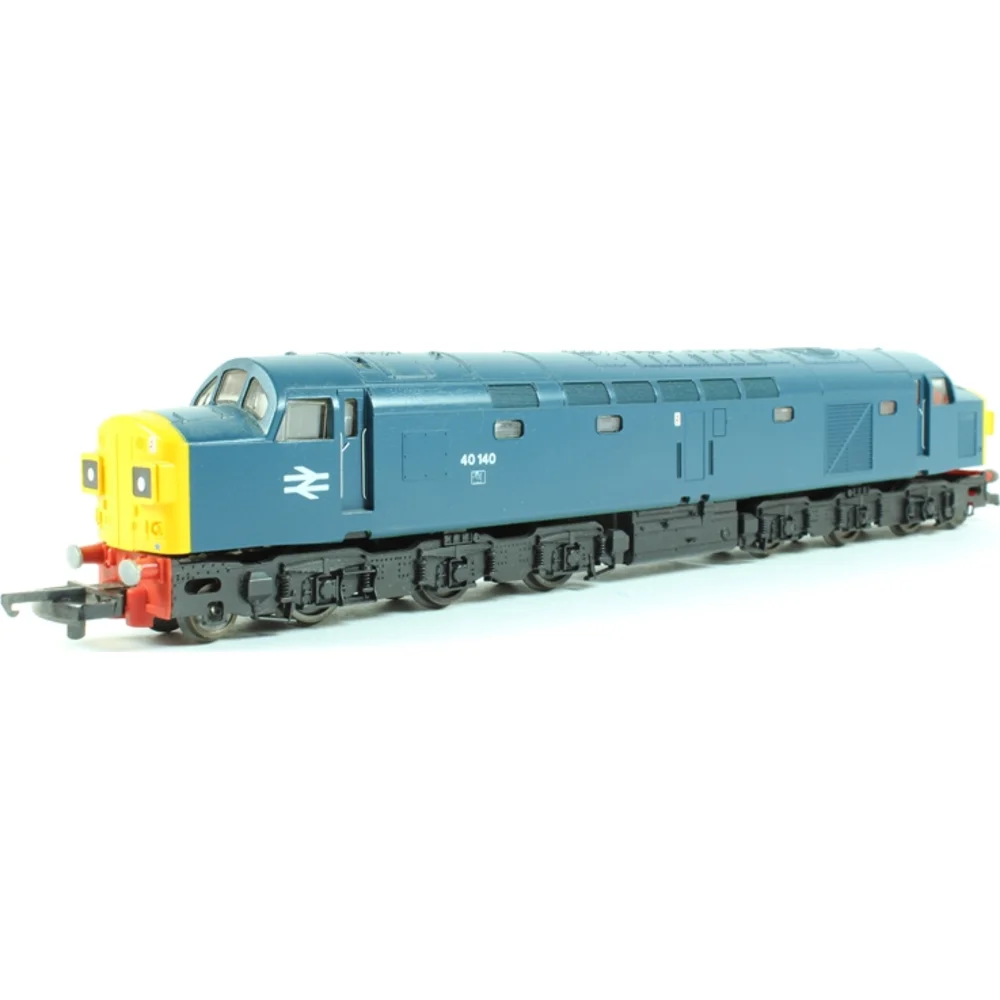
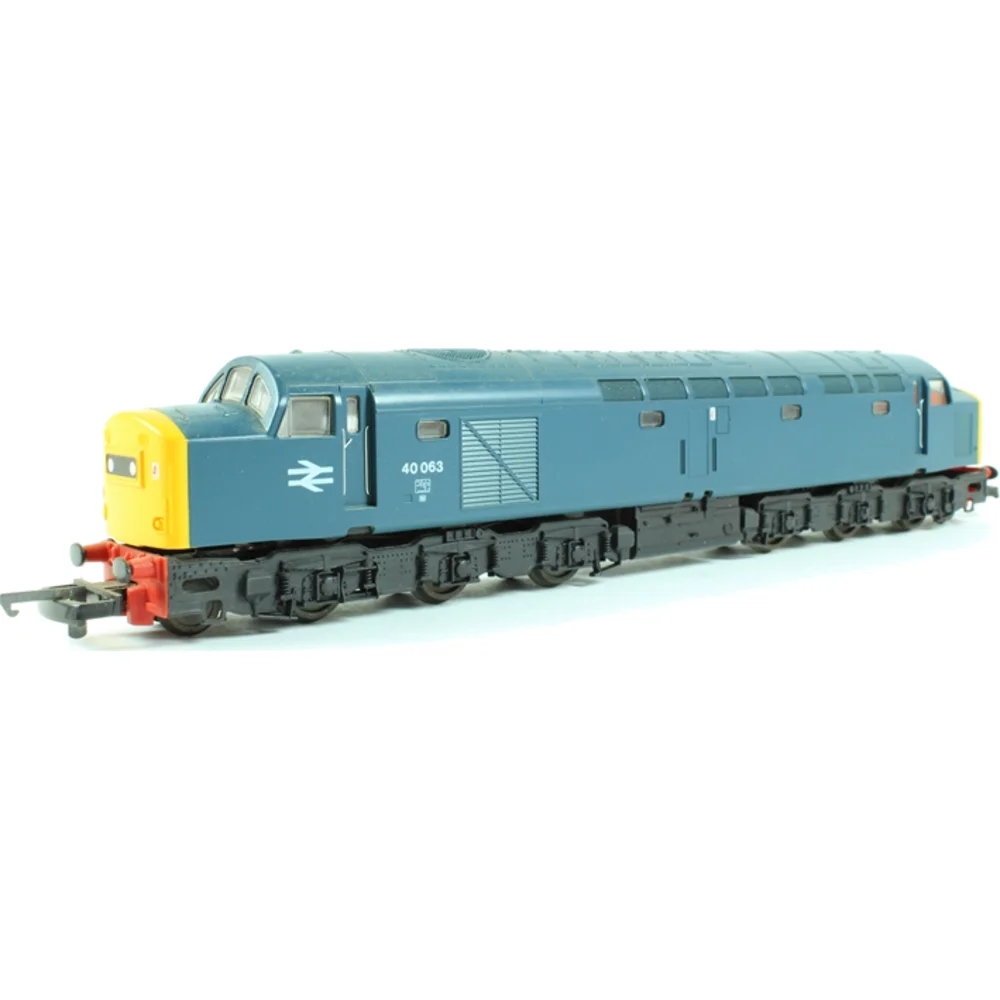
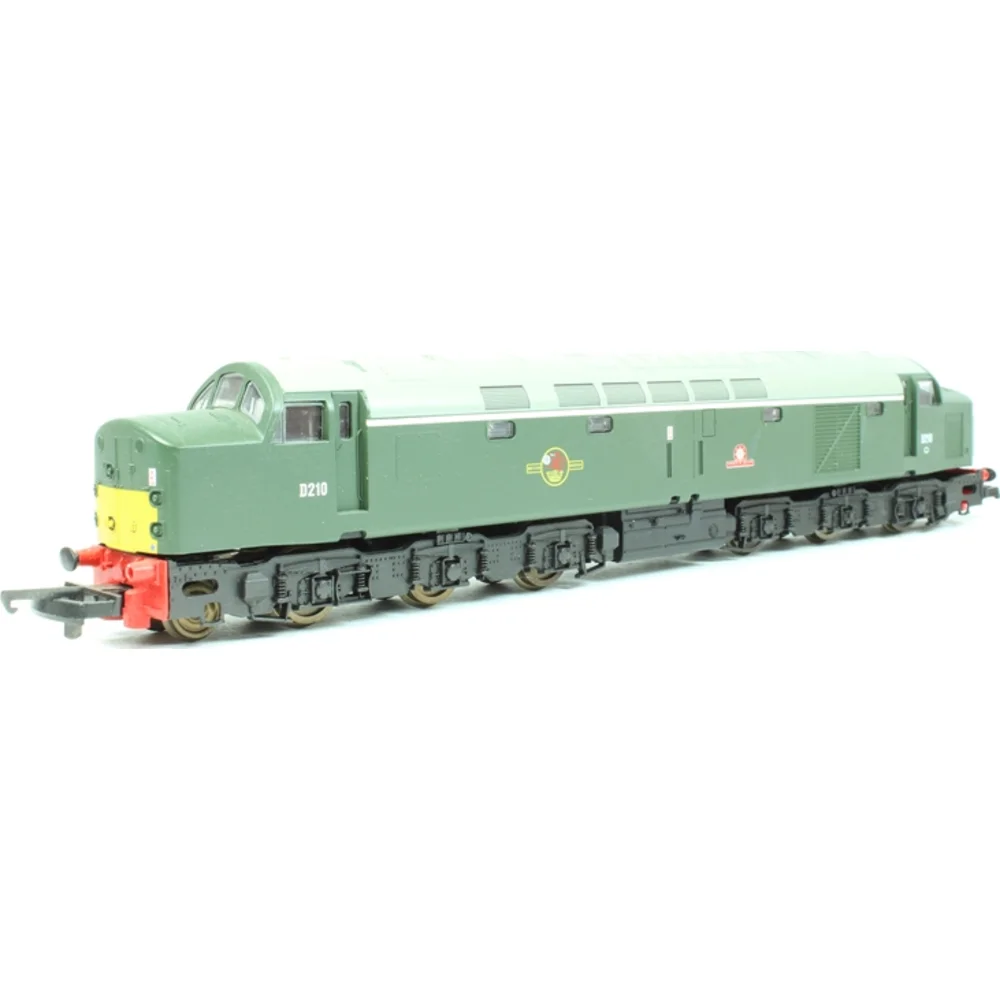
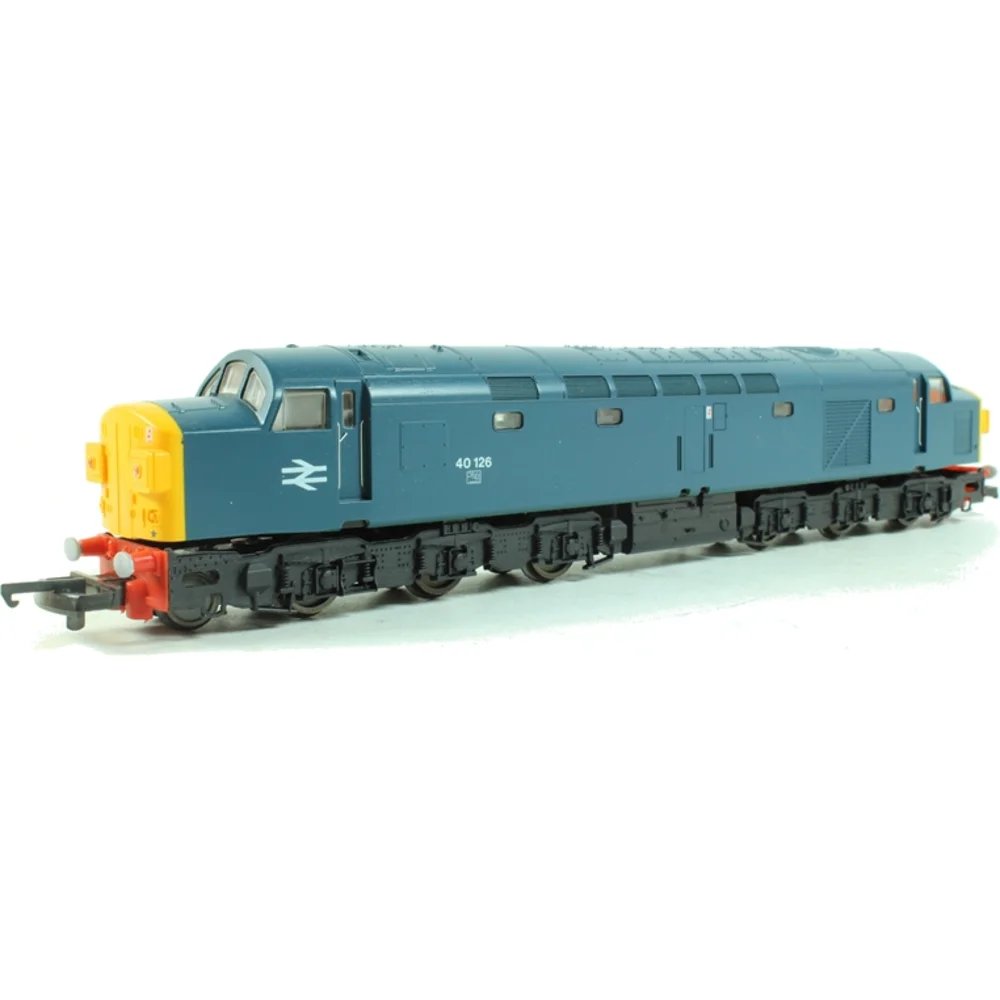
The British Rail Class 40 "Whistler" locomotives represent one of the most significant and beloved diesel locomotive classes in British railway history, serving as pivotal actors in the transition from steam to diesel traction between 1958 and 1985. These iconic English Electric Type 4 locomotives, instantly recognizable by their distinctive turbocharger whistle and elegant nose-end styling, offer model railway enthusiasts a rich blend of historical significance, operational variety, and excellent modeling opportunities across multiple scales. With seven complete locomotives preserved and comprehensive model availability from major manufacturers, the Class 40 remains highly accessible to both prototype enthusiasts and modelers seeking authentic British diesel-era operation.
The development of the Class 40 emerged from British Railways' ambitious 1955 Modernization Plan, designed to eliminate steam traction through systematic diesel and electric replacement. English Electric's design philosophy prioritized reliability over maximum power output, utilizing their proven 16SVT Mk2 medium-speed power unit rated at 2000 horsepower. This conservative engineering approach, while ensuring dependable service, ultimately resulted in locomotives that gained a reputation for being underpowered relative to their substantial 135-tonne weight—a limitation that would define their operational career and eventual displacement by more powerful classes.
Quick Takeaways
- 200 locomotives built: Complete Class 40 fleet constructed 1958-1962 by English Electric at Vulcan Foundry and Robert Stephenson & Hawthorns
- Distinctive "Whistler" sound: English Electric 16SVT turbocharger created characteristic high-pitched whistle that became instantly recognizable across Britain
- Pioneer express services: First diesel to work Flying Scotsman service, demonstrating 2000hp power on prestigious East Coast Main Line duties
- Final withdrawal 1985: Last regular passenger service January 27, 1985, with 40012 working Birmingham New Street to York after 27-year career
- Seven locomotives preserved: Exceptional 3.5% survival rate including operational examples at East Lancashire Railway and static display at National Railway Museum
- Model availability excellence: Current production from Bachmann (OO), Graham Farish (N), and Heljan (O) featuring authentic recordings and premium detail
- Great Train Robbery connection: D326 hauled the Glasgow-Euston Royal Mail train robbed August 8, 1963, becoming railway's most notorious locomotive
Historical development and railway modernization context
The Class 40's origins trace directly to post-war investigations into diesel-electric alternatives, initiated by a UK railway delegation's 1946 visit to study American diesel technology. The design evolved from earlier prototype locomotives, particularly Southern Region's No. 10203 (1954), which utilized the same English Electric 16SVT MkII engine developing 2000 bhp. The successful bogie design and power train from 10203 transferred almost unchanged to the first ten production Class 40s, validating the concept before full-scale manufacturing commenced.
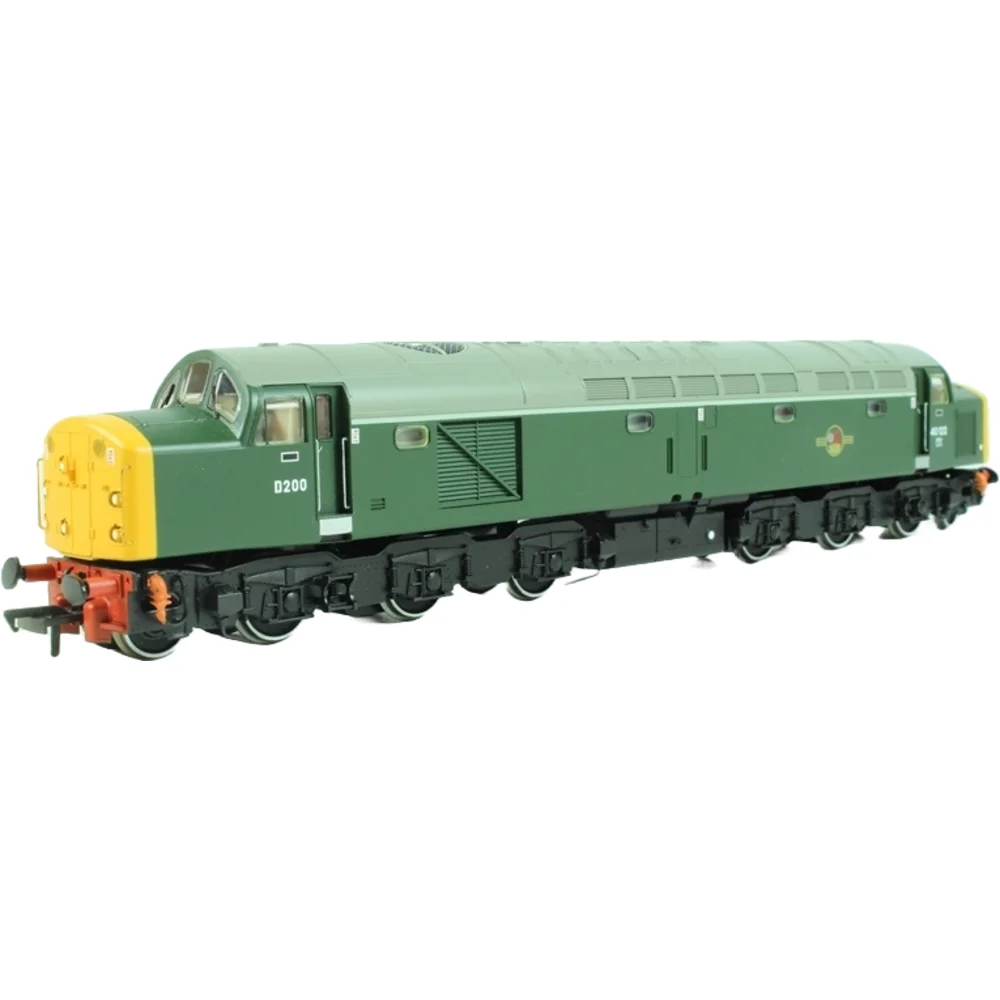
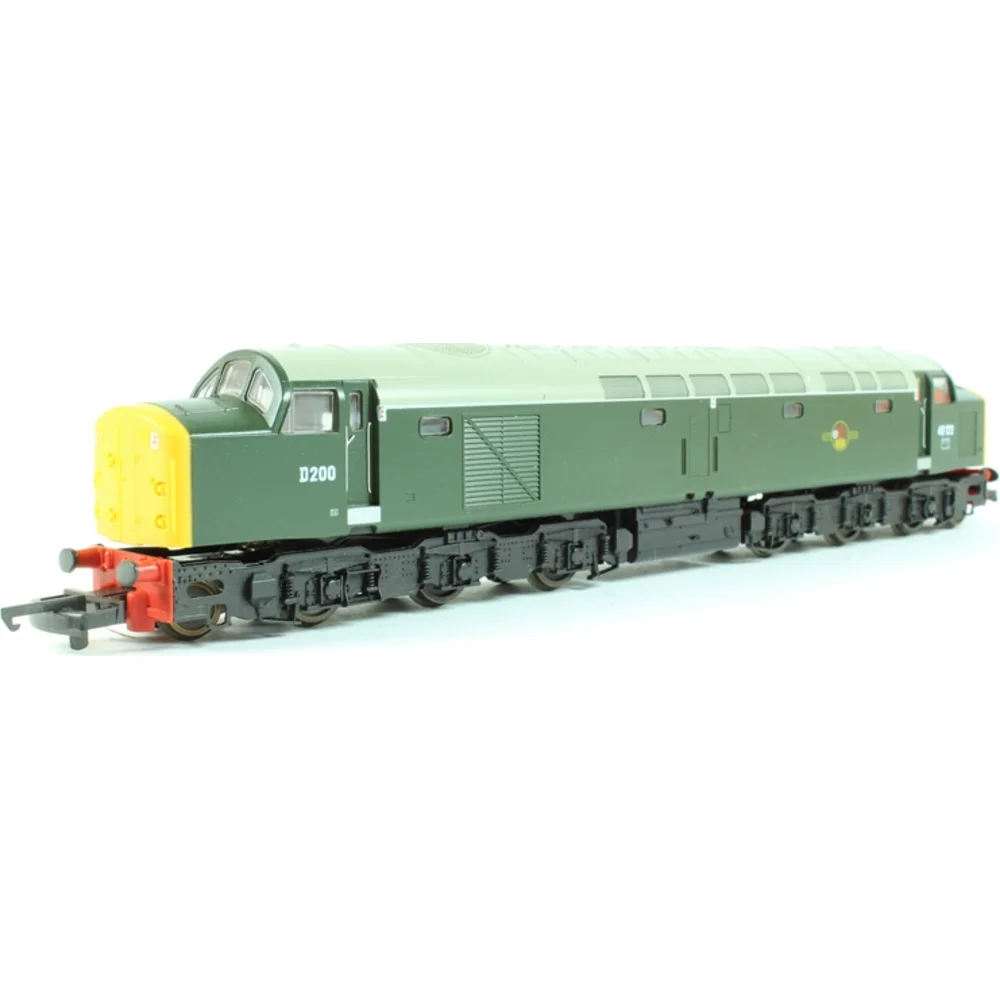
English Electric secured the contract to build 200 locomotives, with primary construction at Vulcan Foundry in Newton-le-Willows, Lancashire. Twenty additional units (D305-D324) were subcontracted to Robert Stephenson and Hawthorns in Darlington. The first locomotive, D200, arrived at Stratford depot on March 14, 1958, making its public debut on April 18, 1958, hauling a press demonstration train from London Liverpool Street to Norwich with the proud headboard "first 2000 hp Diesel London-Norwich – Progress by Great Eastern."
Initial deployment divided the first ten prototypes between Great Northern Region (working prestigious services including the Flying Scotsman from Kings Cross) and Great Eastern Region (operating Liverpool Street to Cambridge, Ipswich, and Norwich services). Despite mixed early performance, British Railways demonstrated remarkable confidence by ordering the remaining 190 locomotives before prototype evaluations were complete—a decision that reflected both the urgency of steam replacement and faith in English Electric's proven diesel technology.
Complete technical specifications and engineering details
The locomotive's engineering represented conservative but proven British diesel technology. The English Electric 16SVT engine operated at 750-850 rpm, significantly lower than contemporary high-speed designs, prioritizing reliability through reduced mechanical stress. The turbocharged system initially lacked intercooling but later variants incorporated this improvement for enhanced efficiency.
The 1Co-Co1 wheel arrangement positioned single carrying wheels at each end with three powered axles on each of two bogies. This configuration provided good riding characteristics but concentrated significant weight on the powered axles. The cast steel frame bogies, while robust, proved susceptible to cracking under heavy freight use in later years—a factor contributing to premature withdrawals.
Service history and operational evolution
The Class 40 fleet experienced a dramatic operational evolution from premier express passenger service to secondary duties, reflecting both the locomotives' limitations and rapidly advancing diesel technology. Initial deployment on prestigious services like the Flying Scotsman and Master Cutler demonstrated British Railways' ambitions for diesel traction, but early reliability issues quickly tempered enthusiasm.
Autumn 1958 proved particularly challenging, with the Flying Scotsman service failing to produce a Class 40 on six out of ten scheduled days. Despite these teething troubles, the locomotives achieved impressive weekly mileages once established—Great Eastern examples averaged 3,600-3,900 miles weekly, 50% higher than equivalent steam locomotives, while Great Northern units reached 4,500 miles weekly.
The locomotives' underpowered nature became increasingly apparent as traffic demands grew. Steam A3 and A4 Pacifics could consistently outperform Class 40s on demanding services, leading to gradual displacement from premier duties. The arrival of more powerful classes—Deltics on the East Coast Main Line (1961), Class 47s on mixed traffic (1962), and various specialized designs—relegated Class 40s to secondary passenger and freight services by the mid-1960s.
Regional operations concentrated heavily in northern England and Scotland, where the locomotives found their niche on North Wales Coast Line services, Trans-Pennine routes, and heavy freight work. The West Coast Main Line south of Crewe saw their withdrawal following electrification, while Scottish services provided reliable employment on Highland main line services to Aberdeen and Inverness until more modern traction arrived.
Fleet details and withdrawal patterns
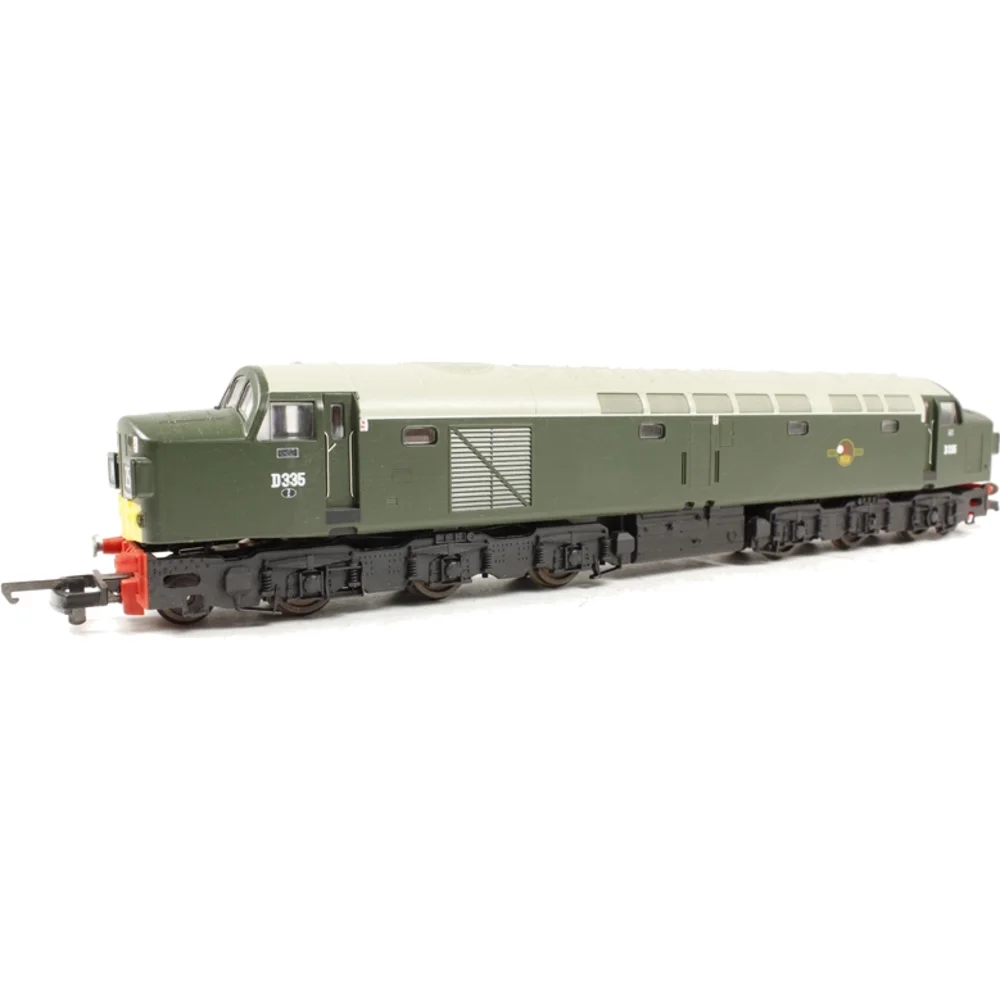
The complete Class 40 fleet comprised 200 locomotives numbered D200-D399, later renumbered 40001-40199 under the TOPS system (with D200 becoming 40122 to fill a gap left by scrapped D322). Construction variations created three distinct sub-classes based on headcode arrangements: disc markers (D200-D324), split boxes (D325-D344), and central four-character displays (D345-D399).
Twenty-five locomotives (D210-D235) carried names of famous ocean liners from Cunard Line, Elder Dempster Lines, and Canadian Pacific Steamships, reflecting their intended use on Liverpool boat train services. Notable names included "Aquitania," "Mauretania," "Empress of Canada," and "Aureol." These nameplates were gradually removed from 1970 as the locomotives no longer worked prestigious international services.
Depot allocations evolved significantly throughout the fleet's career. Initial Eastern and London Midland Region deployments spread across major depots including Stratford, Hornsey, Willesden, Crewe North, Longsight, and Carlisle. By 1981, all 130 remaining locomotives had concentrated in London Midland Region, primarily at Longsight, Carlisle Kingmoor, and Springs Branch (Wigan).
Withdrawal accelerated dramatically from 1981, with 41 locomotives retired that year due to age, air brake deficiencies, and increasing maintenance costs. The underpowered design, vacuum brake limitation (preventing use with modern air-braked coaching stock), and bogie frame fractures from inappropriate freight yard shunting hastened their demise. The final regular passenger service occurred January 27, 1985, with 40012 working Birmingham New Street to York—a poignant end to nearly three decades of express passenger tradition.
Current preservation status and heritage operations
Seven complete Class 40 locomotives survive in preservation, offering enthusiasts multiple opportunities to experience these historic machines in operational settings. The National Railway Museum's D200/40122 serves as the flagship preserved example, representing both the class pioneer and final survivor of regular service. This locomotive's unique dual numbering celebrates its historic significance as the first Class 40 built and the last withdrawn.
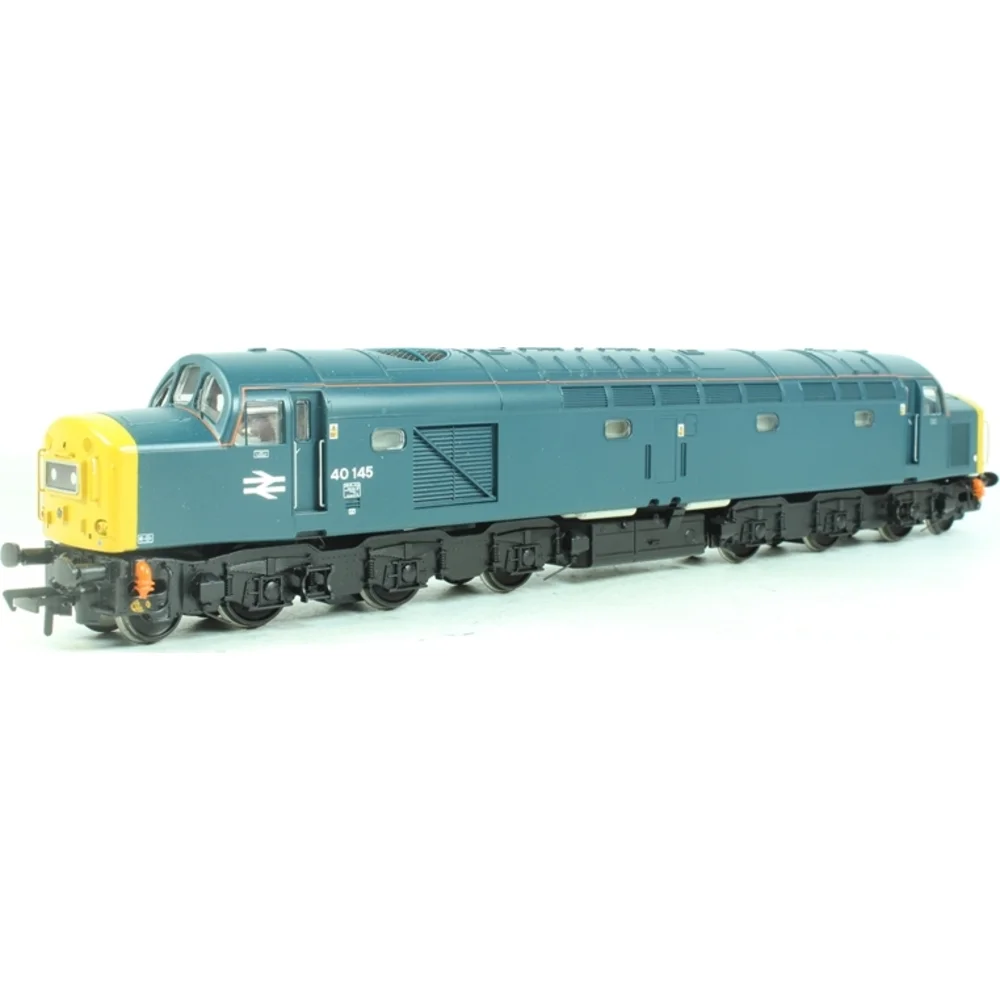
The East Lancashire Railway functions as the primary operational base for Class 40 preservation, housing three locomotives under Class 40 Preservation Society ownership. 40145 (D345) achieved mainline certification in 2002, becoming the first preserved Class 40 to return to main line operation with the "Christmas Cracker IV" tour from Crewe to Holyhead. This locomotive continues operational use on heritage railways while maintaining mainline capability.
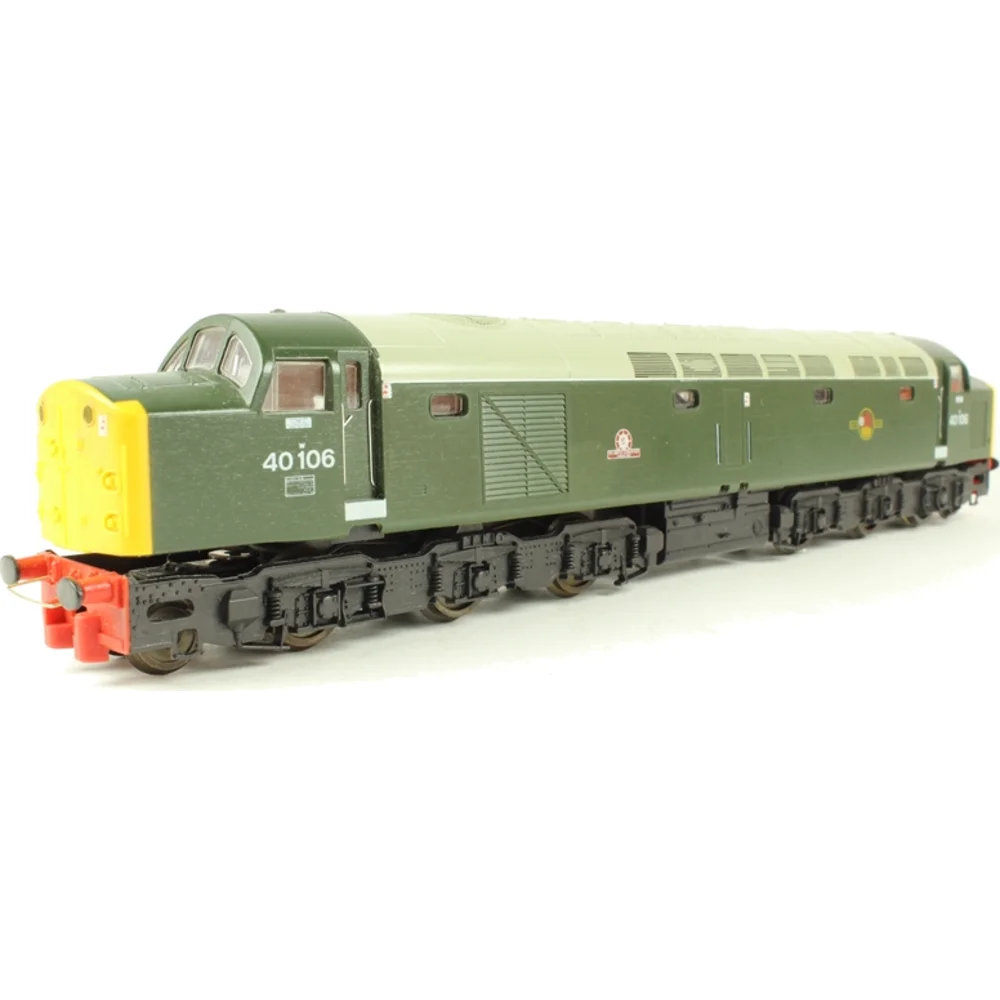
40106 "Atlantic Conveyor" currently operates at Severn Valley Railway on loan from the preservation society, providing valuable winter passenger services where its steam heating capability remains advantageous. Named in 1984 after the Falklands War cargo ship, this locomotive appeared in the 1987 film "Buster" and uniquely retained BR green livery throughout its service life.
40013 (D213) "Andania" operates from Barrow Hill Roundhouse, rescued from Vic Berry's Leicester scrapyard in 1987 through enthusiast efforts. This locomotive, named after a Cunard liner, is currently preparing for mainline certification to join the ranks of operational preserved examples.
Heritage railway operations provide regular opportunities to experience Class 40s in action. The East Lancashire Railway hosts major diesel galas, with the Summer Diesel Gala (July 3-6, 2025) and DMU Gala (November 8-9, 2025) offering concentrated activity. These events typically feature multiple locomotives operating passenger services across the 12.5-mile line from Bury Bolton Street to Rawtenstall.
Visitor access varies by location but generally offers excellent opportunities for photography and observation. The National Railway Museum provides free access seven days weekly (advance booking recommended), while heritage railways charge admission but offer dynamic operational experiences. Barrow Hill Roundhouse operates weekends March through December, providing unique access to Britain's last operational roundhouse facility.
Comprehensive modeling options across all scales
The model railway market offers exceptional Class 40 representation across multiple scales, from budget-friendly options to premium super-detail models. Current availability spans four major manufacturers, each targeting different market segments and detail requirements.
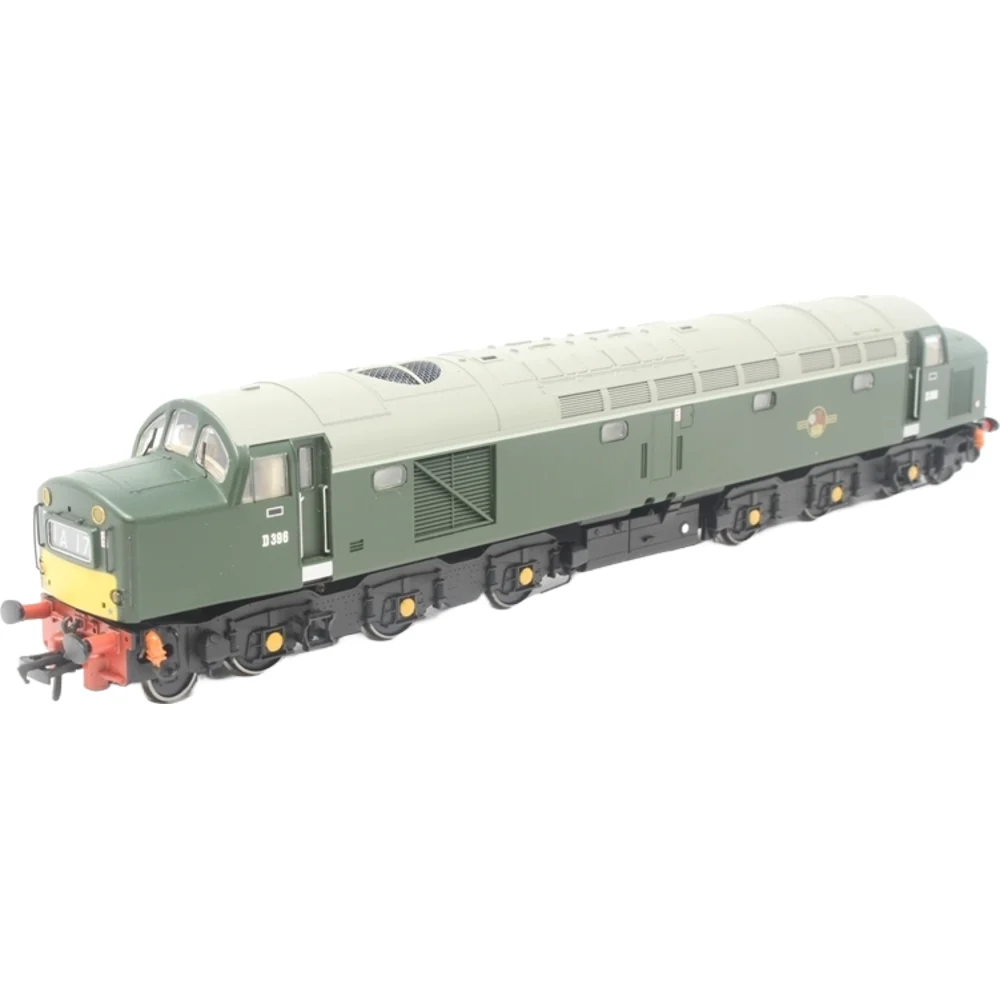
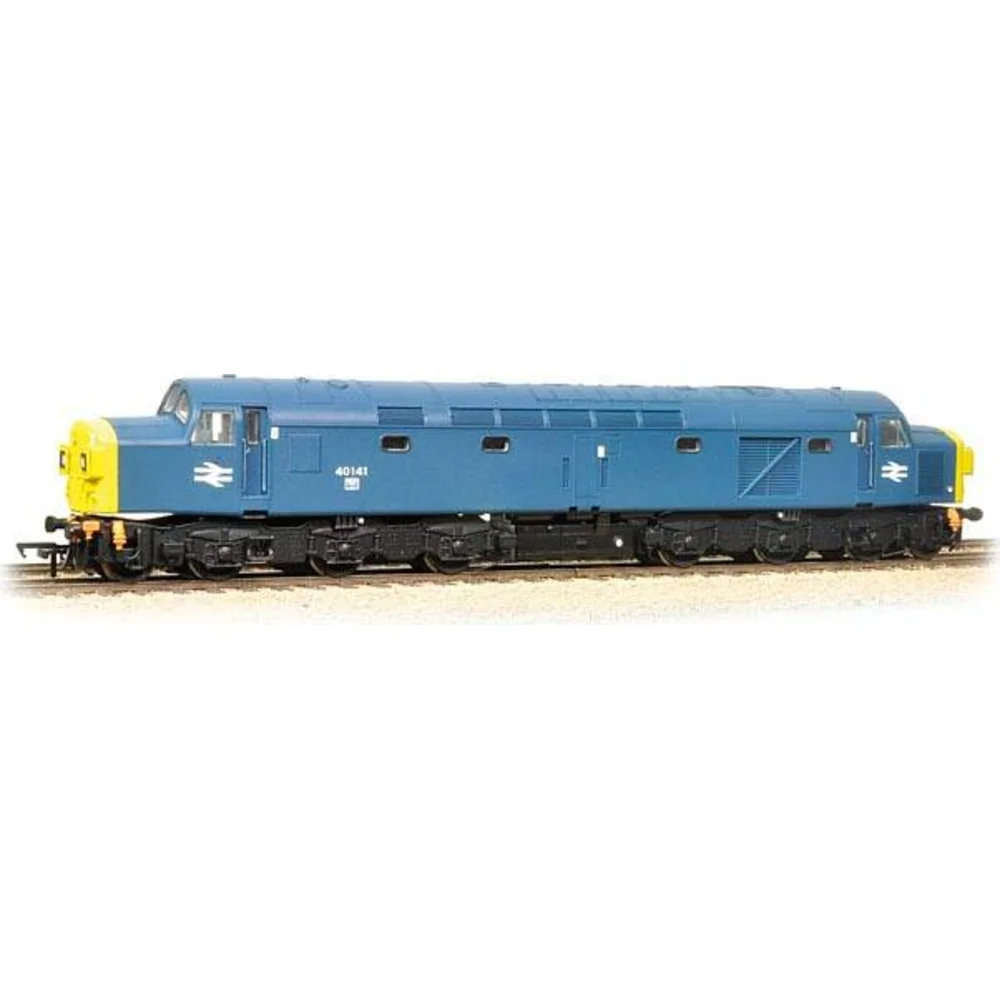
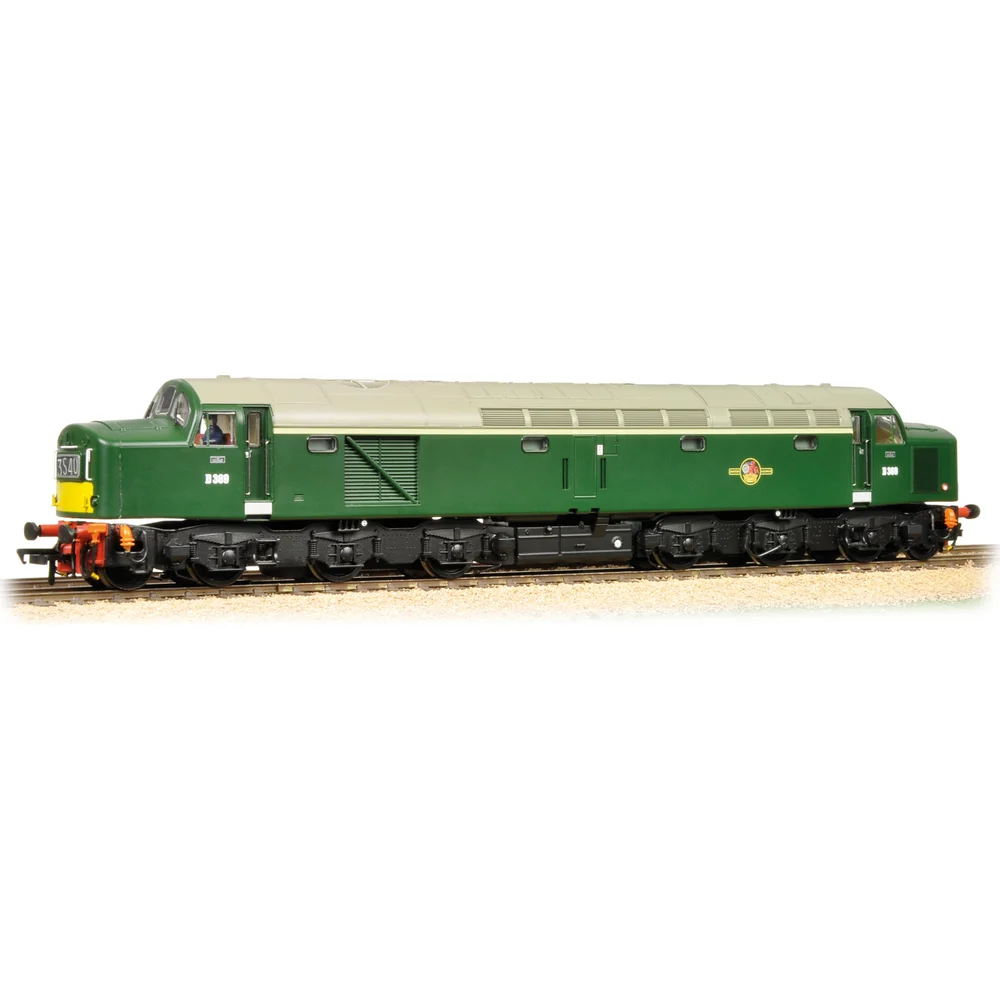
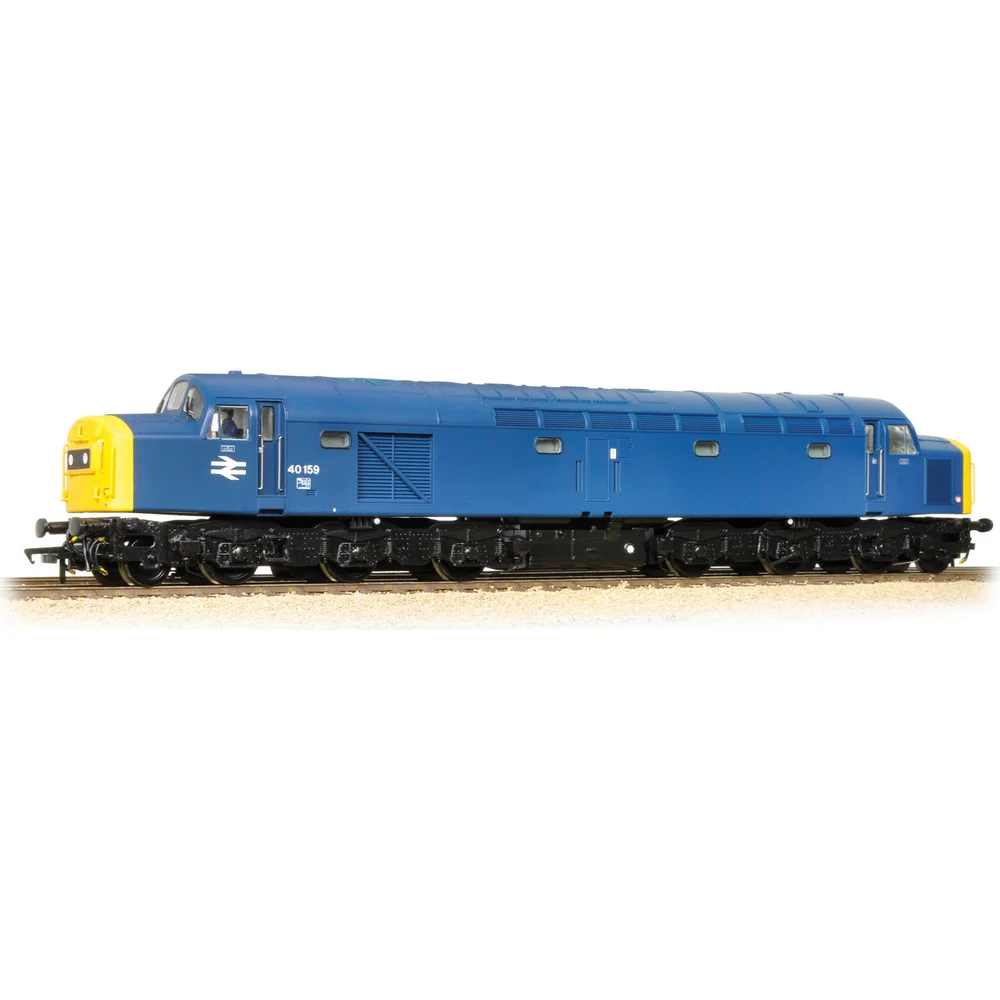
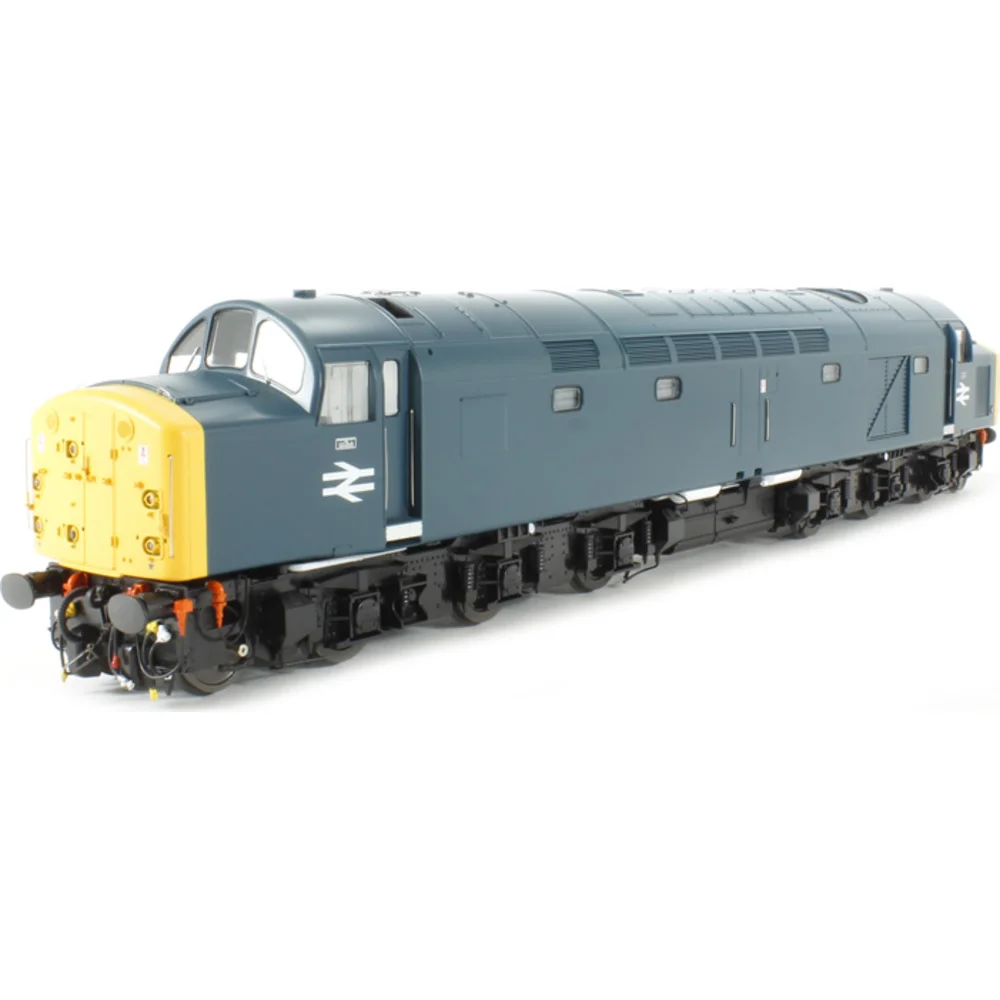
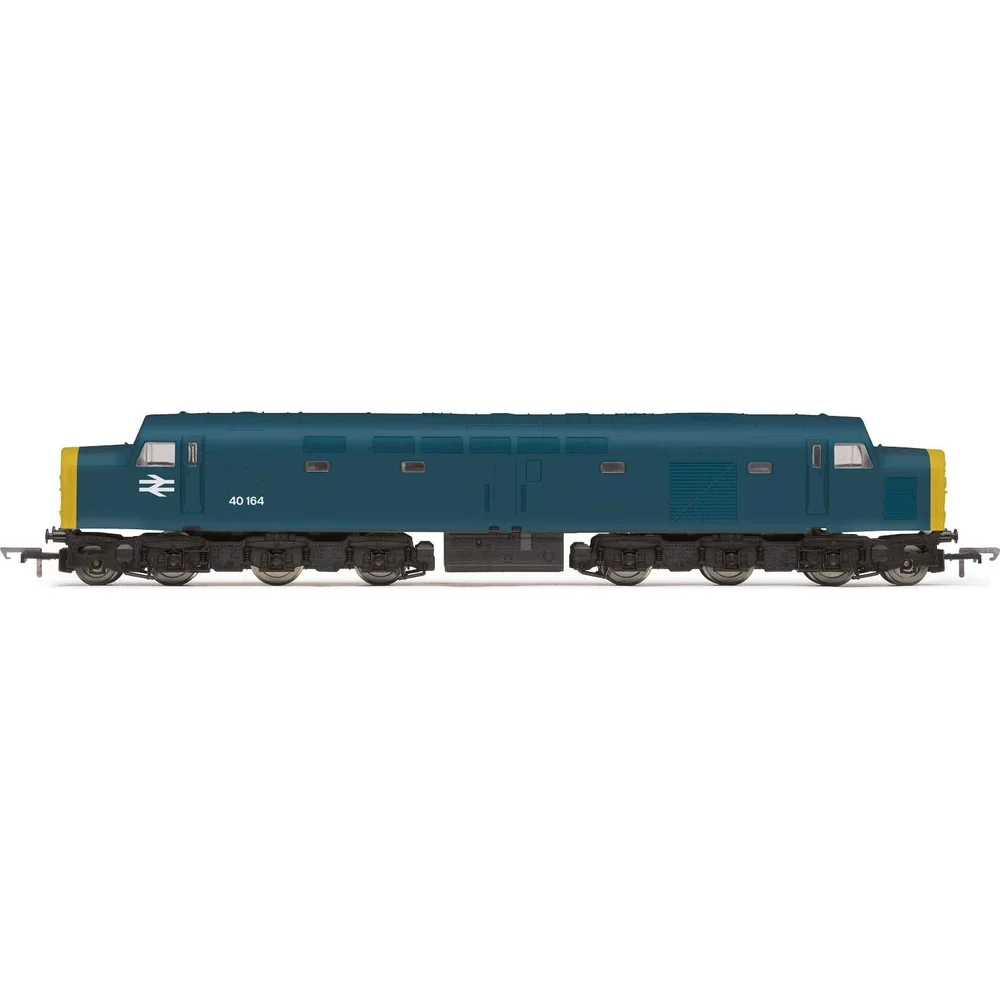
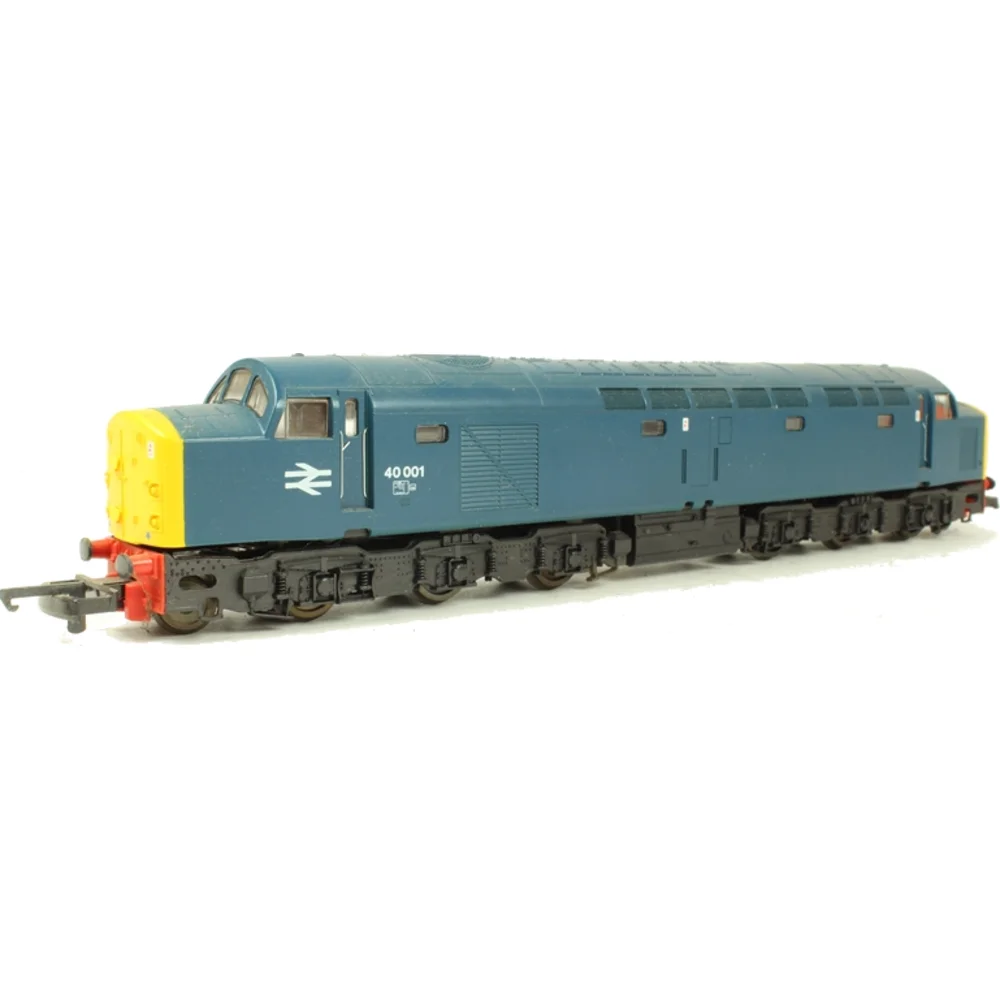
Bachmann Branchline leads the OO gauge market with completely new 2023 tooling representing a significant advancement over previous models. Their range includes authentic disc headcode (32-487, 32-489, 32-492) and center headcode (32-491) variants with unprecedented detail accuracy. The upgraded PLuX22 DCC interface supports ESU LokSound installations featuring authentic recordings from preserved locomotive 40145. These models incorporate five-pole twin flywheel motors powering all six wheels, directional lighting with authentic colors, and premium details including turned metal wheels and sprung buffers. Pricing ranges £183-270 depending on DCC and sound specifications.
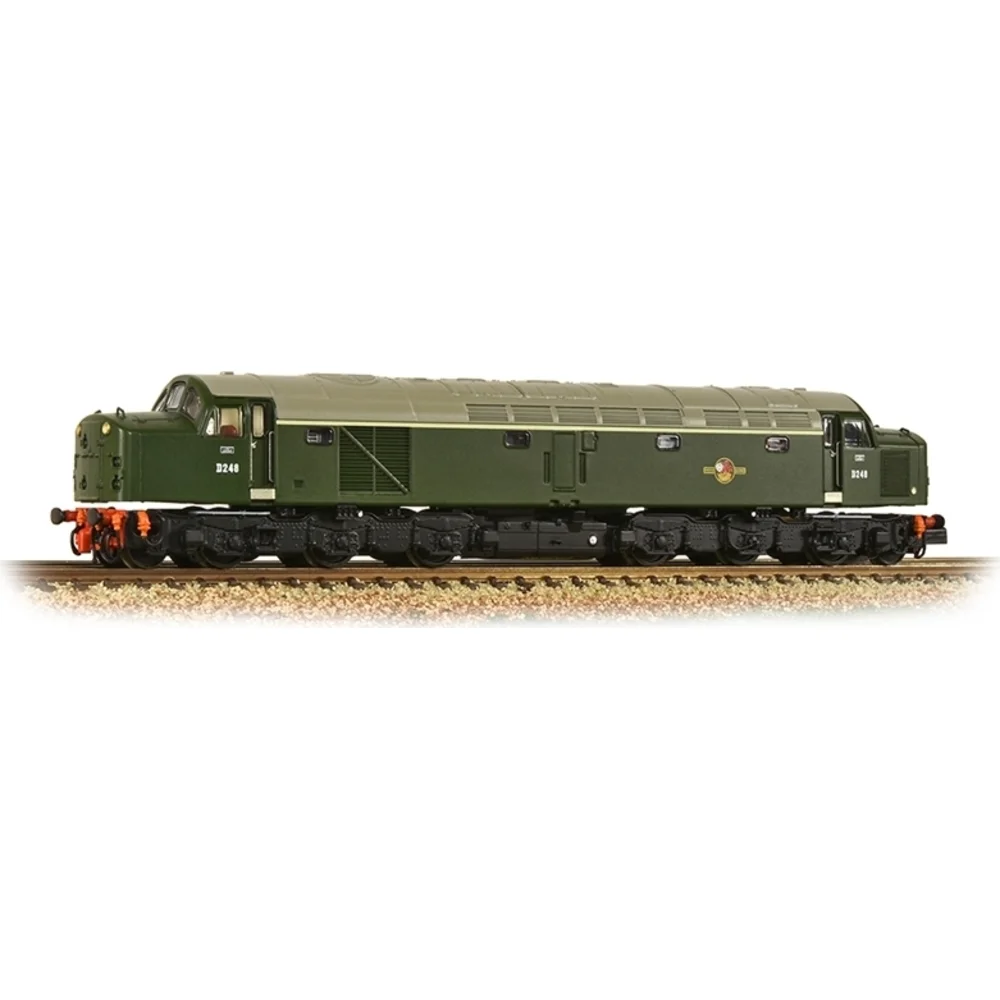
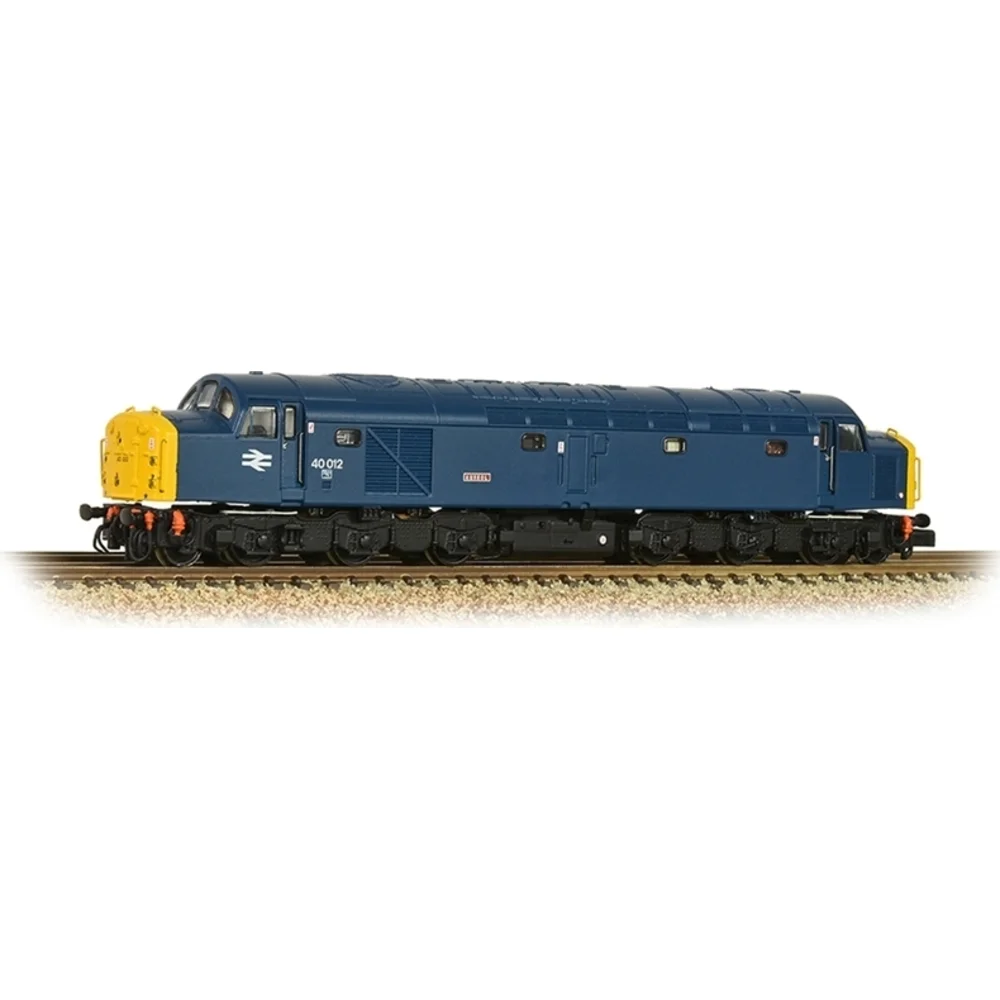
Graham Farish dominates N gauge with comprehensive 2017-generation models covering all three headcode variations. Their 18-pin DCC socket standardization and sound-fitted options (including authentic engine recordings) provide excellent small-scale representation. Models range £191-240 and include both named and unnumbered examples in authentic BR green and blue liveries.
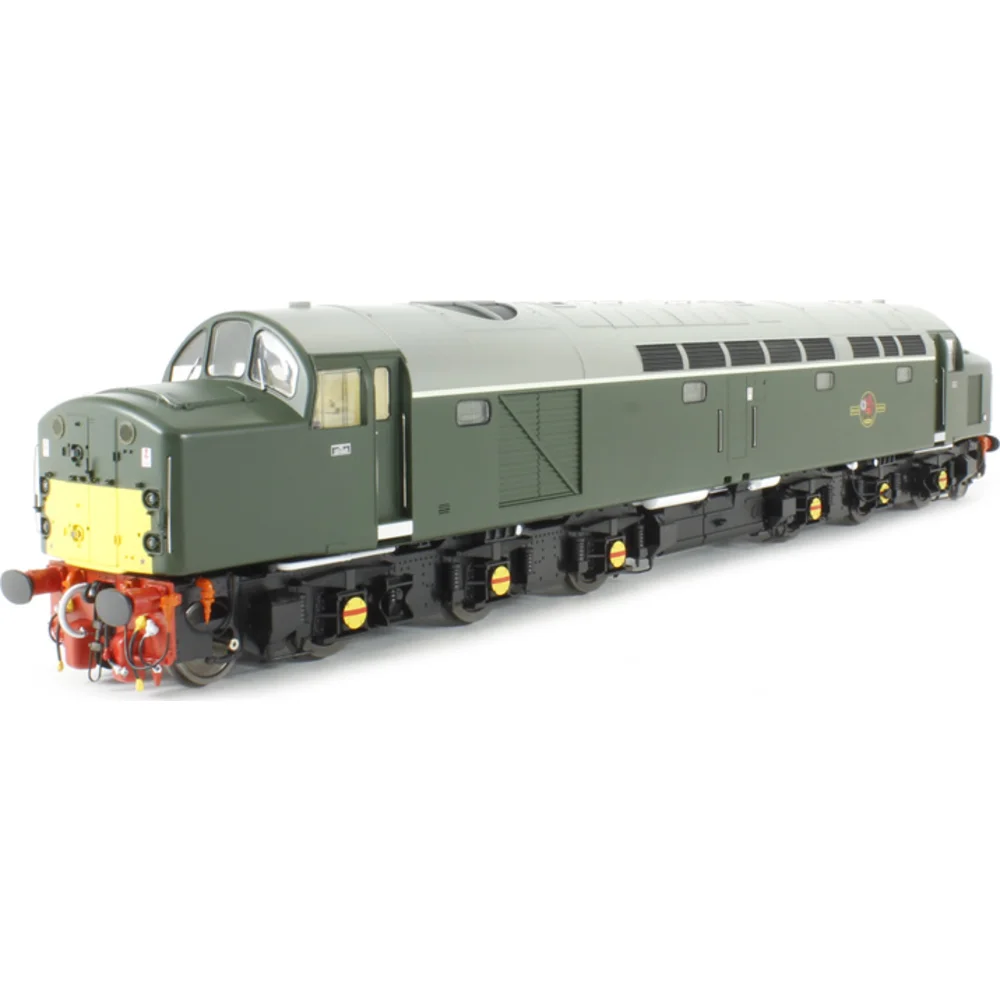
Heljan serves O gauge enthusiasts with premium £549 models featuring twin motors, twin flywheels, and exceptional detail quality. Their recent center headcode tooling (2021) complemented earlier disc headcode variants, providing complete prototype coverage. These models arrive unnumbered with separate detail parts, allowing custom finishing to represent specific prototypes.
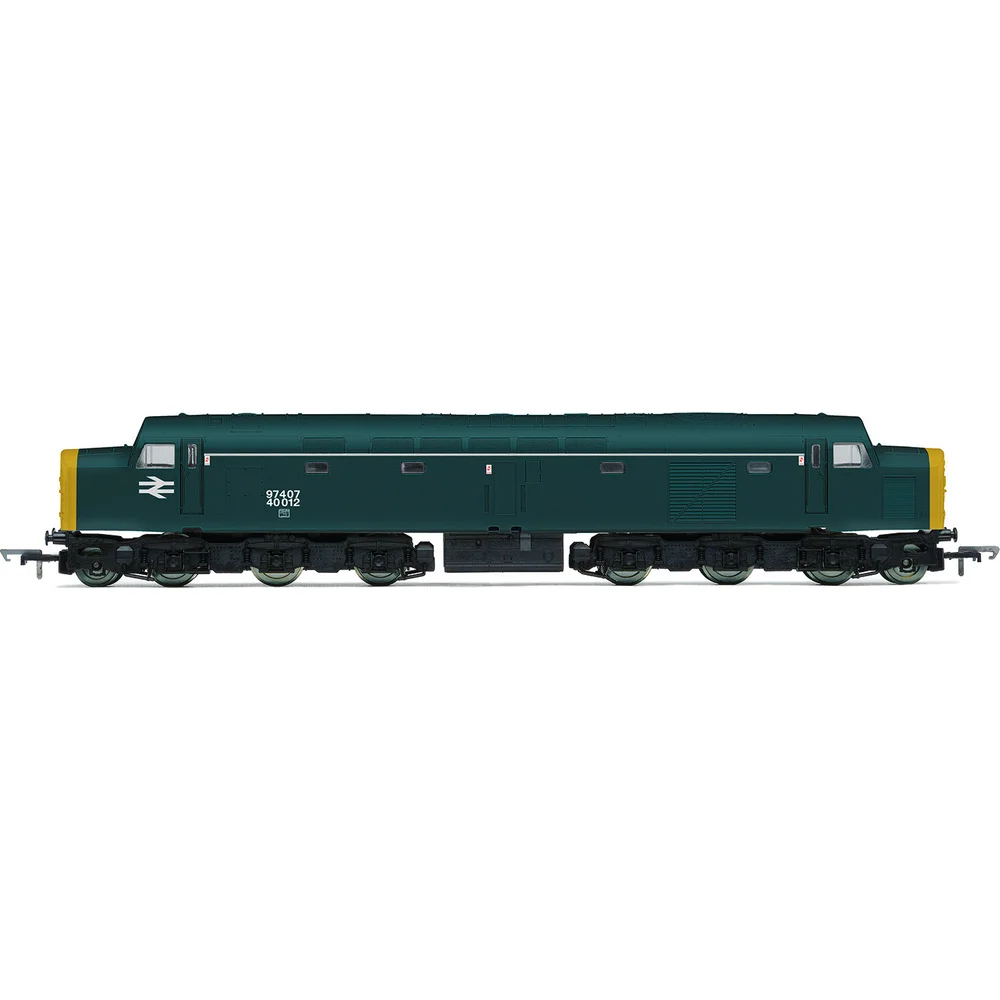
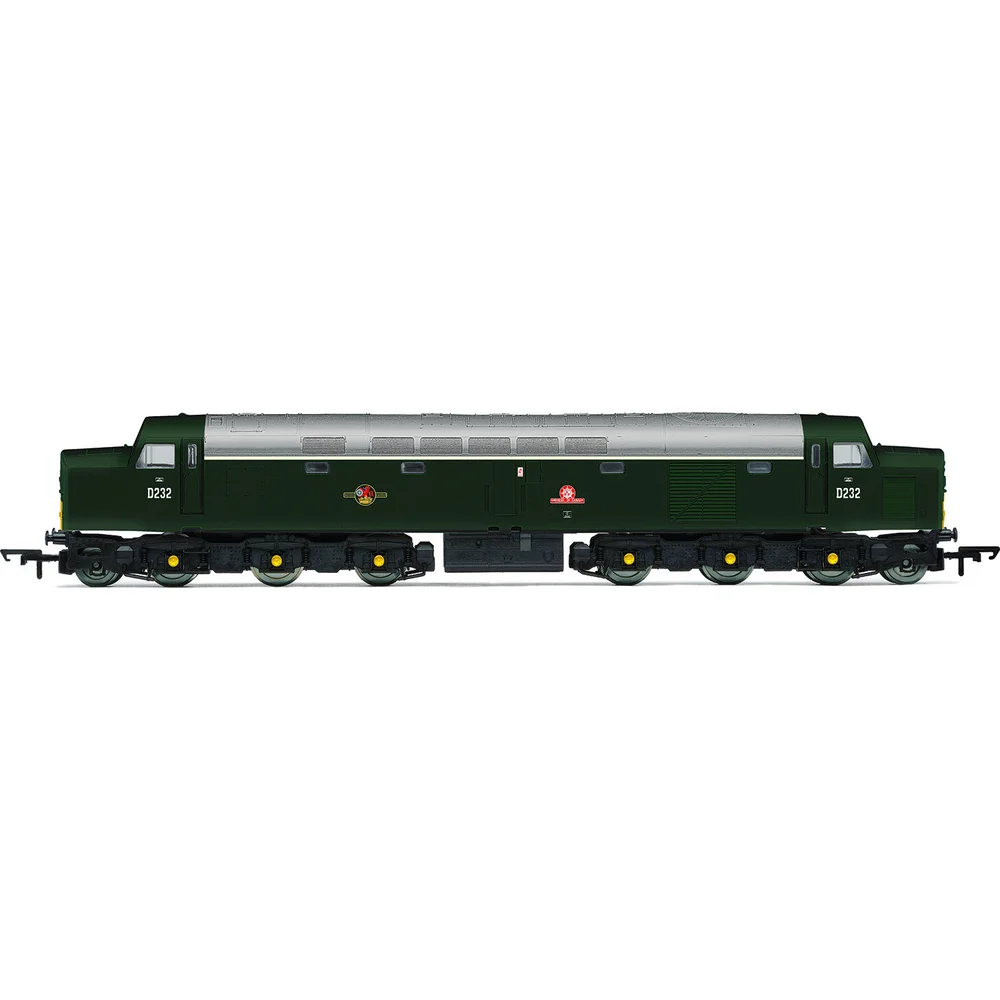
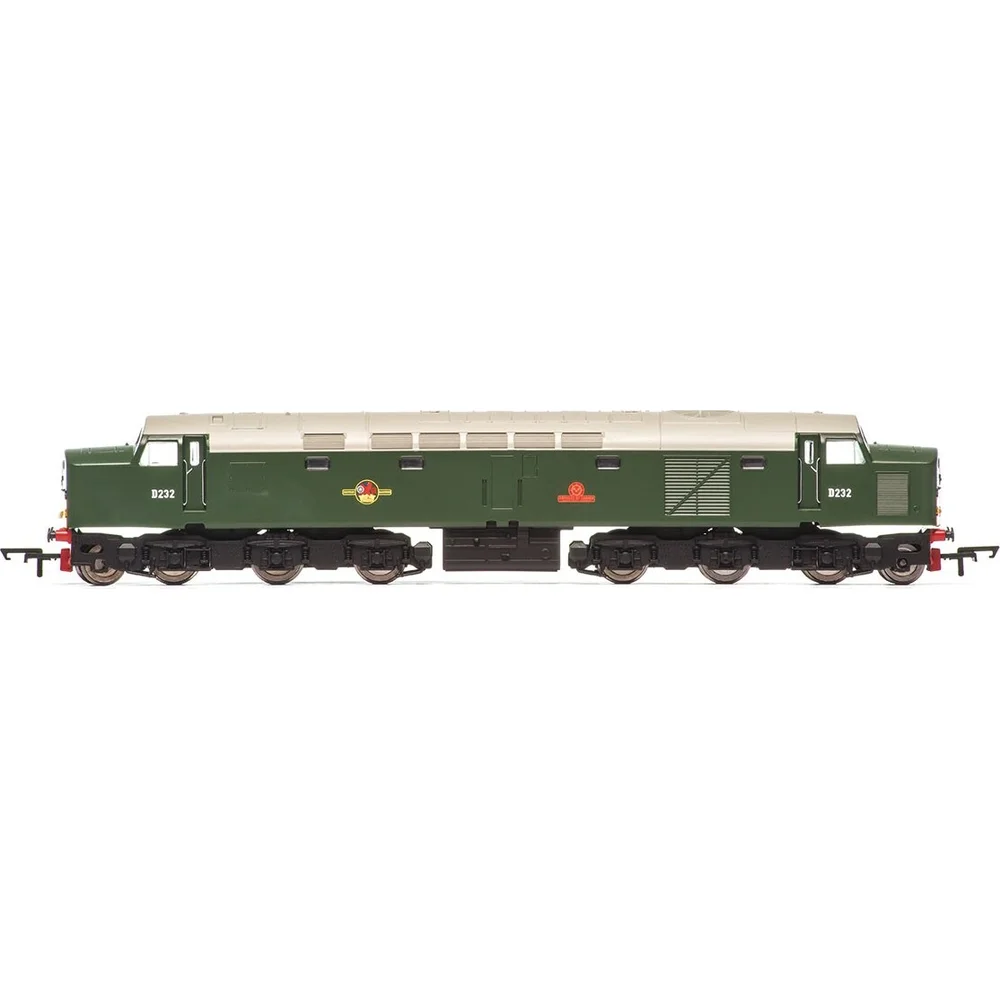
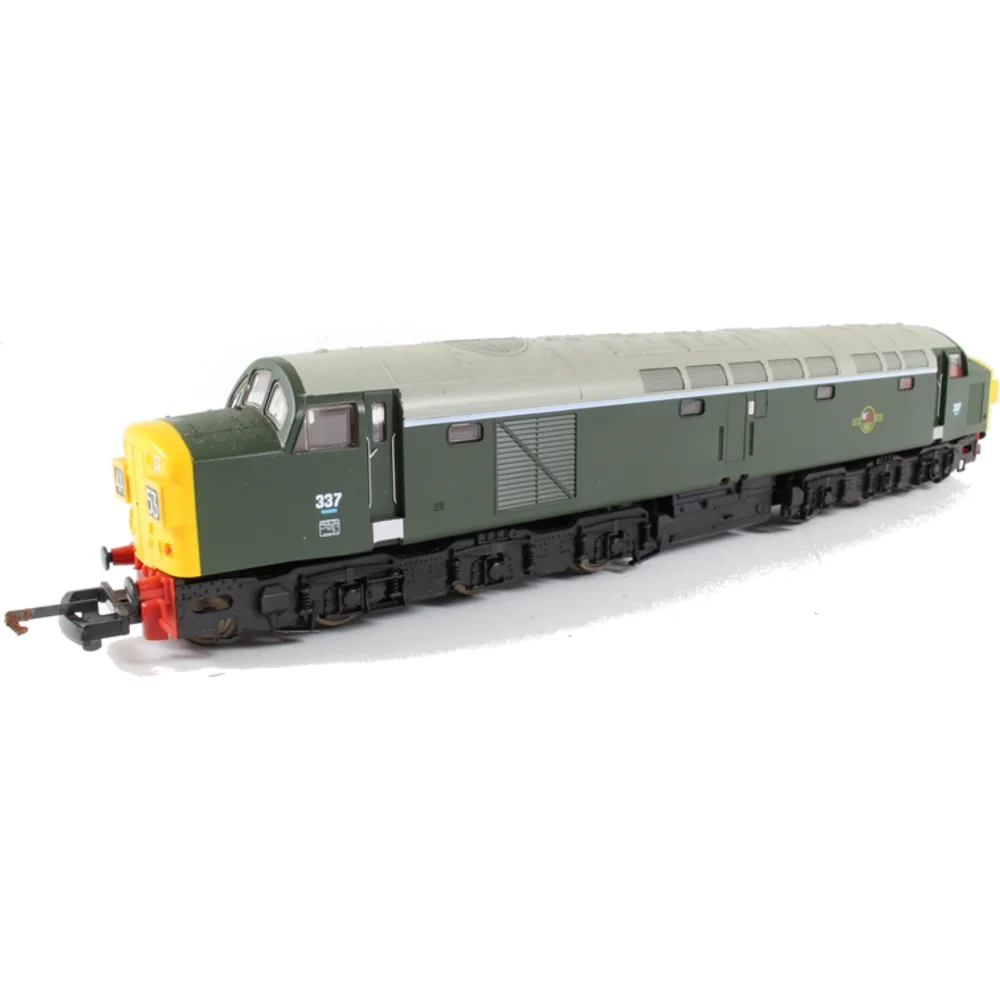
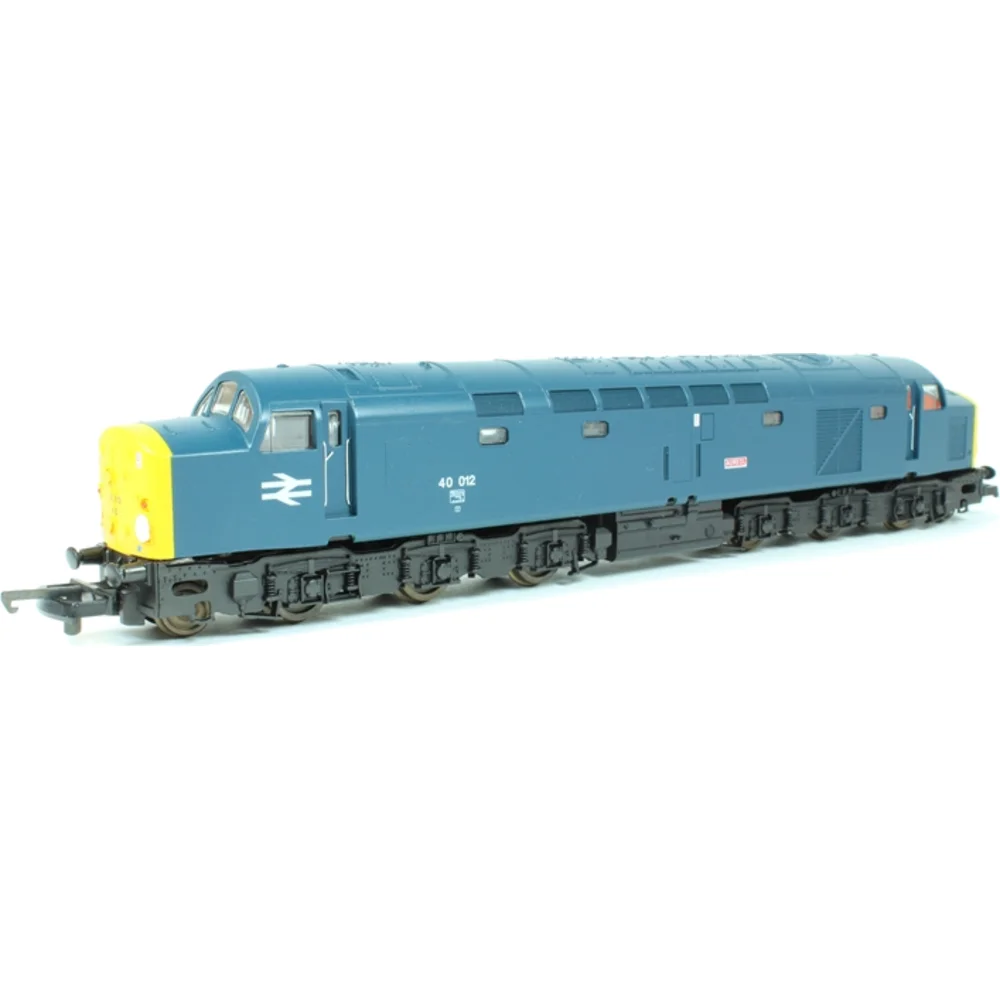
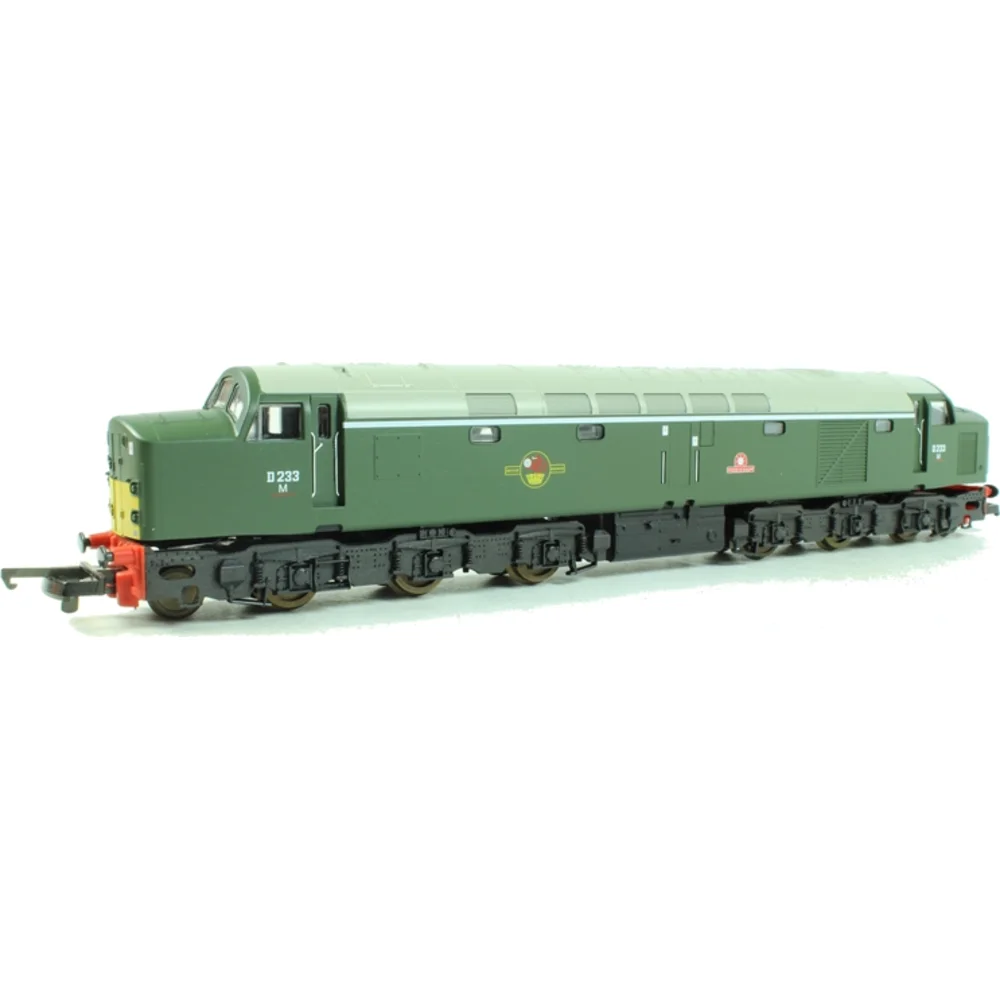
Hornby's RailRoad range offers budget-friendly OO gauge options (£99-109) using remotored Lima tooling. While lacking the detail sophistication of premium alternatives, these models provide reliable operation for budget-conscious modelers. Current examples include R30191 (BR Departmental 97407 'Aureol') and R30192 (D210 'Empress of Britain').
KR Models represents the newest market entrant, collaborating directly with the Class 40 Preservation Society for enhanced accuracy. Their OO gauge models focus on preserved locomotive prototypes including 40106, 40135, and 40145, offering 21-pin DCC interfaces and society-approved authenticity.
Modelling techniques and weathering guidance
Authentic Class 40 modelling requires attention to prototype-specific weathering patterns developed through 27 years of intensive service. Roof weathering should emphasize heavy grime accumulation around exhaust areas, with particular attention to the distinctive turbocharger housing that created the characteristic "Whistler" sound. Oil staining around fuel tank areas and bogies reflects the reality of diesel locomotive maintenance, while buffer beams show typical coupling chain marks and buffer wear.
Period-correct livery selection proves crucial for authentic modeling. The 1958-1965 era features BR Brunswick green with late BR crests and no yellow warning panels. The transition period (1965-1973) introduced Rail Blue with yellow ends while retaining original D-prefixed numbering. Post-1973 TOPS renumbering created the familiar 40001-40199 series with various detail modifications.
Headcode authenticity requires matching locomotive number ranges to appropriate styles: disc markers (D200-D324), split boxes (D325-D344), or central displays (D345-D399). This detail significantly impacts visual accuracy and demonstrates modeling knowledge to fellow enthusiasts.
Weathering techniques should emphasize the locomotives' working environment. Airbrushing dusty matt colors over roof and bonnet areas recreates accumulated grime, while dry brushing highlights mechanical details. Wash techniques effectively define panel lines and surface textures. Oil staining effects around fuel tanks and bogie areas reflect maintenance reality.
Layout integration and operational considerations
Class 40s integrate effectively into various layout themes spanning their 27-year service life. Early period layouts (1958-1965) should feature express passenger consists with BR Mk1 coaches on East Coast Main Line or West Coast Main Line settings. Appropriate services include the Flying Scotsman, Master Cutler, and Liverpool boat trains, with locomotives appearing in pristine BR green livery.
Mid-period operations (1965-1975) offer increased variety with Rail Blue liveries and mixed passenger/freight duties. Compatible rolling stock includes BR Mk1 and early Mk2 coaching stock, while freight consists should feature period-appropriate coal, steel, and early container traffic.
Later period modeling (1975-1985) emphasizes secondary passenger and freight services in northern England and Scotland. Locomotives appear weathered with various modifications, operating relief trains, freight services, and occasional passenger duties. Multiple working capabilities allow realistic double-heading on heavy trains.
Depot modeling opportunities include major Class 40 strongholds: Manchester Longsight, Carlisle Kingmoor, Wigan Springs Branch, Thornaby, and Gateshead. These facilities require diesel fuel points, water columns for steam heating generators, and appropriate maintenance infrastructure.
Heritage railway experiences and visiting information
Modern heritage railway operations provide exceptional opportunities to experience Class 40s in their natural environment. The East Lancashire Railway serves as the primary destination, offering regular passenger services, special events, and behind-the-scenes access through their comprehensive volunteer program. The railway's 12.5-mile route provides varied scenery and operational challenges that showcase locomotive capabilities.
Visiting planning should prioritize major events for maximum activity concentration. The Summer Diesel Gala (July 3-6, 2025) typically features multiple locomotive operations, while the DMU Gala (November 8-9, 2025) offers complementary diesel experiences. Regular weekend services provide reliable operation throughout the summer season.
Photography opportunities abound across multiple locations, though specific policies vary by railway. The East Lancashire Railway generally welcomes photographers, while special photo charters offer exclusive access and unusual operational scenarios. Indoor locations like the National Railway Museum provide weather-independent viewing opportunities.
Educational programs enhance the visitor experience through technical explanations, historical context, and operational demonstrations. Many heritage railways offer cab visits, driver experiences, and behind-the-scenes workshops that illuminate locomotive technology and preservation challenges.
Finally
The British Rail Class 40 "Whistler" represents a pivotal chapter in railway modernization, offering model railway enthusiasts rich opportunities for authentic period modeling, operational variety, and historical connection. From their pioneering role in diesel development through their preservation renaissance, these distinctive locomotives continue capturing imaginations and inspiring detailed modeling projects across all scales. Whether pursuing museum-quality static displays or dynamic operational layouts, the comprehensive Class 40 story provides endless fascination for railway enthusiasts seeking to recreate Britain's diesel revolution with historical accuracy and modeling excellence.
Frequently Asked Questions
Why were Class 40s nicknamed "Whistlers"?
The distinctive nickname derives from the characteristic high-pitched whistle produced by their English Electric 16SVT engine turbochargers. This sound became instantly recognizable to railway enthusiasts and distinguished Class 40s from other diesel classes.
How many Class 40s were built and what happened to them?
200 locomotives were constructed between 1958-1962, numbered D200-D399. Most were scrapped between 1981-1988, with 65 scrapped at Crewe Works and 64 at Doncaster Works. Seven complete locomotives and one cab section survive in preservation.
What was the Great Train Robbery connection?
D326 (later 40126) was the locomotive that hauled the Glasgow-Euston Royal Mail train robbed on August 8, 1963. This locomotive became notorious within railway circles and was later refused by the National Railway Museum when offered for preservation, being scrapped at Doncaster in 1984.
Which preserved Class 40s can still operate on the main line?
Currently 40145 (D345) maintains main line certification and has operated tours since 2002. 40013 (D213) "Andania" is preparing for main line certification, while 40106 previously held certification but currently operates heritage railways.
What scales are available for Class 40 models?
Current production includes OO gauge (Hornby, Bachmann, KR Models), N gauge (Graham Farish), and O gauge (Heljan). HO gauge modelers can use OO models with appropriate track standards.
Which manufacturer produces the most accurate Class 40 models?
Bachmann's 2023 OO gauge models represent current accuracy standards with new tooling, authentic recordings, and PLuX22 DCC interfaces. Heljan provides premium O gauge alternatives with exceptional detail quality.
Why were Class 40s considered underpowered?
At 135 tonnes with 2000 bhp (1550 bhp at rail), their power-to-weight ratio proved inferior to steam A3/A4 Pacifics and contemporary diesel designs. This limitation became apparent as traffic demands increased and more powerful locomotives entered service.
Where can I see preserved Class 40s today?
The National Railway Museum (York) displays D200/40122, while operational examples run at East Lancashire Railway, Severn Valley Railway, and Barrow Hill Roundhouse. The Midland Railway Centre houses 40012 "Aureol."
What DCC sound options exist for Class 40 models?
ESU LokSound provides authentic Class 40 recordings from preserved locomotive 40145. Graham Farish offers factory sound-fitted models, while Bachmann's PLuX22 interface supports aftermarket sound decoder installation.
How should I weather a Class 40 model authentically?
Focus on roof grime around exhaust areas, oil staining near fuel tanks and bogies, and general service wear. Avoid excessive weathering on early BR green examples, but later blue livery locomotives should show significant service wear.
What's the best Class 40 model for beginners?
Hornby's RailRoad range offers reliable, budget-friendly operation for £99-109. For enhanced detail and DCC capability, Bachmann's 2023 models provide exceptional value despite higher cost.
Can Class 40 models work together in multiple?
Prototype locomotives could multiple-work with compatible classes. Most modern DCC-equipped models support multiple operation, though early prototypes (D200-D344) featured interconnecting gangway doors while later examples (D345-D399) did not.