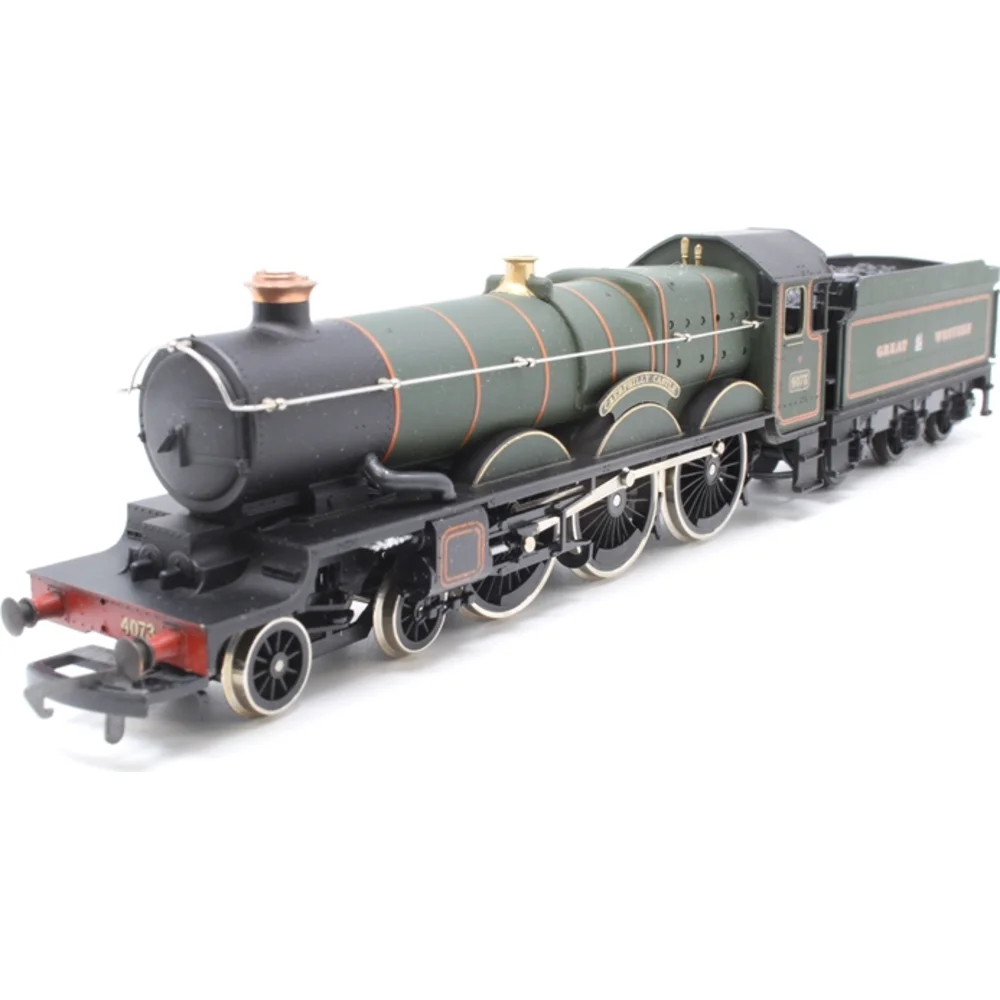
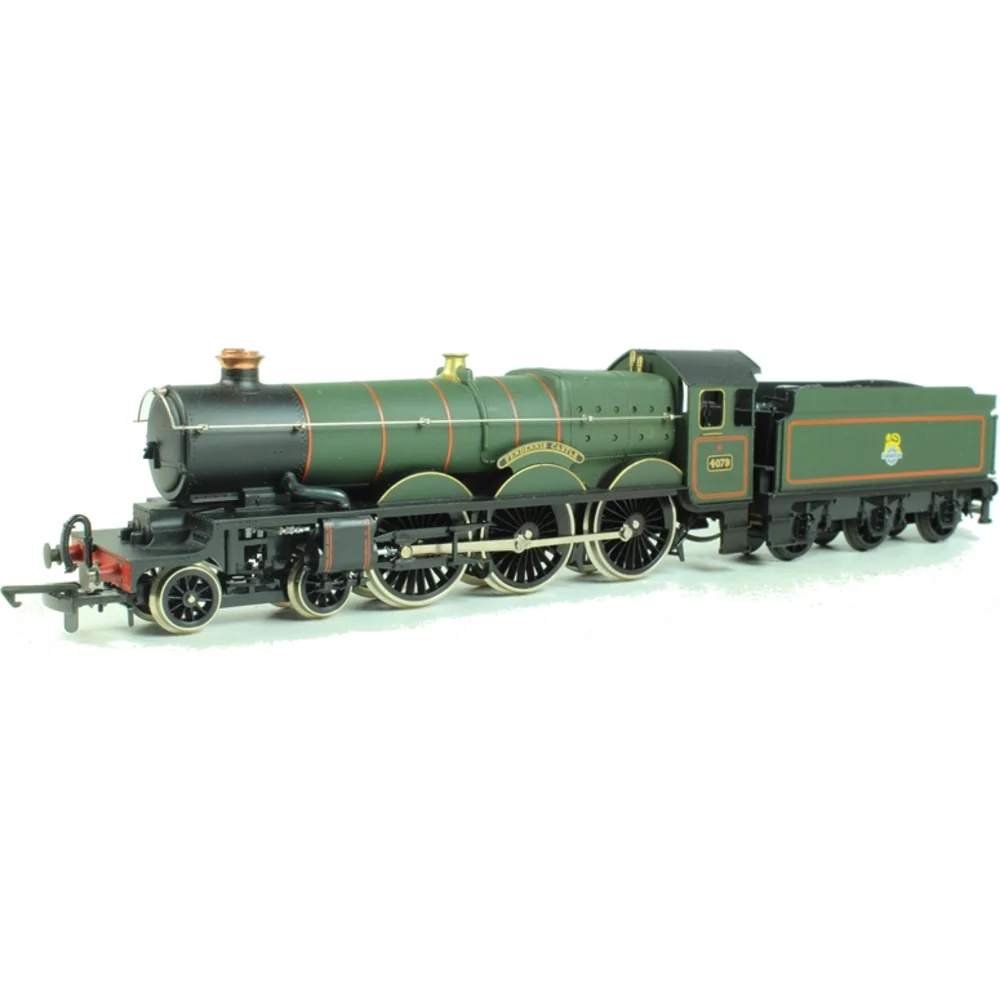
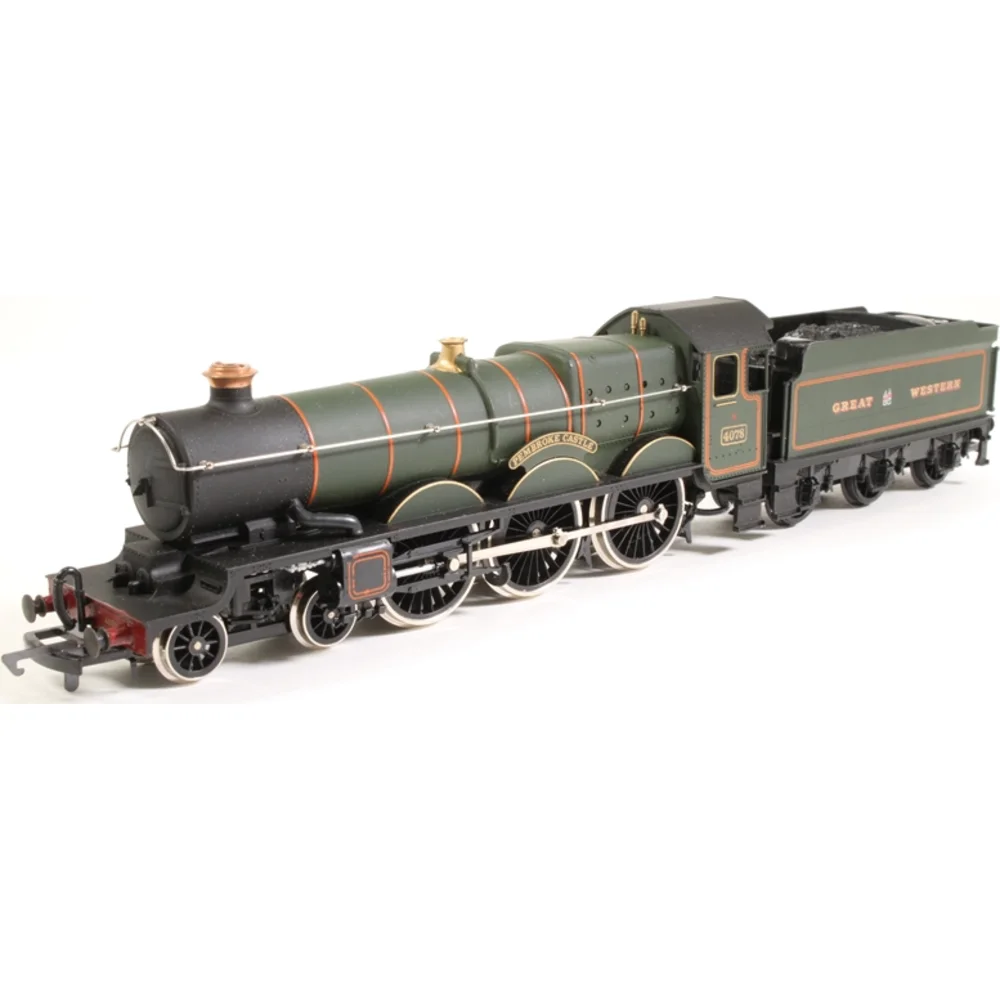
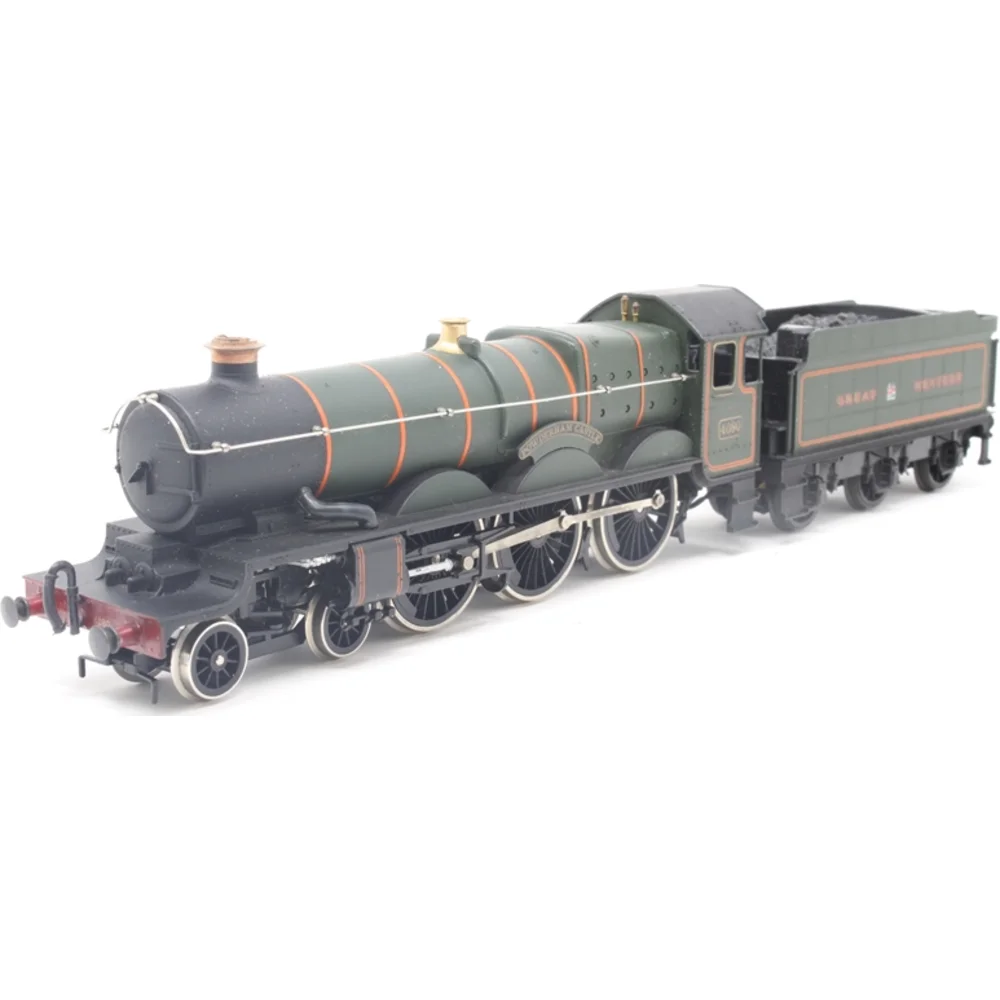
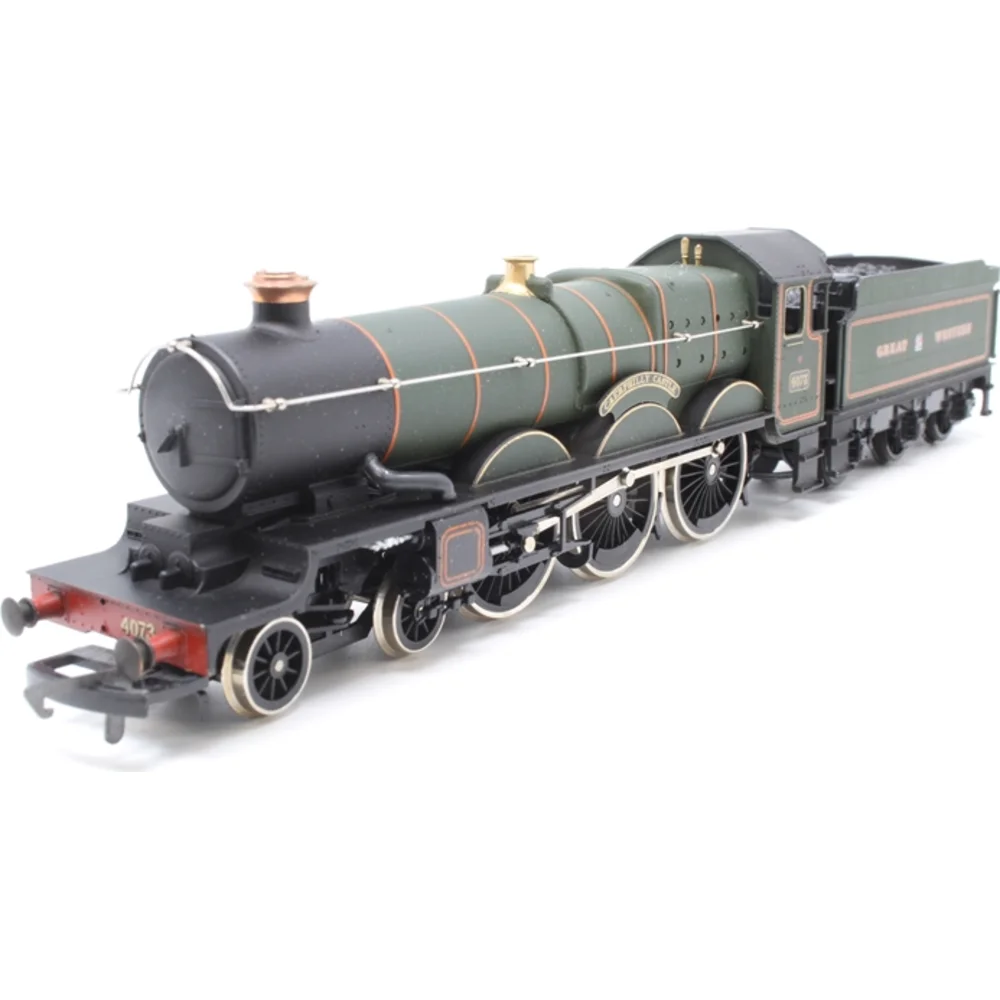
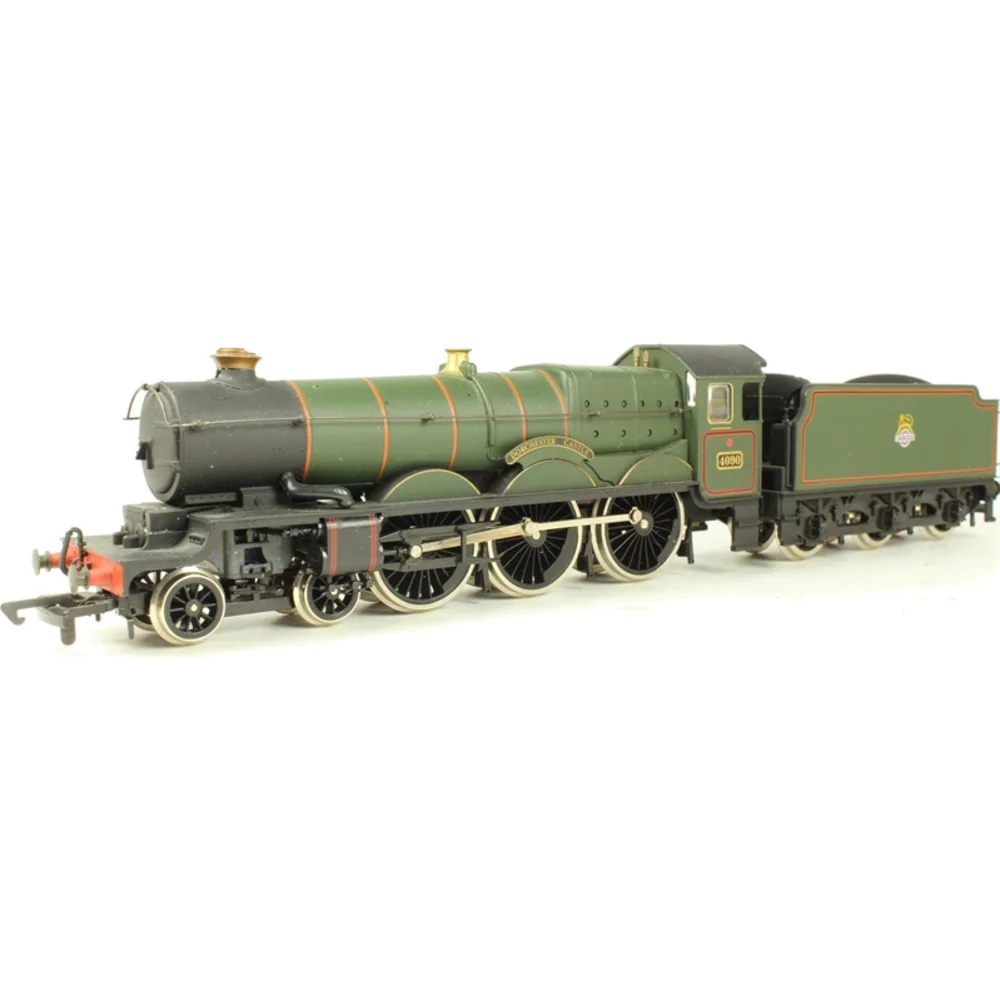
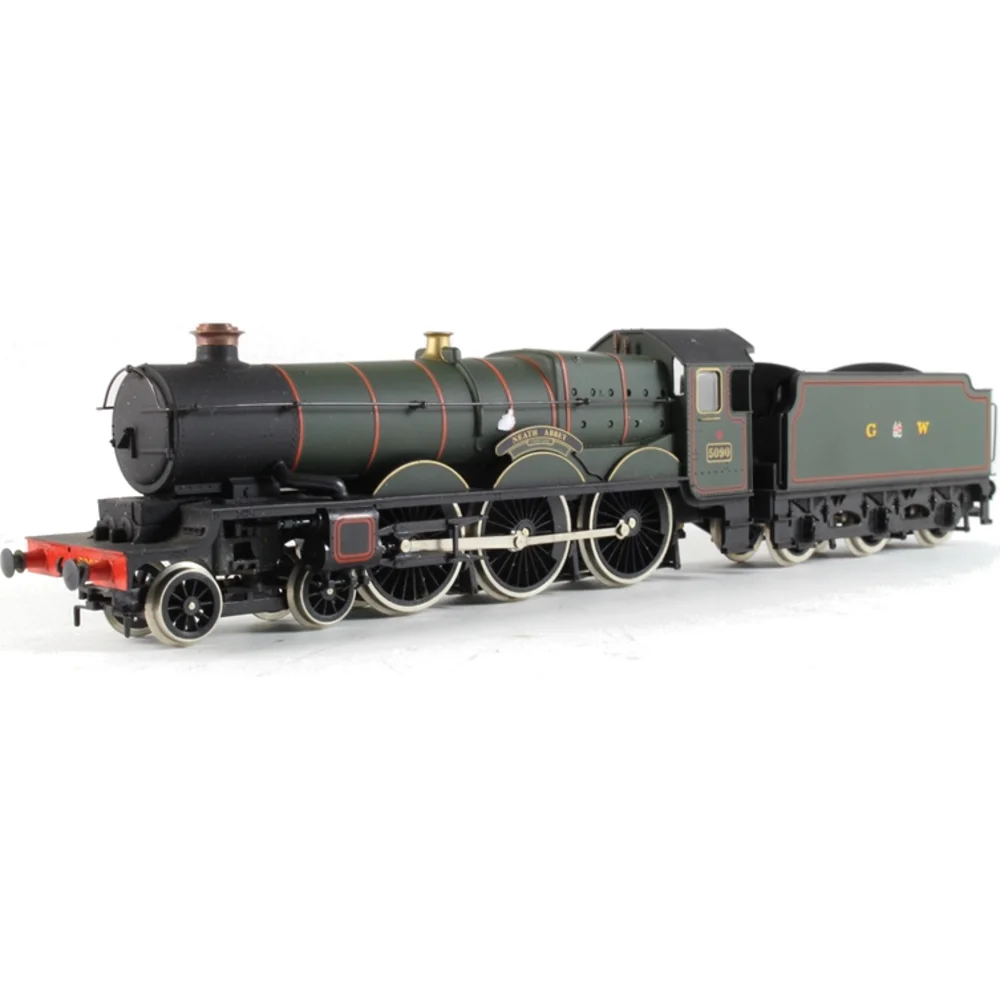
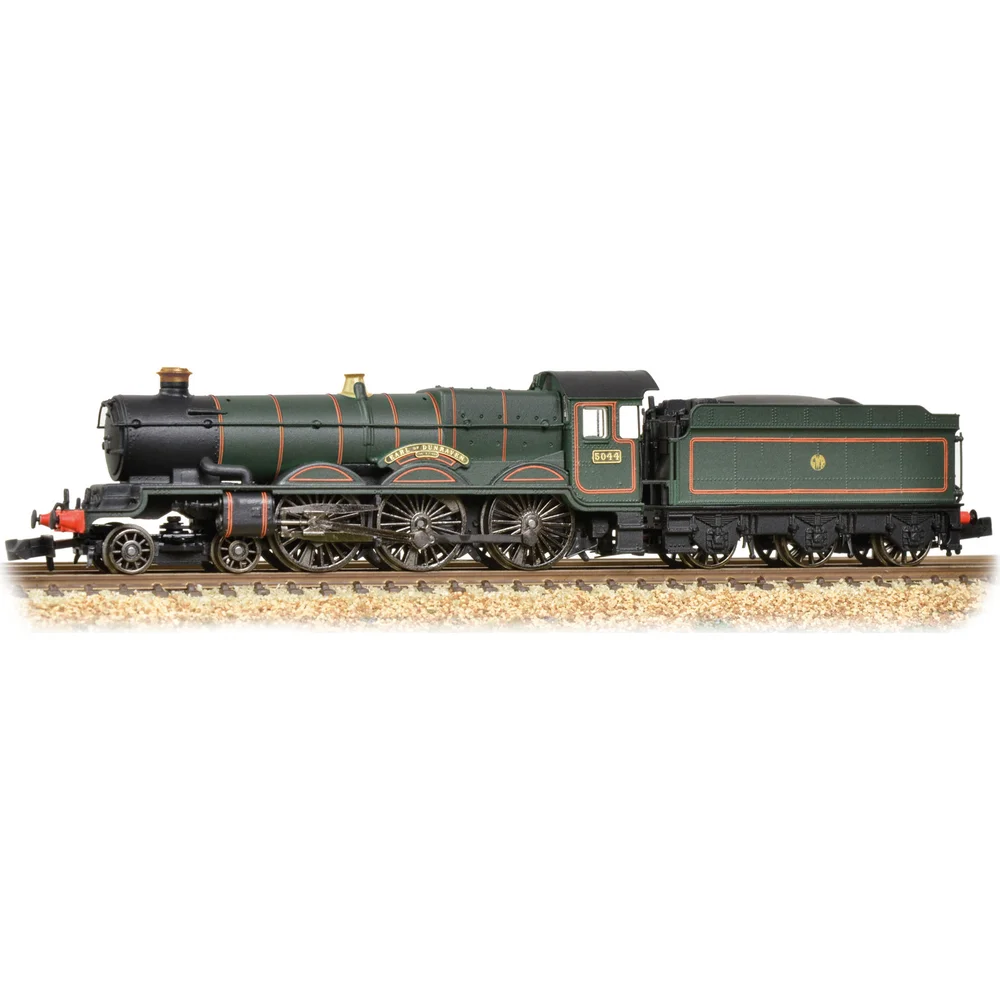
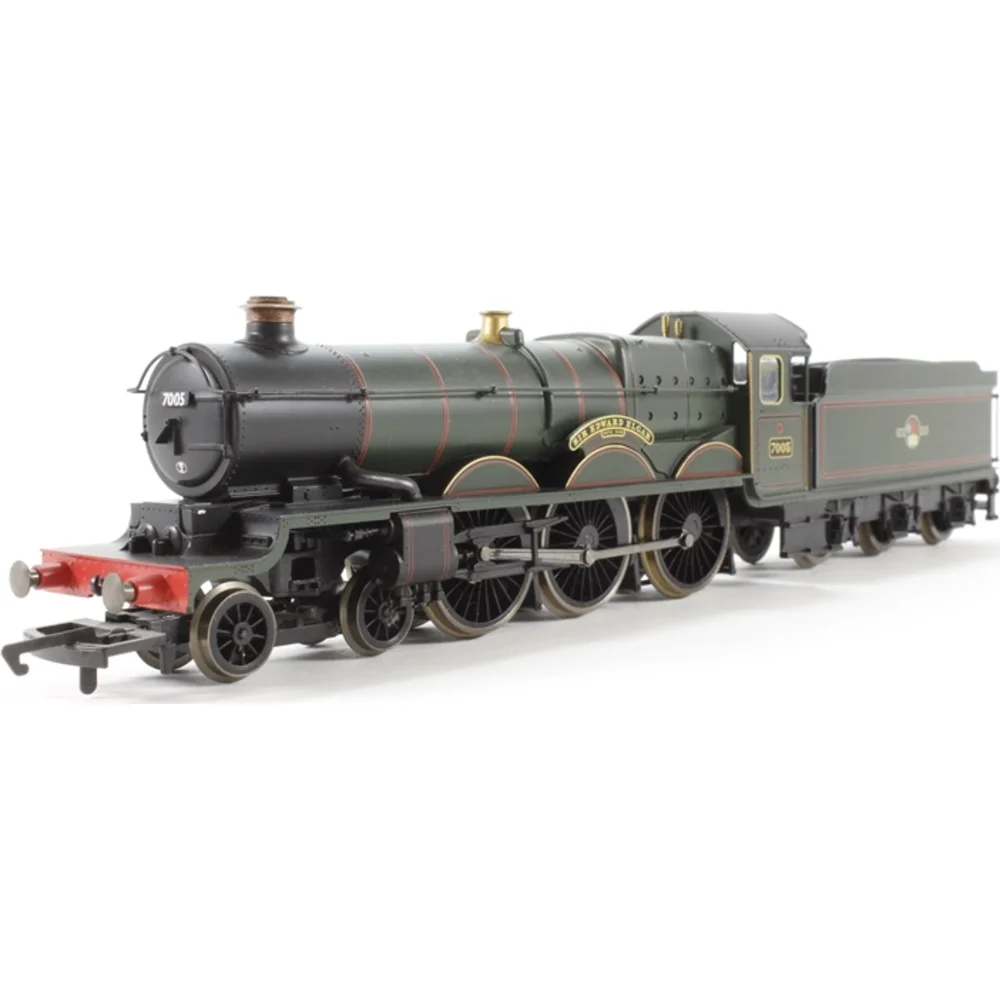
GWR 4073 Castle Class — Britain's Most Celebrated Express Passenger Locomotive

The Great Western Railway 4073 Castle Class stands as one of Britain's most revered locomotive designs, representing the pinnacle of express passenger engineering between the wars. When Charles Collett introduced these magnificent 4-6-0 locomotives in 1923, they immediately claimed the title of "Britain's most powerful express passenger locomotive" and proceeded to defend that reputation across nearly three decades of exemplary service.

From the moment No. 4073 Caerphilly Castle made its debut at Paddington on 23rd August 1923, these locomotives captured the public imagination in ways few steam engines have managed. Their victory over the mighty LNER Pacifics in the famous 1925 exchange trials established their engineering credentials, while their starring role in the British Empire Exhibition at Wembley showcased British locomotive craftsmanship to the world.

For today's railway enthusiasts and modellers, the Castle Class represents the perfect blend of historical significance and modelling appeal. With 171 locomotives built between 1923 and 1950, the class offers endless possibilities for authentic Great Western Railway operations, whilst excellent model representations from manufacturers like Hornby, and specialist producers ensure these legendary engines can grace layouts of every scale and budget.

Quick Takeaways

  • Production Total: 171 locomotives built across 27 years (1923-1950), including 16 converted from other classes
  • Technical Innovation: Featured Collett's refined No. 8 boiler design with four-cylinder layout and 225 psi working pressure
  • Operational Triumph: Outperformed LNER Pacifics in 1925 trials, achieving superior fuel economy and timekeeping performance
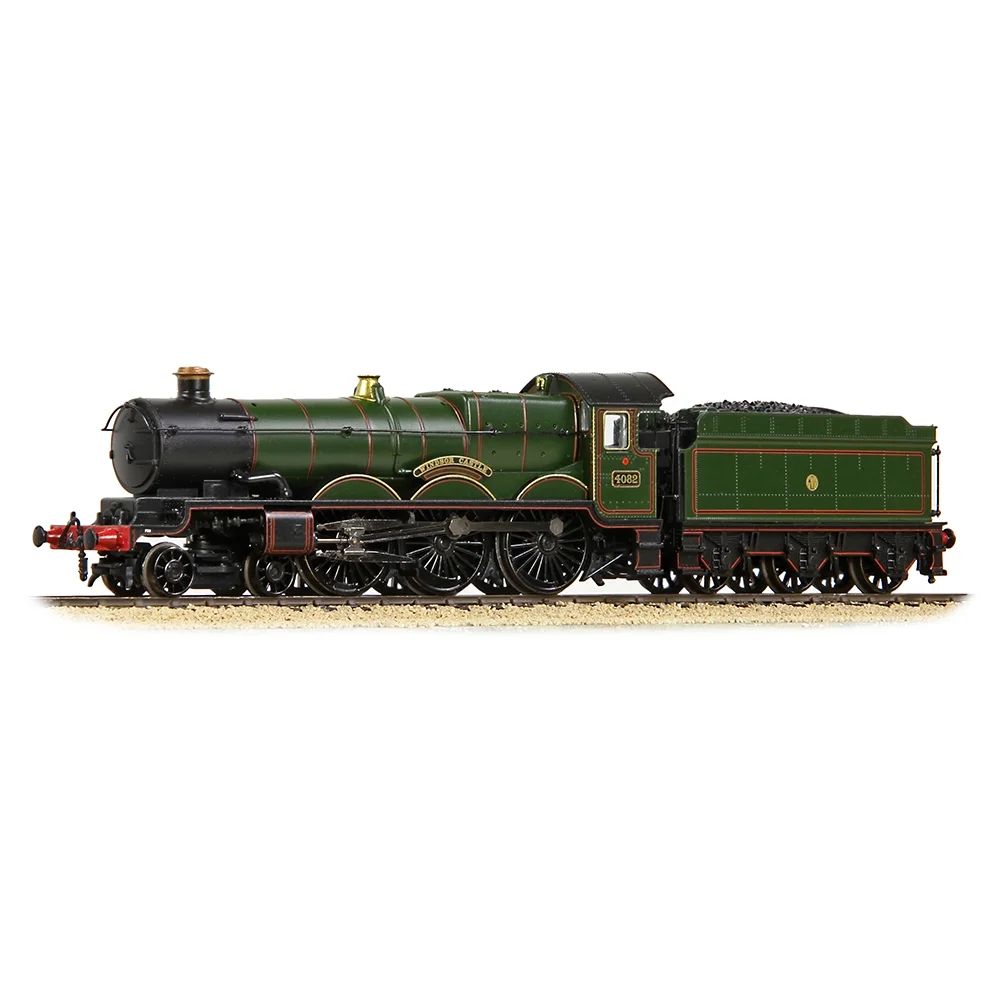
  • Royal Recognition: No. 4082 Windsor Castle hauled King George V's funeral train in 1936, cementing royal approval
  • Modelling Excellence: Available from multiple manufacturers including Hornby R30328 and numerous specialist producers
  • Preservation Success: Eight locomotives preserved, with three currently operational on heritage railways
  • Legacy Impact: Final Castle withdrawal in 1965 marked end of an era, with No. 7029 Clun Castle the last survivor

Historical Background and Context

The origins of the Castle Class can be traced directly to George Churchward's revolutionary Star Class of 1907, which established the fundamental four-cylinder 4-6-0 layout that would characterise Great Western express passenger design for decades. By 1922, however, the post-war resurgence in traffic demanded locomotives with greater power and capacity than even the successful Stars could provide.

Charles Collett, who had succeeded Churchward as Chief Mechanical Engineer in 1922, faced the challenge of creating a locomotive that could handle increasingly heavy express trains whilst maintaining the reliability and economy that distinguished Great Western practice. The solution lay in enlarging the proven Star design, incorporating the larger No. 8 boiler that Churchward had originally intended for the class but never implemented.

The timing of the Castle Class introduction proved fortuitous, coinciding with the Great Western Railway's aggressive marketing campaign to promote itself as the premier passenger railway in Britain. The company's confidence in the new design was demonstrated by Collett's decision to order ten locomotives straight from the drawing board, with production beginning at Swindon Works in August 1923.

The first locomotive, No. 4073 Caerphilly Castle, represented a quantum leap in Great Western locomotive power. Developing 31,625 lbf of tractive effort compared to the Stars' 27,800 lbf, the Castle could handle 500-ton trains unassisted where Stars required double-heading. This capability transformation would prove crucial as train weights continued to increase throughout the 1920s and 1930s.

The class's introduction also reflected broader changes in British railway operation. The 1921 Railways Act had created the "Big Four" companies, intensifying competition for prestigious express passenger traffic. The Great Western's claim to operate "Britain's most powerful express passenger locomotive" became a vital marketing tool, particularly when competing against the larger and more impressive-looking LNER Pacifics.

Design Philosophy: Collett deliberately prioritised practical improvements over visual drama. Where other railways pursued larger driving wheels and imposing dimensions, the Great Western focused on thermal efficiency, mechanical reliability, and operational economy - principles that would vindicate themselves throughout the class's service life.

Design and Technical Specifications

The technical excellence of the Castle Class stemmed from Collett's methodical refinement of proven Great Western engineering principles. The four-cylinder simple expansion layout, inherited from the Star Class, provided smooth power delivery and reduced hammer blow on the track, whilst the inside Walschaerts valve gear offered accessibility for maintenance combined with precise steam distribution.

The heart of the Castle's superior performance lay in its boiler design. The No. 8 standard boiler featured a larger grate area (30.3 sq ft versus 27.07 sq ft for the Stars) and increased heating surface, enabling sustained high-power output essential for non-stop runs. The adoption of a Belpaire firebox, characteristic of Great Western practice, provided excellent steam-raising capacity whilst offering superior structural strength compared to round-top alternatives.

The Castle's frame design incorporated lessons learned from decades of Great Western locomotive development. The robust plate frame construction, typical of GWR practice, provided exceptional rigidity whilst the wheelbase spacing (6 ft 6 in + 7 ft 2 in + 8 ft 6 in) offered an excellent compromise between riding quality and curve-taking ability on the sinuous routes west of Newton Abbot.

One of the most significant innovations was the adoption of improved valve timing and port dimensions. The inside Walschaerts valve gear, operated through rocking shafts, provided superior steam distribution compared to the Stephenson valve gear used on earlier classes. This contributed directly to the Castle's exceptional fuel economy, with coal consumption averaging just 2.83 pounds per drawbar horsepower hour - significantly better than contemporary designs from other railways.

Engineering Insight: The Castle's success stemmed from thermal efficiency rather than brute force. Careful attention to cylinder proportions, valve events, and boiler design created a locomotive that could sustain high power output with remarkable fuel economy - a crucial consideration given the GWR's long-distance routes and limited coaling stops.

The cab design represented a significant advance in crew comfort, featuring side windows that provided improved visibility and weather protection. The introduction of copper-capped chimneys and polished brass safety valve covers restored the visual elegance that had been sacrificed during wartime austerity, making the Castles among the most handsome locomotives ever built.

Later modifications enhanced the class's capabilities further. From 1926, larger 4,000-gallon tenders replaced the original 3,500-gallon units, extending range for non-stop workings. The fitting of double chimneys to 65 locomotives from 1956 onwards, combined with four-row superheaters, improved high-speed performance and enabled sustained 100 mph running when required.

Service History and Operations

The operational history of the Castle Class reads like a chronicle of Great Western Railway excellence. From their initial allocation to premier express duties, these locomotives quickly established themselves as the backbone of the company's passenger services, handling everything from the prestigious "Cornish Riviera Express" to royal funeral trains with equal distinction.

The class entered service at a time when the Great Western was expanding its express passenger network and competing aggressively for luxury travel markets. The ability of a single Castle to handle 500-ton trains that previously required double-heading transformed timetable planning and operational efficiency. Routes like the Cheltenham Flyer, which achieved fame as "the world's fastest train" with a schedule averaging 81.7 mph between Swindon and Paddington, showcased the Castle's high-speed capabilities.

Throughout the 1920s and 1930s, Castle Class locomotives dominated the principal express services radiating from London Paddington. The "Cornish Riviera Express," "Royal Duchy," and "Torbay Express" all relied on Castle power for their demanding schedules over the challenging gradients west of Newton Abbot. The class proved equally capable on the Birmingham and Worcester routes, where their ability to maintain time over the Lickey Incline approaches earned them widespread respect among operating staff.

The outbreak of World War II transformed the Castle's operational patterns dramatically. Peacetime express schedules gave way to heavily loaded troop trains and freight workings, often grossly exceeding the locomotives' designed capacity. Yet the robust construction and reliable mechanical design enabled the class to cope with these exceptional demands whilst maintaining acceptable levels of availability.

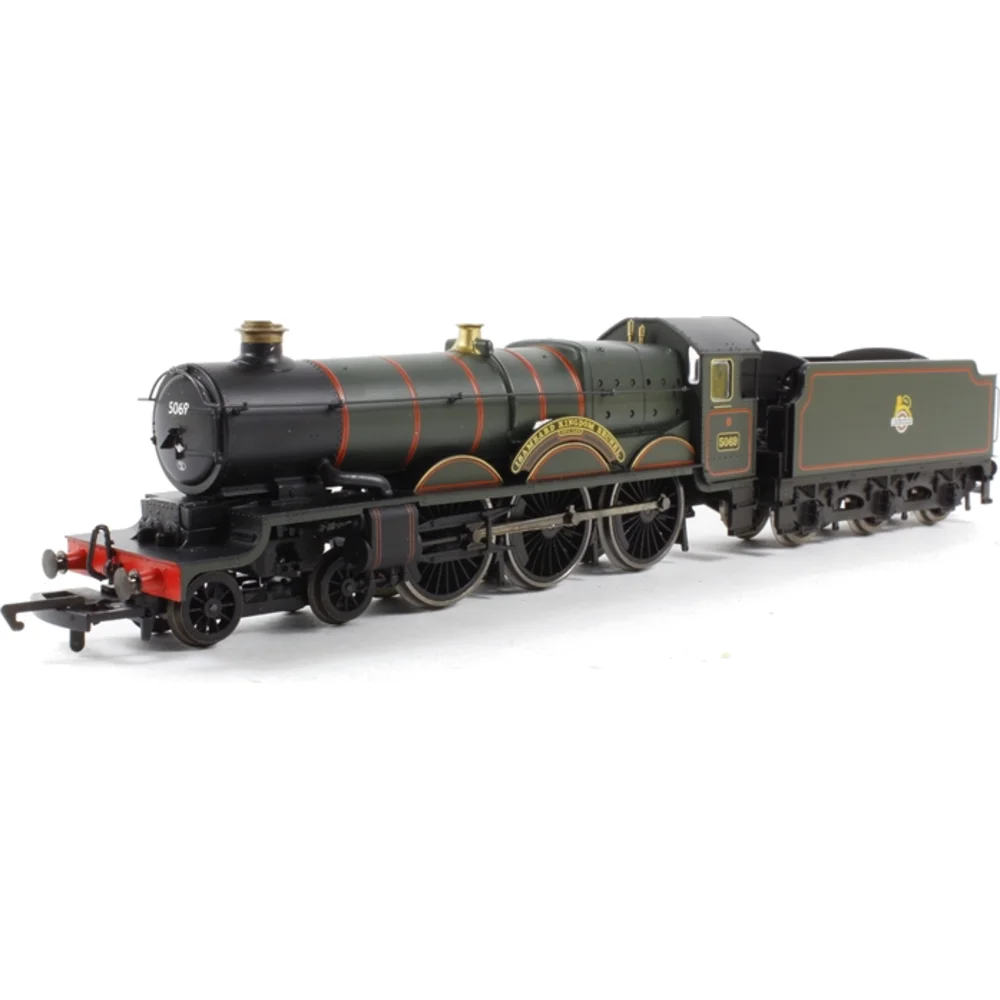
Operational Excellence: Castle No. 5069 Isambard Kingdom Brunel achieved fame in 1958 when it hauled "The Bristolian" at a sustained 100 mph near Little Somerford, demonstrating that even 35-year-old Castles remained capable of exceptional performance when required.

The post-war period brought new challenges as British Railways standardisation policies favoured newer designs over inherited locomotive classes. However, the Castle's proven reliability and fuel economy ensured continued front-line service well into the 1960s. Many locomotives received modifications including improved draughting arrangements and updated cab equipment, enabling them to compete effectively with early diesel multiple units on secondary express duties.

Perhaps the most poignant operational milestone came on 11th November 1965, when No. 7029 Clun Castle worked the final steam-hauled express passenger service on the Western Region. This symbolic moment marked the end of an era that had begun with Caerphilly Castle's debut 42 years earlier, concluding one of the longest and most successful locomotive careers in British railway history.

Individual locomotives within the class achieved particular distinction through their operational assignments. No. 4082 Windsor Castle gained lasting fame through its association with royal duties, most notably hauling King George V's funeral train in 1936. No. 5000 Launceston Castle's successful trial on the London Midland & Scottish Railway in 1926 demonstrated the design's versatility beyond its home territory.

Withdrawal, Preservation, and Legacy

The withdrawal of the Castle Class locomotives began tentatively in the early 1950s but accelerated rapidly during the 1960s as diesel traction replaced steam across the Western Region. The first withdrawal, No. 4000 North Star (a Star Class rebuild), occurred in February 1950, but large-scale scrapping did not commence until the dieselisation programme gathered momentum in the late 1950s.

By 1962, steam's days were clearly numbered, and the pace of withdrawals increased dramatically. The final year of Castle operations, 1965, saw the last twelve locomotives removed from service, culminating in Clun Castle's final run on 27th December. The rapidity of this conclusion reflects both the efficiency of the diesel replacement programme and British Railways' determination to eliminate steam traction completely.

Fortunately, preservation efforts ensured that eight Castle Class locomotives survived the cutter's torch, representing approximately 4.7% of the total fleet - a respectable survival rate for a class so completely displaced by modernisation. The preserved locomotives span the class's construction period from the original 1920s examples to the final British Railways-built locomotives of 1950.

Number Name Status Location
4073 Caerphilly Castle Static Display STEAM Museum, Swindon
4079 Pendennis Castle Operational Didcot Railway Centre
5029 Nunney Castle Under Overhaul Crewe (Jeremy Hosking)
5043 Earl of Mount Edgcumbe Operational Tyseley Locomotive Works
5051 Earl Bathurst Static Display Didcot Railway Centre
5080 Defiant Under Restoration Tyseley Locomotive Works
7027 Thornbury Castle Under Restoration West Somerset Railway
7029 Clun Castle Operational Tyseley Locomotive Works

The preservation story of individual locomotives adds fascinating chapters to the Castle legacy. No. 4079 Pendennis Castle's extraordinary journey to Australia in 1977 and subsequent repatriation in 2000 demonstrates the international appeal of these locomotives. Its successful operation on the Hamersley Railway in Western Australia proved that British steam technology could adapt to completely different operating conditions.

The Castle Class legacy extends far beyond the preserved locomotives themselves. Their influence on locomotive design principles, operational practices, and public perception of steam railways continues to resonate throughout the heritage railway movement. Modern preservation standards for steam locomotive maintenance often reference the meticulous practices developed during the Castle's operational heyday.

Heritage Significance: The Castle Class represents the pinnacle of British express passenger locomotive design. Their preservation ensures that future generations can experience the sight, sound, and engineering excellence that made these locomotives legendary among railway enthusiasts worldwide.

Modelling Significance and Scale Replications

For model railway enthusiasts, the Castle Class represents the quintessential Great Western Railway locomotive, offering authentic express passenger operations combined with universal recognition and appeal. The class's importance to GWR modelling cannot be overstated - any layout attempting to represent Great Western operations between 1923 and 1965 requires Castle Class representation to achieve historical accuracy.

The modelling appeal of the Castle Class stems from several factors beyond mere historical significance. Their elegant proportions translate beautifully to model form, whilst their operational versatility allows realistic use on layouts of varying complexity. A Castle can convincingly handle anything from a single coach branch line train to a full rake of Collett coaches on the "Cornish Riviera Express."

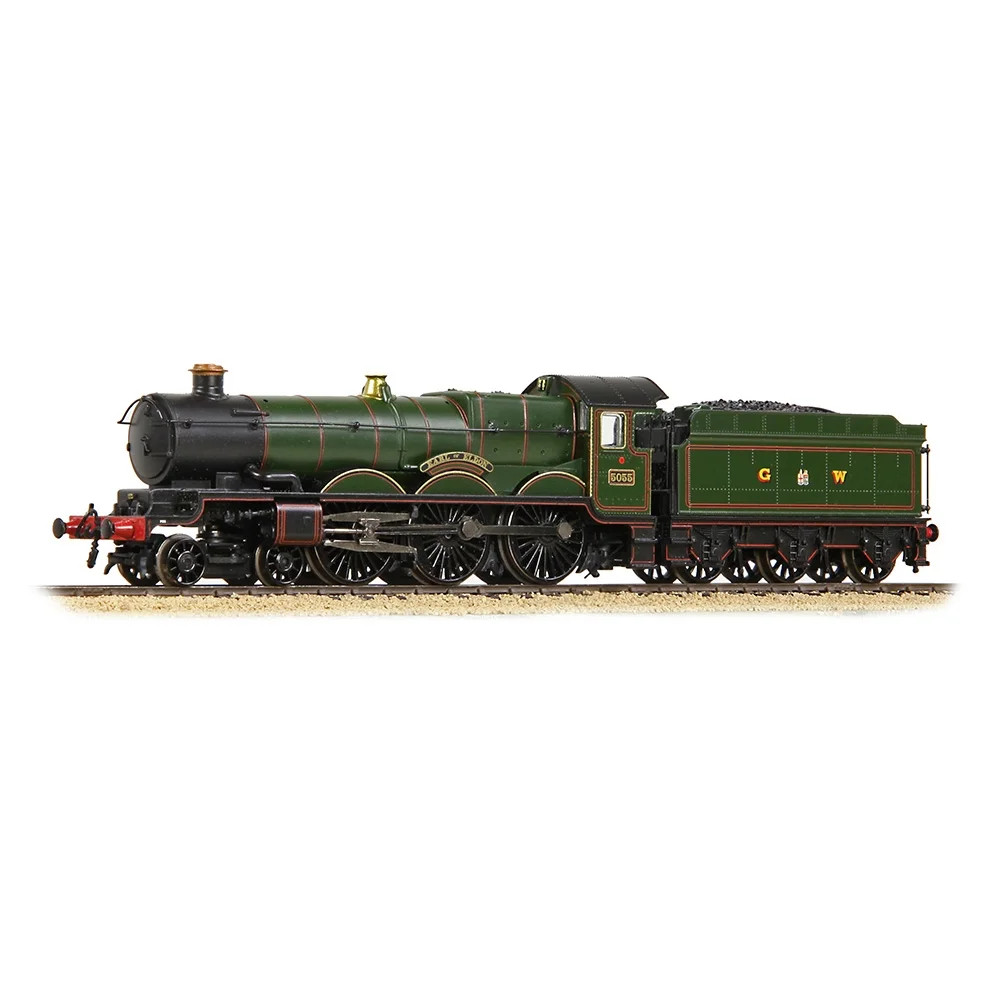
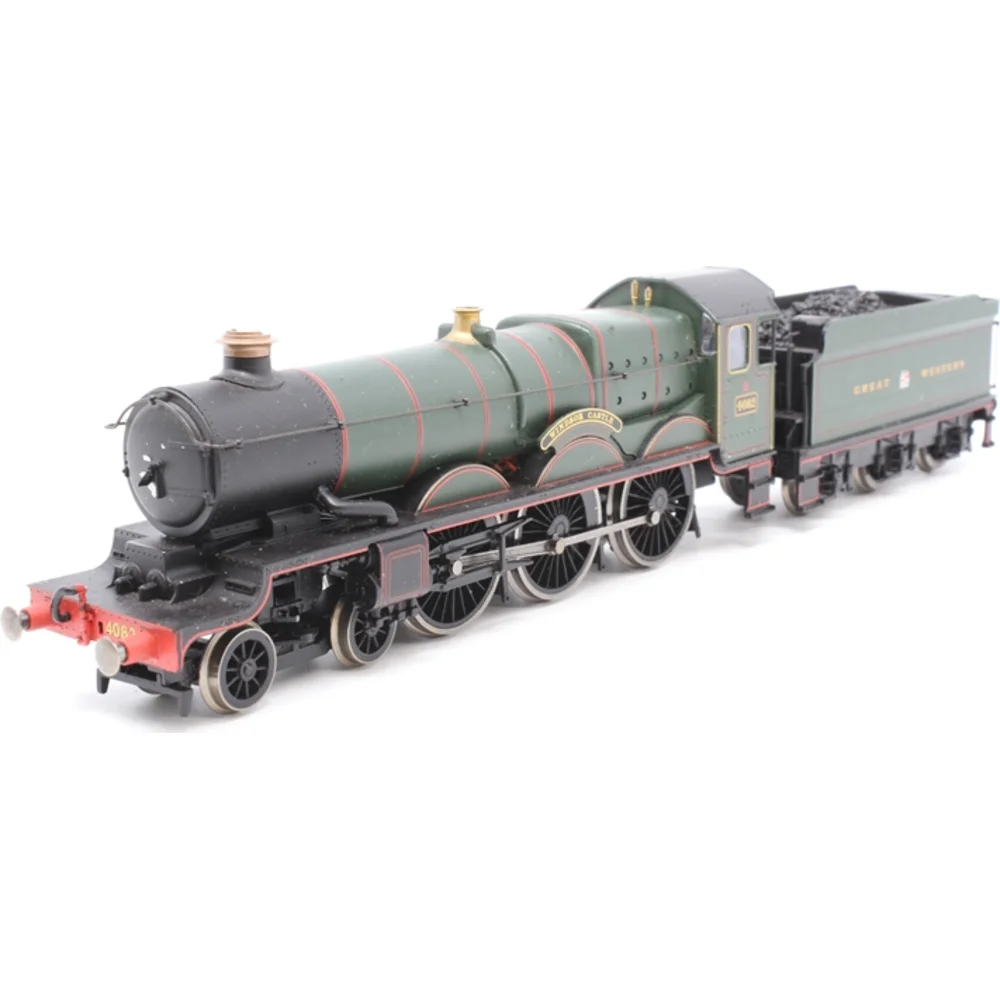
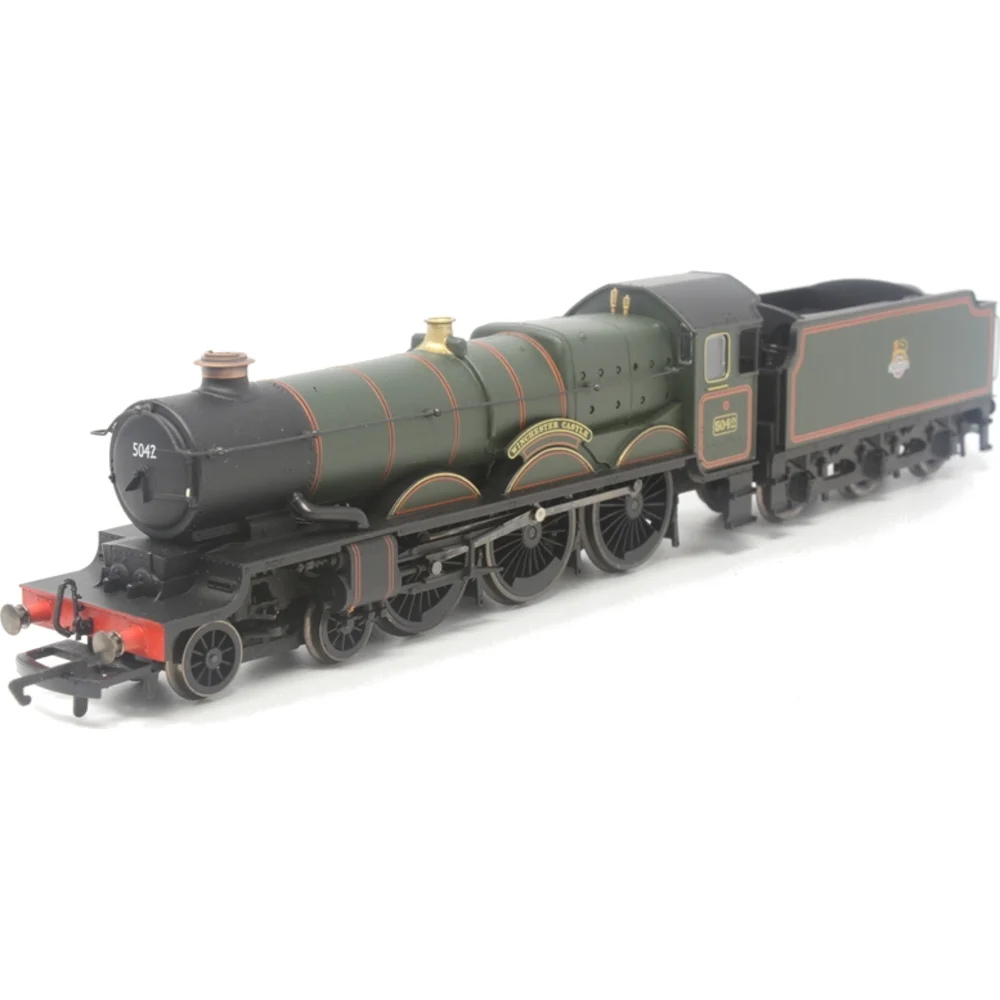
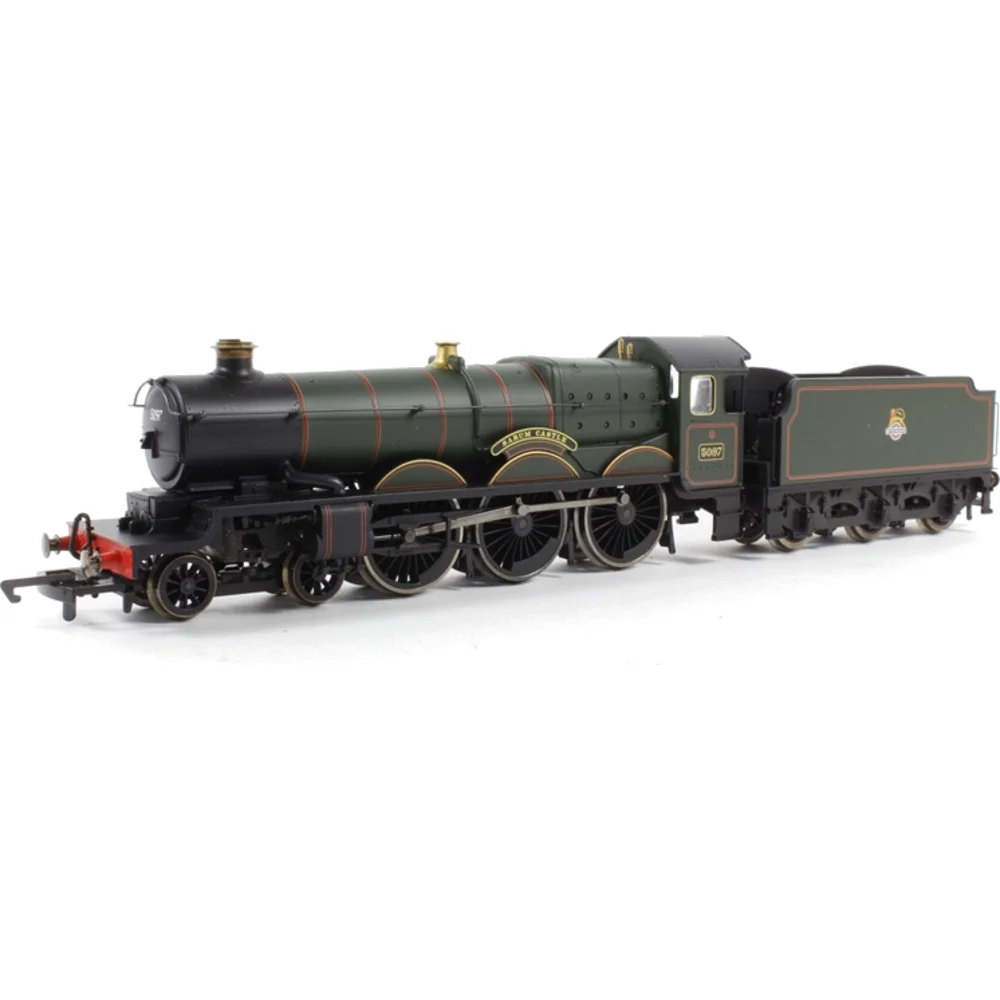
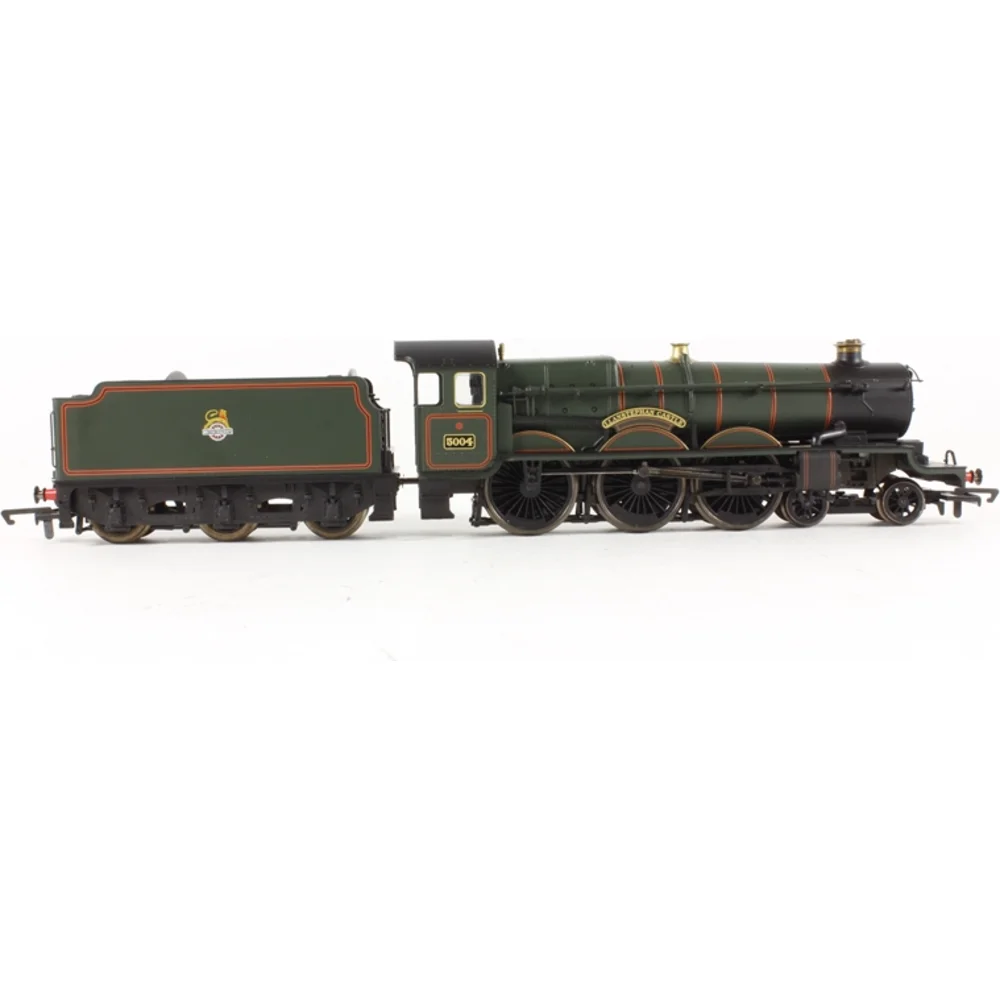
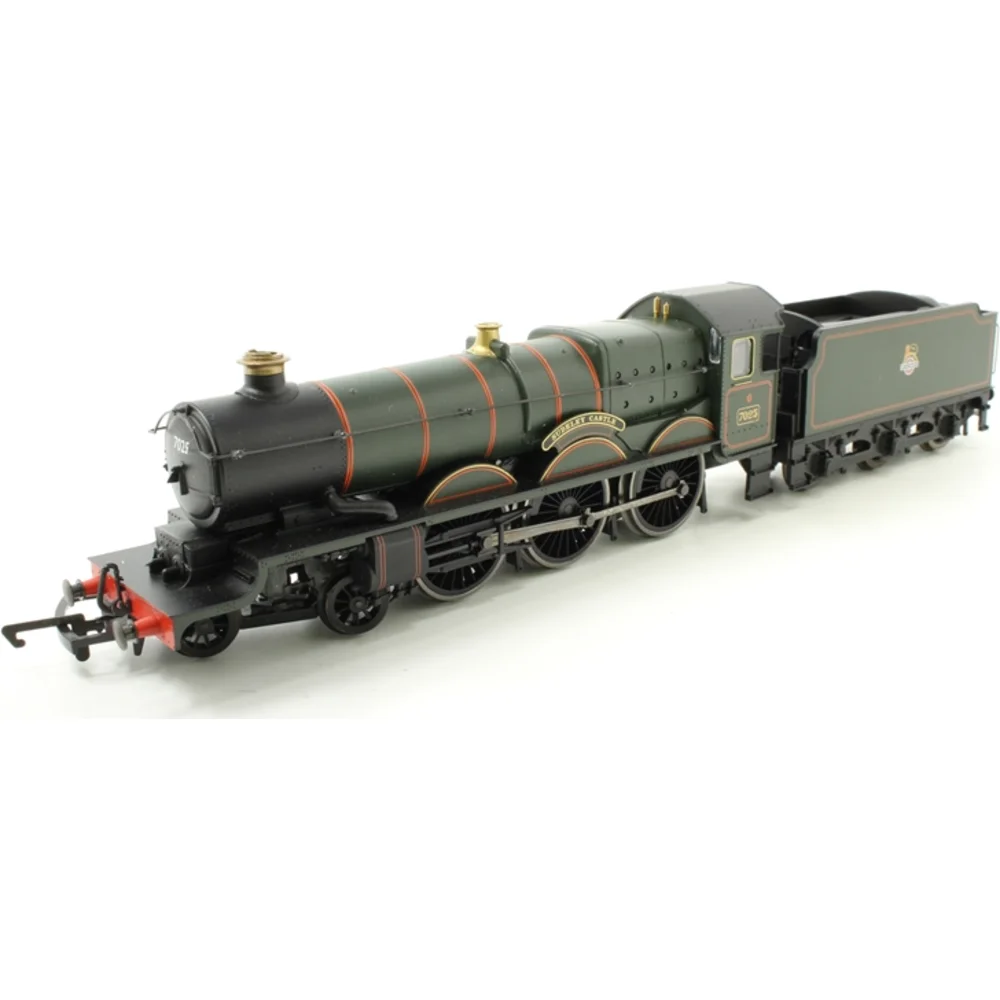
Hornby has dominated Castle Class production in OO scale for decades, with their current R30328 representing excellent value for entry-level modellers. The model features DCC Ready capability with an 8-pin socket, five-pole motor for smooth running, and sprung metal buffers. At £184.99, it offers accessible Castle Class modelling for layouts focusing on operational satisfaction rather than ultimate detail.

Modelling Tip: Castle Class locomotives work superbly with Collett corridor coaches in chocolate and cream livery. Hornby R4526A-C provides an excellent starter set, whilst Bachmann offers individual coaches with opening doors and detailed interiors for the ultimate in realism.

Scale manufacturers have not neglected the Castle Class either. Golden Age Models produces exquisite brass models in OO scale, hand-built to the highest standards with individually sprung axleboxes and opening smokebox doors. At £1,250 plus VAT, these models target serious collectors seeking museum-quality representation.

The class's digital era compatibility makes it particularly attractive for modern model railway operations. Most current productions feature DCC Ready interfaces, enabling advanced operating features like realistic acceleration, momentum effects, and sound synchronisation. ESU LokSound decoders specifically programmed for Castle Class locomotives provide authentic whistle tones and mechanical sounds recorded from preserved examples.

Unique Modelling Tips and Layout Integration

Successfully incorporating Castle Class locomotives into model railway layouts requires understanding both their operational patterns and the infrastructure requirements of Great Western Railway express services. These locomotives were designed for speed and capacity, meaning your track planning should emphasise main line running with gentle curves and substantial stations capable of handling lengthy express trains.

When planning layouts featuring Castle Class operations, consider the prototype's preference for long, sustained runs between major stations. Minimum curve radii of 24 inches (OO scale) allow realistic high-speed operation, whilst broader curves of 30 inches or more enable the graceful running that characterises prototype Castle performance. Avoid tight curves and complex trackwork that would compromise the visual impact of these impressive locomotives.

Authentic Castle Class operations require appropriate coaching stock and realistic train formations. The "Cornish Riviera Express" typically comprised 10-12 Collett coaches during peak summer periods, making realistic train lengths of 10-12 feet (OO scale) necessary for authentic representation. Consider terminus-to-terminus layouts where long trains can be accommodated and appreciated properly.

Expert Modelling Advice: Paint weather-side buffer beams in weathered black rather than pristine red to reflect prototype practice. Castle Class locomotives accumulated considerable grime during long-distance runs, particularly on the smokebox front and lower boiler bands around the motion.

Digital Command Control (DCC) programming allows realistic Castle Class operation through careful attention to momentum and acceleration settings. Configure CV3 (acceleration) to 15-20 and CV4 (deceleration) to 10-15 to simulate the gradual acceleration and confident braking characteristic of heavy express trains. Sound-equipped models benefit from extended whistle sequences programmed to function F2, reflecting the Castle's distinctive three-note chime.

For ultimate realism, consider installing working smoke generators in Castle Class models. Seuthe smoke units designed for OO scale provide convincing exhaust effects without the maintenance issues of liquid-based systems. The visual impact of a Castle Class locomotive climbing a gradient with realistic exhaust plume adds tremendous atmosphere to layout operations.

Weathering Castle Class models requires restraint to maintain their dignified appearance whilst acknowledging operational realities. Focus on subtle coal dust accumulation around the smokebox, oil stains on running plates around motion areas, and general grime on lower boiler surfaces. Avoid heavy weathering that would be inappropriate for premier express locomotives maintained to high standards.

Layout scenarios that showcase Castle Class capabilities include recreating famous named trains like the "Cheltenham Flyer" or "Torbay Express." Use appropriate period rolling stock - chocolate and cream coaches for the 1930s, crimson and cream for the late 1940s, or maroon for British Railways era. Hornby and Bachmann both offer comprehensive coach ranges enabling authentic train formations.

Consider the operational possibilities offered by multiple Castle Class locomotives. Large depots like Old Oak Common or Newton Abbot often accommodated several Castles simultaneously, creating opportunities for realistic shed scenes and locomotive exchanges. Modern layout designs incorporating engine sheds with inspection pits and coaling facilities provide authentic settings for Castle Class modelling.

Finally

The Great Western Railway 4073 Castle Class represents one of the most successful and influential locomotive designs in British railway history. From Charles Collett's inspired engineering to their triumphant performance in the 1925 exchange trials, these remarkable locomotives established benchmarks for express passenger operation that remained unsurpassed throughout the steam era.

Their technical excellence stemmed from methodical refinement of proven principles rather than revolutionary innovation. The combination of four-cylinder propulsion, efficient boiler design, and meticulous attention to thermal efficiency created locomotives capable of sustained high-power output with exceptional fuel economy. This engineering philosophy influenced locomotive design well beyond the Great Western Railway, establishing principles that remained relevant throughout British steam development.

For railway modellers and enthusiasts, the Castle Class offers the perfect combination of historical significance, aesthetic appeal, and operational versatility. Whether represented by Hornby's accessible ready-to-run models or Golden Age Models' museum-quality brass productions, these locomotives bring authentic Great Western Railway atmosphere to layouts of every scale and complexity.

The preservation of eight Castle Class locomotives ensures that future generations can experience these magnificent machines in operation, whilst the continuing popularity of Castle Class models demonstrates their enduring appeal among railway enthusiasts. From Caerphilly Castle's pioneering debut in 1923 to Clun Castle's final passenger working in 1965, the Castle Class story encapsulates the golden age of British express passenger operation.

Their legacy extends far beyond preserved locomotives and model railways. The Castle Class established standards of reliability, efficiency, and performance that influenced railway operation throughout Britain and beyond. As we continue to appreciate their engineering excellence and operational achievements, the Castle Class remains a fitting testament to the skill and dedication of the men who designed, built, and operated these legendary locomotives.

Frequently Asked Questions

How many Castle Class locomotives were built and when?

A total of 171 Castle Class locomotives were constructed between 1923 and 1950. This included 155 newly built examples and 16 conversions from other classes, including the unique Pacific No. 111 The Great Bear.

What made the Castle Class superior to the LNER Pacifics in the 1925 trials?

The Castle's superior fuel economy and thermal efficiency gave them decisive advantages. Pendennis Castle consumed significantly less coal and water whilst maintaining faster schedules than the larger LNER locomotives during comprehensive trials.

Which Castle Class locomotives can I see in preservation today?

Eight Castle Class locomotives survive in preservation. Caerphilly Castle is displayed at STEAM Museum Swindon, whilst operational examples include Pendennis Castle (Didcot), Earl of Mount Edgcumbe and Clun Castle (both Tyseley).

What's the best ready-to-run Castle Class model for beginners?

Hornby's R30328 Caerphilly Castle offers excellent value at £184.99, featuring DCC Ready capability and reliable five-pole motor. It provides authentic Castle Class operation without premium pricing for entry-level layouts.

How fast could Castle Class locomotives run in service?

Castle Class locomotives were capable of 100 mph operation, with several recorded instances of sustained high-speed running. The class was designed for 90 mph service speeds on express passenger duties throughout the GWR network.

Were any Castle Class locomotives used outside Great Western Railway territory?

Yes, notably Launceston Castle worked trials on the LMS in 1926, whilst Pendennis Castle operated exchange trials on LNER metals in 1925. Several locomotives also worked heritage lines after preservation in different regions.

What's the difference between single and double chimney Castle Class locomotives?

Sixty-five locomotives received double chimneys from 1956 onwards, combined with improved superheaters for enhanced high-speed performance. Double chimney examples showed superior steaming at sustained high power outputs compared to single chimney variants.

Which Castle Class locomotive was involved with royal duties?

Windsor Castle (4082) gained fame through royal associations, notably hauling King George V's funeral train in 1936. The locomotive became permanently associated with royal ceremonies and was considered a "royal engine" thereafter.

What operational routes were Castle Class locomotives primarily used on?

Castle Class locomotives dominated express passenger services from London Paddington, including the "Cornish Riviera Express," "Cheltenham Flyer," and "Torbay Express." They operated throughout the GWR network from Cornwall to Birmingham and Worcester.

Are there any Castle Class locomotives currently under restoration?

Yes, several Castle Class locomotives are currently undergoing restoration. Nunney Castle is receiving a mainline standard overhaul, whilst Defiant and Thornbury Castle are also undergoing restoration work at various heritage railway locations.

What makes the Castle Class design so influential in locomotive history?

The Castle Class established benchmarks for thermal efficiency, fuel economy, and reliability that influenced British locomotive design for decades. Their four-cylinder layout and advanced valve gear became standard practice for express passenger locomotives across multiple railways.

Where can I find detailed technical drawings and specifications for Castle Class locomotives?

The National Railway Museum archives hold comprehensive Castle Class technical documentation, whilst the Great Western Society maintains extensive records. Several specialist publishers offer detailed drawings and technical specifications for modellers and historians.
Locomotives (165)

GWR 4073
Caerphilly Castle
Swindon • August 1923 – May 1960
Great Western Railway Great Western Railway 36.8 yrs
GWR 4074
Caldicot Castle
Swindon • December 1923 – May 1963
Great Western Railway Great Western Railway 39.4 yrs
GWR 4075
Cardiff Castle
Swindon • January 1924 – November 1961
Great Western Railway Great Western Railway 37.8 yrs
GWR 4076
Carmarthen Castle
Swindon • February 1924 – February 1963
Great Western Railway Great Western Railway 39.0 yrs
GWR 4077
Chepstow Castle
Swindon • February 1924 – August 1962
Great Western Railway Great Western Railway 38.5 yrs
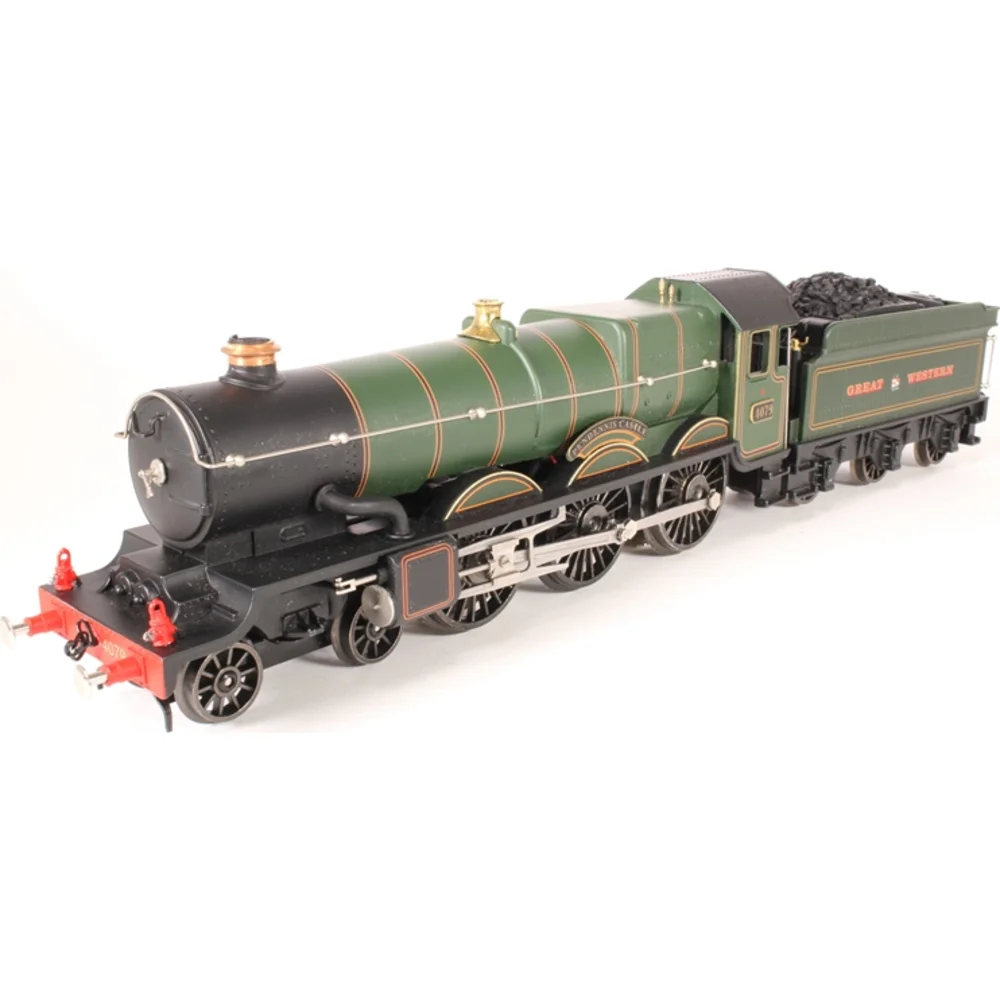
GWR 4078
Pembroke Castle
Swindon • February 1924 – July 1962
Great Western Railway Great Western Railway 38.4 yrs
GWR 4079
Pendennis Castle
Swindon • February 1924 – May 1964
Great Western Railway Great Western Railway 40.3 yrs
GWR 4080
Powderham Castle
Swindon • March 1924 – August 1964
Great Western Railway Great Western Railway 40.4 yrs
GWR 4081
Warwick Castle
Swindon • March 1924 – January 1963
Great Western Railway Great Western Railway 38.8 yrs
GWR 4082
Windsor Castle
Swindon • April 1924 – September 1964
Great Western Railway Great Western Railway 40.4 yrs
GWR 4083
Abbotsbury Castle
Swindon • May 1925 – December 1961
Great Western Railway Great Western Railway 36.6 yrs
GWR 4084
Aberystwyth Castle
Swindon • May 1925 – October 1960
Great Western Railway Great Western Railway 35.4 yrs
GWR 4085
Berleley Castle
Swindon • May 1925 – May 1962
Great Western Railway Great Western Railway 37.0 yrs
GWR 4086
Builth Castle
Swindon • June 1925 – April 1962
Great Western Railway Great Western Railway 36.8 yrs
GWR 4087
Cardigan Castle
Swindon • June 1925 – October 1963
Great Western Railway Great Western Railway 38.3 yrs
GWR 4088
Dartmouth Castle
Swindon • July 1925 – May 1964
Great Western Railway Great Western Railway 38.8 yrs
GWR 4089
Donnington Castle
Swindon • July 1925 – September 1964
Great Western Railway Great Western Railway 39.2 yrs
GWR 4090
Dorchester Castle
Swindon • July 1925 – June 1963
Great Western Railway Great Western Railway 37.9 yrs
GWR 4091
Dudley Castle
Swindon • July 1925 – January 1959
Great Western Railway Great Western Railway 33.5 yrs
GWR 4092
Dunraven Castle
Swindon • August 1925 – December 1961
Great Western Railway Great Western Railway 36.3 yrs
GWR 4093
Dunster Castle
Swindon • May 1926 – September 1964
Great Western Railway Great Western Railway 38.3 yrs
GWR 4094
Dynevor Castle
Swindon • May 1926 – March 1962
Great Western Railway Great Western Railway 35.8 yrs
GWR 4095
Harlech Castle
Swindon • June 1926 – December 1962
Great Western Railway Great Western Railway 36.5 yrs
GWR 4096
Highclere Castle
Swindon • June 1926 – January 1963
Great Western Railway Great Western Railway 36.6 yrs
GWR 4097
Kenilworth Castle
Swindon • June 1926 – May 1960
Great Western Railway Great Western Railway 33.9 yrs
GWR 4098
Kidwelly Castle
Swindon • July 1926 – December 1963
Great Western Railway Great Western Railway 37.4 yrs
GWR 4099
Kilgerran Castle
Swindon • August 1926 – September 1962
Great Western Railway Great Western Railway 36.1 yrs
GWR 5000
Launceston Castle
Swindon • September 1926 – October 1964
Great Western Railway Great Western Railway 38.1 yrs
GWR 5001
Llandovery Castle
Swindon • September 1926 – February 1963
Great Western Railway Great Western Railway 36.4 yrs
GWR 5002
Ludlow Castle
Swindon • September 1926 – September 1964
Great Western Railway Great Western Railway 38.0 yrs
GWR 5003
Lulworth Castle
Swindon • May 1927 – August 1962
Great Western Railway Great Western Railway 35.3 yrs
GWR 5004
Llanstephan Castle
Swindon • June 1927 – April 1962
Great Western Railway Great Western Railway 34.8 yrs
GWR 5005
Manorbier Castle
Swindon • June 1927 – February 1960
Great Western Railway Great Western Railway 32.7 yrs
GWR 5006
Tregenna Castle
Swindon • June 1927 – April 1962
Great Western Railway Great Western Railway 34.8 yrs
GWR 5007
Rougemont Castle
Swindon • June 1927 – September 1962
Great Western Railway Great Western Railway 35.3 yrs
GWR 5008
Raglan Castle
Swindon • June 1927 – September 1962
Great Western Railway Great Western Railway 35.3 yrs
GWR 5009
Shrewsbury Castle
Swindon • June 1927 – October 1960
Great Western Railway Great Western Railway 33.3 yrs
GWR 5010
Restormel Castle
Swindon • July 1927 – October 1959
Great Western Railway Great Western Railway 32.3 yrs
GWR 5011
Tintagel Castle
Swindon • July 1927 – September 1962
Great Western Railway Great Western Railway 35.2 yrs
GWR 5012
Berry Pomeroy Castle
Swindon • July 1927 – April 1962
Great Western Railway Great Western Railway 34.7 yrs
GWR 5013
Abergavenny Castle
Swindon • June 1932 – July 1962
Great Western Railway Great Western Railway 30.1 yrs
GWR 5014
Goodrich Castle
Swindon • June 1932 – February 1965
Great Western Railway Great Western Railway 32.7 yrs
GWR 5015
Kingswear Castle
Swindon • July 1932 – April 1963
Great Western Railway Great Western Railway 30.7 yrs
GWR 5016
Montgomery Castle
Swindon • July 1932 – September 1962
Great Western Railway Great Western Railway 30.2 yrs
GWR 5017
St. Donats Castle, The Gloucestershire Regiment 28th, 61st
Swindon • July 1932 – September 1962
Great Western Railway Great Western Railway 30.2 yrs
GWR 5018
St. Mawes Castle
Swindon • July 1932 – April 1964
Great Western Railway Great Western Railway 31.7 yrs
GWR 5019
Treago Castle
Swindon • July 1932 – September 1962
Great Western Railway Great Western Railway 30.2 yrs
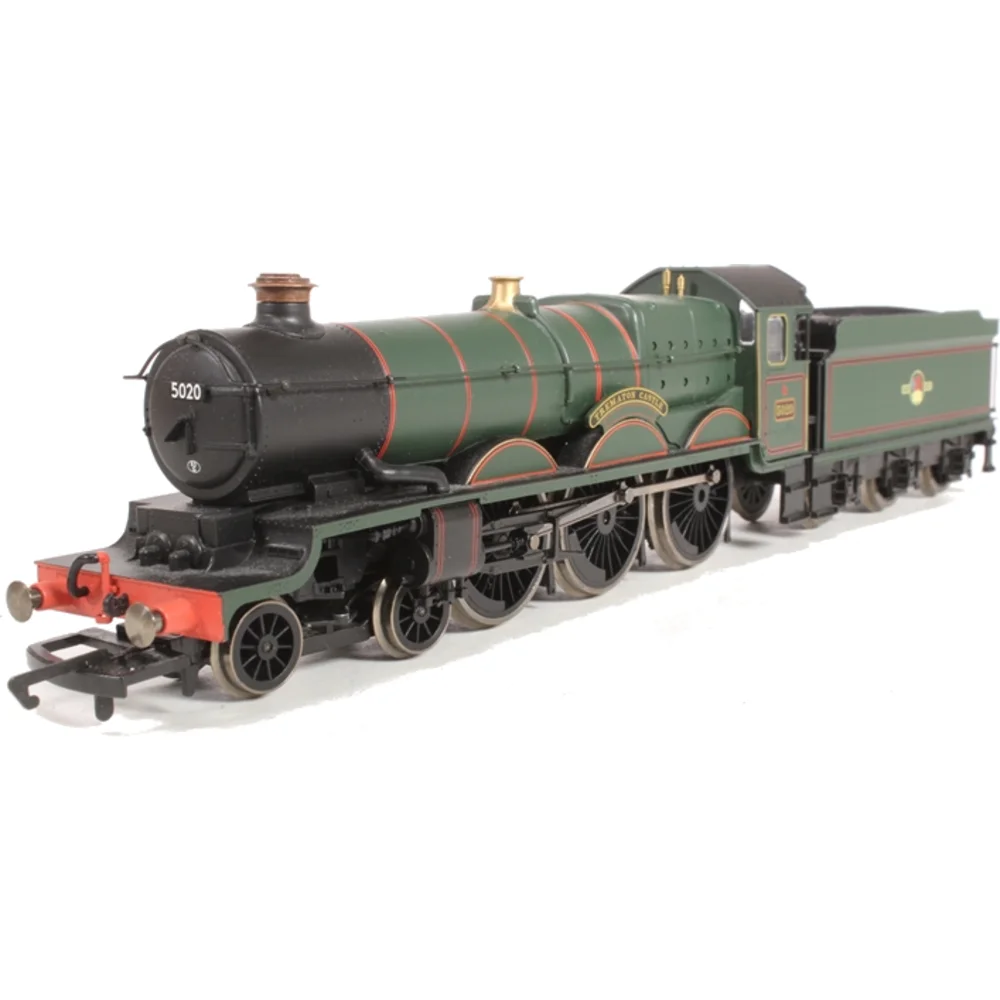
GWR 5020
Tremanton Castle
Swindon • July 1932 – November 1962
Great Western Railway Great Western Railway 30.3 yrs
GWR 5021
Whittington Castle
Swindon • August 1932 – September 1962
Great Western Railway Great Western Railway 30.1 yrs
GWR 5022
Wigmore Castle
Swindon • August 1932 – June 1963
Great Western Railway Great Western Railway 30.8 yrs
GWR 5023
Brecon Castle
Swindon • April 1934 – February 1963
Great Western Railway Great Western Railway 28.8 yrs
GWR 5024
Carew Castle
Swindon • April 1934 – May 1962
Great Western Railway Great Western Railway 28.1 yrs
GWR 5025
Chirk Castle
Swindon • April 1934 – November 1963
Great Western Railway Great Western Railway 29.6 yrs
GWR 5026
Criccieth Castle
Swindon • April 1934 – November 1964
Great Western Railway Great Western Railway 30.6 yrs
GWR 5027
Farleigh Castle
Swindon • April 1934 – November 1962
Great Western Railway Great Western Railway 28.6 yrs
GWR 5028
Llantilio Castle
Swindon • May 1934 – May 1960
Great Western Railway Great Western Railway 26.0 yrs
GWR 5029
Nunney Castle
Swindon • May 1934 – December 1963
Great Western Railway Great Western Railway 29.6 yrs
GWR 5030
Shirburn Castle
Swindon • May 1934 – September 1962
Great Western Railway Great Western Railway 28.3 yrs
GWR 5031
Totnes Castle
Swindon • May 1934 – October 1963
Great Western Railway Great Western Railway 29.4 yrs
GWR 5032
Usk Castle
Swindon • May 1934 – September 1962
Great Western Railway Great Western Railway 28.3 yrs
GWR 5033
Broughton Castle
Swindon • May 1935 – September 1962
Great Western Railway Great Western Railway 27.3 yrs
GWR 5034
Corfe Castle
Swindon • May 1935 – September 1962
Great Western Railway Great Western Railway 27.3 yrs
GWR 5035
Coity Castle
Swindon • May 1935 – May 1962
Great Western Railway Great Western Railway 27.0 yrs
GWR 5036
Lyonshall Castle
Swindon • May 1935 – September 1962
Great Western Railway Great Western Railway 27.3 yrs
GWR 5037
Monmouth Castle
Swindon • May 1935 – March 1964
Great Western Railway Great Western Railway 28.8 yrs
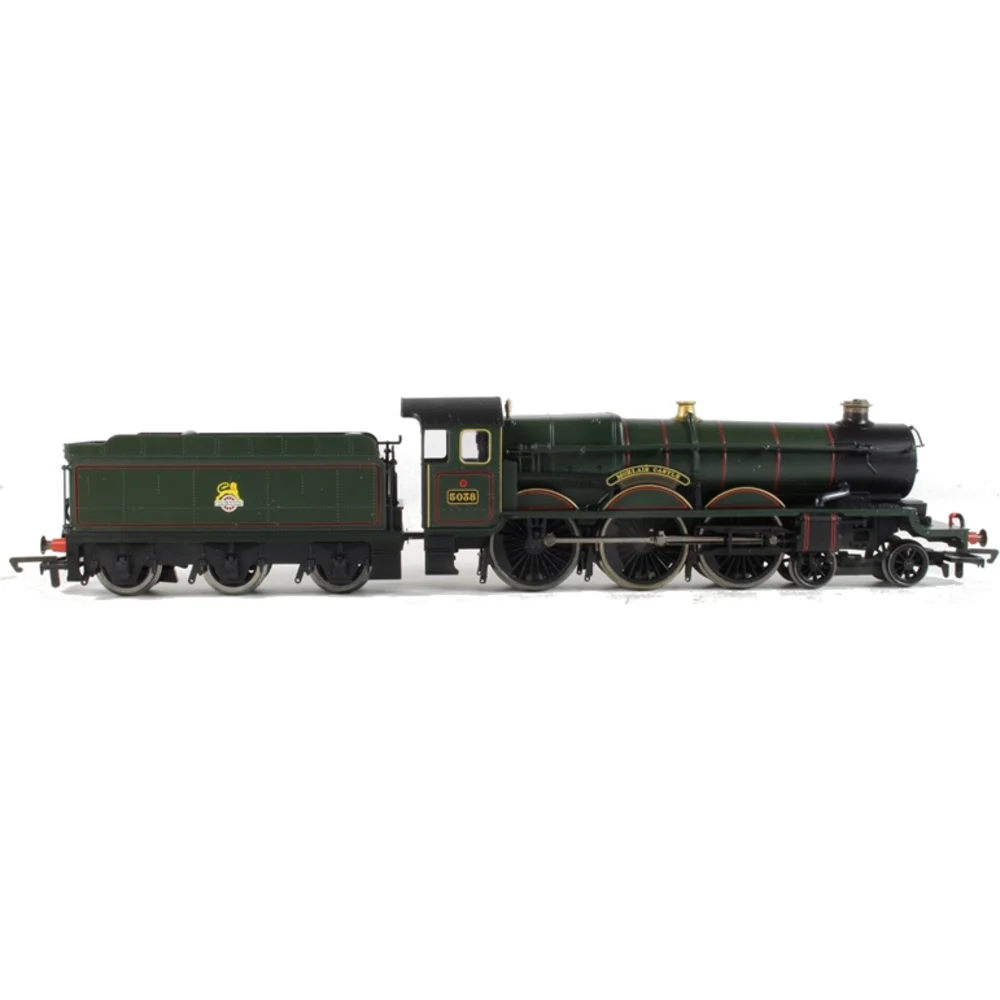
GWR 5038
Morlais Castle
Swindon • June 1935 – September 1963
Great Western Railway Great Western Railway 28.3 yrs
GWR 5039
Rhuddlan Castle
Swindon • June 1935 – June 1964
Great Western Railway Great Western Railway 29.0 yrs
GWR 5040
Stokesay Castle
Swindon • June 1935 – October 1963
Great Western Railway Great Western Railway 28.3 yrs
GWR 5041
Tiverton Castle
Swindon • June 1935 – December 1963
Great Western Railway Great Western Railway 28.5 yrs
GWR 5042
Winchester Castle
Swindon • July 1935 – June 1965
Great Western Railway Great Western Railway 29.9 yrs
GWR 5043
Earl of Mount Edgcumbe
Swindon • March 1936 – December 1963
Great Western Railway Great Western Railway 27.8 yrs
GWR 5044
Earl of Dunraven
Swindon • March 1936 – April 1962
Great Western Railway Great Western Railway 26.1 yrs
GWR 5045
Earl of Dudley
Swindon • March 1936 – September 1962
Great Western Railway Great Western Railway 26.5 yrs
GWR 5046
Earl Cawdor
Swindon • April 1936 – September 1962
Great Western Railway Great Western Railway 26.4 yrs
GWR 5047
Earl of Dartmouth
Swindon • April 1936 – September 1962
Great Western Railway Great Western Railway 26.4 yrs
GWR 5048
Earl of Devon
Swindon • April 1936 – August 1962
Great Western Railway Great Western Railway 26.3 yrs
GWR 5049
Earl of Plymouth
Swindon • April 1936 – March 1963
Great Western Railway Great Western Railway 26.9 yrs
GWR 5050
Earl of St. Germans
Swindon • May 1936 – August 1963
Great Western Railway Great Western Railway 27.2 yrs
GWR 5051
Earl Bathurst
Swindon • May 1936 – May 1963
Great Western Railway Great Western Railway 27.0 yrs
GWR 5052
Earl of Radnor
Swindon • May 1936 – September 1962
Great Western Railway Great Western Railway 26.3 yrs
GWR 5053
Earl Cairns
Swindon • May 1936 – July 1962
Great Western Railway Great Western Railway 26.2 yrs
GWR 5054
Earl of Ducie
Swindon • June 1936 – October 1964
Great Western Railway Great Western Railway 28.3 yrs
GWR 5055
Earl of Eldon
Swindon • June 1936 – September 1964
Great Western Railway Great Western Railway 28.3 yrs
GWR 5056
Earl of Powis
Swindon • June 1936 – November 1964
Great Western Railway Great Western Railway 28.4 yrs
GWR 5057
Earl Waldegrave
Swindon • June 1936 – March 1964
Great Western Railway Great Western Railway 27.8 yrs
GWR 5084
Reading Abbey
Swindon • April 1937 – July 1962
Great Western Railway Great Western Railway 25.3 yrs
GWR 5058
Earl of Clancarty
Swindon • May 1937 – March 1963
Great Western Railway Great Western Railway 25.8 yrs
GWR 5059
Earl St. Aldwyn
Swindon • May 1937 – June 1962
Great Western Railway Great Western Railway 25.1 yrs
GWR 5060
Earl of Berkeley
Swindon • June 1937 – April 1963
Great Western Railway Great Western Railway 25.8 yrs
GWR 5061
Earl of Birkenhead
Swindon • June 1937 – September 1962
Great Western Railway Great Western Railway 25.3 yrs
GWR 5062
Earl of Shaftsbury
Swindon • June 1937 – August 1962
Great Western Railway Great Western Railway 25.2 yrs
GWR 5063
Earl Baldwin
Swindon • June 1937 – February 1965
Great Western Railway Great Western Railway 27.7 yrs
GWR 5064
Bishop's Castle
Swindon • June 1937 – September 1962
Great Western Railway Great Western Railway 25.3 yrs
GWR 5083
Bath Abbey
Swindon • June 1937 – January 1959
Great Western Railway Great Western Railway 21.6 yrs
GWR 5065
Newport Castle
Swindon • July 1937 – January 1963
Great Western Railway Great Western Railway 25.5 yrs
GWR 5066
Sir Felix Pole, Wardour Castle
Swindon • July 1937 – September 1962
Great Western Railway Great Western Railway 25.2 yrs
GWR 5067
St. Fagans Castle
Swindon • July 1937 – July 1962
Great Western Railway Great Western Railway 25.0 yrs
GWR 5086
Viscount Horne
Swindon • December 1937 – November 1958
Great Western Railway Great Western Railway 20.9 yrs
GWR 5092
Tresco Abbey
Swindon • April 1938 – July 1963
Great Western Railway Great Western Railway 25.3 yrs
GWR 5068
Beverstone Castle
Swindon • June 1938 – September 1962
Great Western Railway Great Western Railway 24.3 yrs
GWR 5069
Isambard Kingdom Brunel
Swindon • June 1938 – February 1962
Great Western Railway Great Western Railway 23.7 yrs
GWR 5070
Sir Daniel Gooch
Swindon • June 1938 – March 1964
Great Western Railway Great Western Railway 25.8 yrs
GWR 5071
Spitfire
Swindon • June 1938 – October 1963
Great Western Railway Great Western Railway 25.3 yrs
GWR 5072
Hurricane
Swindon • June 1938 – October 1962
Great Western Railway Great Western Railway 24.3 yrs
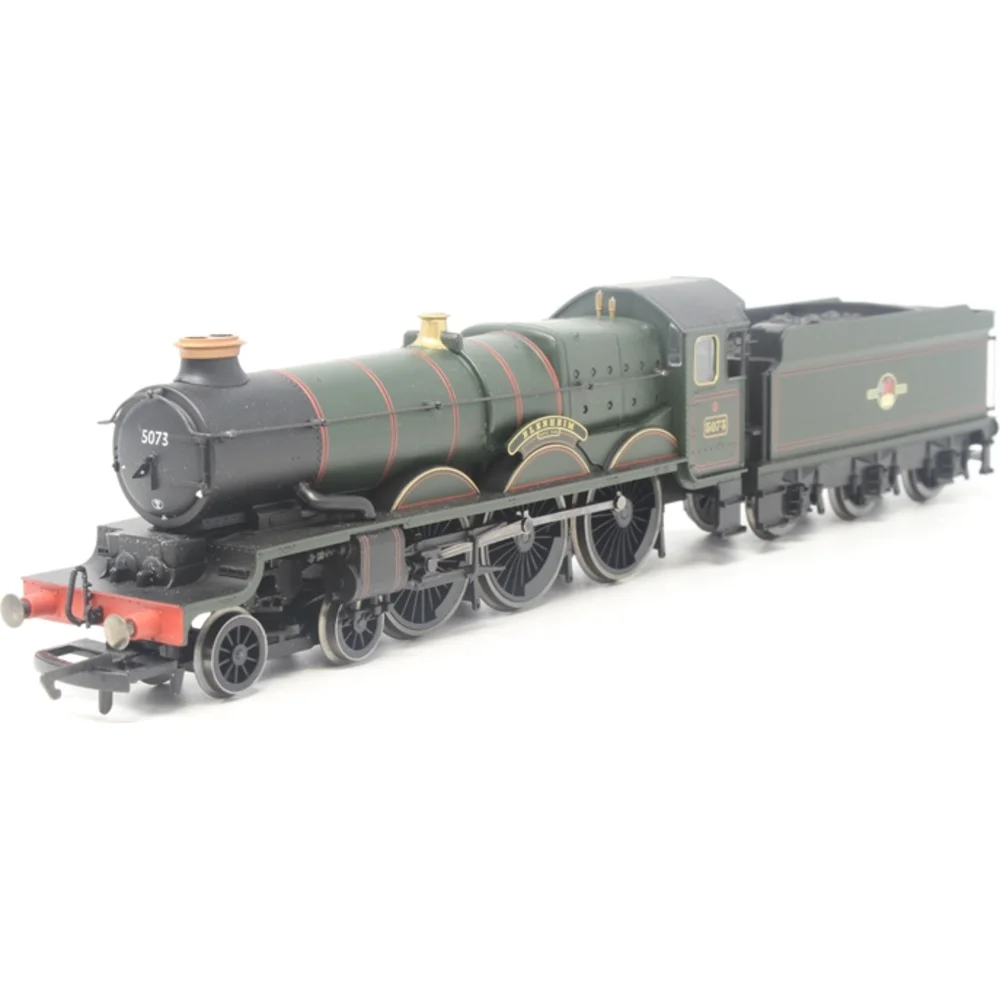
GWR 5073
Blenheim
Swindon • July 1938 – February 1964
Great Western Railway Great Western Railway 25.6 yrs
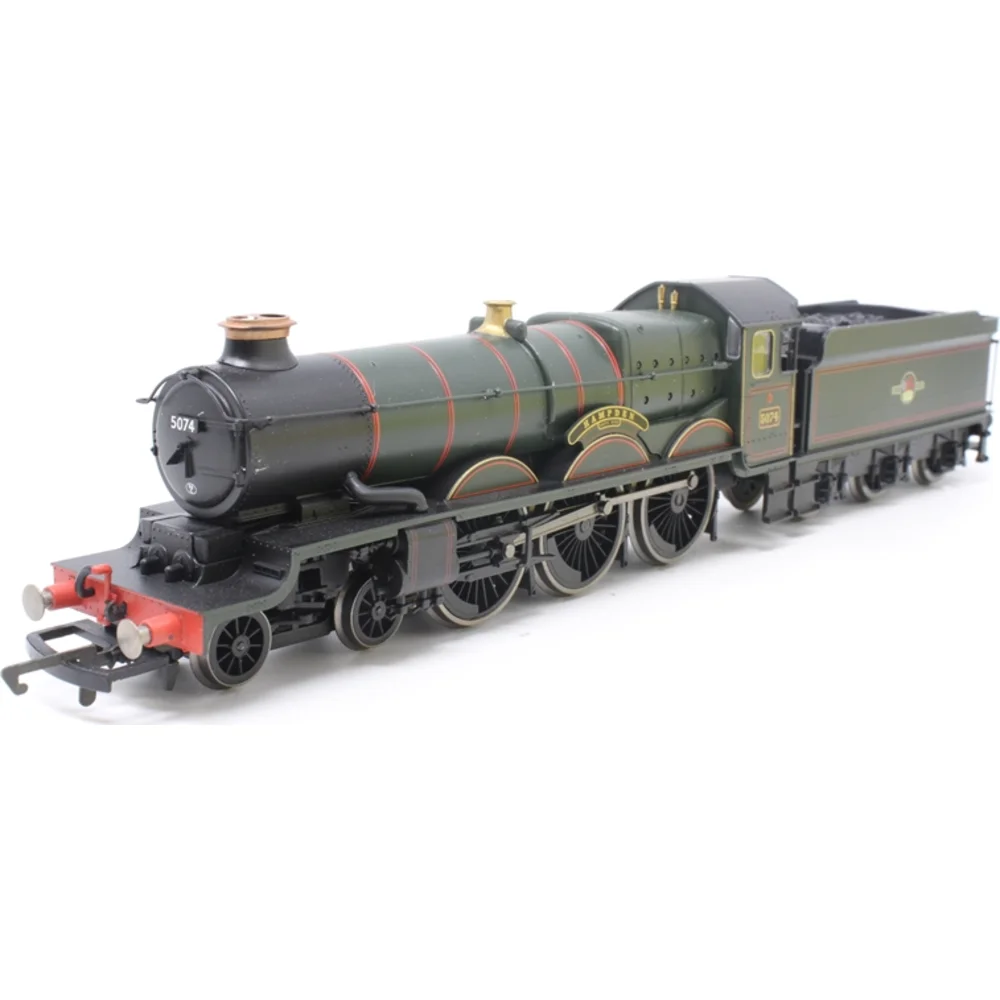
GWR 5074
Hampden
Swindon • July 1938 – May 1964
Great Western Railway Great Western Railway 25.8 yrs
GWR 5075
Wellington
Swindon • August 1938 – September 1962
Great Western Railway Great Western Railway 24.1 yrs
GWR 5076
Drysllwyn Castle, Gladiator
Swindon • August 1938 – September 1964
Great Western Railway Great Western Railway 26.1 yrs
GWR 5077
Fairey Battle
Swindon • August 1938 – July 1962
Great Western Railway Great Western Railway 23.9 yrs
GWR 5091
Cleeve Abbey
Swindon • December 1938 – October 1964
Great Western Railway Great Western Railway 25.8 yrs
GWR 5088
Llanthony Abbey
Swindon • February 1939 – September 1962
Great Western Railway Great Western Railway 23.6 yrs
GWR 5090
Neath Abbey
Swindon • April 1939 – May 1962
Great Western Railway Great Western Railway 23.1 yrs
GWR 5078
Beaufort
Swindon • May 1939 – November 1962
Great Western Railway Great Western Railway 23.5 yrs
GWR 5079
Lysander
Swindon • May 1939 – May 1960
Great Western Railway Great Western Railway 20.9 yrs
GWR 5080
Defiant
Swindon • May 1939 – April 1963
Great Western Railway Great Western Railway 23.9 yrs
GWR 5081
Lockheed Hudson
Swindon • May 1939 – October 1963
Great Western Railway Great Western Railway 24.4 yrs
GWR 5082
Swordfish
Swindon • June 1939 – July 1962
Great Western Railway Great Western Railway 23.1 yrs
GWR 5093
Upton Castle
Swindon • June 1939 – September 1963
Great Western Railway Great Western Railway 24.3 yrs
GWR 5094
Tretower Castle
Swindon • June 1939 – September 1962
Great Western Railway Great Western Railway 23.3 yrs
GWR 5095
Barbury Castle
Swindon • June 1939 – August 1962
Great Western Railway Great Western Railway 23.2 yrs
GWR 5096
Bridgwater Castle
Swindon • June 1939 – June 1964
Great Western Railway Great Western Railway 25.0 yrs
GWR 5085
Evesham Abbey
Swindon • July 1939 – February 1964
Great Western Railway Great Western Railway 24.6 yrs
GWR 5097
Sarum Castle
Swindon • July 1939 – March 1963
Great Western Railway Great Western Railway 23.7 yrs
GWR 5089
Westminster Abbey
Swindon • October 1939 – November 1964
Great Western Railway Great Western Railway 25.1 yrs
GWR 5087
Tintern Abbey
Swindon • November 1940 – August 1963
Great Western Railway Great Western Railway 22.7 yrs
BR 7000
Viscount Portal
Swindon • May 1946 – December 1963
Great Western Railway Great Western Railway 17.6 yrs
BR 7001
Sir James Milne
Swindon • May 1946 – September 1963
Great Western Railway Great Western Railway 17.3 yrs
GWR 5098
Clifford Castle
Swindon • May 1946 – June 1964
Great Western Railway Great Western Railway 18.1 yrs
GWR 5099
Compton Castle
Swindon • May 1946 – February 1963
Great Western Railway Great Western Railway 16.7 yrs
BR 7002
Devizes Castle
Swindon • June 1946 – March 1964
Great Western Railway Great Western Railway 17.8 yrs
BR 7003
Elmley Castle
Swindon • June 1946 – August 1964
Great Western Railway Great Western Railway 18.2 yrs
BR 7004
Eastnor Castle
Swindon • June 1946 – January 1964
Great Western Railway Great Western Railway 17.6 yrs
BR 7005
Lamphey Castle, Sir Edward Elgar
Swindon • June 1946 – September 1964
Great Western Railway Great Western Railway 18.3 yrs
BR 7006
Lydford Castle
Swindon • June 1946 – December 1963
Great Western Railway Great Western Railway 17.5 yrs
BR 7007
Great Western
Swindon • July 1946 – February 1963
Great Western Railway Great Western Railway 16.6 yrs
BR 7008
Swansea Castle
Swindon • May 1948 – September 1964
Great Western Railway British Railways 16.3 yrs
BR 7009
Athelney Castle
Swindon • May 1948 – March 1963
Great Western Railway British Railways 14.8 yrs
BR 7010
Avondale Castle
Swindon • June 1948 – March 1964
Great Western Railway British Railways 15.8 yrs
BR 7011
Banbury Castle
Swindon • June 1948 – February 1965
Great Western Railway British Railways 16.7 yrs
BR 7012
Barry Castle
Swindon • June 1948 – November 1964
Great Western Railway British Railways 16.4 yrs
BR 7013
Bristol Castle
Swindon • July 1948 – February 1965
Great Western Railway British Railways 16.6 yrs
BR 7014
Caerhays Castle
Swindon • July 1948 – February 1965
Great Western Railway British Railways 16.6 yrs
BR 7015
Carn Brea Castle
Swindon • July 1948 – April 1963
Great Western Railway British Railways 14.7 yrs
BR 7016
Chester Castle
Swindon • August 1948 – November 1962
Great Western Railway British Railways 14.2 yrs
BR 7017
G.J. Churchwood
Swindon • August 1948 – February 1963
Great Western Railway British Railways 14.5 yrs
BR 7018
Drysllwyn Castle
Swindon • May 1949 – September 1963
Great Western Railway British Railways 14.3 yrs
BR 7019
Fowey Castle
Swindon • May 1949 – February 1965
Great Western Railway British Railways 15.7 yrs
BR 7020
Gloucester Castle
Swindon • May 1949 – September 1964
Great Western Railway British Railways 15.3 yrs
BR 7021
Haverfordwest Castle
Swindon • June 1949 – September 1963
Great Western Railway British Railways 14.3 yrs
BR 7022
Hereford Castle
Swindon • June 1949 – June 1965
Great Western Railway British Railways 16.0 yrs
BR 7023
Penrice Castle
Swindon • June 1949 – February 1965
Great Western Railway British Railways 15.7 yrs
BR 7024
Powis Castle
Swindon • June 1949 – February 1965
Great Western Railway British Railways 15.7 yrs
BR 7025
Sudeley Castle
Swindon • August 1949 – September 1964
Great Western Railway British Railways 15.1 yrs
BR 7026
Tenby Castle
Swindon • August 1949 – October 1964
Great Western Railway British Railways 15.2 yrs
BR 7027
Thornbury Castle
Swindon • August 1949 – December 1963
Great Western Railway British Railways 14.3 yrs
BR 7028
Cadbury Castle
Swindon • May 1950 – December 1963
Great Western Railway British Railways 13.6 yrs
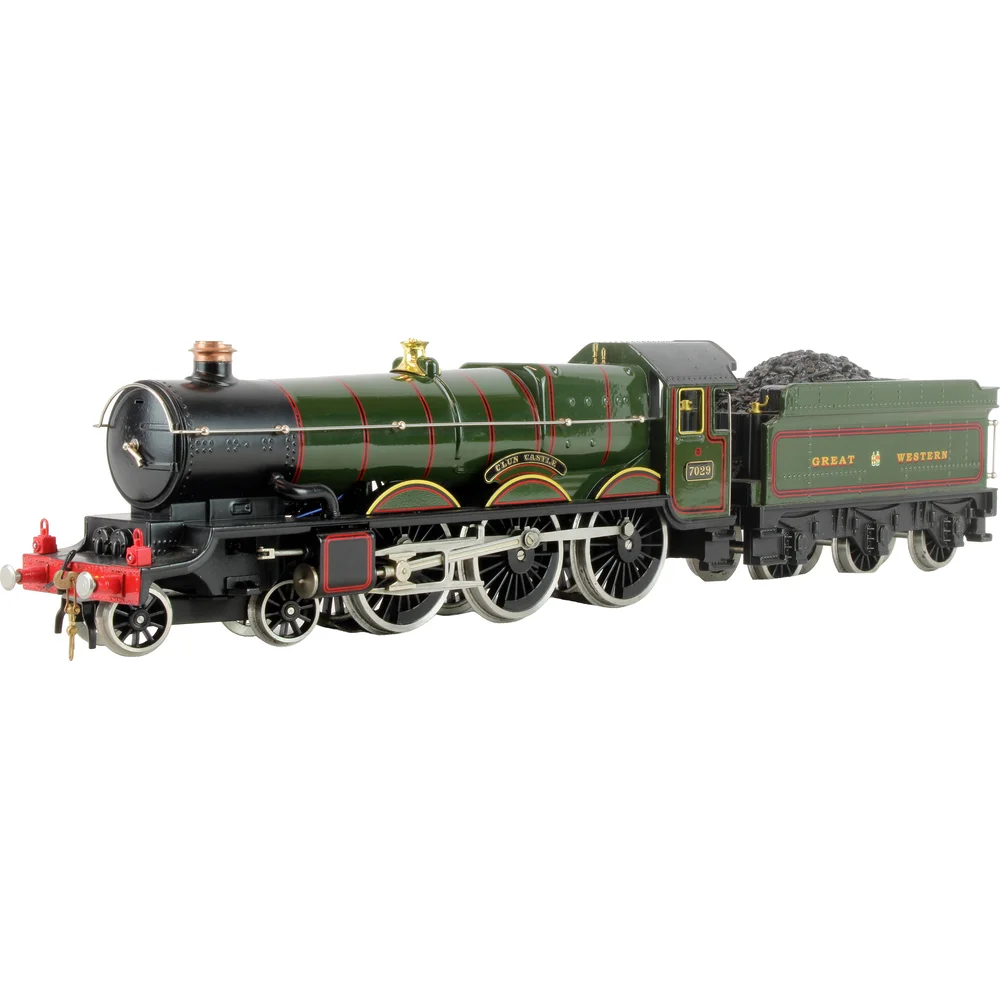
BR 7029
Clun Castle
Swindon • May 1950 – December 1965
Great Western Railway British Railways 15.6 yrs
BR 7030
Cranbrook Castle
Swindon • June 1950 – February 1963
Great Western Railway British Railways 12.7 yrs
BR 7031
Cromwell's Castle
Swindon • June 1950 – July 1963
Great Western Railway British Railways 13.1 yrs
BR 7032
Denbigh Castle
Swindon • June 1950 – September 1964
Great Western Railway British Railways 14.3 yrs
BR 7033
Hartlebury Castle
Swindon • July 1950 – January 1963
Great Western Railway British Railways 12.5 yrs
BR 7034
Ince Castle
Swindon • August 1950 – June 1965
Great Western Railway British Railways 14.8 yrs
BR 7035
Ogmore Castle
Swindon • August 1950 – June 1964
Great Western Railway British Railways 13.8 yrs
BR 7036
Taunton Castle
Swindon • August 1950 – September 1963
Great Western Railway British Railways 13.1 yrs
BR 7037
Swindon
Swindon • August 1950 – March 1963
Great Western Railway British Railways 12.6 yrs

Scale Models (136)

100 A1
Lloyds
E/7 100 A1 ACE Trains
Great Western Railway 4073 Class, Great Western Railway (Green)
O 2009 Era 3 Pristine Not compatible
4073
Caerphilly Castle
E/7 4073 ACE Trains
Great Western Railway 4073 Class, Great Western Railway (Green)
O 2008 Era 3 Pristine Not compatible
4079
Pendennis Castle
E/7 4079 ACE Trains
Great Western Railway 4073 Class, Great Western Railway (Green)
O 2008 Era 3 Pristine Not compatible
4081
Warwick Castle
E/7 4081 ACE Trains
Great Western Railway 4073 Class, Great Western Railway (Green)
O 2008 Era 3 Pristine Not compatible
4082
Windsor Castle
E/7 4082 ACE Trains
Great Western Railway 4073 Class, Great Western Railway (Green)
O 2008 Era 3 Pristine Not compatible
4095
Harlech Castle
E/7 4095 ACE Trains
Great Western Railway 4073 Class, Great Western Railway (Green)
O 2009 Era 3 Pristine Not compatible
4096
Highclere Castle
E/7 4096 ACE Trains
Great Western Railway 4073 Class, Great Western Railway (Green)
O 2009 Era 3 Pristine Not compatible
5000
Launceston Castle
E/7 5000 ACE Trains
Great Western Railway 4073 Class, Great Western Railway (Green)
O 2008 Era 3 Pristine Not compatible Special
5001
Llandovery Castle
E/7 5001 ACE Trains
Great Western Railway 4073 Class, Great Western Railway (Green)
O 2008 Era 3 Pristine Not compatible Special
5002
Ludlow Castle
E/7 5002 ACE Trains
Great Western Railway 4073 Class, Great Western Railway (Green)
O 2008 Era 3 Pristine Not compatible
5009
Shrewsbury Castle
E/7 5009 ACE Trains
Great Western Railway 4073 Class, Great Western Railway (Green)
O 2008 Era 3 Pristine Not compatible
5011
Tintagel Castle
E/7 5011 ACE Trains
Great Western Railway 4073 Class, Great Western Railway (Green)
O 2008 Era 3 Pristine Not compatible
5013
Abergavenny Castle
E/7 5013 ACE Trains
Great Western Railway 4073 Class, Great Western Railway (Green)
O 2008 Era 3 Pristine Not compatible Special
5018
St. Mawes Castle
E/7 5018 ACE Trains
Great Western Railway 4073 Class, Great Western Railway (Green)
O 2008 Era 3 Pristine Not compatible
5069
Isambard Kingdom Brunel
E/7 5069 ACE Trains
Great Western Railway 4073 Class, Great Western Railway (Green)
O 2008 Era 3 Pristine Not compatible
5070
Sir Daniel Gooch
E/7 5070 ACE Trains
Great Western Railway 4073 Class, Great Western Railway (Green)
O 2008 Era 3 Pristine Not compatible Special
5071
Spitfire
E/7 5071 ACE Trains
Great Western Railway 4073 Class, Great Western Railway (Green)
O 2011 Era 3 Pristine Not compatible
5072
Hurricane
E/7 5072 ACE Trains
Great Western Railway 4073 Class, Great Western Railway (Green)
O 2008 Era 3 Pristine Not compatible
5079
Lydander
E/7 5079 ACE Trains
Great Western Railway 4073 Class, Great Western Railway (Green)
O 2011 Era 3 Pristine Not compatible
5080
Defiant
E/7 5080 ACE Trains
Great Western Railway 4073 Class, Great Western Railway (Green - Shirtbutton)
O 2011 Era 3 Pristine Not compatible
7007
Great Western
E/7 7007 ACE Trains
Great Western Railway 4073 Class, Great Western Railway (Green)
O 2009 Era 3 Pristine Not compatible
7013
Bristol Castle
E/7 7013 ACE Trains
Great Western Railway 4073 Class, Great Western Railway (Green)
O Era 3 Pristine Not compatible
7023
Penrice Castle
E/7 7023 ACE Trains
Great Western Railway 4073 Class, Great Western Railway (Green)
O 2009 Era 3 Pristine Not compatible
7029
Clun Castle
E/7 7029 ACE Trains
Great Western Railway 4073 Class, Great Western Railway (Green)
O 2008 Era 3 Pristine Not compatible
7029
Great Western
E/7 7029 ACE Trains
Great Western Railway 4073 Class, Great Western Railway (Green)
O 2008 Era 3 Pristine Not compatible Special
4073
Caerphilly Castle
54124 Airfix
Great Western Railway 4073 Class, Great Western Railway (Green)
OO 1979-1981 Era 3 Pristine Not compatible
4079
Pendennis Castle
54125 Airfix
Great Western Railway 4073 Class, British Railways (Green)
OO 1979-1981 Era 4 Pristine Not compatible
4078
Pembroke Castle
54124 Dapol
Great Western Railway 4073 Class, Great Western Railway (Green)
OO 1983 Era 3 Pristine Not compatible
4080
Powderham Castle
54124 Dapol
Great Western Railway 4073 Class, Great Western Railway (Green)
OO 1983 Era 3 Pristine Not compatible
4080
Powderham Castle
54125 Dapol
Great Western Railway 4073 Class, British Railways (Green)
OO 1983 Era 4 Pristine Not compatible
4078
Pembroke Castle
54125 Dapol
Great Western Railway 4073 Class, British Railways (Green)
OO 1983 Era 4 Pristine Not compatible
5090
Isambard Kingtom Brunel
D107 Dapol
Great Western Railway 4073 Class, Great Western Railway (Green)
OO Era 3 Pristine Not compatible Not made
4079
Pendennis Castle
D29 Dapol
Great Western Railway 4073 Class, British Railways (Green)
OO 1985 Era 4 Pristine Not compatible
4073
Caerphilly Castle
D30 Dapol
Great Western Railway 4073 Class, Great Western Railway (Green)
OO 1983 Era 3 Pristine Not compatible
4090
Dorchester Castle
D5 Dapol
Great Western Railway 4073 Class, British Railways (Green)
OO 1985 Era 4 Pristine Not compatible
5090
Neath Abbey
D6 Dapol
Great Western Railway 4073 Class, Great Western Railway (Green)
OO 1985 Era 3 Pristine Not compatible
7004
Eastnor Castle
370-150 Graham Farish
Great Western Railway 4073 Class, British Railways (Lined Green with Late Crest)
N Era 5 Pristine Not compatible
5080
Defiant
370-160 Graham Farish
Great Western Railway 4073 Class, Great Western Railway (Lined Green with Crest)
N 2018 Era 8 Pristine Sound on Board
7033
Hartlebury Castle
372-025 Graham Farish
Great Western Railway 4073 Class, British Railways (Lined Green with Early Emblem)
N 2005 Era 4 Pristine Not compatible
4080
Powderham Castle
372-026 Graham Farish
Great Western Railway 4073 Class, British Railways (Lined Green with Late Crest)
N 2005 Era 5 Pristine Not compatible
5044
Earl of Dunraven
372-030 Graham Farish
Great Western Railway 4073 Class, Great Western Railway (Lined Green with Shirtbutton)
N 2013 Era 3 Pristine Ready (6 pin)
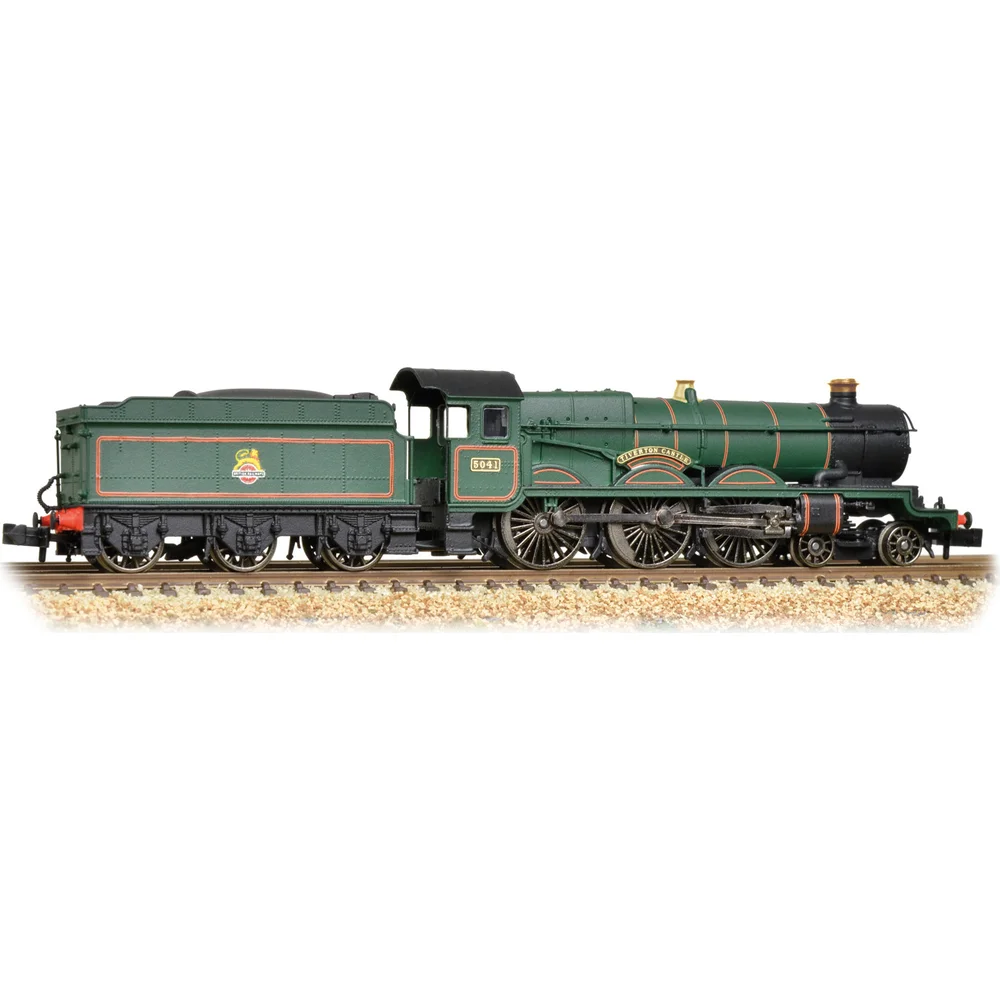
5041
Tiverton Castle
372-031 Graham Farish
Great Western Railway 4073 Class, British Railways (Lined Green with Early Emblem)
N 2013 Era 4 Pristine Ready (6 pin)
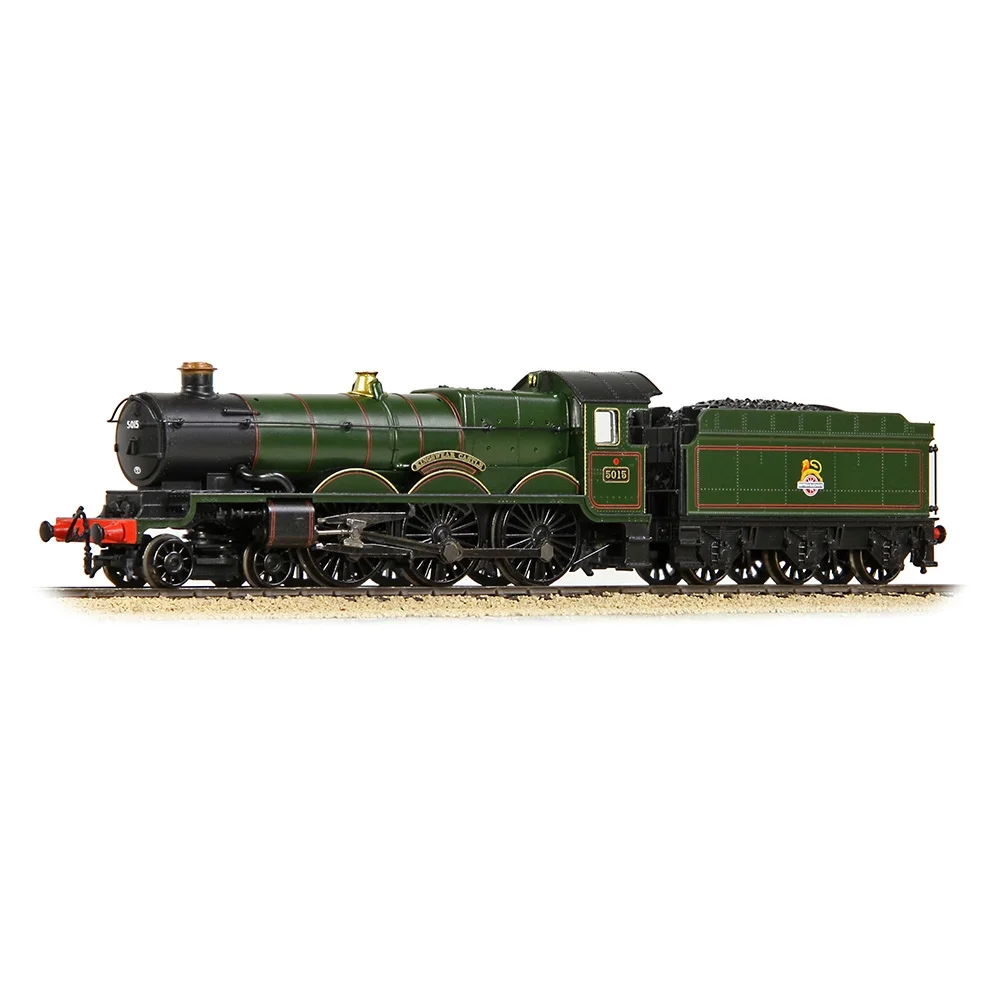
5015
Kingswear Castle
372-031A Graham Farish
Great Western Railway 4073 Class, British Railways (Lined Green with Early Emblem)
N 2025 Era 4 Pristine Ready (Next18)
5015
Kingswear Castle
372-031ASF Graham Farish
Great Western Railway 4073 Class, British Railways (Lined Green with Early Emblem)
N 2025 Era 4 Pristine Sound on Board
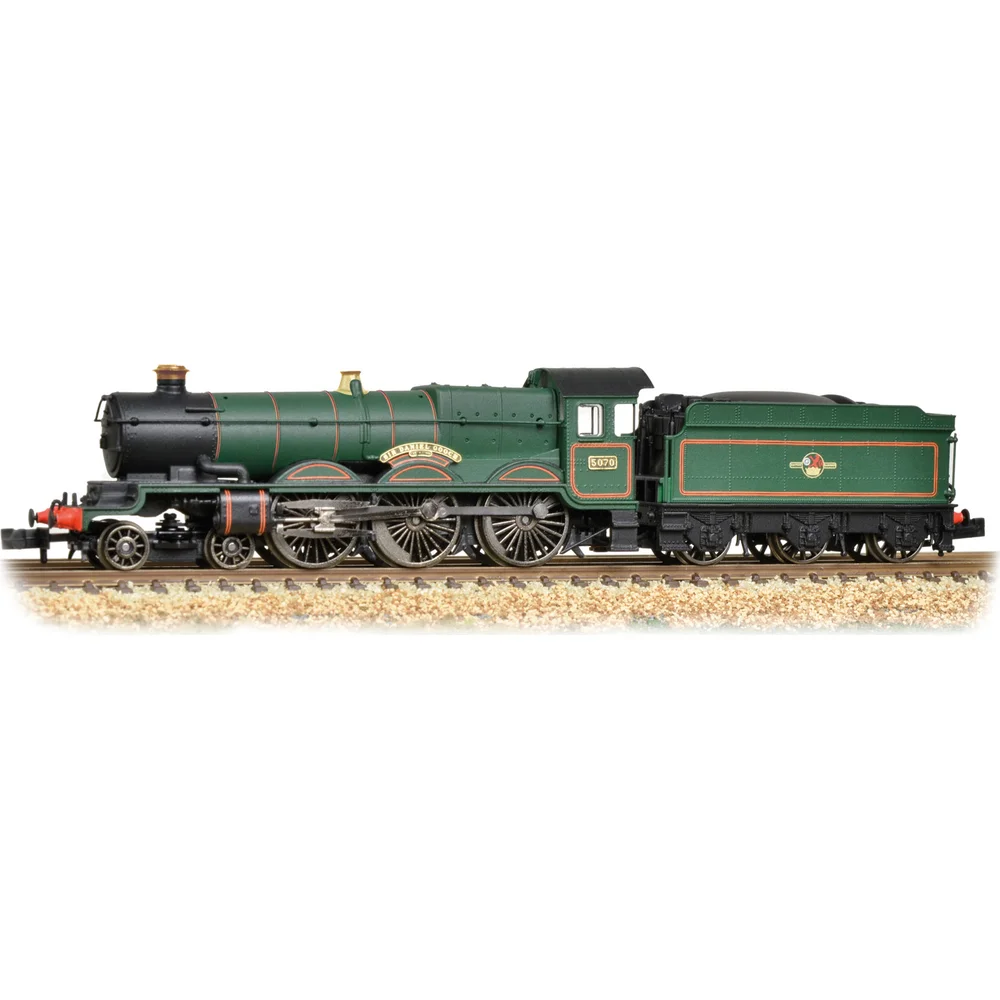
5070
Sir Daniel Gooch
372-032 Graham Farish
Great Western Railway 4073 Class, British Railways (Lined Green with Late Crest)
N 2013 Era 5 Pristine Ready (6 pin)
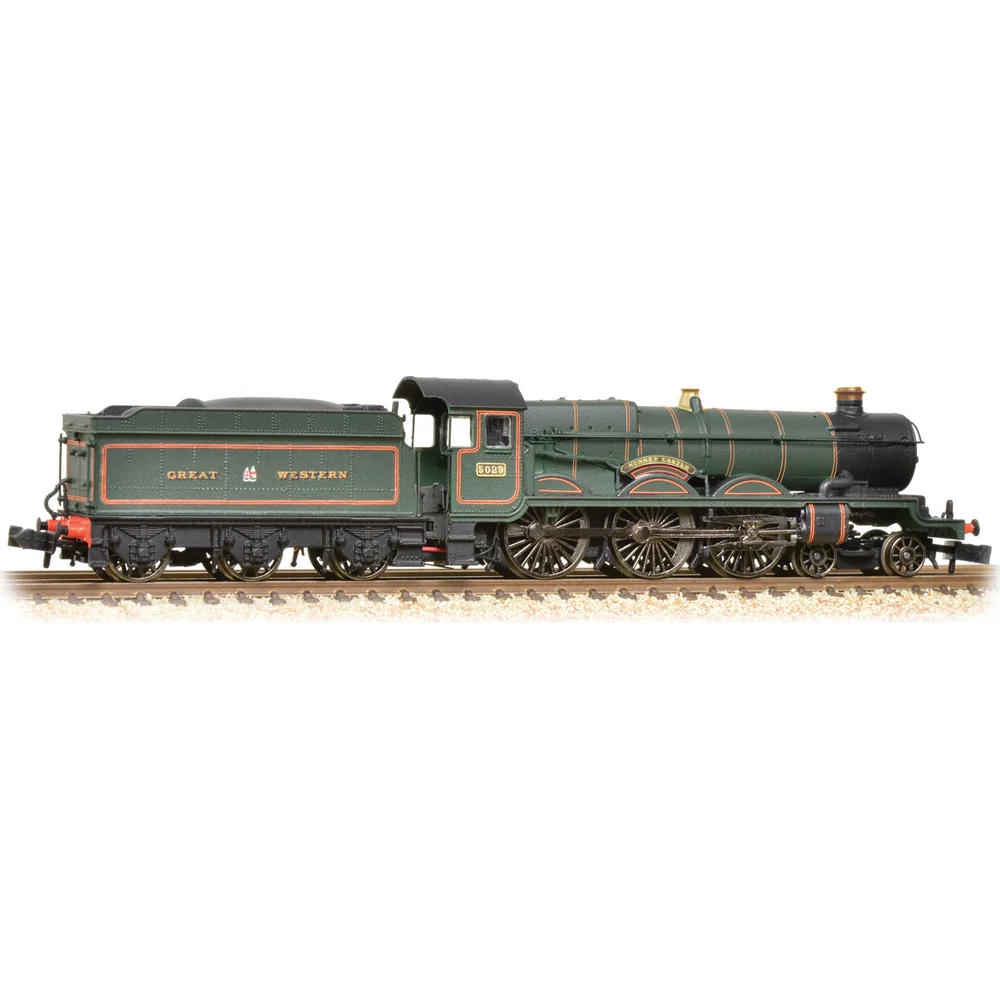
5029
Nunney Castle
372-033DS Graham Farish
Great Western Railway 4073 Class, Great Western Railway (Lined Green with Crest)
N 2016 Era 9 Pristine Sound on Board
5055
Earl of Eldon
372-034 Graham Farish
Great Western Railway 4073 Class, Great Western Railway (Lined Green with Crest)
N 2025 Era 3 Pristine Ready (Next18)
5055
Earl of Eldon
372-034SF Graham Farish
Great Western Railway 4073 Class, Great Western Railway (Lined Green with Crest)
N 2025 Era 3 Pristine Sound on Board
4082
Windsor Castle
372-035 Graham Farish
Great Western Railway 4073 Class, Great Western Railway (Lined Green with Shirtbutton)
N 2025 Era 3 Pristine Ready (Next18)
4082
Windsor Castle
372-035SF Graham Farish
Great Western Railway 4073 Class, Great Western Railway (Lined Green with Shirtbutton)
N 2025 Era 3 Pristine Sound on Board
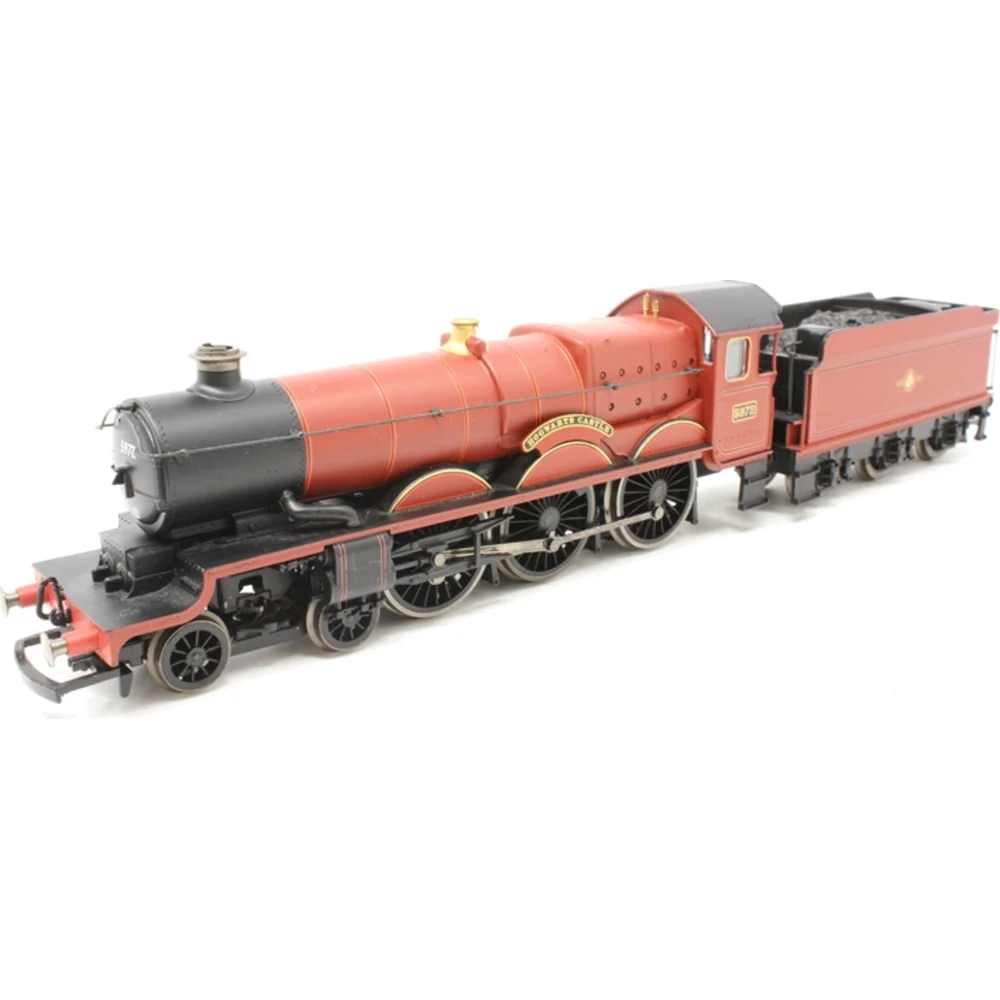
5972
Hogwarts Castle
R1025 Hornby
Great Western Railway 4073 Class, Hogwarts Express (Maroon)
OO 2002 Era 11 Pristine Not compatible
5972
Hogwarts Castle
R1033 Hornby
Great Western Railway 4073 Class, Hogwarts Express (Maroon)
OO 2003 Era 11 Pristine Not compatible
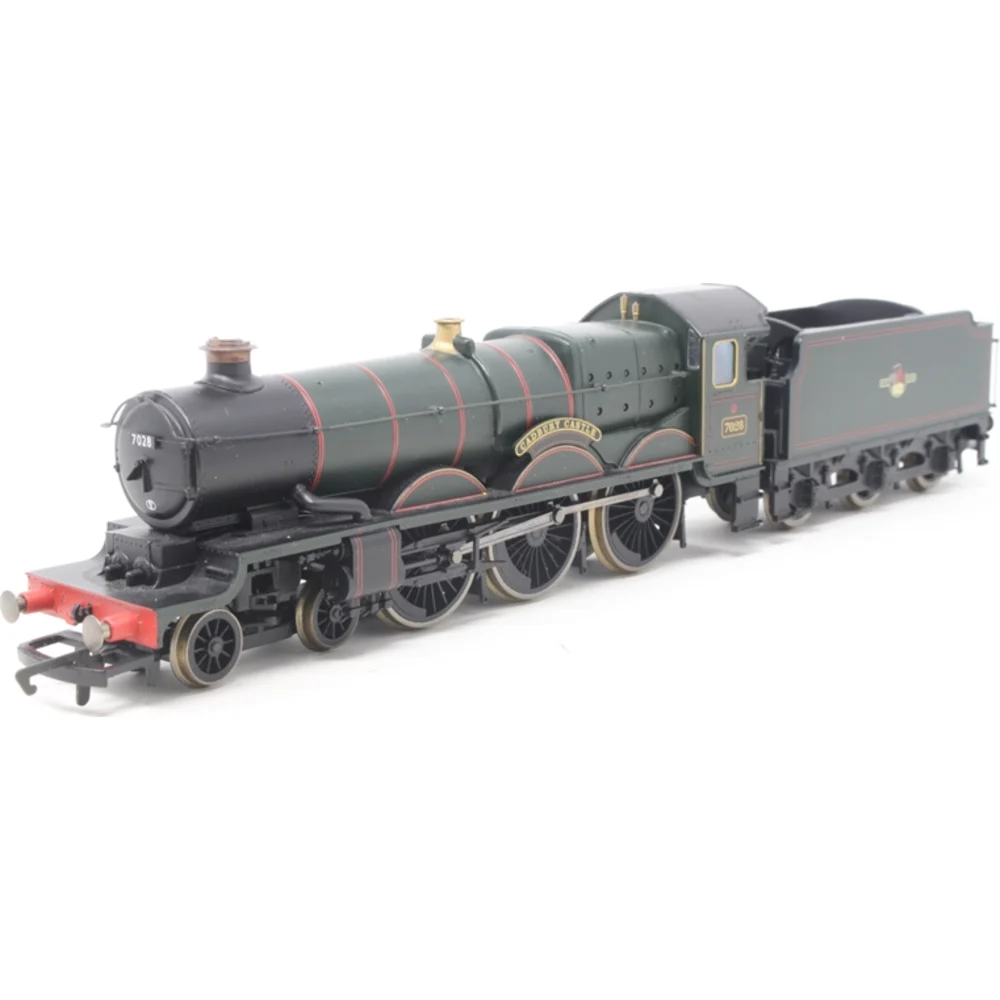
7028
Cadbury Castle
R1048 Hornby
Great Western Railway 4073 Class, British Railways (Green)
OO 2004 Era 5 Pristine Not compatible
5972
Hogwarts Castle
R1053 Hornby
Great Western Railway 4073 Class, Hogwarts Express (Maroon)
OO 2004 Era 11 Pristine Not compatible
5972
Hogwarts Castle
R1067 Hornby
Great Western Railway 4073 Class, Hogwarts Express (Maroon)
OO 2005 Era 11 Pristine Not compatible
4082
Windsor Castle
R1077 Hornby
Great Western Railway 4073 Class, Great Western Railway (Lined Green)
OO 2006 Era 3 Pristine Ready (8 pin)
5021
Whittington Castle
R1077A Hornby
Great Western Railway 4073 Class, Great Western Railway (Green)
OO 2008 Era 3 Pristine Ready (8 pin)
5972
Hogwarts Castle
R1095 Hornby
Great Western Railway 4073 Class, Hogwarts Express (Maroon)
OO 2007 Era 11 Pristine Not compatible
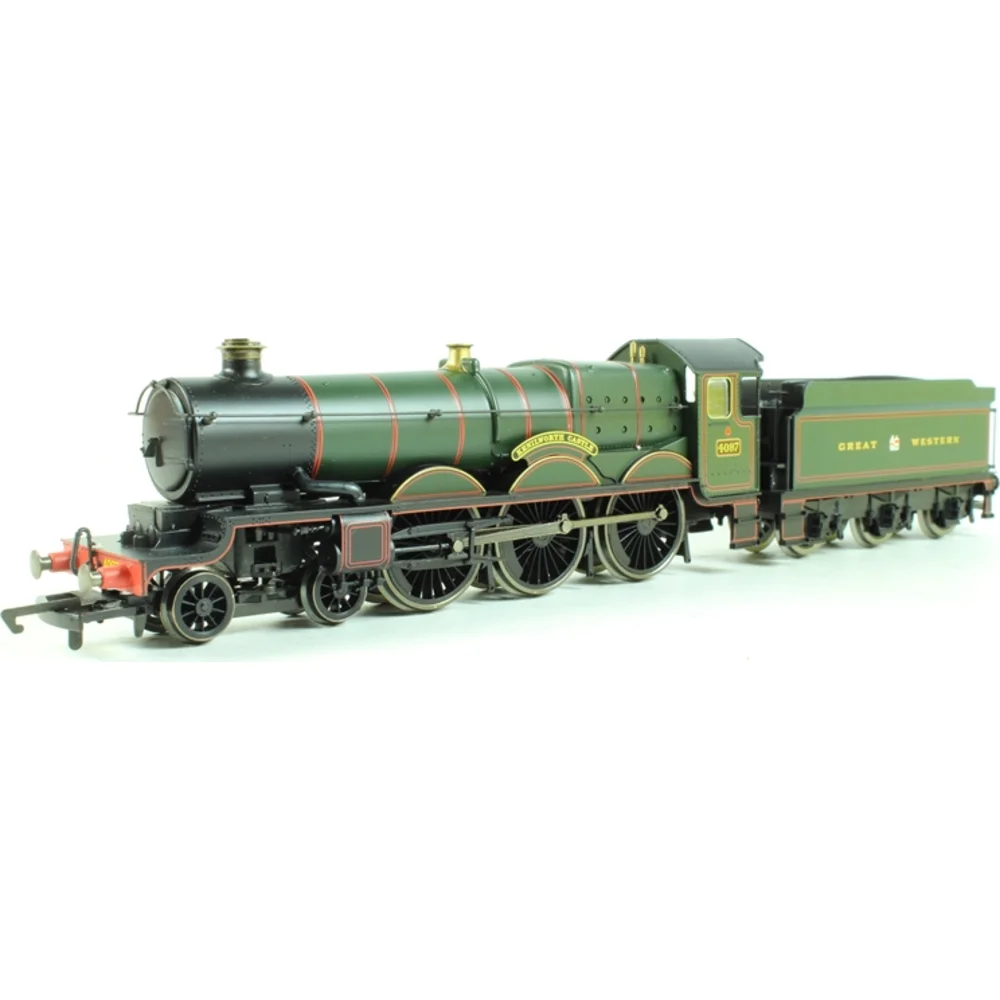
4087
Cardigan Castle
R1102 Hornby
Great Western Railway 4073 Class, Great Western Railway (Green - Shirtbutton)
OO 2008 Era 3 Pristine Not compatible
5028
Llantilio Castle
R1124 Hornby
Great Western Railway 4073 Class, Great Western Railway (Lined Green)
OO 2009 Era 3 Pristine Not compatible
5972
Hogwarts Castle
R1128 Hornby
Great Western Railway 4073 Class, Hogwarts Express (Maroon)
OO 2009 Era 11 Pristine Not compatible
4097
Kenilworth Castle
R1160 Hornby
Great Western Railway 4073 Class, Great Western Railway (Lined Green)
OO 2011 Era 3 Pristine On Board
5042
Winchester Castle
R2024 Hornby
Great Western Railway 4073 Class, British Railways (Green)
OO 1997 Era 4 Pristine Not compatible
5053
Earl Cairns
R2086 Hornby
Great Western Railway 4073 Class, British Railways (Green)
OO 1999 Era 4 Pristine Not compatible
5097
Sarum Castle
R2088 Hornby
Great Western Railway 4073 Class, British Railways (Green)
OO 1998 Era 4 Pristine Not compatible Special
5004
Llanstephan Castle
R2090 Hornby
Great Western Railway 4073 Class, British Railways (Green)
OO 1999 Era 4 Pristine Not compatible Special
7025
Sudeley Castle
R2133M Hornby
Great Western Railway 4073 Class, British Railways (Green)
OO 1999 Era 4 Pristine Not compatible Special
5069
Isambard Kingdom Brunel
R2141 Hornby
Great Western Railway 4073 Class, British Railways (Green)
OO 1999 Era 4 Pristine Not compatible
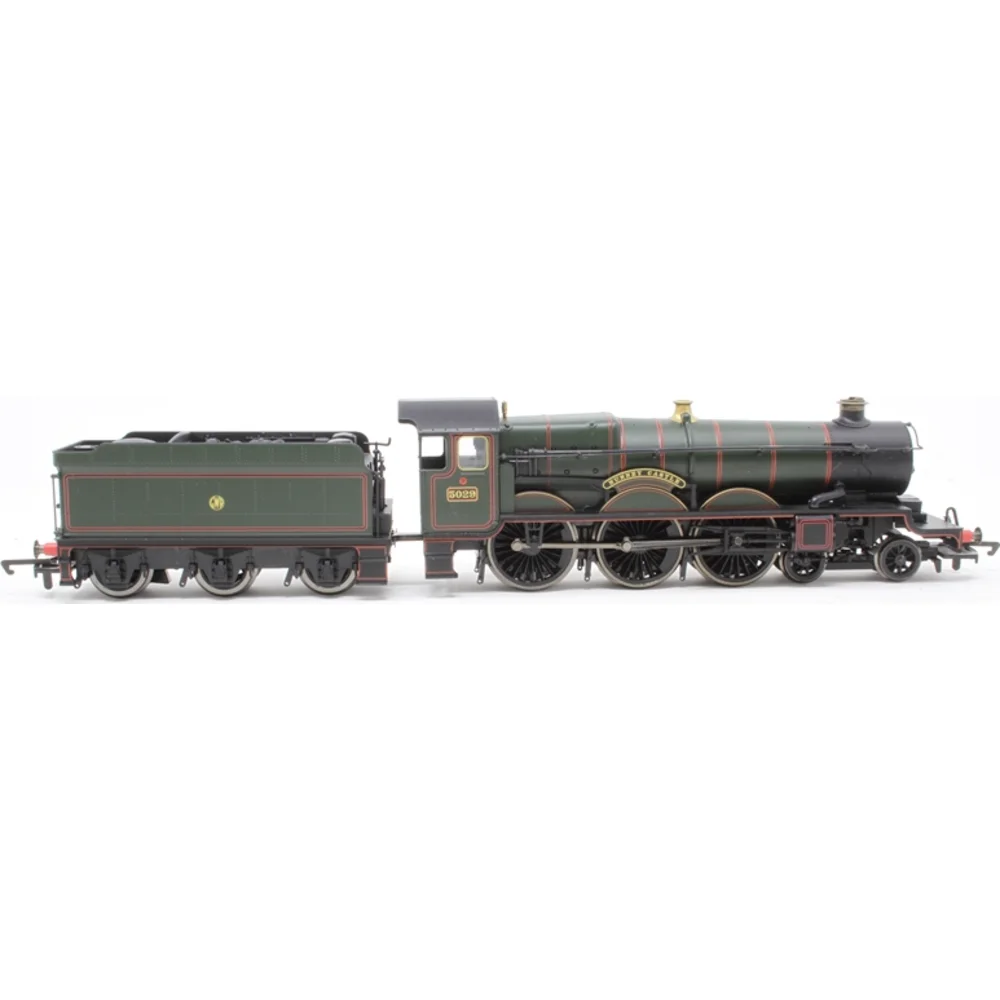
5029
Nunney Castle
R2196 Hornby
Great Western Railway 4073 Class, Great Western Railway (Green with Monogram)
OO Era 3 Pristine Not compatible
5029
Nunney Castle
R2196M Hornby
Great Western Railway 4073 Class, Great Western Railway (Green - Shirtbutton)
OO 2001 Era 3 Pristine Not compatible Special
4097
Kenilworth Castle
R2232 Hornby
Great Western Railway 4073 Class, Great Western Railway (Lined Green)
OO 2001 Era 3 Pristine Not compatible
5073
Blenheim
R2280 Hornby
Great Western Railway 4073 Class, British Railways (Green)
OO 2002 Era 5 Pristine Not compatible
5972
Hogwarts Castle
R2284 Hornby
Great Western Railway 4073 Class, Hogwarts Express (Maroon)
OO 2002 Era 11 Pristine Not compatible
5972
Hogwarts Castle
R2301 Hornby
Great Western Railway 4073 Class, Hogwarts Express (Maroon)
OO 2001 Era 11 Pristine Not compatible
4093
Dunster Castle
R2317 Hornby
Great Western Railway 4073 Class, Great Western Railway (Lined Green)
OO 2003 Era 3 Pristine Not compatible
5071
Spitfire
R2318 Hornby
Great Western Railway 4073 Class, British Railways (Green)
OO 2003 Era 5 Pristine Not compatible
5972
Hogwarts Castle
R2337 Hornby
Great Western Railway 4073 Class, Hogwarts Express (Maroon)
OO 2003 Era 11 Pristine Not compatible
5038
Morlais Castle
R2364M Hornby
Great Western Railway 4073 Class, British Railways (Green)
OO 2003 Era 4 Pristine Not compatible Special
5020
Trematon Castle
R2372M Hornby
Great Western Railway 4073 Class, British Railways (Green)
OO 2003 Era 5 Pristine Not compatible
5972
Hogwarts Castle
R2378 Hornby
Great Western Railway 4073 Class, Hogwarts Express (Maroon)
OO 2004 Era 11 Pristine Not compatible
4086
Builth Castle
R2389 Hornby
Great Western Railway 4073 Class, Great Western Railway (Lined Green)
OO 2004 Era 3 Pristine Not compatible
5074
Hampden
R2424 Hornby
Great Western Railway 4073 Class, British Railways (Green)
OO 2004 Era 5 Pristine Not compatible
7005
Sir Edward Elgar
R2432 Hornby
Great Western Railway 4073 Class, British Railways (Green)
OO 2004 Era 5 Pristine Not compatible Special
4079
Pendennis Castle
R2455 Hornby
Great Western Railway 4073 Class, British Railways (Lined Green with Early Emblem)
OO 2005 Era 4 Pristine Ready (8 pin)
5075
Wellington
R2459 Hornby
Great Western Railway 4073 Class, Great Western Railway (Green - Shirtbutton)
OO 2005 Era 3 Pristine Ready (8 pin)
5972
Hogwarts Castle
R2491 Hornby
Great Western Railway 4073 Class, Hogwarts Express (Maroon)
OO 2005 Era 11 Pristine Not compatible
7036
Taunton Castle
R2498 Hornby
Great Western Railway 4073 Class, British Railways (Green with Early Emblem)
OO 2005 Era 4 Weathered Ready (8 pin) Special
4081
Warwick Castle
R2543 Hornby
Great Western Railway 4073 Class, British Railways (Lined Green with Early Emblem)
OO 2006 Era 4 Pristine Ready (8 pin)
5077
Fairy Battle
R2551 Hornby
Great Western Railway 4073 Class, British Railways (Lined Green with Early Emblem)
OO 2006 Era 4 Pristine Ready (8 pin)
5006
Tregenna Castle
R2600M Hornby
Great Western Railway 4073 Class, Great Western Railway (Lined Green)
OO 2008 Era 3 Pristine Ready (8 pin)
5972
Hogwarts Castle
R2662 Hornby
Great Western Railway 4073 Class, Hogwarts Express (Maroon)
OO 2007 Era 11 Pristine Ready (8 pin)
5006
Tregenna Castle
R2700 Hornby
Great Western Railway 4073 Class, British Railways (Green)
OO 2007 Era 5 Pristine Not compatible
7013
Bristol Castle
R2736 Hornby
Great Western Railway 4073 Class, British Railways (Lined Green with Late Crest)
OO 2008 Era 5 Pristine Ready (8 pin)
5007
Rougemont Castle
R2795M Hornby
Great Western Railway 4073 Class, British Railways (Green with Early Emblem)
OO 2008 Era 4 Pristine Ready (8 pin)
5053
Earl Cairns
R2822 Hornby
Great Western Railway 4073 Class, British Railways (Lined Green with Early Emblem)
OO 2009 Era 4 Pristine Ready (8 pin)
5011
Tintagel Castle
R2848 Hornby
Great Western Railway 4073 Class, Great Western Railway (Green)
OO 2009 Era 3 Pristine Ready (8 pin)
5011
Tintagel Castle
R2848X Hornby
Great Western Railway 4073 Class, Great Western Railway (Green)
OO 2009 Era 3 Pristine On Board
5068
Beverston Castle
R2849 Hornby
Great Western Railway 4073 Class, British Railways (Lined Green with Early Emblem)
OO 2009 Era 4 Pristine Ready (8 pin)
5068
Beverston Castle
R2849X Hornby
Great Western Railway 4073 Class, British Railways (Lined Green with Early Emblem)
OO 2009 Era 4 Pristine On Board
7034
Ince Castle
R2850 Hornby
Great Western Railway 4073 Class, British Railways (Green with Early Emblem)
OO 2009 Era 4 Pristine Ready (8 pin)
View all 136 models of this class