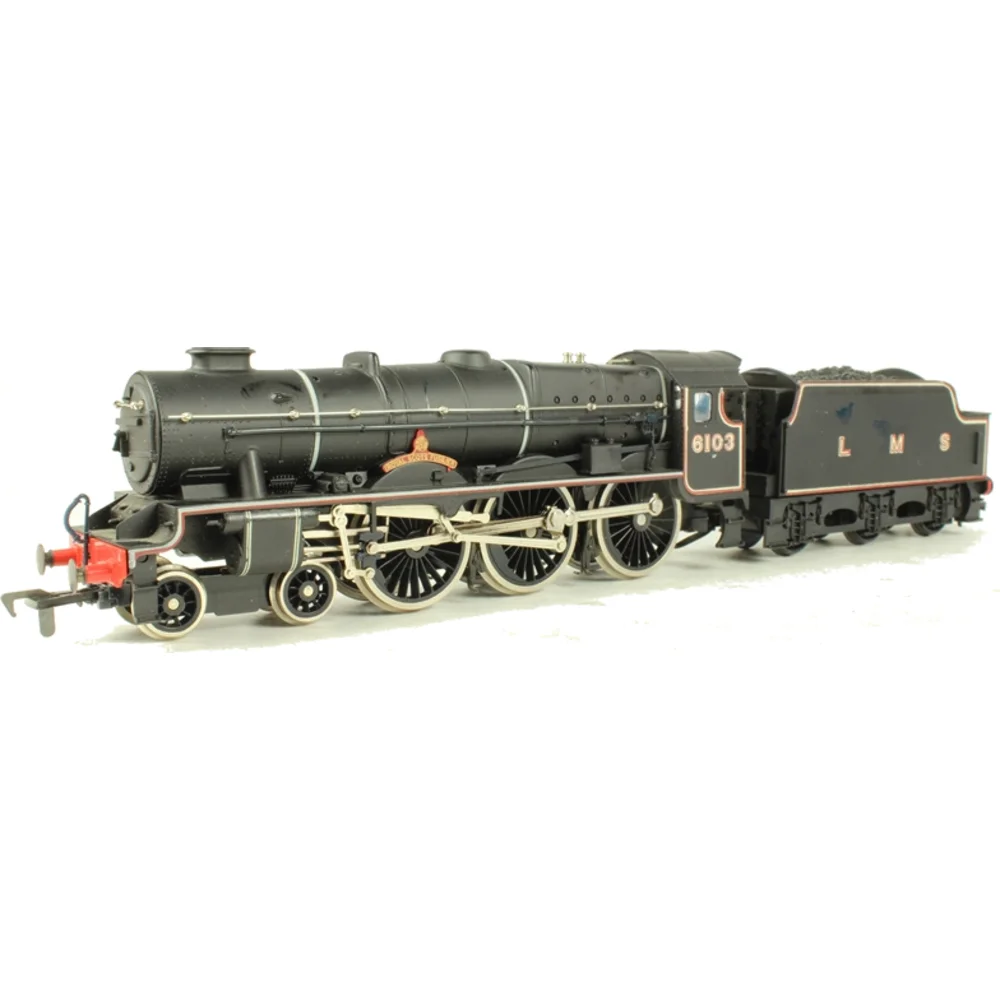
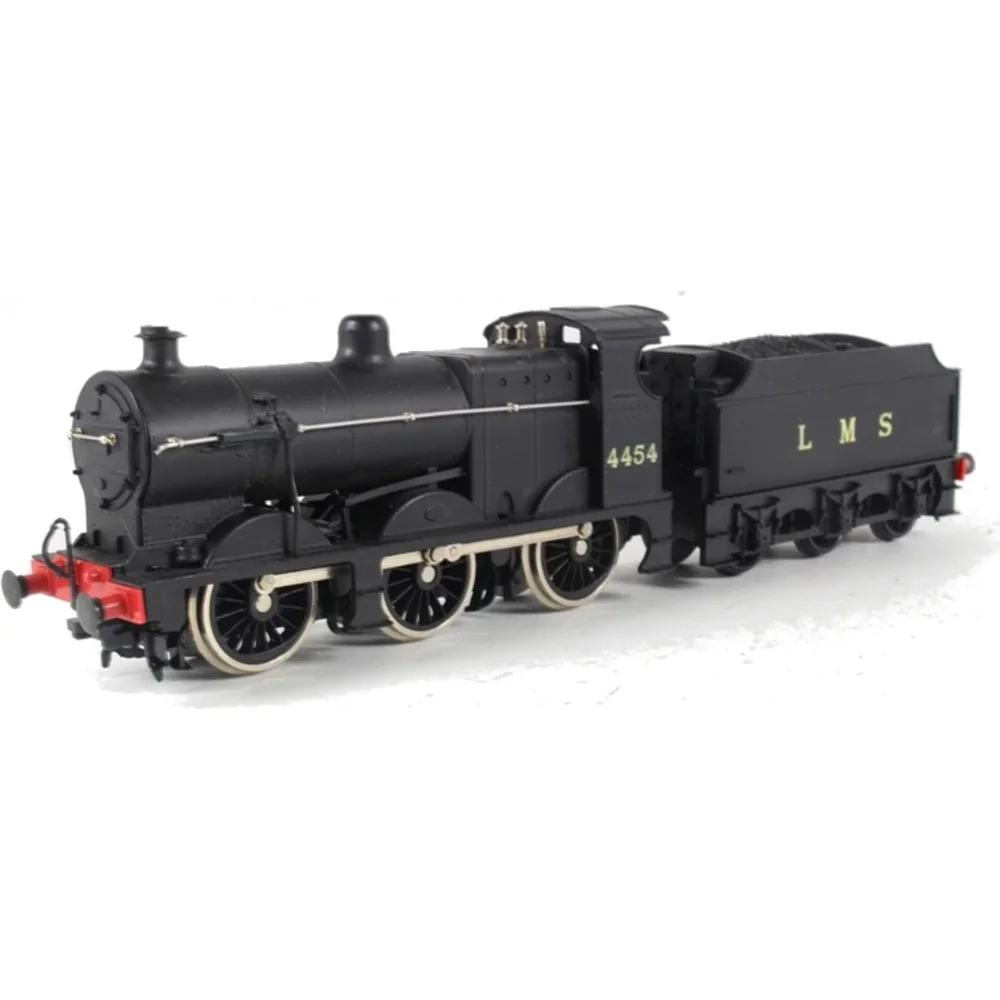
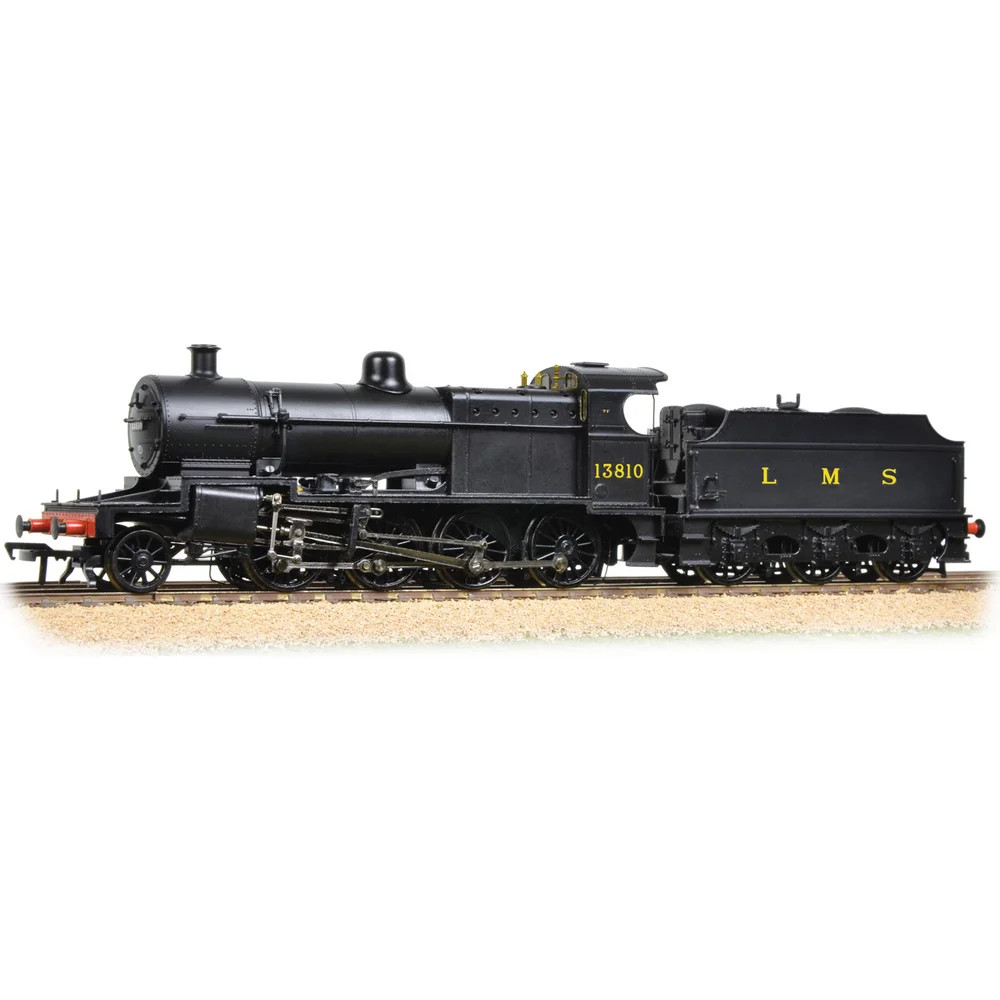
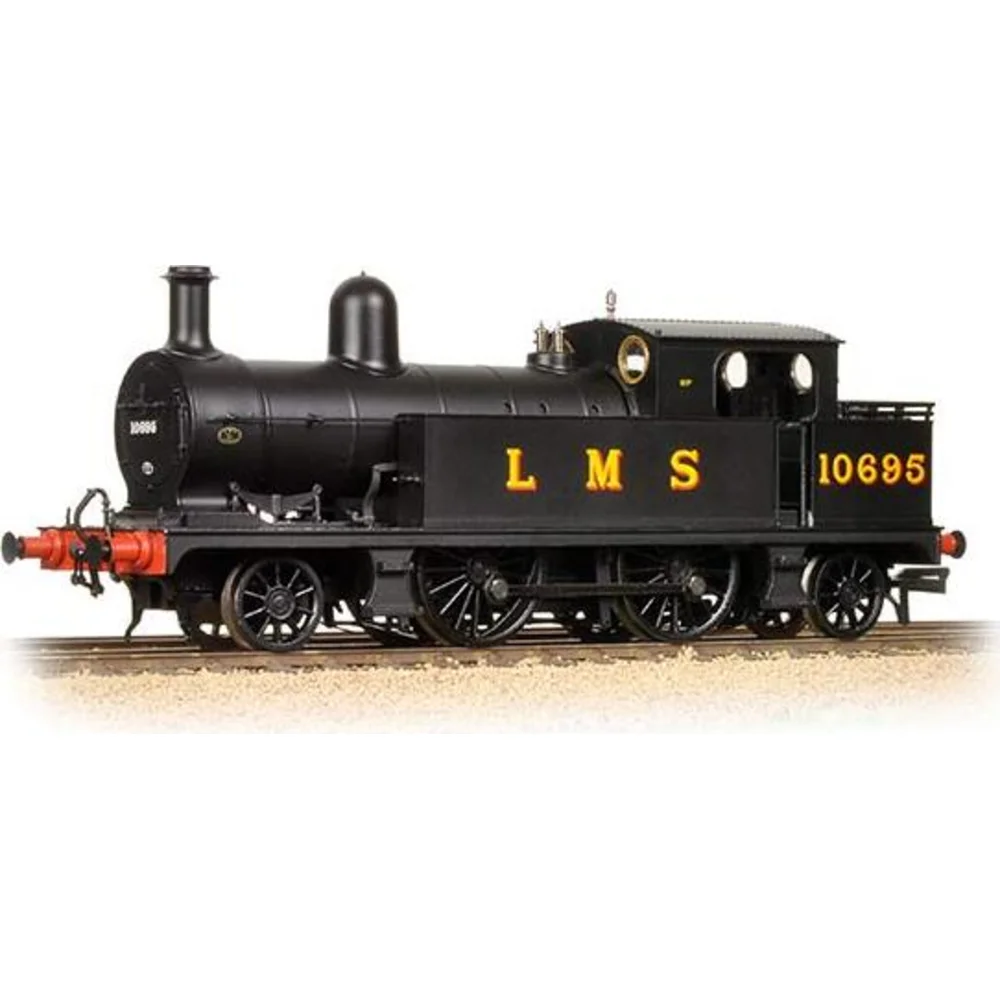
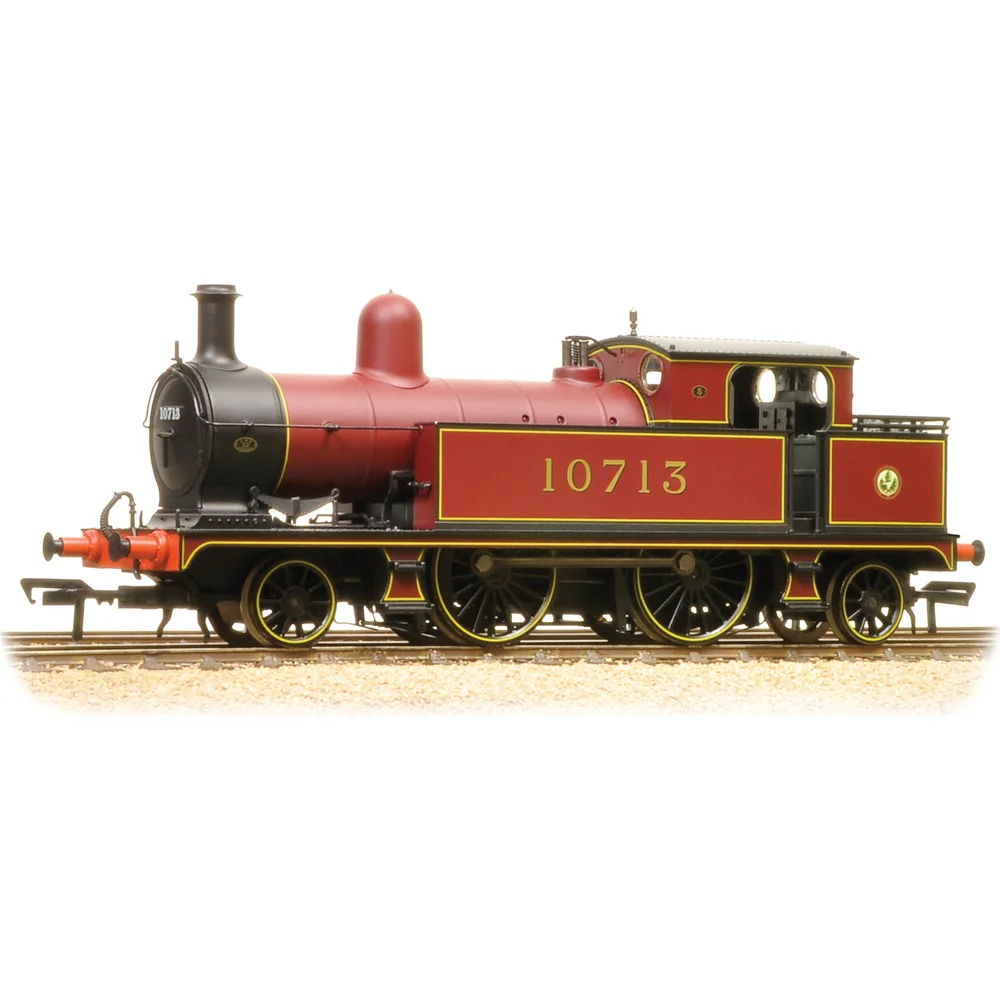
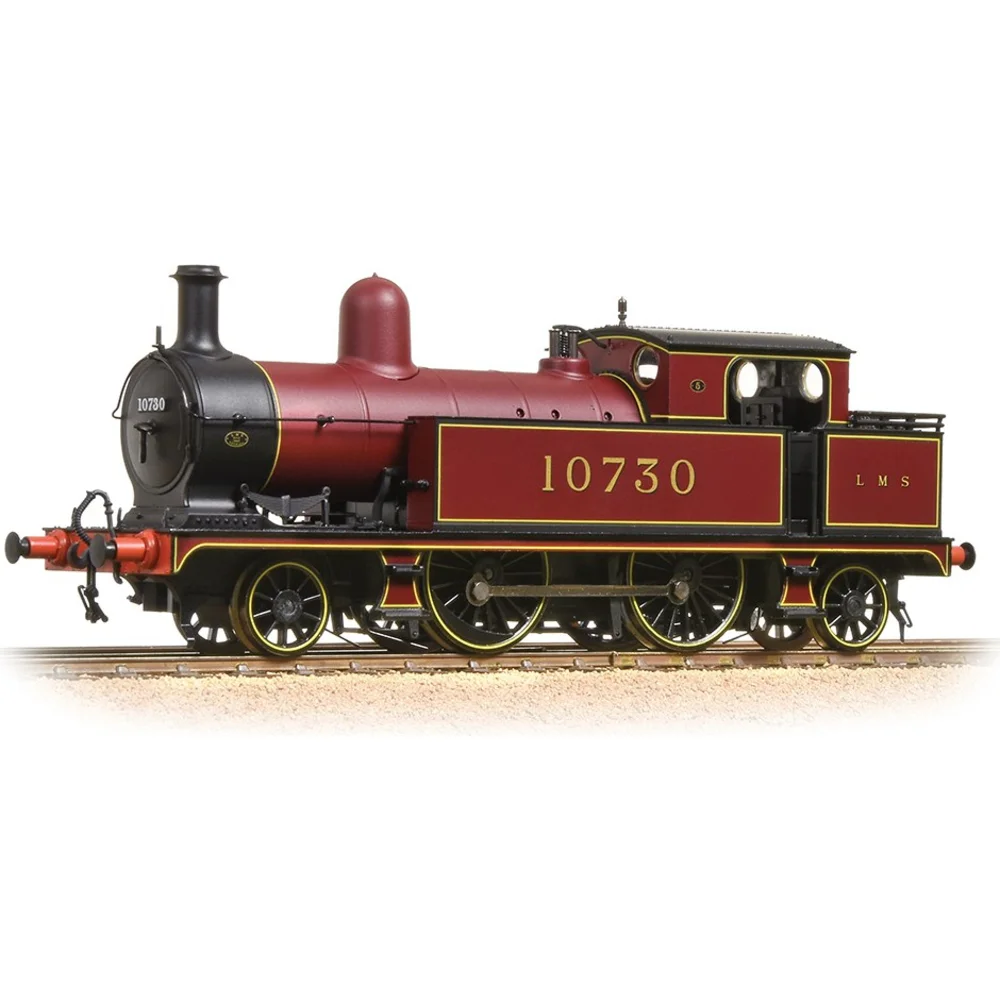
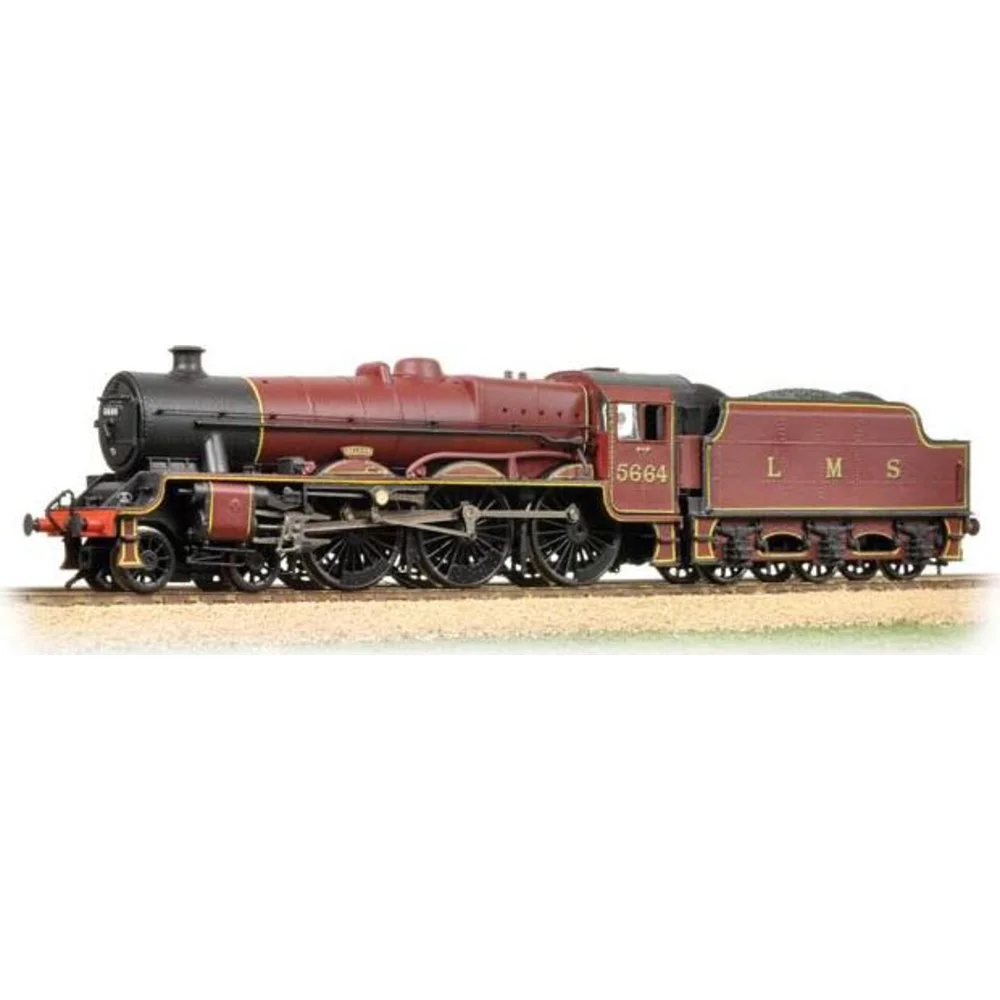
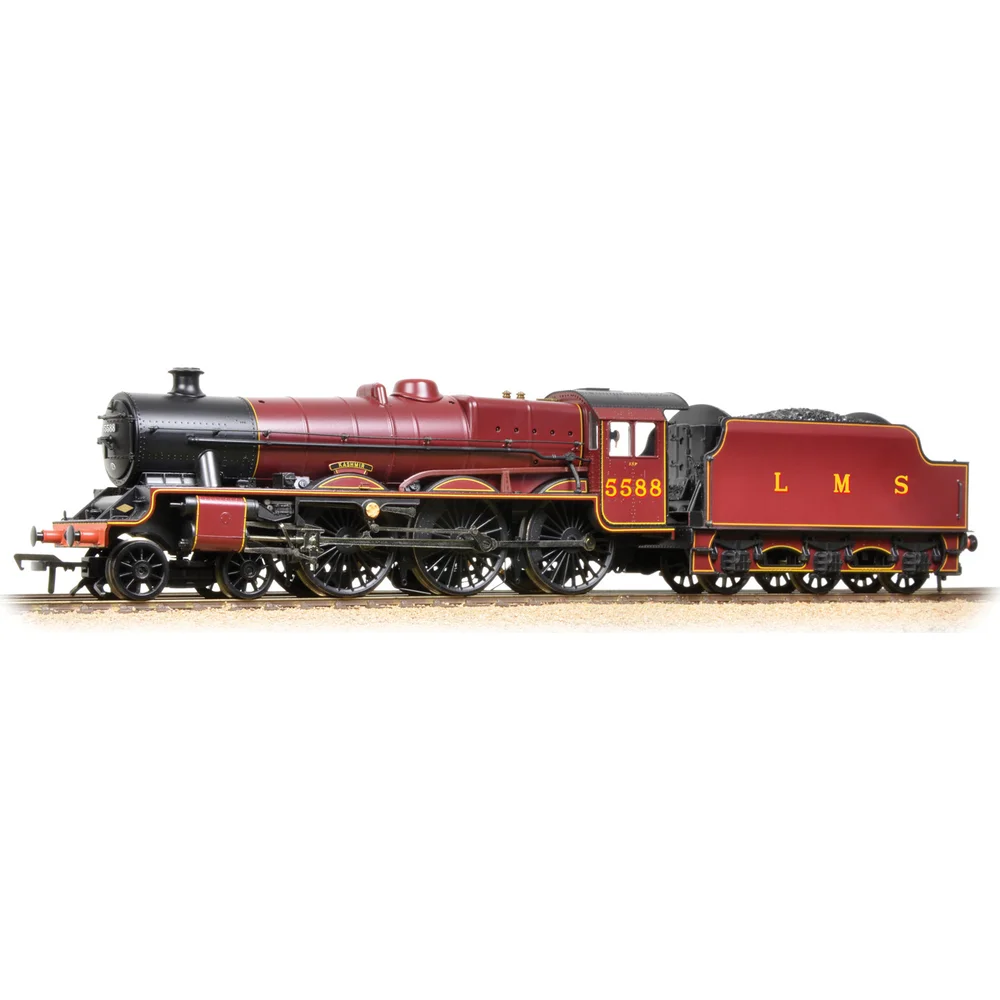
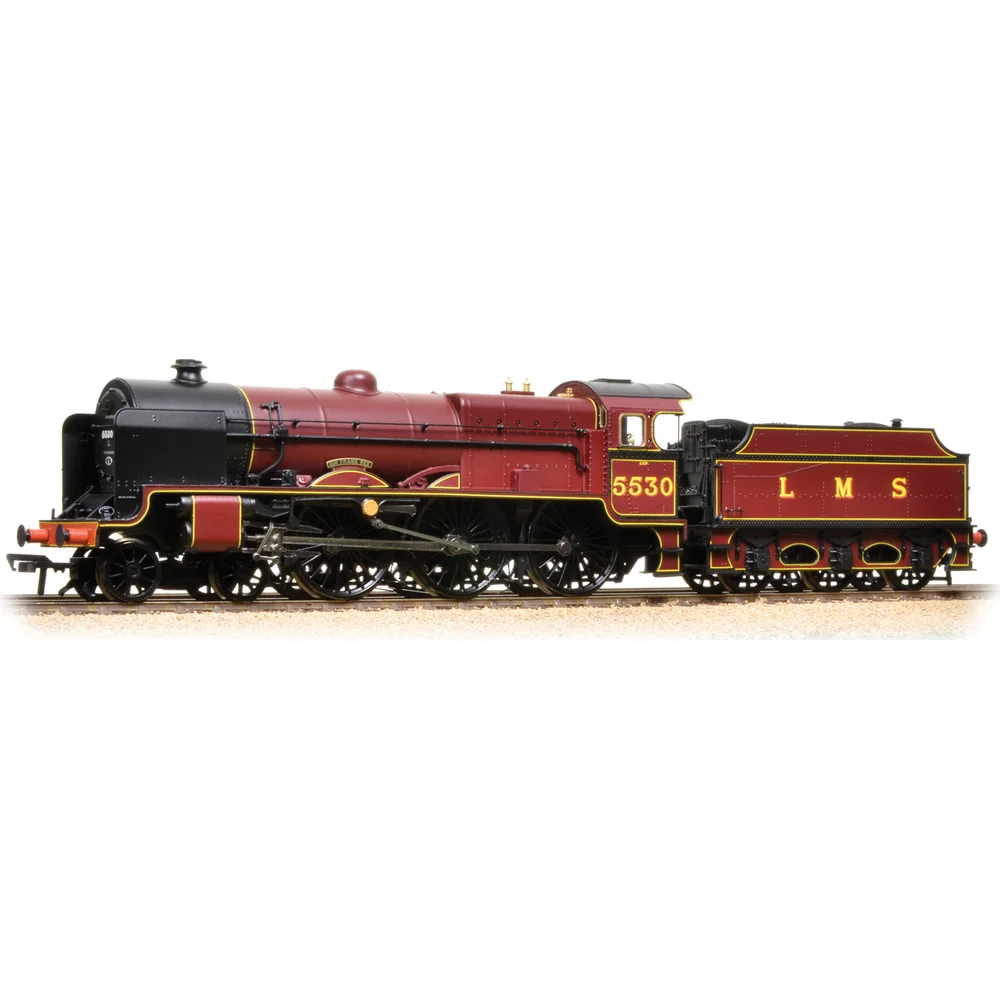
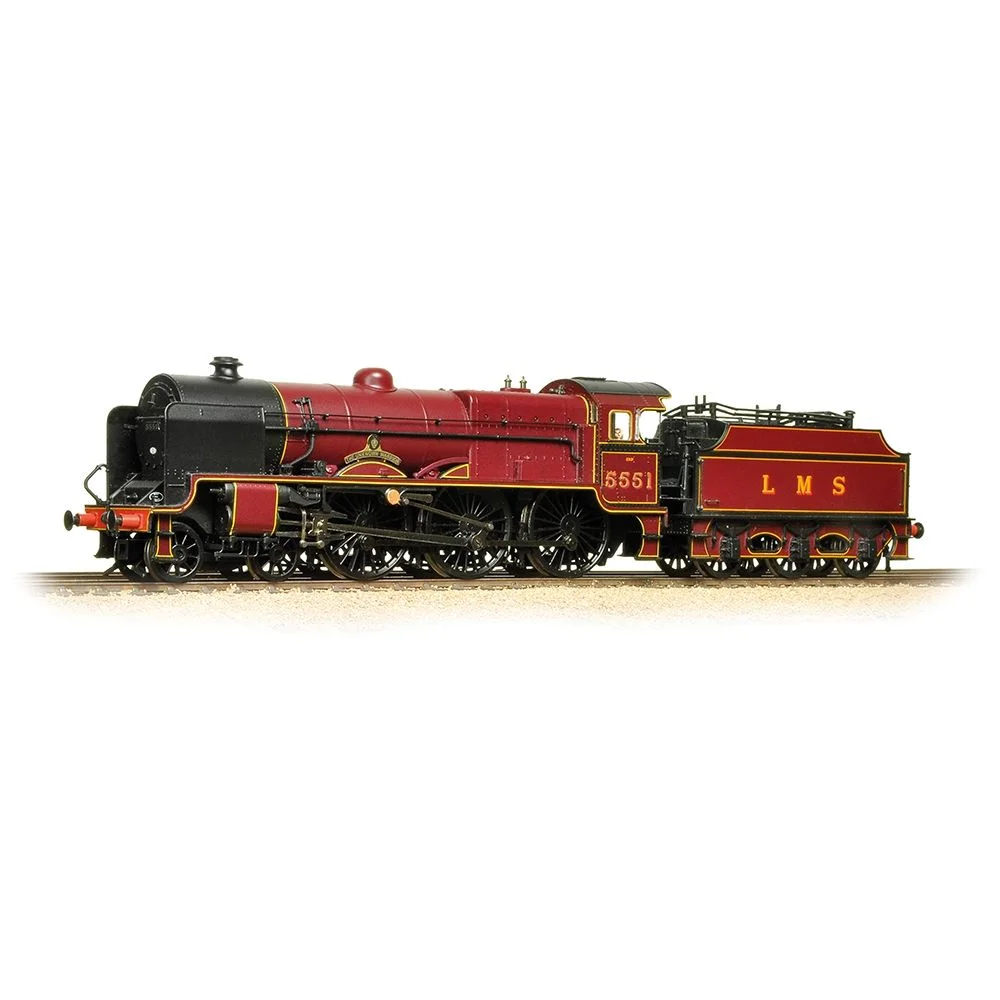
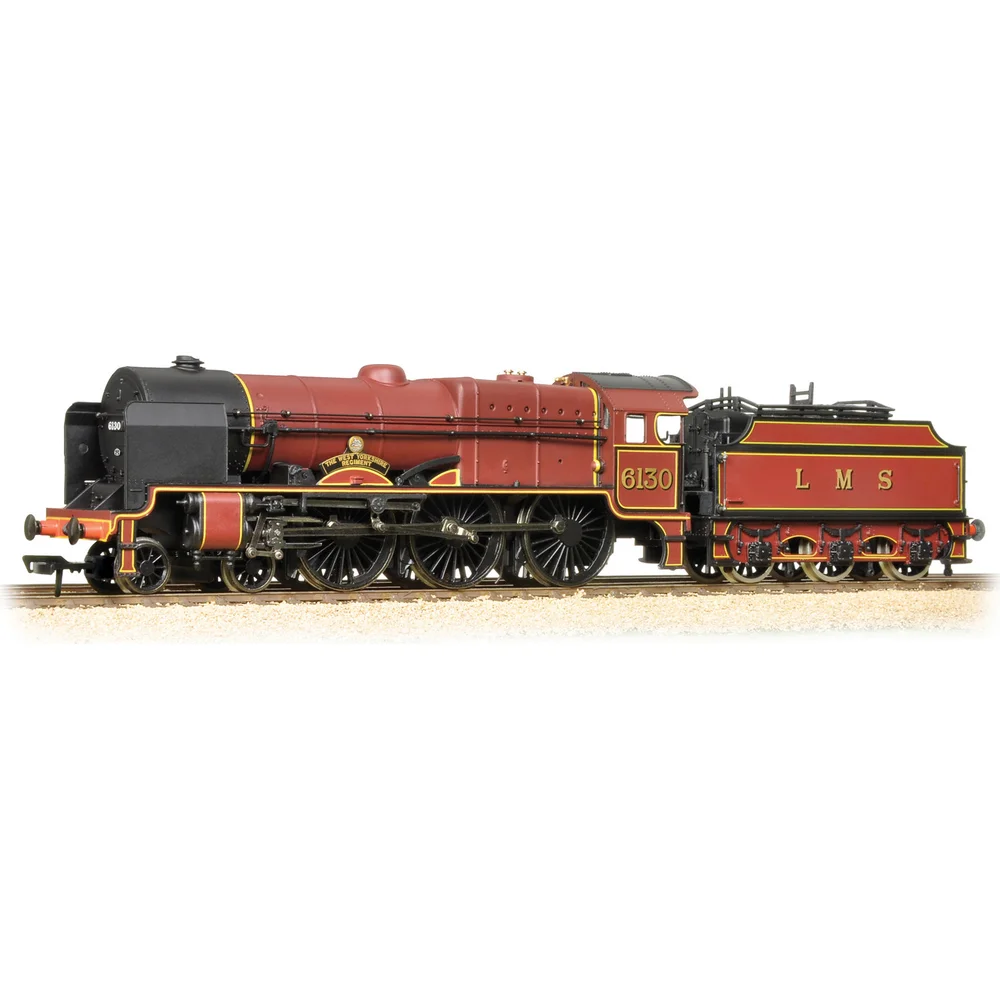
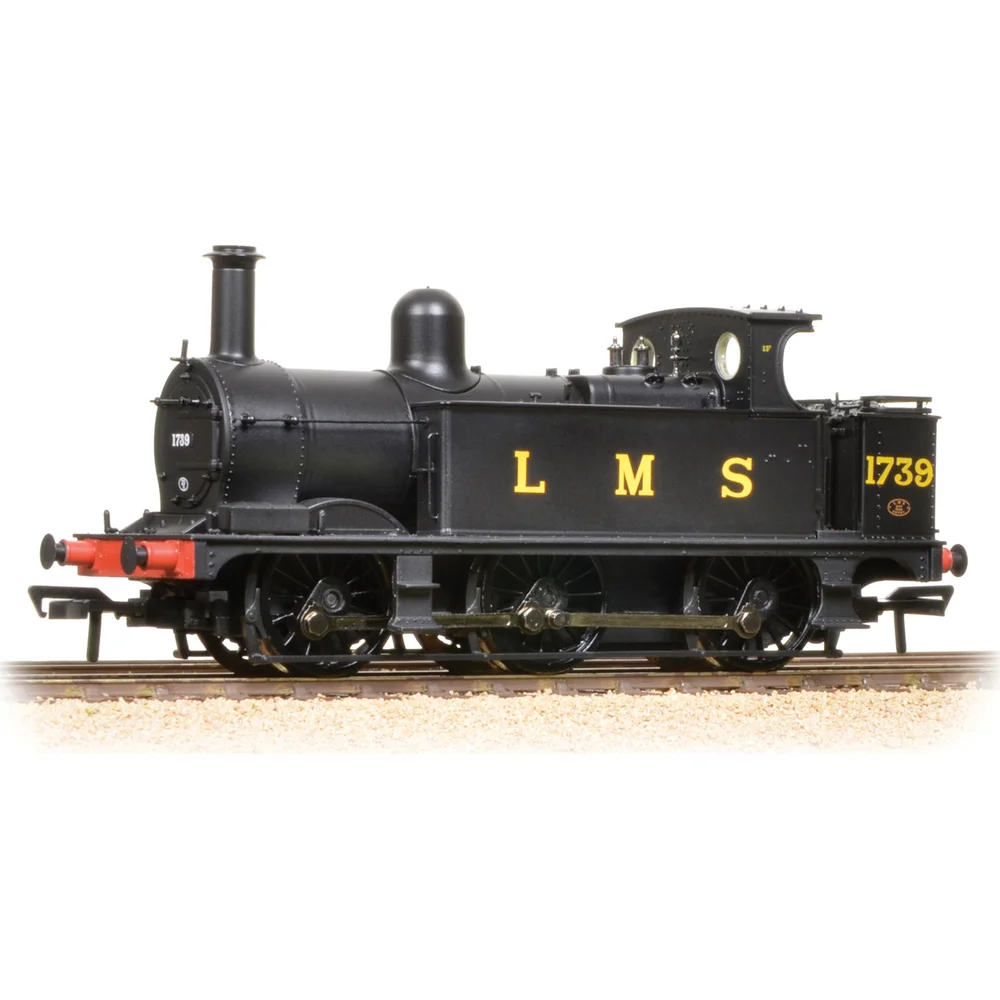
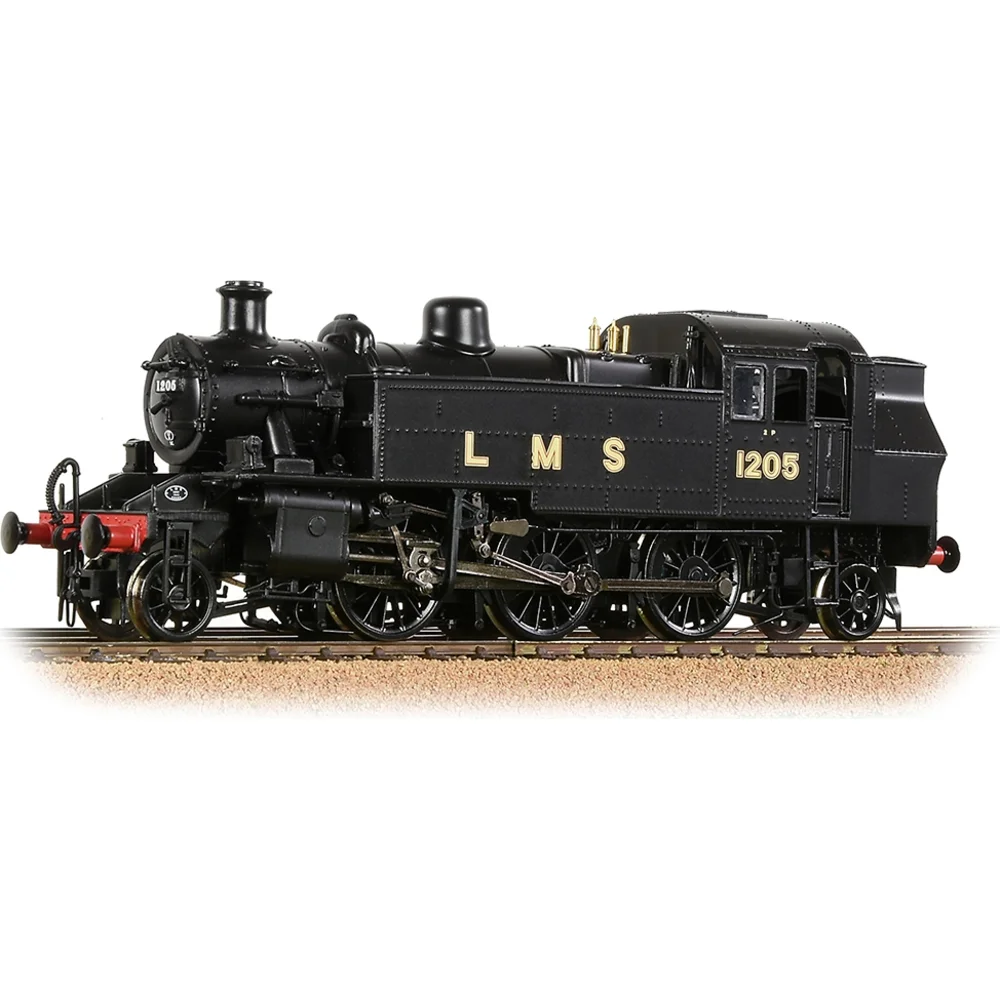
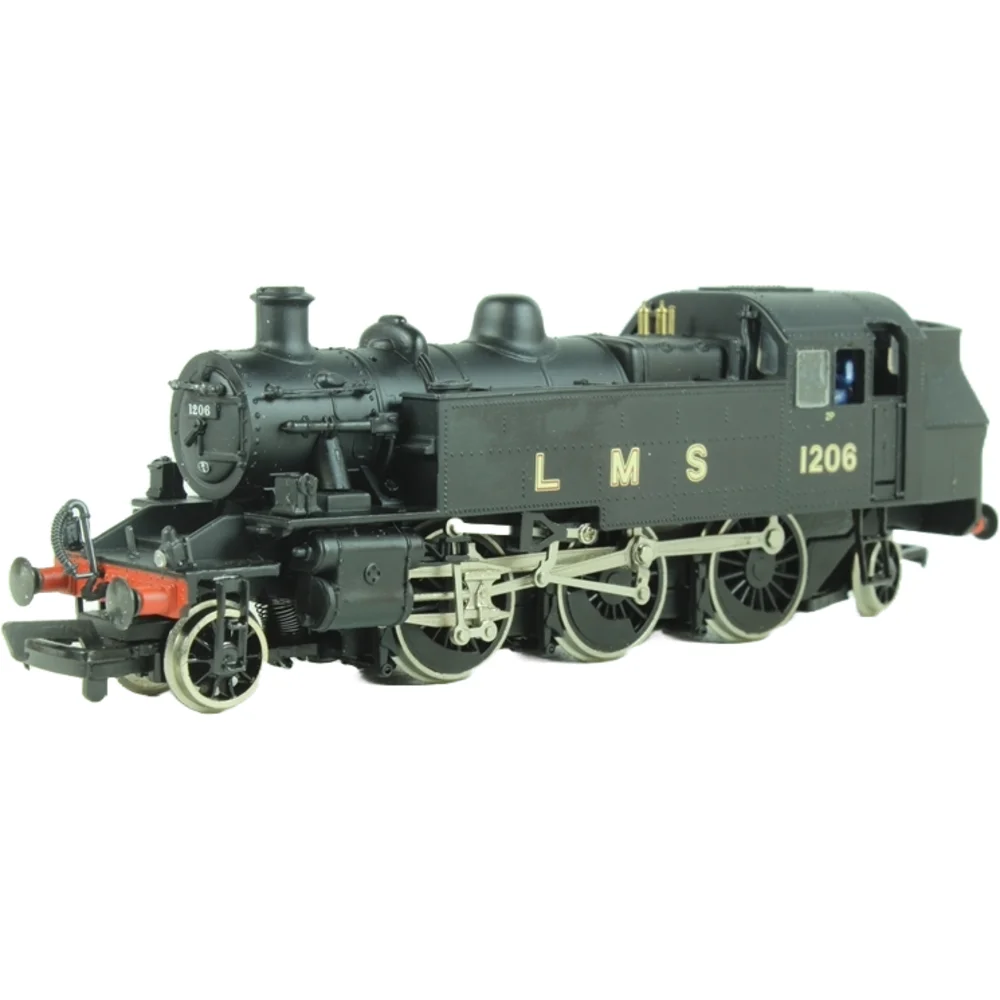
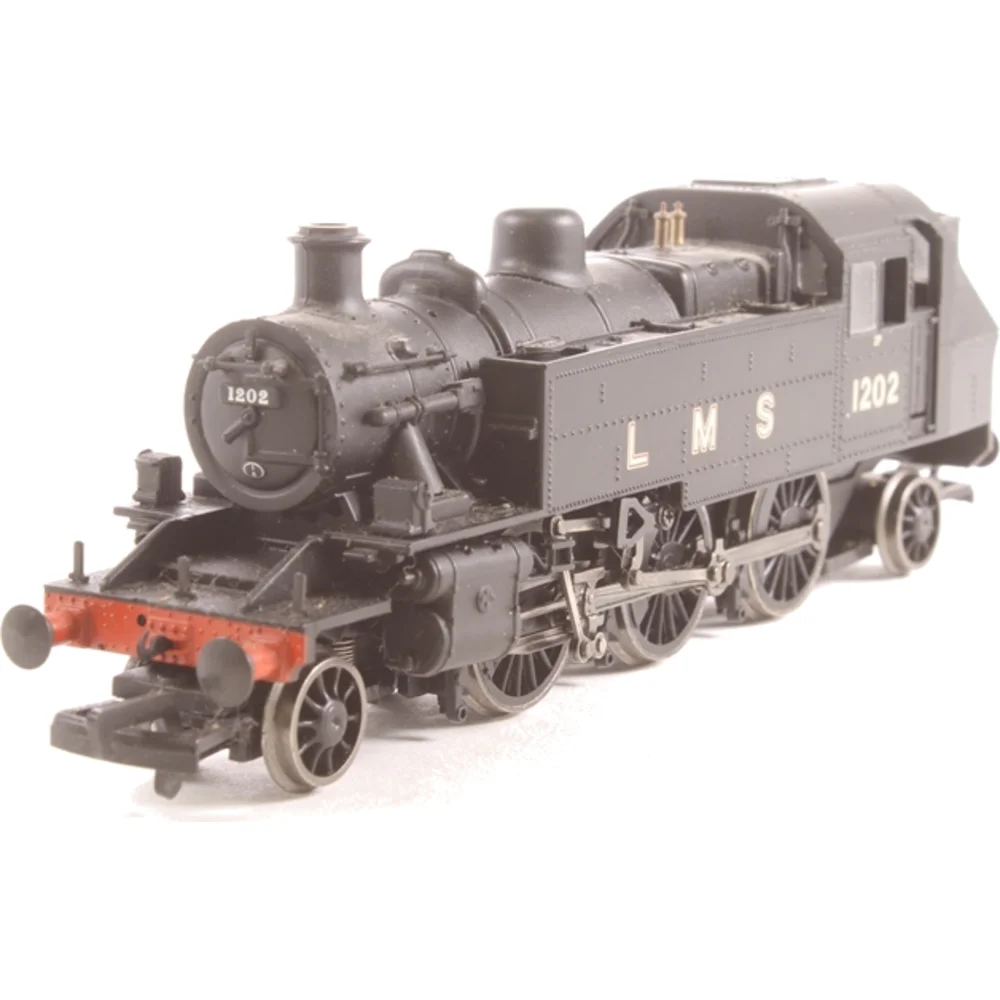
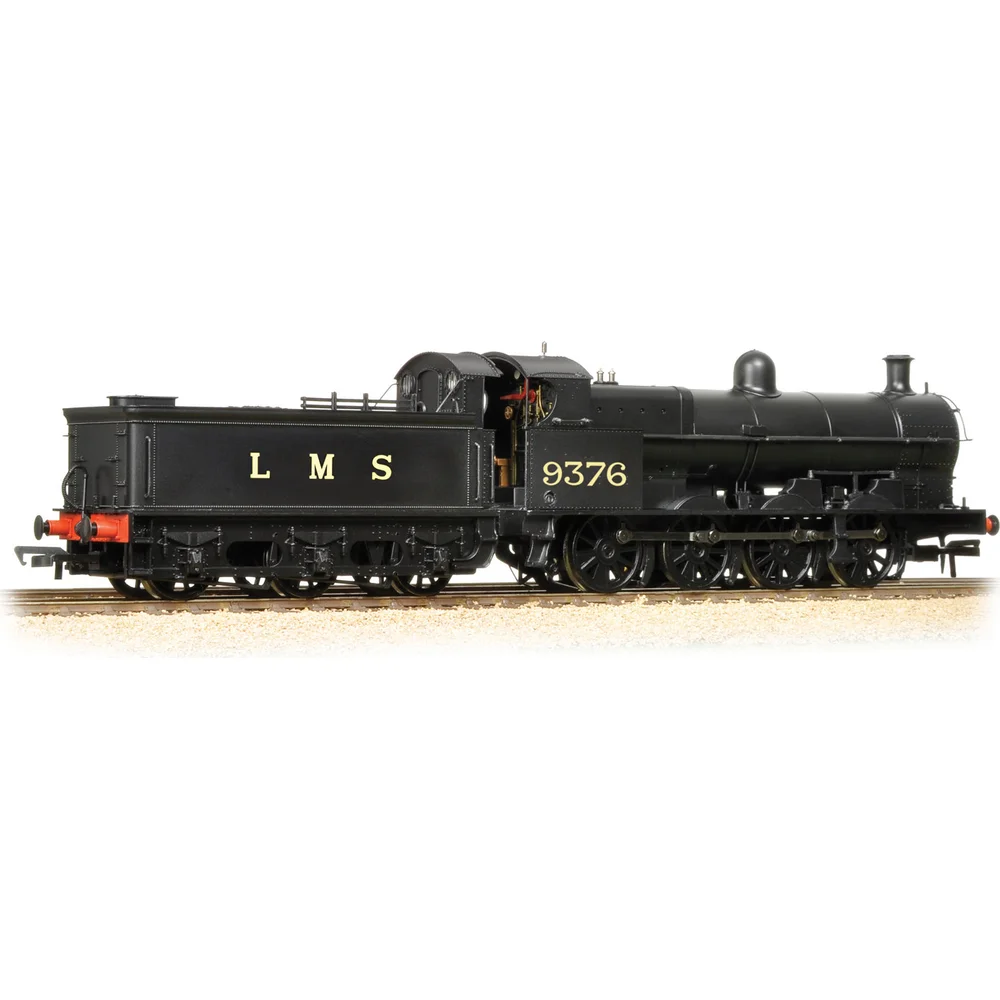
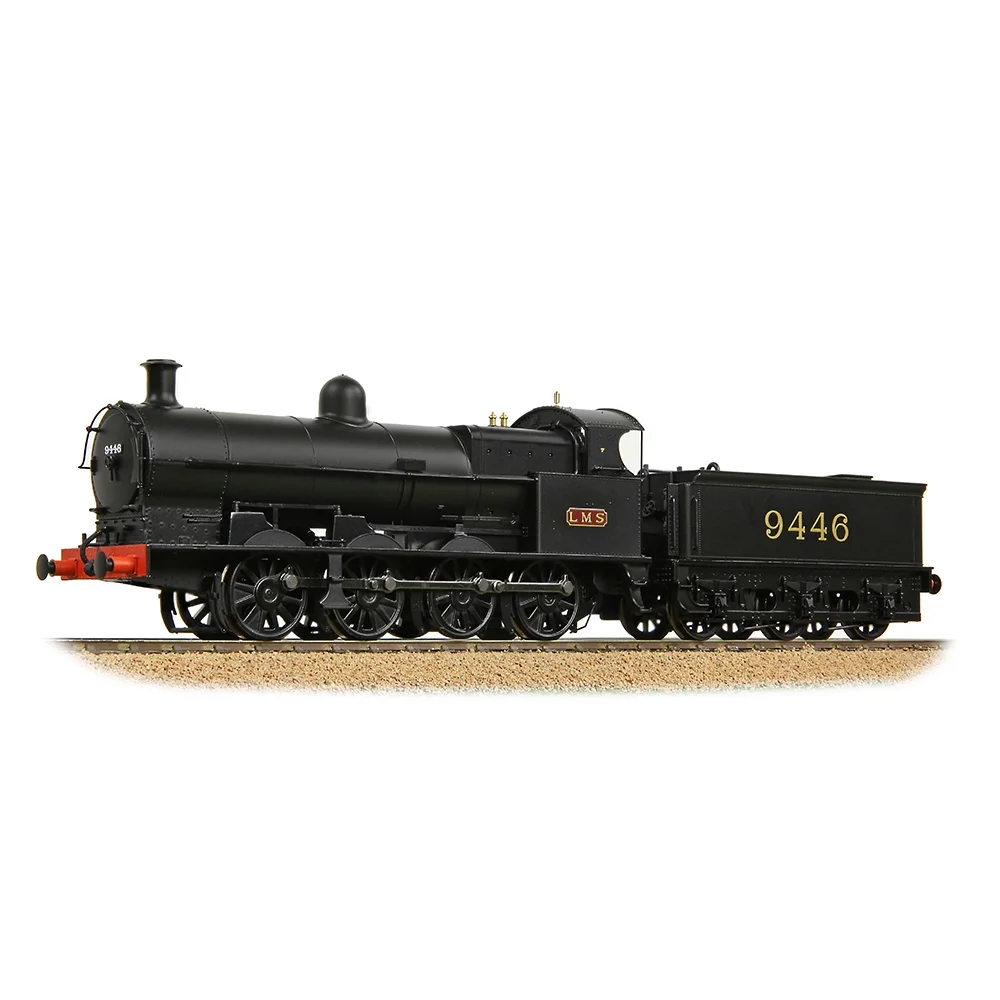
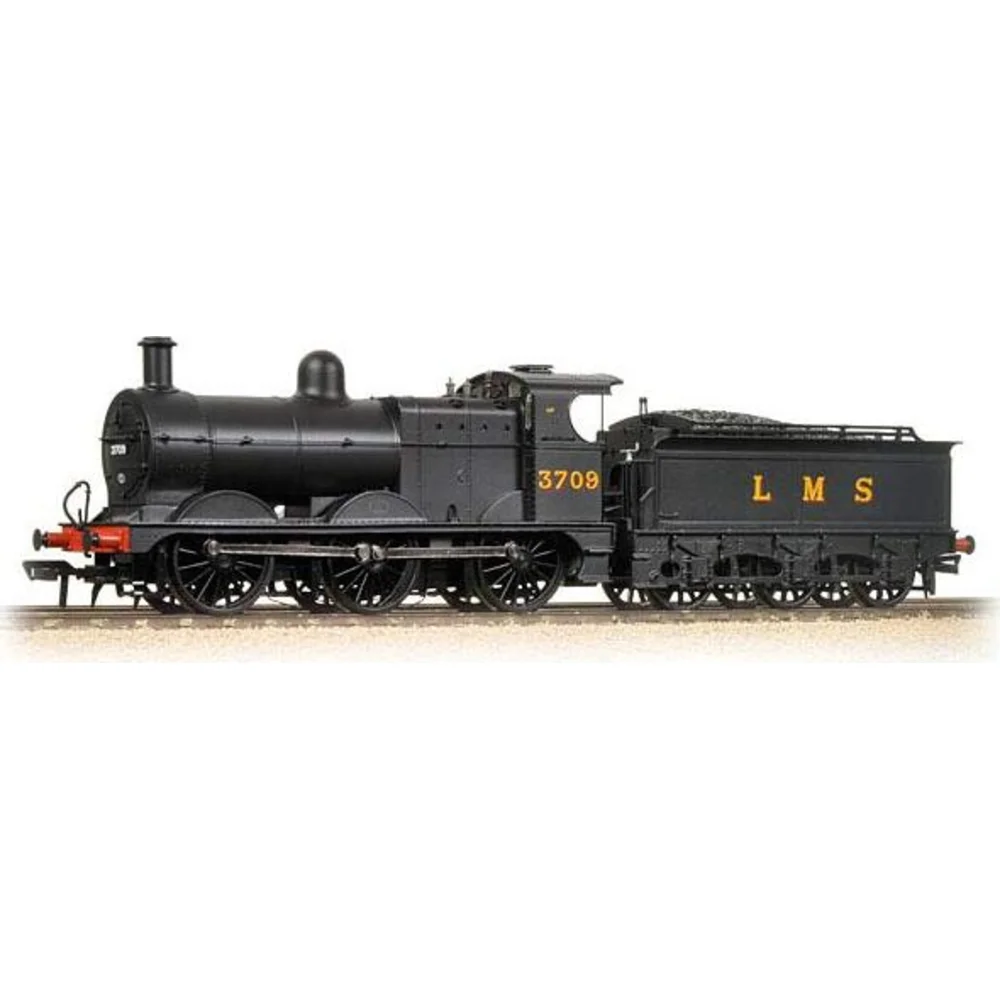
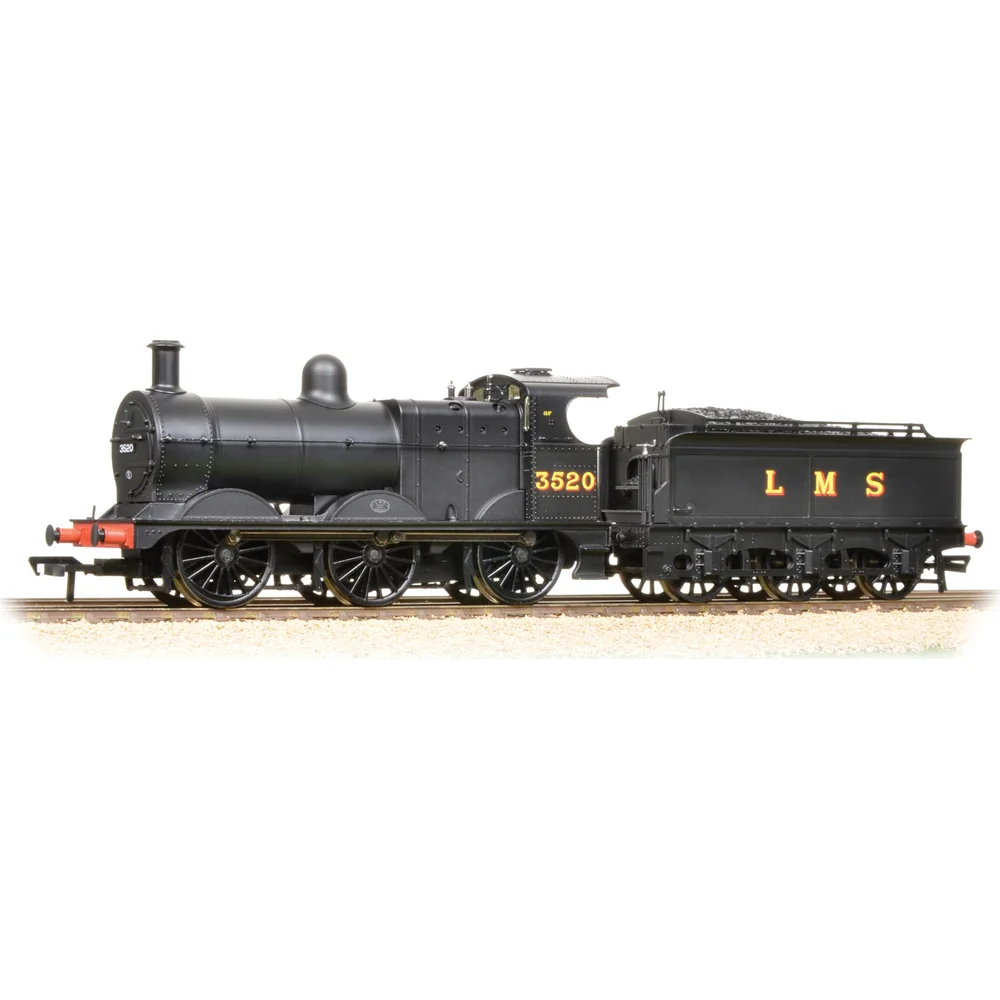
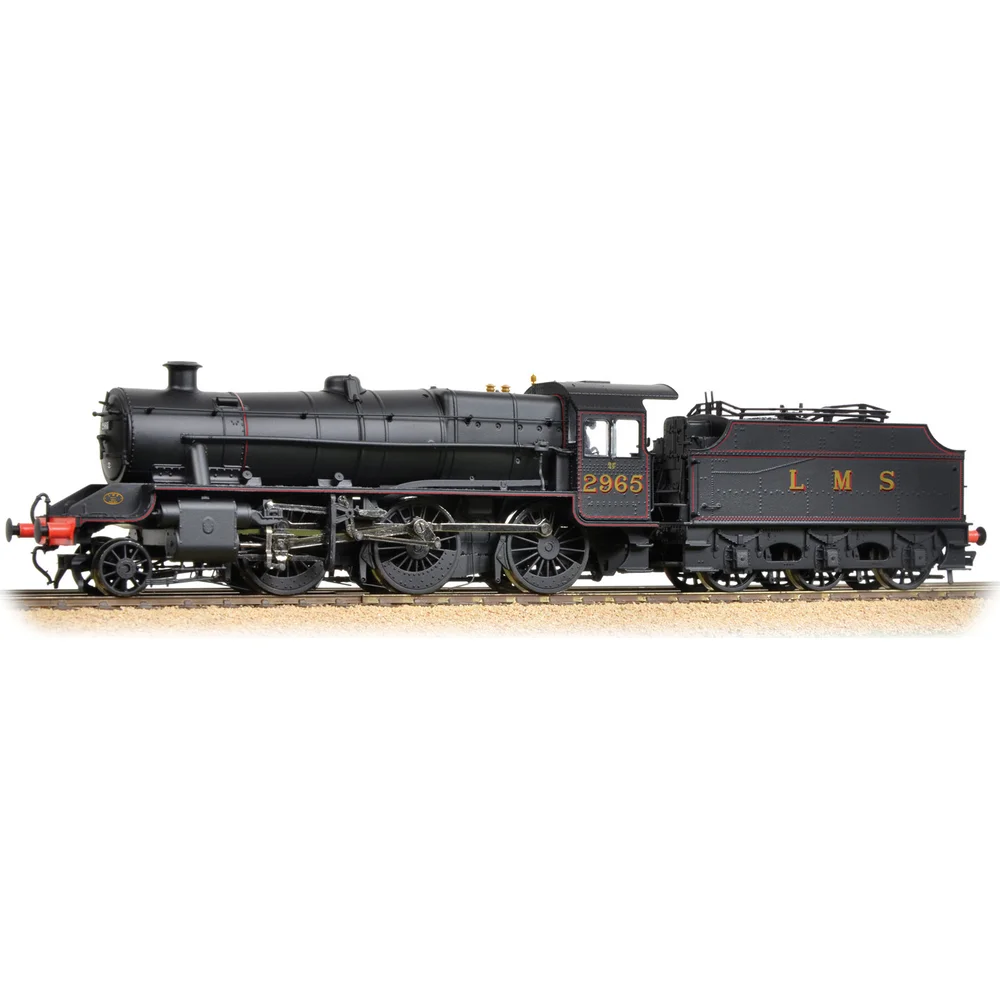
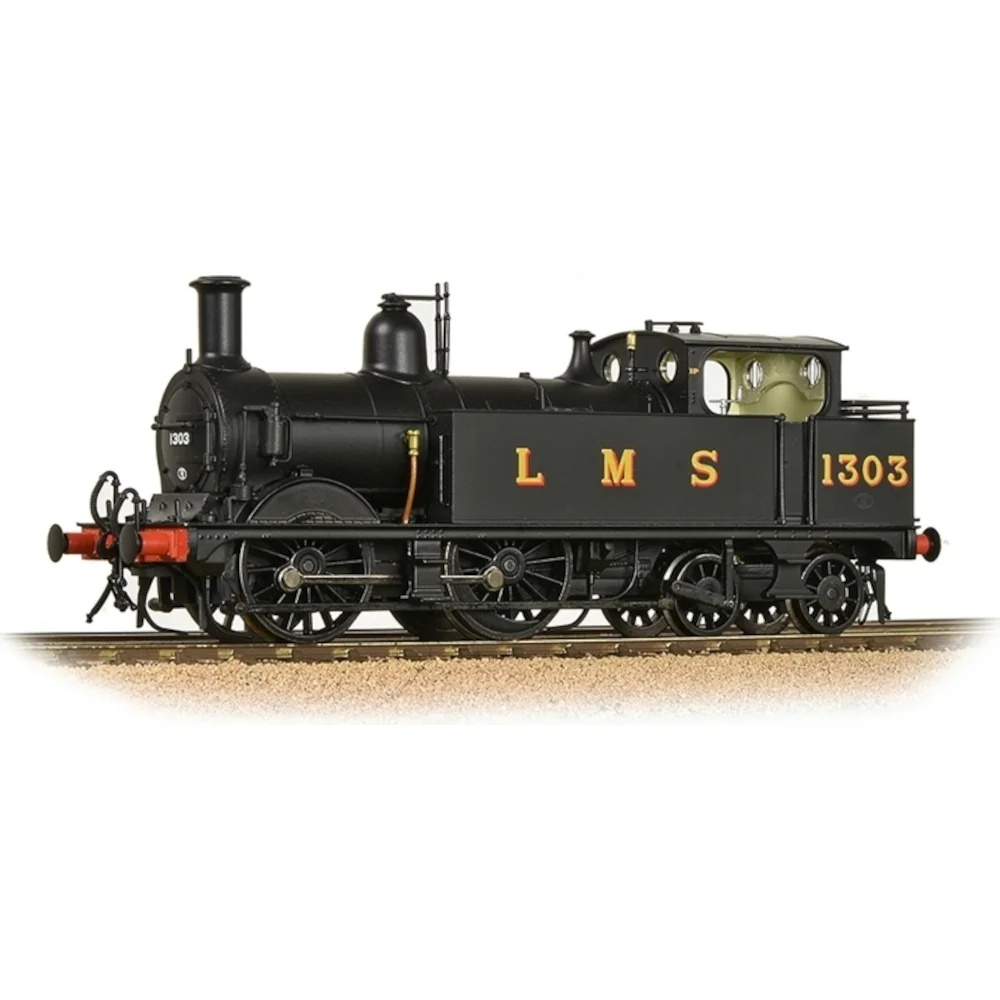
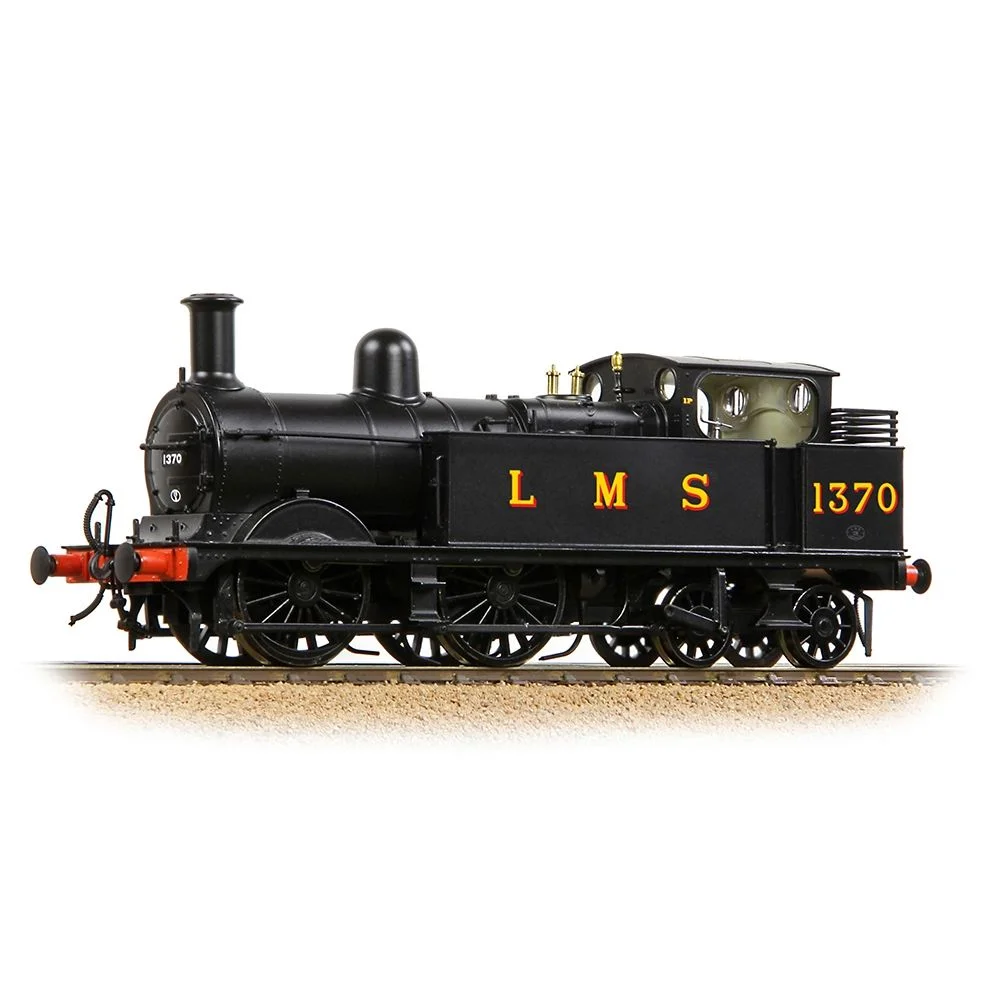
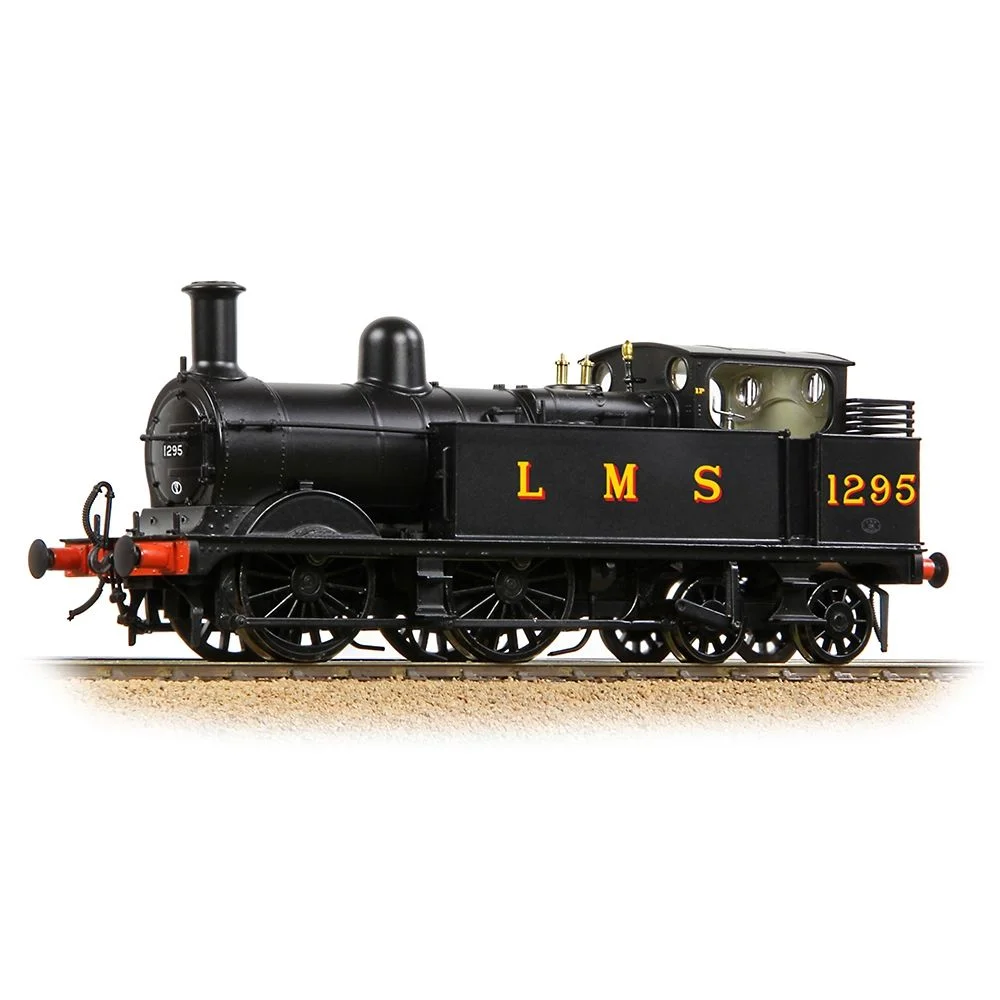
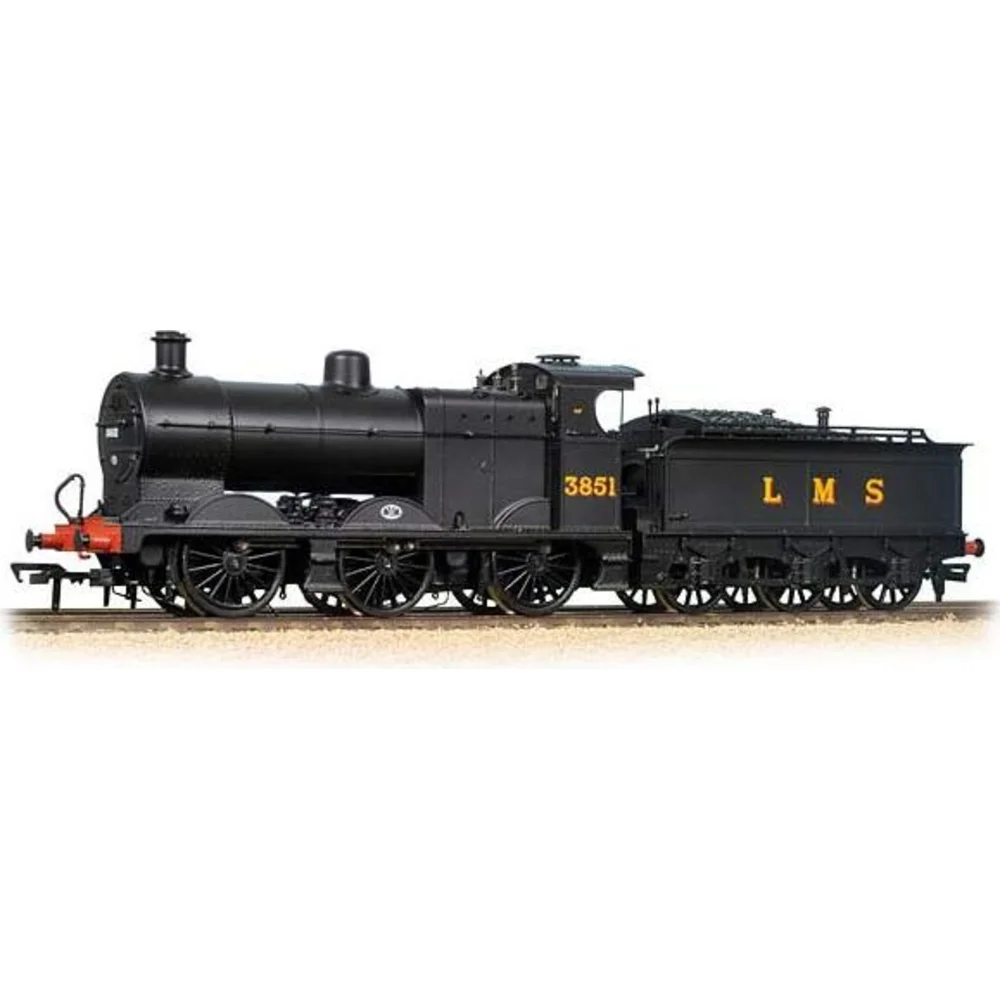
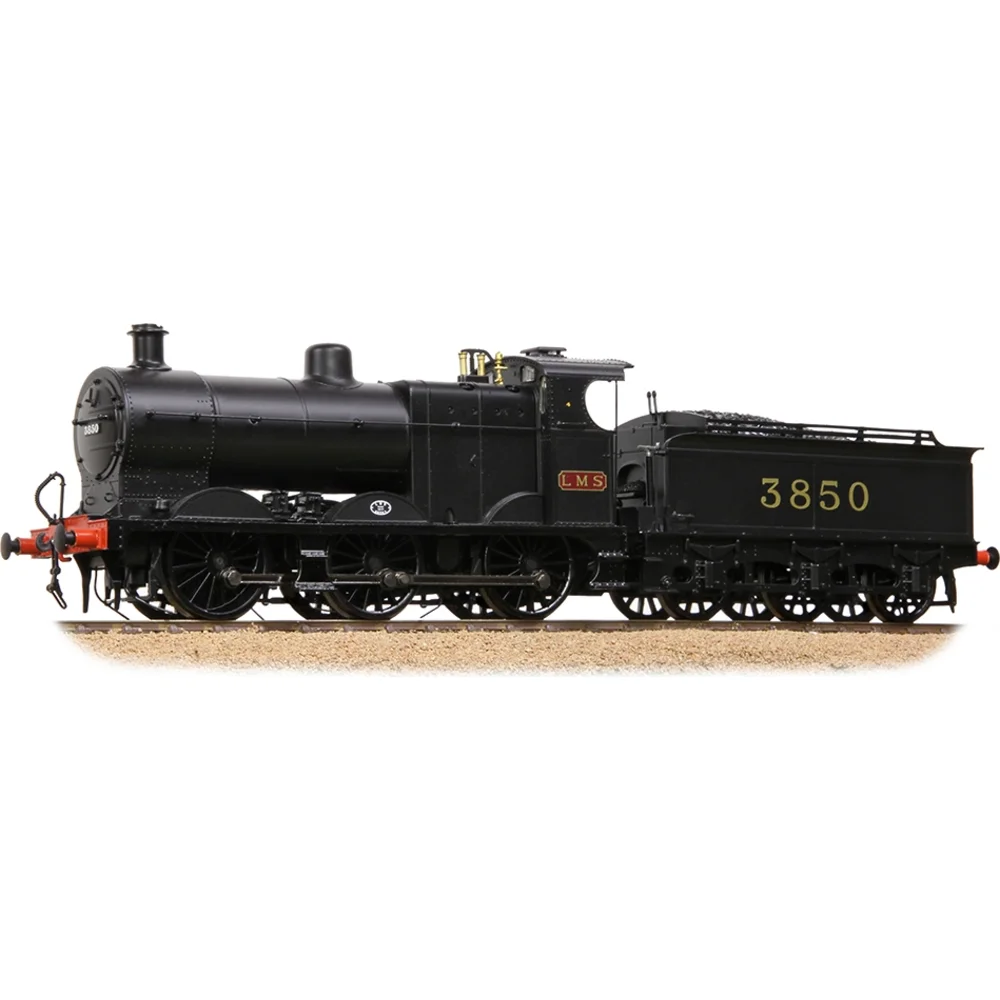
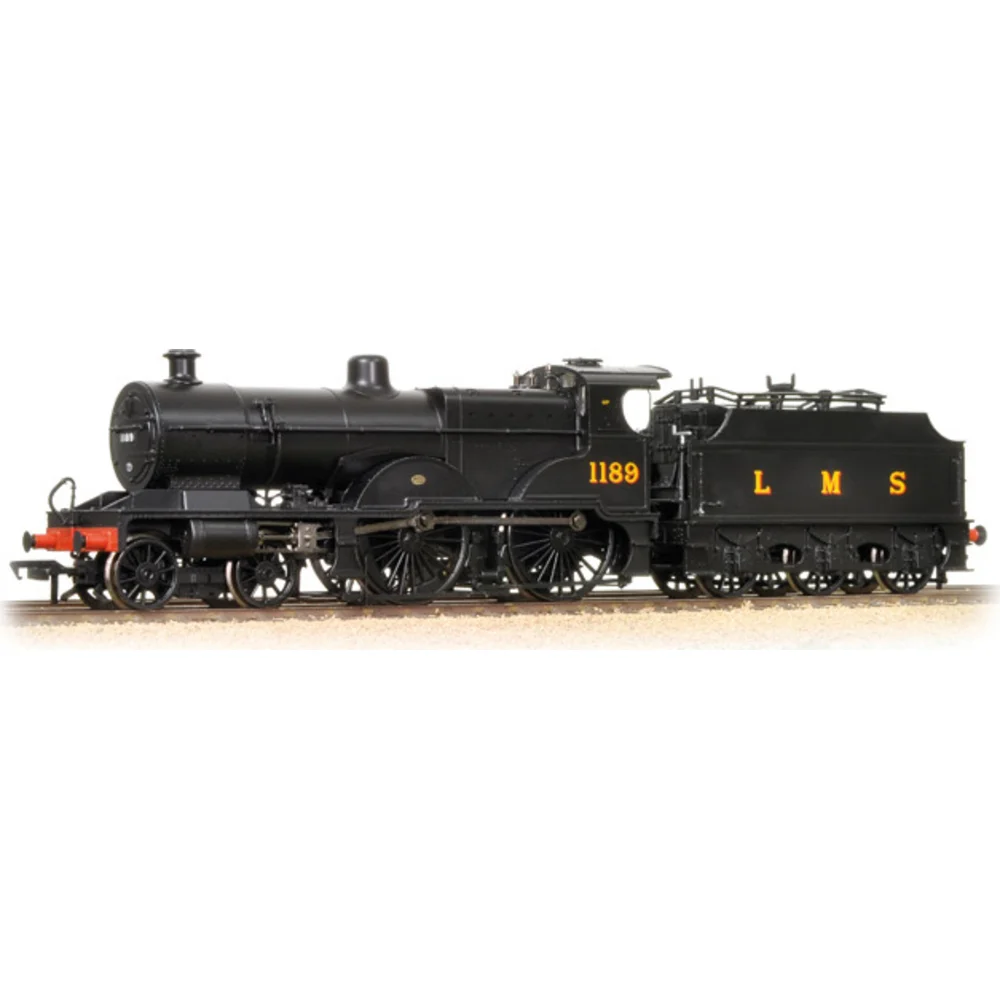
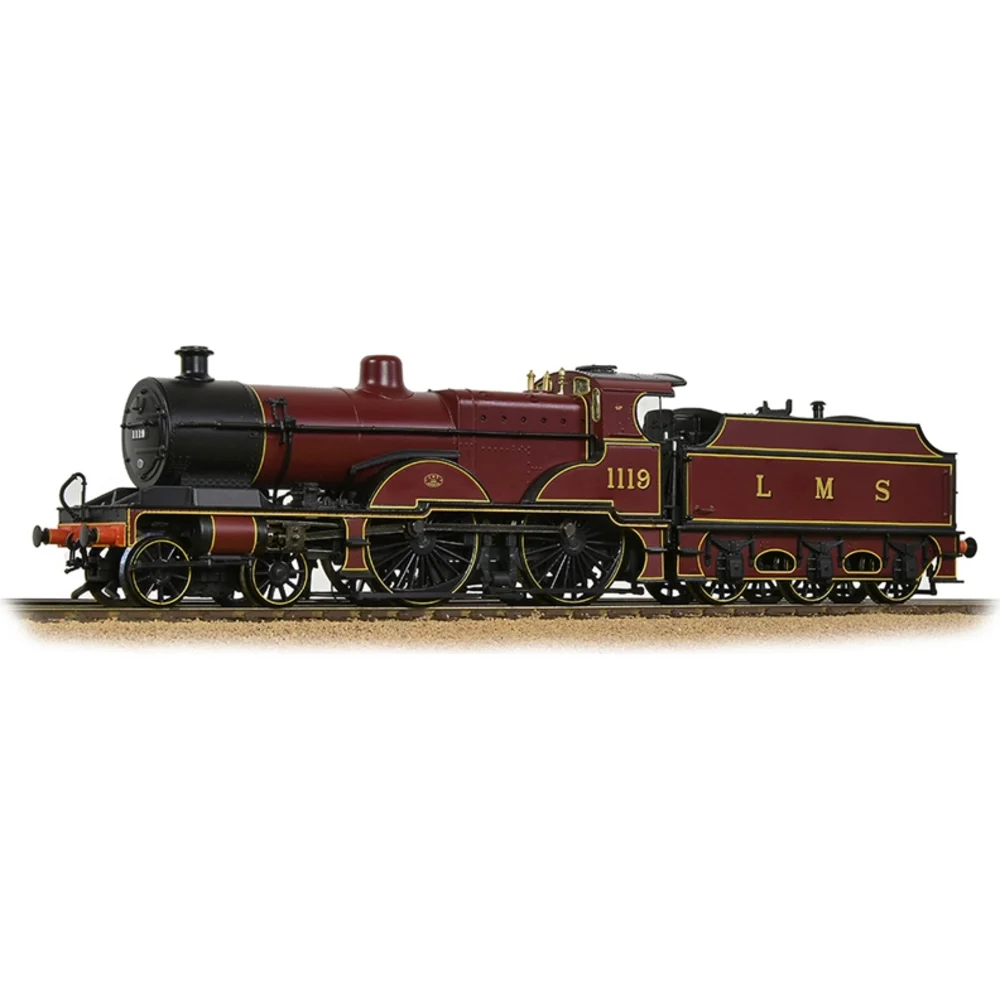
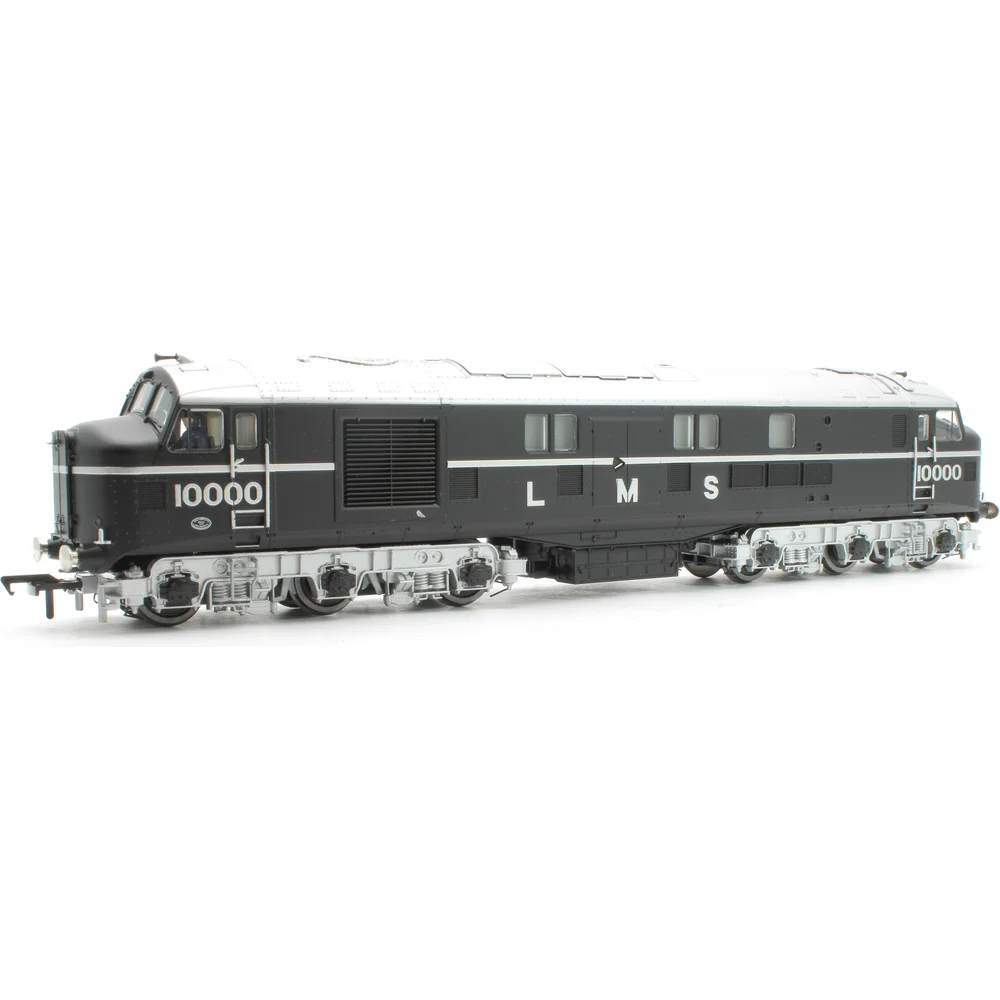
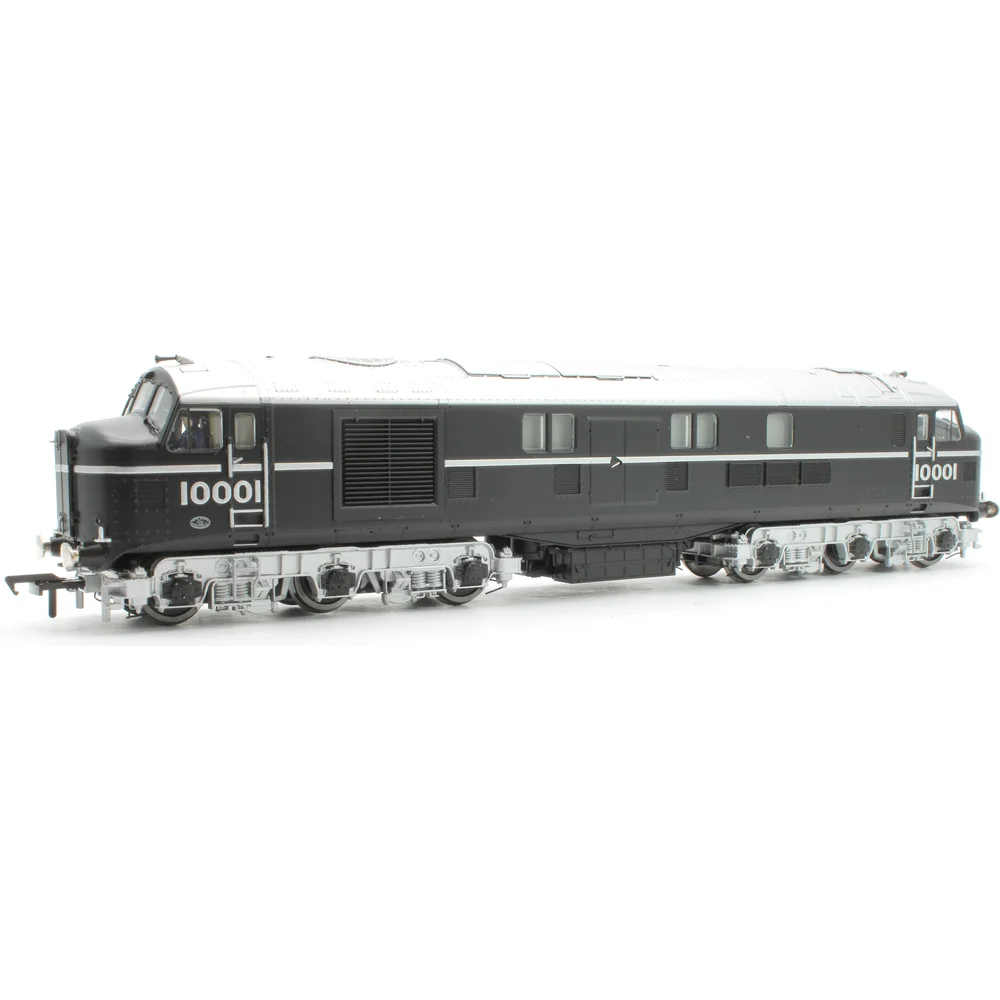
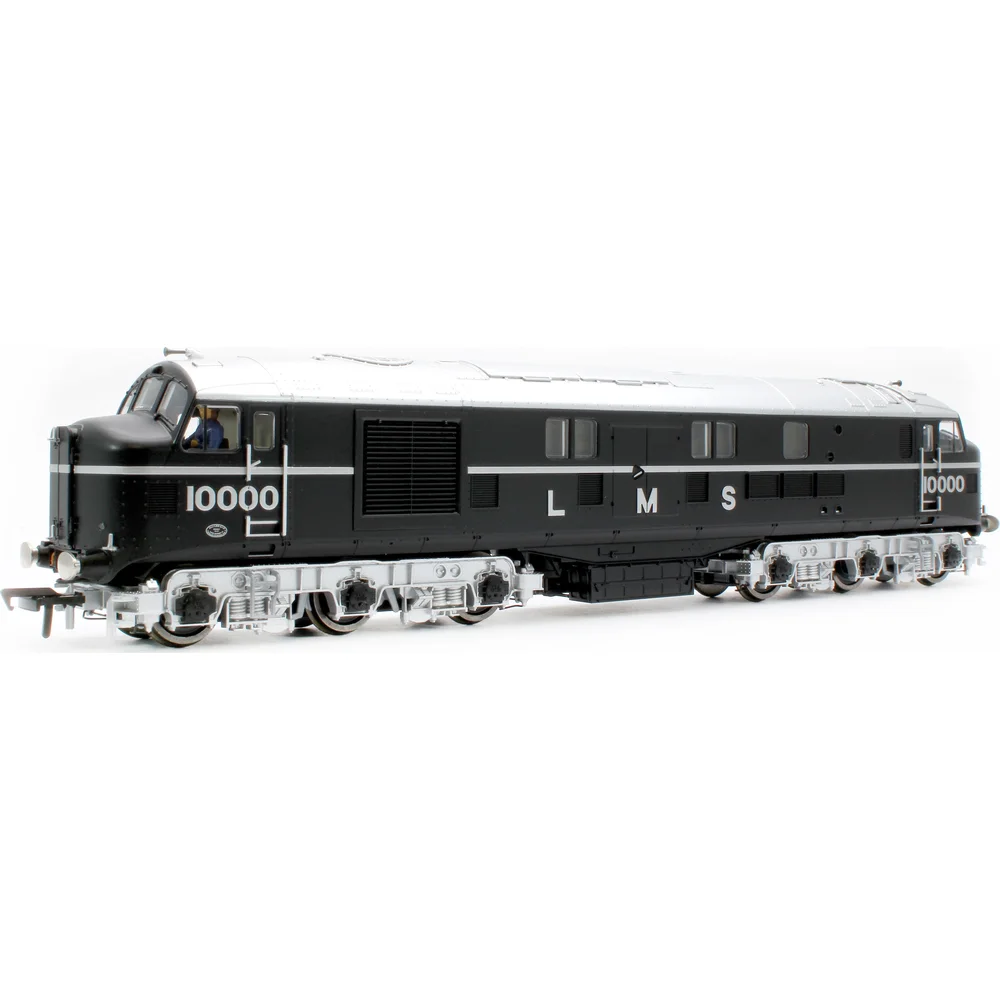
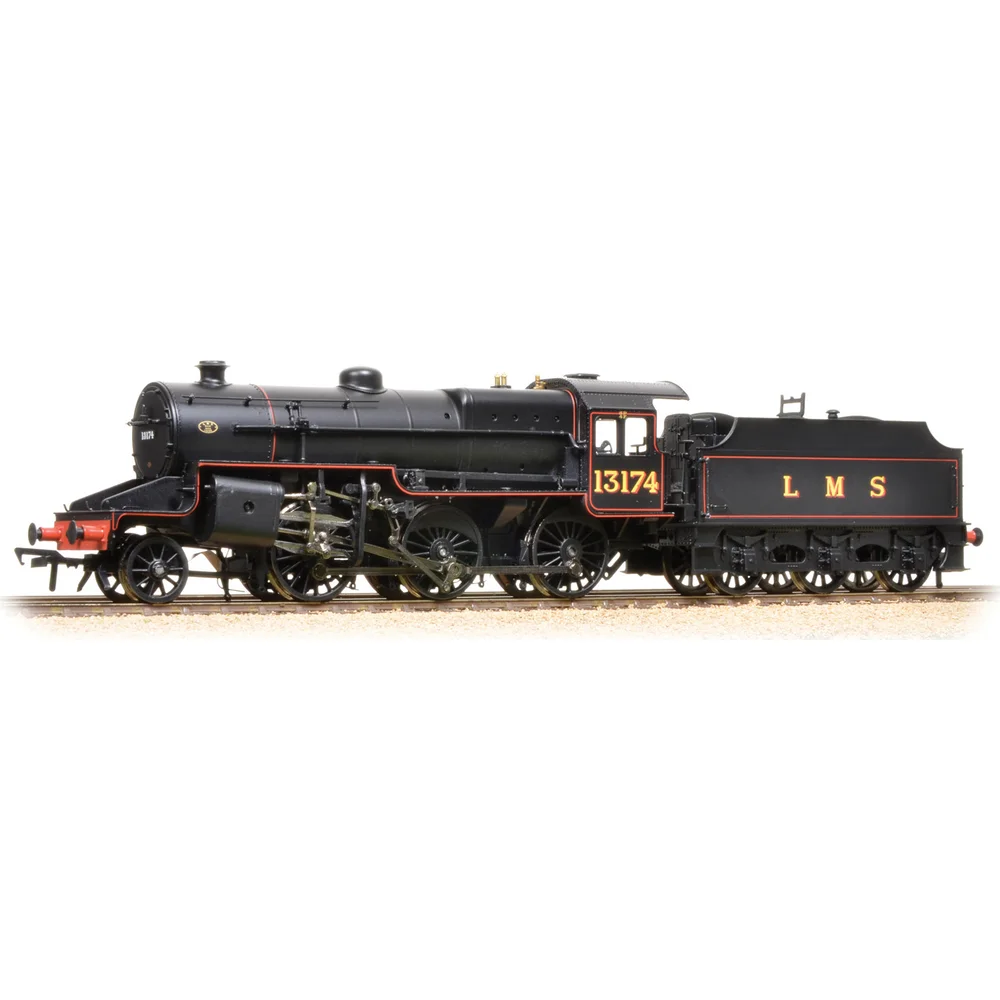
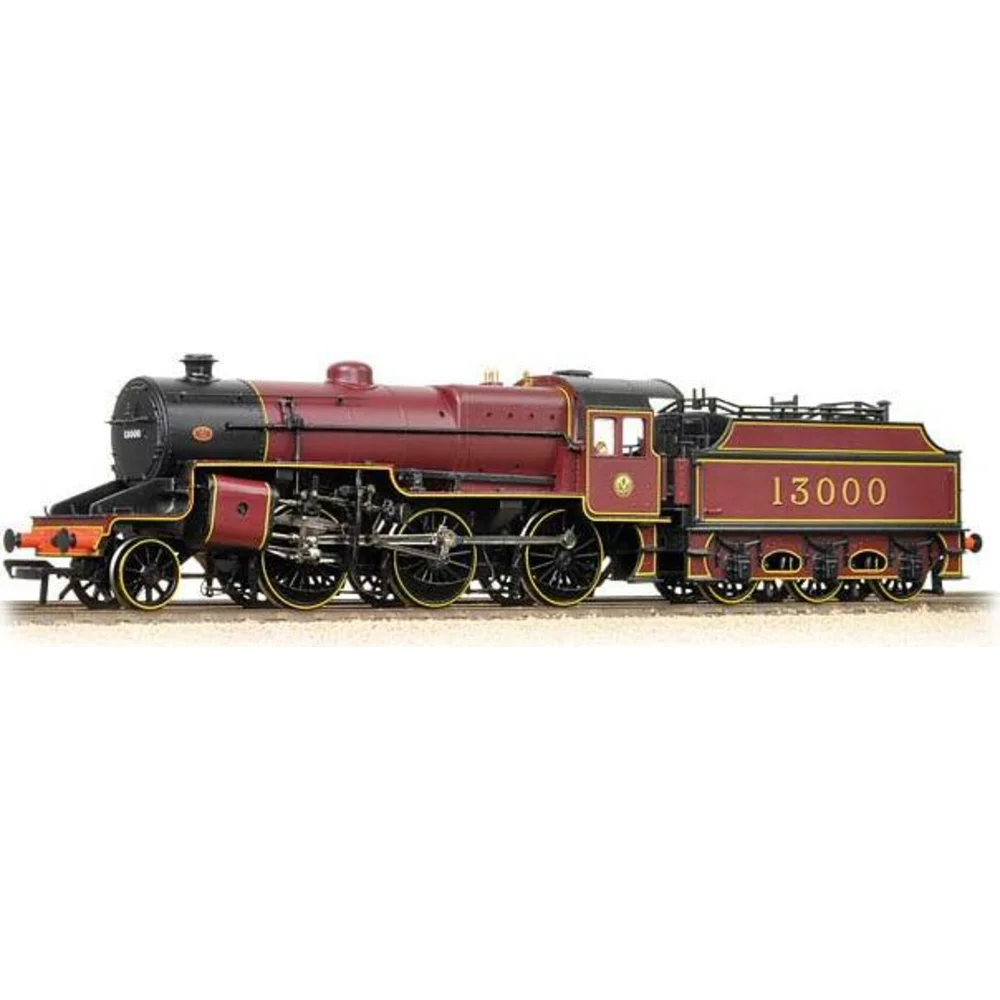
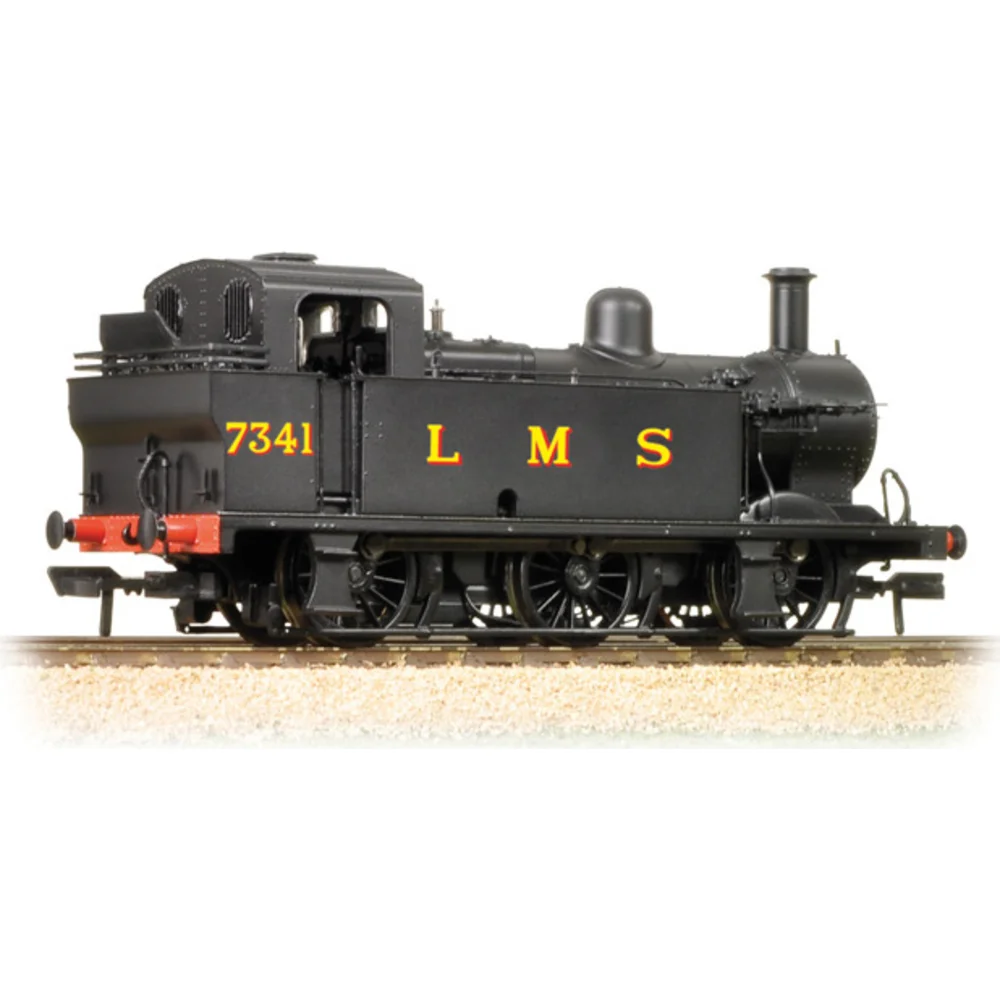
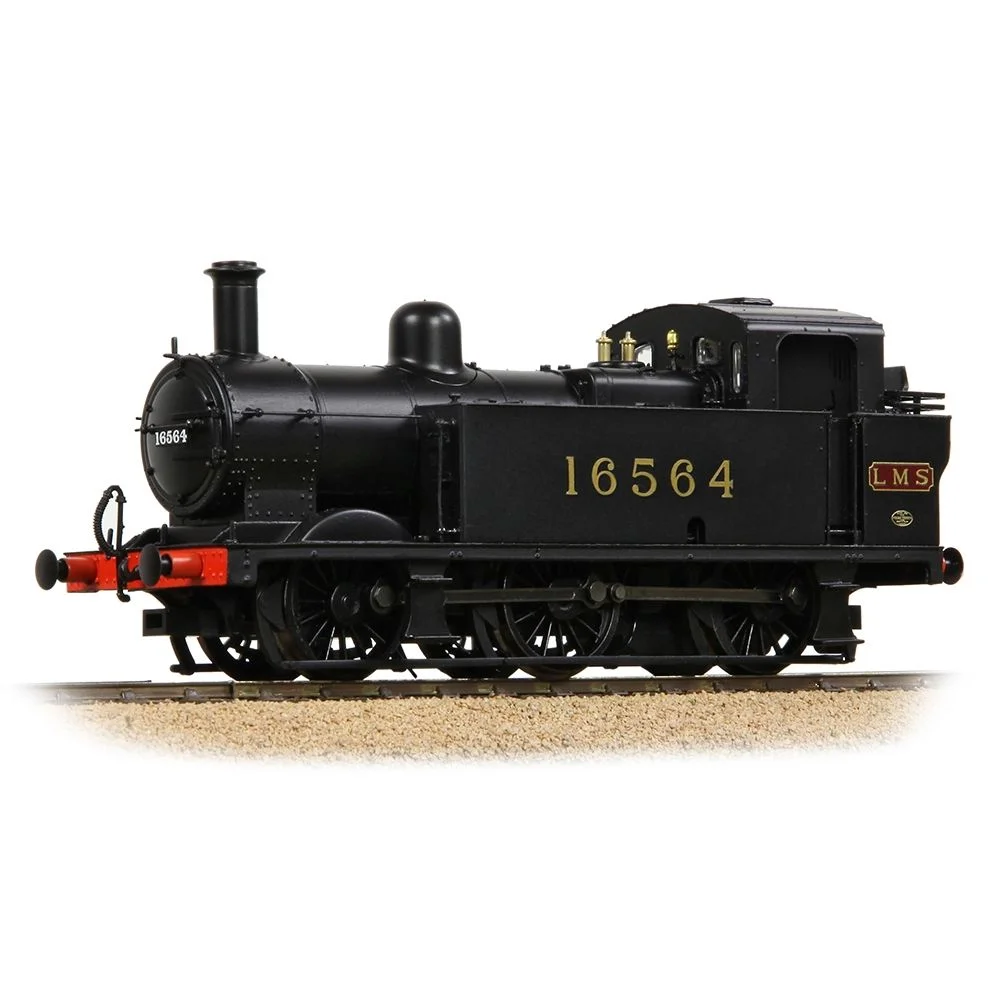
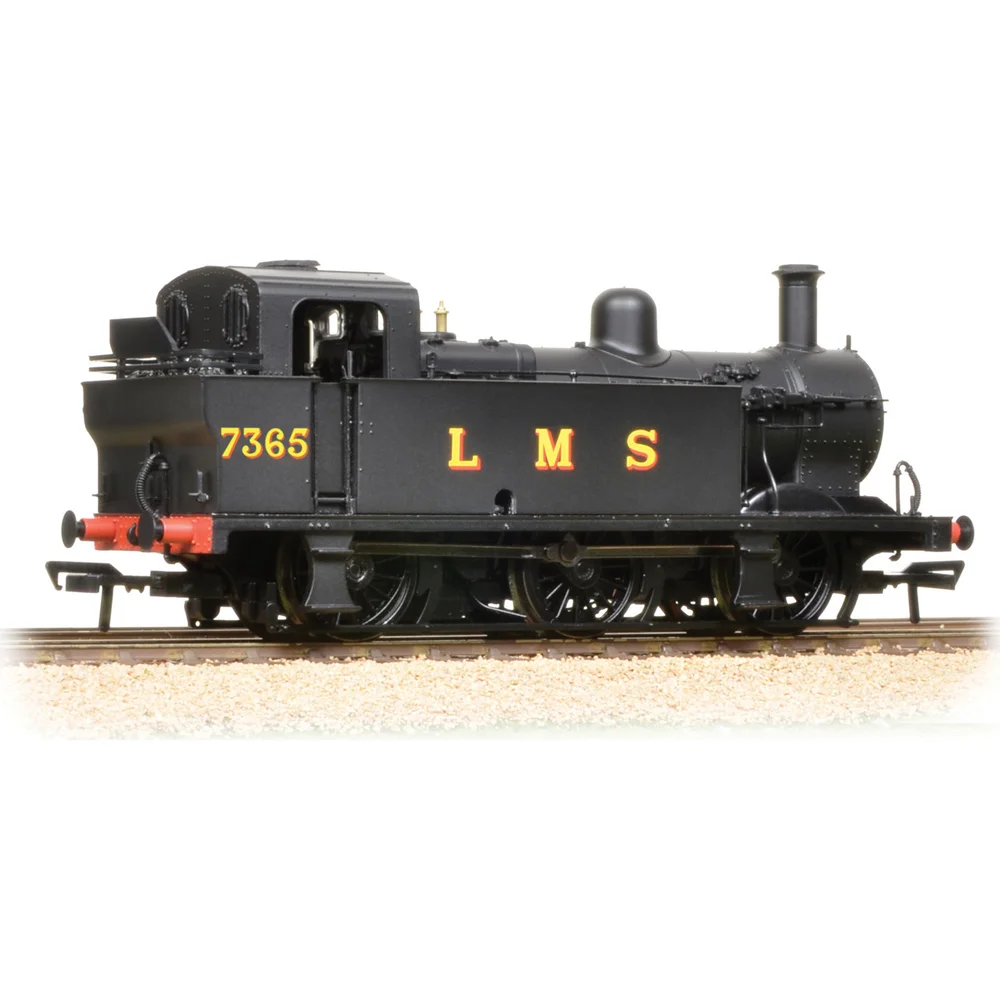
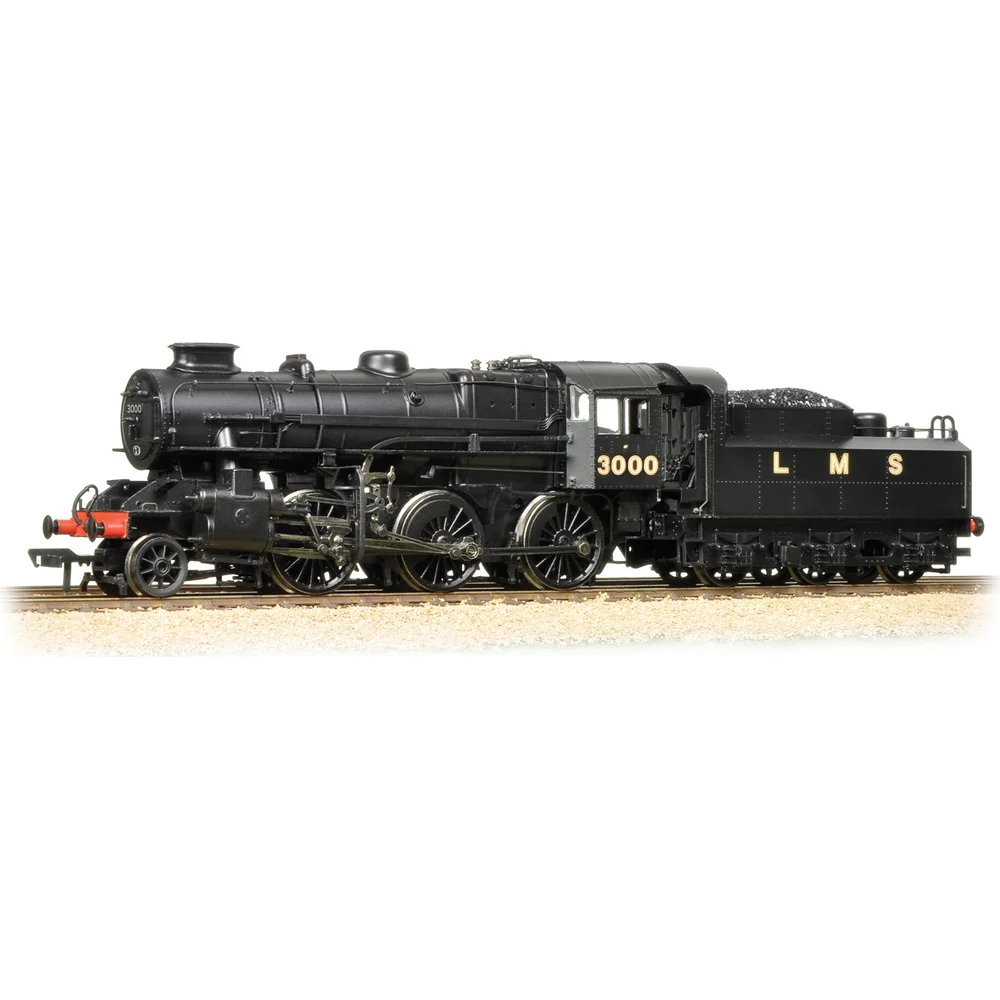
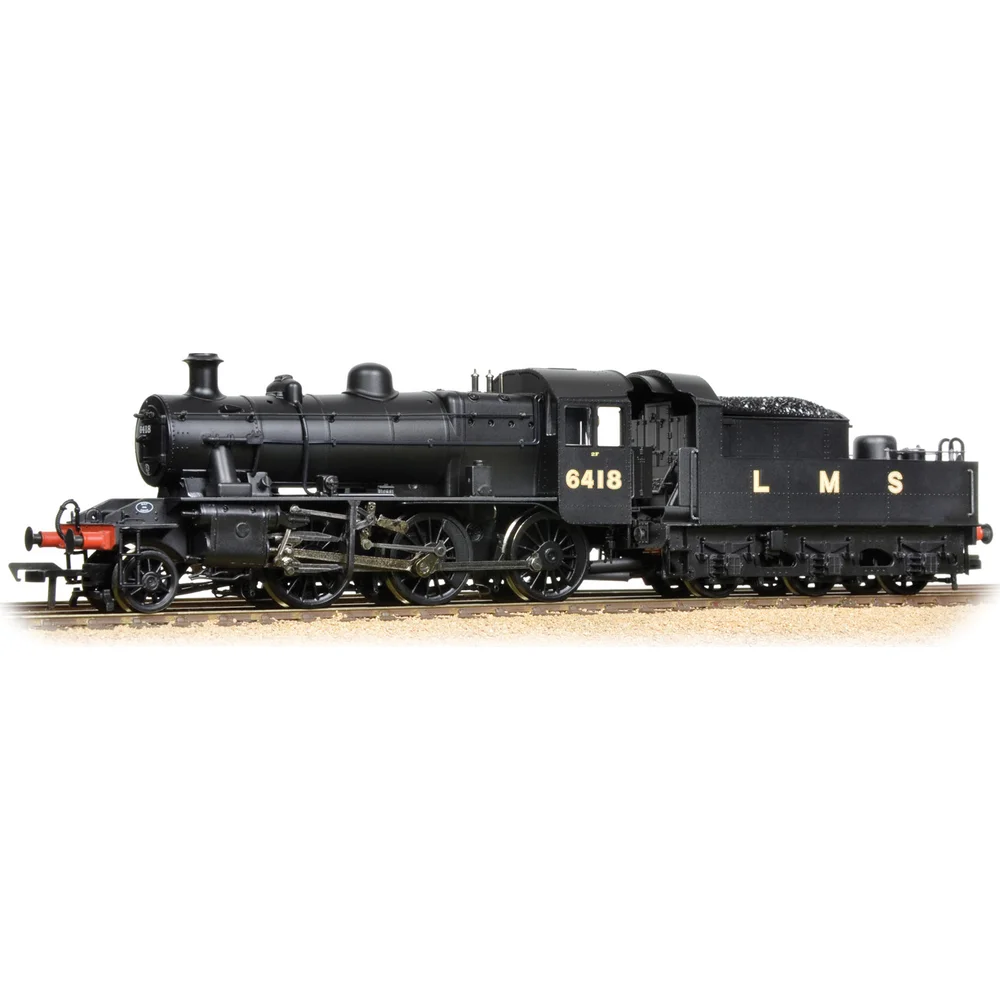
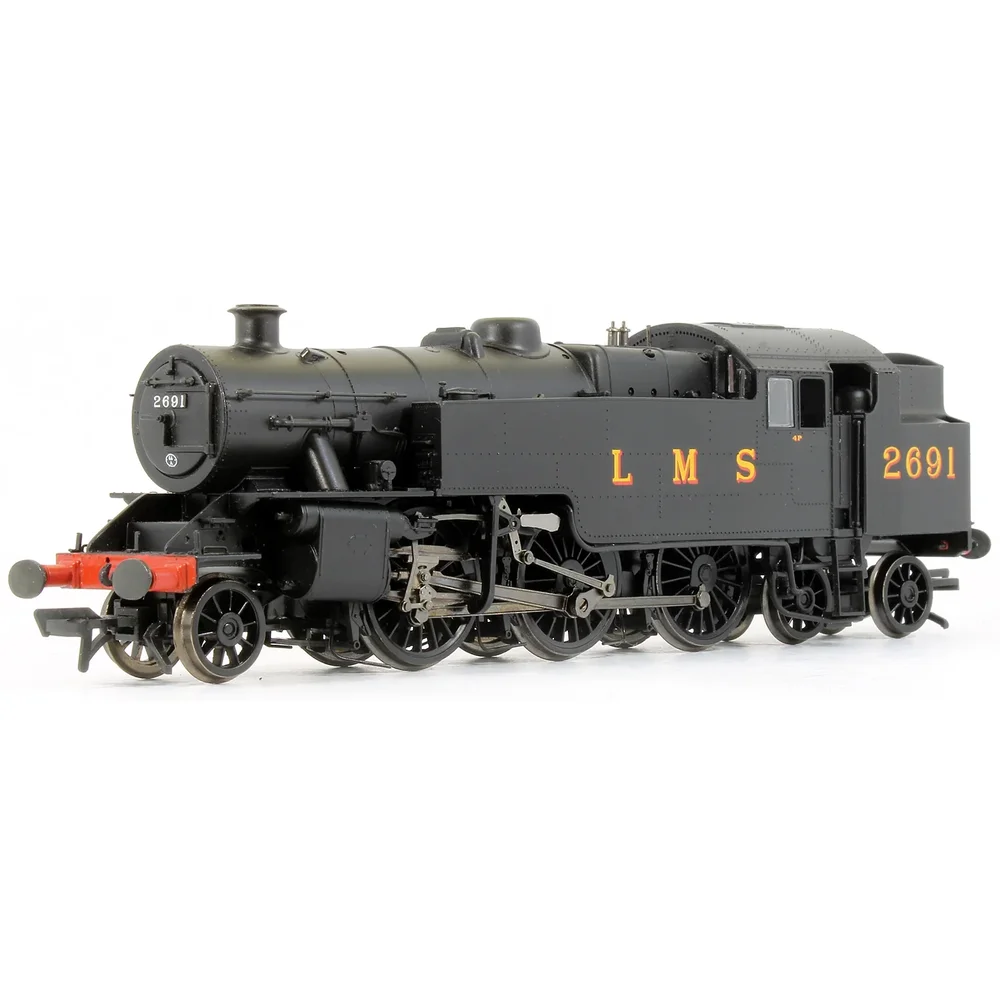
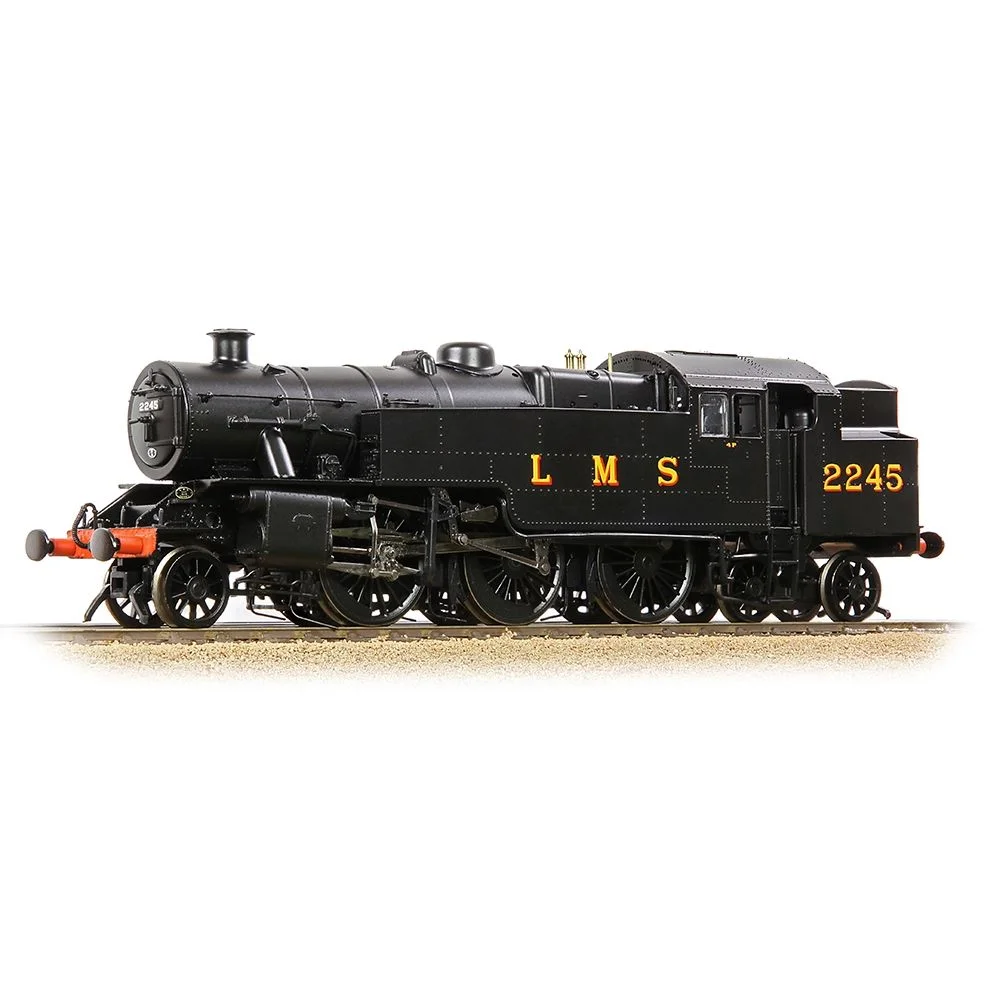
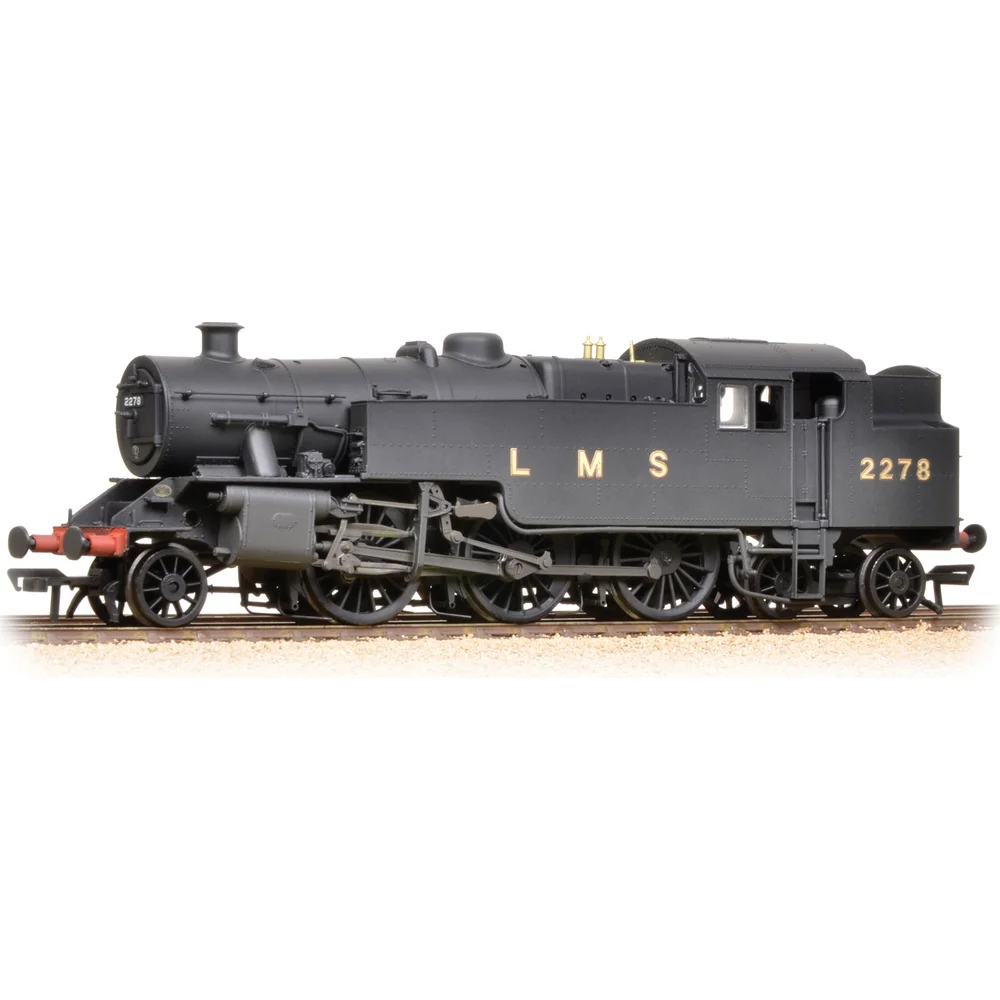
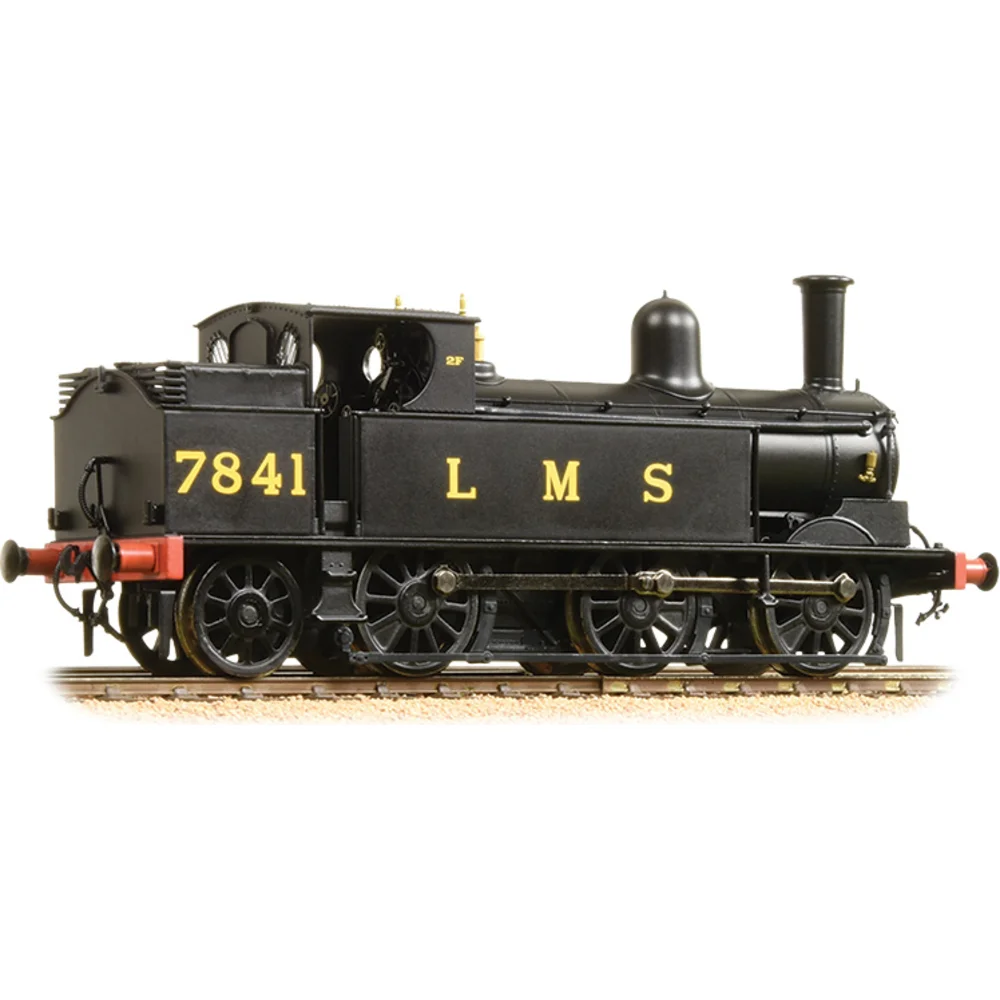
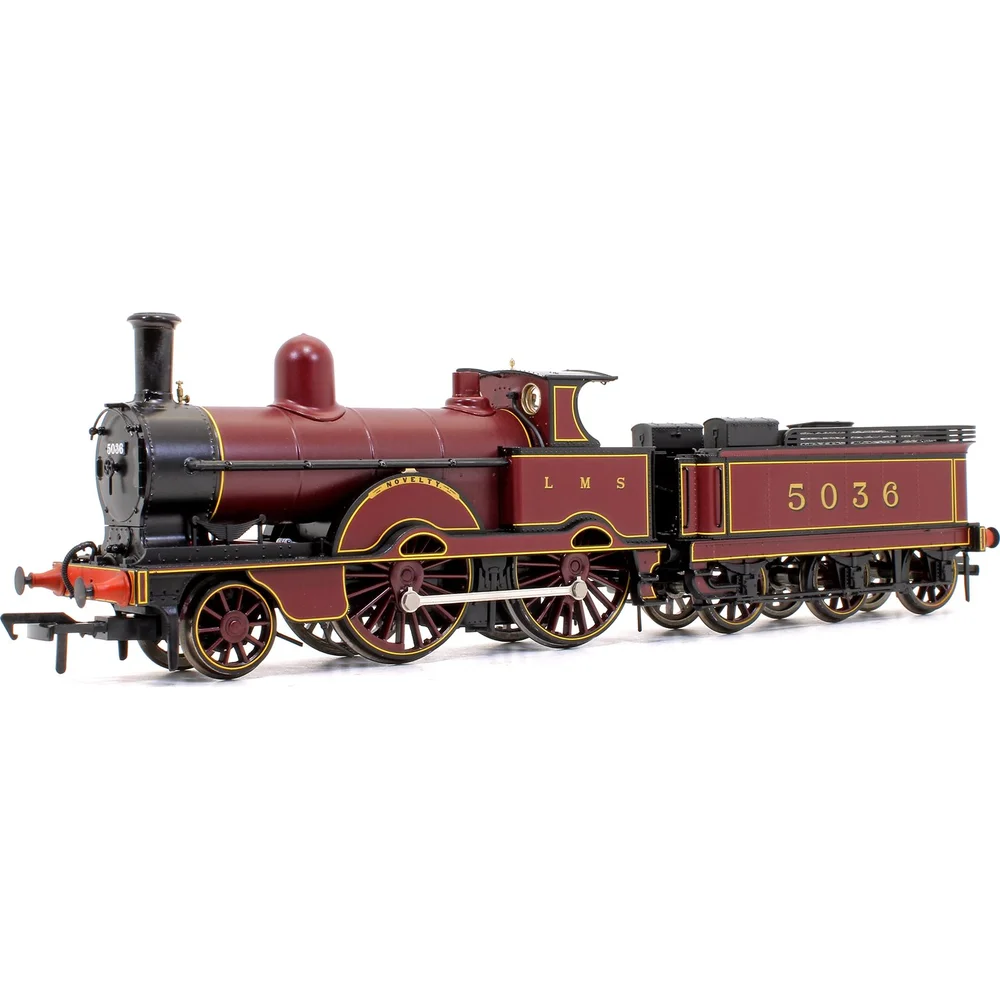
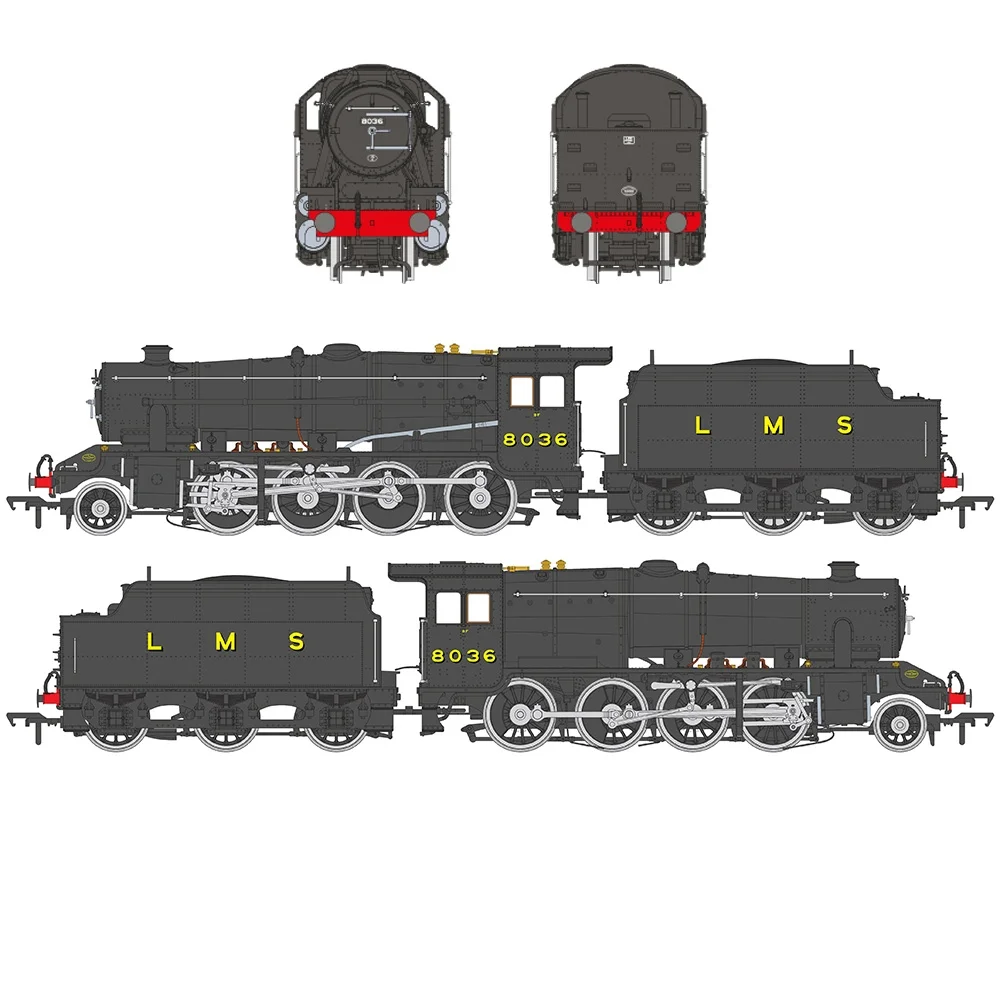
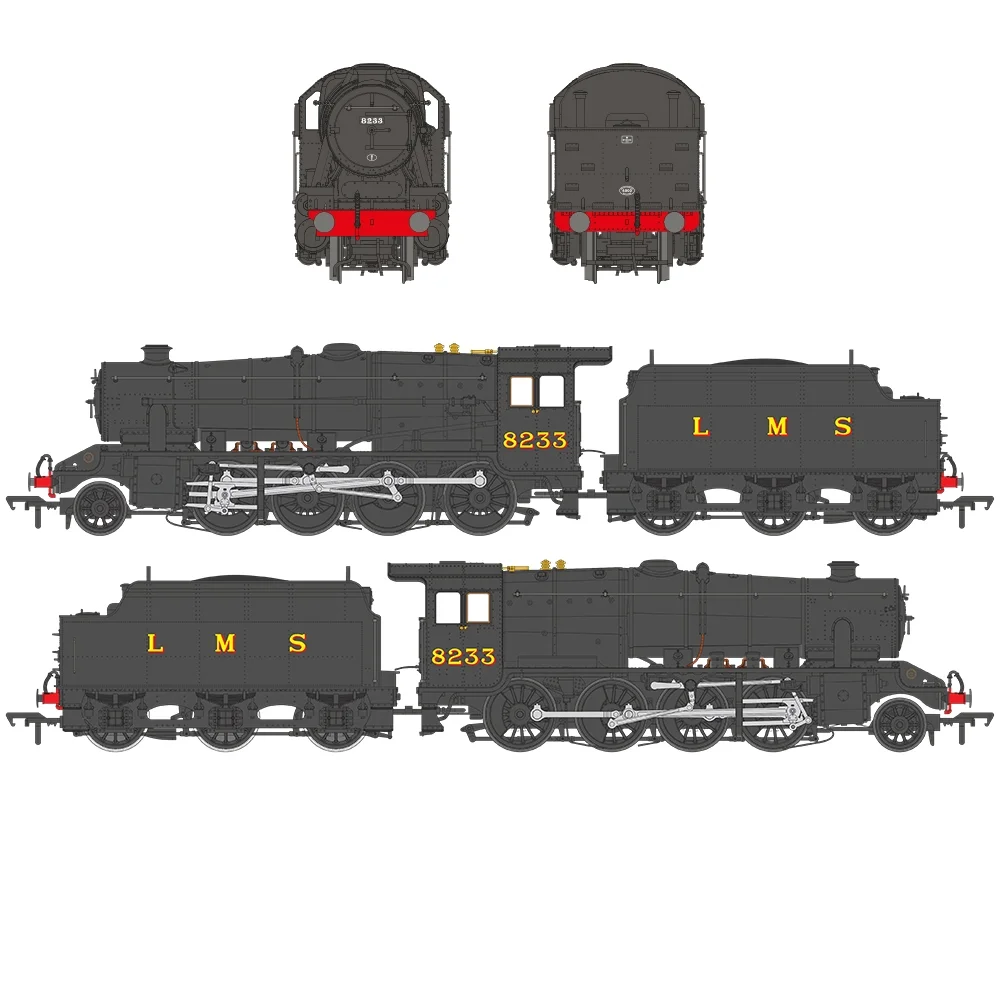
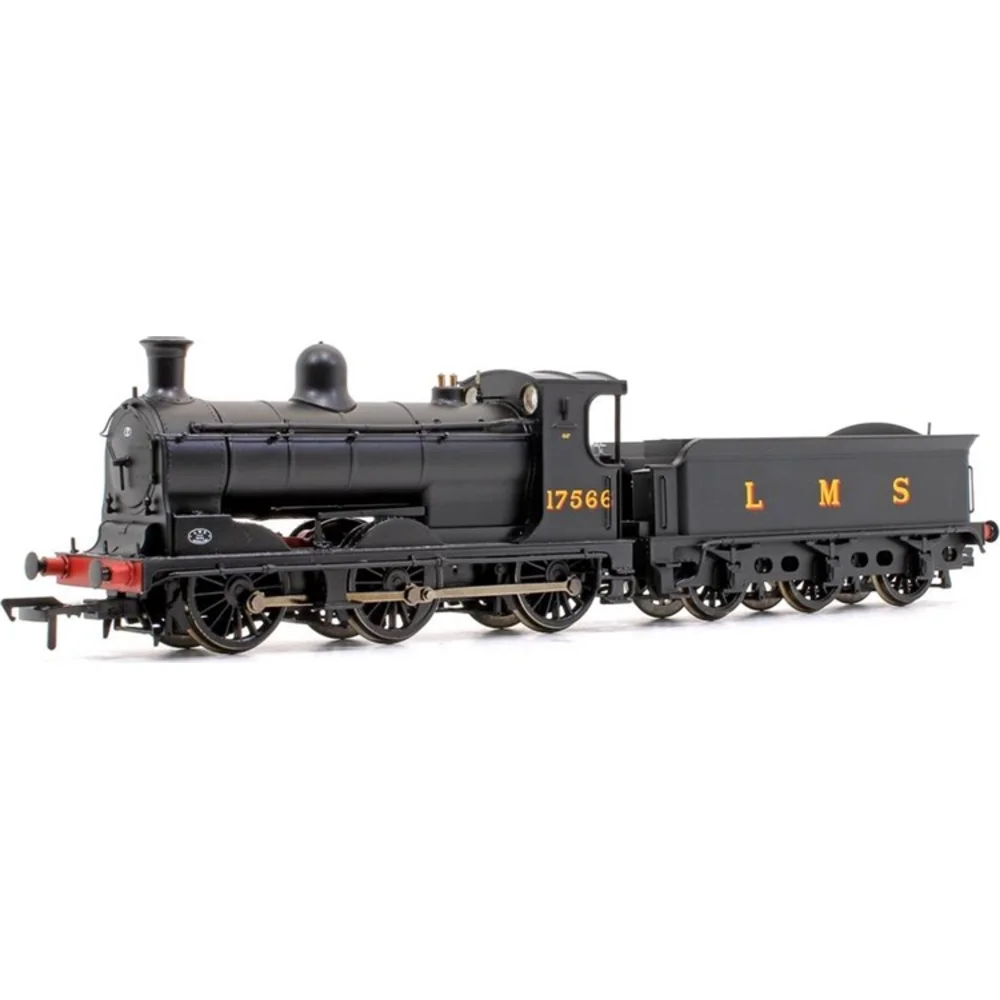
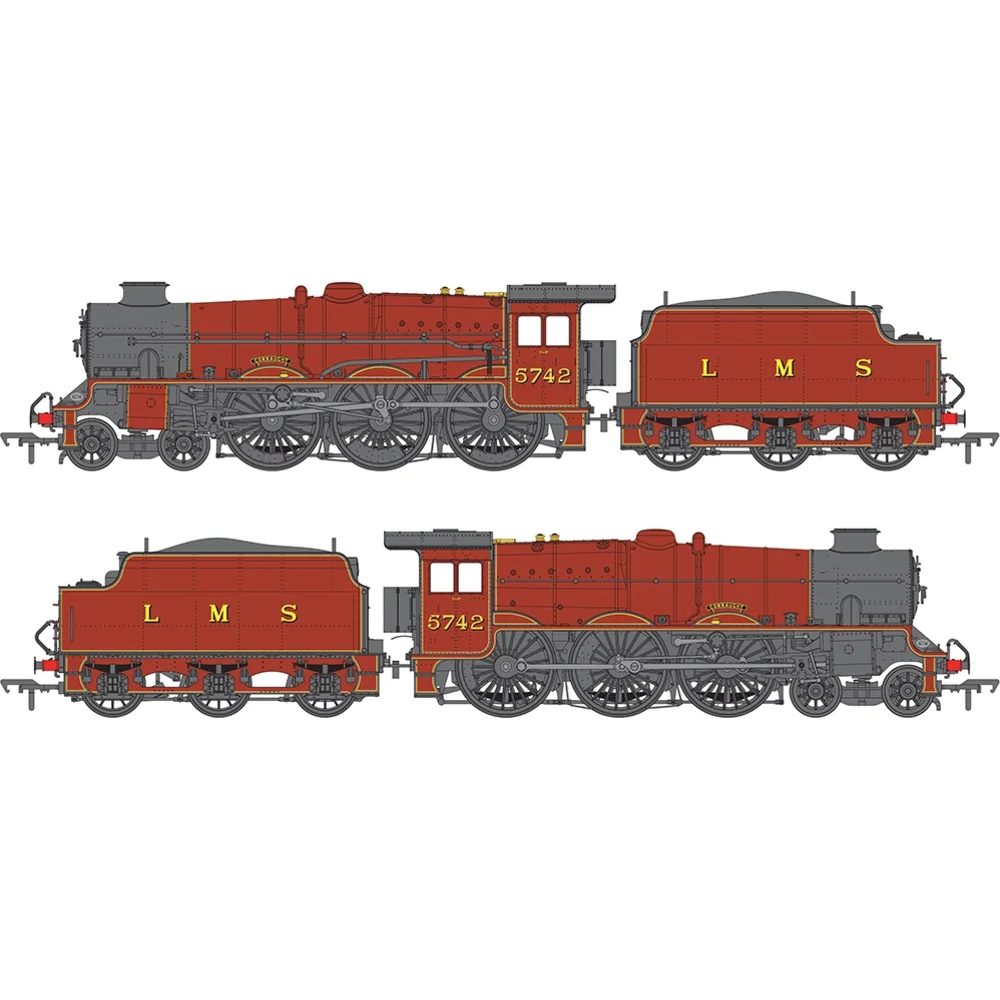
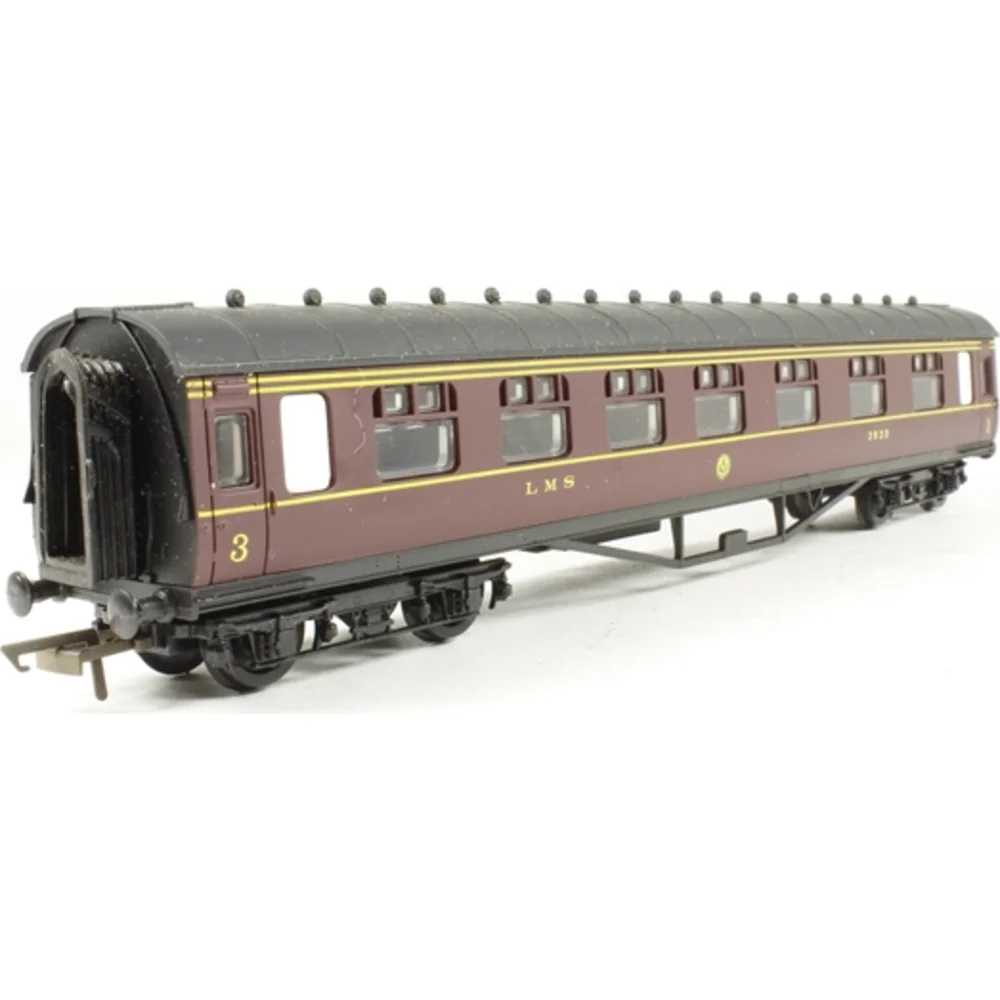
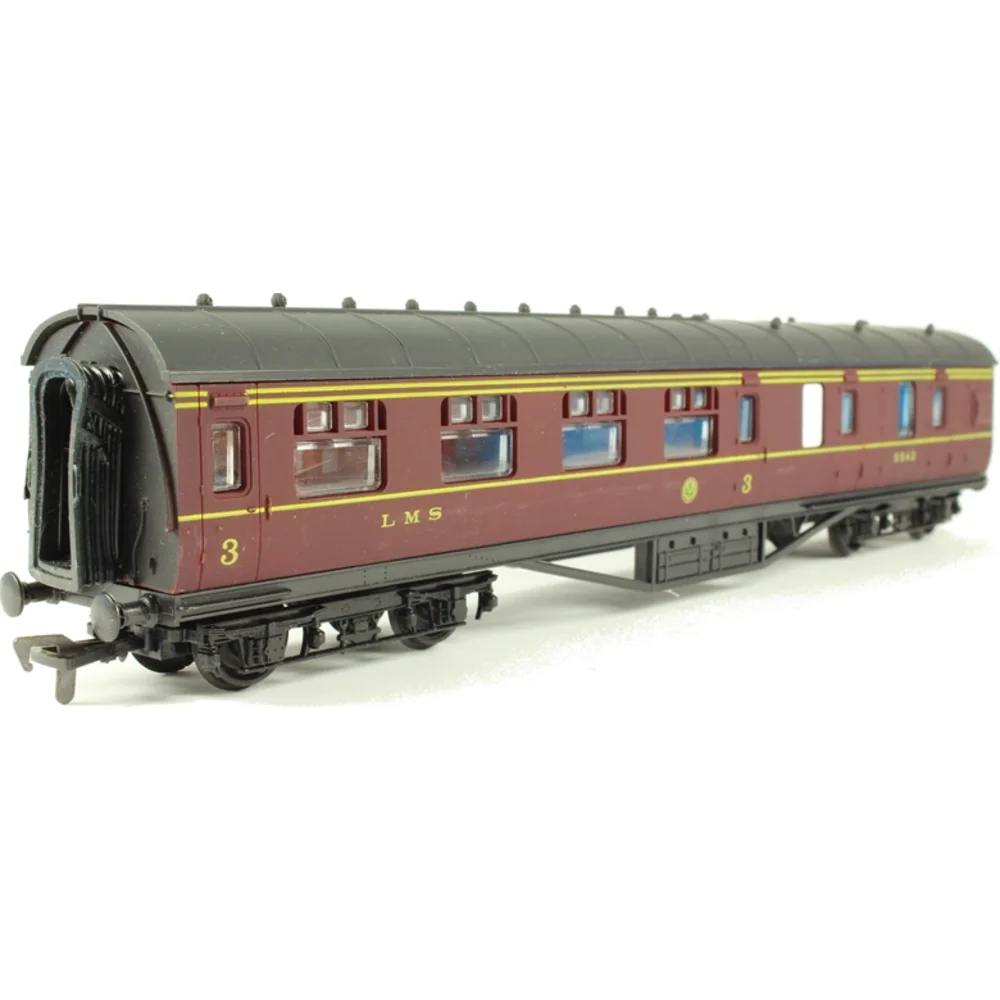
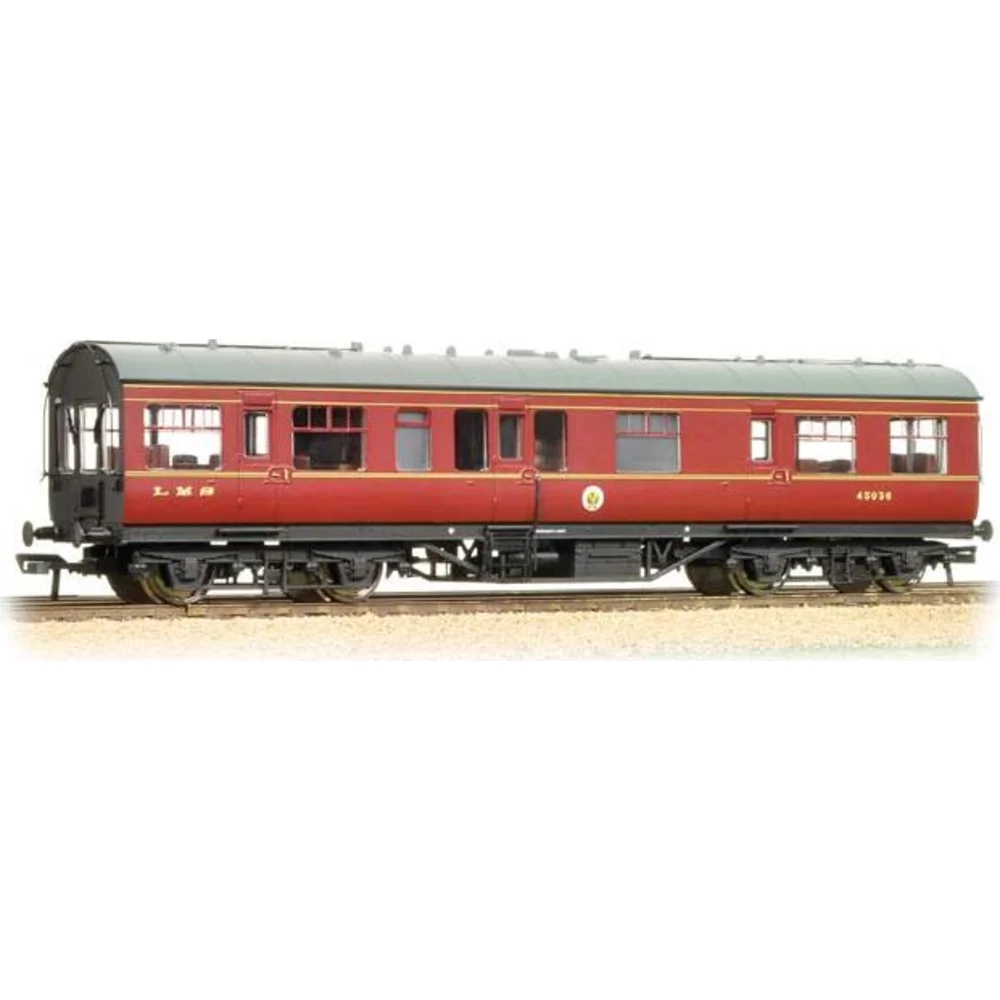
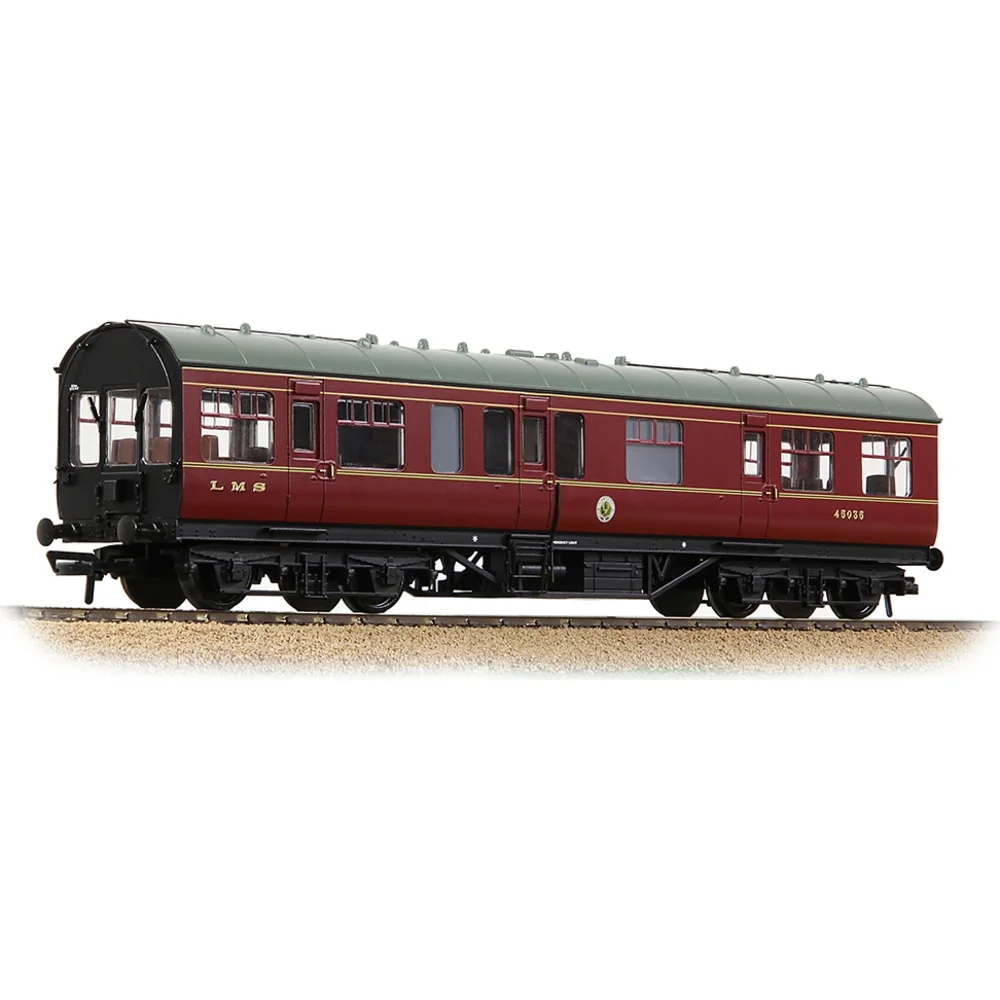
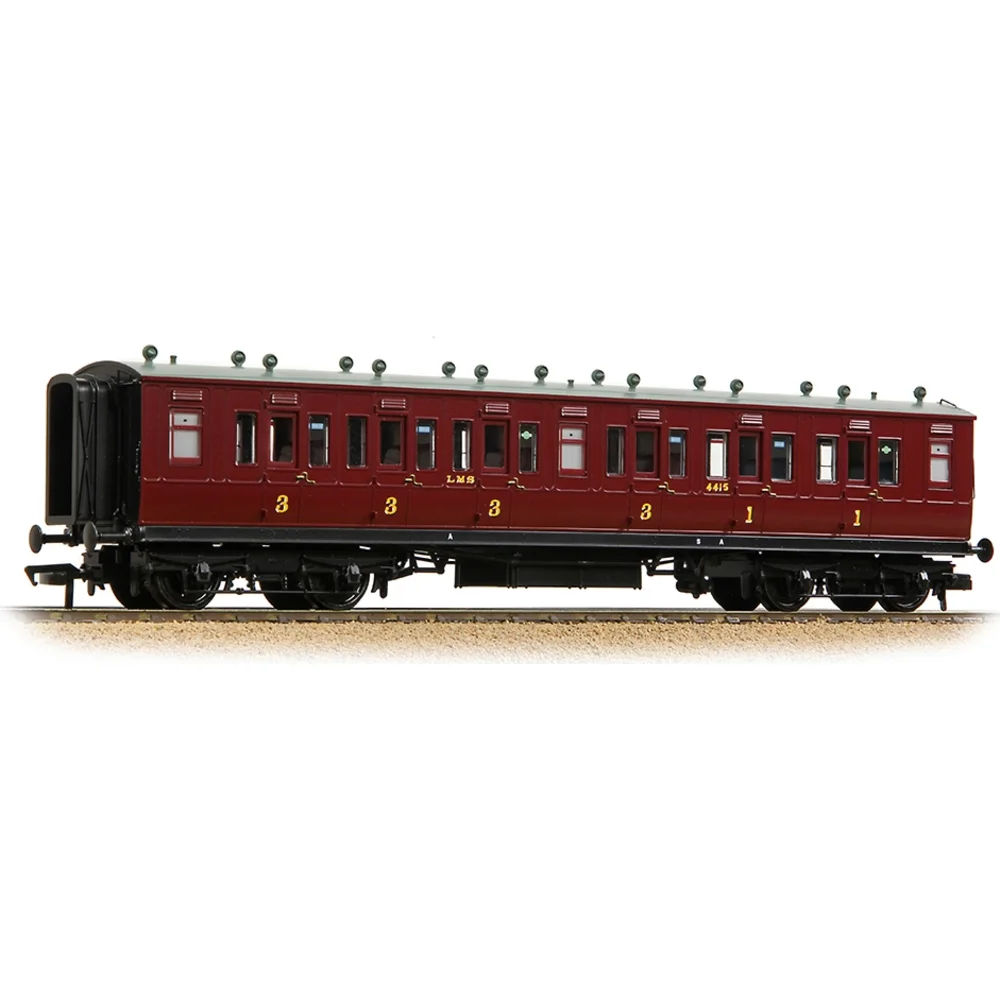
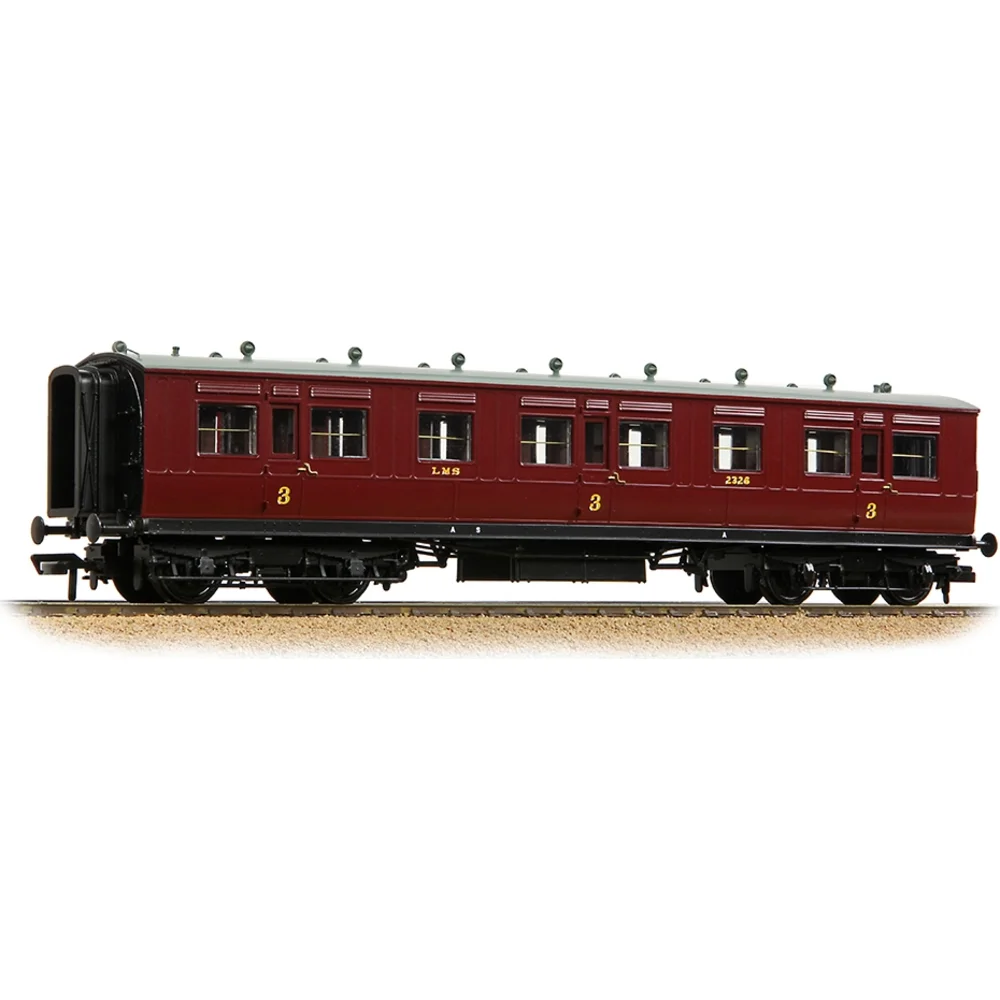
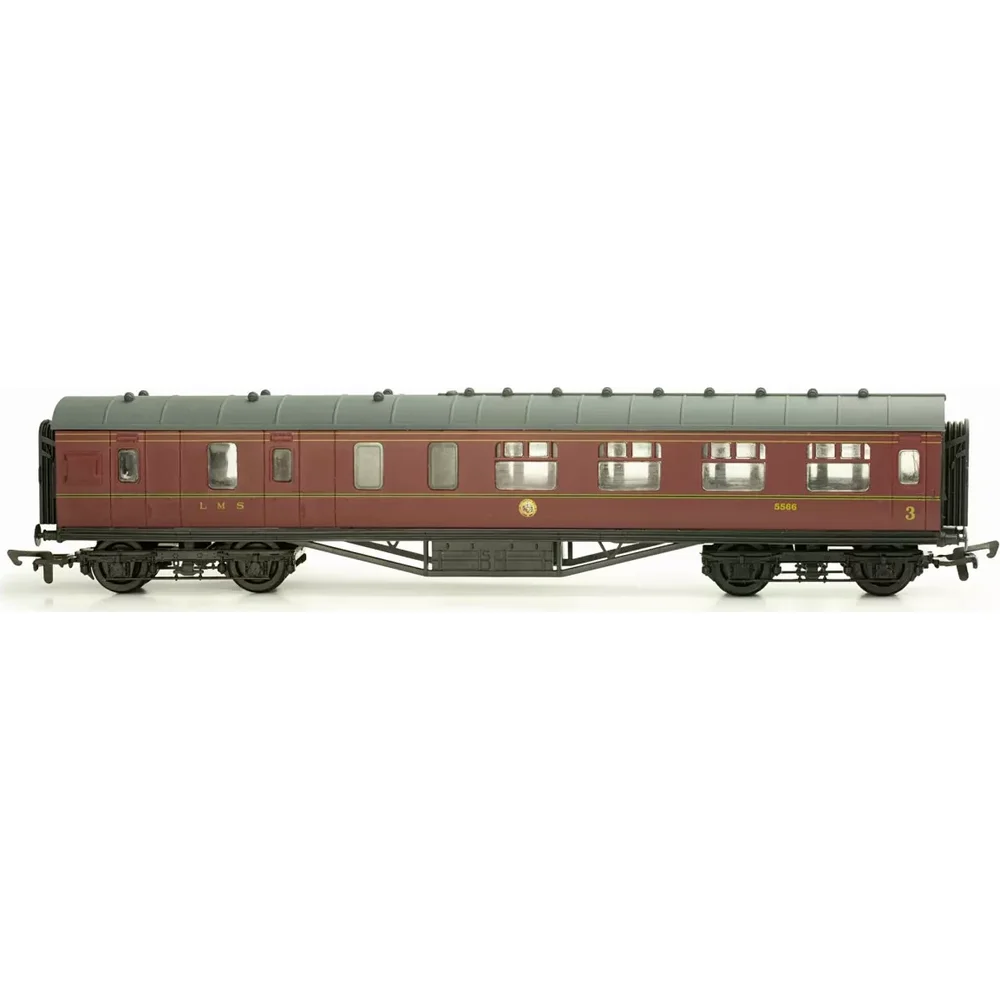
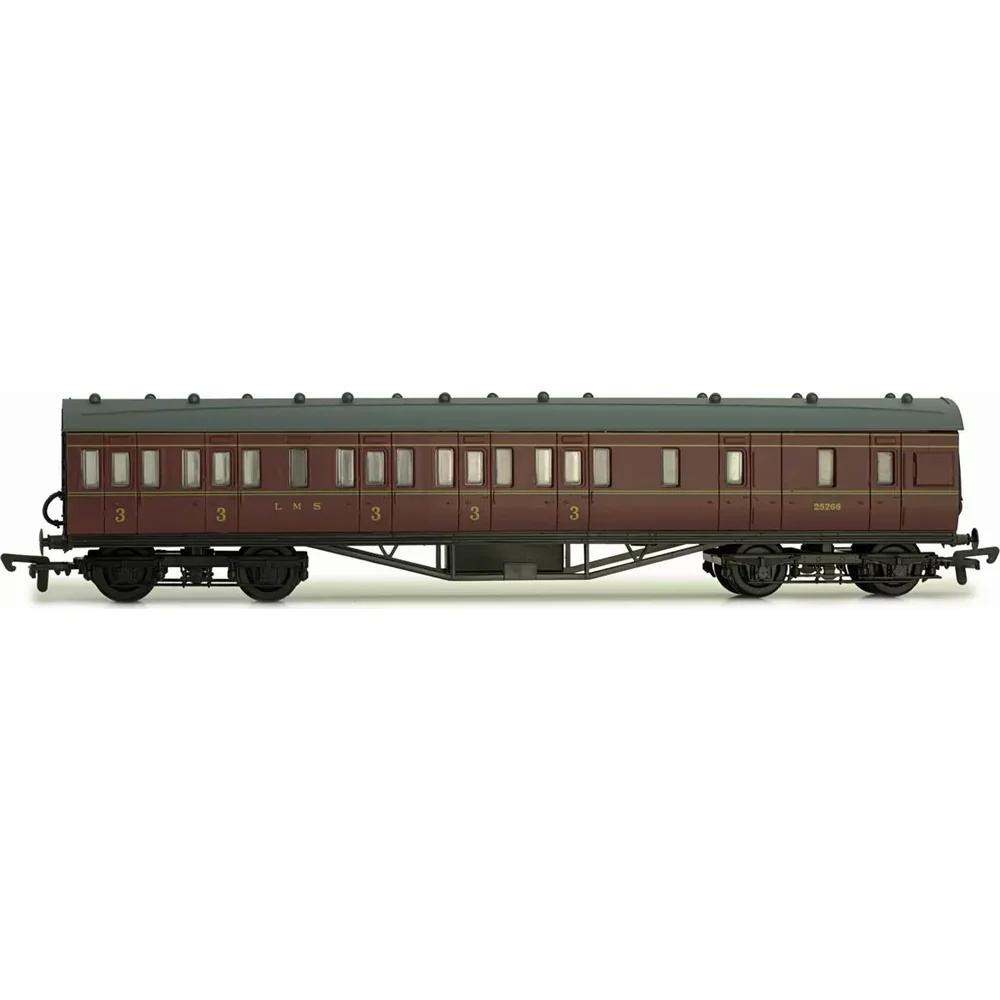
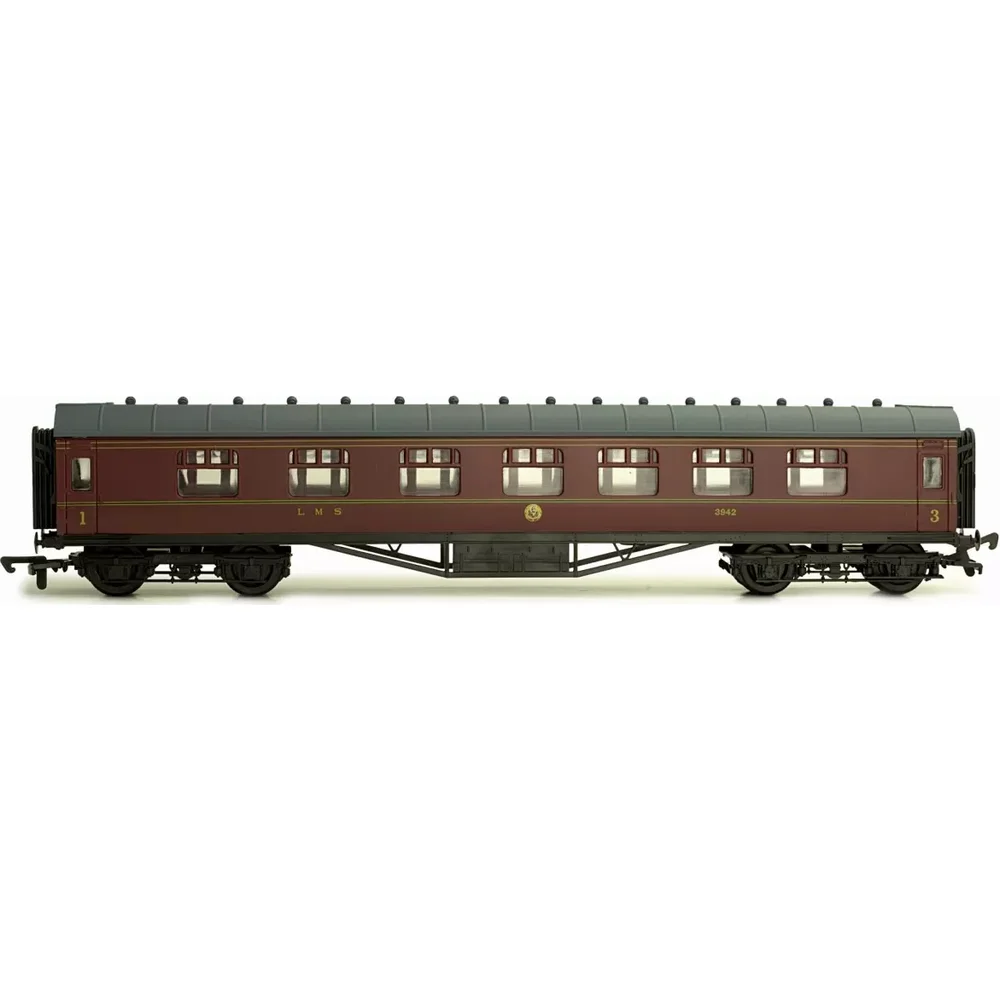
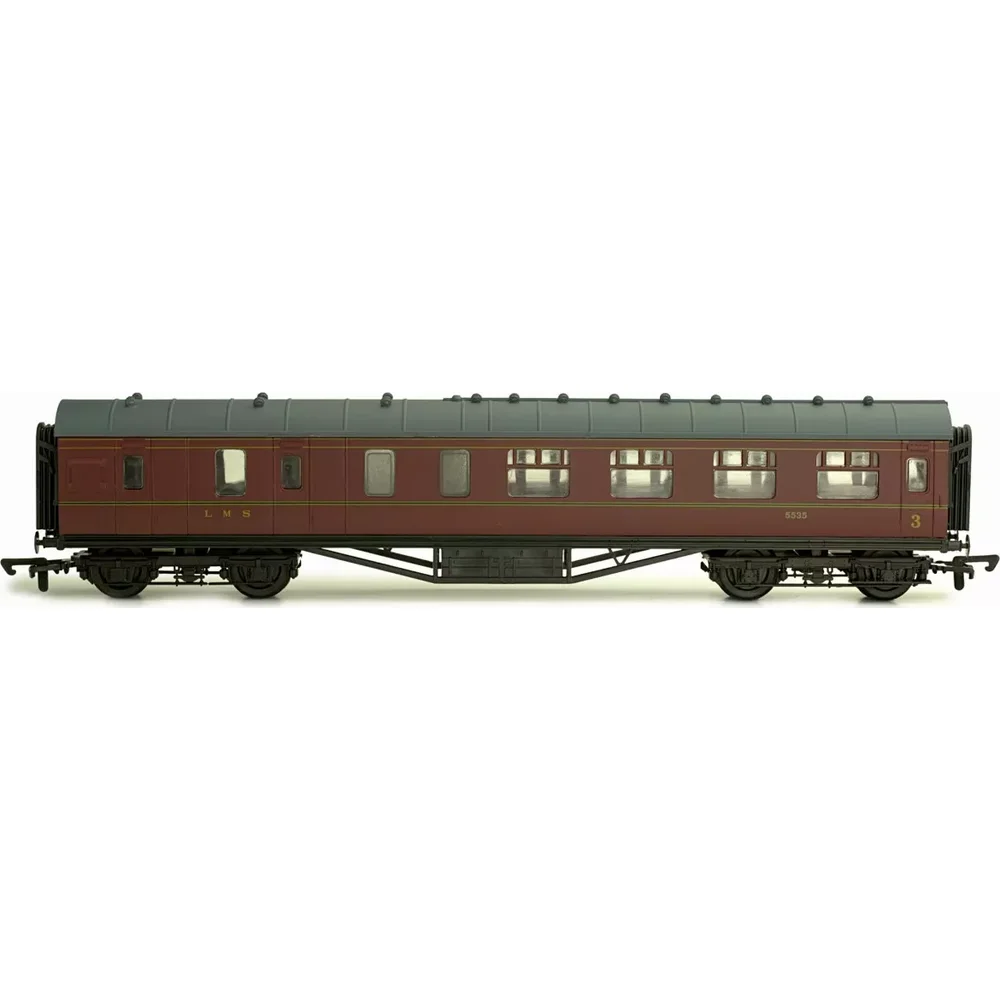
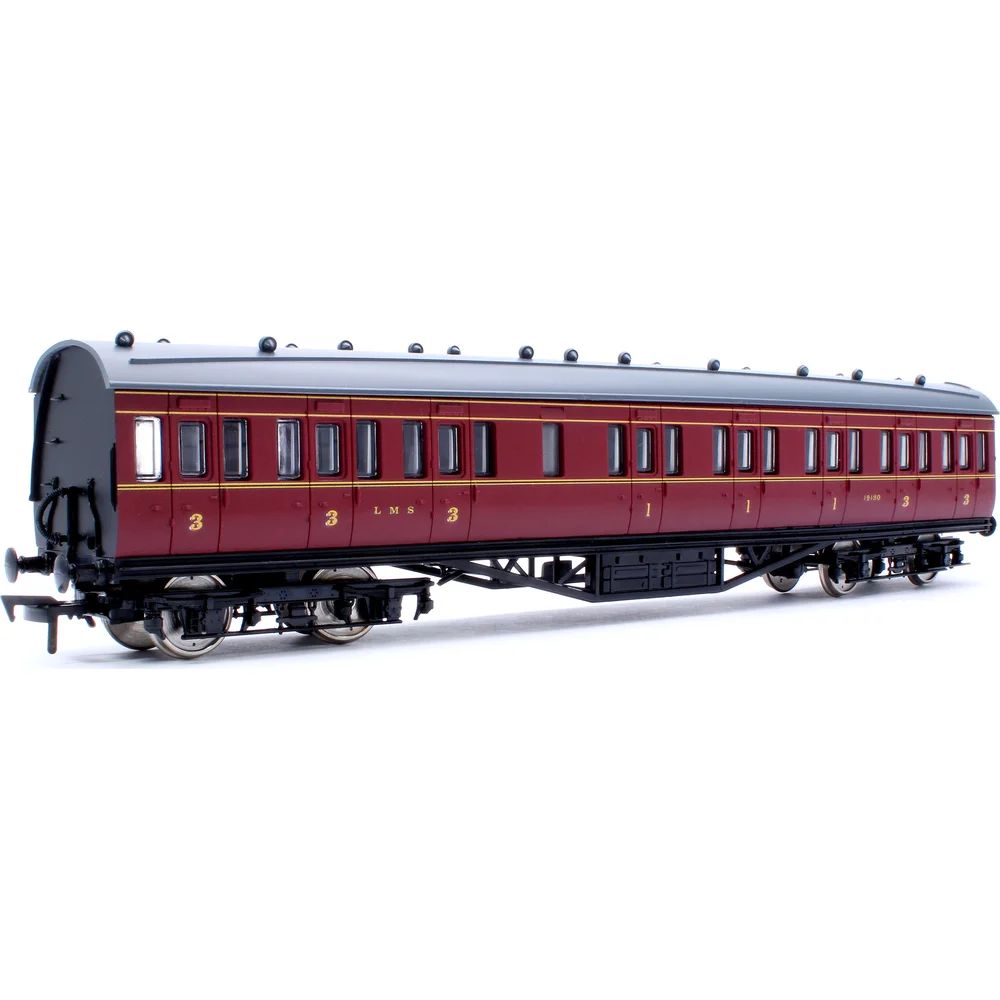
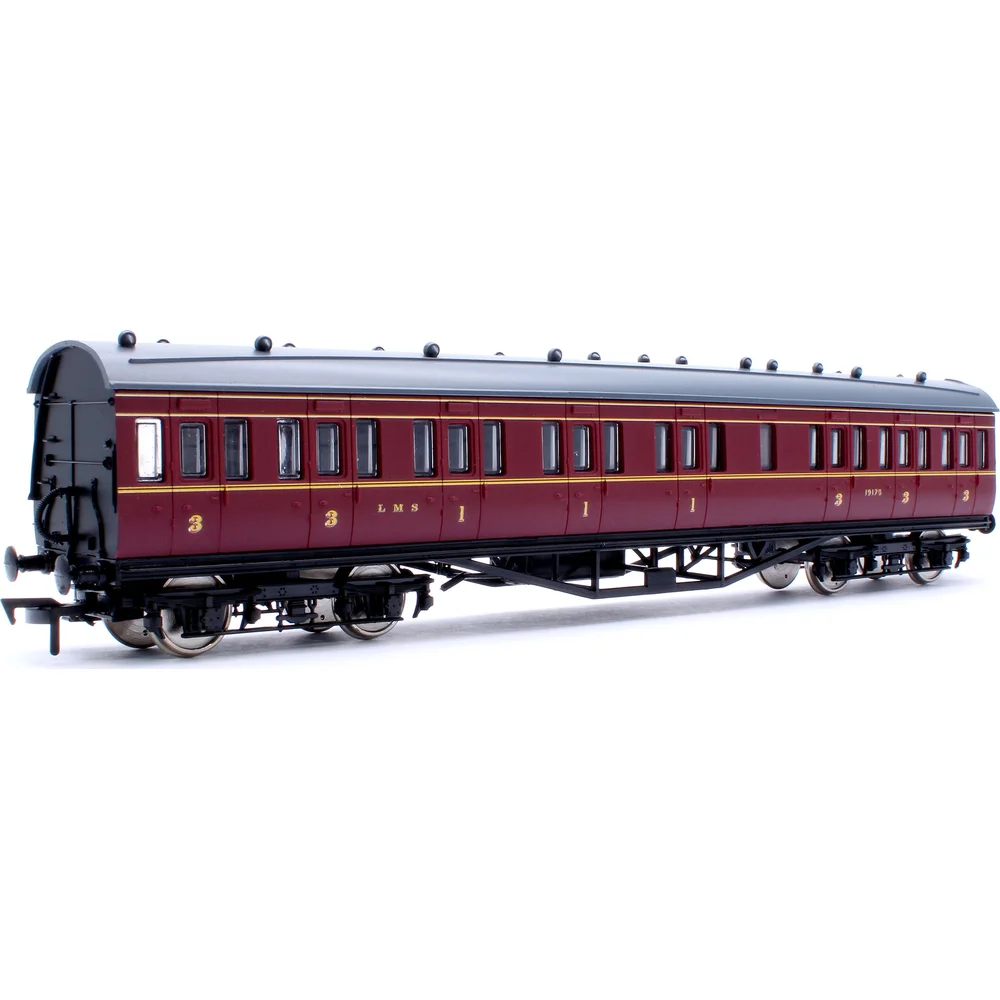
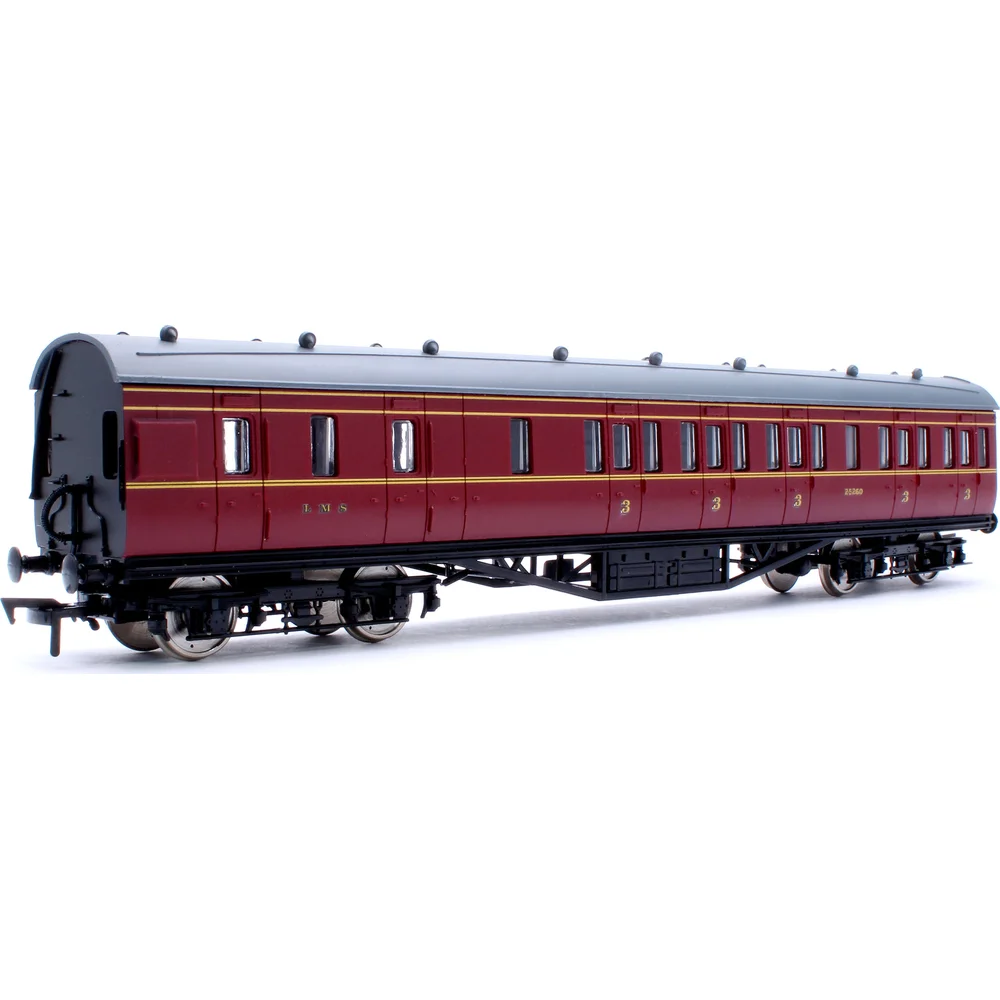
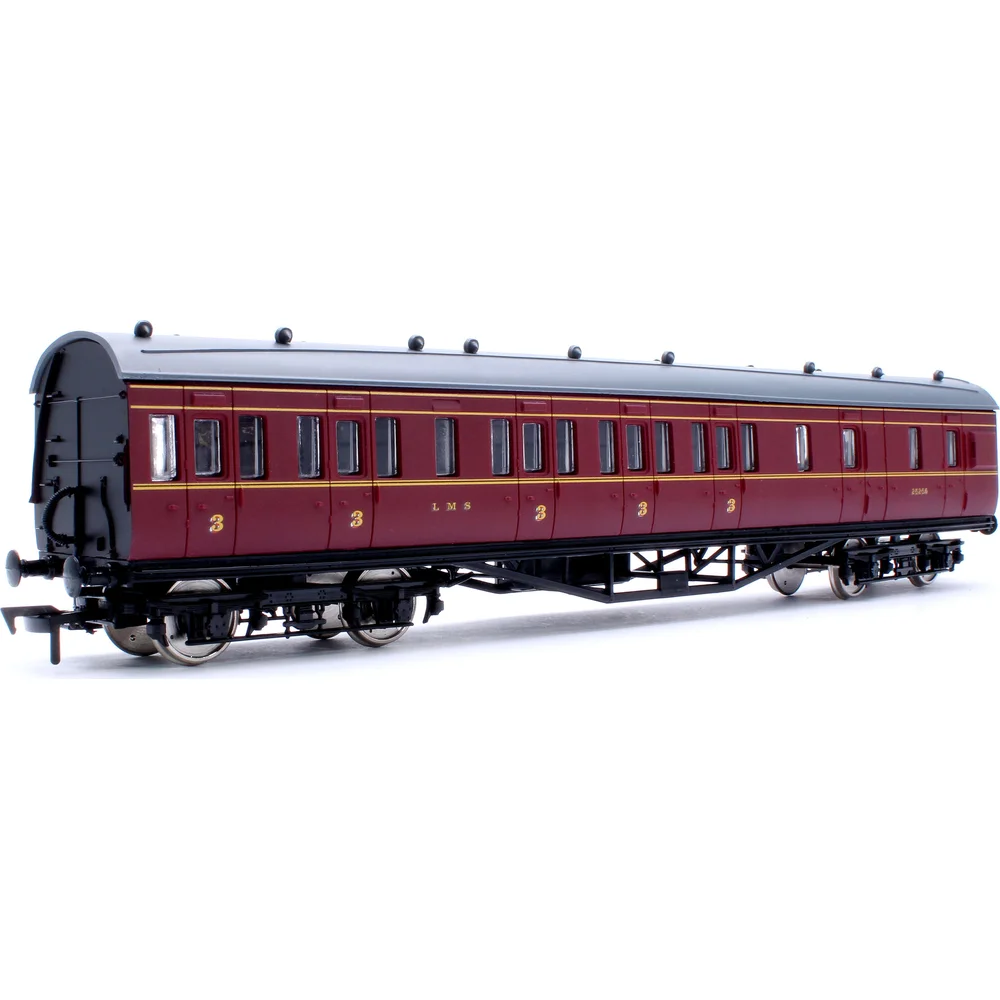
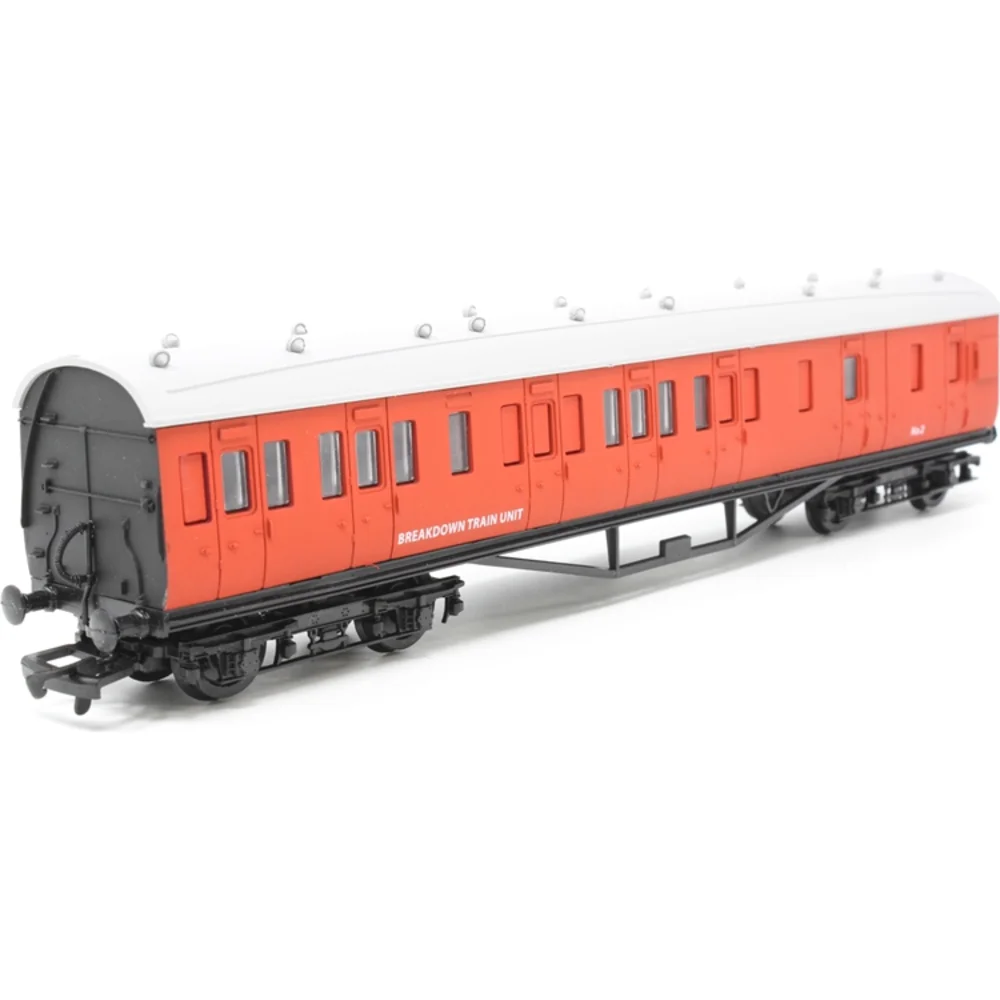
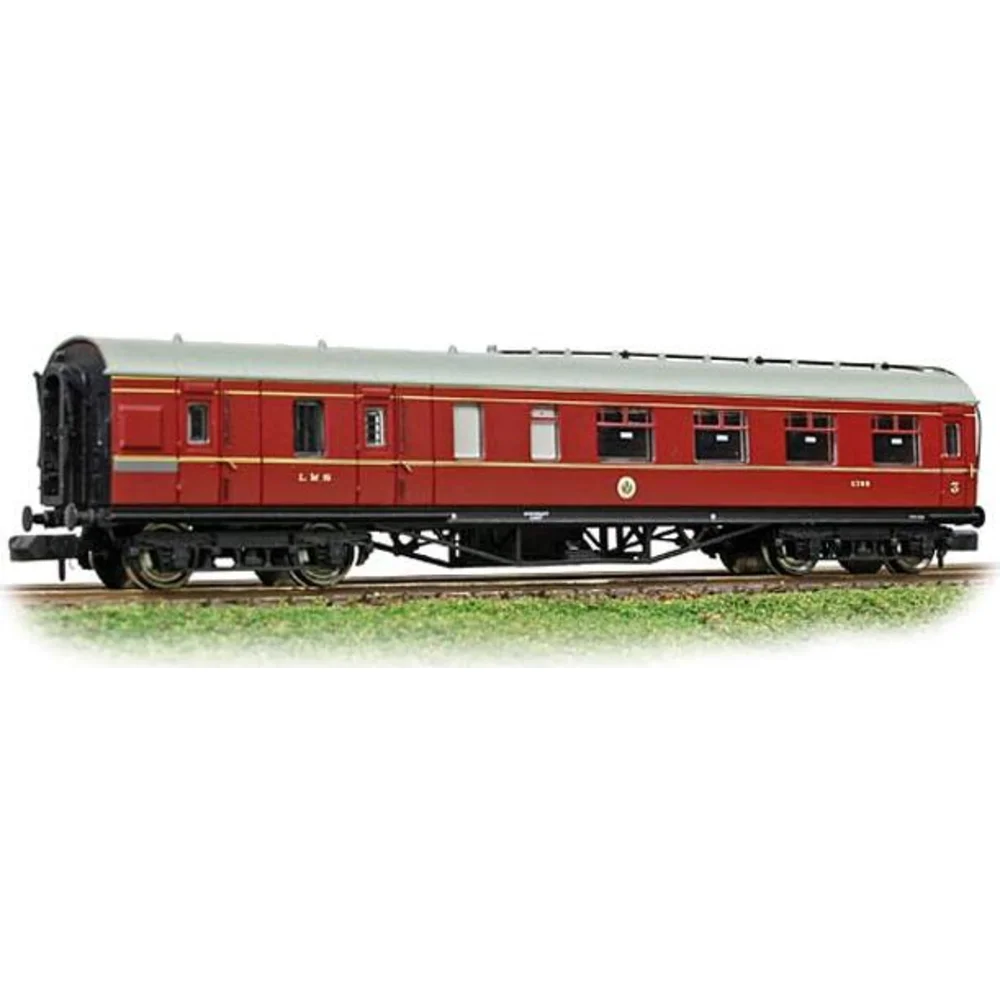
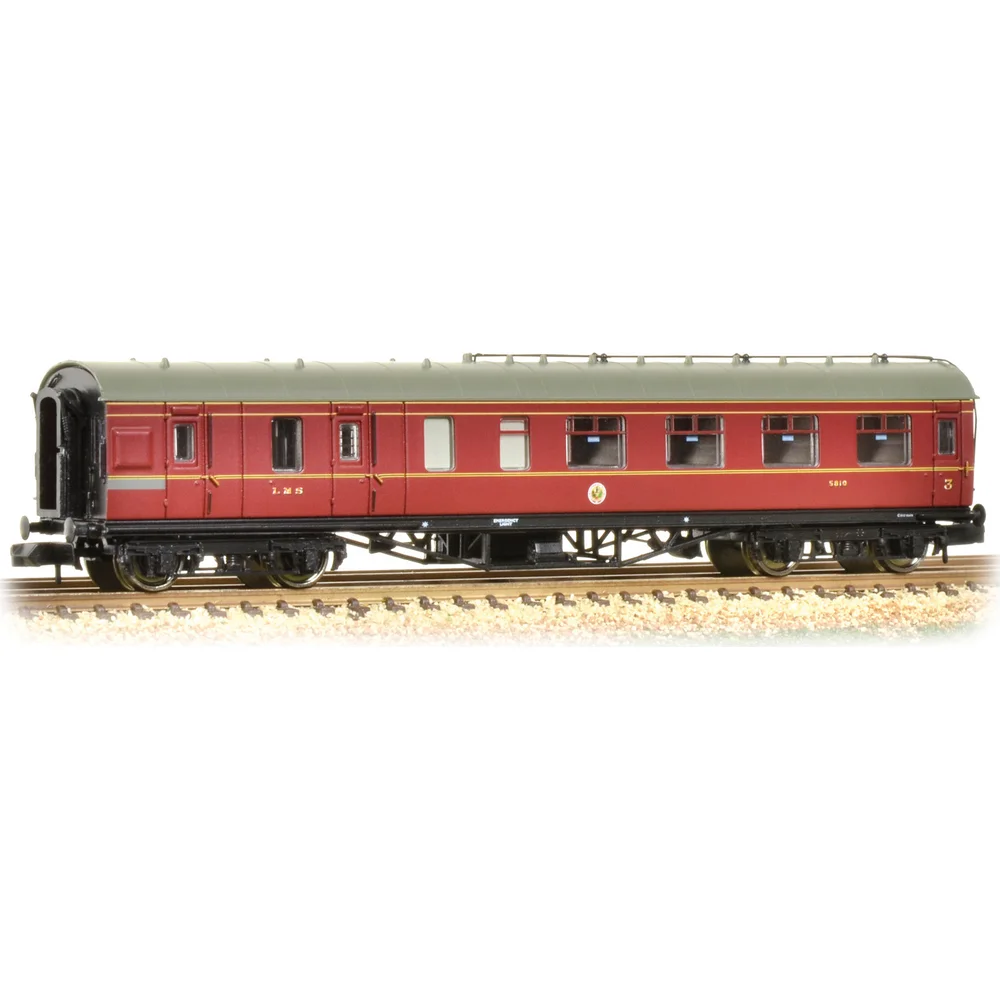
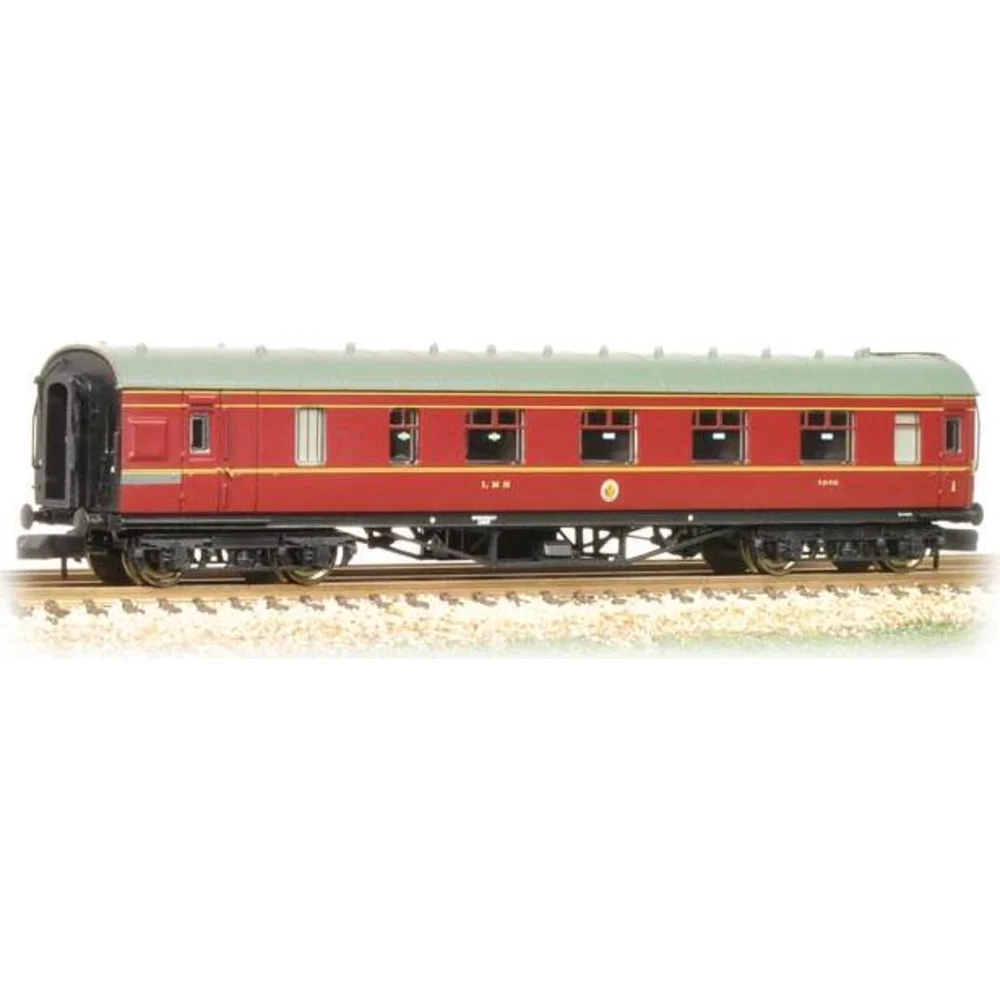
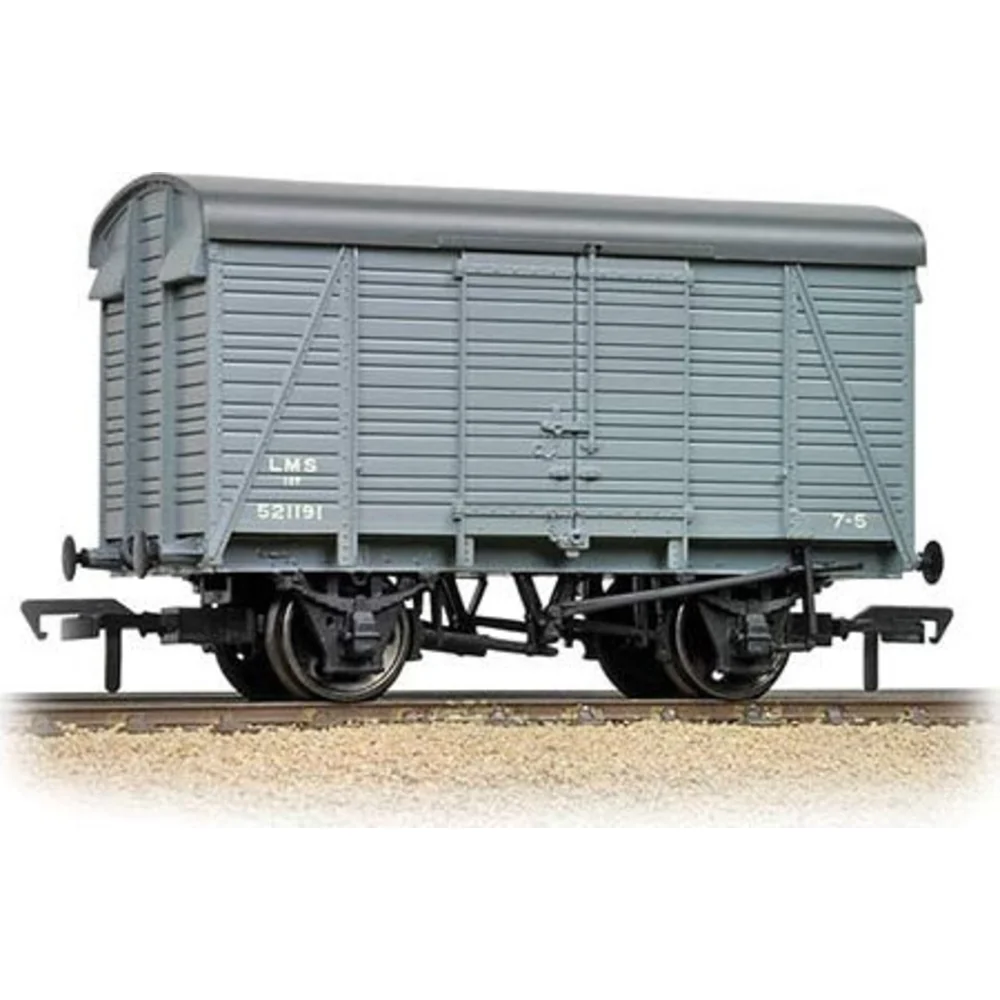
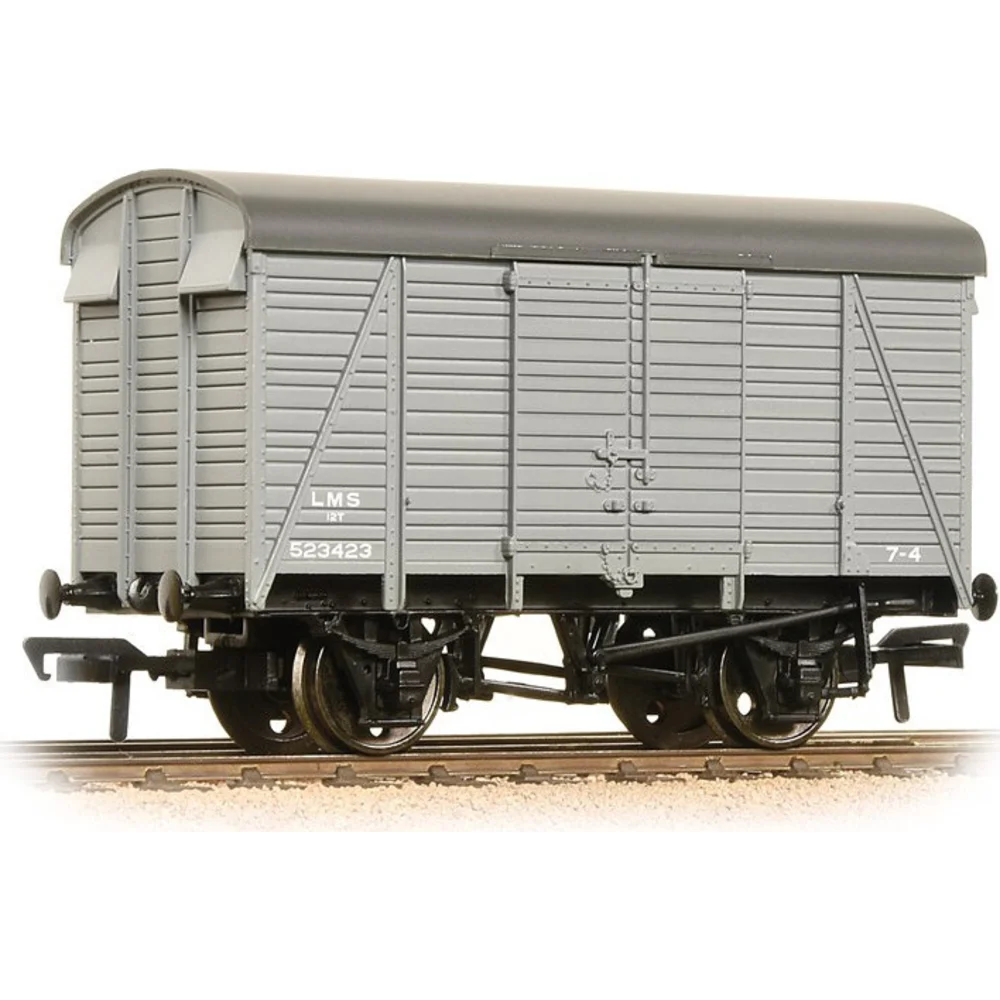
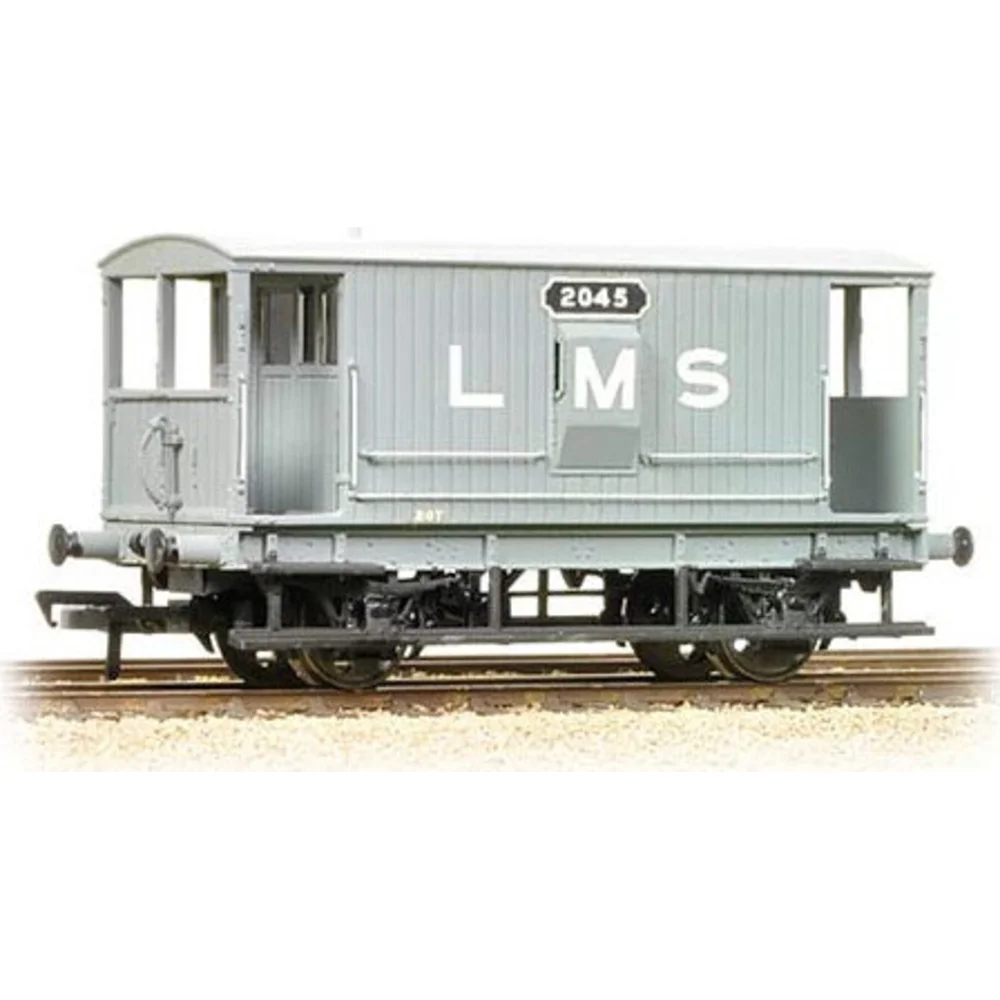
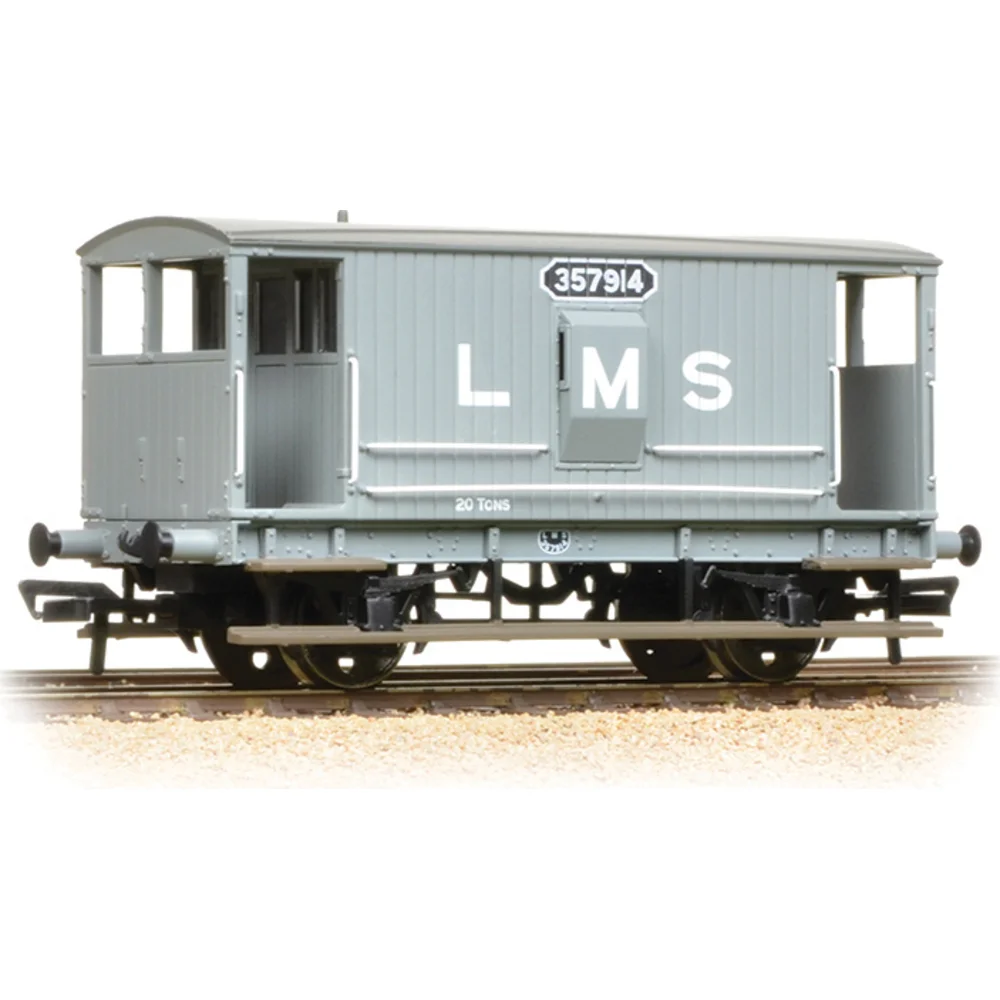
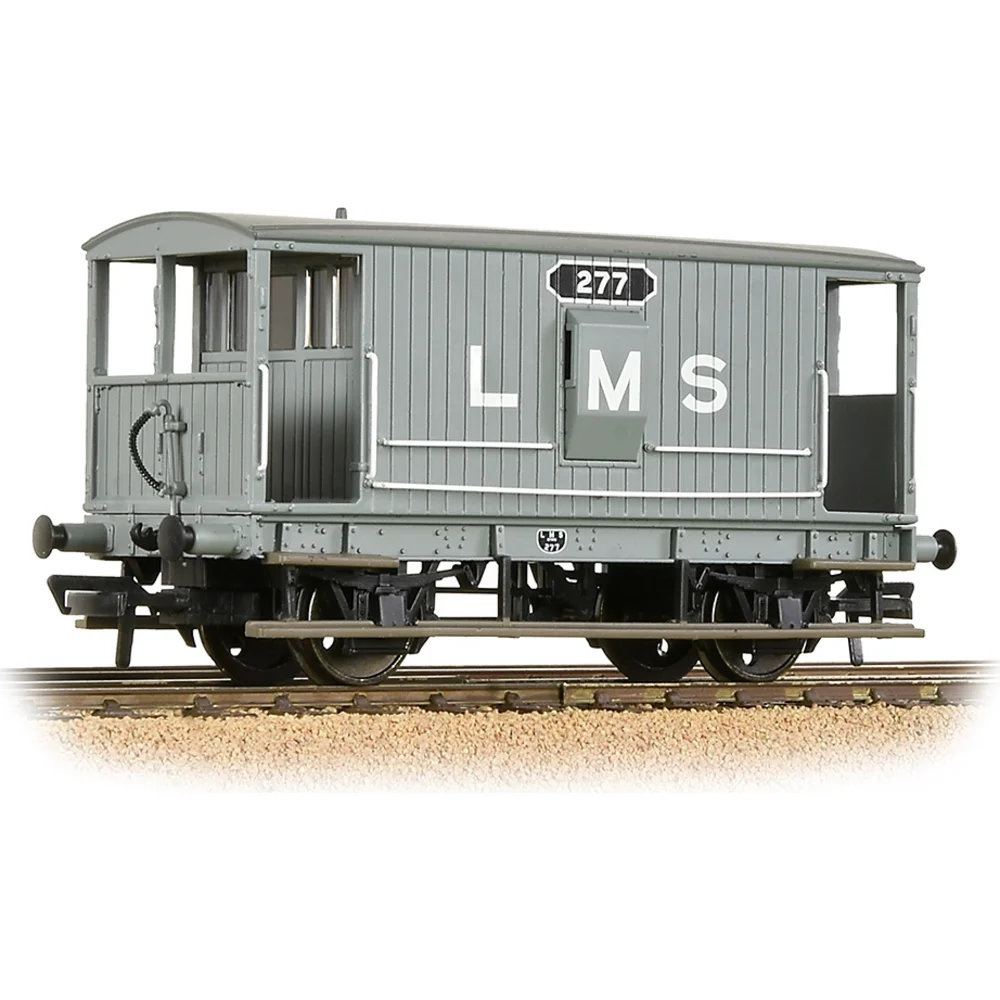
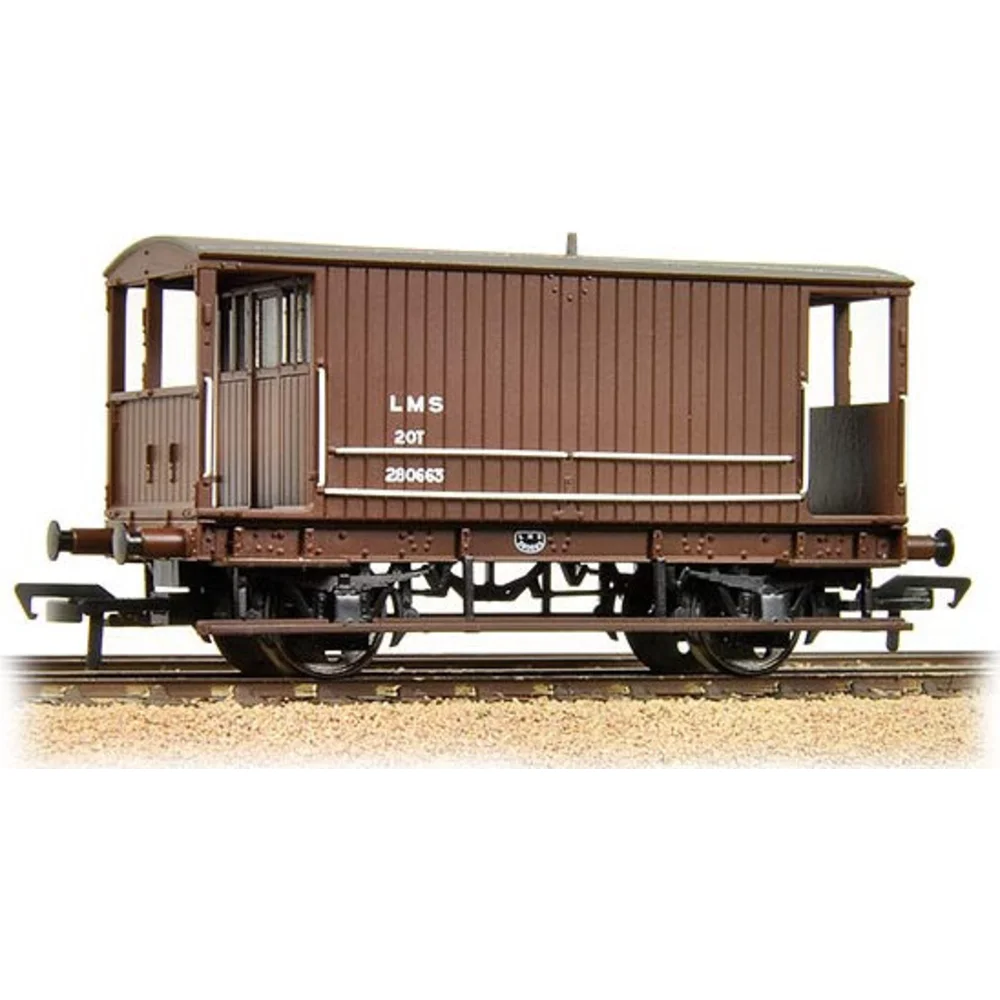
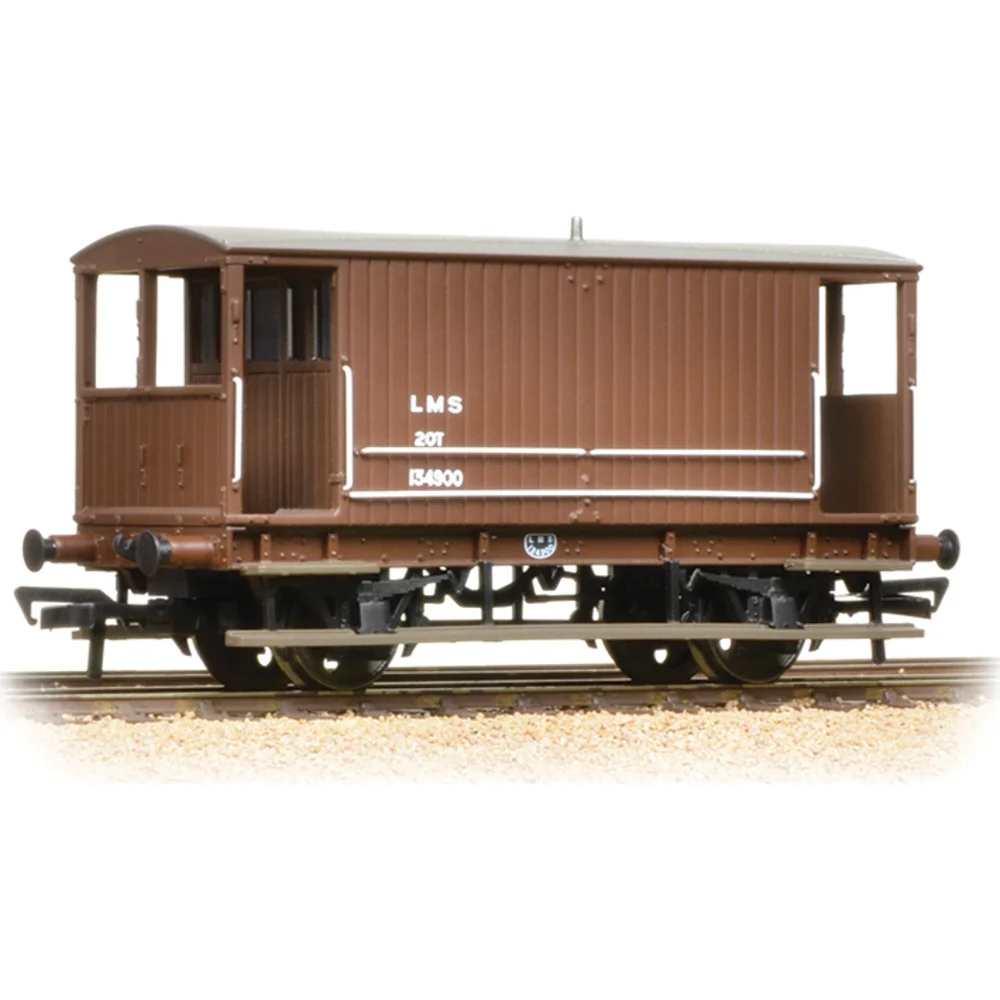
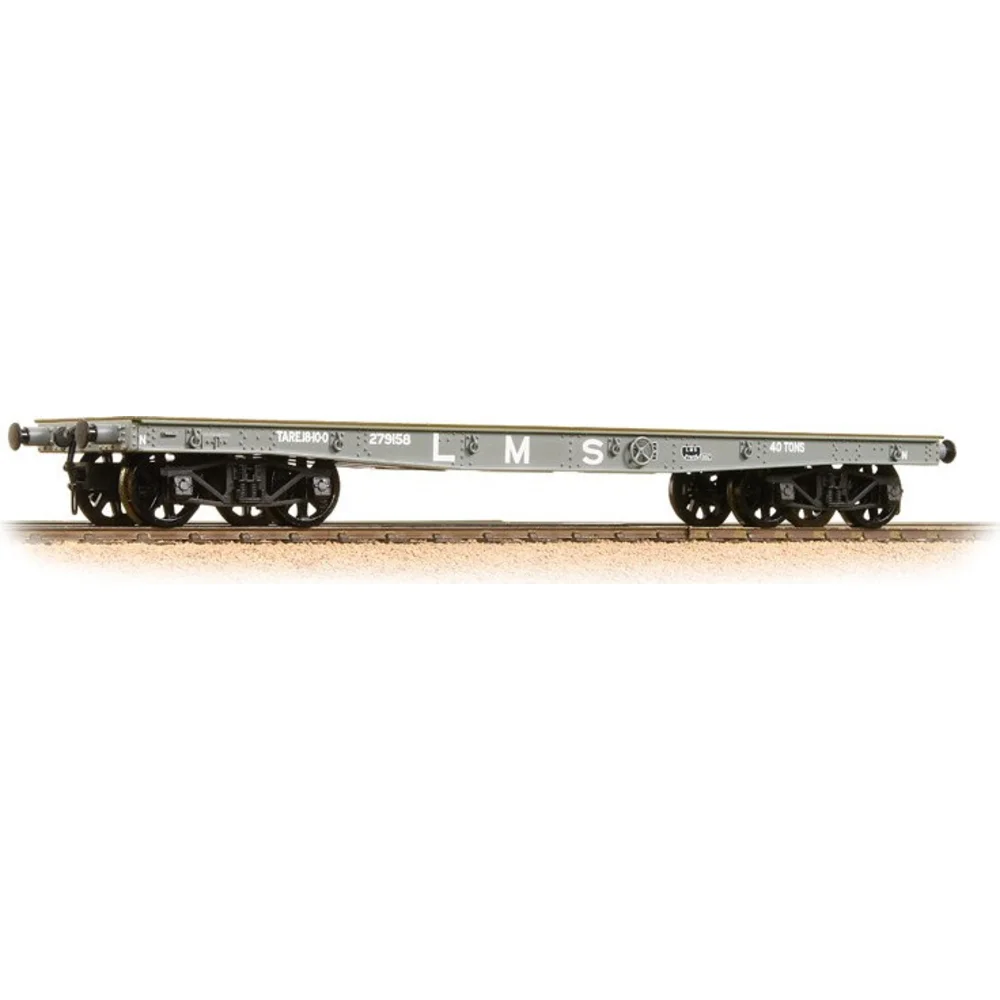
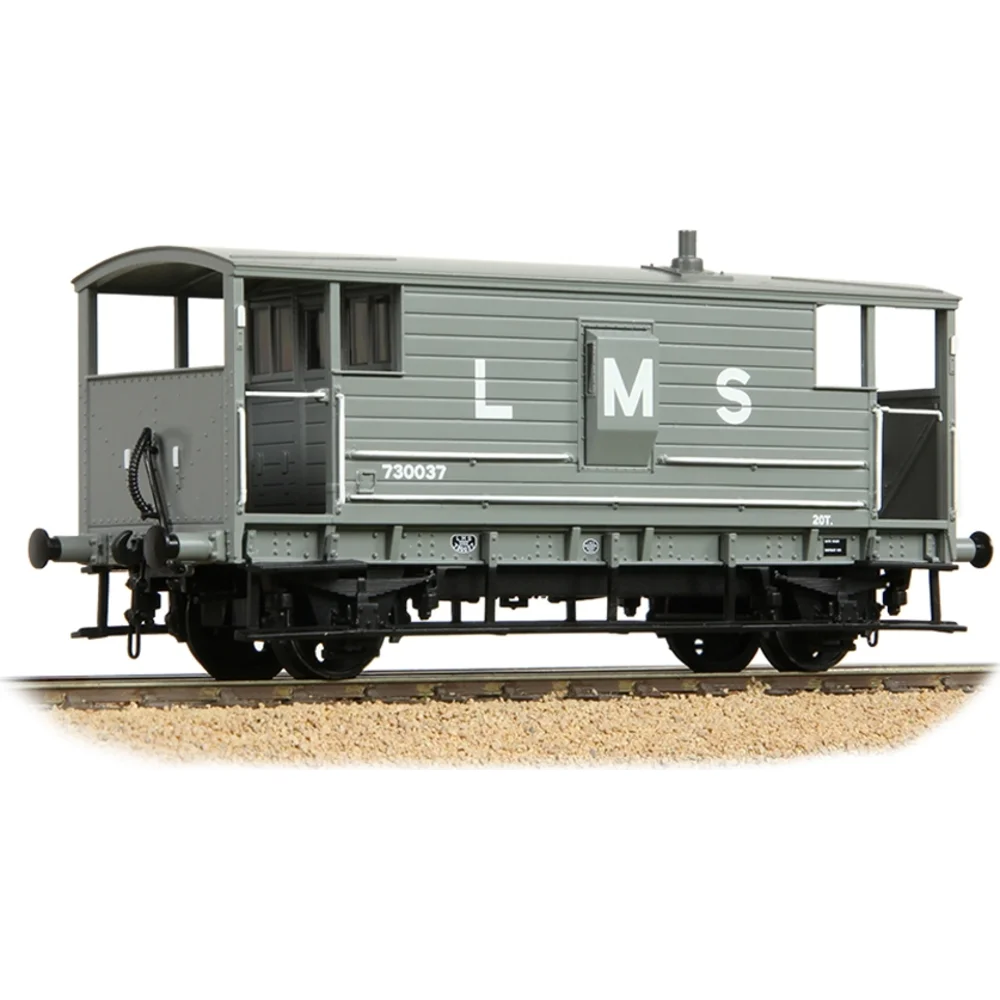
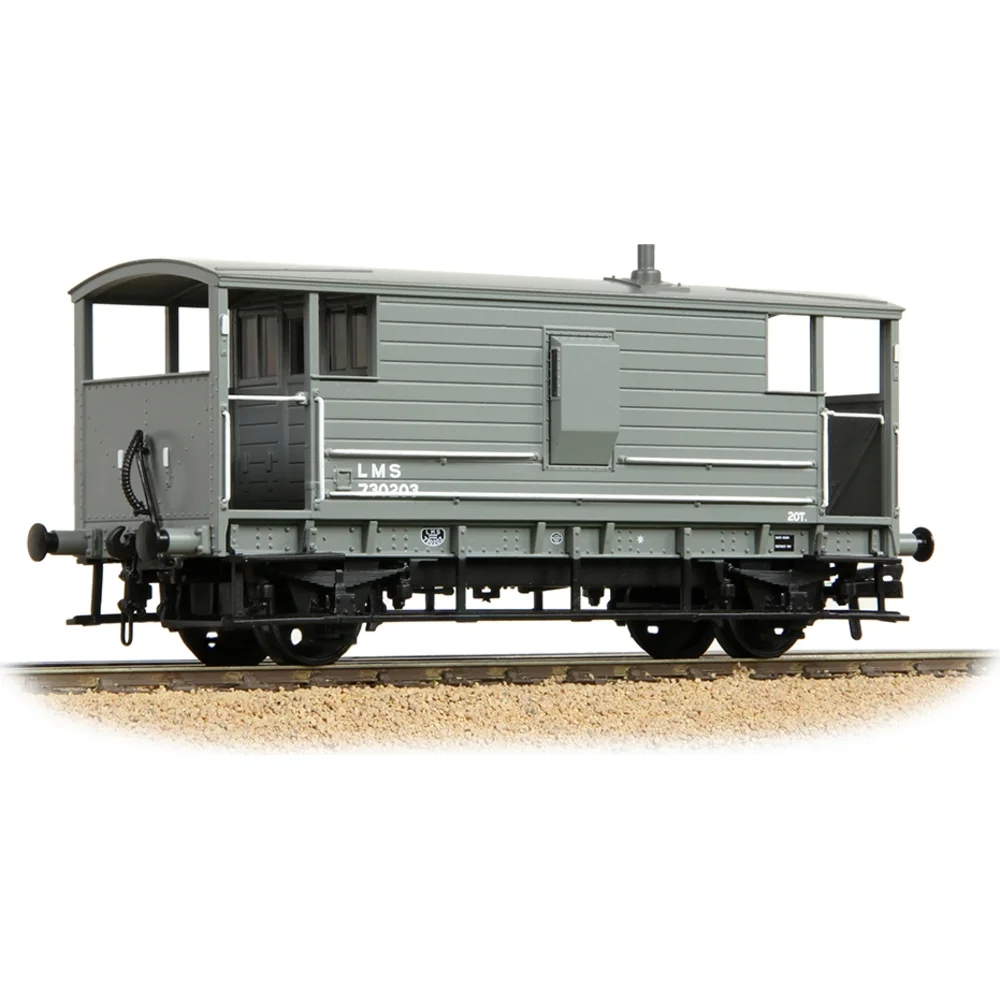
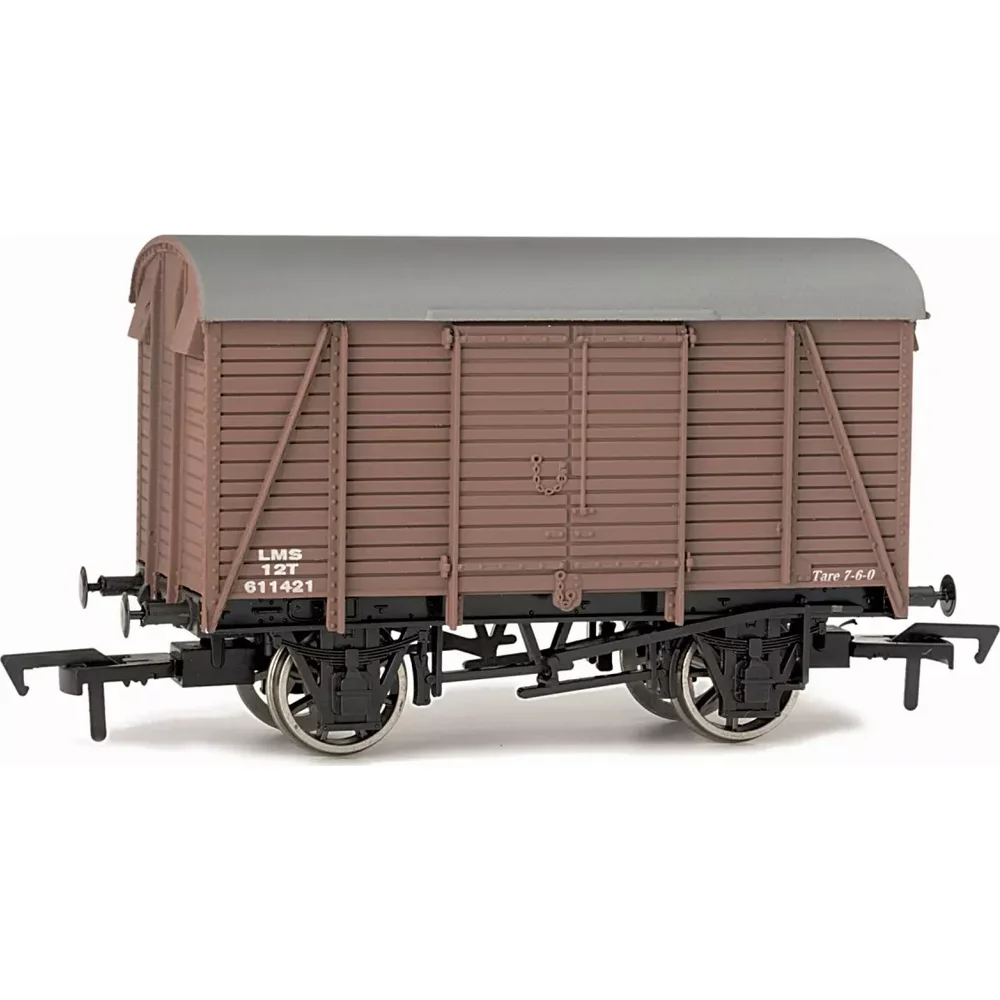
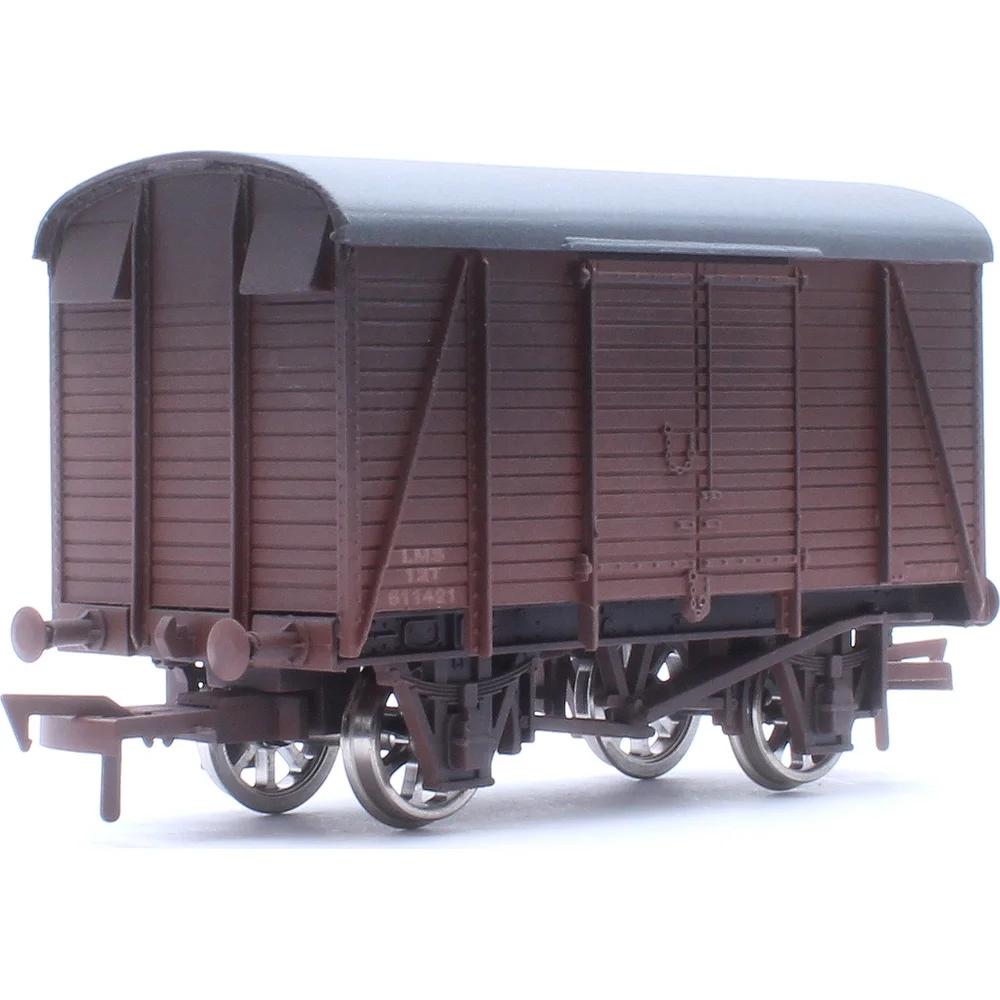
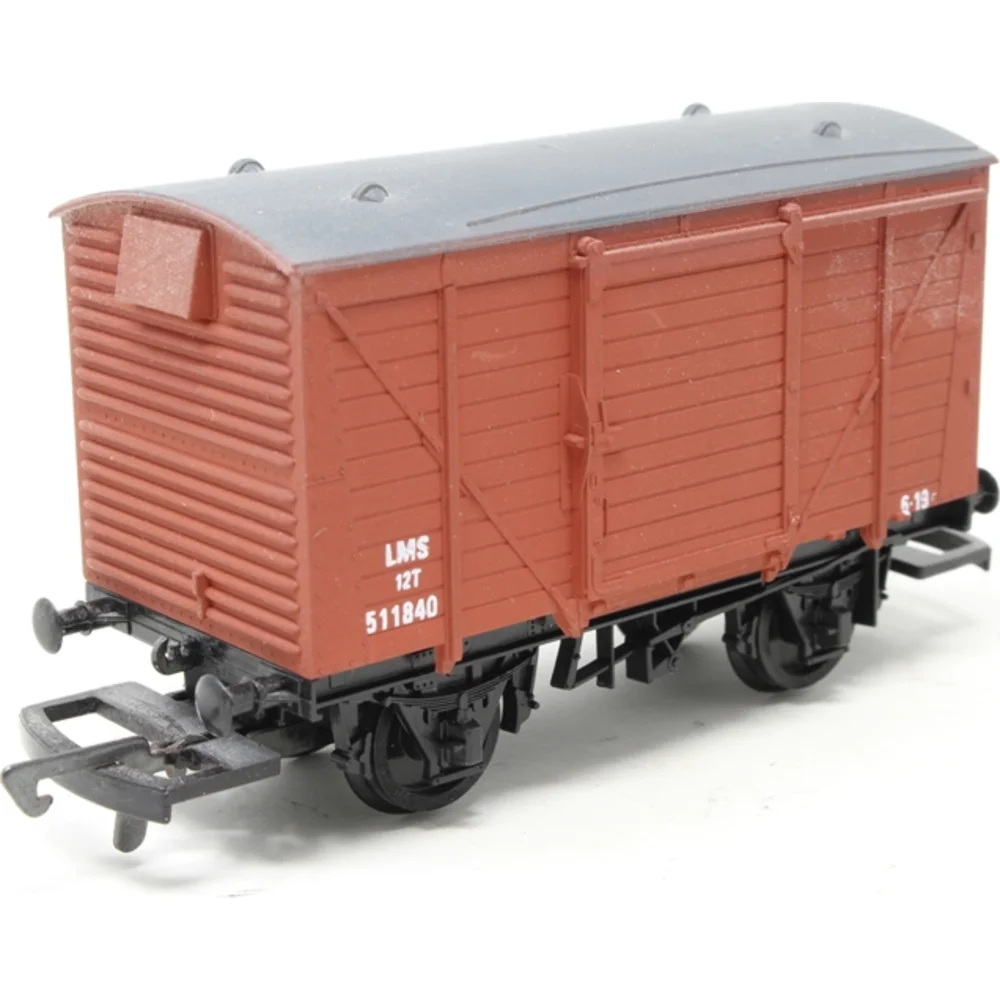
The London, Midland & Scottish Railway (LMS) WAS one of Britain's most significant railway companies, dominating the transport landscape from 1923 to 1948. Formed under the Railways Act 1921, this railway giant emerged from the merger of over 120 separate companies, creating what would become the world's largest transport organisation and the British Empire's largest commercial enterprise. For railway enthusiasts and model railway hobbyists, the LMS represents a fascinating chapter of British rail history, offering endless opportunities for authentic historical modelling and locomotive appreciation.
Quick Takeaways
- Massive Scale: LMS operated 7,790 route miles at formation, making it the largest of the "Big Four" railway companies
- Locomotive Legacy: Home to iconic designs including Royal Scot, Princess Coronation, and the famous "Black Five" classes
- Geographic Reach: Served England, Scotland, Wales, and Northern Ireland through comprehensive network coverage
- Modelling Appeal: Extensive range of preserved locomotives and coaching stock provides authentic prototype reference
- Historical Significance: Second largest employer in the UK after the Post Office during its operational period
- Technical Innovation: Pioneer of streamlined locomotive design and advanced passenger carriage construction techniques
Formation and the Railways Act 1921
The creation of the London, Midland & Scottish Railway on 1st January 1923 marked a watershed moment in British railway history. The Railways Act 1921 mandated the grouping of Britain's chaotic collection of independent railways into four major companies, ending an era of fierce competition and territorial disputes that had characterised the Victorian railway boom.
The LMS emerged from the amalgamation of seven major constituent companies and 27 smaller subsidiaries. The primary components included the London and North Western Railway (LNWR), the Midland Railway, the Lancashire and Yorkshire Railway, and several Scottish companies including the Caledonian Railway. This merger created immediate challenges, as each constituent company brought distinct operating philosophies, locomotive designs, and corporate cultures.
Railway modellers find particular fascination in this transitional period, as locomotives and rolling stock from various pre-grouping companies continued operating in their original liveries well into the 1920s. The gradual standardisation process provides excellent opportunities for creating authentic mixed-traffic scenes on model railways, capturing the complexity of this consolidation period.
An insider tip for serious modellers: the LMS Society, established in 1963, maintains comprehensive records of locomotive renumbering schemes and livery changes during this period. Their publications offer invaluable reference material for achieving historical accuracy in OO gauge and larger scale models.
Geographic Extent and Route Network
The London, Midland & Scottish Railway operated the most extensive network of the "Big Four" companies, with its tentacles reaching into 32 of England's 40 counties. The system's crown jewel was the West Coast Main Line, stretching 729 miles from London Euston to Wick in the far north of Scotland – the longest main line route under single company control in Britain.
The network's complexity stemmed from its multiple main arteries. The former LNWR route via Crewe and Preston formed the backbone of the West Coast Main Line, while the Midland Railway contributed the Midland Main Line through Leicester and Derby to Yorkshire and Scotland via the Settle-Carlisle route. This latter line, with its spectacular viaducts and challenging gradients, remains one of Britain's most scenic railway routes and a favourite subject for railway photographers and modellers alike.
For model railway enthusiasts, the LMS network's diversity offers unparalleled prototype inspiration. Whether recreating the industrial landscapes of Lancashire, the dramatic Highland scenery of Scotland, or the suburban commuter routes around London, the company's operational variety supports virtually any modelling preference. The company's operations in Northern Ireland through the Northern Counties Committee add another dimension for those interested in narrow-gauge and mixed-gauge operations.
Joint railway operations provide particularly interesting modelling opportunities. The Somerset and Dorset Joint Railway, operated jointly with the Southern Railway, featured unique locomotive liveries and operating practices. Similarly, the Midland and Great Northern Joint Railway offered distinctive yellow-painted locomotives and specialised train services serving East Anglian holiday resorts.
Locomotive Development and Design Philosophy
The locomotive policy of the London, Midland & Scottish Railway evolved dramatically during its 25-year existence, reflecting both internal politics and changing operational requirements. Initially dominated by the Midland Railway's "small engine policy," the company gradually embraced larger, more powerful designs that would become icons of British steam.
The early years saw bitter disputes between the engineering departments of the constituent companies, particularly between the Midland and LNWR factions. The Midland's philosophy favoured numerous small locomotives with frequent crew changes, while the LNWR preferred larger engines capable of longer runs. This internal conflict initially prevented the development of a coherent locomotive strategy.
The arrival of William Stanier as Chief Mechanical Engineer in 1932 marked a revolutionary change. His Princess Royal and Princess Coronation classes established new standards for British express passenger locomotives. The streamlined Princess Coronation locomotives, introduced in 1937, represented the pinnacle of British steam design and directly competed with the LNER's famous A4 class.
For locomotive modellers, Stanier's designs offer exceptional prototype fidelity. His Class 5 mixed-traffic locomotives, universally known as "Black Fives," became the most numerous locomotive class on British Railways. With 842 built, these versatile engines worked virtually every type of traffic, making them essential additions to any LMS-themed model railway. Modern manufacturers like Bachmann and Hornby offer highly detailed OO gauge models with digital sound and smoke effects.
An insider secret: the LMS locomotive numbering system, introduced in 1934, provides fascinating insights into the company's locomotive policy. Understanding this system helps modellers select appropriate locomotive combinations for specific time periods and routes.
Carriage and Wagon Design Evolution
The London, Midland & Scottish Railway's approach to passenger carriage design underwent significant transformation during its existence, progressing from the inherited pre-grouping stock to standardised designs that influenced British coaching stock development for decades.
Initially, the company inherited an enormous variety of coaching stock from its constituent companies. The Midland Railway contributed elegant clerestory-roofed carriages with distinctive curved window profiles, while the LNWR brought substantial elliptical-roofed stock designed for long-distance express services. This diversity created operational challenges but provides modern modellers with extensive prototype variety for accurate period representation.
The development of LMS standard coaching stock from the late 1920s represented a significant advancement in British carriage design. The company's engineers, led by R.W. Reid, developed a comprehensive range of steel-panelled carriages featuring improved passenger comfort and enhanced safety systems. These designs introduced wider bodies, better lighting, and more sophisticated heating systems compared to pre-grouping stock.
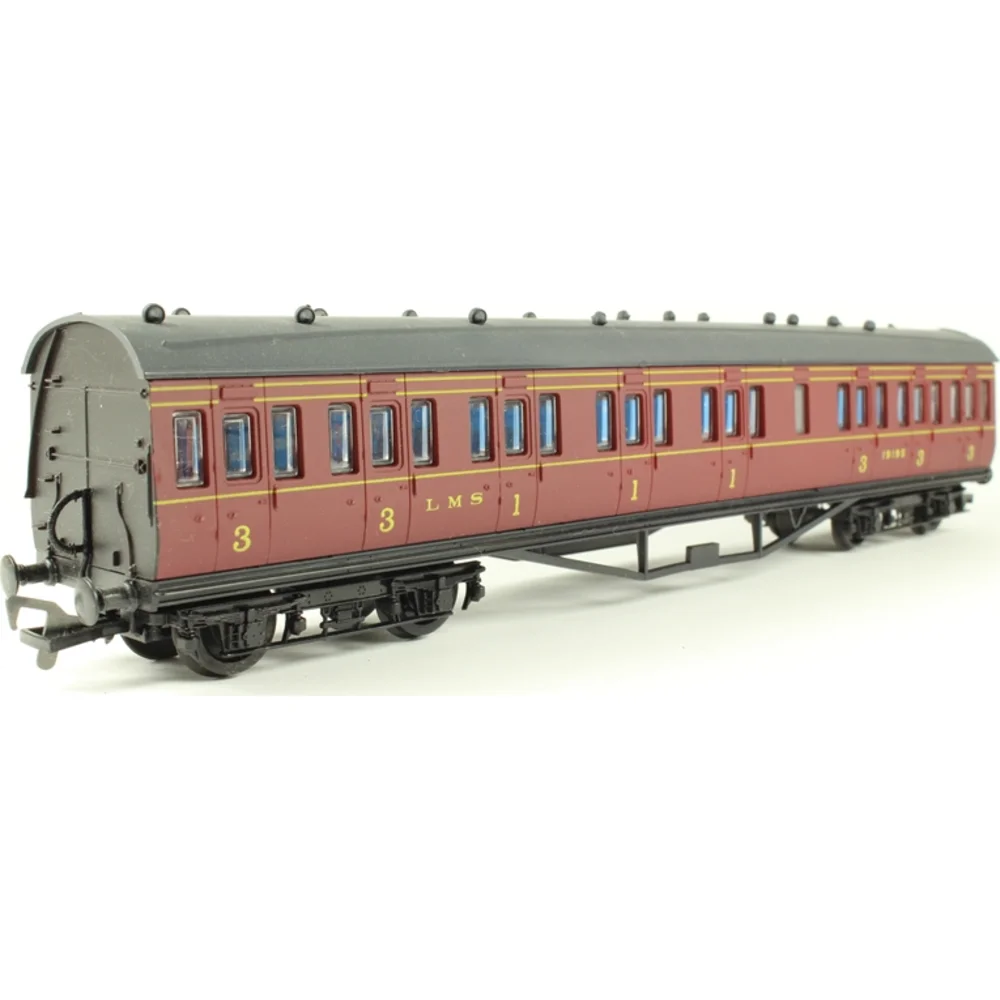
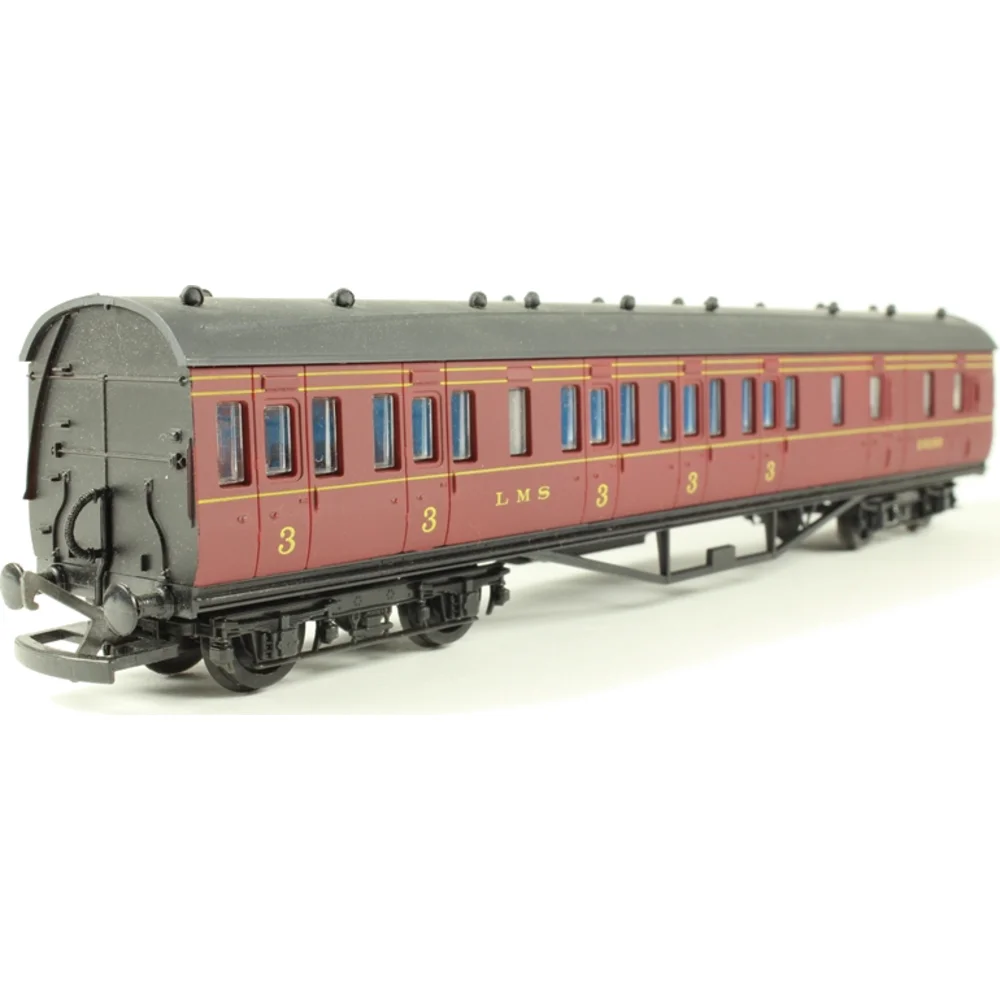
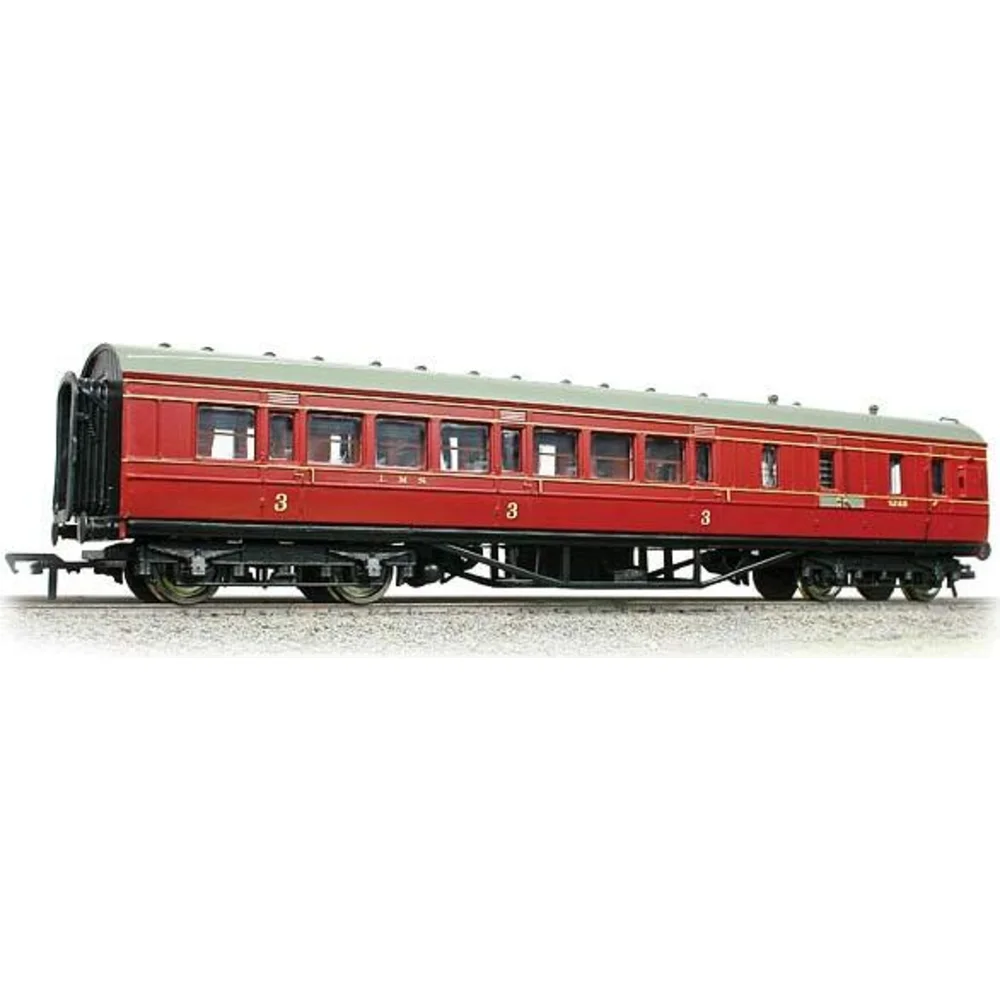
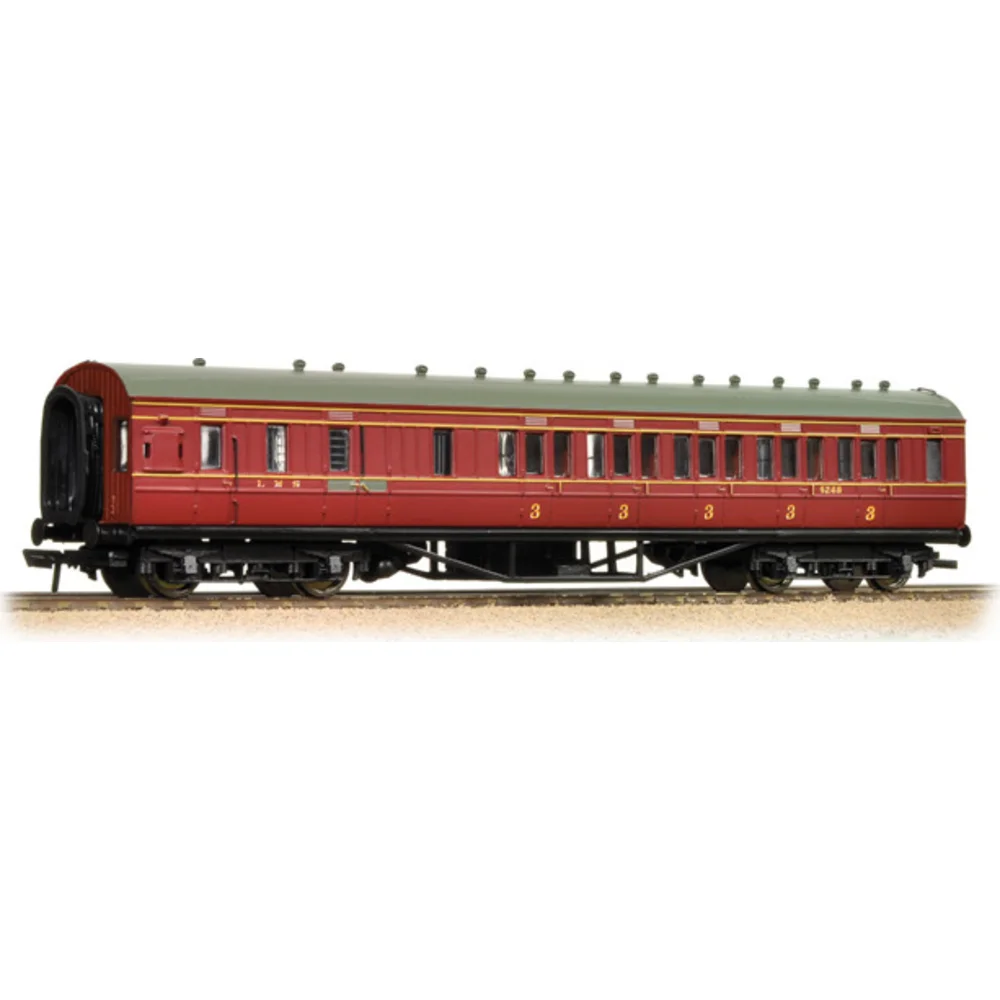
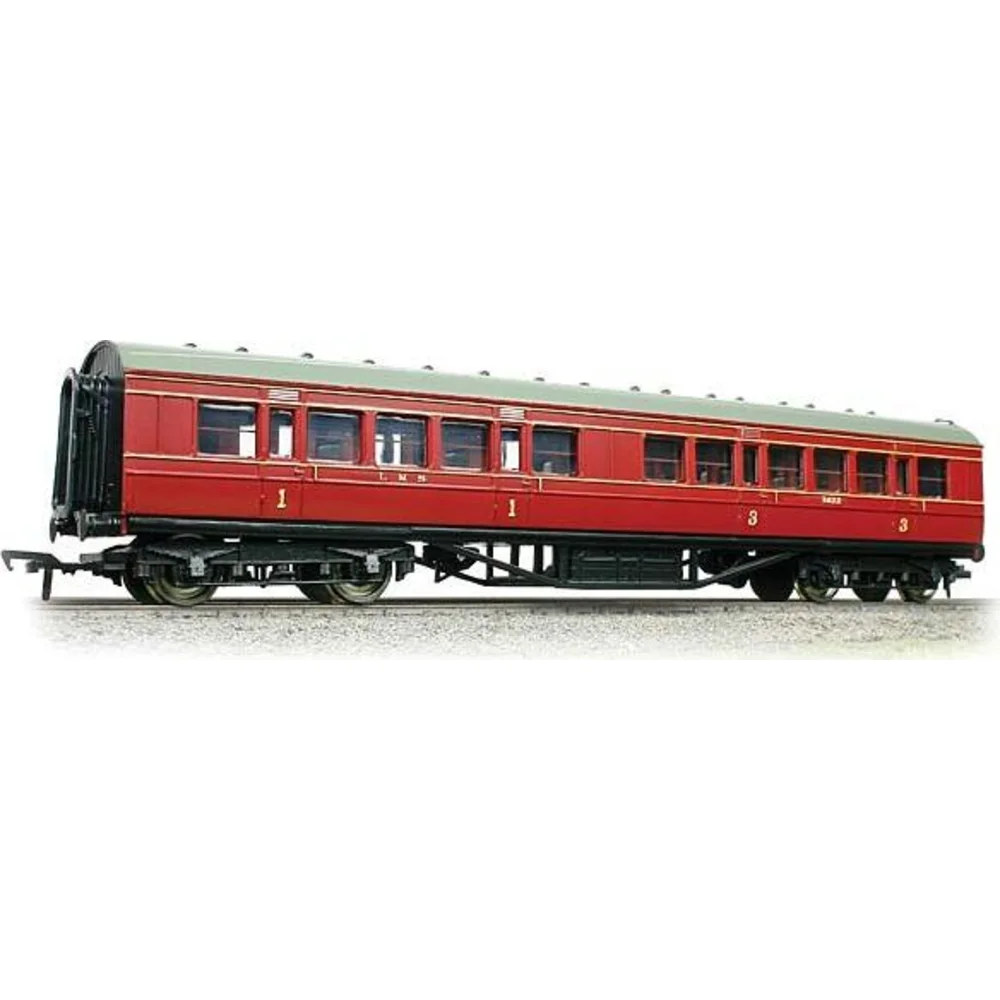
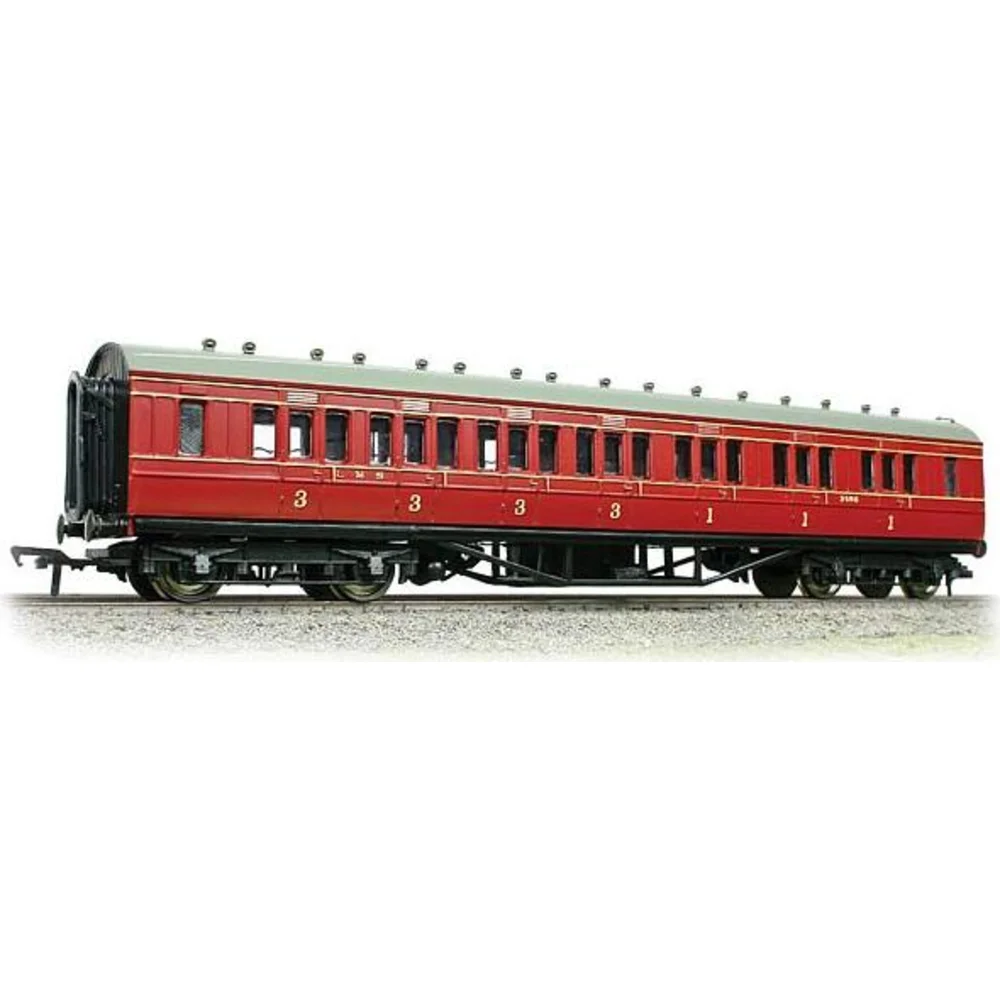
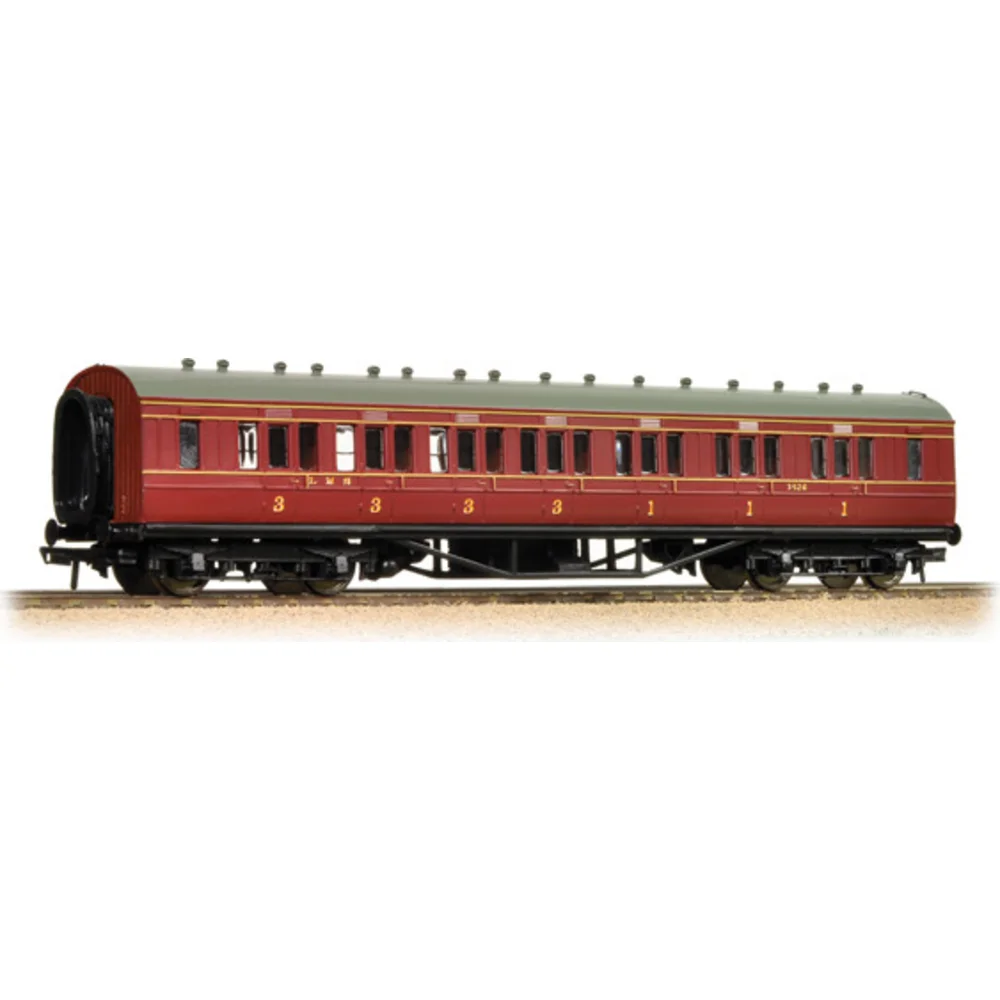
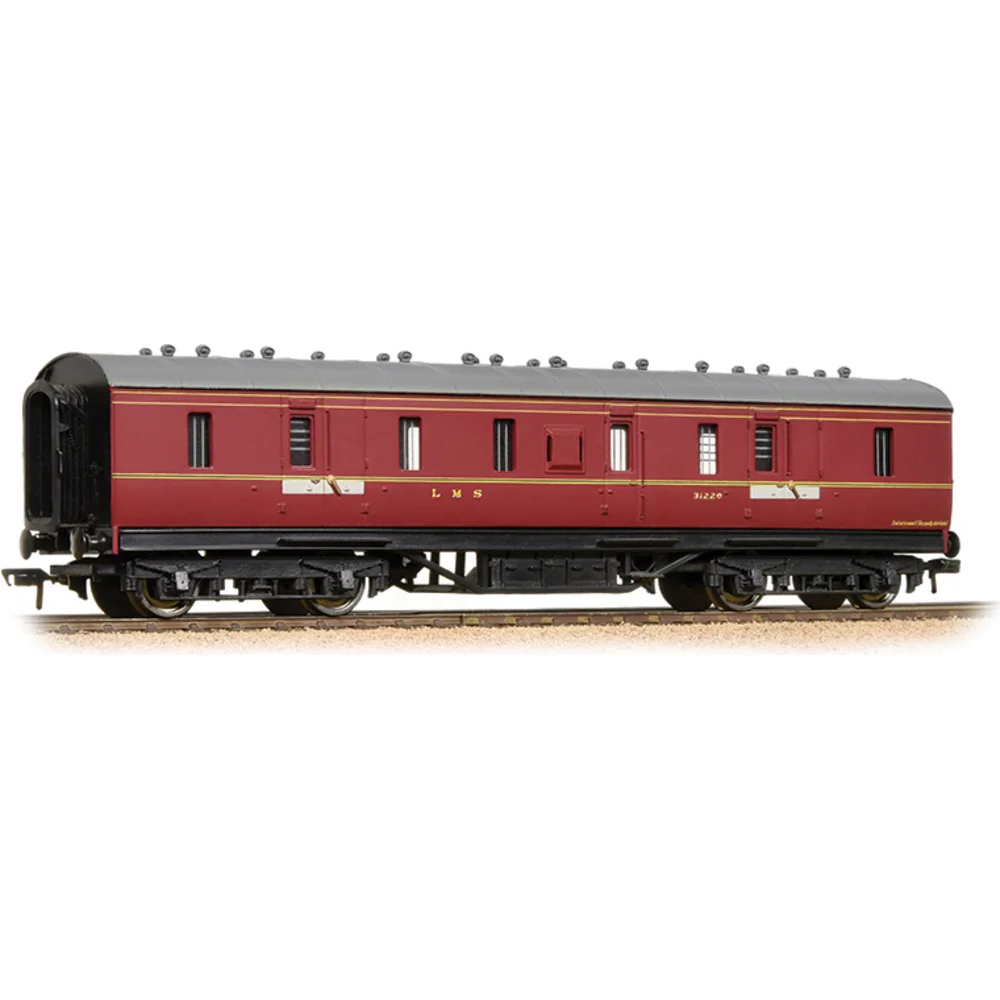
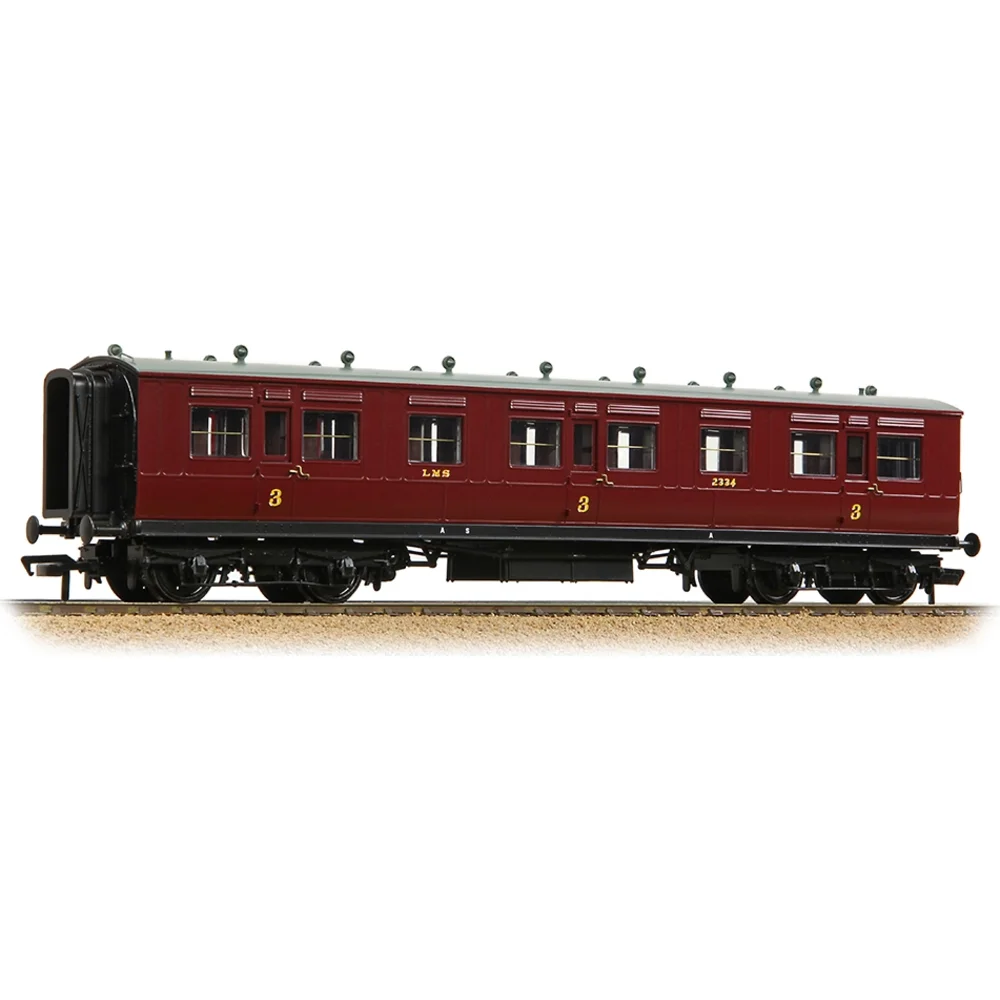
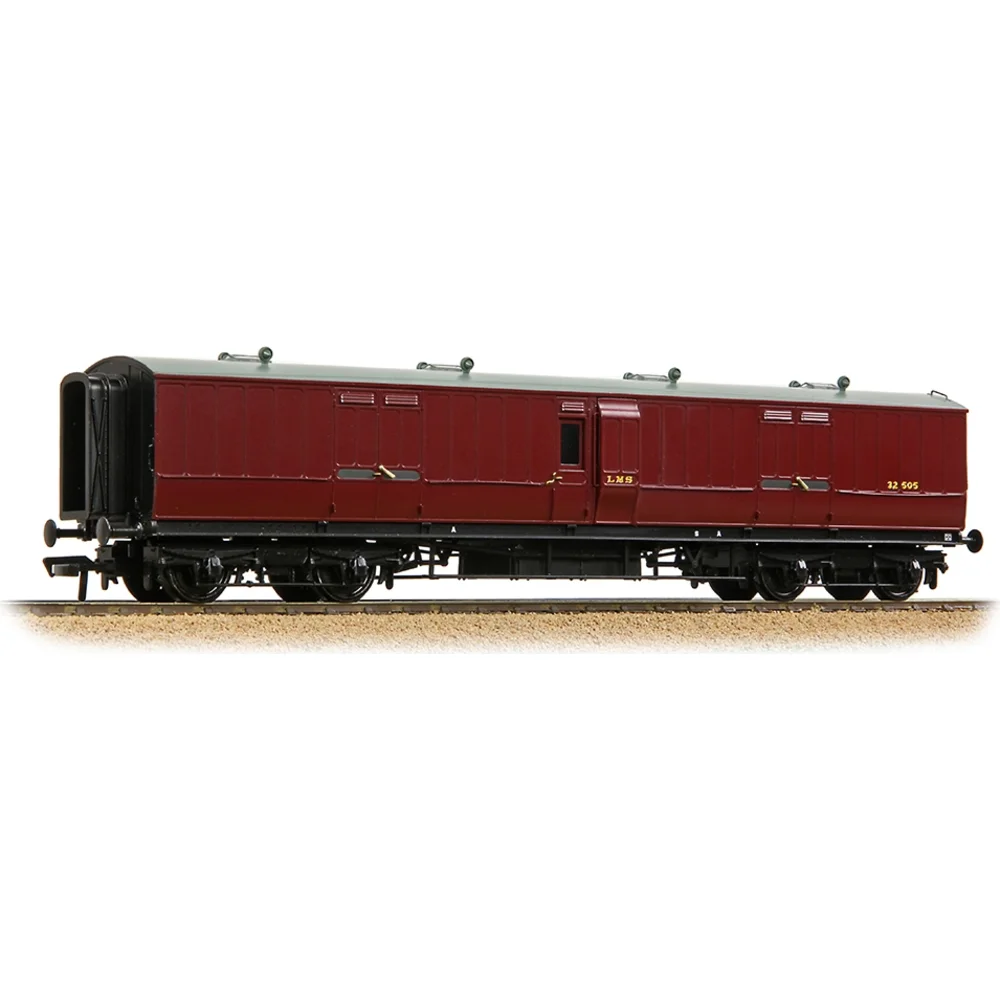
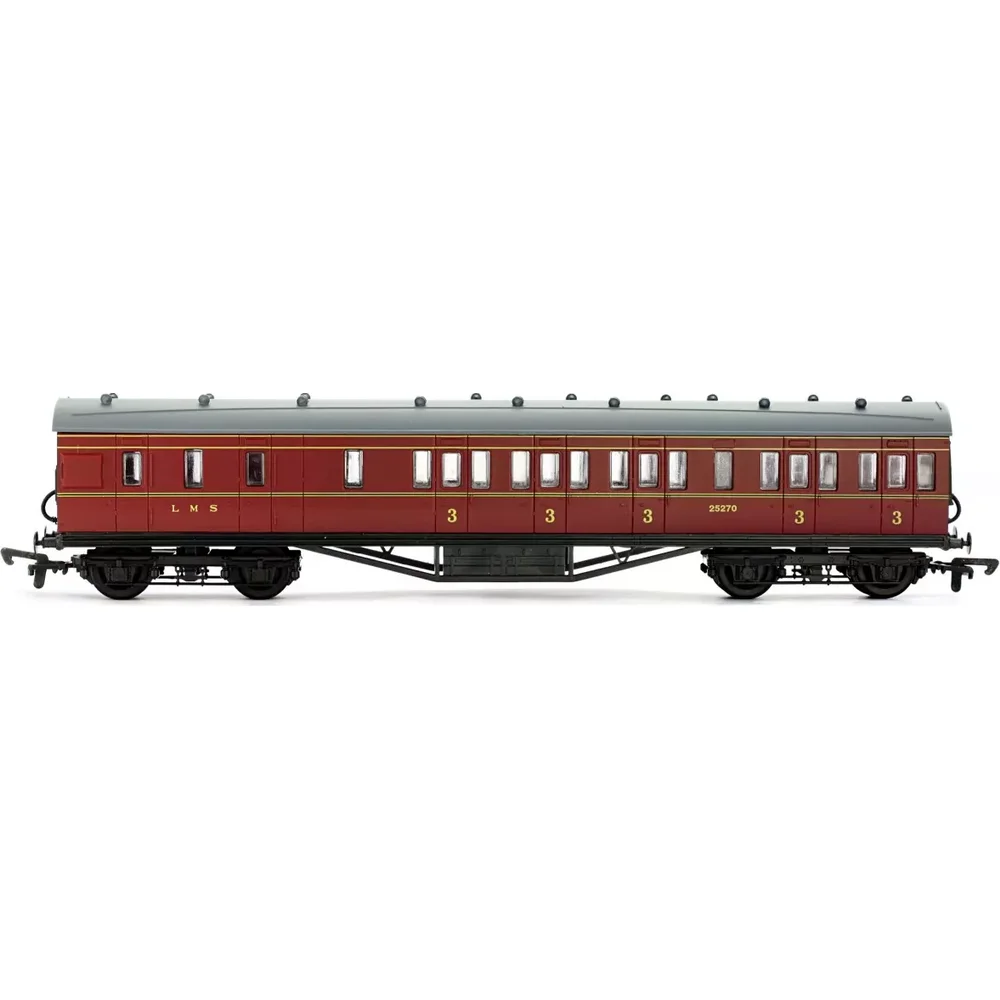
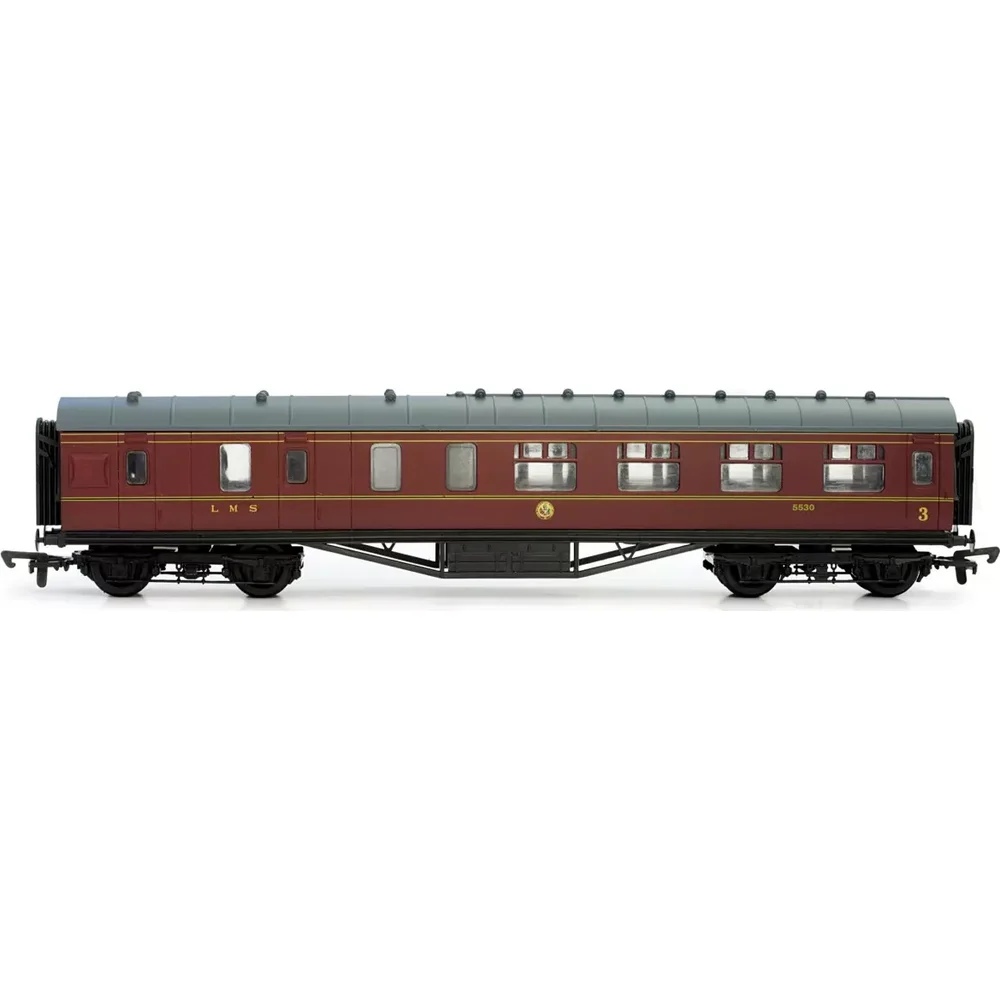
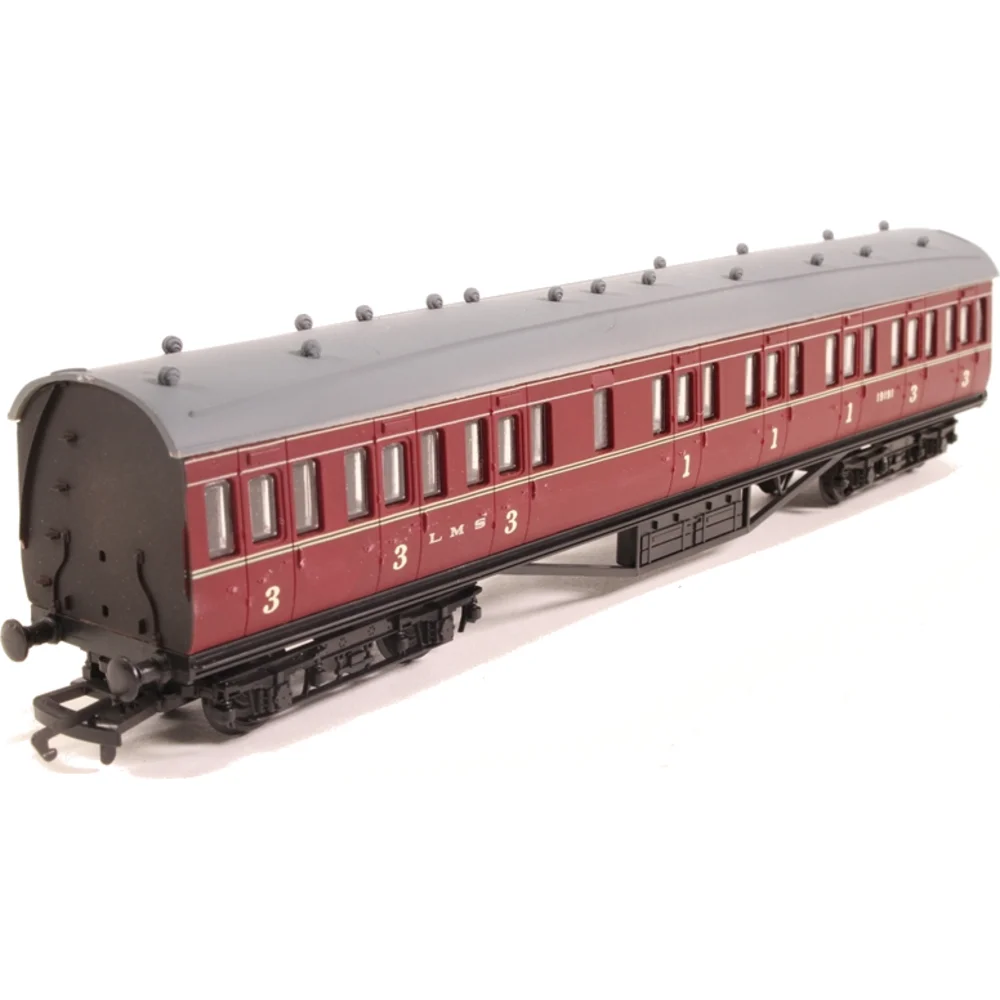
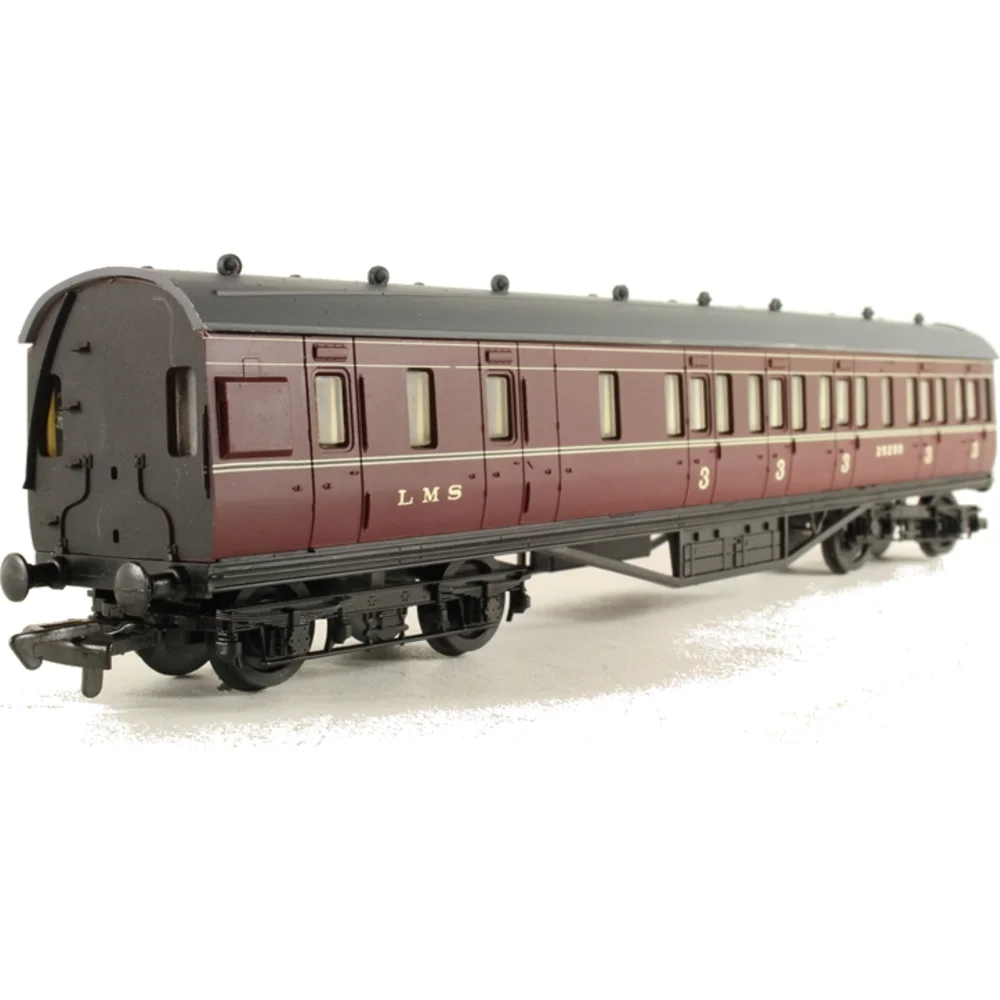
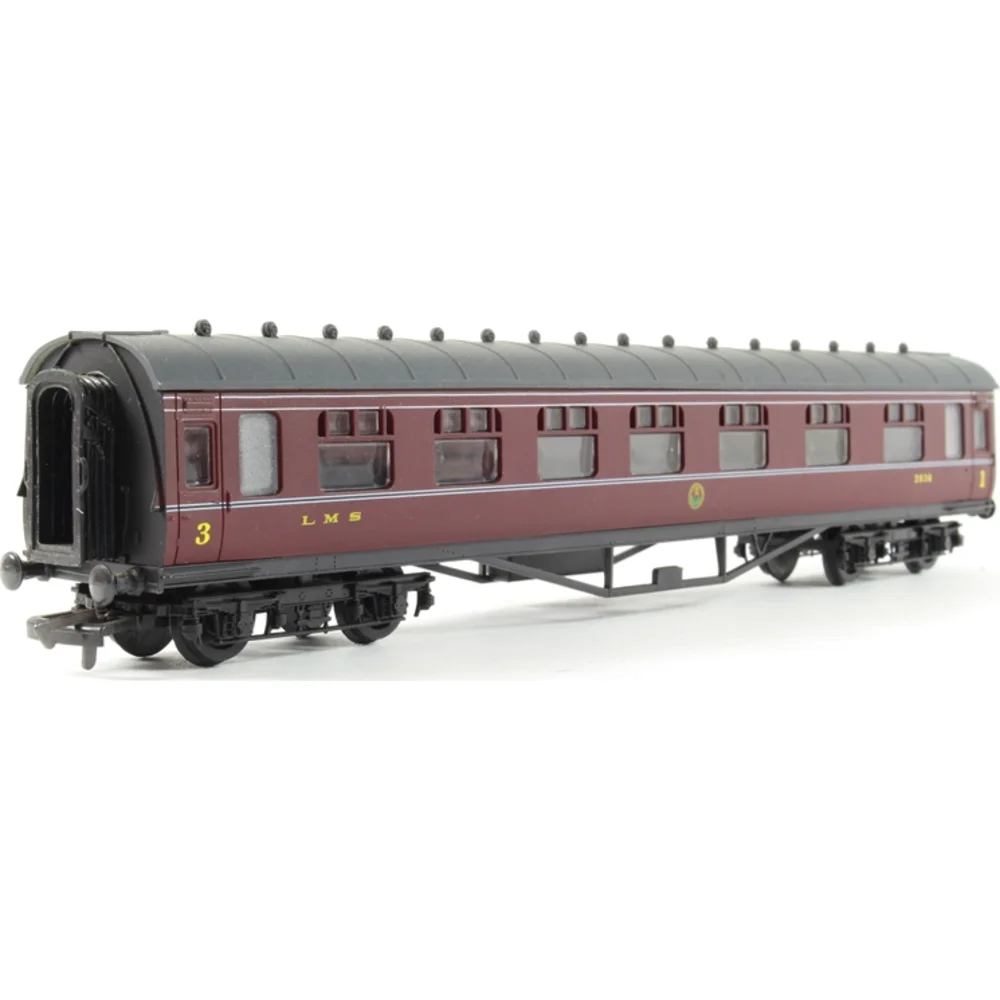
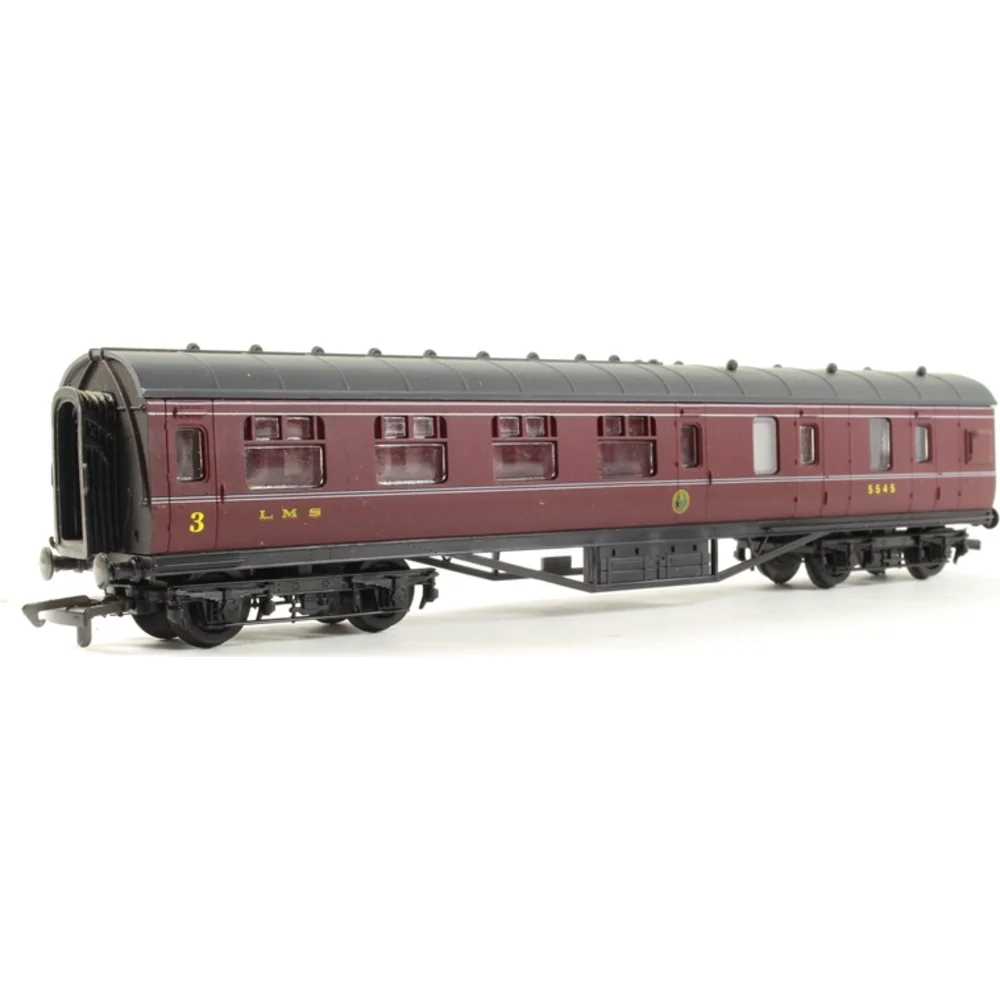
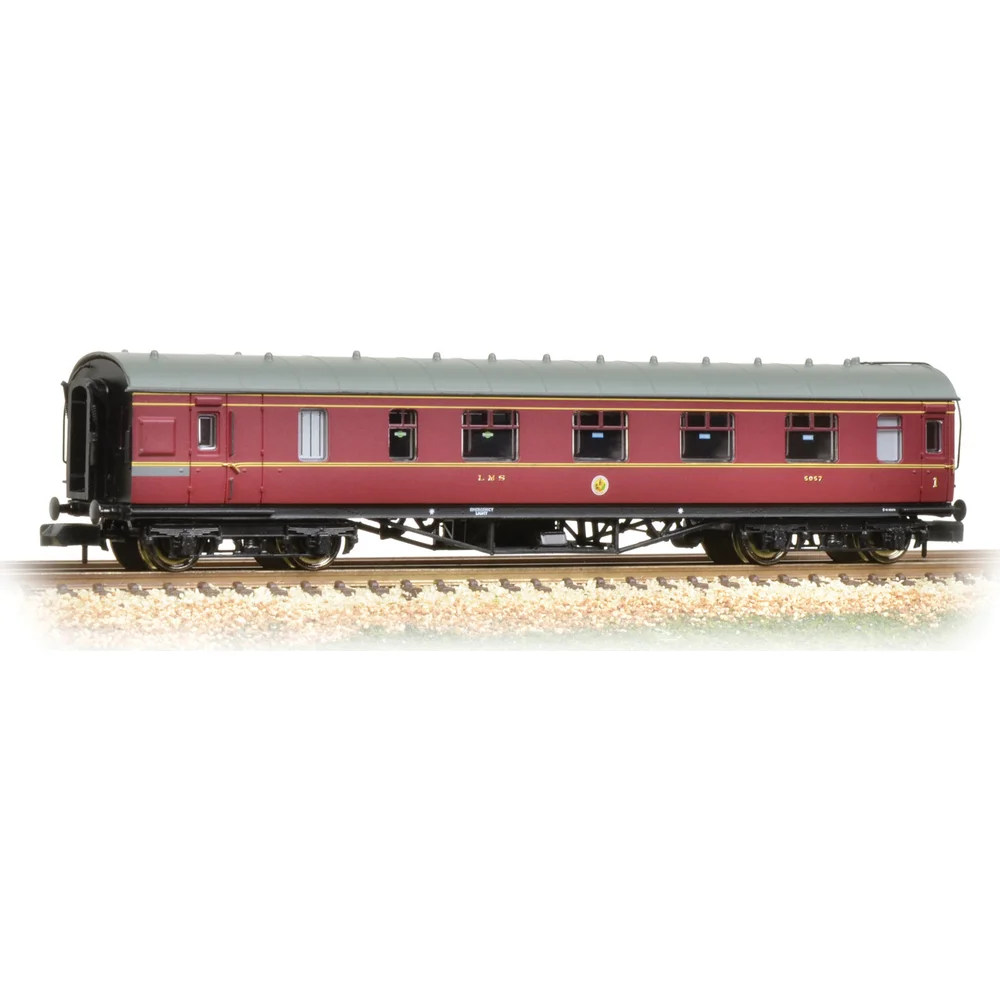
For model railway enthusiasts, LMS coaching stock offers particular appeal due to its distinctive livery evolution. The early crimson lake scheme gave way to the famous maroon livery that became synonymous with British express passenger services. Manufacturers like Bachmann and Accurascale produce highly detailed models of standard LMS coaching stock, with many featuring authentic interior detail and appropriate period numbering.
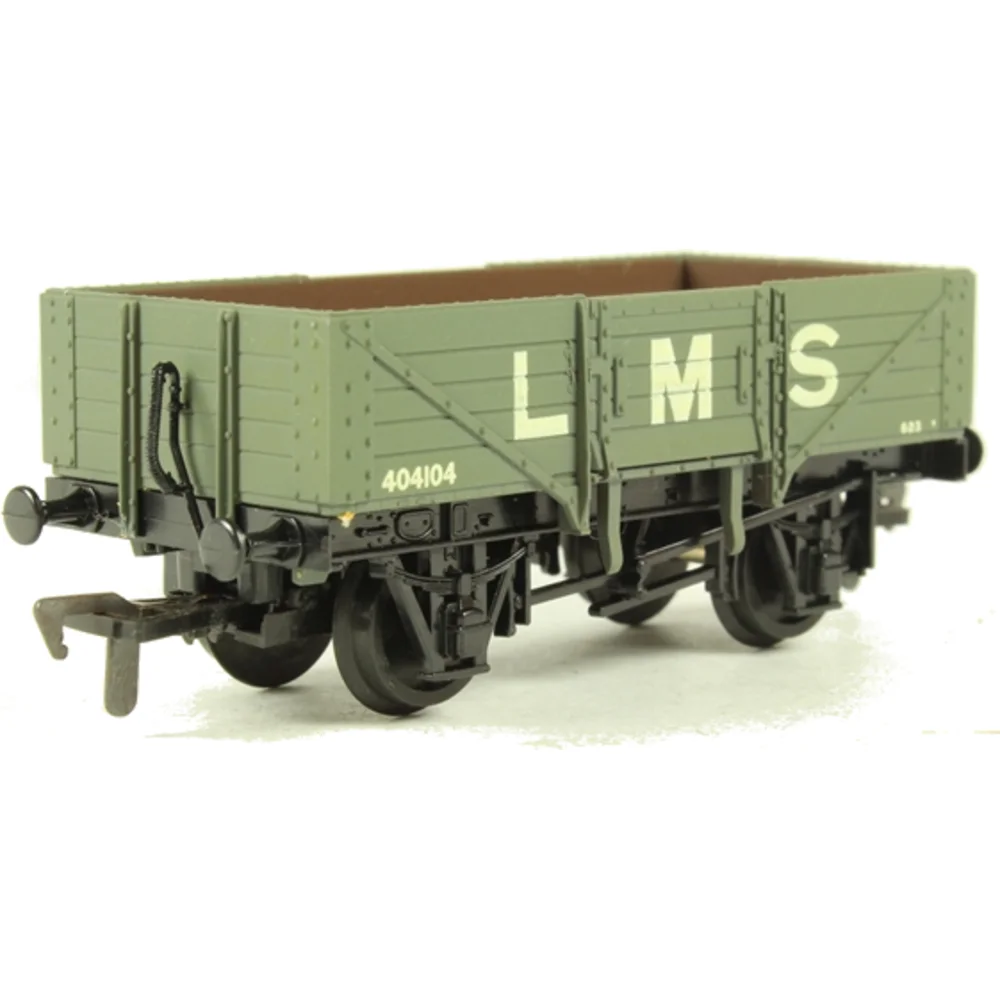
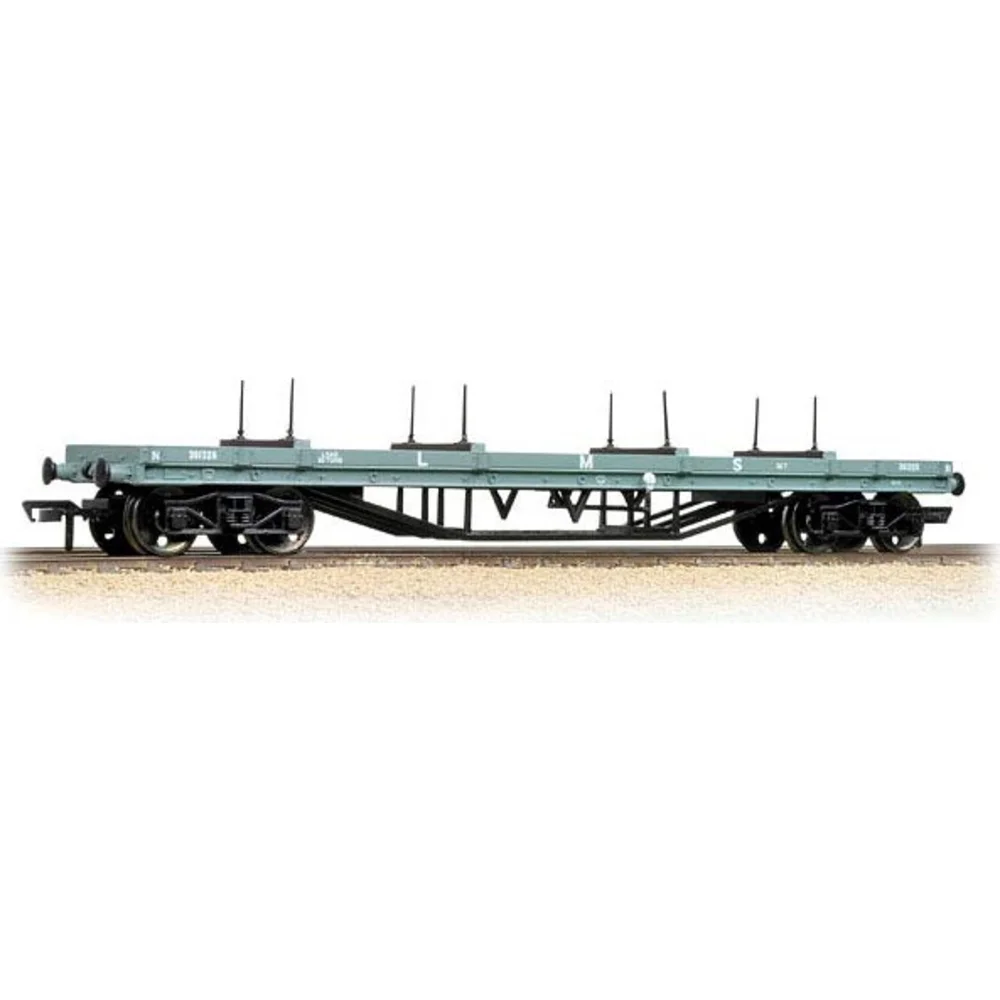
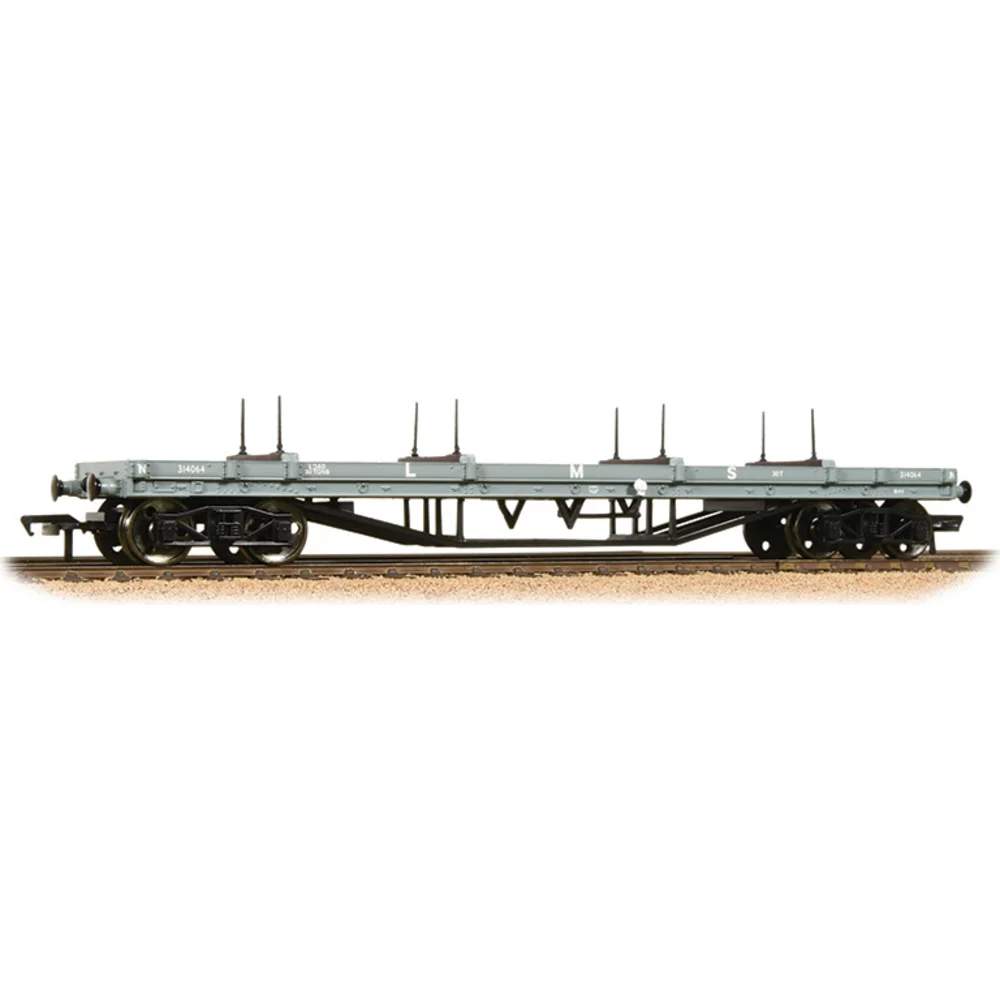
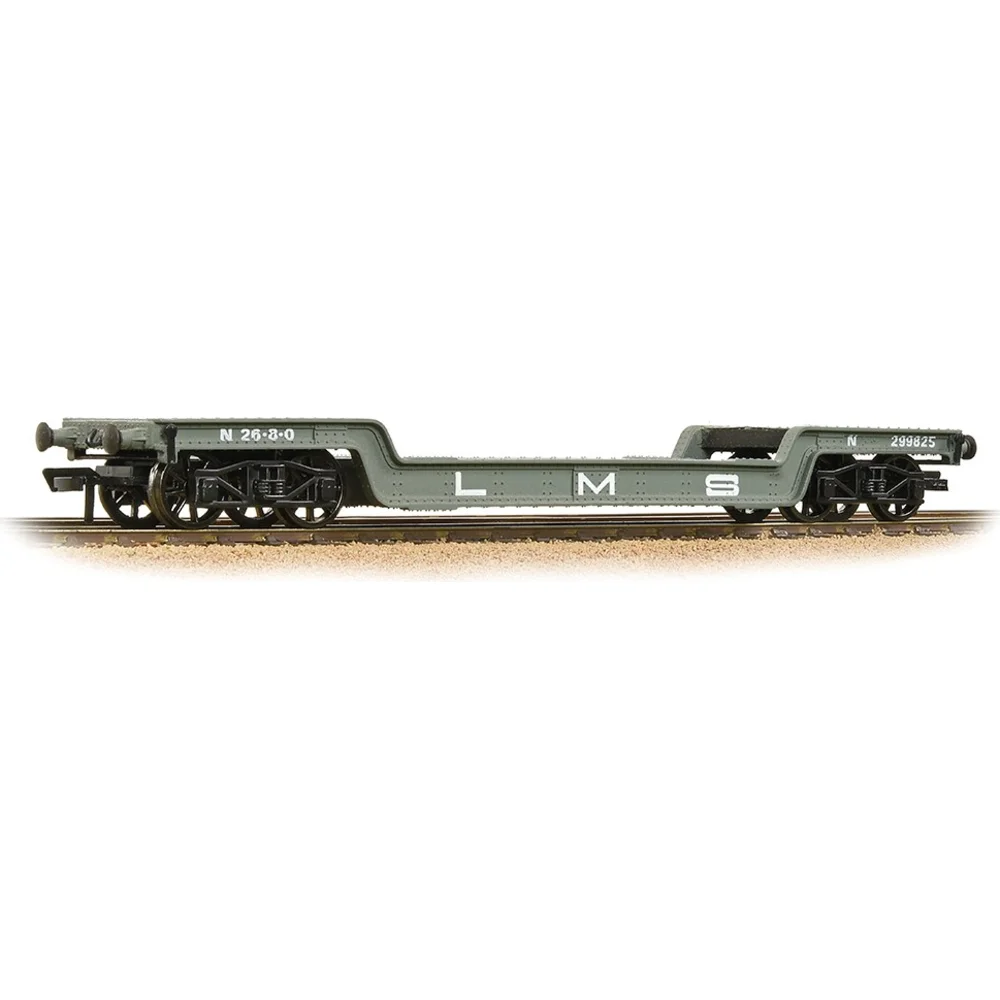
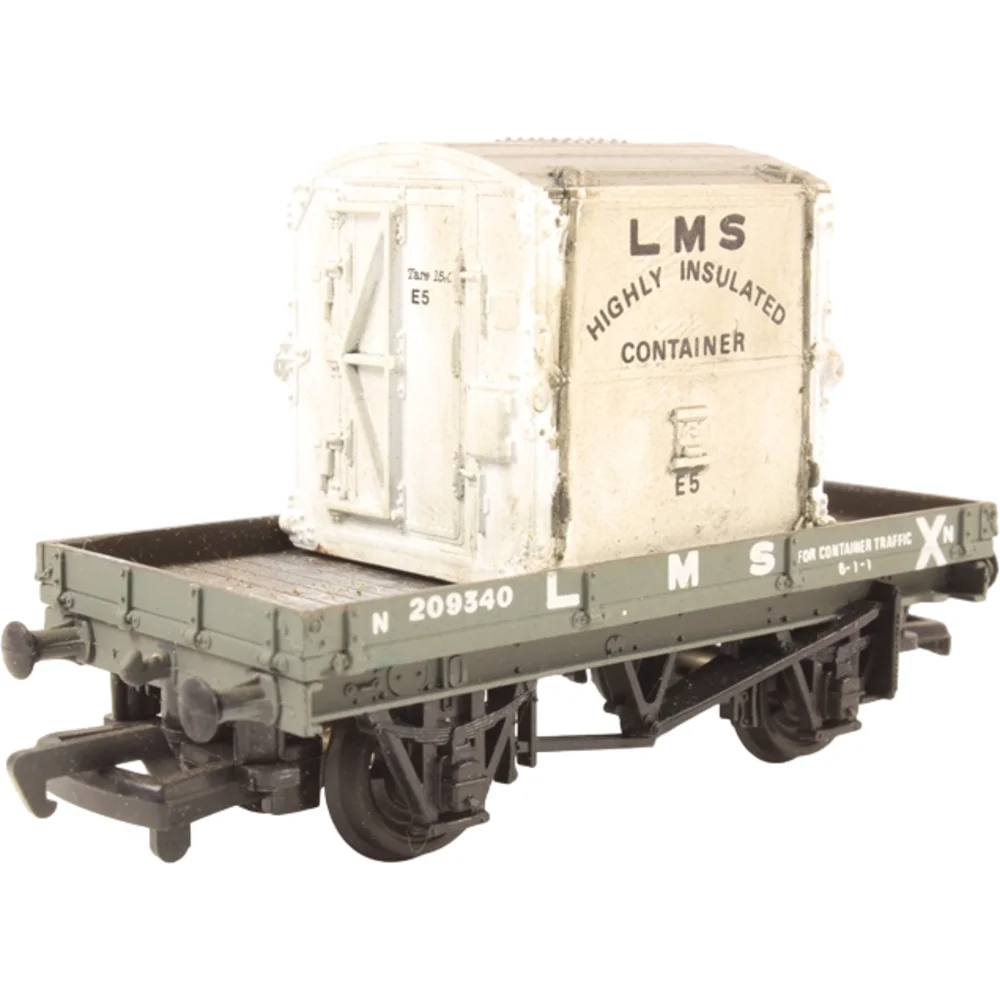
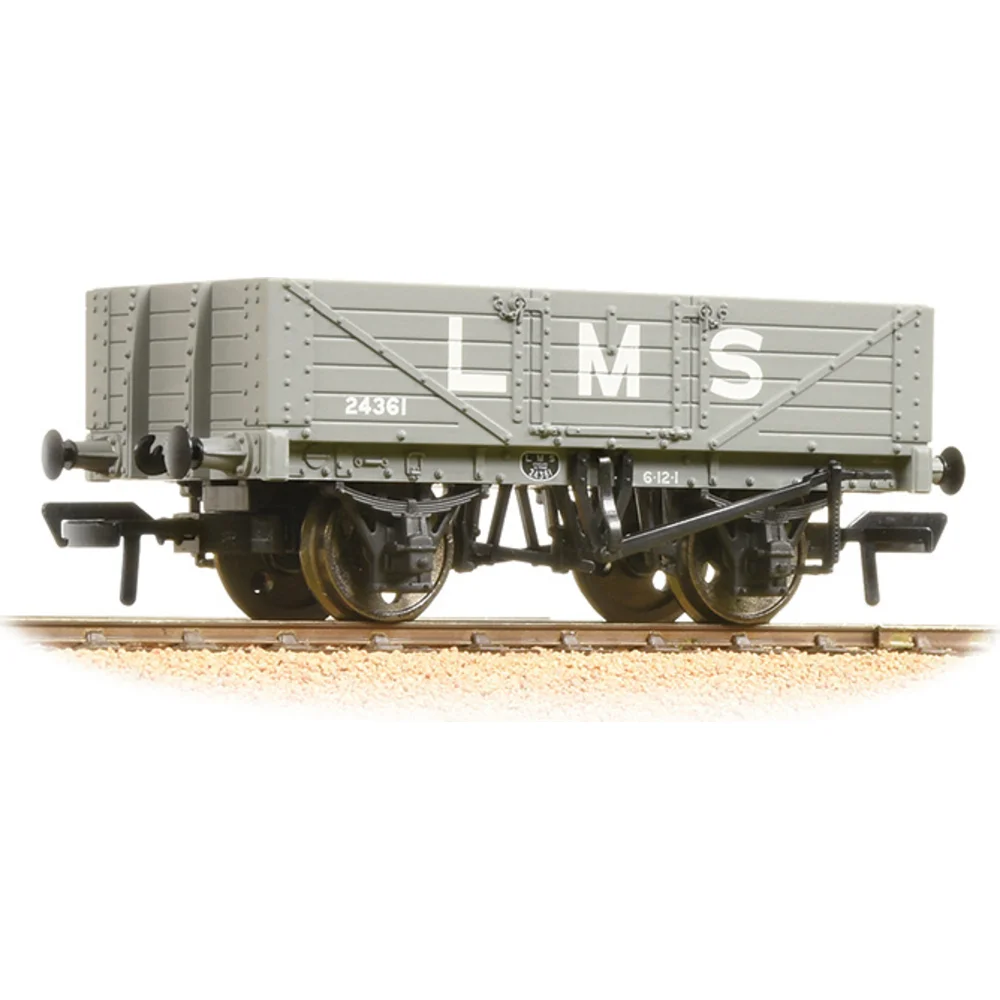
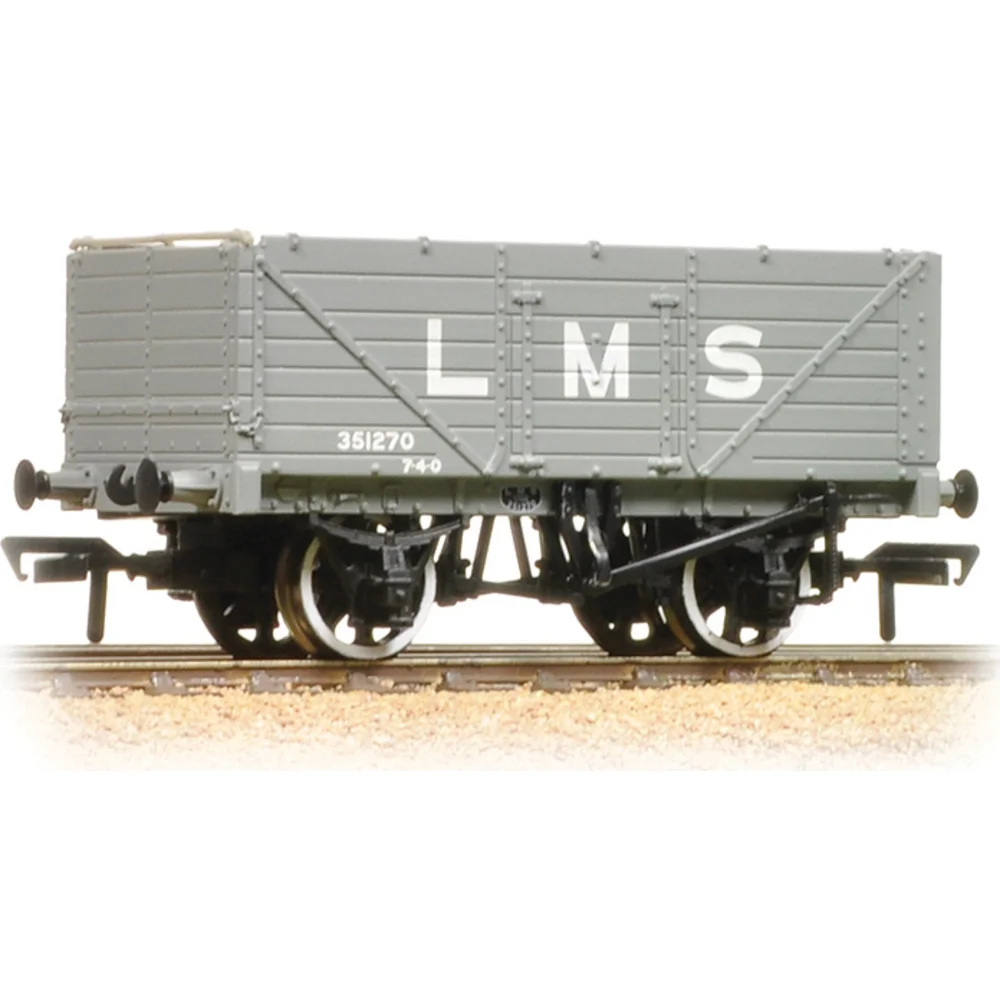
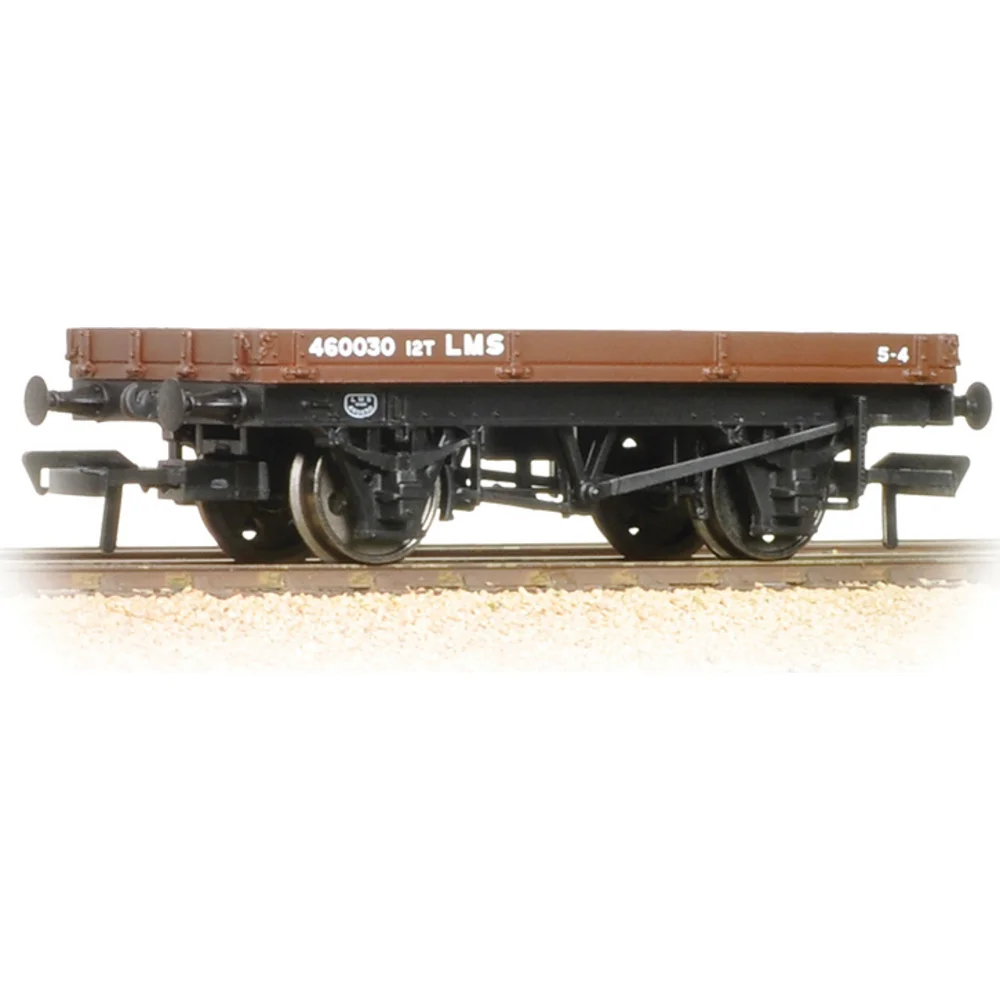
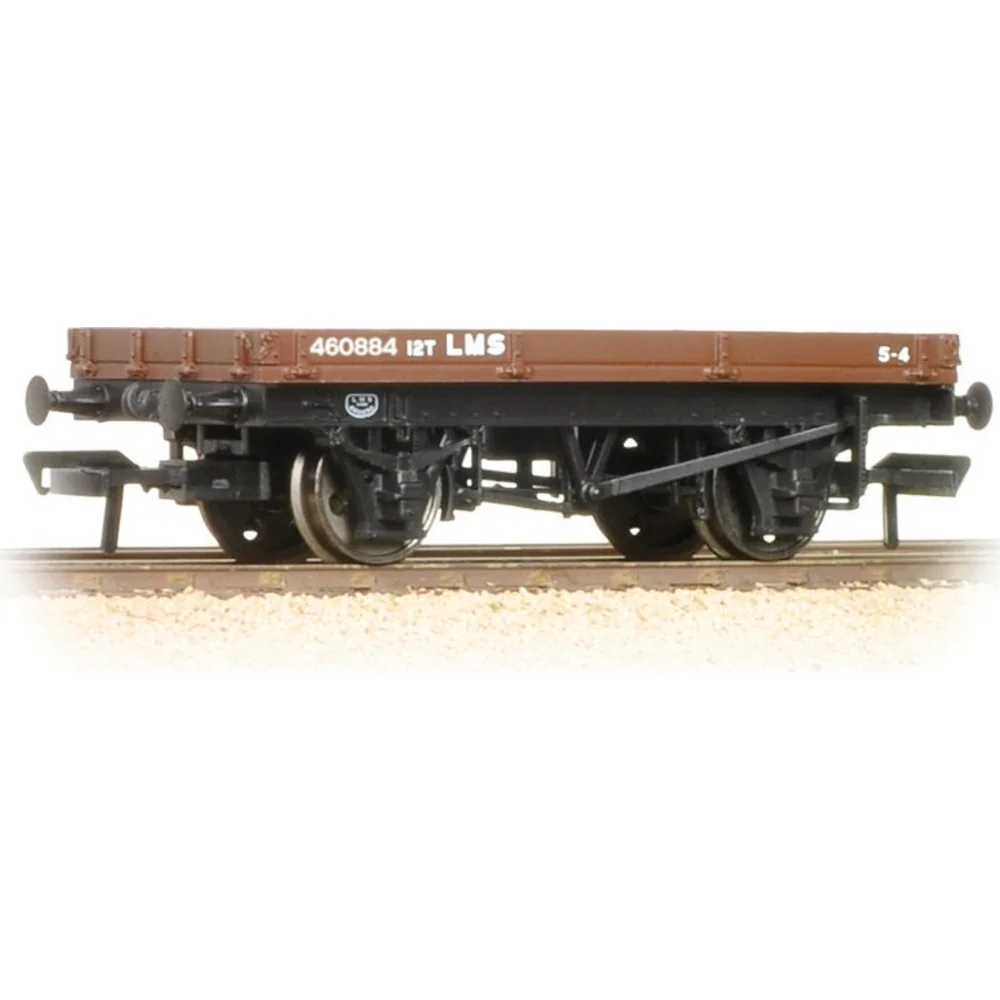
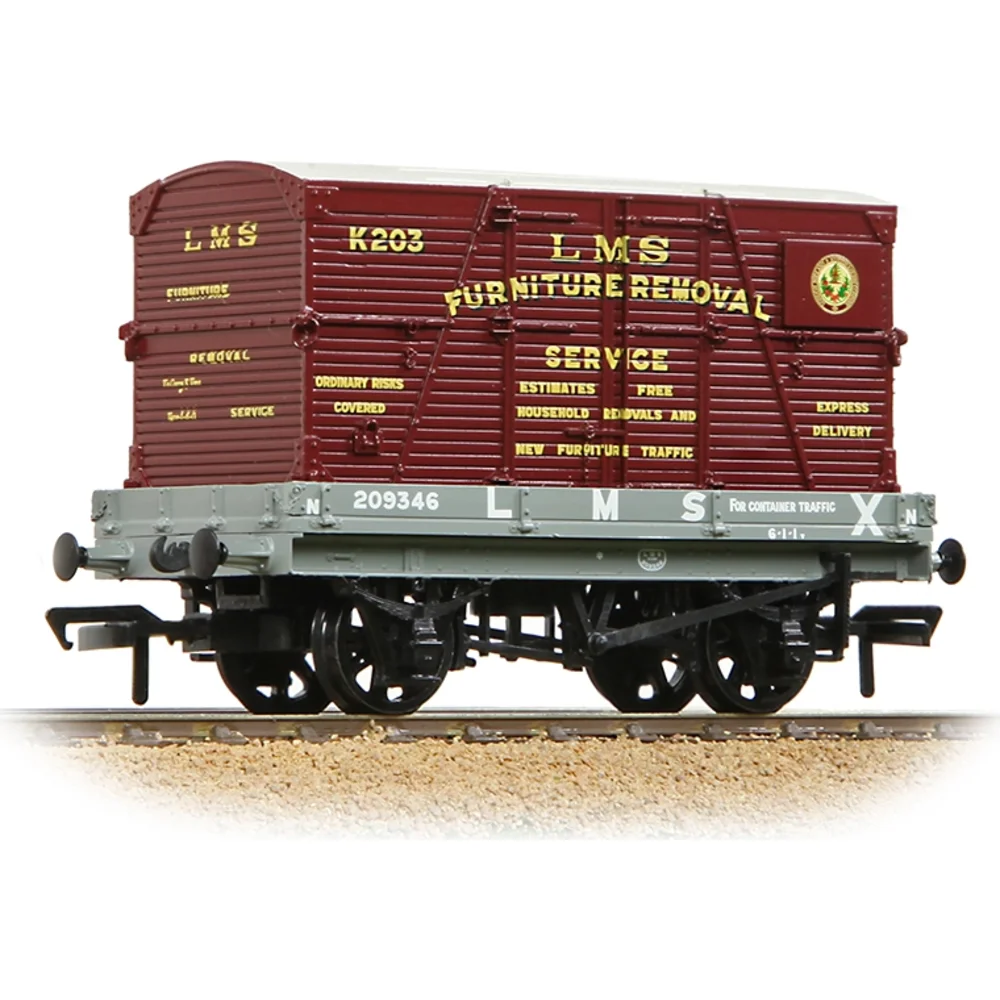
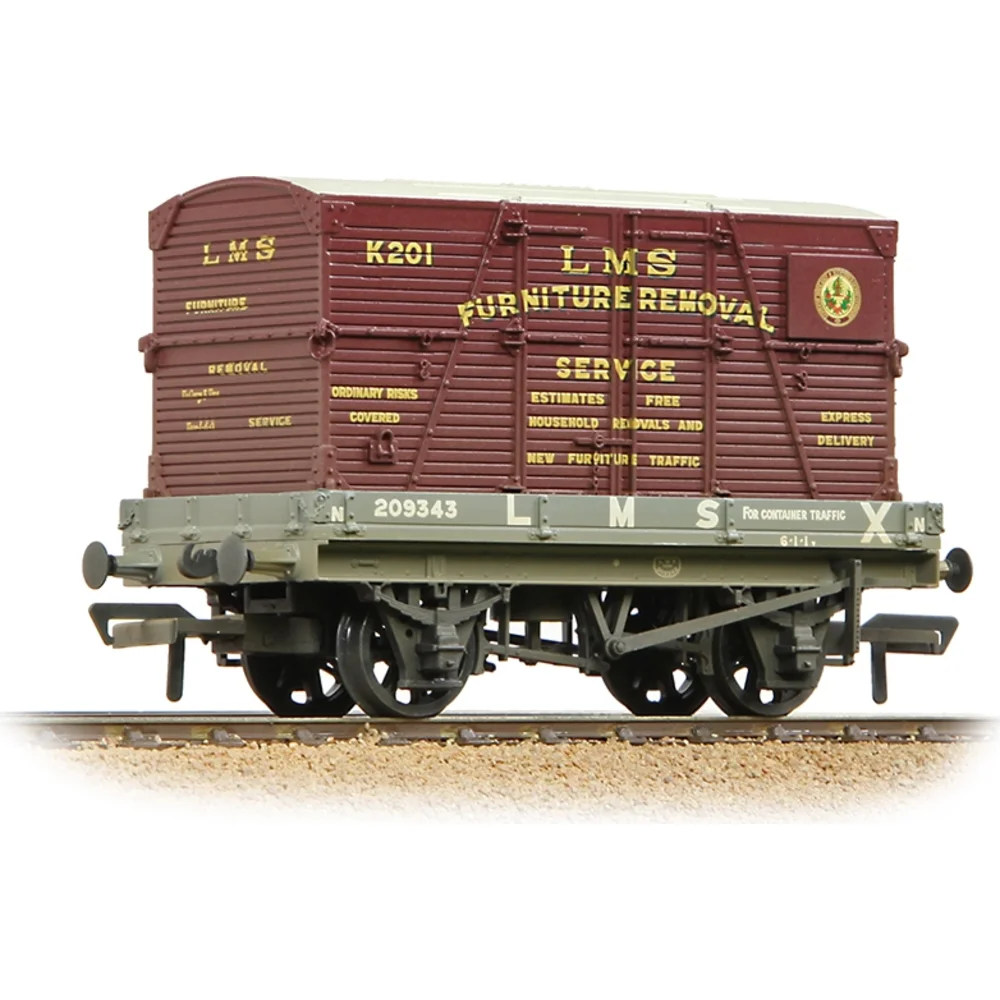
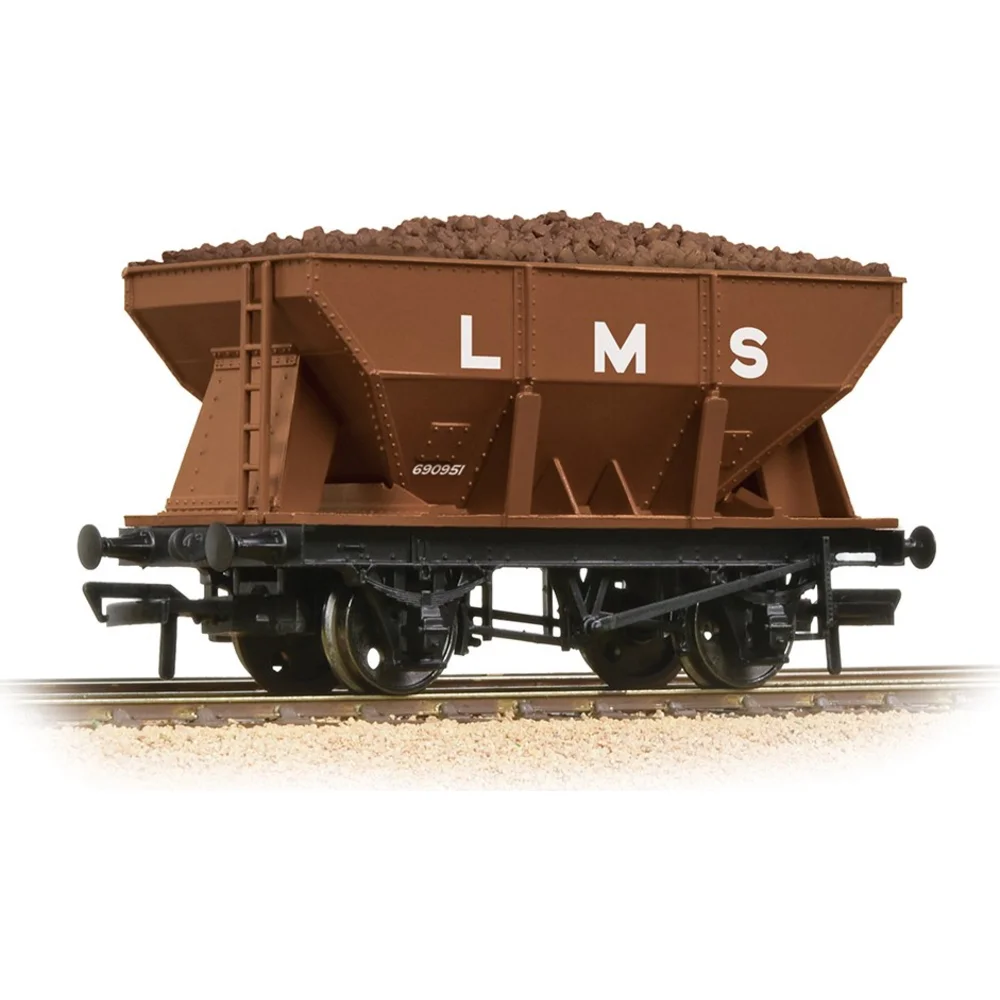
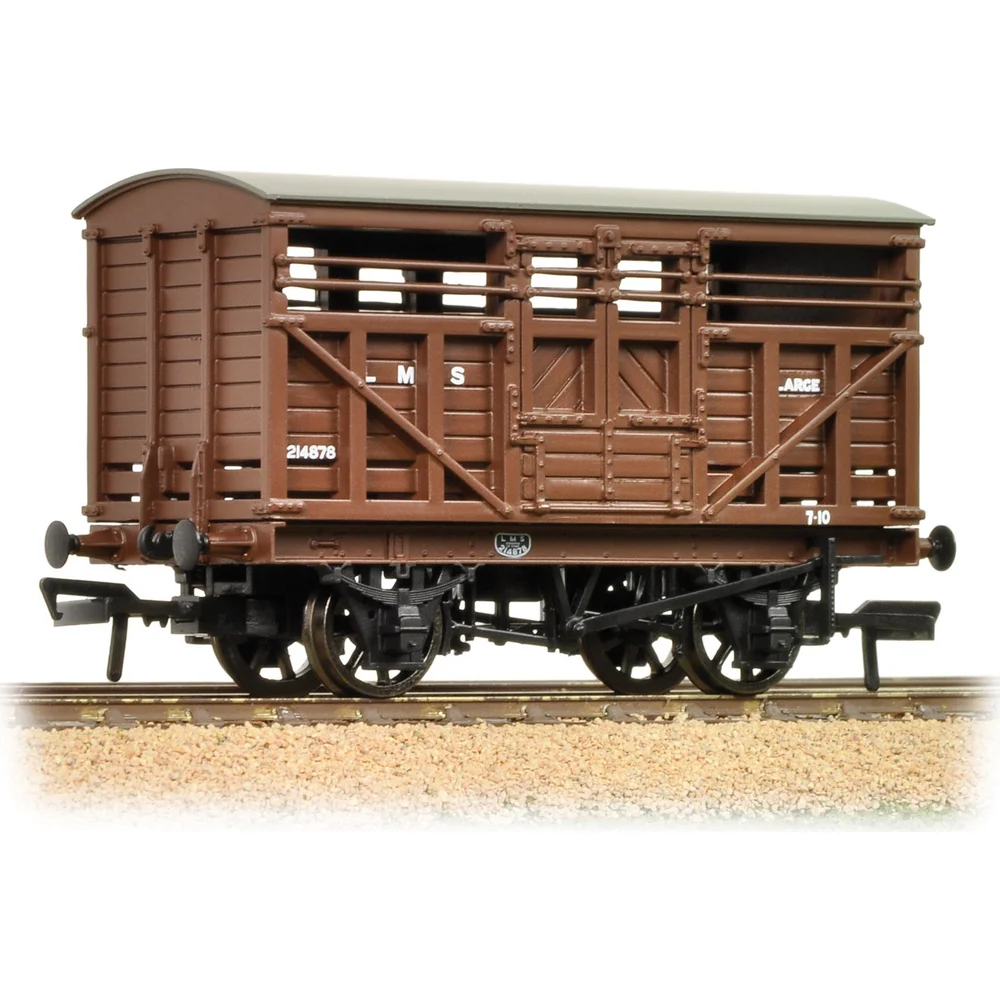
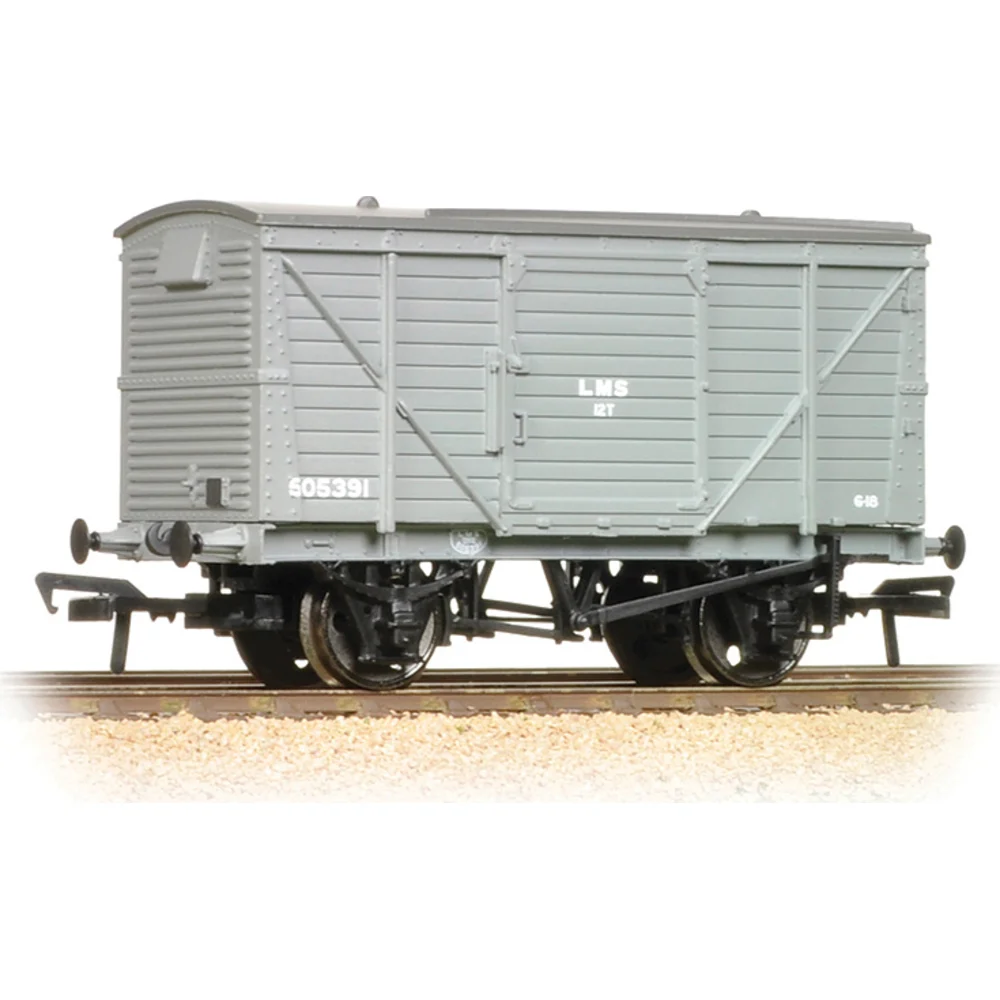
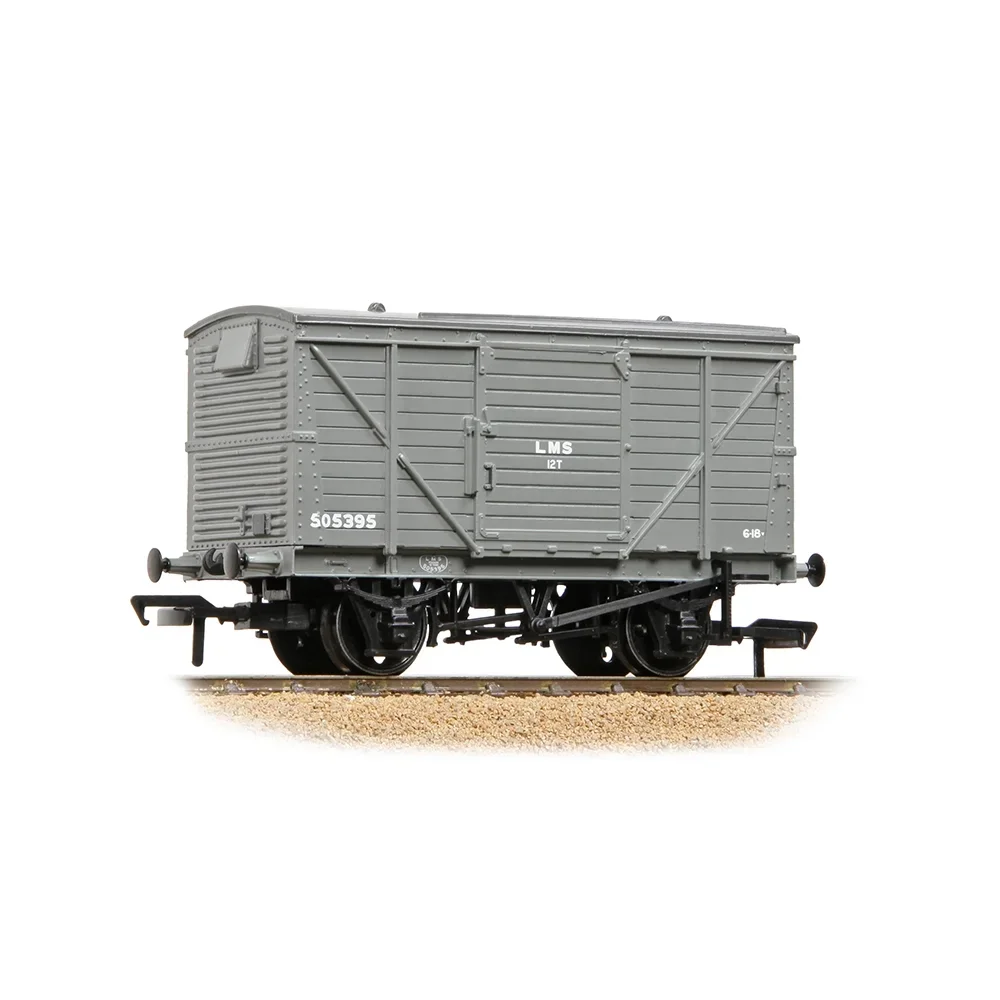
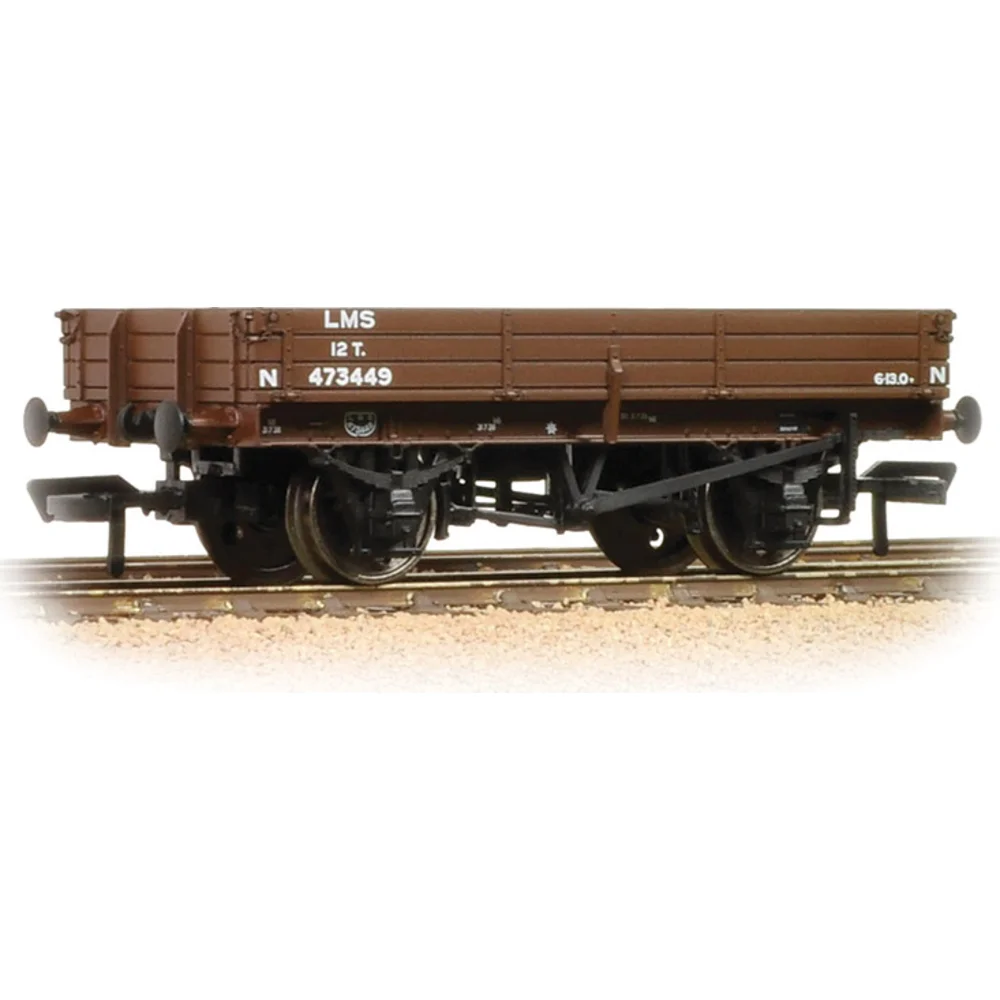
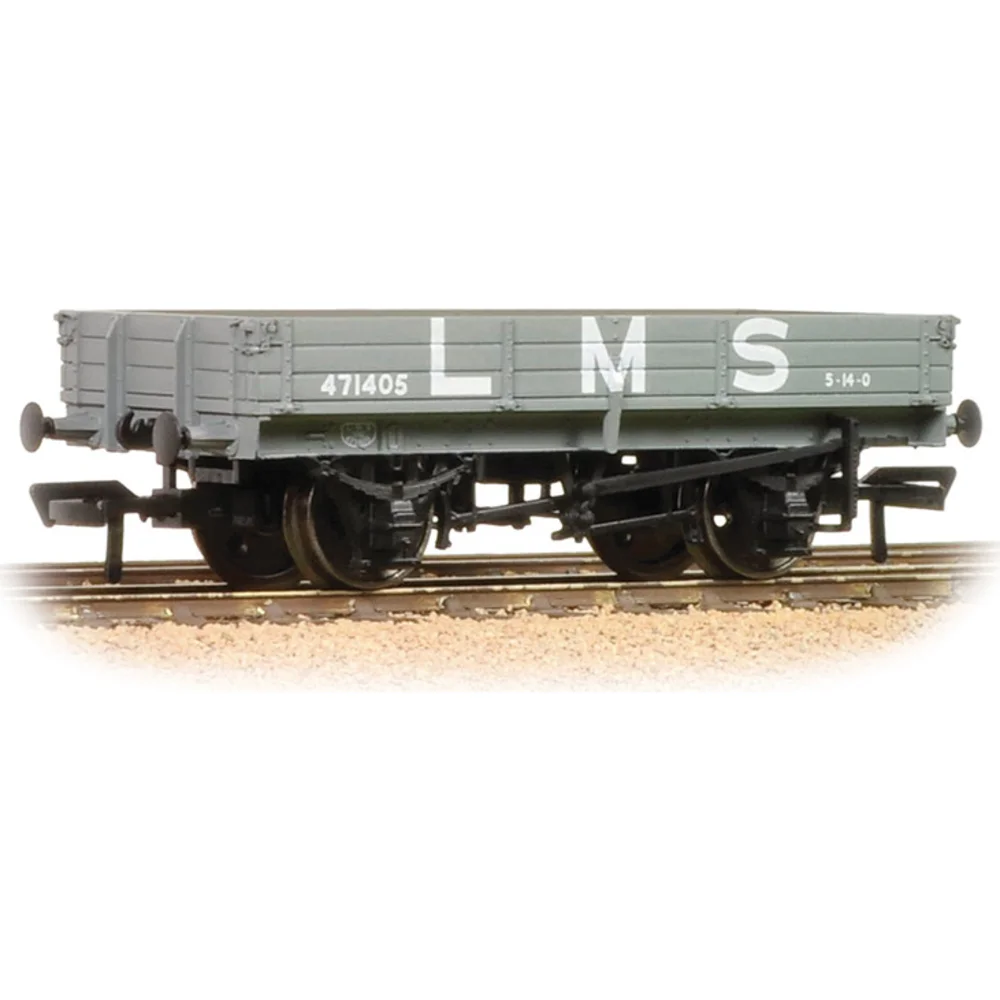
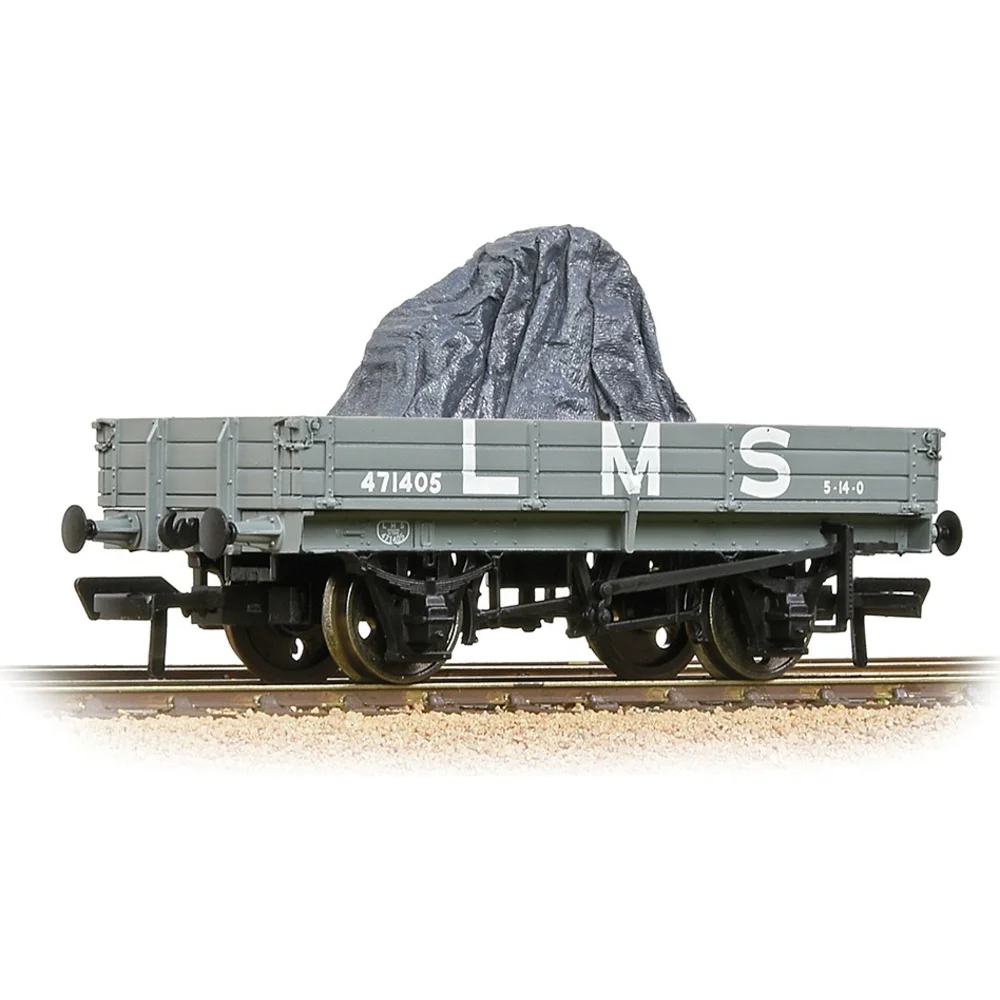
The company's goods wagon fleet deserves special mention for its innovative designs. The development of standardised 16-ton mineral wagons and the introduction of vacuum-braked goods stock represented significant advances in freight operation efficiency. These technical improvements allow modellers to accurately represent the evolution of British freight practices during the inter-war period.
The War Years and Decline
The London, Midland & Scottish Railway played a crucial role during World War II, with its extensive network becoming vital for military transport and industrial support. The war years placed enormous strain on both infrastructure and rolling stock, ultimately contributing to the company's post-war nationalisation.
During the conflict, LMS locomotives and rolling stock operated under severe wartime restrictions. Locomotive maintenance was deferred, leading to the development of simplified designs like the Austerity classes. The company's works at Crewe, Derby, and Horwich were redirected to military production, manufacturing everything from tank components to aircraft parts.
The wartime period offers particular interest for military railway modellers. Special trains carrying troops, equipment, and essential supplies became common sights on LMS routes. The company operated ambulance trains, mobile canteens, and specialised freight services supporting the war effort. Many of these operations remained classified for decades, only recently becoming available for historical research.
Post-war reconstruction proved impossible for the financially exhausted company. The Transport Act 1947 nationalised the LMS along with the other "Big Four" companies, creating British Railways on 1st January 1948. The LMS officially ceased to exist on 23rd December 1949, ending 26 years of operation that had fundamentally shaped British transport development.
For preservation enthusiasts, the LMS legacy continues through numerous surviving locomotives and carriages maintained by heritage railways across Britain. The Keighley and Worth Valley Railway, Severn Valley Railway, and many others operate authentic LMS equipment, providing invaluable reference material for modellers seeking operational details and weathering patterns.
Modern Preservation and Heritage
The preservation movement has ensured that the London, Midland & Scottish Railway legacy remains vibrantly alive for contemporary railway enthusiasts. From magnificent express locomotives to humble freight wagons, preserved LMS equipment provides unparalleled opportunities for historical research and authentic modelling reference.
Several Princess Coronation class locomotives survive in preservation, including 6229 Duchess of Hamilton at the National Railway Museum and 6233 Duchess of Sutherland in operational condition. These magnificent machines, representing the pinnacle of British steam design, offer modellers detailed insights into authentic weathering patterns, mechanical details, and operational practices.
The Black Five class enjoys extensive preservation, with locomotives like 44871 and 45407 maintaining regular operational schedules on heritage railways. Their widespread preservation reflects both their historical significance and their operational versatility, making them ideal subjects for model railway representation across multiple time periods and locations.
For serious modellers, visiting preserved LMS equipment provides invaluable research opportunities. Details like brake rigging arrangements, buffer configurations, and livery application techniques are best studied from original examples. The Midland Railway Centre at Butterley maintains an exceptional collection of LMS rolling stock, including rare examples of pre-grouping carriages in authentic condition.
Many heritage railways operate regular LMS-themed events, providing opportunities to observe authentic train formations and operational practices. The East Lancashire Railway's annual "1940s Weekend" recreates wartime railway operations with period-appropriate LMS locomotives and stock, offering unique photographic and research opportunities for dedicated enthusiasts.
Finally
The London, Midland & Scottish Railway represents far more than a historical footnote in British transport development. Its 25-year existence encompassed dramatic technical advancement, operational innovation, and corporate evolution that fundamentally shaped modern railway practices. From the merger chaos of 1923 to the streamlined efficiency of the 1930s, the LMS story embodies the transformation of British railways from Victorian individualism to modern corporate operation.
For today's railway enthusiasts and model railway hobbyists, the LMS offers unparalleled opportunities for historical exploration and authentic representation. Whether your interests lie in express passenger services, industrial freight operations, or rural branch line working, the company's operational diversity supports virtually any modelling preference. The extensive preservation movement ensures that this remarkable railway heritage remains accessible for future generations to study, appreciate, and recreate.
The company's technical innovations, from Stanier's revolutionary locomotive designs to advanced carriage construction techniques, continue influencing railway development worldwide. Understanding the LMS legacy provides essential context for appreciating modern railway operations and the continuous evolution of transport technology.
Frequently Asked Questions
What made the LMS the largest of the "Big Four" railway companies?
The LMS inherited 7,790 route miles from its 120 constituent companies, making it geographically the most extensive railway system. Its network served all four constituent countries of the United Kingdom, giving it unmatched territorial coverage and operational complexity compared to its competitors.
Which LMS locomotive classes are best for model railway beginners?
The Black Five mixed-traffic locomotives represent ideal starting points for LMS modelling, offering versatility across passenger and freight operations. Fowler tank engines provide excellent branch line authenticity, while Royal Scot class locomotives deliver impressive express passenger capability for main line operations.
How can I research authentic LMS livery schemes for my models?
The LMS Society maintains comprehensive livery databases and publishes detailed reference works covering locomotive and rolling stock appearance throughout the company's existence. Their publications include accurate colour specifications, lining details, and appropriate numbering schemes for different time periods.
What scale models best represent LMS prototype fidelity?
OO gauge (4mm scale) offers the widest selection of commercially available LMS models with excellent detail levels. 7mm scale provides superior prototype accuracy for serious modellers, while N gauge enables comprehensive route representation within limited space constraints.
Which heritage railways operate the most authentic LMS equipment?
The Severn Valley Railway, Keighley and Worth Valley Railway, and East Lancashire Railway maintain exceptional LMS locomotive and coaching stock collections. These railways regularly operate authentic train formations using preserved equipment in historically accurate configurations.
How did LMS locomotive numbering systems work?
The LMS introduced systematic locomotive numbering in 1934, allocating specific number series to different locomotive types and power classifications. This system replaced the chaotic mix of pre-grouping numbering schemes, providing logical organisation that influenced British Railways' subsequent numbering practices.
What joint railway operations did the LMS participate in?
The LMS jointly operated the Somerset and Dorset Railway with the Southern Railway, the Midland and Great Northern Joint Railway with the LNER, and participated in the Cheshire Lines Committee. These joint operations featured unique locomotive liveries and distinctive operational practices.
Which LMS workshops produced the most significant locomotive designs?
Crewe Works developed many classic LMS designs including the Princess classes and Black Fives. Derby Works contributed Fowler designs and later Stanier developments, while Horwich Works produced tank engines and maintained extensive locomotive fleets throughout the company's existence.
How can I model authentic LMS freight operations?
Research contemporary operating timetables and freight flow patterns to understand typical train formations and locomotive allocations. The LMS operated extensive mineral traffic from Welsh collieries, limestone quarries, and industrial centres, requiring specific wagon types and locomotive classes for authentic representation.
What happened to LMS assets after nationalisation?
The LMS network formed the London Midland Region and parts of the Scottish Region of British Railways. Locomotives received new numbering with 40000 added to LMS numbers, while coaching stock and infrastructure gradually adopted BR standards throughout the 1950s.
Which books provide the best LMS historical reference?
O.S. Nock's "The LMS at Work" and Hamilton Ellis's "The Trains We Loved" offer comprehensive operational histories. The LMS Society publications provide detailed technical information, while David Jenkinson's carriage and wagon studies deliver essential rolling stock reference material.
How did the LMS influence modern British railway development?
The LMS pioneered standardised locomotive and rolling stock designs that influenced British Railways policies. Stanier's engineering principles guided post-war locomotive development, while LMS operational practices established foundations for modern railway management techniques and passenger service standards.