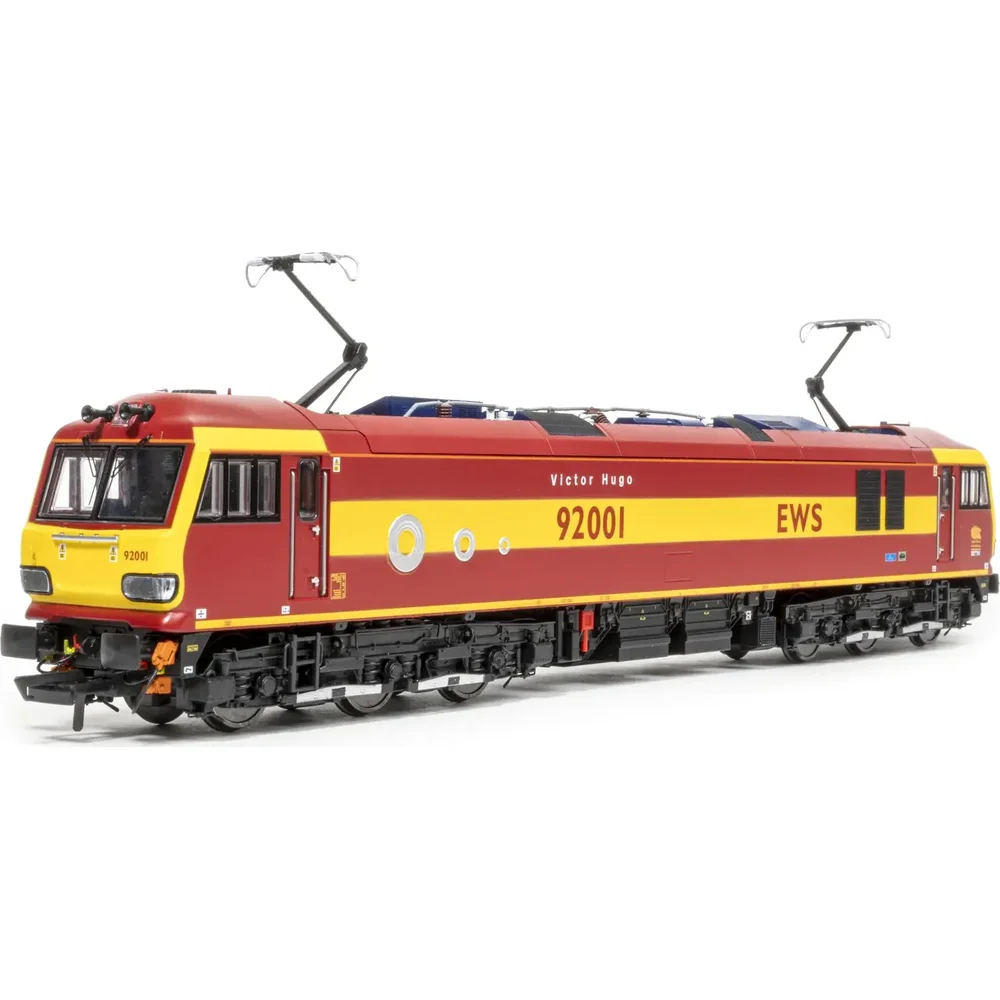
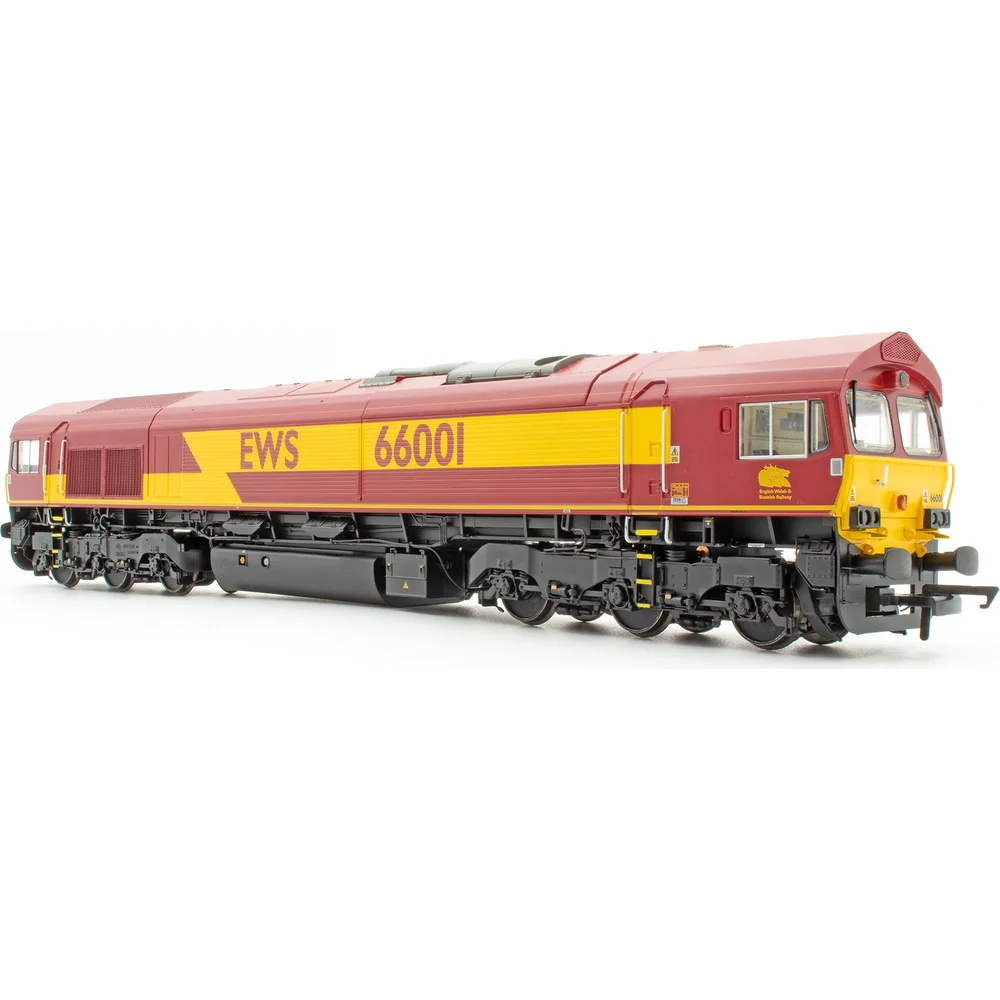
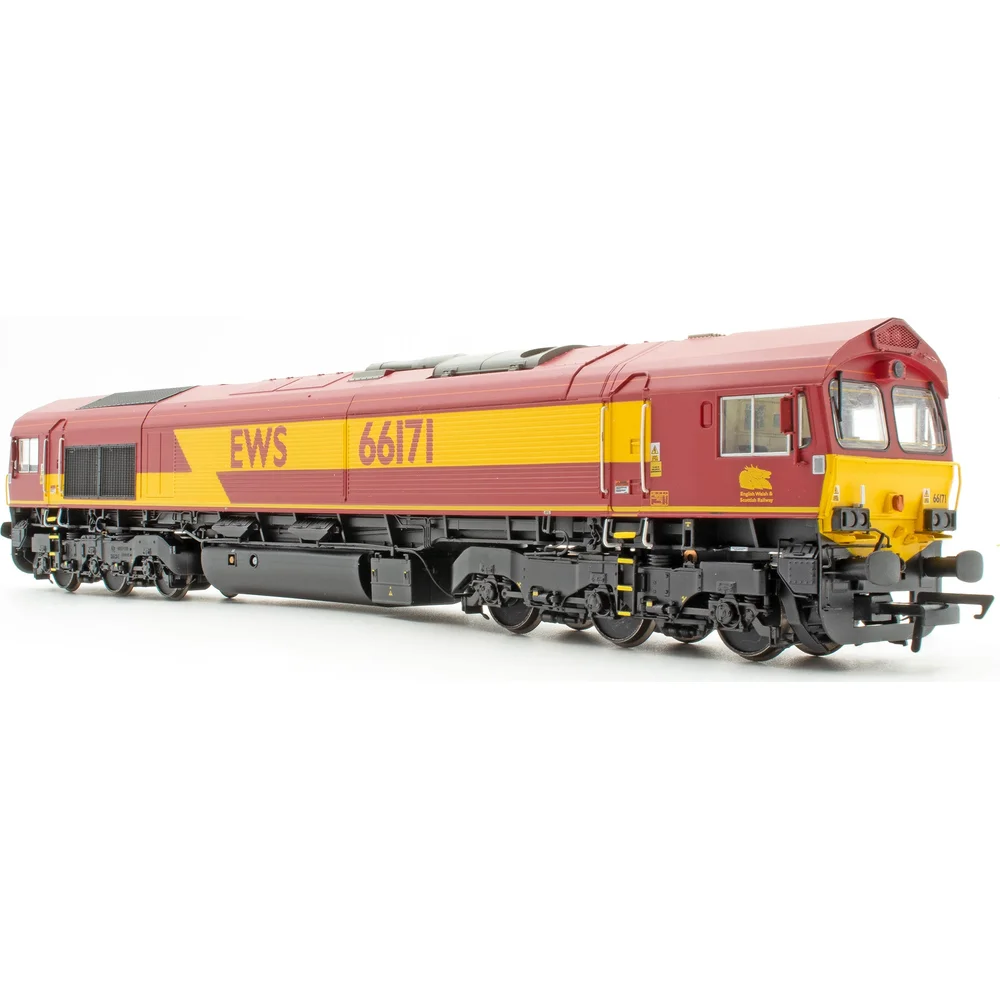
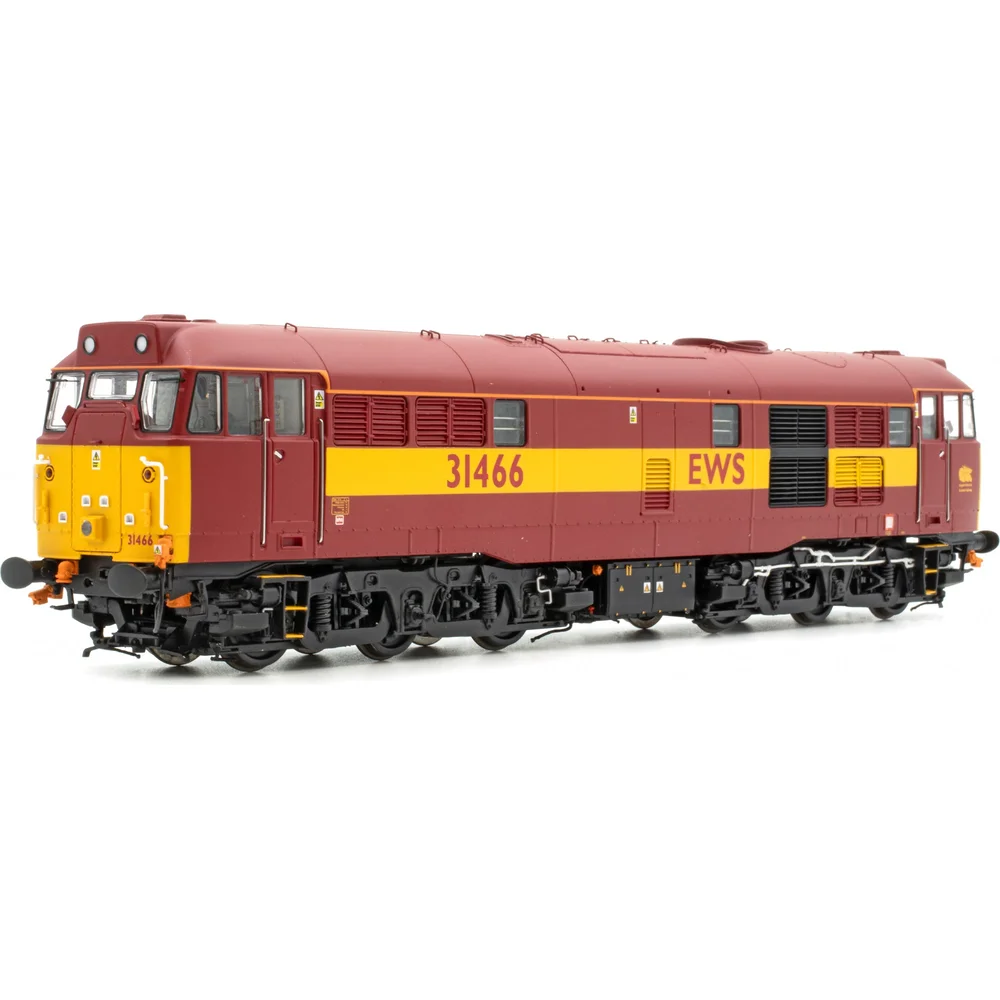
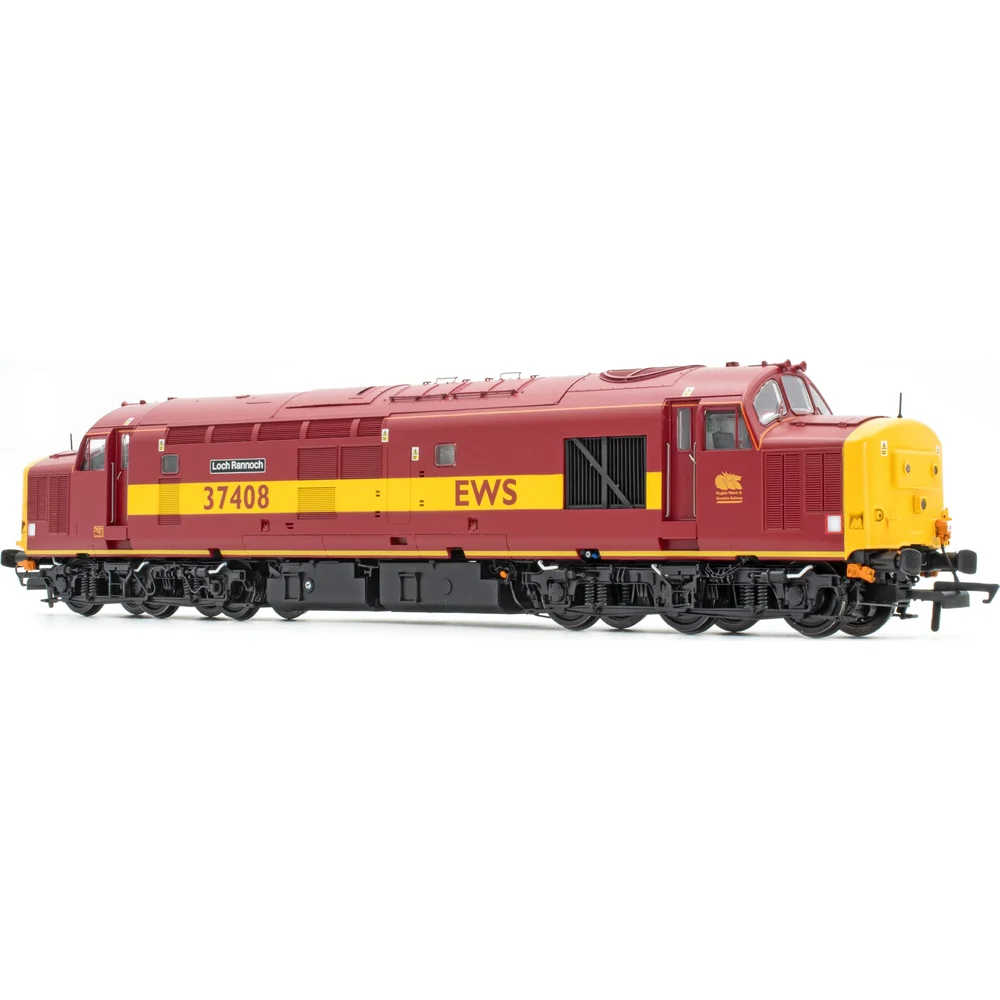
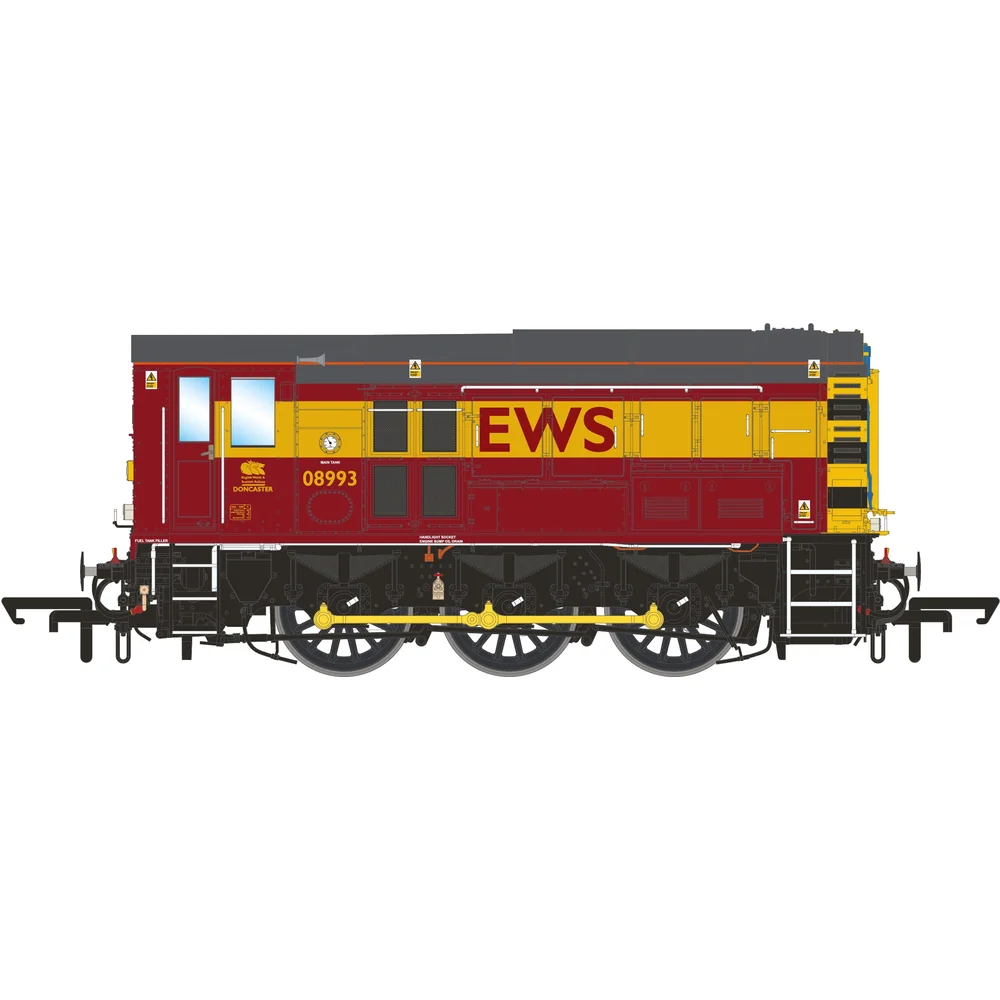
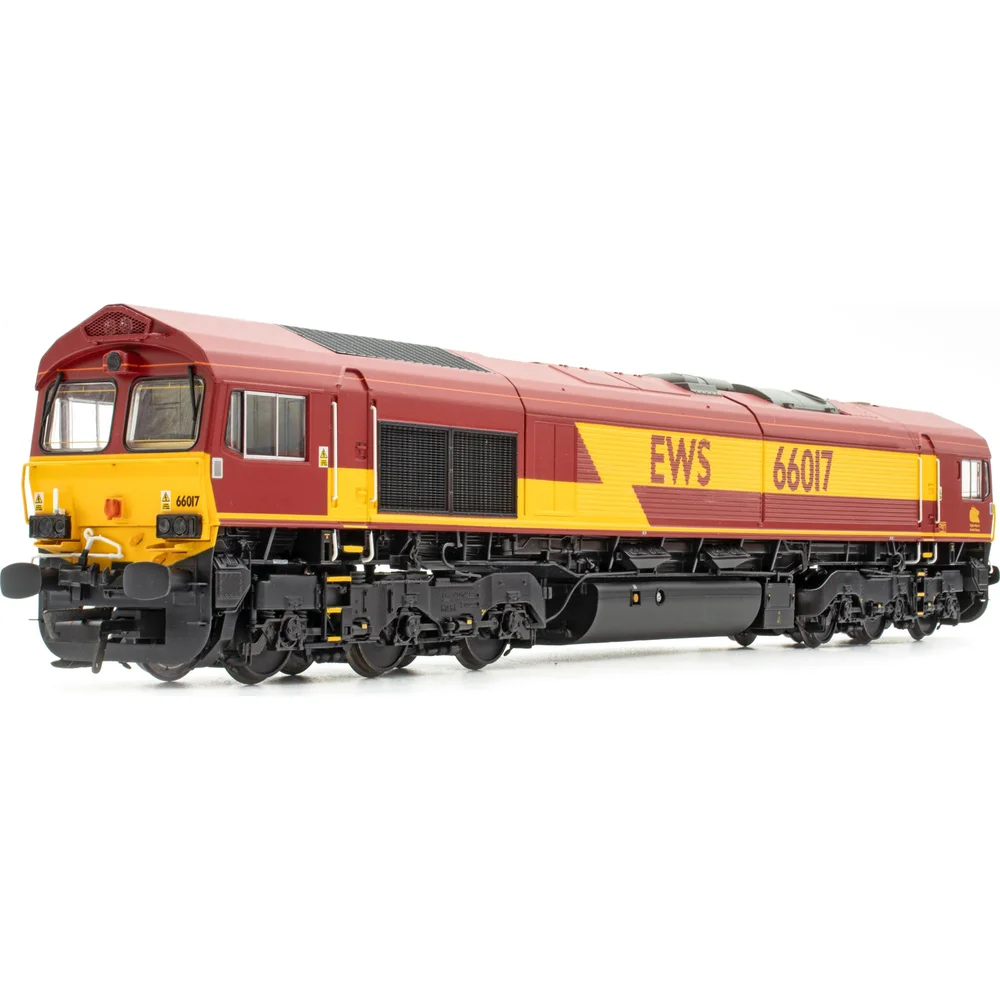
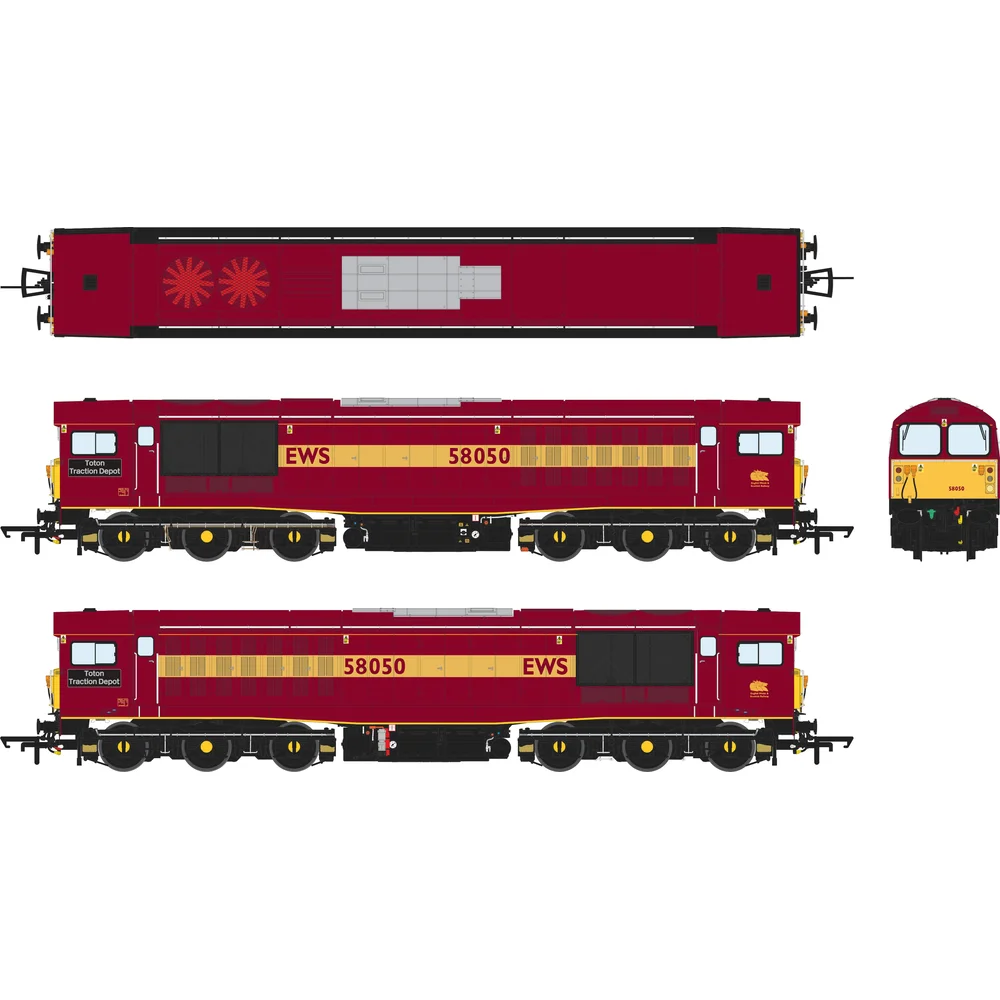
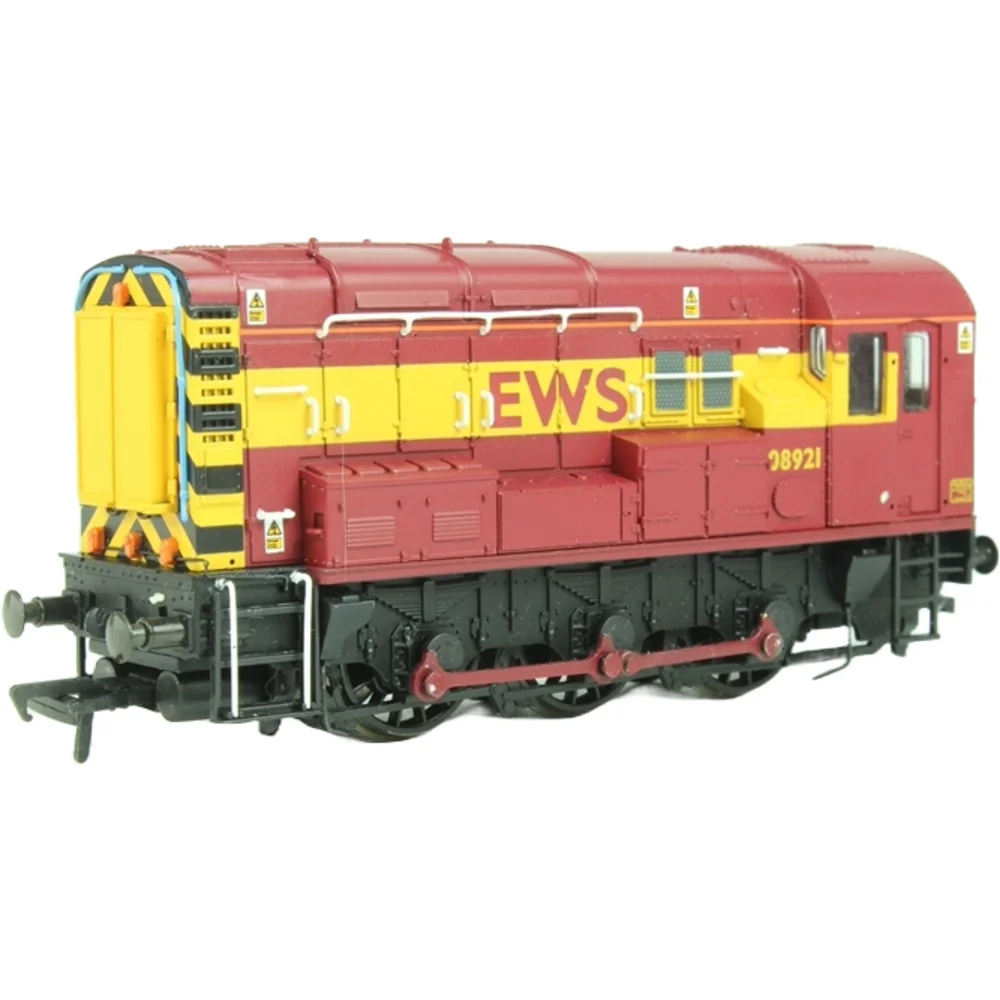
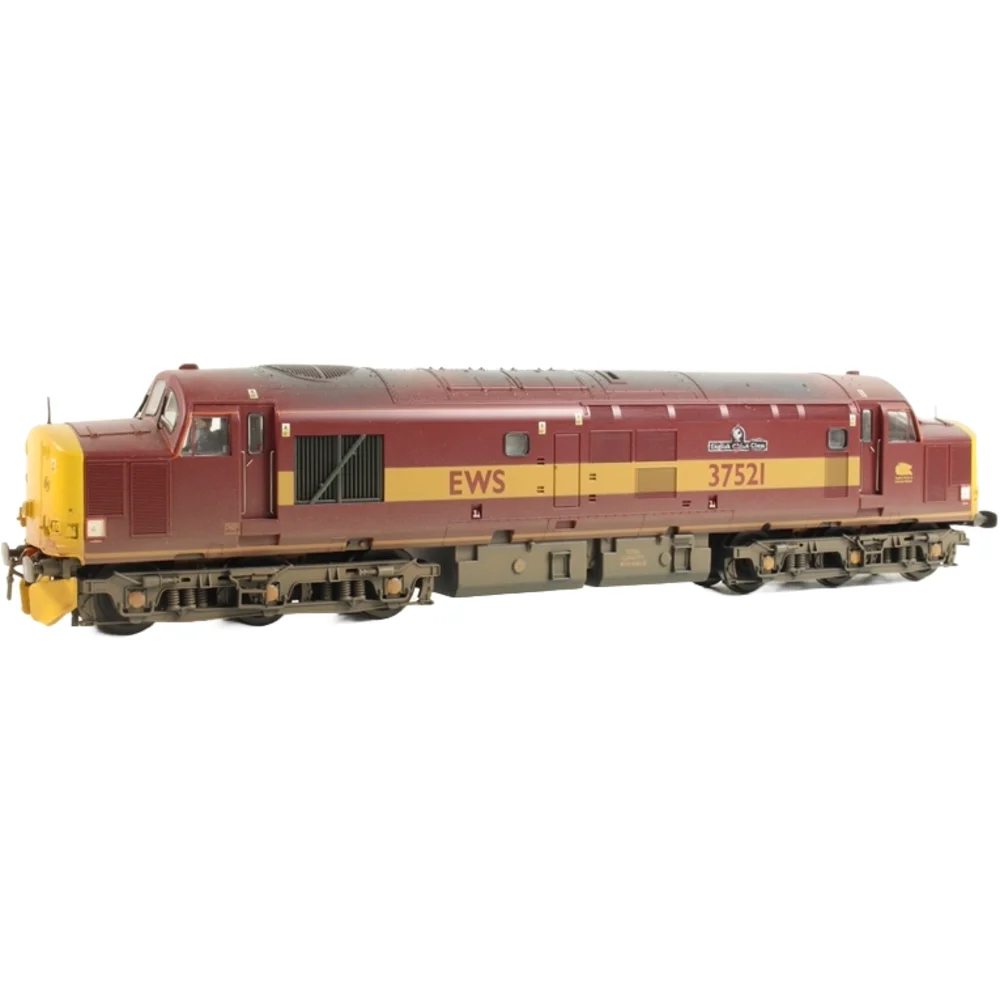
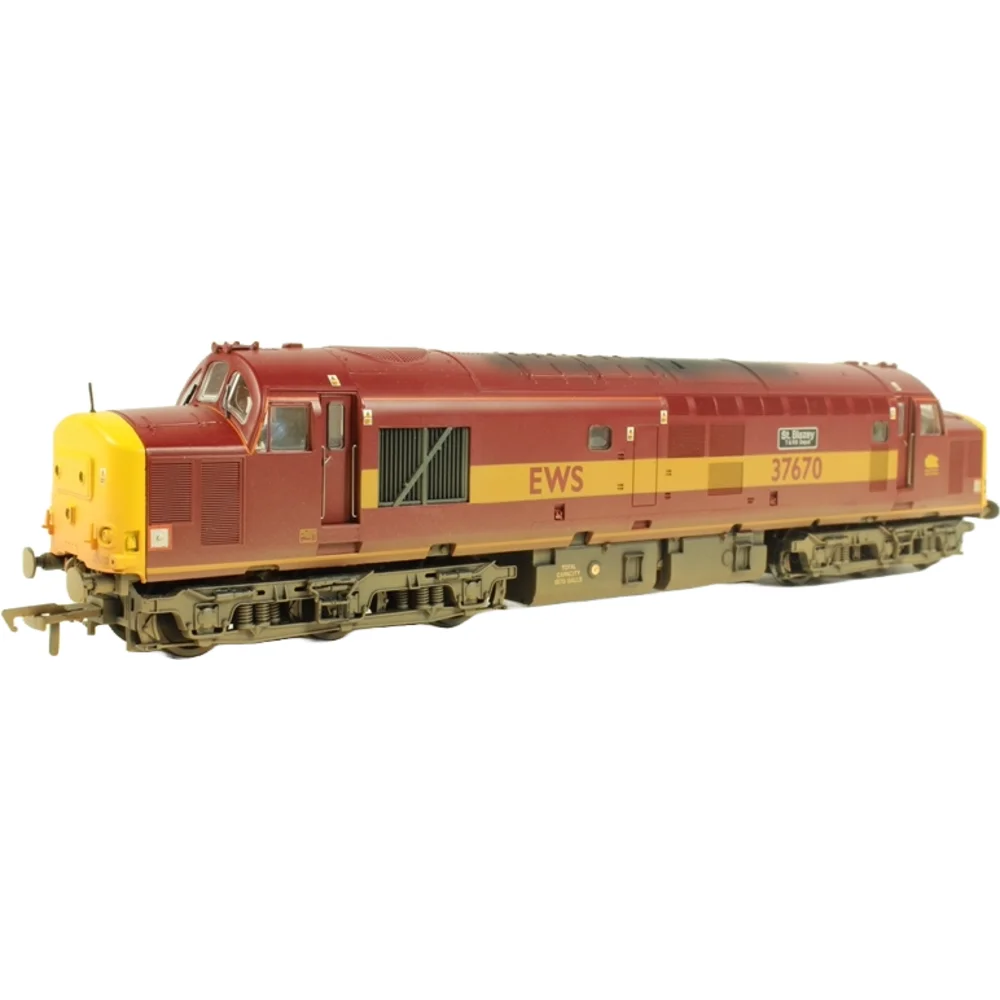
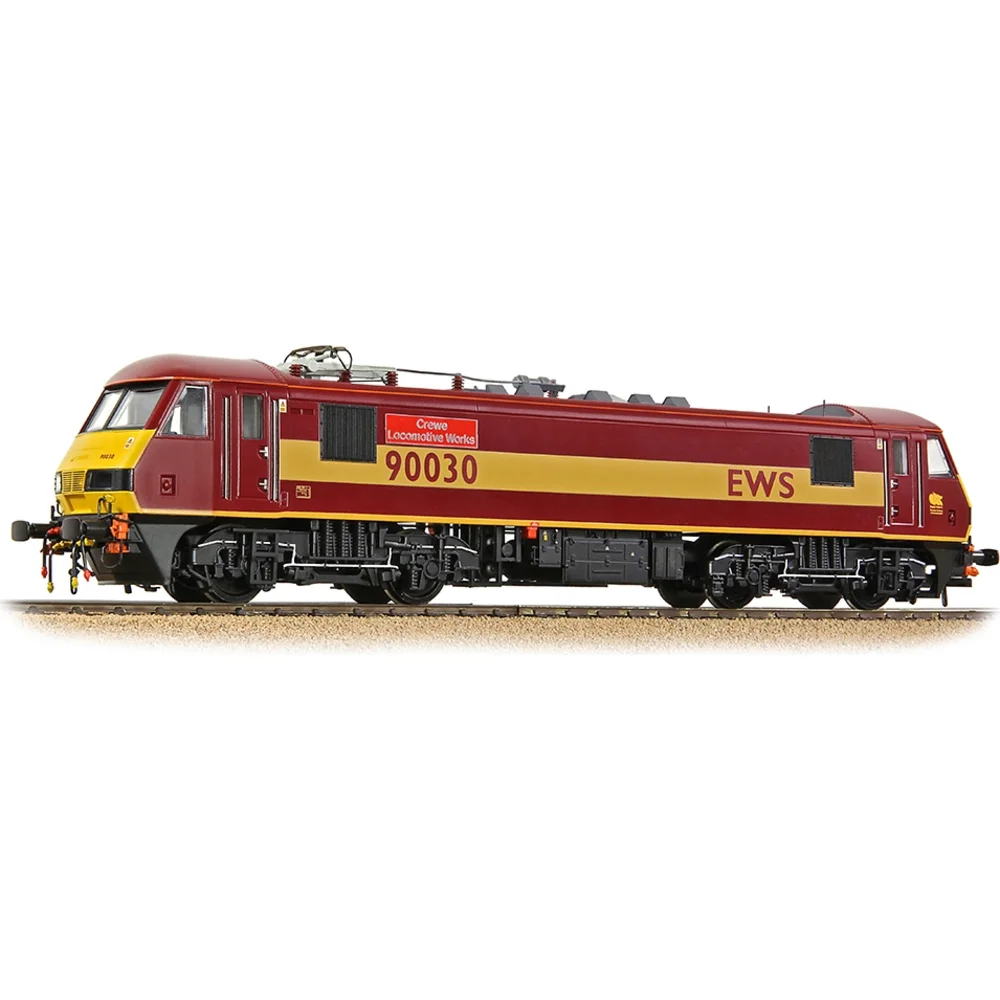
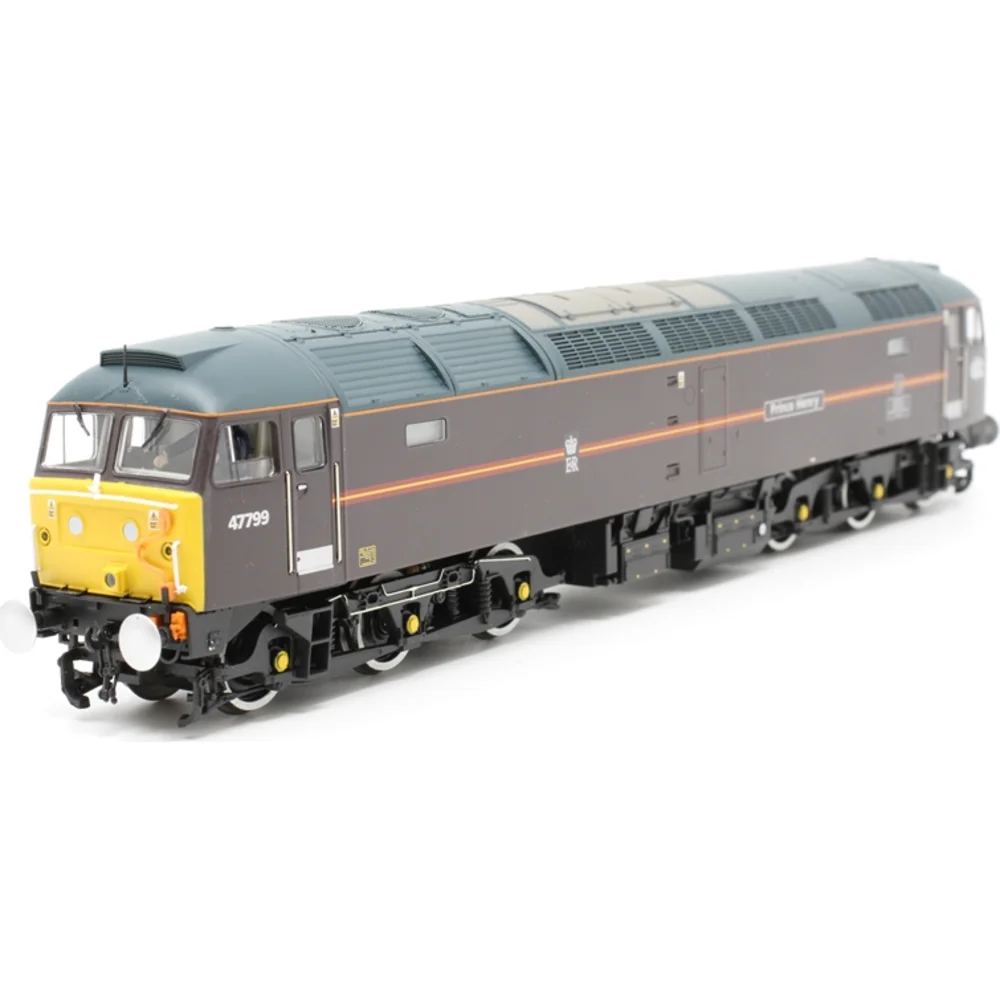
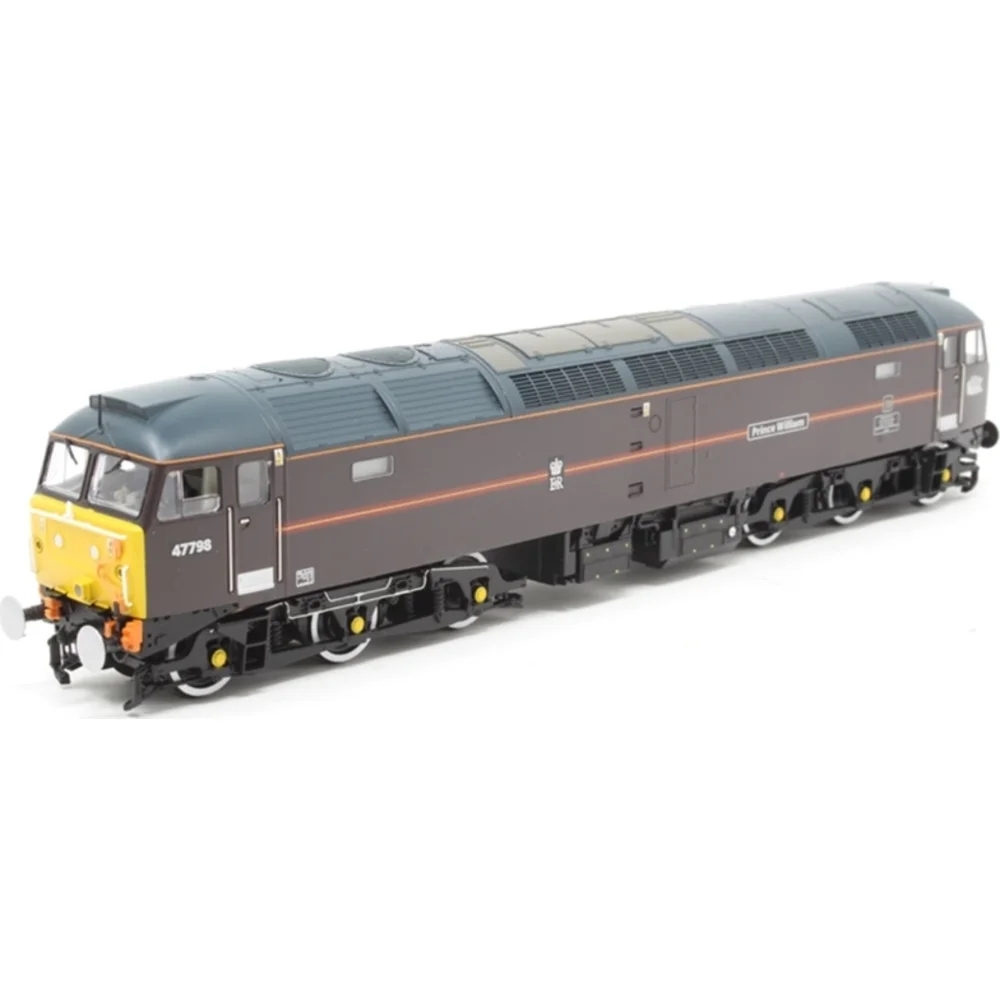
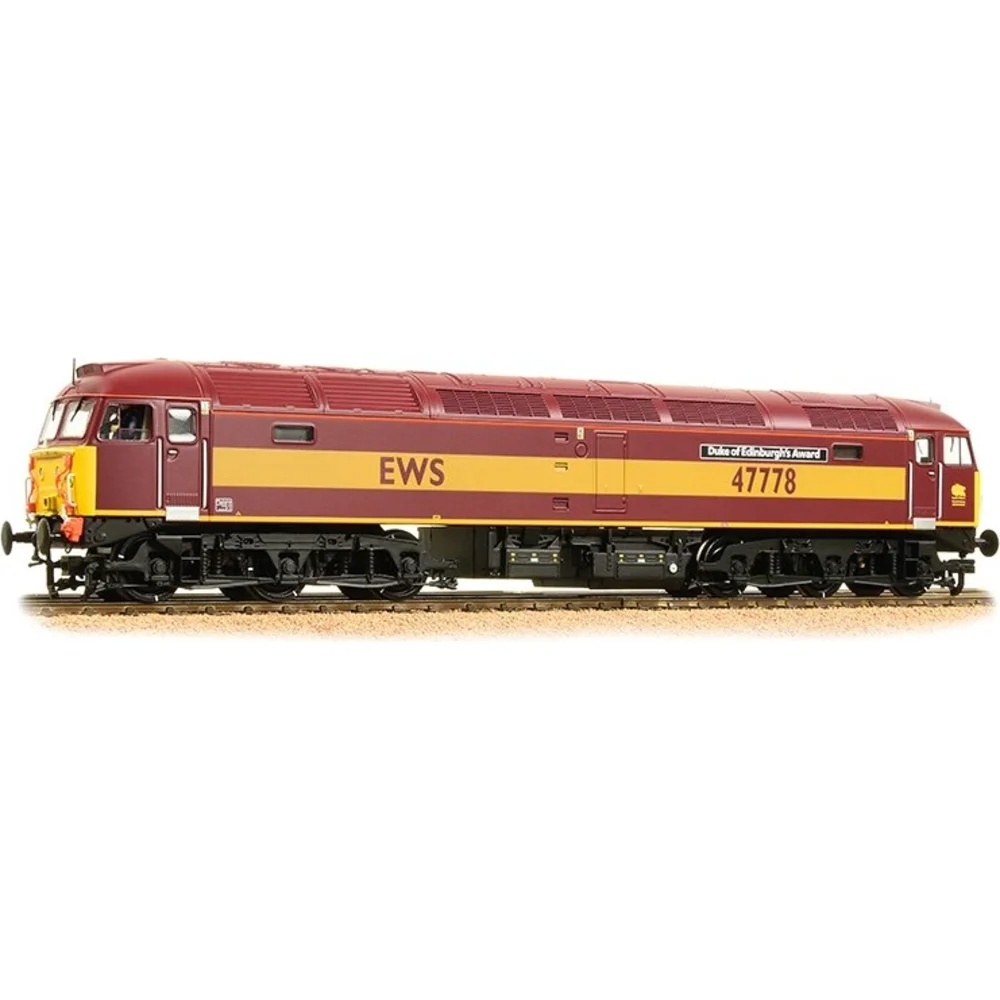
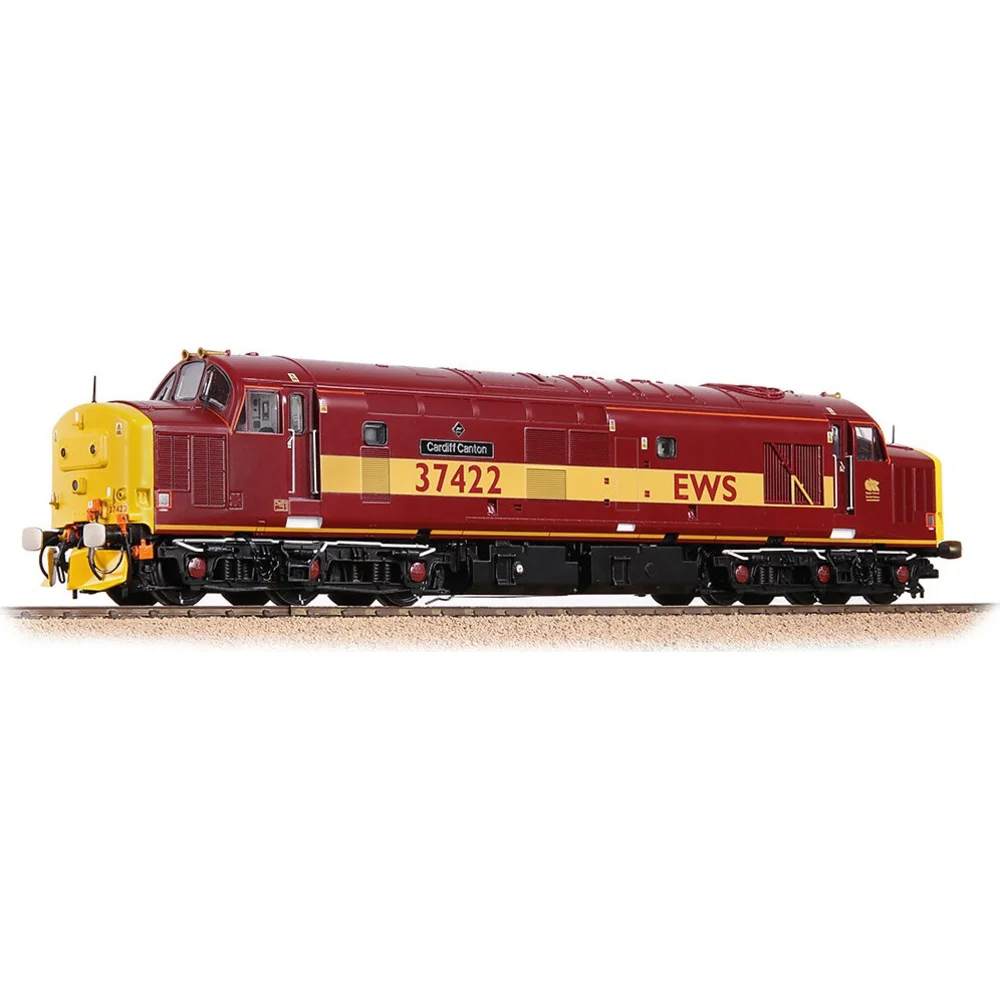
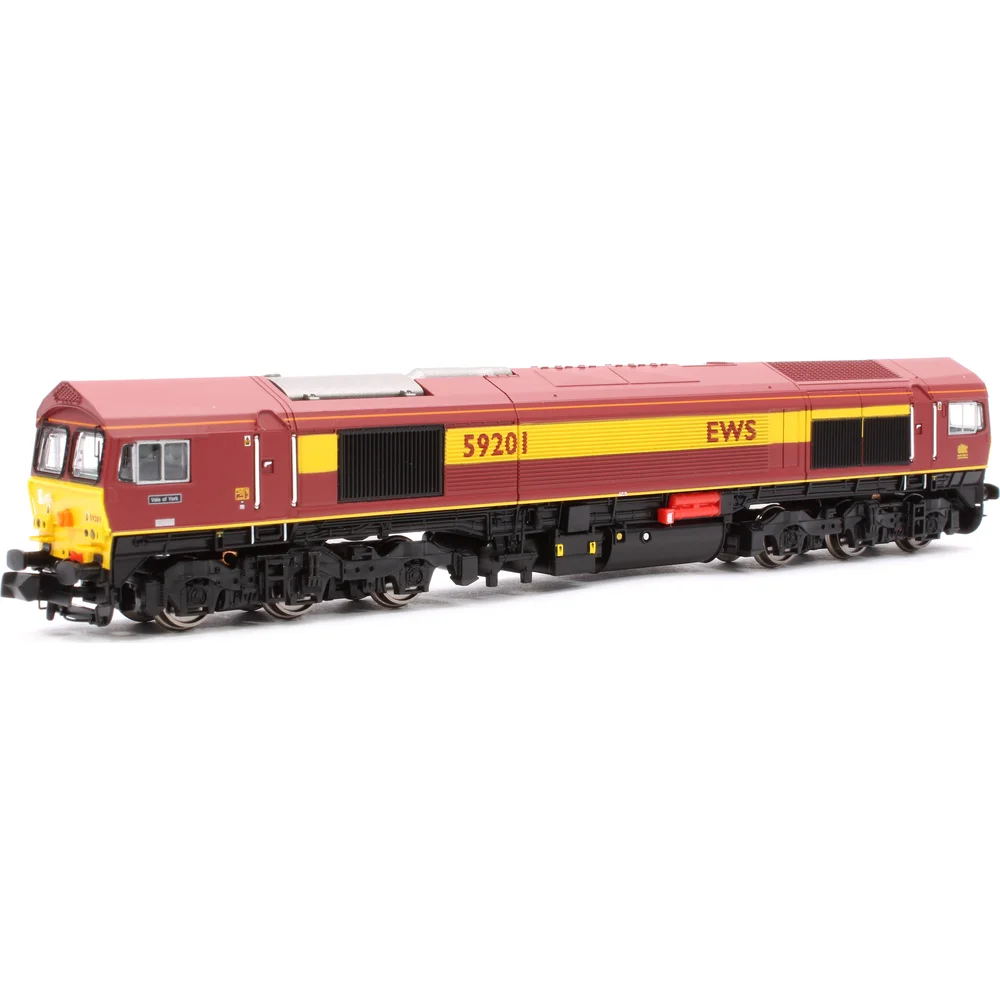
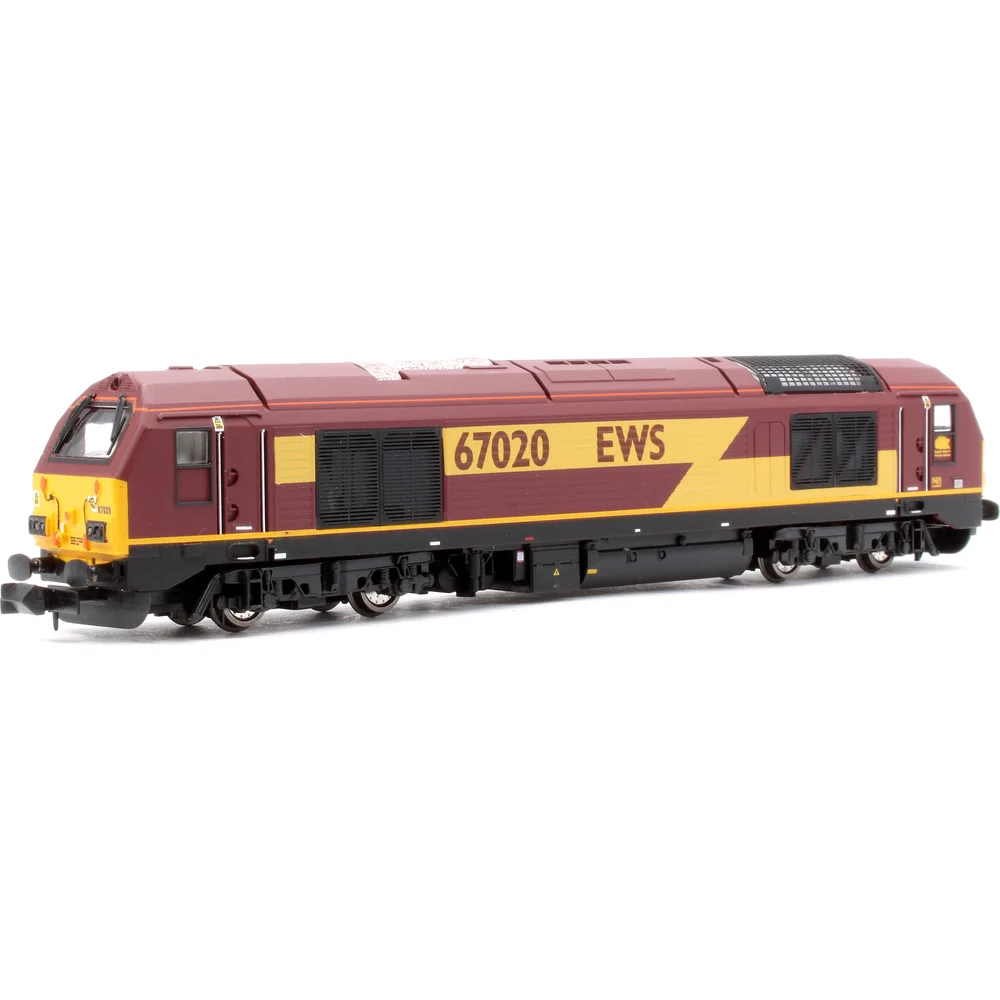
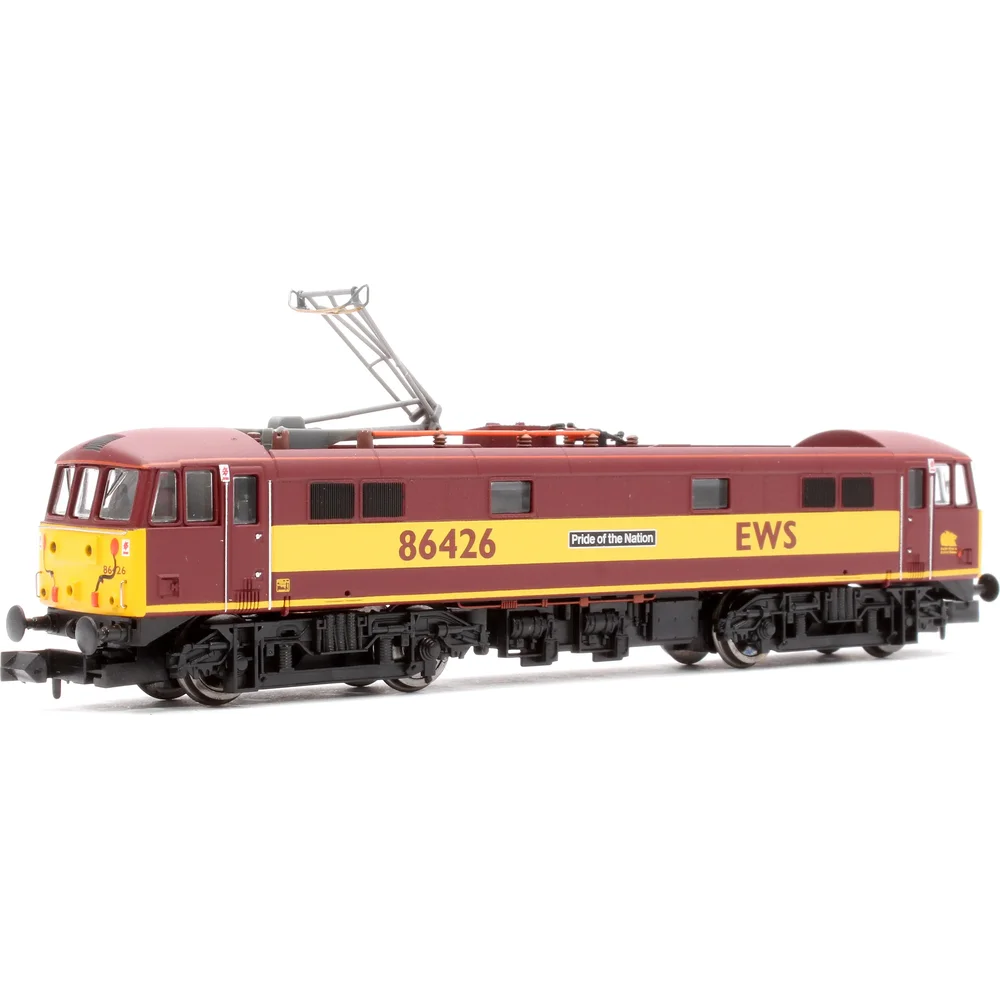
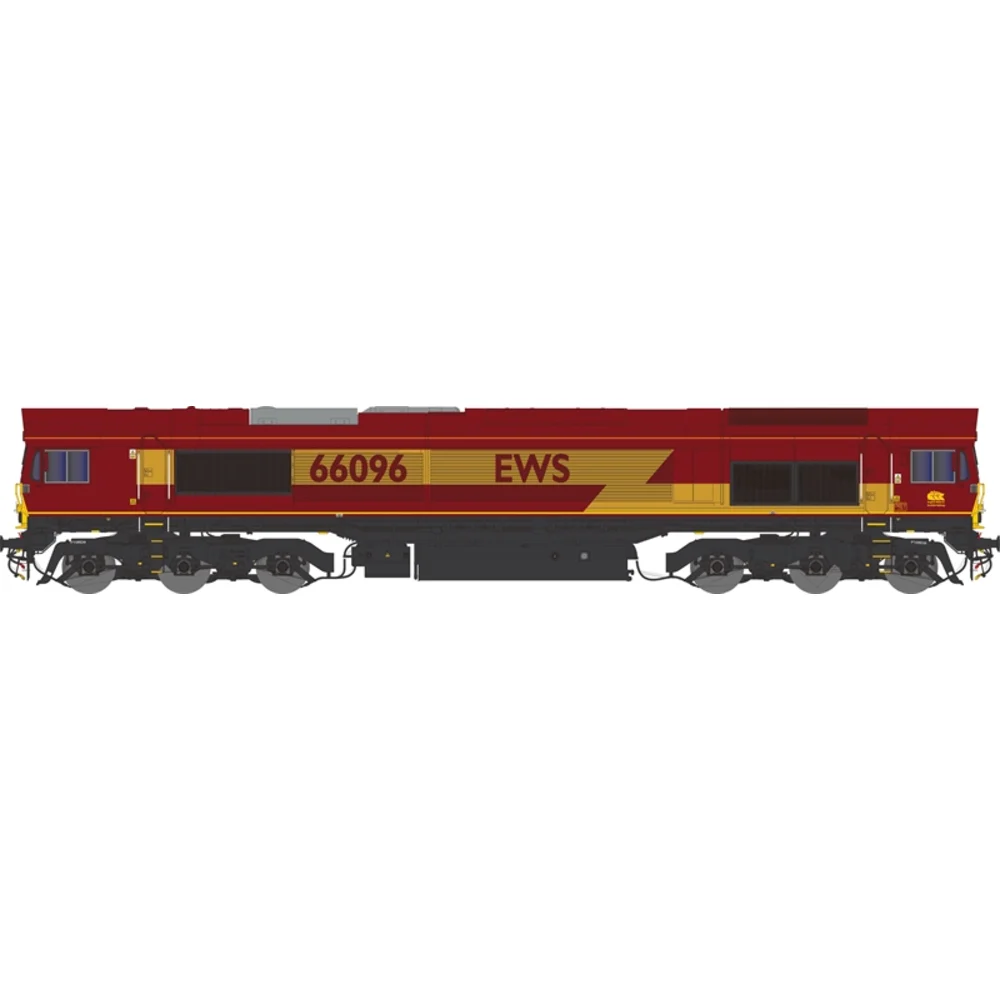
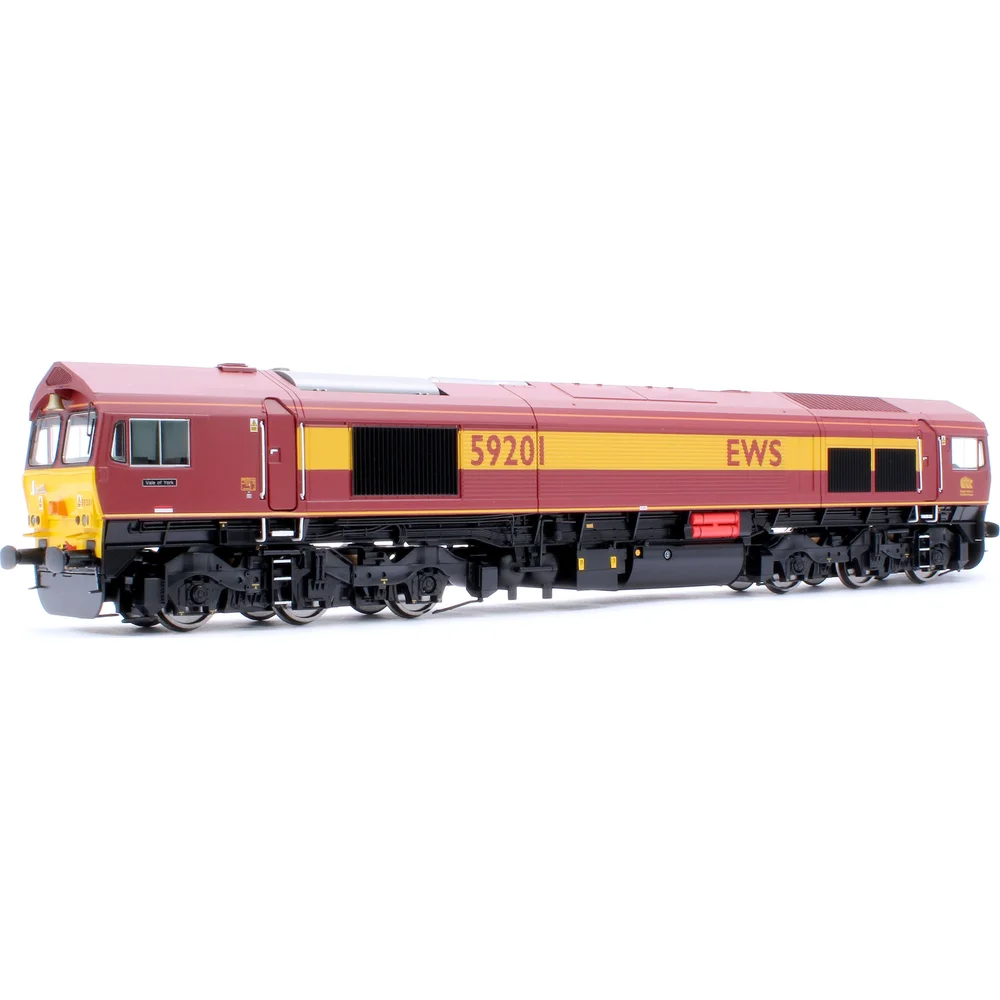
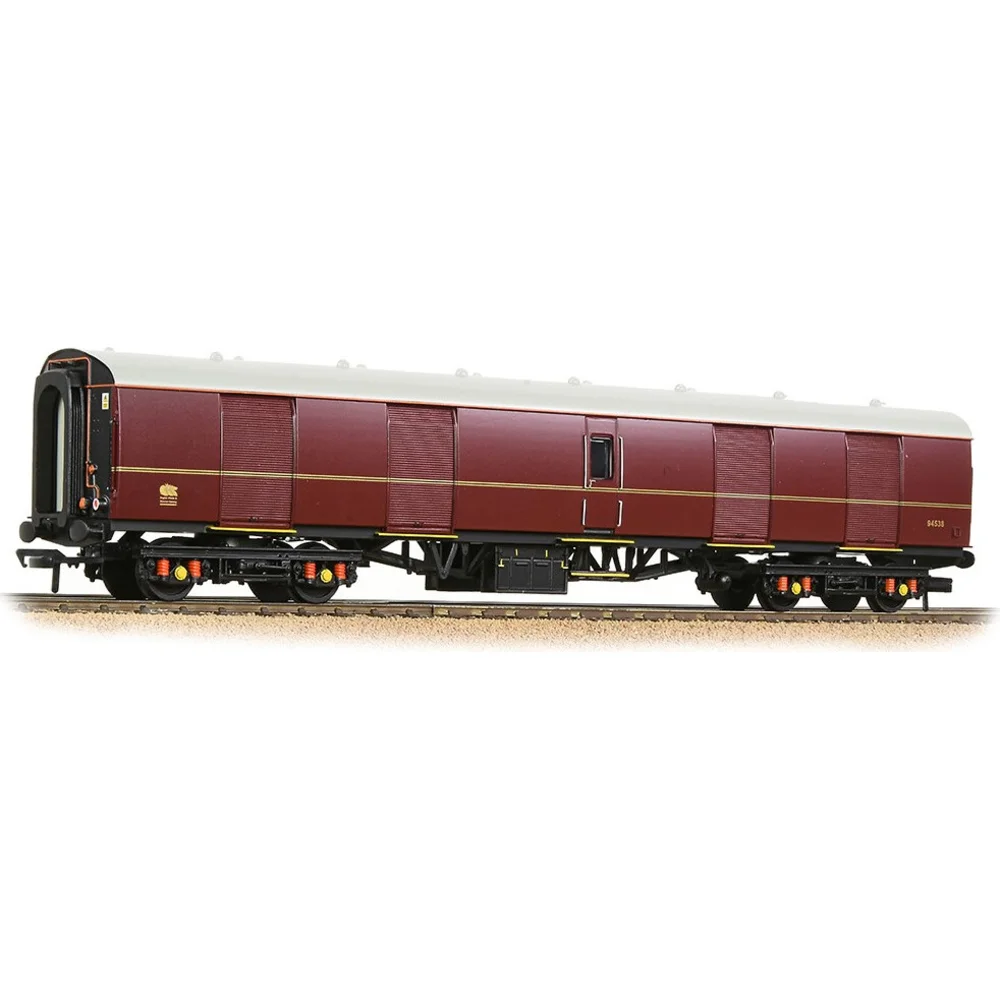
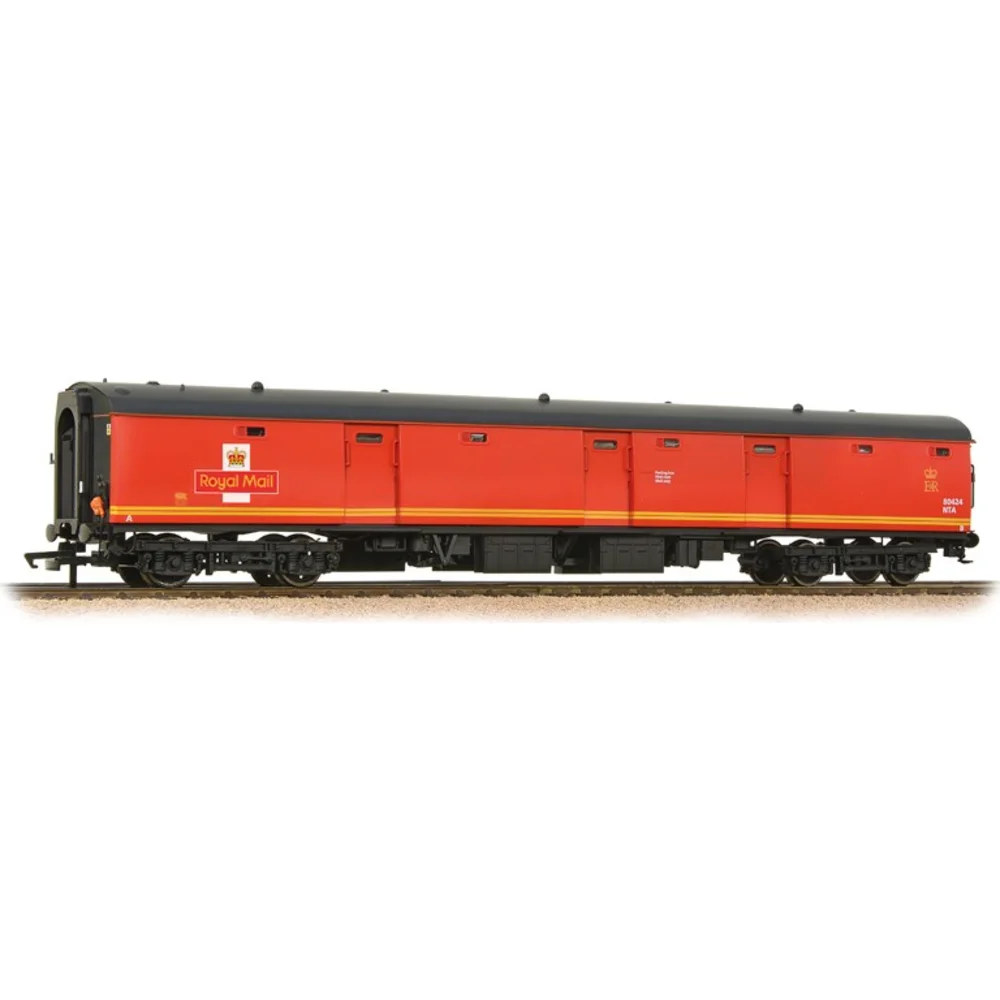
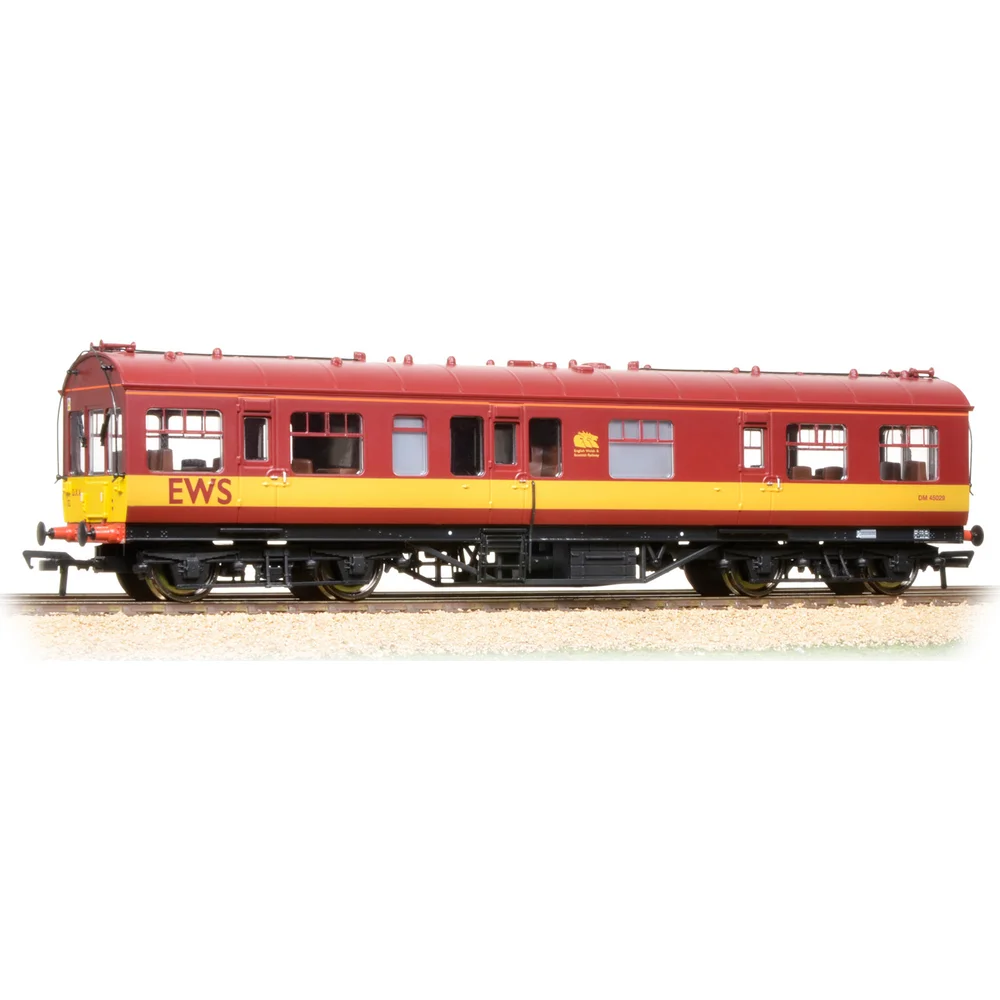
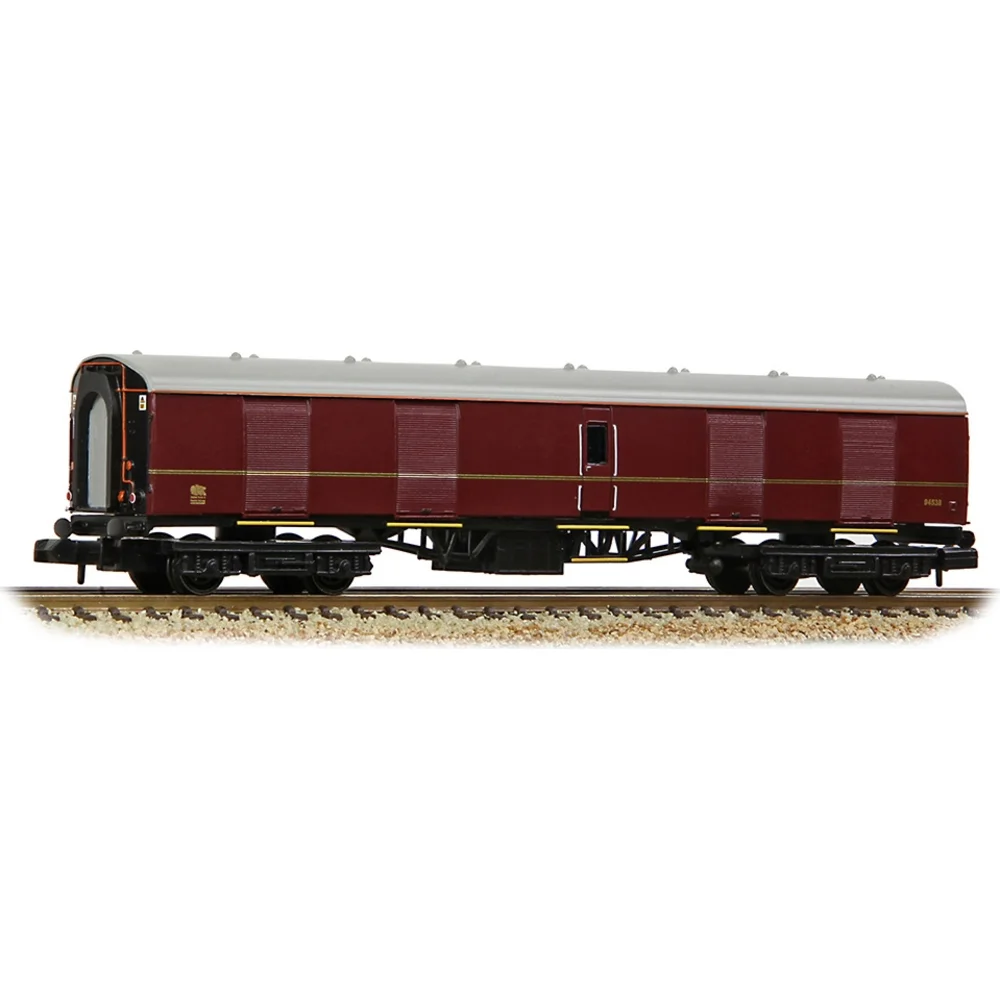
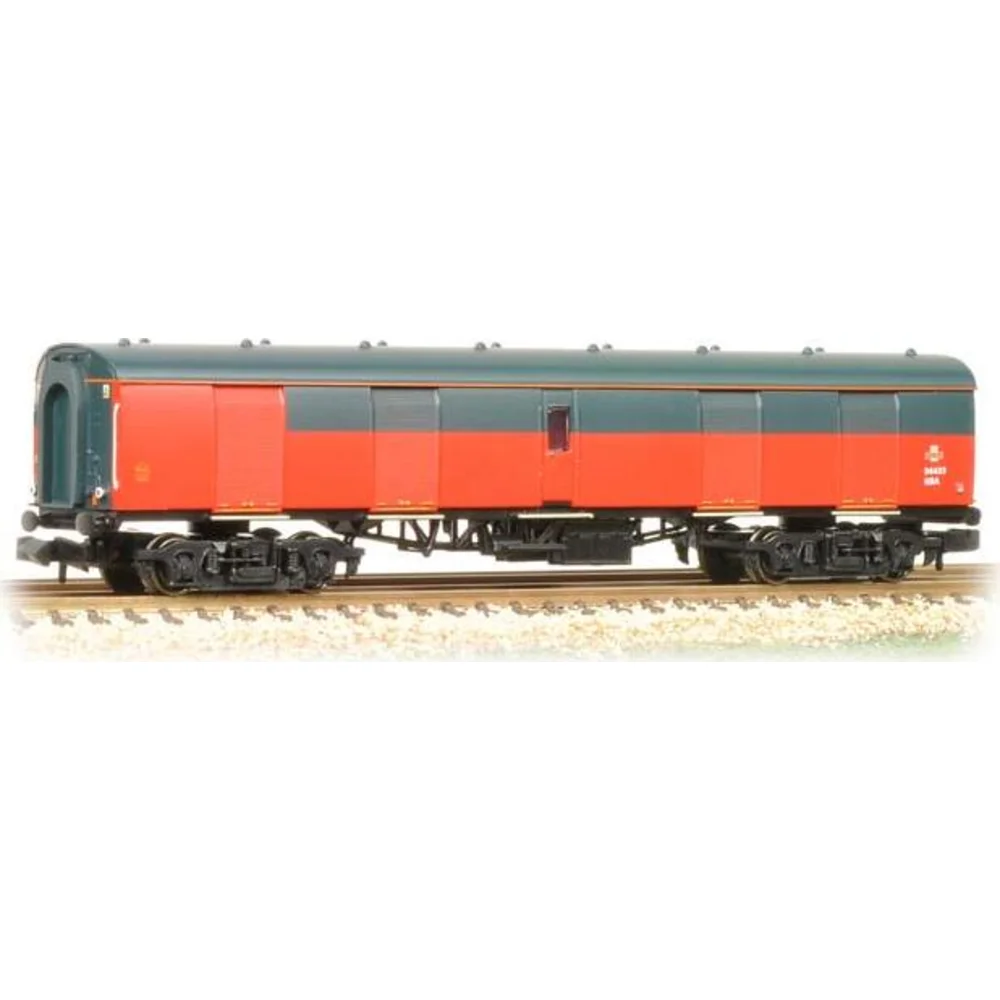
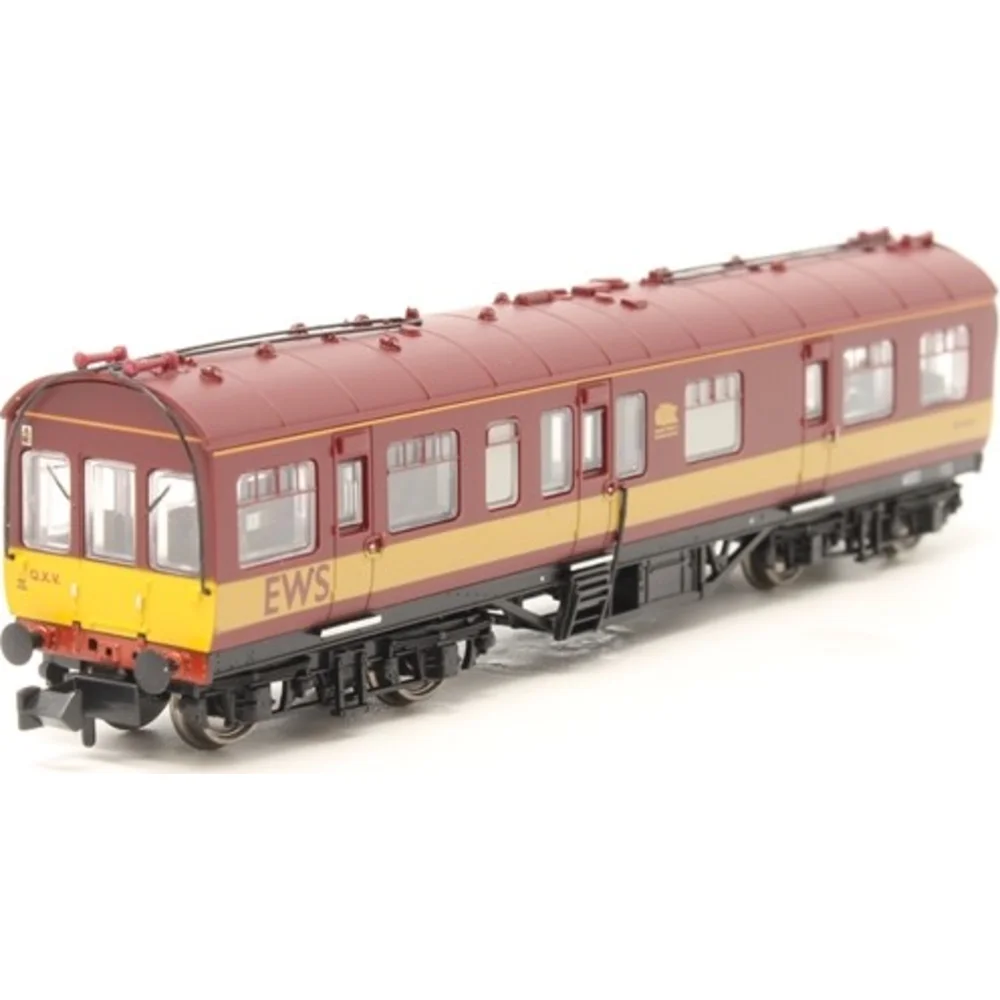
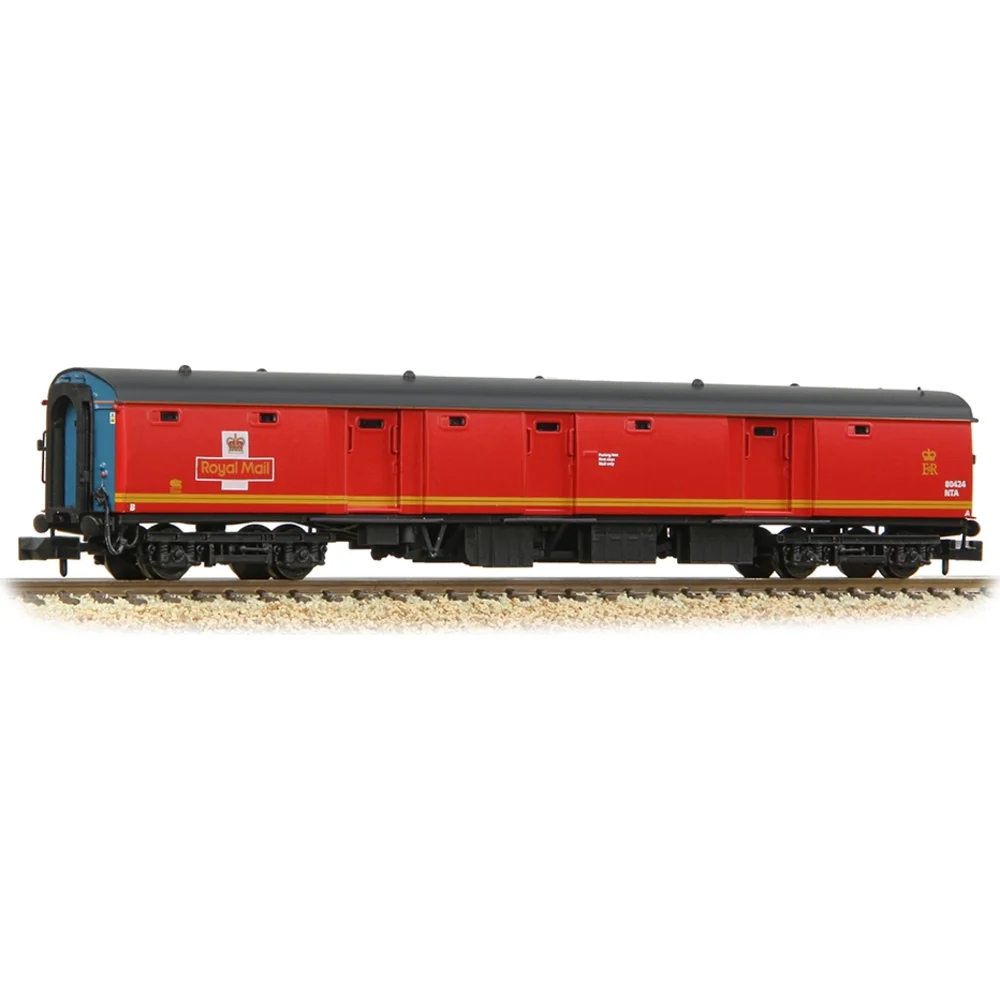
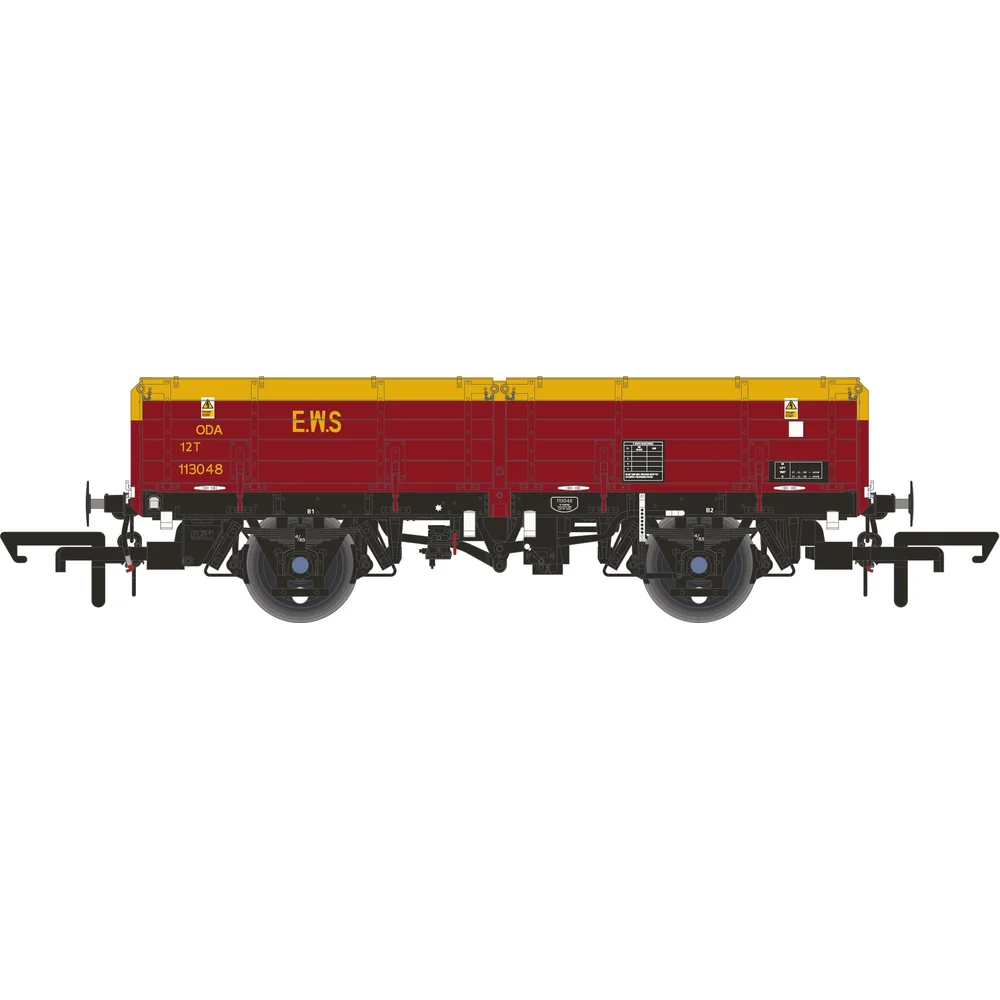
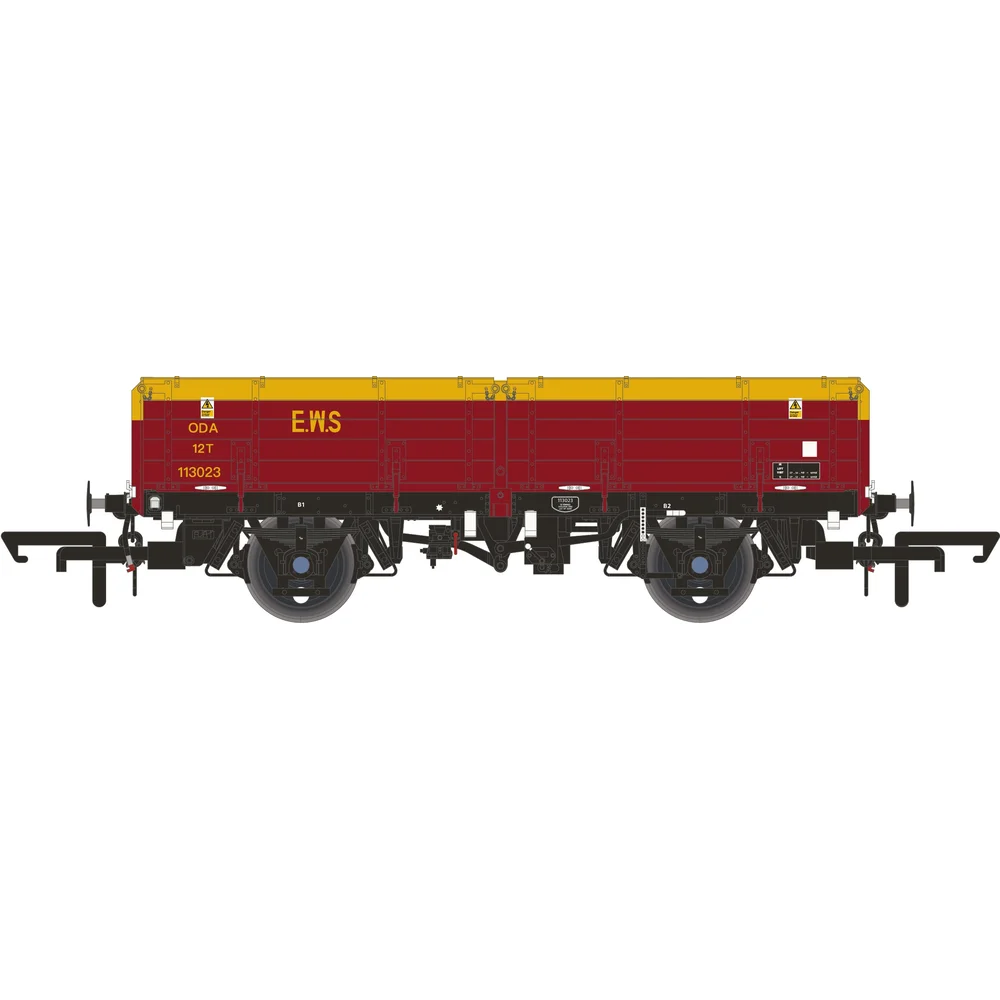
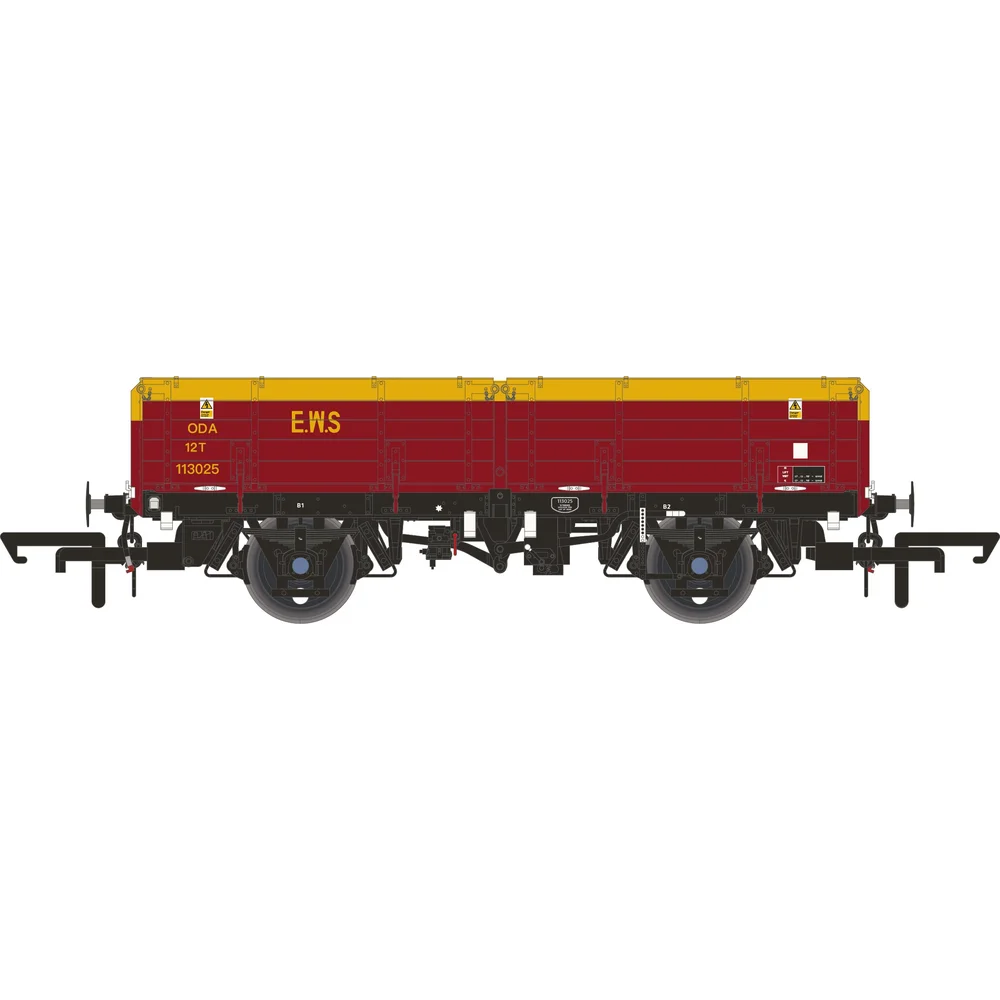
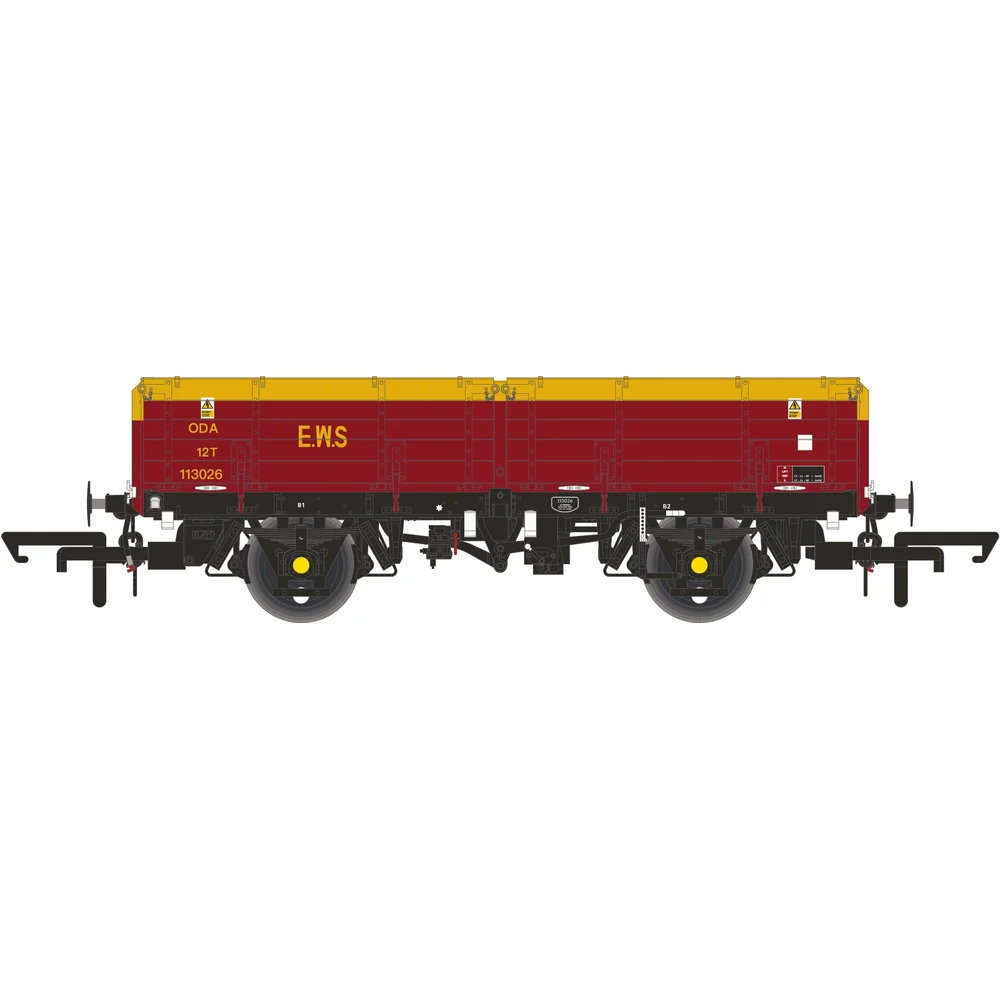
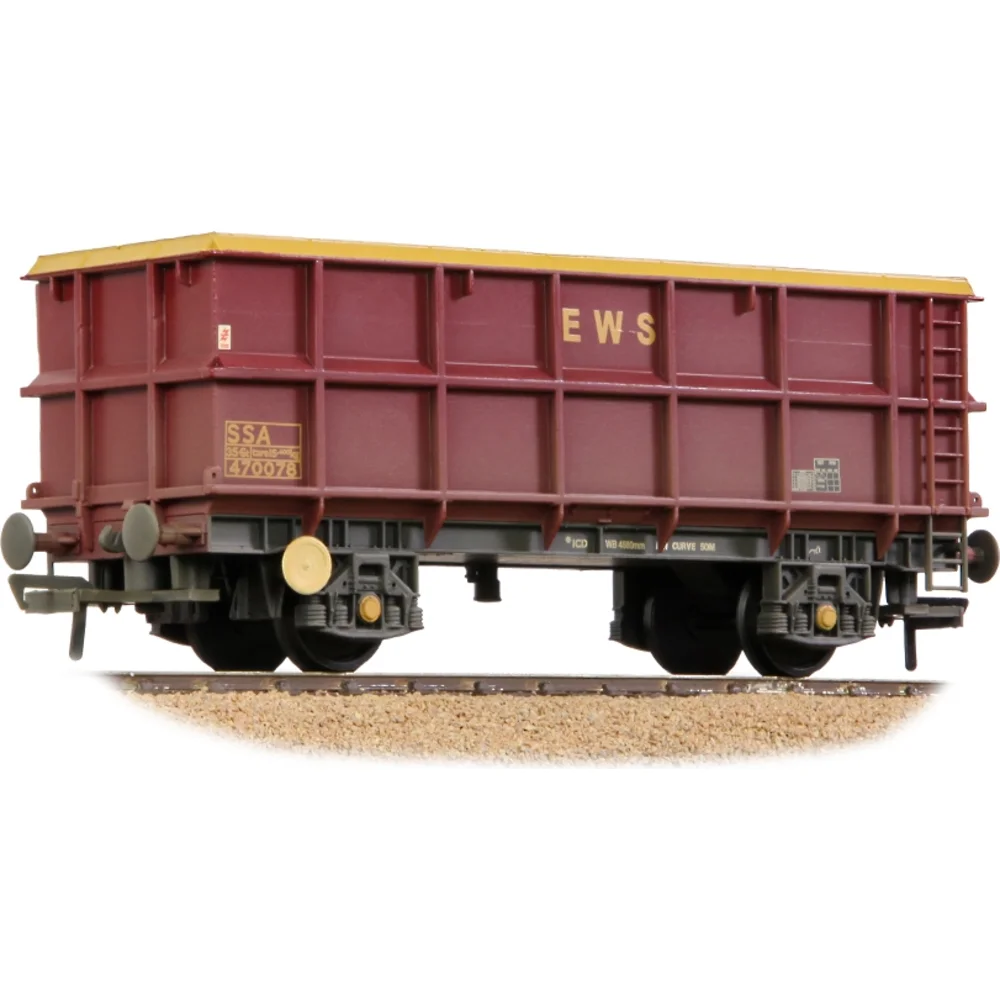
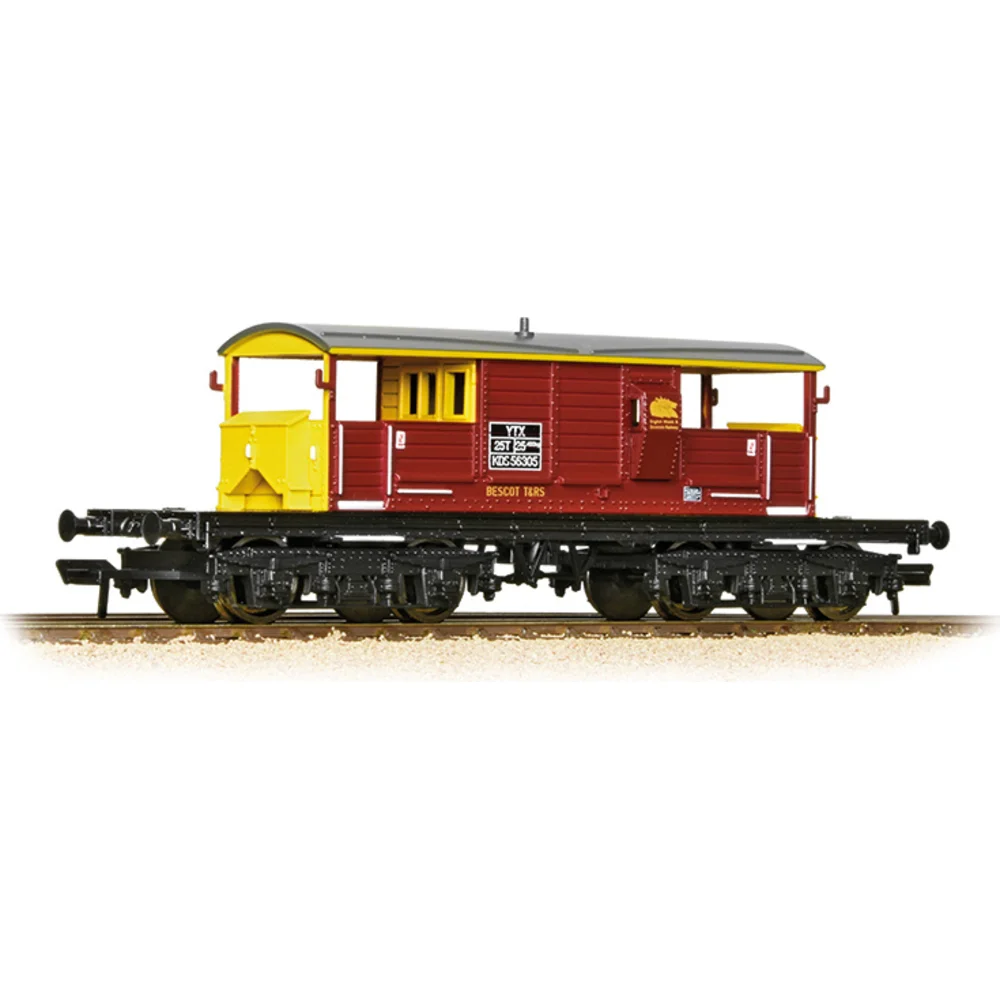
The English, Welsh & Scottish Railway (EWS) represents one of the most significant developments in British rail freight history, emerging from the privatisation of British Rail to become the UK's dominant freight operator. From its formation under Wisconsin Central ownership in 1996 to its acquisition by Deutsche Bahn in 2007, EWS controlled up to 90% of Britain's rail freight market whilst introducing revolutionary operational practices and distinctive locomotive liveries that continue to captivate railway enthusiasts worldwide. For model railway hobbyists and railway historians alike, the EWS story offers fascinating insights into modern railway commercialisation, locomotive development, and the transformation of British freight transport in the post-privatisation era.
Quick Takeaways
- Formation and Dominance: Created 1996 through merger of five BR freight companies, achieving 90% UK rail freight market share by 1997
- Wisconsin Central Backing: Formed by American railroad expertise with £375 million investment in new Class 66 and Class 67 locomotives
- Locomotive Revolution: Introduced 250 General Motors Class 66s, transforming British freight operations with superior reliability and availability
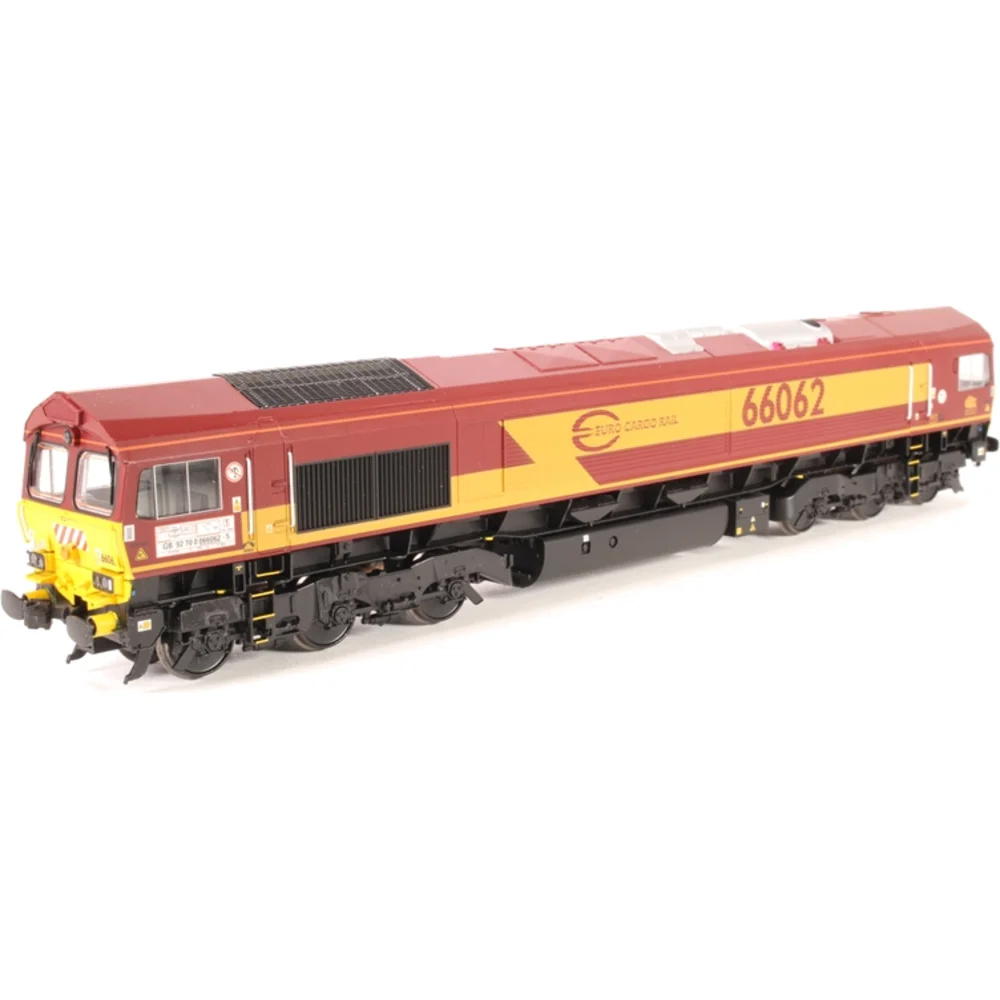
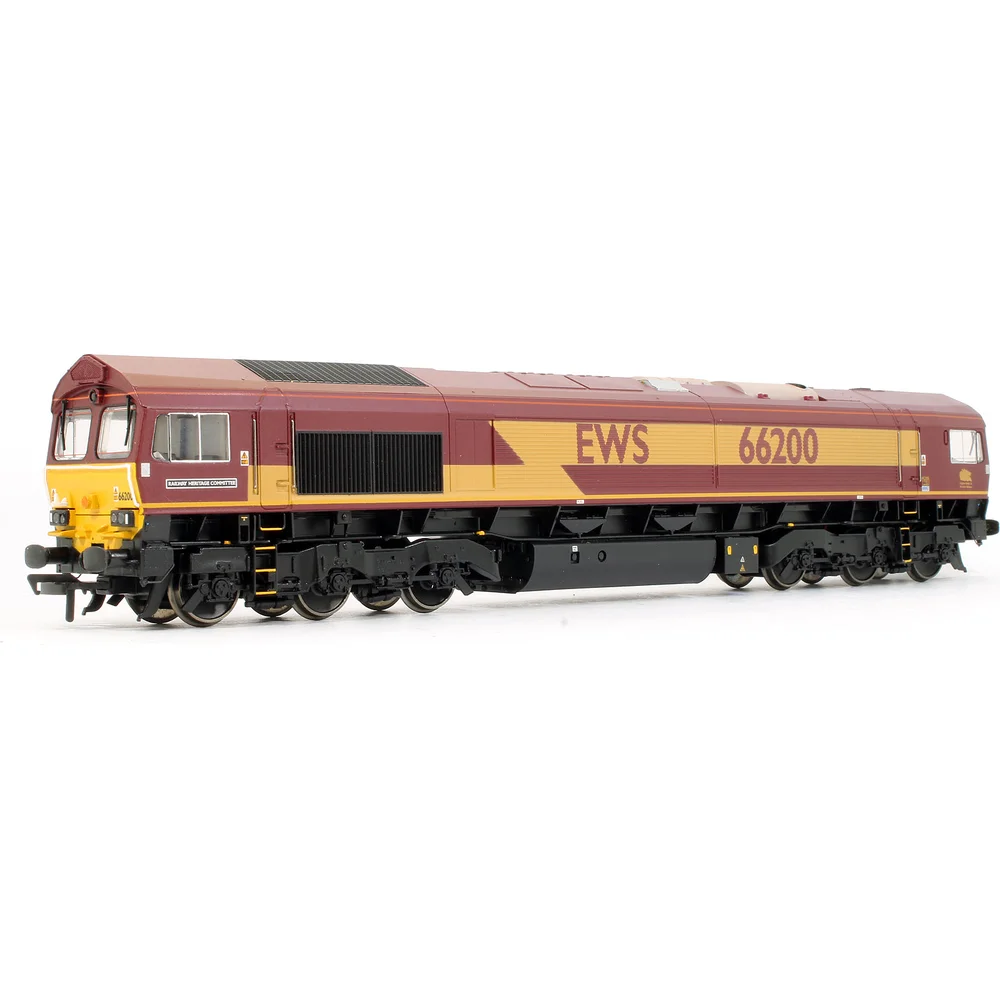
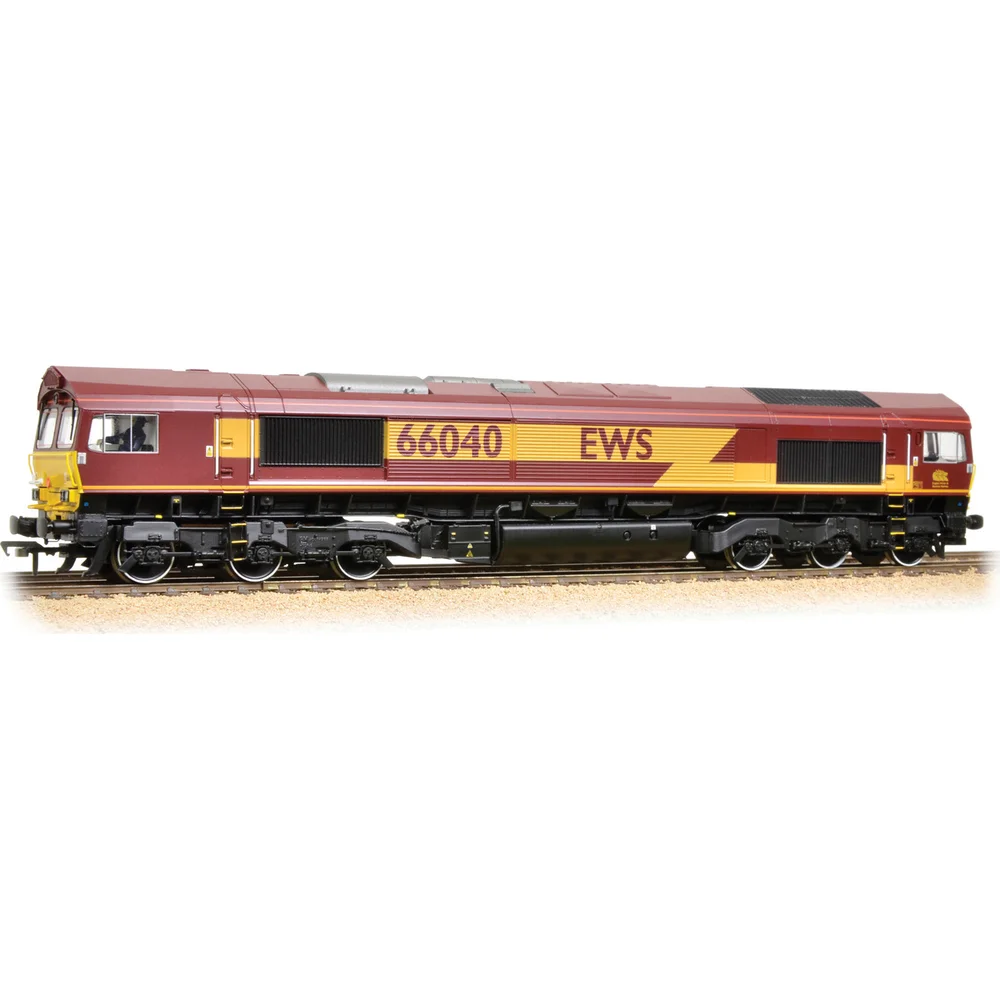
- Distinctive Identity: Famous maroon and gold livery with "three beasties" logo became iconic symbol of modern British freight
- Deutsche Bahn Legacy: Acquired 2007 for £309 million, evolved into today's DB Cargo UK maintaining freight market leadership
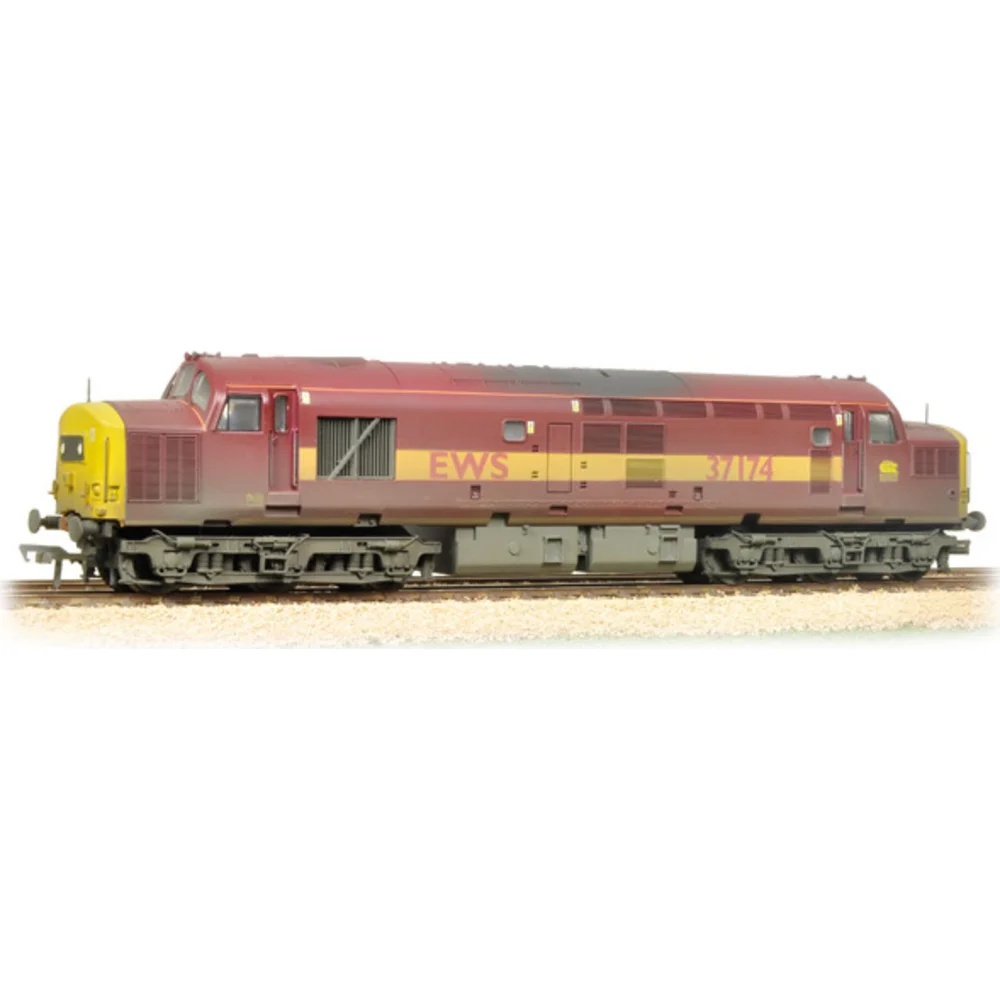
- Modelling Appeal: Extensive range of EWS-liveried locomotives available across all popular model railway scales and manufacturers
- Operational Innovation: Pioneered cost-effective freight practices, reduced staff numbers whilst maintaining service quality and safety standards
The Formation of English, Welsh & Scottish Railway: Wisconsin Central's British Venture
The creation of the English, Welsh & Scottish Railway stemmed directly from the controversial privatisation of British Rail's freight operations during the mid-1990s. The Conservative government's decision to break up British Rail's integrated network created unprecedented opportunities for international railroad operators to establish footholds in the UK market. Wisconsin Central Transportation Corporation, led by the dynamic Edward Burkhardt, recognised this opportunity and assembled a consortium of financial backers including Berkshire Partners, Goldman Sachs, and Fay Richwhite to pursue Britain's largest rail freight businesses.
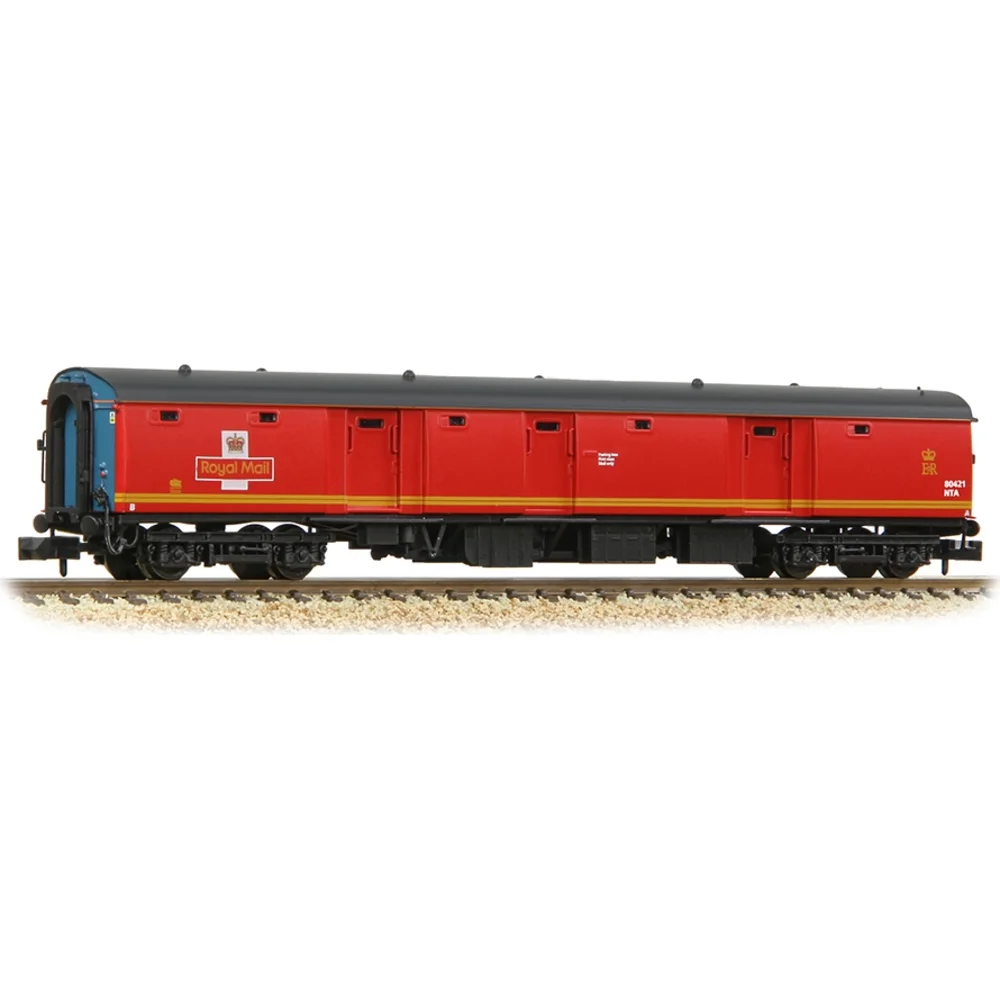
The process began with the establishment of North and South Railways Limited in early 1995, which served as the bidding vehicle for Wisconsin Central's British acquisitions. The first success came on 9 December 1995 with the purchase of Rail Express Systems for £24 million, bringing with it the prestigious Royal Mail train service contract, including the famous Travelling Post Office trains, plus the Royal Train haulage rights. This acquisition included 164 locomotives and 677 postal vans, along with strategic depot locations at Bristol Barton Hill, Cambridge, Crewe, and London Euston.
The defining moment arrived on 24 February 1996 when North and South Railways acquired British Rail's three trainload freight companies - Loadhaul, Mainline Freight, and Transrail Freight - for £225 million. This massive purchase included 914 locomotives and 19,310 wagons, effectively nullifying the government's original intention to create competitive rail freight businesses. The scale of this acquisition was unprecedented in British railway privatisation, creating an instant monopoly that controlled the vast majority of UK rail freight operations.
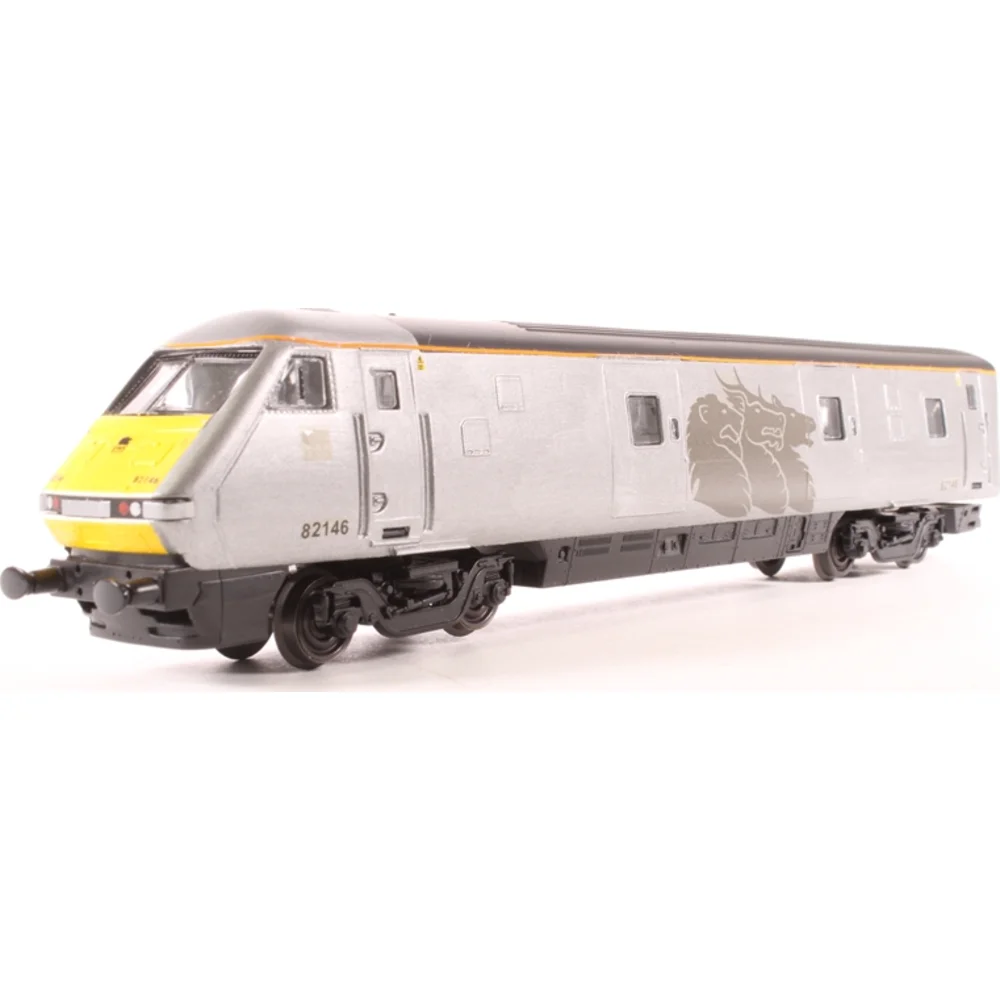
The unveiling of the English, Welsh & Scottish brand on 25 April 1996 marked the birth of a railway company that would dominate British freight transport for the next decade. The name itself was chosen through an innovative public relations exercise conducted in partnership with RAIL magazine, with over 1,200 entries submitted by railway enthusiasts. The winning design by Tom Connell featured the distinctive "three beasties" logo depicting an English lion, Welsh dragon, and Scottish unicorn - symbols that would become synonymous with modern British rail freight.
Insider tip for modellers: The transitional period from 1996-1998 offers exceptional opportunities to recreate authentic mixed livery scenes, as locomotives inherited from the constituent companies continued operating in their original Loadhaul, Mainline, and Transrail colours whilst gradually receiving the new EWS livery.
Wisconsin Central's Revolutionary Approach to British Rail Freight
Wisconsin Central's acquisition of Britain's freight railways brought American railroad expertise to a system that had operated under state control for nearly five decades. Edward Burkhardt's team recognised that British Rail's freight operations, whilst operationally competent, suffered from aging locomotive fleets, inefficient maintenance practices, and restrictive working arrangements that limited productivity and profitability. The Wisconsin Central philosophy emphasised modern equipment, streamlined operations, and aggressive cost management - principles that would transform British freight transport.
The inherited locomotive fleet of approximately 1,600 units averaged over 30 years in age, with roughly 300 locomotives cannibalised for spare parts and effectively inoperable. Typical of this aging fleet, the 2,580 horsepower Class 47s required major overhauls every seven years at costs exceeding £400,000 per locomotive, yet achieved average daily availability rates of less than 65% with only 16 days between major failures. Wisconsin Central's analysis concluded that substantial investment in new motive power was essential to achieve competitive operating costs and service reliability.
The company's operational strategy focused on traffic consolidation and route optimisation to maximise efficiency whilst reducing labour costs. EWS aimed to reduce staff numbers by approximately 3,000 positions during the merger process, achieving economies of scale through standardised procedures and modern equipment. This approach, whilst controversial among railway unions, proved essential for competing with road transport in an increasingly competitive freight market where rail held only 6% market share.
Wisconsin Central's experience with similar locomotive fleets in North America proved invaluable in identifying suitable replacement motive power. The decision to order General Motors locomotives rather than European alternatives reflected both Wisconsin Central's existing relationships with GM and their proven reliability record in demanding freight service. This American influence brought standardisation principles and performance-focused maintenance practices that revolutionised British freight locomotive operations.
The EWS training programmes incorporated Wisconsin Central's safety-first culture and operational excellence standards, establishing new benchmarks for British railway freight operations. Driver training emphasised fuel-efficient operating techniques, whilst maintenance staff received instruction in condition-based maintenance practices that maximised locomotive availability between overhauls. These programmes ensured that American operational expertise was effectively transferred to British railway conditions.
The Class 66 Revolution: Transforming British Rail Freight Operations
The order placed by EWS in May 1996 for 250 General Motors Class 66 locomotives represented what was termed "the biggest British loco order since steam days," fundamentally transforming the landscape of British rail freight operations. At £375 million, this massive investment demonstrated Wisconsin Central's commitment to modernising Britain's freight railway infrastructure whilst establishing new standards for locomotive performance and reliability that would influence railway operations for decades.
The EMD Class 66 design was based on the proven Class 59 locomotives already operating successfully in Britain, but incorporated significant improvements including the latest EMD 710 twelve-cylinder diesel engine and EM2000 control systems. Built at General Motors' London, Ontario facility, these locomotives featured 8,180-litre fuel tanks - more than double the capacity of standard British locomotives - enabling longer runs between refuelling stops whilst reducing operational costs through improved fuel efficiency.
The first locomotives arrived at Immingham Docks in early 1998 and immediately entered service following dockside commissioning procedures. The rapid delivery schedule, with locomotives arriving "thick and fast" throughout 1998 and 1999, enabled EWS to quickly retire older British designs including the entire fleets of Classes 20, 31, 33, and significant numbers of Classes 37, 47, 56, and 58 locomotives. This wholesale replacement programme modernised British freight operations within an unprecedented timeframe.
Technical superiority of the Class 66 locomotives was immediately apparent through dramatically improved availability rates and reduced maintenance requirements. Whilst older British locomotives averaged less than 65% availability, the new Class 66s consistently achieved over 90% availability rates with maintenance intervals measured in months rather than weeks. This reliability improvement enabled EWS to reduce its locomotive fleet whilst maintaining service levels, generating substantial cost savings that could be passed to customers.
The Class 66's operational versatility proved equally revolutionary, with locomotives capable of handling everything from 2,000-tonne aggregate trains to high-speed intermodal services without modification. This flexibility eliminated the need for specialised locomotive classes and enabled more efficient deployment of motive power resources. The locomotives' standardised design and components also simplified maintenance procedures, reducing both costs and training requirements for depot staff.
Modelling opportunities: The Class 66 represents the most manufactured locomotive type in modern British railway history, offering modellers exceptional variety through numerous livery variations and operational scenarios. Manufacturers including Hornby, Bachmann, and Graham Farish produce highly detailed models in multiple scales, with many featuring digital sound and lighting effects that recreate authentic operational characteristics.
EWS Livery Evolution: From EW&S to the Iconic Maroon and Gold
The development of English, Welsh & Scottish Railway's corporate identity represents one of the most recognisable branding exercises in modern British railway history. The distinctive EWS livery schemes evolved through several iterations, each reflecting changes in corporate ownership and operational priorities whilst maintaining strong visual identity that distinguished EWS locomotives from competitors and predecessors alike.
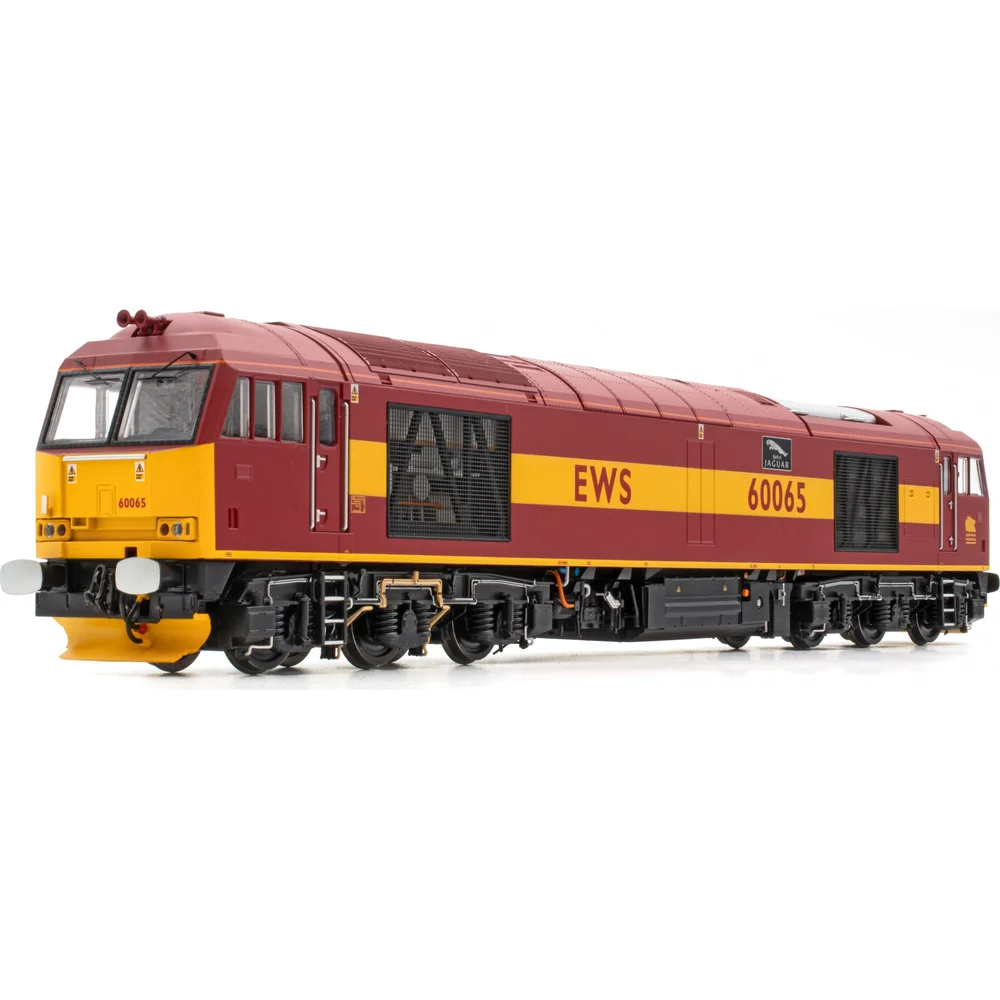
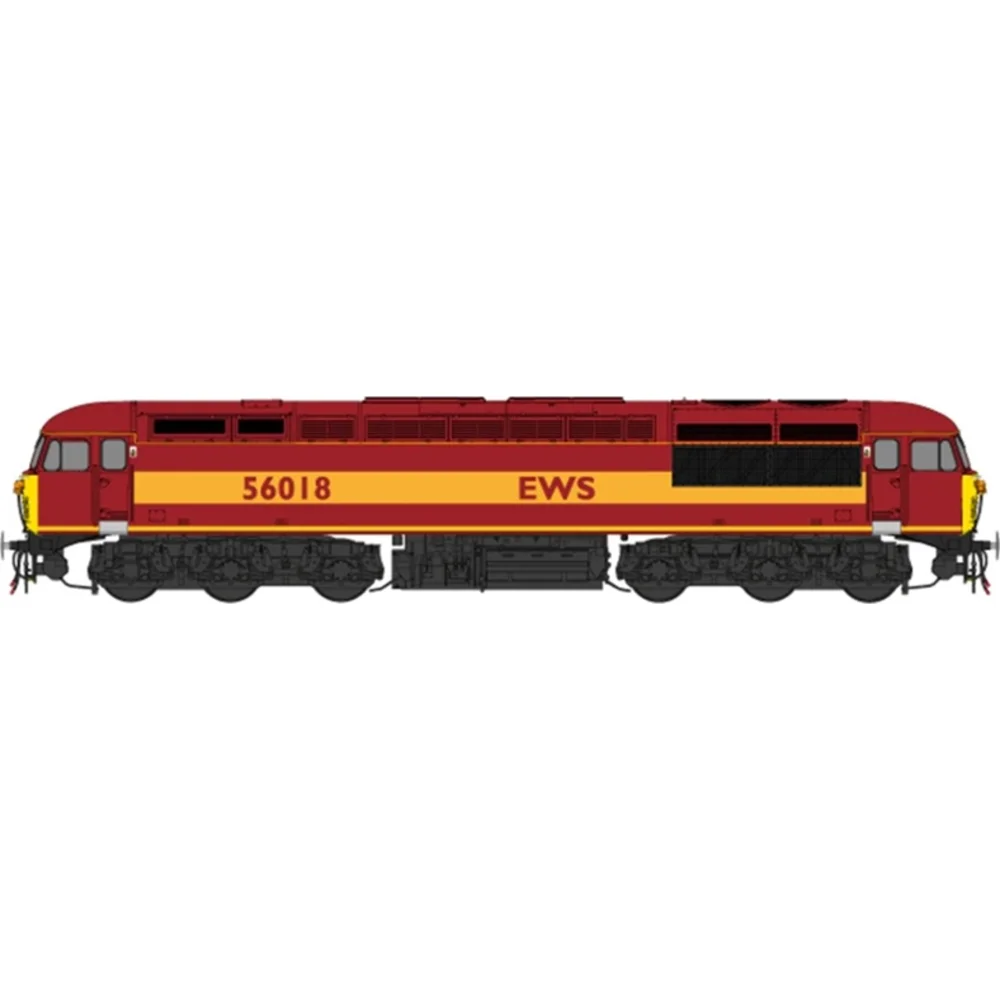
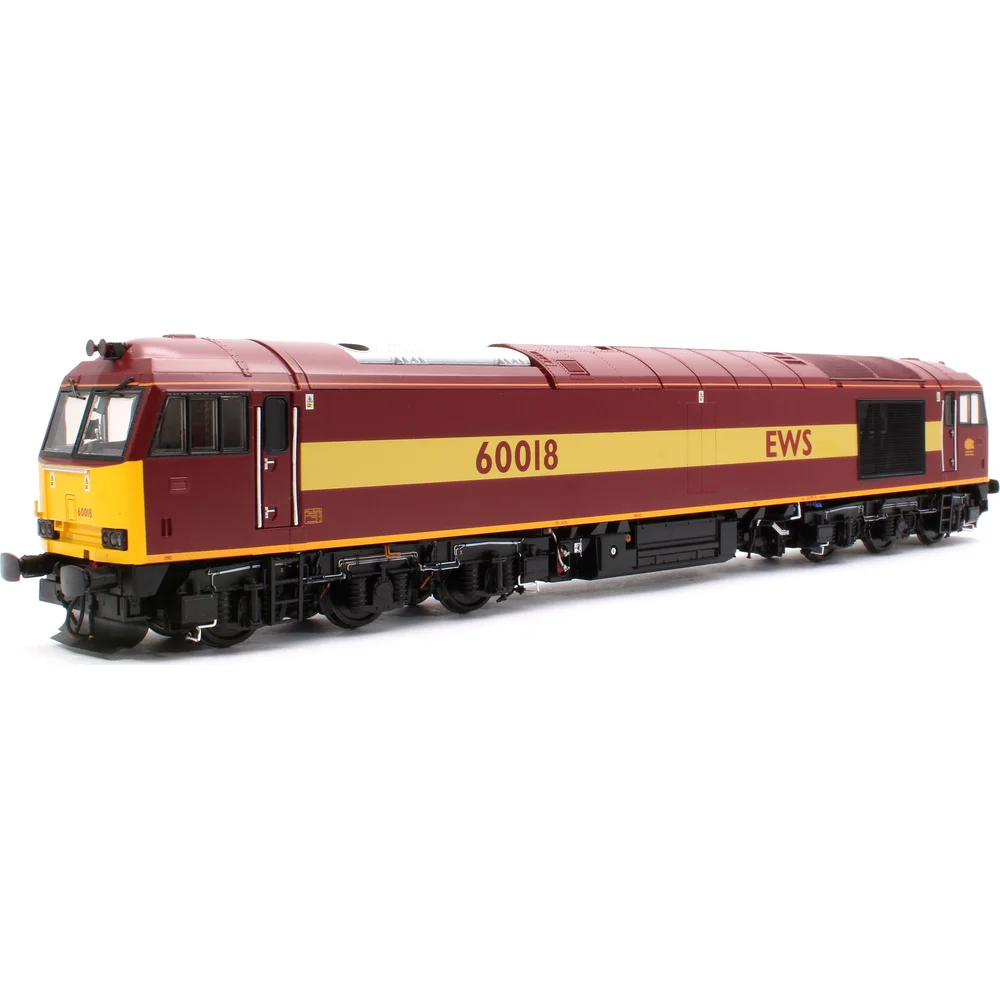
The original livery specification, introduced in April 1996, featured maroon bodysides, roofs and ends with black underframes and buffer beams, plus the standard UK yellow warning panel and reflective yellow tape along the bottom of the body side - a safety feature borrowed from Wisconsin Central's American practice for improved visibility at unguarded level crossings. To ensure colour consistency, a sample plate was flown from the United States to Britain, with colours mixed to match this American standard.
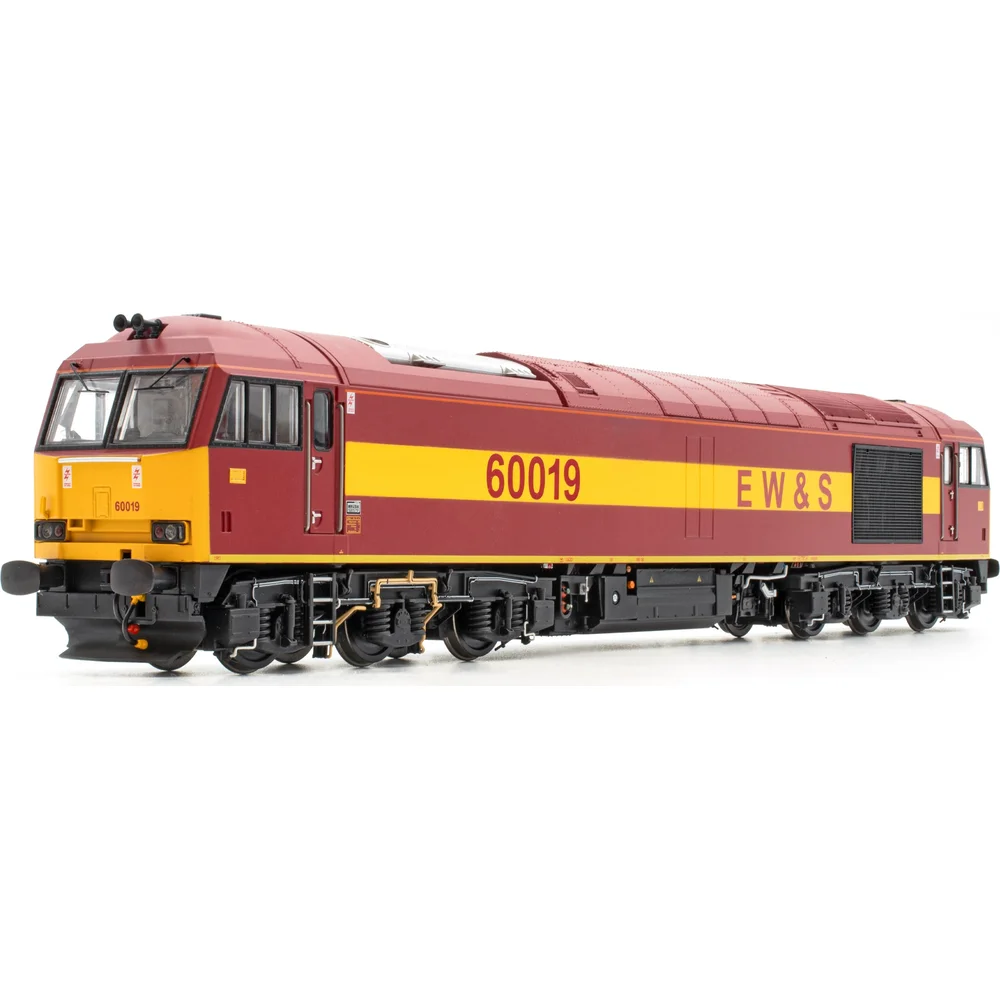
The first locomotive to receive any form of EWS livery was Class 37 number 37057, which emerged from Toton Depot in April 1996. Early applications featured "EW&S" lettering with the ampersand symbol, applied in Arial typeface within a central gold stripe running between the cab ends. This initial scheme proved short-lived, as the company simplified the branding to "EWS" in January 1997, simultaneously changing the typeface to Gill Sans - continuing a tradition established by the LNER in the late 1920s and used by British Railways until the 1960s.
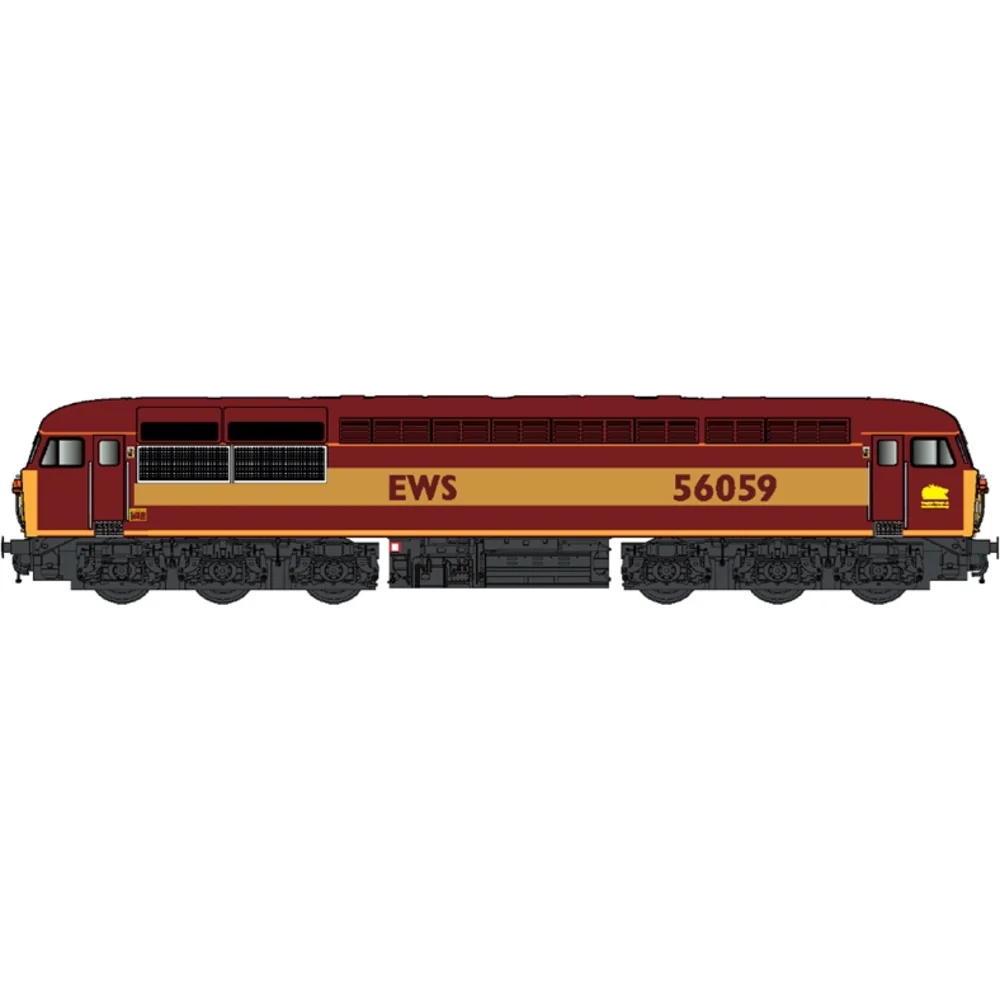
The gold band positioning varied between locomotive classes, with some early applications placing the stripe higher on the body side before standardising to a central position. The EWS lettering and numbering appeared in maroon characters within the gold stripe, with company name and locomotive numbers positioned at opposite ends on each side. Nameplates, where fitted, were typically black and silver, whilst locomotive data panels remained standard yellow.
Quality control variations created numerous unofficial variations including red buffer beams, black headcode boxes, and different stripe positions, providing modellers with opportunities to recreate authentic weathering patterns and maintenance variations. The massive scale of the EWS locomotive fleet meant that repainting occurred gradually over several years, with many locomotives continuing to operate in their original Loadhaul, Mainline, Transrail, and other British Rail sector liveries well into the 2000s.
The distinctive "three beasties" logo became one of the most recognisable symbols in modern British railway branding, featuring prominently on locomotive cabs and representing the company's coverage across England, Wales, and Scotland. This logo, selected from over 1,200 public submissions, demonstrated EWS's innovative approach to corporate identity and public engagement that distinguished it from traditional British railway companies.
Operational Excellence and Market Dominance: EWS Service Portfolio
English, Welsh & Scottish Railway's comprehensive service portfolio established the company as Britain's undisputed freight transport leader, handling everything from bulk minerals and petroleum products to high-value automotive components and Royal Mail services. By March 1997, EWS controlled 90% of the UK rail freight market, operating a fleet of 900 locomotives and 19,000 wagons whilst employing 7,000 staff across strategically located depots and terminals throughout Britain.
The company's bread-and-butter business consisted of trainload freight services carrying bulk commodities including coal for power stations, aggregates for construction projects, petroleum products for refineries and distribution terminals, and steel products for manufacturing industries. These high-volume, regular services formed the foundation of EWS profitability whilst providing essential materials for British industry. Coal traffic alone represented millions of tonnes annually, with dedicated services linking collieries to power stations and export terminals.
Wagonload traffic, branded as "Enterprise" and inherited from the former Transrail Freight operation, served smaller customers requiring flexible freight solutions. This service connected individual wagons from various origins into consolidated trains, providing cost-effective rail transport for customers whose traffic volumes didn't justify dedicated trainload services. The Enterprise network maintained Britain's traditional "common carrier" railway freight service, ensuring rail transport remained accessible to smaller industrial customers.
The prestigious Royal Mail contract brought both operational challenges and marketing prestige to EWS. The overnight mail services, including the famous Travelling Post Office trains, operated to demanding punctuality standards whilst handling millions of items of mail across complex sorting and distribution networks. These services required specialised rolling stock and trained operating crews, representing some of the most technically demanding railway operations in Britain.
Cross-Channel services via the Channel Tunnel established EWS as a major player in European freight transport, connecting British industry with continental markets through integrated rail-sea transport solutions. These services utilised specialised locomotives capable of operating under multiple electrical systems whilst meeting stringent safety and security requirements for tunnel operations. The acquisition of Railfreight Distribution in 1997 strengthened EWS's position in this lucrative market sector.
Infrastructure maintenance contracts with Railtrack provided steady revenue streams whilst utilising specialist locomotives and equipment for track maintenance, signal renewals, and major construction projects. These services demonstrated EWS's operational versatility beyond traditional freight transport, establishing the company as an essential partner in maintaining Britain's railway infrastructure.
Locomotive Fleet Diversity: From BR Heritage to Modern Motive Power
The EWS locomotive fleet represented an extraordinary diversity of motive power inherited from British Rail's various sectors, ranging from 1950s-era diesel designs through to cutting-edge modern traction purchased specifically for EWS operations. This variety created operational complexity but provided enthusiasts with unmatched opportunities to observe different locomotive classes working together under unified EWS management and livery schemes.
Electric locomotives formed a substantial portion of the inherited fleet, including Class 86, 87, 90, and 92 machines originally designed for passenger services but adapted for freight operations. The Class 90s proved particularly versatile, handling everything from Enterprise wagonload services to high-speed automotive component trains, whilst the Class 92s became synonymous with Channel Tunnel freight operations connecting British industry with European markets.
The diesel locomotive roster encompassed virtually every major class built for British Rail, from diminutive Class 08 shunters through to powerful Class 60 heavy freight locomotives. Classes 37, 47, 56, 58, and 60 formed the backbone of trainload freight services before the Class 66 deliveries, with each type optimised for specific traffic flows and operational requirements. The variety of inherited liveries - from sectoral schemes through various British Rail corporate colours - created a constantly changing visual spectacle.
Specialist locomotives included the Class 59 heavyweights acquired from National Power in 1998, bringing six additional General Motors locomotives plus 106 wagons to the EWS fleet. These powerful machines, originally purchased for coal train operations, were quickly repainted in EWS livery and integrated into the company's expanding operations portfolio, often being mistaken for Class 66s at casual observation distances.
The Class 67 passenger locomotives, ordered alongside the Class 66 freight machines, demonstrated EWS's commitment to diversified operations including charter services, sleeper train haulage, and "Thunderbird" rescue duties on the East Coast Main Line. These elegantly styled locomotives, initially painted in EWS maroon and gold livery, later received specialised colour schemes for specific contracts including Royal Train duties and the Wrexham & Shropshire passenger service.
Heritage locomotive operations provided additional revenue streams whilst maintaining public goodwill toward rail freight operations. EWS's operating licence permitted steam charter operations throughout Britain, with preserved locomotives often seen hauling enthusiast specials under EWS operational authority. These services demonstrated the company's commitment to railway heritage whilst generating positive publicity for freight operations.
Technical insight: EWS operated locomotives from classes 08, 09, 20, 31, 33, 37, 47, 56, 58, 59, 60, 66, 67, 73, 86, 87, 90, and 92 - representing the most diverse locomotive roster ever operated by a single British railway company. This variety offers modellers exceptional opportunities to recreate authentic mixed-motive power operations reflecting real EWS practices.
The Deutsche Bahn Acquisition: From Wisconsin Central to German Ownership
The transformation of English, Welsh & Scottish Railway from American to German ownership reflected broader changes in global railway operations and the increasing consolidation of European freight transport. The Deutsche Bahn acquisition of EWS, completed on 28 June 2007 for £309 million, created one of Europe's largest rail freight operations whilst maintaining EWS's dominant position in the British market.
The sale process began following Canadian National Railway's acquisition of Wisconsin Central in 2001, which had brought CN a 42.5% stake in EWS through its purchase of the American parent company. However, CN's strategic priorities focused on North American operations, making the British freight company a non-core asset that could be disposed of to fund more central railway developments. Deutsche Bahn's interest in EWS reflected its ambitions to create a pan-European freight network connecting German industrial centres with British ports and markets.
Initially, Deutsche Bahn announced that EWS would retain its established branding and operational independence, recognising the value of the company's strong market position and customer relationships. However, corporate integration pressures led to the adoption of DB Schenker branding on 1 January 2009, aligning EWS with Deutsche Bahn's other European freight operations including the former Railion network. The first locomotive painted in DB Schenker livery was Class 59 number 59206 at Toton Depot, formally unveiled at the National Railway Museum in York.
The rebranding process proceeded gradually, with locomotives receiving new corporate red livery during scheduled maintenance visits to minimise costs. Many EWS-liveried locomotives continued operating well into the 2010s, with some examples still carrying the original maroon and gold colours into the 2020s. This extended transition period provides modellers with opportunities to recreate authentic mixed-livery operations reflecting the gradual corporate changeover.
Deutsche Bahn's ownership brought significant investments in rolling stock modernisation and terminal improvements, including the procurement of additional Class 66 locomotives and new wagon types for specialised traffic flows. The company also invested in driver training programmes and safety systems, maintaining EWS's reputation for operational excellence whilst integrating German railway expertise and operational practices.
The DB Cargo UK evolution, completed by 2016, represented the final stage of German integration whilst preserving essential elements of the original EWS operating culture and market expertise. Today's DB Cargo UK continues operating from many of the same depots and terminals established during the EWS era, using locomotive types first introduced by Wisconsin Central whilst maintaining the traffic flows and customer relationships developed over two decades of privatised freight operations.
EWS and the Royal Mail: Postal Services and Overnight Operations
The English, Welsh & Scottish Railway's operation of Royal Mail services represented one of the most demanding and prestigious contracts in British railway freight transport, requiring precise timing, specialised equipment, and highly trained operating crews to maintain the reliability of Britain's postal system. These services, inherited through the acquisition of Rail Express Systems in December 1995, continued proud traditions dating back to the world's first railway post office established in 1838.
The overnight mail network operated complex schedules connecting major sorting offices with regional distribution centres, requiring trains to depart and arrive within narrow time windows to maintain postal service integrity. The famous Travelling Post Office trains featured carriages equipped with sophisticated mail sorting equipment, enabling postal workers to process correspondence whilst trains travelled between cities at speeds up to 100 mph. These mobile sorting offices maximised efficiency whilst minimising ground handling time at terminal locations.
Locomotive requirements for postal services differed significantly from conventional freight operations, emphasising reliability, punctuality, and passenger-standard performance over raw hauling capacity. EWS initially utilised inherited Class 86 and 90 electric locomotives for mail services, later supplementing these with purpose-built Class 67 diesel locomotives designed specifically for passenger-speed freight operations. The Class 67s featured passenger-style bogies, higher gearing, and electric train supply capability for heating and lighting postal vehicles.
Depot facilities supporting mail operations required specialised infrastructure including high-level platforms for efficient mail bag loading, electric train supply connections, and rapid locomotive changing facilities to maintain tight operational schedules. Major mail terminals at London Euston, Crewe, Cambridge, and Bristol Barton Hill represented significant investments in postal railway infrastructure, employing hundreds of staff in locomotive maintenance, train crew, and postal handling operations.
The contract's prestige value extended beyond financial considerations, positioning EWS as a trusted partner for time-critical transport services whilst maintaining public visibility through overnight operations on passenger routes. Christmas postal services frequently featured double-headed locomotive operations to handle increased mail volumes, creating spectacular displays of EWS motive power working premier passenger routes during seasonal peak periods.
The eventual loss of the Royal Mail contract in 2003 marked the end of an era in British railway operations, as Royal Mail switched to road transport for cost and flexibility reasons. The final EWS mail service operated on 21 November 2003, concluding over 165 years of railway postal services whilst releasing valuable locomotive resources for expanding freight operations. This transition provides modellers with opportunities to recreate both the glory days of rail mail services and their eventual replacement by road transport alternatives.
Essential EWS Modelling Guide: Locomotives, Liveries, and Authentic Operations
Modelling the English, Welsh & Scottish Railway offers railway enthusiasts exceptional opportunities to recreate modern British freight operations using readily available commercial products across all popular scales. The company's diverse locomotive roster, distinctive livery schemes, and varied operational patterns provide authentic foundation for layouts representing the privatisation era through to contemporary freight operations under DB Cargo UK ownership.
Scale considerations significantly impact the modelling experience, with OO gauge (4mm:1ft) offering the widest selection of EWS locomotives from manufacturers including Hornby, Bachmann, Dapol, and Heljan. The ubiquitous Class 66 forms the core of any EWS fleet, with multiple manufacturers producing versions featuring authentic livery variations, digital sound systems, and detailed lighting effects. Class 67 passenger locomotives provide versatility for charter operations and mail services, whilst inherited Class 37, 47, 56, 58, and 60 designs offer variety reflecting the transitional period.
N gauge modellers benefit from excellent Graham Farish and Dapol offerings covering the major EWS locomotive classes, enabling comprehensive freight operations within limited space constraints. The smaller scale's advantages for long freight trains particularly suit EWS operations, where 60-wagon aggregate trains and lengthy intermodal services were commonplace. 7mm gauge provides superior detail levels for serious modellers, with specialist manufacturers offering highly accurate EWS models featuring correct proportions and authentic weathering effects.
Livery accuracy remains crucial for authentic EWS modelling, with particular attention required for the evolution from early "EW&S" branding through simplified "EWS" lettering to later DB Schenker applications. The original maroon and gold scheme featured specific Gill Sans typography and precise stripe positioning that varied between locomotive classes and application periods. Many commercial models accurately represent these variations, though weathering and detailing can enhance authenticity.
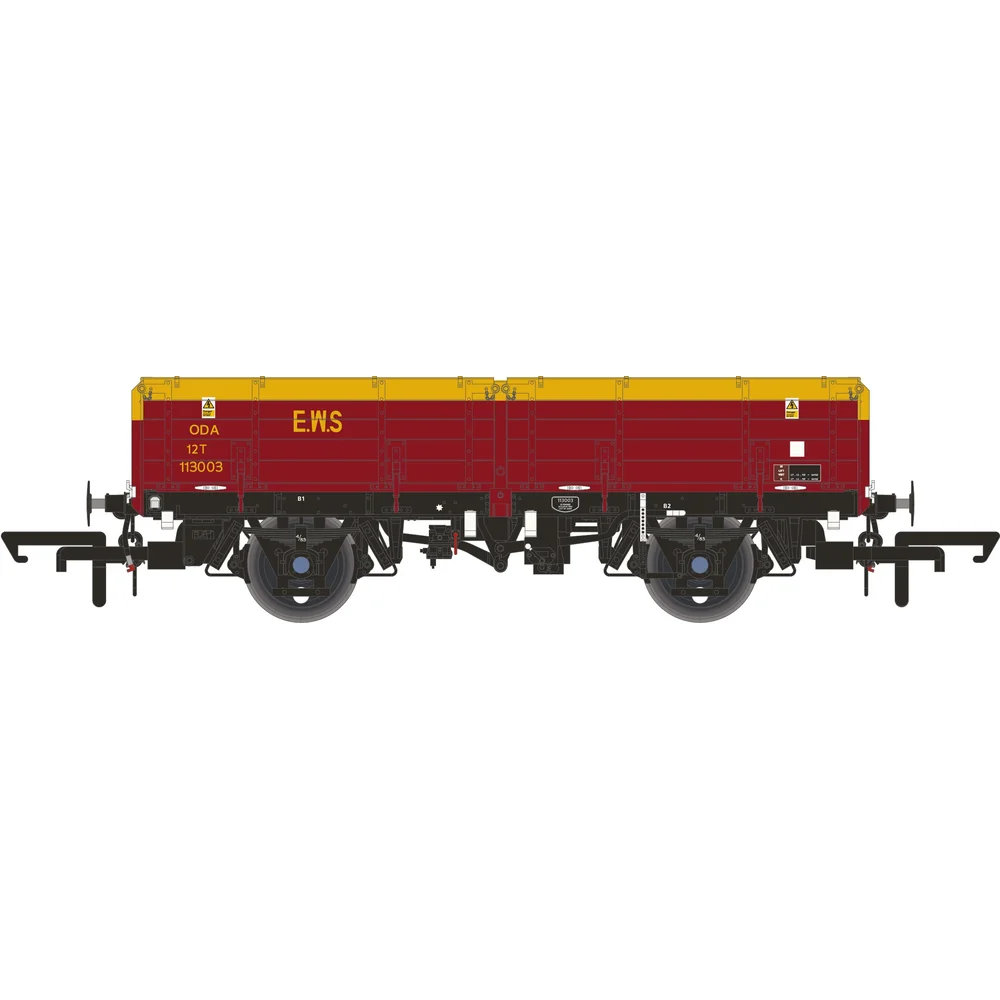
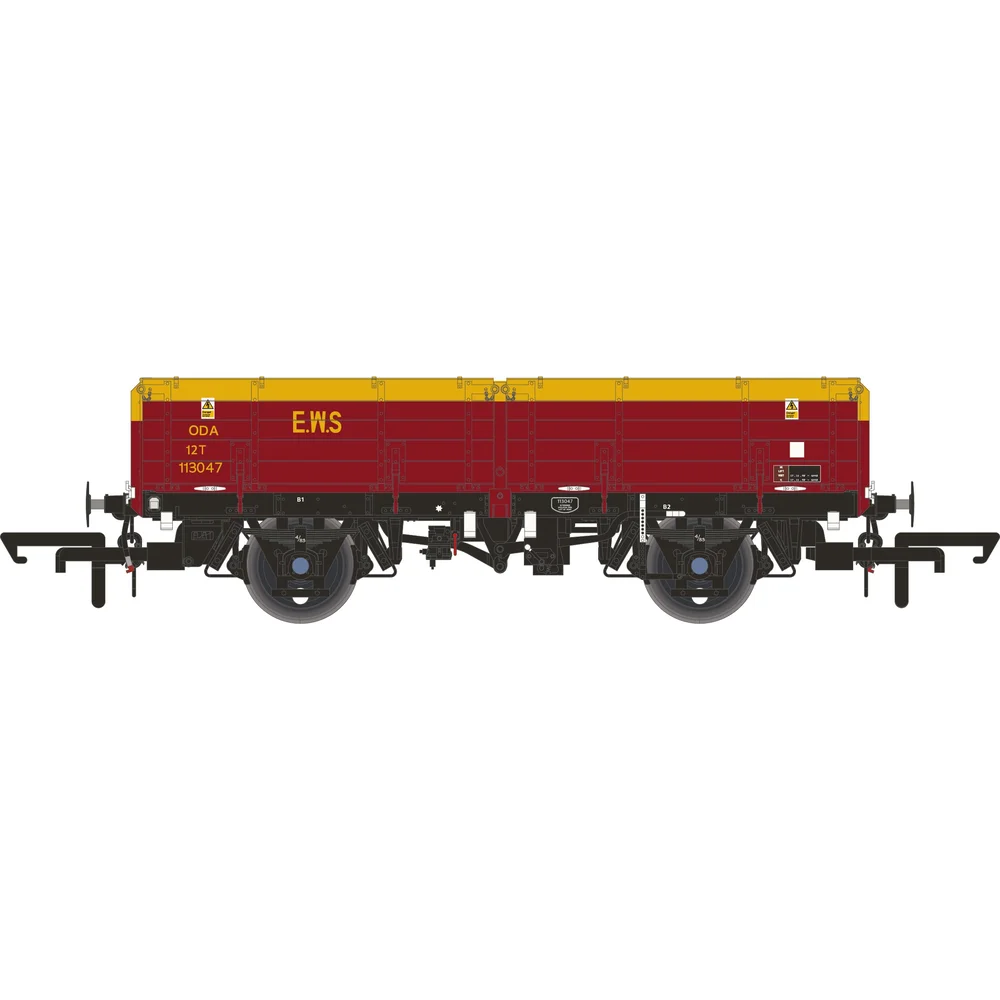
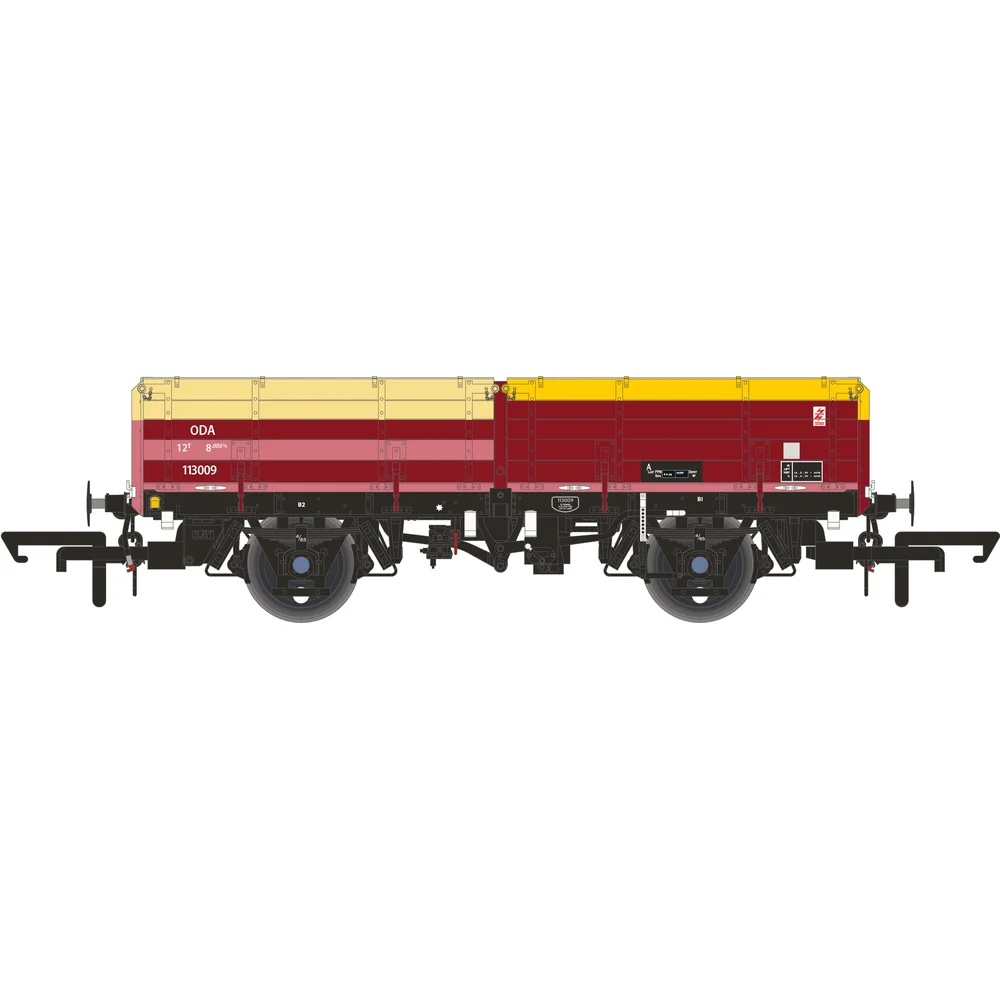
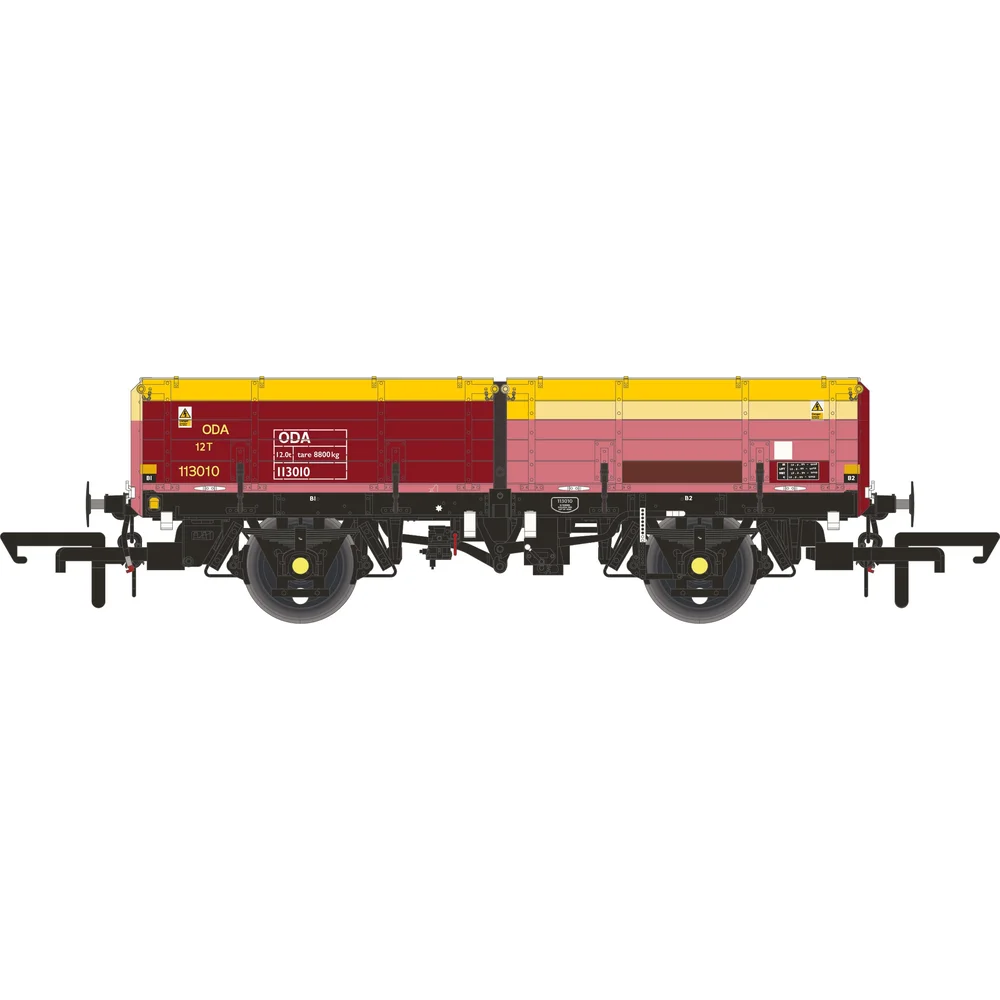
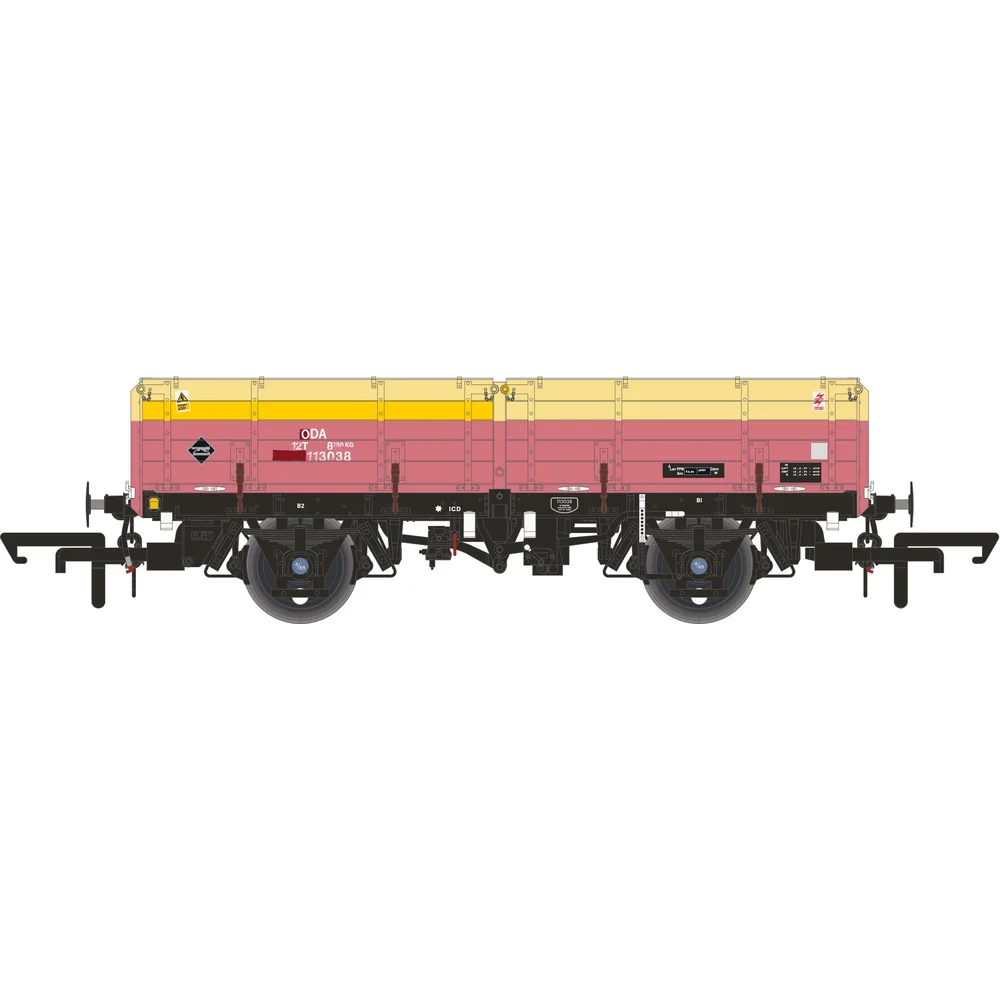
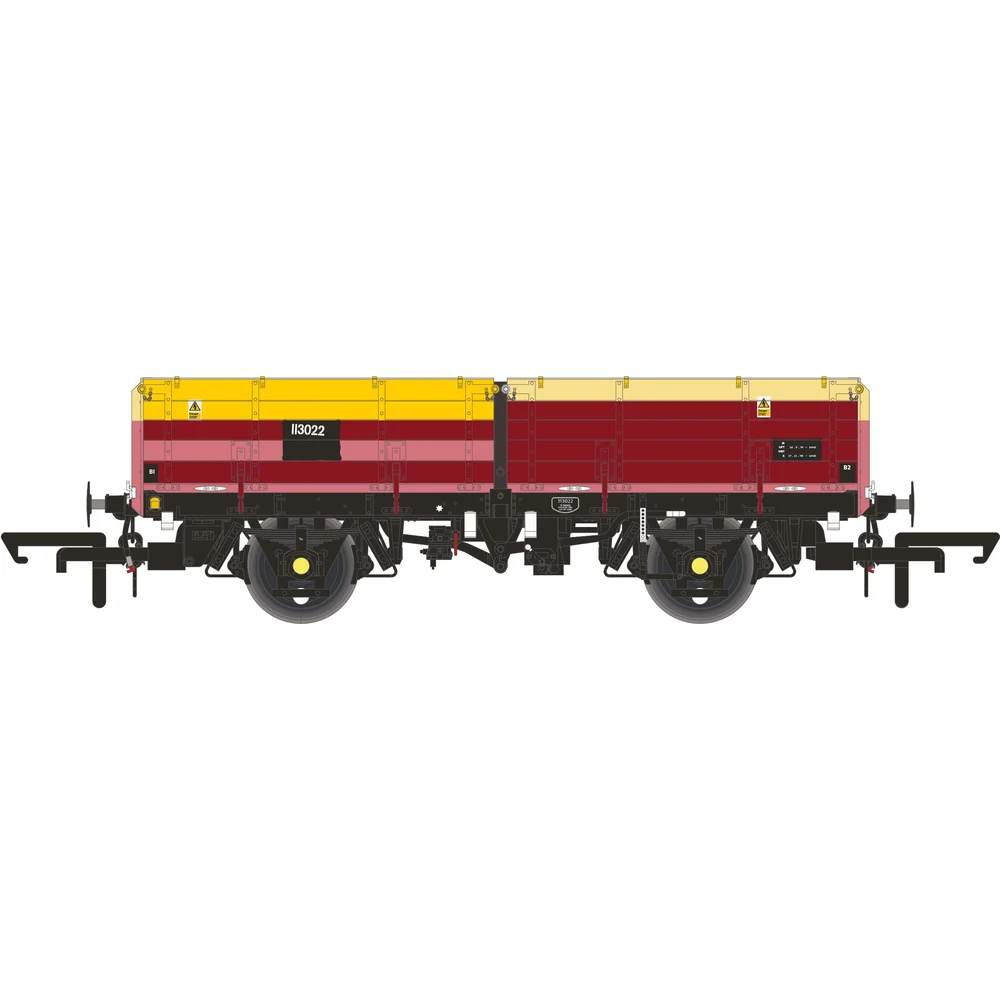
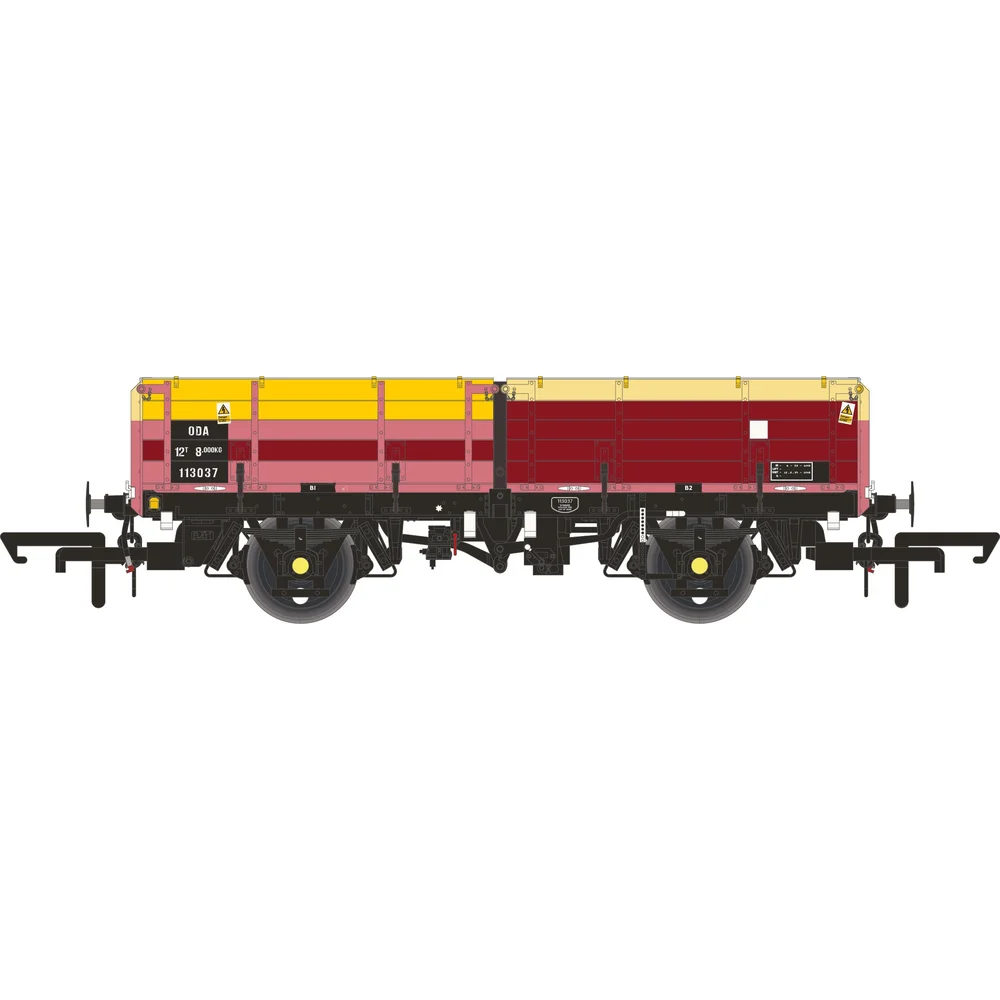
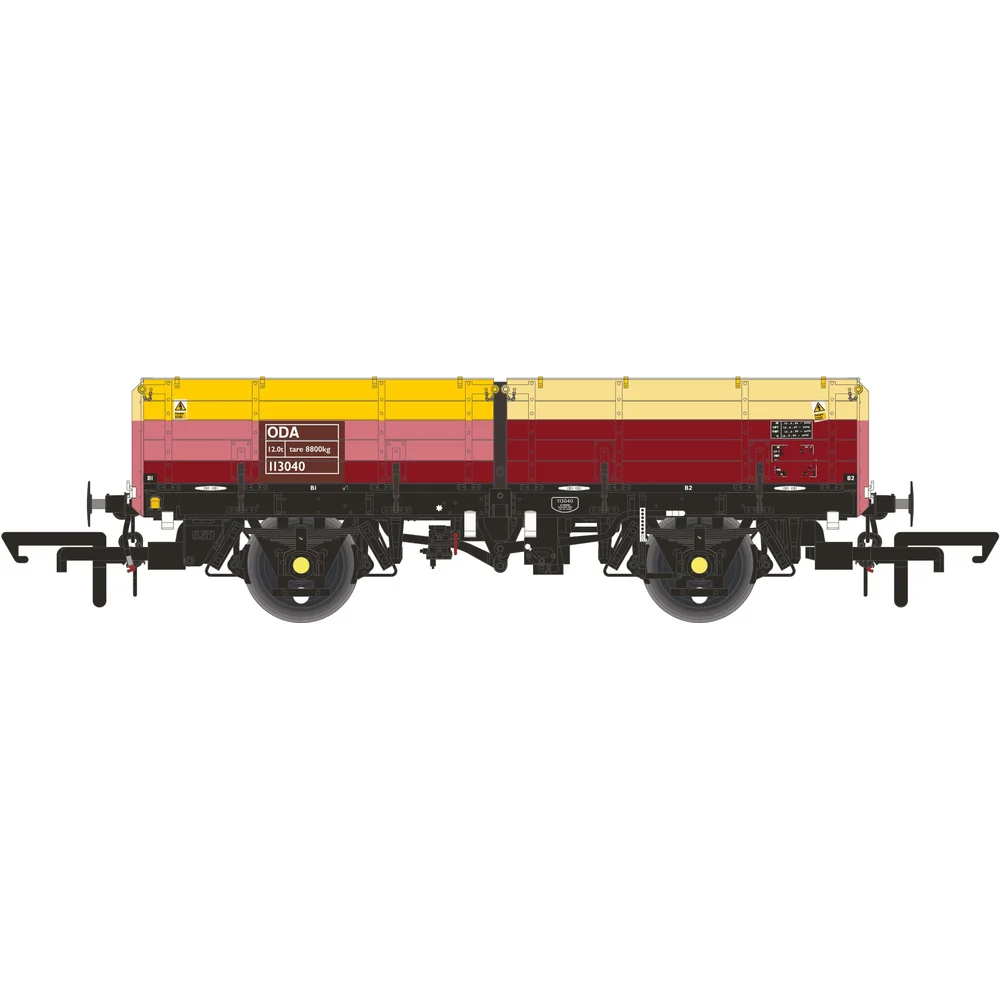
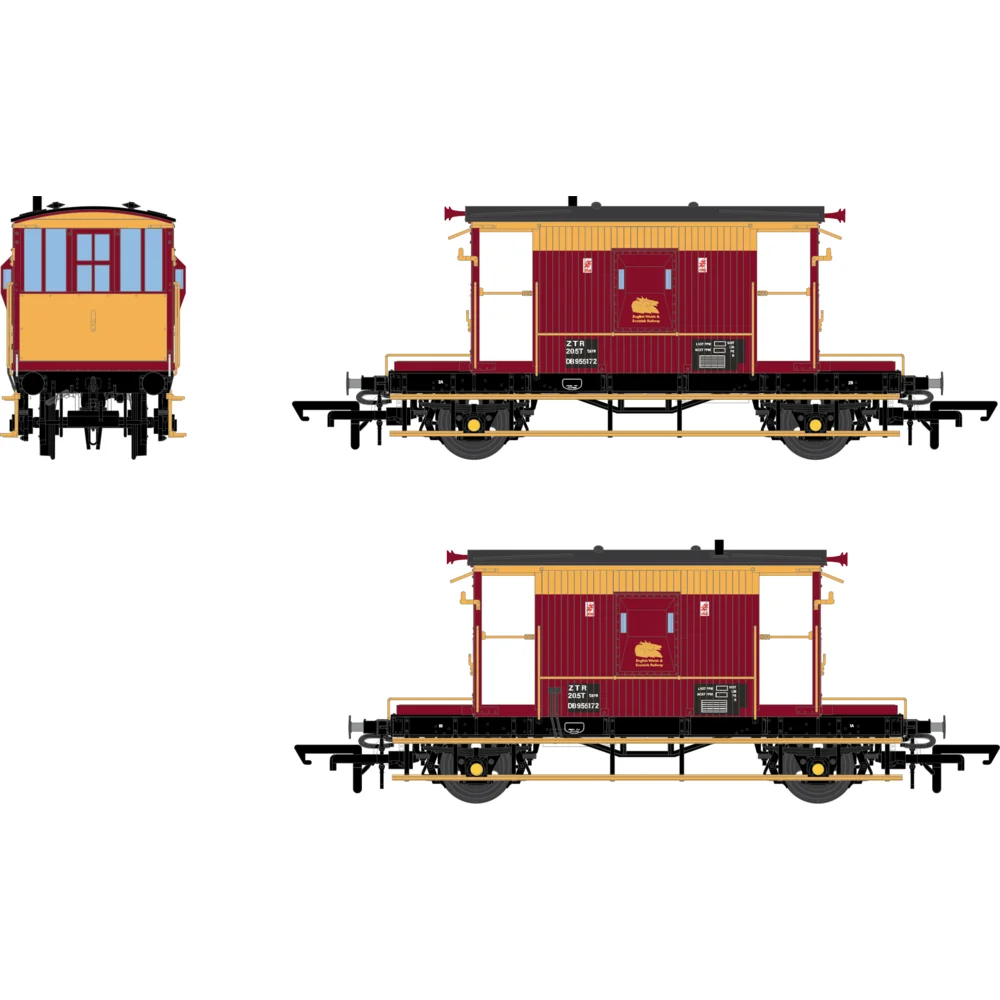
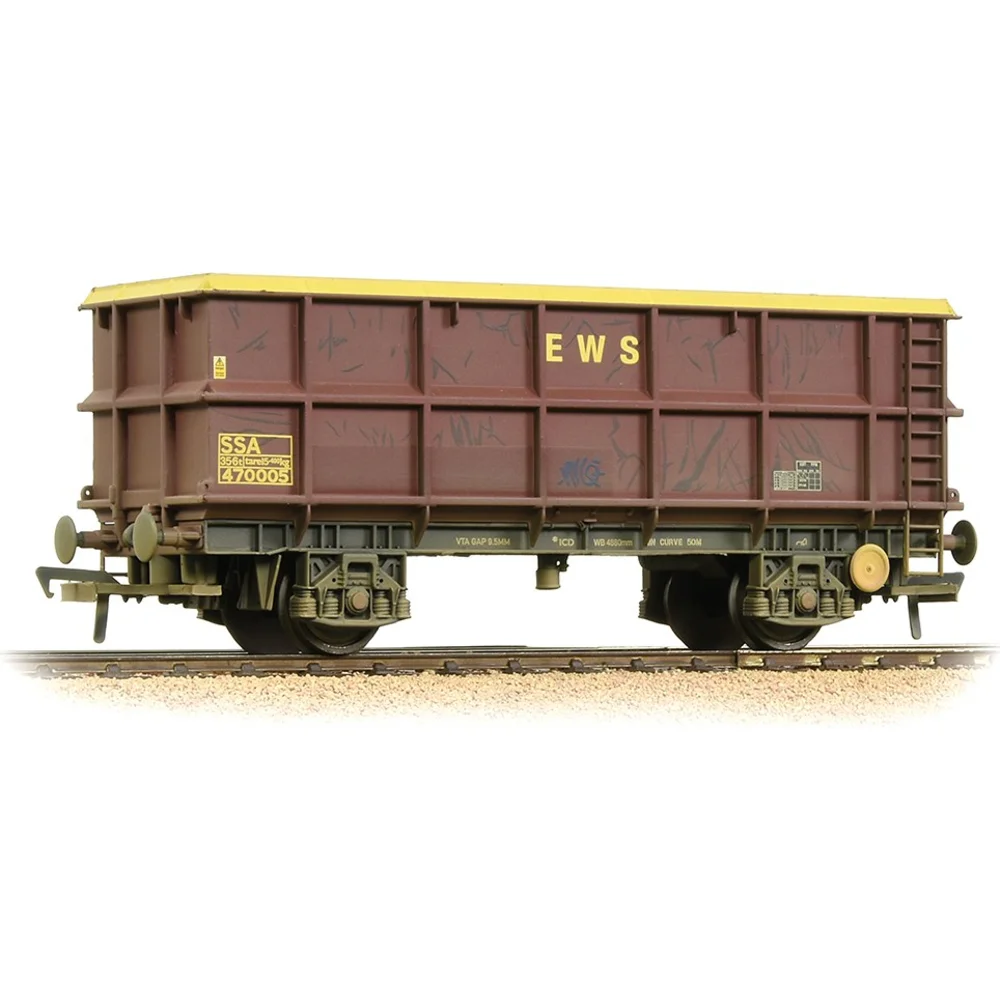
Rolling stock authenticity requires appropriate wagon types reflecting EWS traffic flows, including aggregate hoppers, petroleum tank wagons, automotive carriers, and intermodal flat wagons. The transition from BR-era four-wheel wagons to modern bogie designs occurred during the EWS period, providing opportunities to model both traditional and contemporary freight operations. Manufacturers including Accurascale, Dapol, and Oxford Rail produce detailed wagon models in authentic EWS-period liveries.
Operational scenarios should reflect authentic EWS practices, including mixed-freight operations, infrastructure maintenance trains, and the gradual displacement of older locomotive classes by modern GM products. The extensive variety of inherited locomotive types enables realistic depot scenes featuring multiple classes under maintenance, whilst the company's nationwide coverage supports layouts representing any British region during the EWS operational period.
Period-specific details enhance authenticity, including the gradual application of EWS liveries over inherited British Rail sector schemes, the introduction of new wagons and terminals, and the eventual transition to DB ownership. Advanced modellers can recreate specific historical events including the delivery of new Class 66 locomotives, the retirement of older types, and the evolution of corporate identity through successive livery modifications.
EWS Heritage and Preservation: Legacy of the Freight Giant
The English, Welsh & Scottish Railway legacy extends far beyond its operational period, influencing contemporary British freight transport whilst inspiring extensive preservation activities and historical research. The company's revolutionary approach to locomotive procurement, operational practices, and corporate branding established templates that continue shaping railway freight operations throughout Europe and beyond, ensuring EWS's significance for future railway historians and enthusiasts.
Locomotive preservation efforts focus primarily on the pre-EWS fleet, with numerous examples of Classes 37, 47, 56, 58, and other types finding new lives on heritage railways throughout Britain. These preserved locomotives often carry authentic EWS liveries applied during their operational careers, providing invaluable reference material for modellers seeking accurate colour matching and weathering patterns. The diversity of EWS-liveried preservation locomotives demonstrates the company's influence across virtually every significant British locomotive class.
The Class 66 preservation movement faces unique challenges due to the locomotives' continued commercial value and operational requirements. However, several examples have been preserved or allocated to heritage operations, including locomotives withdrawn following accident damage or mechanical failures. These preserved Class 66s represent the revolutionary impact of American locomotive technology on British railway operations whilst providing authentic examples of EWS's most significant locomotive investment.
Documentation projects undertaken by railway societies and enthusiast groups ensure comprehensive recording of EWS operational practices, locomotive allocations, and livery variations. These resources provide essential references for modellers, historians, and preservation societies seeking accurate information about specific locomotives, services, and operational procedures. The EWS period's relatively recent occurrence ensures extensive photographic documentation and surviving operational records.
Heritage railway operations frequently recreate EWS-era freight services using appropriate locomotives and rolling stock, providing public education about modern railway freight transport whilst maintaining operational skills and equipment. These demonstration services help preserve knowledge of freight operating practices that might otherwise be lost as railway operations become increasingly automated and standardised under contemporary ownership.
The influence of EWS operational innovations continues shaping contemporary freight transport, from locomotive procurement strategies through to maintenance practices and performance monitoring systems. Modern railway operators worldwide study EWS methods for achieving cost-effective freight operations whilst maintaining service quality and safety standards. This continuing relevance ensures the EWS story remains vital for understanding contemporary railway development and future freight transport evolution.
Finally
The English, Welsh & Scottish Railway represents a pivotal chapter in British railway history, demonstrating how American railroad expertise could successfully transform European freight operations whilst creating lasting innovations in locomotive technology, operational practices, and corporate identity. From Wisconsin Central's bold vision in 1996 through Deutsche Bahn's strategic acquisition in 2007, EWS established new standards for railway freight transport that continue influencing contemporary operations throughout Europe and beyond.
For modern railway enthusiasts and modellers, the EWS legacy offers unparalleled opportunities to explore the transformation of British freight transport from state-controlled operations to competitive commercial enterprises. The company's distinctive liveries, revolutionary locomotive designs, and comprehensive operational coverage provide authentic foundations for model railways representing any aspect of privatised railway operations, from urban freight terminals to rural branch line services.
The technical achievements of English, Welsh & Scottish Railway, particularly the successful introduction of General Motors Class 66 locomotives, revolutionised British railway freight operations by demonstrating the superiority of modern, reliable motive power over aging inherited fleets. This transformation established templates for locomotive procurement and fleet management that influenced railway operators worldwide, whilst proving that American railroad technology could be successfully adapted to European operating conditions.
Understanding the EWS story provides essential context for appreciating contemporary British railway freight operations under DB Cargo UK ownership, revealing how today's services evolved from the privatisation experiments of the 1990s through to the integrated European networks of the 21st century. Whether through museum visits, heritage railway experiences, or detailed scale modelling, the English, Welsh & Scottish Railway continues inspiring new generations of railway enthusiasts to appreciate the complexity, innovation, and dedication that characterised Britain's freight railway renaissance.
Frequently Asked Questions
What does EWS stand for and when did the company operate in Britain?
EWS stands for English, Welsh & Scottish Railway, operating from 1996 to 2007. The company was formed by Wisconsin Central through acquisition of five British Rail freight businesses, initially trading as "EW&S" before simplifying to "EWS" in 1997. Deutsche Bahn purchased EWS in 2007, eventually rebranding as DB Cargo UK.
Why were EWS Class 66 locomotives so successful compared to British Rail designs?
EWS Class 66 locomotives achieved over 90% availability rates compared to less than 65% for older British designs. Built by General Motors with proven American technology, they featured larger fuel tanks, simplified maintenance requirements, and superior reliability. This enabled EWS to reduce fleet size whilst maintaining service levels, generating substantial cost savings.
What was distinctive about EWS locomotive livery and corporate branding?
EWS adopted a distinctive maroon and gold livery with the famous "three beasties" logo depicting English lion, Welsh dragon, and Scottish unicorn. The colour scheme used maroon bodysides with gold stripe containing company lettering in Gill Sans typeface. This became one of the most recognisable railway brands in modern British history.
Which model railway manufacturers produce EWS locomotives and rolling stock?
Major manufacturers including Hornby, Bachmann, Dapol, and Graham Farish produce EWS locomotives across OO and N gauge scales. Class 66 and Class 67 locomotives are widely available in authentic EWS maroon and gold livery, with many featuring digital sound and lighting effects for realistic operations.
How did Wisconsin Central transform British Rail freight operations?
Wisconsin Central brought American railroad expertise emphasising modern equipment, streamlined operations, and aggressive cost management. The company invested £375 million in new General Motors locomotives, reduced staff numbers by 3,000, and introduced performance-focused maintenance practices that revolutionised British freight transport efficiency and reliability.
What happened to EWS after Deutsche Bahn's acquisition in 2007?
Deutsche Bahn initially maintained EWS branding but rebranded the company as DB Schenker Rail in 2009, later becoming DB Cargo UK in 2016. The company retained market leadership in British rail freight whilst integrating with Deutsche Bahn's European network, continuing to operate from many original EWS depots and terminals.
Why did EWS control 90% of the UK rail freight market?
EWS achieved market dominance by acquiring five of the six companies created from British Rail freight privatisation, including Loadhaul, Mainline Freight, Transrail Freight, Rail Express Systems, and later Railfreight Distribution. This consolidation nullified government intentions to create competition, justified by rail's small 6% share of the total freight transport market.
What types of freight services did EWS operate during its existence?
EWS operated comprehensive freight services including trainload bulk commodities (coal, aggregates, petroleum), wagonload traffic branded as "Enterprise," Royal Mail postal services, Channel Tunnel international freight, automotive transport, and infrastructure maintenance trains for Railtrack. The company handled over 90% of Britain's rail freight by value.
Are there any preserved EWS locomotives still operating today?
Several EWS-liveried locomotives survive in preservation and heritage railway operations, primarily older types like Classes 37, 47, 56, and 58. Some Class 66 examples have been preserved following accident damage or withdrawal, whilst heritage railways occasionally operate freight demonstrations using authentic EWS equipment and liveries.
How can modellers create authentic EWS freight operations on model railways?
Focus on trainload freight operations using appropriate Class 66 locomotives with aggregate hoppers, tank wagons, and intermodal flats. Include mixed locomotive operations showing the transition from BR-era types to modern GM designs. Model depot scenes with multiple locomotive classes and varying livery conditions reflecting the gradual repaint programme.
What was the significance of EWS Class 67 locomotives for passenger services?
Class 67 locomotives were designed for passenger-speed freight operations including Royal Mail services, charter trains, and later sleeper services. Initially painted in EWS maroon and gold livery, some received special schemes for Royal Train duties and the Wrexham & Shropshire passenger service, demonstrating EWS operational versatility beyond freight transport.
How did the EWS period influence contemporary British railway freight operations?
EWS established templates for modern railway freight including locomotive standardisation, performance-based maintenance, customer-focused operations, and integrated European services. Contemporary operators including DB Cargo UK, Freightliner, and GB Railfreight continue using practices and equipment types pioneered during the EWS era, ensuring lasting influence on British freight transport.
What resources are available for researching EWS history and operations?
Railway magazines, enthusiast societies, and online databases provide extensive EWS documentation including locomotive histories, livery guides, and operational details. The National Railway Museum maintains archives covering British Rail privatisation, whilst heritage railways offer opportunities to observe EWS equipment and practices in authentic operational contexts.
Which EWS locomotive liveries are most suitable for model railway authenticity?
The standard maroon and gold scheme with "EWS" lettering represents the most recognisable and widely available livery for model railways. Early "EW&S" variants and transitional BR sector liveries provide variety, whilst later DB Schenker red schemes show the evolution toward contemporary operations under German ownership.
How did EWS operations differ from traditional British Rail freight practices?
EWS emphasised efficiency through modern equipment, reduced crew changes, longer locomotive runs, and customer-focused service delivery. The company eliminated many traditional British practices including frequent locomotive changes, complex working agreements, and extensive manual procedures, replacing these with American-influenced standardisation and performance measurement systems.
Where were EWS headquarters located and why was this location chosen?
EWS headquarters were located in Doncaster, England, strategically positioned in the heart of Britain's rail freight network. This location provided excellent access to the company's nationwide operations whilst maintaining connections to traditional British railway centres, building on Doncaster's strong railway heritage as a major locomotive construction and maintenance hub.