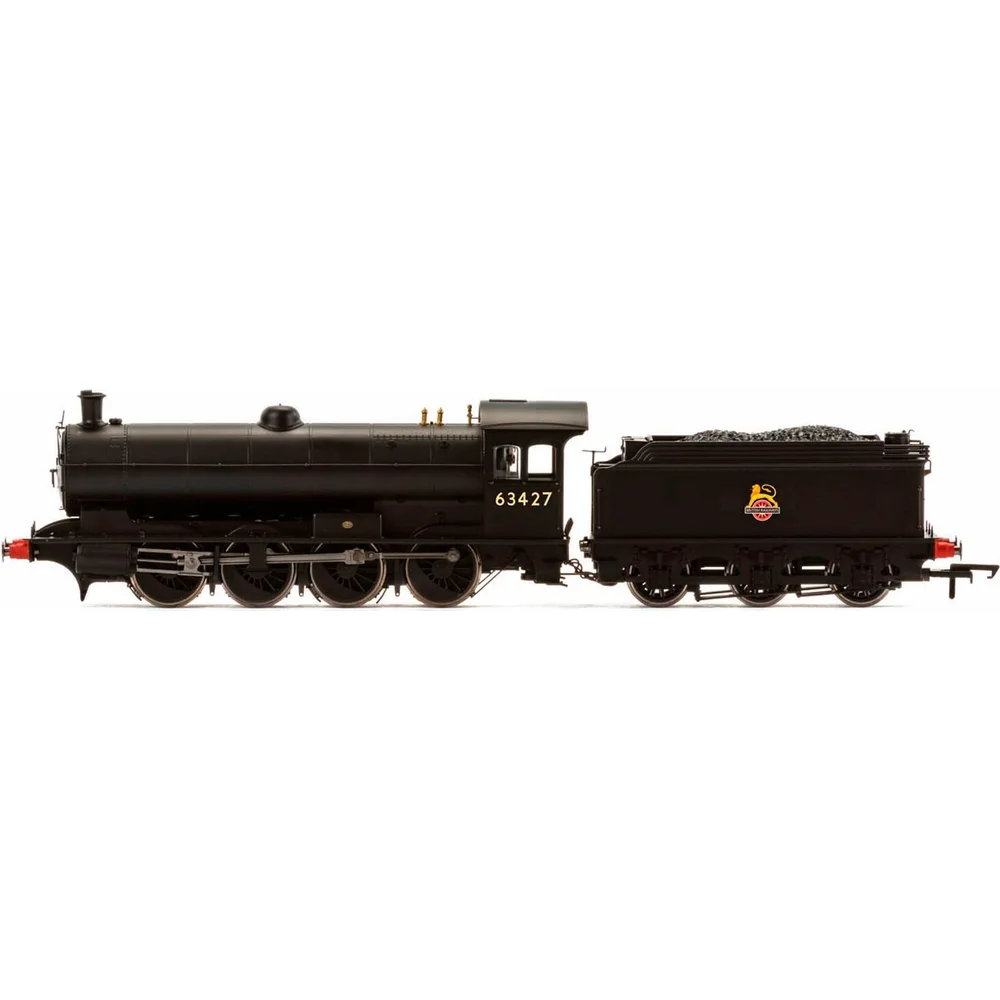
NER Class T2 — The Backbone of Britain's Coal Empire

In the annals of British railway history, few locomotive classes have proven as enduringly successful as the North Eastern Railway Class T2. Designed by Vincent Raven in 1913, these robust 0-8-0 freight locomotives became the workhorses of Britain's coal industry, hauling millions of tons of "black diamonds" from Yorkshire and Durham collieries to ports, power stations, and industrial centers across the nation. Known to enthusiasts as the LNER Q6 following the 1923 Grouping, these 120 locomotives represented the pinnacle of pre-war freight locomotive design.

What sets the NER Class T2 apart from its contemporaries is not revolutionary innovation, but rather the masterful integration of proven technologies into a package perfectly suited to British operating conditions. Raven's decision to incorporate superheating as standard equipment, combined with piston valves and optimized weight distribution, created locomotives capable of handling loads that would challenge modern traction. From their introduction during the industrial buildup to World War I through their final withdrawal in 1967, these locomotives witnessed and powered Britain's transformation from a coal-dependent empire to a modern industrial nation.

For today's railway enthusiast, the T2 class offers a fascinating study in engineering excellence and operational longevity. Whether you're interested in the technical innovations that made these locomotives so successful, the historical context of their five-decade service career, or the modeling opportunities they present in multiple scales, the NER Class T2 story encompasses every aspect of Britain's steam heritage. With locomotive 63395 preserved and operational on the North Yorkshire Moors Railway, this remarkable class continues to inspire new generations of railway enthusiasts.

Quick Takeaways

  • Production Numbers: 120 locomotives built between 1913-1921 by Darlington Works (70) and Armstrong Whitworth (50)
  • Technical Innovation: First NER freight class with superheaters fitted as standard from construction
  • Operational Highlight: Capable of hauling 1,400-ton coal trains on heavy gradients throughout the North East
  • Survival Story: Only locomotive 63395 (originally NER 2238) survives in preservation on the North Yorkshire Moors Railway
  • Modelling Appeal: Available in multiple scales from manufacturers including Hornby, NuCast, and Fence Houses
  • Service Longevity: Worked for 54 years from 1913 to 1967, spanning four different railway companies
  • Design Heritage: Vincent Raven's masterpiece that established the template for successful British heavy freight locomotives

Historical Background and Context

The early 1910s marked a pivotal moment for Britain's railway network, as industrial expansion and increasing coal production placed unprecedented demands on freight transportation. The North Eastern Railway (NER), serving the heart of England's coal country, found itself at the forefront of this challenge. By 1912, the existing fleet of Wilson Worsdell's Class T and T1 (later LNER Q5) 0-8-0 locomotives was struggling to cope with the ever-heavier coal trains emerging from Yorkshire and Durham collieries.

Vincent Raven, who had recently assumed the role of Chief Mechanical Engineer, recognized that incremental improvements would not suffice. The coal industry was experiencing unprecedented growth, with some trains reaching weights of 1,400 tons—loads that pushed the Q5 class beyond their operational limits. Raven's solution was characteristically bold: design an entirely new class that would not merely meet current demands but anticipate future growth.

The NER Class T2 emerged from this necessity, incorporating lessons learned from the successful B15 4-6-0 passenger locomotives and the practical experience gained from operating heavy freight services. Raven's design philosophy emphasized robustness, maintainability, and—crucially for the era—the incorporation of superheating technology as standard equipment rather than a retrofit addition.

The timing of the T2's introduction proved prescient. As Britain mobilized for World War I, the demand for coal transportation reached critical levels. The new locomotives would prove essential not only for domestic heating and industrial needs but also for supporting the war effort through reliable freight operations. This period established the T2 class as the backbone of northeastern England's freight network, a role they would maintain for over five decades.

Design and Technical Specifications

Raven's design masterfully balanced power and practicality. The 0-8-0 wheel arrangement provided maximum adhesion for heavy freight work, while the 4'7½" driving wheels struck the optimal compromise between tractive effort and reasonable speed capability. Unlike many contemporary freight locomotives that relied on slide valves, the T2 class featured piston valves from the outset—a decision that significantly improved steam distribution efficiency and reduced maintenance requirements.

The most revolutionary aspect of the T2 design was Raven's commitment to superheating technology. Having witnessed the dramatic performance improvements achieved when superheaters were retrofitted to the B15 class, Raven made the bold decision to equip every T2 with Schmidt superheaters as standard equipment. This represented a significant financial investment but paid dividends in fuel economy and power output throughout the class's service life.

Engineering Innovation: The T2's boiler design, designated Diagram 50, incorporated lessons from both passenger and freight locomotive development. The saddle-mounted smokebox arrangement improved weight distribution while maintaining easy access for maintenance—a crucial consideration for locomotives expected to work intensive schedules in demanding conditions.

The cylinder arrangement deserves particular attention for its influence on subsequent British locomotive design. Positioned outside the frames and driving the third coupled axle, this configuration provided excellent mechanical balance while ensuring easy maintenance access. The 20" × 26" dimensions represented a careful calculation to maximize power output while maintaining reliability under the heavy loading conditions typical of coal traffic.

Service History and Operations

The operational story of the NER Class T2 begins in 1913 with the delivery of the first locomotives to strategic locations throughout the North Eastern Railway network. Initial deployment focused on the coal routes radiating from the Durham and Yorkshire coalfields, where the class immediately demonstrated its superiority over existing motive power. Early service reports consistently praised the T2's ability to maintain schedules with loads that would have challenged two Q5 locomotives working in multiple.

The class quickly established itself on prestigious freight workings, including the heavy coal trains from Shildon to Newport and the challenging routes serving Tyne Dock. A typical T2 working day might involve hauling a 1,200-ton coal train from Bishop Auckland to Middlesbrough, followed by a return working with empties—a cycle that demonstrated both the locomotives' stamina and their operational flexibility.

World War I proved the T2 class's worth under extreme conditions. With freight traffic reaching unprecedented levels and maintenance resources stretched thin, the robust design characteristics Raven had incorporated proved their value. The superheated steam system's fuel efficiency became particularly valuable as coal quality declined and operating economics grew critical. Contemporary reports indicate that T2 locomotives consistently outperformed their non-superheated predecessors by margins of 15-20% in terms of fuel consumption per ton-mile.

Operational Insight: The T2 class's versatility extended beyond pure coal haulage. During peak traffic periods, these locomotives regularly worked general freight services, excursion trains, and even occasional passenger workings when properly equipped with train heating and braking systems. This operational flexibility made them invaluable assets throughout their careers.

The 1923 Grouping brought new challenges and opportunities as the T2 locomotives became LNER Class Q6. Under LNER management, the class saw expanded geographical deployment, with locomotives working as far south as Hull and Dairycoates, and occasionally venturing onto former Great Central routes. The standardization efforts of the 1930s brought modifications including the adoption of Robinson superheaters and updated Diagram 50A boilers, changes that enhanced performance while maintaining the essential character of Raven's original design.

Perhaps the most remarkable operational achievement came during the 1940s when locomotive 901 (the three-cylinder Q7 variant) was tested with a 1,402-ton train between Newcastle and Carlisle. While this test involved the three-cylinder variant, it demonstrated the fundamental soundness of Raven's basic design principles, which had been scaled up for the more powerful Q7 class.

Fleet

Ordered By: North Eastern Railway
Built By: North Eastern Railway
Built: February 1913
Withdrawn: July 1963
Length Of Service: 50.4 years
Running Numbers: NER 1247, LNER 3340, BR 63340
Ordered By: North Eastern Railway
Built By: North Eastern Railway
Built: February 1913
Withdrawn: November 1964
Length Of Service: 51.8 years
Running Numbers: NER 1248, LNER 3341, BR 63341
Ordered By: North Eastern Railway
Built By: North Eastern Railway
Built: February 1913
Withdrawn: December 1963
Length Of Service: 50.8 years
Running Numbers: NER 1249, LNER 3342, BR E3342, BR 63342
Ordered By: North Eastern Railway
Built By: North Eastern Railway
Built: February 1913
Withdrawn: June 1965
Length Of Service: 52.3 years
Running Numbers: NER 1250, LNER 3343, BR 63343
Ordered By: North Eastern Railway
Built By: North Eastern Railway
Built: February 1913
Withdrawn: September 1967
Length Of Service: 54.6 years
Running Numbers: NER 1251, LNER 3344, BR 63344
Ordered By: North Eastern Railway
Built By: North Eastern Railway
Built: March 1913
Withdrawn: June 1964
Length Of Service: 51.3 years
Running Numbers: NER 1252, LNER 3345, BR 63345
Ordered By: North Eastern Railway
Built By: North Eastern Railway
Built: March 1913
Withdrawn: May 1967
Length Of Service: 54.2 years
Running Numbers: NER 1253, LNER 3346, BR 63346
Ordered By: North Eastern Railway
Built By: North Eastern Railway
Built: March 1913
Withdrawn: October 1965
Length Of Service: 52.6 years
Running Numbers: NER 1254, LNER 3347, BR 63347
Ordered By: North Eastern Railway
Built By: North Eastern Railway
Built: March 1913
Withdrawn: June 1964
Length Of Service: 51.3 years
Running Numbers: NER 1257, LNER 3348, BR 63348
Ordered By: North Eastern Railway
Built By: North Eastern Railway
Built: April 1913
Withdrawn: June 1966
Length Of Service: 53.2 years
Running Numbers: NER 1261, LNER 3349, BR 63349
Ordered By: North Eastern Railway
Built By: North Eastern Railway
Built: April 1913
Withdrawn: June 1963
Length Of Service: 50.2 years
Running Numbers: NER 1262, LNER 3350, BR 63350
Ordered By: North Eastern Railway
Built By: North Eastern Railway
Built: April 1913
Withdrawn: February 1964
Length Of Service: 50.8 years
Running Numbers: NER 1271, LNER 3352, BR 63352
Ordered By: North Eastern Railway
Built By: North Eastern Railway
Built: May 1913
Withdrawn: July 1963
Length Of Service: 50.2 years
Running Numbers: NER 1276, LNER 3353, BR E3353, BR 63353
Ordered By: North Eastern Railway
Built By: North Eastern Railway
Built: May 1913
Withdrawn: May 1965
Length Of Service: 52.0 years
Running Numbers: NER 1278, LNER 3354, BR 63354
Ordered By: North Eastern Railway
Built By: North Eastern Railway
Built: May 1913
Withdrawn: July 1963
Length Of Service: 50.2 years
Running Numbers: NER 1279, LNER 3355, BR 63355
Ordered By: North Eastern Railway
Built By: North Eastern Railway
Built: May 1913
Withdrawn: December 1963
Length Of Service: 50.6 years
Running Numbers: NER 1280, LNER 3356, BR 63356
Ordered By: North Eastern Railway
Built By: North Eastern Railway
Built: May 1913
Withdrawn: May 1965
Length Of Service: 52.0 years
Running Numbers: NER 1283, LNER 3357, BR 63357
Ordered By: North Eastern Railway
Built By: North Eastern Railway
Built: June 1913
Withdrawn: January 1965
Length Of Service: 51.6 years
Running Numbers: NER 1264, LNER 3351, BR 63351
Ordered By: North Eastern Railway
Built By: North Eastern Railway
Built: June 1913
Withdrawn: March 1964
Length Of Service: 50.8 years
Running Numbers: NER 1284, LNER 3358, BR 63358
Ordered By: North Eastern Railway
Built By: North Eastern Railway
Built: June 1913
Withdrawn: April 1965
Length Of Service: 51.8 years
Running Numbers: NER 1285, LNER 3359, BR 63359
Ordered By: North Eastern Railway
Built By: North Eastern Railway
Built: June 1913
Withdrawn: June 1966
Length Of Service: 53.0 years
Running Numbers: NER 1288, LNER 3360, BR 63360
Ordered By: North Eastern Railway
Built By: North Eastern Railway
Built: June 1913
Withdrawn: June 1965
Length Of Service: 52.0 years
Running Numbers: NER 1291, LNER 3361, BR 63361
Ordered By: North Eastern Railway
Built By: North Eastern Railway
Built: June 1913
Withdrawn: November 1965
Length Of Service: 52.4 years
Running Numbers: NER 1292, LNER 3362, BR 63362
Ordered By: North Eastern Railway
Built By: North Eastern Railway
Built: June 1913
Withdrawn: September 1966
Length Of Service: 53.3 years
Running Numbers: NER 1293, LNER 3363, BR 63363
Ordered By: North Eastern Railway
Built By: North Eastern Railway
Built: July 1913
Withdrawn: April 1963
Length Of Service: 49.8 years
Running Numbers: NER 1294, LNER 3364, BR 63364
Ordered By: North Eastern Railway
Built By: North Eastern Railway
Built: July 1913
Withdrawn: June 1963
Length Of Service: 49.9 years
Running Numbers: NER 1311, LNER 3365, BR 63365
Ordered By: North Eastern Railway
Built By: North Eastern Railway
Built: July 1913
Withdrawn: May 1967
Length Of Service: 53.8 years
Running Numbers: NER 1335, LNER 3366, BR 63366
Ordered By: North Eastern Railway
Built By: North Eastern Railway
Built: August 1913
Withdrawn: August 1964
Length Of Service: 51.0 years
Running Numbers: NER 1361, LNER 3367, BR 63367
Ordered By: North Eastern Railway
Built By: North Eastern Railway
Built: August 1913
Withdrawn: December 1966
Length Of Service: 53.3 years
Running Numbers: NER 1362, LNER 3368, BR 63368
Ordered By: North Eastern Railway
Built By: North Eastern Railway
Built: September 1913
Withdrawn: July 1963
Length Of Service: 49.8 years
Running Numbers: NER 1363, LNER 3369, BR 63369
Ordered By: North Eastern Railway
Built By: North Eastern Railway
Built: April 1917
Withdrawn: June 1964
Length Of Service: 47.2 years
Running Numbers: NER 2213, LNER 3370, BR E3370, BR 63370
Ordered By: North Eastern Railway
Built By: North Eastern Railway
Built: May 1917
Withdrawn: November 1965
Length Of Service: 48.5 years
Running Numbers: NER 2214, LNER 3371, BR 63371
Ordered By: North Eastern Railway
Built By: North Eastern Railway
Built: June 1917
Withdrawn: May 1960
Length Of Service: 42.9 years
Running Numbers: NER 2215, LNER 3372, BR 63372
Ordered By: North Eastern Railway
Built By: North Eastern Railway
Built: June 1917
Withdrawn: July 1963
Length Of Service: 46.1 years
Running Numbers: NER 2216, LNER 3373, BR E3373, BR 63373
Ordered By: North Eastern Railway
Built By: North Eastern Railway
Built: June 1917
Withdrawn: April 1963
Length Of Service: 45.8 years
Running Numbers: NER 2217, LNER 3374, BR 63374
Ordered By: North Eastern Railway
Built By: North Eastern Railway
Built: June 1917
Withdrawn: August 1963
Length Of Service: 46.2 years
Running Numbers: NER 2218, LNER 3375, BR E3375, BR 63375
Ordered By: North Eastern Railway
Built By: North Eastern Railway
Built: June 1917
Withdrawn: July 1963
Length Of Service: 46.1 years
Running Numbers: NER 2219, LNER 3376, BR 63376
Ordered By: North Eastern Railway
Built By: North Eastern Railway
Built: June 1917
Withdrawn: November 1966
Length Of Service: 49.4 years
Running Numbers: NER 2220, LNER 3377, BR 63377
Ordered By: North Eastern Railway
Built By: North Eastern Railway
Built: June 1917
Withdrawn: April 1965
Length Of Service: 47.8 years
Running Numbers: NER 2221, LNER 3378, BR 63378
Ordered By: North Eastern Railway
Built By: North Eastern Railway
Built: June 1917
Withdrawn: September 1966
Length Of Service: 49.3 years
Running Numbers: NER 2222, LNER 3379, BR 63379
Ordered By: North Eastern Railway
Built By: North Eastern Railway
Built: July 1917
Withdrawn: July 1963
Length Of Service: 46.0 years
Running Numbers: NER 2223, LNER 3380, BR 63380
Ordered By: North Eastern Railway
Built By: North Eastern Railway
Built: August 1917
Withdrawn: December 1966
Length Of Service: 49.3 years
Running Numbers: NER 2224, LNER 3381, BR 63381
Ordered By: North Eastern Railway
Built By: North Eastern Railway
Built: August 1917
Withdrawn: September 1964
Length Of Service: 47.1 years
Running Numbers: NER 2225, LNER 3382, BR 63382
Ordered By: North Eastern Railway
Built By: North Eastern Railway
Built: September 1917
Withdrawn: April 1964
Length Of Service: 46.6 years
Running Numbers: NER 2226, LNER 3383, BR 63383
Ordered By: North Eastern Railway
Built By: North Eastern Railway
Built: October 1917
Withdrawn: January 1966
Length Of Service: 48.3 years
Running Numbers: NER 2227, LNER 3384, BR 63384
Ordered By: North Eastern Railway
Built By: North Eastern Railway
Built: October 1917
Withdrawn: October 1963
Length Of Service: 46.0 years
Running Numbers: NER 2228, LNER 3385, BR 63385
Ordered By: North Eastern Railway
Built By: North Eastern Railway
Built: October 1917
Withdrawn: December 1965
Length Of Service: 48.2 years
Running Numbers: NER 2229, LNER 3386, BR 63386
Ordered By: North Eastern Railway
Built By: North Eastern Railway
Built: November 1917
Withdrawn: September 1967
Length Of Service: 49.8 years
Running Numbers: NER 2230, LNER 3387, BR 63387
Ordered By: North Eastern Railway
Built By: North Eastern Railway
Built: December 1917
Withdrawn: March 1964
Length Of Service: 46.3 years
Running Numbers: NER 2231, LNER 3388, BR 63388
Ordered By: North Eastern Railway
Built By: North Eastern Railway
Built: December 1917
Withdrawn: December 1965
Length Of Service: 48.0 years
Running Numbers: NER 2232, LNER 3389, BR 63389
Ordered By: North Eastern Railway
Built By: North Eastern Railway
Built: August 1918
Withdrawn: August 1963
Length Of Service: 45.0 years
Running Numbers: NER 2233, LNER 3390, BR 63390
Ordered By: North Eastern Railway
Built By: North Eastern Railway
Built: September 1918
Withdrawn: April 1965
Length Of Service: 46.6 years
Running Numbers: NER 2234, LNER 3391, BR 63391
Ordered By: North Eastern Railway
Built By: North Eastern Railway
Built: October 1918
Withdrawn: November 1963
Length Of Service: 45.1 years
Running Numbers: NER 2235, LNER 3392, BR 63392
Ordered By: North Eastern Railway
Built By: North Eastern Railway
Built: October 1918
Withdrawn: June 1964
Length Of Service: 45.7 years
Running Numbers: NER 2236, LNER 3393, BR 63393
Ordered By: North Eastern Railway
Built By: North Eastern Railway
Built: November 1918
Withdrawn: June 1967
Length Of Service: 48.6 years
Running Numbers: NER 2237, LNER 3394, BR 63394
Ordered By: North Eastern Railway
Built By: North Eastern Railway
Built: December 1918
Withdrawn: September 1967
Length Of Service: 48.8 years
Running Numbers: NER 2238, LNER 3395, BR 63395
Ordered By: North Eastern Railway
Built By: North Eastern Railway
Built: December 1918
Withdrawn: April 1963
Length Of Service: 44.3 years
Running Numbers: NER 2239, LNER 3396, BR 63396
Ordered By: North Eastern Railway
Built By: North Eastern Railway
Built: December 1918
Withdrawn: May 1967
Length Of Service: 48.4 years
Running Numbers: NER 2240, LNER 3397, BR 63397
Ordered By: North Eastern Railway
Built By: North Eastern Railway
Built: December 1918
Withdrawn: October 1965
Length Of Service: 46.8 years
Running Numbers: NER 2241, LNER 3398, BR 63398
Ordered By: North Eastern Railway
Built By: North Eastern Railway
Built: December 1918
Withdrawn: March 1964
Length Of Service: 45.3 years
Running Numbers: NER 2242, LNER 3399, BR 63399
Ordered By: North Eastern Railway
Built By: North Eastern Railway
Built: May 1919
Withdrawn: August 1963
Length Of Service: 44.3 years
Running Numbers: NER 2243, LNER 3400, BR 63400
Ordered By: North Eastern Railway
Built By: North Eastern Railway
Built: May 1919
Withdrawn: April 1964
Length Of Service: 44.9 years
Running Numbers: NER 2244, LNER 3401, BR 63401
Ordered By: North Eastern Railway
Built By: North Eastern Railway
Built: May 1919
Withdrawn: September 1964
Length Of Service: 45.3 years
Running Numbers: NER 2245, LNER 3402, BR 63402
Ordered By: North Eastern Railway
Built By: North Eastern Railway
Built: May 1919
Withdrawn: July 1964
Length Of Service: 45.2 years
Running Numbers: NER 2246, LNER 3403, BR 63403
Ordered By: North Eastern Railway
Built By: North Eastern Railway
Built: June 1919
Withdrawn: May 1965
Length Of Service: 45.9 years
Running Numbers: NER 2247, LNER 3404, BR E3404, BR 63404
Ordered By: North Eastern Railway
Built By: North Eastern Railway
Built: June 1919
Withdrawn: December 1966
Length Of Service: 47.5 years
Running Numbers: NER 2248, LNER 3405, BR E3405, BR 63405
Ordered By: North Eastern Railway
Built By: North Eastern Railway
Built: June 1919
Withdrawn: July 1966
Length Of Service: 47.1 years
Running Numbers: NER 2249, LNER 3406, BR 63406
Ordered By: North Eastern Railway
Built By: North Eastern Railway
Built: July 1919
Withdrawn: July 1967
Length Of Service: 48.0 years
Running Numbers: NER 2250, LNER 3407, BR 63407
Ordered By: North Eastern Railway
Built By: North Eastern Railway
Built: July 1919
Withdrawn: July 1963
Length Of Service: 44.0 years
Running Numbers: NER 2251, LNER 3408, BR 63408
Ordered By: North Eastern Railway
Built By: North Eastern Railway
Built: August 1919
Withdrawn: September 1966
Length Of Service: 47.1 years
Running Numbers: NER 2252, LNER 3409, BR 63409
Ordered By: North Eastern Railway
Built By: Armstrong Whitworth
Built: November 1919
Withdrawn: June 1966
Length Of Service: 46.6 years
Running Numbers: NER 2253, LNER 3410, BR 63410
Ordered By: North Eastern Railway
Built By: Armstrong Whitworth
Built: December 1919
Withdrawn: April 1965
Length Of Service: 45.3 years
Running Numbers: NER 2254, LNER 3411, BR 63411
Ordered By: North Eastern Railway
Built By: Armstrong Whitworth
Built: December 1919
Withdrawn: July 1966
Length Of Service: 46.6 years
Running Numbers: NER 2255, LNER 3412, BR 63412
Ordered By: North Eastern Railway
Built By: Armstrong Whitworth
Built: February 1920
Withdrawn: January 1967
Length Of Service: 46.9 years
Running Numbers: NER 2256, LNER 3413, BR 63413
Ordered By: North Eastern Railway
Built By: Armstrong Whitworth
Built: February 1920
Withdrawn: May 1965
Length Of Service: 45.3 years
Running Numbers: NER 2257, LNER 3414, BR 63414
Ordered By: North Eastern Railway
Built By: Armstrong Whitworth
Built: February 1920
Withdrawn: April 1964
Length Of Service: 44.2 years
Running Numbers: NER 2258, LNER 3415, BR 63415
Ordered By: North Eastern Railway
Built By: Armstrong Whitworth
Built: February 1920
Withdrawn: July 1963
Length Of Service: 43.4 years
Running Numbers: NER 2259, LNER 3416, BR 63416
Ordered By: North Eastern Railway
Built By: Armstrong Whitworth
Built: February 1920
Withdrawn: February 1966
Length Of Service: 46.0 years
Running Numbers: NER 2260, LNER 3417, BR 63417
Ordered By: North Eastern Railway
Built By: Armstrong Whitworth
Built: February 1920
Withdrawn: July 1963
Length Of Service: 43.4 years
Running Numbers: NER 2261, LNER 3418, BR 63418
Ordered By: North Eastern Railway
Built By: Armstrong Whitworth
Built: February 1920
Withdrawn: June 1965
Length Of Service: 45.3 years
Running Numbers: NER 2262, LNER 3419, BR 63419
Ordered By: North Eastern Railway
Built By: Armstrong Whitworth
Built: March 1920
Withdrawn: February 1967
Length Of Service: 46.9 years
Running Numbers: NER 2263, LNER 3420, BR 63420
Ordered By: North Eastern Railway
Built By: Armstrong Whitworth
Built: March 1920
Withdrawn: June 1966
Length Of Service: 46.3 years
Running Numbers: NER 2264, LNER 3421, BR E3421, BR 63421
Ordered By: North Eastern Railway
Built By: Armstrong Whitworth
Built: March 1920
Withdrawn: May 1964
Length Of Service: 44.2 years
Running Numbers: NER 2265, LNER 3422, BR 63422
Ordered By: North Eastern Railway
Built By: Armstrong Whitworth
Built: March 1920
Withdrawn: November 1964
Length Of Service: 44.7 years
Running Numbers: NER 2266, LNER 3423, BR 63423
Ordered By: North Eastern Railway
Built By: Armstrong Whitworth
Built: March 1920
Withdrawn: January 1964
Length Of Service: 43.8 years
Running Numbers: NER 2267, LNER 3424, BR 63424
Ordered By: North Eastern Railway
Built By: Armstrong Whitworth
Built: March 1920
Withdrawn: April 1963
Length Of Service: 43.1 years
Running Numbers: NER 2268, LNER 3425, BR 63425
Ordered By: North Eastern Railway
Built By: Armstrong Whitworth
Built: April 1920
Withdrawn: June 1967
Length Of Service: 47.2 years
Running Numbers: NER 2269, LNER 3426, BR 63426
Ordered By: North Eastern Railway
Built By: Armstrong Whitworth
Built: April 1920
Withdrawn: June 1965
Length Of Service: 45.2 years
Running Numbers: NER 2270, LNER 3427, BR 63427
Ordered By: North Eastern Railway
Built By: Armstrong Whitworth
Built: April 1920
Withdrawn: April 1963
Length Of Service: 43.0 years
Running Numbers: NER 2271, LNER 3428, BR 63428
Ordered By: North Eastern Railway
Built By: Armstrong Whitworth
Built: May 1920
Withdrawn: July 1967
Length Of Service: 47.2 years
Running Numbers: NER 2272, LNER 3429, BR 63429
Ordered By: North Eastern Railway
Built By: Armstrong Whitworth
Built: May 1920
Withdrawn: April 1963
Length Of Service: 42.9 years
Running Numbers: NER 2273, LNER 3430, BR 63430
Ordered By: North Eastern Railway
Built By: Armstrong Whitworth
Built: May 1920
Withdrawn: August 1967
Length Of Service: 47.3 years
Running Numbers: NER 2274, LNER 3431, BR 63431
Ordered By: North Eastern Railway
Built By: Armstrong Whitworth
Built: May 1920
Withdrawn: May 1965
Length Of Service: 45.0 years
Running Numbers: NER 2275, LNER 3432, BR 63432
Ordered By: North Eastern Railway
Built By: Armstrong Whitworth
Built: May 1920
Withdrawn: September 1963
Length Of Service: 43.3 years
Running Numbers: NER 2276, LNER 3433, BR 63433
Ordered By: North Eastern Railway
Built By: Armstrong Whitworth
Built: May 1920
Withdrawn: September 1963
Length Of Service: 43.3 years
Running Numbers: NER 2277, LNER 3434, BR 63434
Ordered By: North Eastern Railway
Built By: Armstrong Whitworth
Built: May 1920
Withdrawn: June 1966
Length Of Service: 46.1 years
Running Numbers: NER 2278, LNER 3435, BR 63435
Ordered By: North Eastern Railway
Built By: Armstrong Whitworth
Built: June 1920
Withdrawn: April 1967
Length Of Service: 46.8 years
Running Numbers: NER 2279, LNER 3436, BR 63436
Ordered By: North Eastern Railway
Built By: Armstrong Whitworth
Built: June 1920
Withdrawn: June 1967
Length Of Service: 47.0 years
Running Numbers: NER 2280, LNER 3437, BR 63437
Ordered By: North Eastern Railway
Built By: Armstrong Whitworth
Built: June 1920
Withdrawn: November 1964
Length Of Service: 44.4 years
Running Numbers: NER 2281, LNER 3438, BR 63438
Ordered By: North Eastern Railway
Built By: Armstrong Whitworth
Built: June 1920
Withdrawn: April 1964
Length Of Service: 43.8 years
Running Numbers: NER 2282, LNER 3439, BR 63439
Ordered By: North Eastern Railway
Built By: Armstrong Whitworth
Built: June 1920
Withdrawn: December 1966
Length Of Service: 46.5 years
Running Numbers: NER 2283, LNER 3440, BR 63440
Ordered By: North Eastern Railway
Built By: Armstrong Whitworth
Built: July 1920
Withdrawn: December 1963
Length Of Service: 43.4 years
Running Numbers: NER 2284, LNER 3441, BR 63441
Ordered By: North Eastern Railway
Built By: Armstrong Whitworth
Built: July 1920
Withdrawn: July 1963
Length Of Service: 43.0 years
Running Numbers: NER 2285, LNER 3442, BR 63442
Ordered By: North Eastern Railway
Built By: Armstrong Whitworth
Built: July 1920
Withdrawn: October 1965
Length Of Service: 45.3 years
Running Numbers: NER 2286, LNER 3443, BR E3443, BR 63443
Ordered By: North Eastern Railway
Built By: Armstrong Whitworth
Built: August 1920
Withdrawn: May 1965
Length Of Service: 44.8 years
Running Numbers: NER 2287, LNER 3444, BR 63444
Ordered By: North Eastern Railway
Built By: Armstrong Whitworth
Built: September 1920
Withdrawn: June 1966
Length Of Service: 45.8 years
Running Numbers: NER 2288, LNER 3445, BR 63445
Ordered By: North Eastern Railway
Built By: Armstrong Whitworth
Built: September 1920
Withdrawn: June 1966
Length Of Service: 45.8 years
Running Numbers: NER 2289, LNER 3446, BR 63446
Ordered By: North Eastern Railway
Built By: Armstrong Whitworth
Built: October 1920
Withdrawn: April 1963
Length Of Service: 42.5 years
Running Numbers: NER 2290, LNER 3447, BR 63447
Ordered By: North Eastern Railway
Built By: Armstrong Whitworth
Built: October 1920
Withdrawn: November 1963
Length Of Service: 43.1 years
Running Numbers: NER 2291, LNER 3448, BR 63448
Ordered By: North Eastern Railway
Built By: Armstrong Whitworth
Built: October 1920
Withdrawn: July 1963
Length Of Service: 42.8 years
Running Numbers: NER 2292, LNER 3449, BR 63449
Ordered By: North Eastern Railway
Built By: Armstrong Whitworth
Built: November 1920
Withdrawn: December 1966
Length Of Service: 46.1 years
Running Numbers: NER 2293, LNER 3450, BR 63450
Ordered By: North Eastern Railway
Built By: Armstrong Whitworth
Built: November 1920
Withdrawn: January 1964
Length Of Service: 43.2 years
Running Numbers: NER 2294, LNER 3451, BR 63451
Ordered By: North Eastern Railway
Built By: Armstrong Whitworth
Built: November 1920
Withdrawn: April 1963
Length Of Service: 42.4 years
Running Numbers: NER 2295, LNER 3452, BR 63452
Ordered By: North Eastern Railway
Built By: Armstrong Whitworth
Built: December 1920
Withdrawn: October 1966
Length Of Service: 45.8 years
Running Numbers: NER 2296, LNER 3453, BR 63453
Ordered By: North Eastern Railway
Built By: Armstrong Whitworth
Built: December 1920
Withdrawn: June 1966
Length Of Service: 45.5 years
Running Numbers: NER 2297, LNER 3454, BR 63454
Ordered By: North Eastern Railway
Built By: Armstrong Whitworth
Built: December 1920
Withdrawn: June 1967
Length Of Service: 46.5 years
Running Numbers: NER 2298, LNER 3455, BR 63455
Ordered By: North Eastern Railway
Built By: Armstrong Whitworth
Built: January 1921
Withdrawn: December 1964
Length Of Service: 43.9 years
Running Numbers: NER 2299, LNER 3456, BR 63456
Ordered By: North Eastern Railway
Built By: Armstrong Whitworth
Built: January 1921
Withdrawn: December 1961
Length Of Service: 40.9 years
Running Numbers: NER 2300, LNER 3457, BR 63457
Ordered By: North Eastern Railway
Built By: Armstrong Whitworth
Built: March 1921
Withdrawn: July 1967
Length Of Service: 46.3 years
Running Numbers: NER 2301, LNER 3458, BR 63458
Ordered By: North Eastern Railway
Built By: Armstrong Whitworth
Built: March 1921
Withdrawn: October 1966
Length Of Service: 45.6 years
Running Numbers: NER 2302, LNER 3459, BR 63459
Ordered By Built By Built Withdrawn Length Of Service Running Numbers Names
North Eastern Railway North Eastern Railway February 1913 July 1963 50.4 years NER 1247, LNER 3340, BR 63340
North Eastern Railway North Eastern Railway February 1913 November 1964 51.8 years NER 1248, LNER 3341, BR 63341
North Eastern Railway North Eastern Railway February 1913 December 1963 50.8 years NER 1249, LNER 3342, BR E3342, BR 63342
North Eastern Railway North Eastern Railway February 1913 June 1965 52.3 years NER 1250, LNER 3343, BR 63343
North Eastern Railway North Eastern Railway February 1913 September 1967 54.6 years NER 1251, LNER 3344, BR 63344
North Eastern Railway North Eastern Railway March 1913 June 1964 51.3 years NER 1252, LNER 3345, BR 63345
North Eastern Railway North Eastern Railway March 1913 May 1967 54.2 years NER 1253, LNER 3346, BR 63346
North Eastern Railway North Eastern Railway March 1913 October 1965 52.6 years NER 1254, LNER 3347, BR 63347
North Eastern Railway North Eastern Railway March 1913 June 1964 51.3 years NER 1257, LNER 3348, BR 63348
North Eastern Railway North Eastern Railway April 1913 June 1966 53.2 years NER 1261, LNER 3349, BR 63349
North Eastern Railway North Eastern Railway April 1913 June 1963 50.2 years NER 1262, LNER 3350, BR 63350
North Eastern Railway North Eastern Railway April 1913 February 1964 50.8 years NER 1271, LNER 3352, BR 63352
North Eastern Railway North Eastern Railway May 1913 July 1963 50.2 years NER 1276, LNER 3353, BR E3353, BR 63353
North Eastern Railway North Eastern Railway May 1913 May 1965 52.0 years NER 1278, LNER 3354, BR 63354
North Eastern Railway North Eastern Railway May 1913 July 1963 50.2 years NER 1279, LNER 3355, BR 63355
North Eastern Railway North Eastern Railway May 1913 December 1963 50.6 years NER 1280, LNER 3356, BR 63356
North Eastern Railway North Eastern Railway May 1913 May 1965 52.0 years NER 1283, LNER 3357, BR 63357
North Eastern Railway North Eastern Railway June 1913 January 1965 51.6 years NER 1264, LNER 3351, BR 63351
North Eastern Railway North Eastern Railway June 1913 March 1964 50.8 years NER 1284, LNER 3358, BR 63358
North Eastern Railway North Eastern Railway June 1913 April 1965 51.8 years NER 1285, LNER 3359, BR 63359
North Eastern Railway North Eastern Railway June 1913 June 1966 53.0 years NER 1288, LNER 3360, BR 63360
North Eastern Railway North Eastern Railway June 1913 June 1965 52.0 years NER 1291, LNER 3361, BR 63361
North Eastern Railway North Eastern Railway June 1913 November 1965 52.4 years NER 1292, LNER 3362, BR 63362
North Eastern Railway North Eastern Railway June 1913 September 1966 53.3 years NER 1293, LNER 3363, BR 63363
North Eastern Railway North Eastern Railway July 1913 April 1963 49.8 years NER 1294, LNER 3364, BR 63364
North Eastern Railway North Eastern Railway July 1913 June 1963 49.9 years NER 1311, LNER 3365, BR 63365
North Eastern Railway North Eastern Railway July 1913 May 1967 53.8 years NER 1335, LNER 3366, BR 63366
North Eastern Railway North Eastern Railway August 1913 August 1964 51.0 years NER 1361, LNER 3367, BR 63367
North Eastern Railway North Eastern Railway August 1913 December 1966 53.3 years NER 1362, LNER 3368, BR 63368
North Eastern Railway North Eastern Railway September 1913 July 1963 49.8 years NER 1363, LNER 3369, BR 63369
North Eastern Railway North Eastern Railway April 1917 June 1964 47.2 years NER 2213, LNER 3370, BR E3370, BR 63370
North Eastern Railway North Eastern Railway May 1917 November 1965 48.5 years NER 2214, LNER 3371, BR 63371
North Eastern Railway North Eastern Railway June 1917 May 1960 42.9 years NER 2215, LNER 3372, BR 63372
North Eastern Railway North Eastern Railway June 1917 July 1963 46.1 years NER 2216, LNER 3373, BR E3373, BR 63373
North Eastern Railway North Eastern Railway June 1917 April 1963 45.8 years NER 2217, LNER 3374, BR 63374
North Eastern Railway North Eastern Railway June 1917 August 1963 46.2 years NER 2218, LNER 3375, BR E3375, BR 63375
North Eastern Railway North Eastern Railway June 1917 July 1963 46.1 years NER 2219, LNER 3376, BR 63376
North Eastern Railway North Eastern Railway June 1917 November 1966 49.4 years NER 2220, LNER 3377, BR 63377
North Eastern Railway North Eastern Railway June 1917 April 1965 47.8 years NER 2221, LNER 3378, BR 63378
North Eastern Railway North Eastern Railway June 1917 September 1966 49.3 years NER 2222, LNER 3379, BR 63379
North Eastern Railway North Eastern Railway July 1917 July 1963 46.0 years NER 2223, LNER 3380, BR 63380
North Eastern Railway North Eastern Railway August 1917 December 1966 49.3 years NER 2224, LNER 3381, BR 63381
North Eastern Railway North Eastern Railway August 1917 September 1964 47.1 years NER 2225, LNER 3382, BR 63382
North Eastern Railway North Eastern Railway September 1917 April 1964 46.6 years NER 2226, LNER 3383, BR 63383
North Eastern Railway North Eastern Railway October 1917 January 1966 48.3 years NER 2227, LNER 3384, BR 63384
North Eastern Railway North Eastern Railway October 1917 October 1963 46.0 years NER 2228, LNER 3385, BR 63385
North Eastern Railway North Eastern Railway October 1917 December 1965 48.2 years NER 2229, LNER 3386, BR 63386
North Eastern Railway North Eastern Railway November 1917 September 1967 49.8 years NER 2230, LNER 3387, BR 63387
North Eastern Railway North Eastern Railway December 1917 March 1964 46.3 years NER 2231, LNER 3388, BR 63388
North Eastern Railway North Eastern Railway December 1917 December 1965 48.0 years NER 2232, LNER 3389, BR 63389
North Eastern Railway North Eastern Railway August 1918 August 1963 45.0 years NER 2233, LNER 3390, BR 63390
North Eastern Railway North Eastern Railway September 1918 April 1965 46.6 years NER 2234, LNER 3391, BR 63391
North Eastern Railway North Eastern Railway October 1918 November 1963 45.1 years NER 2235, LNER 3392, BR 63392
North Eastern Railway North Eastern Railway October 1918 June 1964 45.7 years NER 2236, LNER 3393, BR 63393
North Eastern Railway North Eastern Railway November 1918 June 1967 48.6 years NER 2237, LNER 3394, BR 63394
North Eastern Railway North Eastern Railway December 1918 September 1967 48.8 years NER 2238, LNER 3395, BR 63395
North Eastern Railway North Eastern Railway December 1918 April 1963 44.3 years NER 2239, LNER 3396, BR 63396
North Eastern Railway North Eastern Railway December 1918 May 1967 48.4 years NER 2240, LNER 3397, BR 63397
North Eastern Railway North Eastern Railway December 1918 October 1965 46.8 years NER 2241, LNER 3398, BR 63398
North Eastern Railway North Eastern Railway December 1918 March 1964 45.3 years NER 2242, LNER 3399, BR 63399
North Eastern Railway North Eastern Railway May 1919 August 1963 44.3 years NER 2243, LNER 3400, BR 63400
North Eastern Railway North Eastern Railway May 1919 April 1964 44.9 years NER 2244, LNER 3401, BR 63401
North Eastern Railway North Eastern Railway May 1919 September 1964 45.3 years NER 2245, LNER 3402, BR 63402
North Eastern Railway North Eastern Railway May 1919 July 1964 45.2 years NER 2246, LNER 3403, BR 63403
North Eastern Railway North Eastern Railway June 1919 May 1965 45.9 years NER 2247, LNER 3404, BR E3404, BR 63404
North Eastern Railway North Eastern Railway June 1919 December 1966 47.5 years NER 2248, LNER 3405, BR E3405, BR 63405
North Eastern Railway North Eastern Railway June 1919 July 1966 47.1 years NER 2249, LNER 3406, BR 63406
North Eastern Railway North Eastern Railway July 1919 July 1967 48.0 years NER 2250, LNER 3407, BR 63407
North Eastern Railway North Eastern Railway July 1919 July 1963 44.0 years NER 2251, LNER 3408, BR 63408
North Eastern Railway North Eastern Railway August 1919 September 1966 47.1 years NER 2252, LNER 3409, BR 63409
North Eastern Railway Armstrong Whitworth November 1919 June 1966 46.6 years NER 2253, LNER 3410, BR 63410
North Eastern Railway Armstrong Whitworth December 1919 April 1965 45.3 years NER 2254, LNER 3411, BR 63411
North Eastern Railway Armstrong Whitworth December 1919 July 1966 46.6 years NER 2255, LNER 3412, BR 63412
North Eastern Railway Armstrong Whitworth February 1920 January 1967 46.9 years NER 2256, LNER 3413, BR 63413
North Eastern Railway Armstrong Whitworth February 1920 May 1965 45.3 years NER 2257, LNER 3414, BR 63414
North Eastern Railway Armstrong Whitworth February 1920 April 1964 44.2 years NER 2258, LNER 3415, BR 63415
North Eastern Railway Armstrong Whitworth February 1920 July 1963 43.4 years NER 2259, LNER 3416, BR 63416
North Eastern Railway Armstrong Whitworth February 1920 February 1966 46.0 years NER 2260, LNER 3417, BR 63417
North Eastern Railway Armstrong Whitworth February 1920 July 1963 43.4 years NER 2261, LNER 3418, BR 63418
North Eastern Railway Armstrong Whitworth February 1920 June 1965 45.3 years NER 2262, LNER 3419, BR 63419
North Eastern Railway Armstrong Whitworth March 1920 February 1967 46.9 years NER 2263, LNER 3420, BR 63420
North Eastern Railway Armstrong Whitworth March 1920 June 1966 46.3 years NER 2264, LNER 3421, BR E3421, BR 63421
North Eastern Railway Armstrong Whitworth March 1920 May 1964 44.2 years NER 2265, LNER 3422, BR 63422
North Eastern Railway Armstrong Whitworth March 1920 November 1964 44.7 years NER 2266, LNER 3423, BR 63423
North Eastern Railway Armstrong Whitworth March 1920 January 1964 43.8 years NER 2267, LNER 3424, BR 63424
North Eastern Railway Armstrong Whitworth March 1920 April 1963 43.1 years NER 2268, LNER 3425, BR 63425
North Eastern Railway Armstrong Whitworth April 1920 June 1967 47.2 years NER 2269, LNER 3426, BR 63426
North Eastern Railway Armstrong Whitworth April 1920 June 1965 45.2 years NER 2270, LNER 3427, BR 63427
North Eastern Railway Armstrong Whitworth April 1920 April 1963 43.0 years NER 2271, LNER 3428, BR 63428
North Eastern Railway Armstrong Whitworth May 1920 July 1967 47.2 years NER 2272, LNER 3429, BR 63429
North Eastern Railway Armstrong Whitworth May 1920 April 1963 42.9 years NER 2273, LNER 3430, BR 63430
North Eastern Railway Armstrong Whitworth May 1920 August 1967 47.3 years NER 2274, LNER 3431, BR 63431
North Eastern Railway Armstrong Whitworth May 1920 May 1965 45.0 years NER 2275, LNER 3432, BR 63432
North Eastern Railway Armstrong Whitworth May 1920 September 1963 43.3 years NER 2276, LNER 3433, BR 63433
North Eastern Railway Armstrong Whitworth May 1920 September 1963 43.3 years NER 2277, LNER 3434, BR 63434
North Eastern Railway Armstrong Whitworth May 1920 June 1966 46.1 years NER 2278, LNER 3435, BR 63435
North Eastern Railway Armstrong Whitworth June 1920 April 1967 46.8 years NER 2279, LNER 3436, BR 63436
North Eastern Railway Armstrong Whitworth June 1920 June 1967 47.0 years NER 2280, LNER 3437, BR 63437
North Eastern Railway Armstrong Whitworth June 1920 November 1964 44.4 years NER 2281, LNER 3438, BR 63438
North Eastern Railway Armstrong Whitworth June 1920 April 1964 43.8 years NER 2282, LNER 3439, BR 63439
North Eastern Railway Armstrong Whitworth June 1920 December 1966 46.5 years NER 2283, LNER 3440, BR 63440
North Eastern Railway Armstrong Whitworth July 1920 December 1963 43.4 years NER 2284, LNER 3441, BR 63441
North Eastern Railway Armstrong Whitworth July 1920 July 1963 43.0 years NER 2285, LNER 3442, BR 63442
North Eastern Railway Armstrong Whitworth July 1920 October 1965 45.3 years NER 2286, LNER 3443, BR E3443, BR 63443
North Eastern Railway Armstrong Whitworth August 1920 May 1965 44.8 years NER 2287, LNER 3444, BR 63444
North Eastern Railway Armstrong Whitworth September 1920 June 1966 45.8 years NER 2288, LNER 3445, BR 63445
North Eastern Railway Armstrong Whitworth September 1920 June 1966 45.8 years NER 2289, LNER 3446, BR 63446
North Eastern Railway Armstrong Whitworth October 1920 April 1963 42.5 years NER 2290, LNER 3447, BR 63447
North Eastern Railway Armstrong Whitworth October 1920 November 1963 43.1 years NER 2291, LNER 3448, BR 63448
North Eastern Railway Armstrong Whitworth October 1920 July 1963 42.8 years NER 2292, LNER 3449, BR 63449
North Eastern Railway Armstrong Whitworth November 1920 December 1966 46.1 years NER 2293, LNER 3450, BR 63450
North Eastern Railway Armstrong Whitworth November 1920 January 1964 43.2 years NER 2294, LNER 3451, BR 63451
North Eastern Railway Armstrong Whitworth November 1920 April 1963 42.4 years NER 2295, LNER 3452, BR 63452
North Eastern Railway Armstrong Whitworth December 1920 October 1966 45.8 years NER 2296, LNER 3453, BR 63453
North Eastern Railway Armstrong Whitworth December 1920 June 1966 45.5 years NER 2297, LNER 3454, BR 63454
North Eastern Railway Armstrong Whitworth December 1920 June 1967 46.5 years NER 2298, LNER 3455, BR 63455
North Eastern Railway Armstrong Whitworth January 1921 December 1964 43.9 years NER 2299, LNER 3456, BR 63456
North Eastern Railway Armstrong Whitworth January 1921 December 1961 40.9 years NER 2300, LNER 3457, BR 63457
North Eastern Railway Armstrong Whitworth March 1921 July 1967 46.3 years NER 2301, LNER 3458, BR 63458
North Eastern Railway Armstrong Whitworth March 1921 October 1966 45.6 years NER 2302, LNER 3459, BR 63459

Withdrawal, Preservation and Legacy

The final chapter in the T2 story began during the 1960s as British Railways' modernization plan accelerated the replacement of steam traction with diesel alternatives. The first withdrawal occurred tragically in 1960 when locomotive 63372 was damaged beyond economic repair in an accident. This early loss foreshadowed the systematic withdrawal program that would follow, as the robust locomotives that had served faithfully for five decades suddenly found themselves obsolete in the face of changing transportation economics.

General withdrawals commenced in earnest during 1963, with the final T2 locomotives disappearing from regular service by 1967. The speed of this transformation was remarkable—locomotives that had been considered essential to Britain's freight network were relegated to scrap lines within a few short years. The coal traffic that had justified their construction was increasingly being handled by new diesel multiple units and the expanding motorway network, marking the end of an era in British transportation history.

Preservation Triumph: The survival of locomotive 63395 (originally NER 2238) represents one of the great preservation success stories. Purchased from Hughes Bolckow scrapyard in 1967 by the North Eastern Locomotive Preservation Group (NELPG), the locomotive underwent extensive restoration and returned to steam in 1970, becoming the sole representative of this historically significant class.

The preserved locomotive's operational history on the North Yorkshire Moors Railway has provided invaluable insights into the T2 class's capabilities. Despite being designed for freight work, 63395 has proven remarkably capable on passenger services, successfully handling the NYMR's challenging gradients including the notorious 1-in-49 climb to Goathland. This operational flexibility demonstrates the fundamental soundness of Raven's engineering principles.

Unfortunately, 63395's preservation story has not been without challenges. A major cylinder failure in May 2023 while departing Grosmont caused significant damage, highlighting the ongoing costs and complexities of maintaining 110-year-old machinery. However, the dedication of NELPG and the broader preservation community ensures that this important piece of railway heritage remains available for future generations to study and appreciate.

The T2 class's legacy extends far beyond the single preserved example. These locomotives established design principles that influenced subsequent British freight locomotive development, particularly in the integration of superheating technology and the optimization of weight distribution for heavy haulage work. Their 54-year service life stands as testament to the quality of British locomotive engineering during the steam era's golden age.

Modelling Significance and Scale Replications

The NER Class T2 holds a special place in the hearts of railway modellers, representing an ideal subject for those seeking to recreate the authentic atmosphere of Britain's industrial railway heritage. The class's significance in model form extends beyond mere historical accuracy—these locomotives embody the transition from Victorian railway engineering to the more sophisticated designs that would dominate the twentieth century.

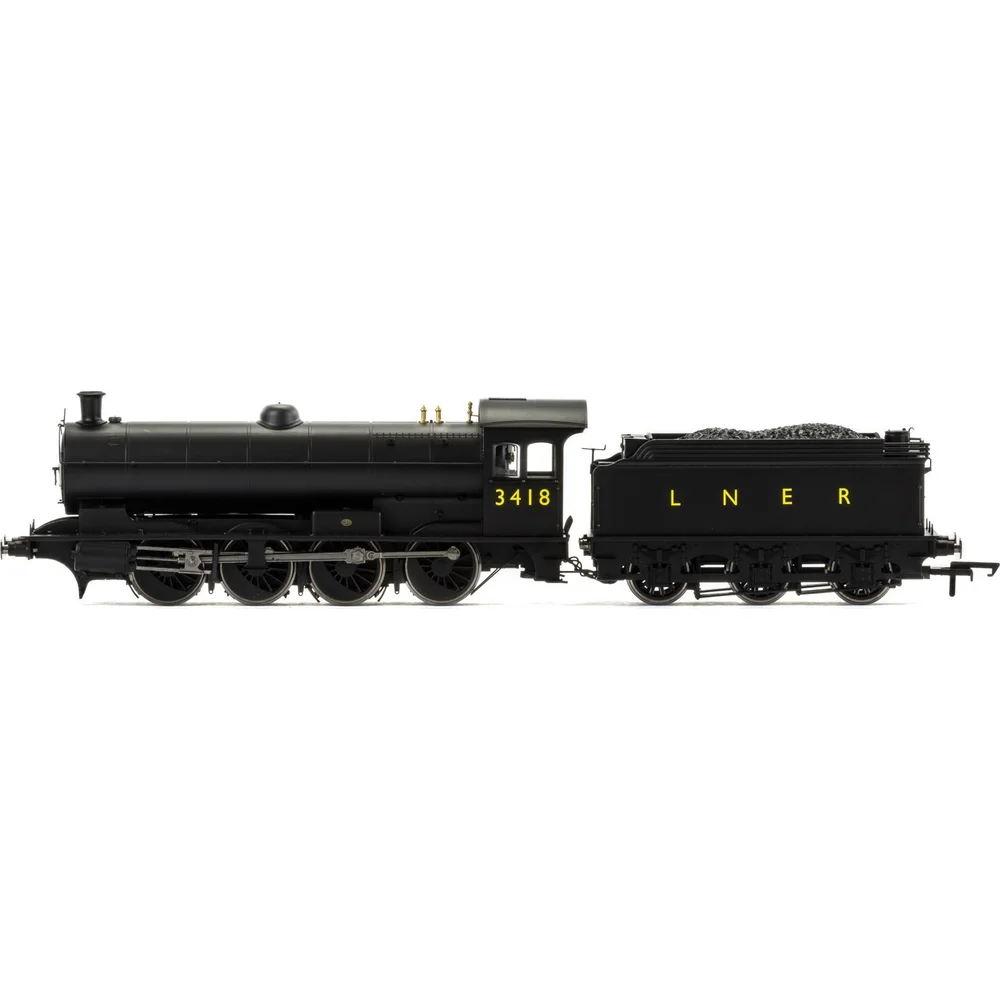
In OO gauge (4mm scale), Hornby has produced what many consider the definitive ready-to-run model of the class. Released in 2016 as part of their Railroad range, the model features DCC-ready specification with an 8-pin socket, making it ideal for modern digital control systems. The model is available in three authentic liveries: LNER black (1923-1947), BR black with early emblem (1949-1957), and BR black with late crest (1957-1968). The Hornby model carries catalog number R3222 in LNER livery and retails in the premium category, reflecting the detailed tooling and authentic proportions.

Modeller's Tip: When weathering your T2 model, focus on the smokebox and cylinder areas where coal dust and oil would naturally accumulate. The original locomotives spent their lives in dirty, industrial environments, so don't be afraid to apply realistic grime effects around the motion and running plate areas.

For kit builders, NuCast offers an excellent 4mm scale white metal kit that allows for greater customization and detail enhancement. The NuCast kit includes etched brass details and is particularly popular among modellers seeking to replicate specific variations within the class. Dave Alexander also produces a respected OO gauge kit, though availability can be sporadic. Chivers Finelines previously offered a 4mm scale kit, but current availability is uncertain.

The smaller scales are not neglected, with Union Mills having produced an N gauge (2mm scale) version in 2008. While this model is DCC-incompatible due to its age, it remains sought-after by collectors and operators of N gauge layouts depicting northeastern England. For the ultra-precise modeller, Fence Houses Model Foundry offers a kit in 2mm scale that captures the essential proportions of the prototype with remarkable fidelity.

The modelling appeal of the T2 class lies partly in its operational versatility on model railways. Unlike some prototype locomotives that were restricted to specific routes or traffic types, the T2 can convincingly appear on a wide variety of model railway scenarios—from colliery branches to main line freight workings, and even occasional passenger duties during special circumstances.

Models

Builder: Hornby
Catalogue #: R3424
Running #: 3418
London & North Eastern Railway Q6, London & North Eastern Railway (Black)
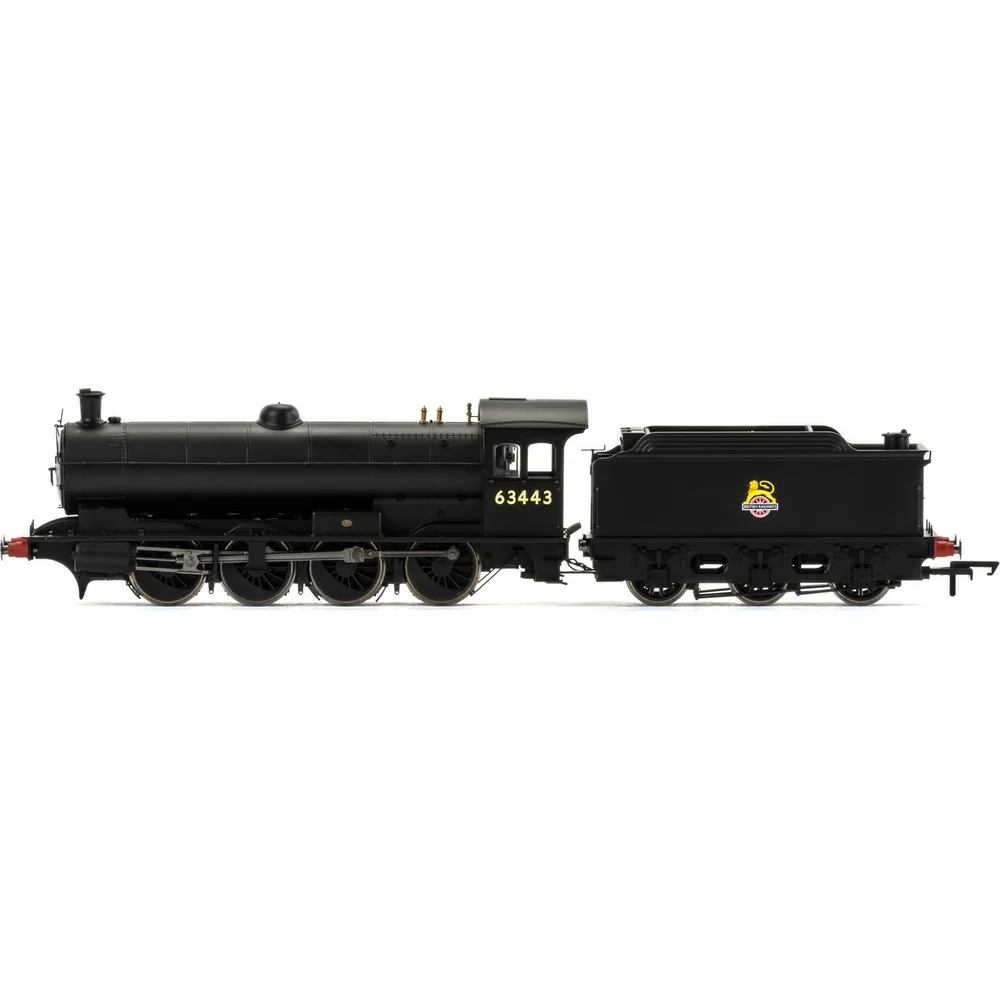
Builder: Hornby
Catalogue #: R3425
Running #: 63443
London & North Eastern Railway Q6, British Railways (Black with Early Emblem)
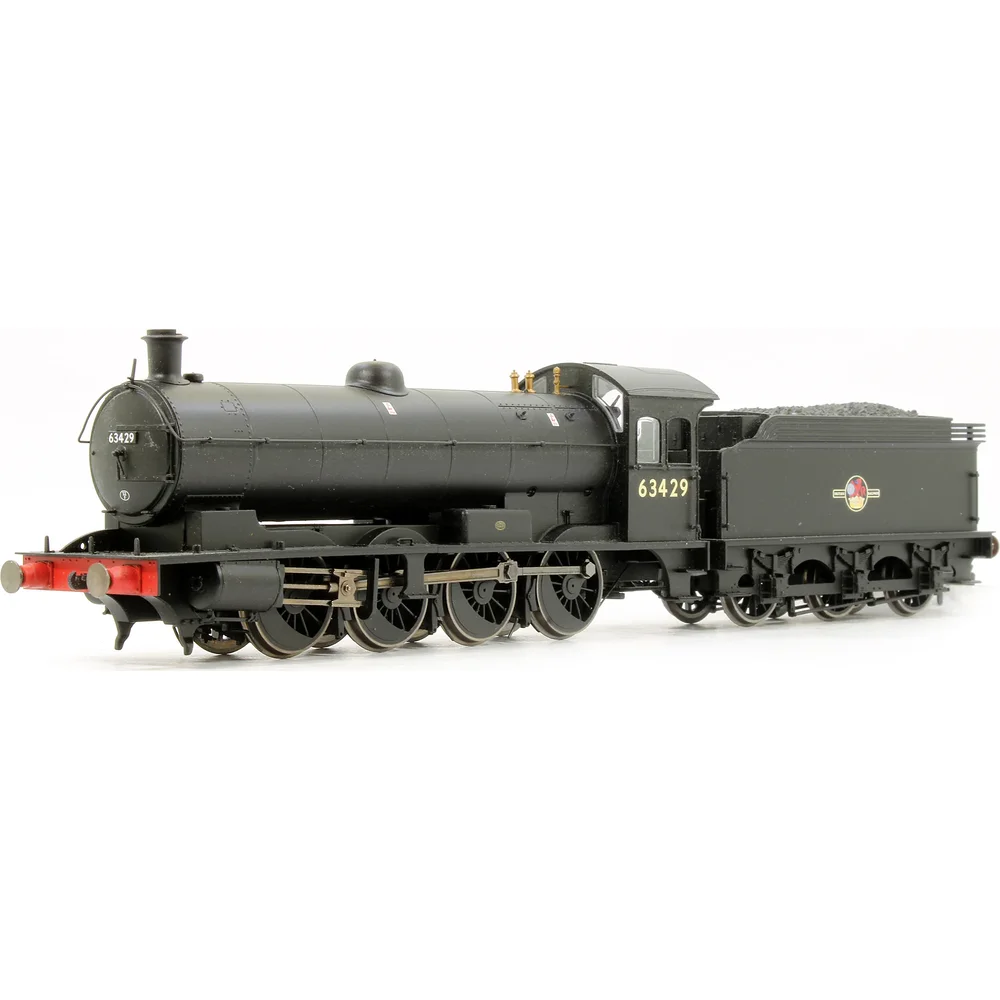
Builder: Hornby
Catalogue #: R3426
Running #: 63429
London & North Eastern Railway Q6, British Railways (Black with Late Crest)
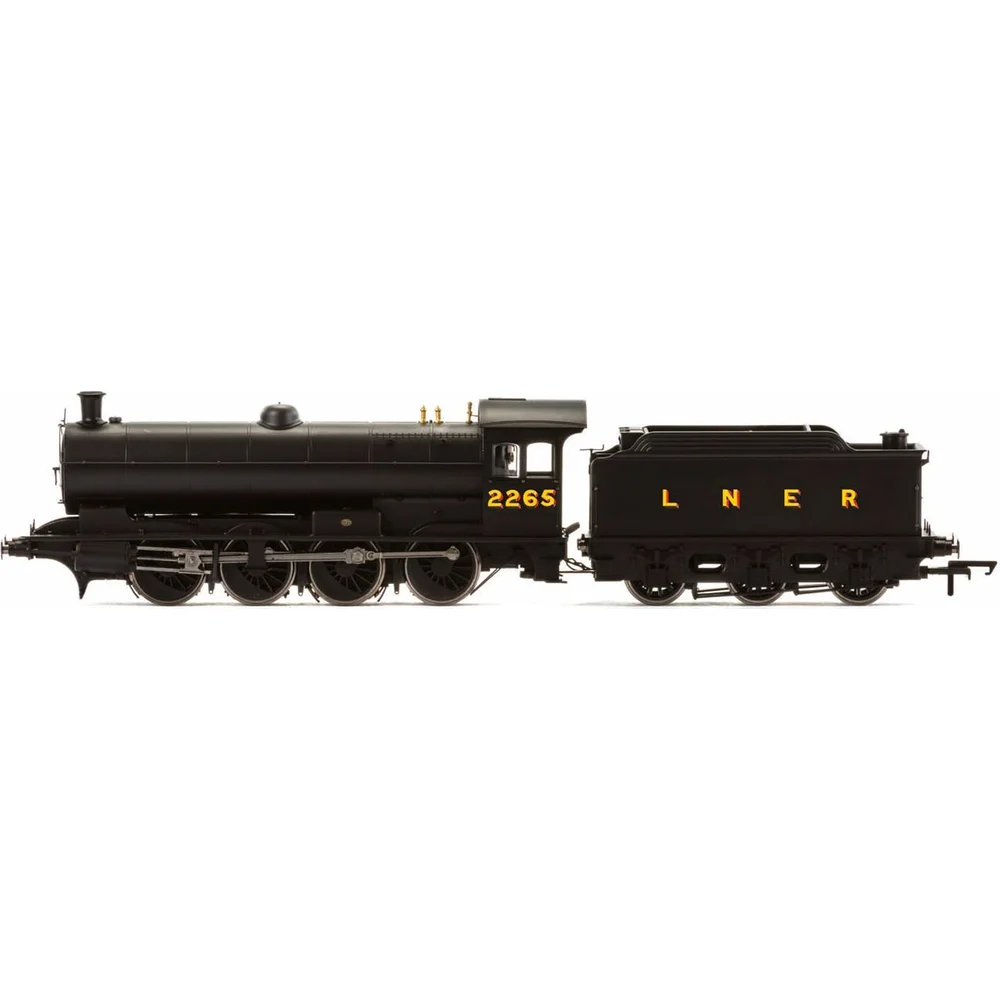
Builder: Hornby
Catalogue #: R3541
Running #: 2265
London & North Eastern Railway Q6, London & North Eastern Railway (Black)
Builder: Hornby
Catalogue #: R3542
Running #: 63427
London & North Eastern Railway Q6, British Railways (Black with Early Emblem)
Builder Catalogue # Year Running # Class, Operator (Livery) "Name" Scale Finish Era DCC
Hornby R3424 2016 3418 London & North Eastern Railway Q6, London & North Eastern Railway (Black) OO P 3 DCC8
Hornby R3425 2016 63443 London & North Eastern Railway Q6, British Railways (Black with Early Emblem) OO P 4 DCC8
Hornby R3426 2016 63429 London & North Eastern Railway Q6, British Railways (Black with Late Crest) OO P 5 DCC8
Hornby R3541 2017 2265 London & North Eastern Railway Q6, London & North Eastern Railway (Black) OO P 3 DCC8
Hornby R3542 2017 63427 London & North Eastern Railway Q6, British Railways (Black with Early Emblem) OO P 4 DCC8

Unique Modelling Tips and Layout Integration

Successfully integrating NER Class T2 locomotives into your model railway requires understanding both their operational patterns and the infrastructure they served. These locomotives were designed for specific tasks within a particular geographical region, and authentic operation demands attention to these historical realities.

Period Accuracy: Remember that T2 locomotives underwent significant modifications during their service lives. Early models (1913-1923) featured Schmidt superheaters and original Diagram 50 boilers, while later examples incorporated Robinson superheaters and Diagram 50A boilers with repositioned domes. Choose your model's configuration to match your layout's intended time period.

For layouts set in the NER era (1913-1923), T2 locomotives should primarily handle coal traffic from Yorkshire and Durham collieries. Typical consists would include long rakes of 10-ton coal wagons, often 40-60 vehicles, heading for ports like Middlesbrough and Hull or industrial centers requiring fuel. The locomotives would return with empties, creating authentic operating patterns that modern modellers can replicate.

LNER period layouts (1923-1947) offer expanded operational possibilities. T2 locomotives could appear on cross-country freight workings, mixed traffic duties, and even occasional passenger workings when equipped with appropriate vacuum brake connections. The class's geographical reach expanded significantly under LNER ownership, making appearances on former Great Central and Great Northern routes historically justifiable.

British Railways era modelling (1948-1967) presents the final chapter in T2 operations. These locomotives gradually retreated to their northeastern strongholds as newer motive power displaced them from premier duties. However, their robust construction meant they remained valuable assets for local freight work, colliery duties, and shunting operations until final withdrawal.

Insider Tip: The preserved locomotive 63395 carries vacuum brake equipment fitted during its restoration, allowing passenger train operation. This modification was never applied to the original fleet, so modellers seeking absolute authenticity should omit vacuum brake pipes when modelling the operational era.

When creating realistic operating scenarios, consider the T2's limitations as well as capabilities. These locomotives lacked continuous train braking in their original configuration, restricting them to freight work where the guard's van provided the primary braking force. This operational constraint should influence your choice of train formations and operating procedures.

For the detail-conscious modeller, specific modifications can enhance authenticity. The transition from Schmidt to Robinson superheaters in the 1930s involved visible external changes, particularly to the header arrangement. Similarly, the adoption of Diagram 50A boilers moved the dome position significantly, creating an easily recognizable external difference that careful modellers should note.

Finally

The North Eastern Railway Class T2 stands as one of Britain's most successful freight locomotive designs, representing the pinnacle of pre-grouping heavy haulage engineering. Vincent Raven's masterpiece successfully bridged the gap between Victorian railway traditions and twentieth-century technological advancement, creating locomotives that served with distinction for over five decades.

From their introduction in 1913 through final withdrawal in 1967, these 120 locomotives formed the backbone of northeastern England's freight operations. Their success lay not in revolutionary innovation but in the careful integration of proven technologies—superheating, piston valves, and robust mechanical design—into a package perfectly suited to British operating conditions. The class's ability to handle 1,400-ton coal trains with reliability and economy established new standards for freight locomotive performance.

For today's railway enthusiast, the T2 class offers multiple avenues for engagement. The preserved locomotive 63395 continues to operate on the North Yorkshire Moors Railway, providing tangible connection to this important chapter in British railway history. Model railway enthusiasts can choose from excellent representations in multiple scales, from Hornby's ready-to-run OO gauge models to specialist kits for the more ambitious builder.

The class's historical significance extends beyond mere numbers and specifications. These locomotives witnessed Britain's transformation from an industrial powerhouse dependent on coal to a modern economy embracing new technologies. They served through two world wars, industrial upheaval, and social change, adapting to evolving operational requirements while maintaining their essential character.

Perhaps most remarkably, the T2 class demonstrates the enduring value of sound engineering principles. Raven's emphasis on robustness, maintainability, and operational flexibility created locomotives that remained relevant and useful throughout their extended careers. In an era of rapid technological change, this longevity stands as testament to the fundamental correctness of the original design concepts.

Frequently Asked Questions

What made the NER Class T2 superior to earlier freight locomotives?

The T2 incorporated superheating technology as standard from construction, providing 15-20% better fuel efficiency than non-superheated predecessors. Combined with piston valves and optimized weight distribution, these locomotives could handle significantly heavier loads with improved reliability and reduced maintenance requirements.

How many Class T2 locomotives were built and where can I see one today?

A total of 120 locomotives were constructed between 1913-1921 by Darlington Works and Armstrong Whitworth. Only one survives: number 63395 (originally NER 2238) is preserved and occasionally operates on the North Yorkshire Moors Railway, owned by the North Eastern Locomotive Preservation Group.

Which model railway manufacturers produce NER Class T2 locomotives?

Hornby offers the most readily available ready-to-run OO gauge model with DCC-ready specification. Kit builders can choose from NuCast and Dave Alexander 4mm scale offerings. For smaller scales, Union Mills produced an N gauge version, while Fence Houses Model Foundry offers detailed 2mm scale kits for finescale modellers.

What was the typical working life and withdrawal pattern of the class?

The class served for 54 years from 1913-1967, with locomotive 63372 withdrawn early in 1960 following accident damage. General withdrawals occurred rapidly between 1963-1967 as British Railways dieselization program eliminated steam freight operations throughout the former NER territory.

How did the T2 class compare with contemporary freight locomotives from other railways?

The T2 class established new standards for British freight locomotive design, particularly in superheating application and mechanical reliability. While other railways developed successful 0-8-0 designs, few matched the T2's combination of power, economy, and longevity. The class influenced subsequent freight locomotive development across the British network.

What modifications were made to the class during LNER and BR ownership?

Major changes included replacement of Schmidt superheaters with Robinson types from 1930, and introduction of Diagram 50A boilers from 1938 featuring repositioned domes and increased tube counts. These modifications improved performance while maintaining the essential characteristics of Raven's original design philosophy.