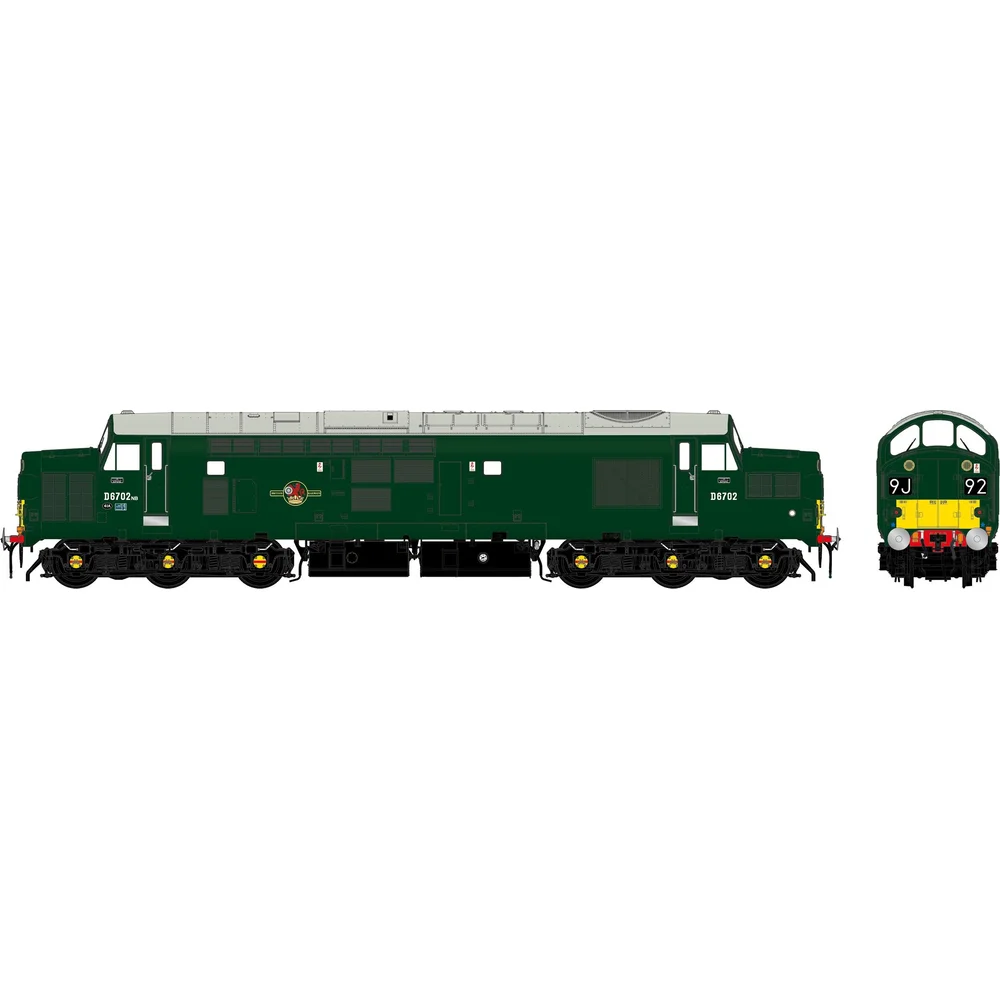
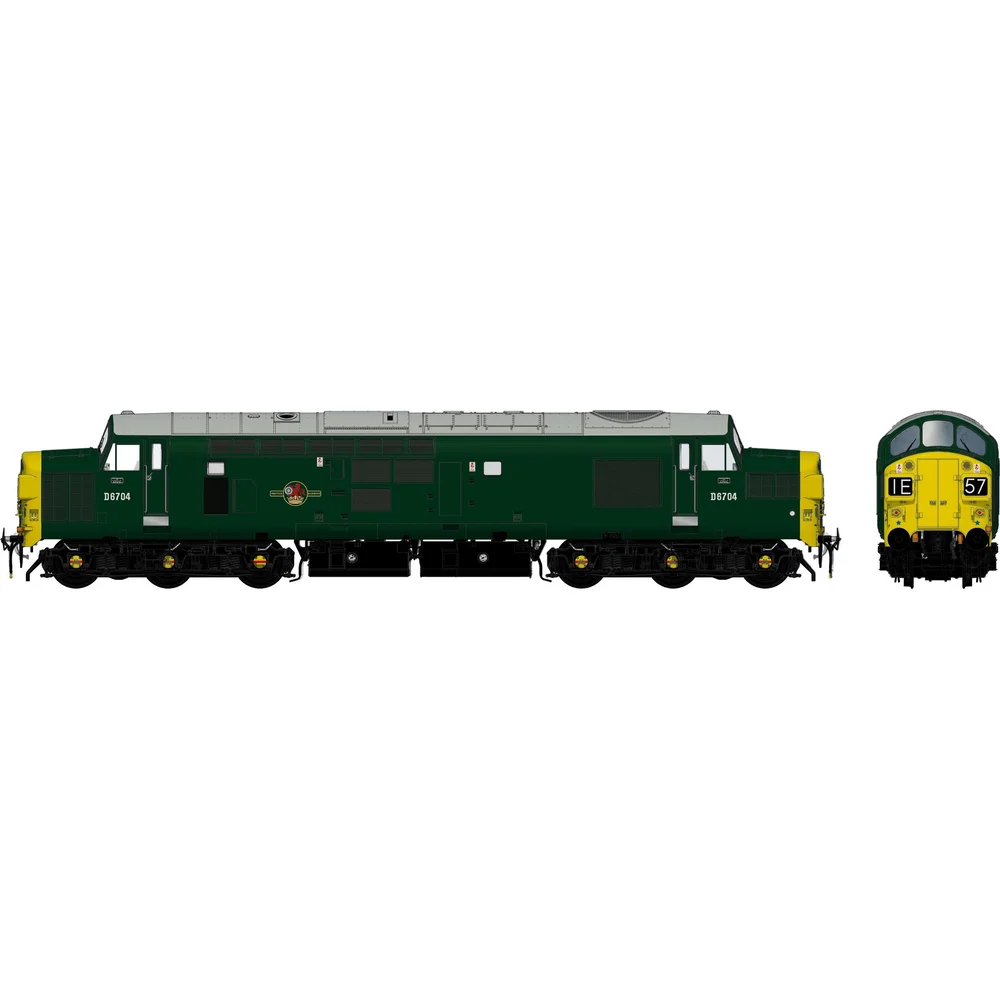
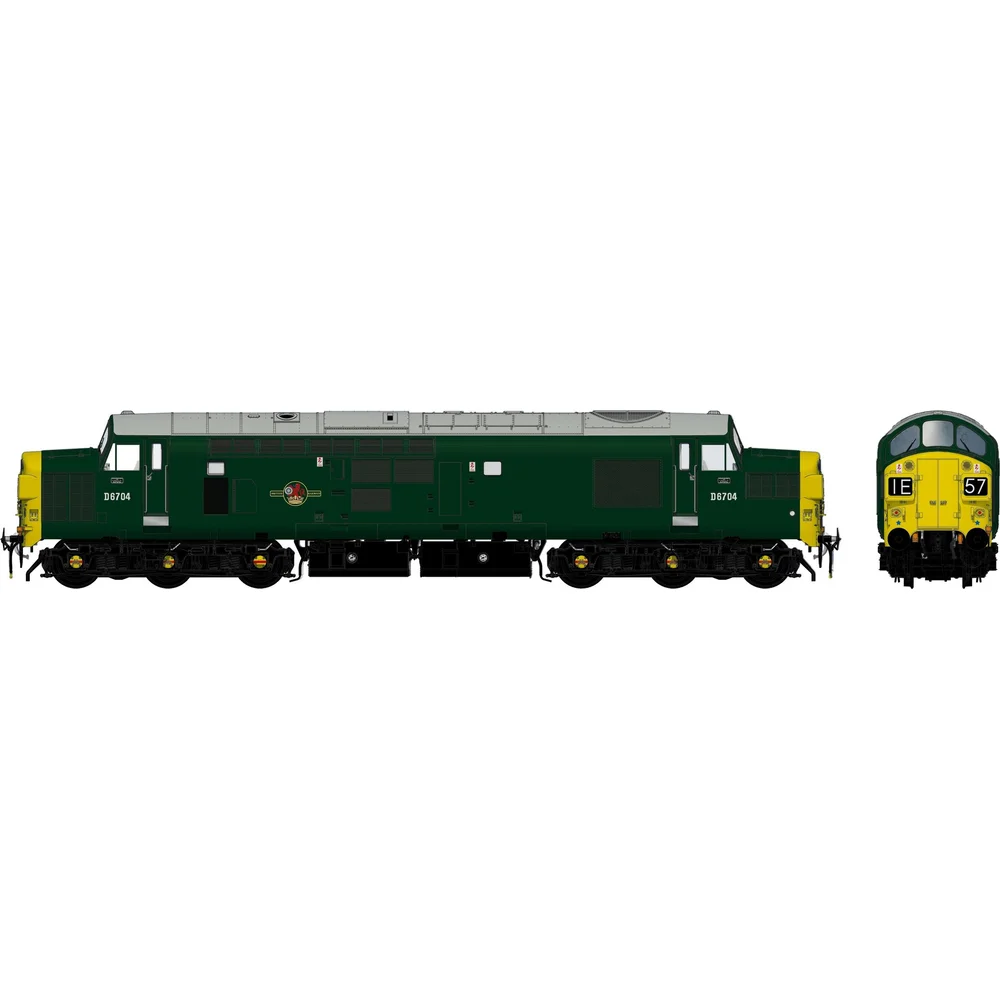
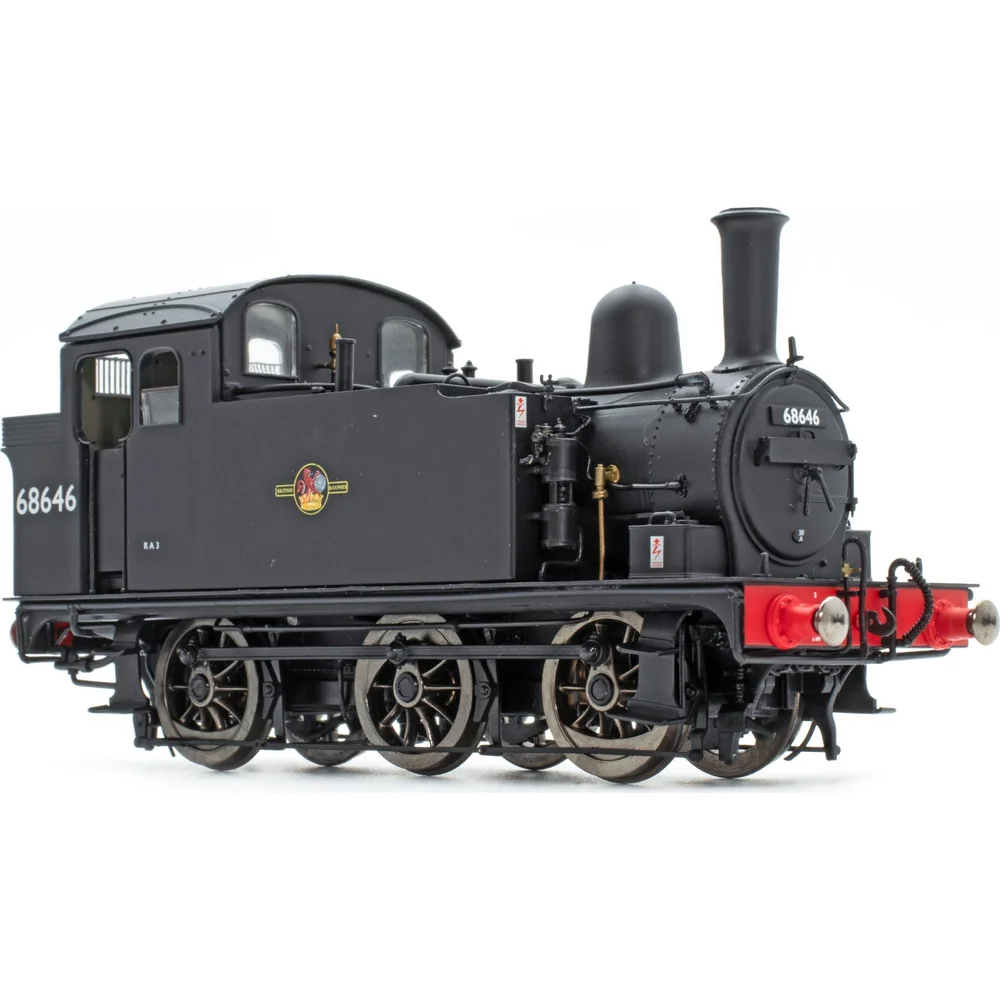
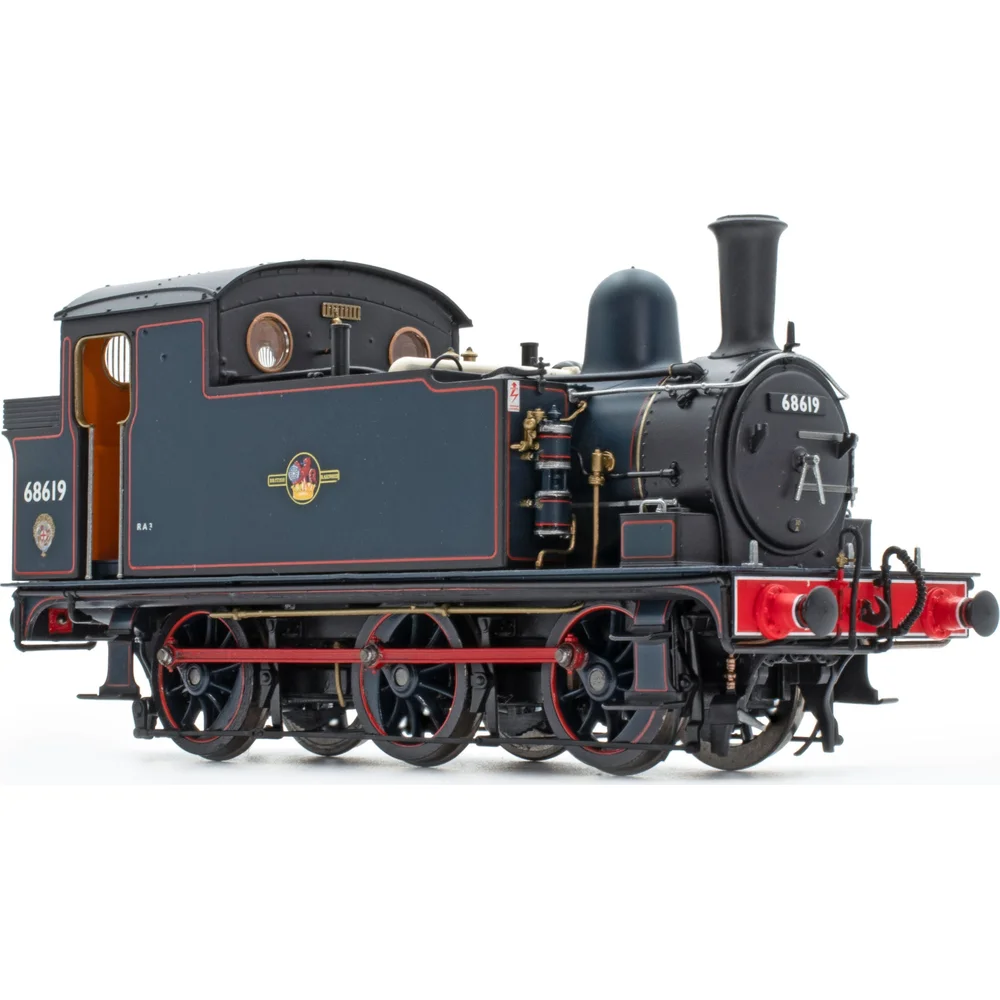
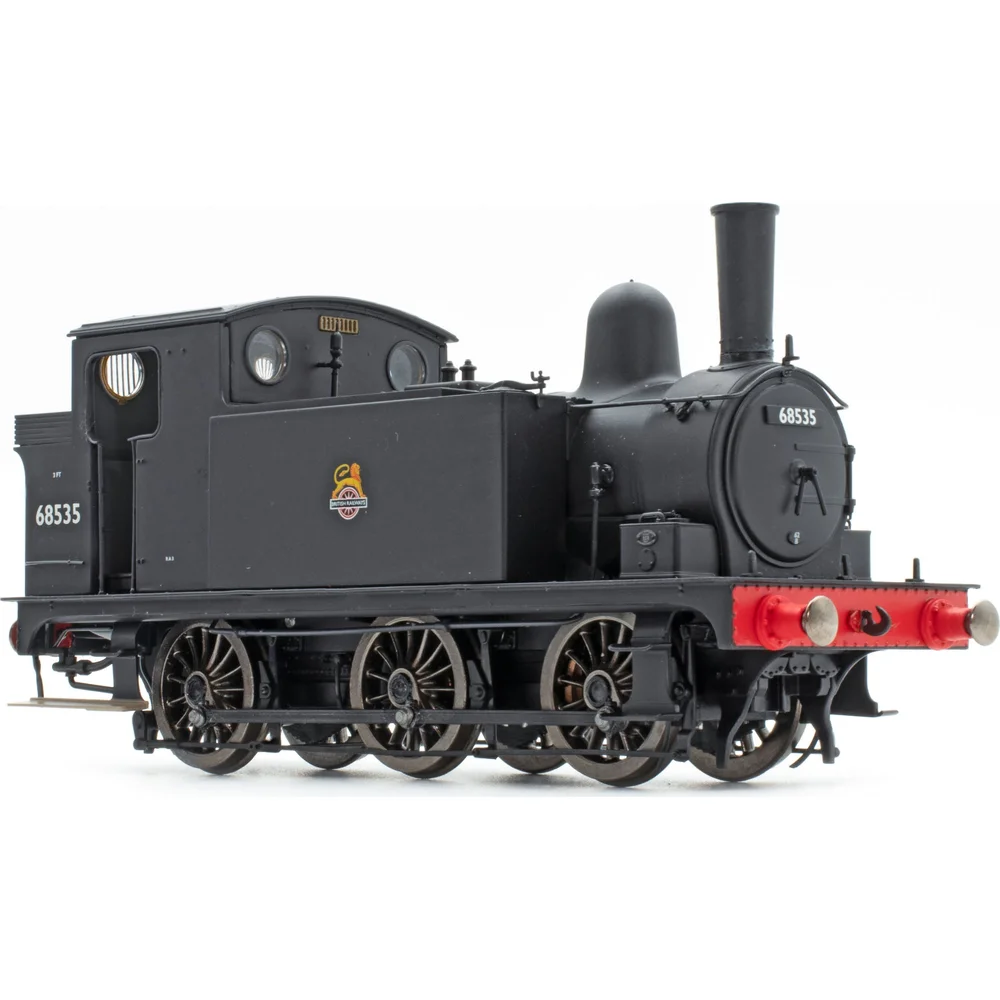
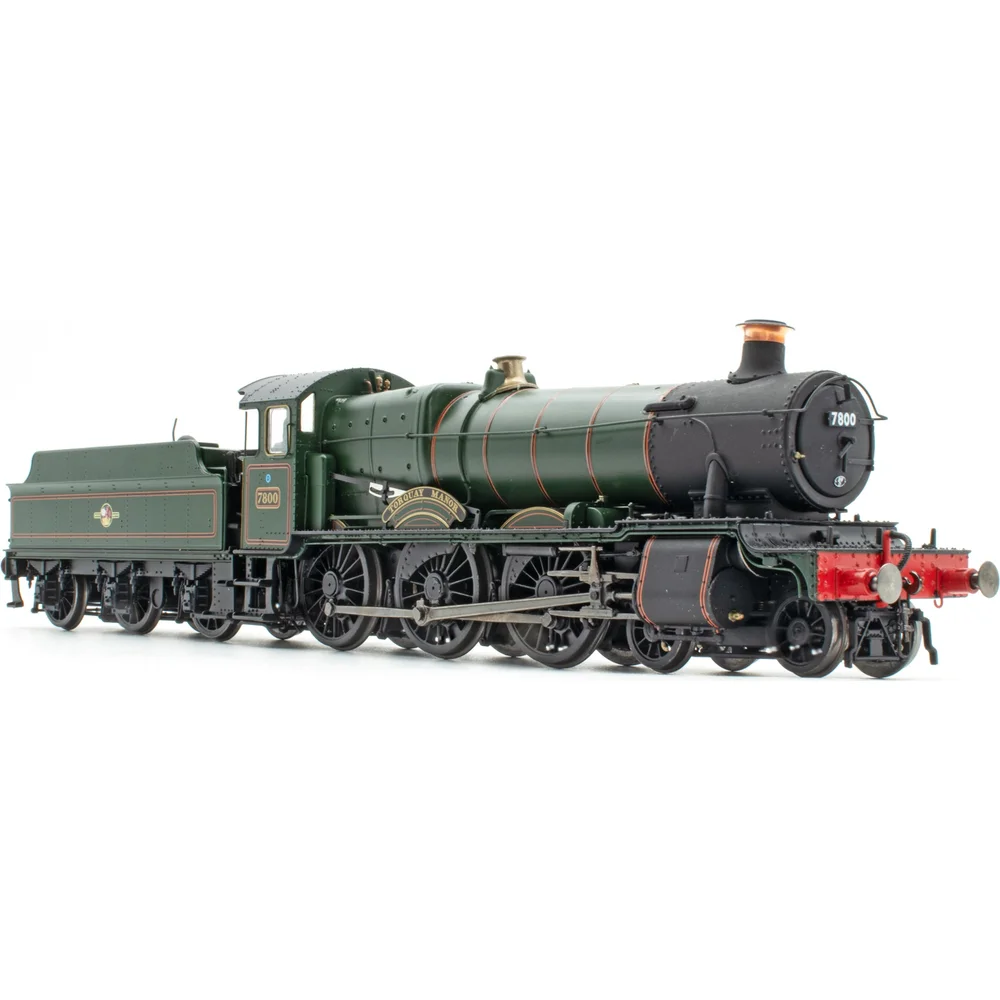
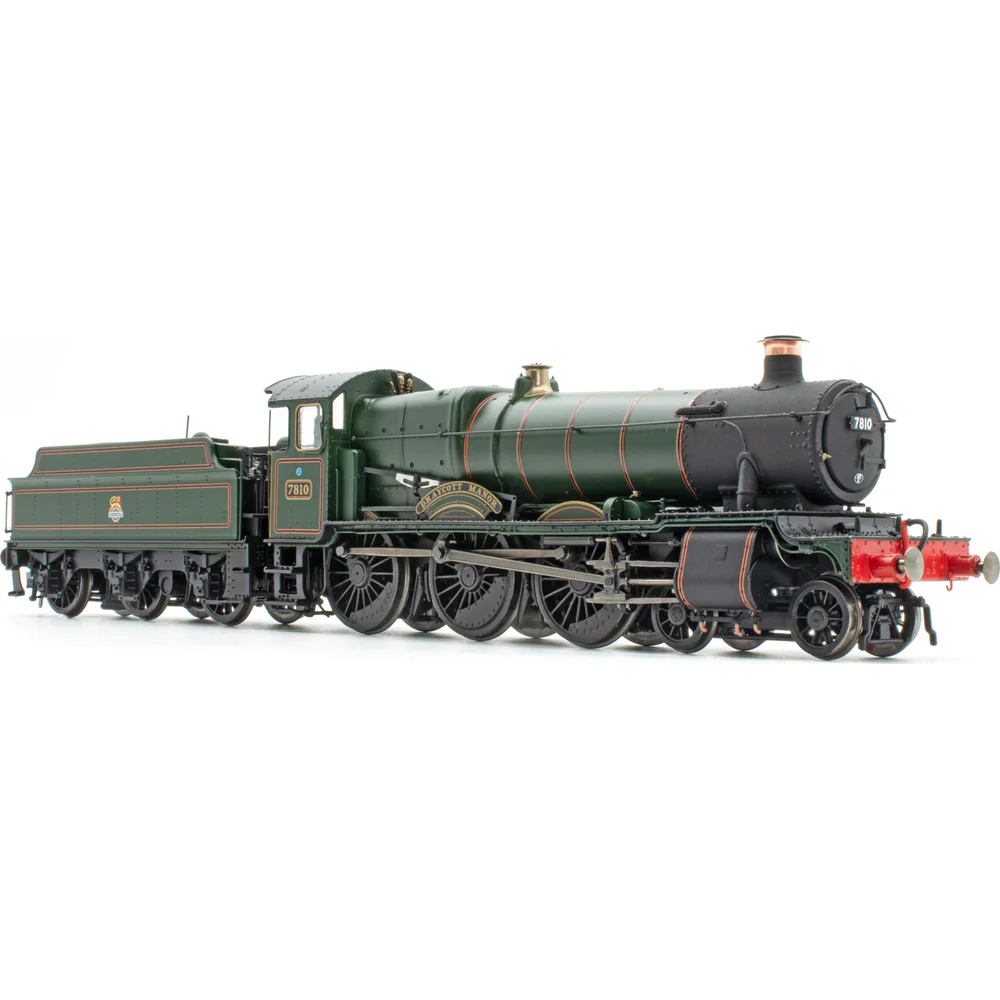
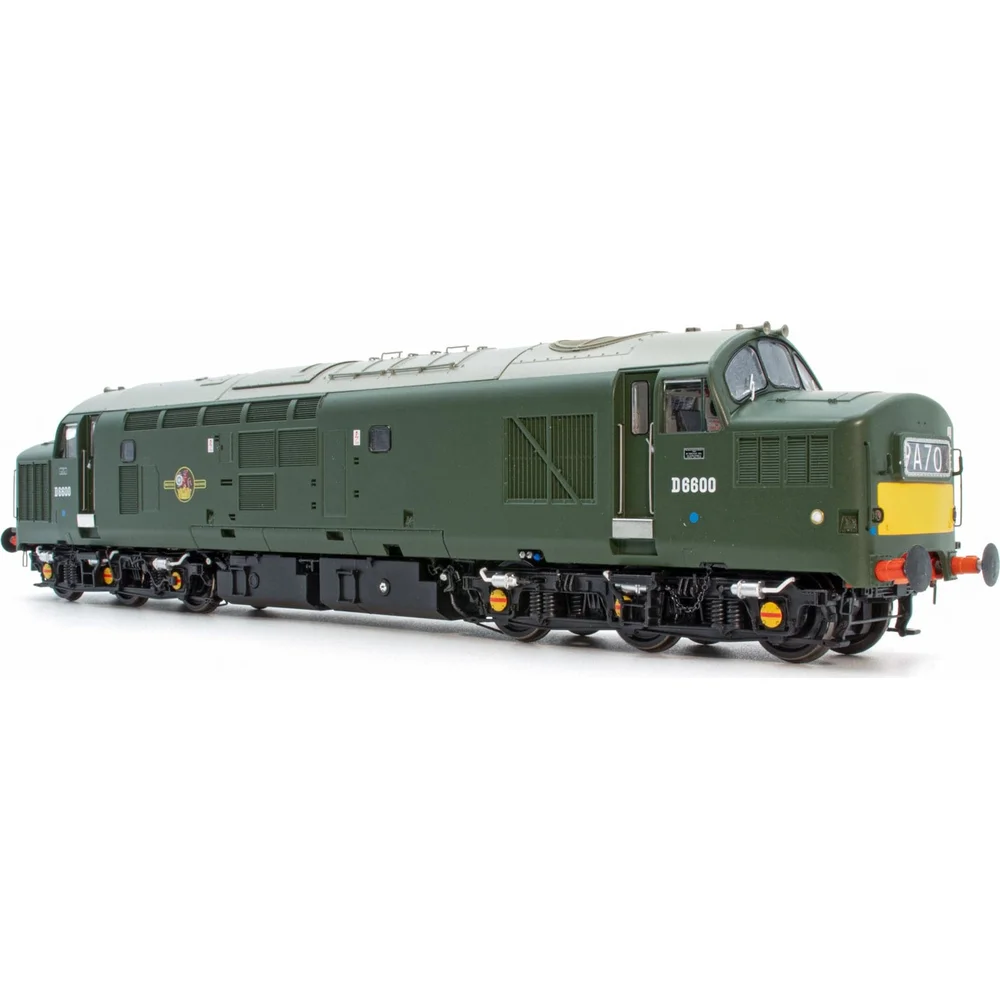
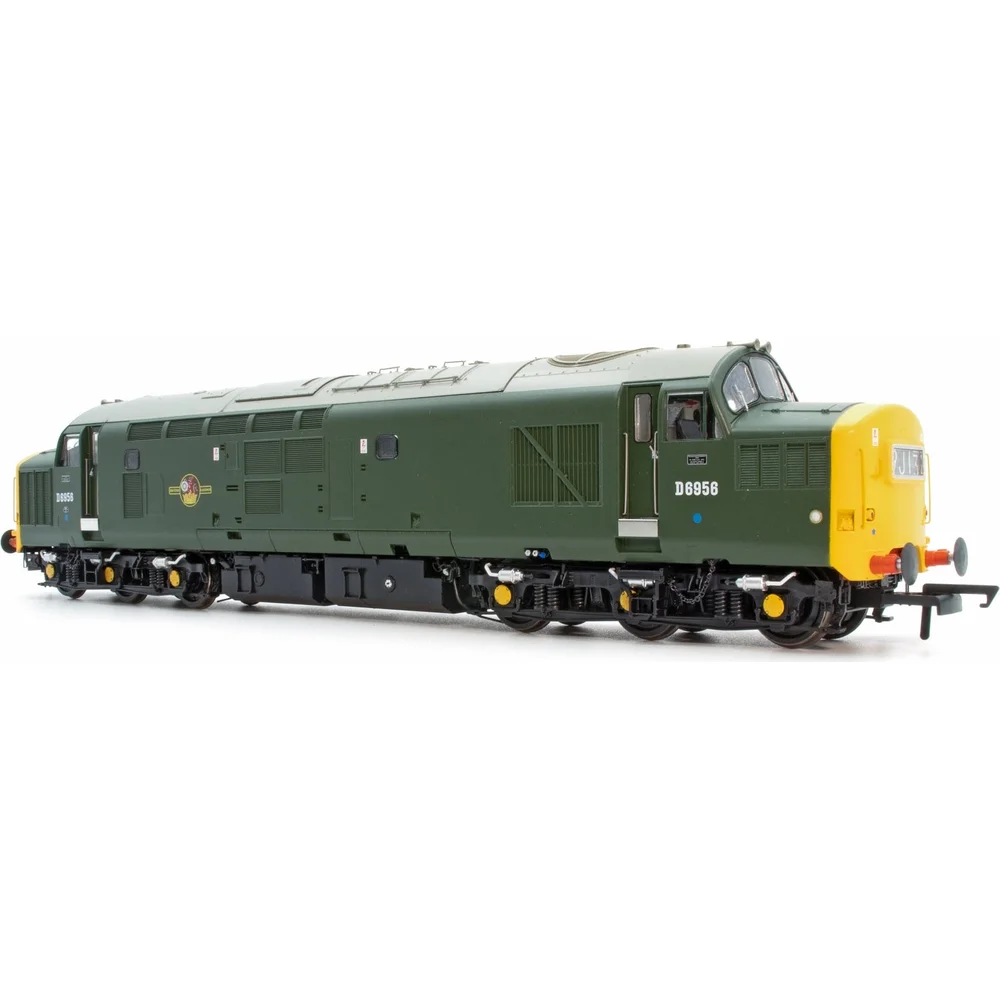
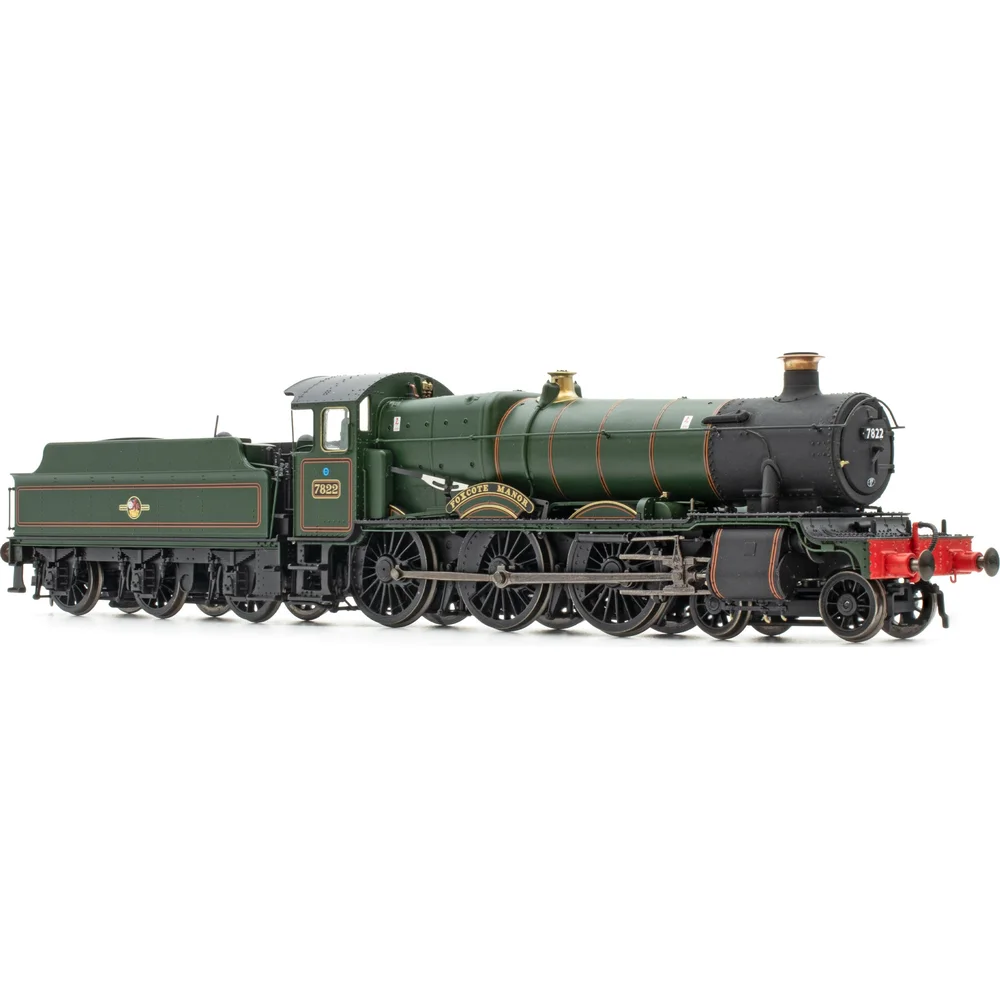
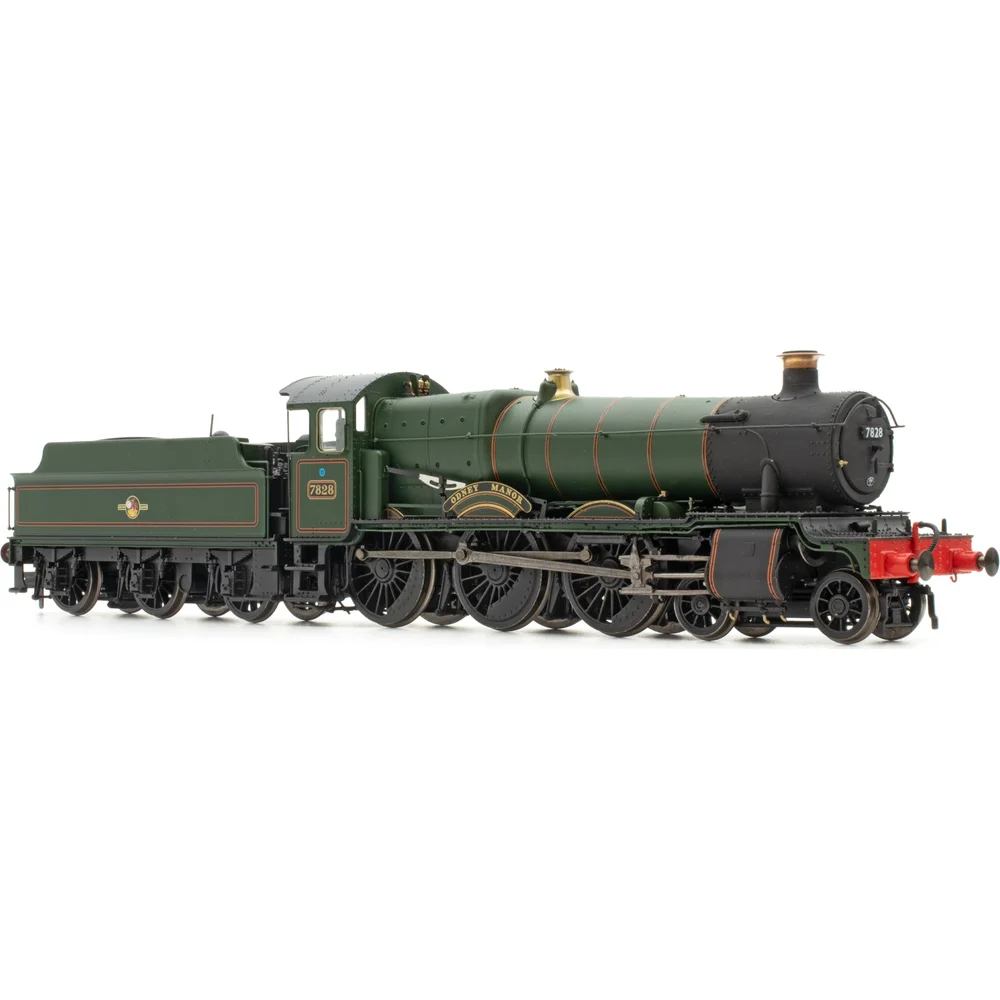
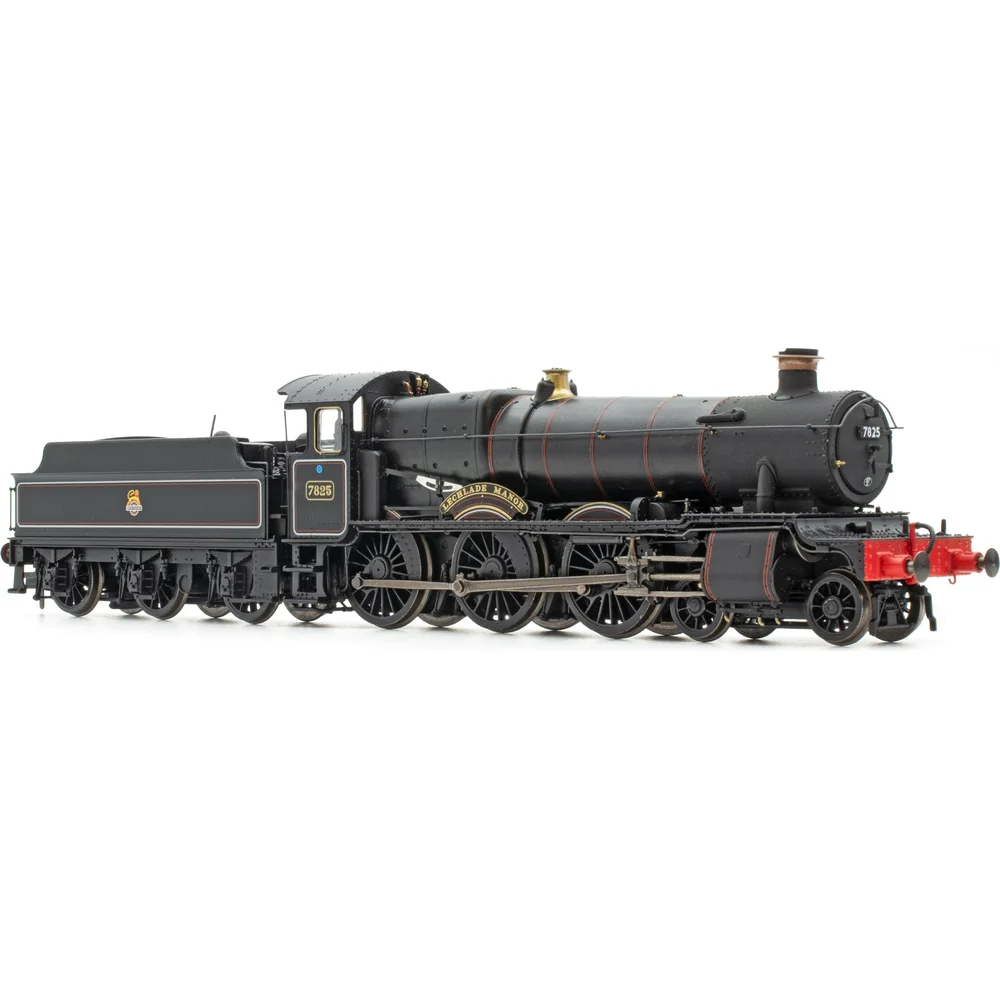
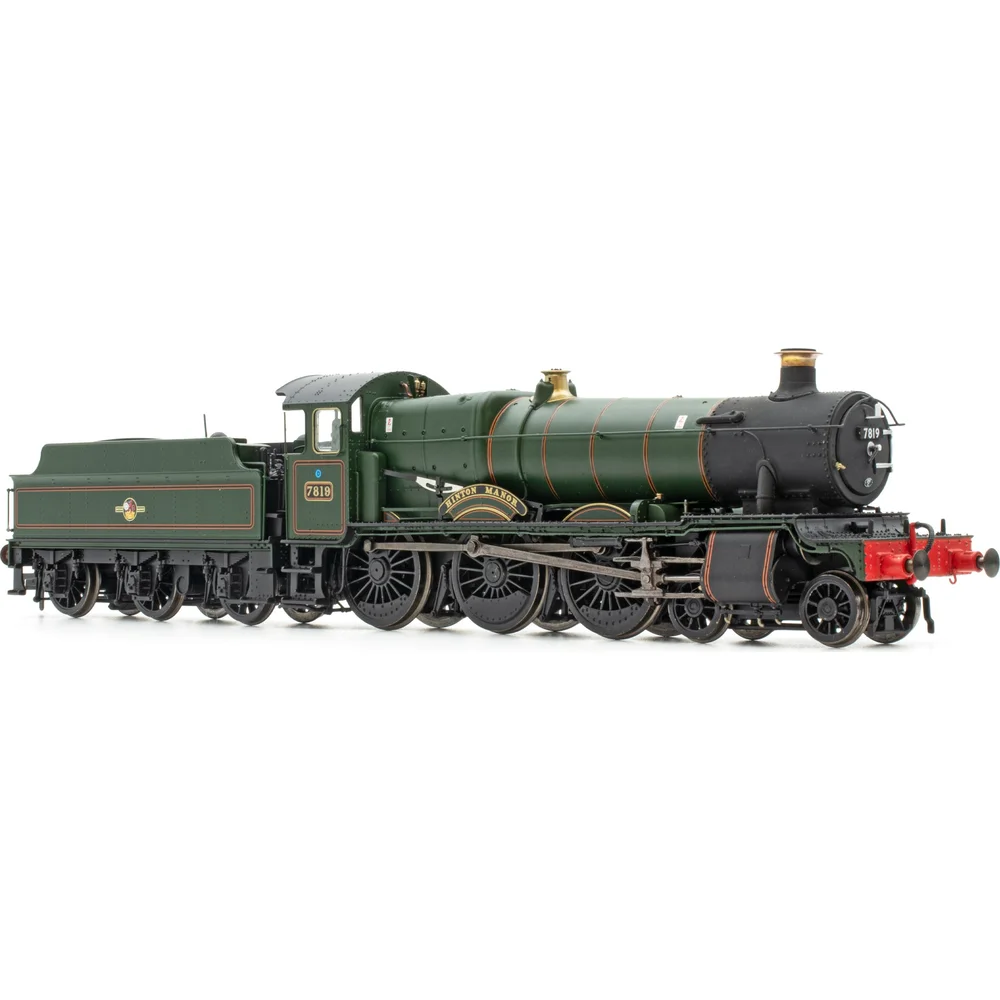
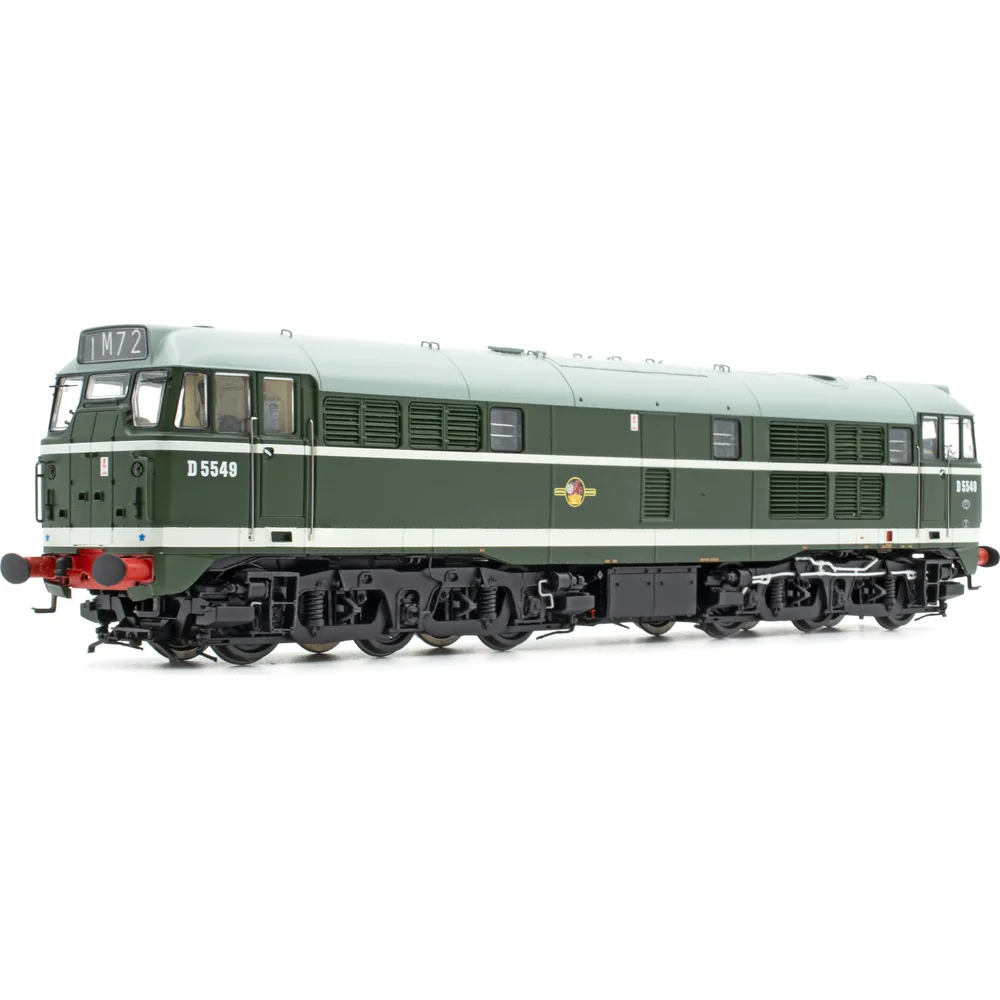
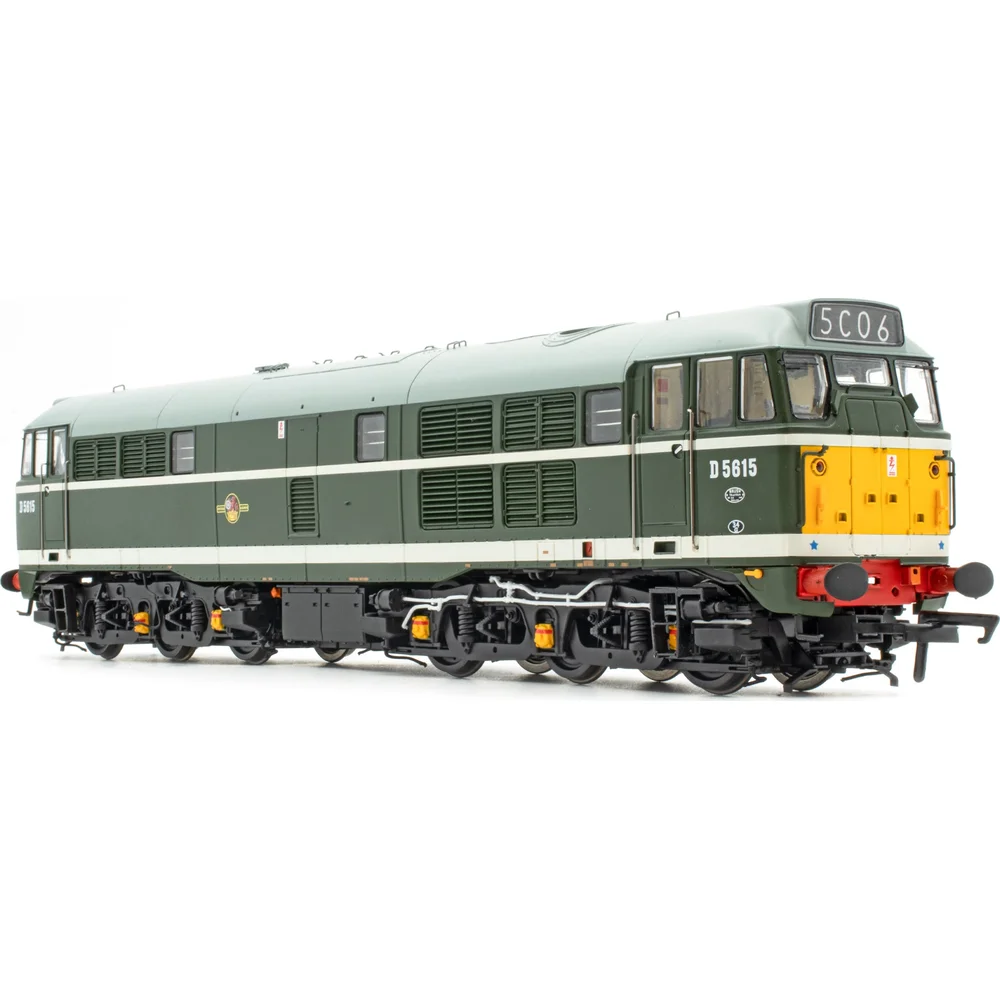
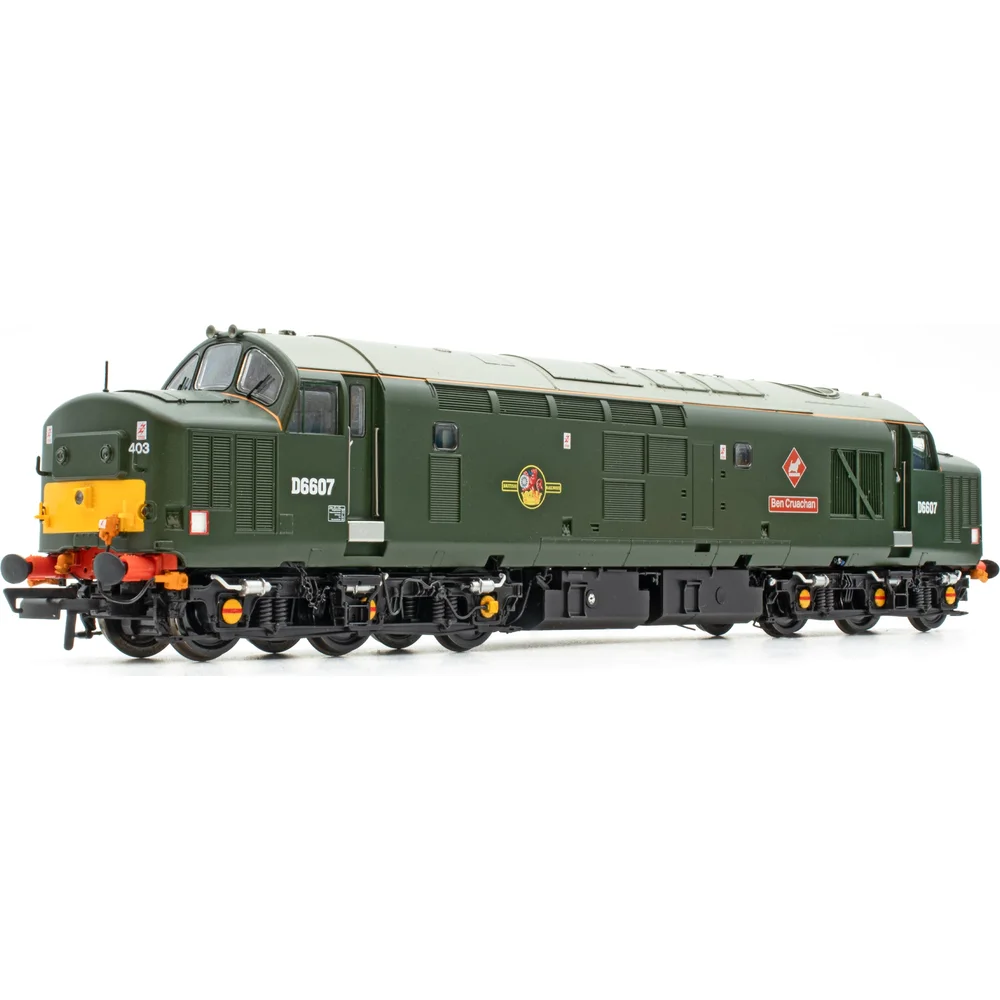
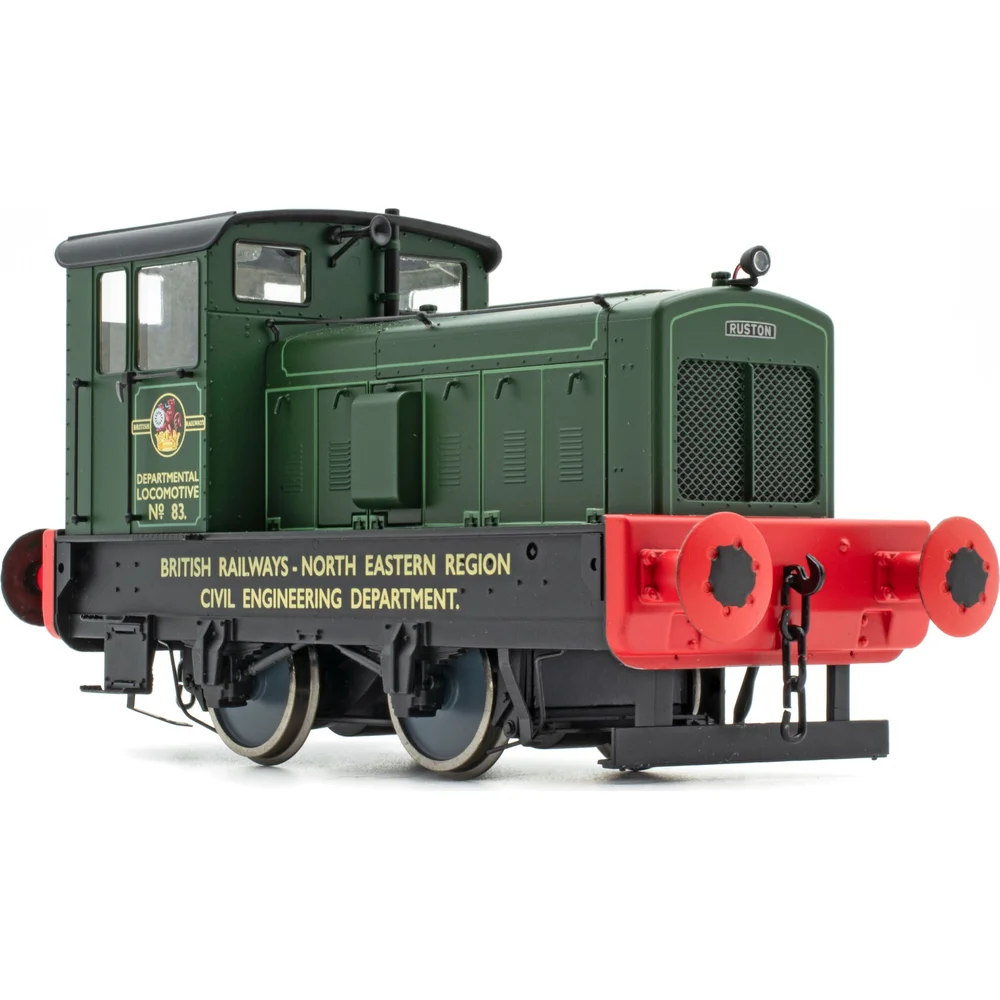
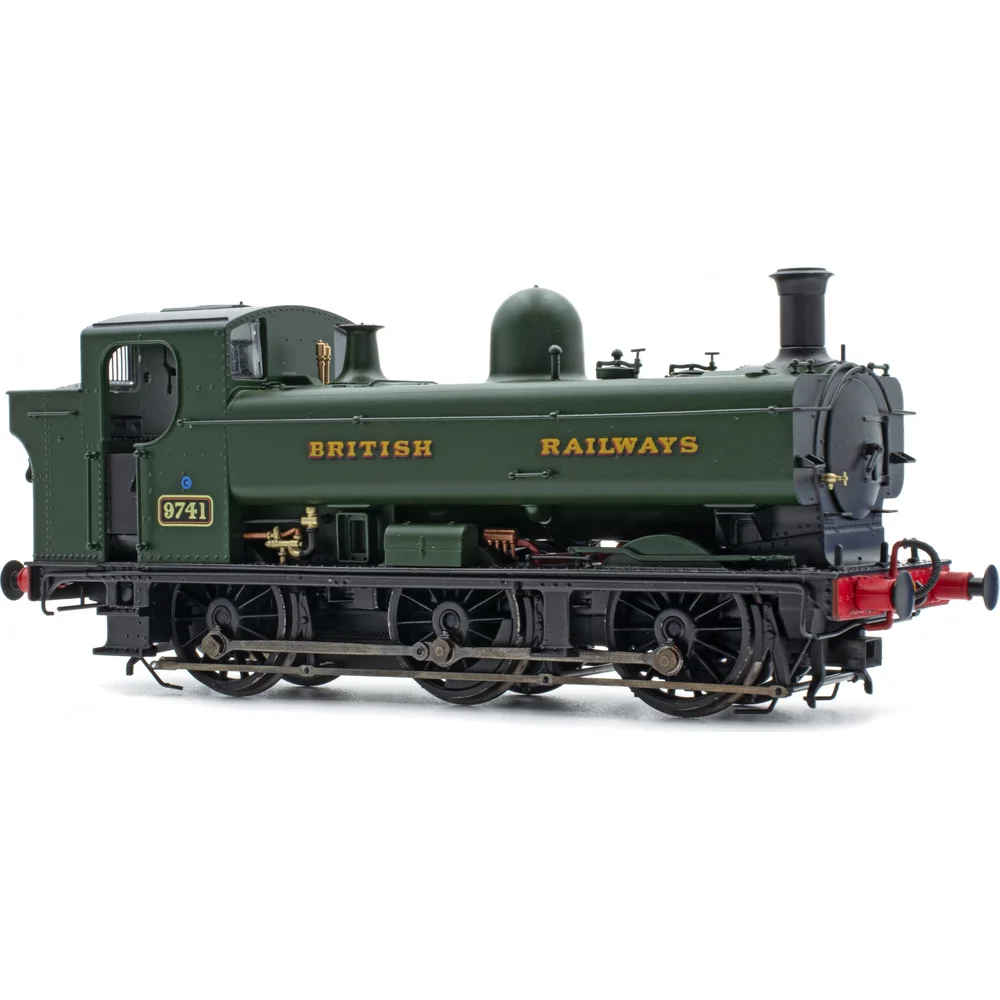
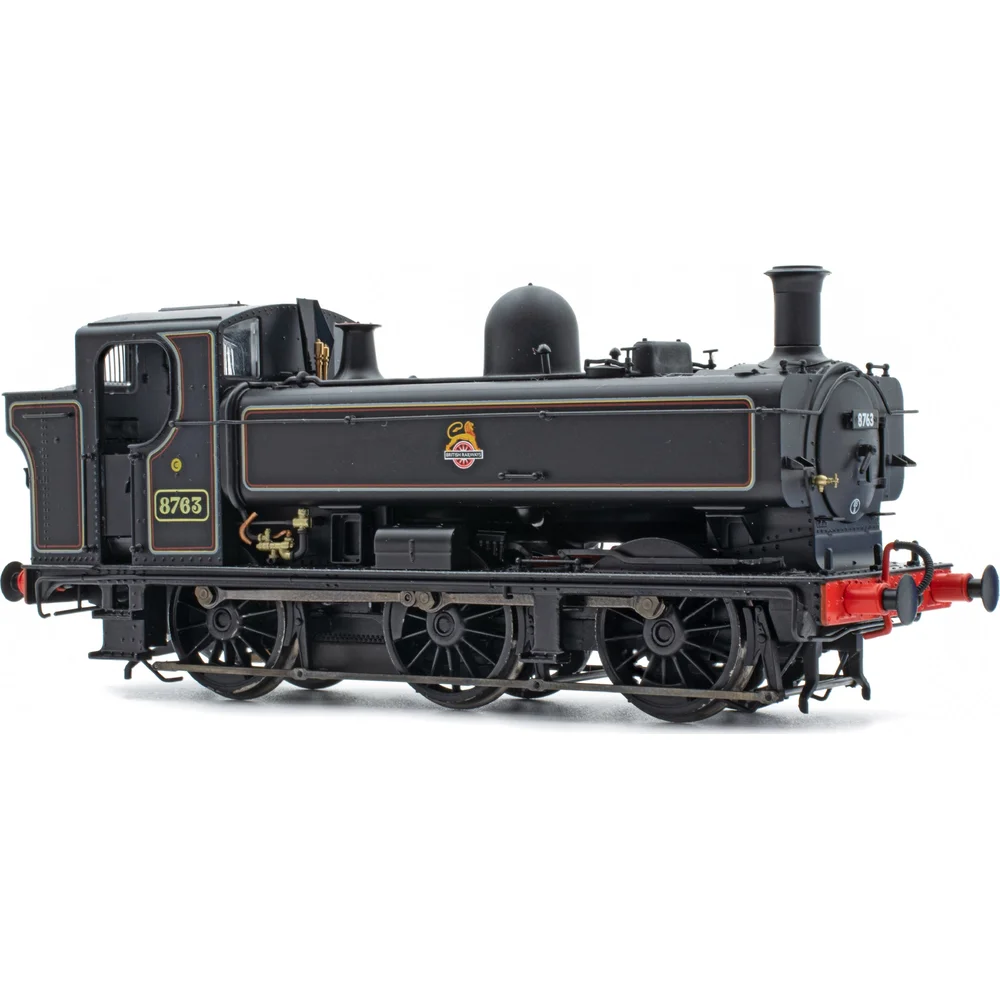
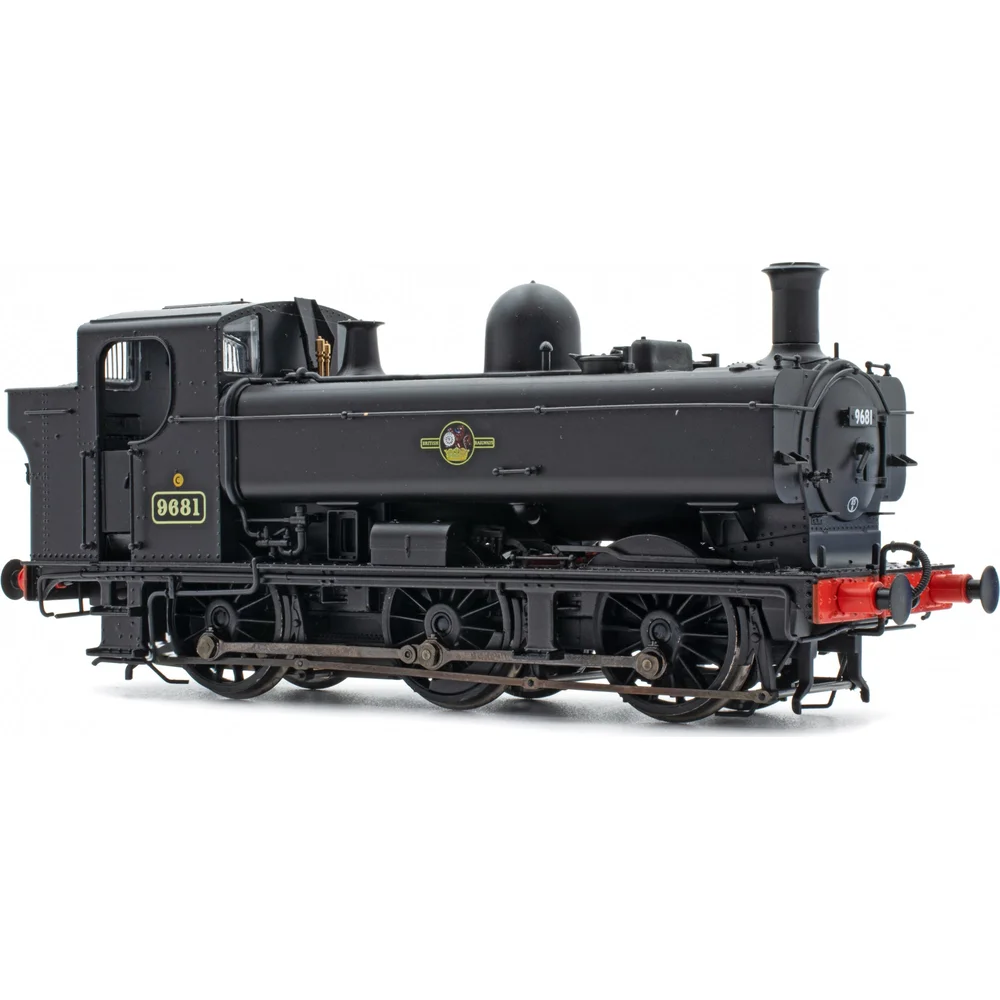
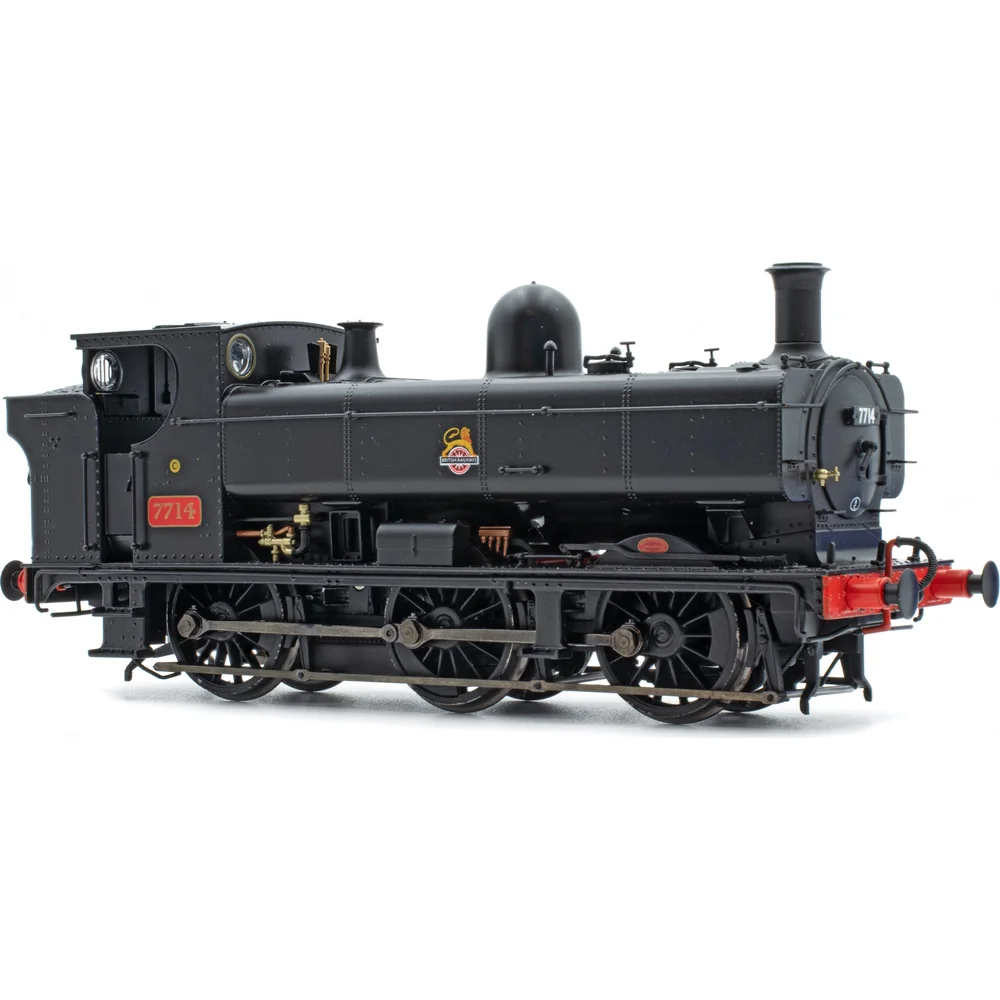
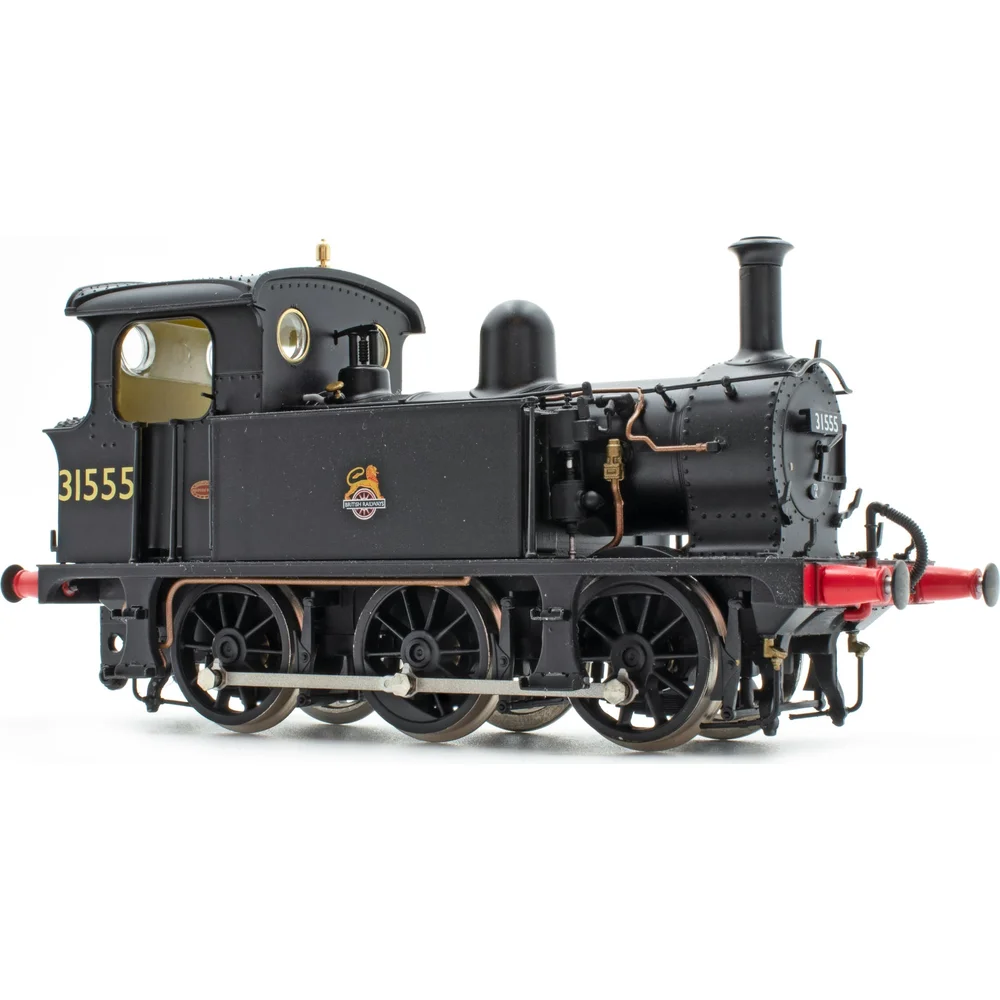
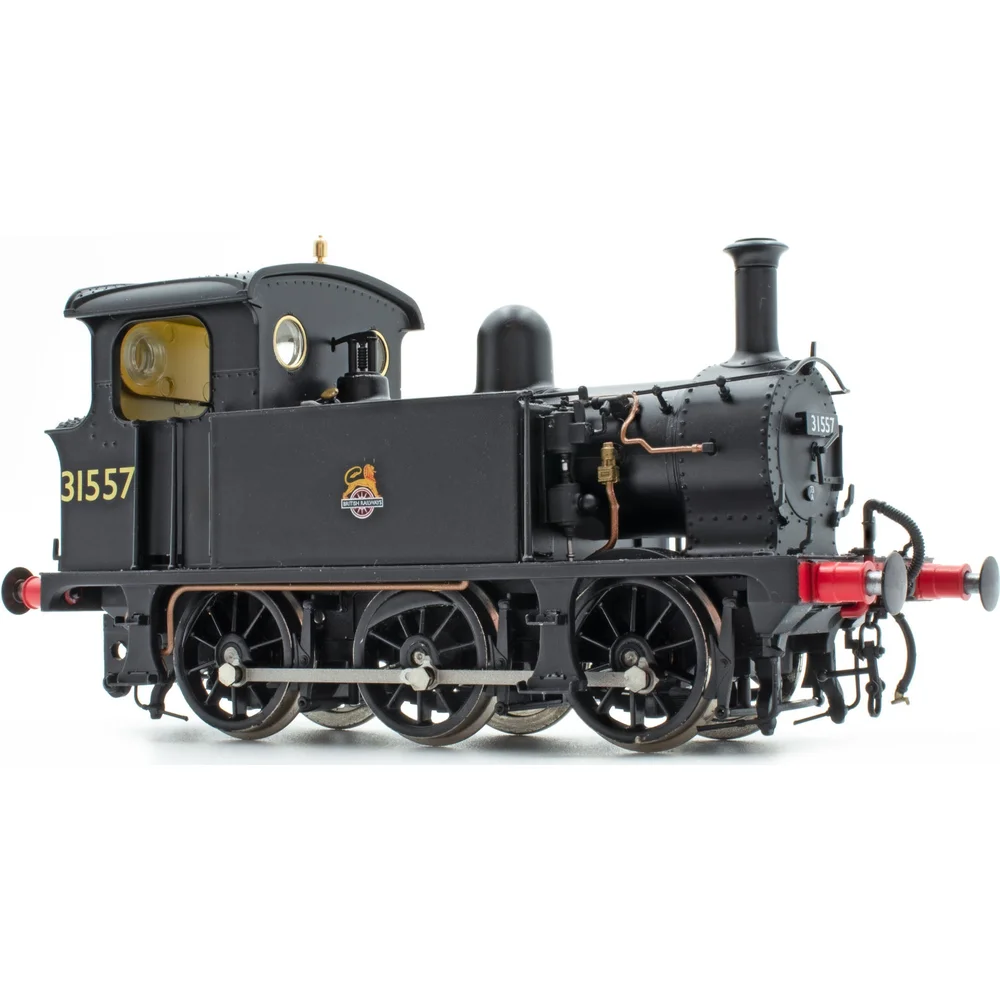
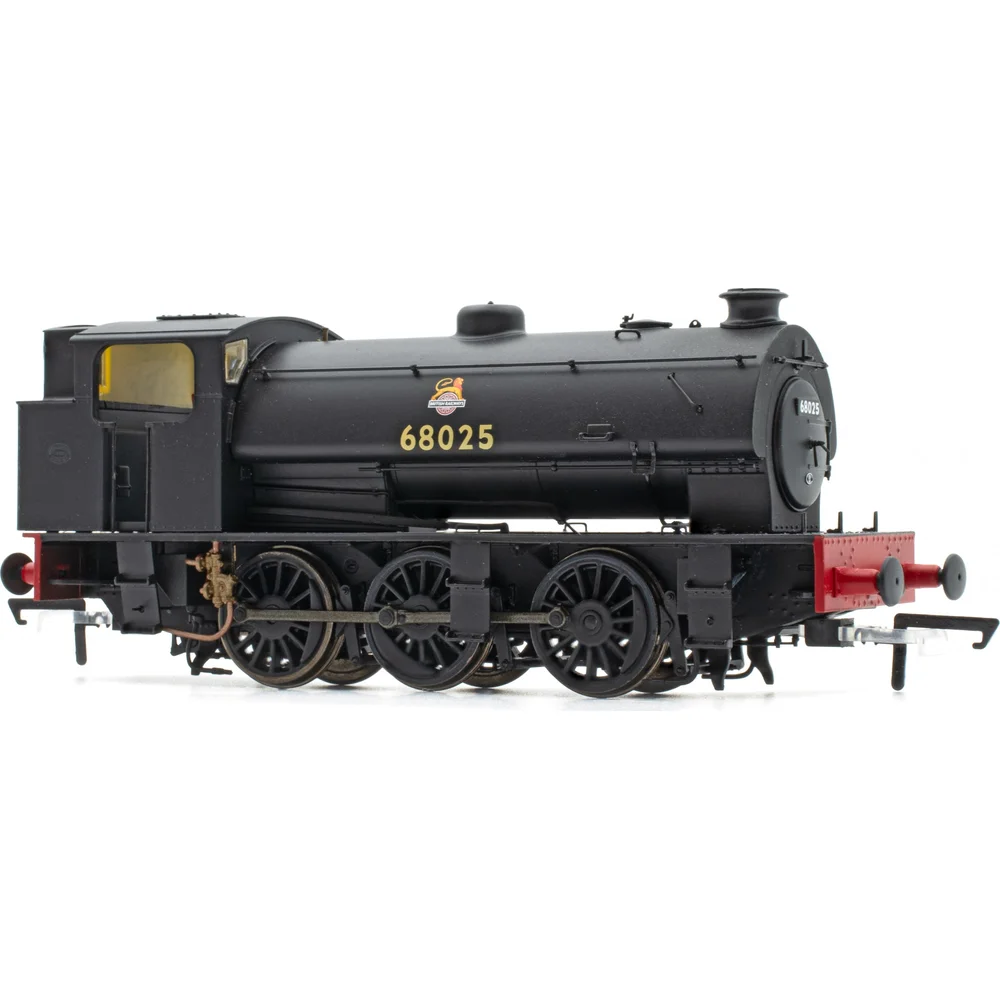
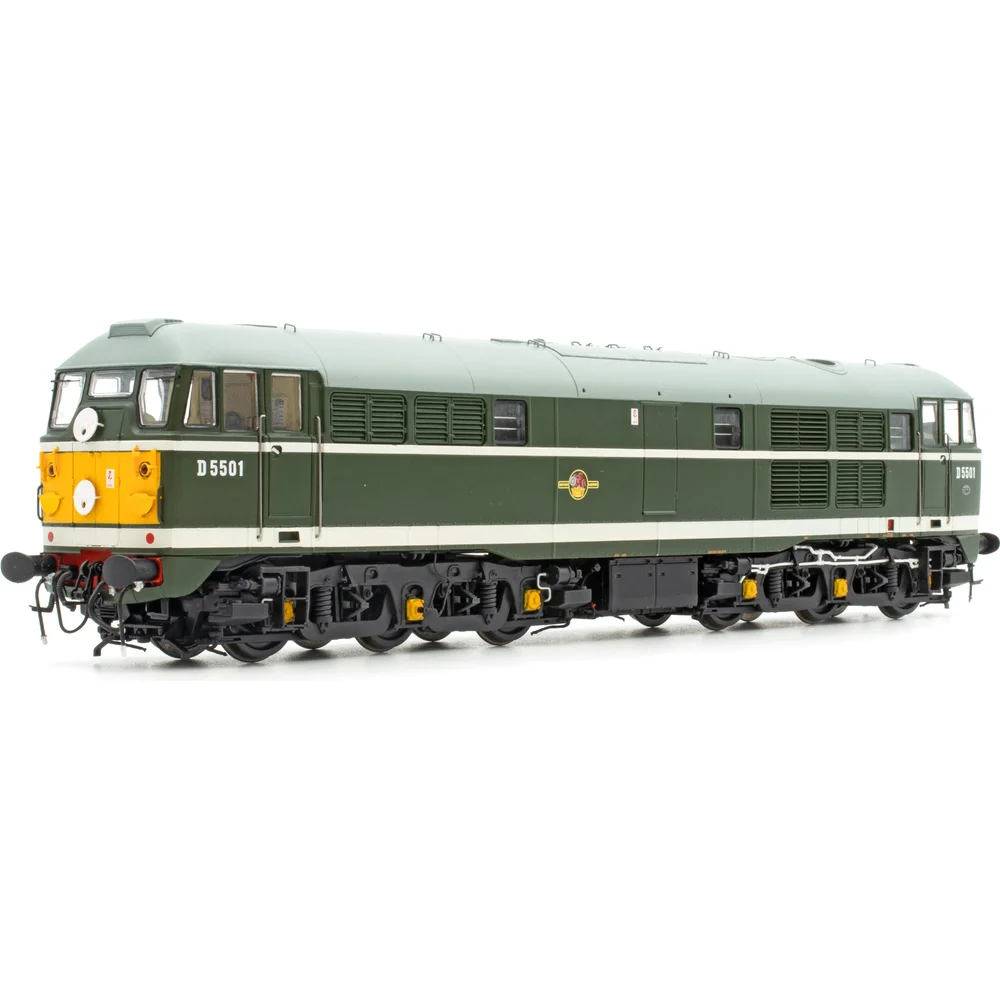
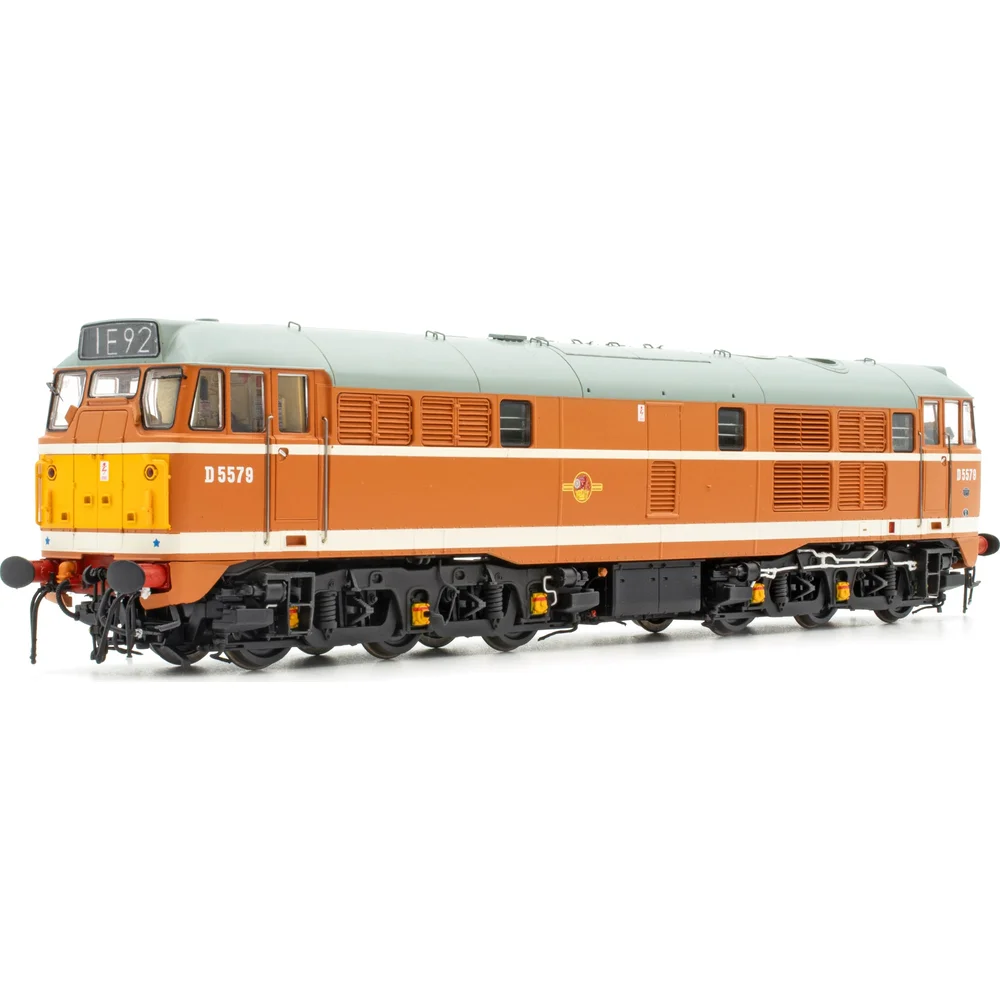
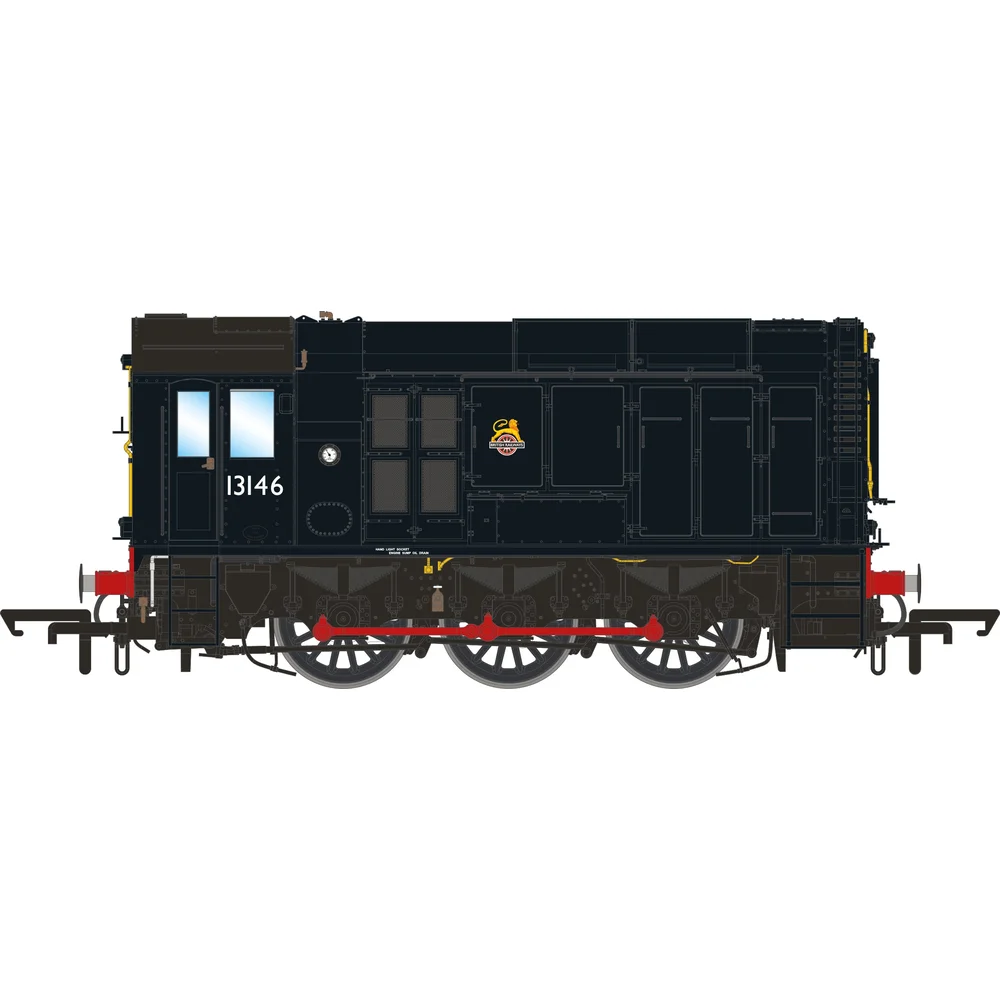
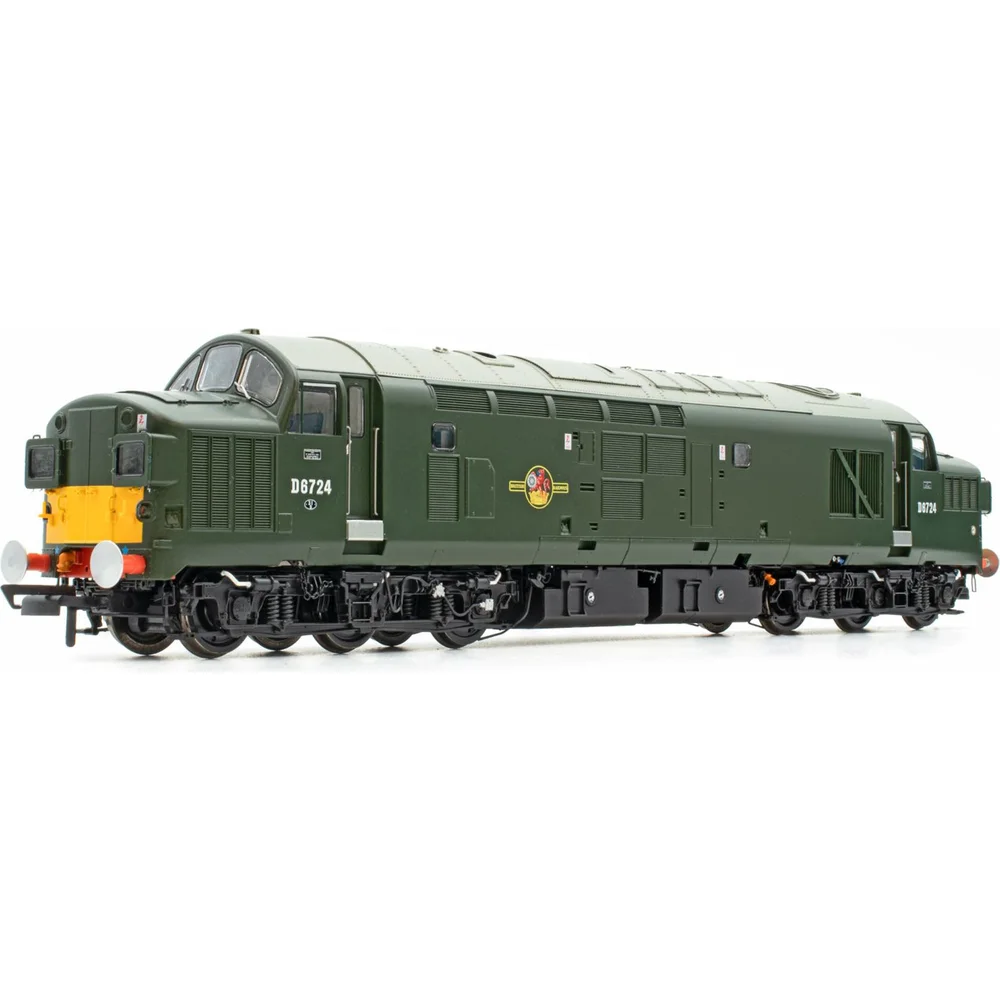
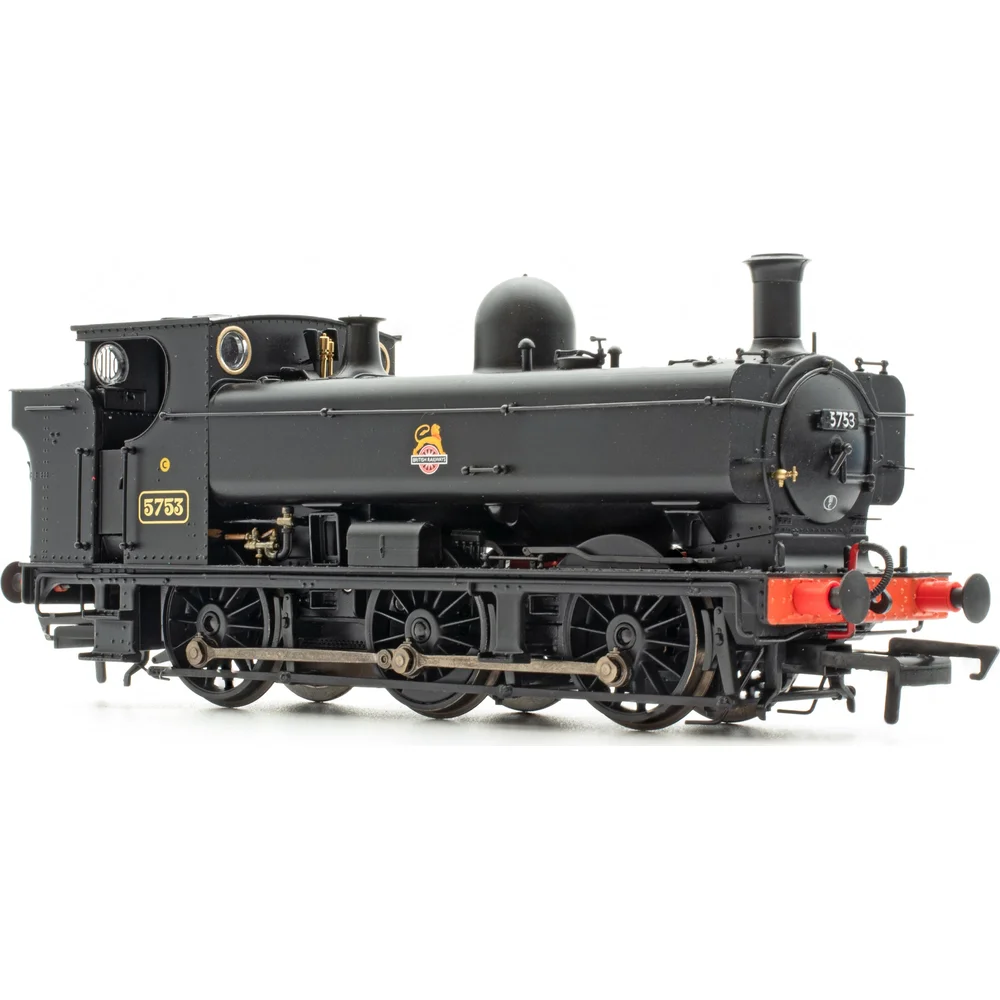
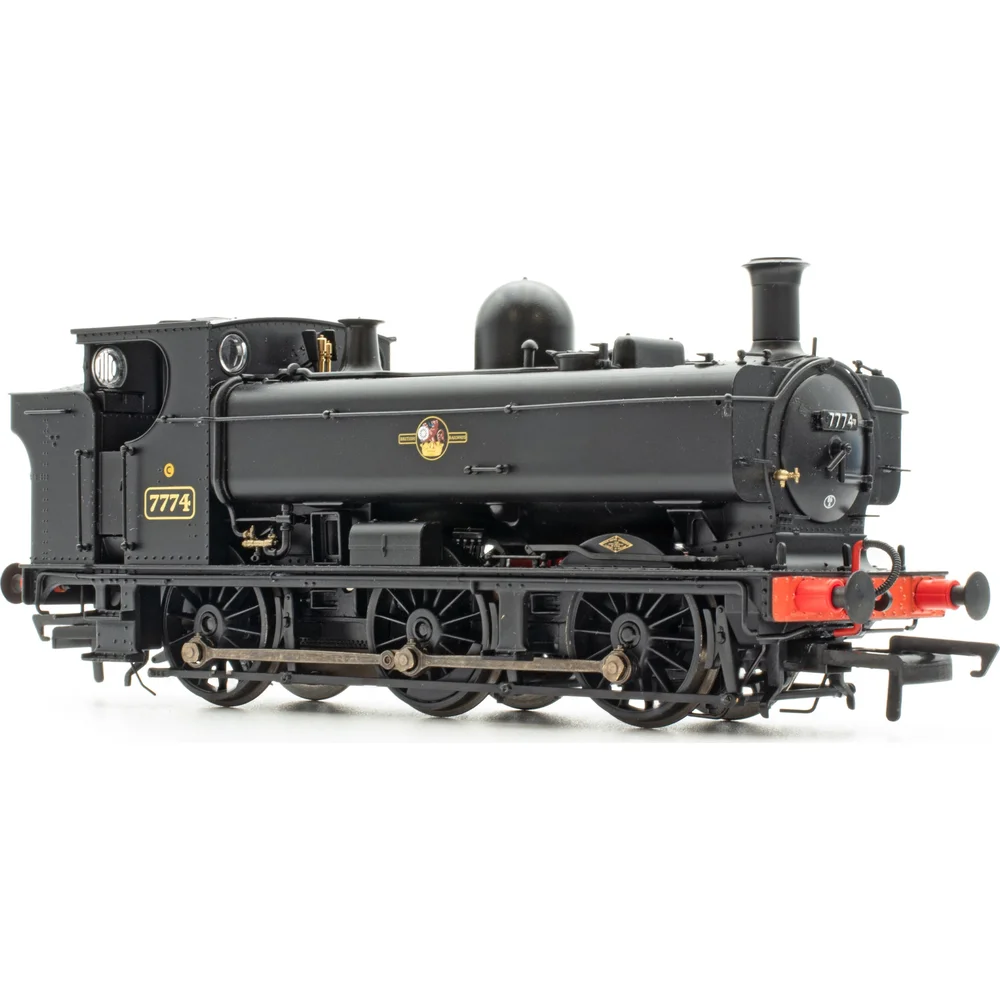
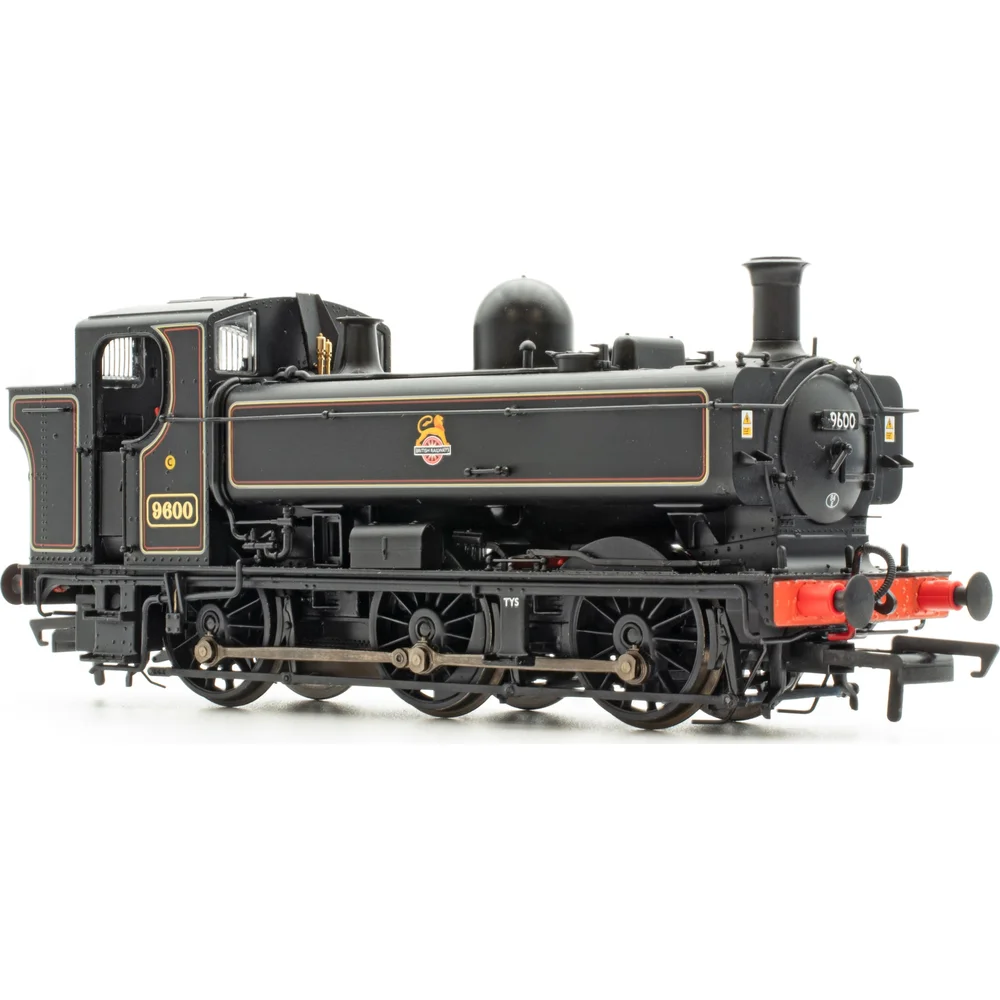
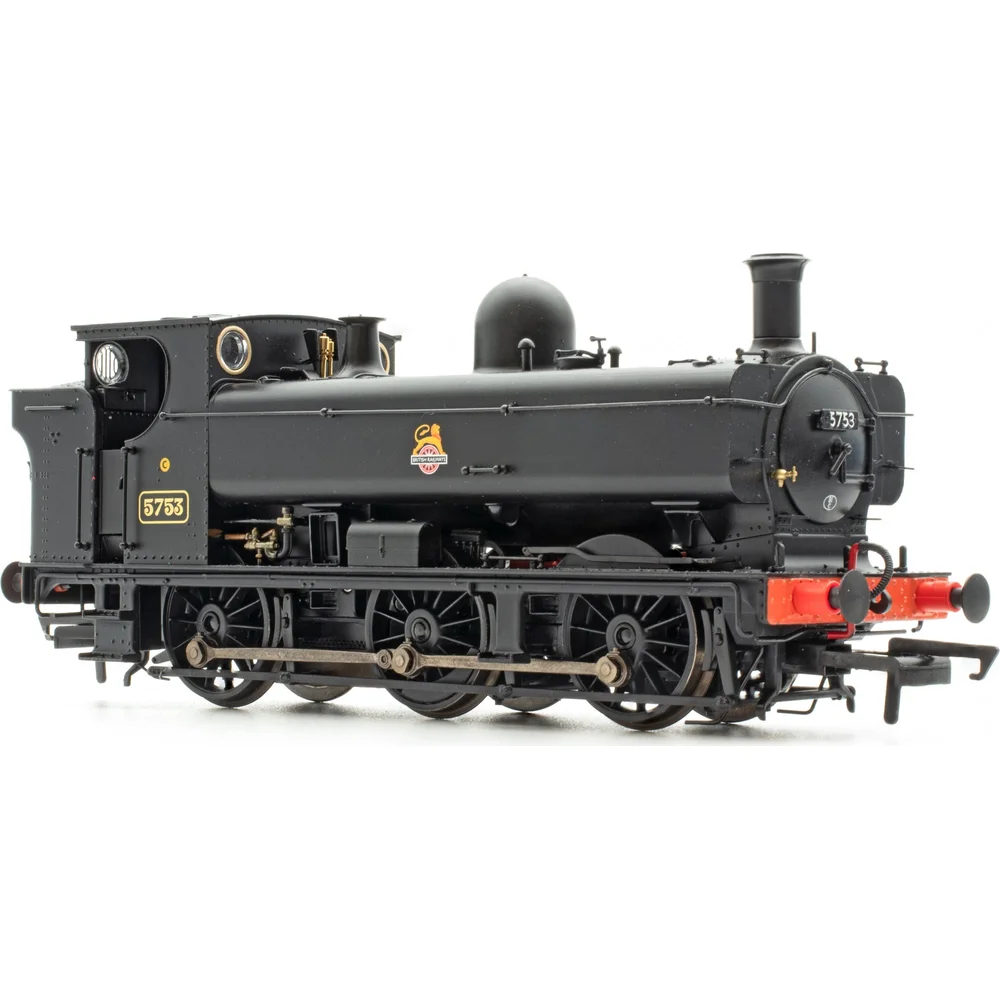
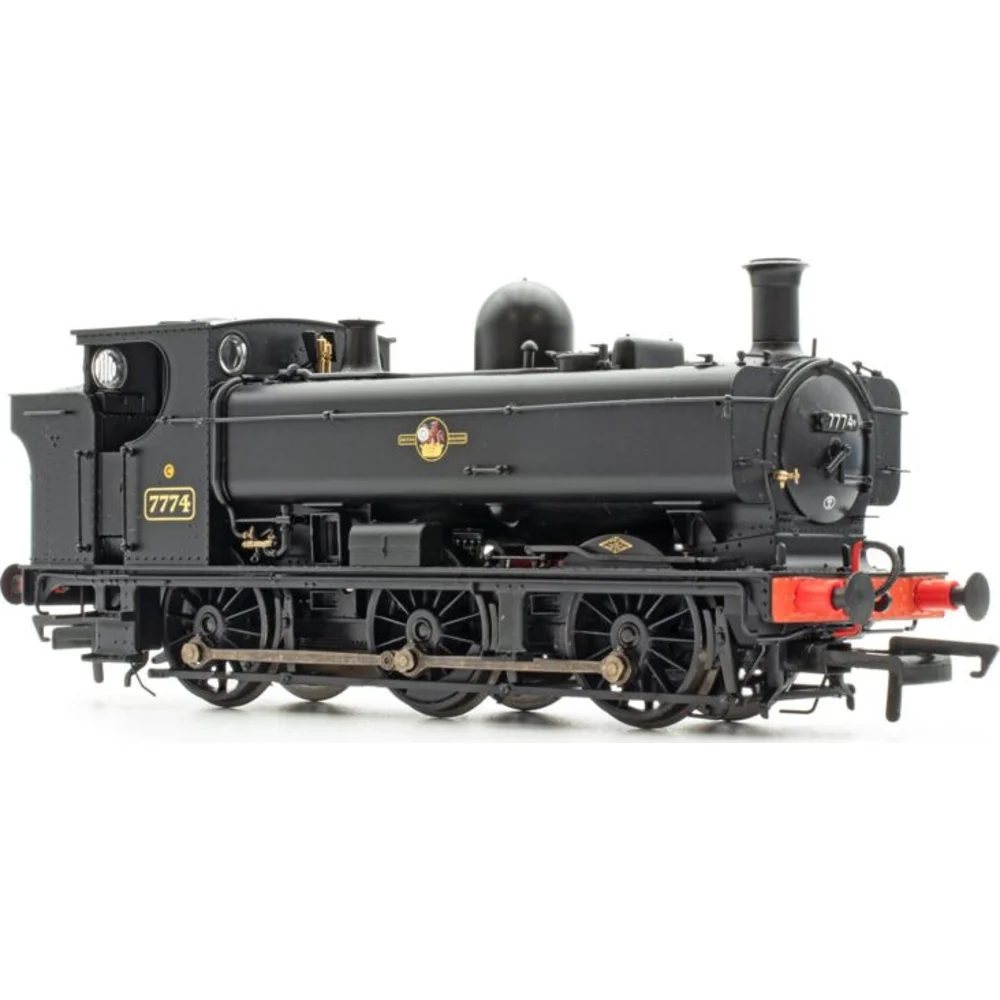
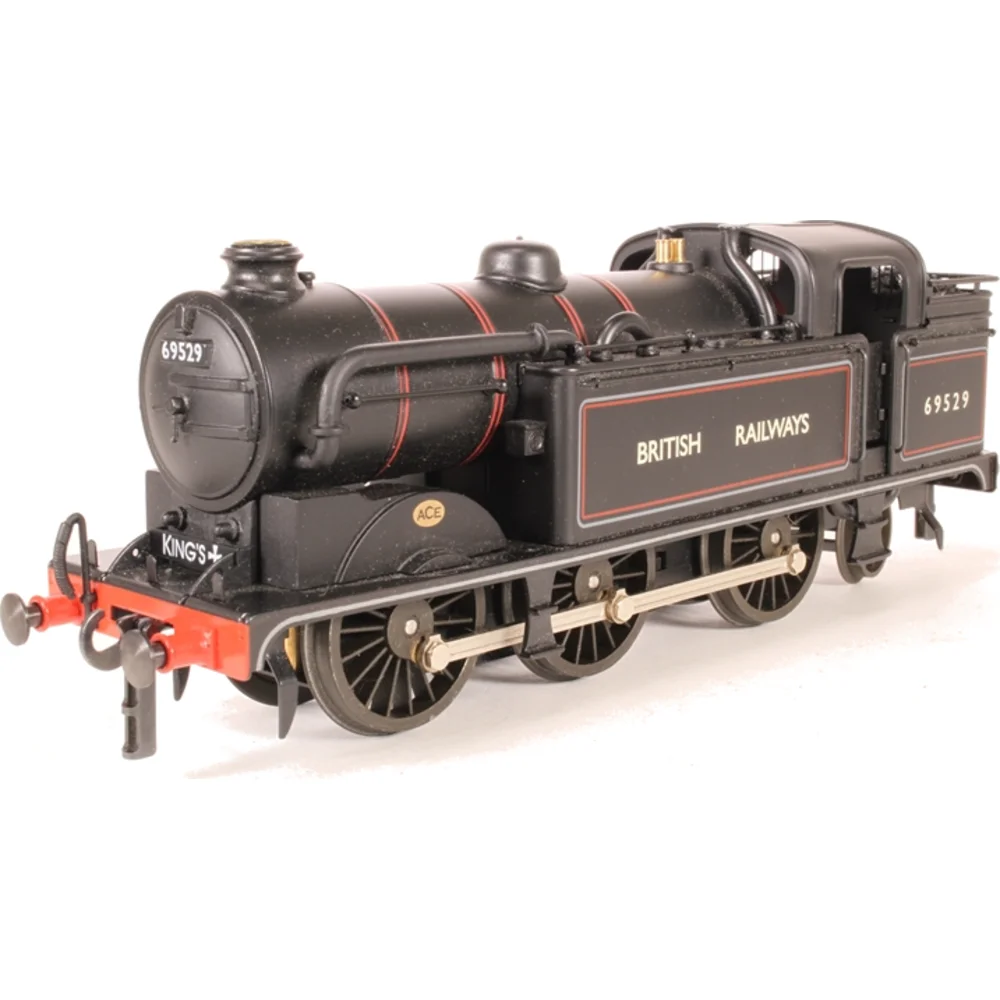
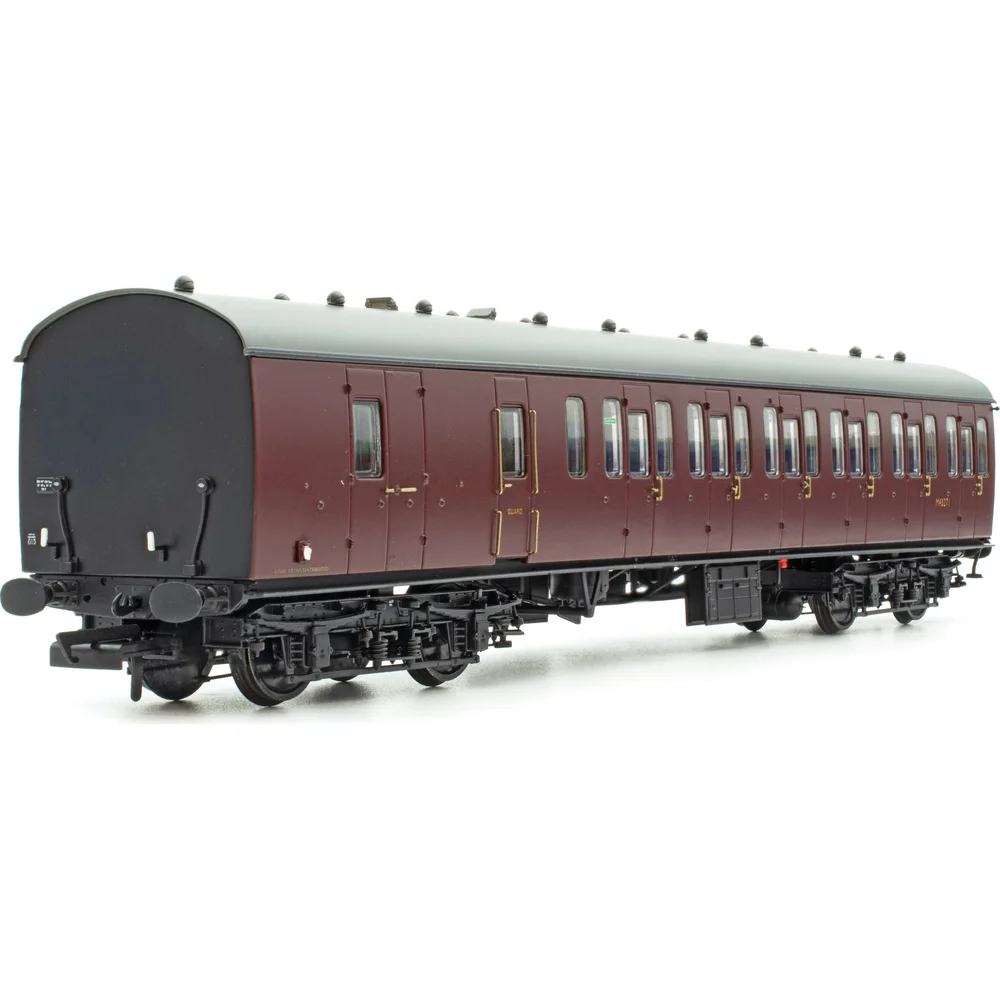
British Railways represents one of the most significant chapters in railway history, transforming Britain's fragmented rail network into a unified national system. From its formation on 1st January 1948 through the Transport Act 1947, British Railways operated as the state-owned entity responsible for most rail transport across Great Britain until it was rebranded as British Rail in 1965. This comprehensive guide explores the fascinating world of British Railways, offering railway enthusiasts and model railway hobbyists essential insights into locomotives, operations, and the remarkable legacy of the BR era.
Quick Takeaways
- Nationalisation milestone: British Railways was formed on 1st January 1948, unifying the Big Four railway companies under state ownership
- Regional structure: Initially organised into six regions based on the former Big Four companies' operational areas
- Locomotive revolution: Introduced 999 BR Standard locomotives between 1951-1960, representing Britain's most advanced steam designs
- Classification system: Adopted the LMS power classification method, creating a unified locomotive categorisation across the network
- Modernisation drive: The 1955 Modernisation Plan marked the beginning of diesel and electric traction replacing steam
- Modelling legacy: BR era models remain amongst the most popular subjects for railway enthusiasts in OO, N, and O gauges
- Corporate identity: Established distinctive branding including the "Lion and Wheel" crest and standardised liveries
The Birth of British Railways: From Big Four to Unified Network
The creation of British Railways in 1948 marked the culmination of decades of political debate about railway nationalisation. Following World War II, Britain's railway infrastructure was worn and fragmented, operated by the Big Four railway companies: the Great Western Railway (GWR), London and North Eastern Railway (LNER), London, Midland and Scottish Railway (LMS), and Southern Railway (SR). The Transport Act 1947, championed by Clement Attlee's Labour government, brought these companies under state control as part of broader nationalisation policies.
The British Transport Commission (BTC) assumed operational control, with the Railway Executive managing day-to-day operations under the British Railways brand. This represented more than administrative reorganisation—it created opportunities for standardisation and modernisation that individual companies had struggled to achieve. Railway enthusiasts will appreciate that this period saw the introduction of unified locomotive numbering schemes, standardised classification systems, and coordinated timetabling across the network.
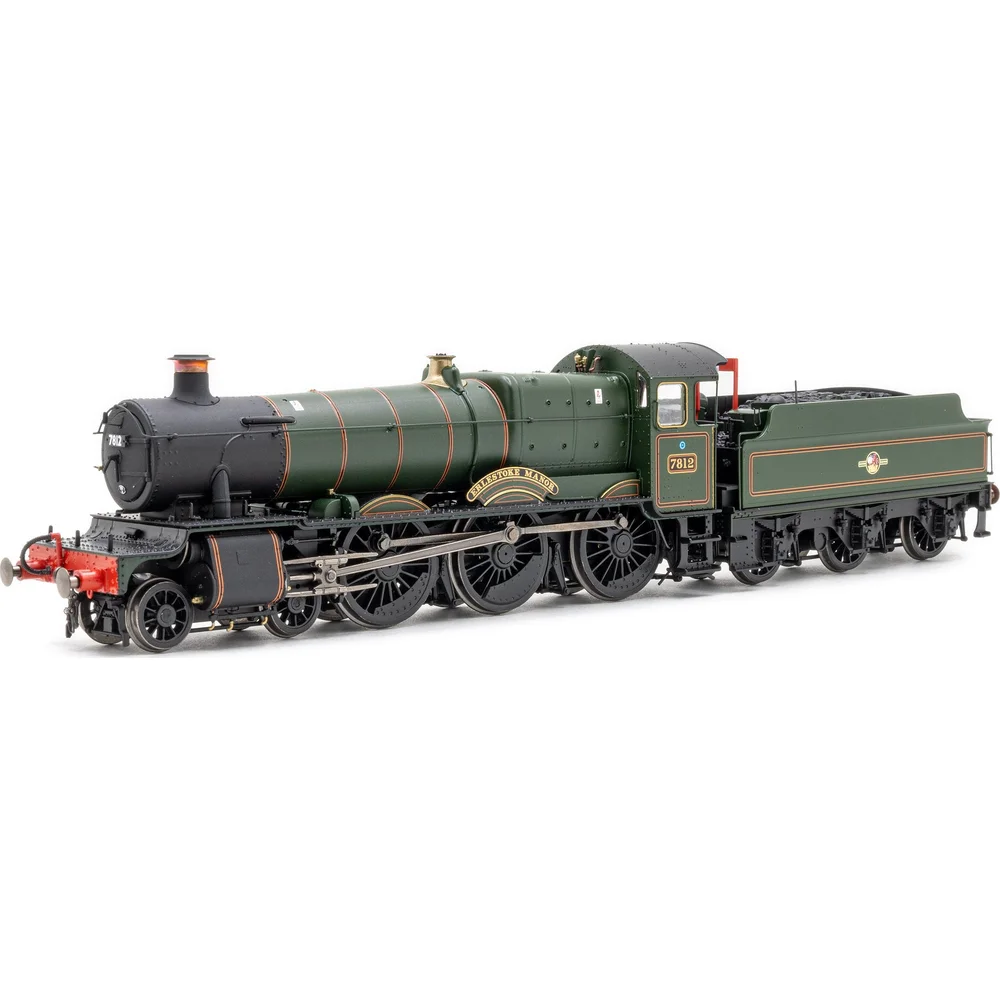
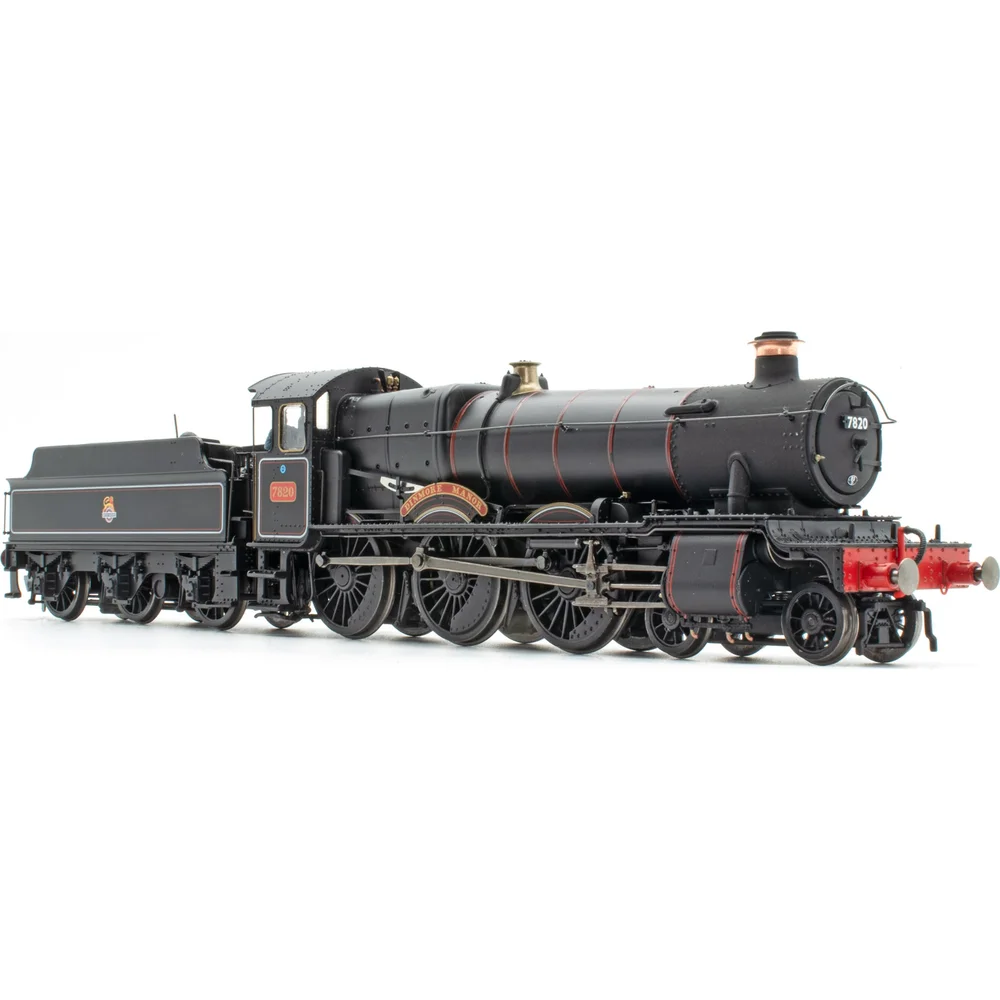
For model railway hobbyists, the transition period offers fascinating opportunities to recreate mixed operations. You'll find locomotives from all four constituent companies working alongside newly-introduced BR Standard designs, creating authentic variety that captures the essence of early nationalisation. The period between 1948-1951 is particularly rewarding for modellers, as inherited locomotives retained their original liveries whilst gradually receiving BR numbers and classifications.
Insider tip: The most authentic BR layouts from this era feature a mix of pre-grouping and Big Four locomotives alongside early BR coaching stock, reflecting the gradual standardisation process that took several years to complete.
British Railways Regional Structure and Operations
British Railways initially divided operations into six geographical regions, later consolidated to five: Western, Southern, London Midland, Eastern, North Eastern, and Scottish (the North Eastern was later merged with the Eastern to form the Eastern Region). Each region maintained distinct operational characteristics inherited from their predecessor companies, creating a fascinating diversity that railway enthusiasts can explore through modelling and historical study.
The Western Region, based on the former GWR, retained much of Brunel's engineering legacy and continued operating broad gauge remnants until complete standardisation. The Southern Region maintained its electric third-rail network, whilst the London Midland Region became the testing ground for many experimental diesel designs. Understanding these regional differences is crucial for accurate period modelling, as each area developed distinctive operational practices and locomotive allocation patterns.
Regional workshops became centres of innovation during the British Railways era. Crewe Works (London Midland), Doncaster Works (Eastern), Swindon Works (Western), Derby Works (London Midland), and Brighton Works (Southern) each contributed to the BR Standard locomotive programme, incorporating their inherited engineering expertise. Model railway enthusiasts will find that understanding these workshop traditions helps explain design variations and regional preferences visible in locomotive details.
The British Transport Commission Police (BTCP), formed in 1949, provided unified security across the network, replacing the separate railway police forces of the Big Four companies. This integration extended to signalling systems, telecommunications, and operational procedures, gradually creating the unified railway network that had eluded private enterprise.
Historical insight: The regional structure wasn't merely administrative—it reflected genuine operational differences that had evolved over decades. These variations created the rich tapestry of British railway operations that makes the BR era so compelling for enthusiasts.
BR Standard Locomotives: Engineering Excellence in Steam's Final Chapter
Between 1951 and 1960, British Railways constructed 999 locomotives to its own standardised designs, representing the pinnacle of British steam engineering. These BR Standard locomotives incorporated the best features from all four predecessor companies, enhanced by contemporary European and American developments. Under the direction of Robert Riddles, the programme created twelve distinct classes ranging from the diminutive Class 2 2-6-0s to the mighty Class 9F 2-10-0 freight engines.
The BR power classification system, adapted from LMS practice, provided logical categorisation from 0F (lightest freight) to 9F (heaviest freight) and 0P to 8P for passenger duties. This system enabled railway enthusiasts and modellers to understand locomotive capabilities at a glance. The famous 9F class, exemplified by 92220 *Evening Star*, demonstrated remarkable versatility, hauling both heavy freight and express passenger services with equal distinction.
Distinctive design features of BR Standards included taper boilers, high running plates, streamlined cabs, and standardised components that reduced maintenance costs. The programme also introduced new tender designs optimised for different operational requirements. Class 7P *Britannia* Pacifics became synonymous with express passenger services, whilst Class 4 mixed-traffic engines proved incredibly versatile across secondary routes.
For model railway enthusiasts, BR Standards offer exceptional variety within a cohesive design philosophy. Manufacturers like Hornby, Bachmann, and Dapol have produced extensive ranges covering most classes in OO gauge, with growing availability in N and O gauges. The standardised design elements make these locomotives ideal subjects for weathering and detailing projects, as subtle variations between batches and workshops provide scope for authentic customisation.
Modelling insight: Many BR Standards received yellow warning panels in later service, indicating restrictions on certain routes. Adding these details to your models creates authentic timeline progression and demonstrates changing operational requirements during the diesel transition.
Technical Innovation and Development
The BR Standard programme served as a proving ground for numerous technical innovations. Mechanical stokers, roller bearings, self-cleaning smokeboxes, and improved superheating systems were tested across the fleet. These developments, whilst arriving too late to save steam traction, influenced diesel and electric locomotive design throughout the modernisation programme.
Class 8P *Duke of Gloucester*, the sole member of its class, incorporated advanced Caprotti valve gear and represented the ultimate development of British express passenger steam design. For serious enthusiasts, this locomotive demonstrates the technological potential that steam traction possessed, even as political and economic factors drove the transition to diesel power.
Classes
The 1955 Modernisation Plan and Transition to Diesel
The 1955 Modernisation Plan fundamentally altered British Railways' trajectory, prioritising diesel and electric traction over steam locomotive development. This £1.2 billion investment programme promised to transform the railway into a modern, efficient transport system capable of competing with rapidly expanding road transport. The plan's impact on operations, locomotive design, and railway enthusiast interests cannot be overstated.
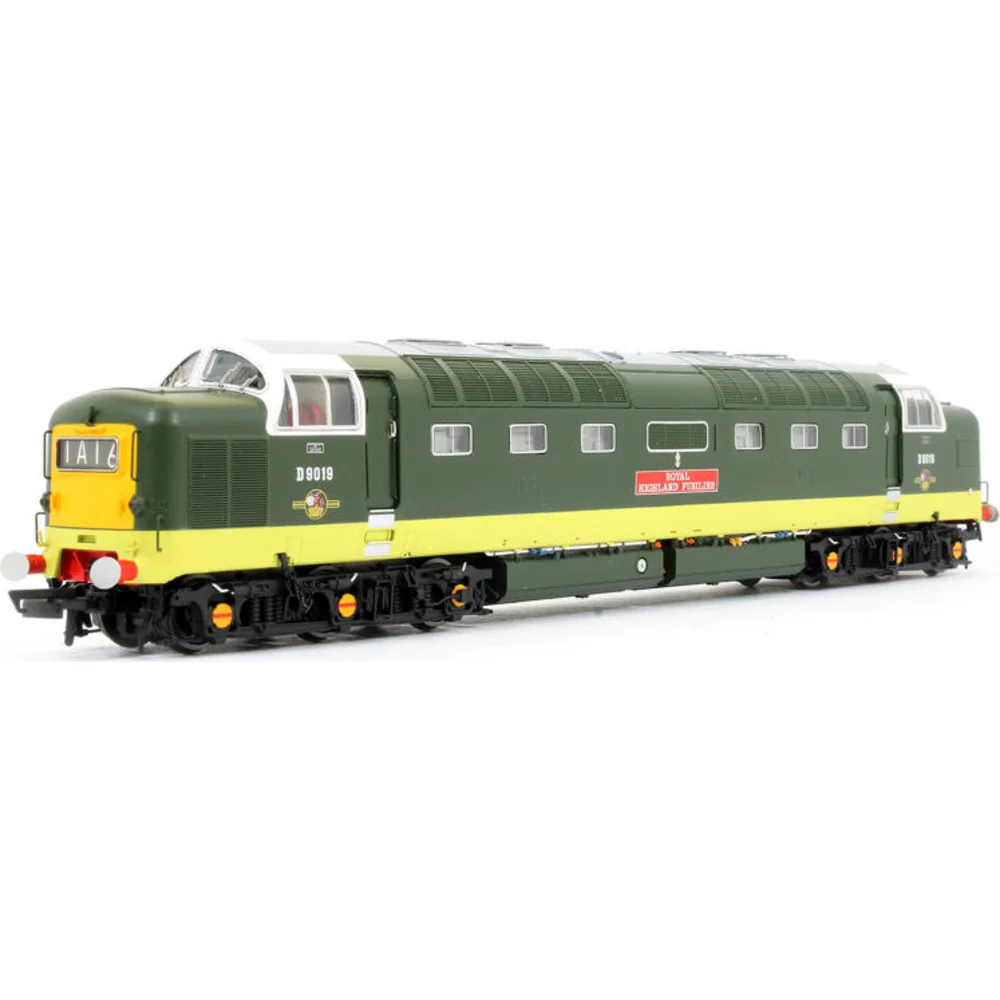
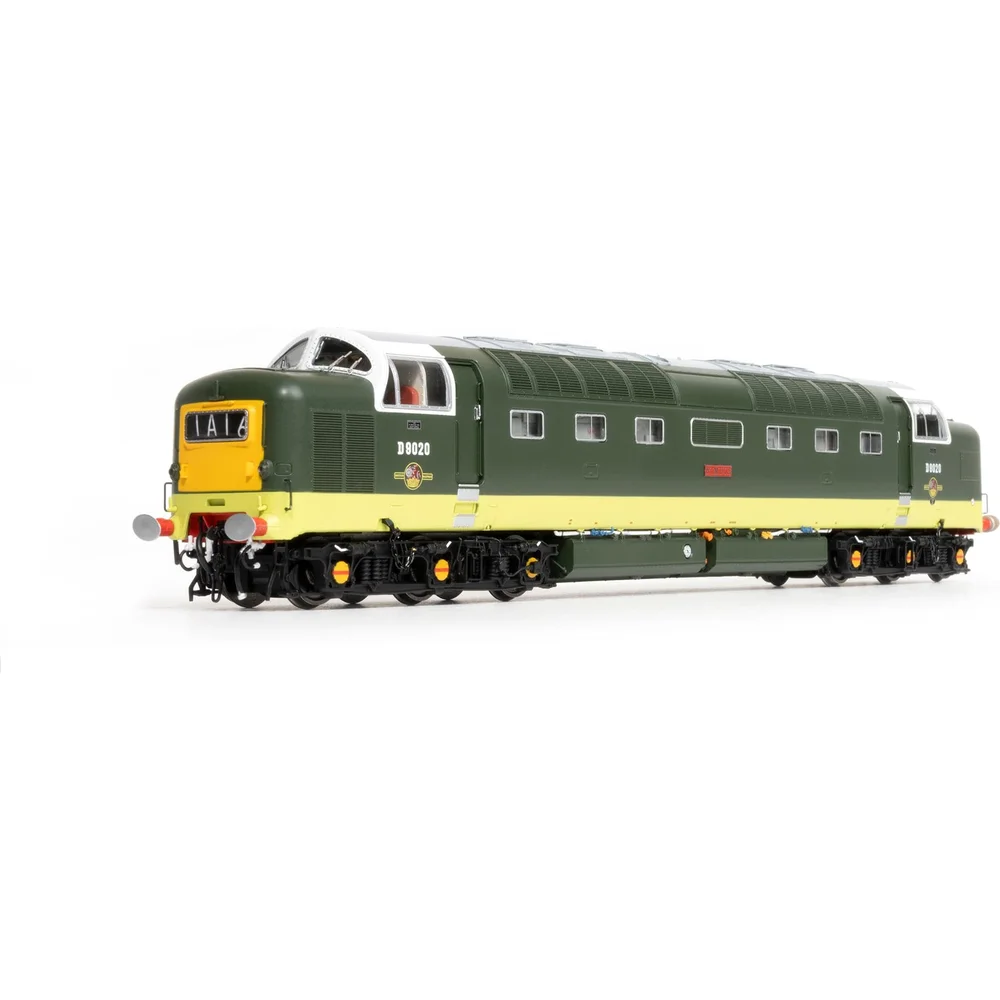
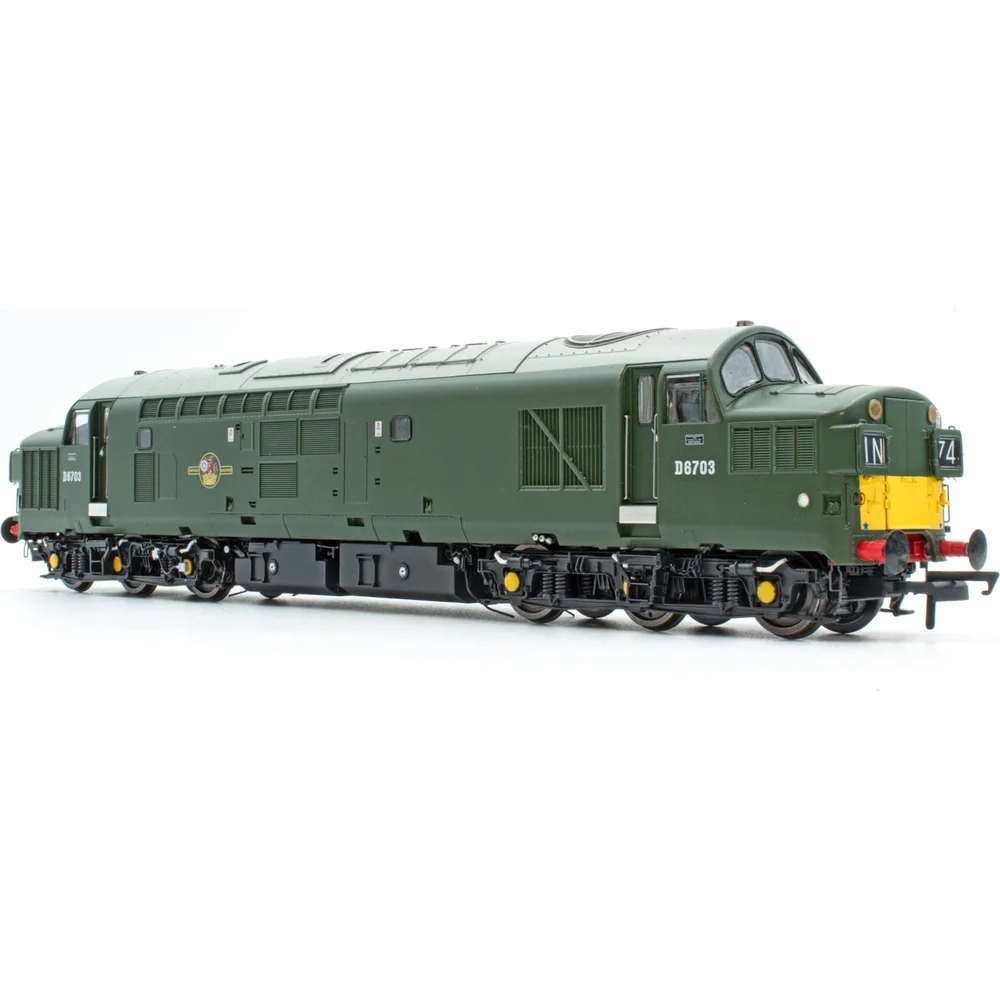
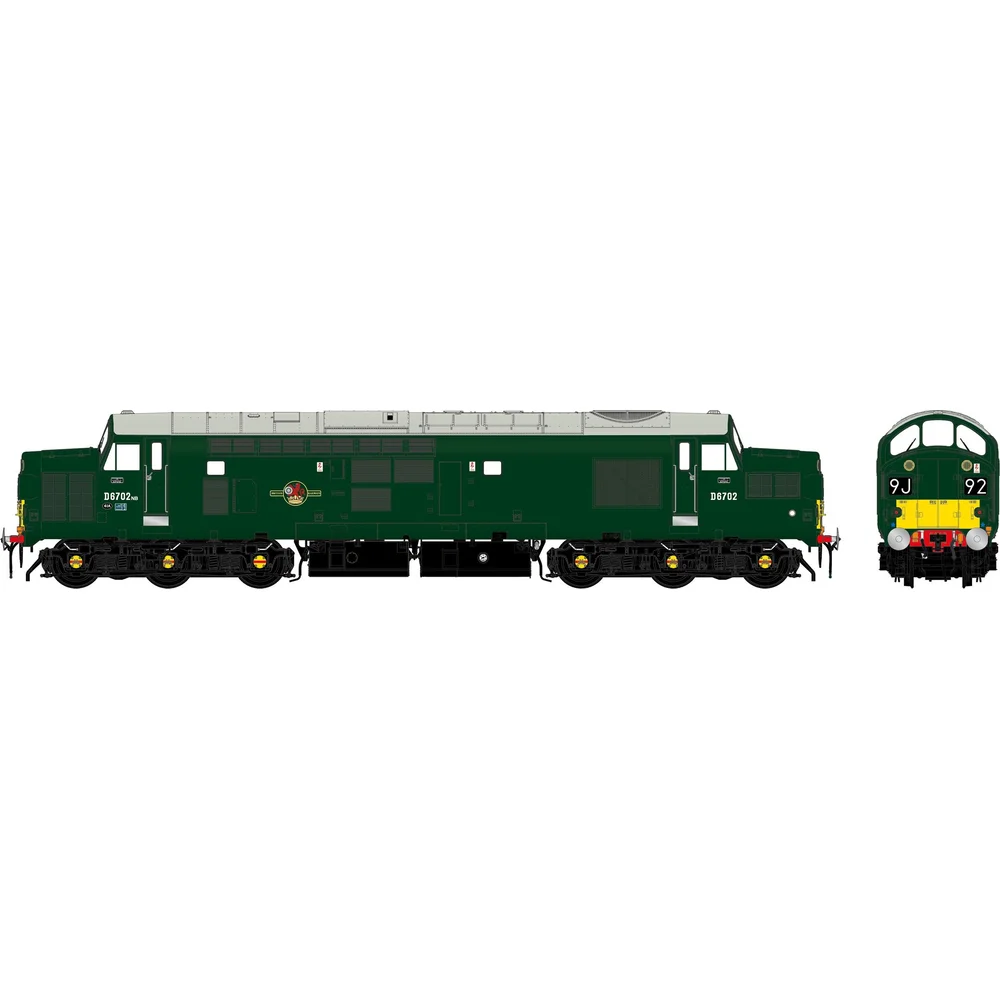
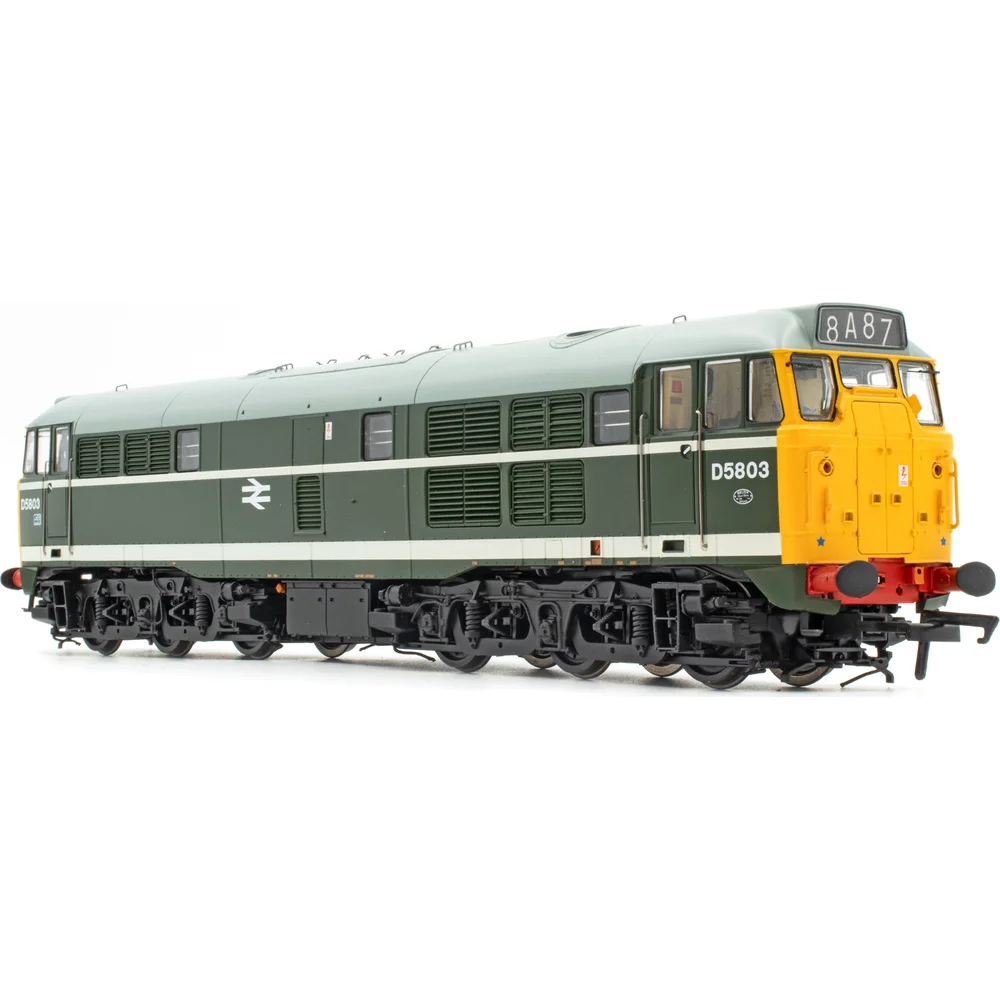
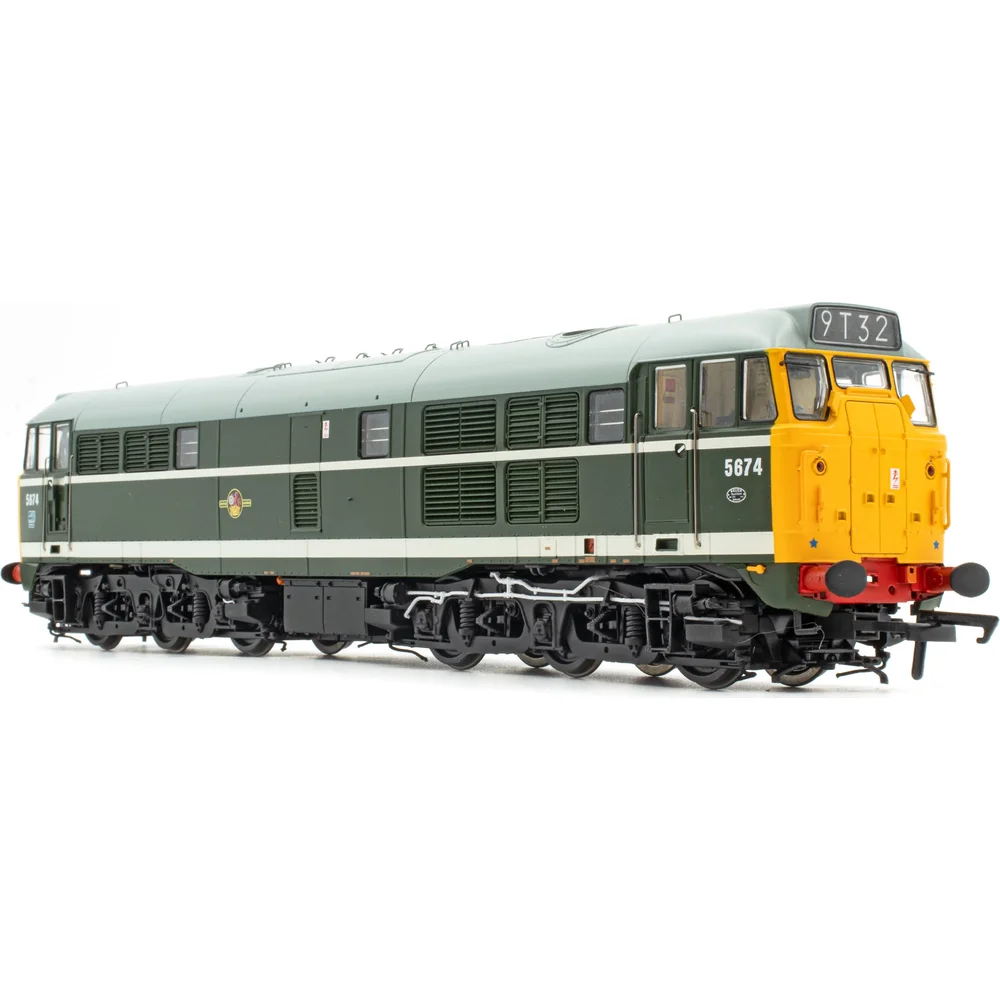
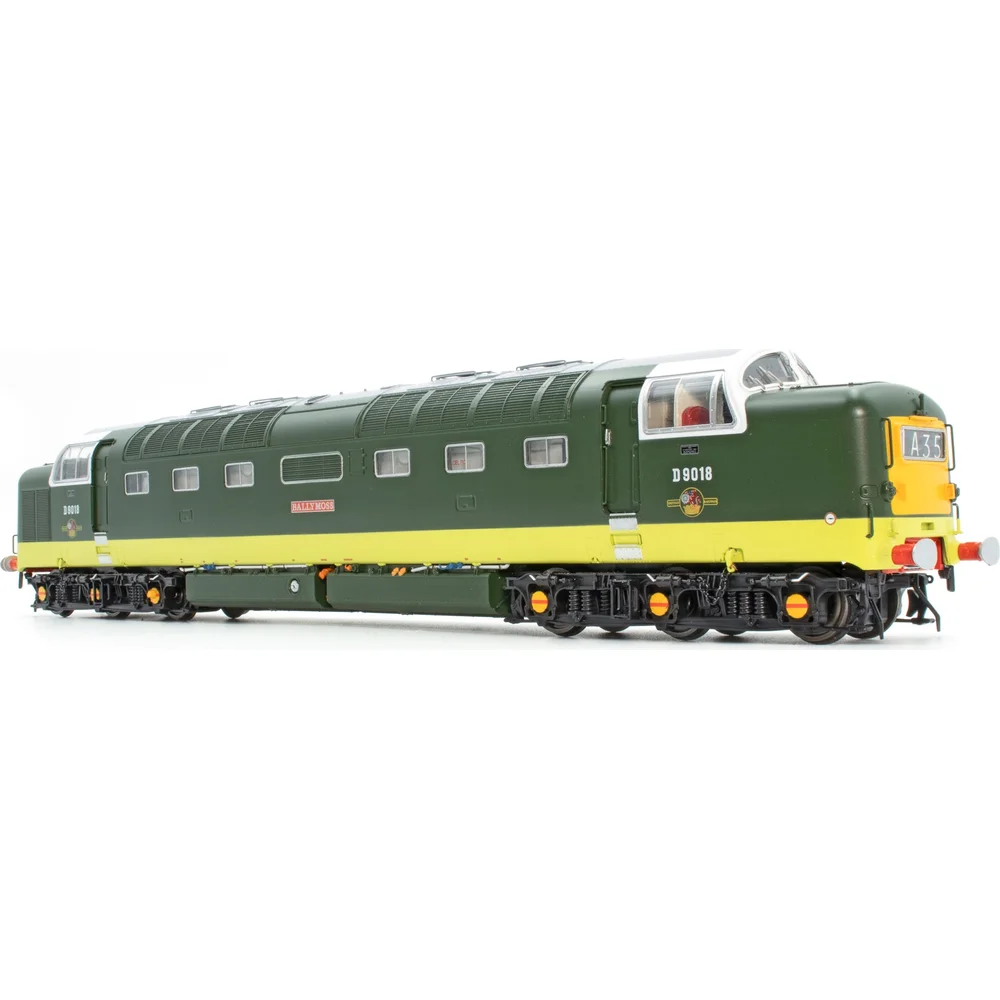
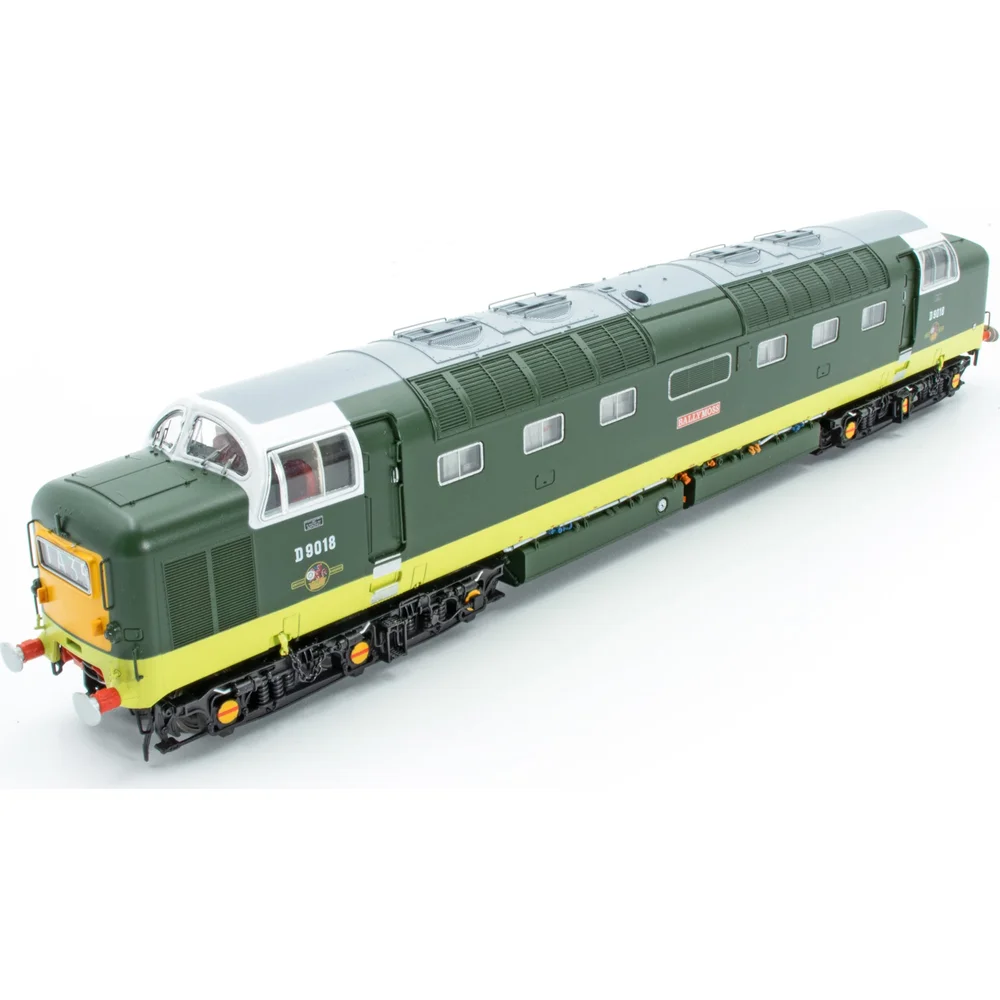
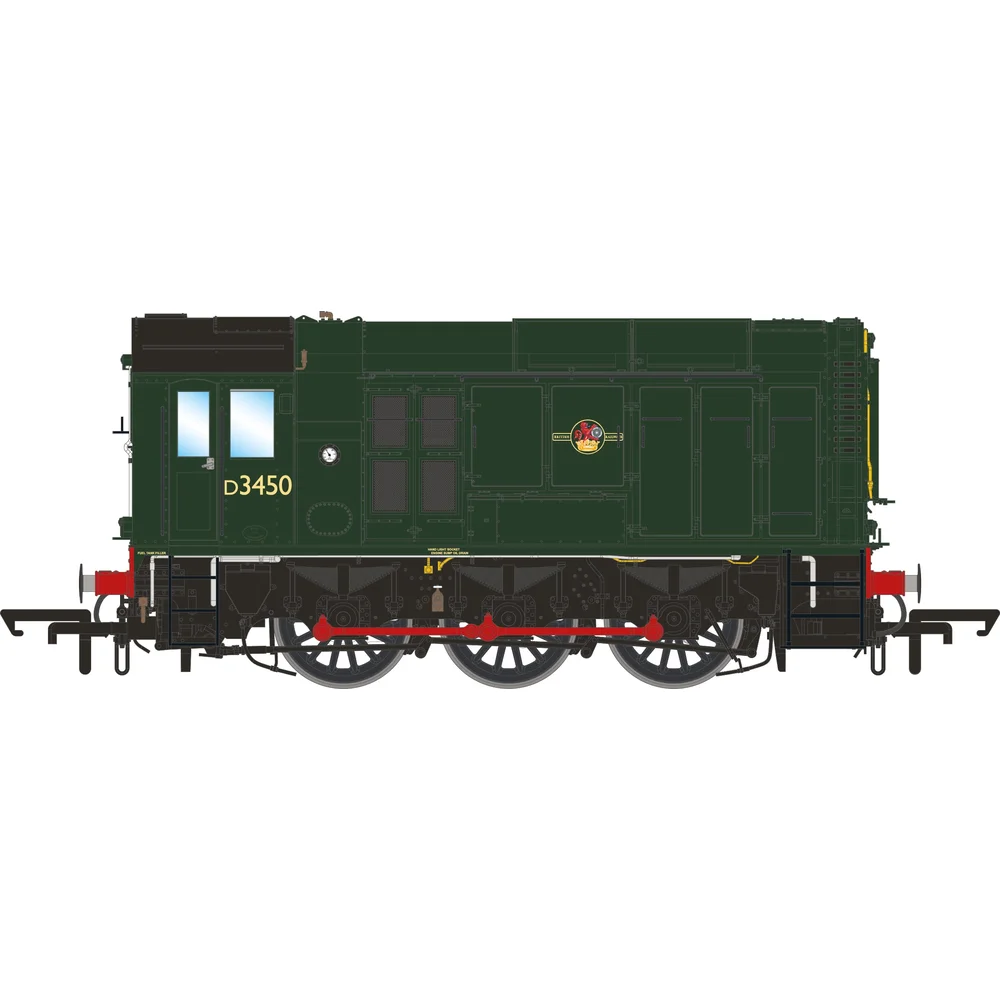
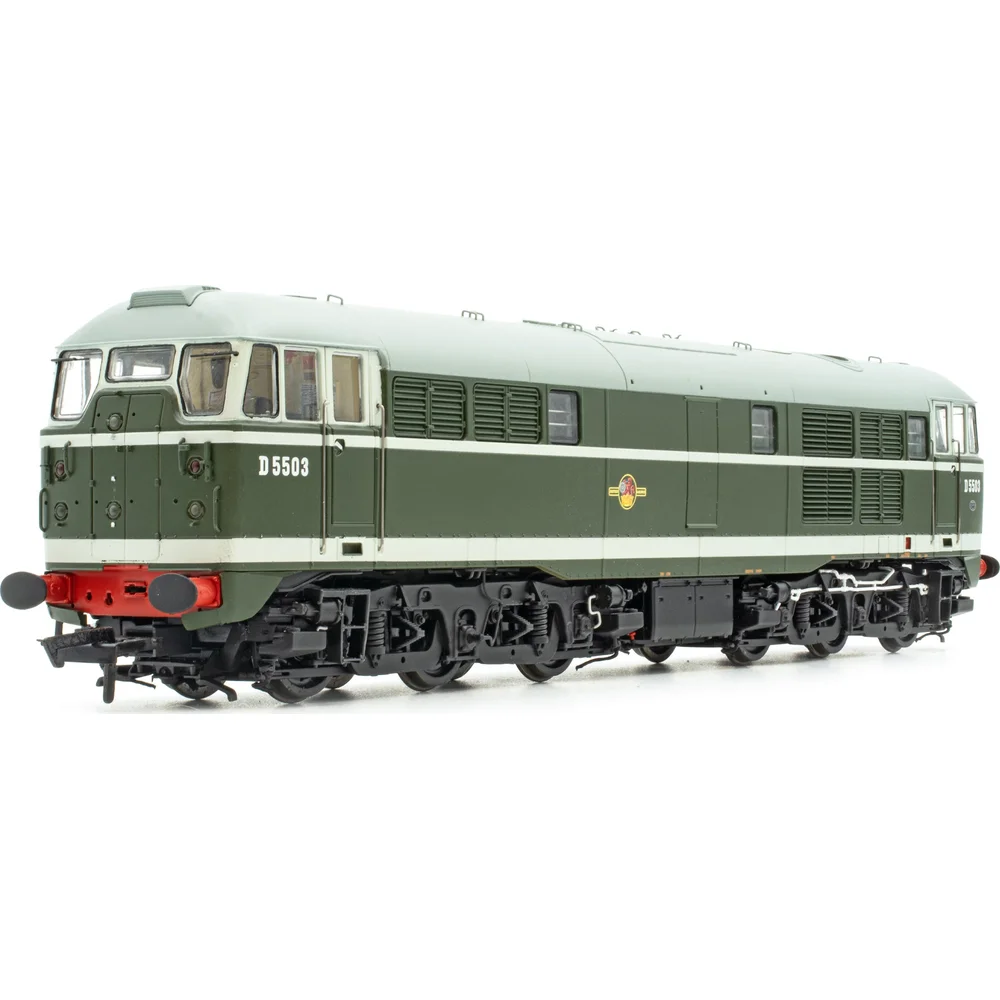
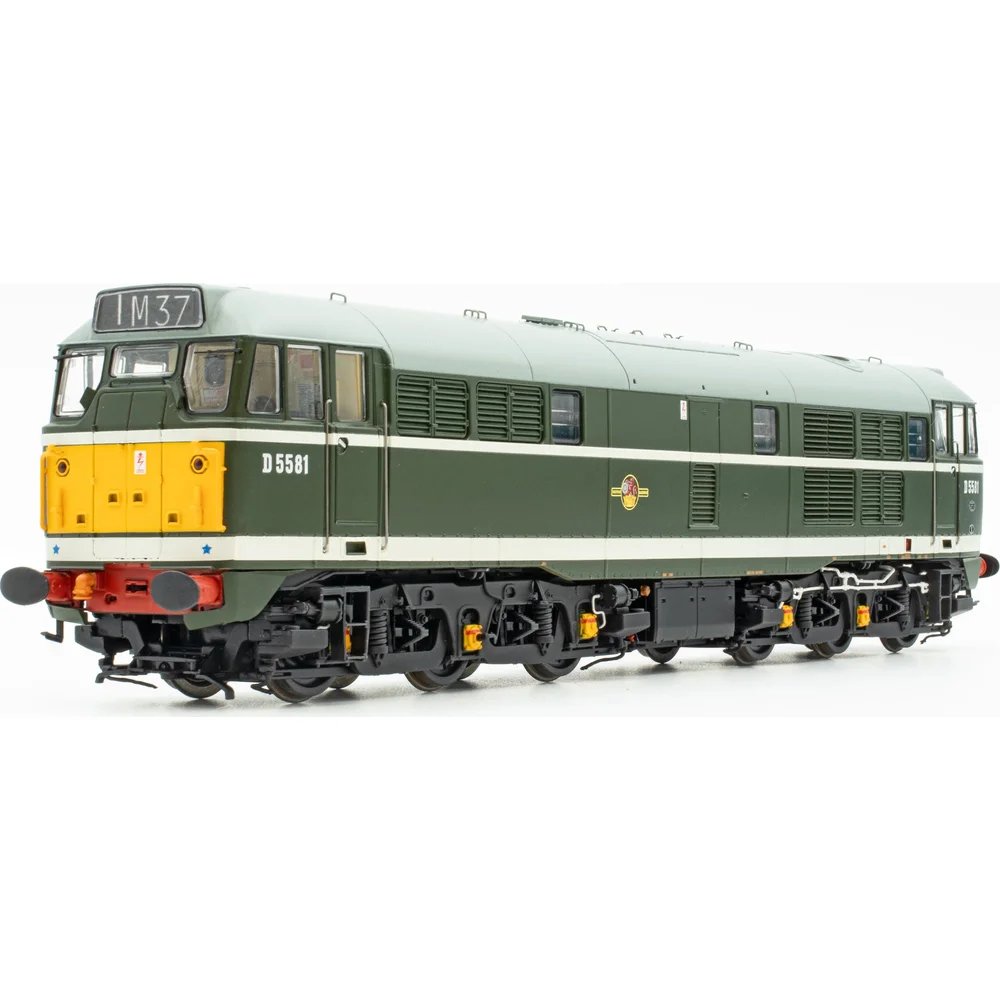
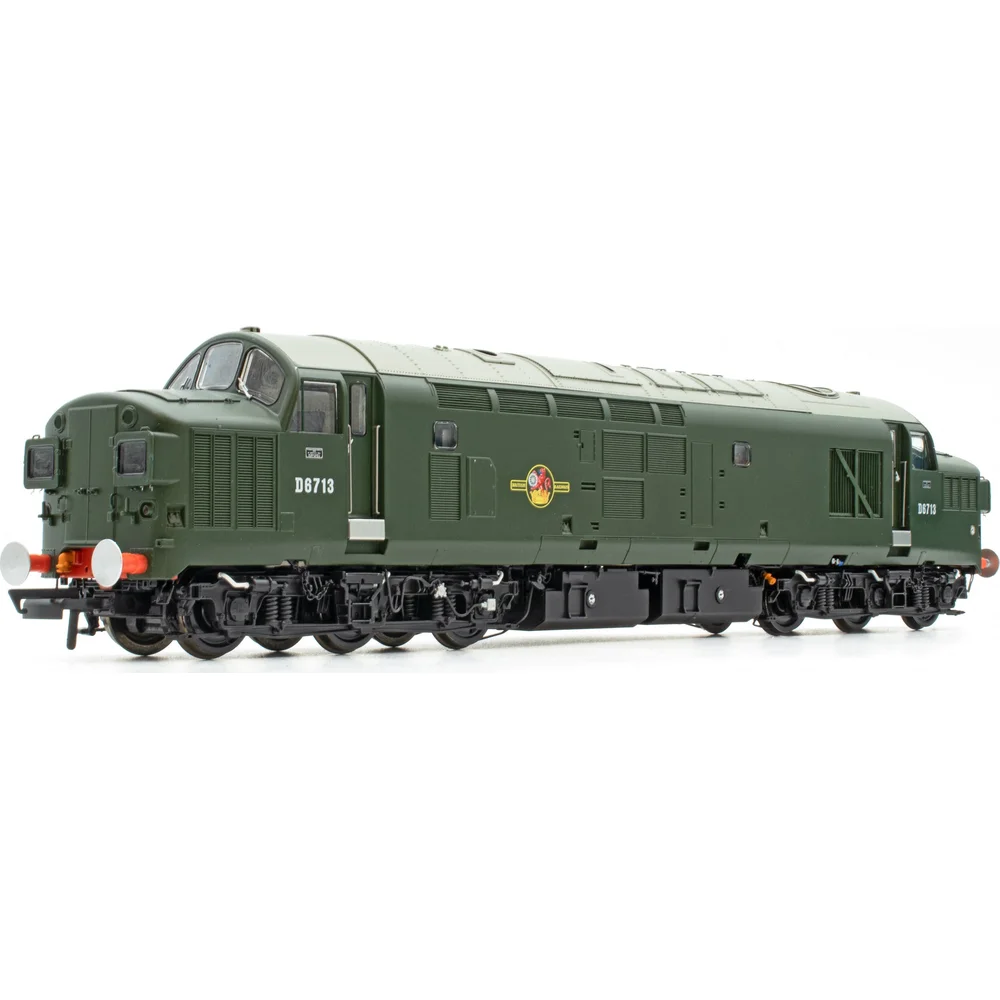
Diesel locomotive development proceeded rapidly, with numerous experimental designs entering service simultaneously. The English Electric Type 4 (later Class 40), Birmingham Railway Carriage and Wagon Type 2 (Class 25/26), and Brush Type 2 (Class 31) represented different approaches to diesel traction. This diversity creates fascinating opportunities for model railway enthusiasts to recreate the experimental atmosphere of the late 1950s and early 1960s.
Electrification programmes expanded beyond the Southern Region's third-rail system, with 25kV AC overhead installation beginning on the West Coast Main Line. The AL1 class (later Class 81) electric locomotives introduced in 1959 demonstrated the future direction of main line traction. Understanding these technical developments helps enthusiasts appreciate the complexity of the modernisation process.
The transition period witnessed unprecedented locomotive diversity. Steam, diesel, and electric traction operated alongside each other, creating complex operational scenarios that challenge modellers to recreate authentic mixed traction scenes. Locomotive numbering schemes evolved to accommodate new traction types, with diesel locomotives receiving 'D' prefixes and electric locomotives 'E' prefixes under the 1957 system.
Technical detail: The TOPS (Total Operations Processing System) introduced in the late 1960s revolutionised locomotive classification, but its development began during the final years of the British Railways era. Understanding this progression helps enthusiasts appreciate the evolution from company-specific systems to unified computerised management.
Corporate Identity and Branding Evolution
British Railways established a distinctive corporate identity that evolved throughout its existence. The initial "Lion and Wheel" crest (1948-1956) featured a lion standing over a spoked wheel, symbolising power and motion. This was succeeded by the "Lion and Crown" crest (1956-1965), depicting a lion holding a wheel within a crown, representing royal authority and mechanical progress.
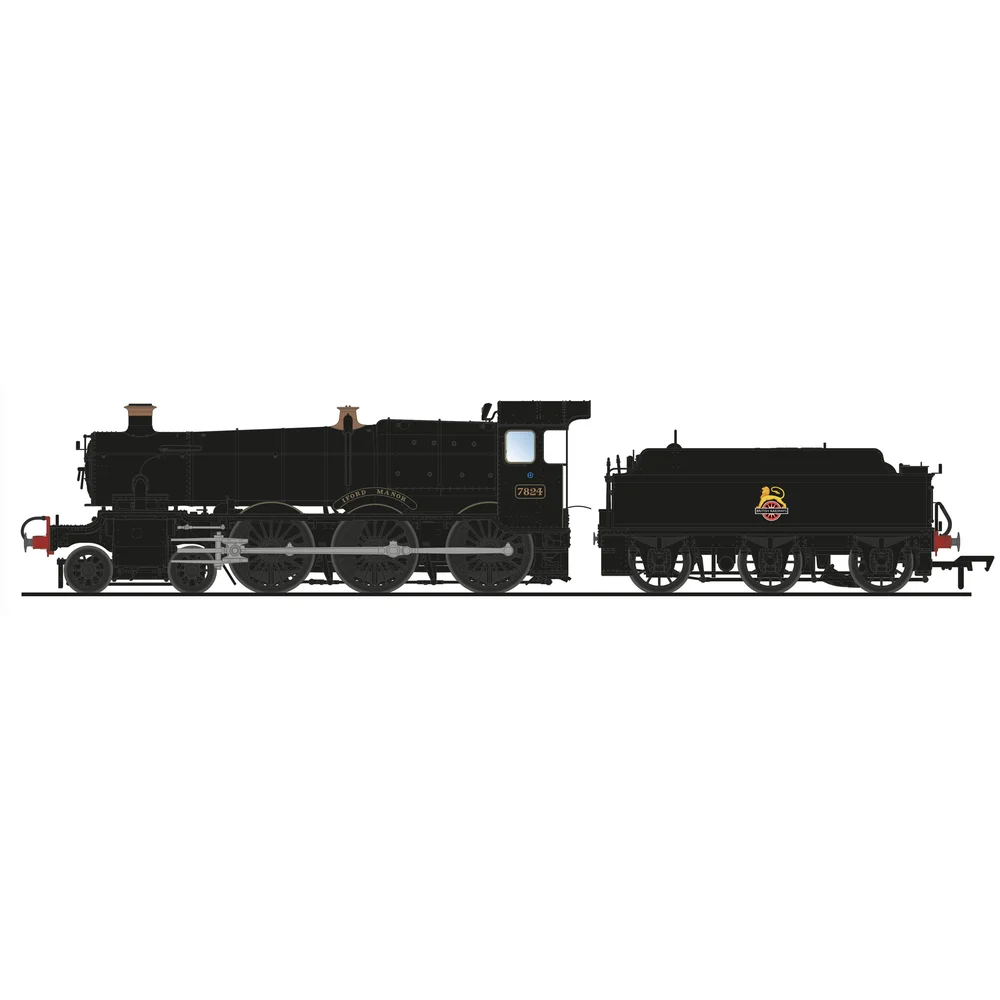
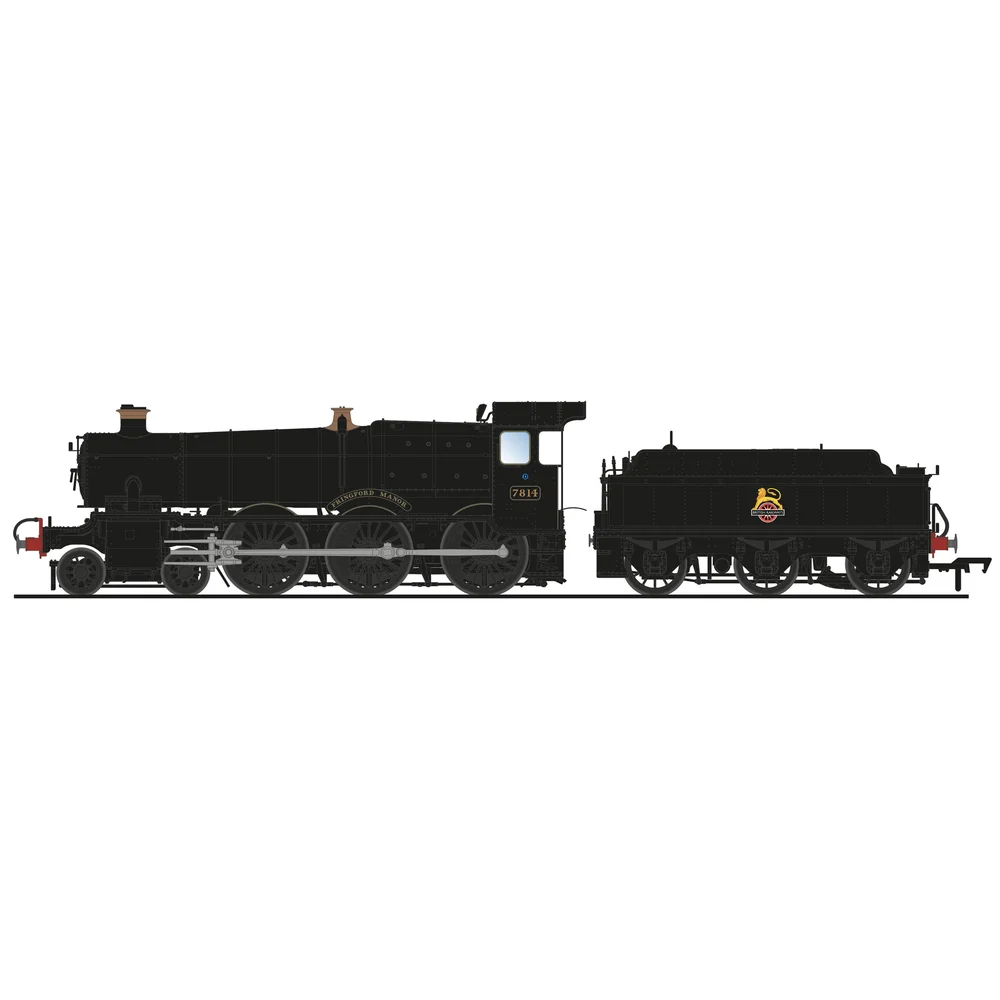
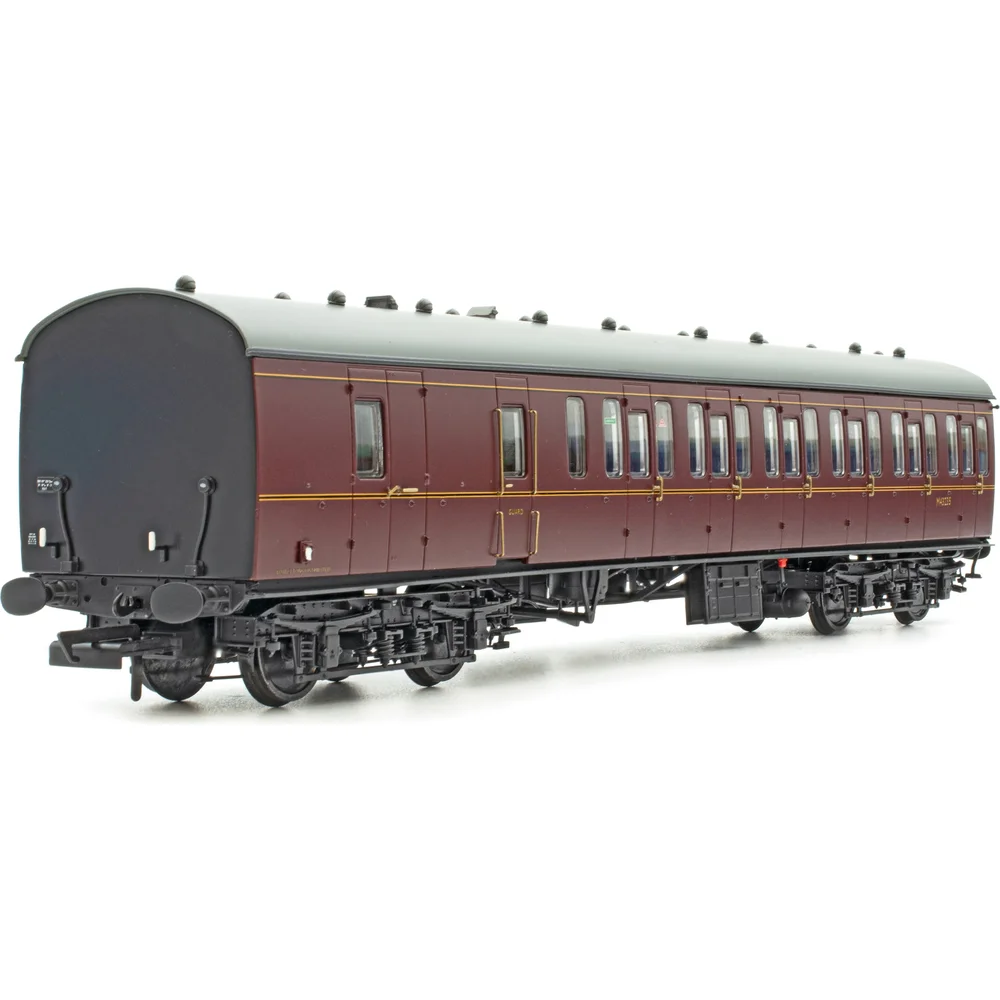
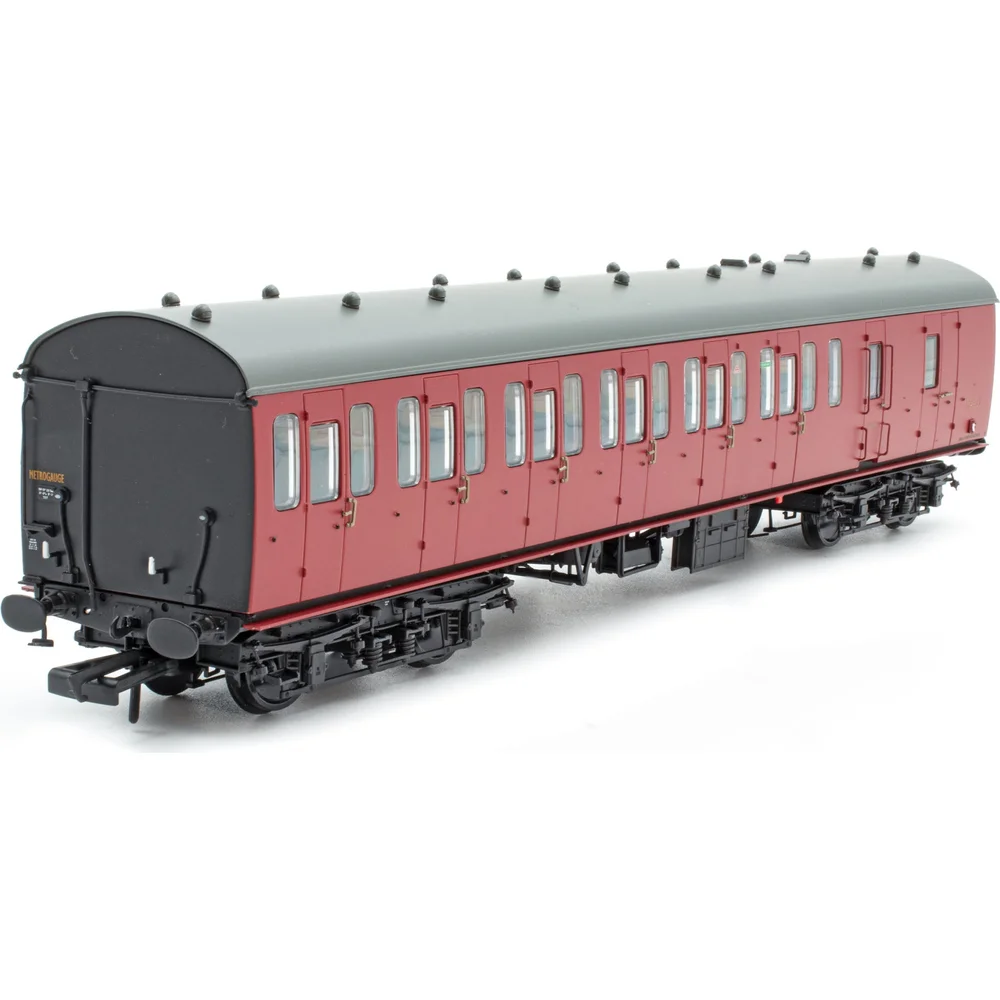
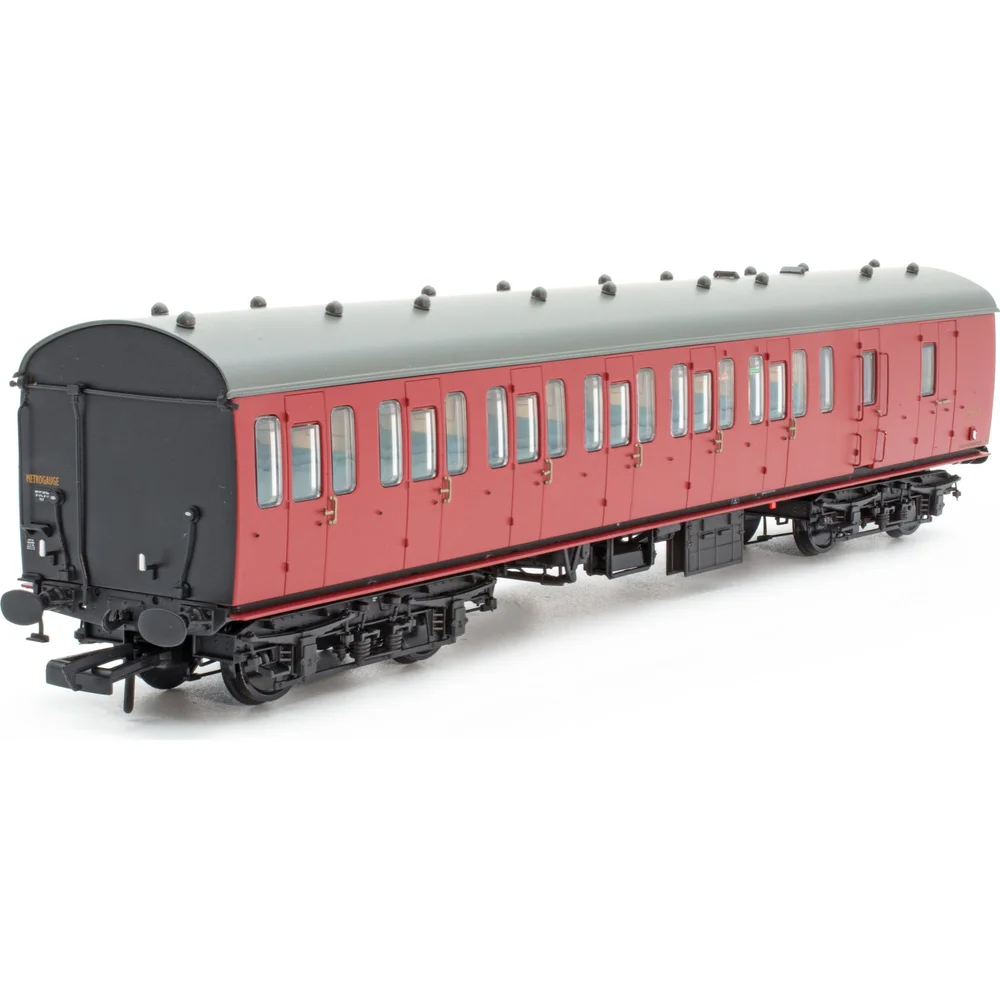
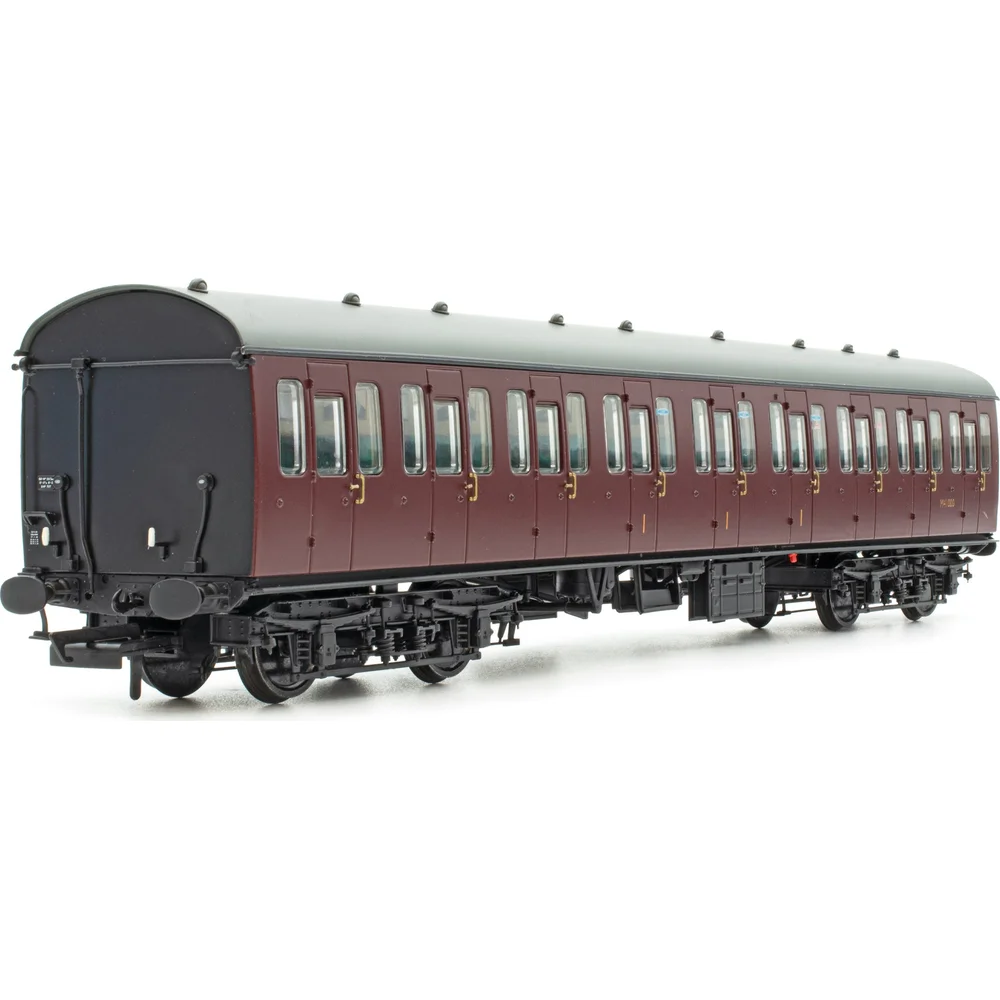
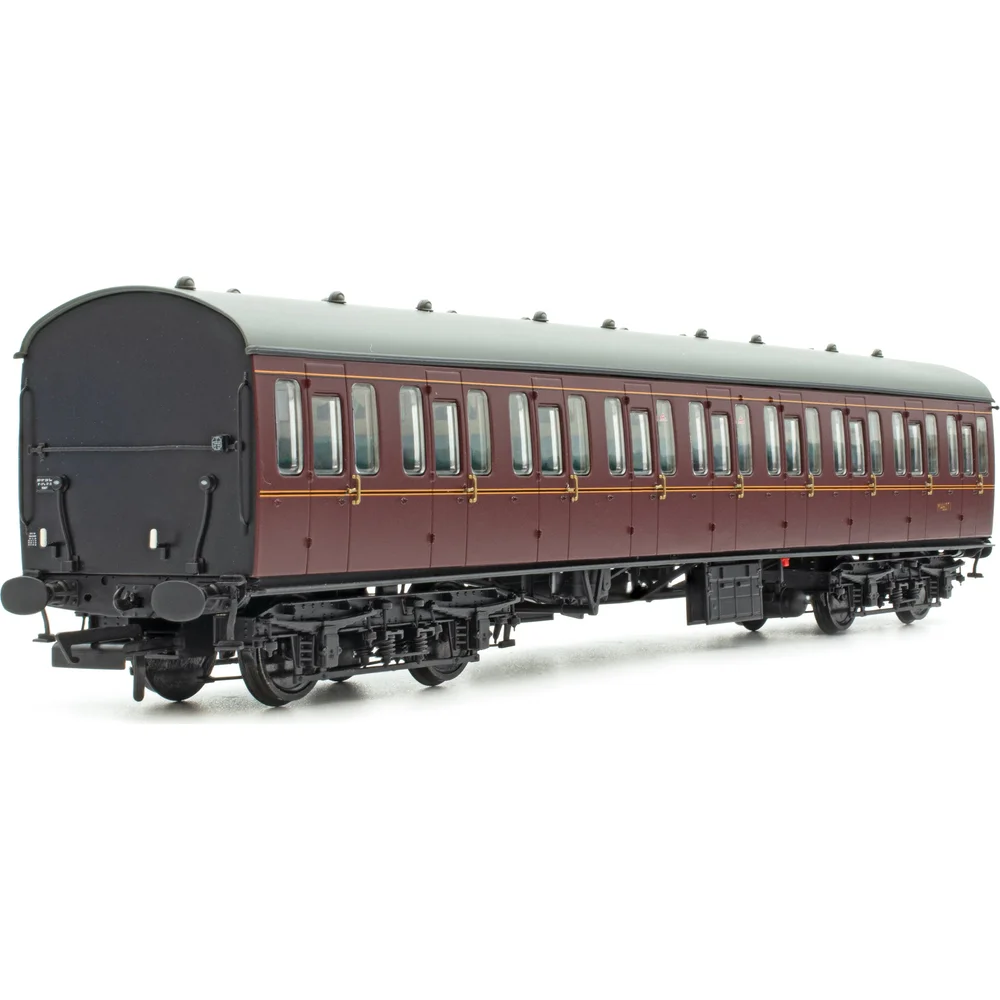
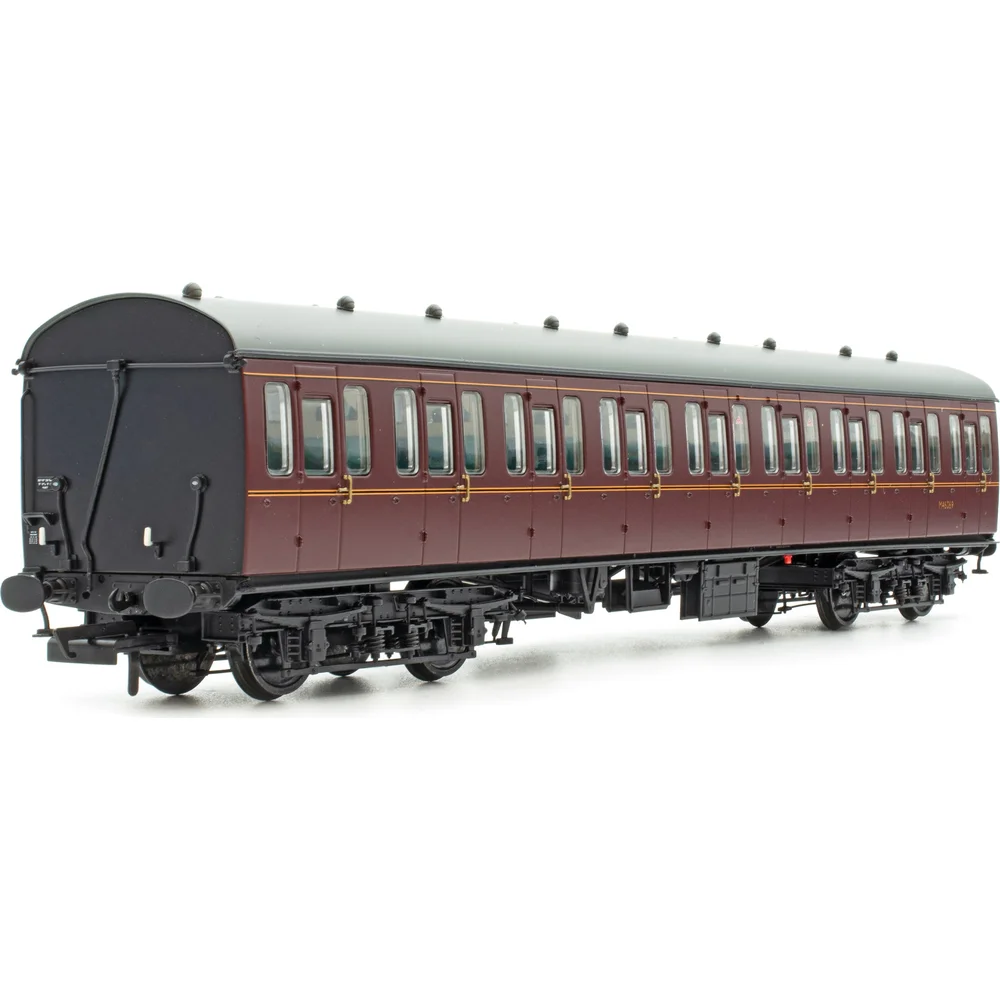
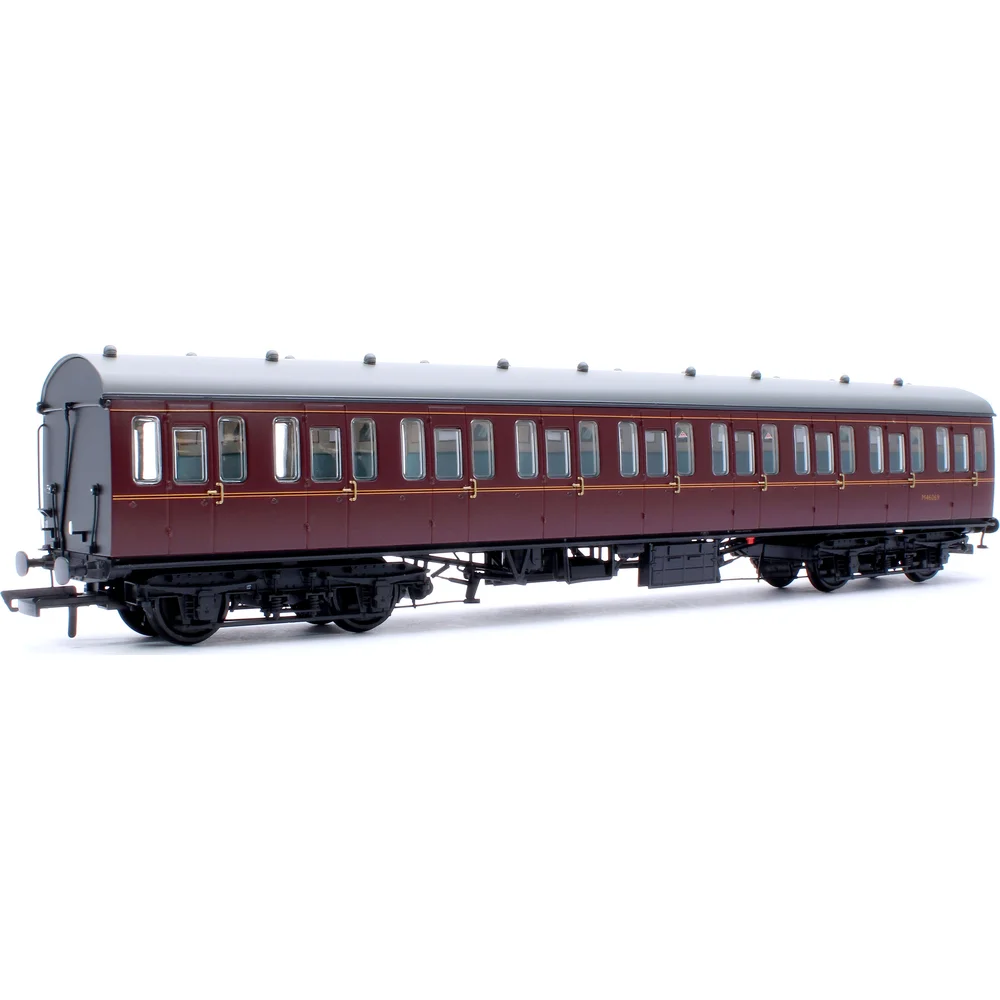
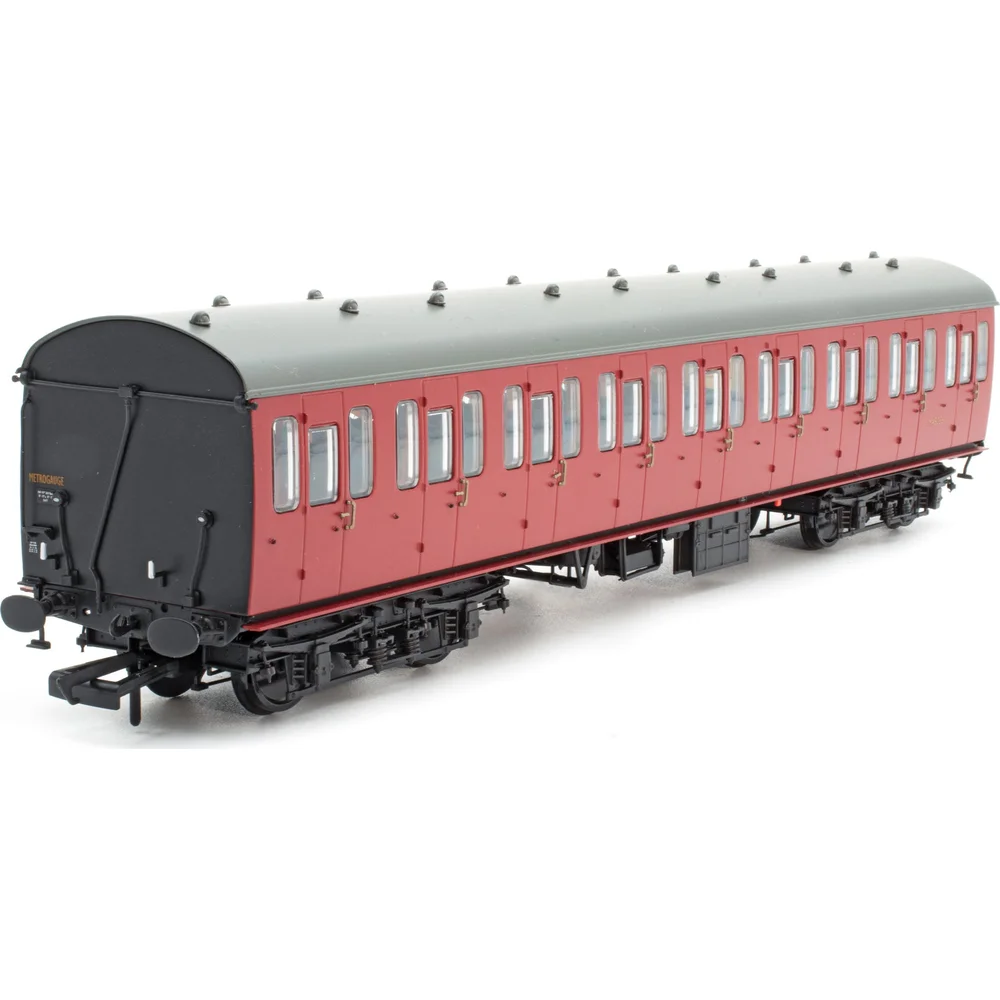
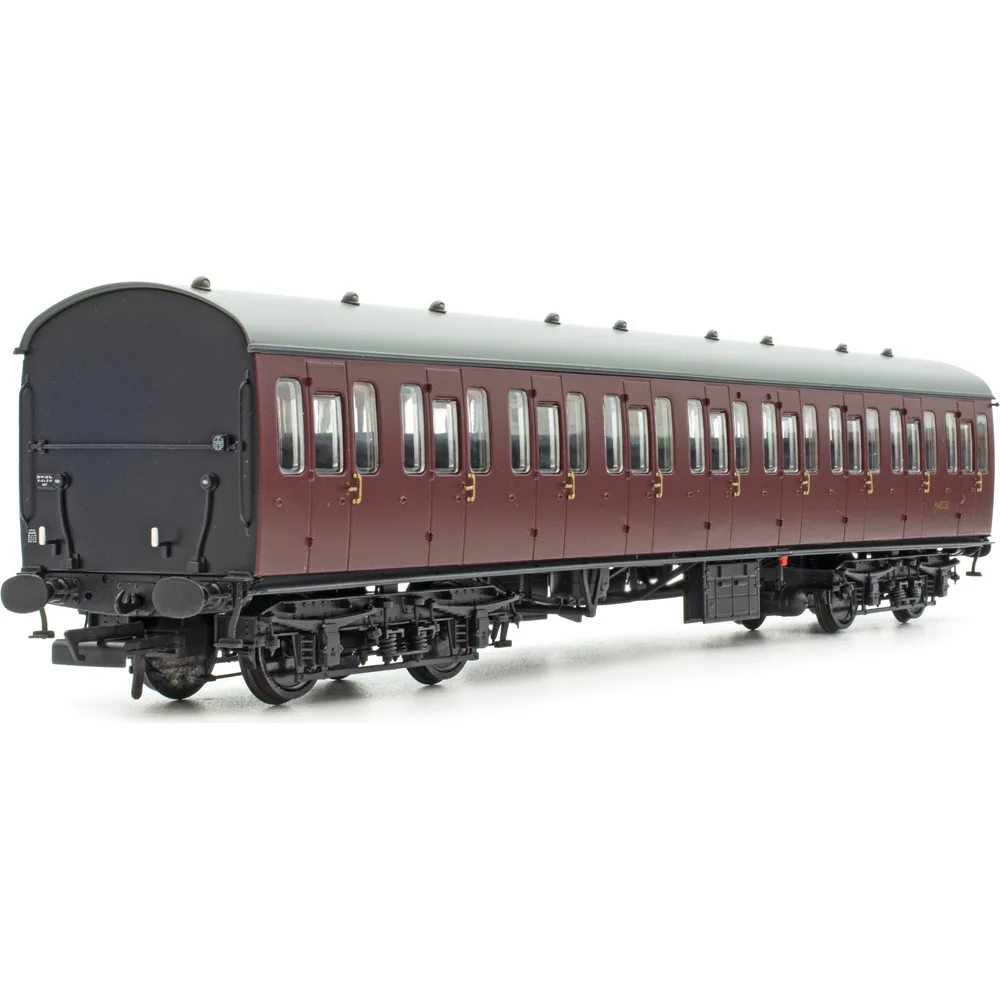
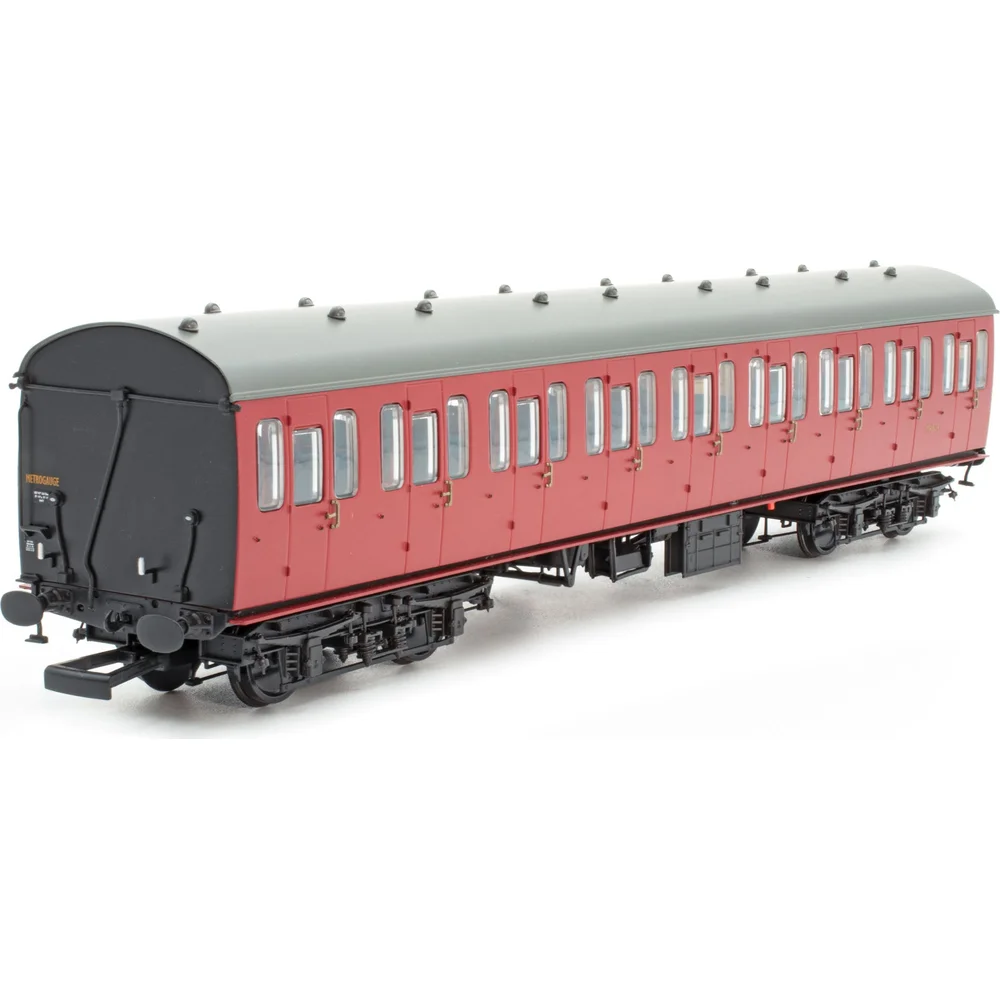
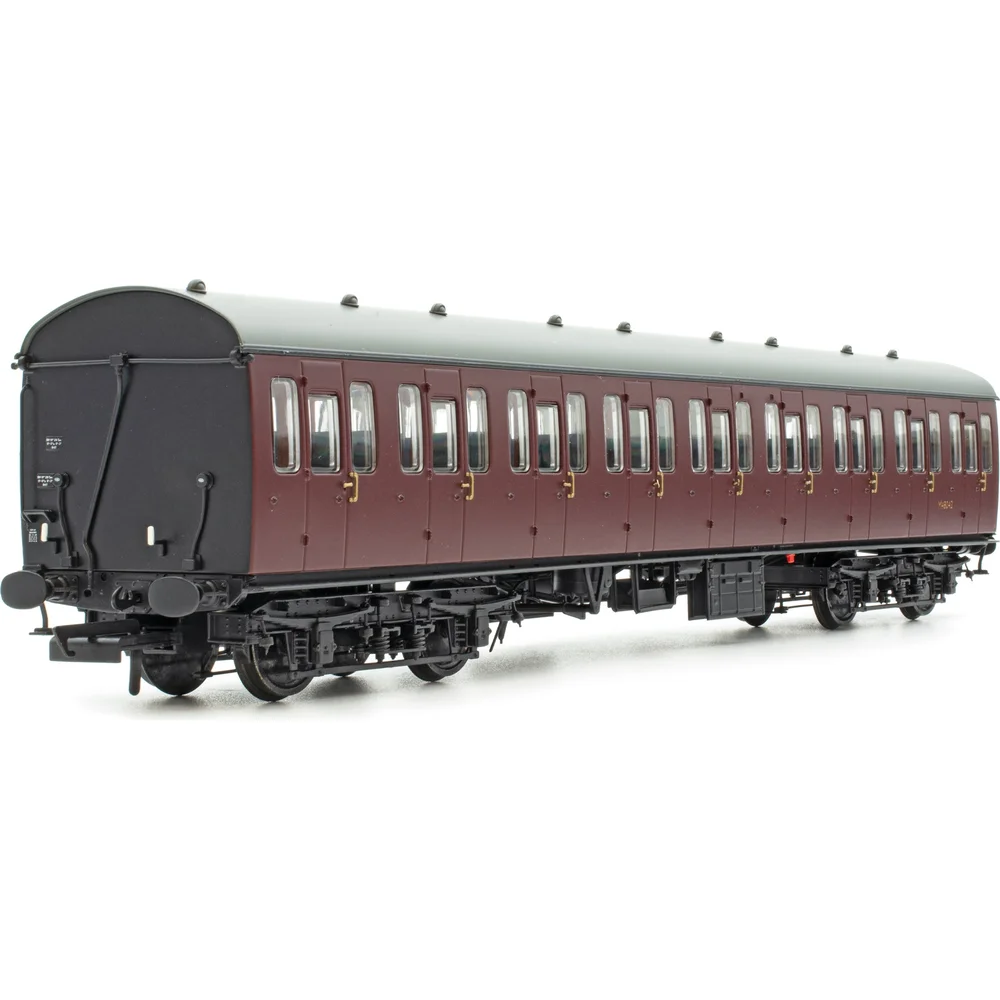
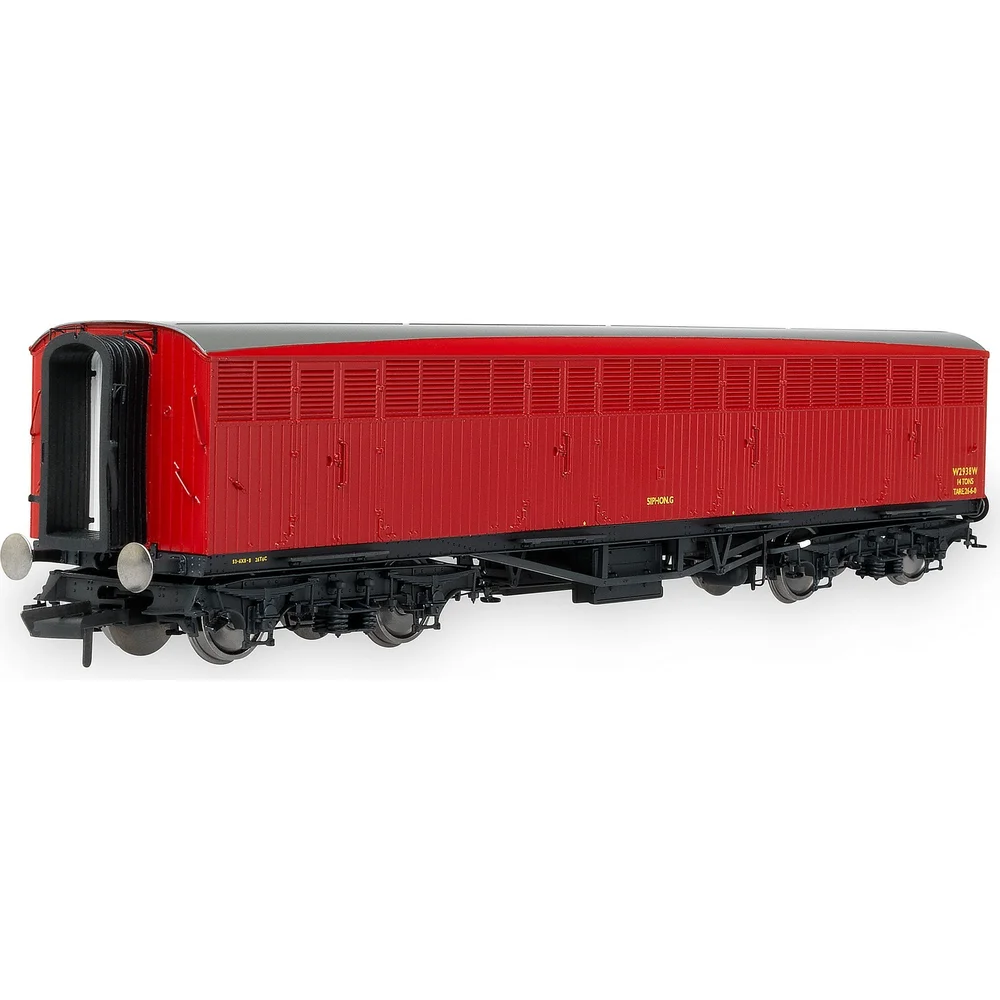
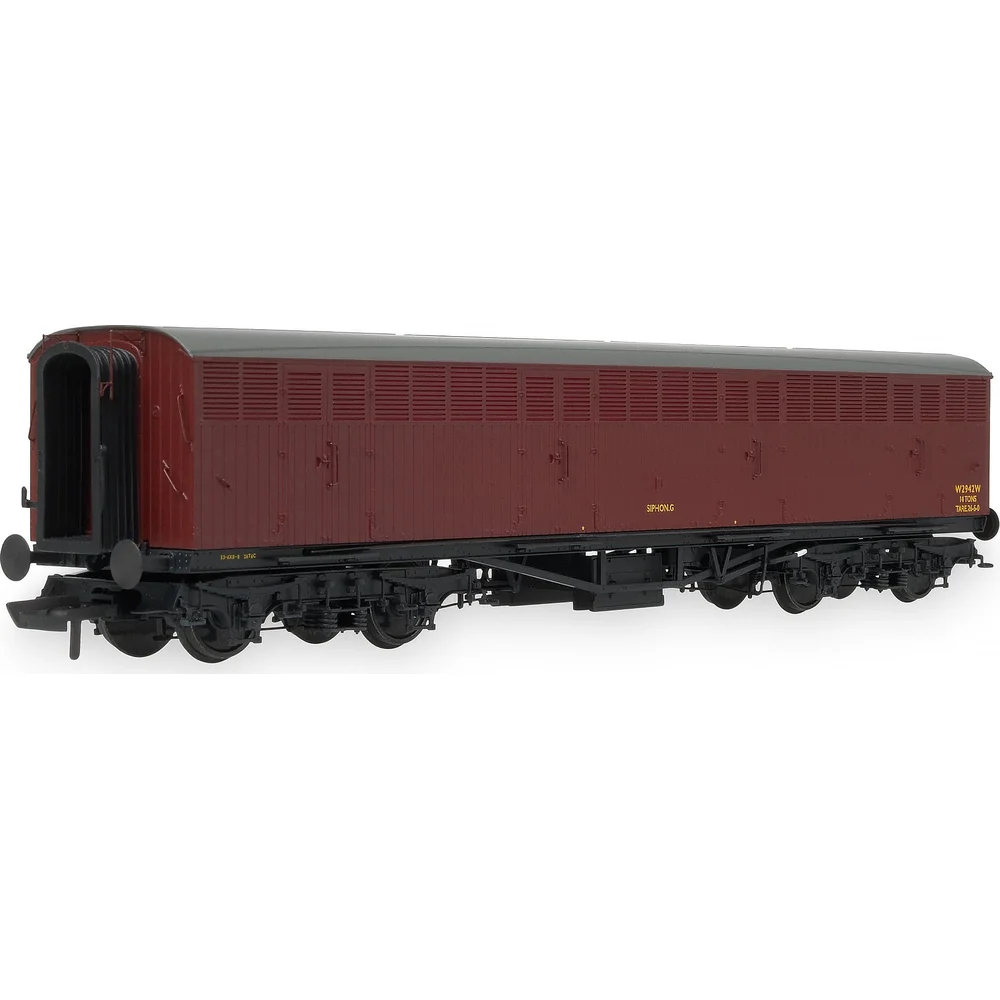
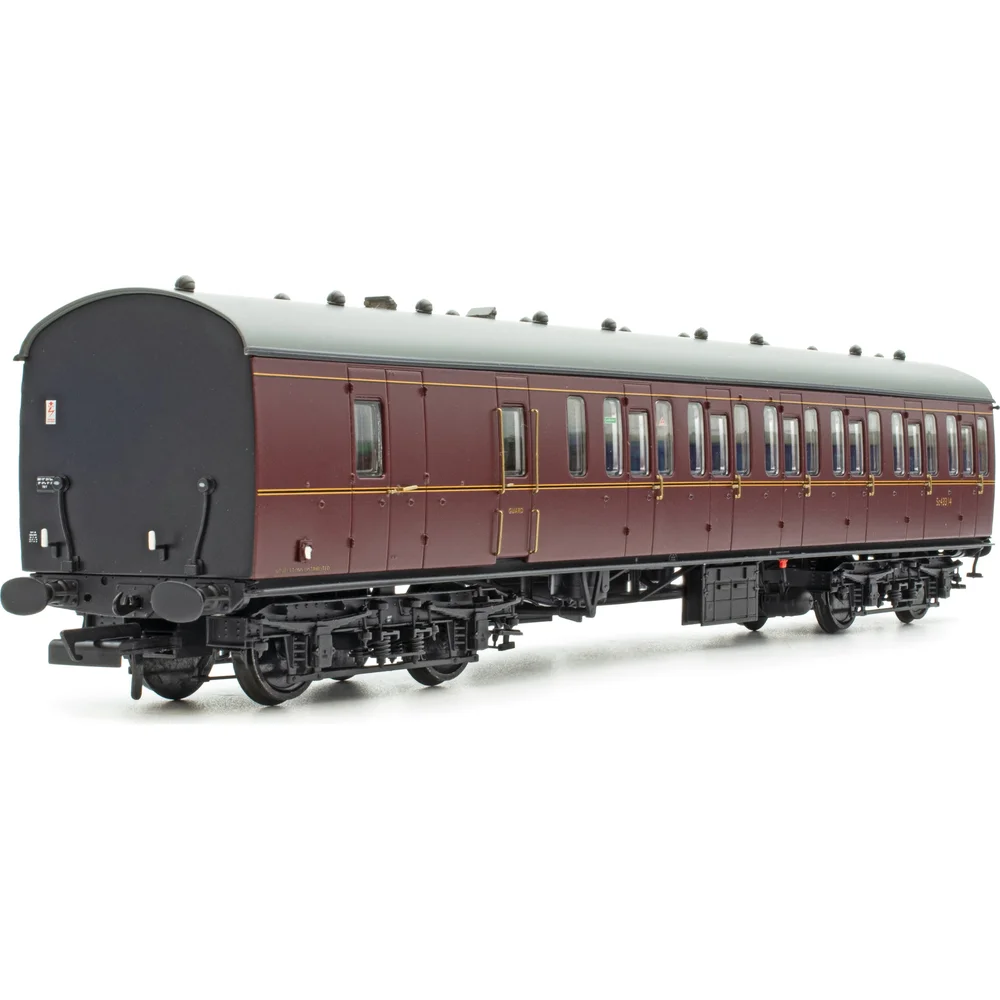
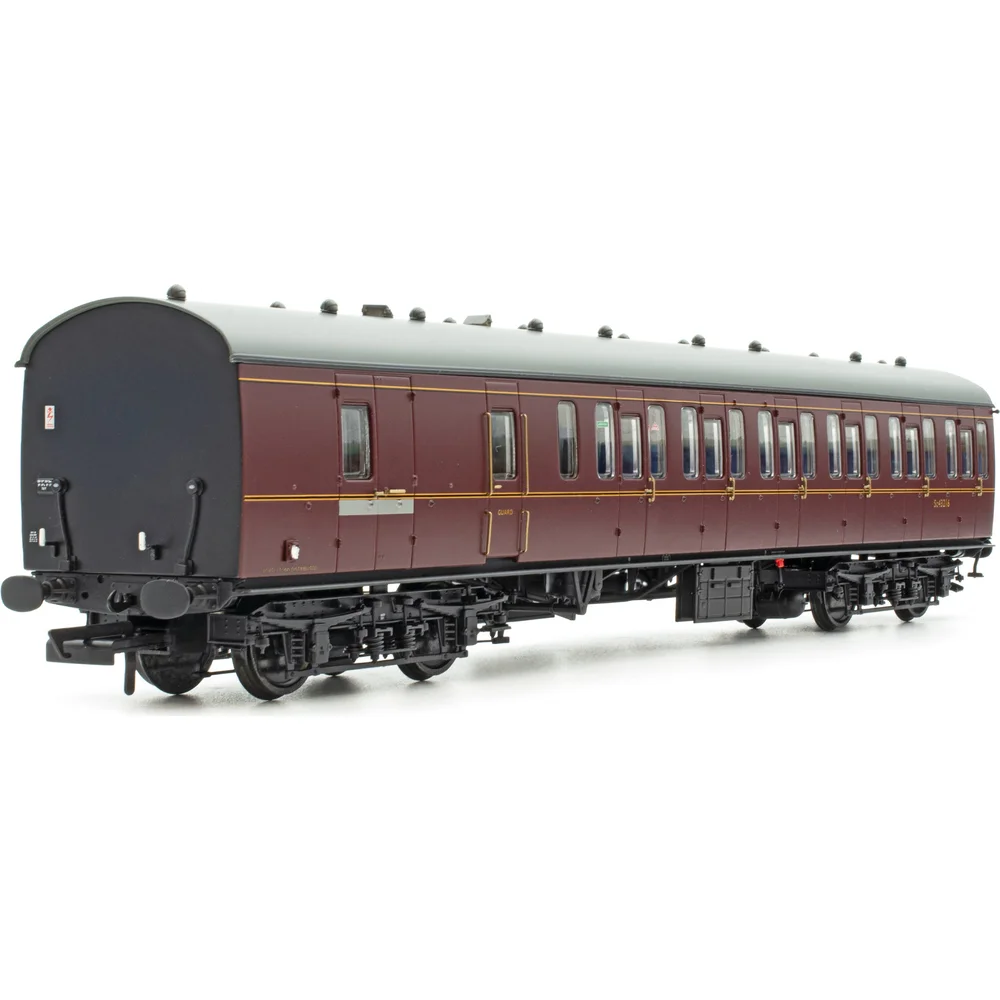
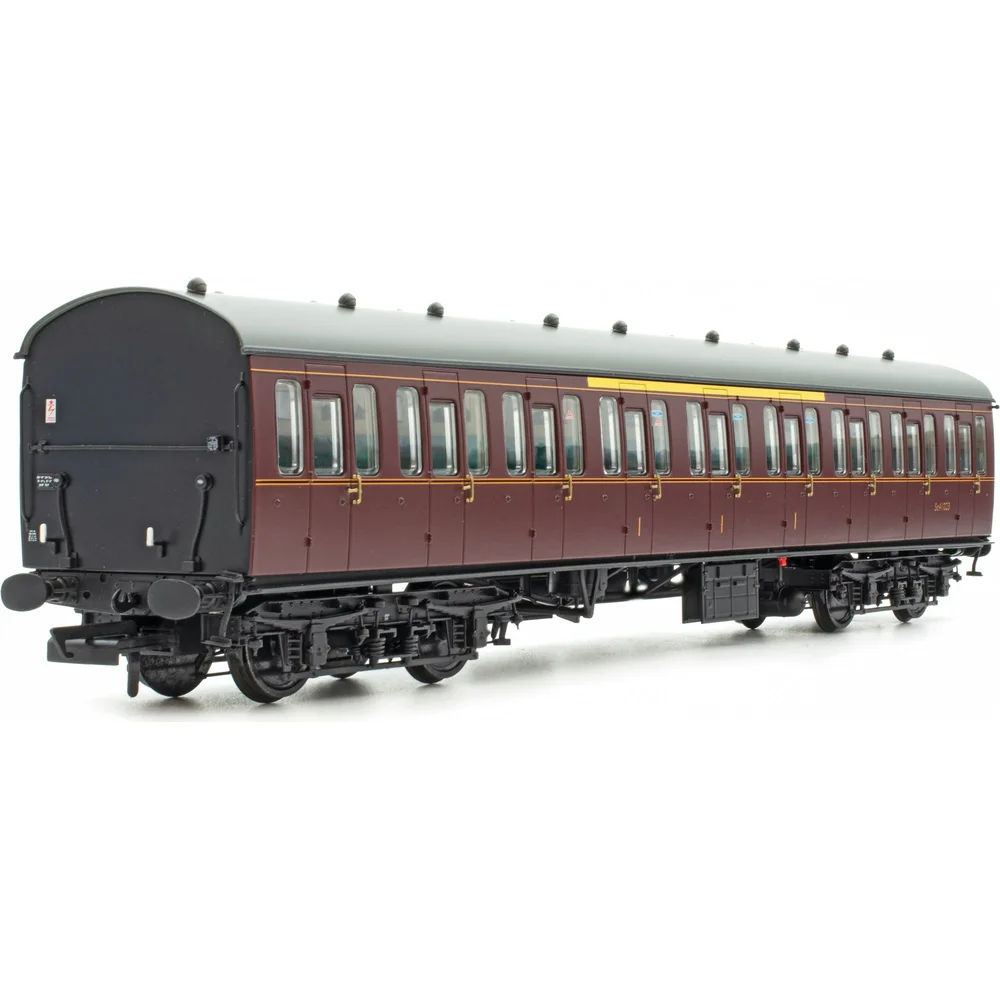
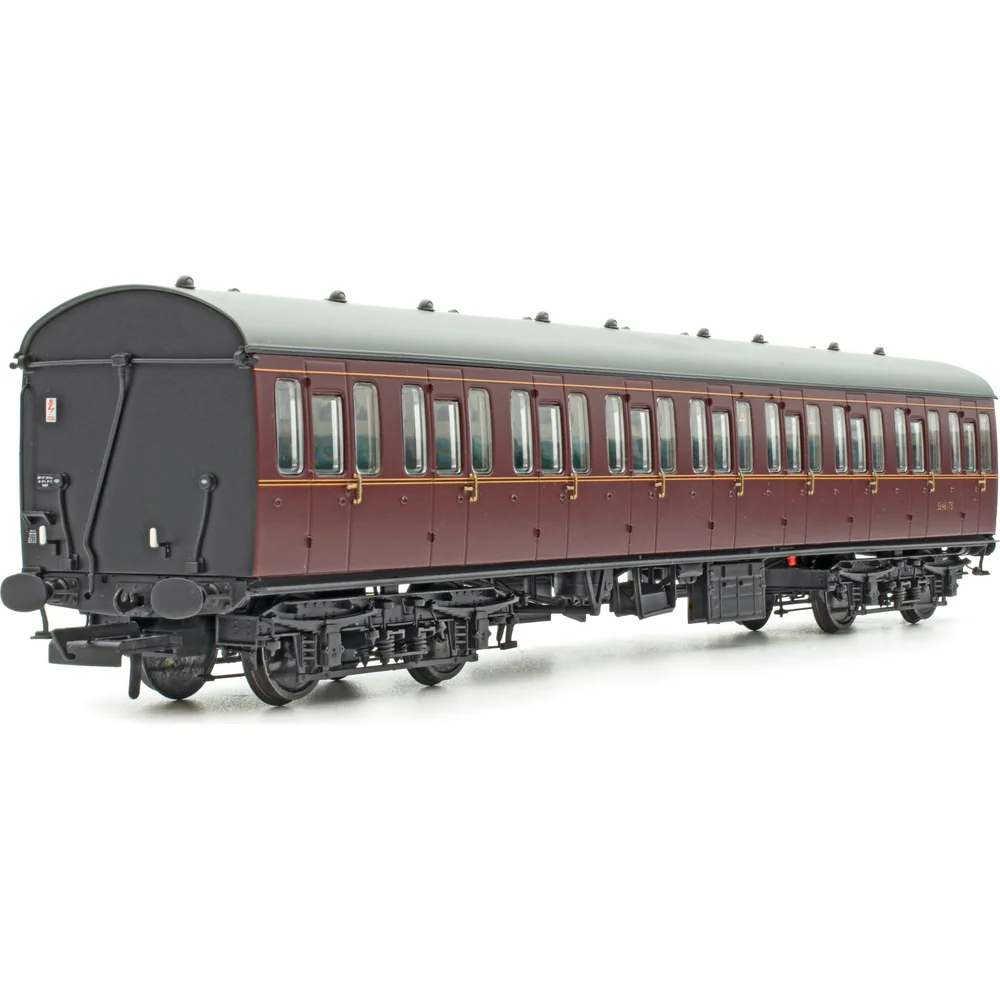
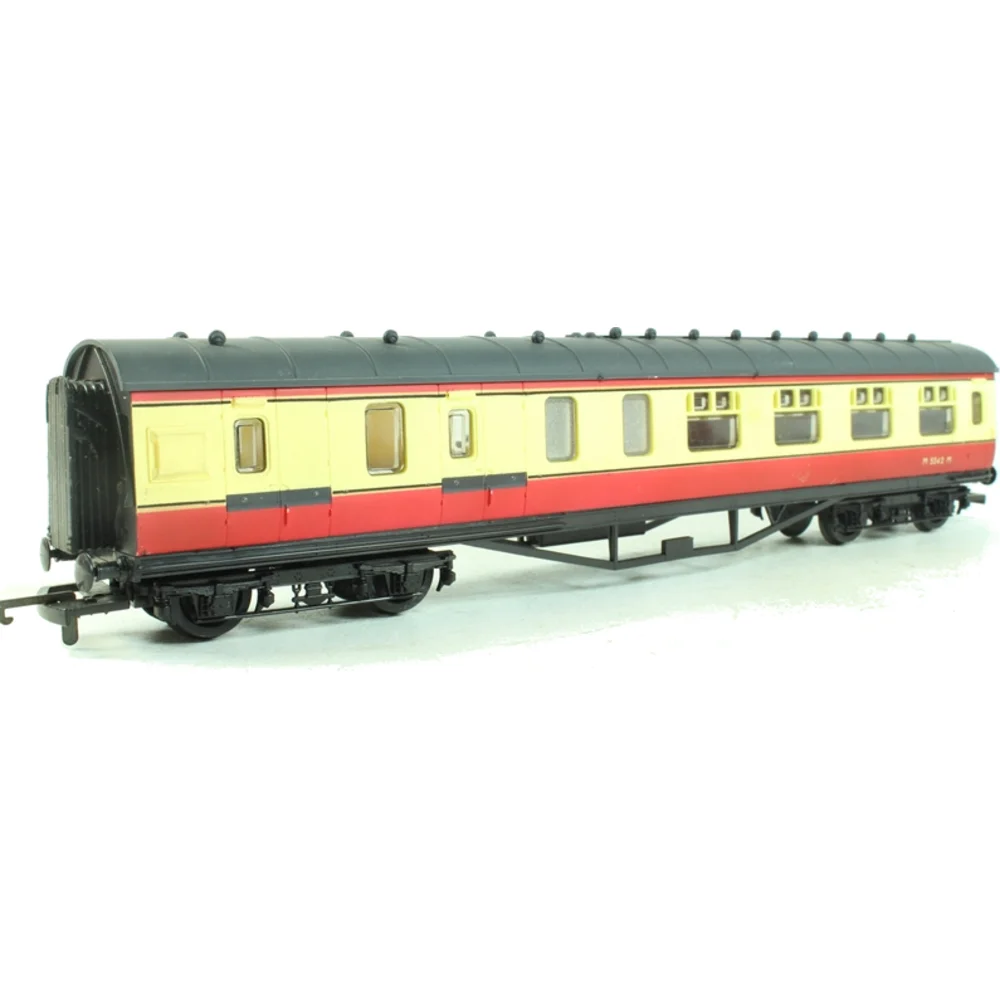
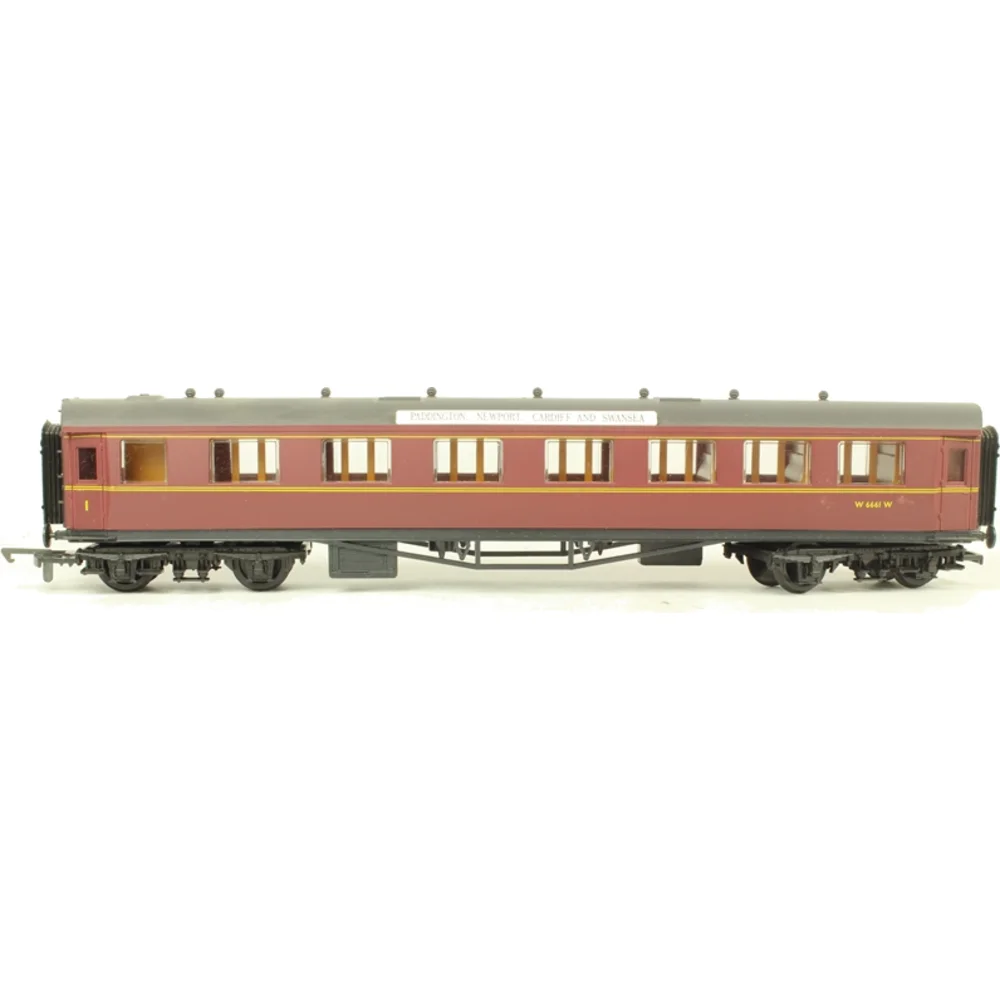
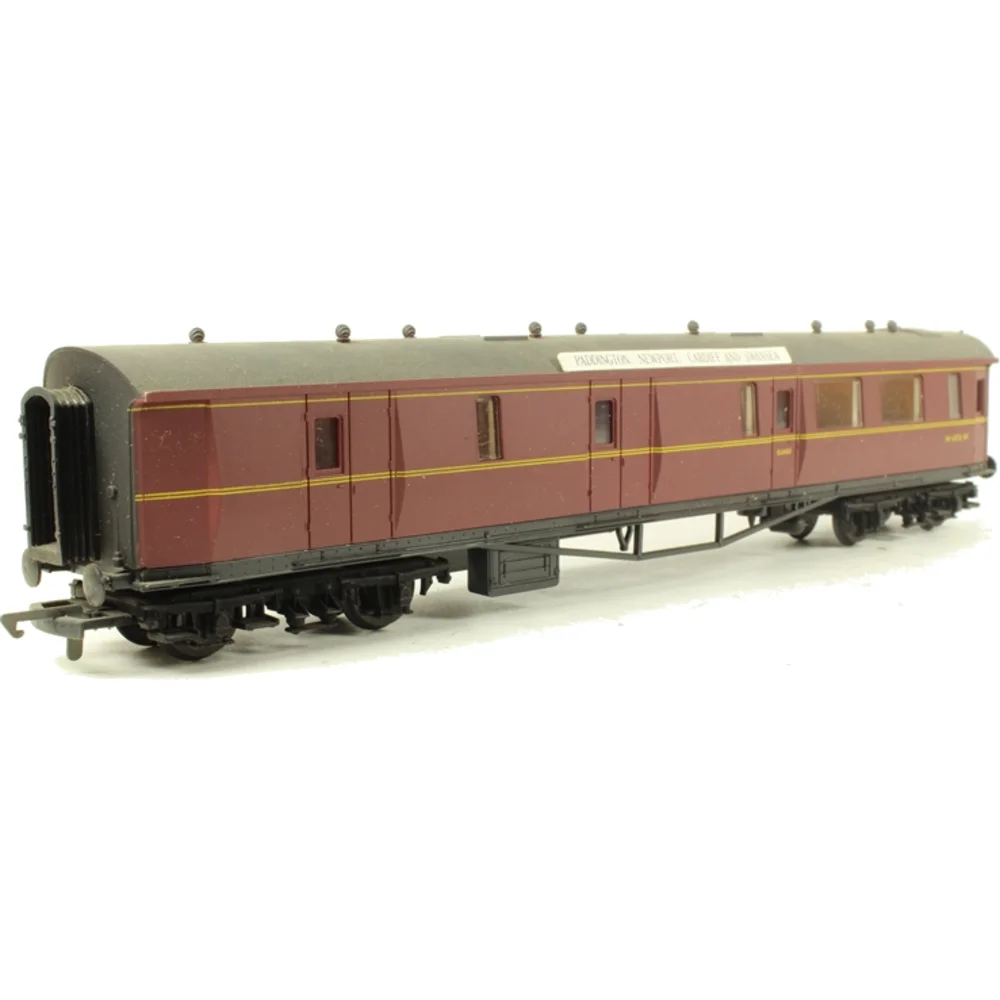
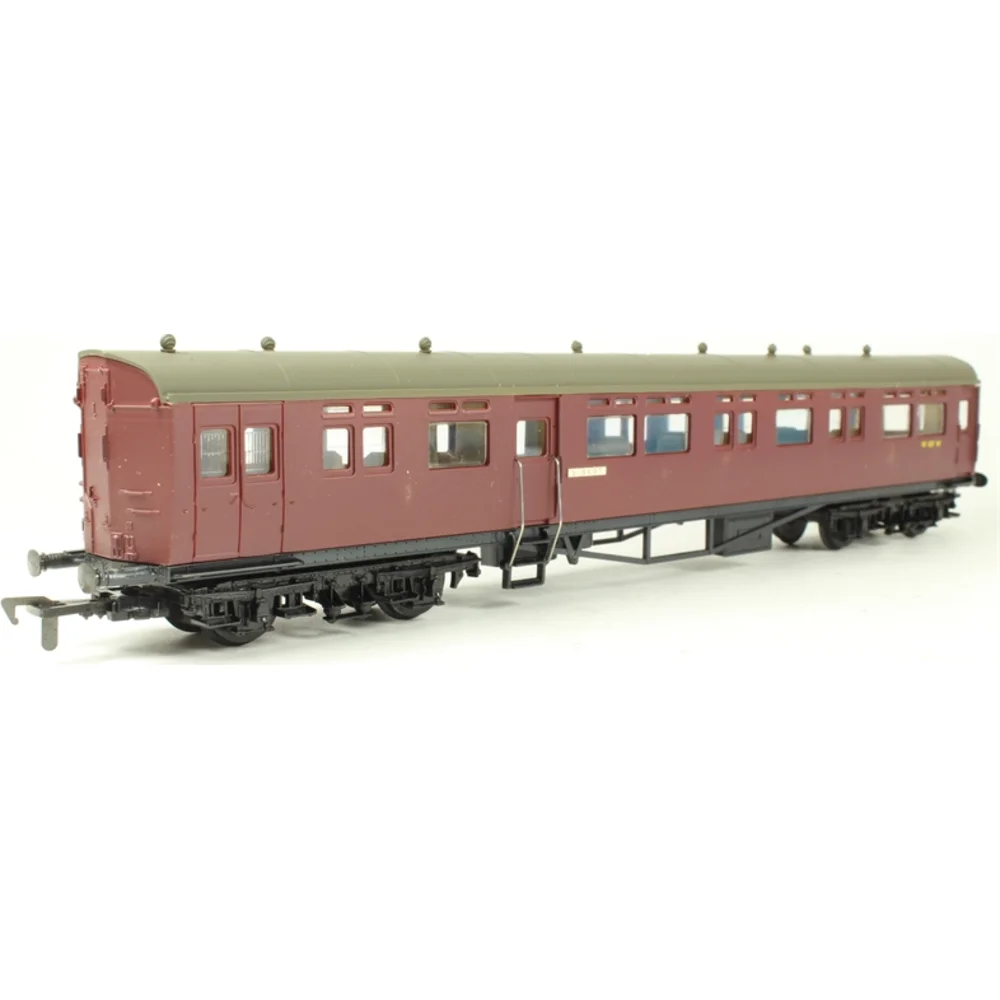
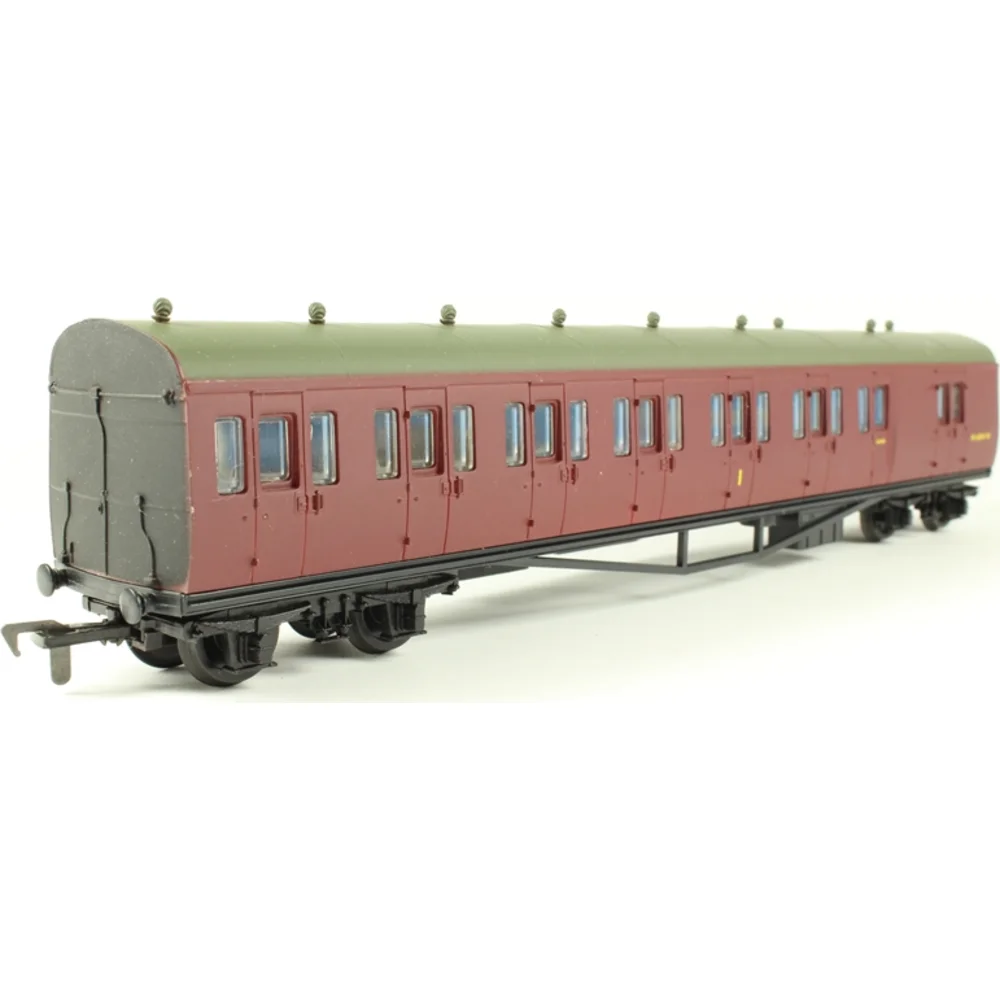
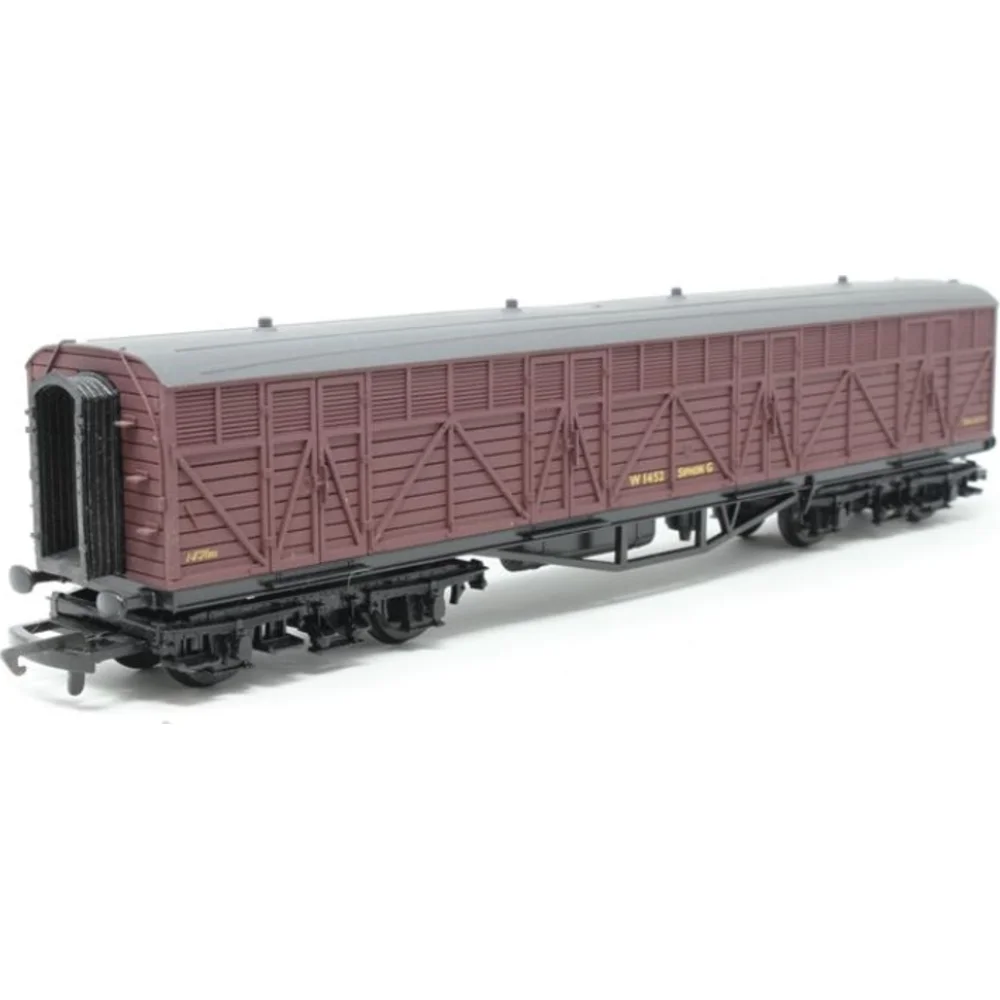
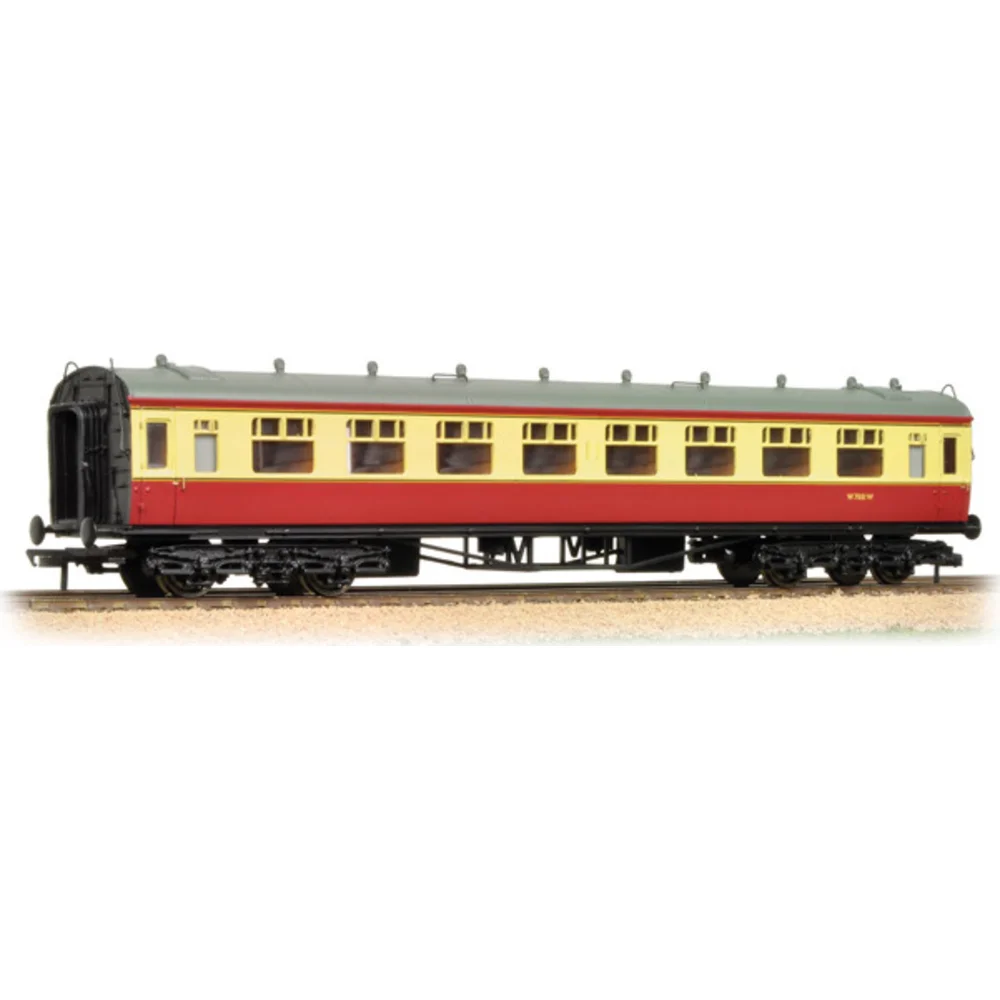
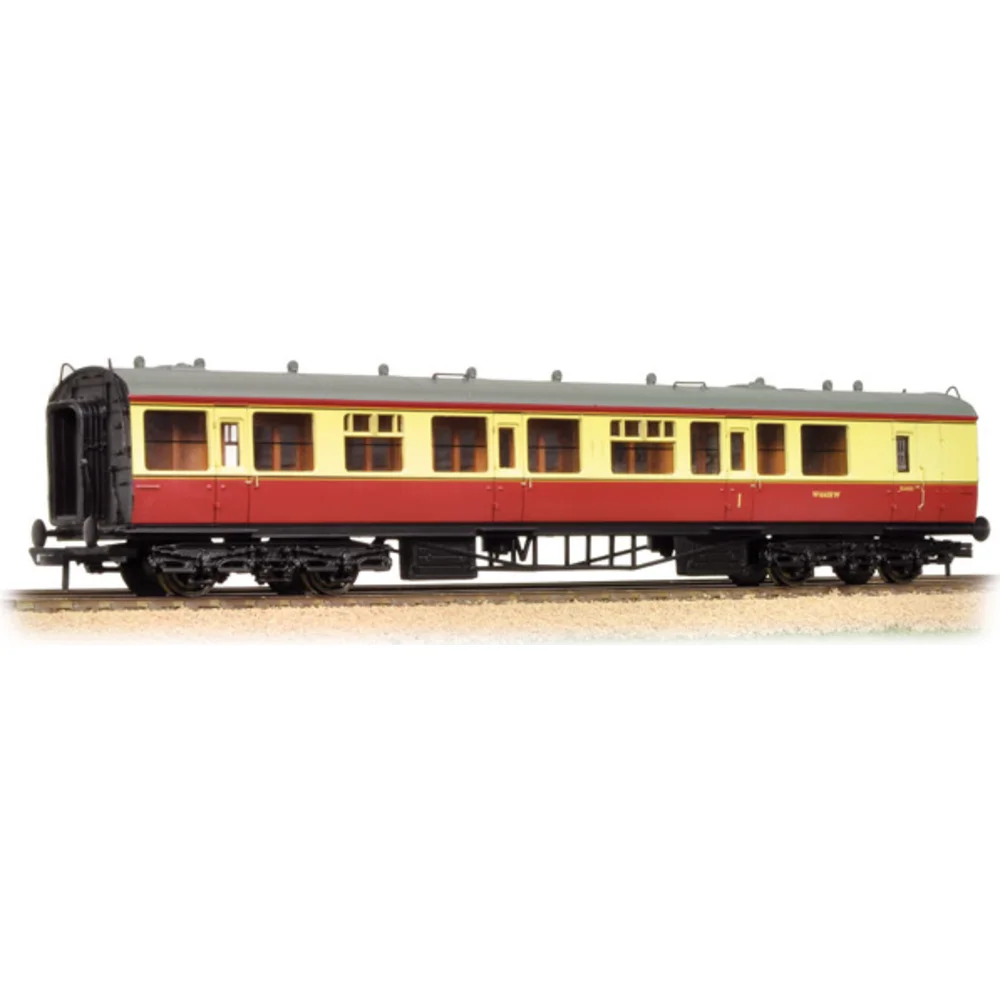
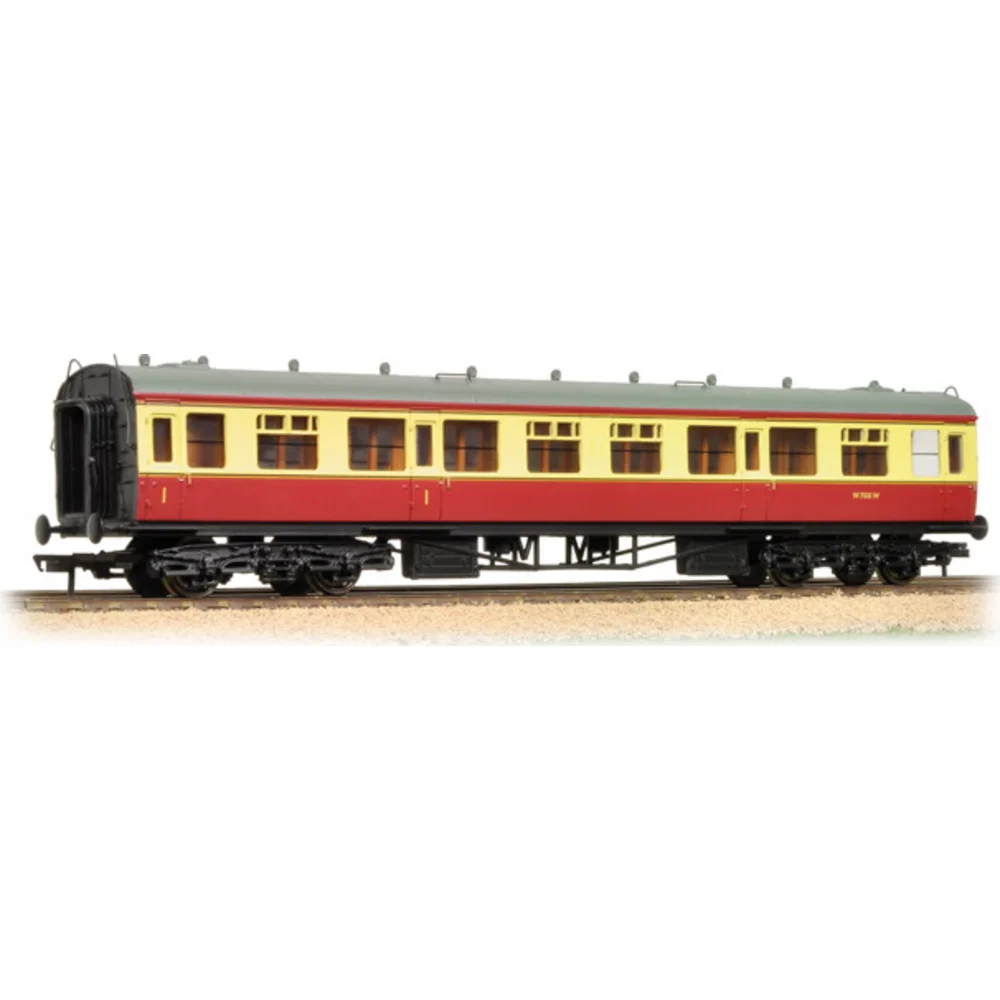
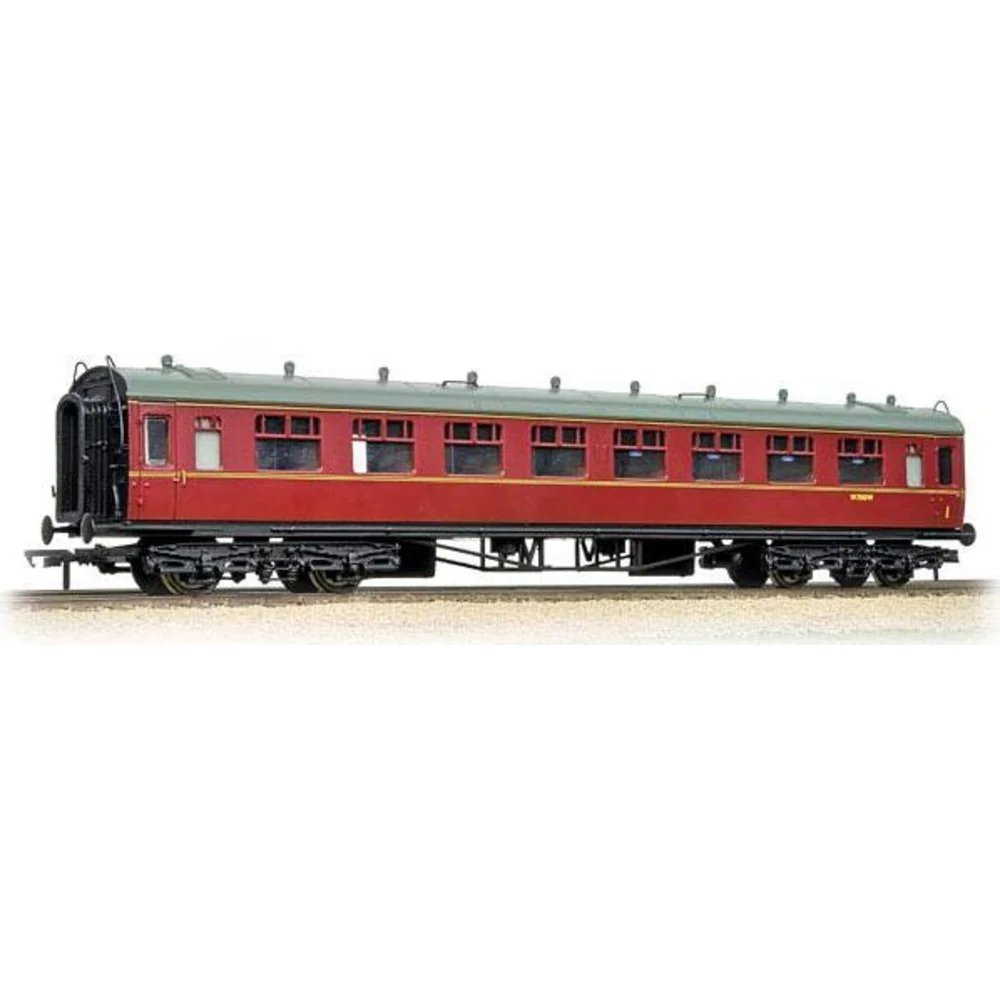
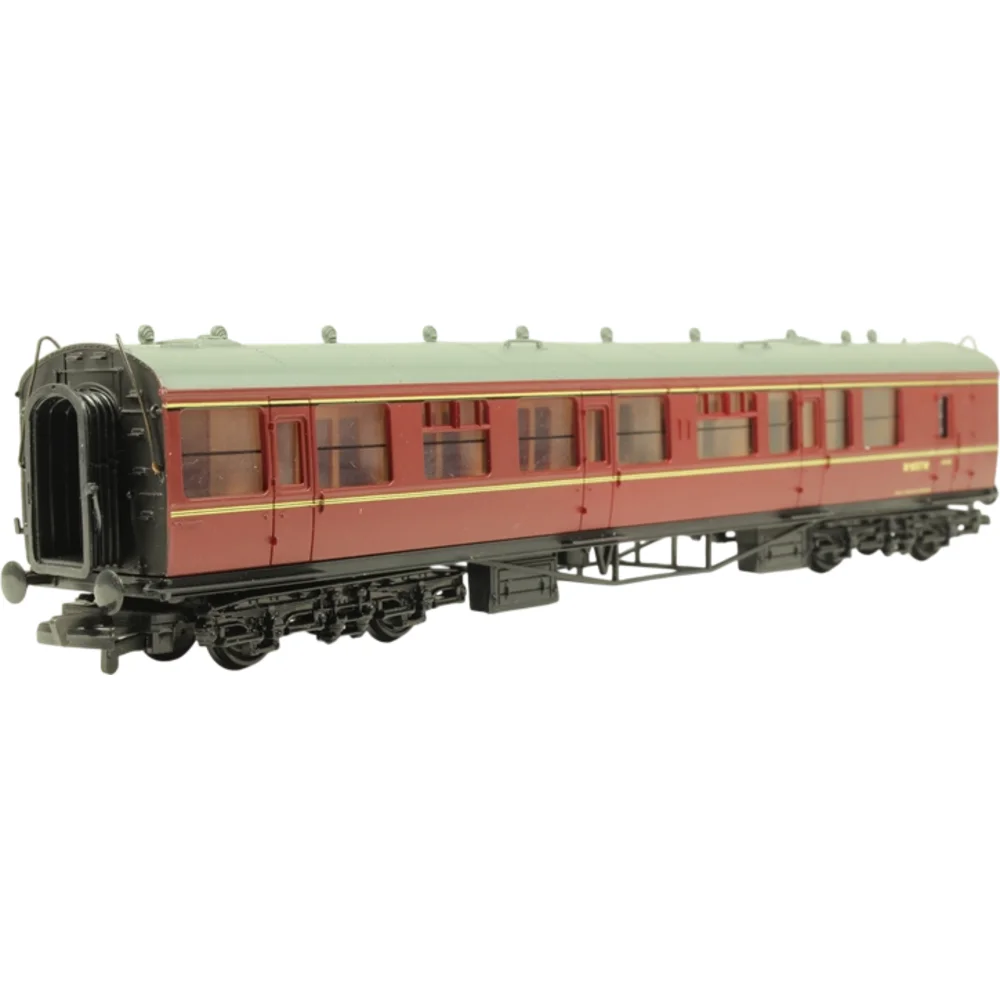
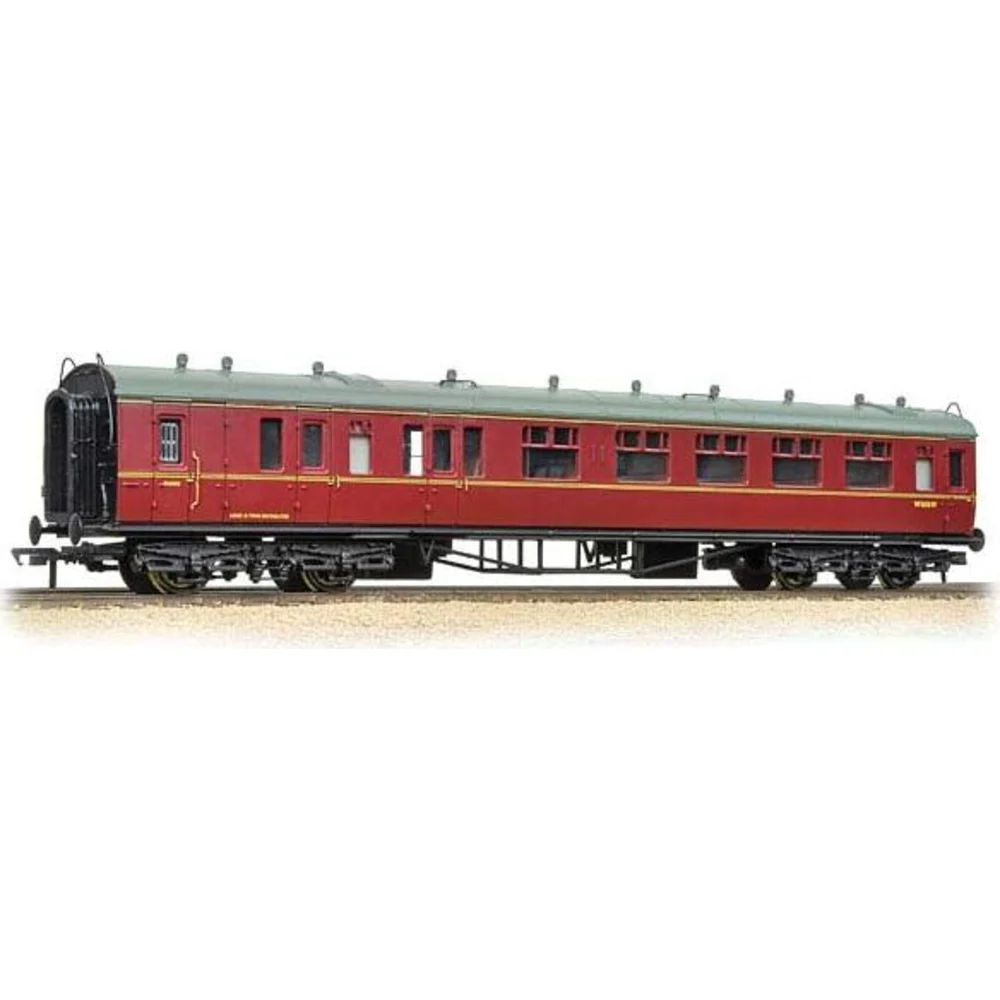
Locomotive liveries underwent systematic standardisation during the BR era. Express passenger locomotives received lined Brunswick green, whilst mixed-traffic engines wore lined black and freight locomotives appeared in plain black. These livery standards created visual consistency across the network whilst maintaining operational distinction. Coaching stock adopted standardised crimson and cream livery, replacing the diverse colour schemes inherited from the Big Four companies.
Numbering schemes evolved from the initial 1948 system that added prefixes to existing company numbers (30000 for Southern, 40000 for LMS, 60000 for LNER, whilst GWR numbers remained unchanged) to more sophisticated systems accommodating new construction and different traction types. Understanding these progressions enables accurate period modelling and helps enthusiasts avoid common chronological errors.
For model railway hobbyists, the BR corporate identity offers excellent opportunities for authentic period representation. Hornby, Bachmann, and other manufacturers provide extensive ranges of correctly liveried locomotives and rolling stock. Transfers and decals from specialists like Fox Transfers enable enthusiasts to model specific time periods accurately, including transitional phases when locomotives carried mixed branding elements.
Collector's note: Original BR locomotive nameplates and number plates remain highly sought after by enthusiasts. Reproductions are available for modelling purposes, but understanding authentic designs helps distinguish period-correct details from later interpretations.
Operations and Traffic Patterns
British Railways inherited diverse traffic patterns from the Big Four companies, ranging from heavy industrial freight to suburban passenger services. Coal traffic dominated freight operations, accounting for approximately 60% of tonnage, whilst passenger services evolved from Victorian branch line operations to emerging commuter networks serving expanding suburbs.
Express passenger services maintained prestige routes like the West Coast Main Line, East Coast Main Line, and Great Western Main Line, with famous named trains continuing under BR operation. The Coronation Scot, Flying Scotsman, and Cornish Riviera Express represented the pinnacle of passenger service, often hauled by the most powerful locomotives available.
Freight operations encompassed everything from individual wagon loads to block trains serving specific industries. Marshalling yards like Whitemoor, Feltham, and Margam became focal points for freight concentration, creating complex operational scenarios that challenge model railway planners to recreate authentic traffic flows.
Branch line operations remained vital for rural communities, with mixed trains carrying both passengers and freight providing essential connectivity. These services offer excellent modelling opportunities, requiring smaller locomotives and more intimate operational scenarios that suit typical home layouts.
Operational insight: Understanding BR traffic patterns helps modellers create realistic operating sessions. Freight trains typically operated during off-peak hours, whilst passenger services followed timetabled patterns that varied by region and route importance.
Workshop Heritage and Locomotive Construction
The British Railways workshop network inherited from the Big Four companies represented centuries of engineering expertise and regional traditions. Each major works developed distinctive construction and maintenance practices that influenced locomotive design and operational characteristics throughout the BR era.
Crewe Works, inherited from the LMS, became the primary construction site for BR Standard locomotives, building 198 of the famous Class 9F freight engines. The works' LMS heritage influenced design approaches, particularly in cylinder arrangements and valve gear systems. Swindon Works, from the GWR tradition, contributed precision engineering and innovative techniques, constructing the final steam locomotive for British Railways—92220 *Evening Star* in 1960.
Doncaster Works (Eastern Region) brought LNER engineering expertise, whilst Brighton Works (Southern Region) provided specialised knowledge of electric traction systems. Derby Works served as a major diesel locomotive construction centre, building numerous Type 2 and Type 4 designs that would define the early modernisation programme.
Workshop practices directly influenced locomotive availability and performance. Understanding these traditions helps enthusiasts appreciate why certain designs succeeded whilst others failed, and explains regional preferences for specific locomotive types. Shed allocations reflected both operational requirements and workshop capabilities, creating the complex patterns that make BR operations so fascinating to study and model.
Workshop insight: Each works developed distinctive modification practices, creating subtle variations within locomotive classes. These differences provide opportunities for detailed modelling projects that capture authentic engineering evolution.
The End of the British Railways Era
The transition from British Railways to British Rail in 1965 marked more than a name change—it represented fundamental shifts in operational philosophy and organisational structure. The British Railways Board, established in 1963, assumed direct control from the British Transport Commission, creating a more focused railway management structure.
Steam traction elimination accelerated dramatically during the early 1960s, with major withdrawals occurring during 1962-1966. The BR Standard locomotives, designed for 30-year service lives, often lasted less than a decade before political pressure for modernisation forced premature retirement. This rapid transition created the poignant contrast between advanced steam designs and early diesel reliability problems that characterises the period.
Beeching cuts, whilst officially beginning in the British Rail era, were conceived during the final years of British Railways. Understanding this timeline helps enthusiasts appreciate the mounting pressures facing the organisation and explains the urgency behind modernisation efforts.
The British Railways legacy extended far beyond locomotive design and operational practices. The organisational structures, technical standards, and corporate culture established during 1948-1965 influenced British railway development for decades. Model railway enthusiasts continue to celebrate this heritage through extensive ranges of locomotives, rolling stock, and accessories that capture the essence of this transformative period.
Historical perspective: The British Railways era represents the last period when steam, diesel, and electric traction coexisted extensively on the British network. This diversity makes it uniquely appealing to railway enthusiasts seeking authentic mixed-traction operations.
Models
Finally
British Railways transformed Britain's fragmented railway system into a unified national network, whilst simultaneously managing the complex transition from steam to modern traction. From the historic nationalisation of 1st January 1948 through the introduction of the BR Standard locomotives and the ambitious 1955 Modernisation Plan, this remarkable organisation laid foundations that continue to influence British railway operations today.
For railway enthusiasts and model railway hobbyists, the British Railways era offers unparalleled opportunities to explore authentic historical operations whilst enjoying the technical sophistication of the world's most advanced steam locomotives. The period's locomotive diversity, regional characteristics, and operational complexity provide endless inspiration for layout planning, model collection, and historical study.
Whether you're researching the engineering brilliance of the BR Standard classes, planning an authentic period layout, or simply appreciating the remarkable achievement of railway nationalisation, British Railways represents a fascinating chapter in transport history that continues to capture imaginations worldwide. The legacy of those transformative seventeen years from 1948 to 1965 remains visible throughout Britain's preserved railways, museum collections, and the thriving model railway hobby that keeps this golden age of British rail transport alive for future generations.
Frequently Asked Questions
What was the difference between British Railways and British Rail?
British Railways operated from 1948-1965 as the original nationalised entity, whilst British Rail was the trading name used from 1965-1997. Both referred to the same organisation at different periods, with the later name reflecting modernised branding and corporate restructuring under the British Railways Board.
Which locomotives are considered BR Standards?
BR Standard locomotives were the 999 steam engines built to British Railways' own designs between 1951-1960. These comprised twelve classes from the small Class 2 2-6-0s to the mighty Class 9F 2-10-0s, including famous examples like 92220 Evening Star and the Britannia Pacifics.
How were BR locomotive numbers organised?
The 1948 system added 30000 to Southern numbers, 40000 to LMS numbers, and 60000 to LNER numbers, whilst GWR locomotives retained original numbers. BR Standards used new number series, with diesel locomotives receiving 'D' prefixes and electric locomotives 'E' prefixes from 1957.
What model railway scales offer the best BR locomotive selection?
OO gauge provides the widest selection of BR locomotives from manufacturers like Hornby, Bachmann, and Dapol. N gauge offers growing ranges ideal for larger layouts, whilst O gauge provides superb detail for serious collectors and operators.
Which BR region is best for model railway layouts?
The Western Region offers excellent variety with steam, early diesel, and distinctive GWR heritage infrastructure. The Southern Region provides unique electric third-rail operations, whilst the London Midland Region showcases the full modernisation programme including advanced diesel developments.
When did steam traction end on British Railways?
Regular steam operations ended in August 1968, though this was during the British Rail era. However, steam elimination began accelerating in the early 1960s during the final years of British Railways, with major withdrawals occurring from 1962 onwards as diesel traction expanded rapidly.