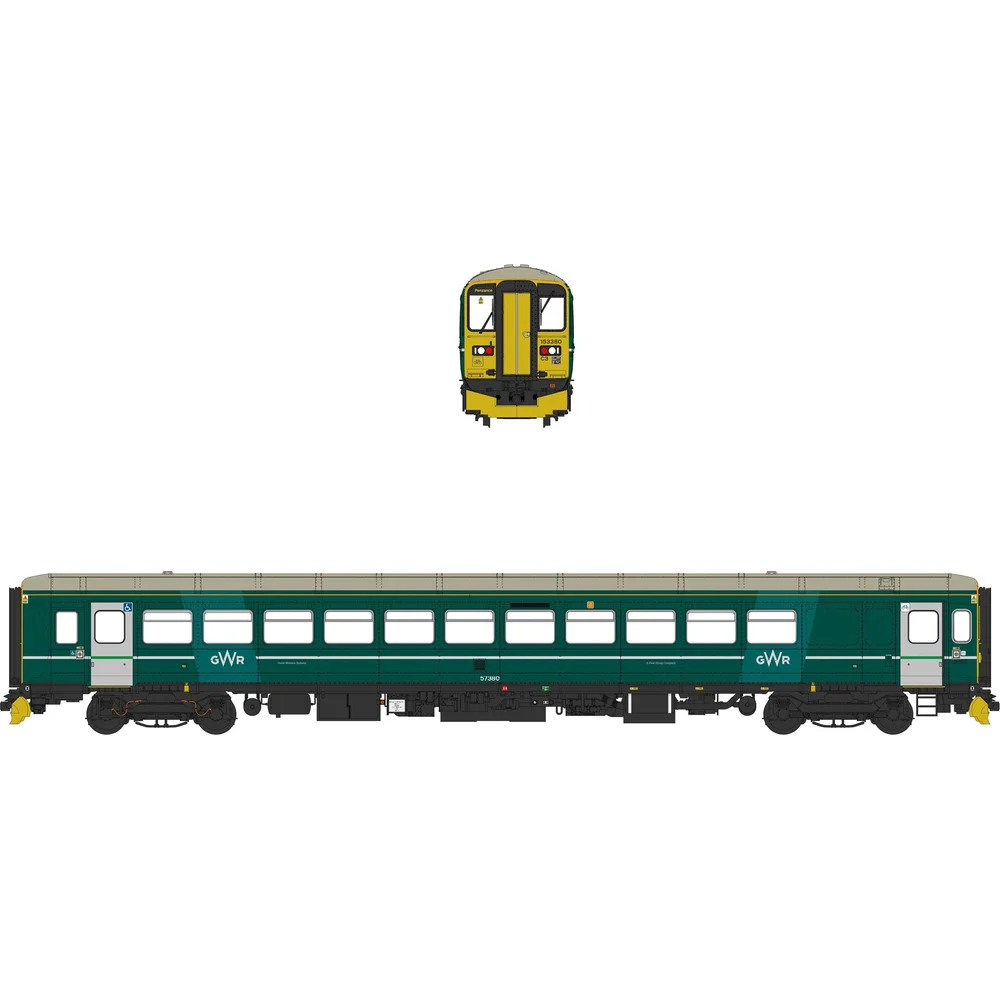
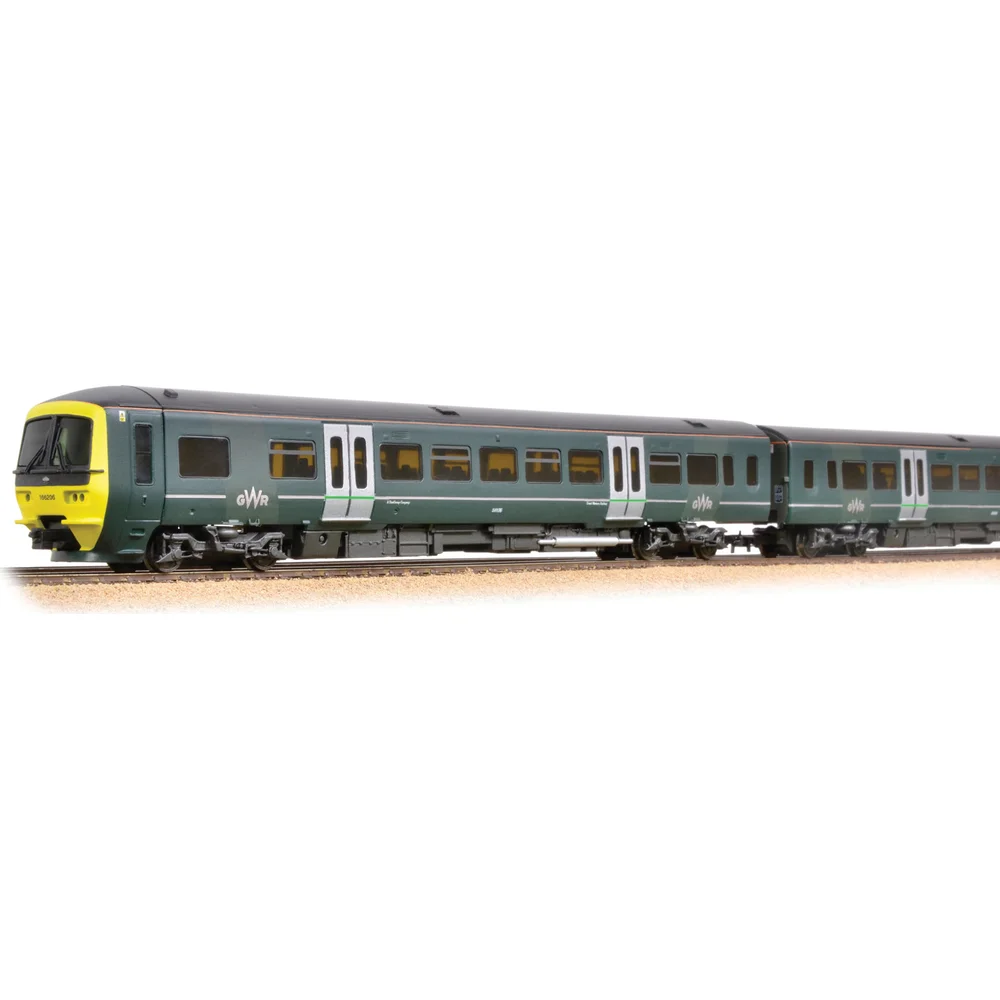
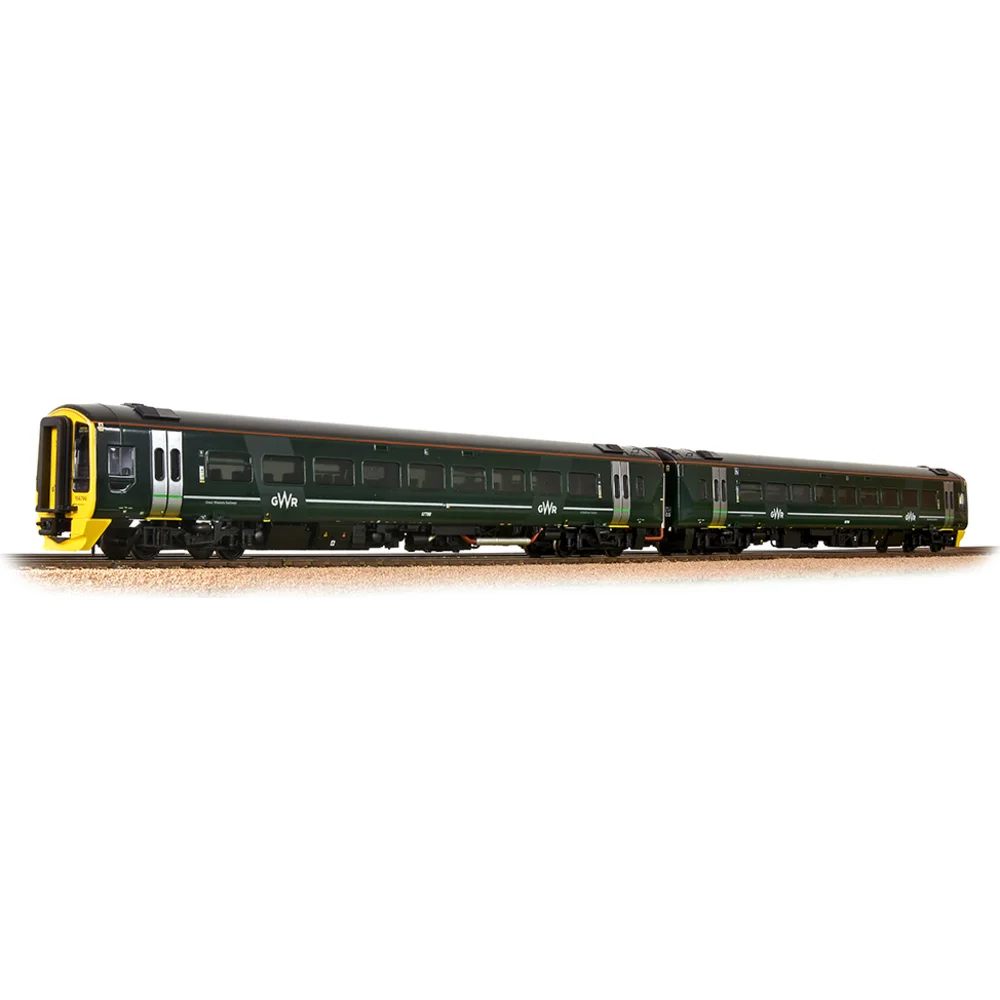
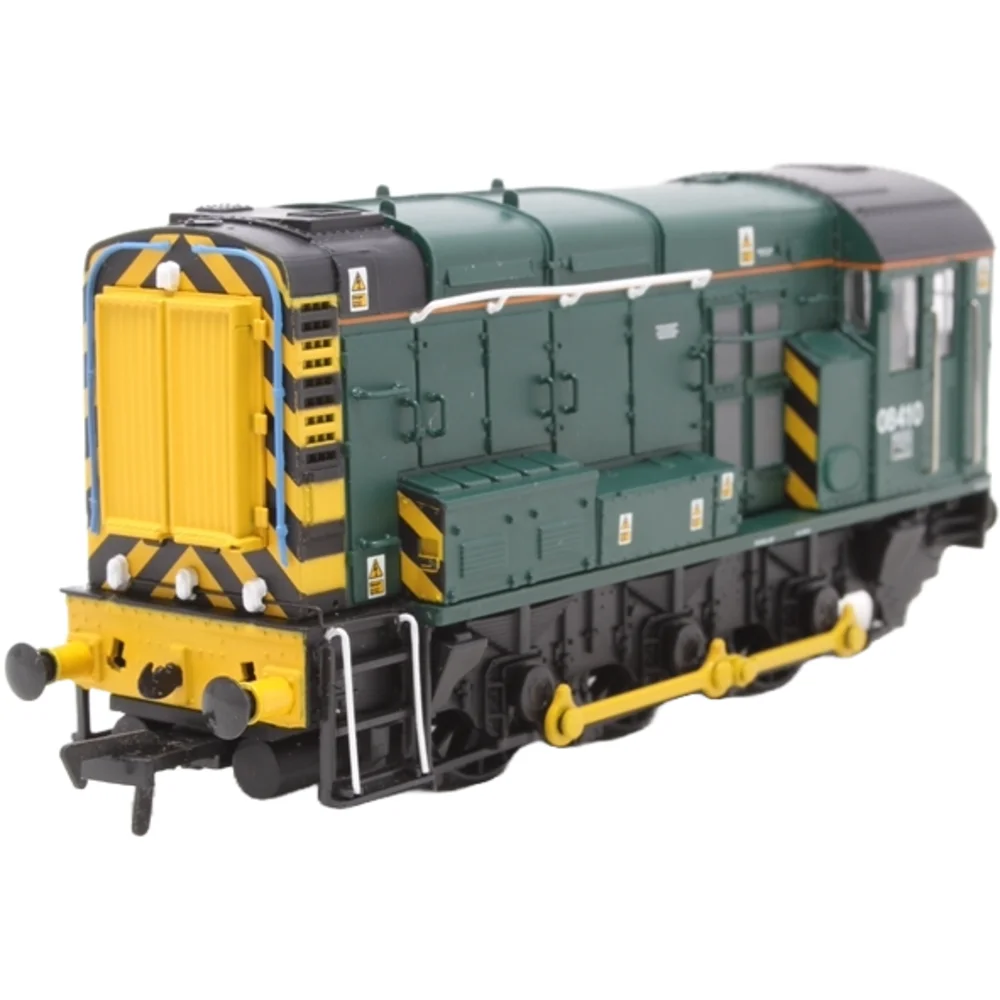
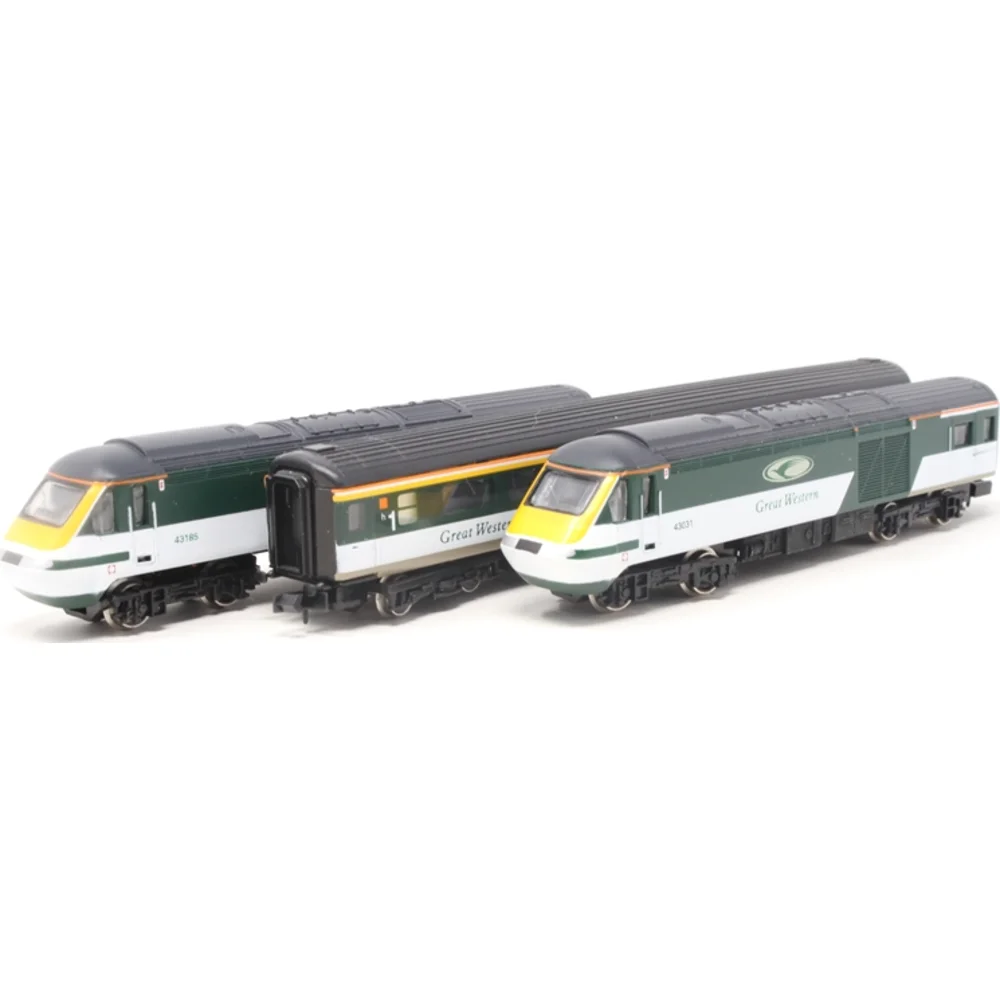
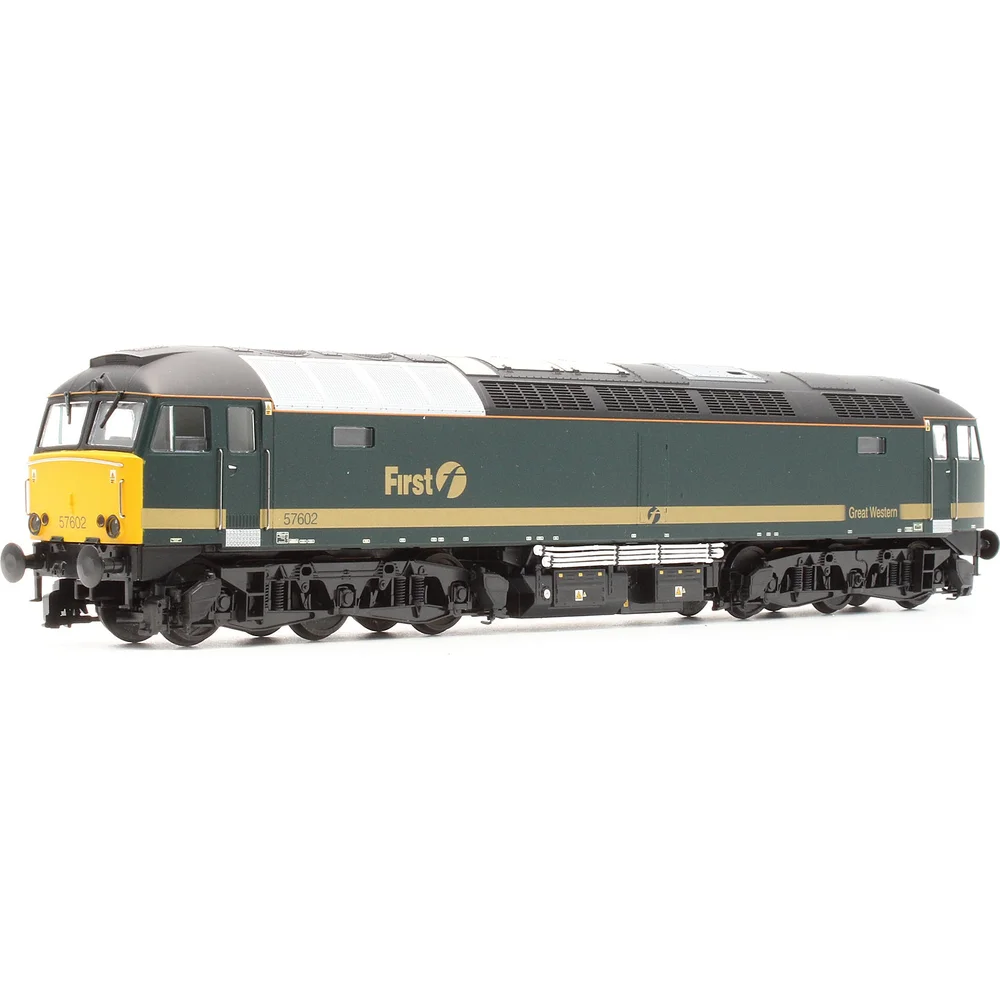
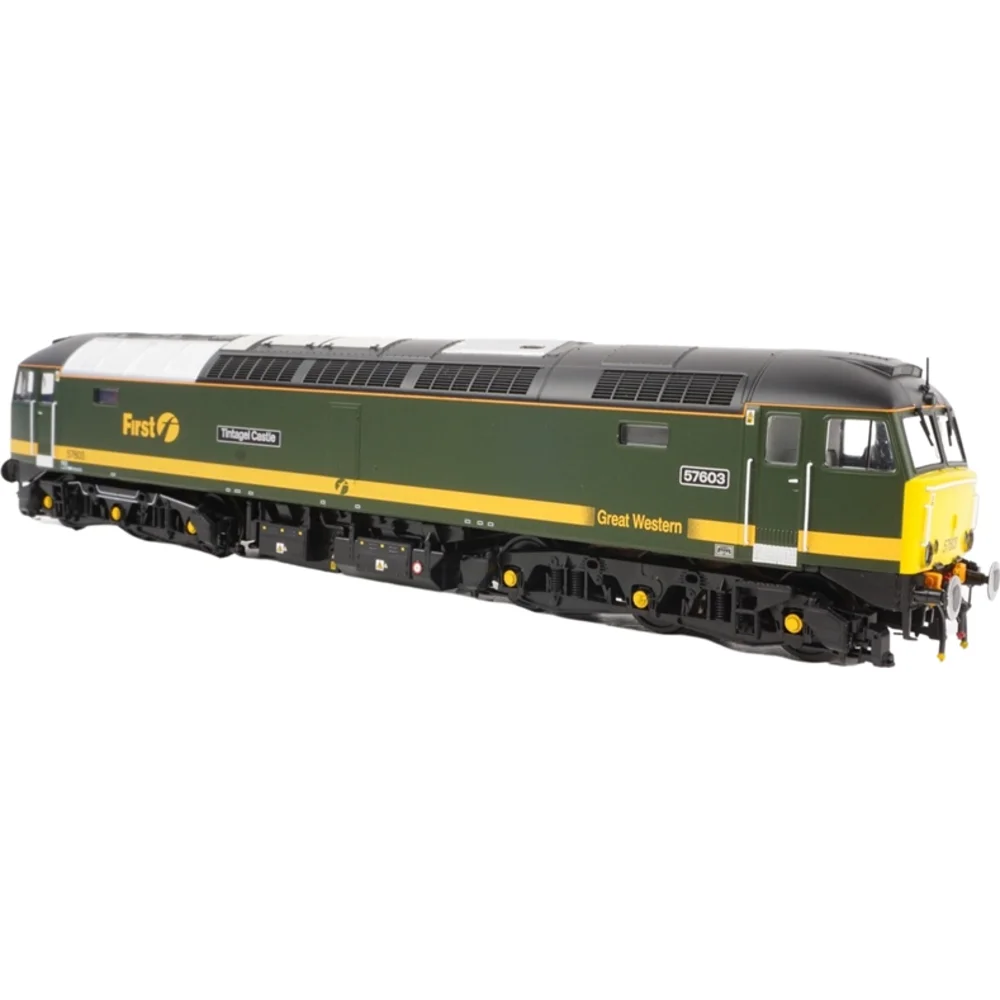
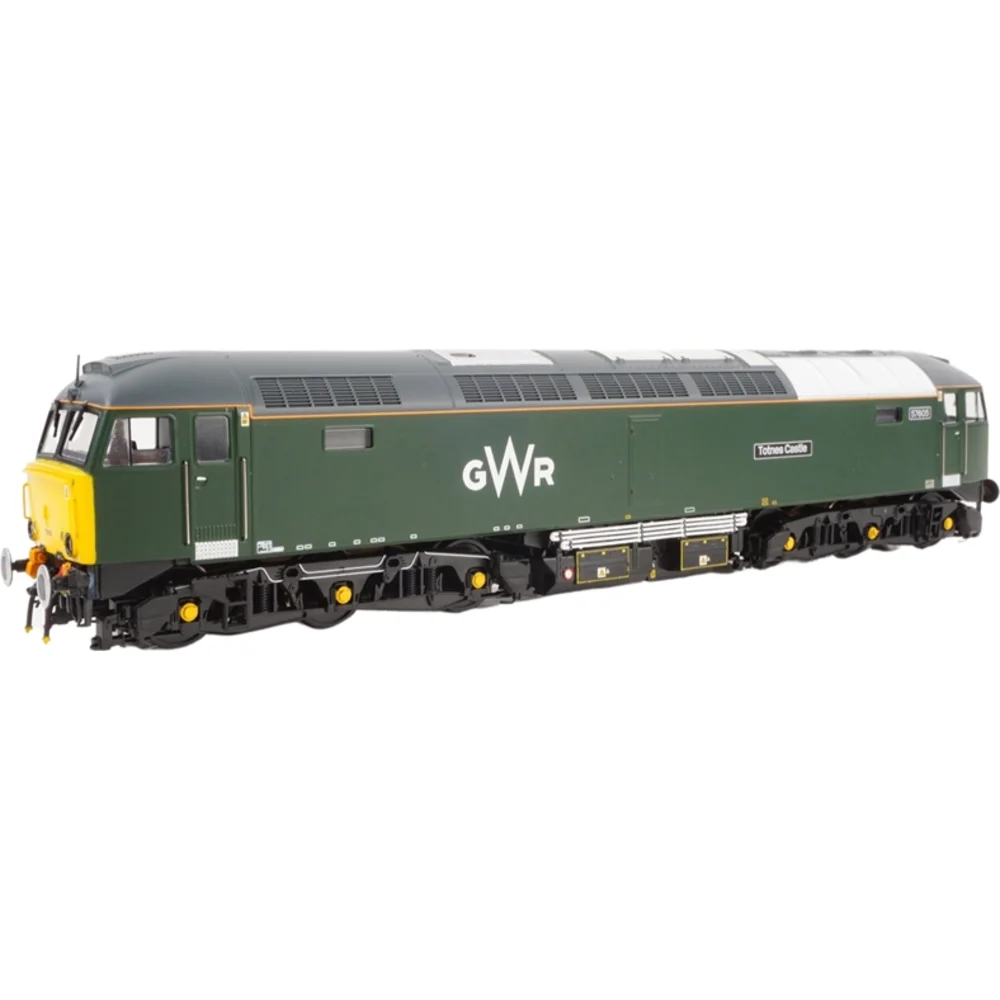
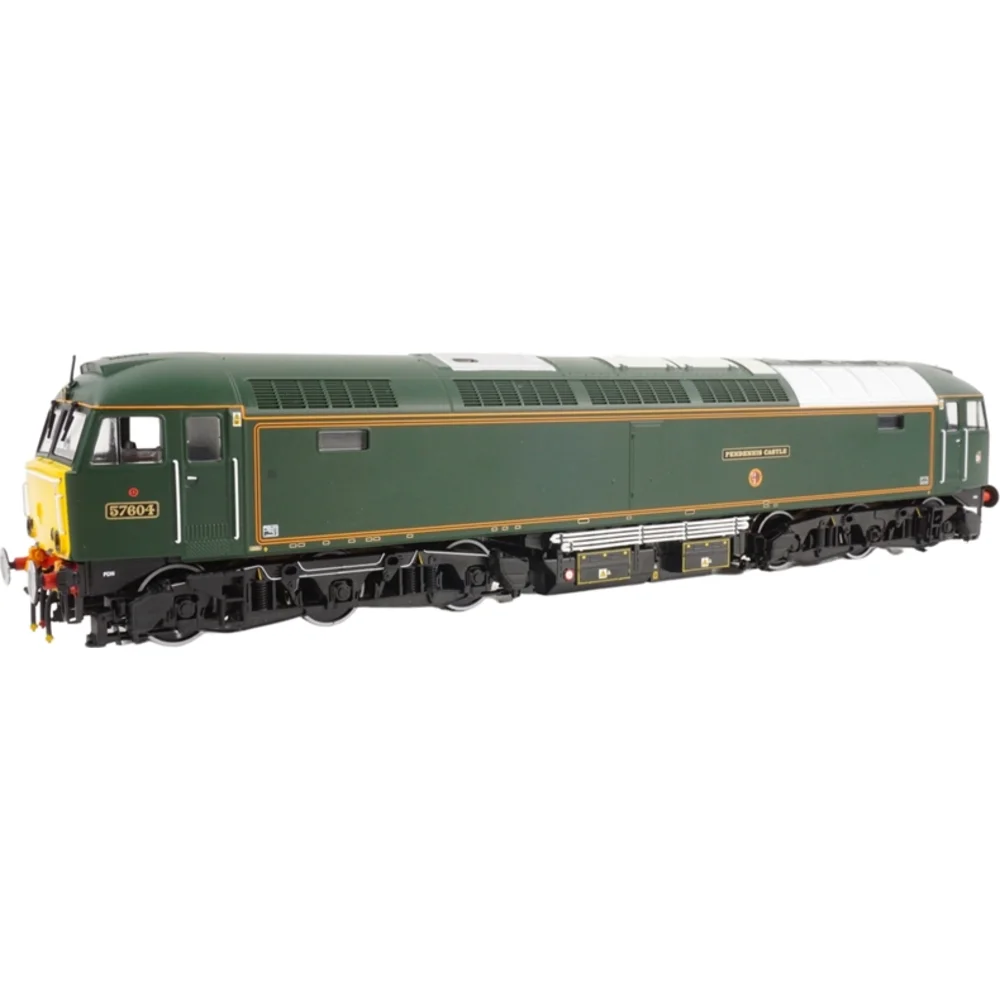
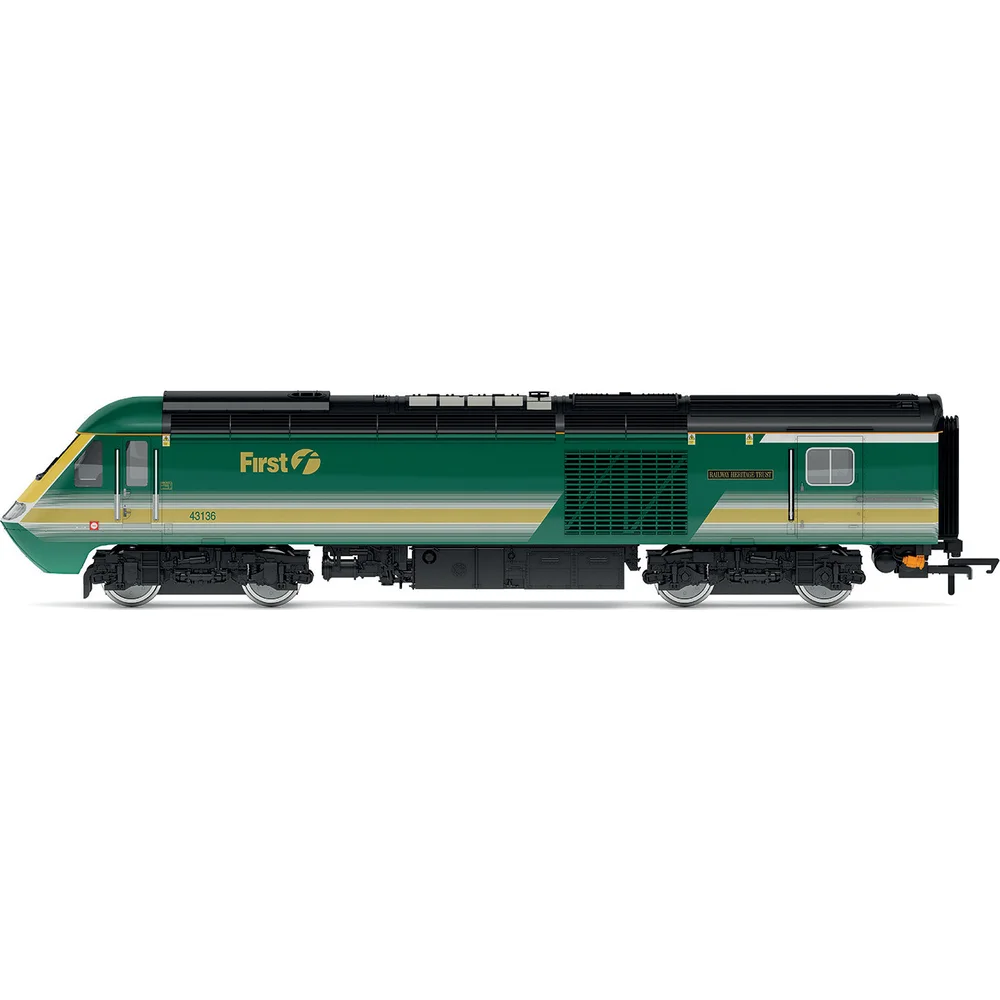
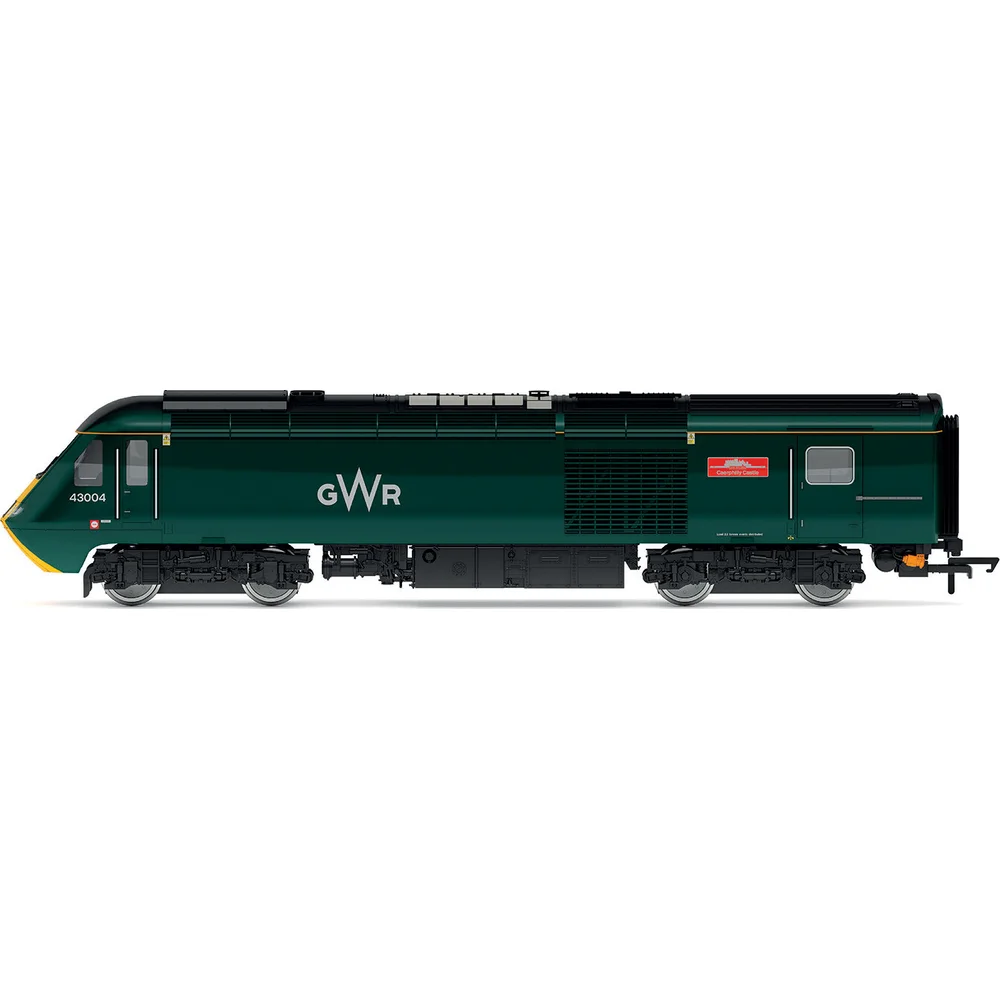
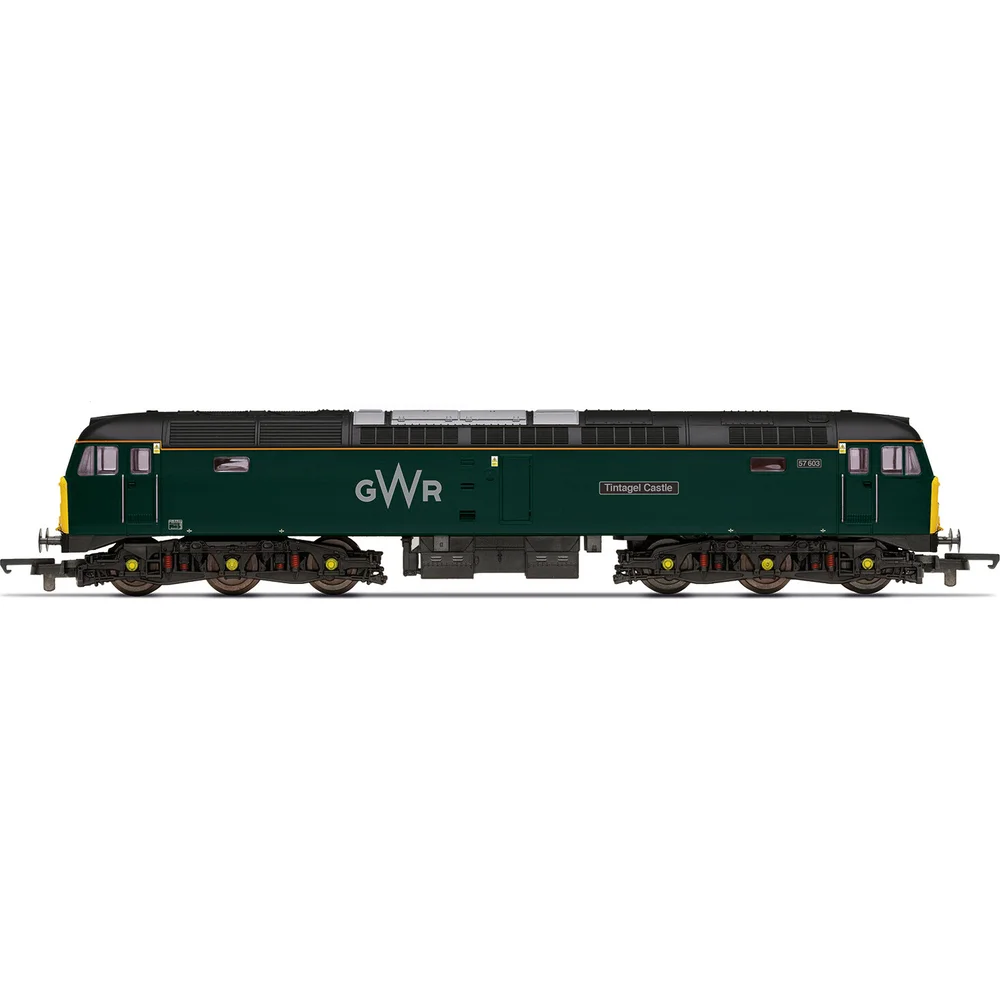
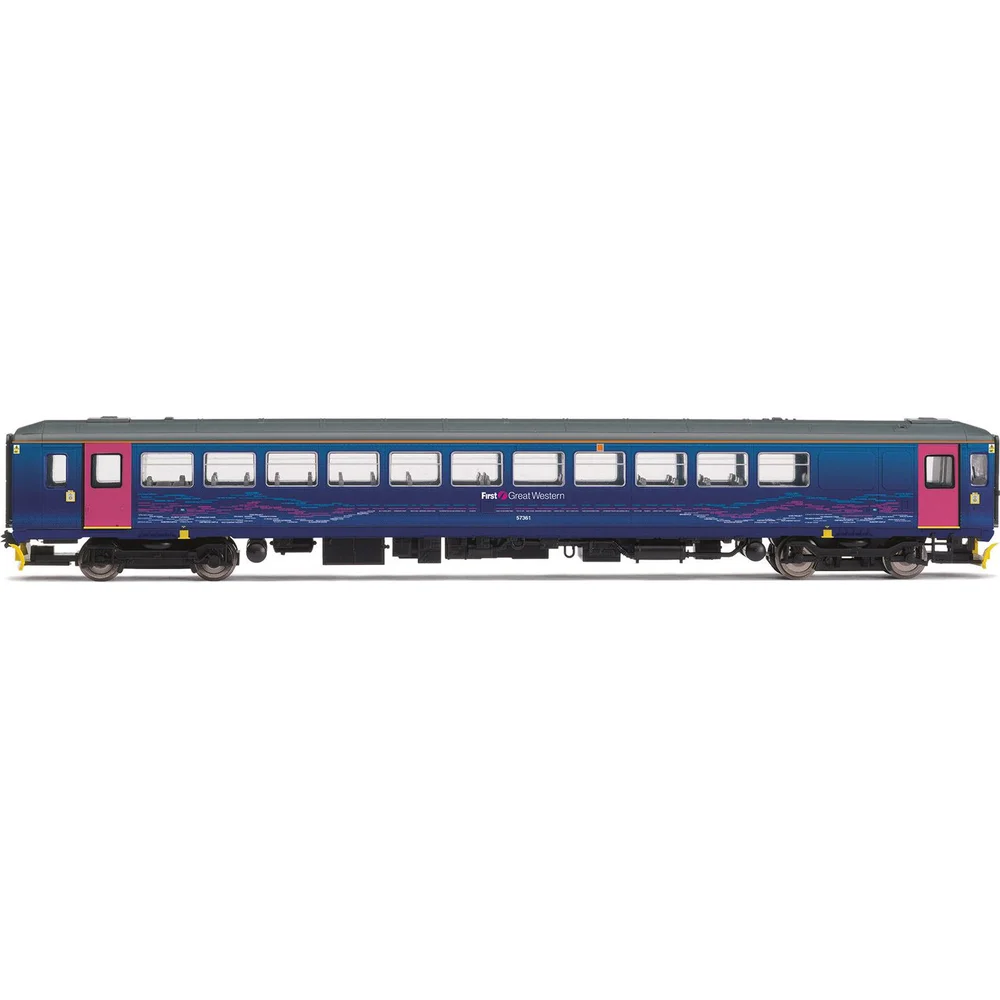
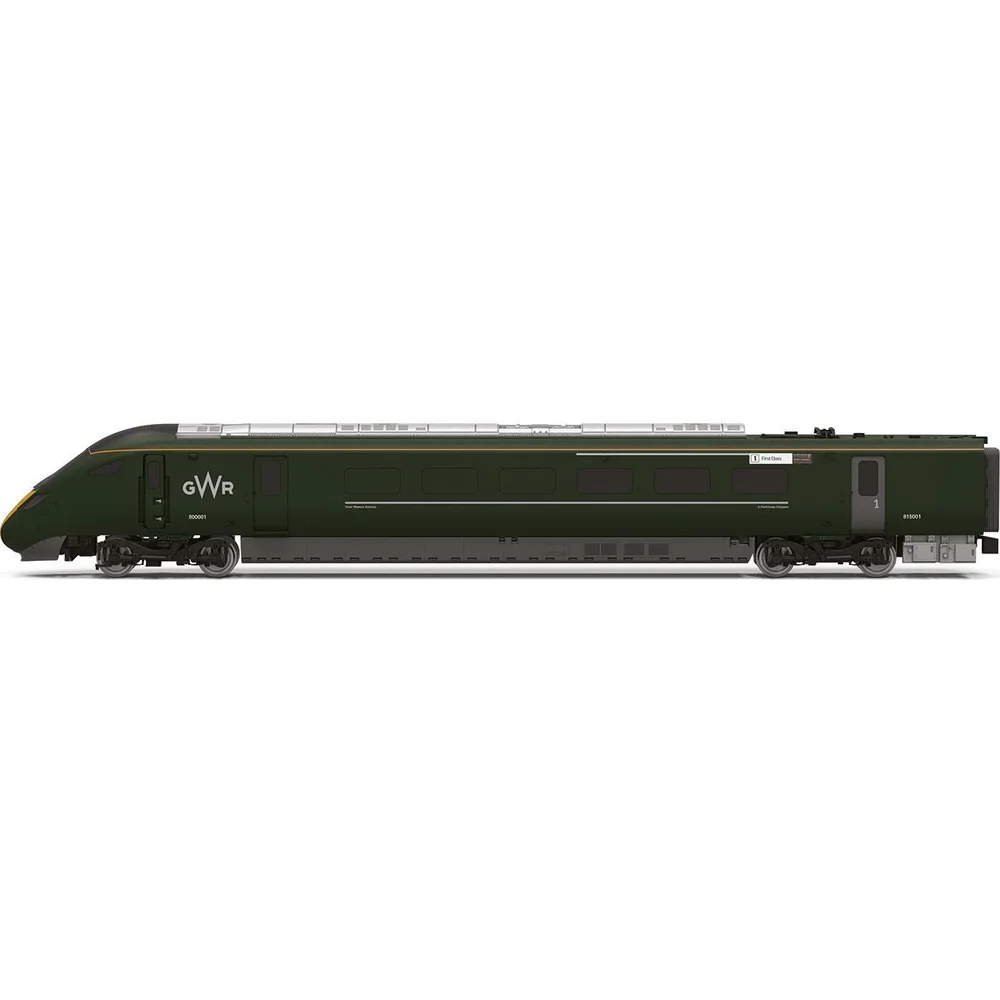
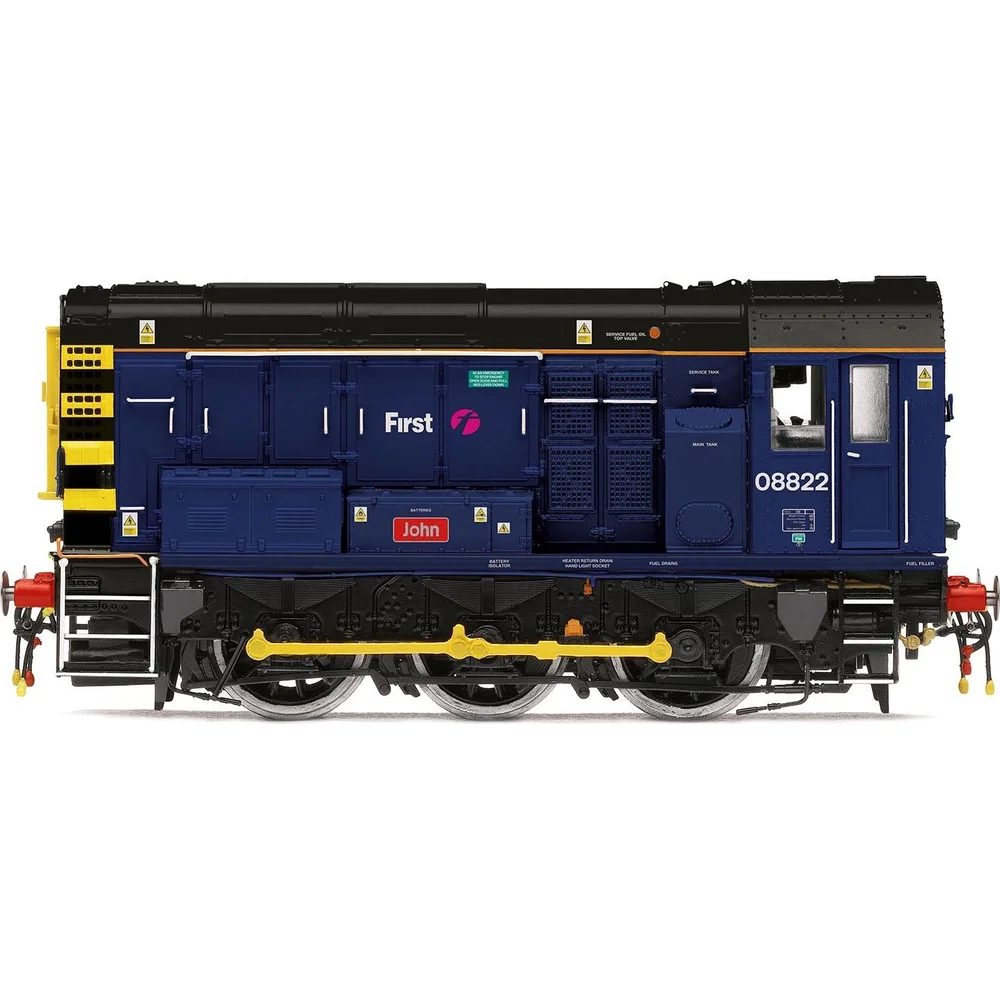
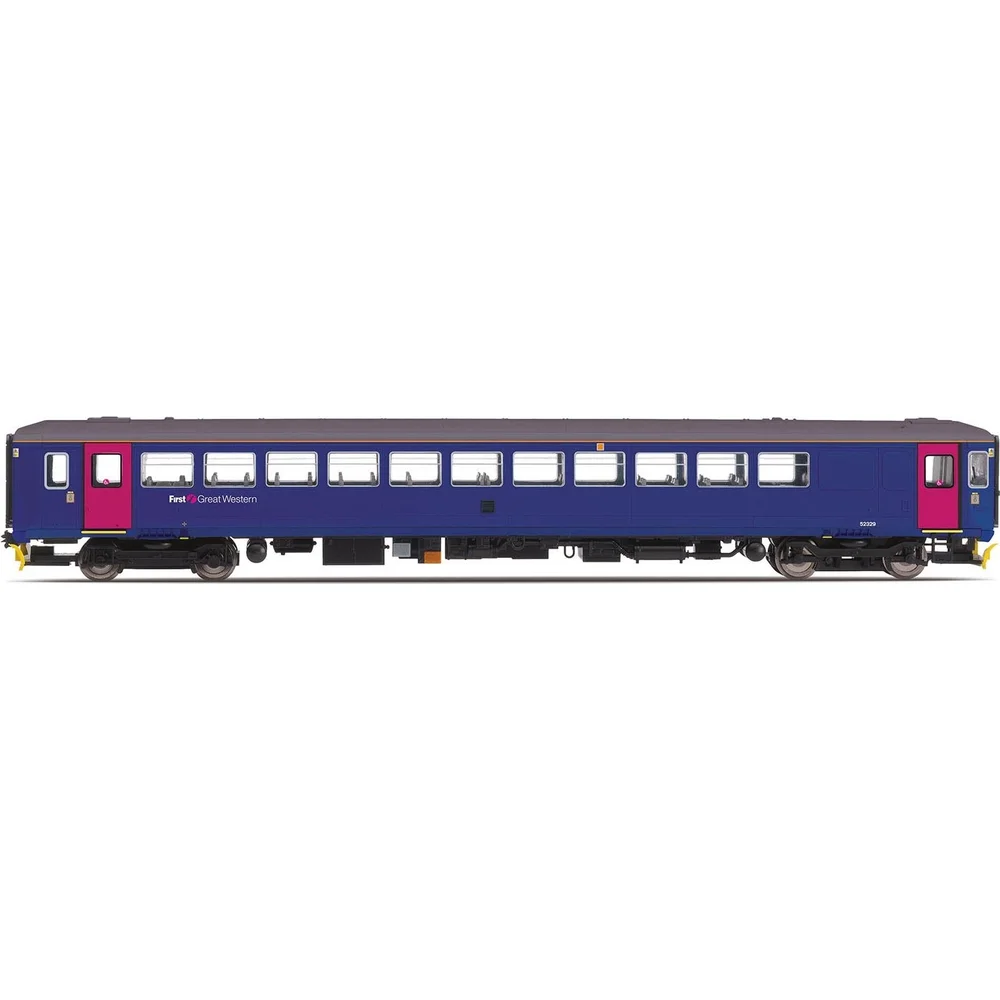
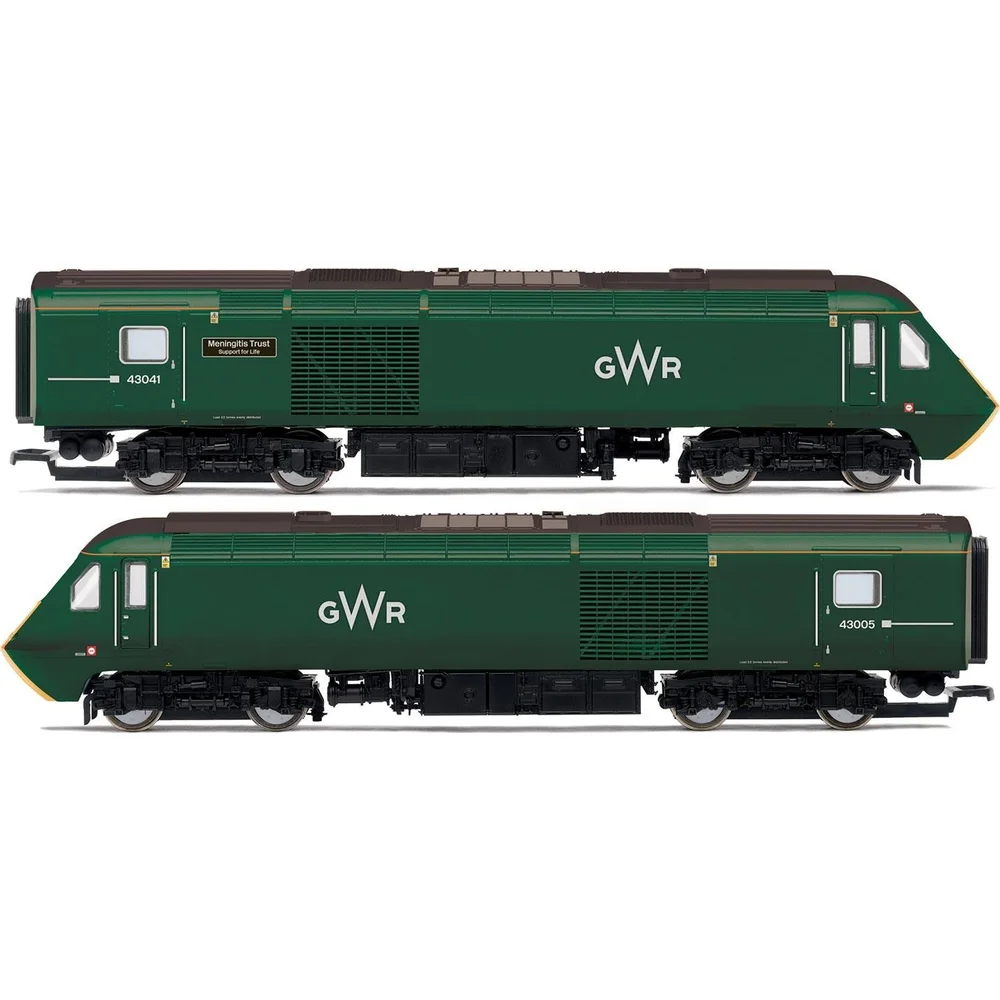
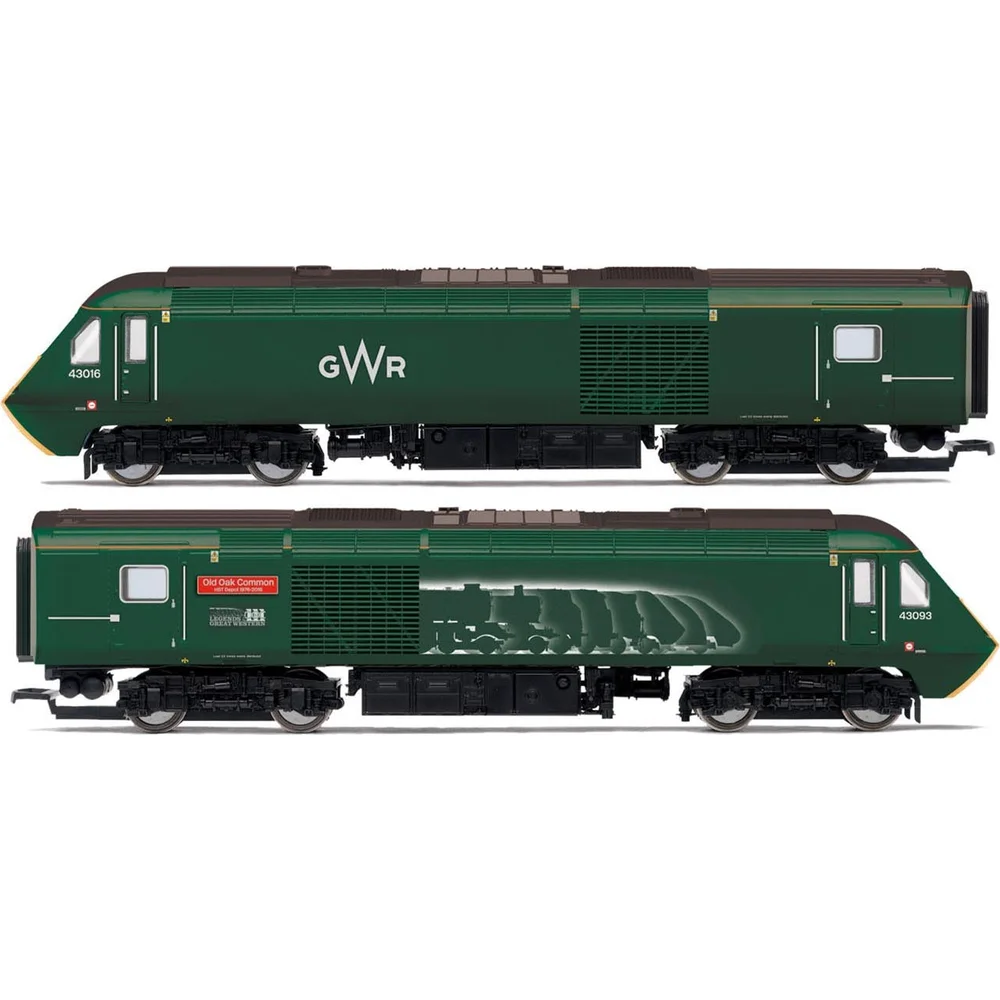
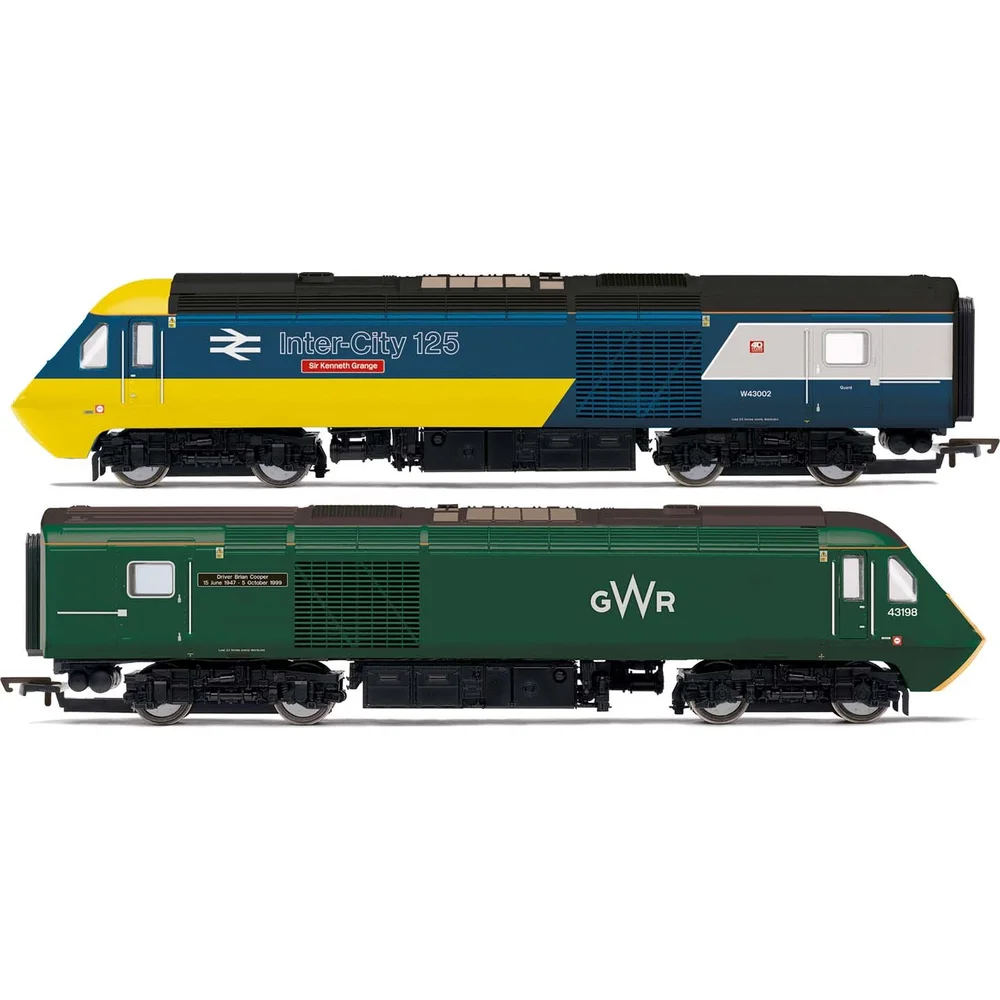
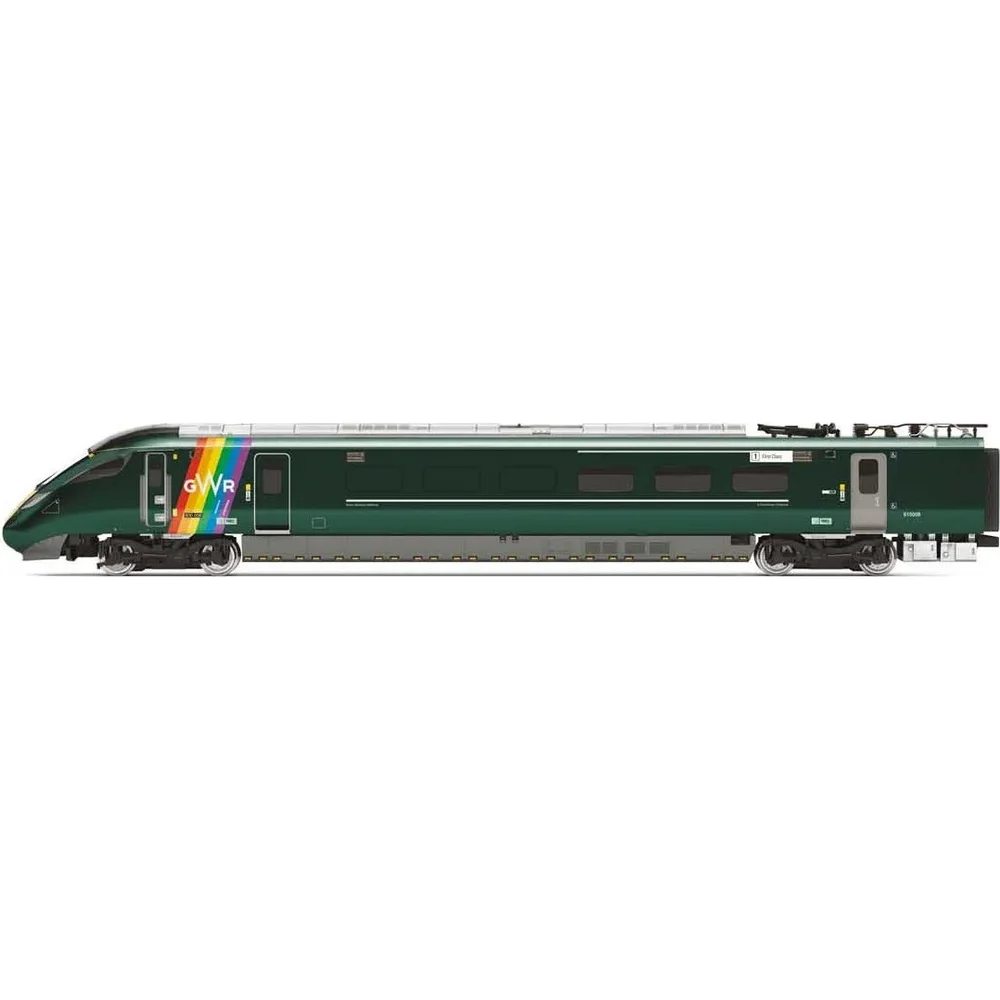
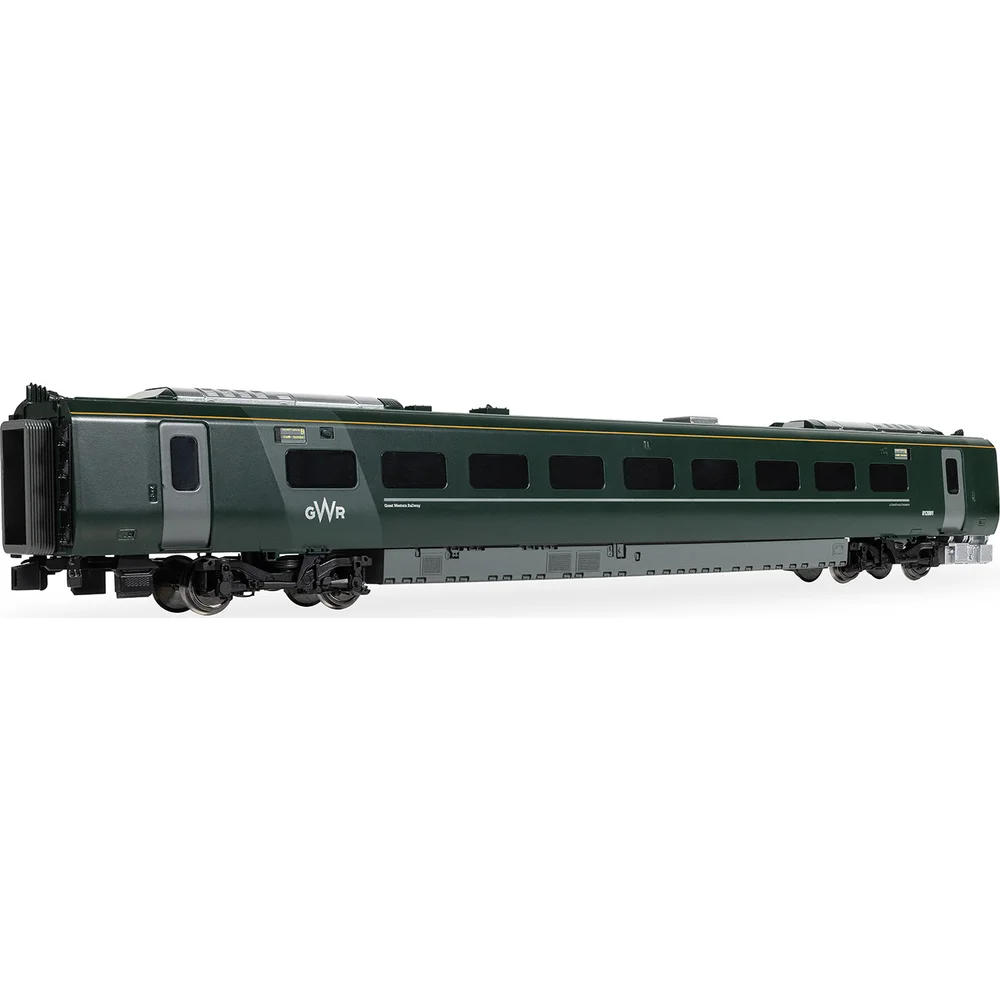
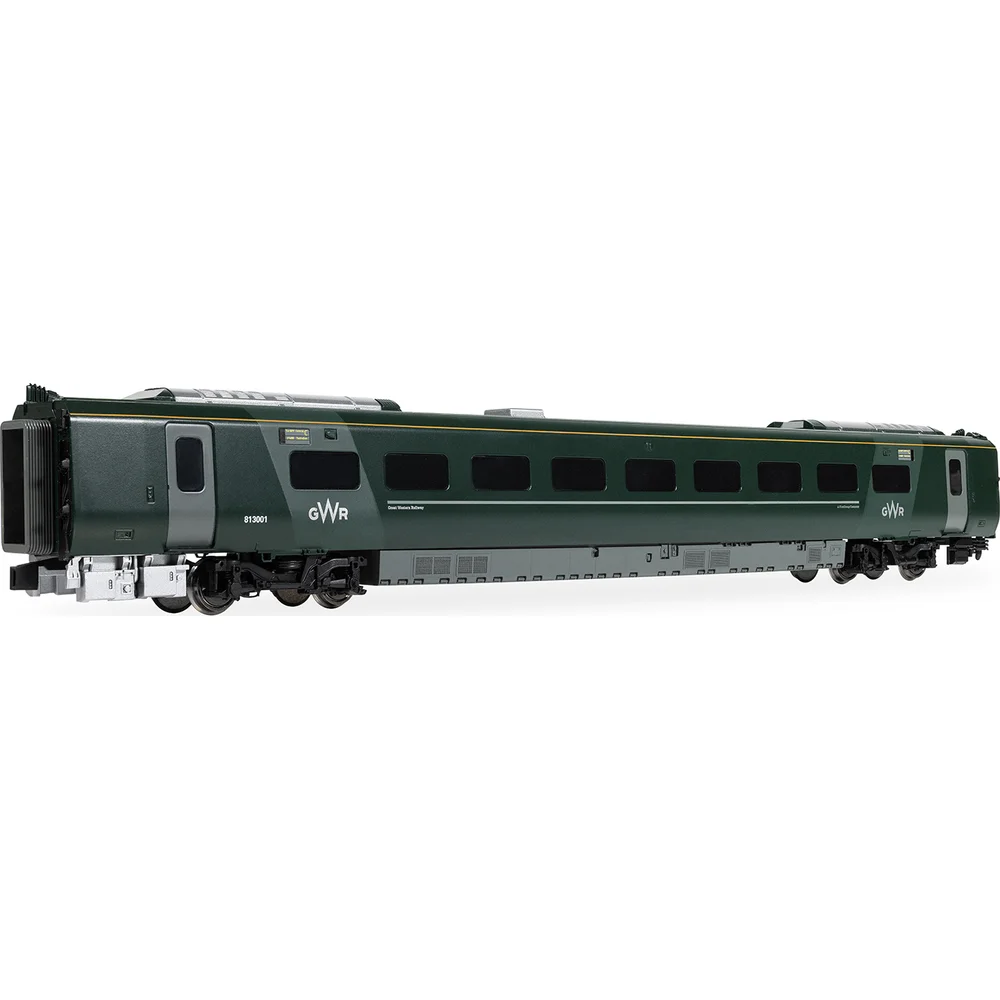
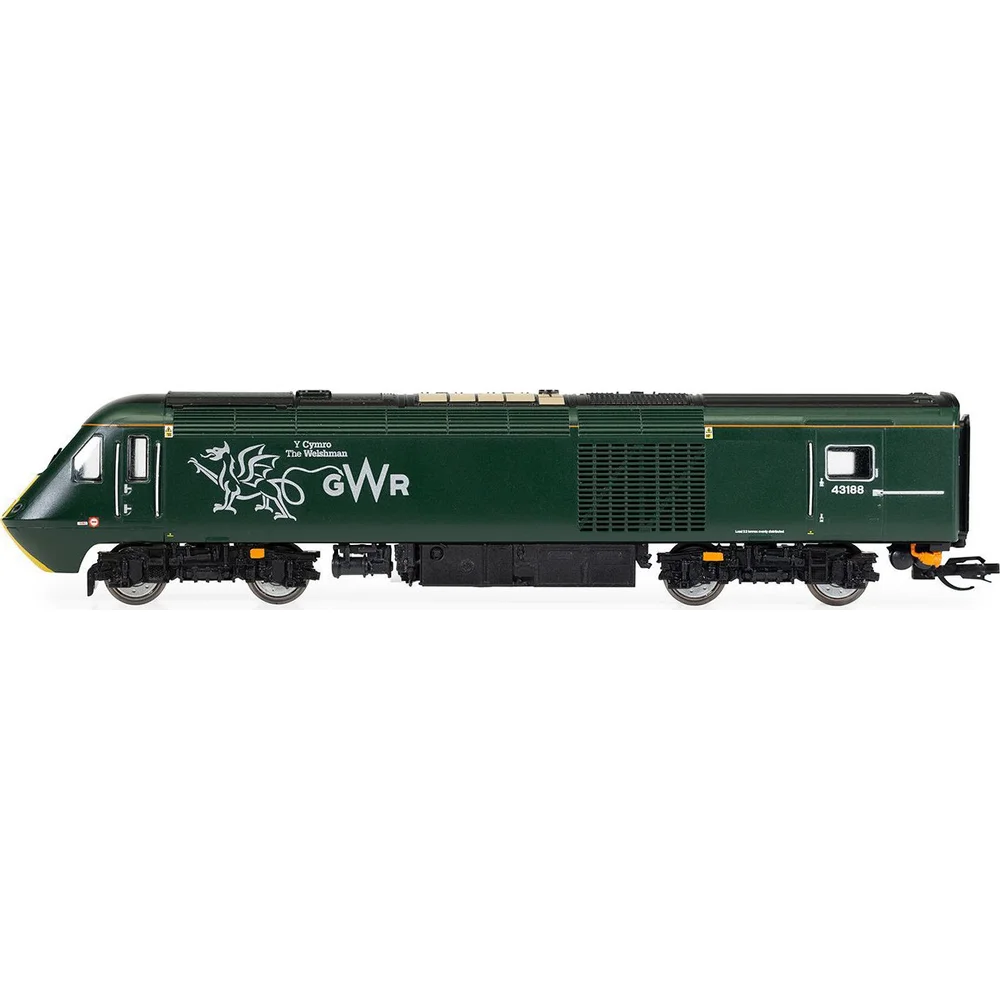
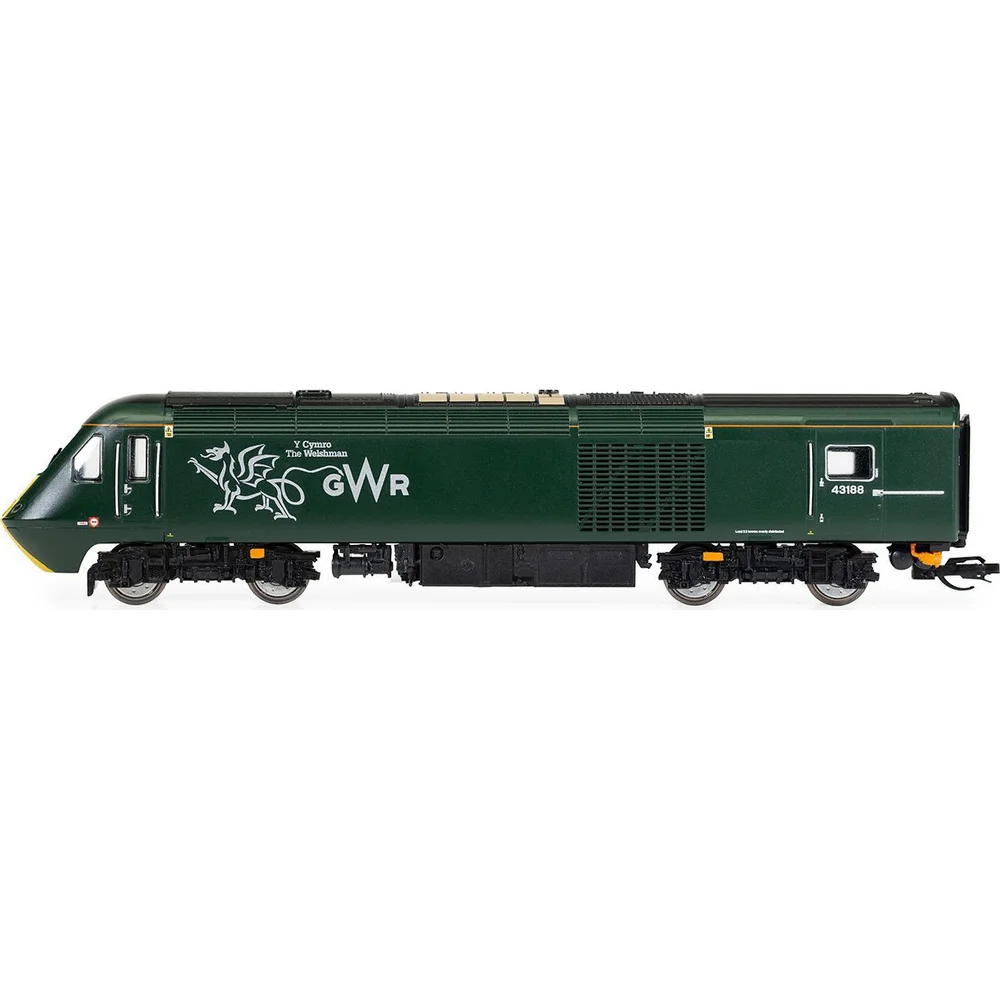
The modern Great Western Railway (GWR) stands as one of Britain's most significant train operating companies, serving over 100 million passengers annually across a comprehensive network spanning London to the West Country, Wales, and the Cotswolds. Owned by FirstGroup since 1998, this privatised railway company has transformed passenger services through the introduction of state-of-the-art Intercity Express Trains, comprehensive electrification programmes, and a commitment to honouring the heritage of Brunel's original Great Western Railway while delivering 21st-century rail travel excellence.
Quick Takeaways
- Network Scale: Operates 197 stations with services calling at over 270, covering 10,000 miles of routes daily
- Modern Fleet: Features cutting-edge Hitachi Intercity Express Trains with bi-mode electric-diesel capability for maximum flexibility
- Heritage Connection: Deliberately adopted historic GWR branding in 2015 to honour Brunel's engineering legacy
- Service Excellence: Improved customer satisfaction from 81% to 91% since 2015 through infrastructure investment
- Route Coverage: Connects London Paddington to Devon, Cornwall, Wales, Cotswolds, and Thames Valley destinations
- Franchise Duration: Current National Rail Contract extends until June 2028 with potential public ownership transition
- Investment Programme: £7.5 billion investment in new trains, electrification, and infrastructure improvements
The Modern Great Western Railway: From Privatisation to Excellence
The contemporary Great Western Railway emerged from the complex railway privatisation process that transformed British Rail in the mid-1990s. On 4 February 1996, the newly formed Great Western Holdings began operating the Great Western InterCity franchise, marking the beginning of private sector management of services radiating from London Paddington to Britain's western regions.
The company's evolution reflects the broader transformation of British railways from state control to private operation. FirstGroup's acquisition in March 1998 of the complete shareholding established the ownership structure that continues today, creating one of Britain's most stable and successful train operating companies. This transition from Great Western Trains to First Great Western, and ultimately to the current Great Western Railway brand in 2015, demonstrates remarkable corporate continuity during an era of frequent franchise changes.
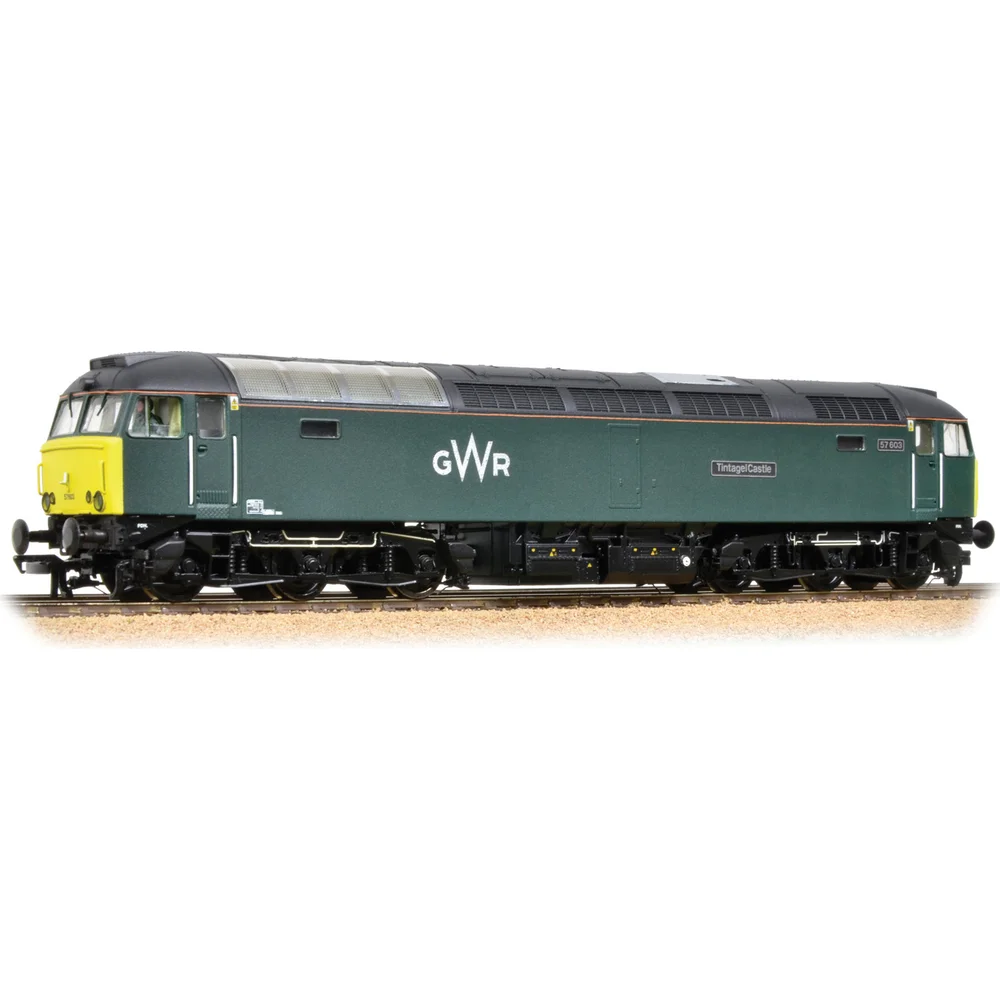
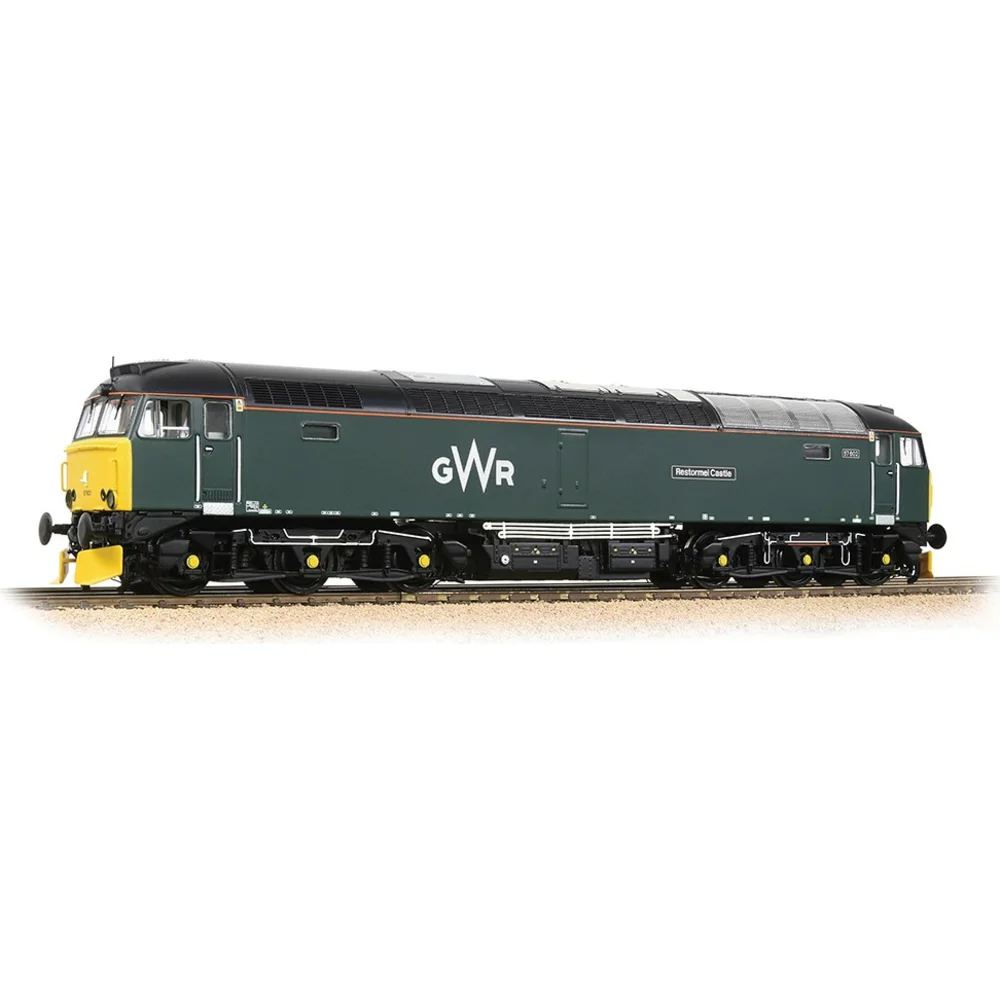
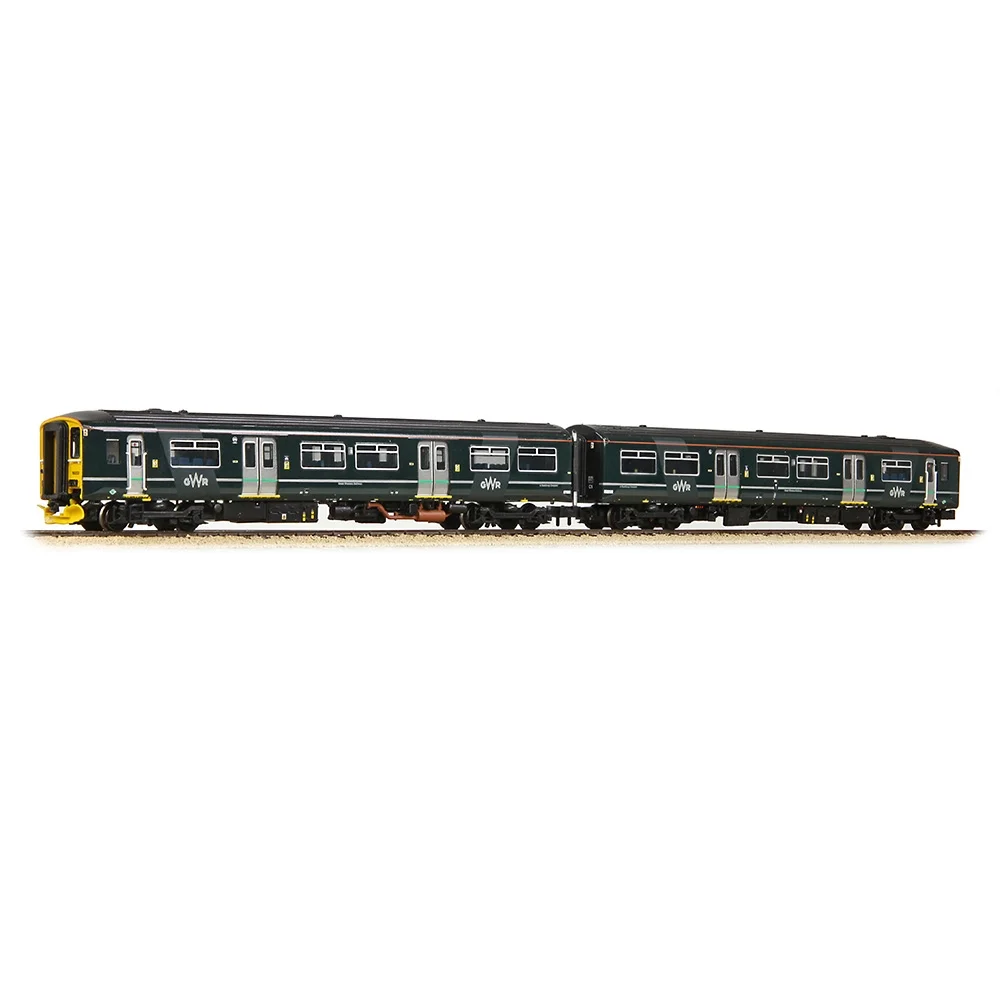
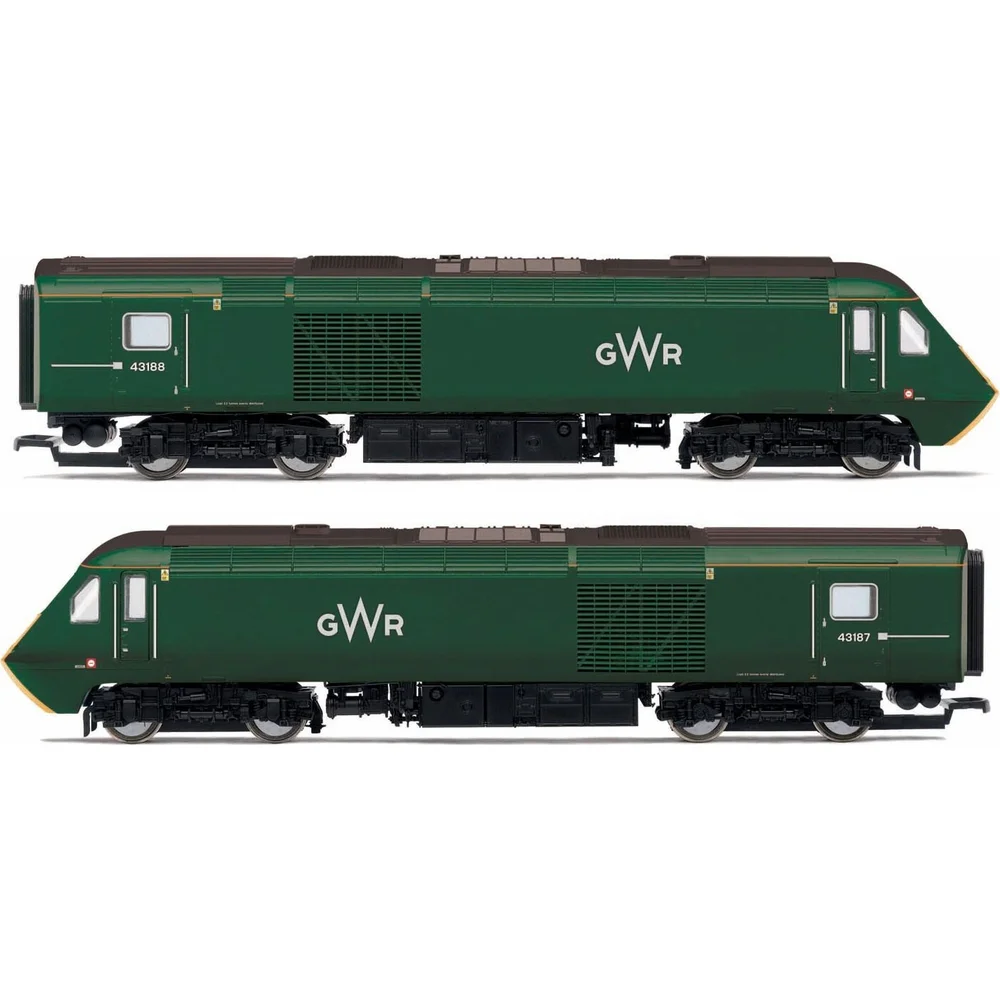
The strategic decision to revive the Great Western Railway name in September 2015 represented more than marketing symbolism. This rebranding acknowledged the profound historical significance of Brunel's original railway whilst positioning the modern company as heir to traditions of engineering excellence, customer service, and operational innovation. The adoption of heritage-inspired green livery reinforced this connection whilst establishing a distinctive visual identity that passengers immediately recognised.
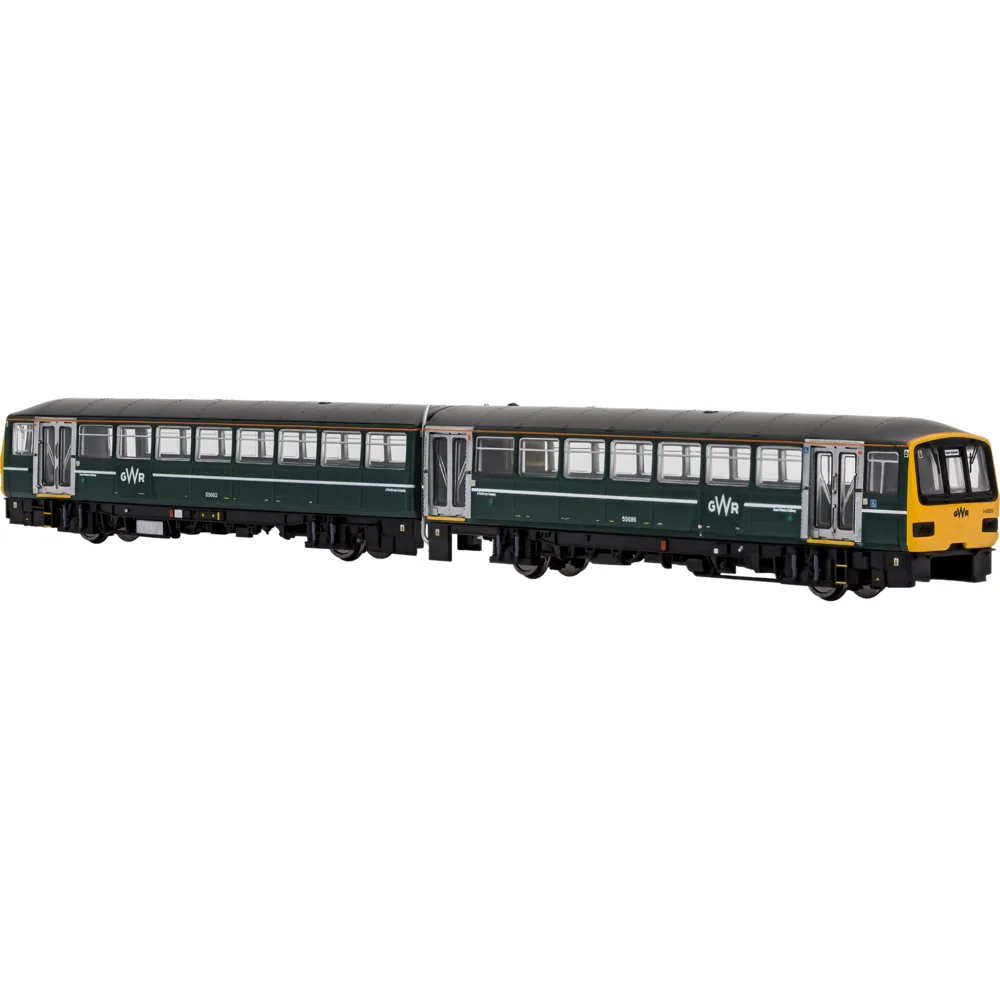
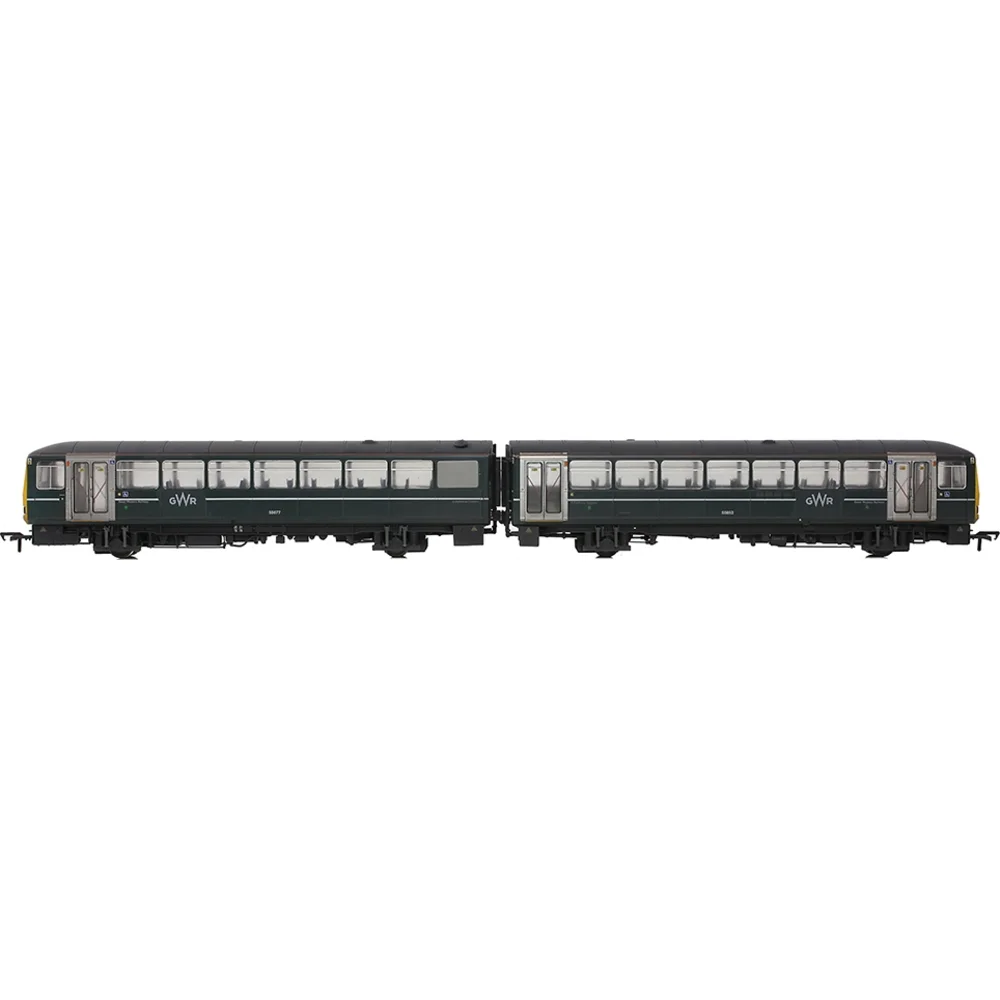
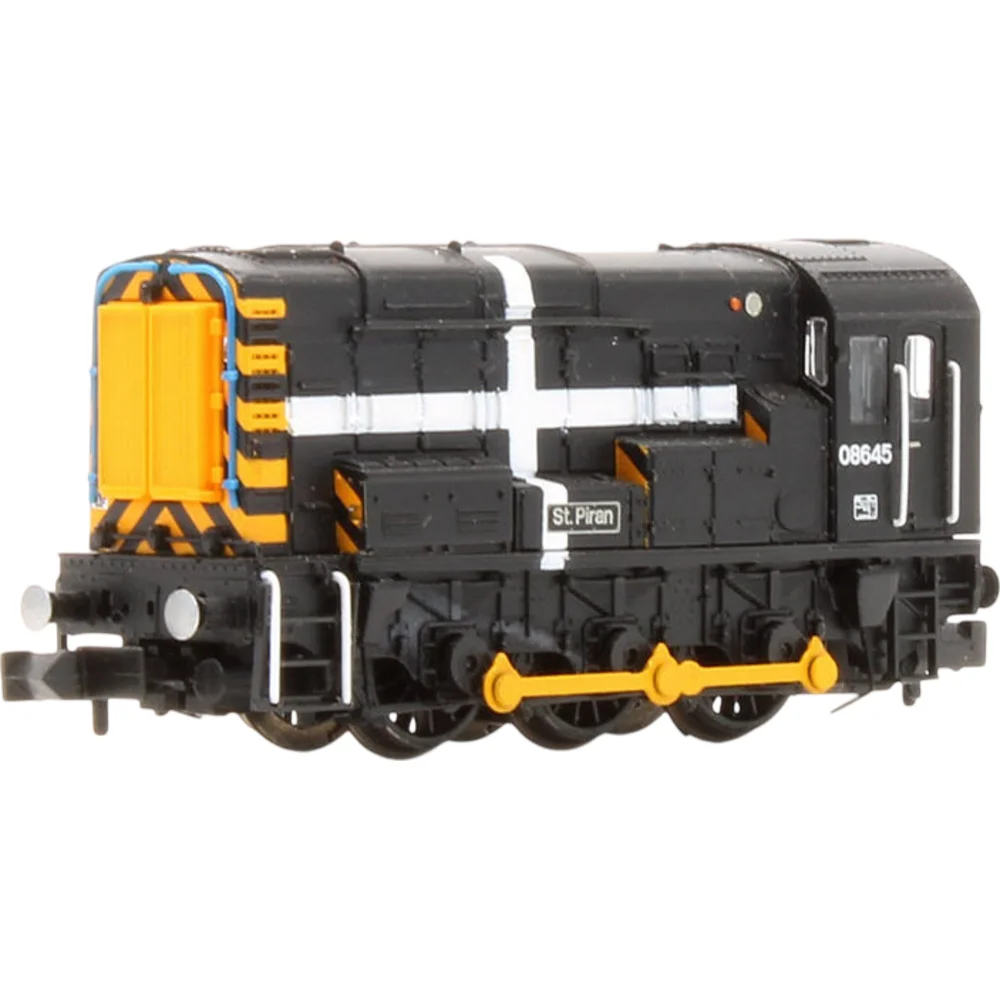
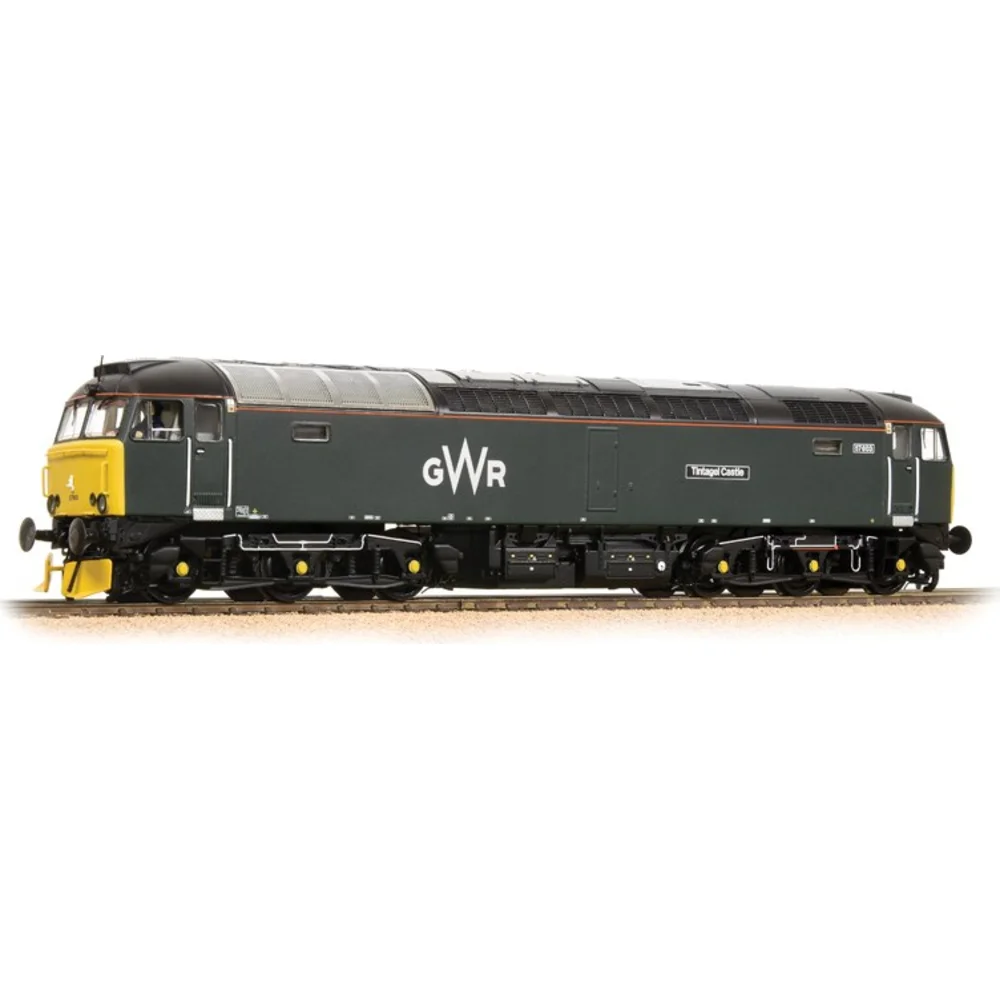
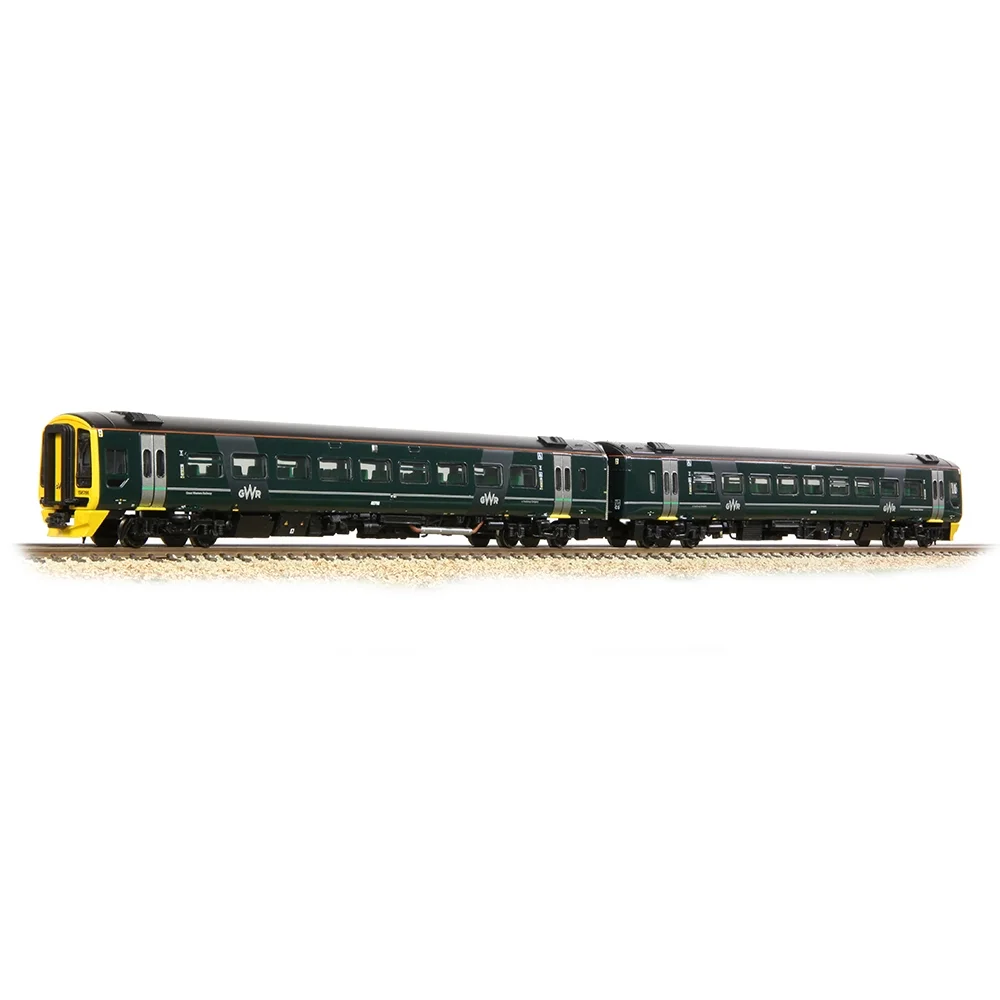
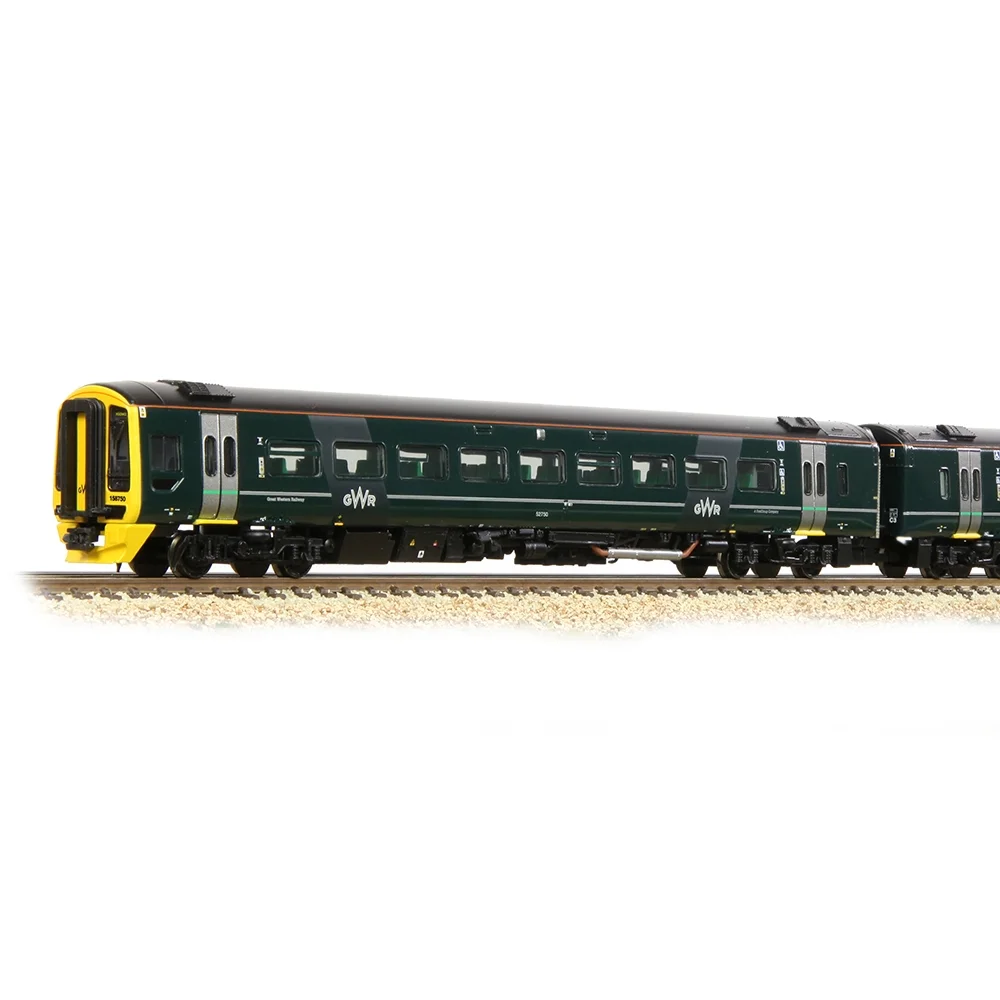
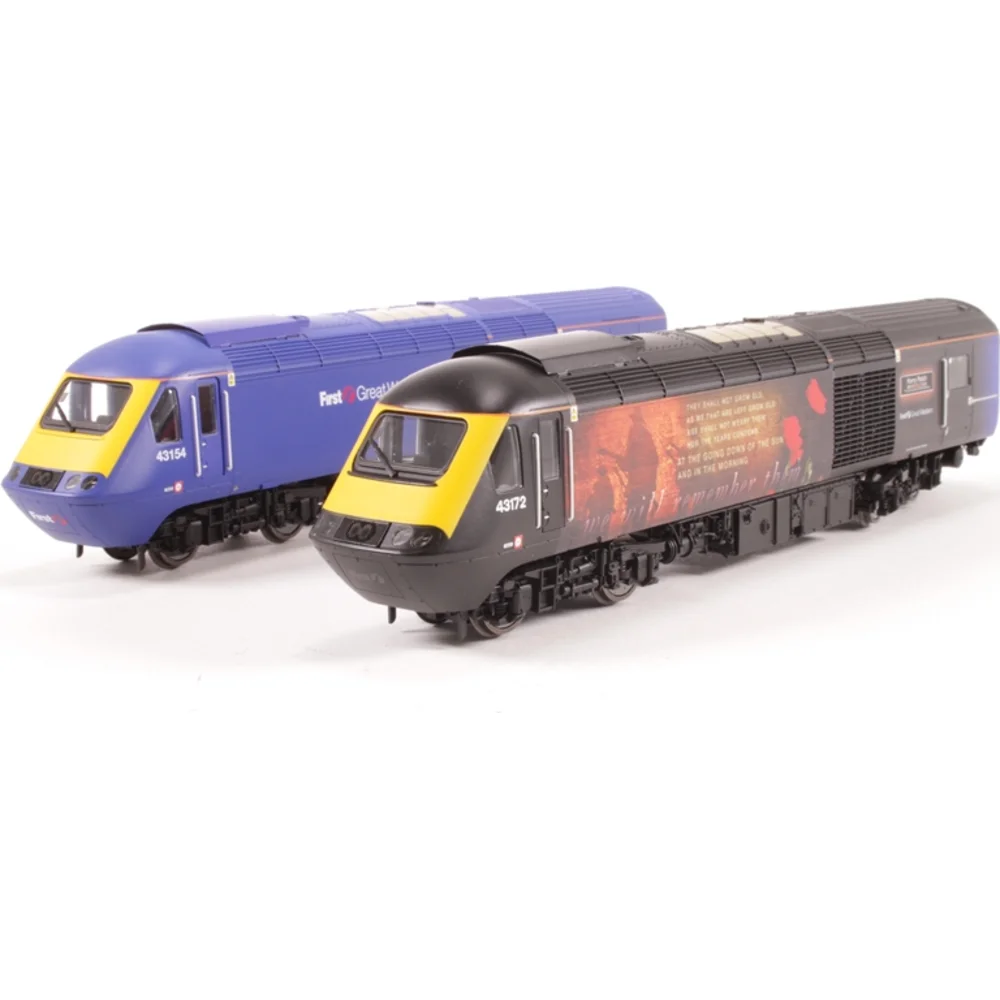
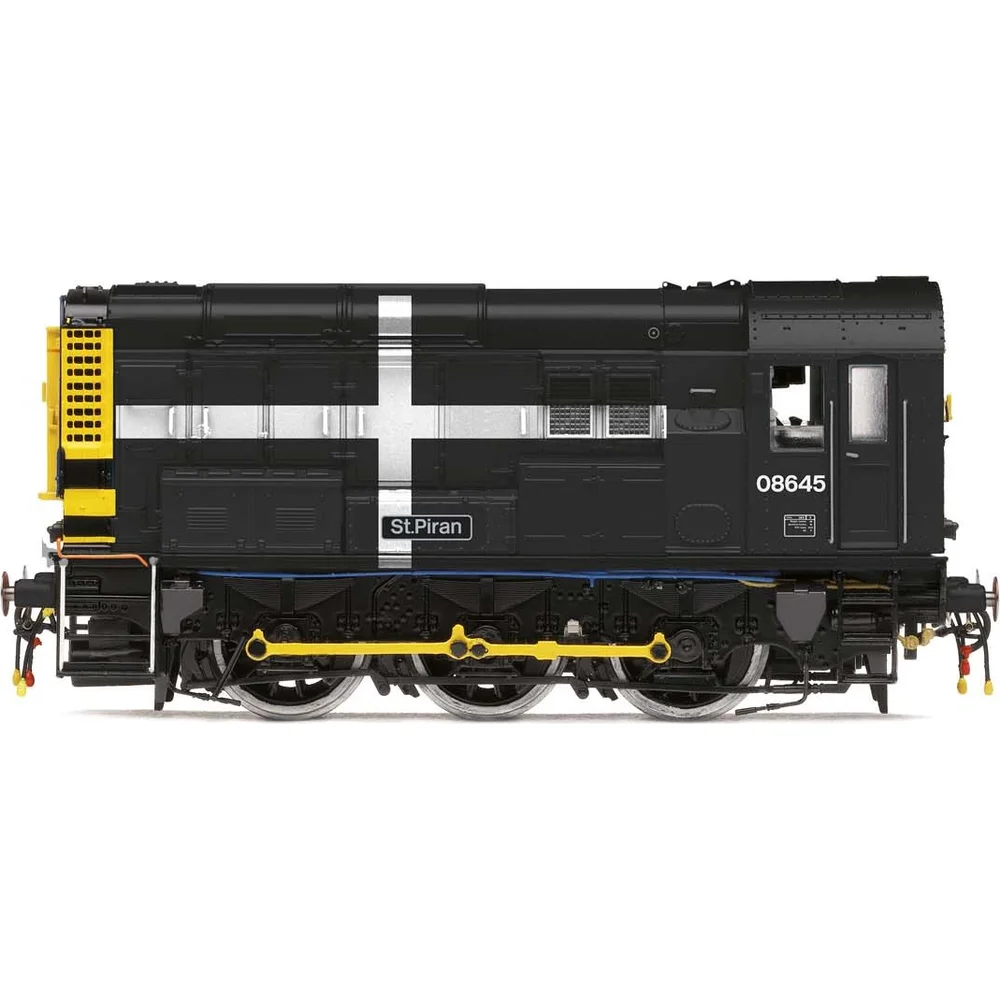
For railway modellers interested in contemporary operations, the modern GWR offers fascinating contrasts between traditional railway aesthetics and cutting-edge technology. The company's commitment to honouring historical design principles whilst implementing advanced train control systems, passenger information displays, and environmental sustainability measures provides rich inspiration for layouts representing 21st-century railway operations.
Network Operations and Route Structure
The Great Western Railway network encompasses some of Britain's most strategically important railway routes, connecting London with major economic centres throughout the western regions. The company manages 197 stations whilst providing services to over 270 destinations, creating a comprehensive transport network serving approximately 100 million passengers annually across diverse geographical and demographic markets.
The network's backbone remains the electrified Great Western Main Line connecting London Paddington with Reading, Bath, Bristol, Newport, and Cardiff. This route, enhanced through the £2.8 billion electrification programme, enables high-speed electric services covering the 303-mile journey to Swansea in under three hours. The infrastructure supports both express intercity services and intensive suburban operations serving Thames Valley commuter markets.
Branch line operations extend GWR influence throughout Devon and Cornwall via the scenic routes through Exeter, Plymouth, and Penzance. The famous Night Riviera sleeper service continues this tradition, providing overnight accommodation between London and Cornwall whilst maintaining one of Europe's longest sleeper routes. These services connect rural communities with national transport networks whilst supporting tourism economies throughout the southwest peninsula.
Cross-country routes include the strategically important connections between London Paddington and Birmingham, Worcester, and Hereford via Oxford. These services compete directly with alternative operators whilst providing essential connectivity for business and leisure travellers. The Cotswolds services, renowned for their scenic beauty, demonstrate GWR's continued commitment to serving rural communities alongside major urban centres.
Suburban operations concentrate on the Thames Valley region, providing frequent services between Paddington and Reading, Oxford, Newbury, and intermediate stations. These commuter services, operating at frequencies of up to four trains per hour during peak periods, form the financial foundation supporting the company's longer-distance operations whilst serving one of Britain's most economically dynamic regions.
The Intercity Express Programme: Revolutionary Train Technology
The introduction of Intercity Express Trains represents the most significant technological advancement in British railway history since the original High Speed Train development of the 1970s. This £7.5 billion programme, delivered through partnership between the Department for Transport, Hitachi Rail, and Agility Trains, fundamentally transformed passenger experience whilst establishing new standards for railway efficiency and environmental performance.
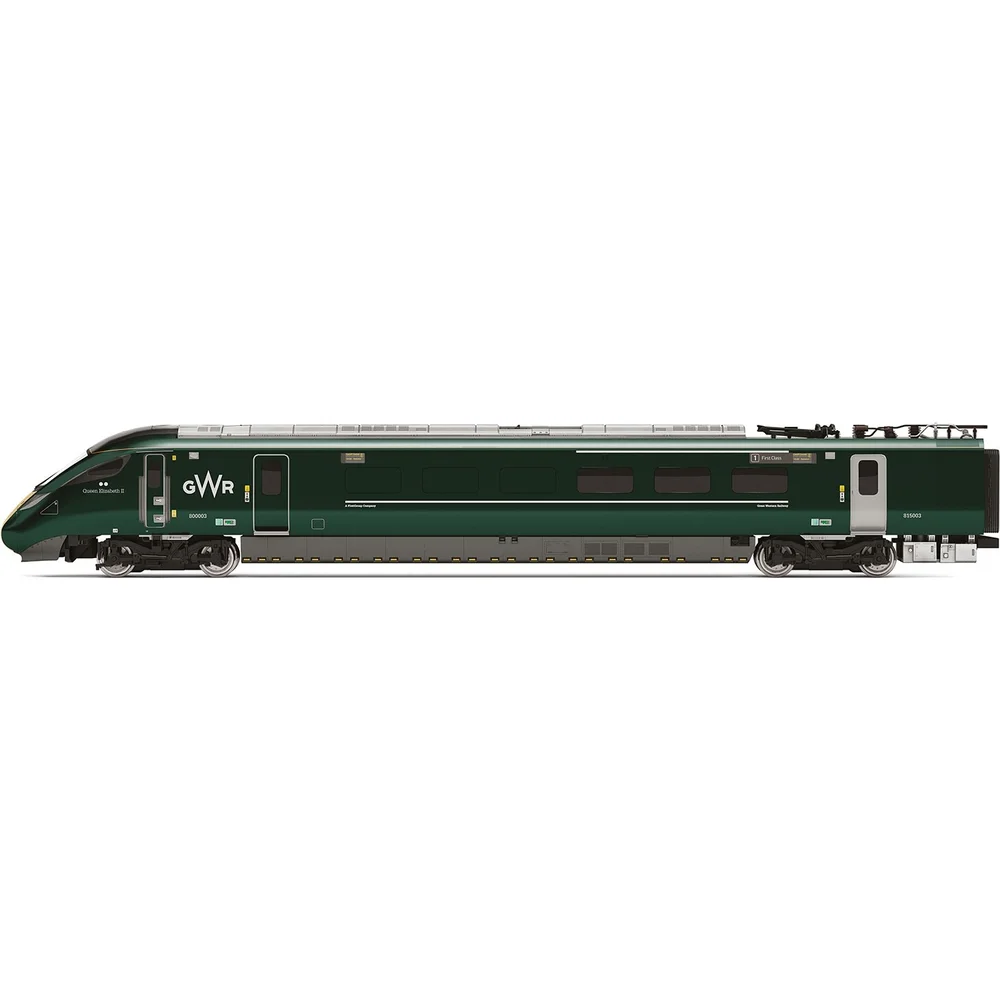
The Class 800 and 802 bi-mode trains utilise revolutionary technology enabling seamless operation under both electric power from overhead lines and diesel power on non-electrified routes. This flexibility maximises the benefits of partial electrification whilst eliminating the operational constraints traditionally associated with locomotive changes or separate train fleets. Each train incorporates sophisticated control systems automatically switching between power sources without passenger awareness or service interruption.
Performance improvements include 24% increased seating capacity compared to the replaced High Speed Trains, enhanced passenger comfort through improved air conditioning and noise reduction, and acceleration capabilities enabling faster journey times despite identical maximum speeds. The trains feature spacious interiors with increased legroom, improved luggage storage, and comprehensive passenger information systems including real-time journey updates and onboard WiFi connectivity.
Manufacturing excellence was demonstrated through Hitachi's Newton Aycliffe facility, purpose-built to produce these trains using advanced Japanese engineering techniques adapted for British operational requirements. This investment created approximately 2,000 manufacturing jobs whilst establishing Britain as a centre for railway vehicle production. The facility continues producing trains for multiple operators, demonstrating the programme's broader economic benefits.
Maintenance infrastructure includes three purpose-built train care depots at Stoke Gifford (Bristol), North Pole (London), and Swansea, designed to service the sophisticated technology incorporated within modern trains. These facilities feature advanced diagnostic systems, automated washing plants, and comprehensive testing equipment enabling preventive maintenance programmes that maximise availability whilst minimising service disruption.
Electrification and Infrastructure Modernisation
The Great Western Main Line electrification programme represents the most ambitious railway infrastructure project undertaken in Britain since the Victorian era, transforming services between London and Wales whilst establishing foundations for future expansion. This £2.8 billion investment programme electrified 665 route miles using 25kV AC overhead equipment, enabling electric train operation to Cardiff and providing environmental benefits through reduced diesel emissions.
Technical challenges included extensive bridge modifications to accommodate overhead line equipment, complex interfaces with Network Rail's existing infrastructure, and coordination with ongoing train services during construction phases. The programme required raising or rebuilding 29 major structures whilst installing over 180 miles of overhead conductor wire and associated support systems. These modifications enable electric trains to operate at sustained high speeds whilst reducing energy consumption compared to diesel alternatives.
The electrification enables environmental sustainability improvements through reduced carbon emissions, lower noise levels, and enhanced energy efficiency. Electric traction produces zero local emissions whilst drawing power from increasingly renewable energy sources. The programme supports government decarbonisation objectives whilst providing operational benefits including improved acceleration, reduced maintenance requirements, and enhanced reliability compared to diesel alternatives.
Station improvement programmes accompanied electrification work, featuring platform extensions to accommodate longer trains, enhanced passenger facilities, and improved accessibility for disabled travellers. Major stations including Reading, Bath Spa, and Bristol Temple Meads received comprehensive redevelopment incorporating modern retail facilities, improved passenger circulation, and enhanced architectural features respecting historical character whilst meeting contemporary operational requirements.
Signalling modernisation utilised European Train Control System technology providing enhanced safety margins, improved line capacity through closer train spacing, and reduced infrastructure maintenance through elimination of traditional mechanical equipment. This investment enables more frequent services whilst maintaining the highest safety standards throughout the network.
Fleet Evolution and Rolling Stock Strategy
The Great Western Railway fleet represents a carefully planned combination of modern technology and operational flexibility designed to serve diverse passenger markets whilst maintaining service reliability across varied route characteristics. The comprehensive fleet renewal programme replaced aging High Speed Train and diesel multiple unit fleets whilst introducing unprecedented passenger comfort and environmental performance standards.
The backbone Intercity Express Train fleet comprises 93 Class 800 and 36 Class 802 trains providing services throughout the network. Class 800 units operate primarily on electrified routes with diesel capability for non-electrified sections, whilst Class 802 units feature enhanced diesel power for extended operation beyond the electrified network. This differentiation enables optimised performance whilst maintaining operational flexibility for service planning and disruption management.
Suburban services utilise 45 Class 387 Electrostar electric multiple units providing frequent Thames Valley operations between London and Reading, Oxford, and intermediate stations. These four-car units offer modern passenger facilities including air conditioning, passenger information systems, and bicycle storage whilst delivering the acceleration performance essential for intensive suburban operations with frequent station stops.
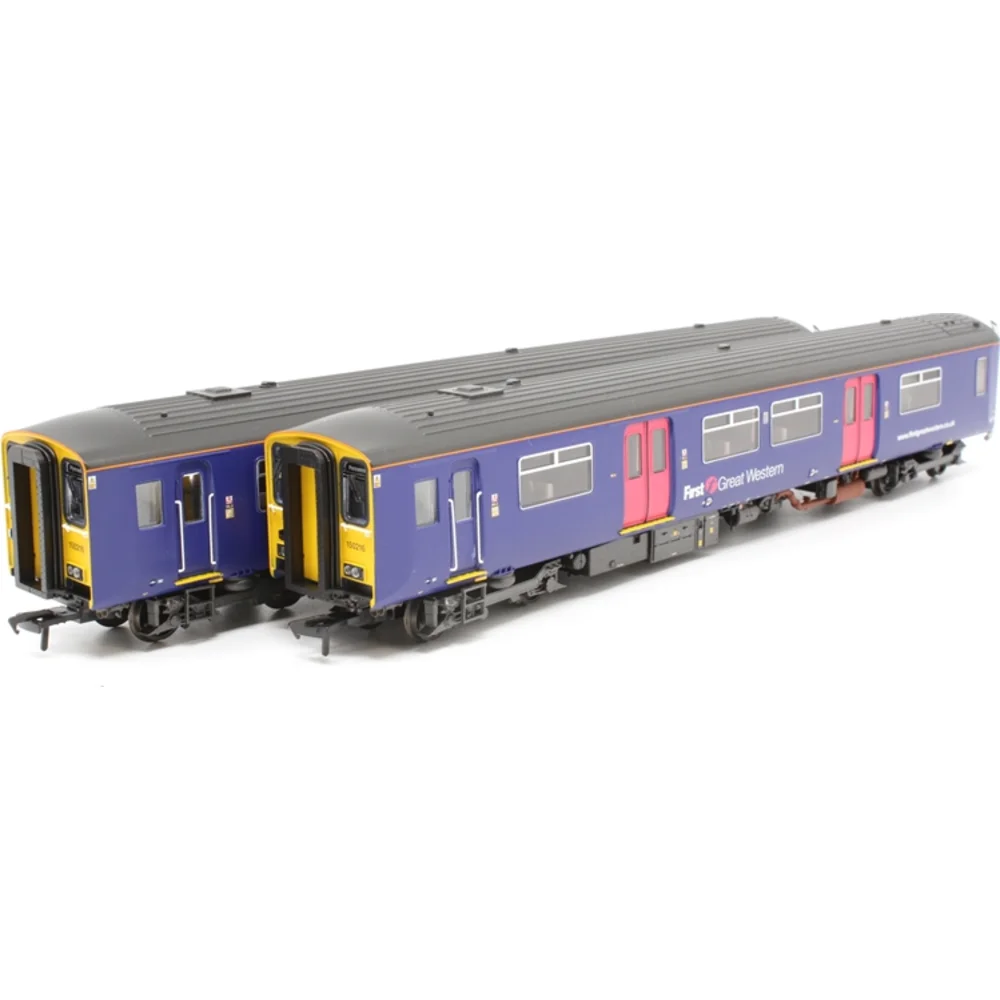
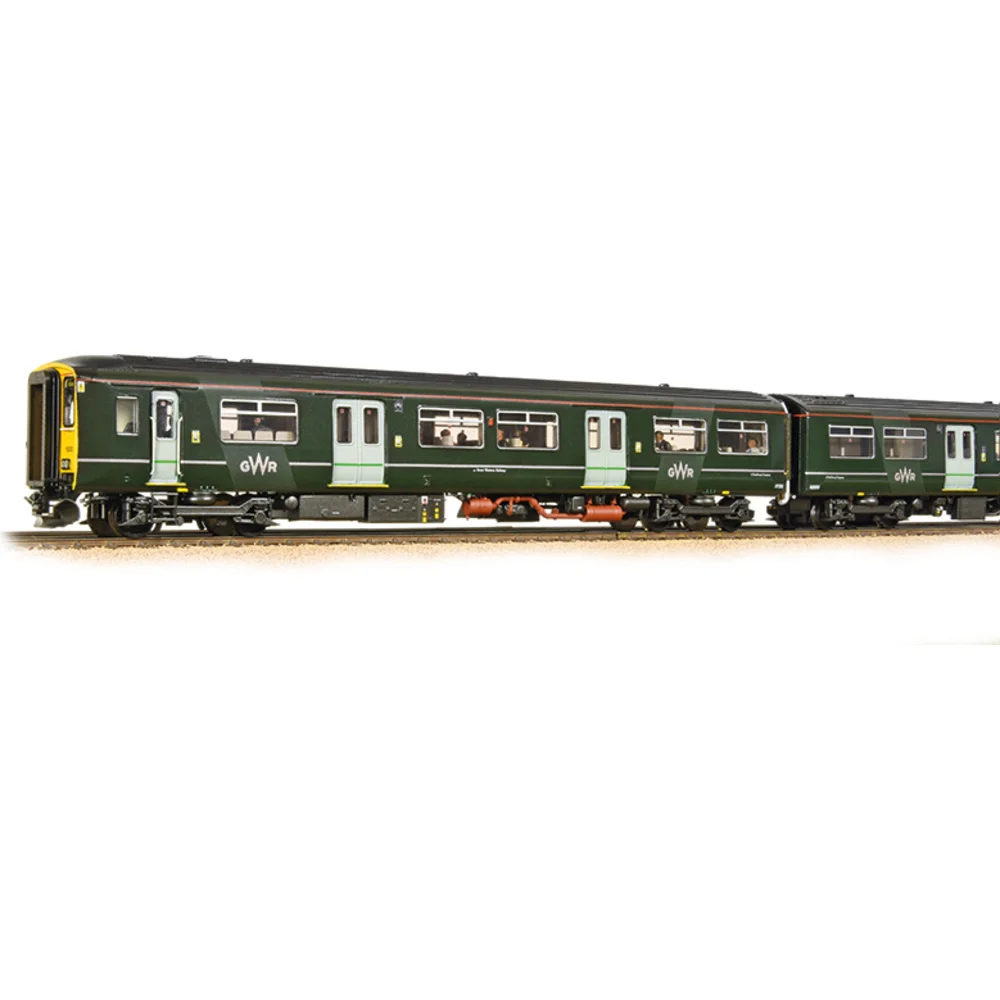
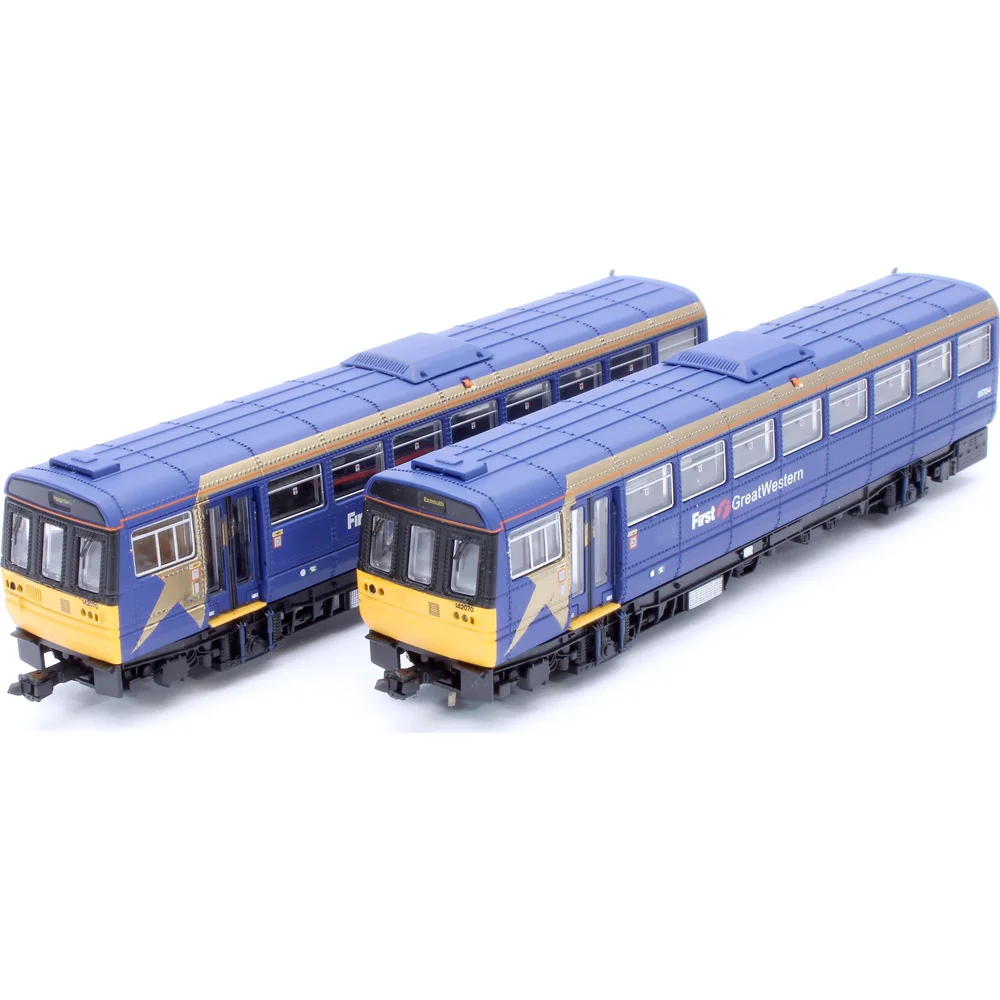
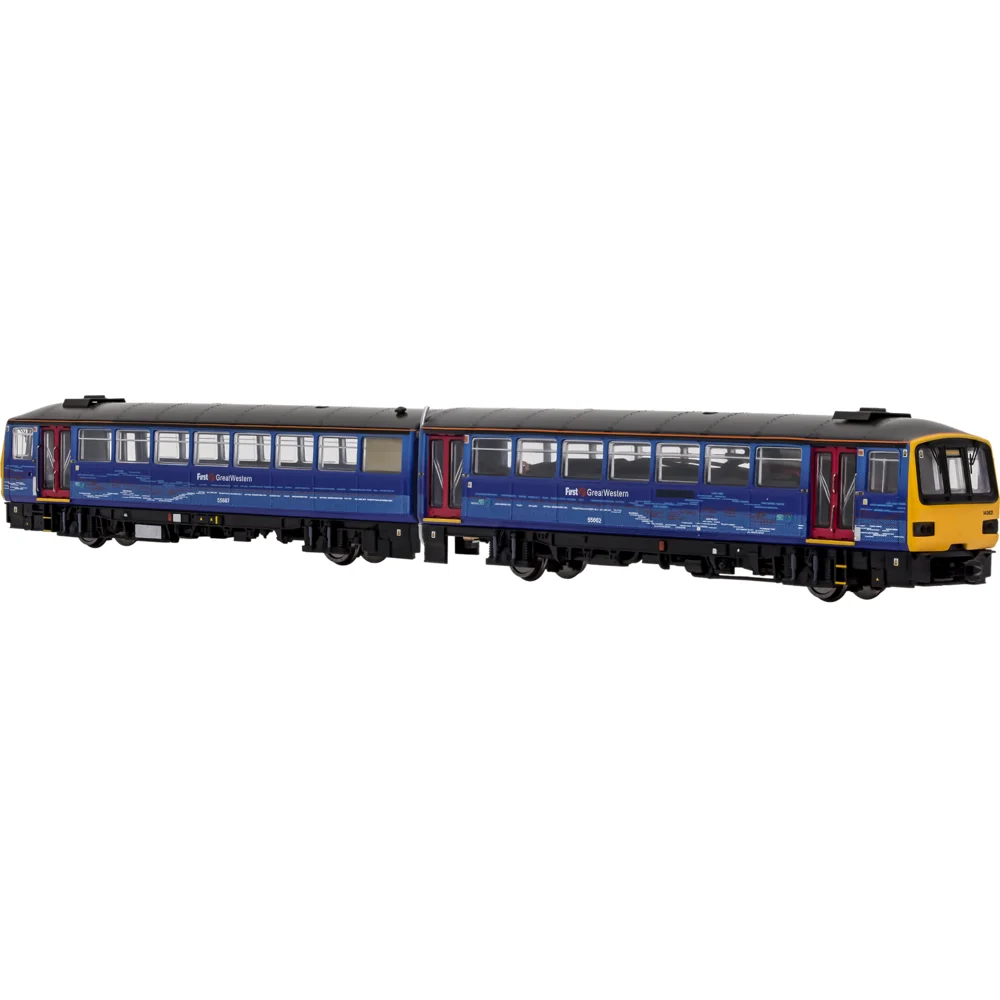
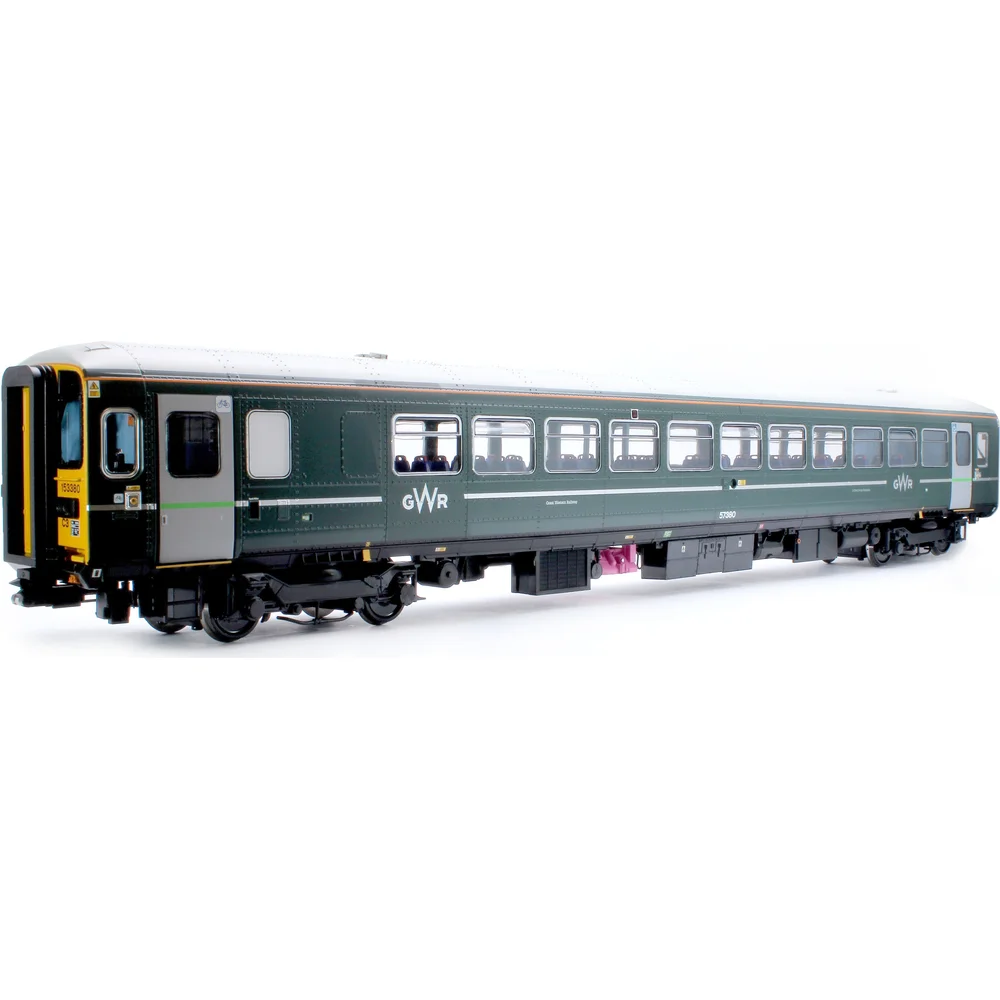
Regional services continue operating various diesel multiple unit types including Class 150 Sprinter units, Class 158 Express units, and refurbished Class 166 units serving non-electrified branch lines throughout Devon, Cornwall, and rural Wales. These trains provide essential connectivity for communities beyond the electrified network whilst offering comfort levels appropriate for longer-distance rural services.
The recent addition of 26 Class 175 trains demonstrates continued fleet investment beyond the major IET programme. These modern diesel units, transferred from Transport for Wales, provide enhanced reliability and passenger comfort whilst replacing older, less efficient trains on regional services. This ongoing fleet optimisation ensures service quality improvements throughout the network regardless of route characteristics.
Corporate Identity and Brand Development
The evolution of Great Western Railway corporate identity reflects sophisticated marketing strategy combining historical authenticity with contemporary passenger expectations. The 2015 rebranding from First Great Western represented more than cosmetic change, establishing a distinctive brand positioning that differentiates GWR within Britain's competitive railway market whilst honouring the engineering heritage of Brunel's original railway.
The visual identity incorporates the traditional GWR roundel adapted for modern applications across station signage, train exteriors, uniforms, and digital platforms. The heritage green livery, carefully researched to reflect historical Great Western Railway colours, provides instant recognition whilst creating emotional connections with railway history. This approach demonstrates how contemporary businesses can successfully leverage historical associations whilst delivering modern service standards.
Marketing communications emphasise the company's role as custodian of Britain's railway heritage whilst promoting modern service innovations. The "Great Western Railway: Connecting Communities" positioning reflects the company's commitment to serving diverse passenger markets from London commuters to Cornish tourists, Welsh business travellers to Cotswolds leisure visitors. This inclusive messaging reinforces the network's geographical diversity whilst maintaining brand coherence.
Staff engagement programmes ensure employees understand and embody the brand values connecting historical pride with contemporary service excellence. Comprehensive training programmes, enhanced uniform designs incorporating heritage-inspired elements, and recognition schemes celebrating exceptional customer service demonstrate the company's investment in workforce development. These initiatives directly impact passenger experience through improved service delivery and genuine employee enthusiasm.
Digital presence extends brand values through comprehensive social media engagement, mobile applications providing journey planning and real-time information, and website resources supporting both regular commuters and occasional travellers. The integration of historical imagery, contemporary technology, and practical functionality creates cohesive brand experiences across all passenger touchpoints.
Passenger Experience and Service Innovation
The transformation of passenger experience represents Great Western Railway's most significant achievement, demonstrated through measurable improvements in customer satisfaction from 81% in 2015 to 91% currently. This enhancement reflects systematic investment in rolling stock, infrastructure, staff training, and service innovations designed to exceed passenger expectations whilst building loyalty in competitive transport markets.
Onboard services feature comprehensive passenger amenities including complimentary WiFi throughout the fleet, power sockets at every seat, improved catering through trolley services and buffet facilities, and enhanced luggage storage accommodating modern travel patterns. First-class passengers enjoy additional benefits including complimentary newspapers, at-seat meal service, and exclusive lounge access at major terminals.
The retention of the Night Riviera sleeper service demonstrates GWR's commitment to specialised passenger markets despite operational complexities. This overnight service between London and Penzance provides sleeping berths, standard seated accommodation, and comprehensive passenger facilities enabling comfortable long-distance travel whilst supporting tourism economies throughout Cornwall. The service maintains European traditions of overnight rail travel whilst adapting to contemporary passenger requirements.
Station improvements extend beyond infrastructure to encompass comprehensive passenger facilities including enhanced retail options, improved catering, accessible facilities for disabled travellers, and family-friendly amenities. Major stations feature business lounges, conference facilities, and premium waiting areas whilst smaller stations maintain essential passenger facilities appropriate to their operational role and passenger volumes.
Digital innovation includes comprehensive mobile applications enabling ticket purchase, real-time journey information, delay compensation claims, and personalised travel planning. The integration with national ticketing systems enables seamless connections with other operators whilst maintaining GWR-specific features supporting regular passengers and occasional travellers. These technological investments demonstrate the company's commitment to modernising passenger interfaces whilst maintaining traditional service values.
Environmental Sustainability and Future Strategy
Great Western Railway's approach to environmental sustainability reflects both regulatory requirements and voluntary commitments exceeding minimum standards whilst supporting national decarbonisation objectives. The comprehensive strategy encompasses fleet modernisation, energy efficiency improvements, waste reduction programmes, and community engagement initiatives demonstrating corporate responsibility throughout the company's operational footprint.
The transition to electric traction reduces carbon emissions by approximately 40% compared to diesel alternatives whilst eliminating local air pollution in urban areas. The bi-mode train technology maximises these benefits by operating electrically wherever possible whilst maintaining service flexibility on non-electrified routes. Future electrification expansion would enhance these environmental benefits whilst reducing operational costs.
Energy efficiency initiatives include regenerative braking systems recovering energy during train deceleration, LED lighting throughout stations and trains, and building management systems optimising heating, ventilation, and lighting based on occupancy patterns. These measures reduce overall energy consumption whilst maintaining passenger comfort and operational effectiveness.
Waste reduction programmes target both operational waste and passenger-generated materials through comprehensive recycling systems, elimination of single-use plastics where operationally feasible, and partnerships with local waste management organisations. Station-based initiatives include water refill points reducing plastic bottle usage and recycling facilities enabling passengers to dispose of materials responsibly.
Future strategy emphasises continued fleet modernisation, potential hydrogen or battery technology adoption for branch line services, and expansion of renewable energy sources powering train operations. The company actively participates in industry research programmes exploring next-generation traction technologies whilst maintaining focus on immediate environmental improvements through operational efficiency and passenger behaviour modification.
Economic Impact and Regional Development
The economic impact of Great Western Railway extends far beyond transportation services to encompass significant contributions to regional economic development, employment creation, and business connectivity throughout the network's extensive geographical coverage. The company's operations support approximately 6,500 direct jobs whilst enabling economic activity worth billions annually through improved business connectivity and tourism facilitation.
The Thames Valley services support one of Britain's most economically dynamic regions, connecting major business centres including Reading, Slough, Maidenhead, and Oxford with London's financial district. High-frequency services enable flexible working patterns whilst supporting business development through reliable transport connections. The electrification programme reduced journey times whilst increasing service frequency, enhancing the region's competitive advantages.
Tourism contributions include facilitating access to major destinations throughout Devon, Cornwall, Bath, the Cotswolds, and Wales through direct services from London and connecting regions. The company actively promotes destination marketing through partnerships with tourism organisations whilst providing specialised services including enhanced weekend capacity and dedicated promotional campaigns supporting local economies.
Supply chain investments include comprehensive procurement programmes supporting local and national suppliers whilst maintaining stringent quality and reliability standards. The maintenance depot operations require extensive technical supplies, professional services, and consumable materials creating employment throughout the supply network. Staff recruitment prioritises local employment where skills are available whilst providing training programmes developing specialist railway competencies.
Regional development initiatives include station regeneration programmes creating commercial and residential development opportunities, improved accessibility enhancing property values in served locations, and partnership programmes supporting local business development. These contributions demonstrate how modern railway operations create economic value extending far beyond transportation services whilst supporting sustainable community development.
Competitive Position and Market Challenges
Great Western Railway operates within Britain's competitive passenger transport market, facing challenges from alternative rail operators, bus services, private car usage, and emerging transport technologies whilst maintaining market leadership through service excellence, network advantages, and customer loyalty programmes. The company's competitive strategy emphasises differentiation through quality rather than price competition alone.
The primary competitive advantages include comprehensive network coverage serving destinations inaccessible to competitors, modern fleet offering superior passenger comfort, established brand recognition creating customer preference, and operational reliability exceeding industry averages. These factors enable premium pricing whilst maintaining market share against lower-cost alternatives.
Market challenges include government regulatory changes affecting franchise operations, infrastructure capacity constraints limiting service expansion, recruitment difficulties in specialised technical roles, and evolving passenger expectations requiring continuous service enhancement. The company addresses these challenges through strategic planning, proactive government engagement, and comprehensive workforce development programmes.
The transition toward public ownership following the Passenger Railway Services (Public Ownership) Act 2024 creates uncertainty regarding future operational arrangements whilst providing opportunities for increased investment and service integration. The company's strong operational performance positions it favourably for continued management regardless of ownership structure changes.
Future competitive positioning depends upon continued investment in passenger experience, fleet modernisation, and service innovation whilst adapting to changing travel patterns influenced by remote working, environmental concerns, and technological developments. The company's historical success suggests resilience and adaptability enabling continued market leadership through these transitional periods.
Technology Integration and Digital Innovation
The integration of advanced technology throughout Great Western Railway operations reflects systematic investment in digital innovation enhancing passenger experience, operational efficiency, and safety performance whilst establishing foundations for future technological developments. The company's approach combines proven technologies with emerging innovations, ensuring reliability whilst embracing beneficial changes.
Passenger-facing technologies include comprehensive mobile applications enabling ticket purchase, journey planning, real-time information access, and customer service interaction through single integrated platforms. The applications utilise location services providing personalised information whilst maintaining privacy protection through secure data management. Integration with national transport databases enables seamless journey planning across multiple operators.
Operational technologies encompass sophisticated train management systems monitoring vehicle performance in real-time, predictive maintenance programmes identifying potential failures before service disruption occurs, and automated systems optimising energy consumption based on service patterns and network conditions. These systems reduce operational costs whilst improving reliability and passenger satisfaction.
Safety technologies include European Train Control System implementation providing enhanced collision protection, automatic speed restriction enforcement, and improved traffic management through precise train location monitoring. Platform-based systems including CCTV networks, passenger information displays, and emergency communication systems enhance security whilst supporting passenger assistance during disruption events.
Future technology initiatives explore artificial intelligence applications for demand forecasting, autonomous train operations on suitable routes, and enhanced passenger services through personalised travel recommendations. The company participates in industry research programmes whilst maintaining focus on proven technologies delivering immediate benefits to passengers and operations.
Modelling the Modern Great Western Railway: A Contemporary Railway Modeller's Guide
Modelling the contemporary Great Western Railway offers railway enthusiasts exceptional opportunities to recreate authentic 21st-century railway operations whilst incorporating the heritage elements that make GWR uniquely appealing. The company's distinctive green livery, modern Intercity Express Trains, and diverse operational patterns provide rich inspiration for layouts representing Britain's most recognisable privatised railway operator.
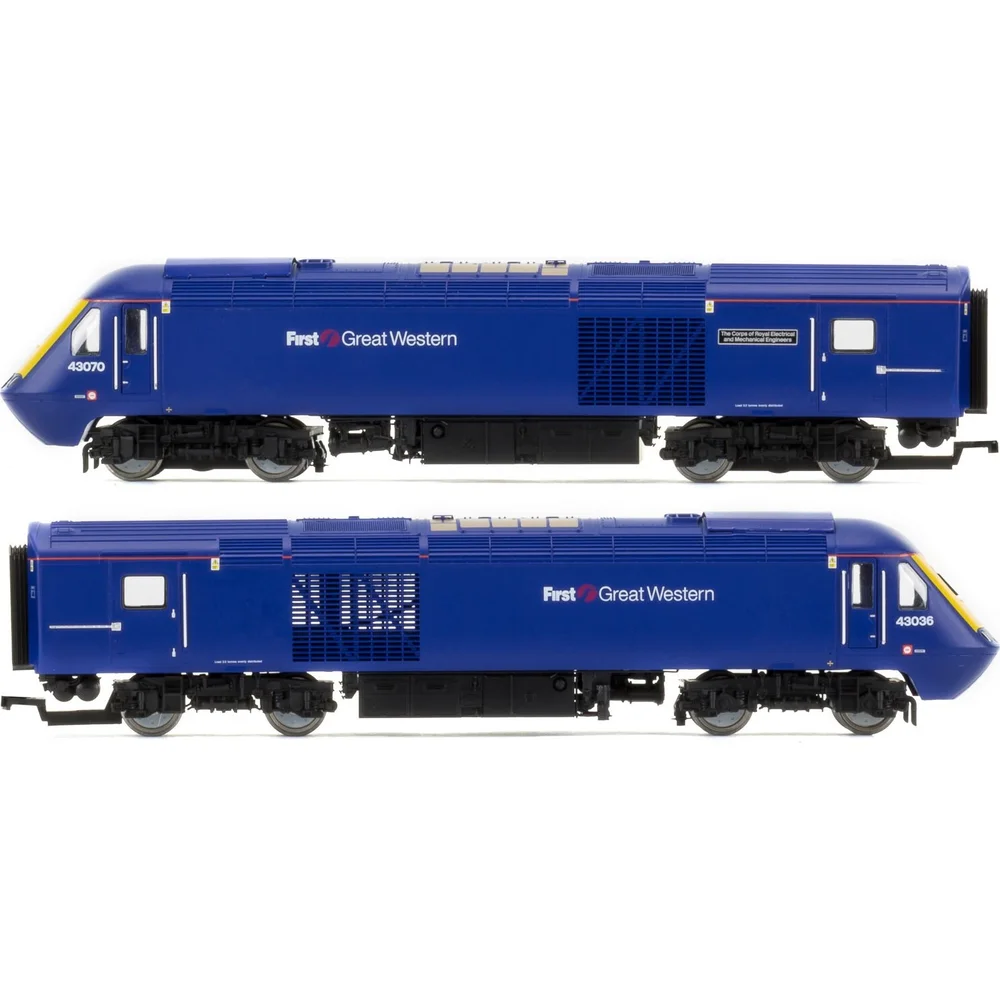
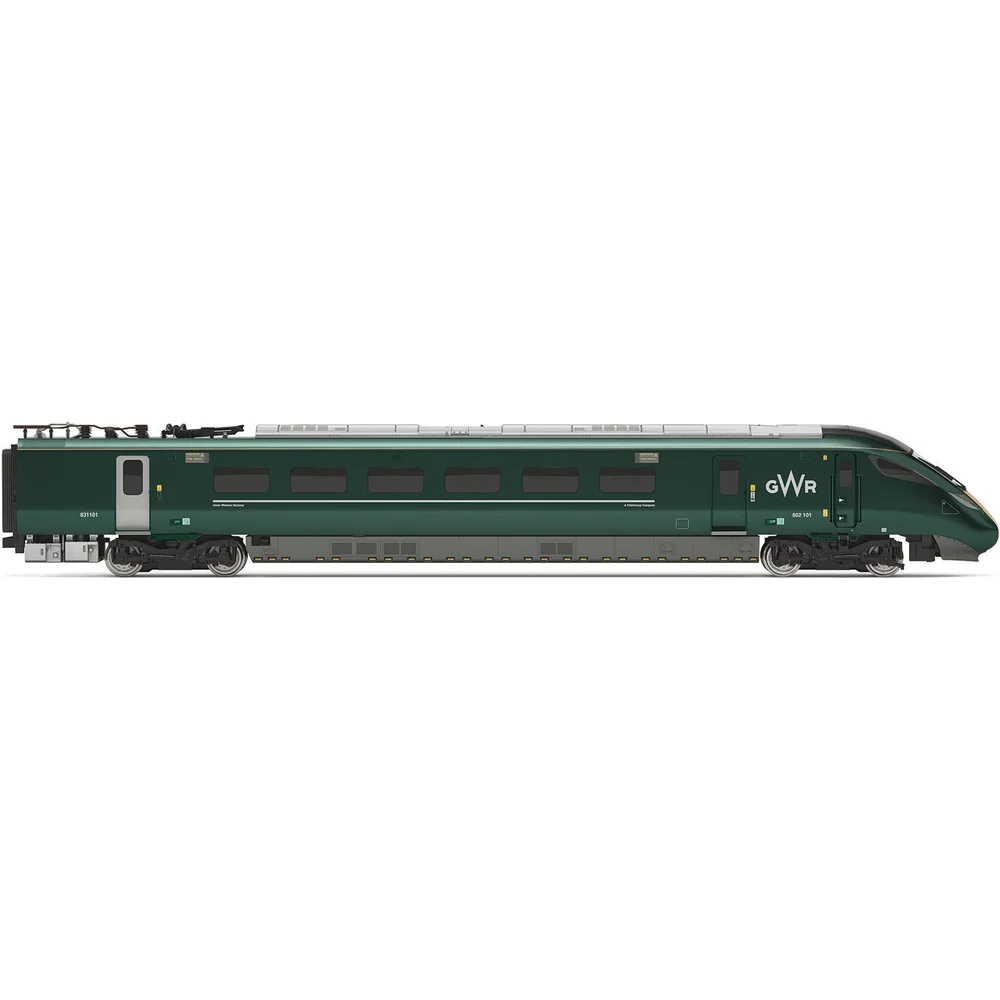
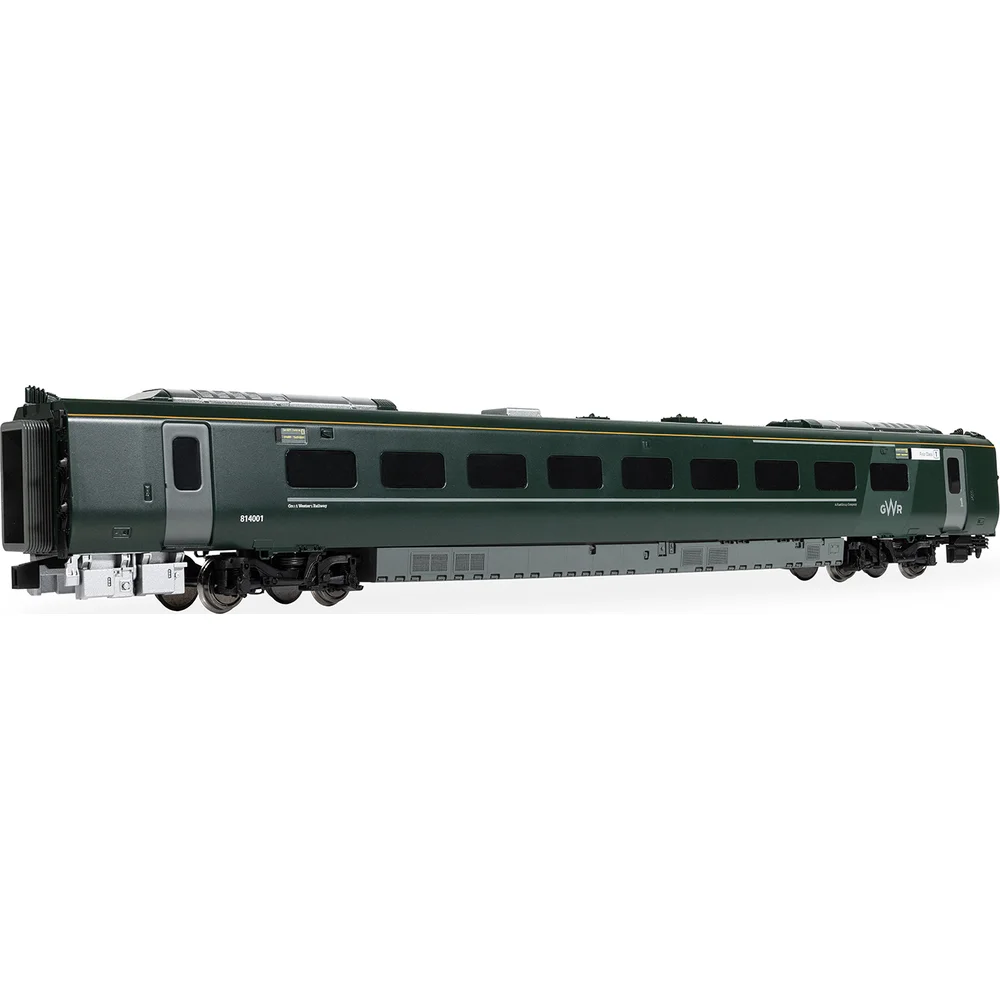
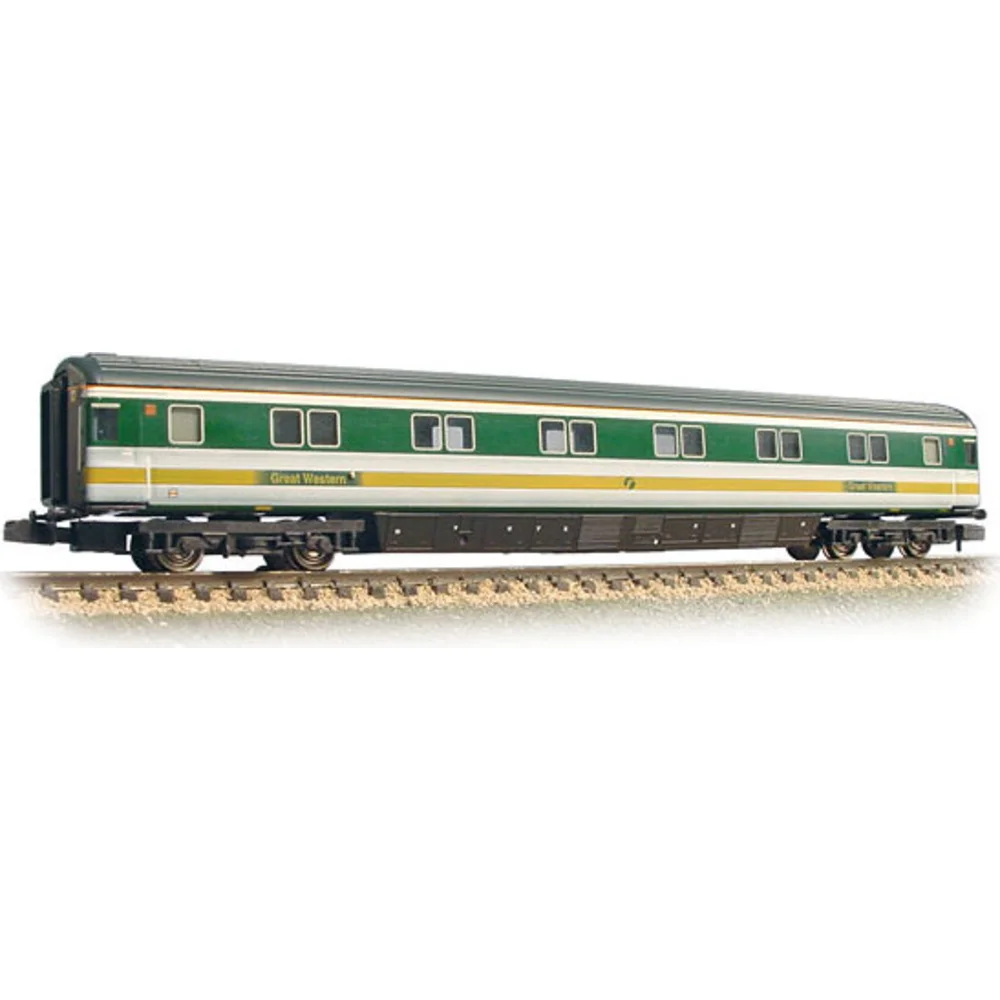
Scale selection significantly impacts the modelling experience, with OO gauge (4mm:1ft) offering the widest selection of contemporary GWR models. Manufacturers including Hornby, Bachmann, Heljan, and Revolution Trains produce extensive ranges covering Class 800/802 Intercity Express Trains, Class 387 Electrostar units, and various diesel multiple unit types in authentic GWR liveries. The distinctive green livery with white stripes provides striking visual appeal whilst maintaining prototype accuracy.
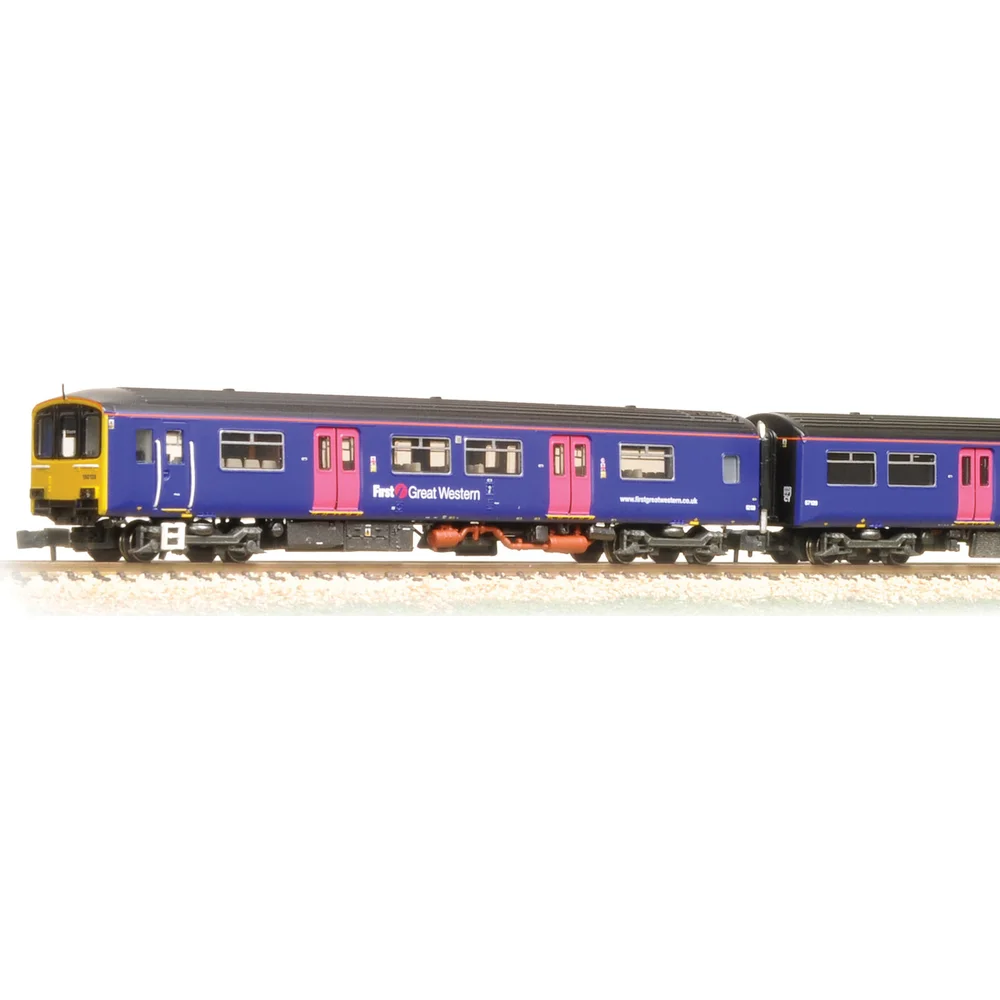
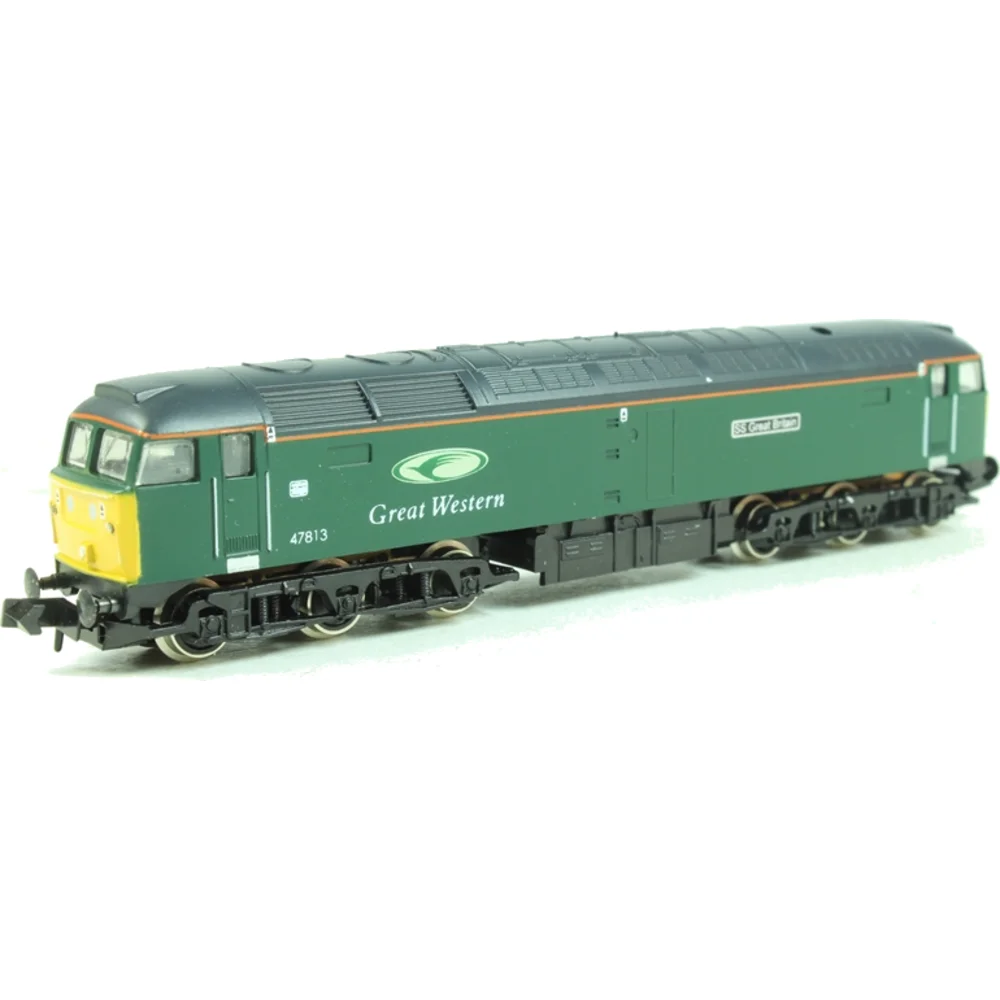
N gauge modellers benefit from growing manufacturer support, with Dapol and Graham Farish producing key GWR types including Class 800 IETs and Class 150/158 units. The smaller scale enables comprehensive route representation within limited space, particularly suitable for recreating the extensive Thames Valley suburban operations or long-distance services to Cornwall and Wales.
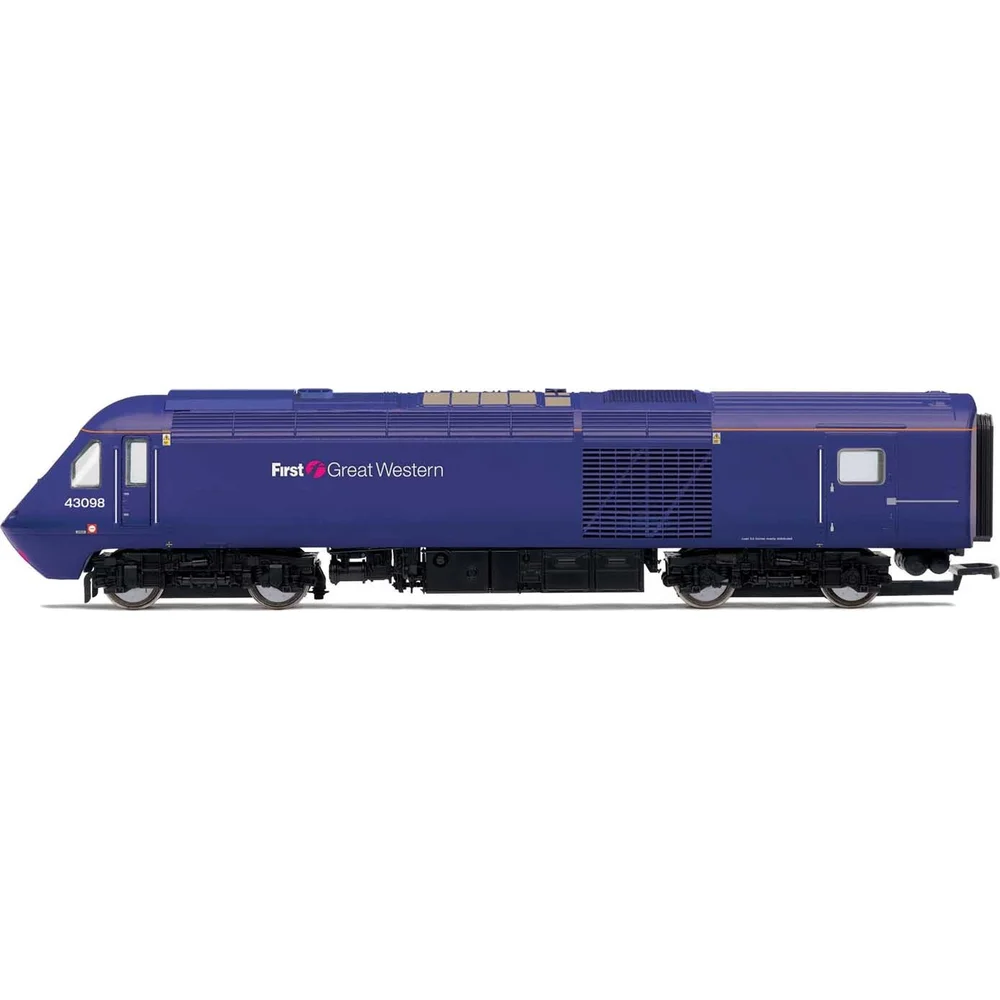
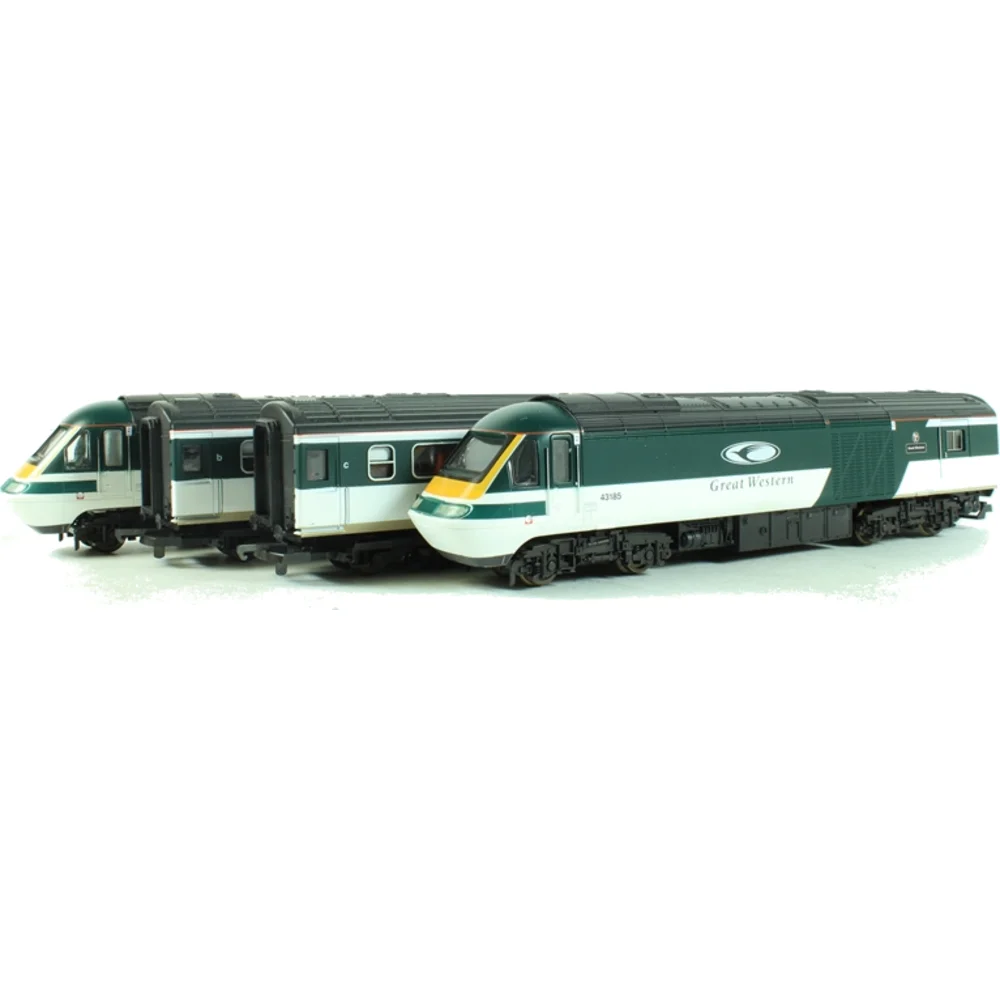
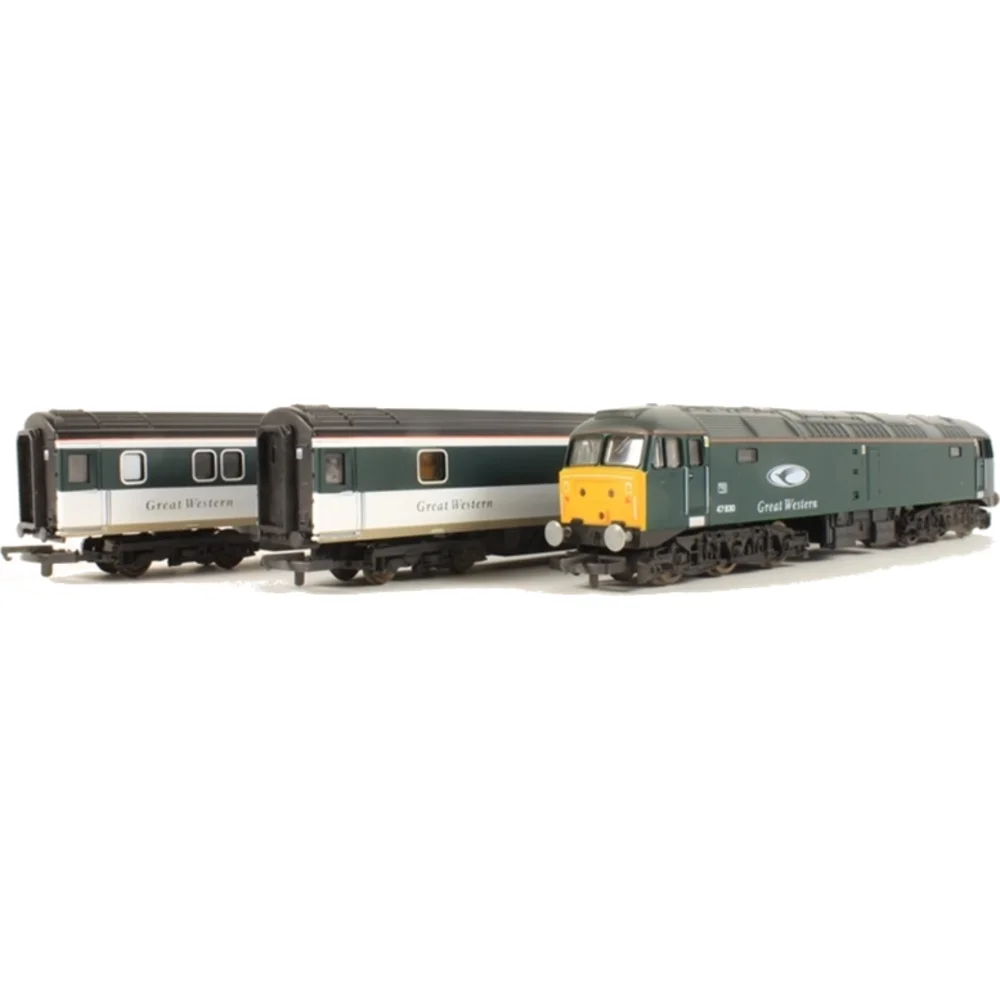
Period selection determines locomotive types, infrastructure details, and operational scenarios essential for authentic representation. The current era (2015-present) features the complete Intercity Express Train fleet, heritage green livery throughout, and modern infrastructure including electrification equipment on main routes. The First Great Western period (1998-2015) offers different livery schemes and High Speed Train operations alongside early privatisation rolling stock.
Layout planning should reflect authentic GWR operational patterns, with main line layouts featuring express passenger services between London and major destinations alongside suburban Thames Valley operations. Terminus layouts based on Paddington provide opportunities to model intensive suburban services, express departures, and the famous Night Riviera sleeper. Branch line layouts offer scope for diesel multiple unit operations serving rural communities throughout Devon, Cornwall, and Wales.
Rolling stock authenticity requires attention to specific fleet allocations and operational practices. Class 800 IETs primarily serve electrified main line routes with bi-mode capability for non-electrified sections. Class 802 units handle longer non-electrified routes to Devon and Cornwall. Class 387 Electrostars operate exclusively on Thames Valley suburban services, whilst various diesel multiple unit types serve rural branches according to route characteristics and passenger demand.
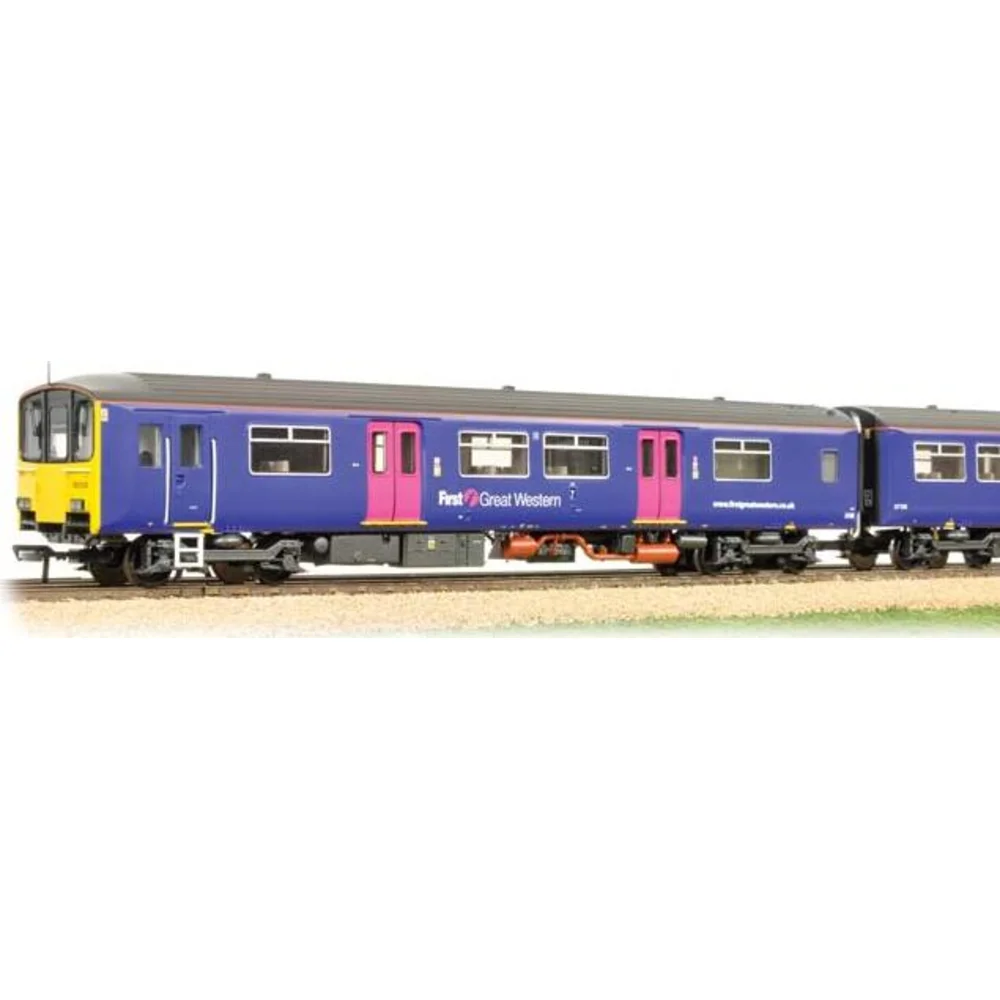
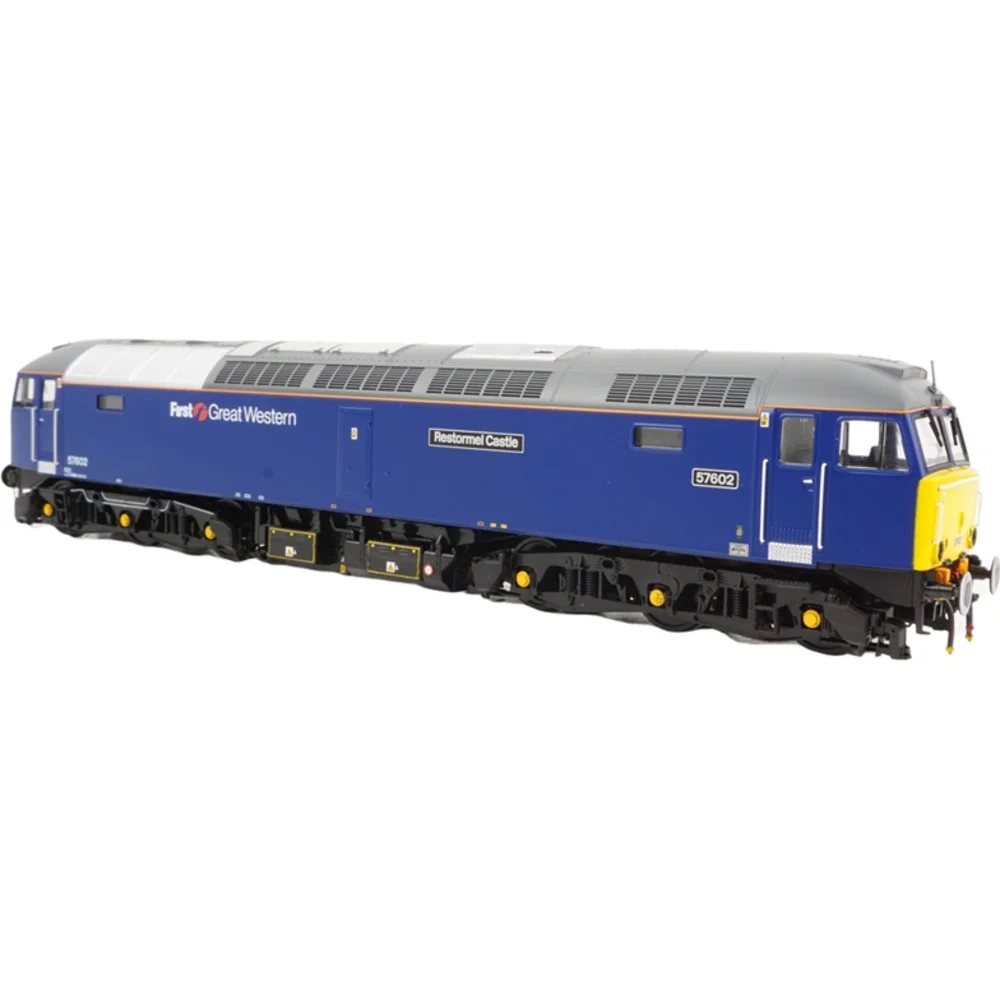
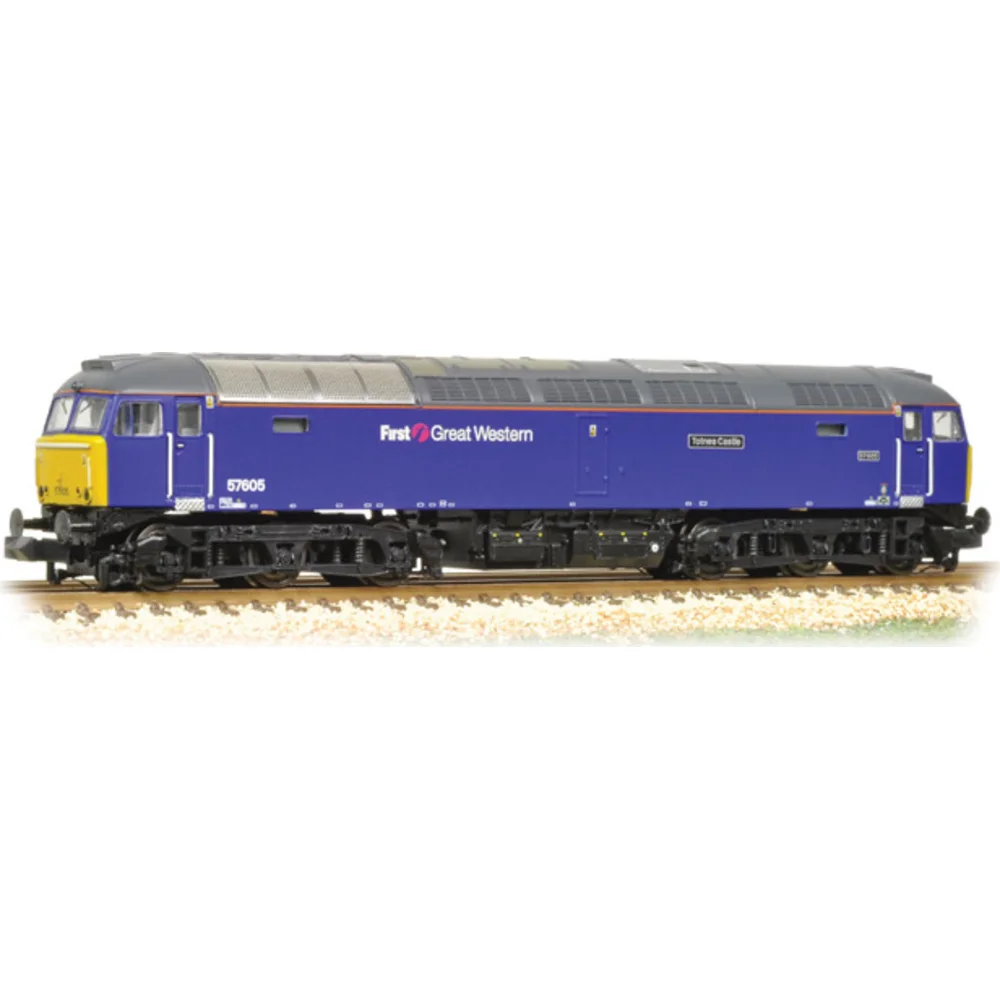
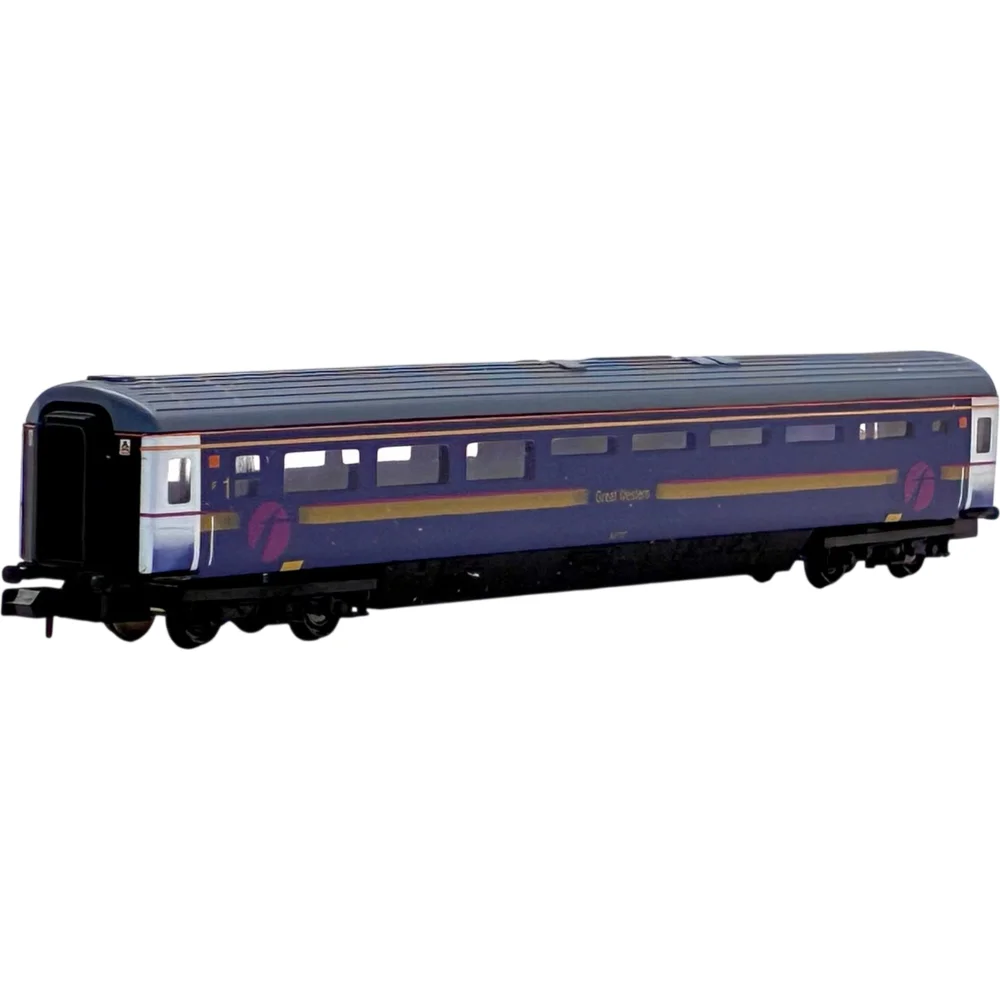
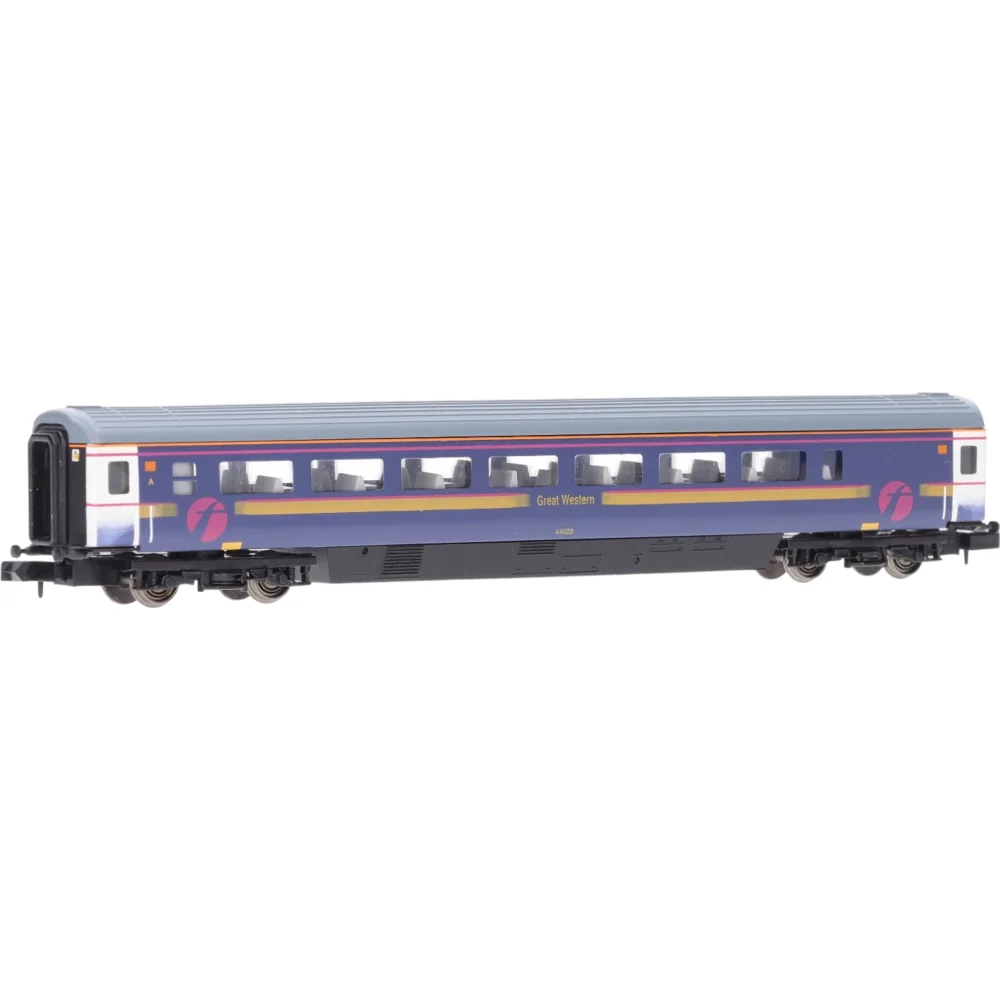
Livery accuracy demands understanding of GWR's distinctive colour schemes. The heritage green livery (approximately Humbrol 117 US Light Green) with white stripe detailing appeared from 2015 onwards on all fleet types. Earlier First Great Western liveries included the 'Dynamic Lines' purple and pink scheme (2006-2015) and original Great Western Trains green and cream (1996-1998). Weathering should reflect the company's high maintenance standards whilst showing realistic service wear.
Infrastructure details enhance operational authenticity through accurate representation of electrification equipment on appropriate routes, modern station architecture combining heritage elements with contemporary facilities, and appropriate signalling reflecting current practice. GWR stations feature the distinctive green corporate branding applied to signage, waiting shelters, and passenger facilities throughout the network.
Digital Command Control (DCC) installation enables realistic operation of bi-mode trains with appropriate sound effects and lighting sequences. Class 800/802 models benefit from programming that reflects their sophisticated traction systems, including startup sequences and power changeover sounds. Suburban services require frequent station stops with authentic door operation sounds and passenger announcement systems.
Scenic detailing should capture the diverse geography served by GWR operations, from Thames Valley suburban landscapes through Cotswolds countryside to dramatic Devon and Cornwall coastal scenery. The company's marketing emphasises connections with Britain's heritage and natural beauty, providing modellers with rich inspiration for authentic scenic representation supporting the railway operations.
Finally: Great Western Railway's Continuing Evolution
The modern Great Western Railway represents remarkable achievement in transforming privatised railway operations from post-British Rail uncertainty to contemporary excellence serving over 100 million passengers annually. Through strategic investment in advanced technology, infrastructure modernisation, and service innovation, the company has created sustainable competitive advantages whilst honouring the heritage of Brunel's engineering vision and the original Great Western Railway's commitment to passenger service excellence.
The successful introduction of Intercity Express Trains, completion of major electrification programmes, and achievement of industry-leading customer satisfaction demonstrate effective management of complex railway operations whilst adapting to changing passenger expectations and environmental requirements. These accomplishments position GWR as a model for railway privatisation success whilst maintaining focus on continuous improvement and innovation.
The company's approach to corporate branding, combining historical authenticity with contemporary functionality, demonstrates how transport businesses can leverage heritage assets whilst delivering modern service standards. The revival of the Great Western Railway name and visual identity creates emotional connections with passengers whilst supporting practical marketing objectives in competitive transport markets.
Future challenges include navigating the transition toward public ownership whilst maintaining operational excellence, continued investment in environmental sustainability technologies, and adaptation to evolving travel patterns influenced by remote working and climate change concerns. The company's track record suggests resilience and adaptability enabling successful management of these transitions whilst preserving the service quality and operational reliability that define contemporary railway excellence.
For railway enthusiasts, transport professionals, and passengers throughout the network, Great Western Railway continues representing the best traditions of British railway operation whilst embracing innovations that enhance passenger experience and environmental performance. The company's commitment to connecting communities, supporting economic development, and maintaining the highest standards of safety and reliability ensures its continued role as a cornerstone of Britain's transport infrastructure for generations to come.
Frequently Asked Questions
What is the difference between the historical Great Western Railway and today's Great Western Railway?
Today's Great Western Railway is a privatised train operating company owned by FirstGroup, operating since 1996. The historical Great Western Railway was the original railway company founded in 1835 by Brunel, which became part of British Railways in 1948. The modern company deliberately adopted the historical name and branding in 2015.
Which routes does Great Western Railway operate in 2025?
GWR operates services from London Paddington to the West Country, South Wales, Cotswolds, and Thames Valley, managing 197 stations. Key destinations include Bristol, Cardiff, Exeter, Plymouth, Penzance, Bath, Oxford, Reading, and Worcester, serving over 270 stations in total.
What are Intercity Express Trains and how do they work?
Intercity Express Trains are modern bi-mode trains built by Hitachi that can operate on both electric power from overhead lines and diesel power on non-electrified routes. They automatically switch between power sources, offering 24% more seats than the trains they replaced with improved passenger comfort.
How long is Great Western Railway's current franchise agreement?
GWR currently operates under a National Rail Contract extending until June 2028. However, following the Passenger Railway Services (Public Ownership) Act 2024, the franchise will likely transfer to public ownership when the current contract expires, ending private operation.
What electrification work has been completed on GWR routes?
The Great Western Main Line electrification programme completed overhead electric power to Cardiff, Reading to Newbury, and London Paddington to Maidenhead. Originally planned extensions to Oxford, Bath, and Swansea were cancelled on cost grounds but may be reconsidered under public ownership.
Does Great Western Railway still operate sleeper train services?
Yes, GWR operates the Night Riviera sleeper service between London Paddington and Penzance, providing overnight accommodation and standard seated travel. This service connects London with Cornwall and remains one of Europe's longest domestic sleeper routes, supporting tourism and business travel.
How has customer satisfaction improved under Great Western Railway management?
Customer satisfaction increased from 81% to 91% since 2015, attributed to the introduction of Intercity Express Trains, infrastructure improvements, electrification benefits, timetable enhancements, and comprehensive staff training programmes focused on passenger service excellence.
What environmental benefits do the new trains provide?
The bi-mode Intercity Express Trains reduce carbon emissions by approximately 40% compared to diesel trains when operating electrically, produce zero local emissions in electric mode, feature regenerative braking systems, and support government decarbonisation objectives while maintaining operational flexibility.
Which train maintenance depots serve the Great Western Railway fleet?
GWR operates eight major depots including purpose-built Intercity Express Train facilities at Stoke Gifford near Bristol, North Pole in London, and Swansea. Additional depots serve various fleet types throughout the network, providing comprehensive maintenance capabilities for all train categories.
How does Great Western Railway support regional economic development?
GWR supports regional economies through employment of approximately 6,500 direct staff, facilitating business connectivity enabling economic growth, promoting tourism to destinations throughout the network, and partnering with local suppliers and service providers, creating extensive economic multiplier effects beyond transportation services.
What digital services and technologies does GWR provide to passengers?
GWR offers comprehensive mobile applications for ticket purchasing and journey planning, onboard WiFi throughout the fleet, real-time passenger information systems, digital ticketing options, and integration with national transport databases for seamless multi-operator journeys and enhanced passenger convenience.
How will the transition to public ownership affect Great Western Railway services?
The transition to public ownership under the Passenger Railway Services (Public Ownership) Act 2024 will likely maintain current service levels while potentially enabling increased investment, better integration with other transport services, and reduced focus on profit extraction, though specific operational changes remain to be determined.