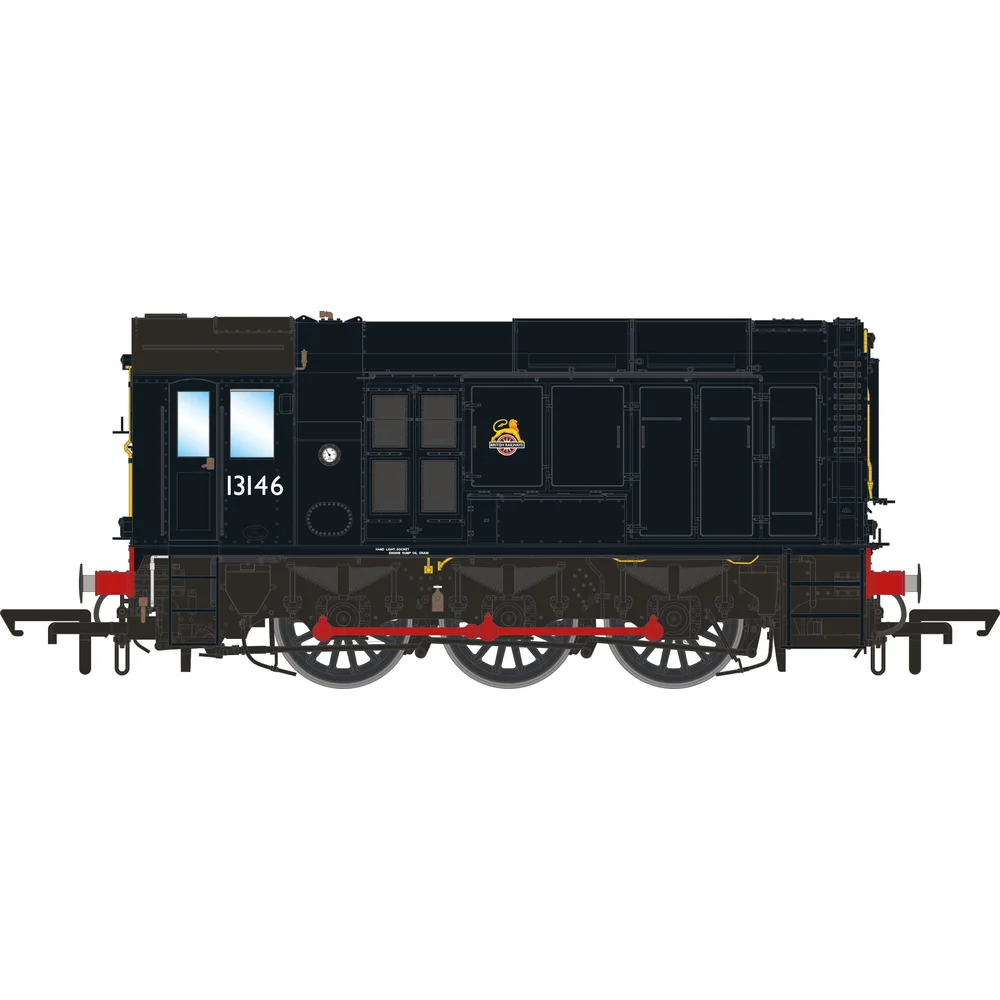
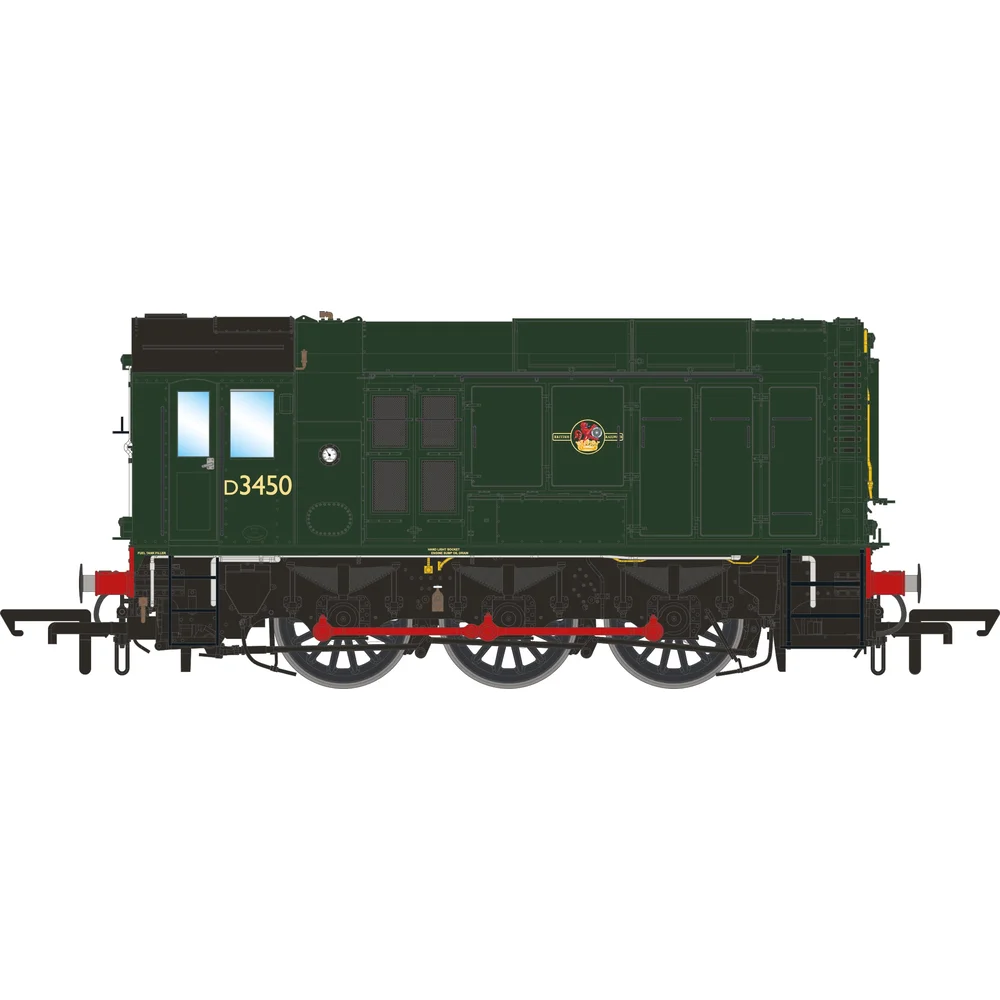
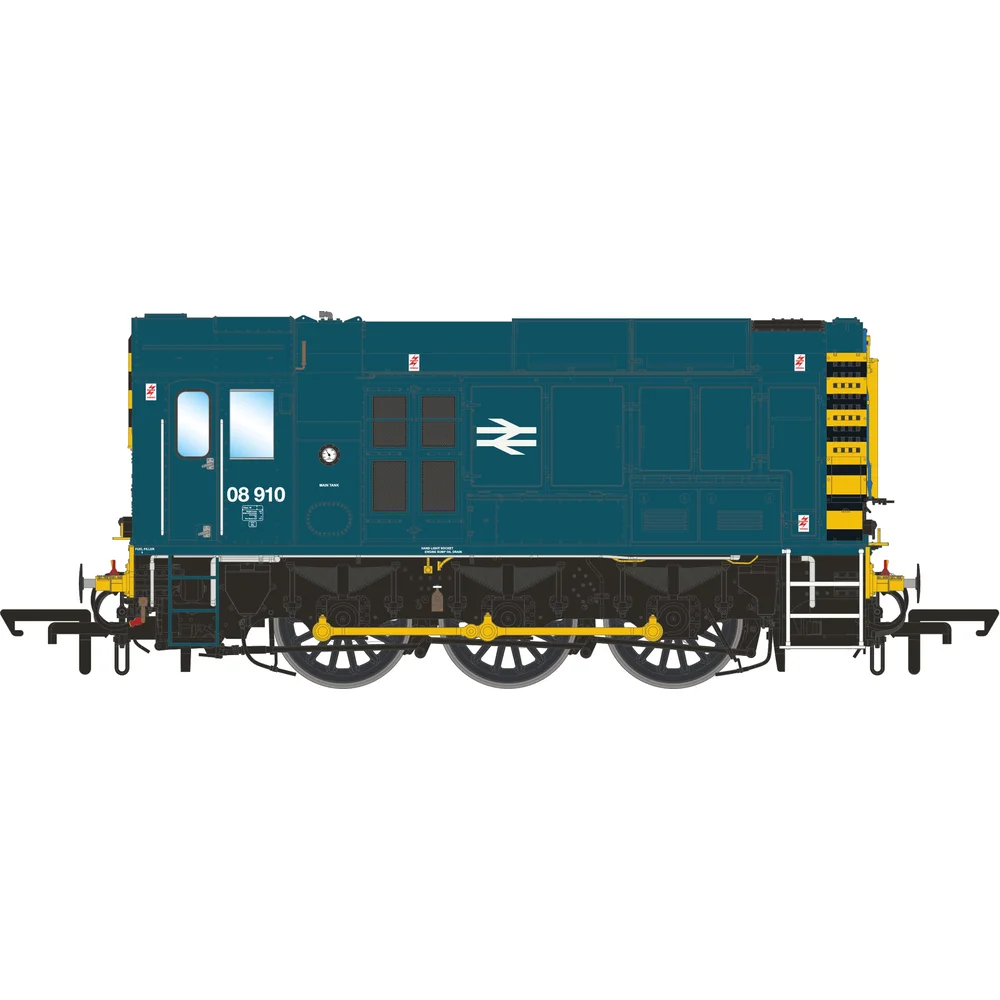
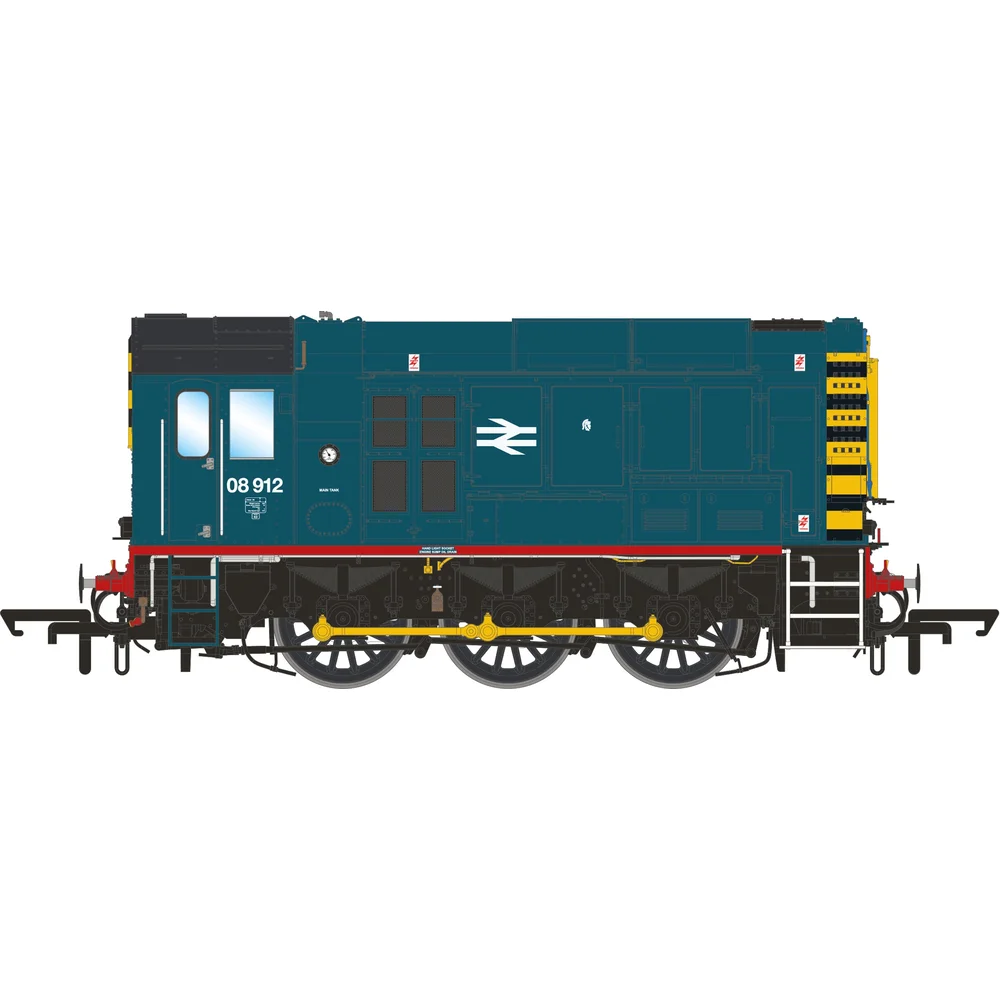
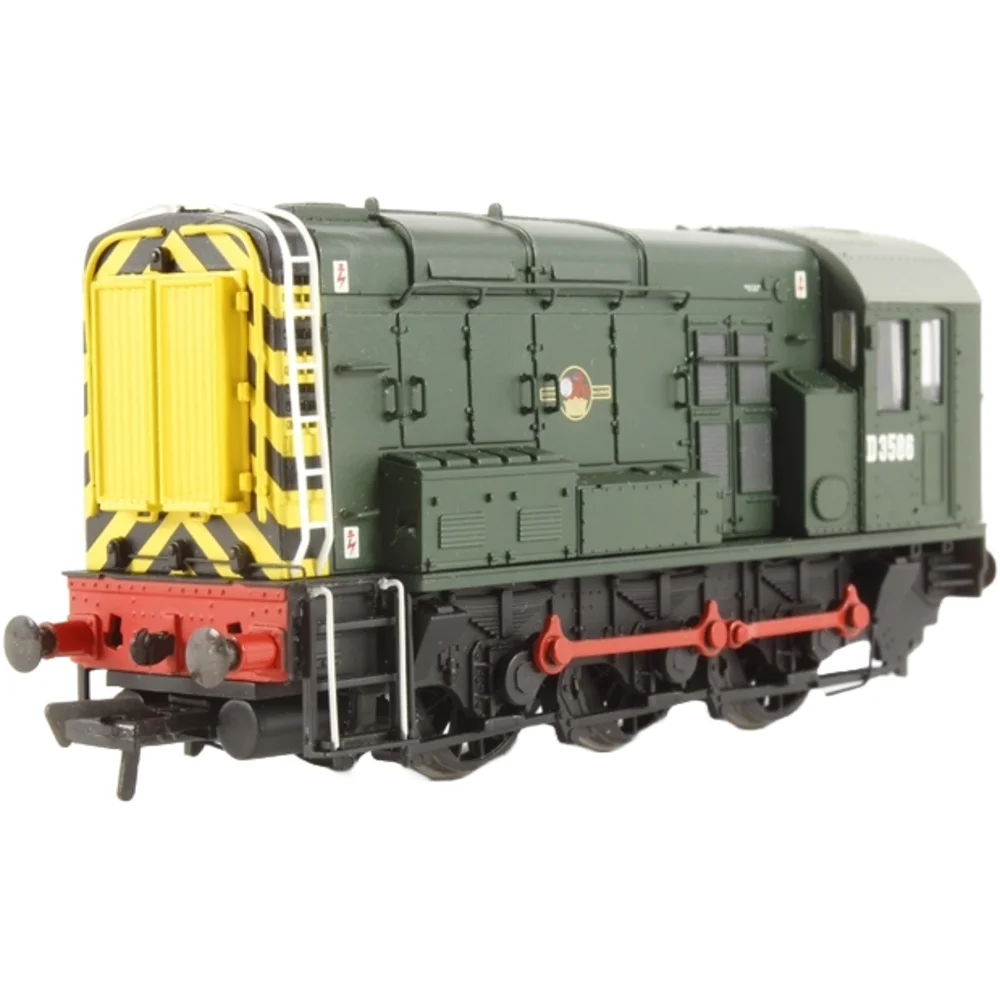
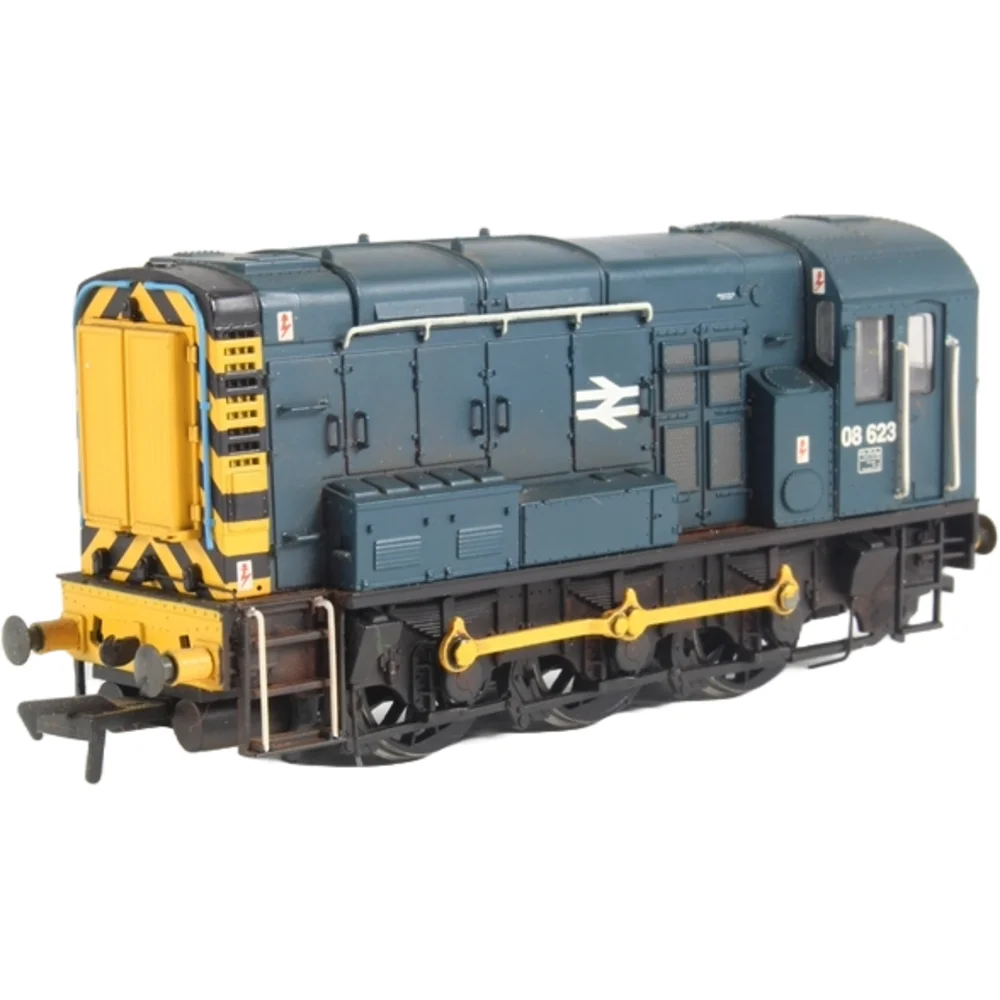
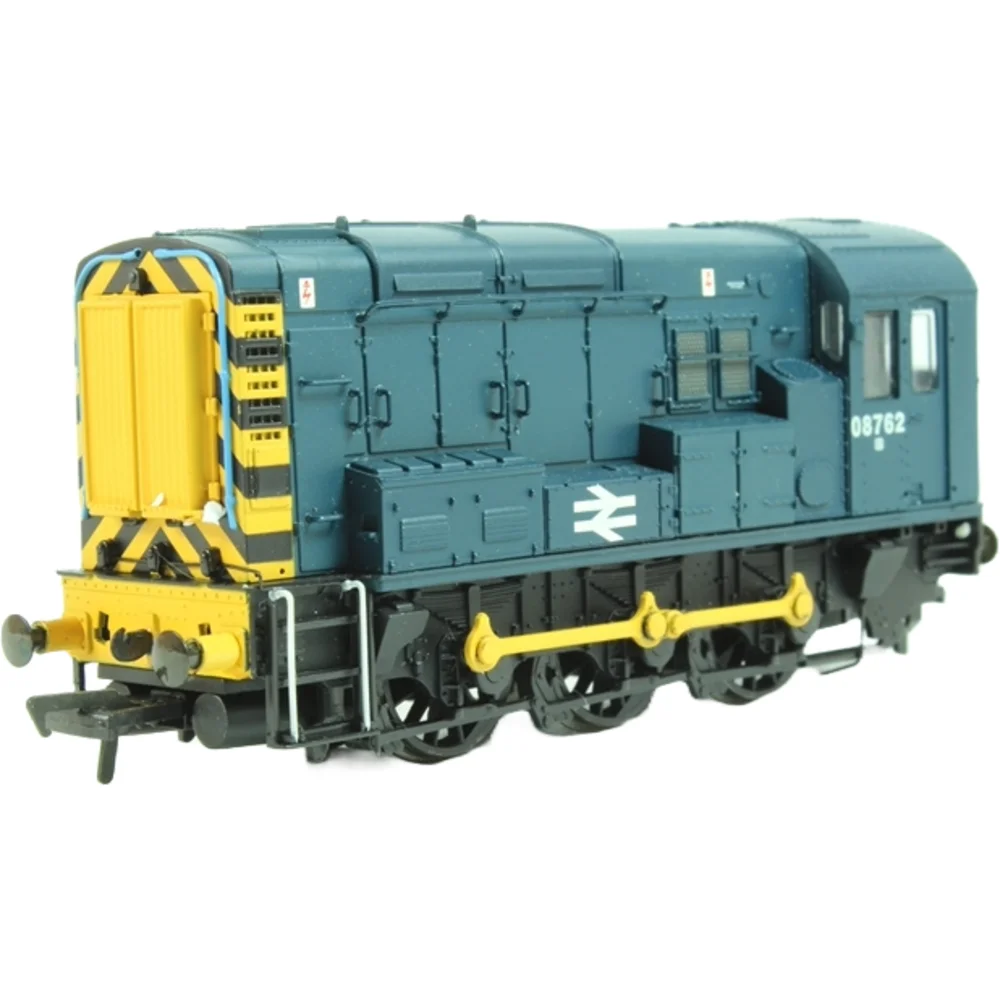
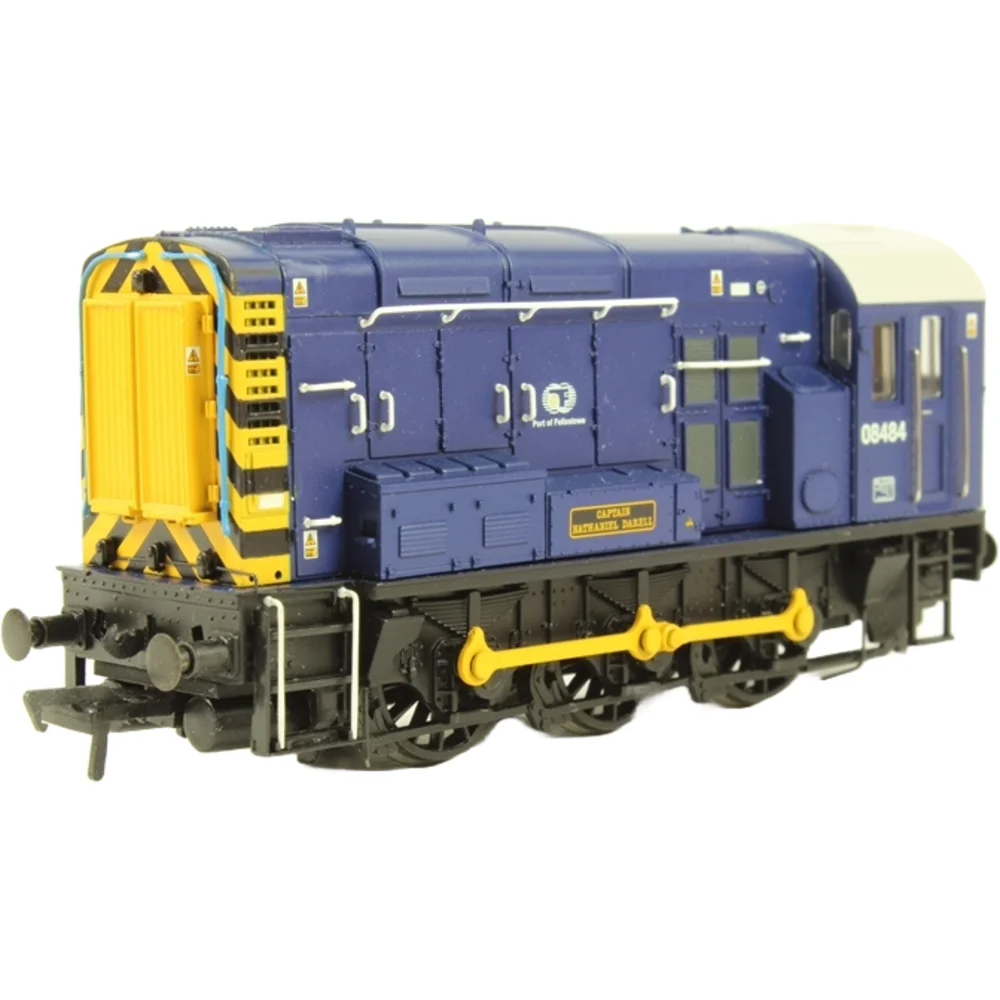
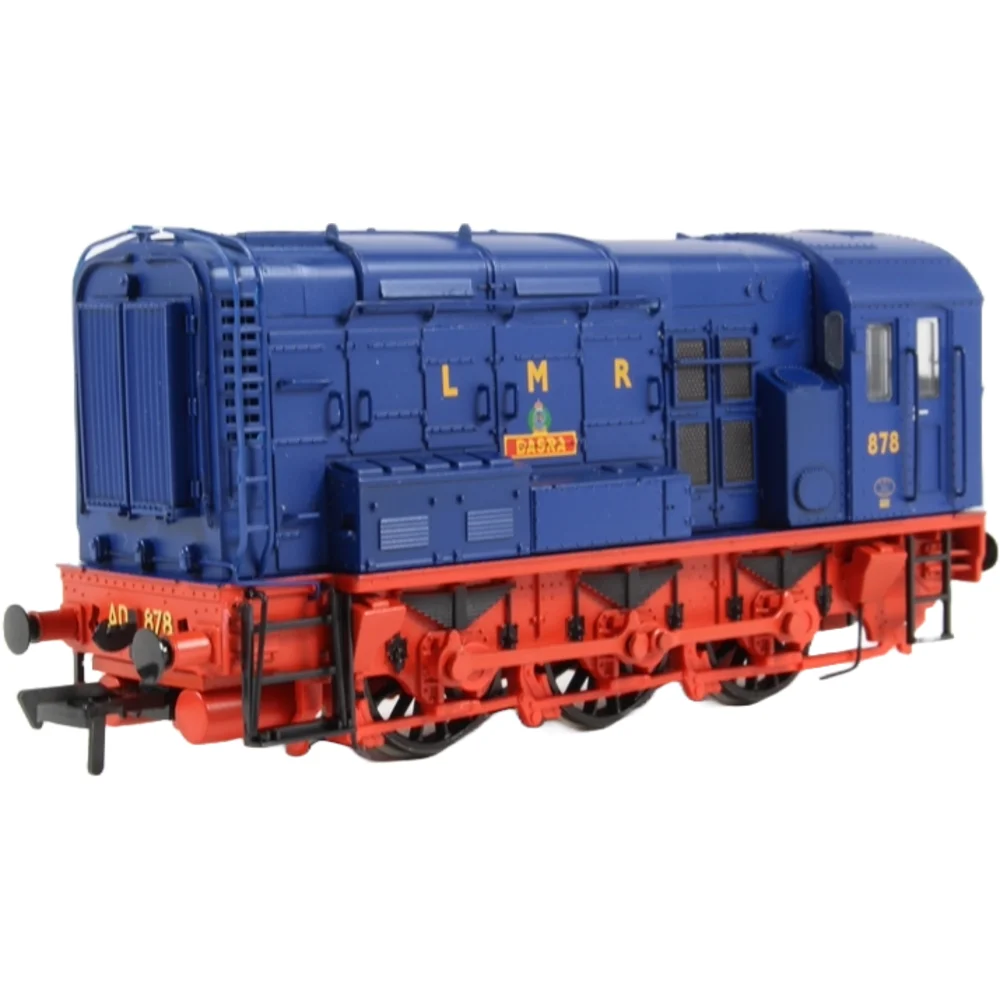
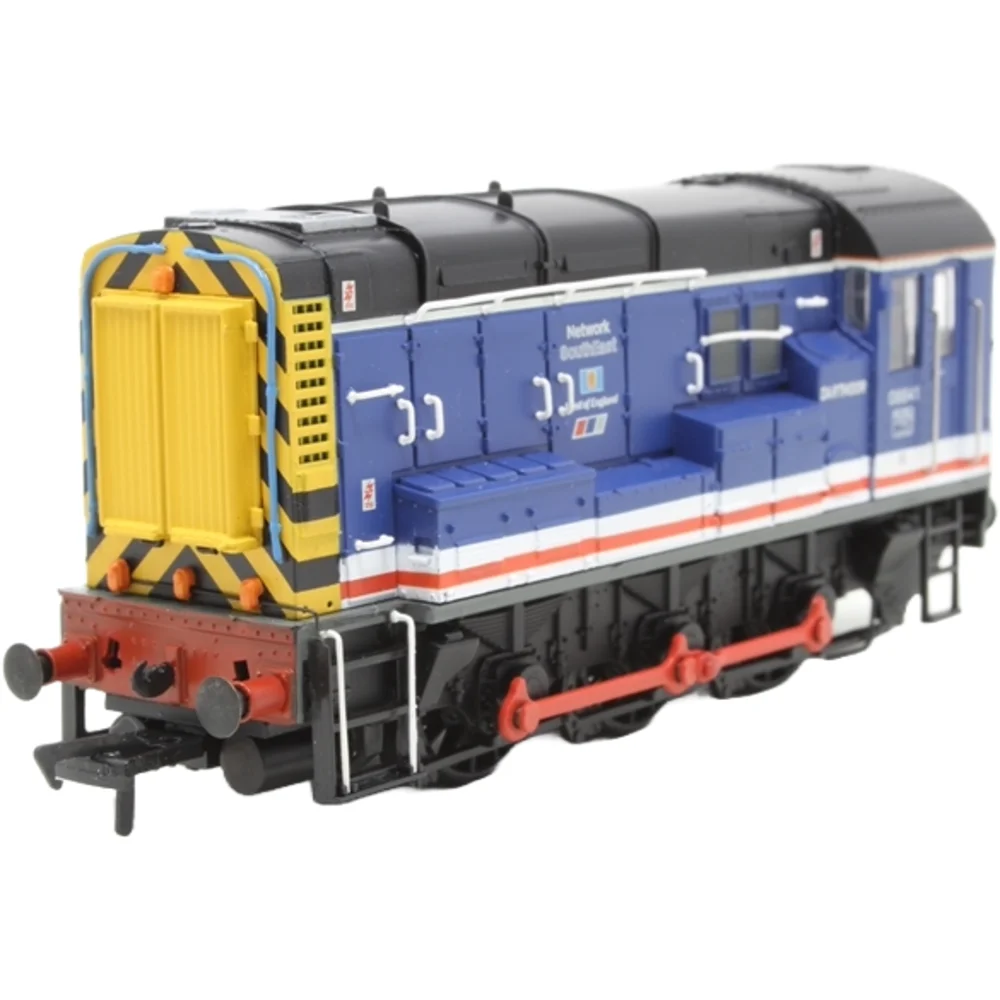
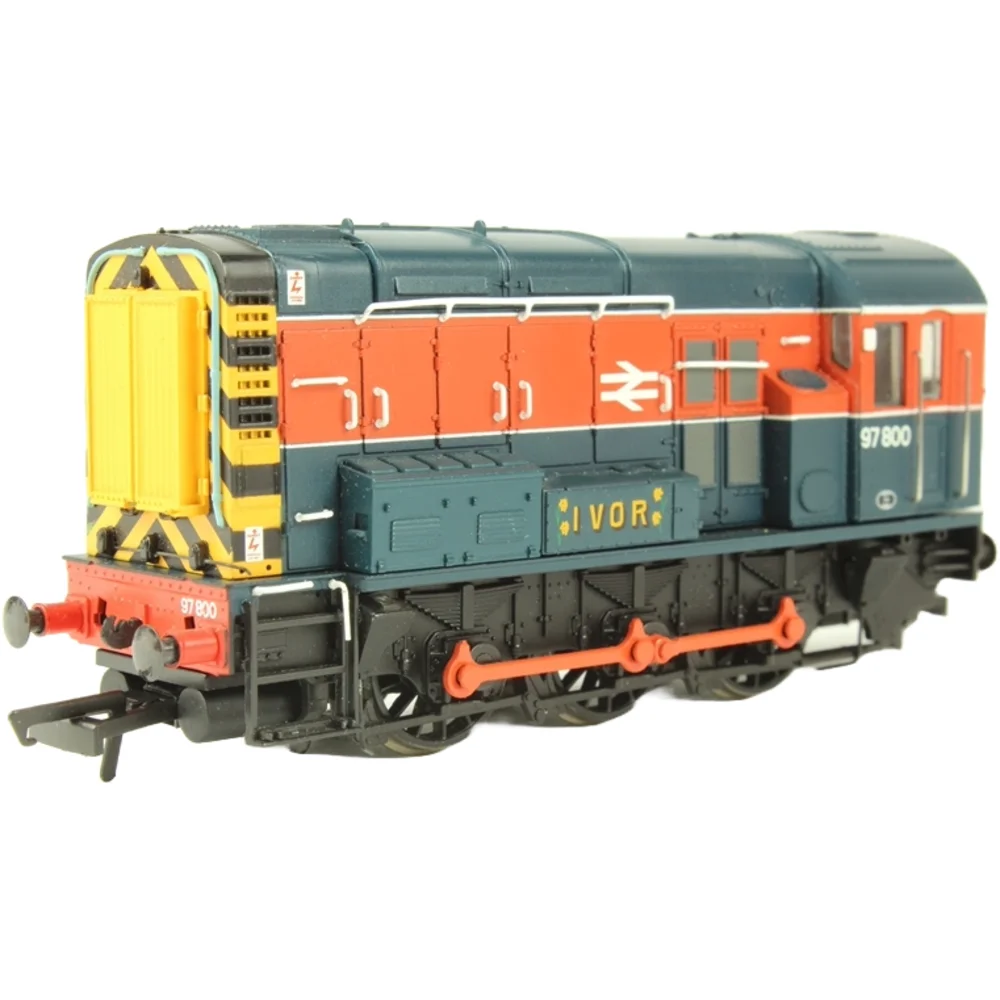
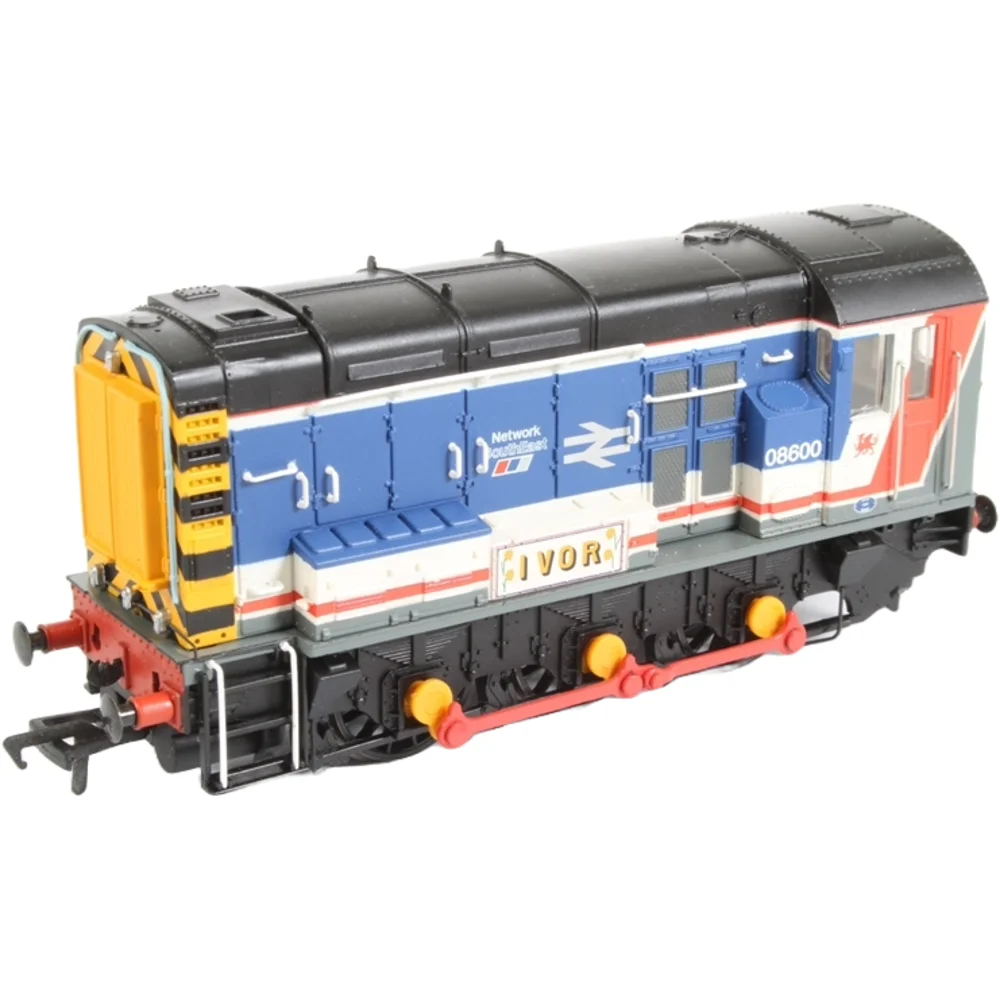
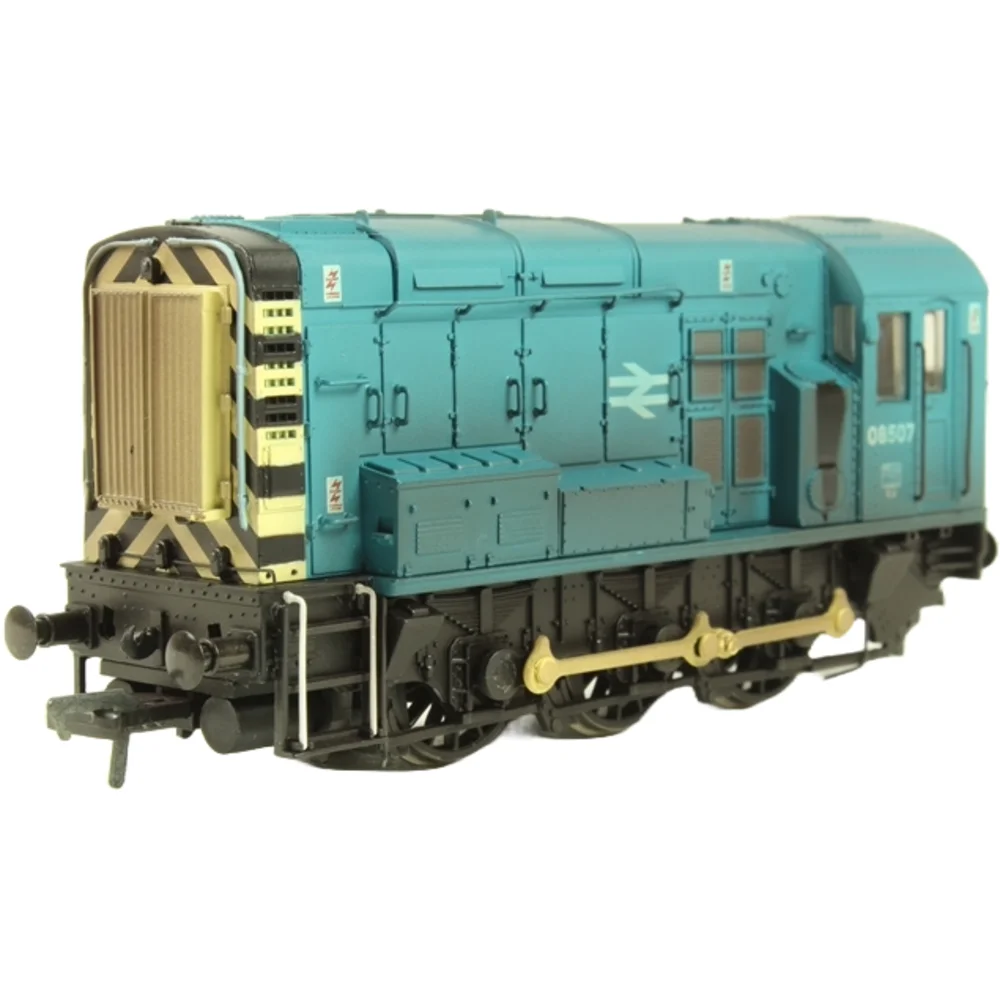
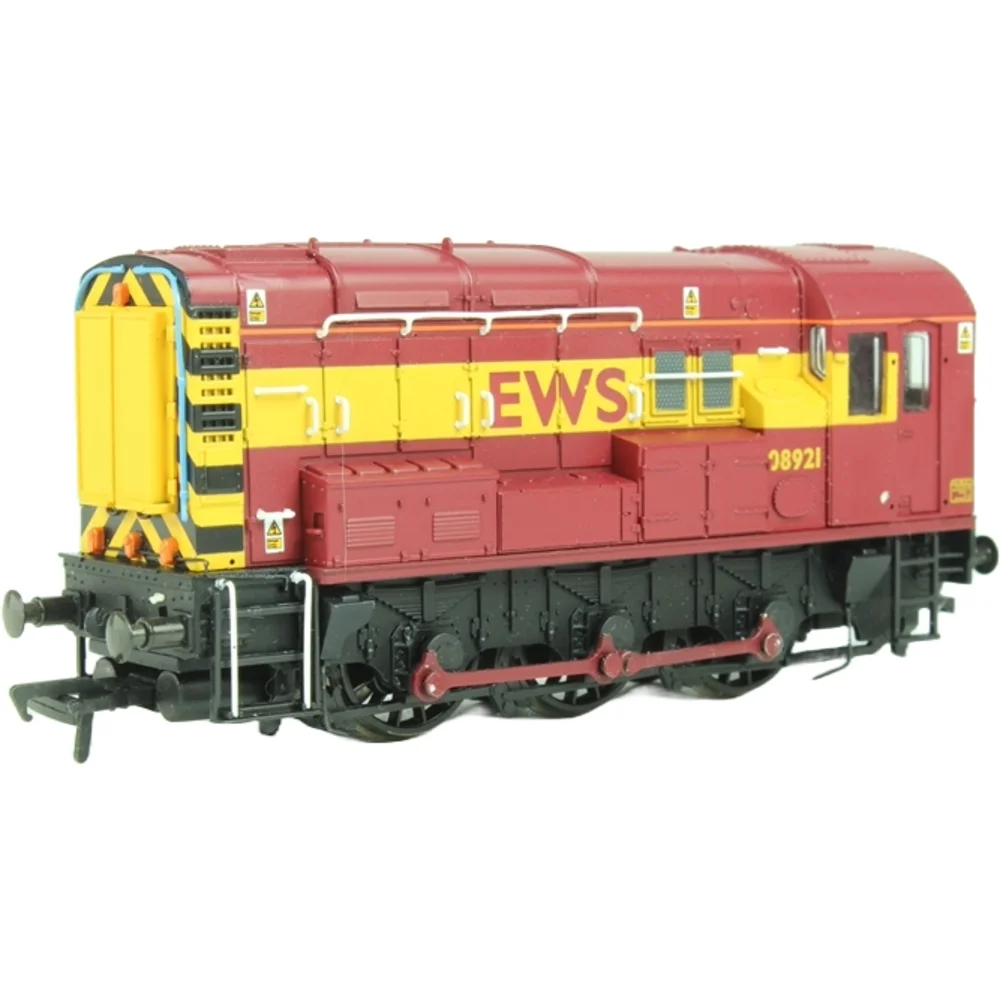
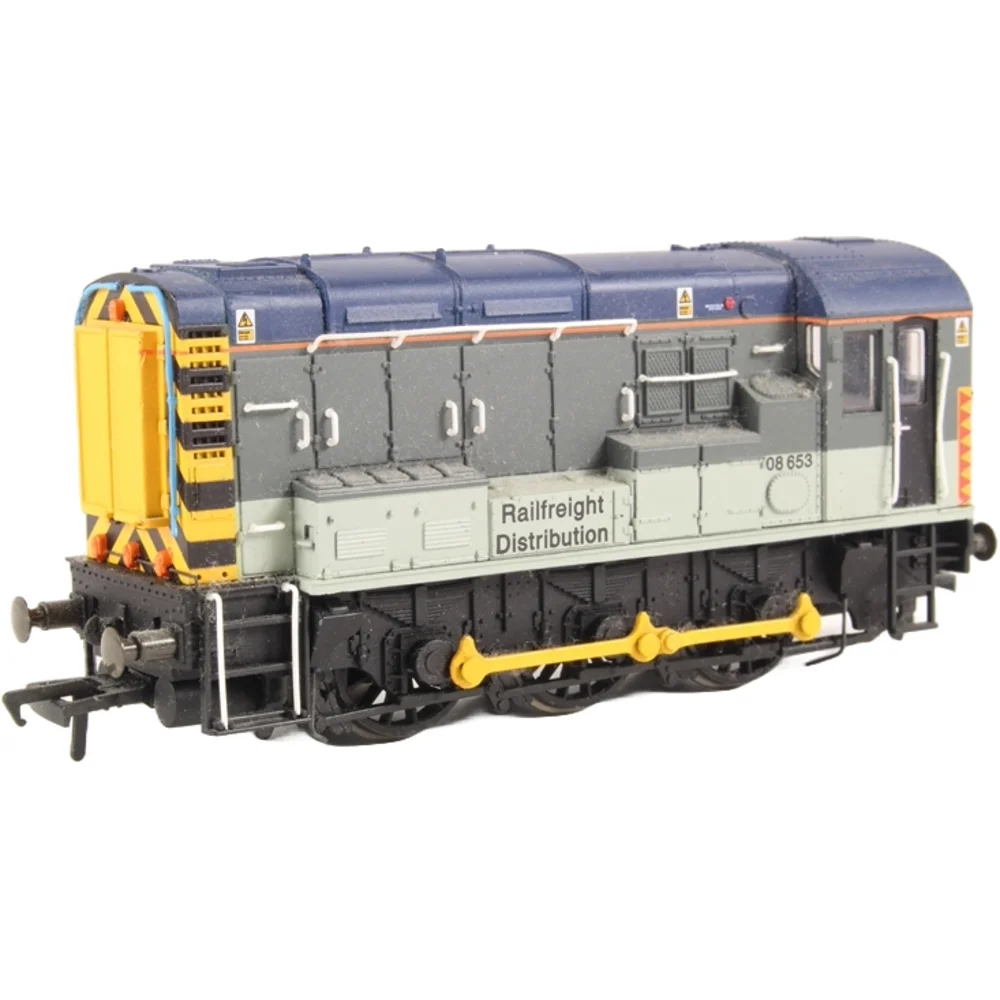
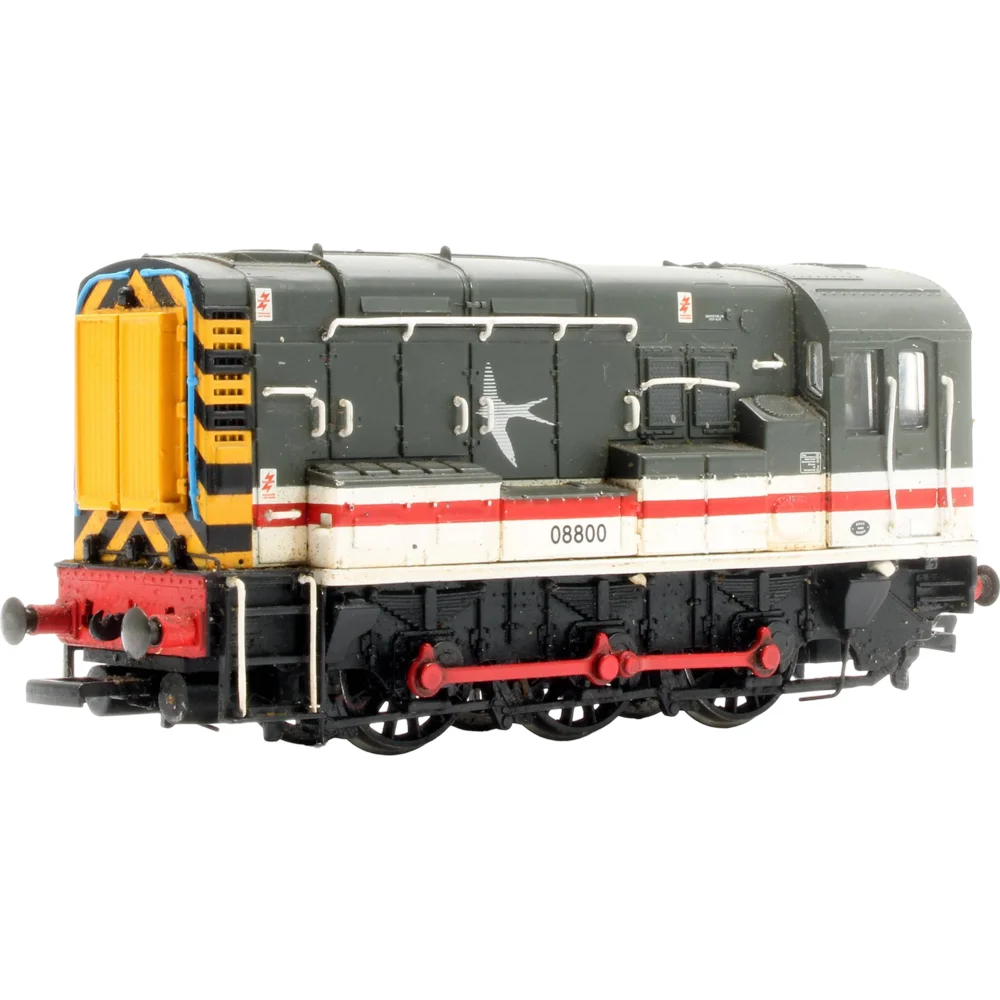
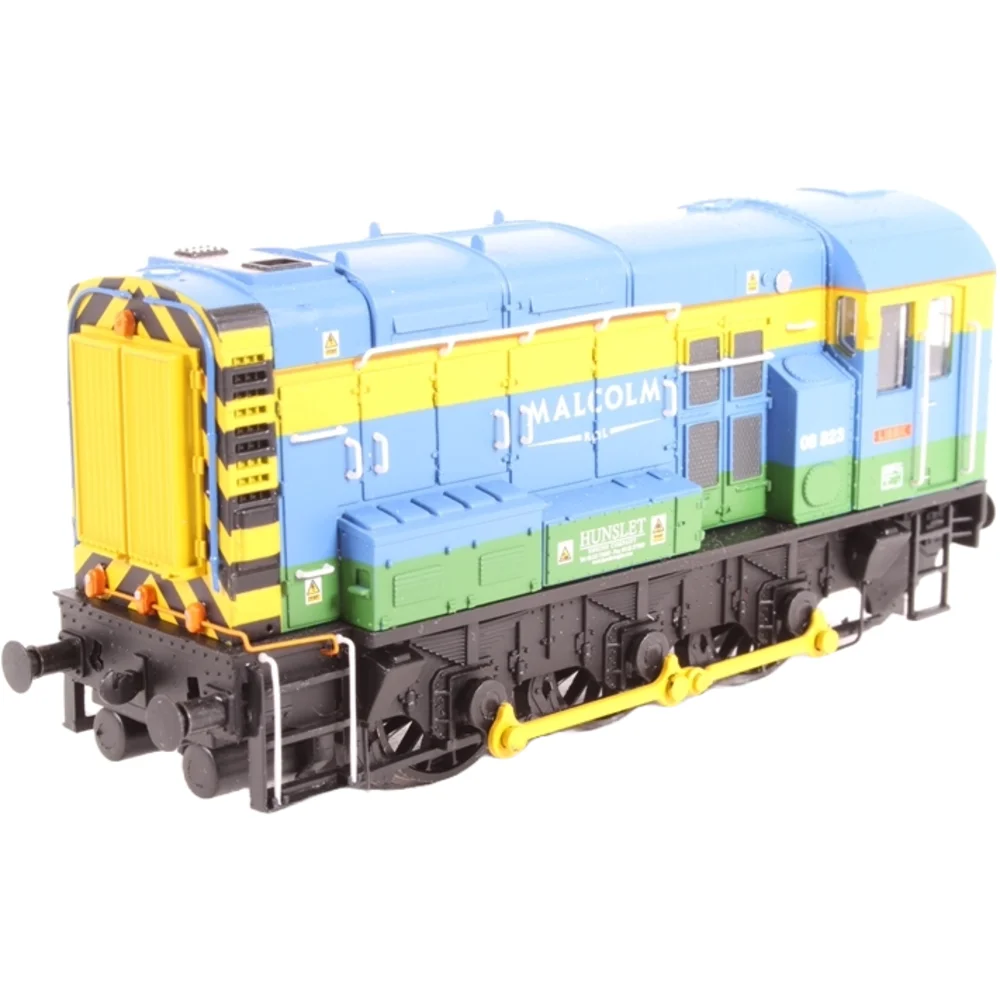
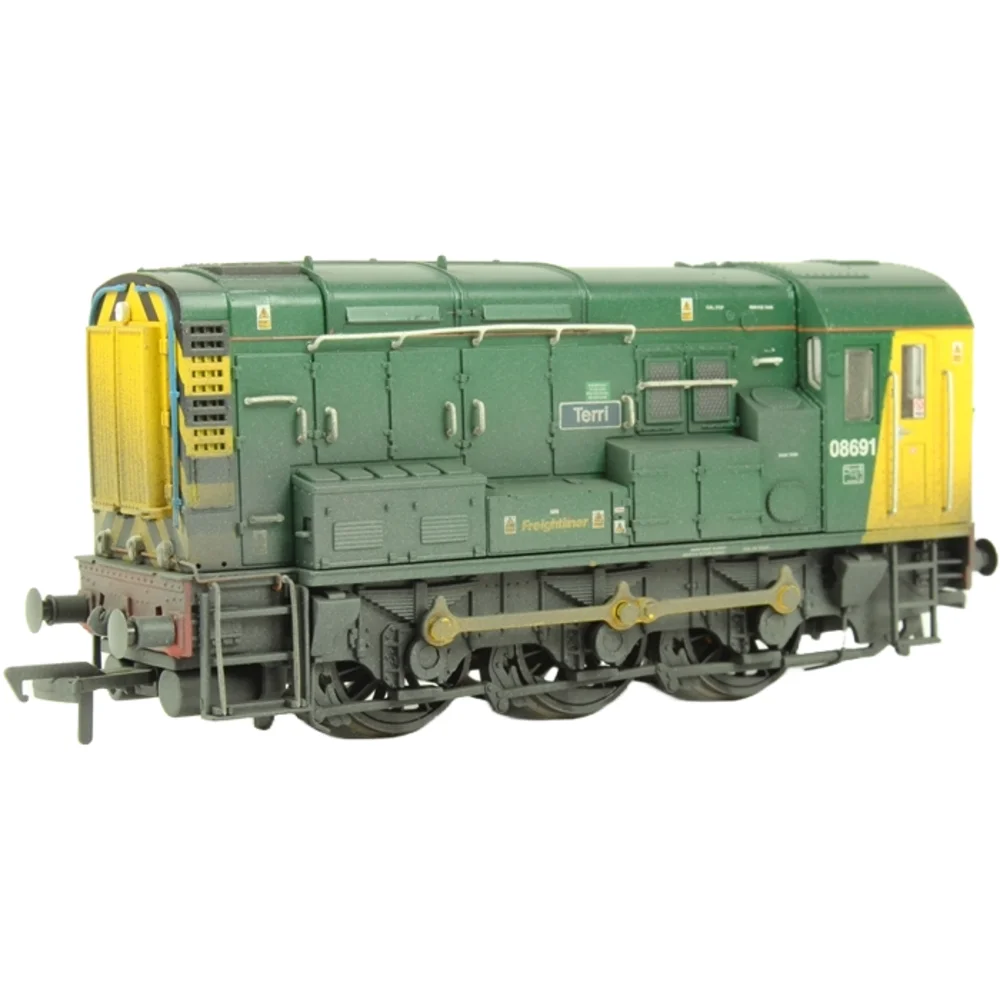
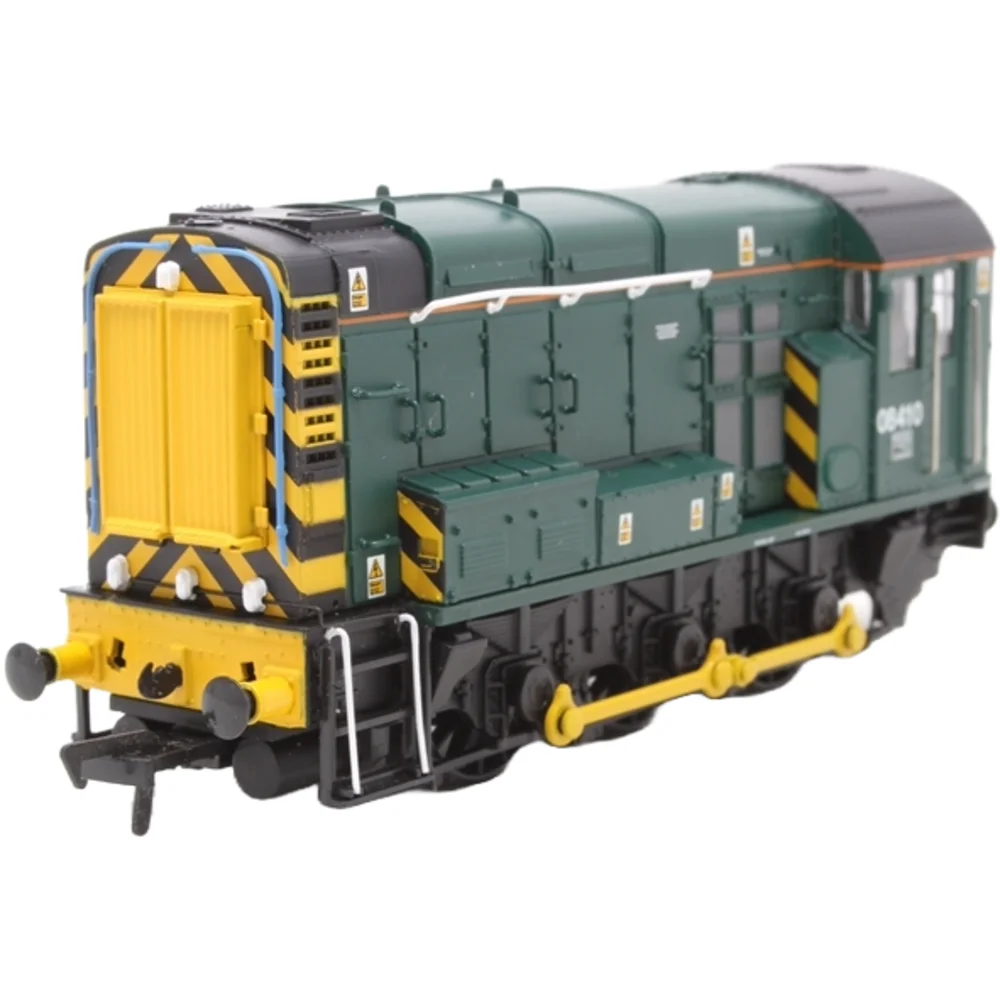
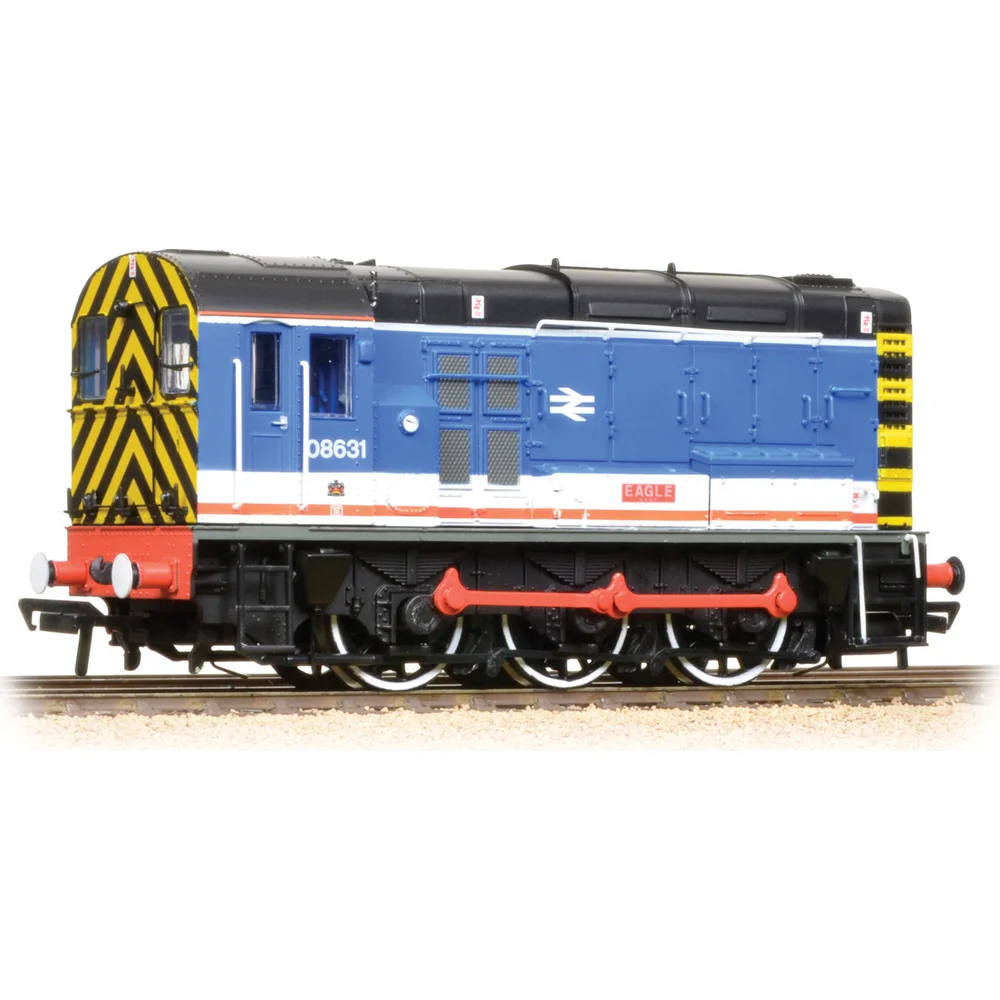
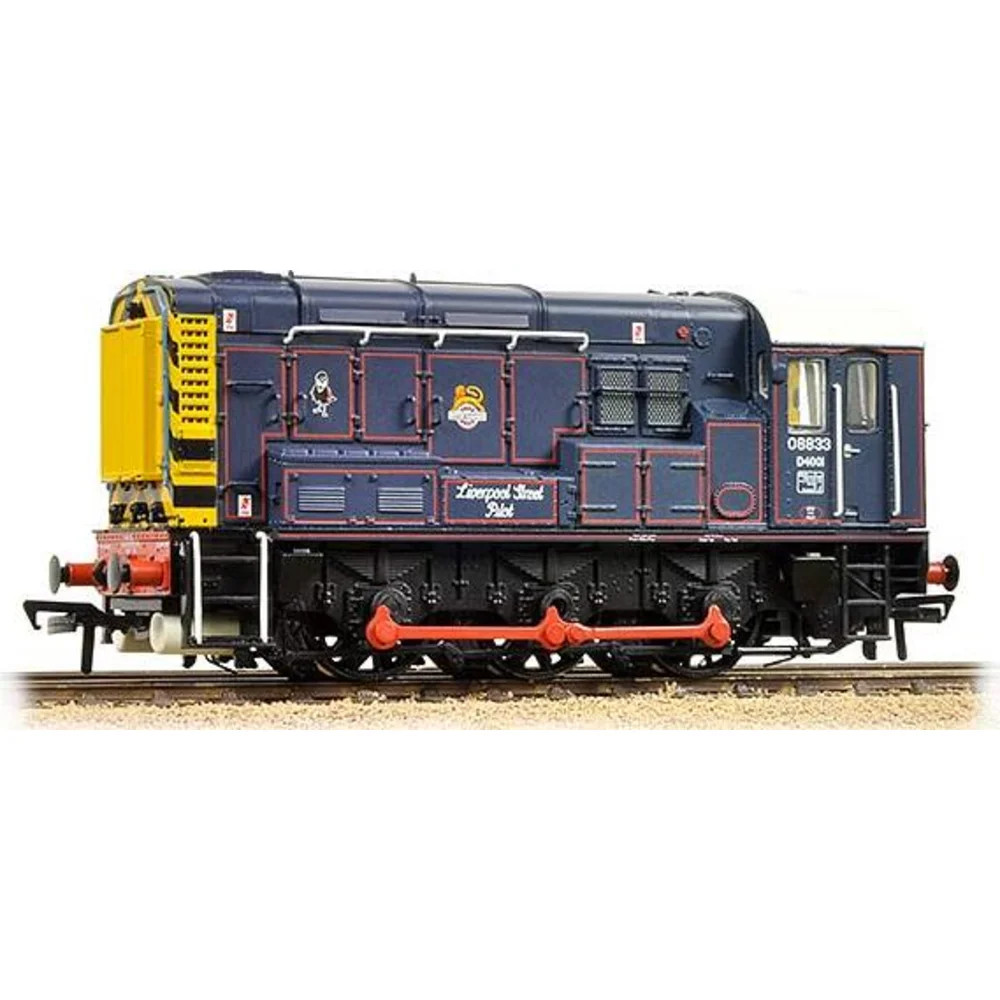
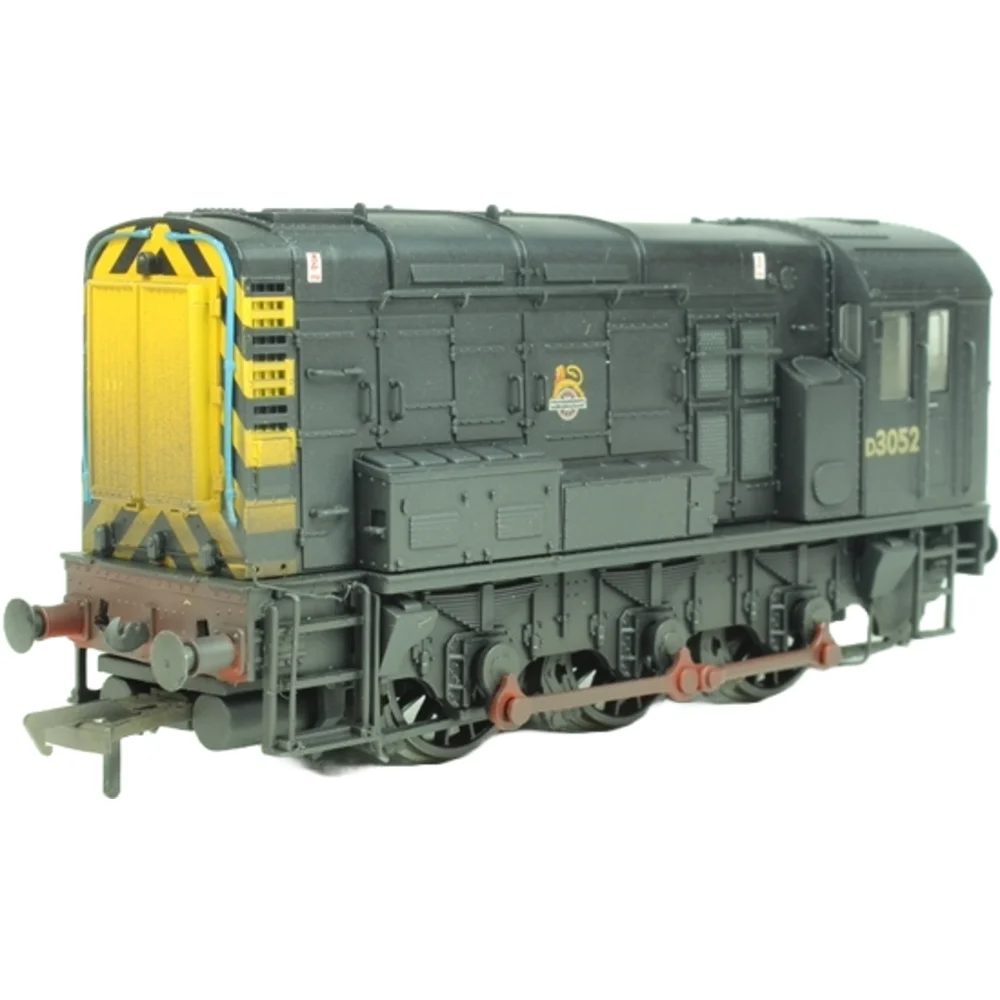
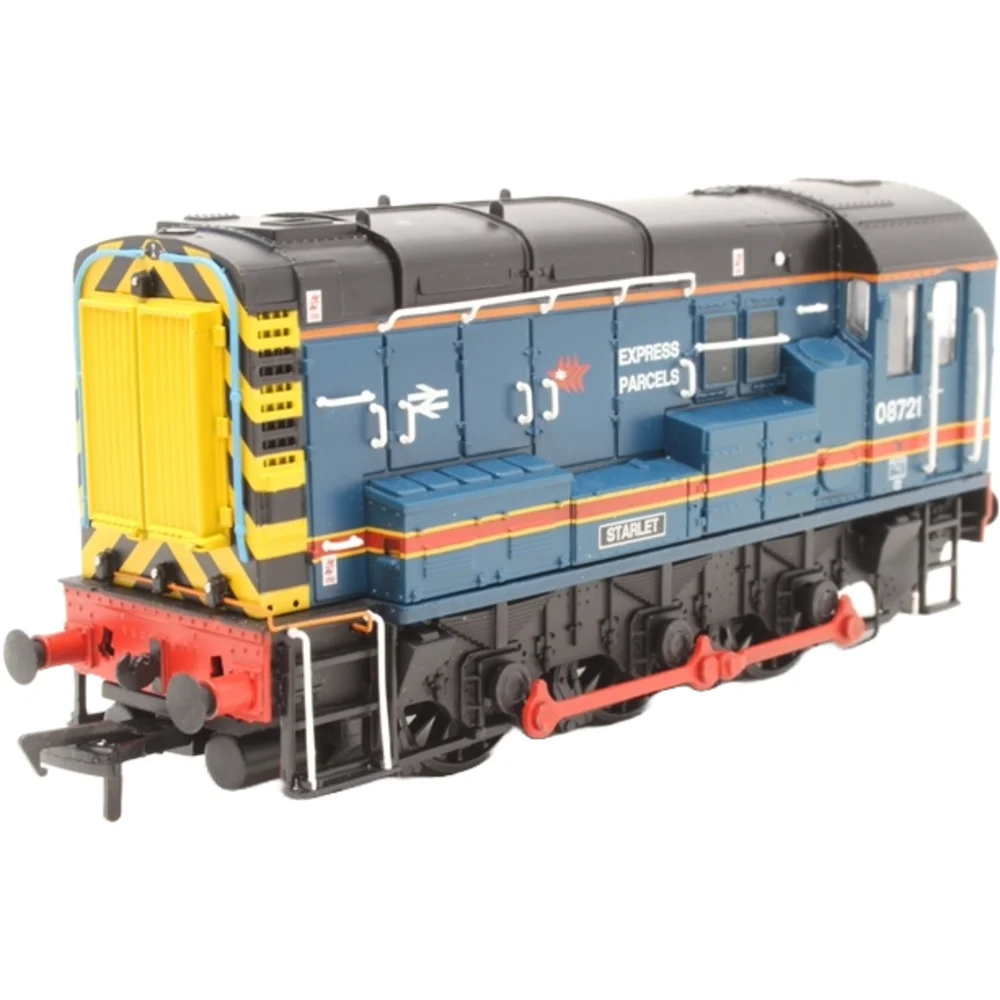
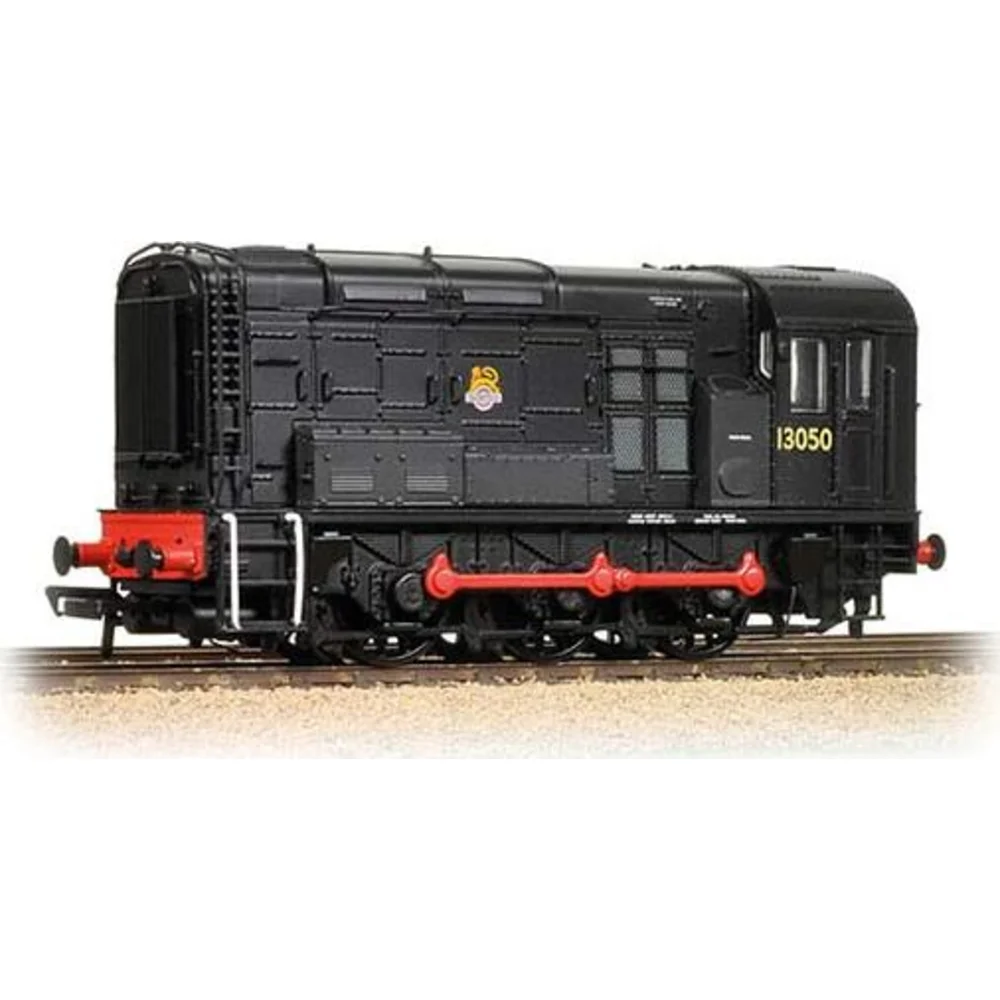
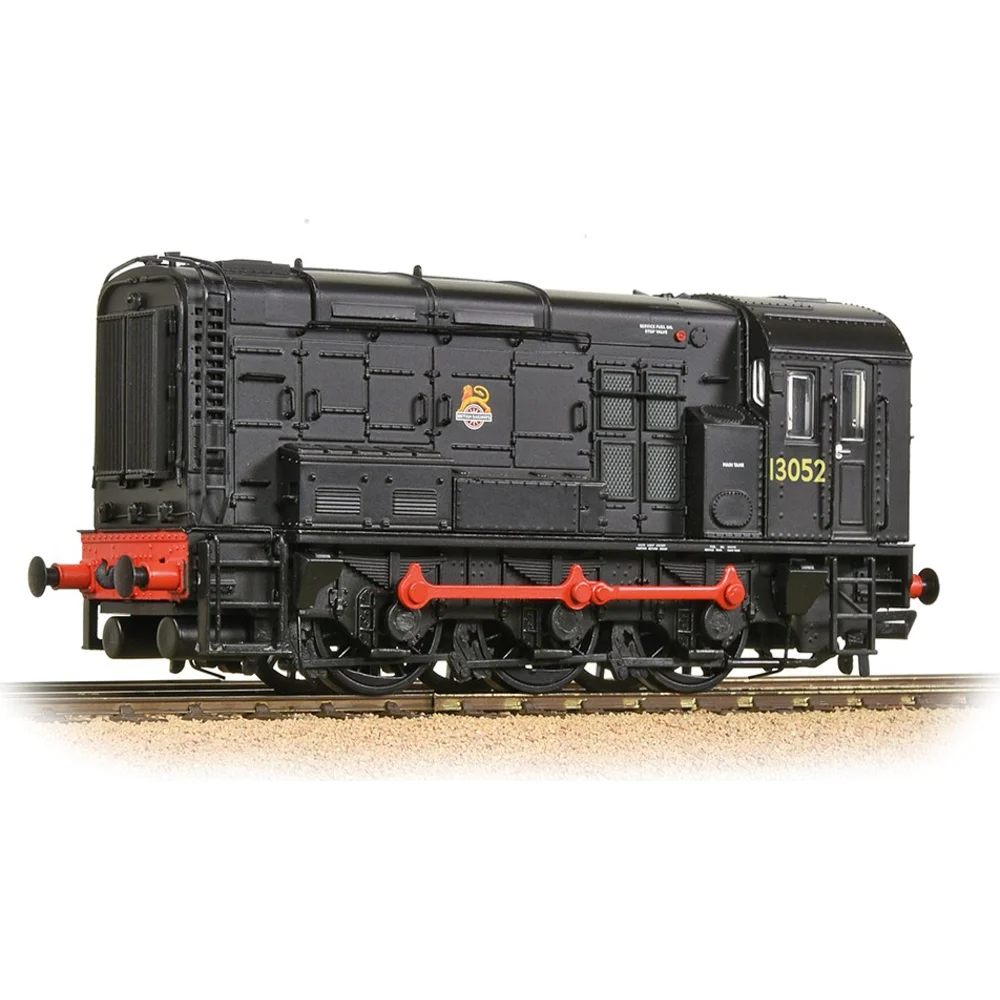
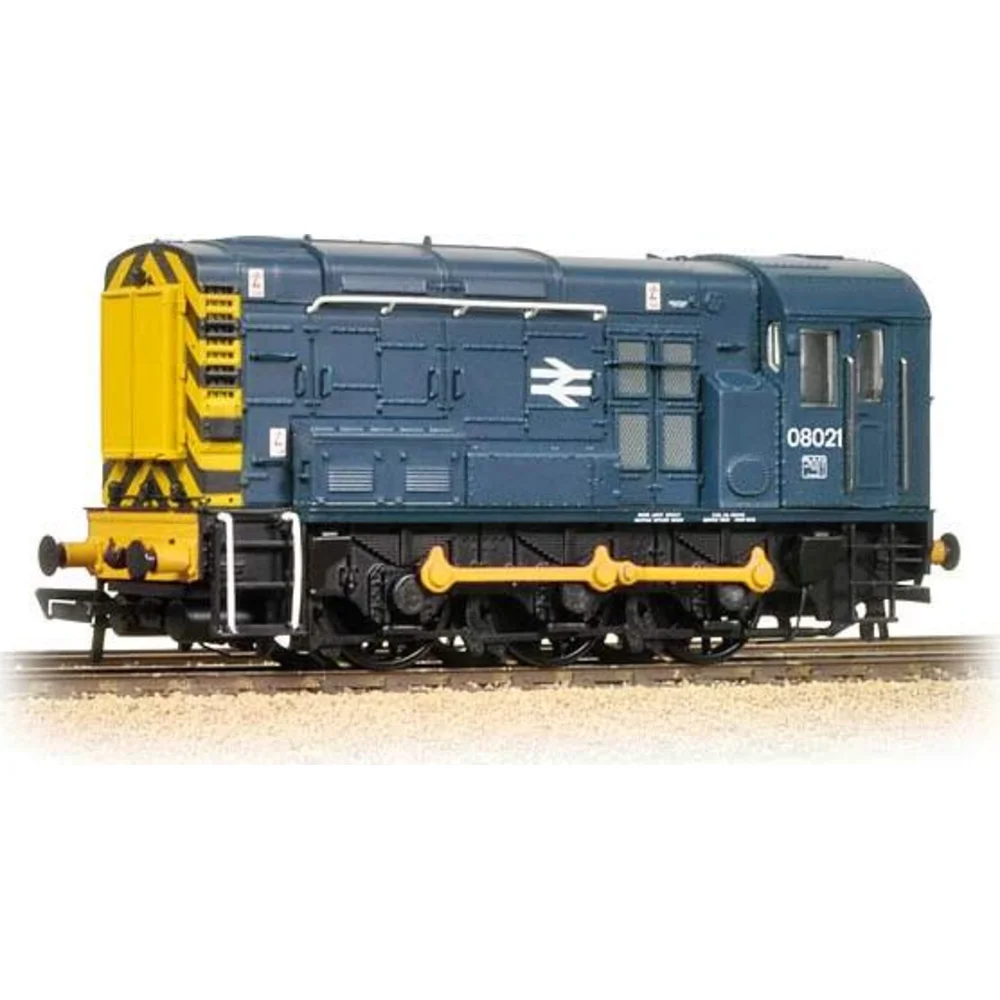
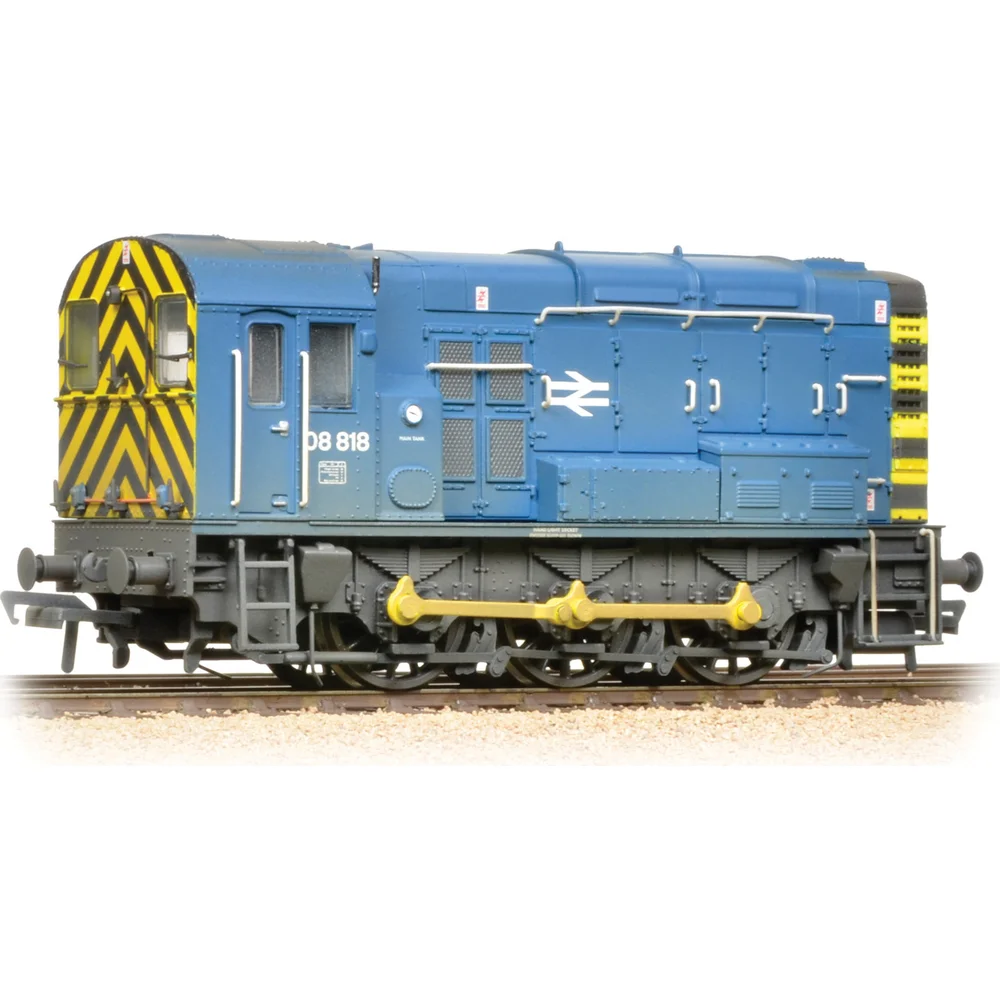
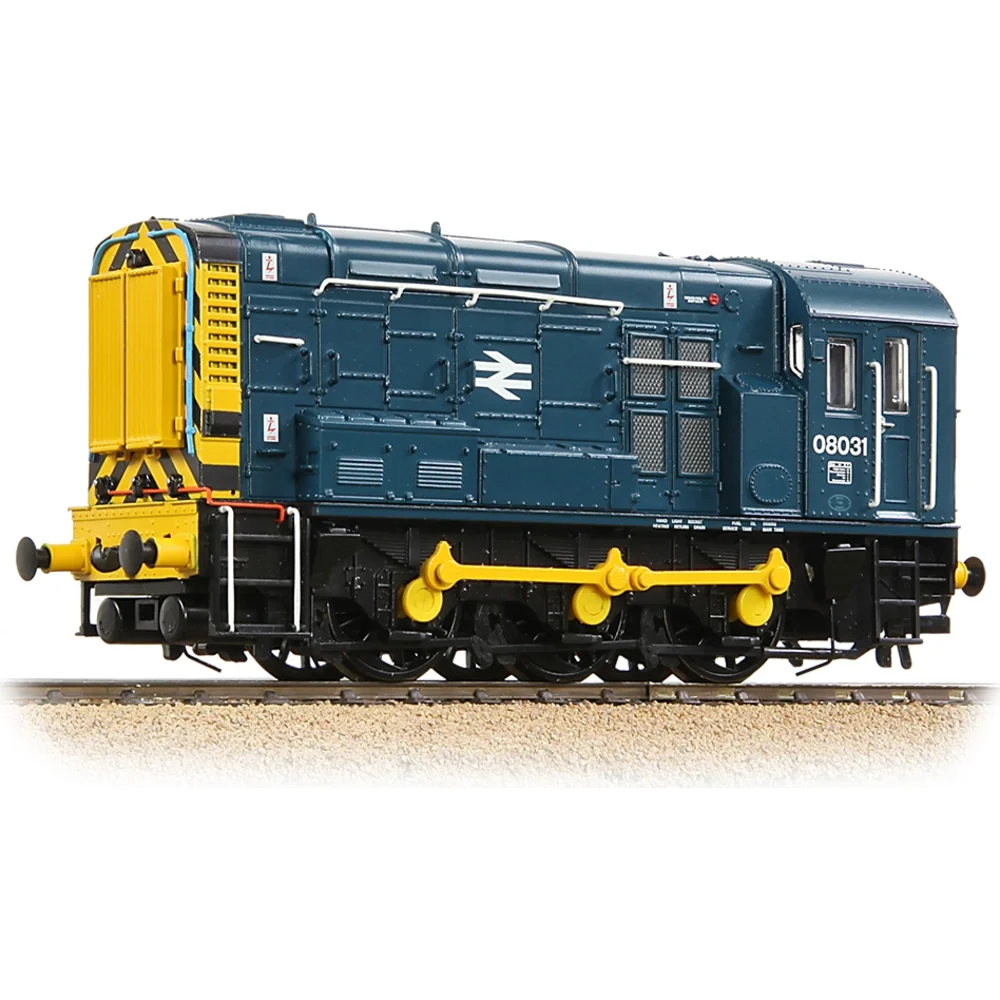
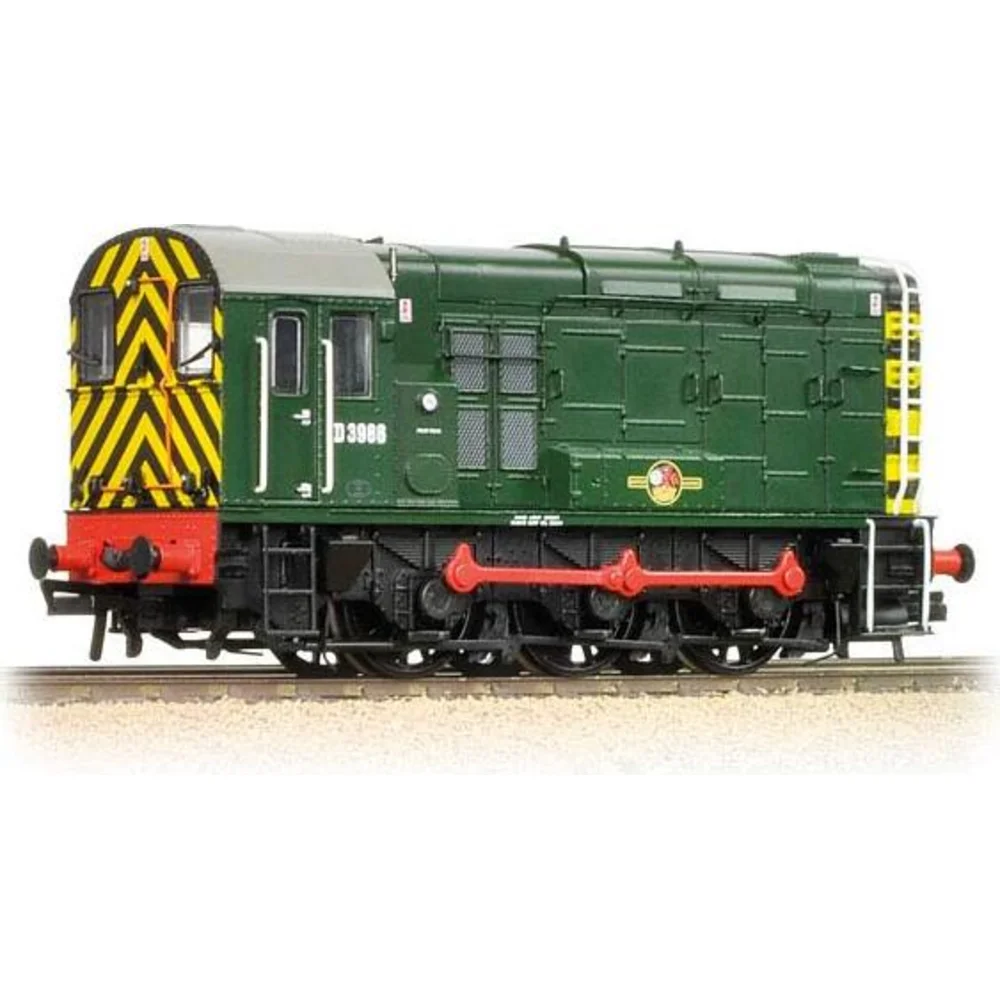
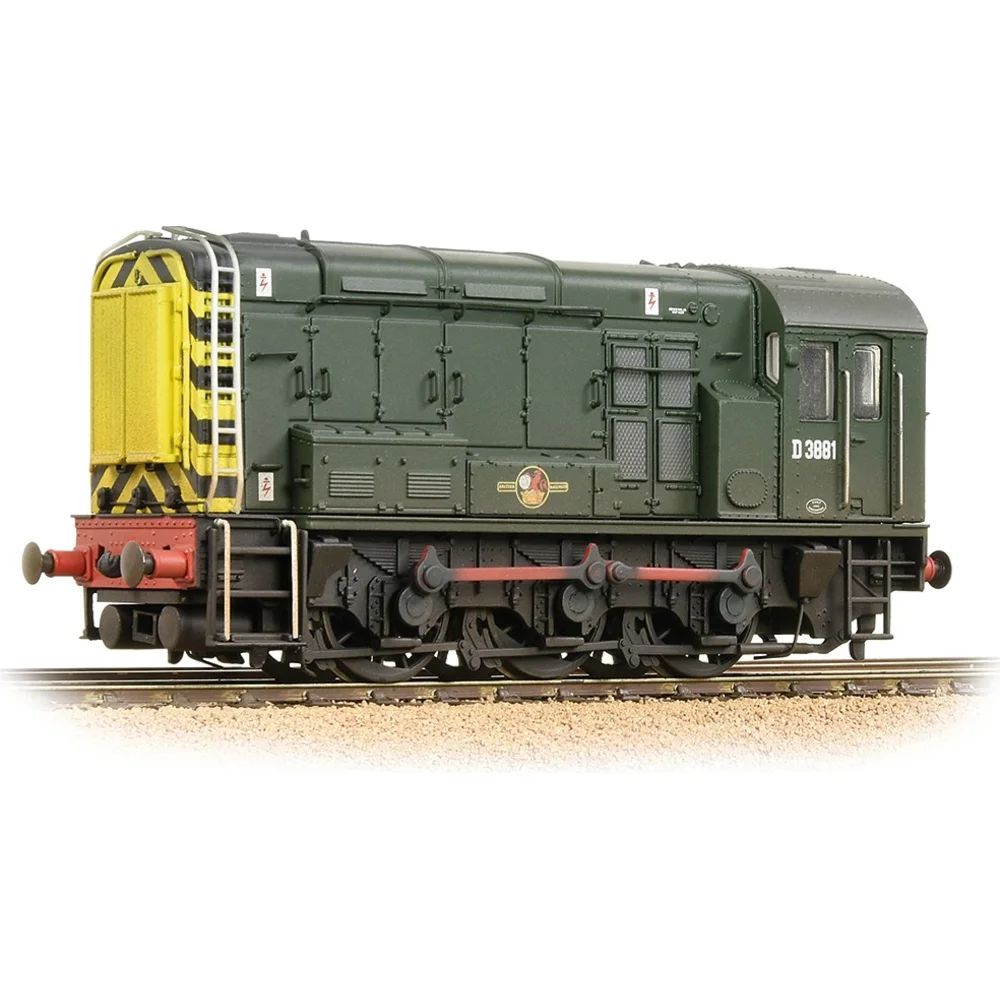
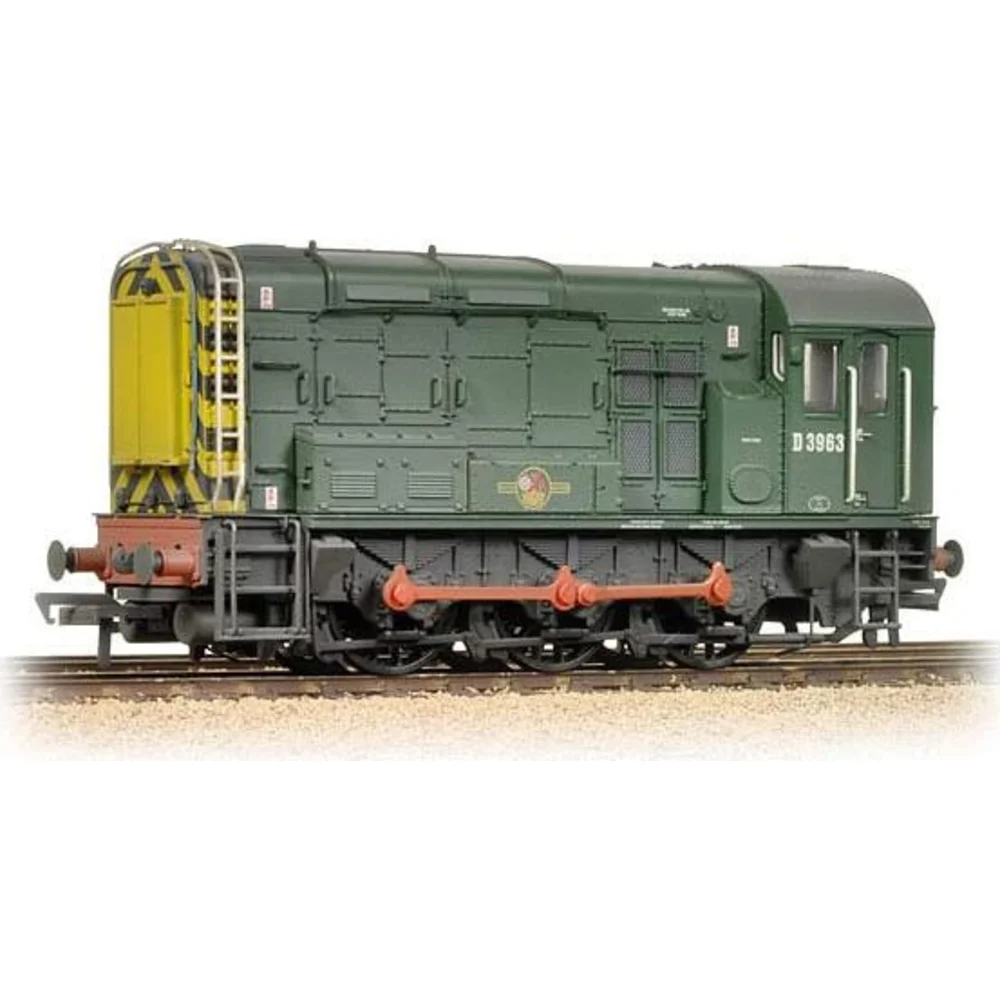
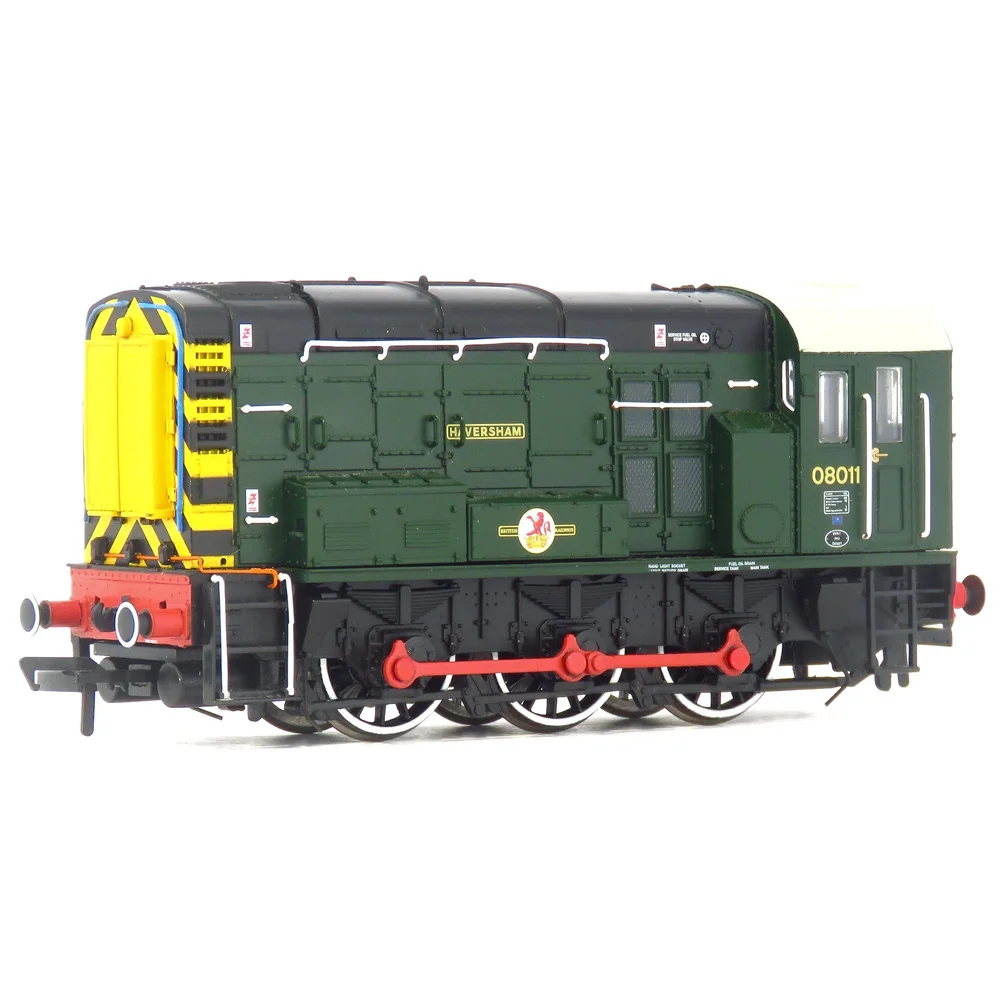
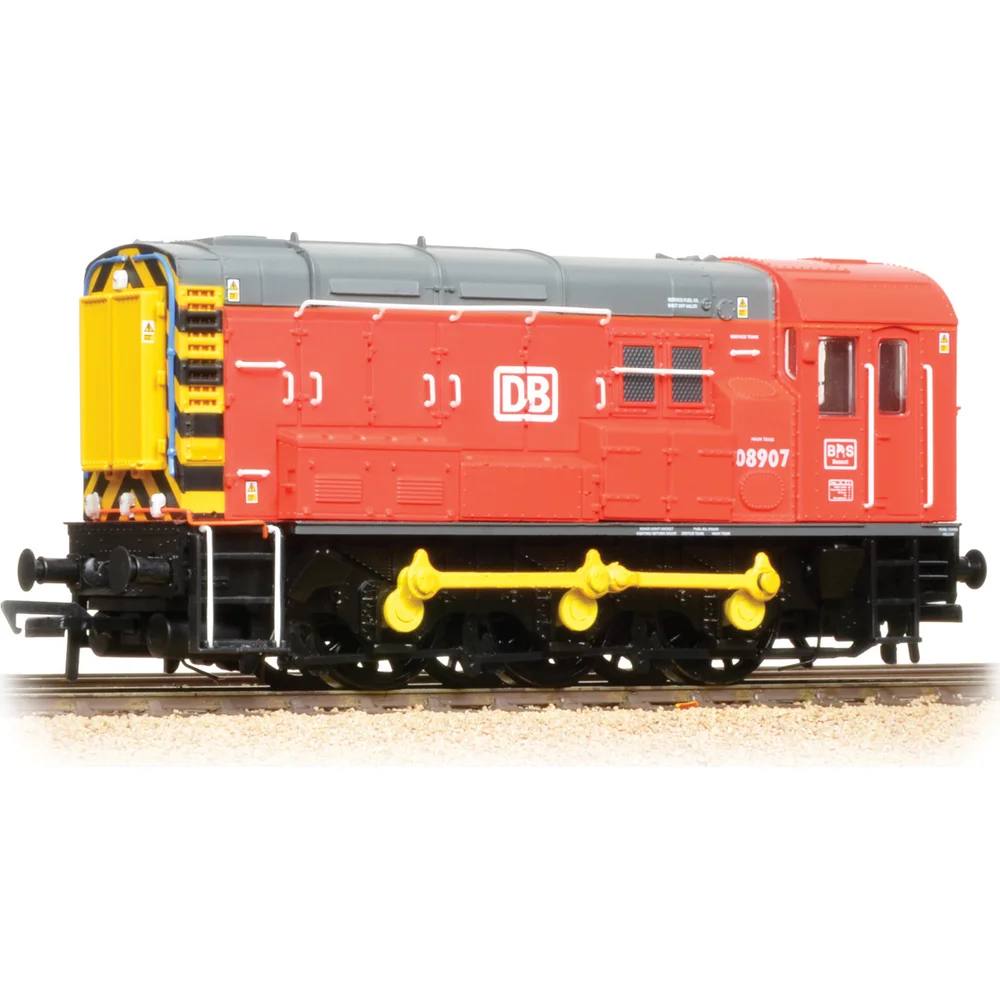
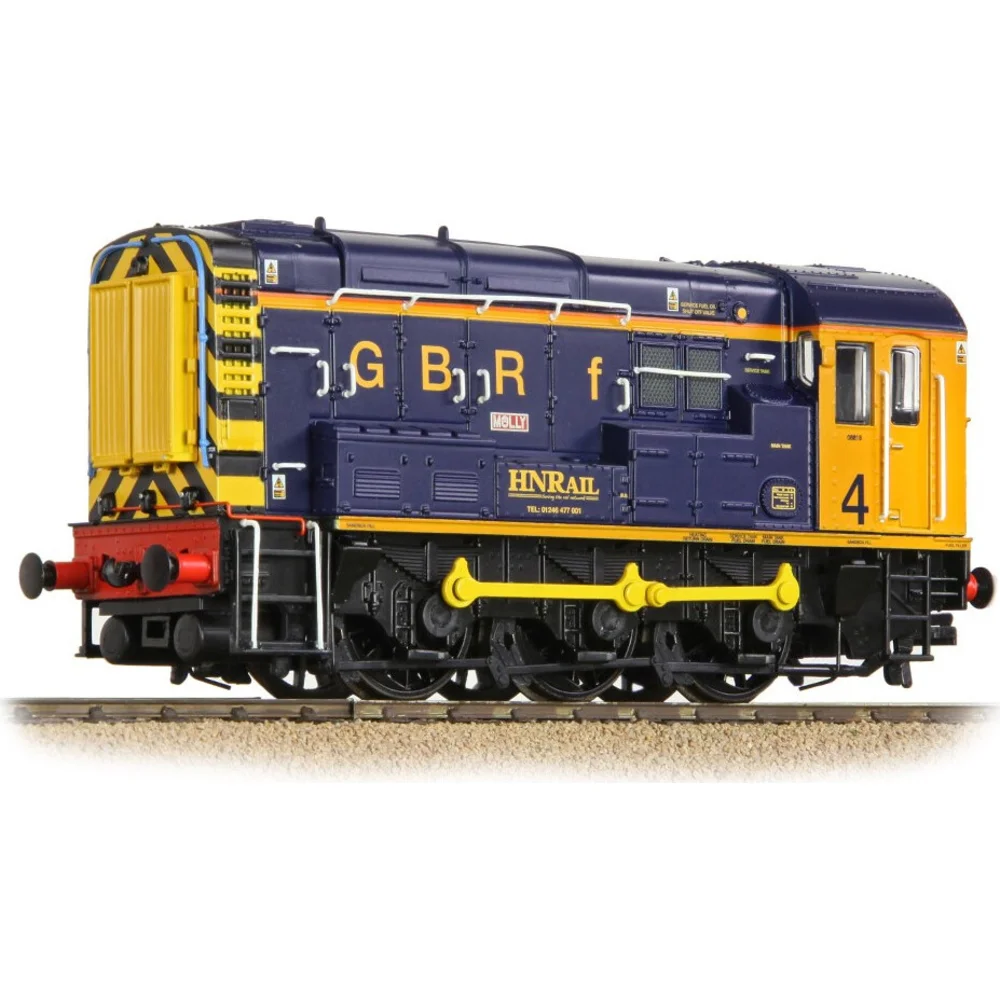
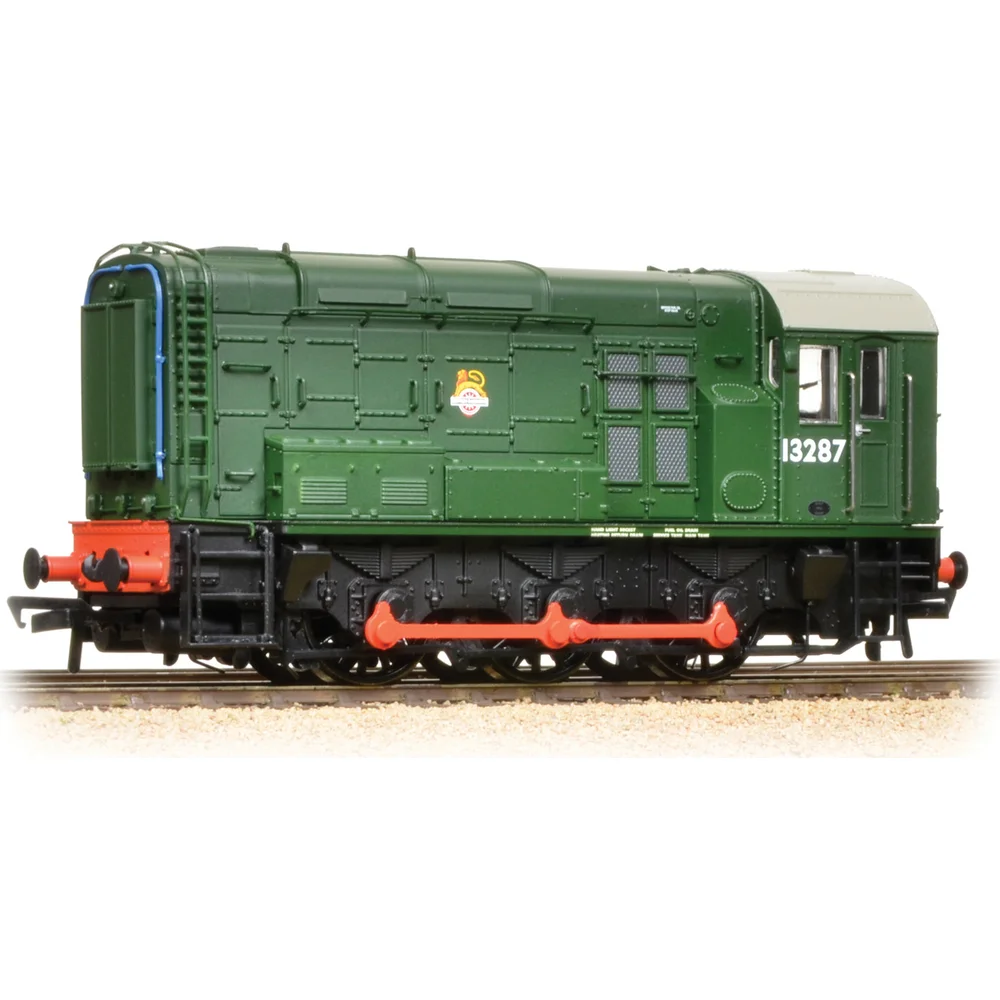
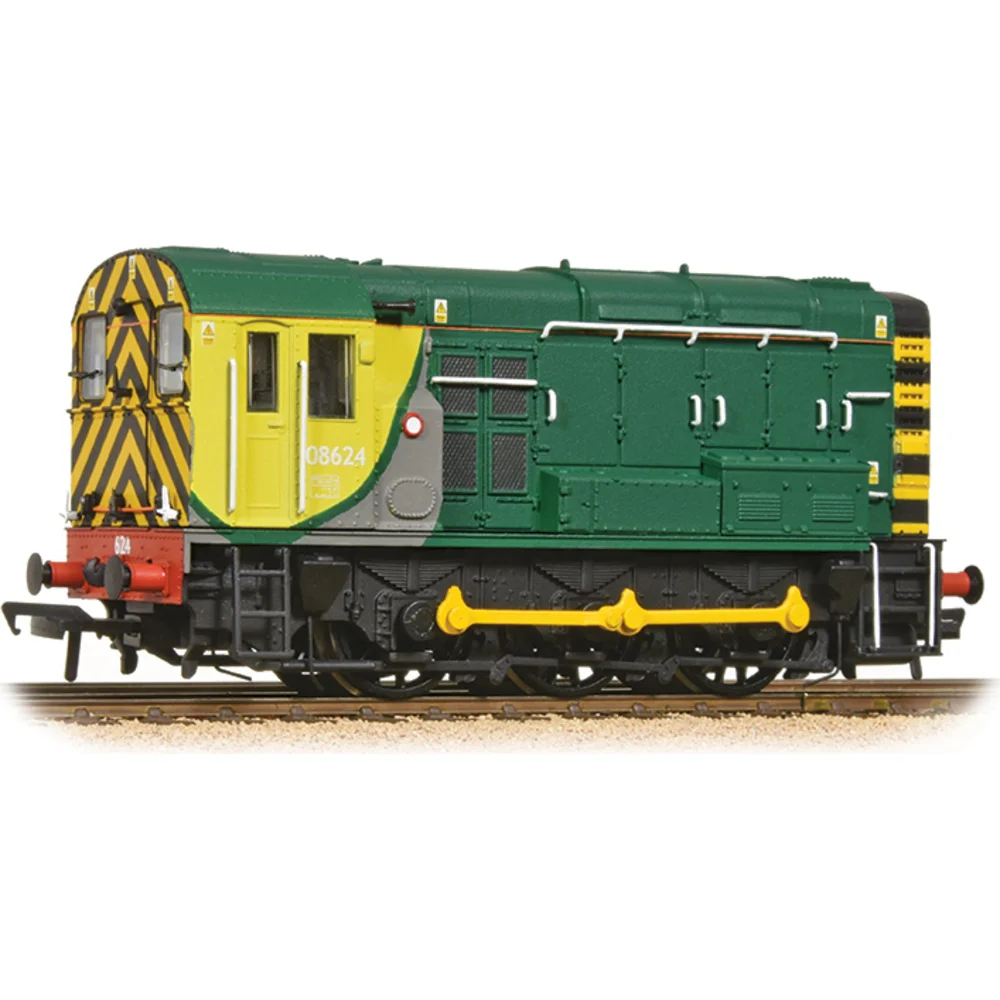
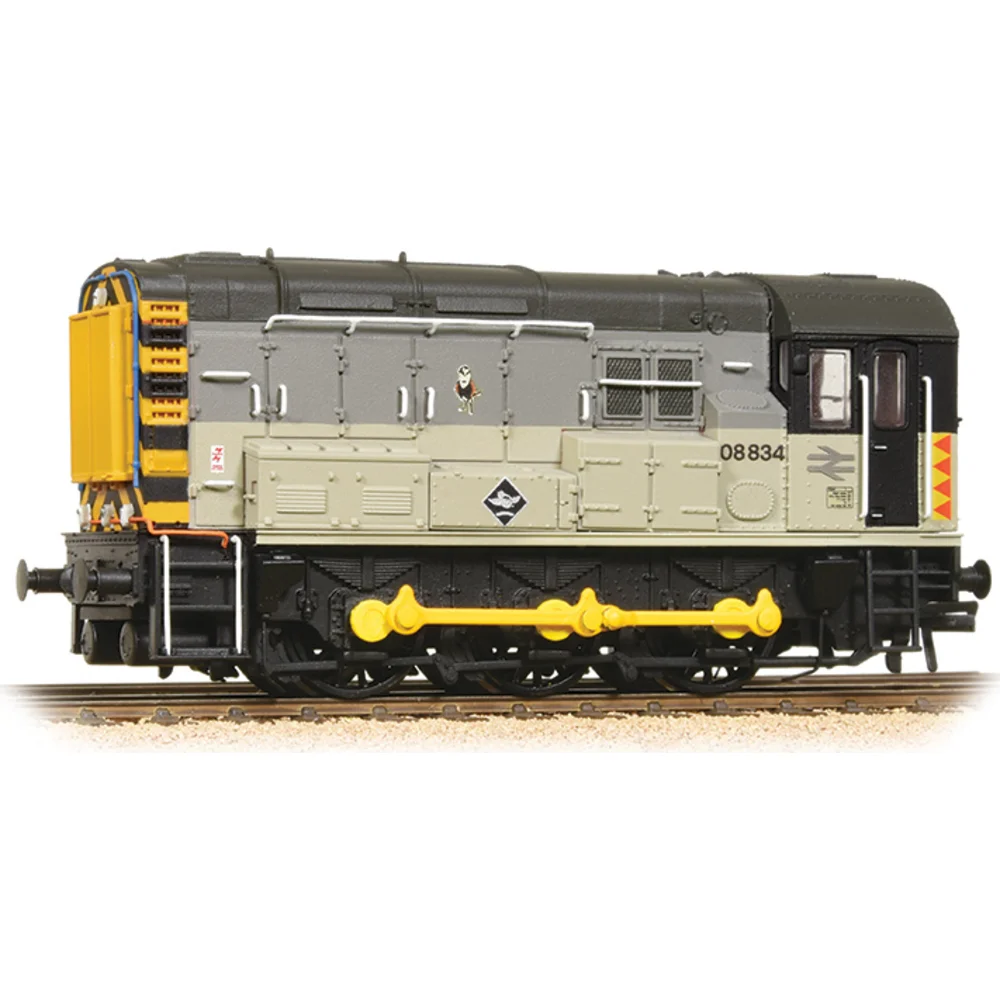
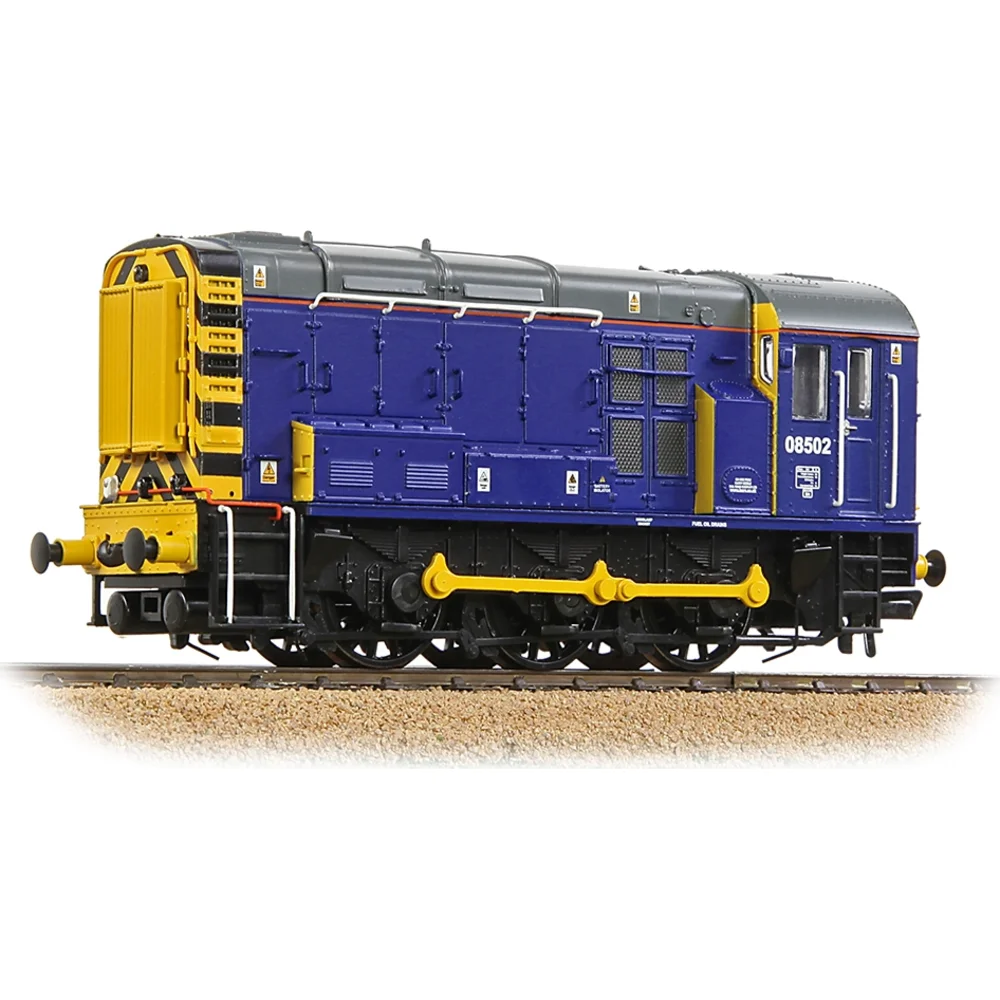
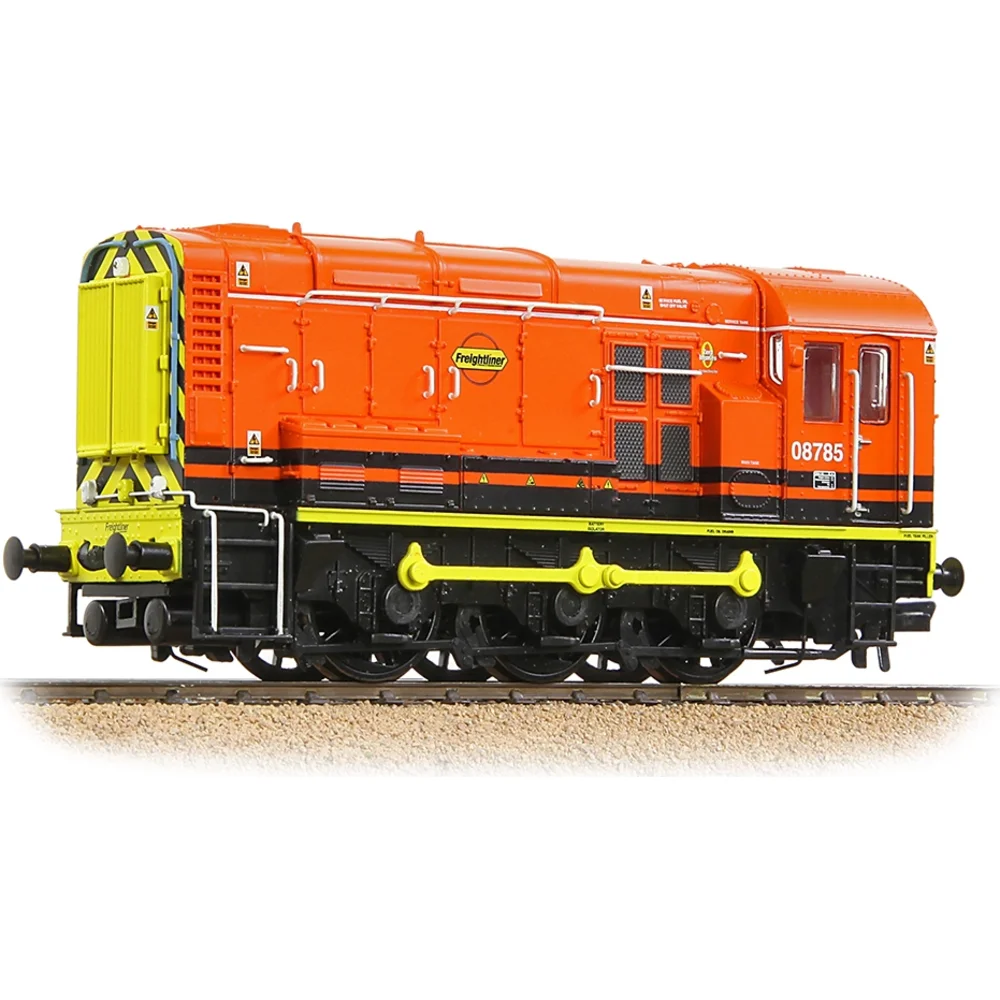
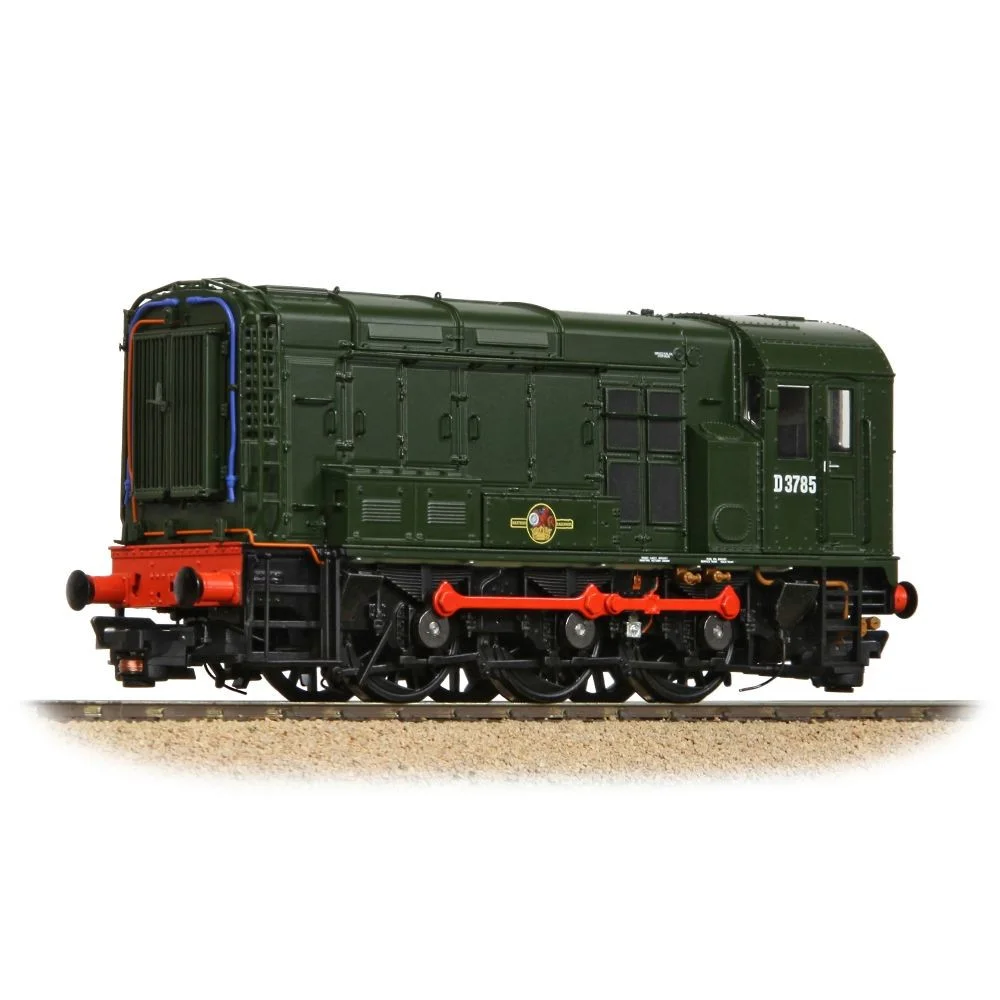
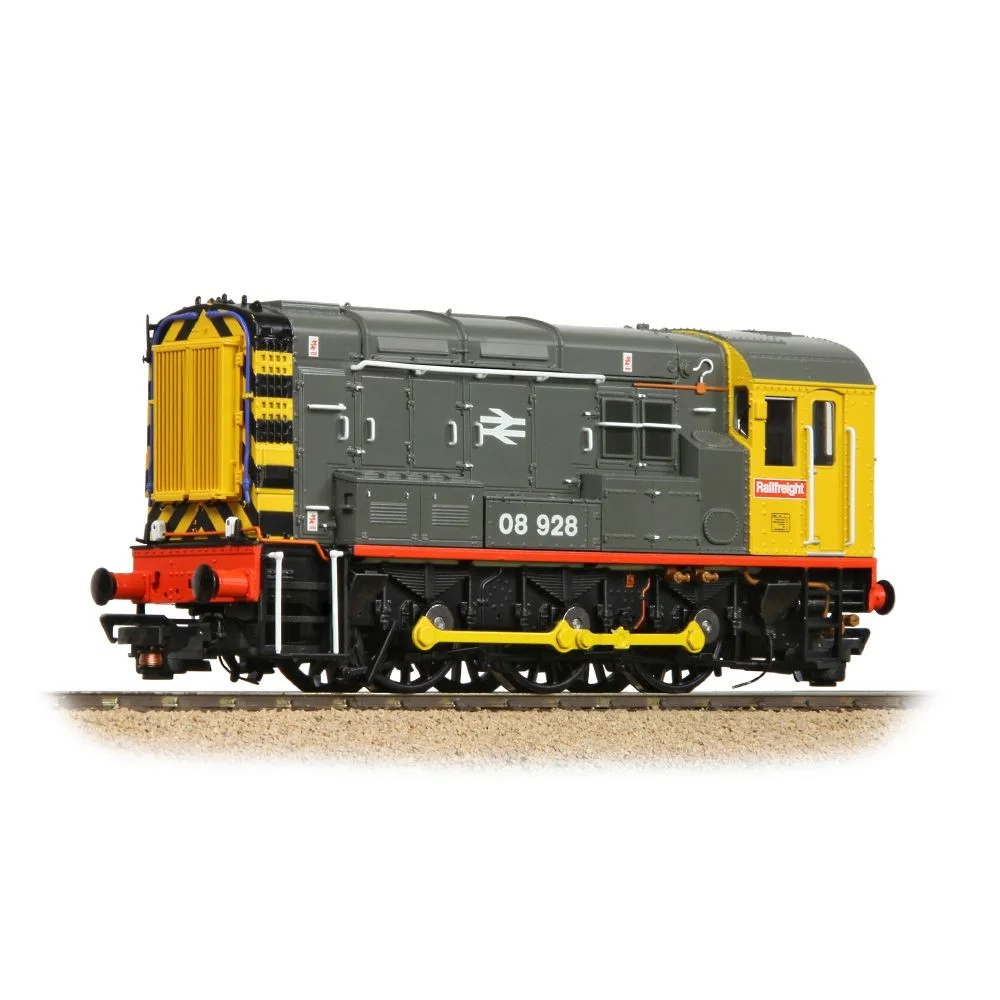
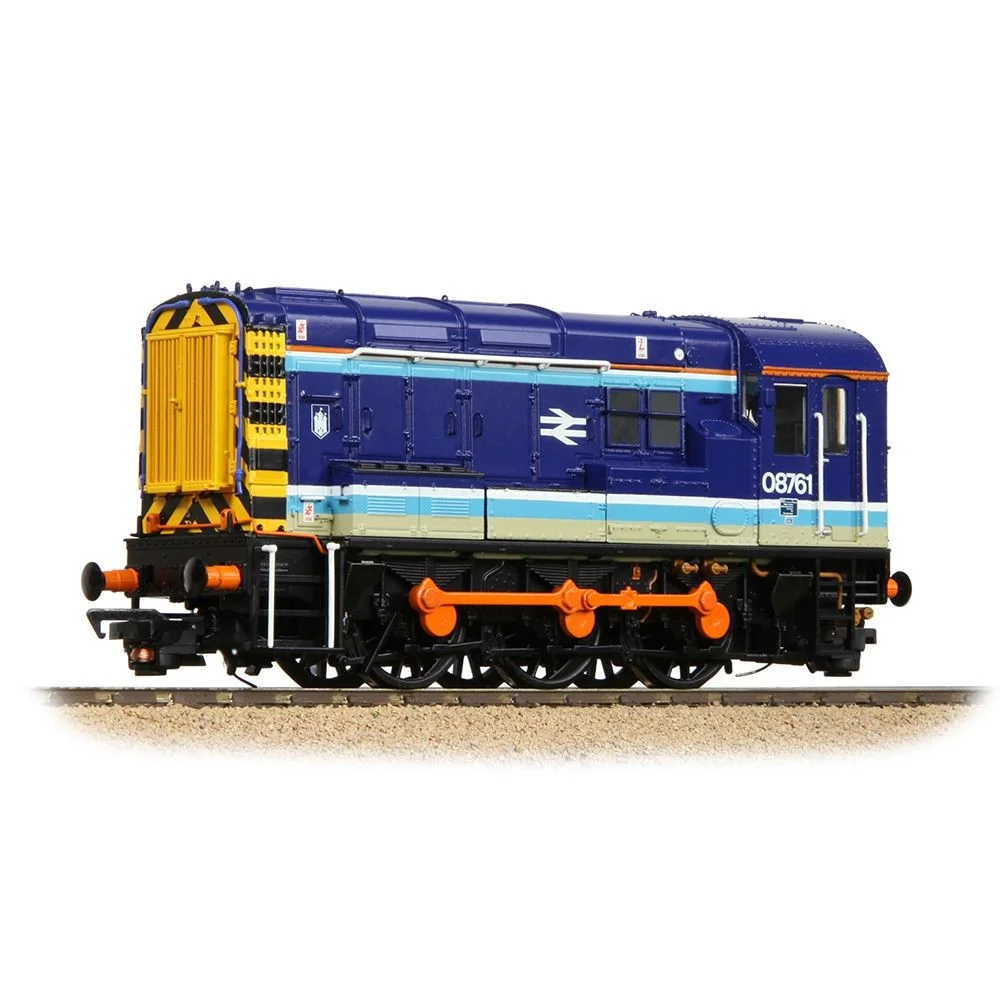
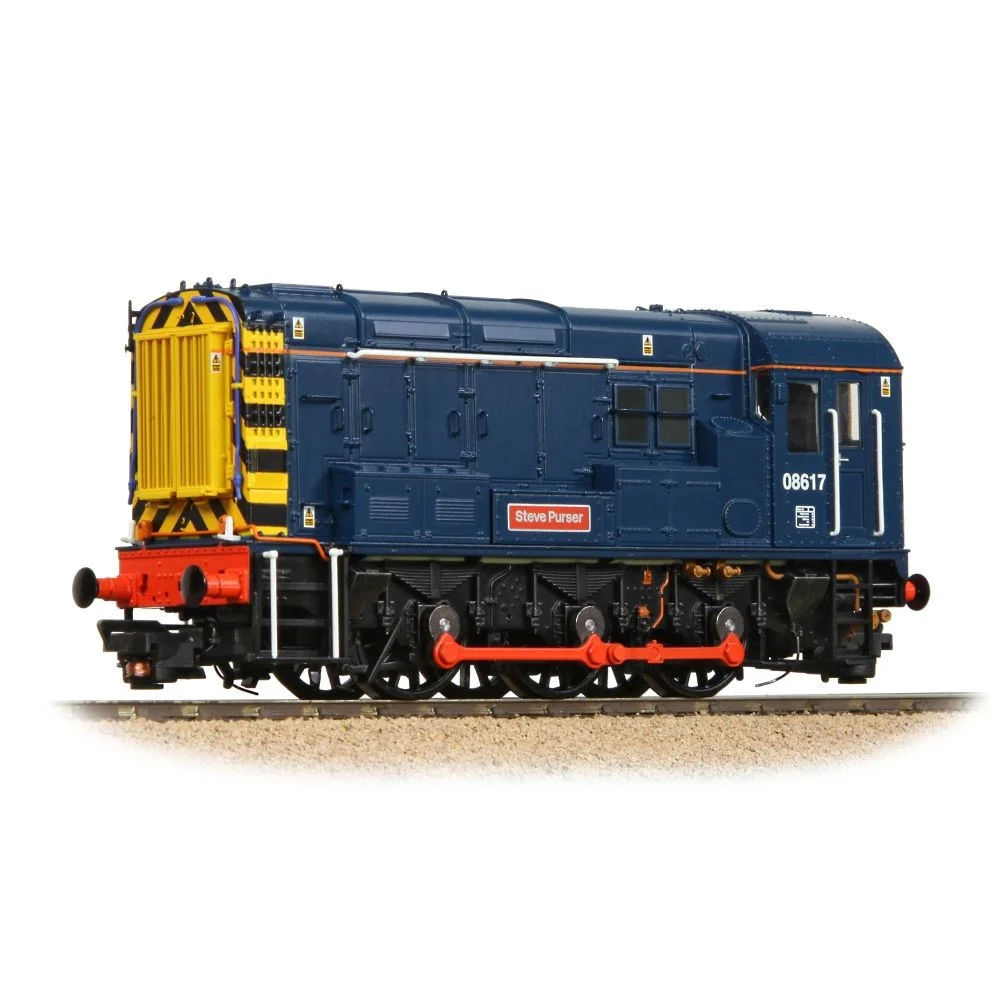
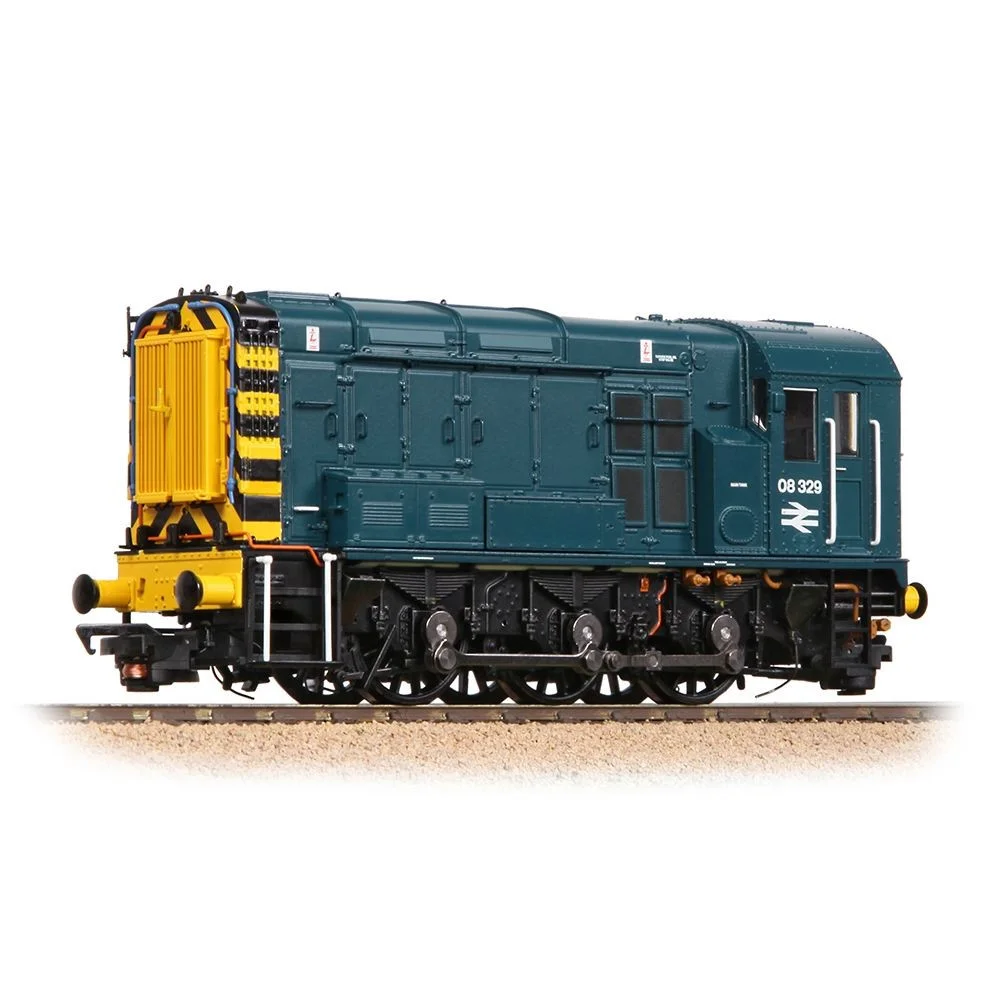
The British Rail Class 08 stands as Britain's most numerous locomotive class ever built, with 996 examples constructed between 1952 and 1962—and remarkably, around 100-170 remain in active service today, working alongside approximately 87 preserved examples on heritage railways. This diesel-electric shunter revolutionised British railway operations during the great modernisation drive of the 1950s, replacing countless steam shunters with a standardised, reliable design that proved so successful it continues working seven decades later.
For model railway enthusiasts, the Class 08 represents an essential locomotive that authentically fits layouts spanning from 1953 through to the present day, making it arguably the most versatile addition to any British railway model collection. With modern manufacturers offering unprecedented detail levels—particularly Bachmann's revolutionary 2025 release—there's never been a better time to add this iconic shunter to your layout.
The Class 08's longevity stems from engineering simplicity combined with robust construction: the proven English Electric 6KT diesel engine delivering 350-400 horsepower through straightforward diesel-electric transmission created a locomotive that was easy to maintain, instantly available (no raising steam required), and economical to operate. British Railways deployed these compact 0-6-0 shunters universally across freight yards, passenger stations, traction maintenance depots, and industrial sidings throughout the entire network. Following privatisation in the 1990s, while most were withdrawn as fixed-formation trains reduced shunting requirements, survivors found new roles with freight operators, industrial users, and heritage railways.
Quick Takeaways
- 996 Class 08 locomotives built 1952-1962: Made this Britain's most numerous locomotive class, serving universally across the entire British Railways network in freight yards, passenger stations, depots, and industrial sidings
- 100-170 remain in active service today: Alongside 87 preserved examples, demonstrating extraordinary 70-year longevity through simple, proven engineering with English Electric 6KT diesel engines and straightforward diesel-electric transmission
- Bachmann's revolutionary 2025 OO gauge tooling: Sets new standards with up to 13 lights, Bach-Up Stay Alive System, Auto-Release Couplings (Deluxe versions), Plux22 DCC sockets, and exceptional detail levels from £127.45 discounted
- Graham Farish N gauge excellence: Provides excellent N gauge models with factory DCC sound options from £169.50, whilst Hornby offers competitive OO alternatives from £109.50 and Dapol produces comprehensive O gauge ranges from £159.96
- Authentic for 1953 to present day: The Class 08 justifies inclusion on virtually any British railway model regardless of era, operating at prototypical 15 mph maximum speed for realistic shunting operations
- Battery-electric and hydrogen conversions: Class 08e and hydrogen conversion projects demonstrate continuing innovation that may extend service life into an eighth decade, making these locomotives relevant for both historical and contemporary layouts
- Universal shunting workhorse: Appropriate for freight yards, passenger terminals, depot operations, industrial sidings, and heritage railways—versatility unmatched by any other British diesel locomotive class
Historical Background and Context
British Railways' 1955 Modernisation Plan formally mandated the wholesale replacement of steam traction, but diesel shunters arrived earlier, proving diesel viability before tackling mainline conversion. The Class 08 evolved from the LMS 12033 series (later Class 11), which itself built upon English Electric's development work dating to 1934 when they supplied their first 'K' engine for diesel-electric shunting locomotives. This meant the Class 08 benefited from over 20 years of refinement rather than representing experimental technology.
For shunting operations specifically, diesel offered overwhelming advantages that made the transition inevitable. Steam shunters required time for raising steam, consumed fuel and demanded constant attention even when stationary, needed frequent maintenance between shifts, and created smoke issues in urban stations. The Class 08 offered instant availability, minimal downtime, cleaner operation, and drastically lower operating costs despite higher initial purchase prices. These economic realities drove the diesel revolution as much as the political mandate for modernisation.
British Railways constructed the 996-strong fleet across five workshops: Crewe, Darlington, Derby, Doncaster, and Horwich Works. The pioneer locomotive, numbered 13000, entered service in 1953 and survives today at Peak Rail—a 73-year-old testament to design longevity. Production continued through 1962, with locomotives originally numbered in the 13000 series, then D3000-D4192 ranges, before TOPS renumbering created the familiar 08001-08958 sequence in 1974. This represented the largest production run of any British locomotive class in history, demonstrating both the massive demand for yard shunting during the transition period and British Railways' confidence in the design.
Insider Tip: Identifying Class 08 Variants
Not all Class 08s were identical. Look for angle iron versus channel section main frames, different radiator ladder configurations, wooden versus steel cab doors, various buffer types, and high-level air pipes on locomotives modified for hauling electric multiple unit stock. Class 08/9 variants featured reduced height for restricted clearances, whilst six locomotives became Class 13 double-unit shunters. These variations provide modelling opportunities for creating authentic fleet diversity rather than identical duplicates.
The diesel transition proceeded more slowly in Britain than other developed nations initially, as abundant domestic coal resources and lower steam locomotive capital costs favoured maintaining existing traction. However, operational economics ultimately proved decisive—whilst steam remained cheaper to purchase, diesel's instant availability, reduced crew requirements, and minimal idling costs created overwhelming total-cost-of-ownership advantages. By 1968, steam traction vanished completely from British Railways, with the Class 08 having become the universal standard against which all other shunting locomotives were measured.
Design and Technical Specifications
The Class 08's remarkable success stemmed from pragmatic engineering that prioritised proven reliability over cutting-edge innovation. At the heart of every locomotive sat the English Electric 6KT diesel engine, a six-cylinder, four-stroke powerplant rated at 350-400 horsepower (sources vary slightly, likely reflecting different measurement standards). This straightforward, robust engine dated to 1940s development work and earned a reputation for exceptional reliability and longevity that persists today—70-year-old engines continue working with basic maintenance.
The diesel-electric transmission system employed two English Electric EE 506 traction motors driving through double-reduction gears, powered by an English Electric EE 801 main generator. This modular approach created several advantages: standardised components across the entire 996-unit fleet simplified parts inventory, repairs could be performed without specialised equipment, and the pre-dates-complex-electronics simplicity meant fewer failure points. Many modern locomotives with sophisticated electronic systems have been withdrawn whilst Class 08s soldier on precisely because there's less to go wrong.
The 0-6-0 wheel arrangement (three coupled axles with no leading or trailing wheels) provided the tight turning radius essential for complex yard trackwork whilst concentrating weight over driving wheels for maximum adhesion. Measuring just 29 feet 3 inches long and weighing 49-51 long tons, the Class 08 fitted existing infrastructure perfectly whilst remaining heavy enough for effective traction. Maximum tractive effort reached 35,000 lbf—powerful at the low speeds where shunting occurred, though maximum speed was deliberately limited to just 15 mph (some variants 20 mph) to suit yard operations.
British Railways experimented with alternative powerplants in some batches, fitting Crossley and Blackstone engines with various traction motor combinations to evaluate different manufacturers during the Modernisation Plan period. However, the English Electric-powered standard emerged as the definitive version, with various sub-classifications reflecting differences in electrical voltage systems (90V versus 110V), brake types (vacuum, air, or dual-fitted), and route availability ratings.
Technical Innovation: Modular Maintenance Philosophy
The Class 08's genius lay in standardisation rather than sophistication. English Electric designed modular components that could be removed, repaired, and reinstalled quickly. Failed traction motors could be swapped in hours rather than days. The simple four-stroke diesel required no specialised diagnostic equipment—experienced fitters could diagnose problems by sound and smell. This maintenance philosophy enabled 70-year service lives that would prove impossible with modern electronics-dependent designs requiring manufacturer-specific diagnostic systems.
A small number became Class 08/9 variants with reduced height (lowered to 11 feet 10 inches) for restricted clearances on the Burry Port and Gwendraeth Valley Railway in Wales, whilst six were permanently coupled in master-slave pairs to create 700-horsepower Class 13 double-unit shunters for Tinsley Marshalling Yard. These variants demonstrate the fundamental design's adaptability to specialised requirements whilst maintaining core components and operating principles.
Service History and Operations
As British Railways' standard general-purpose diesel shunter, Class 08 locomotives appeared throughout the entire network with minimal restrictions. Their ubiquity meant every region, every major station, and every freight yard relied on these workhorses for the unglamorous but essential tasks that kept railways functioning. Typical duties included marshalling wagons into train formations at freight yards, attaching and detaching coaches at passenger stations, moving locomotives within traction maintenance depots, operating short-distance trip freights between yards, assembling passenger train formations in carriage sidings, and serving industrial connections to docksides and factories.
This versatility created a locomotive that railway modellers can authentically position almost anywhere on British layouts from 1953 onwards. Whether your layout depicts a 1960s freight yard, a 1980s passenger terminus, or a contemporary heritage railway, a Class 08 belongs there. The fleet size peaked at 996 locomotives serving simultaneously, creating the extraordinary sight of these distinctive shunters working in virtually every corner of the British railway network.
Following railway privatisation in 1994, operational changes dramatically reduced Class 08 requirements despite locomotives remaining mechanically sound. The shift to fixed-formation freight trains (containers, merry-go-round coal services), growth of multiple-unit passenger trains requiring no locomotive changing, closure of marshalling yards, and decline of wagonload freight traffic meant traditional shunting duties evaporated. By 2008, EWS (now DB Cargo UK) operated over 40 Class 08s with additional stored examples, whilst Freightliner, Wabtec, and FirstGroup maintained smaller fleets.
Operational Insight: The Universal Shunter
Class 08s performed extraordinarily diverse duties beyond basic yard shunting. At major stations, they positioned coaching stock, attached restaurant cars, and performed complex multiple-portion train assemblies. At docks, they hauled heavy wagon rakes from quaysides to sorting sidings. At carriage depots, they shuffled entire electric multiple unit formations for maintenance. Industrial sites relied on them for everything from steel coil transport to quarry stone movements. This operational versatility makes the Class 08 appropriate for virtually any British railway modelling scenario from 1953 onwards.
DB Schenker disposed of its last Class 08s by 2016, putting 24 locomotives up for sale—many acquired by heritage railways and private operators. However, substantial numbers continue working for industrial operators, including RMS Locotec (operating 20 Class 08s), quarry operators, steel works, and rail manufacturers. The class remains a common sight across the British railway network in 2025, testament to continuing utility despite electronic train management systems and modern traction that have displaced older diesel classes.
Withdrawal and Preservation Legacy
The Class 08's extraordinary longevity—with locomotives built in the early 1950s still earning their keep in 2025—represents one of British railway engineering's greatest success stories. Approximately 100-170 Class 08s continue working on industrial sidings and the main British railway network, whilst over 87 examples are preserved on heritage railways, making this the second most numerous class of preserved locomotive in the UK. The pioneer locomotive, 13000 (D3000), survives at Peak Rail awaiting restoration—a 73-year survivor that outlived countless "more modern" designs.
This remarkable longevity stems from multiple factors working in concert. The proven, simple design with modular English Electric components minimised failure points whilst ensuring parts remained available (withdrawn locomotives became parts donors). The 996-strong production run created a massive spare parts pool that continues supplying the aftermarket through specialist suppliers like MiddlePeak Railways. Economic advantages remain compelling—low maintenance requirements, simple repairs performed without specialised equipment, modest fuel consumption for shunting duties, and no expensive electronic systems create total operating costs far below modern alternatives costing millions to purchase.
The locomotives' characteristics prove ideally suited for continuing niche roles: 15-20 mph maximum speed remains perfect for yard work, powerful low-speed tractive effort handles shunting duties effectively, compact dimensions navigate tight industrial sidings, and the 50-ton weight provides traction without excessive track loading. Perhaps most significantly, no suitable mass-produced replacement has emerged—new small shunting locomotives prove prohibitively expensive for occasional duties, making used Class 08s the most economical solution.
Preservation's Success Story
Unlike many locomotive classes that faced complete extinction or token preservation of one or two examples, the Class 08 enjoys remarkable preservation success with 87 working examples across British heritage railways. This reflects both the class's importance to railway operations and practical utility—preserved railways need capable shunters for carriage movements, infrastructure trains, and positioning duties. Many heritage railways operate Class 08s daily in working service rather than as museum pieces, providing authentic operational experiences whilst performing essential tasks. Notable preserved examples include 08308 (Class 08e battery-electric prototype) and 08635 (hydrogen conversion project).
Heritage railways provide "active retirement" for surplus examples, with locomotives working everything from carriage shunting to short passenger services. Industrial operators including RMS Locotec (operating 20 Class 08s), quarry operators, steel works, and rail manufacturers continue daily reliance on these veterans. Notable preserved examples include 08308 at Barrow Hill Roundhouse, converted to battery-electric power by Positive Traction in 2023 as the Class 08e prototype, and 08635 at Severn Valley Railway undergoing hydrogen conversion—both demonstrating potential 21st-century service life extensions that could carry the design into an eighth decade.
Modelling Significance and Scale Replications
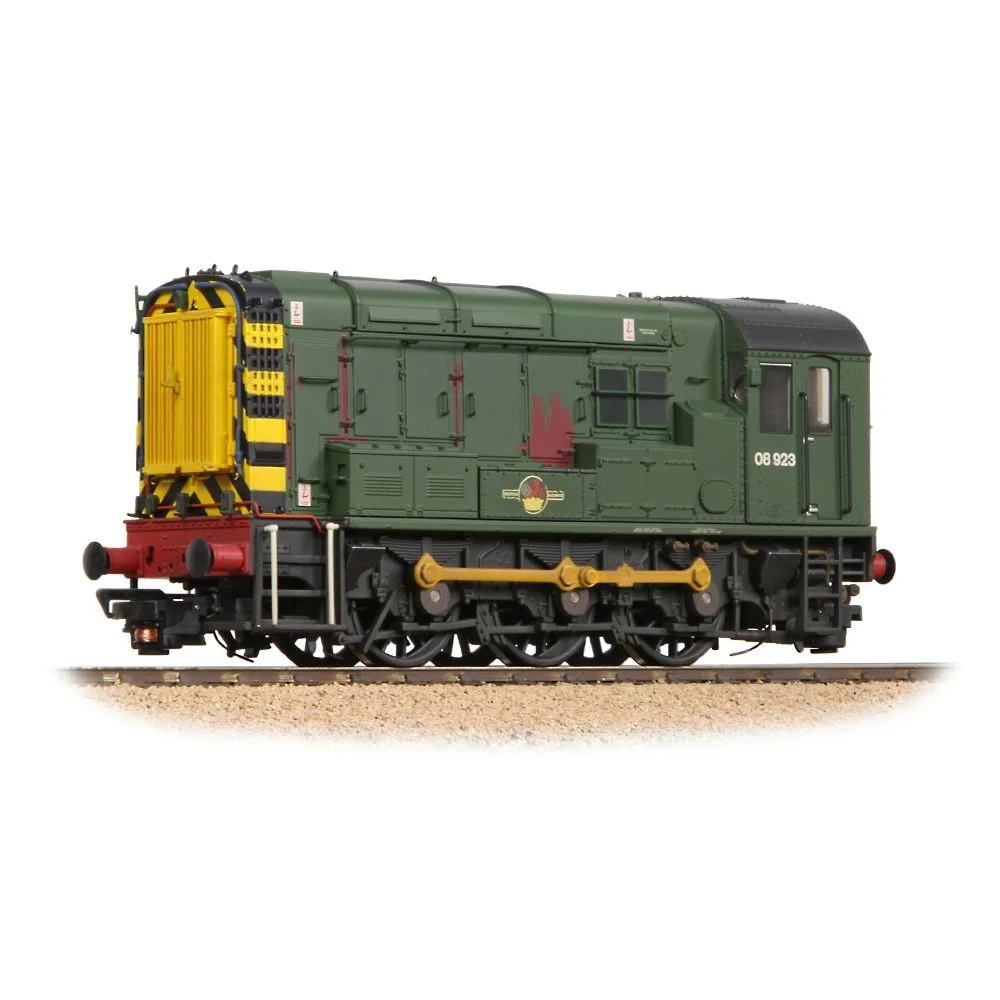
For model railway enthusiasts, the explosion of high-quality Class 08 models in recent years provides unprecedented opportunities to add authentic operations to layouts. The landscape transformed dramatically in 2025 when Bachmann Branchline released completely new tooling that sets extraordinary standards for OO gauge diesel locomotives.
Bachmann's 2025 Class 08 represents all-new tooling designed from the rails up, superseding their 2000-era models with a quantum leap in detail and features. These models stretch to 122mm length in OO gauge (1:76 scale), powered by five-pole motors with flywheels and featuring sprung centre axles with all-wheel pickup through separate metal bearings on each axle. The Plux22 DCC socket accessed via removable roof simplifies decoder installation, whilst up to 13 individual lights (front, rear, cab, and shunting lights) provide unprecedented illumination options controlled through eight microswitches for user-configurable operation.
The revolutionary Bach-Up Stay Alive System provides DCC power reserve that maintains operation over dirty track sections, whilst the Auto-Release Coupling system on Deluxe versions enables realistic uncoupling without magnetic ramps through DCC commands. Die-cast chassis construction with precision gearboxes, sprung metal buffers, detailed cab interiors with era-specific decoration, and multiple tooling variants capturing different detail combinations create models that railway press reviewers describe as breathtaking and setting new standards.
Bachmann offers three versions: Standard DCC Ready at £149.95 RRP (typically £127.45 discounted), Sound Fitted at £259.95 RRP featuring Zimo MS450P22 decoders with 28 DCC functions including horn, brake sounds, compressor, and automatic uncoupling sequences, and Sound Fitted Deluxe from £289.95 RRP adding Auto-Release Couplings. Available liveries span BR green (various eras), BR blue (including wasp stripes), and privatisation schemes, with models featuring historically accurate detail variations including angle/channel section main frames, radiator ladder options, wooden/steel cab doors, different buffer types, and high-level air pipes for EMU stock variants.
Hornby's established OO gauge range, based on 2005 tooling upgraded in 2010, continues offering very good detail at lower price points (£109.50-£139.99 RRP for standard models). Their models feature five-pole motors, 21-pin DCC sockets, spring-loaded opening cab doors (a unique feature), detailed cab interiors, and directional lighting. The range includes numerous liveries from BR green through modern GB Railfreight and Network Rail schemes, with DCC sound versions available from £229.50 RRP. Whilst surpassed by Bachmann's 2025 revolution, Hornby models represent excellent value and reliable performance.
For N gauge enthusiasts (1:148 scale), Graham Farish (Bachmann's N gauge brand) offers the definitive Class 08 with continuously updated tooling. Latest versions feature coreless motors, Next18 DCC sockets with pre-fitted speakers, die-cast metal bodies with plastic cabs, accurately modelled outside frames, and separately fitted metal and plastic handrails. DCC Ready versions retail around £119.50-£123.20 (£144.95 RRP), whilst DCC Sound Fitted models at £169.50-£208.20 (£244.95 RRP) provide exceptional value with factory-installed sound systems—a significant advantage in N gauge where aftermarket sound installation proves challenging.
The extensive livery range spans BR green and blue through contemporary operators including Network Rail, GB Railfreight, Freightliner, Rail Express Systems, and heritage schemes. These models represent the best N gauge Class 08 available, with excellent detail for the scale, sharp livery application, and reliable running characteristics.
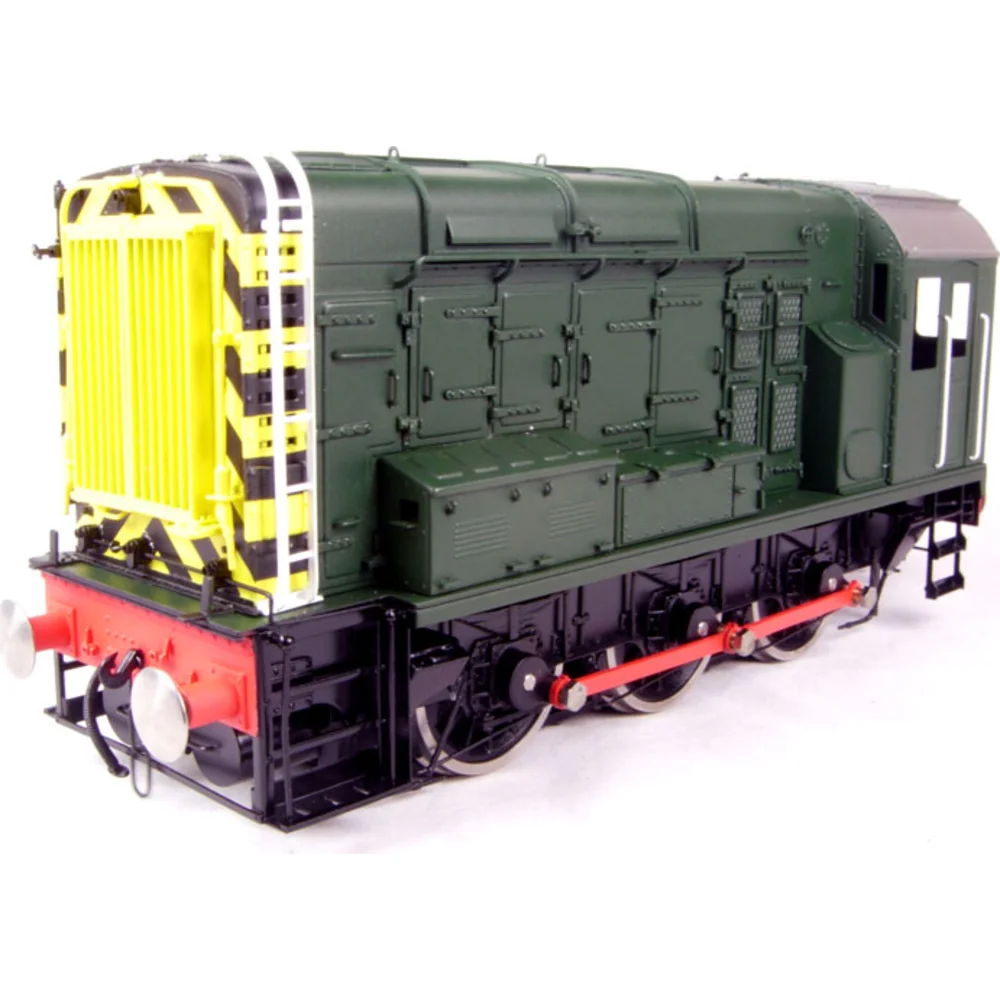
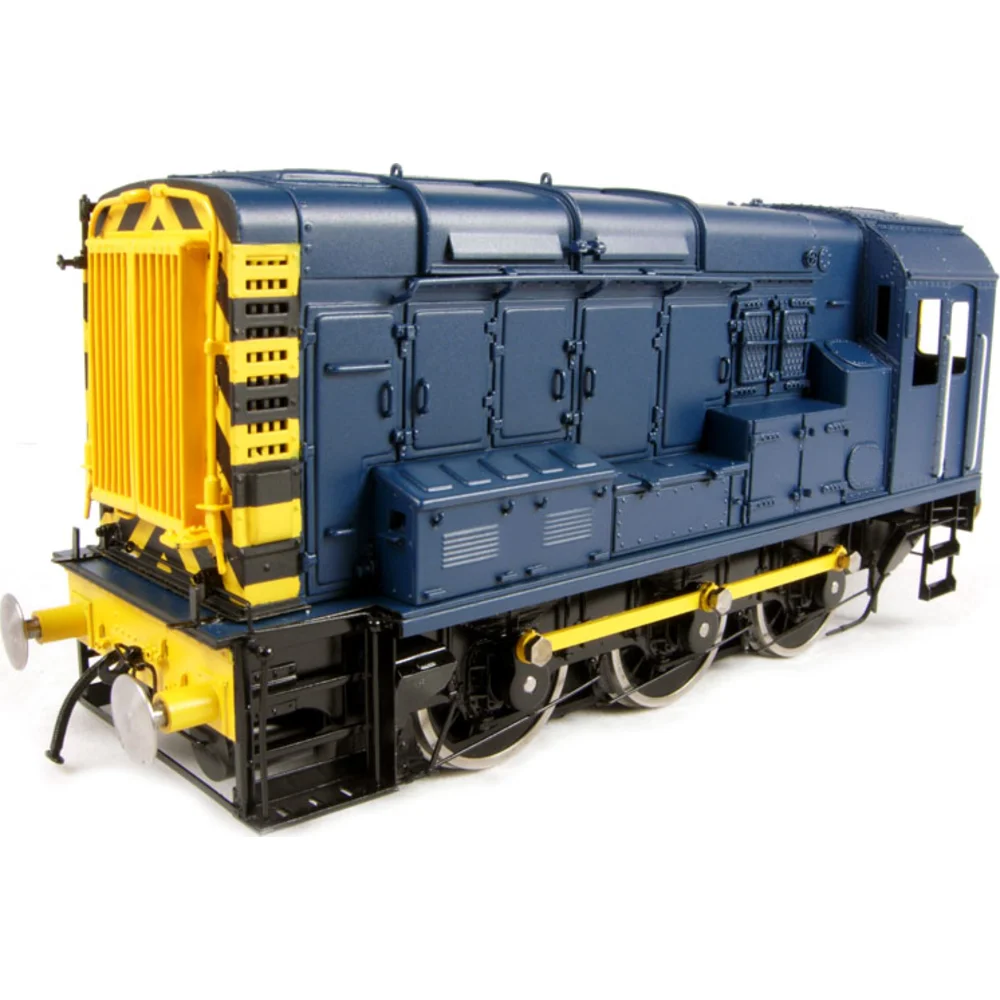
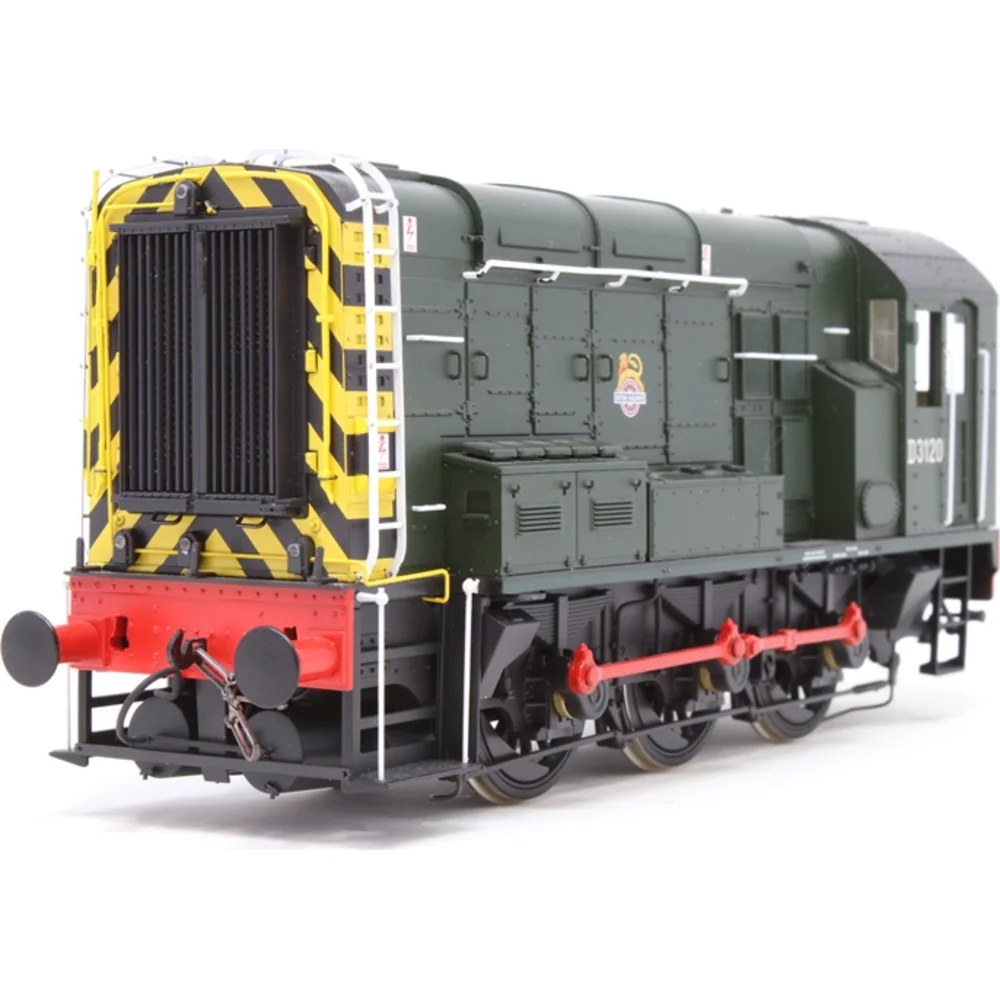
Dapol produces comprehensive O gauge (7mm:1ft, 1:43.5 scale) Class 08 models with recent production runs arriving in 2024. These substantial models feature 21-pin DCC sockets, sprung metal buffers, die-cast running plates for weight and quality, independently controlled running and cab lights, etched plates, finely moulded bodies with separately added details, tungsten chassis with all-wheel pickup, and powerful five-pole skew wound motors. Standard DCC Ready versions retail around £159.96 (£199.95 RRP), with sound fitted versions approximately £250+ RRP. Available liveries cover the full spectrum from BR green through privatisation and industrial schemes. These represent the only O gauge Class 08 models currently available.
Unique Modelling Tips and Layout Integration
You'll find the Class 08 remarkably versatile for creating authentic operational interest on your layout. Consider positioning one at your freight yard for marshalling wagons, at your passenger terminus for coaching stock movements, in your traction maintenance depot for locomotive positioning, or at industrial sidings serving quarries, steel works, or factories. The beauty of this locomotive lies in its universal applicability—virtually any British layout from 1953 onwards can authentically justify a Class 08's presence.
For small layouts (4 feet by 8 feet), one Class 08 provides sufficient shunting capacity. Medium freight yards might justify 1-2 locomotives, whilst large marshalling yards could authentically operate 2-3 simultaneously. Industrial settings typically featured single locomotives, though pairs occasionally worked together on heavy duties. Position your Class 08 near the engine shed, fuel point, or depot when static, but prioritise operational use—these locomotives provide shunting activity during periods when main line trains aren't running, creating layout interest through authentic operational patterns.
Develop realistic shunting sequences that reflect prototype practice. At freight yards, receive incoming trains, sort wagons by destination, build outgoing trains in correct sequence with brake vans attached to rear. For passenger station pilots, practice attaching and detaching portions at junctions, adding or removing restaurant cars, running around trains at termini. Industrial operations involve delivering empty wagons to loading points, collecting loaded wagons, and positioning consists for specific loading equipment. Remember the critical detail: 15 mph maximum speed creates distinctively slow, deliberate movements that immediately identify authentic Class 08 operation.
Weathering Authenticity for Working Shunters
Class 08 weathering should reflect hard-working yard locomotives whilst maintaining the relatively clean appearance expected of operational traction. Focus weathering on underframes and wheels using Railmatch Frame Dirt or similar brown/grey tones. Apply panel line wash to panel joints and grilles. Add oil stains around axleboxes and filters using AK Interactive Fresh Engine Oil. Apply exhaust stains on roofs around silencers. Create buffer wear with pencil graphite for polished metal effects. The key principle: less is more in OO and smaller scales—weathering should suggest dirt rather than encrust the model. Build up gradually with multiple light applications.
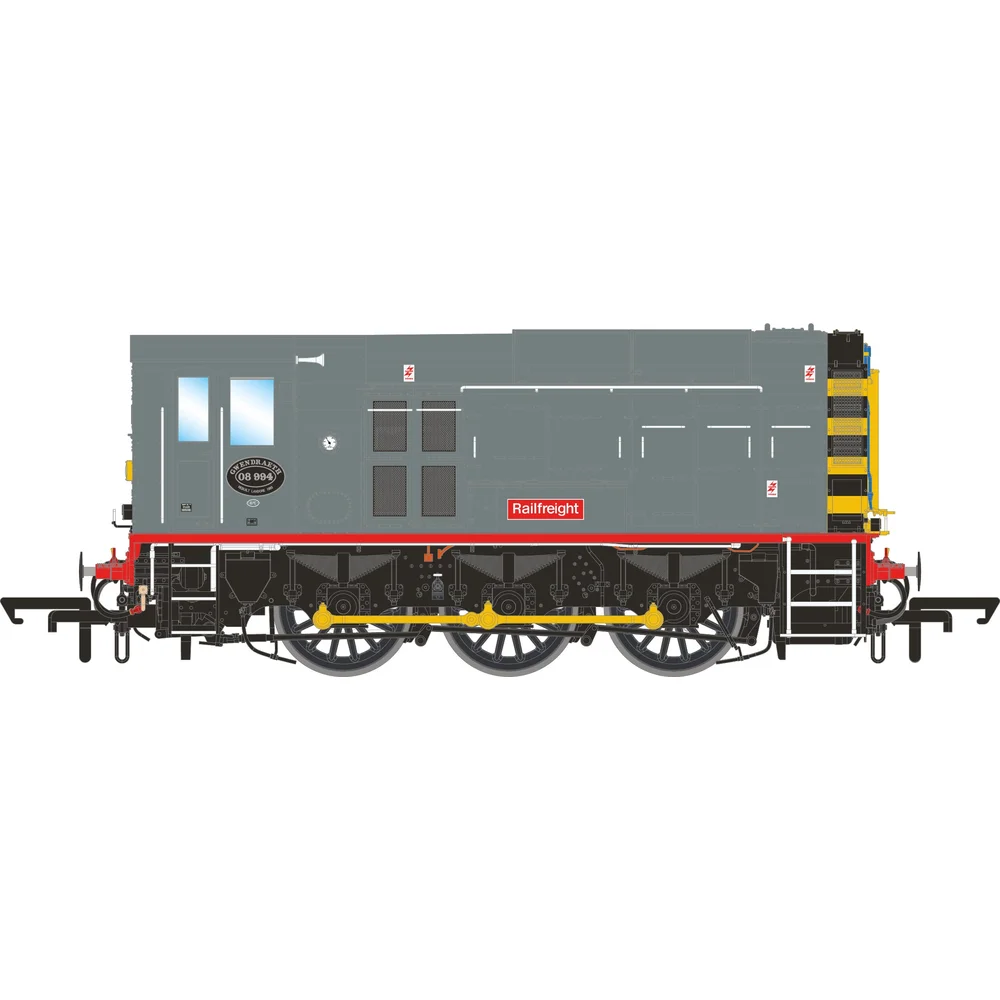
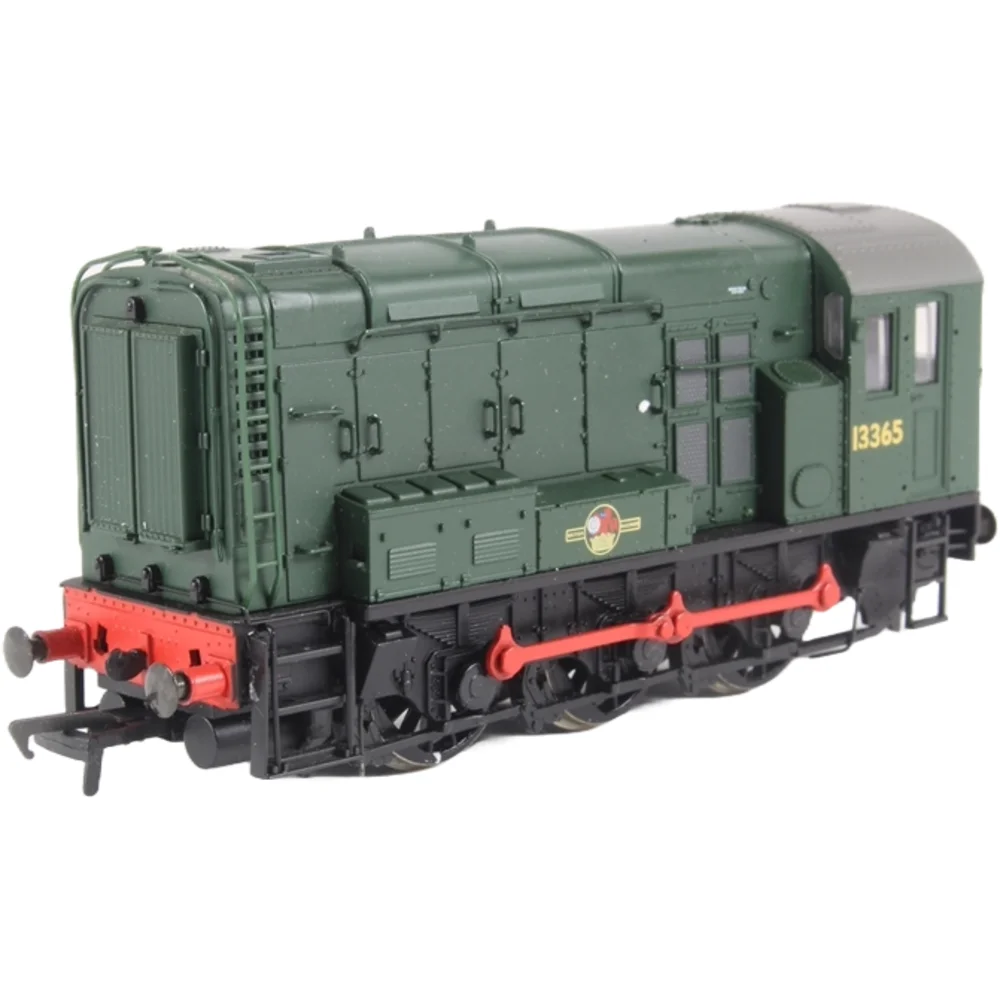
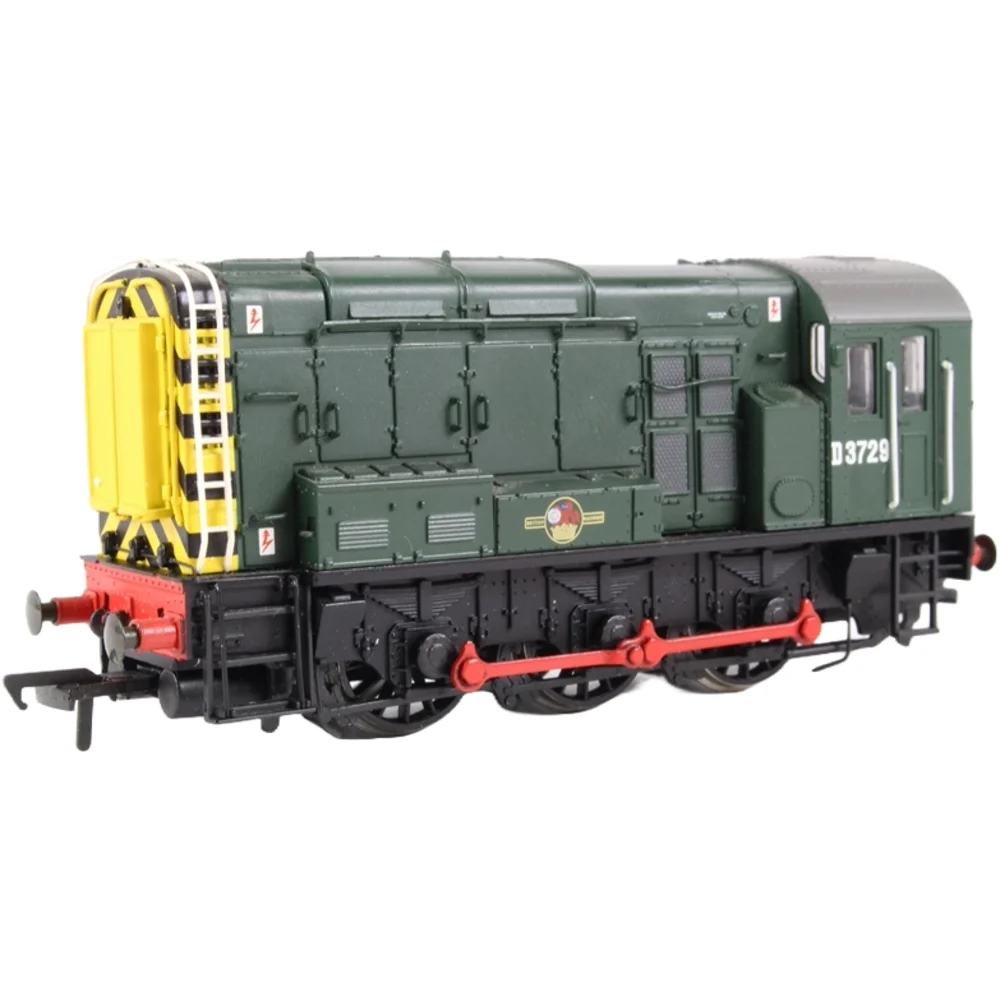
Choose your livery carefully to match your layout's period. For 1952-1960s early BR, select plain black with early emblems or Brunswick green with late crests (1957-1972), featuring red buffer beams until the late 1950s when yellow warning panels appeared. The 1960s-1980s corporate era demands BR blue livery with yellow warning panels becoming standard, full yellow ends from 1966, yellow cab sides from 1980, and the large BR double-arrow logo from 1980 onwards. Black and yellow wasp stripes (chevrons) on buffer beams became increasingly common.
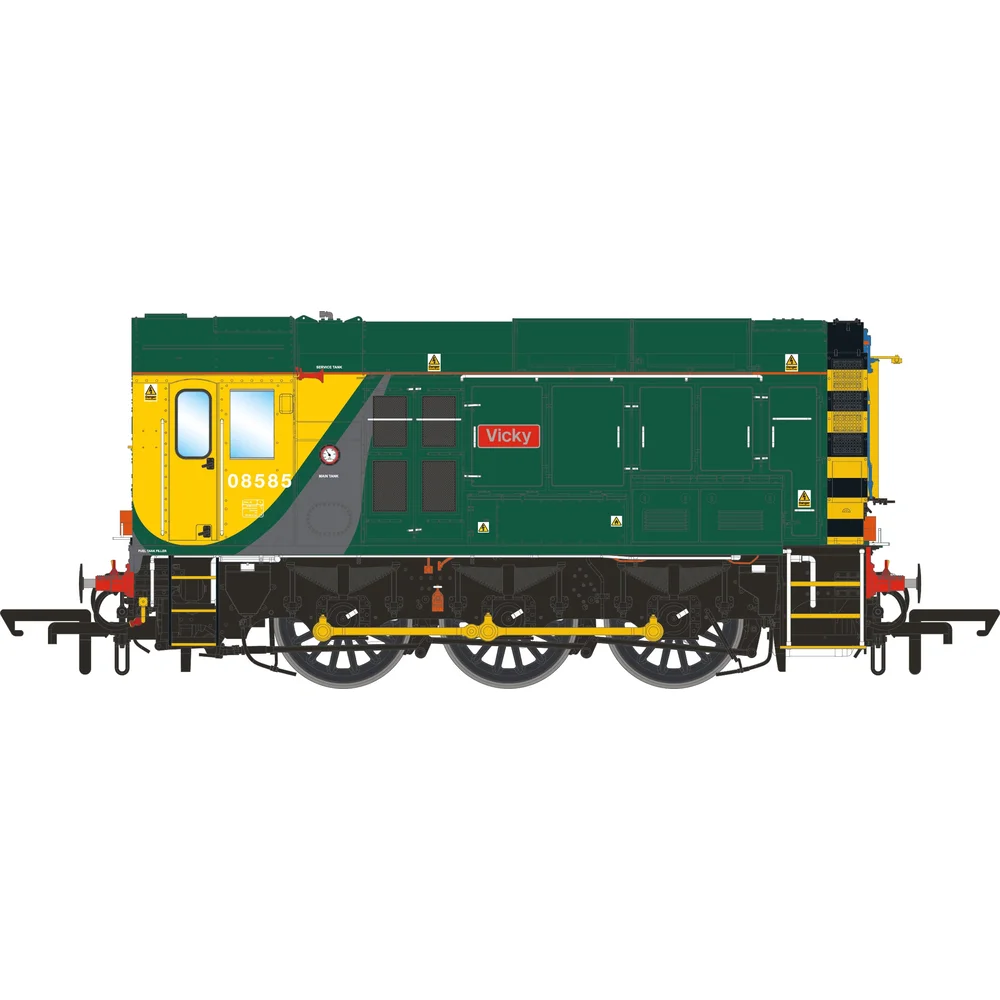
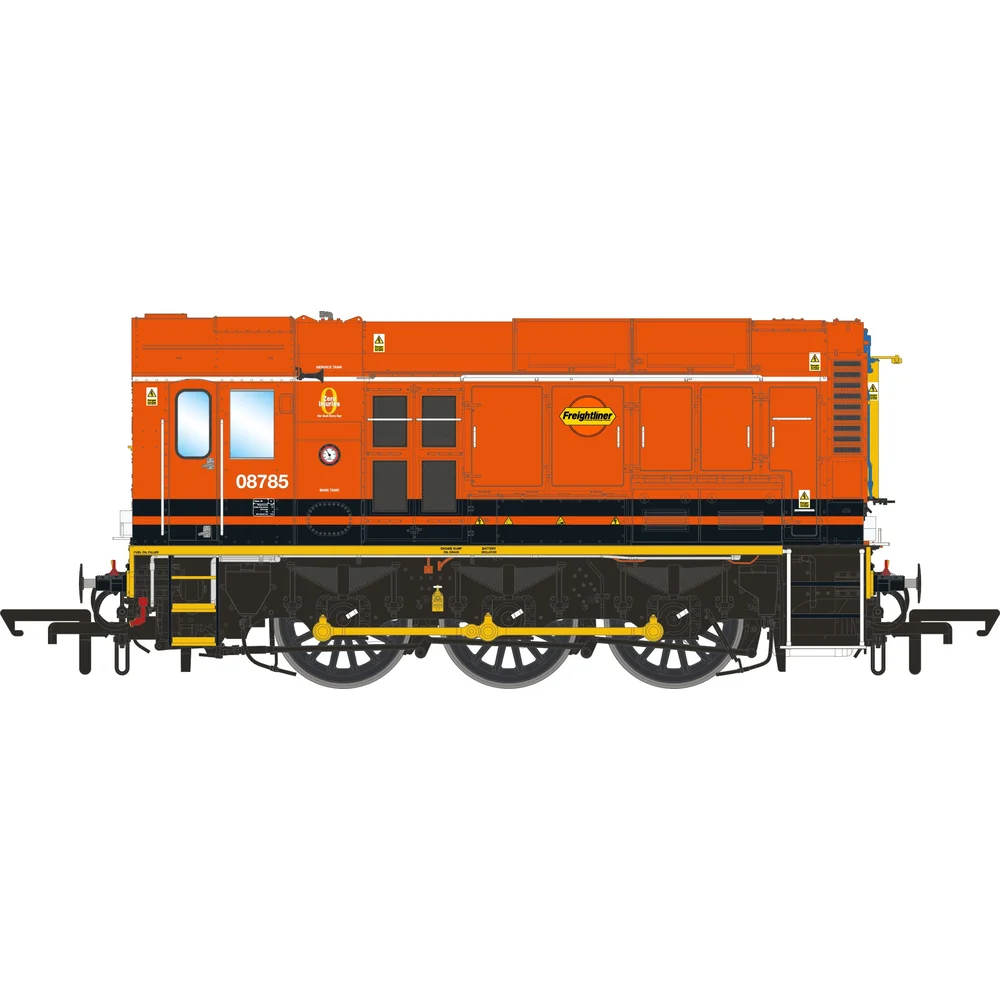
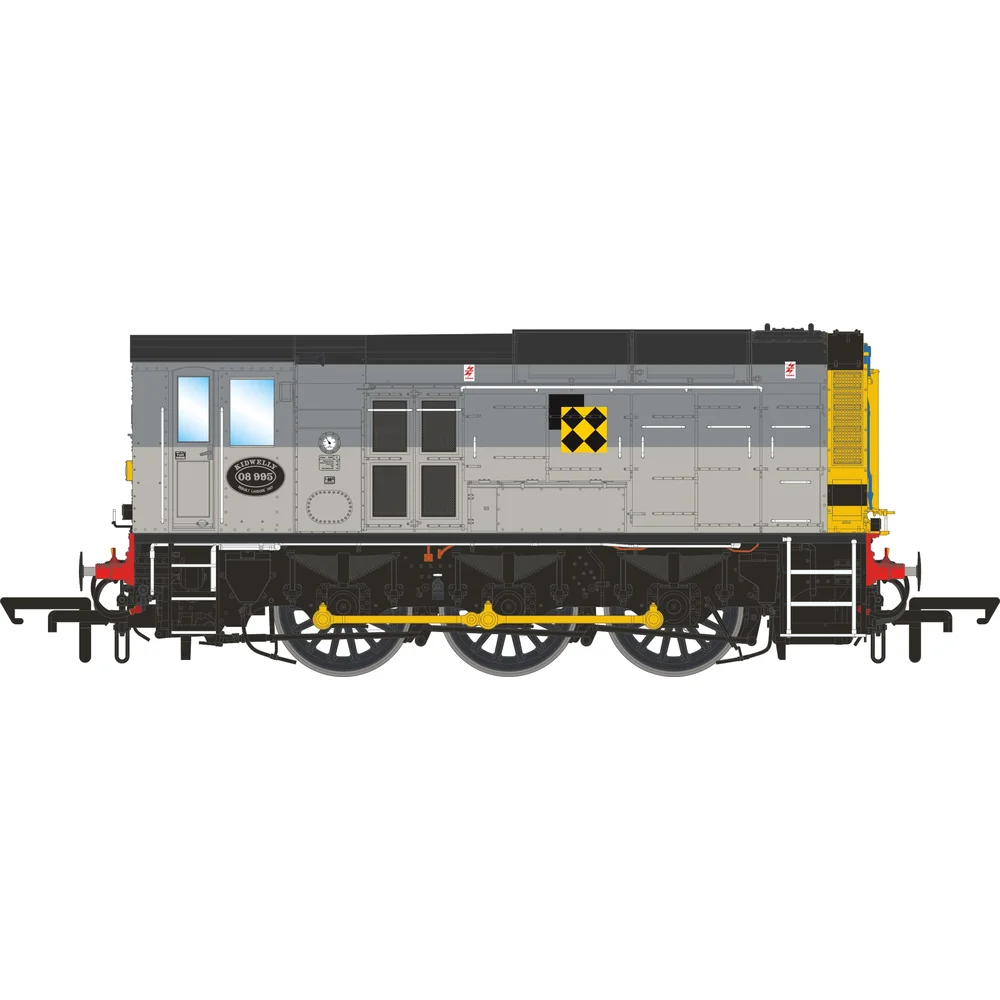
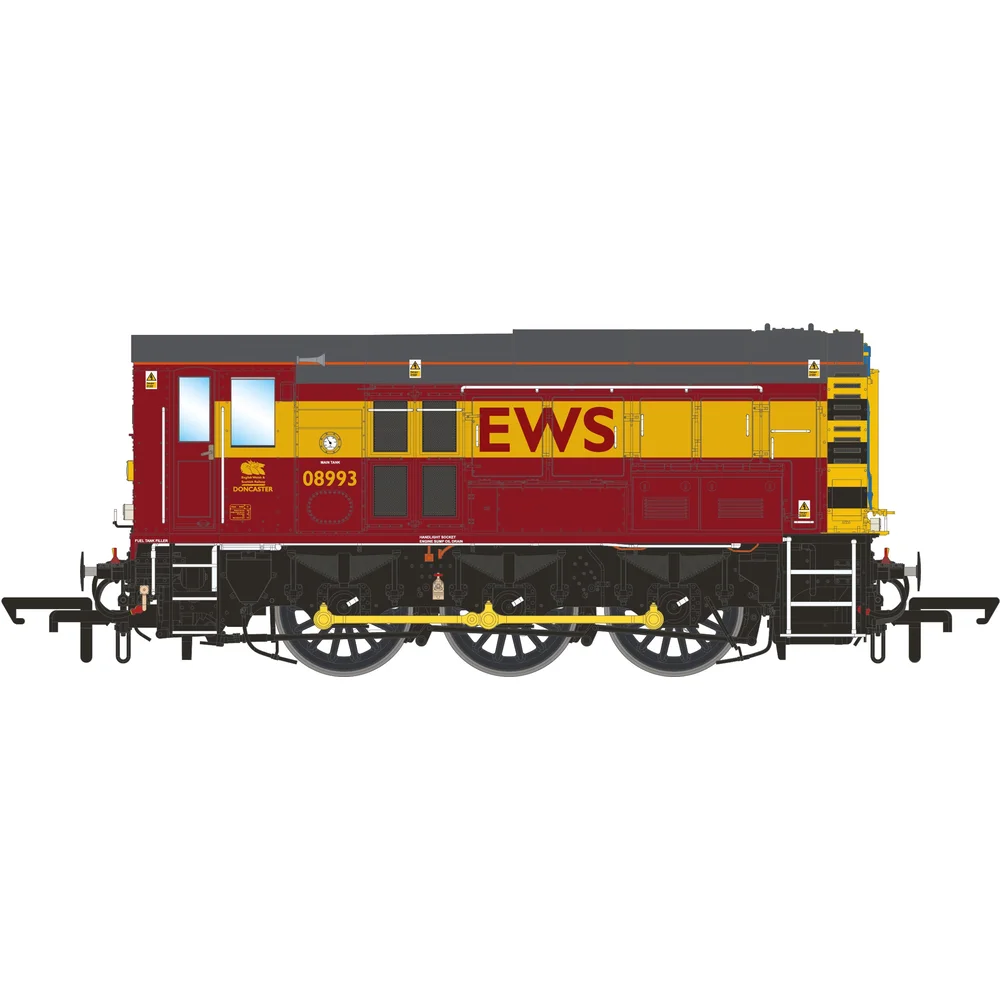
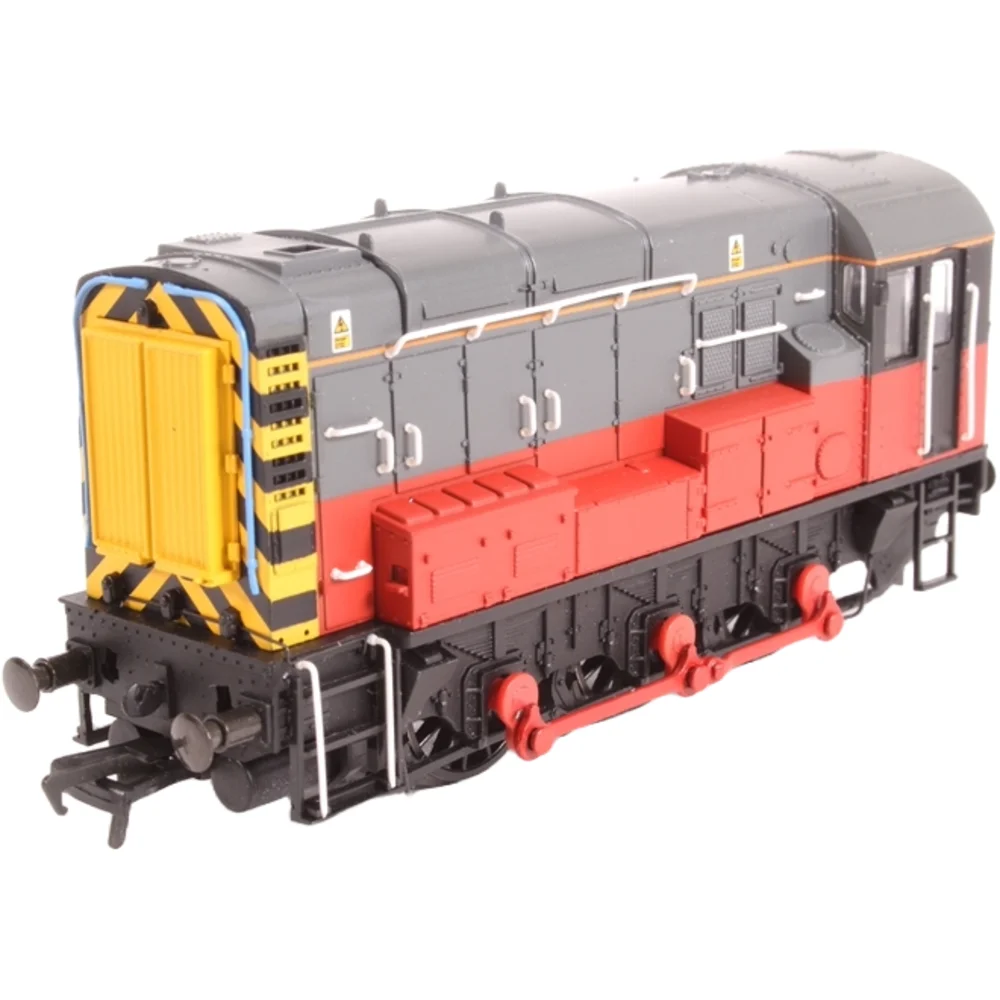
The 1980s-1990s sector era introduced Railfreight triple grey (three shades with sector logos), BR General grey for departmental duties, and Engineers "Dutch" livery (grey with yellow stripe). Following privatisation from 1994, choose from EWS maroon and gold, Freightliner green, DB Schenker/DB Cargo red, Network Rail all-over yellow, or various industrial company schemes. Heritage railways offer additional creative options with restored historical liveries.
Enhance your ready-to-run models with straightforward upgrades. Replace standard couplings with scale three-link or Kadee couplings for operational shunting (Kadee #18, 19, or 20 work well). Add brake pipes and hoses to buffer beams if not pre-fitted. Position crew figures in the cab for animation. For more ambitious projects, etched brass detail sets from PH Designs provide footsteps, coupling guards, and frame cross members. Install DCC lighting kits from suppliers like TTG Emporium providing 4-5 function operation with warm white markers and red tail lights.
Finally
The British Rail Class 08 represents far more than 996 diesel-electric shunting locomotives; these machines embody pragmatic British railway engineering that prioritised reliability, maintainability, and operational economy over cutting-edge innovation. The proven English Electric 6KT diesel engine combined with straightforward diesel-electric transmission delivered seven decades of continuous service spanning from early nationalisation through privatisation to contemporary operations—a longevity record virtually unmatched by any other locomotive class worldwide.
For railway historians, the Class 08 provides fascinating insights into the diesel revolution that transformed British railways during the 1950s-1960s. The class validated diesel traction's operational advantages whilst demonstrating that conservative, well-engineered designs could outperform more sophisticated alternatives through sheer reliability. The massive 996-unit production run reflected both the scale of yard shunting requirements during peak rail freight operations and British Railways' confidence in standardisation as the path to operational efficiency.
The class's cultural impact extends beyond railways—Class 08s inspired several Thomas the Tank Engine characters including Diesel, Paxton, Sidney, and the scrapyard diesels 'Arry and Bert, making them recognisable even to those unfamiliar with railway history. This cultural connection ensures new generations discover these locomotives, contributing significantly to preservation appeal and maintaining public awareness of industrial railway heritage.
Modern innovation projects demonstrate continuing relevance. The Class 08e battery-electric conversion by Positive Traction, launched in October 2023 with prototype 08308, explores zero-emission operation whilst retaining the proven mechanical design. Similarly, Severn Valley Railway's hydrogen conversion project with 08635 investigates alternative zero-emission pathways. These developments suggest the fundamental soundness of the Class 08 design may carry it into an eighth decade of service—an extraordinary achievement that would see locomotives entering their 80s whilst remaining economically viable.
Model railway enthusiasts find in the Class 08 an ideal subject that balances historical significance with practical modelling opportunities. The class's moderate size suits layouts of all scales, the intensive yard operations provide engaging operational scenarios, and the variety of liveries spanning seven decades offers endless possibilities for authentic recreation. Whether representing 1950s BR modernisation with Brunswick green examples, 1970s corporate blue yard work, 1990s privatisation-era freight operations, or contemporary heritage railway service, these models bring character and authenticity to any British-themed layout.
The explosion of high-quality models—particularly Bachmann's revolutionary 2025 OO gauge tooling with up to 13 lights, Bach-Up Stay Alive systems, and Auto-Release Couplings—provides unprecedented opportunities for authentic representation. Combined with Graham Farish's excellent N gauge offerings, Hornby's value-oriented alternatives, and Dapol's comprehensive O gauge range, railway modellers enjoy more choice and higher quality than ever before. This makes 2025 the perfect time to add Britain's most numerous locomotive class to your collection.
As the railway preservation movement continues evolving and industrial operators maintain working fleets, the Class 08 stands as perfect exemplar of an era when engineering excellence emerged from practical simplicity rather than electronic sophistication. These machines prove that thoughtful design precisely matched to operational requirements, sustained through disciplined maintenance practice and supported by standardised components, delivers longevity that sophisticated modern alternatives cannot match. The sight and sound of a Class 08 working hard in a freight yard—the distinctive diesel engine note echoing off buildings whilst wheels screech around tight curves—captures an essential element of British railway operations that spans seven decades and counting.
Frequently Asked Questions
What makes the Class 08 so long-lived compared to other diesel locomotives?
The Class 08's exceptional longevity stems from engineering simplicity combined with robust construction. The proven English Electric 6KT diesel engine and straightforward diesel-electric transmission create fewer failure points than complex modern electronics. The massive 996-unit production run ensures abundant spare parts availability (withdrawn locomotives become donors), whilst standardised components simplify maintenance. Economically, low operating costs and modest fuel consumption for shunting duties make 70-year-old Class 08s more economical than purchasing new locomotives costing millions. Finally, their characteristics—15-20 mph maximum speed, powerful low-speed tractive effort, compact dimensions—remain ideally suited for continuing shunting roles that haven't fundamentally changed since the 1950s.
Which Class 08 model should I buy for my OO gauge layout?
For ultimate detail and features, choose Bachmann's 2025 tooling (£127.45 discounted for DCC Ready, £220.95 for Sound Fitted), which offers revolutionary capabilities including up to 13 lights, Bach-Up Stay Alive system, Auto-Release Couplings on Deluxe versions, and exceptional detail levels that set new industry standards. For excellent value with very good detail, select Hornby models (£109.50-£139.99) featuring unique opening cab doors and proven reliability at lower prices. Consider Sound Fitted versions if you want realistic diesel engine sounds, compressor noise, and horn effects—the immersive audio significantly enhances operational satisfaction. Both manufacturers offer extensive livery ranges covering seven decades of service.
Can I use a Class 08 on my layout set in the 1990s/2000s/2010s?
Absolutely. Class 08 locomotives remained widespread through privatisation and continue working today, making them appropriate for any post-1953 era. For 1990s layouts, choose EWS maroon and gold, Railfreight triple grey, or Rail Express Systems liveries. For 2000s-2010s settings, select Freightliner green, DB Schenker/DB Cargo red, Network Rail yellow, or GB Railfreight schemes. Many industrial operators, depot shunters, and heritage railways operate Class 08s in 2025, so they're equally authentic for contemporary layouts. This seven-decade service span makes the Class 08 one of the most versatile locomotive choices for British modellers seeking authentic traction.
How many Class 08 models should I have on my layout?
For small layouts (4 feet by 8 feet), one Class 08 provides sufficient shunting capacity and avoids overcrowding limited space. Medium-sized freight yards can authentically justify 1-2 locomotives, reflecting prototype practice where yards typically operated one or two shunters per shift. Large marshalling yards might realistically operate 2-3 simultaneously during busy periods. Industrial settings usually featured single locomotives. Prioritise operational use over static display—one well-utilised locomotive creates more interest than multiple static examples. You can position spare locomotives at the depot or fuel point when "off duty" to suggest shift patterns without cluttering the active operational area.
What's the difference between Class 08 and Class 09?
Class 09 locomotives are essentially Class 08s modified for specific operational requirements. The most visible difference: Class 08/9 variants feature reduced height (lowered to 11 feet 10 inches from the standard 12 feet 8? inches) to navigate restricted clearances on lines with low bridges, particularly the Burry Port and Gwendraeth Valley Railway in Wales. Only 26 Class 09s were built compared to 996 Class 08s. For modelling purposes, both types appear very similar externally, with the Class 09's slightly lower profile difficult to discern without direct comparison. Most modellers focus on Class 08s given their overwhelming numerical superiority and broader deployment across the British railway network.
How do I weather a Class 08 model realistically?
Start with underframe and wheel weathering using Railmatch Frame Dirt (brown/grey tones) applied via airbrush in light layers. Apply panel line wash (AMMO by Mig Black Night) to panel joints, door edges, and grilles with a fine rigger brush. Add oil and grease effects using AK Interactive Fresh Engine Oil around axleboxes and filters for shiny, grimy appearances. Apply exhaust stains (black smoke pigments) on the roof around exhausts. Create buffer wear with pencil graphite for polished metal effects. Build up underframe dirt with dark brown/black pigments applied with soft brushes. The critical principle for OO and smaller scales: less is more—weathering should suggest dirt rather than encrust the model. Build up gradually with multiple light applications for realistic working locomotive appearance.
What era liveries are available for Class 08 models?
Current manufacturers offer comprehensive livery ranges spanning seven decades. BR period: plain black (1948-1980), Brunswick green with late crest (1957-1972), corporate blue with yellow ends and wasp stripes (1965-1990), General grey for departmental duties. Sector era: Railfreight triple grey with various sector logos (1987-1994). Privatisation onwards: EWS maroon and gold, Freightliner green, DB Cargo red, Network Rail yellow, GB Railfreight, Rail Express Systems maroon. Industrial and preservation schemes include Foster Yeoman grey, various quarry company colours, and heritage railway liveries. Bachmann's 2025 range and Hornby's current offerings provide the widest OO gauge selection, whilst Graham Farish covers N gauge comprehensively and Dapol serves O gauge modellers.
Are Class 08s still being built or converted today?
No new Class 08s have been constructed since 1962, but remarkably, 70-year-old examples are being converted for 21st-century service. Positive Traction launched the Class 08e battery-electric conversion in October 2023, replacing the diesel engine with their PT Powerpod battery system for zero-emission operation—prototype 08308 demonstrates this technology at Barrow Hill Roundhouse. Severn Valley Railway is converting 08635 to hydrogen power as another zero-emission pathway. These projects demonstrate continuing investment in the fundamental Class 08 design, potentially extending service life for decades and allowing these locomotives to meet modern environmental requirements whilst retaining their proven mechanical simplicity and robust construction.
Can I run Class 08 models on N gauge layouts authentically?
Absolutely. Graham Farish (Bachmann's N gauge brand) produces excellent Class 08 models specifically for N gauge (1:148 scale) with exceptional detail levels. The latest versions feature coreless motors, Next18 DCC sockets with pre-fitted speakers, accurately modelled outside frames, and die-cast metal construction. DCC Ready versions cost around £119.50-£123.20 (£144.95 RRP), whilst factory-fitted DCC Sound models at £169.50-£208.20 (£244.95 RRP) provide exceptional value with realistic diesel engine sounds—a significant advantage in N gauge where aftermarket sound installation proves challenging. Available liveries span BR green and blue through contemporary operators. These represent the definitive N gauge Class 08 models with no serious competition from other manufacturers.
What duties can I realistically model with a Class 08 on my layout?
Class 08s authentically perform numerous duties you can recreate: freight yard shunting (marshalling wagons, sorting by destination, building outgoing trains), passenger station pilot work (attaching/detaching coaches, adding/removing carriages, running around trains at termini, positioning parcels vans), depot operations (moving locomotives for servicing, positioning at coaling/fueling facilities), carriage sidings work (assembling and positioning passenger formations, moving empty stock), and industrial operations (delivering empty wagons, collecting loaded wagons, positioning for loading equipment). Maximum speed is 15 mph (20 mph for some variants)—model this slow, deliberate movement to capture authentic operations. Develop shunting puzzles and sequences that challenge operators whilst reflecting prototype practice for engaging operational sessions.
Which preserved Class 08s should I research for authentic modelling?
Research starts with 13000 (D3000) at Peak Rail—the pioneer locomotive built in 1952, now 73 years old. Notable examples include 08308 at Barrow Hill Roundhouse, converted to battery-electric power as the Class 08e prototype demonstrating zero-emission technology. 08635 at Severn Valley Railway is undergoing hydrogen conversion. For distinctive liveries, examine 08032 "Mendip" at Mid Hants Railway in Foster Yeoman blue, 08022 "Lion" and 08060 "Unicorn" at Cholsey and Wallingford Railway in Guinness black, and 08682 "Lionheart" with special designed livery. Over 87 preserved examples operate across British heritage railways including Great Central Railway, North Yorkshire Moors Railway, East Lancashire Railway, and Severn Valley Railway, providing abundant prototype reference material for modellers.
How do I add detail parts to ready-to-run Class 08 models?
Start with supplied detail parts (most modern RTR models include brake pipes, hoses, alternative couplings) following manufacturer instructions. Replace standard couplings with Kadee #18, 19, or 20 for operational shunting if desired. Add etched brass detail sets from PH Designs (footsteps, coupling guards, frame cross members) or Railtec (detail transfer packs). Install crew figures in the cab. For lighting upgrades, add DCC lighting kits from TTG Emporium with warm white markers and red tail lights. More advanced detailing includes replacing moulded-on handrails with wire, drilling out lamp sockets, adding vacuum/air brake pipes, fitting sandboxes and sandpipes, and installing comprehensive cab interior details. Research your specific locomotive number for prototype-accurate variations in toolboxes, buffer types, lamp iron configurations, and radiator ladders for maximum authenticity.