The NBR C Class locomotives stand as monuments to Victorian engineering excellence and operational longevity. Introduced by Matthew Holmes in 1888 for the North British Railway, these robust 0-6-0 freight engines would go on to achieve a remarkable distinction: becoming the last steam locomotives in regular service anywhere in Scotland when the final pair was withdrawn on 5th June 1967.
Known affectionately as the "Eighteen Inchers" due to their unusually large cylinder diameter, the NBR C Class represented a return to proven principles after the railway's brief experimentation with smaller designs. Holmes's pragmatic approach created locomotives that were not revolutionary, but supremely reliable – qualities that would see them through nearly eight decades of continuous service across three different railway companies.
For today's railway enthusiasts and modellers, the NBR C Class offers compelling prototype interest spanning multiple eras and operating scenarios. From their early days hauling coal trains across the Forth Bridge to their wartime service with the Railway Operating Division in France, and finally their twilight years working Scottish mineral traffic into the diesel age, these locomotives witnessed and participated in virtually every significant chapter of British railway history.
Quick Takeaways
- Total Built: 200 locomotives (168 Holmes design + 32 rebuilt Drummond engines)
- Key Innovation: Return to 18-inch cylinders after NBR's brief experiment with smaller designs
- Operational Highlight: 25 locomotives served with the Railway Operating Division in France during WWI
- Final Service: Last steam locomotives operating in Scotland, withdrawn 5th June 1967
- Modelling Appeal: Multiple Hornby variants available, excellent prototype for Scottish layouts
- Unique Distinction: Known as the "Eighteen Inchers" due to their unusually large cylinder diameter
- Preservation Success: No. 673 Maude starred in the 2000 remake of The Railway Children
Historical Background and Context
The North British Railway C Class emerged from a pivotal moment in Scottish railway history when the NBR found itself preparing for the opening of two monumental engineering achievements. With the second Tay Rail Bridge opening in July 1887 and the forthcoming Forth Bridge scheduled for March 1890, the railway desperately needed more powerful goods locomotives to handle the increased traffic these new crossings would bring.
Matthew Holmes, who had succeeded Dugald Drummond as Locomotive Superintendent in 1882, made a bold decision in 1888 to abandon the 17-inch cylinder diameter that had characterised recent NBR freight designs. Instead, he returned to the 18-inch cylinder format that Drummond had pioneered with his earlier C Class of 1876, creating what would become known colloquially as the "Eighteen Inchers."
This decision proved prescient. The NBR's network was expanding rapidly, with challenging gradients and heavy mineral traffic demanding robust, reliable motive power. Holmes's C Class represented a synthesis of proven technology with practical improvements, utilising the same wheelbase and firebox as Drummond's earlier 17-inch designs but incorporating a new standard boiler that significantly increased heating surface area.
The timing of the class's introduction coincided with the NBR's golden age of expansion. The railway was consolidating its position as Scotland's premier freight carrier, connecting the industrial heartlands of the Central Belt with the mineral wealth of Fife and the Borders. The C Class locomotives would become the backbone of this operation, their distinctive outline becoming synonymous with Scottish goods trains for nearly eight decades.
Design and Technical Specifications
Matthew Holmes's C Class represented a masterclass in pragmatic locomotive engineering. Rather than pursuing radical innovation, Holmes refined proven concepts to create a locomotive that would serve reliably under Scottish conditions. The design borrowed heavily from Drummond's earlier work but incorporated several key improvements that would define the class's longevity.
Engineering Insight: Holmes replaced Drummond's sloping fire grate with a level design, significantly improving combustion efficiency and reducing maintenance requirements. This seemingly minor change contributed substantially to the class's reputation for reliability.
The locomotives featured inside cylinders with Stephenson valve gear, a conservative but reliable arrangement that simplified maintenance in depot conditions. The boiler, whilst initially saturated, incorporated an increased number of tubes compared to earlier designs, boosting the heating surface from 1,205 square feet to 1,350 square feet – a significant improvement that enhanced steaming capacity.
Construction was divided between three manufacturers: the majority (138 locomotives) were built at the NBR's own Cowlairs Works in Glasgow, whilst Neilson and Company and Sharp, Stewart and Company each contributed 15 locomotives. This arrangement ensured rapid delivery whilst maintaining quality standards across the fleet.
Between 1913 and 1923, William Paton Reid initiated a comprehensive rebuilding programme that transformed the class's capabilities. The rebuild incorporated larger boilers operating at 165 psi, Reid's distinctive side-window cab design, and improved valve arrangements. These modifications increased tractive effort by nearly 17%, transforming the locomotives from competent freight haulers into genuinely powerful mixed-traffic machines.
Service History and Operations
From their introduction in 1888, the C Class locomotives established themselves as the NBR's premier freight haulers. Initially concentrated at major terminal sheds including St. Margaret's, Eastfield, and Thornton, they worked the longer-distance goods services that formed the backbone of Scottish commerce. Their robust construction and generous firebox capacity made them ideally suited to the sustained hard work demanded by coal trains from Fife and general merchandise services across the NBR network.
The versatility that would characterise the class throughout its career became apparent early. By 1900, C Class locomotives were regularly appearing on passenger duties, particularly on branch lines and secondary routes where their sure-footed performance and reliable steaming compensated for their modest speed capabilities. This adaptability proved invaluable during operational disruptions when a J36 might find itself pressed into service hauling anything from a Glasgow suburban train to a heavy cattle special.
Wartime Heroes: The class's finest hour came during the Great War when 25 locomotives were requisitioned for service with the Railway Operating Division in France. Operating under harsh conditions near the Western Front, they proved so reliable that ROD personnel specifically praised their ease of maintenance and operational comfort.
The wartime deployment to France in October 1917 marked a unique chapter in the class's history. Twenty-five locomotives, including future preserved example No. 673, were shipped across the Channel to support the British war effort. Operating primarily around Verquigneul in the Pas-de-Calais, these locomotives worked under conditions far removed from their familiar Scottish routes, handling military traffic and proving their mechanical robustness under extreme operational demands.
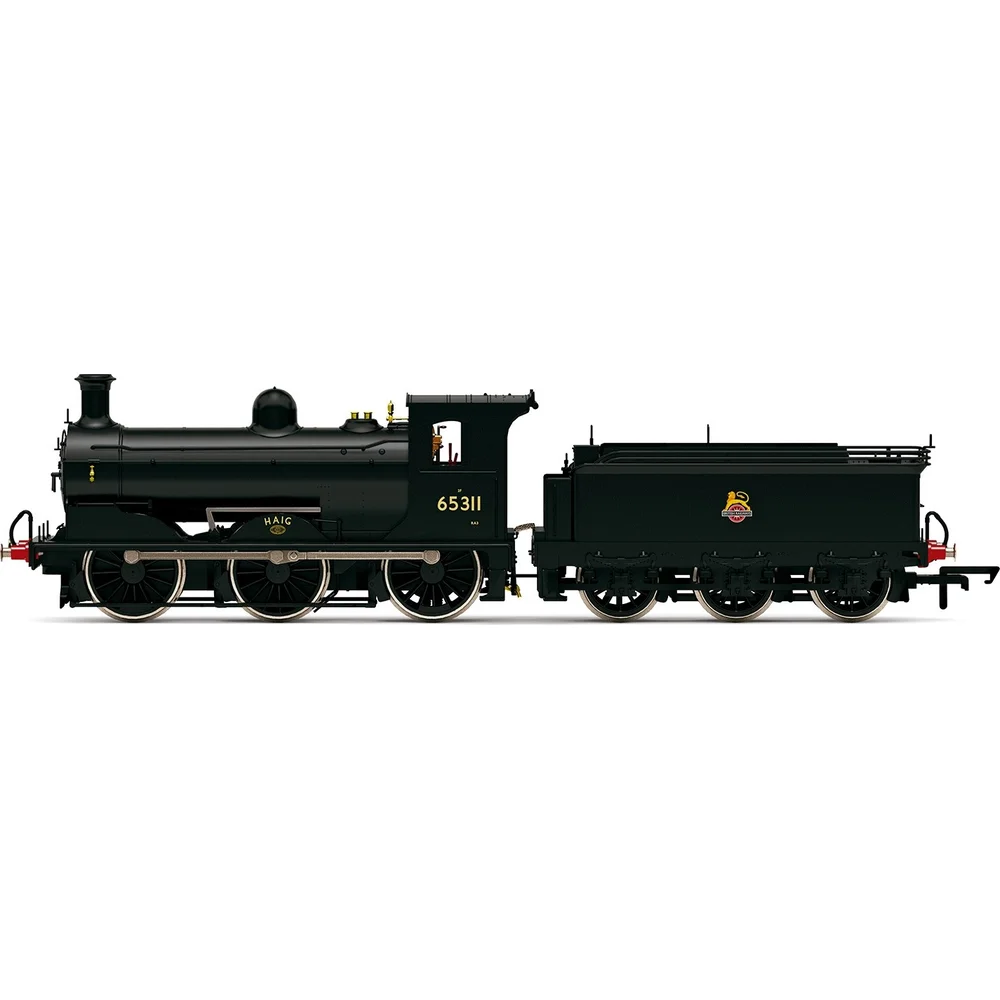
Upon their return to Scotland between April and July 1919, these wartime veterans received commemorative names honouring battles, commanders, and even a cartoon character from the trenches – "Ole Bill," created by cartoonist Bruce Bairnsfather. Names like Haig, Somme, Verdun, and Maude were hand-painted on the splasher above the middle driving wheel, though these often disappeared during routine repaints and had to be restored.
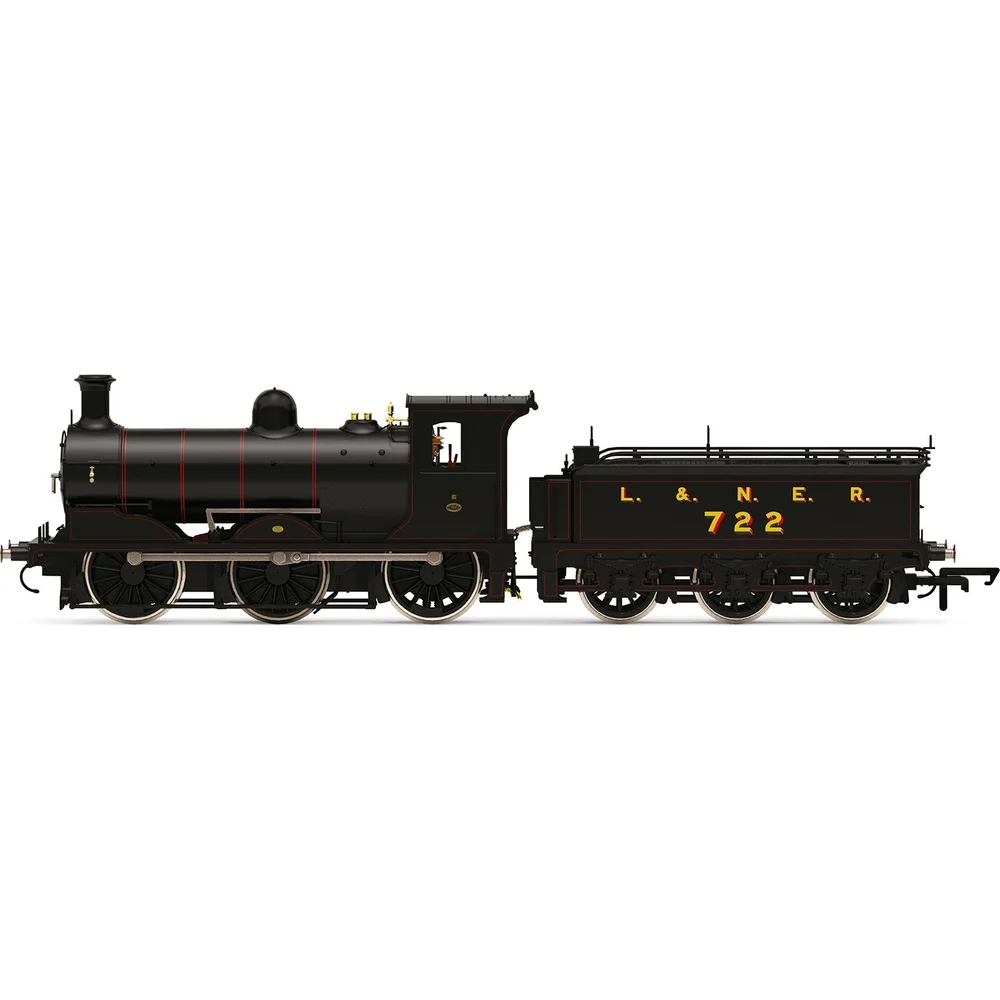
The 1923 grouping brought all 168 C Class locomotives into LNER ownership as Class J36, with the addition of 9000 to their running numbers following standard LNER practice. Despite the arrival of more modern designs like the superheated J37s, the J36s continued to find employment throughout the LNER period, adapting to changing traffic patterns and operational requirements with characteristic resilience.
Withdrawal, Preservation, and Legacy
The longevity of the NBR C Class proved exceptional even by the standards of well-designed Victorian locomotives. As British Railways inherited 123 members of the class in 1948, these veterans were already sixty years old, yet they continued to provide sterling service across Scotland for nearly two more decades. Their robust construction and straightforward maintenance requirements made them ideal for the cash-strapped early years of nationalisation.
The class achieved an extraordinary distinction that epitomises their reliability and usefulness: they became the last steam locomotives in regular service in Scotland. On 5th June 1967, BR numbers 65288 and 65345 worked their final duties from Dunfermline and Thornton sheds respectively, marking the end of nearly 80 years of continuous service and outlasting even purpose-built BR Standard designs.
This remarkable longevity reflected not just robust original design but also the class's adaptability to changing operational requirements. In their final years, many J36s were fitted with snowplough equipment for winter service, whilst others received tender cabs to improve crew comfort during long mineral workings. Some locomotives even gained Westinghouse brake equipment for specific duties, demonstrating the NBR's willingness to invest in keeping these reliable servants operational.
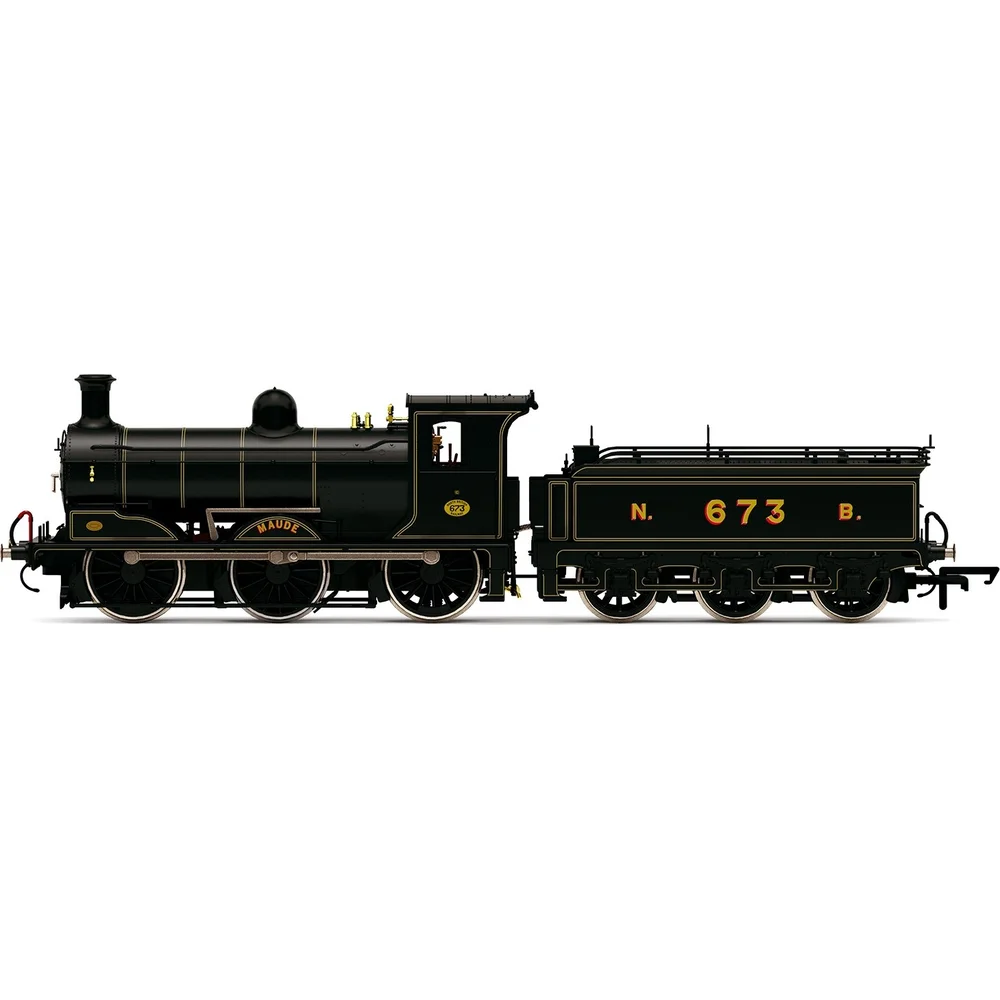
Preservation Success: No. 673 Maude represents the sole survivor of this historically significant class. Built by Neilson & Co in 1891 and named after a WWI general, it found fame in the 2000 remake of The Railway Children, painted in fictional GNSR livery for filming.
The preservation of No. 673 Maude by the Scottish Railway Preservation Society ensures that future generations can appreciate the engineering excellence of Matthew Holmes's design. Currently awaiting overhaul at the Bo'ness and Kinneil Railway, Maude last steamed in 2002 but remains in fundamentally sound condition. The locomotive's starring role in The Railway Children remake introduced the NBR C Class to a new audience, cementing its place in popular railway consciousness.
Modelling Significance and Scale Replications
For model railway enthusiasts, particularly those with Scottish interests, the NBR C Class represents an essential prototype that offers exceptional versatility across multiple eras and operating scenarios. The class's long service life, diverse livery applications, and varied configurations provide modellers with numerous authentic options for their layouts.
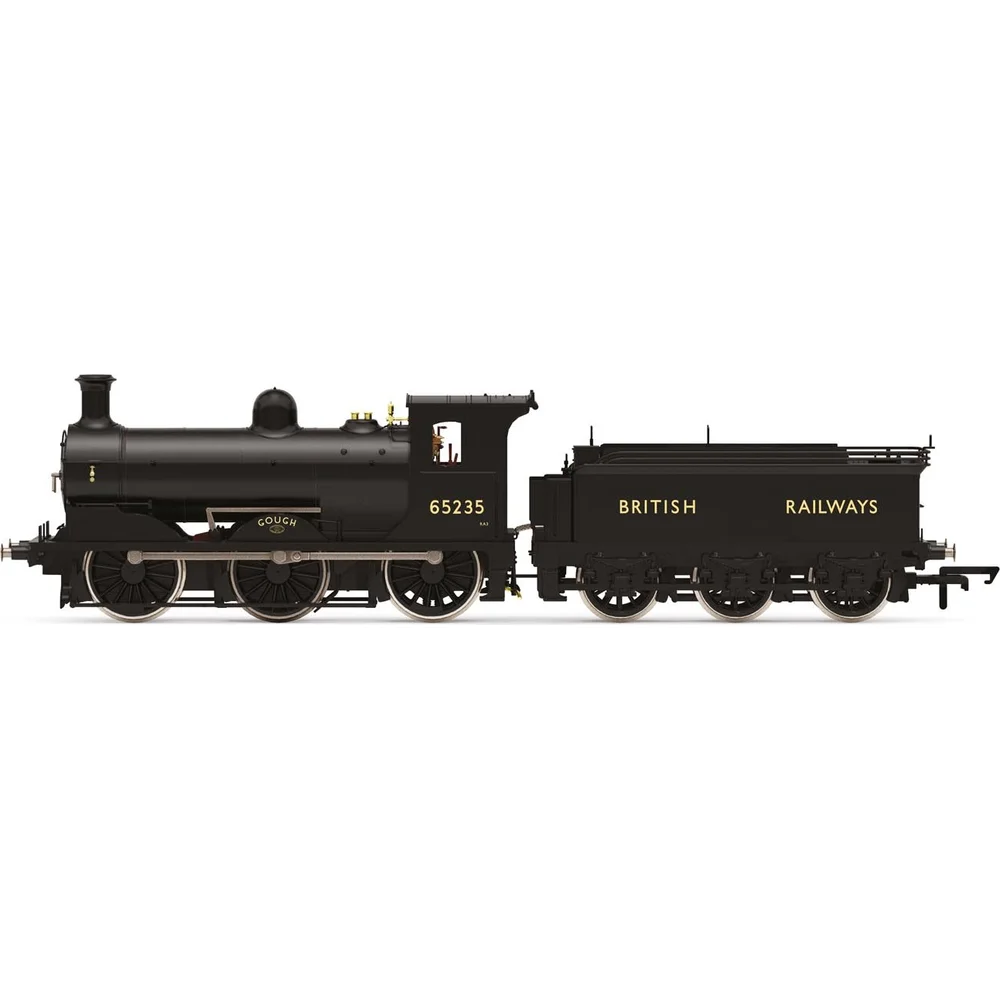
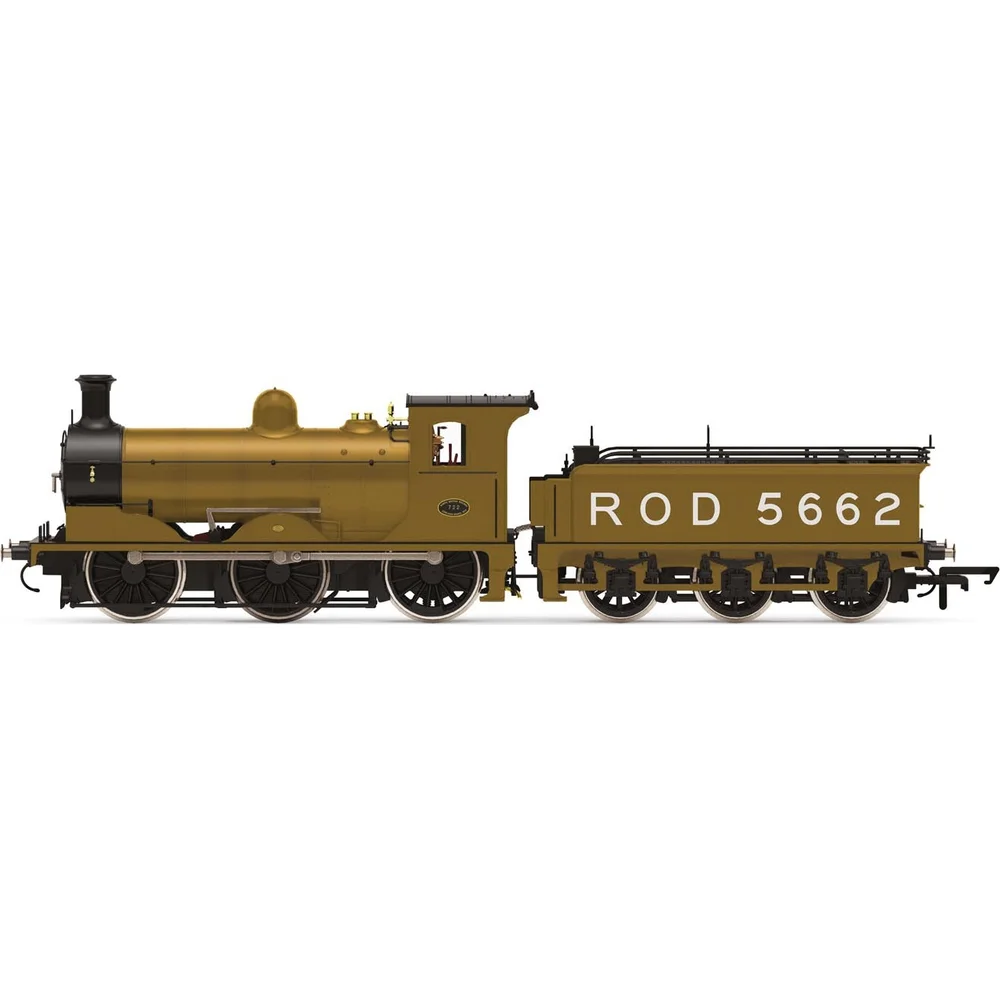
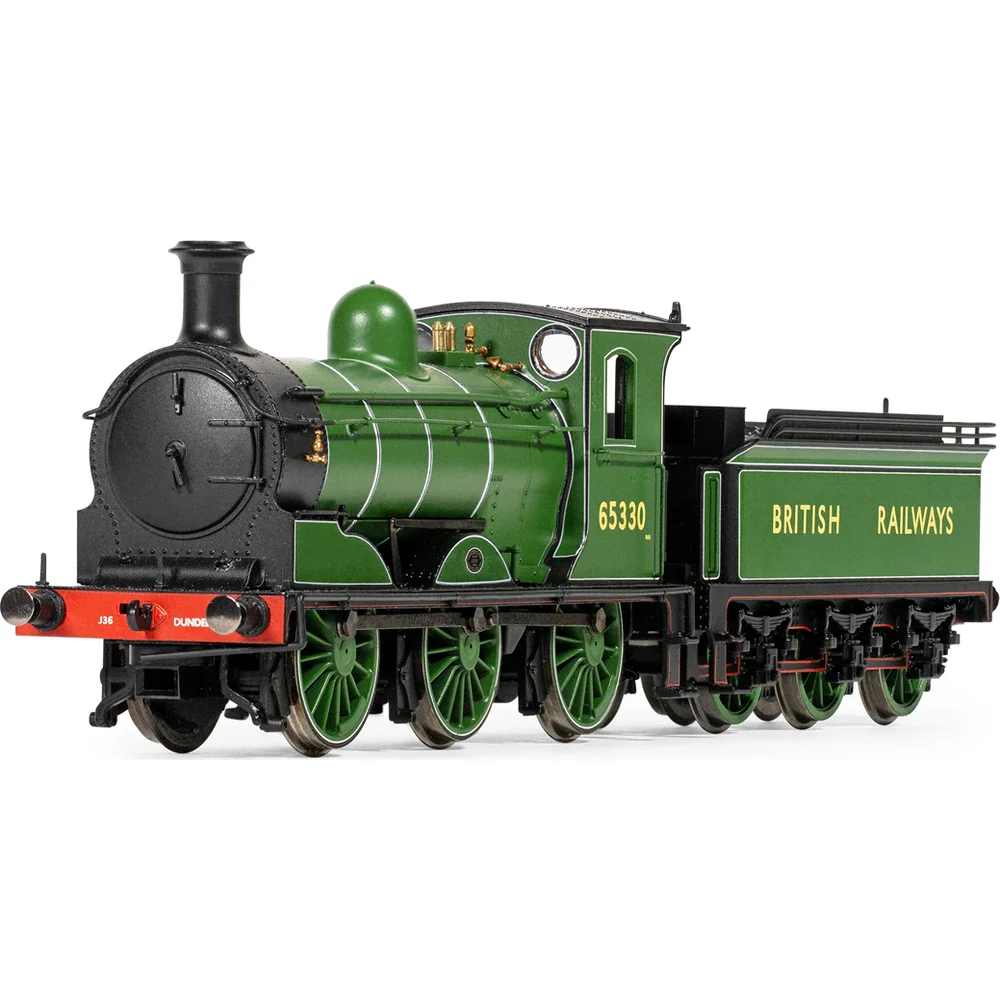
Hornby has comprehensively served this market with their OO gauge J36 range, offering multiple variants that capture the locomotive's evolution through its service life. The R3600TTS depicts No. 673 Maude in NBR lined black with DCC sound, whilst R3735 represents the wartime ROD variant in authentic khaki livery. The unique R3859 limited edition captures the transitional LNER green with BR lettering worn briefly by No. 65330.
These models incorporate Hornby's latest tooling standards, featuring die-cast boilers, five-pole motors, and comprehensive detail packs including snowploughs, vacuum pipes, and alternative coupling arrangements. The attention to prototype accuracy extends to the correct Reid side-window cab configuration and appropriate tender variations for different service periods.
Modeller's Tip: The J36's modest dimensions and robust appearance make it ideal for industrial and mineral railway scenes. Consider weathering techniques that emphasise coal dust and general grime – these were working locomotives that rarely appeared pristine in service.
Beyond ready-to-run models, the J36 has attracted attention from specialist manufacturers. Connoisseur Models produces an etched brass kit for 7mm scale (O gauge), whilst Ace Trains has announced ready-to-run O gauge versions. In 4mm scale, both Crownline and PDK offer white metal kits for those preferring to build their own models, though Gem Loco Kits' body kit may no longer be available.
The prototype's operational flexibility translates perfectly to model use. J36s can authentically appear on coal trains, general goods workings, branch line passenger services, and even occasional main line duties during disruptions or peak periods. Their presence on a layout immediately establishes Scottish character whilst providing operational interest through their varied roles.
Unique Modelling Tips and Layout Integration
Successfully incorporating NBR C Class locomotives into your model railway requires understanding their operational context and visual characteristics. These locomotives were quintessentially Scottish working machines, and your modelling approach should reflect this industrial heritage whilst capturing their surprising versatility.
When weathering your J36 model, focus on the effects of coal traffic and Scottish weather conditions. The locomotive's lower sections should show oil stains and coal dust accumulation, particularly around the cylinders and motion. The chimney and smokebox should display appropriate discoloration from coal burning, whilst the cab area can show wear patterns from crew use. Remember that these locomotives often operated in harsh conditions, so don't be afraid to apply realistic weathering that tells the story of hard-working freight service.
For authentic operation, consider the J36's role in mixed traffic duties. A single locomotive might begin the day with a coal train from Fife, continue with a local goods working, and finish hauling a branch line passenger service. This operational variety makes the J36 ideal for continuous running sessions where locomotive changes add operational interest.
Layout Planning: J36s work best in industrial settings. Consider including coal staithes, goods yards, and branch line termini. The locomotive's modest dimensions allow operation on tighter curves than larger freight types, making them perfect for space-constrained layouts.
Period accuracy demands attention to chronological details. Pre-1913 models should represent the original saturated condition with open cabs, whilst rebuilt versions feature the distinctive Reid side-window arrangement. For LNER period modeling (1923-1948), ensure your locomotive carries appropriate running numbers (9xxx series until 1946, then 5xxx), whilst BR era models (1948-1967) require 65xxx numbering.
Consider the J36's role in seasonal operations when planning your layout activities. These locomotives often received snowplough equipment for winter service – Hornby's models include these accessories. Similarly, some examples gained tender cabs for improved crew protection during long mineral workings, adding visual interest and operational authenticity.
Sound-equipped models benefit from careful attention to operational technique. The J36's characteristic bark from its distinctive chimney arrangement should be complemented by appropriate working methods – these were locomotives that worked hard but efficiently, without unnecessary dramatics. Programme your DCC system to reflect the steady, purposeful operation that characterised the prototype.
Finally
The NBR C Class stands as perhaps the finest example of Victorian locomotive longevity and adaptability in British railway history. From Matthew Holmes's pragmatic design decisions in 1888 to the final working of BR 65345 in 1967, these locomotives served Scotland's railways with unwavering reliability across nearly eight decades of continuous operation.
Their story encompasses the great themes of railway history: the expansion of the Scottish network, the trauma and heroism of two world wars, the corporate reorganisations of grouping and nationalisation, and ultimately the transition from steam to modern traction. Yet throughout these changes, the "Eighteen Inchers" adapted and endured, their robust engineering and practical design ensuring continued usefulness long after more sophisticated locomotives had been scrapped.
For today's railway enthusiasts and modellers, the NBR C Class offers both historical significance and practical appeal. Whether you're drawn to their role in Scottish industrial history, their wartime service in France, or their record-breaking longevity, these locomotives provide authentic prototype interest that enhances any Scottish-themed layout. The excellent Hornby models ensure that this heritage remains accessible to new generations of modellers, whilst preserved Maude maintains the physical connection to this remarkable engineering achievement.
The NBR C Class proved that sometimes the best locomotive design lies not in revolutionary innovation but in the thoughtful refinement of proven principles. In an age of increasingly complex railway technology, there remains something deeply satisfying about a locomotive design so fundamentally sound that it could provide reliable service for the better part of a century, earning the affection and respect of countless railwaymen along the way.
Frequently Asked Questions
How many NBR C Class locomotives were built in total?
A total of 200 locomotives carried the NBR C Class designation, comprising 168 of Matthew Holmes's design plus 32 earlier Drummond engines that were rebuilt to Holmes specification between 1898 and 1903, creating a unified fleet.
Why were they called the "Eighteen Inchers"?
The nickname referred to their unusually large 18-inch cylinder diameter, which was uncommon for freight locomotives of the period. This size contributed significantly to their power and reliability.
Where can I see a preserved NBR C Class locomotive today?
No. 673 Maude is preserved by the Scottish Railway Preservation Society at the Bo'ness and Kinneil Railway in Scotland, though it currently awaits funds for a major overhaul.
Which Hornby models of the J36 are currently available?
Hornby produces several variants including R3600TTS (NBR Maude with sound), R3735 (ROD khaki livery), R3734 (Gough in BR black), and limited edition R3859 (LNER green with BR lettering).
What made the NBR C Class the last steam locomotives in Scotland?
Their robust construction, reliable operation, and suitability for the mineral traffic that persisted longest made them economically viable until June 1967, when dieselisation finally eliminated the last Scottish steam operations.
Did any NBR C Class locomotives serve overseas?
Yes, 25 locomotives were requisitioned for service with the Railway Operating Division in France during World War I, operating near the Western Front from 1917-1919 and receiving commemorative battle names upon their return.
What's the difference between LNER Class J36 and J32?
J36 locomotives were Holmes's original design, whilst J32s were the 32 earlier Drummond engines rebuilt to Holmes specification. Both carried NBR C Class designation but were classified separately by the LNER.
How do I model the rebuilt Reid condition accurately?
Reid rebuilds featured larger boilers at 165 psi pressure, distinctive side-window cabs, and increased tractive effort. Hornby models represent this later configuration, which was standard from 1913 onwards and most appropriate for LNER and BR period layouts.
Were NBR C Class locomotives superheated?
As built, they were saturated engines, but the Reid rebuilding programme fitted larger saturated boilers. Unlike some classes, the J36s were never systematically fitted with superheating equipment.
What traffic types did J36s handle in their later years?
By the 1950s and 1960s, J36s primarily worked local mineral traffic, trip workings, and banking duties, though some continued on branch line passenger services and general goods work until final withdrawal.
How does the NBR C Class compare with contemporary freight locomotives?
The 18-inch cylinders gave them superior power compared to typical 17-inch designs, whilst their conservative engineering ensured reliability that outlasted more complex contemporary types from other railways.
Are there any other scale models available besides Hornby OO?
Yes, Connoisseur Models offers a 7mm (O gauge) etched brass kit, Ace Trains has announced ready-to-run O gauge models, and 4mm scale kits are available from Crownline and PDK.