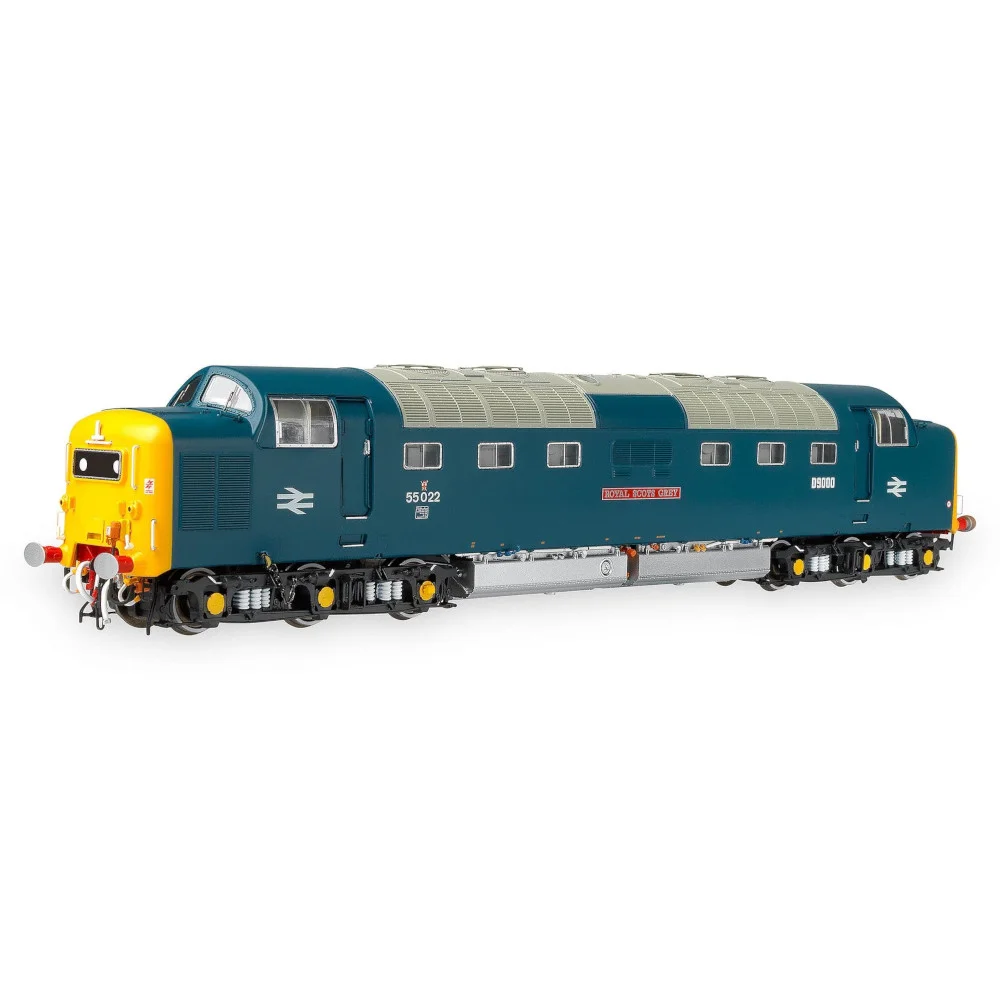
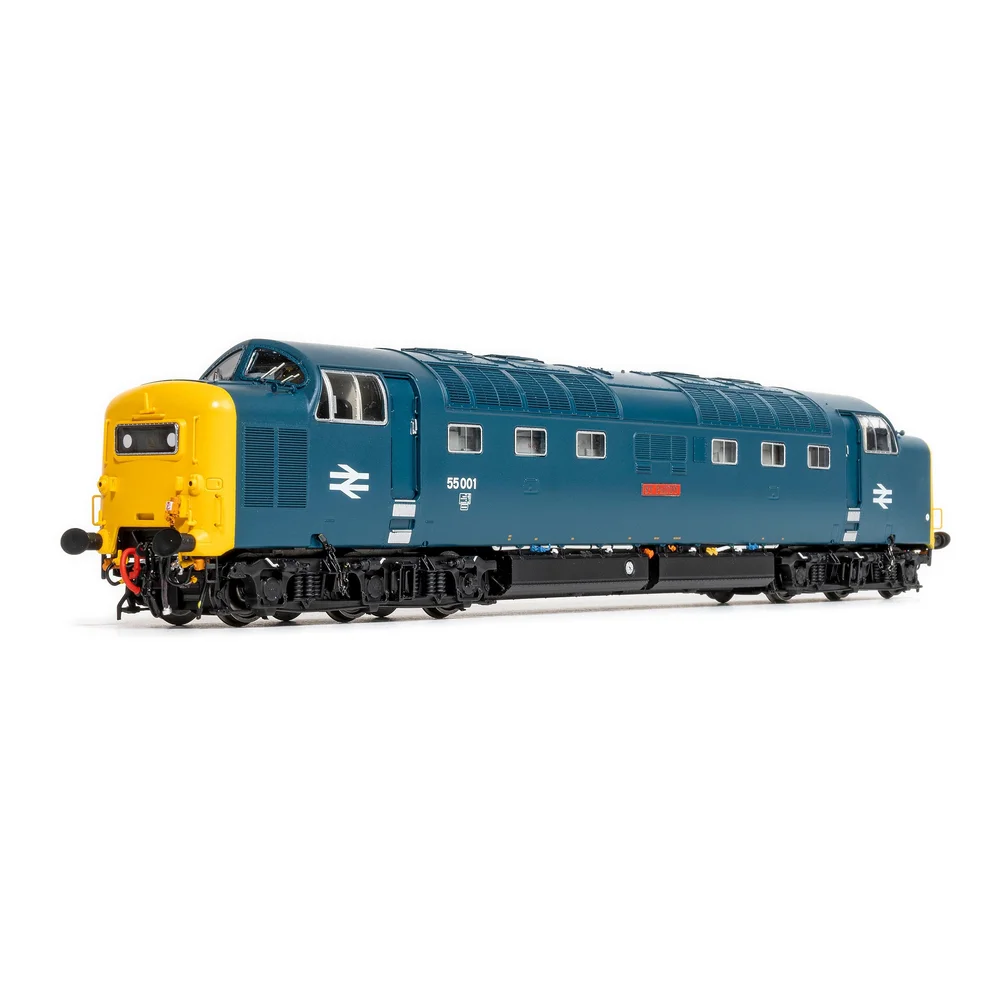
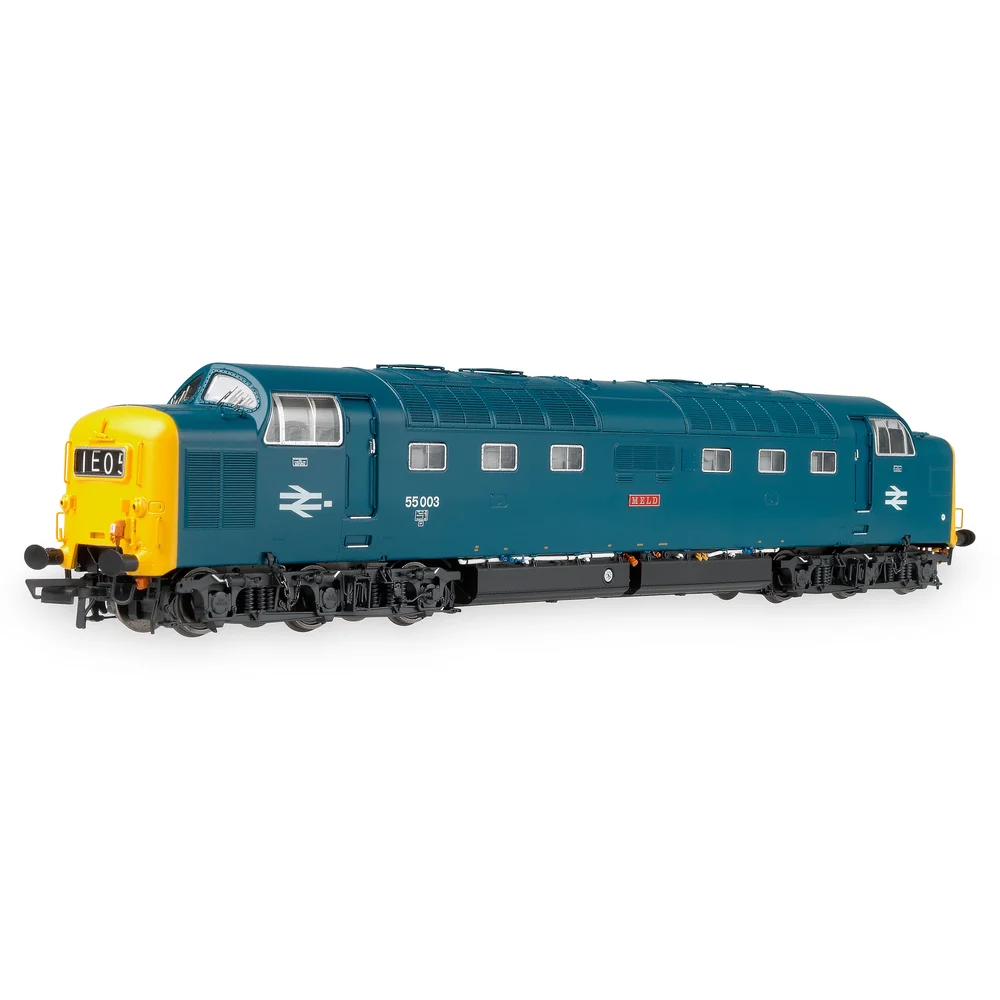
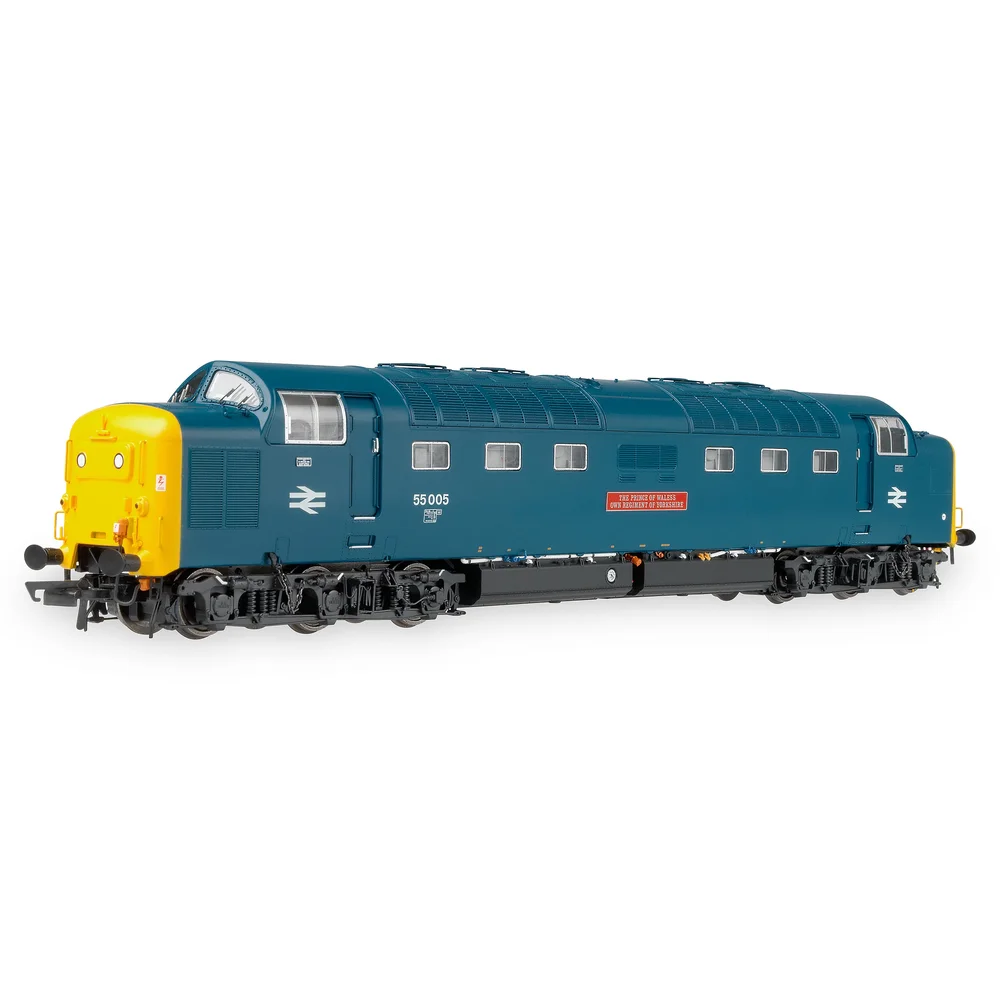
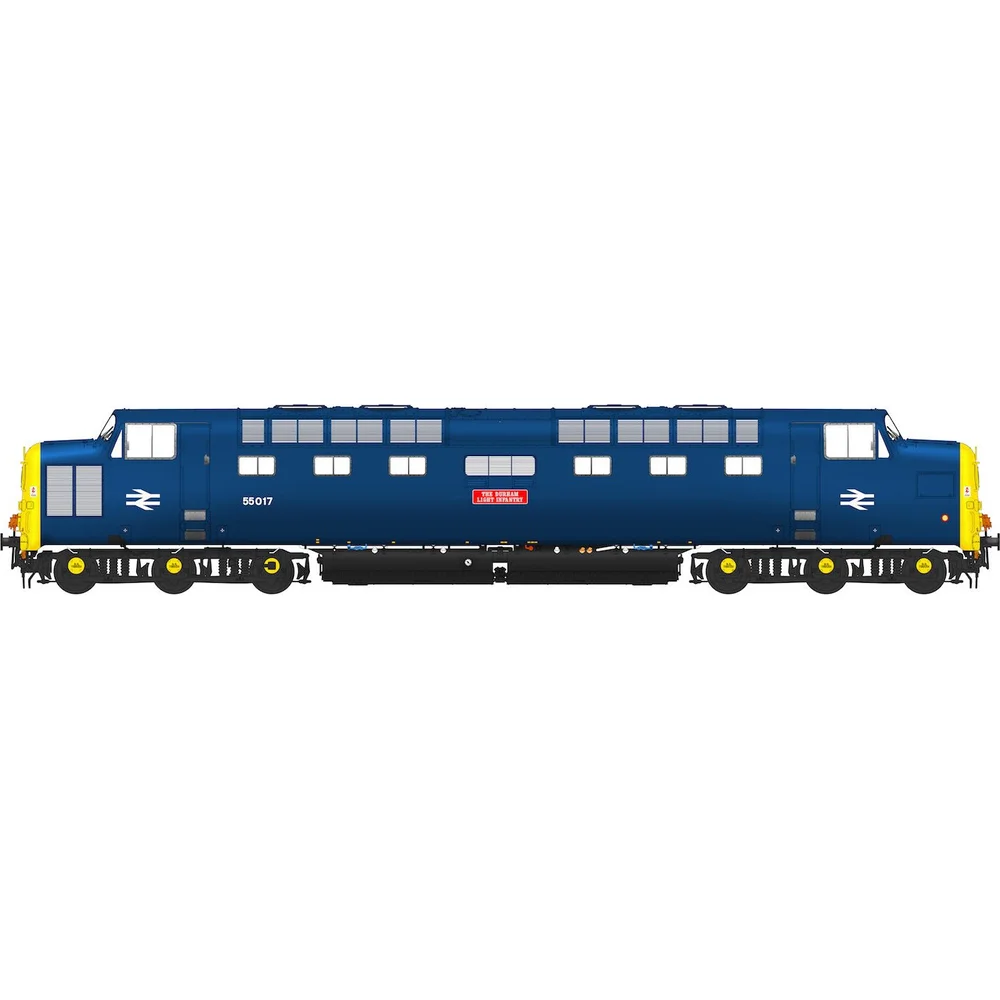
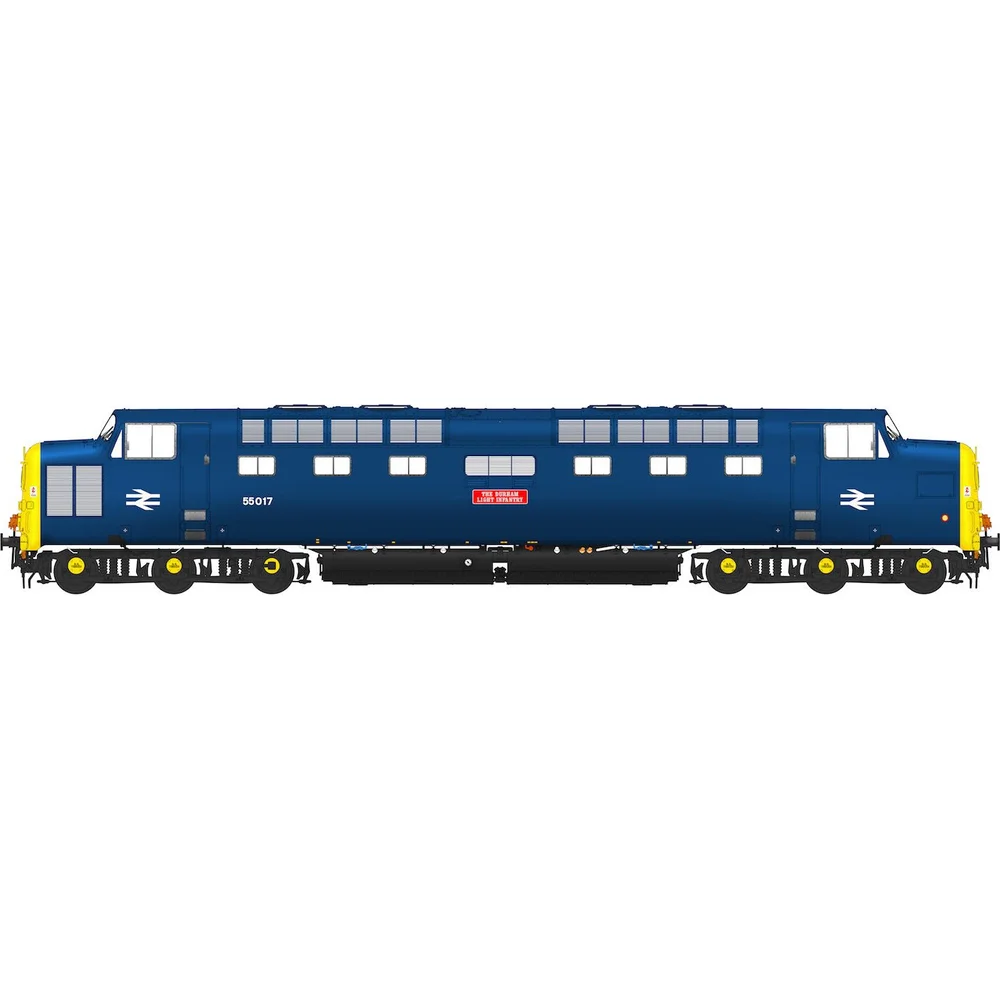
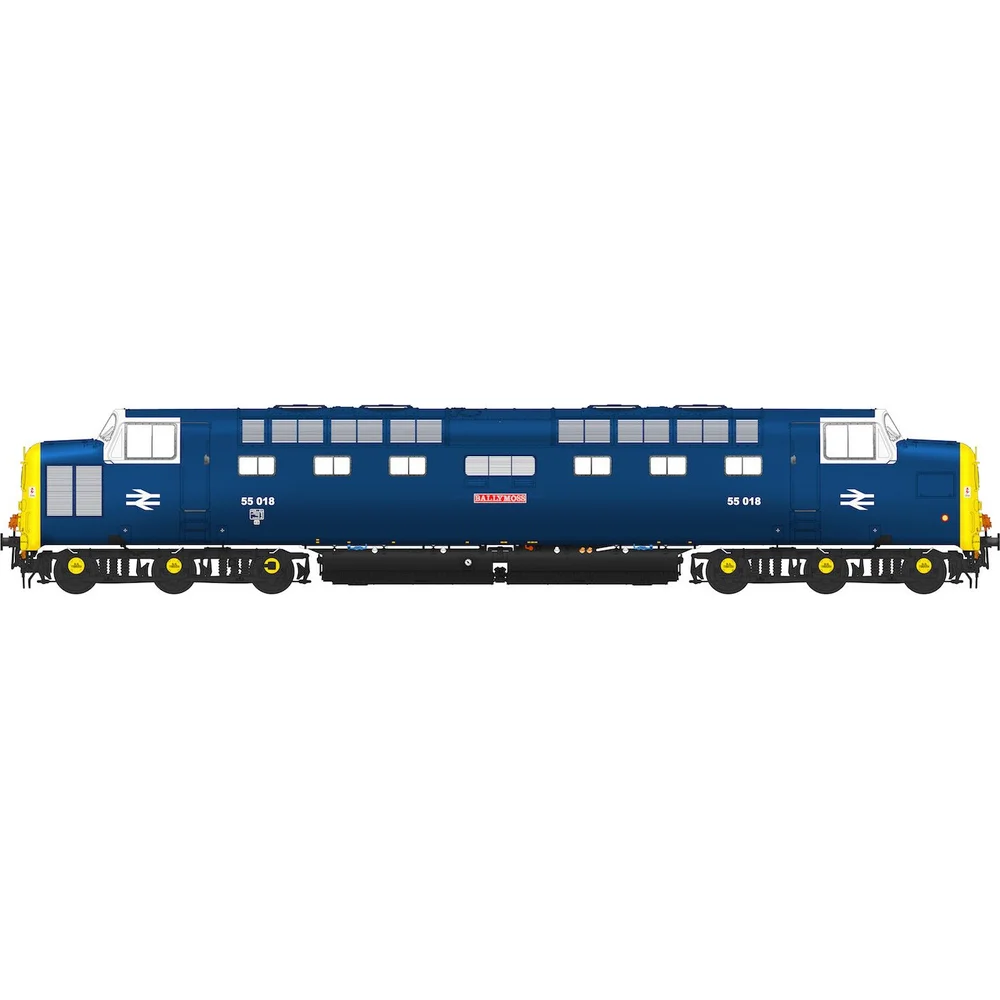
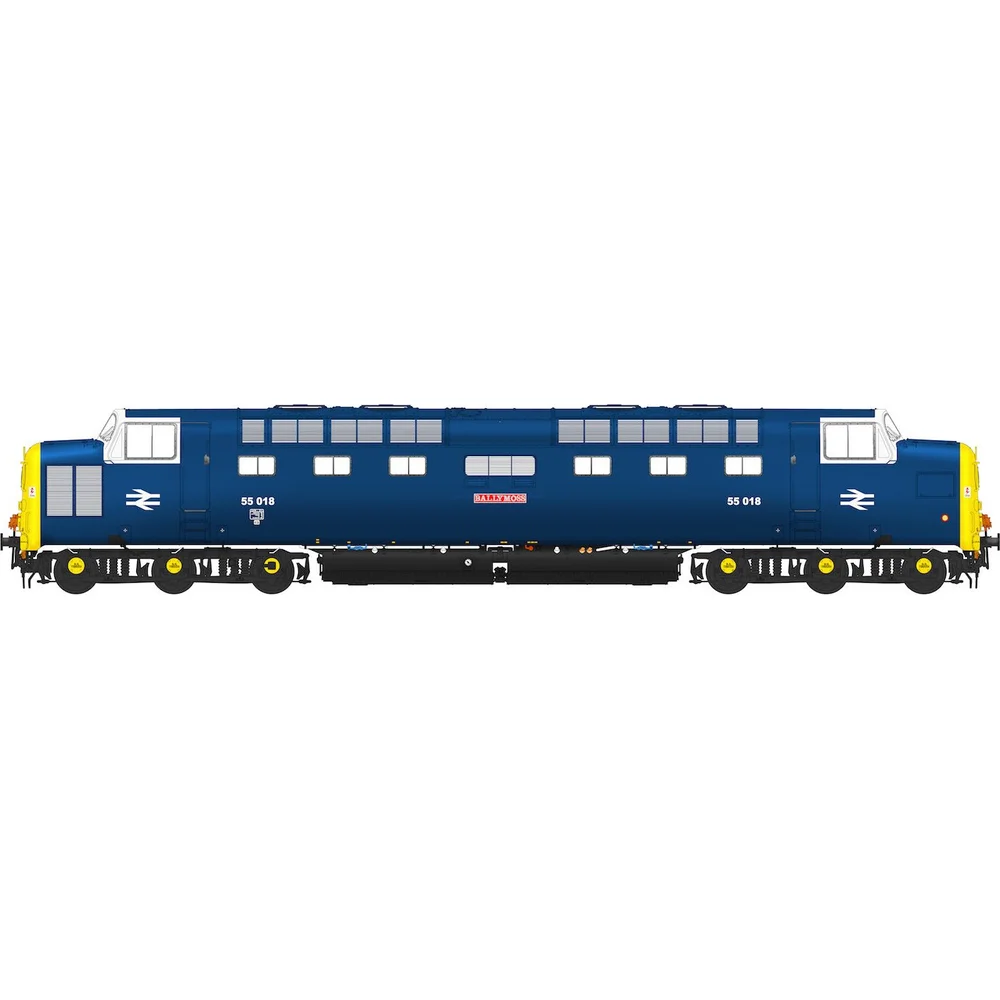
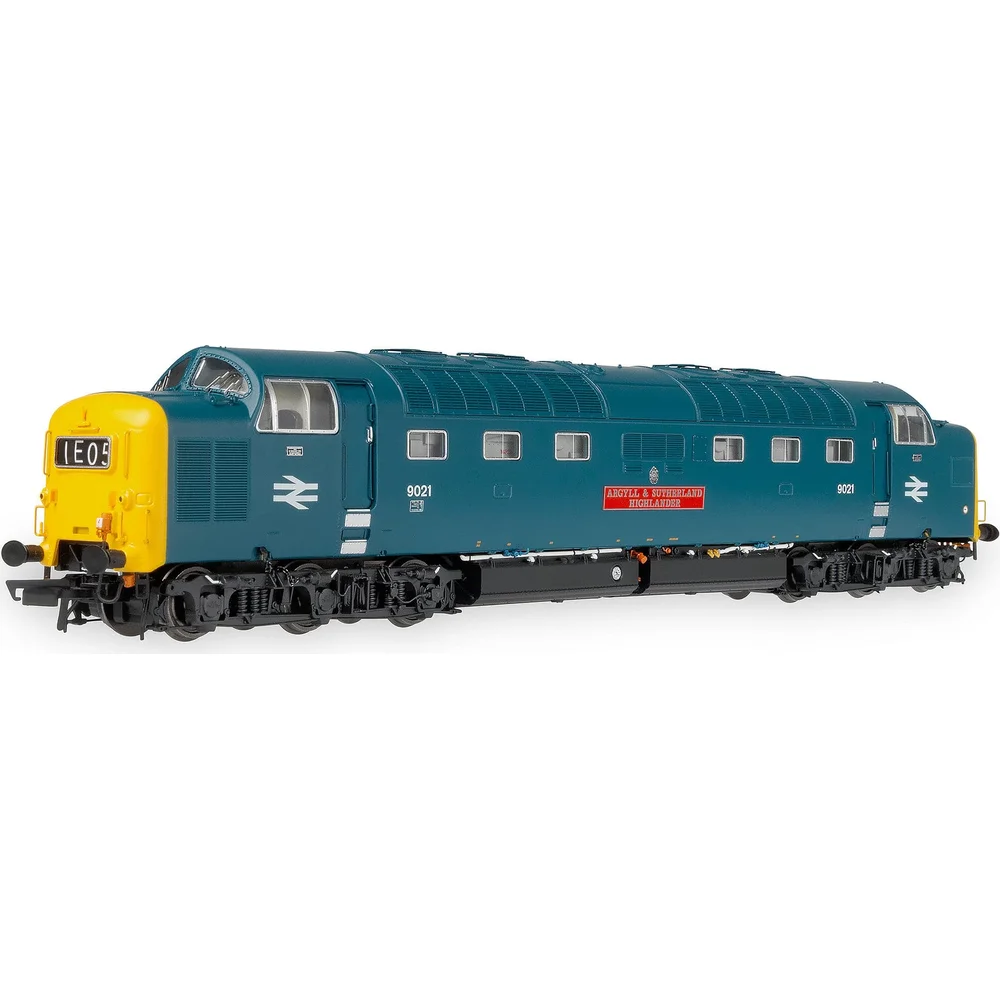
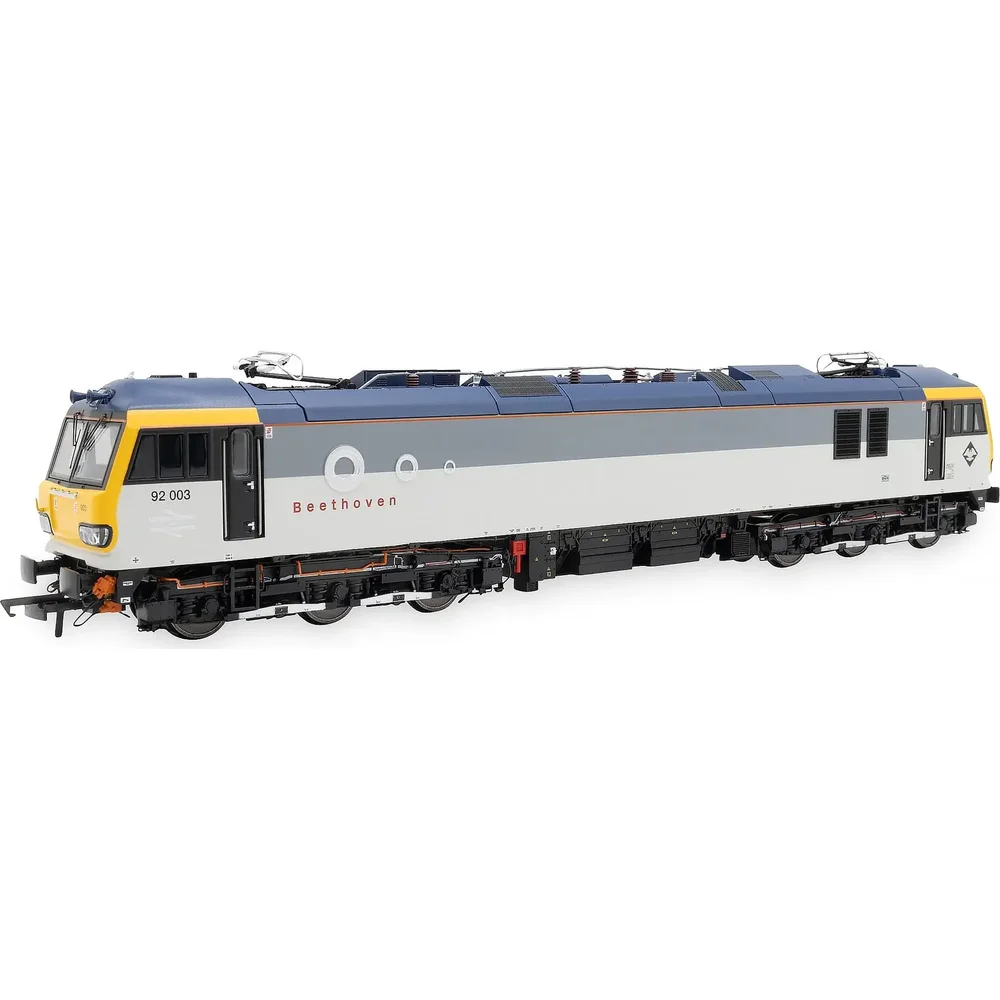
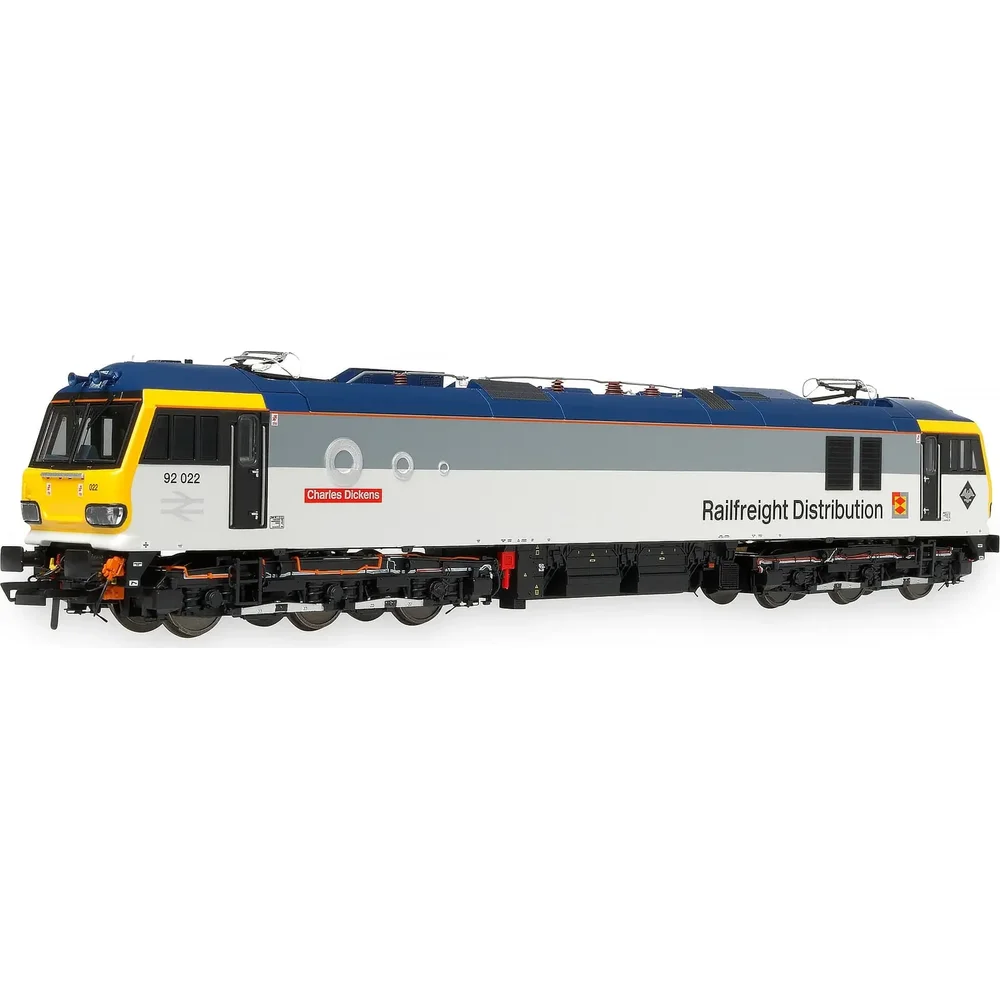
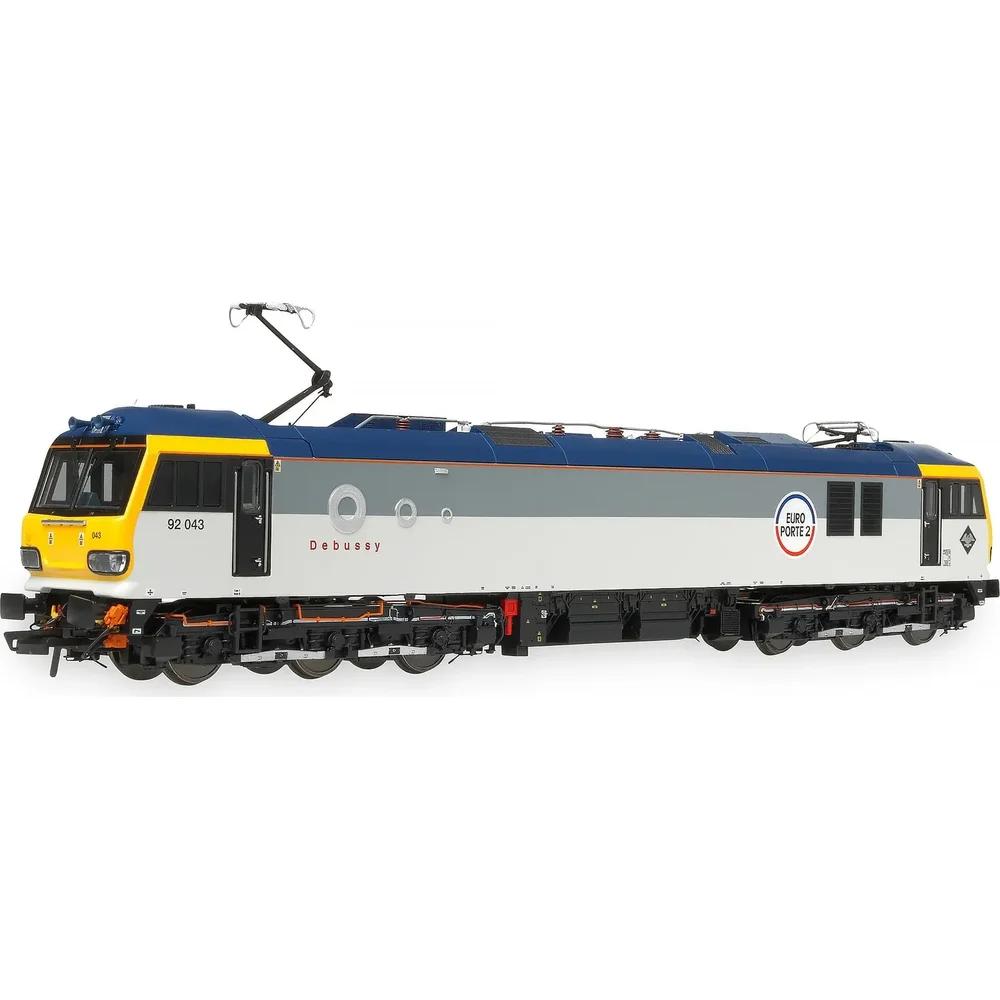
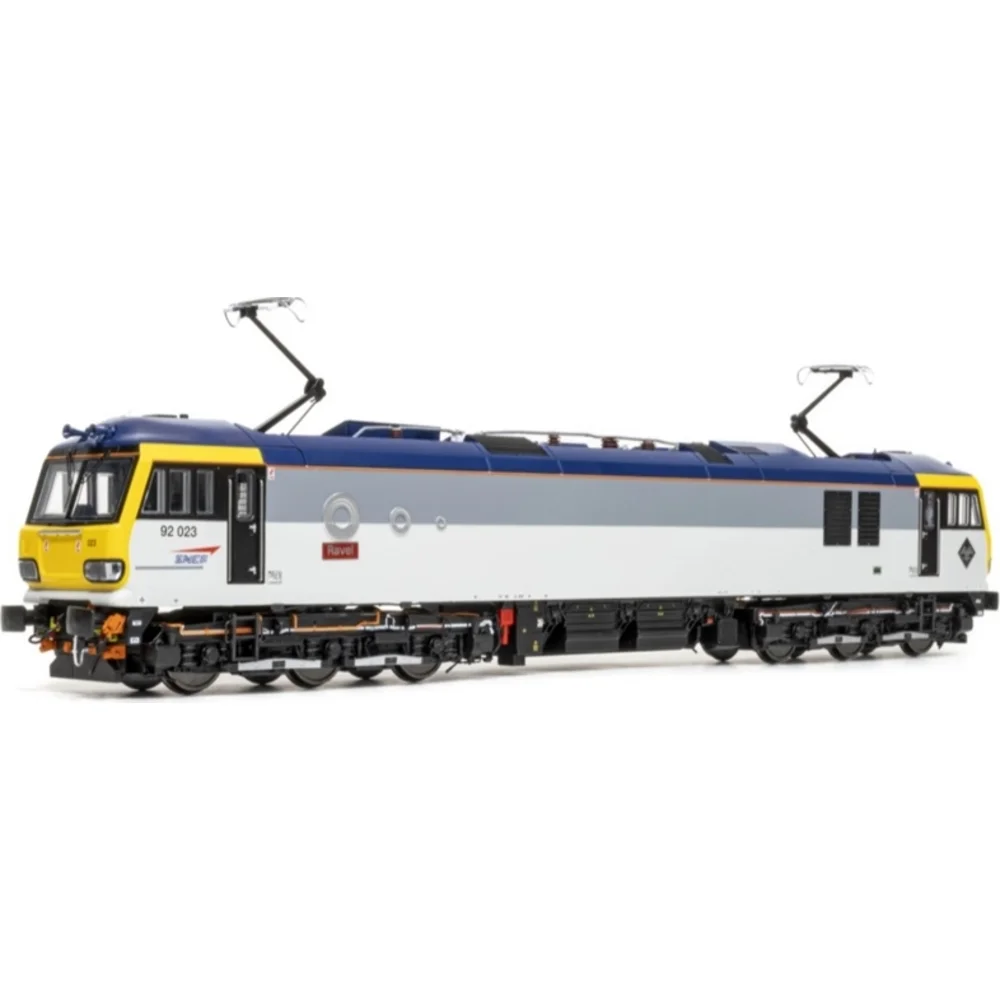
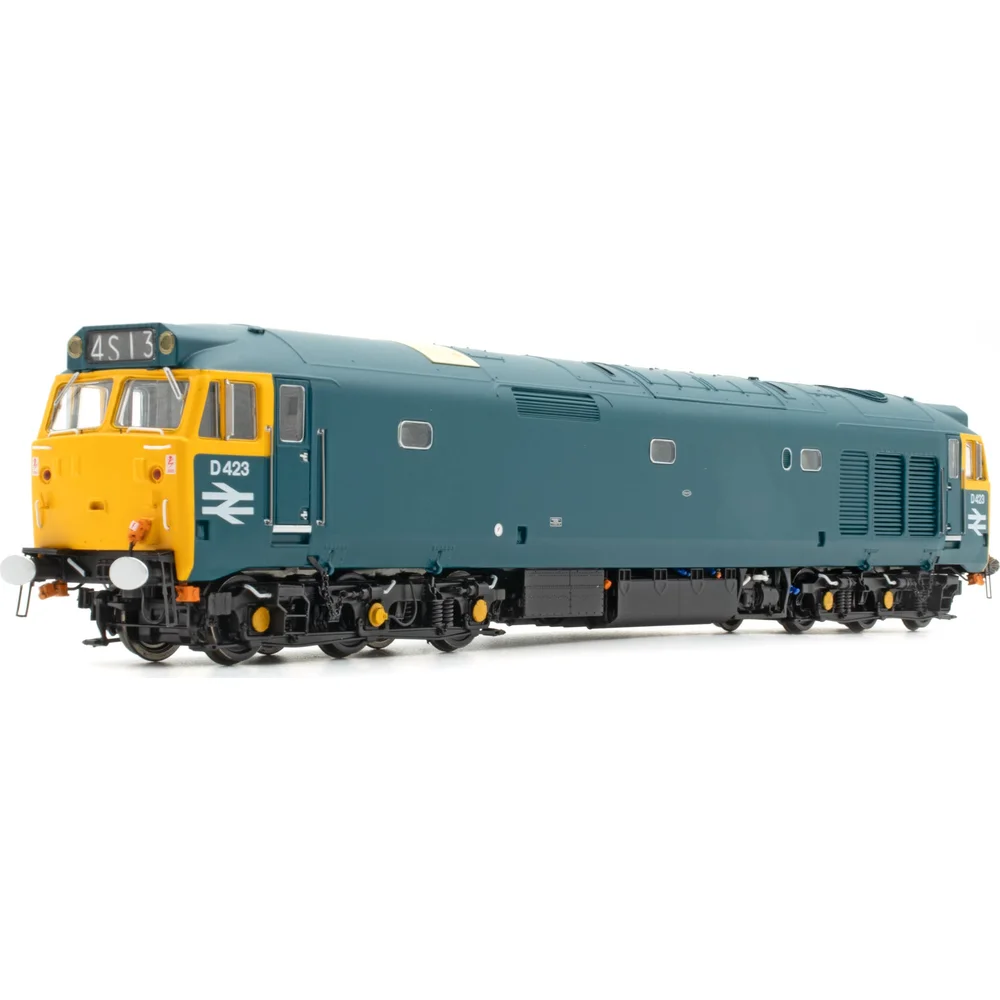
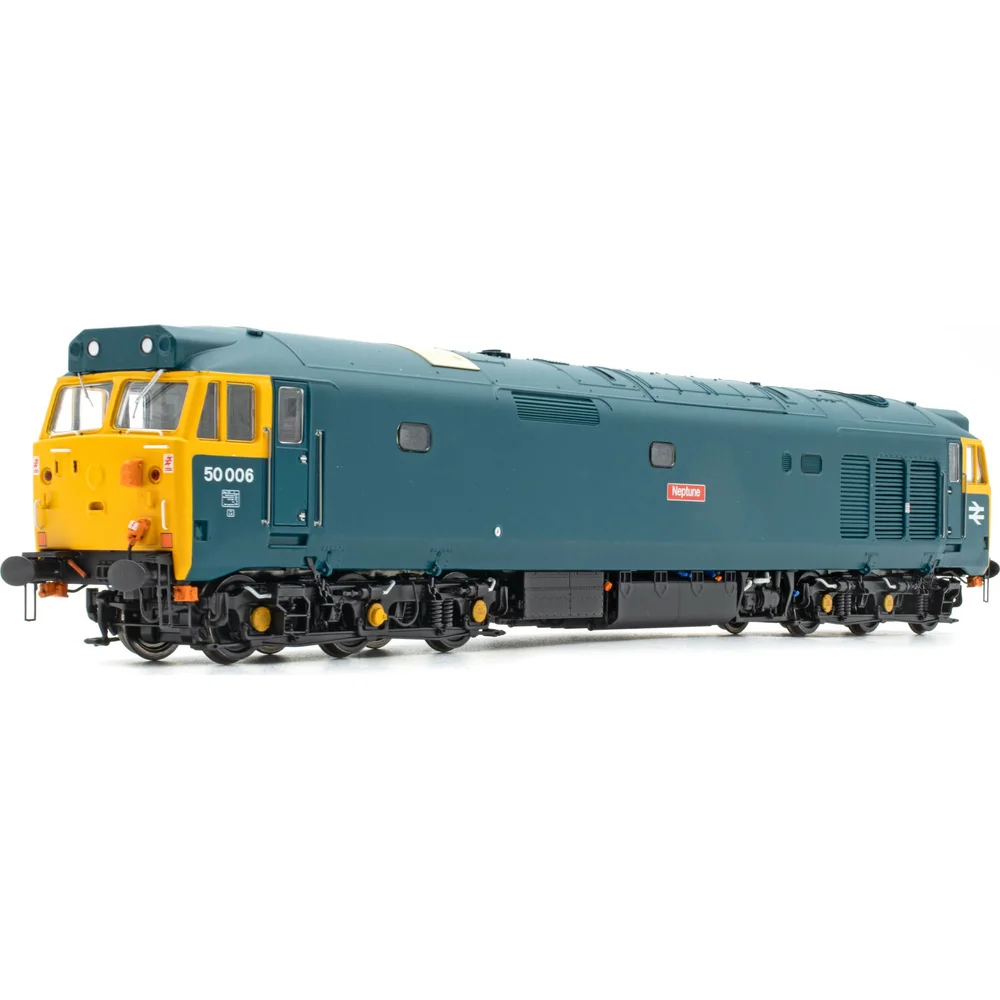
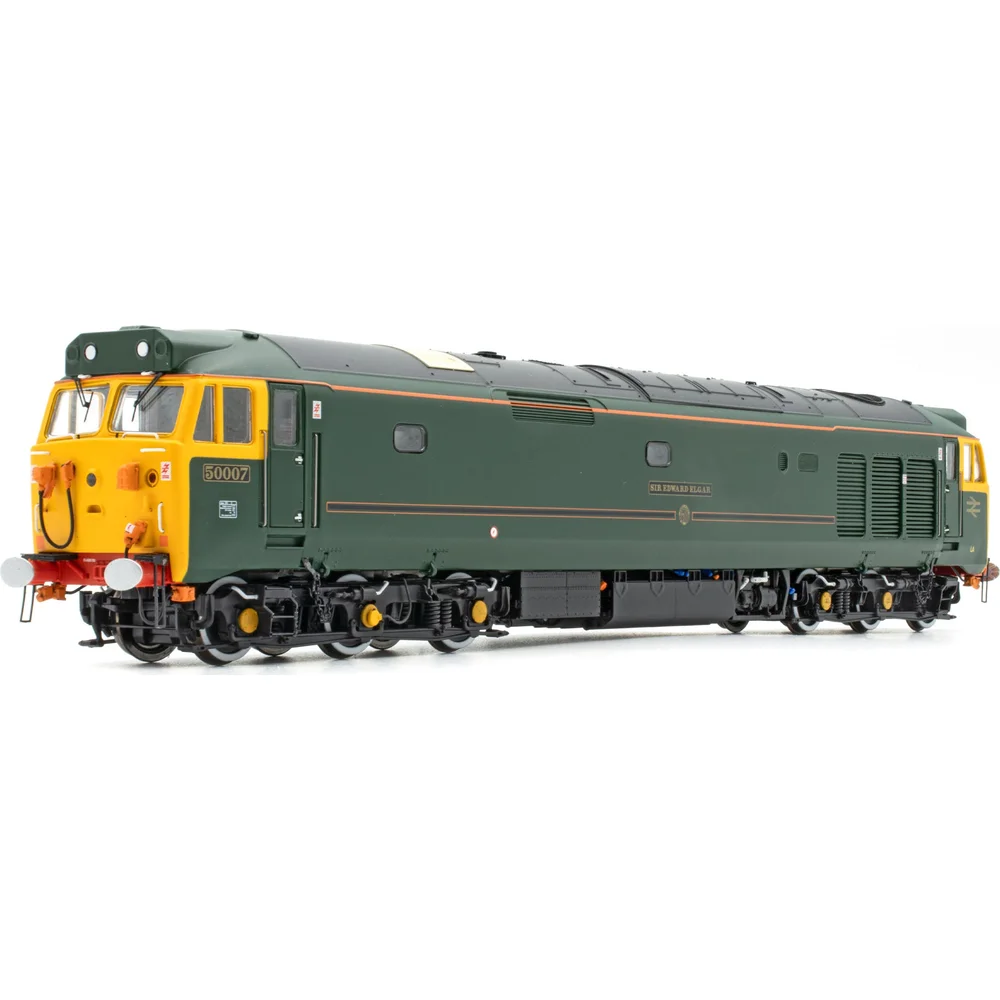
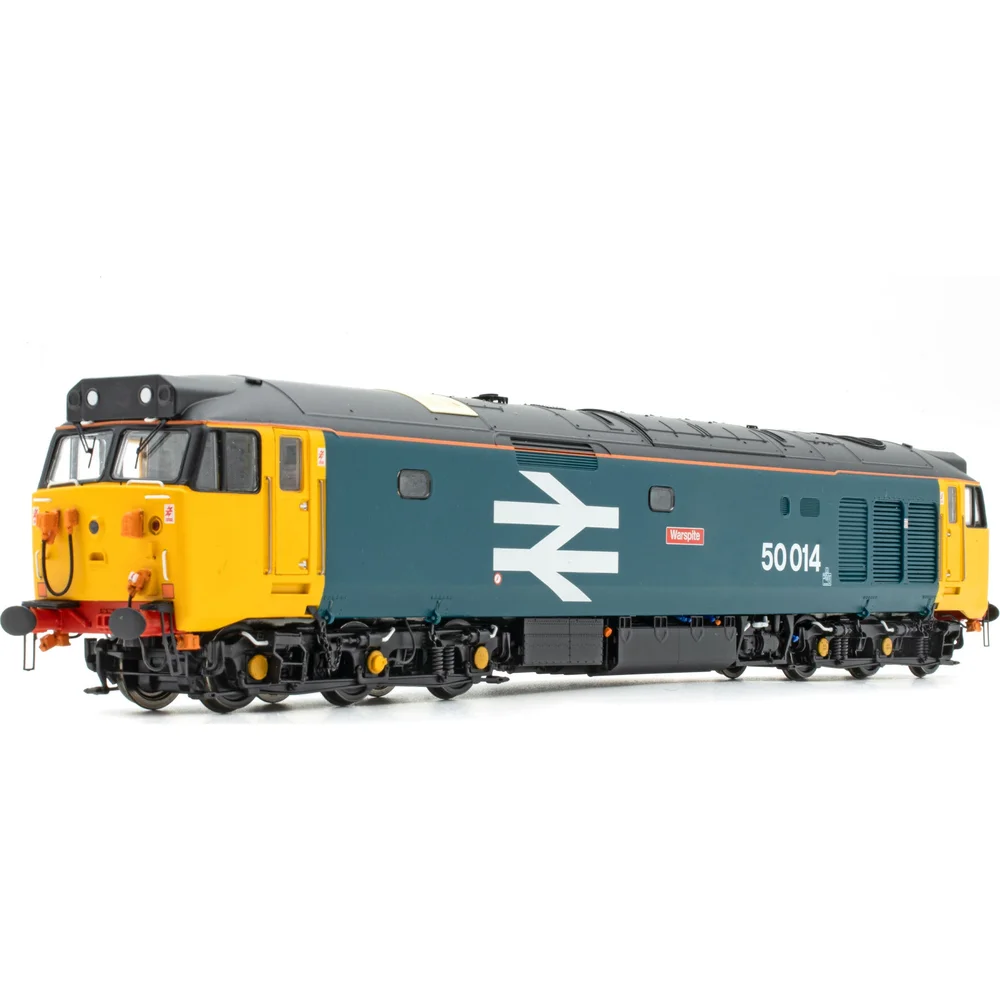
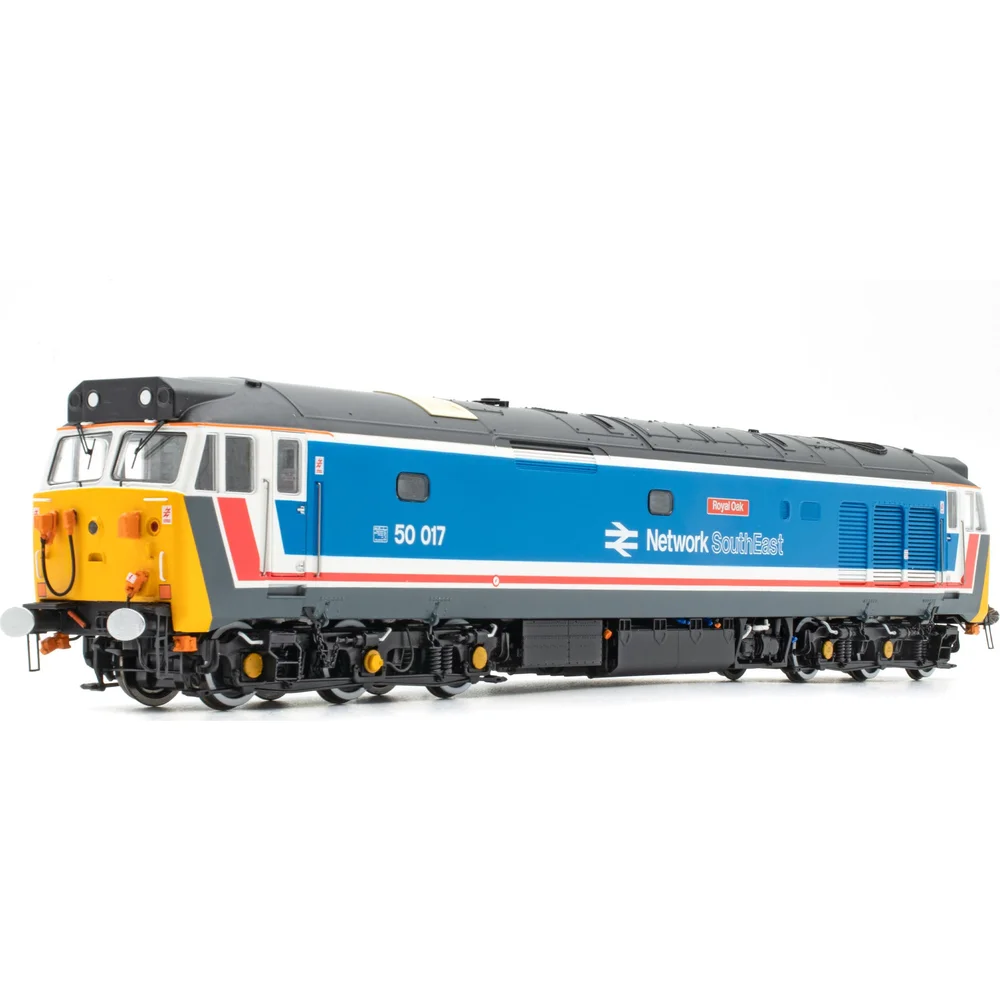
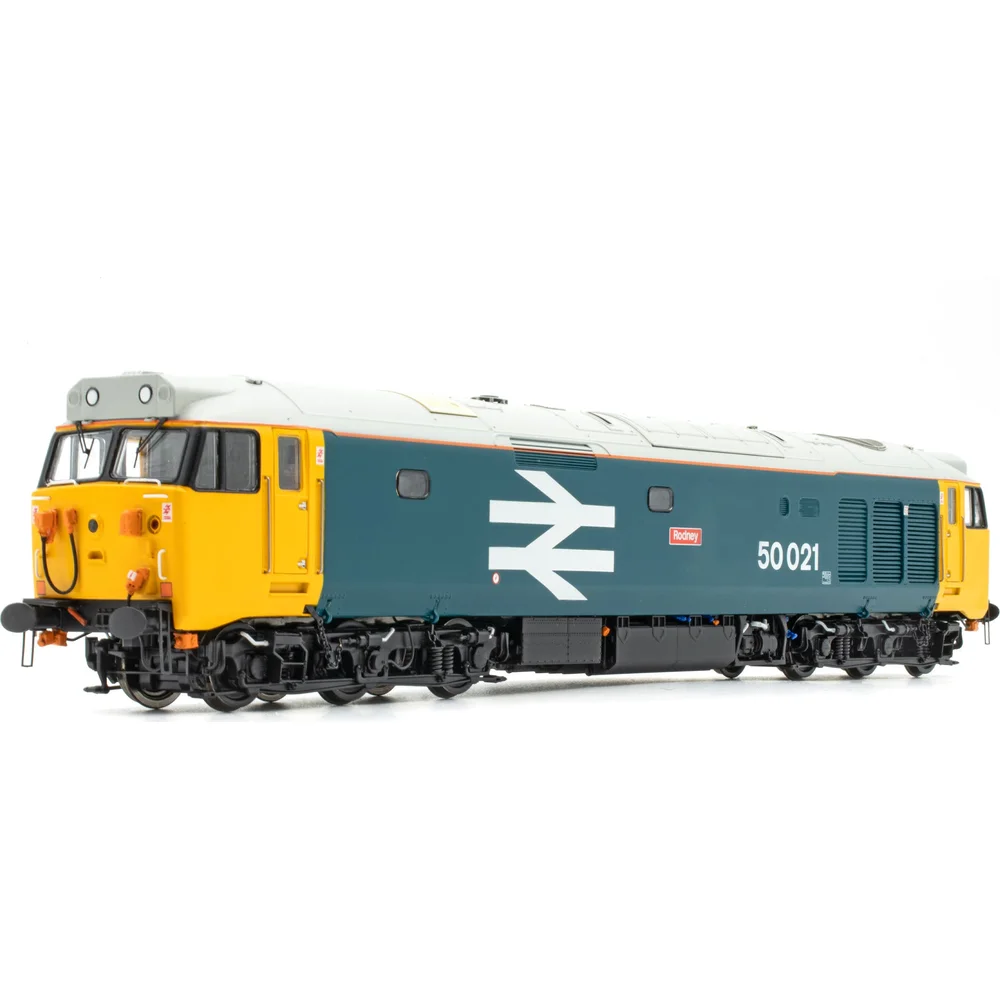
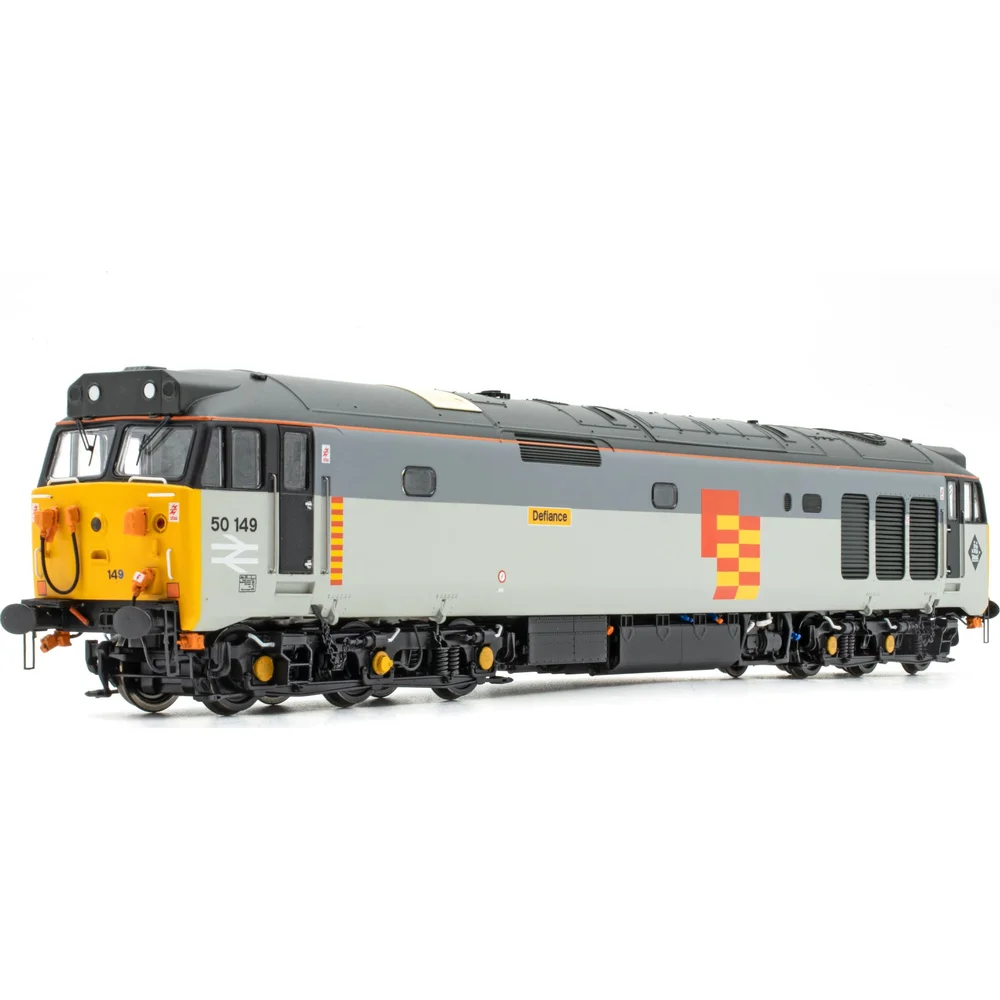
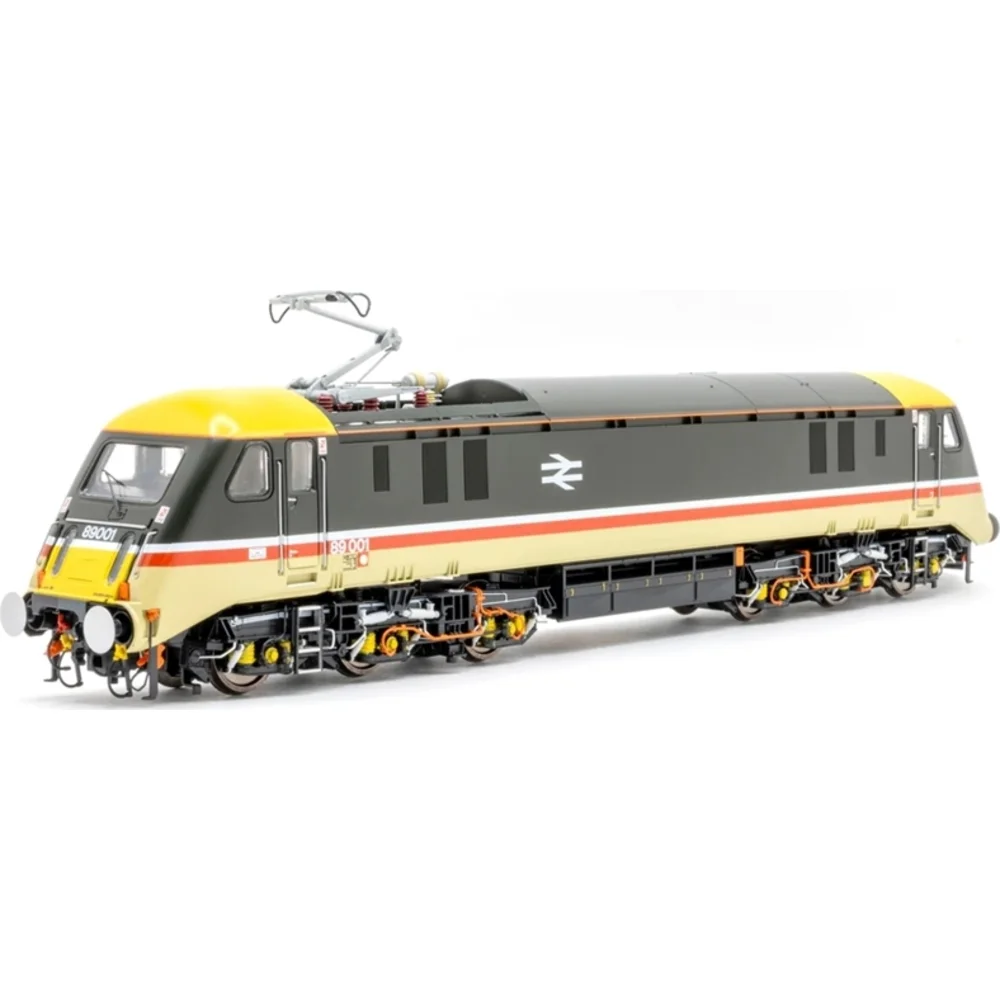
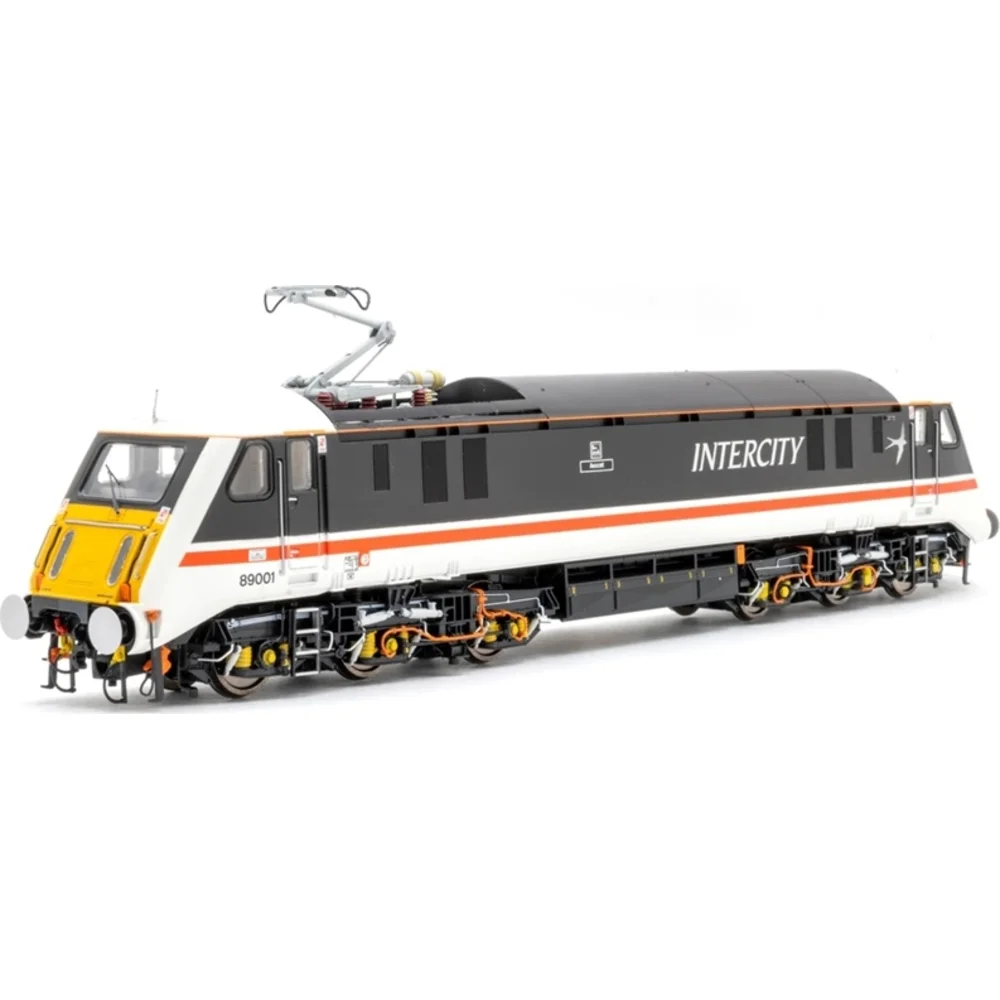
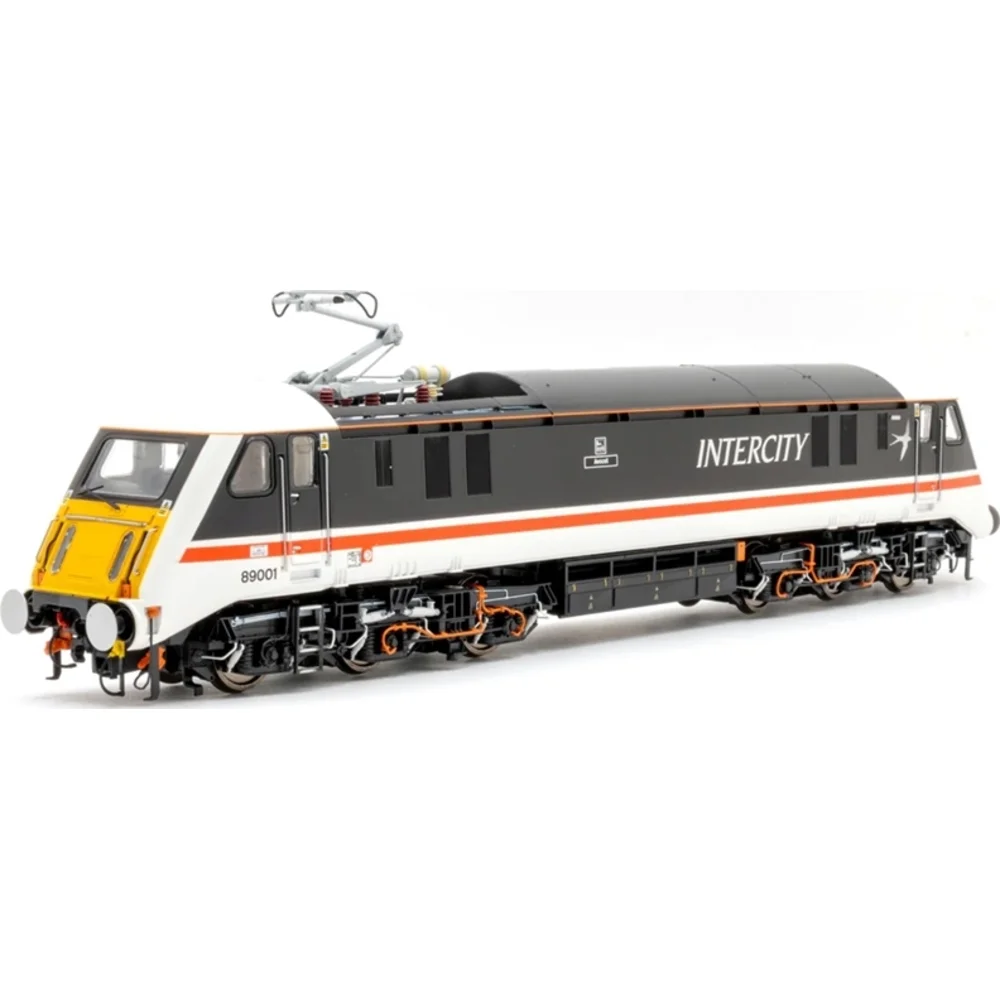
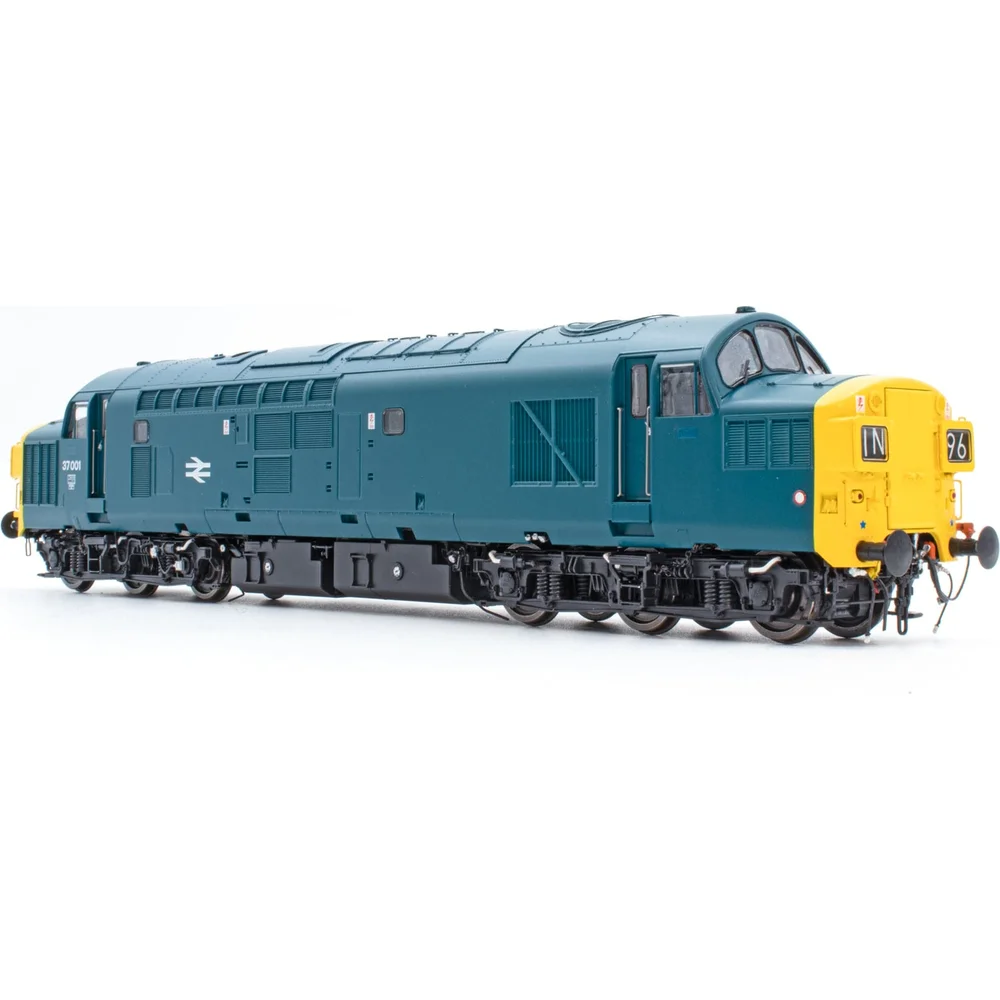
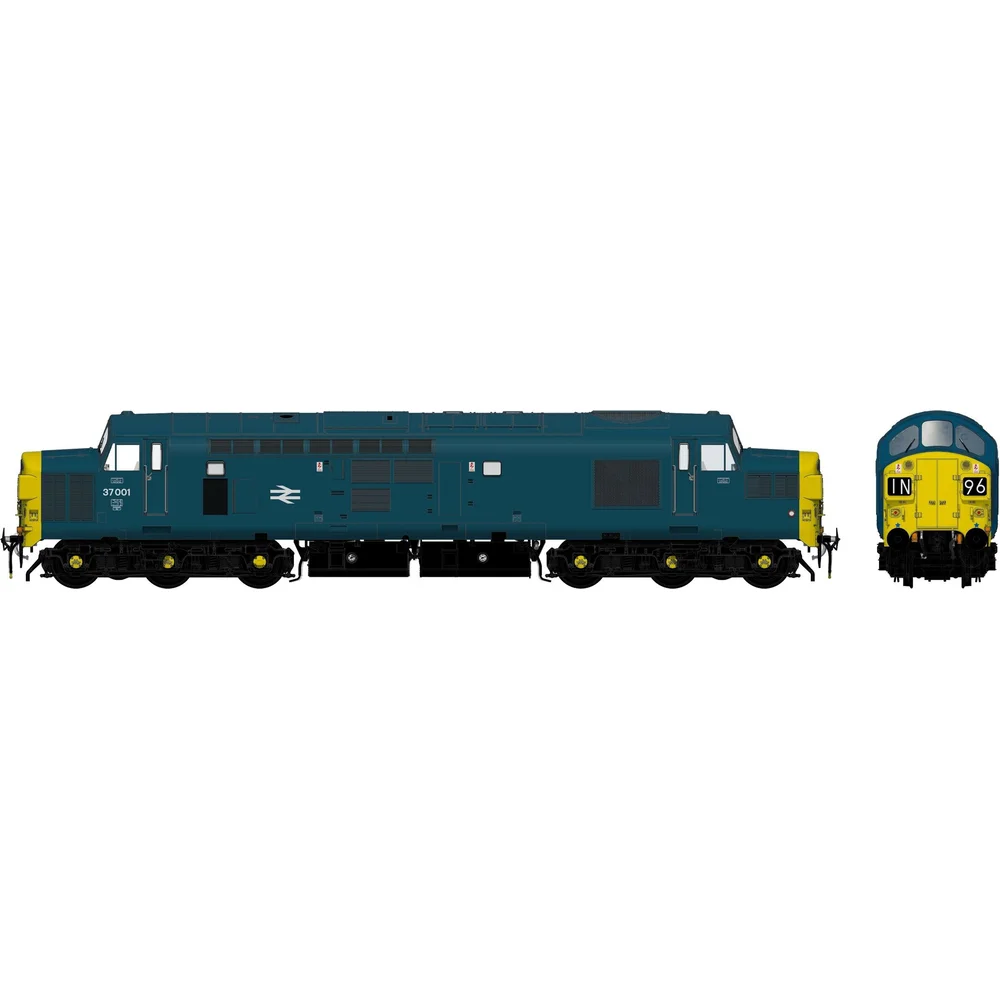
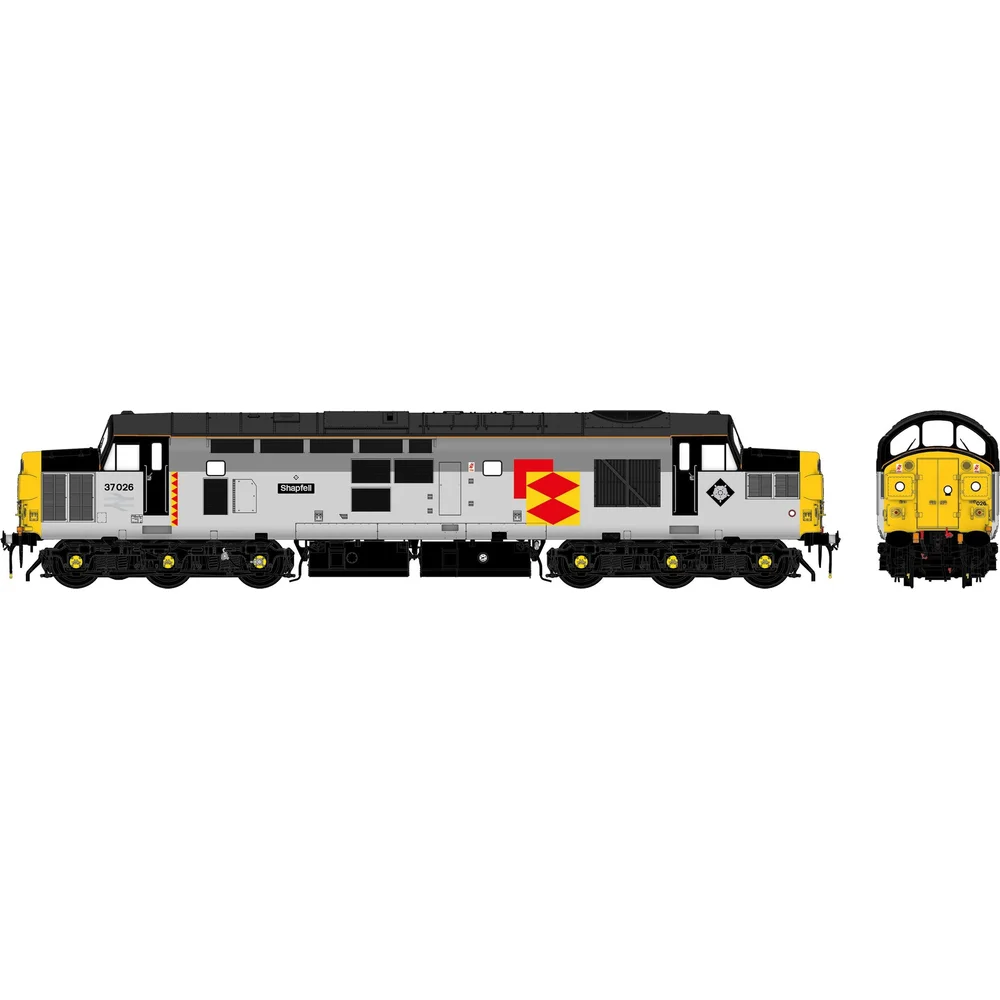
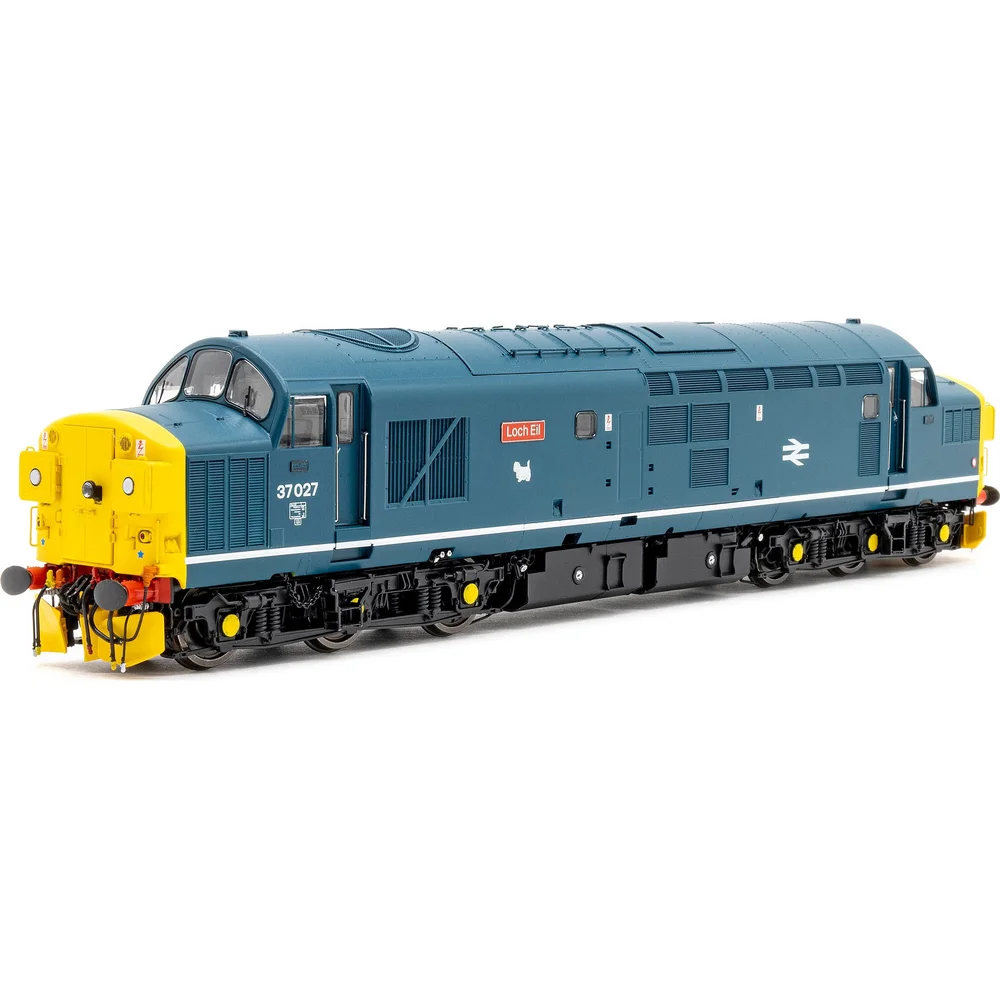
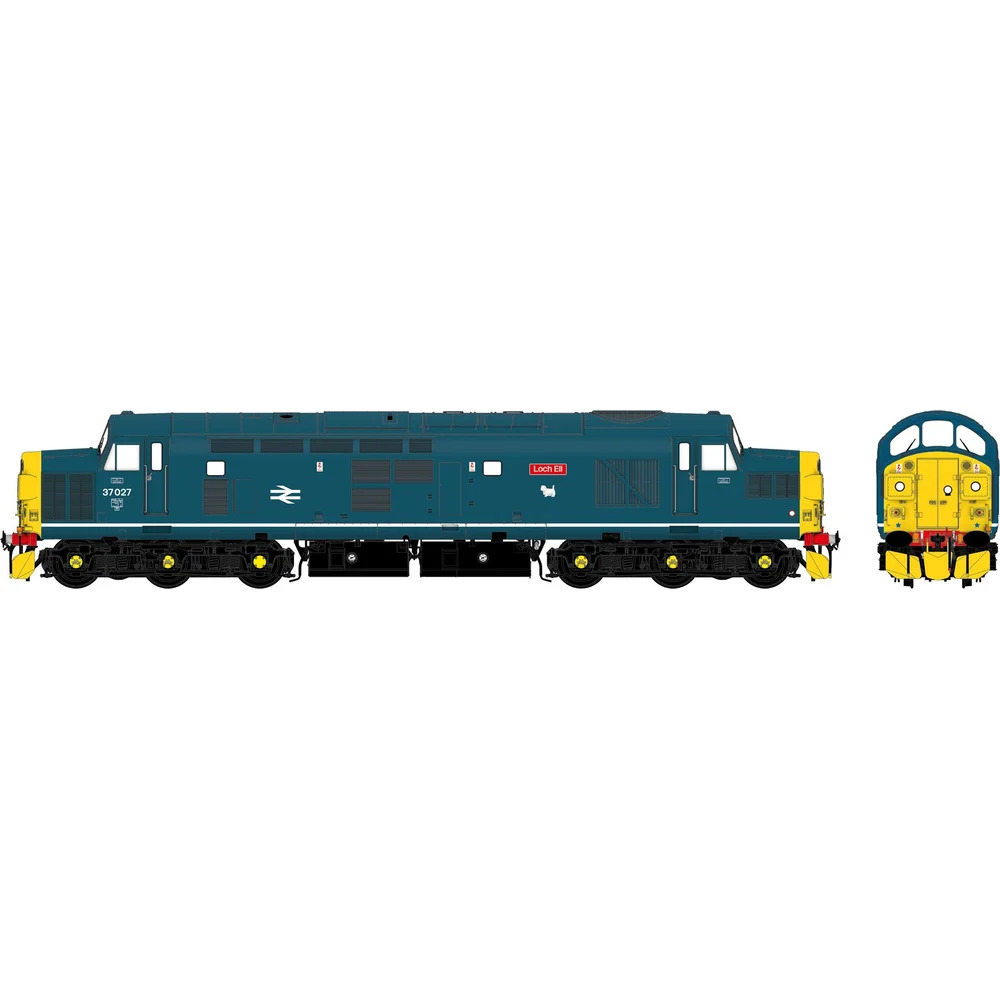
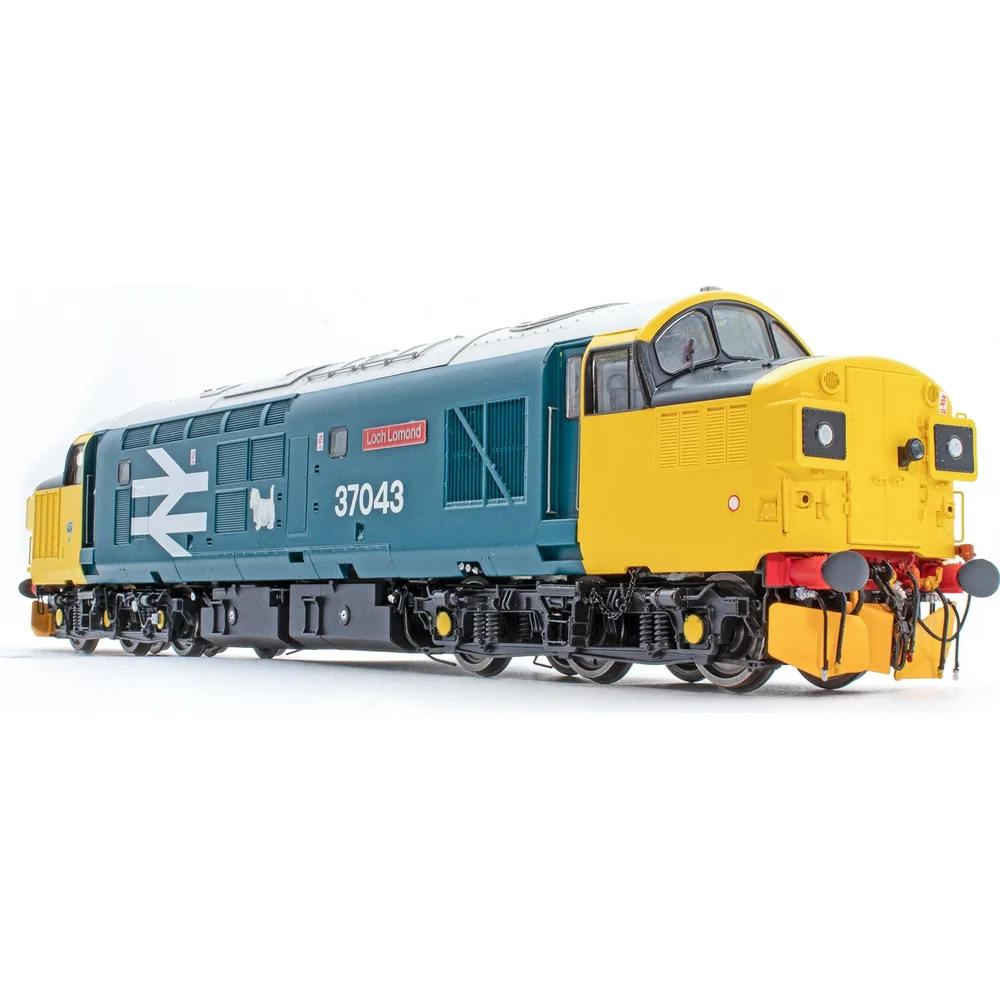
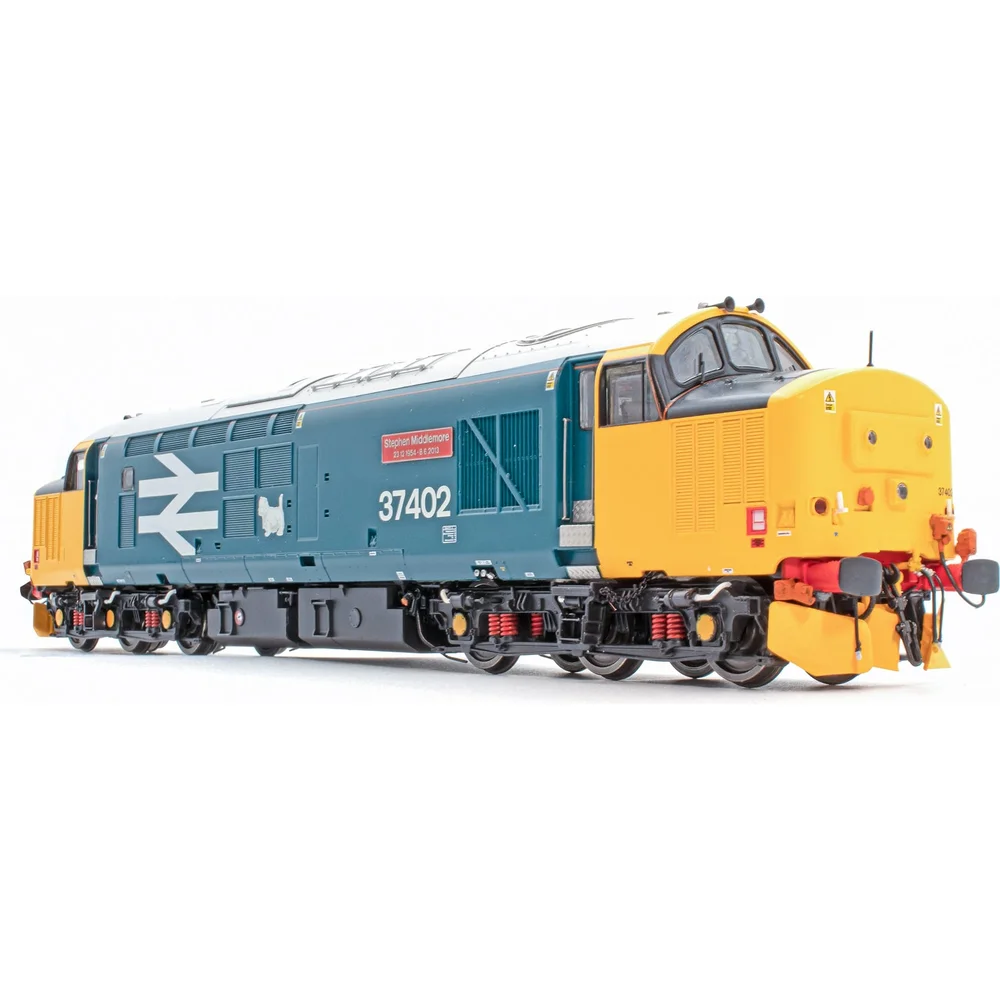
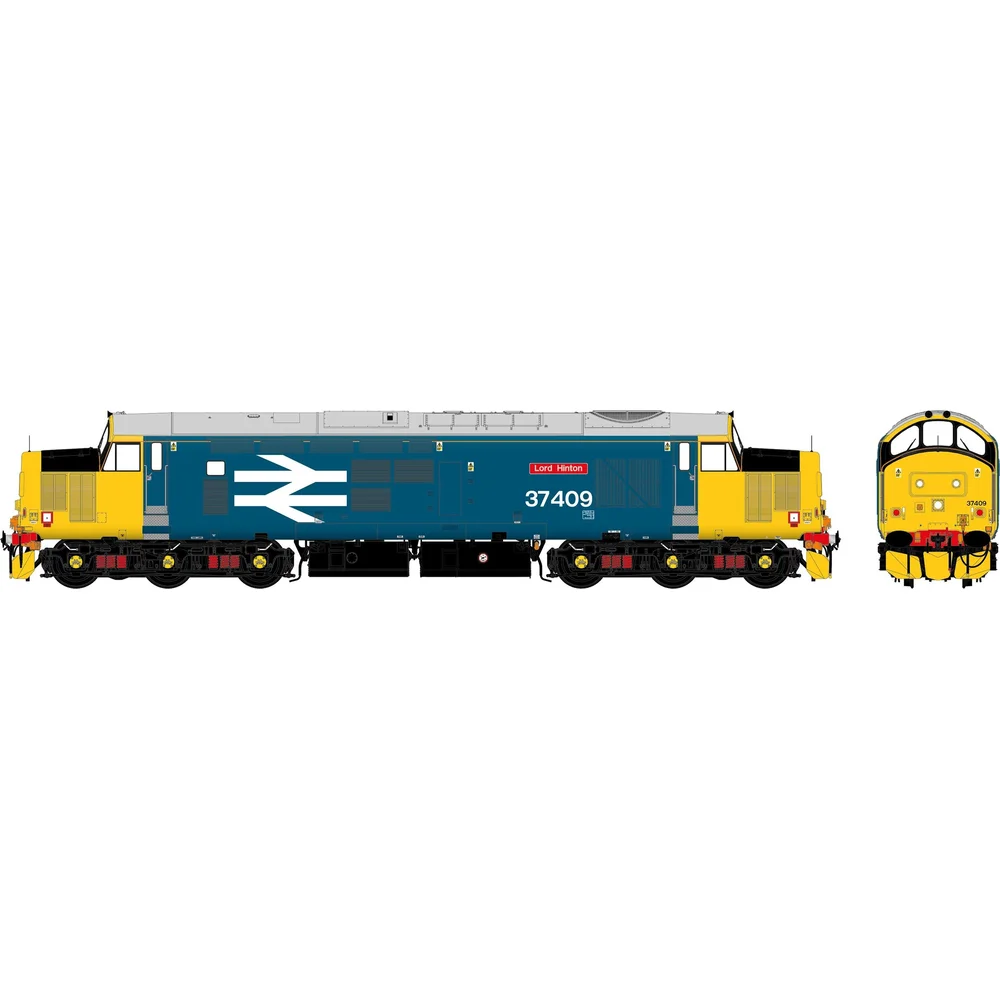
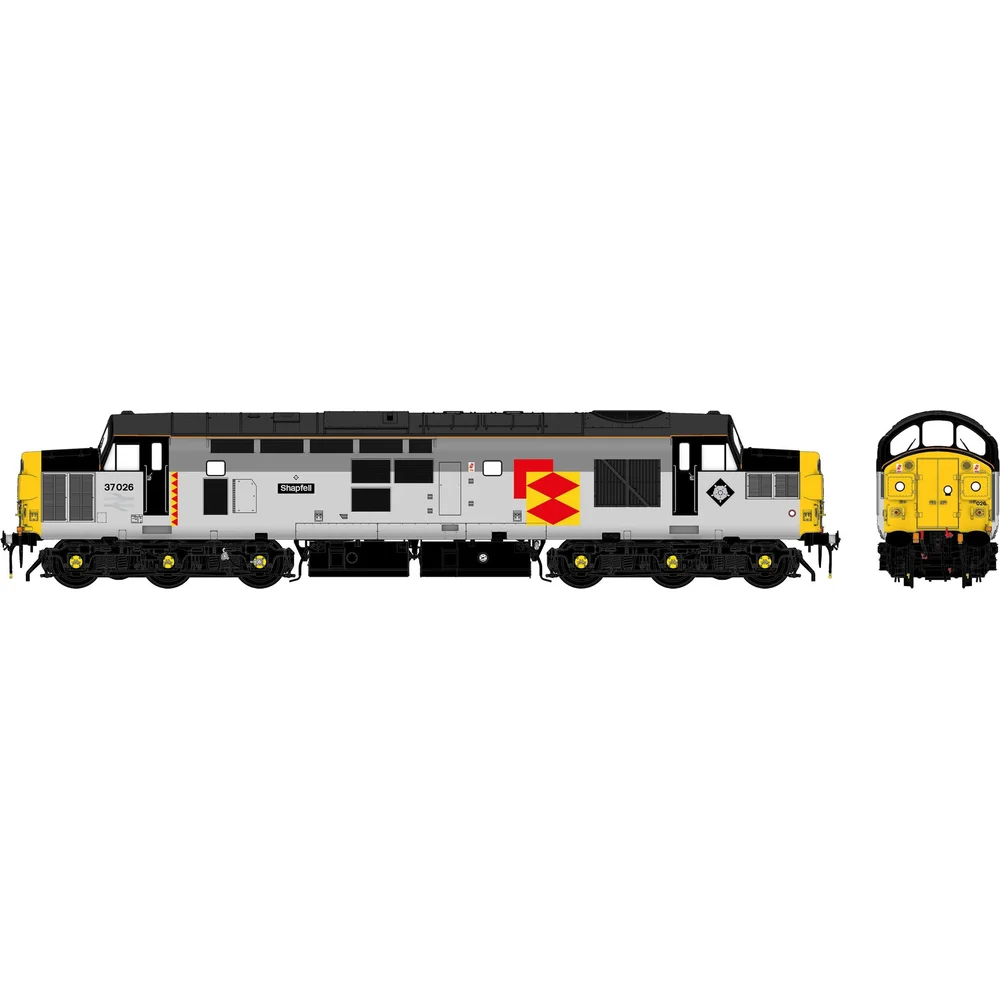
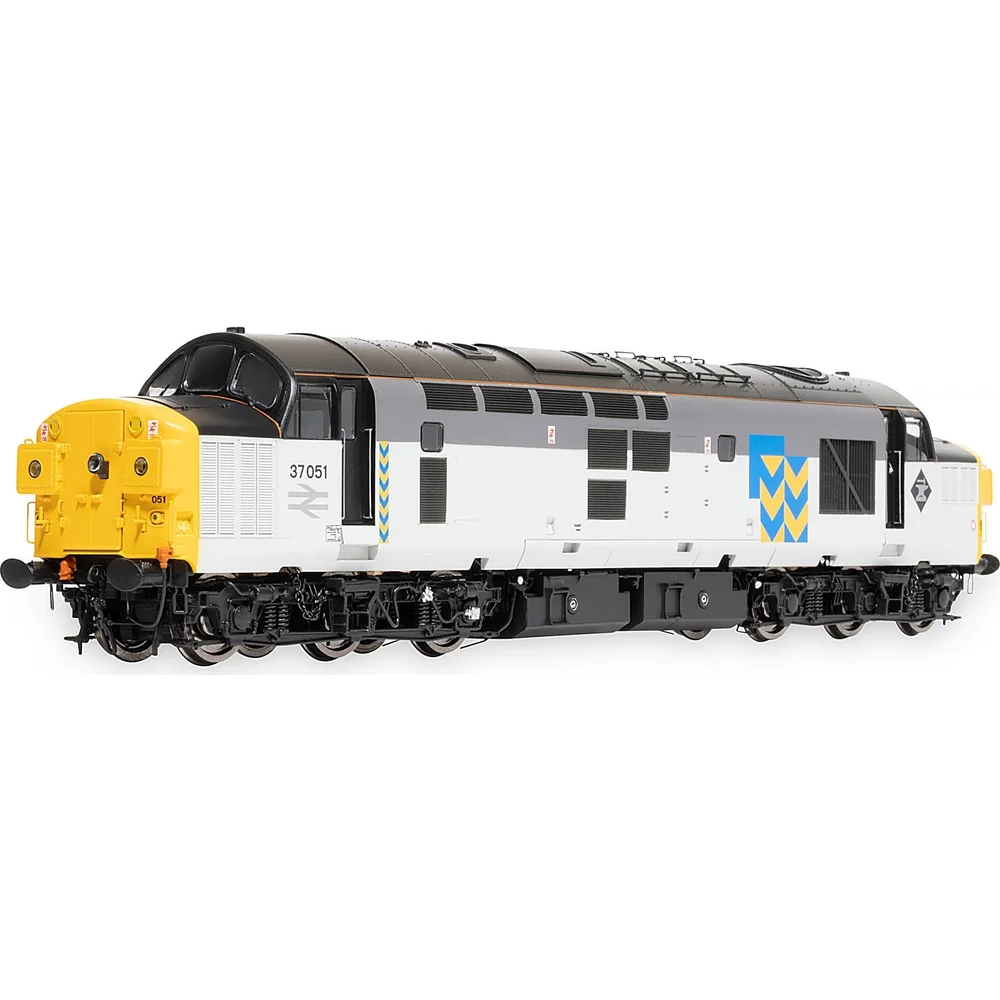
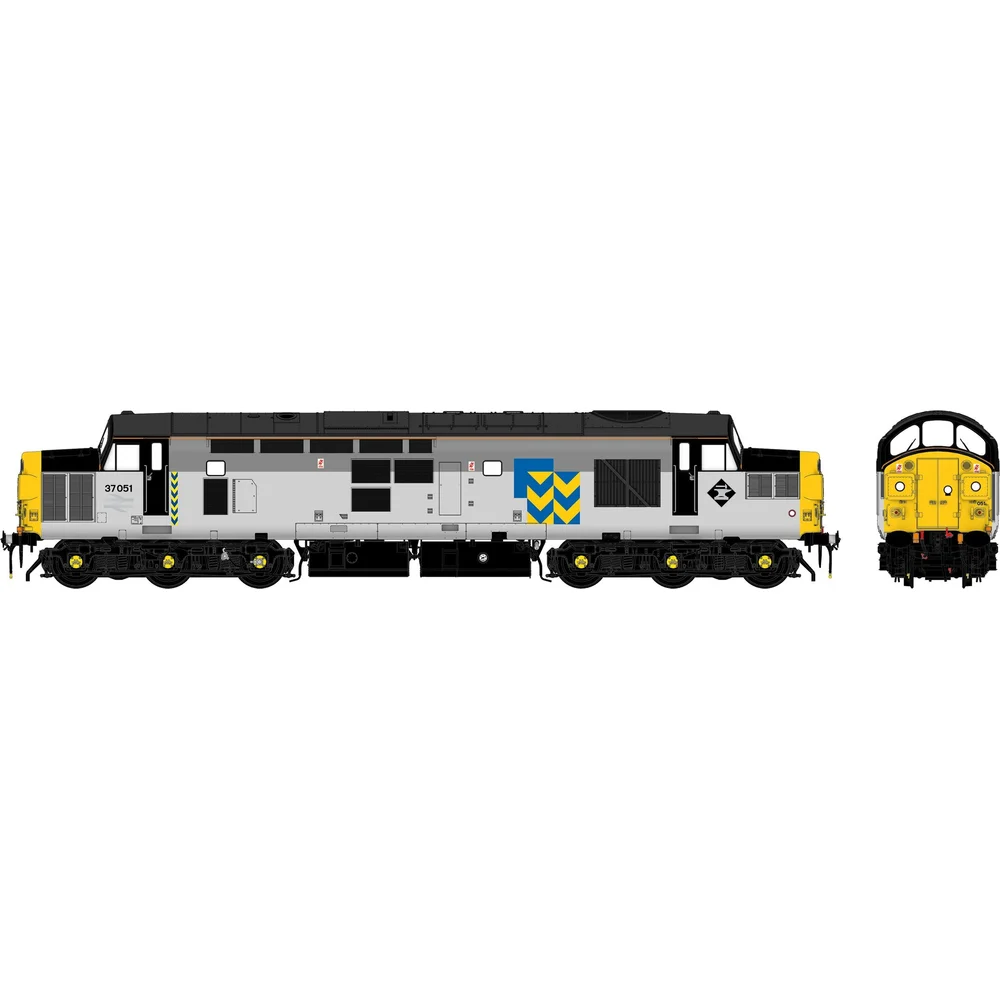
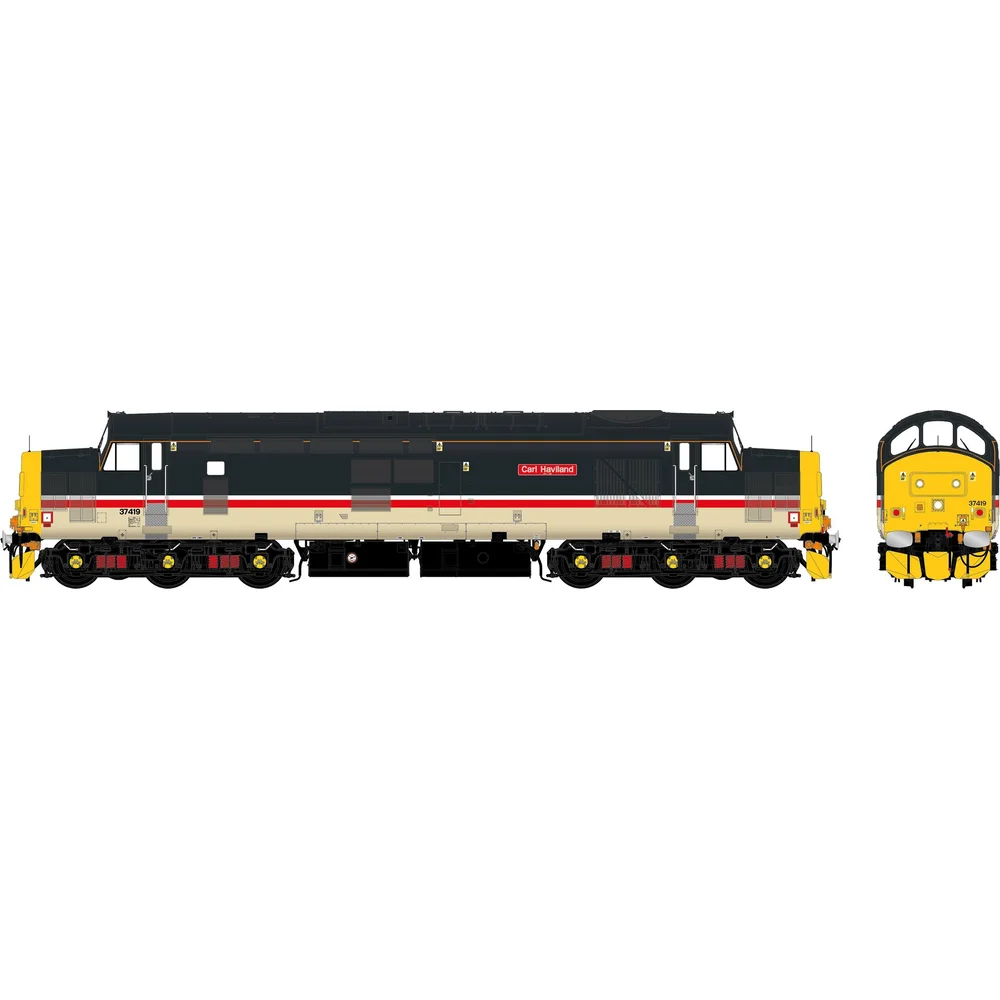
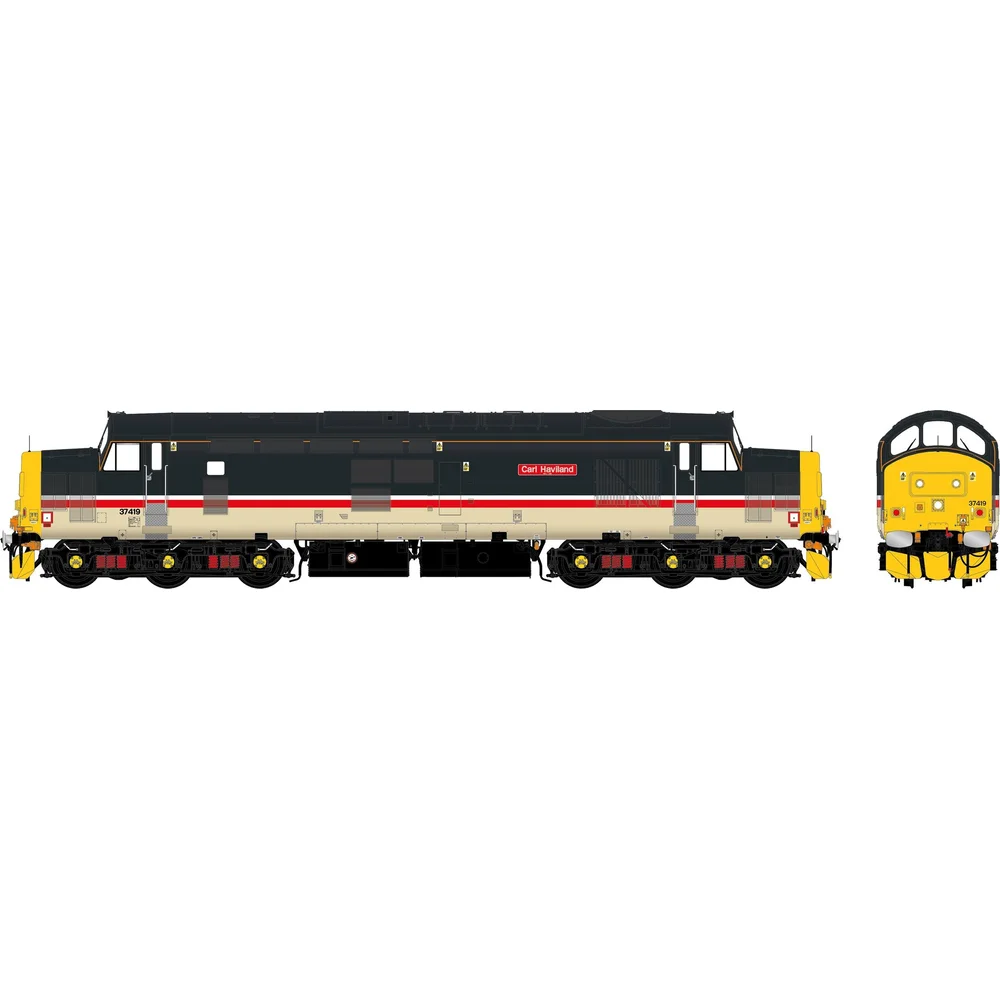
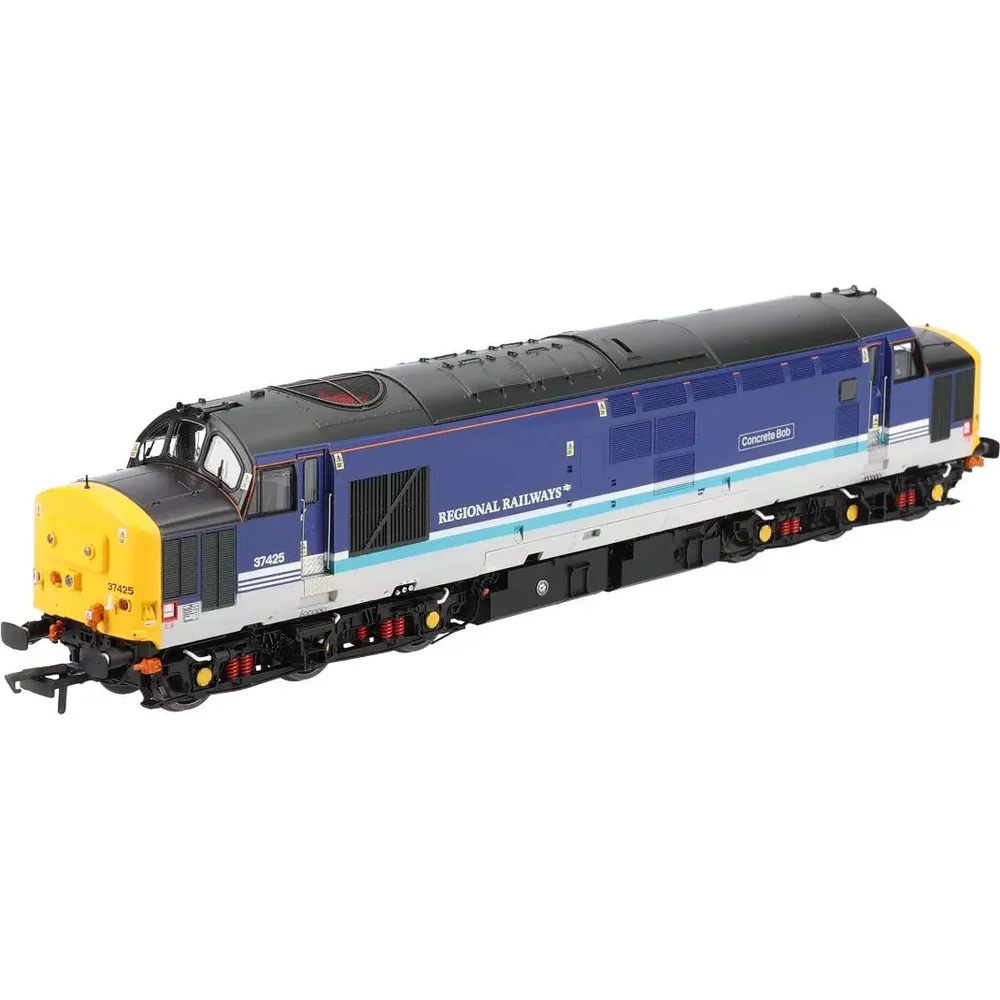
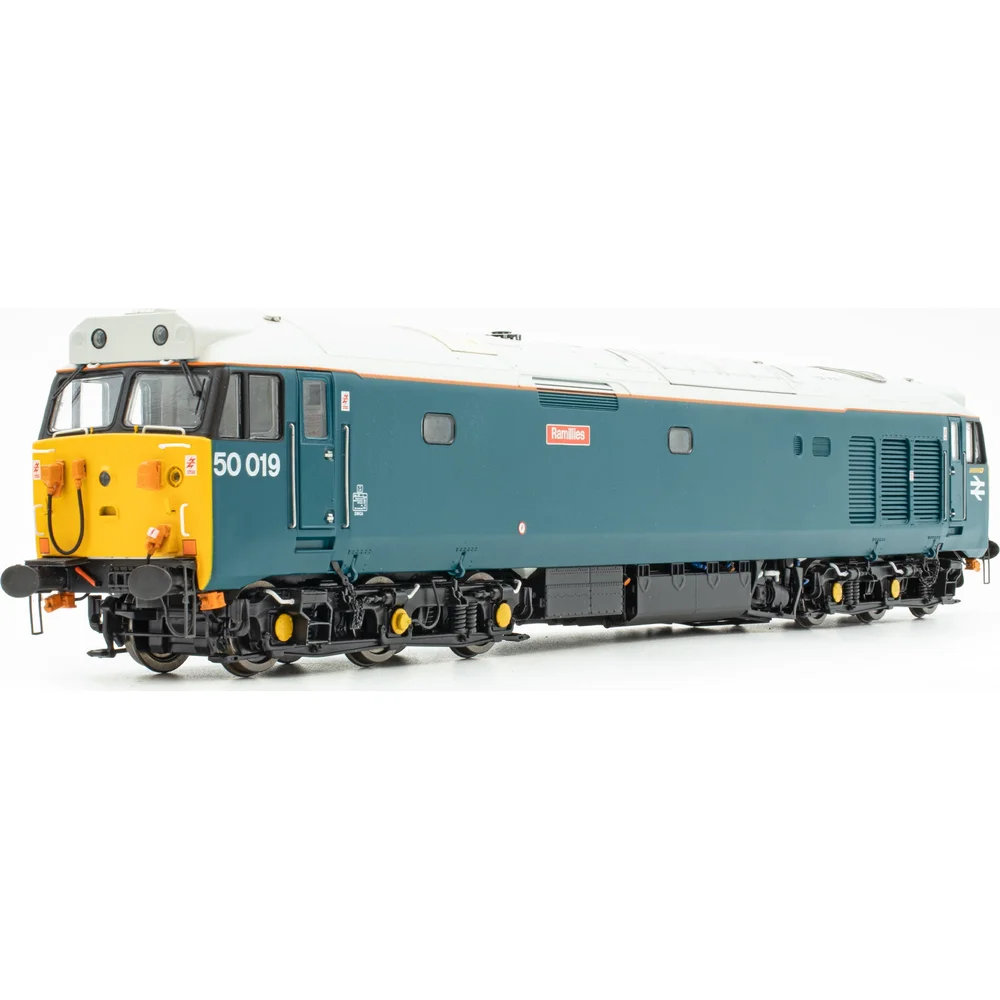
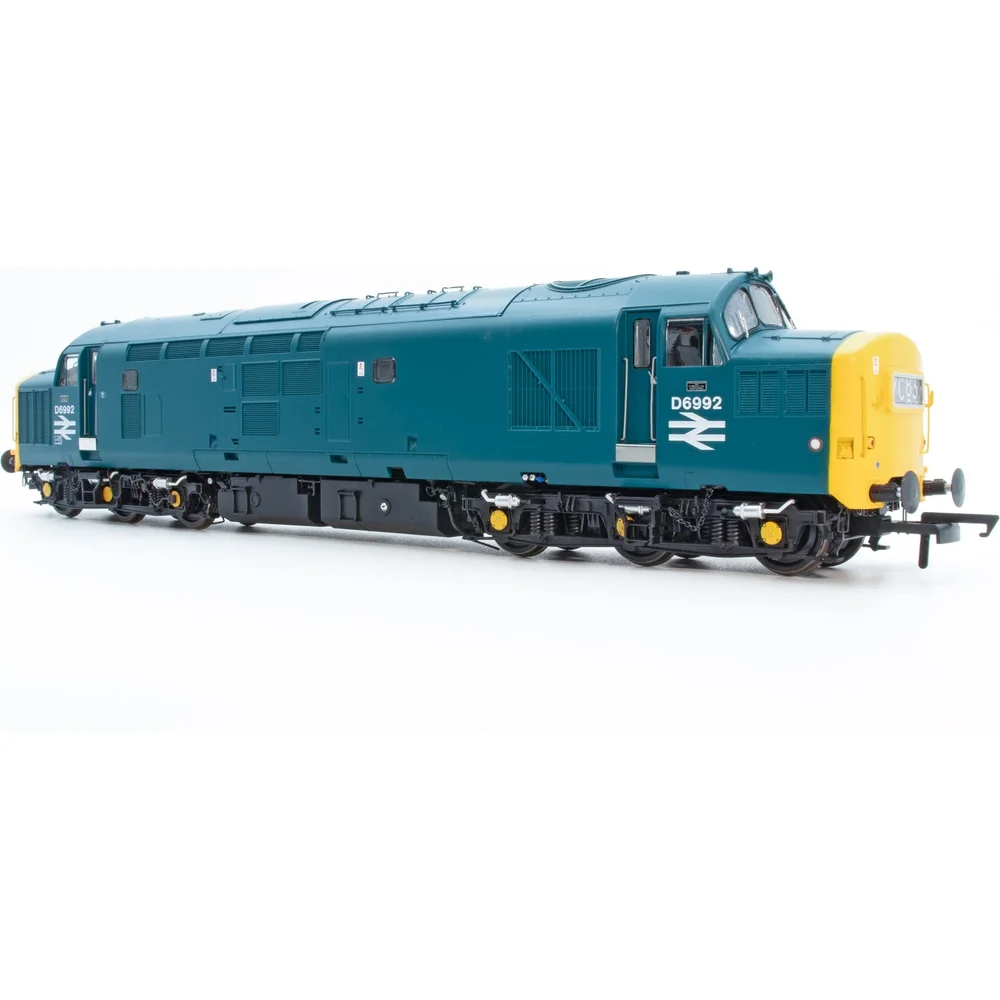
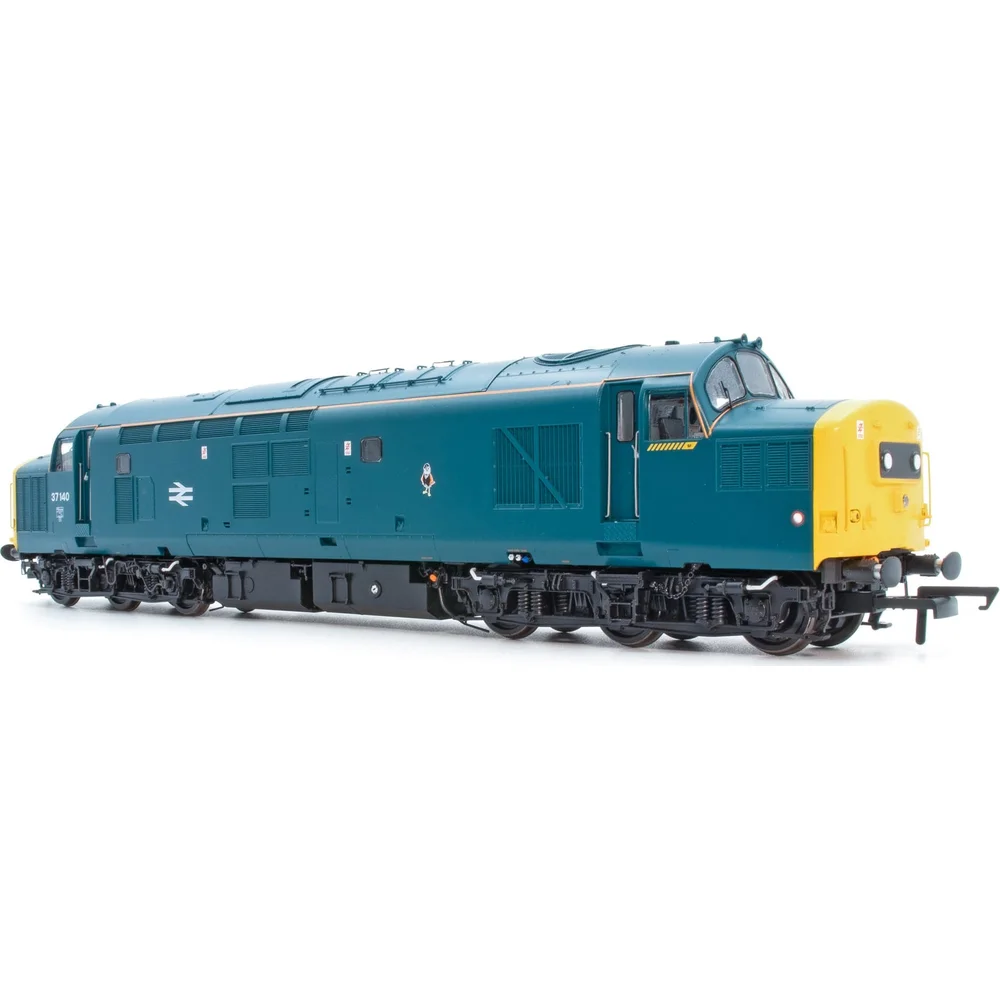
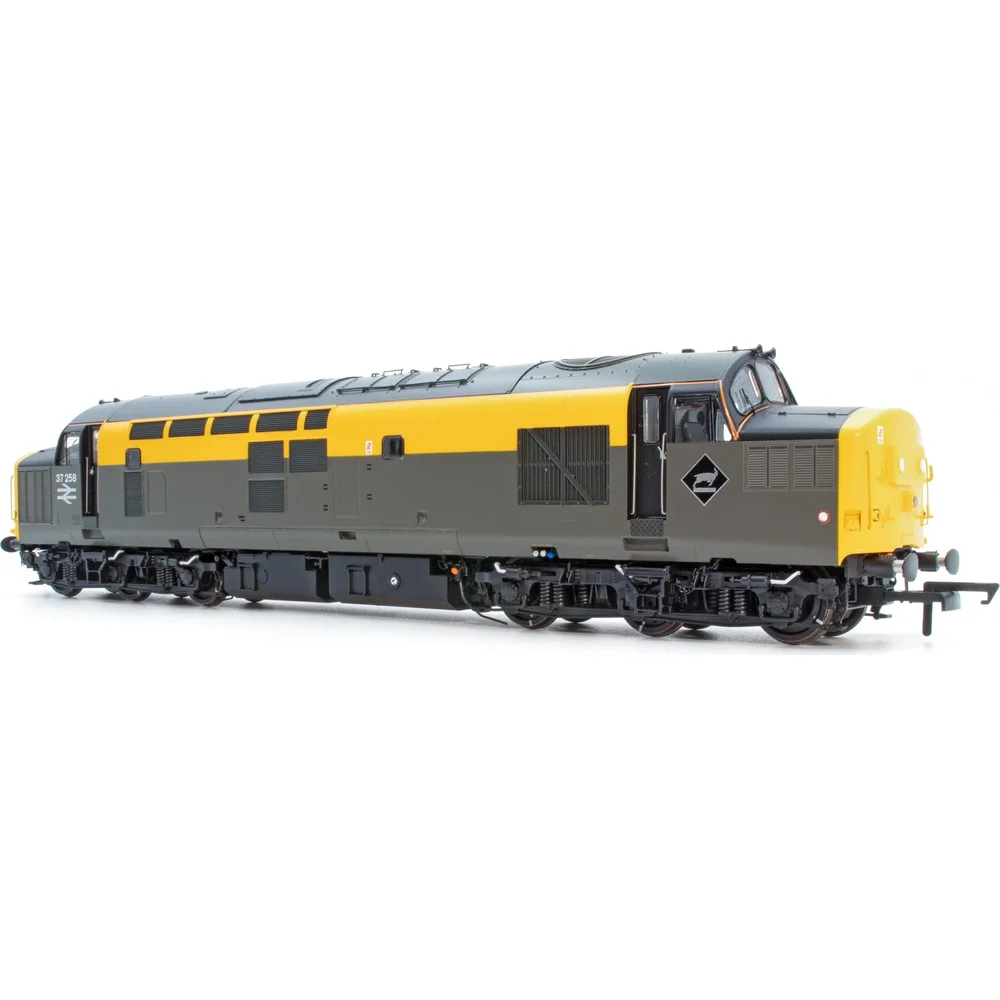
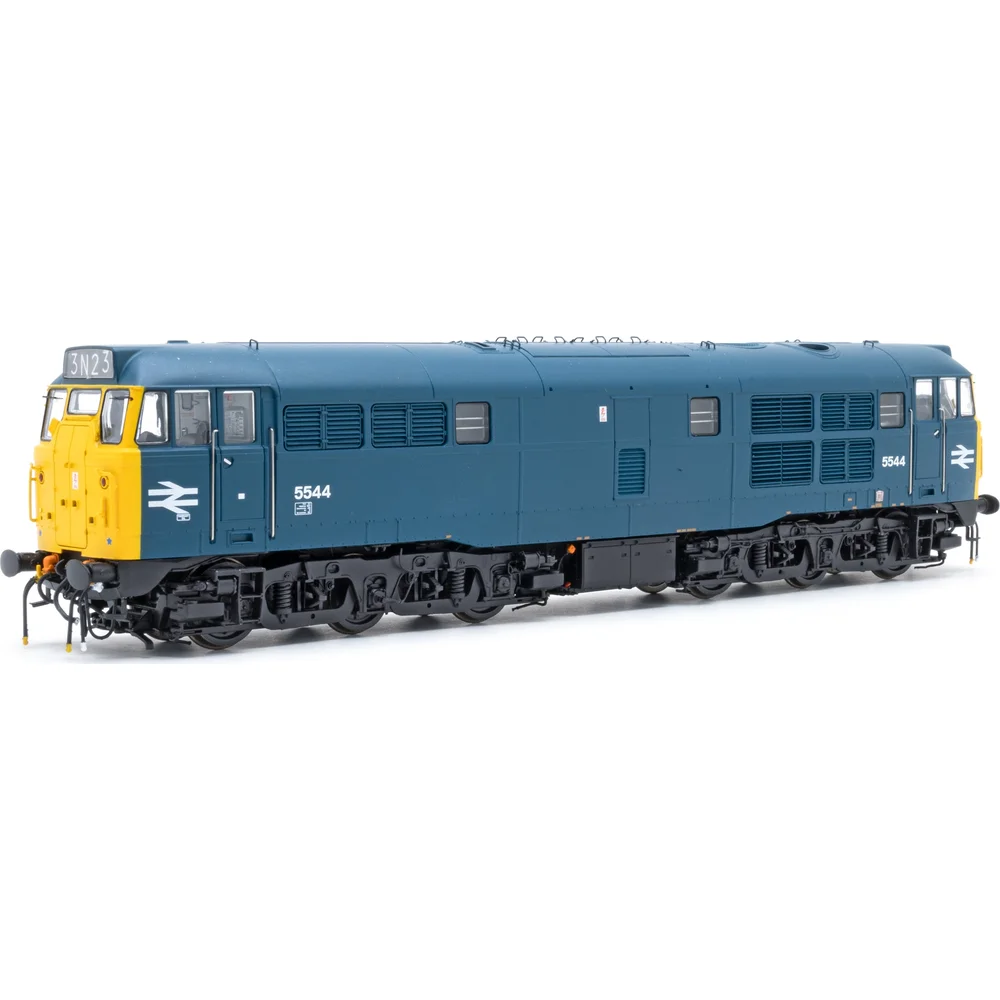
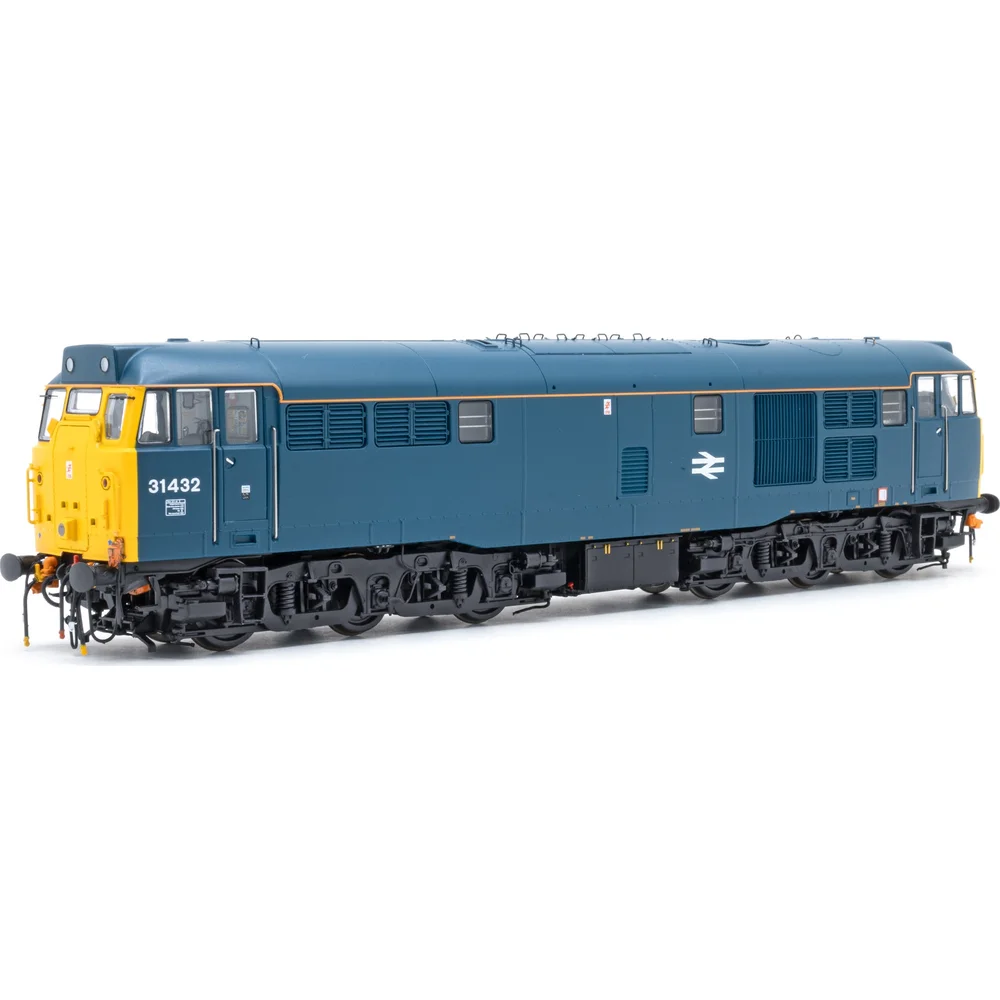
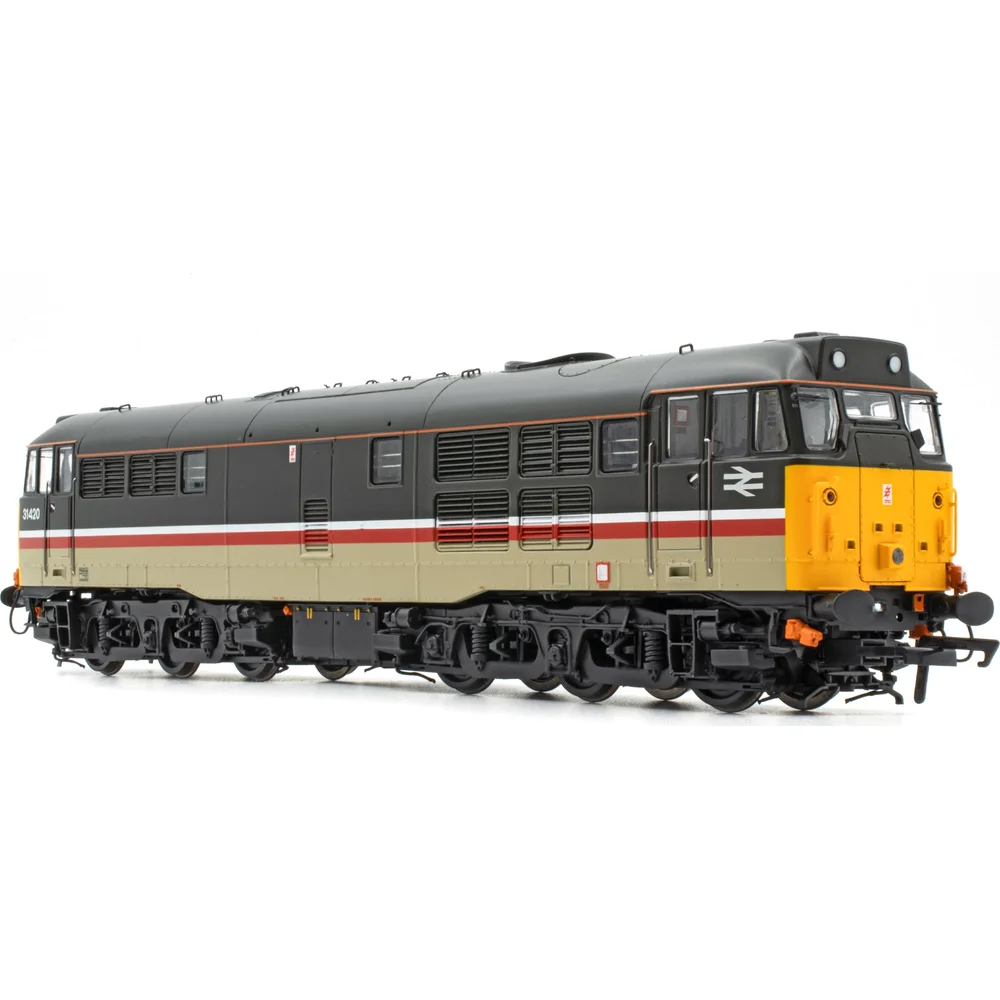
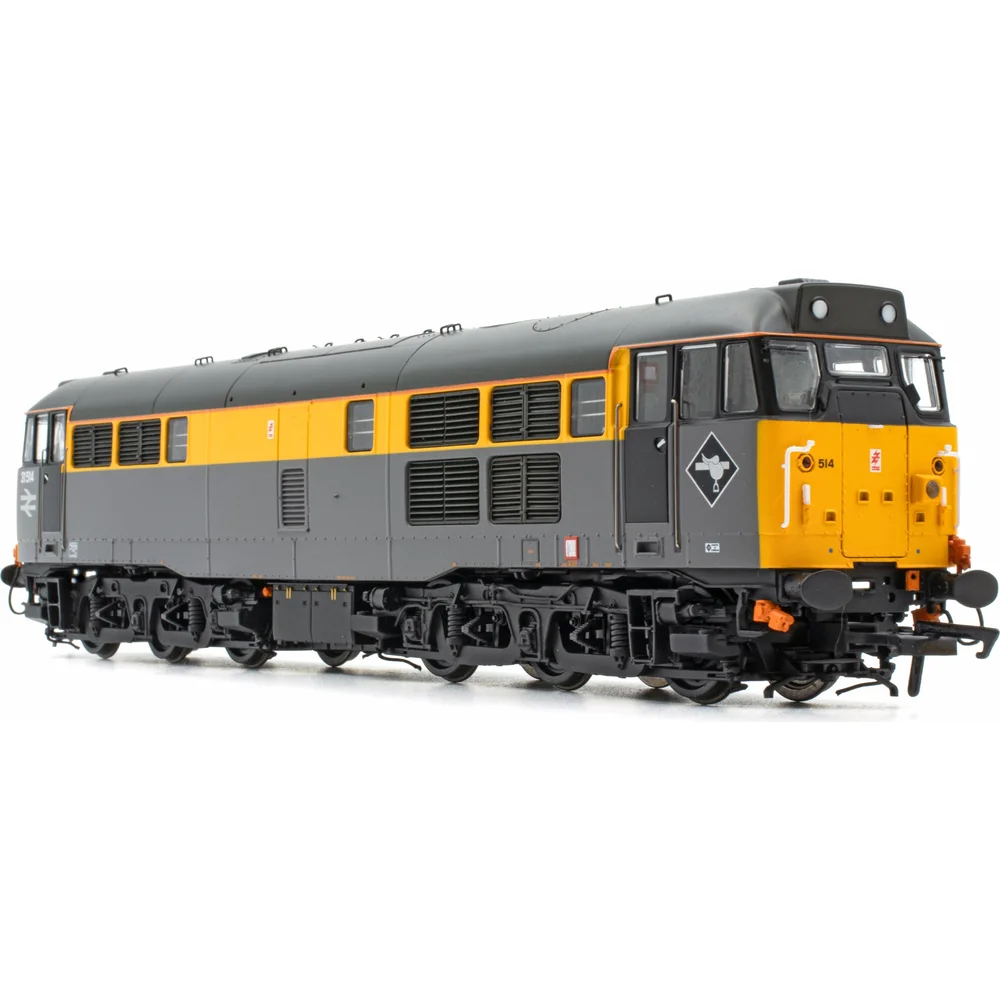
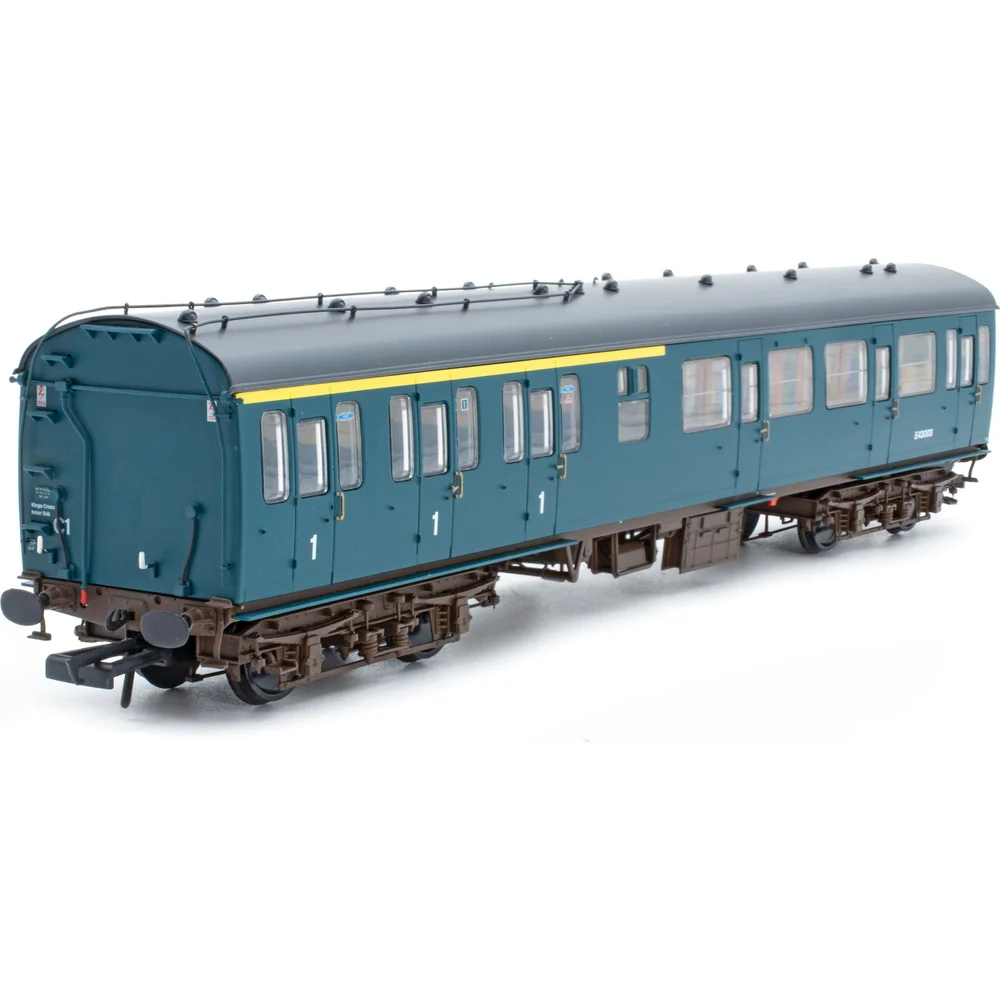
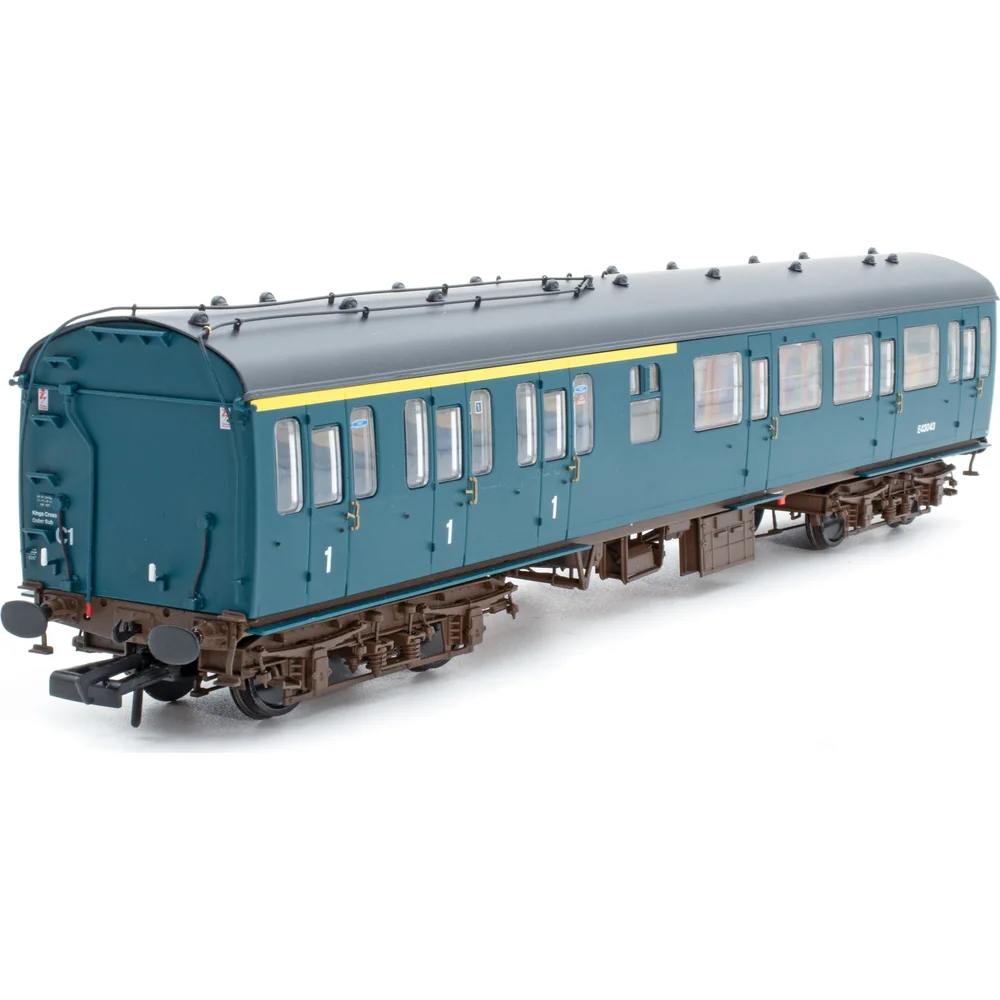
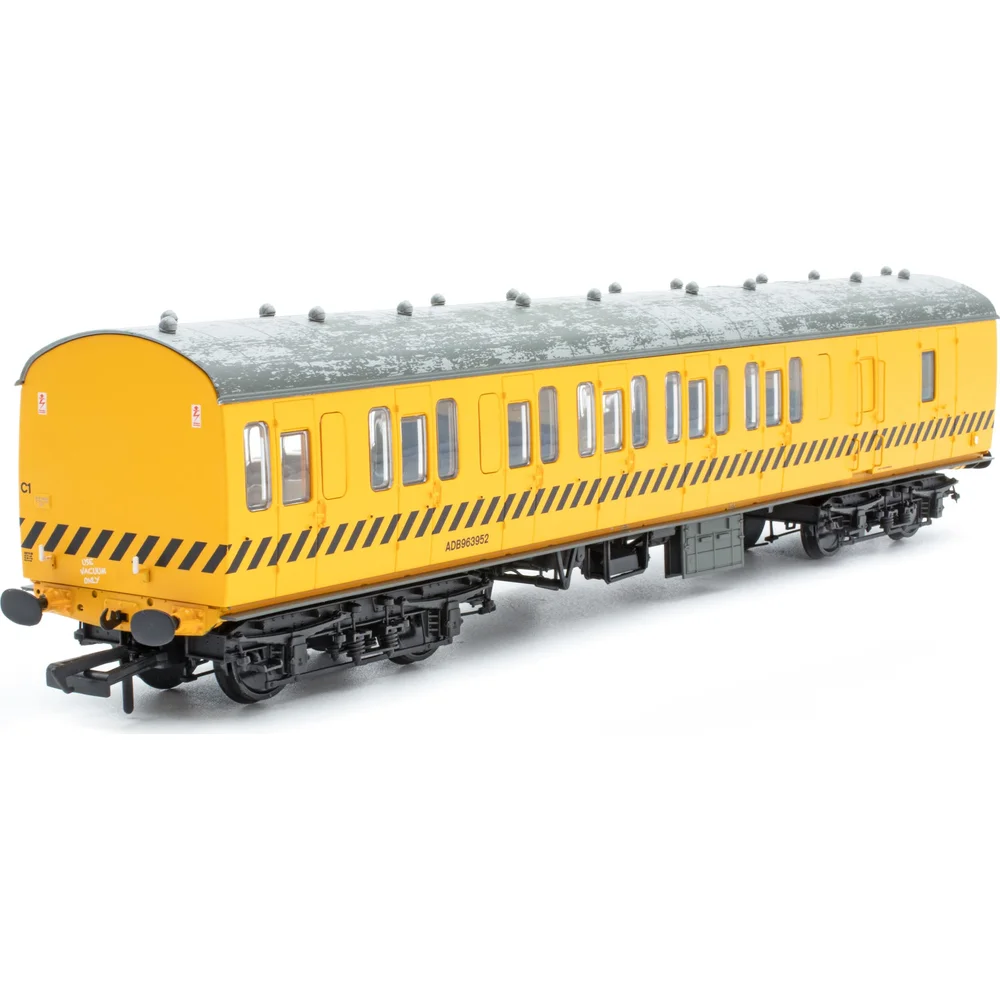
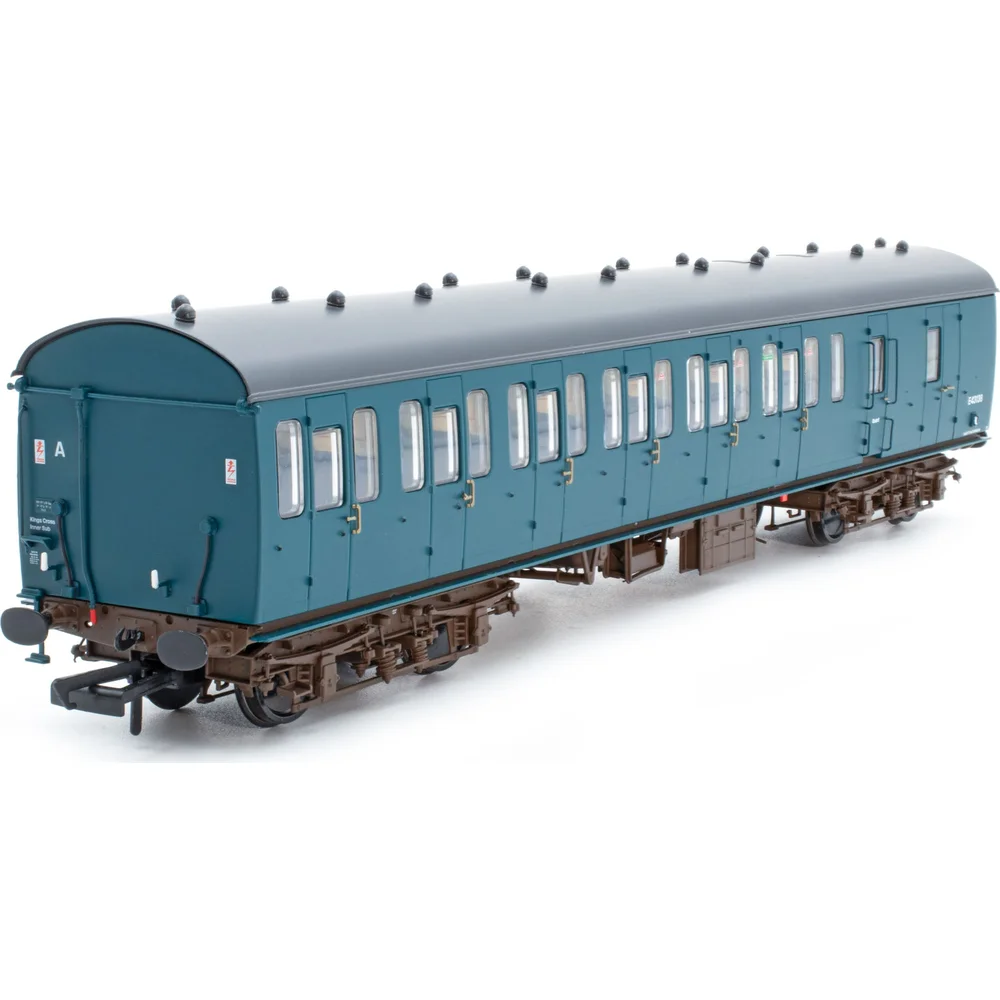
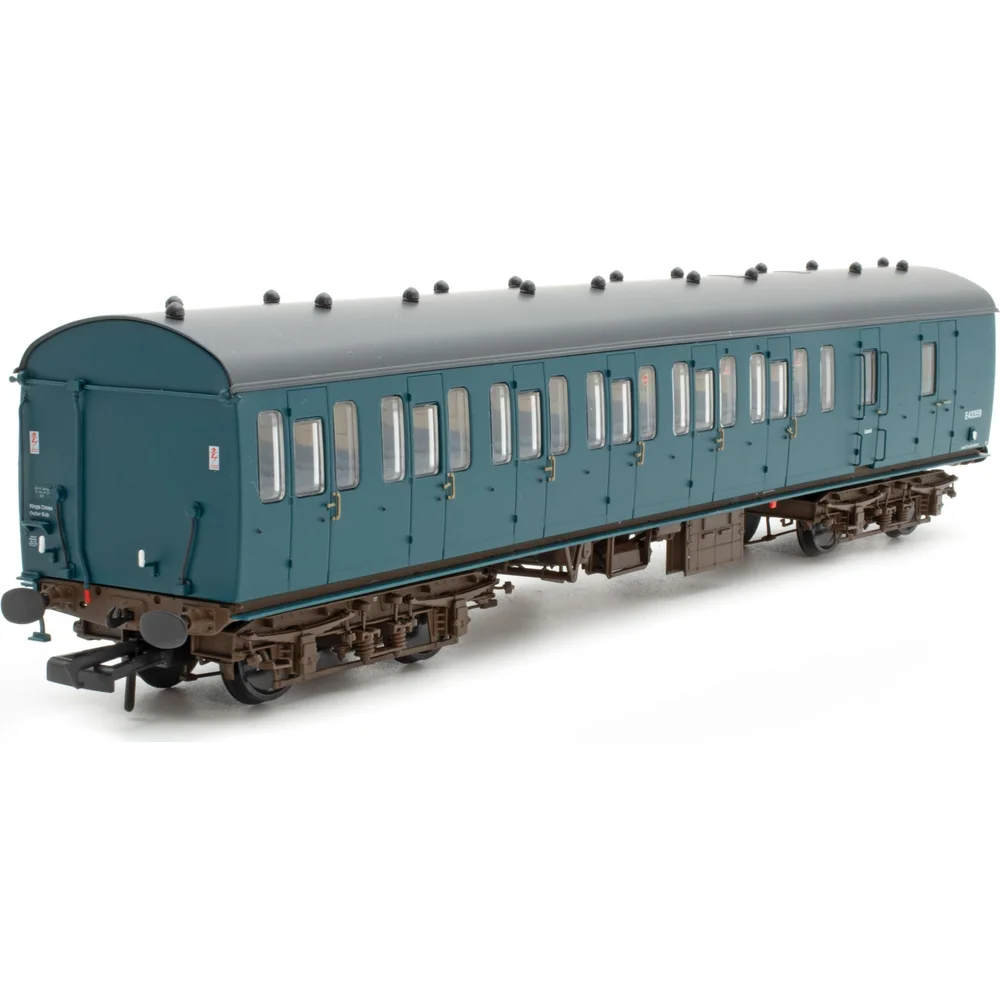
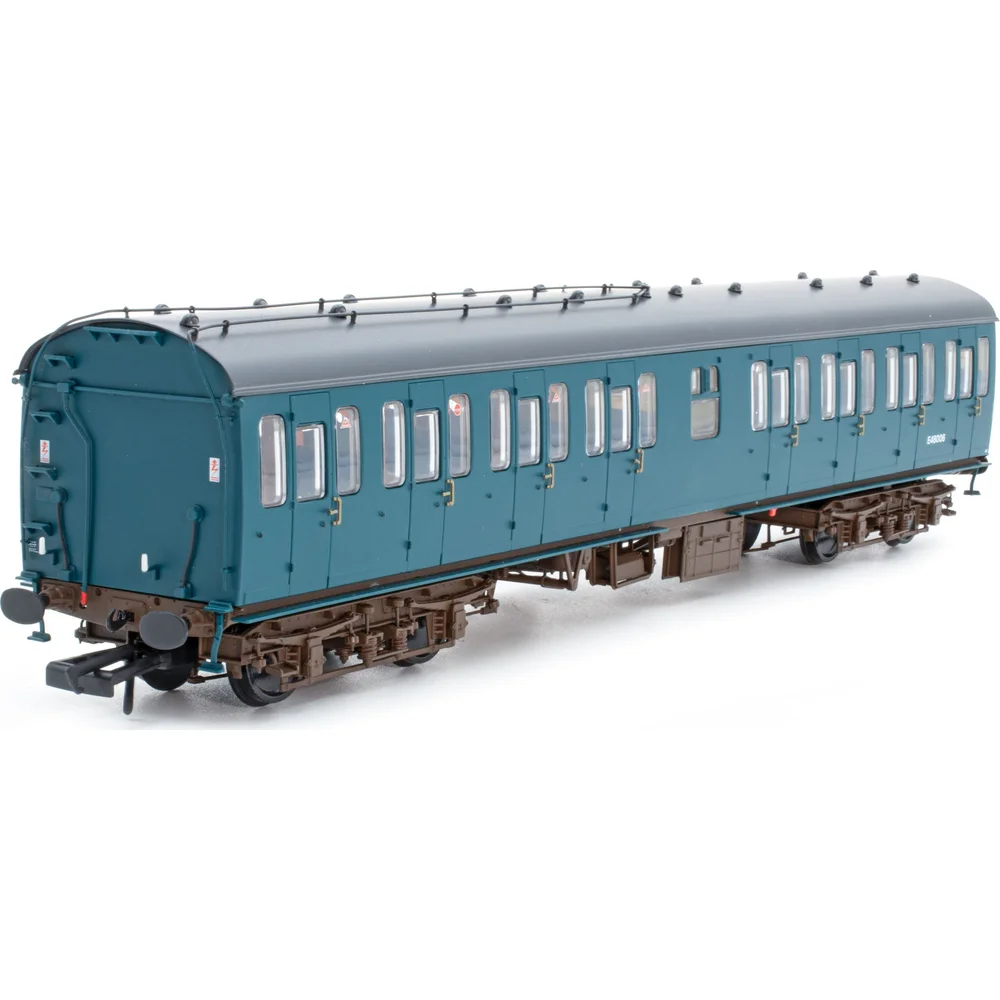
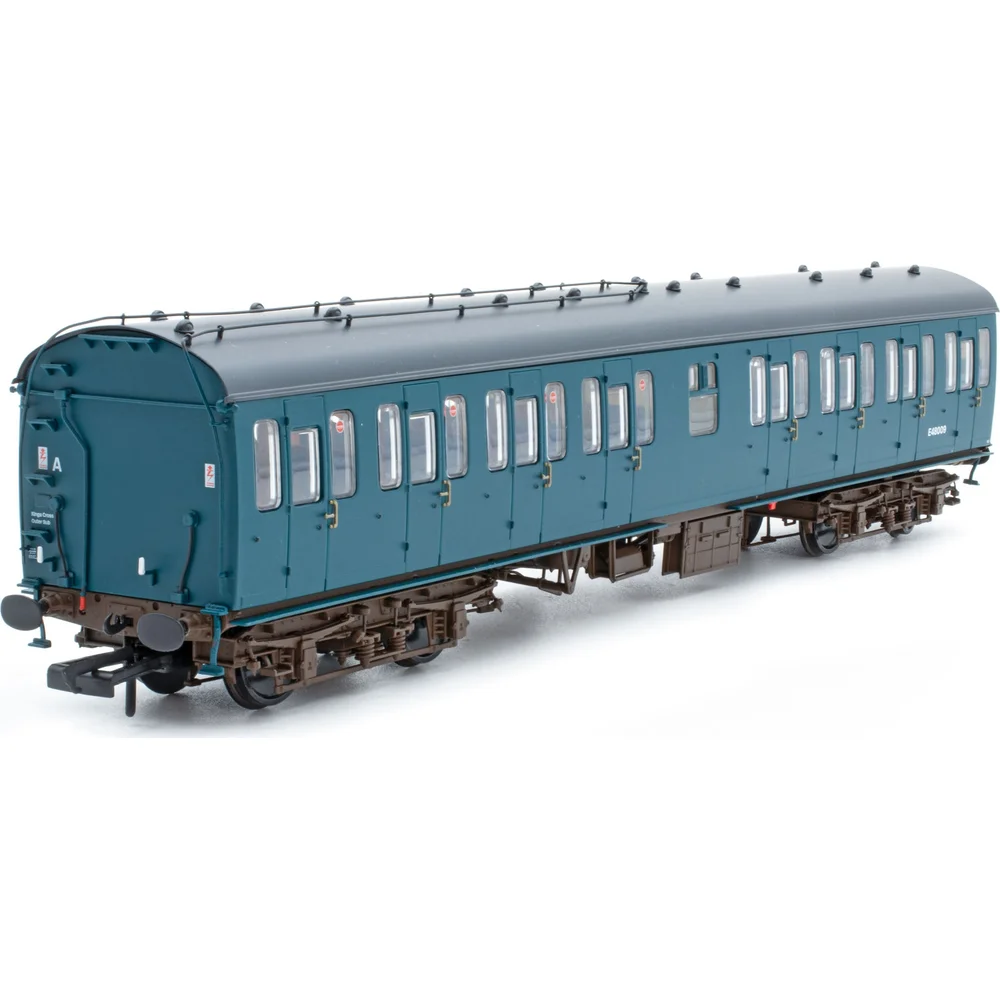
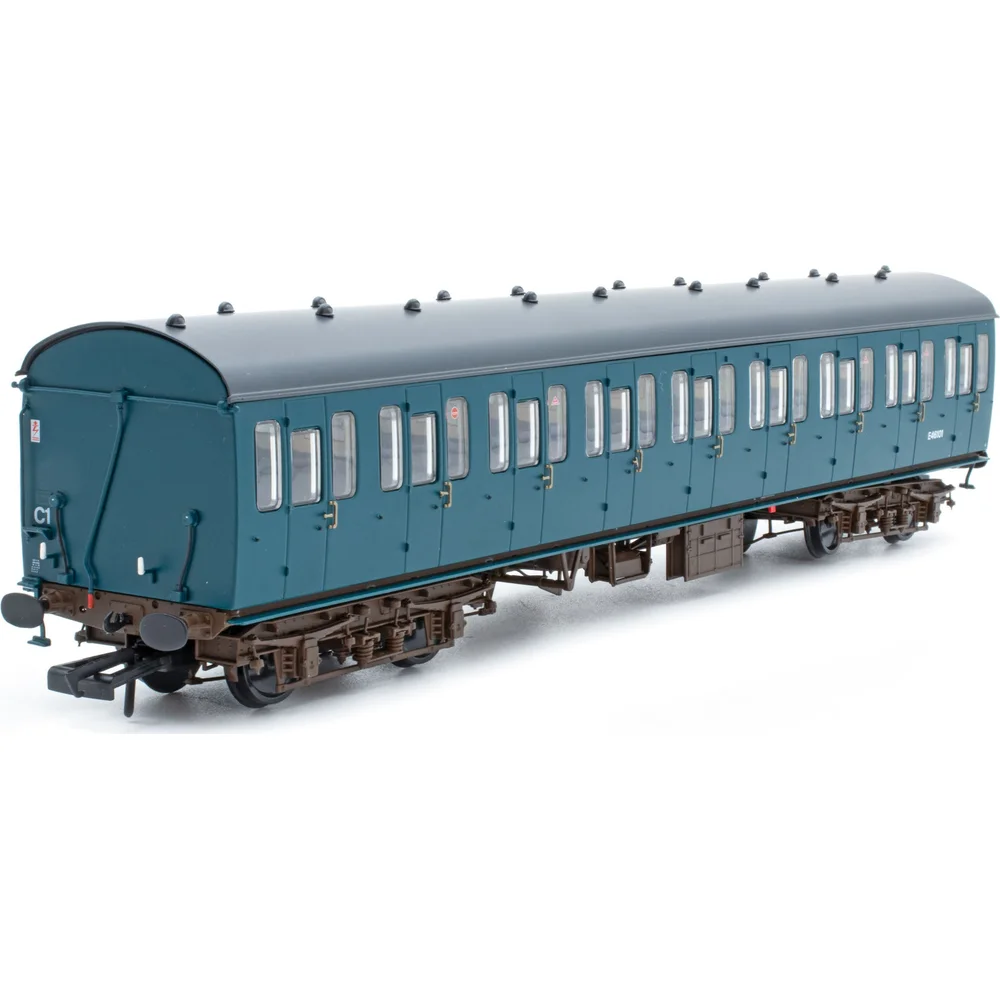
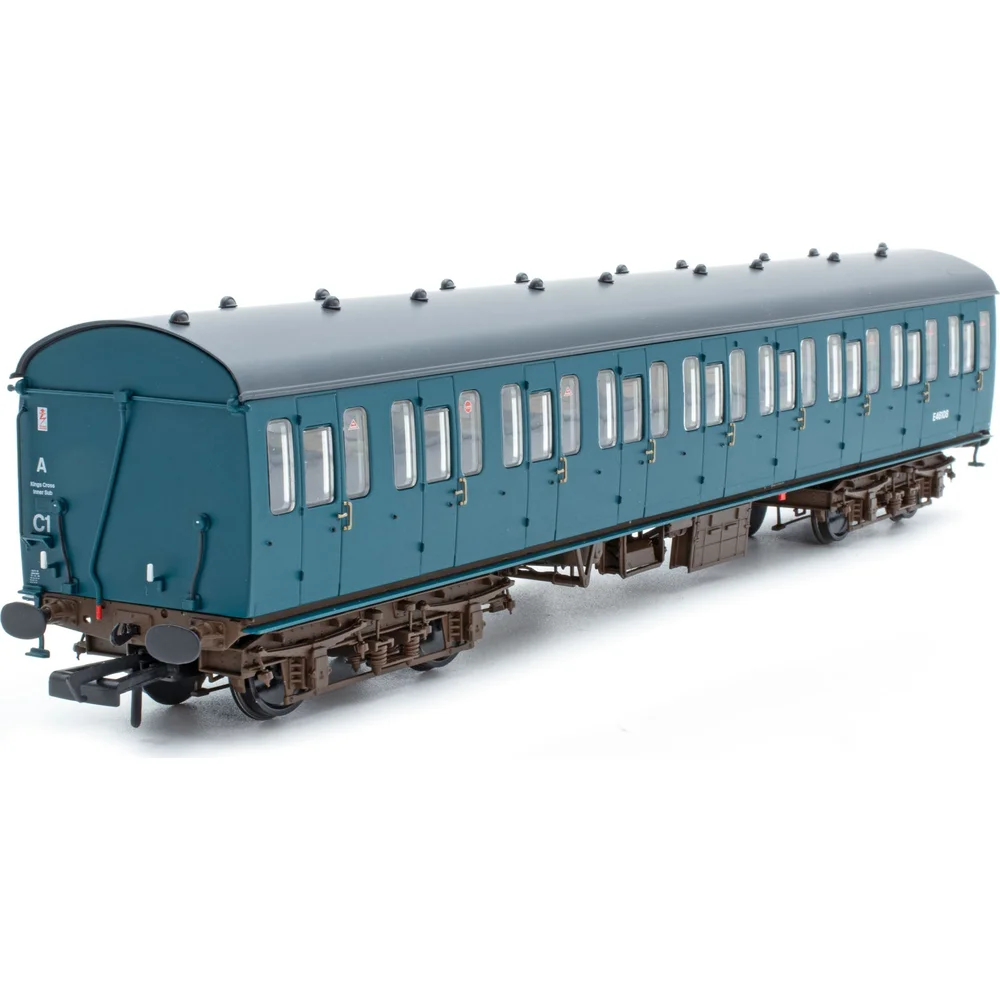
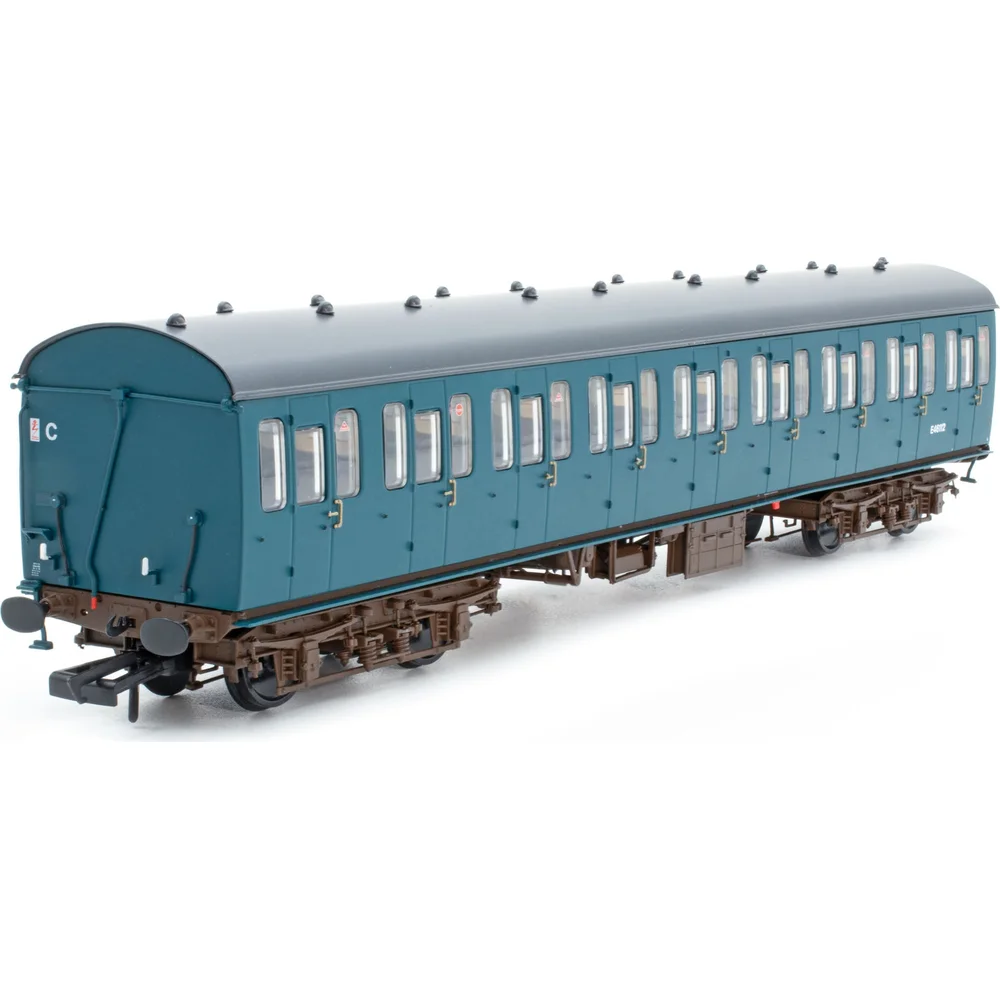
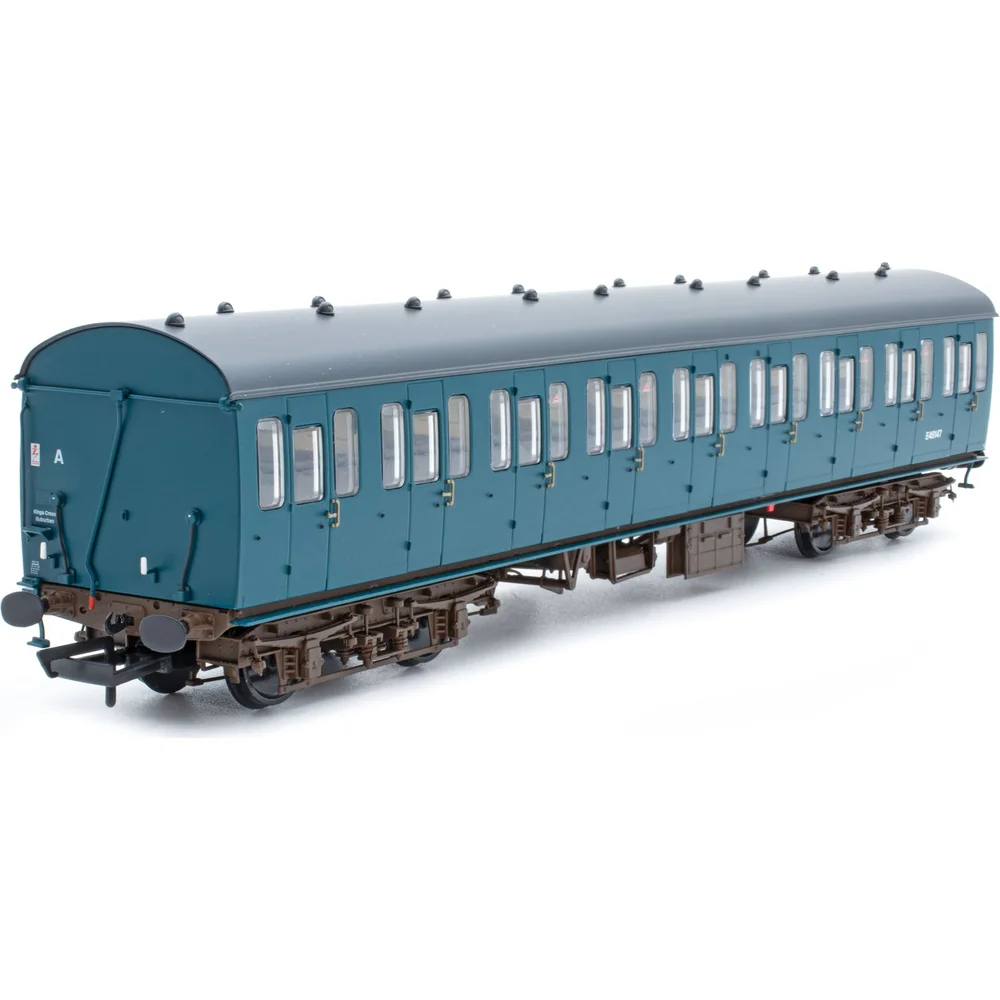
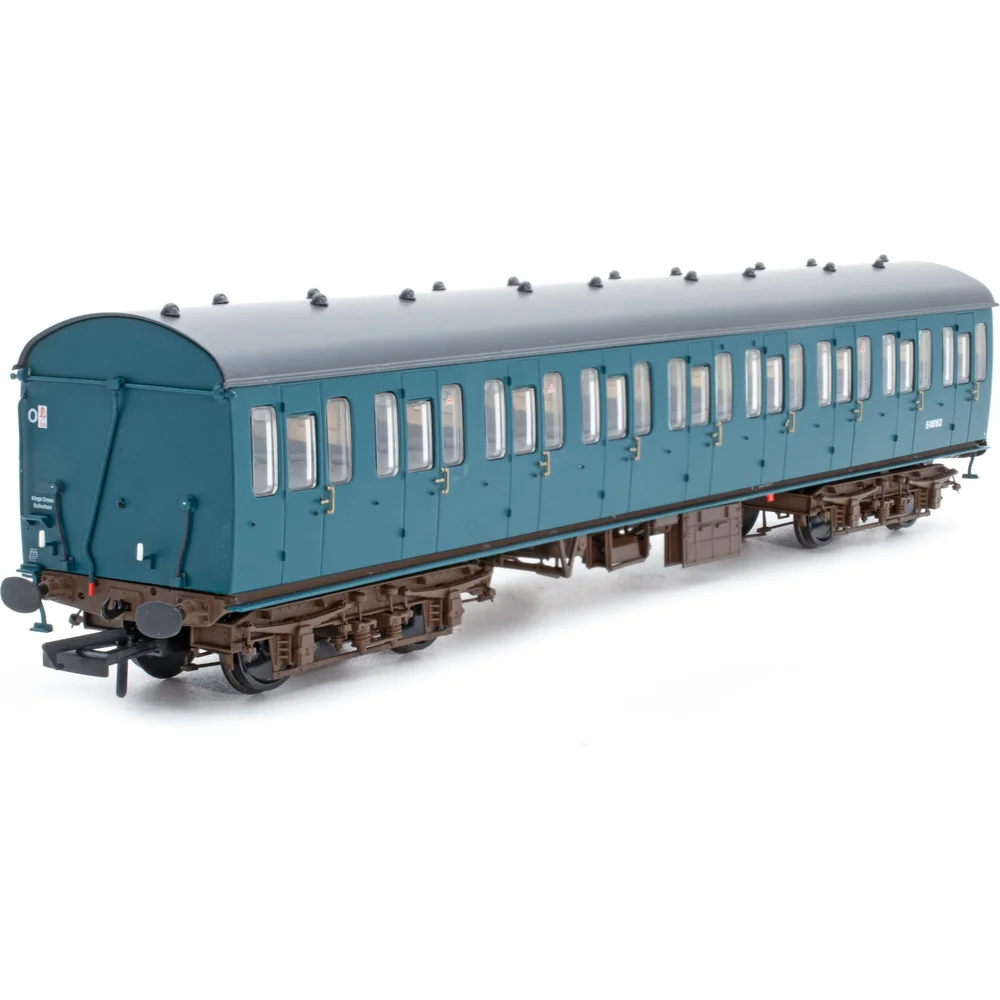
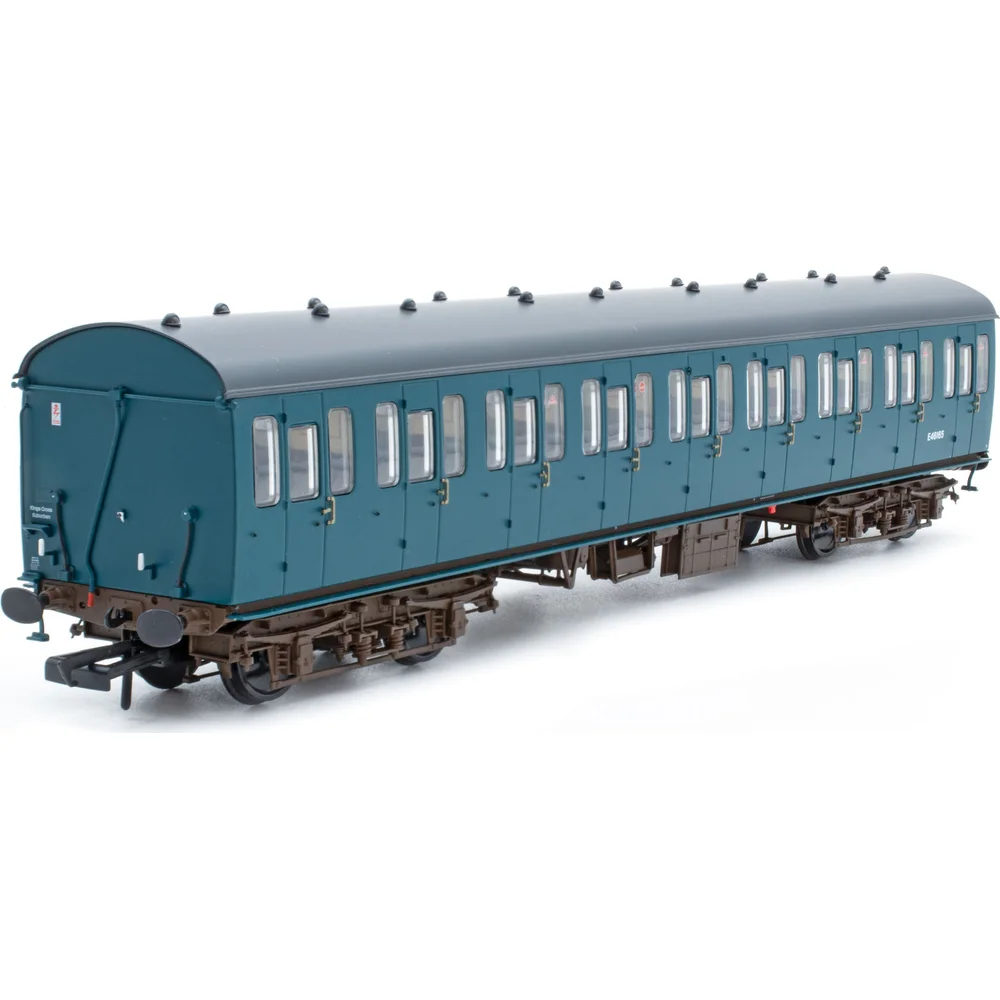
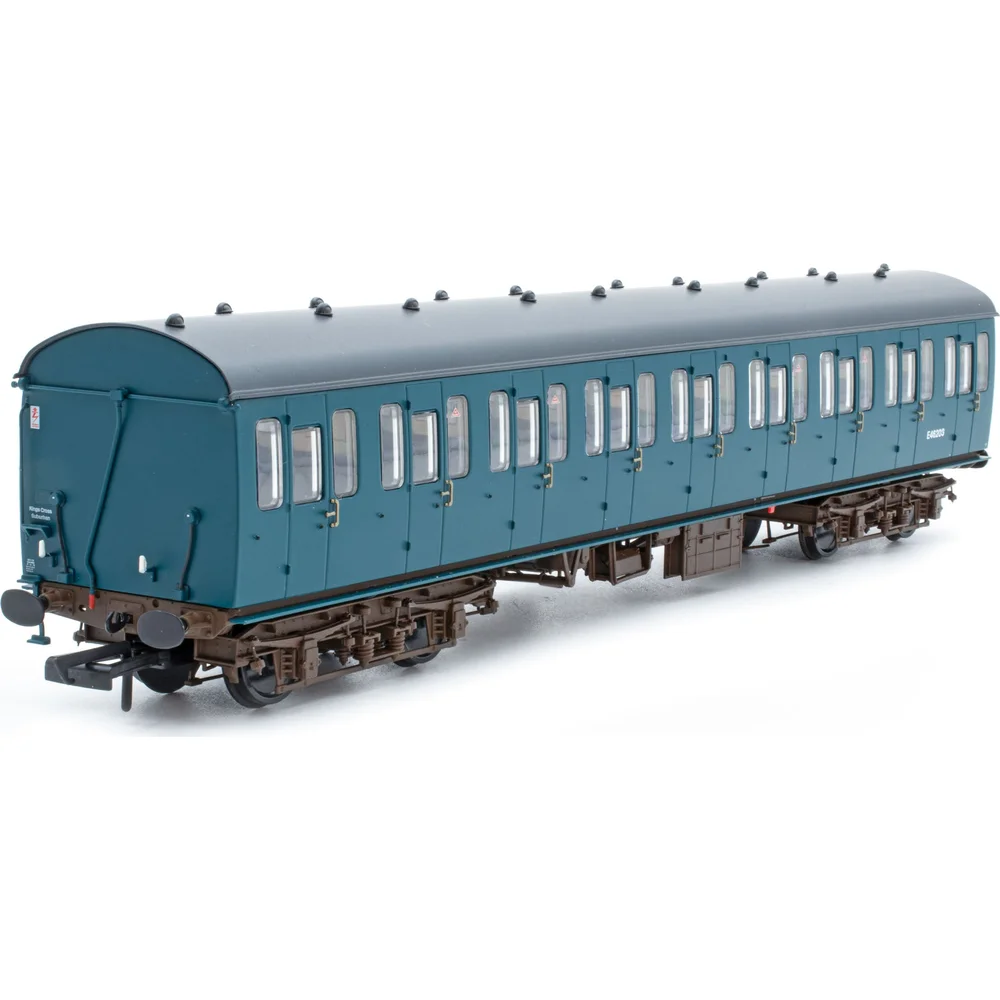
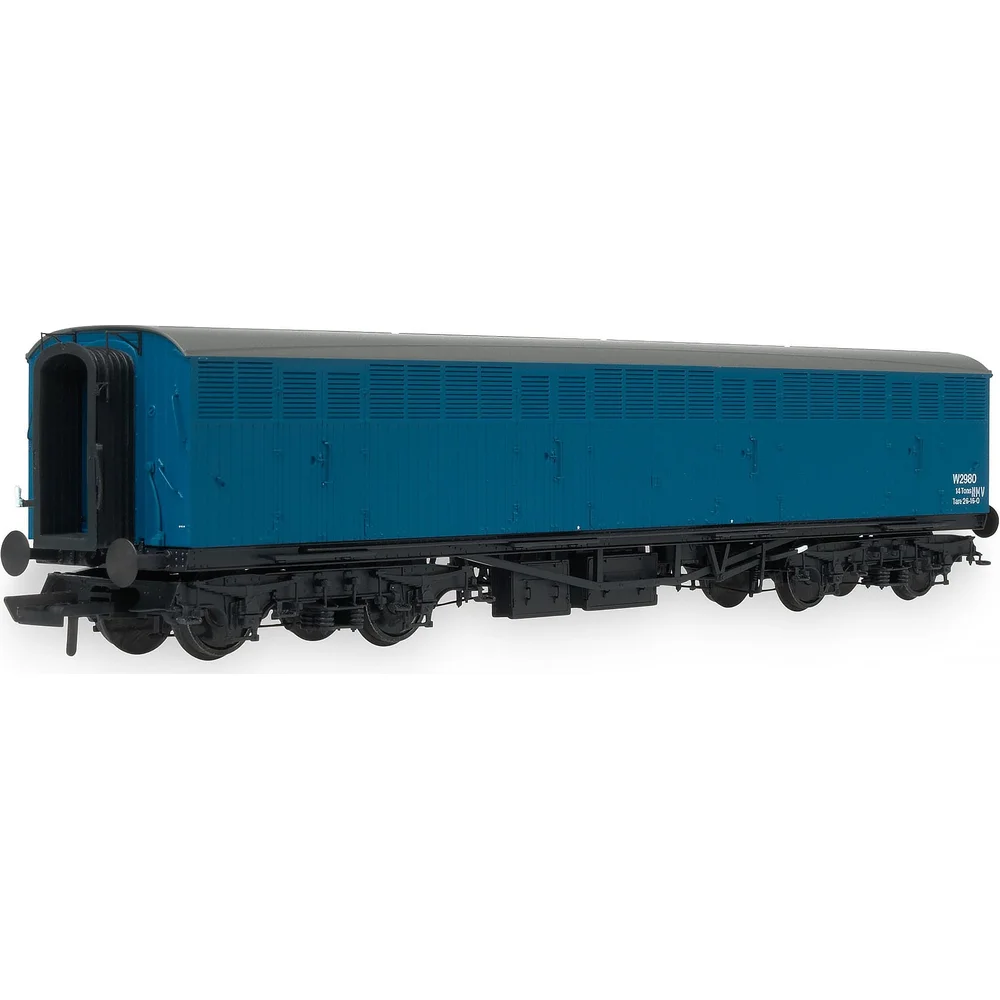
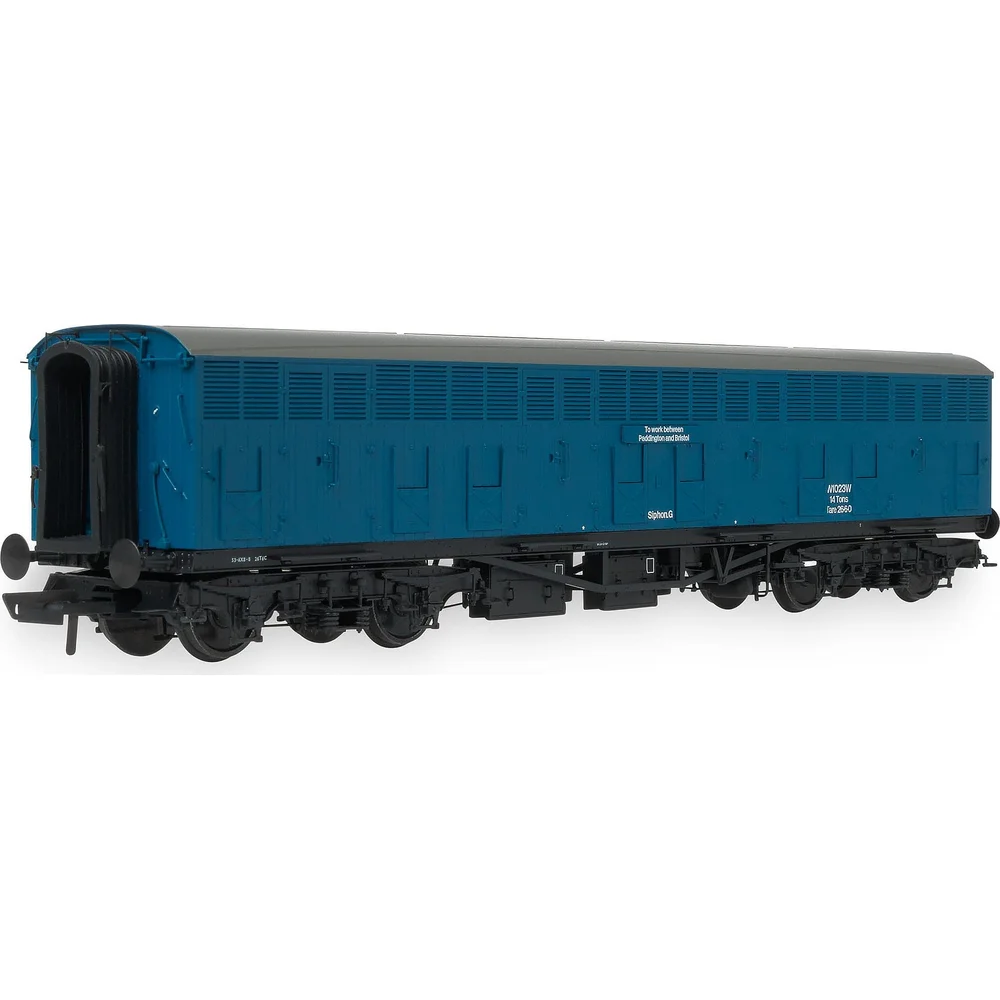
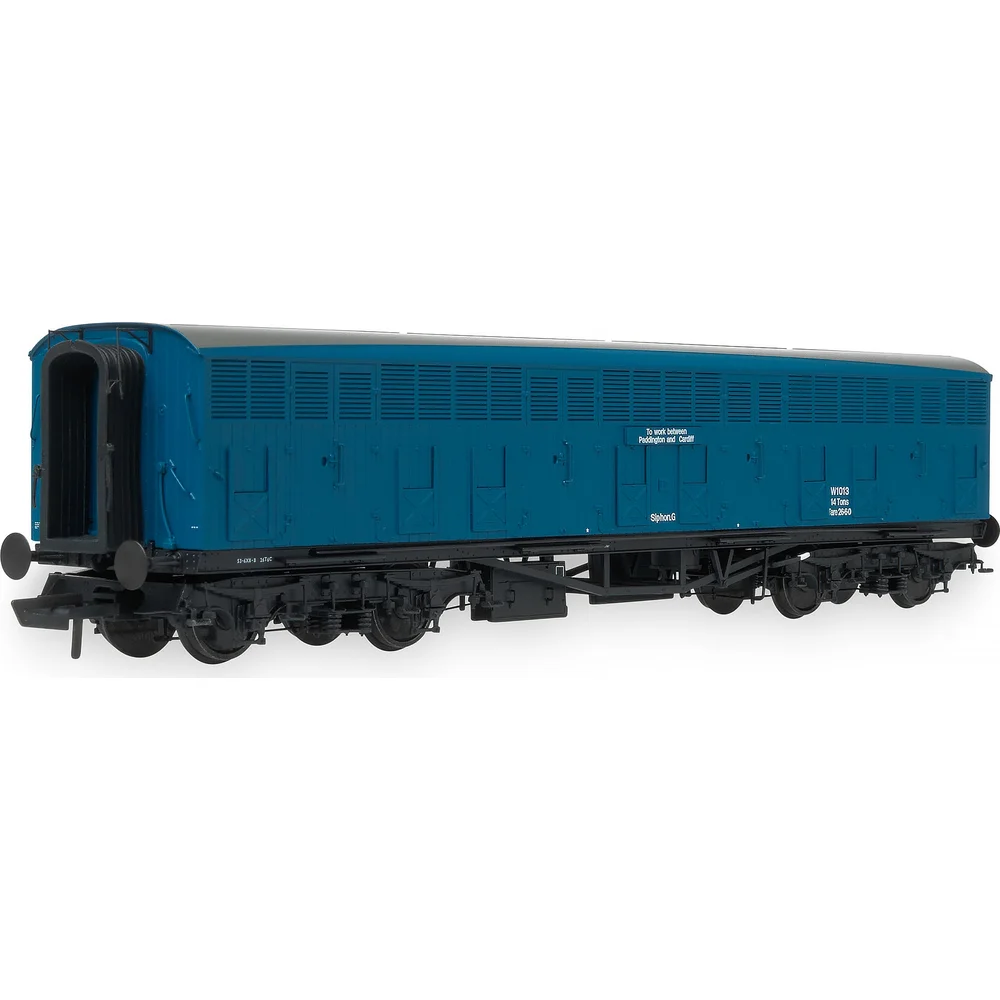
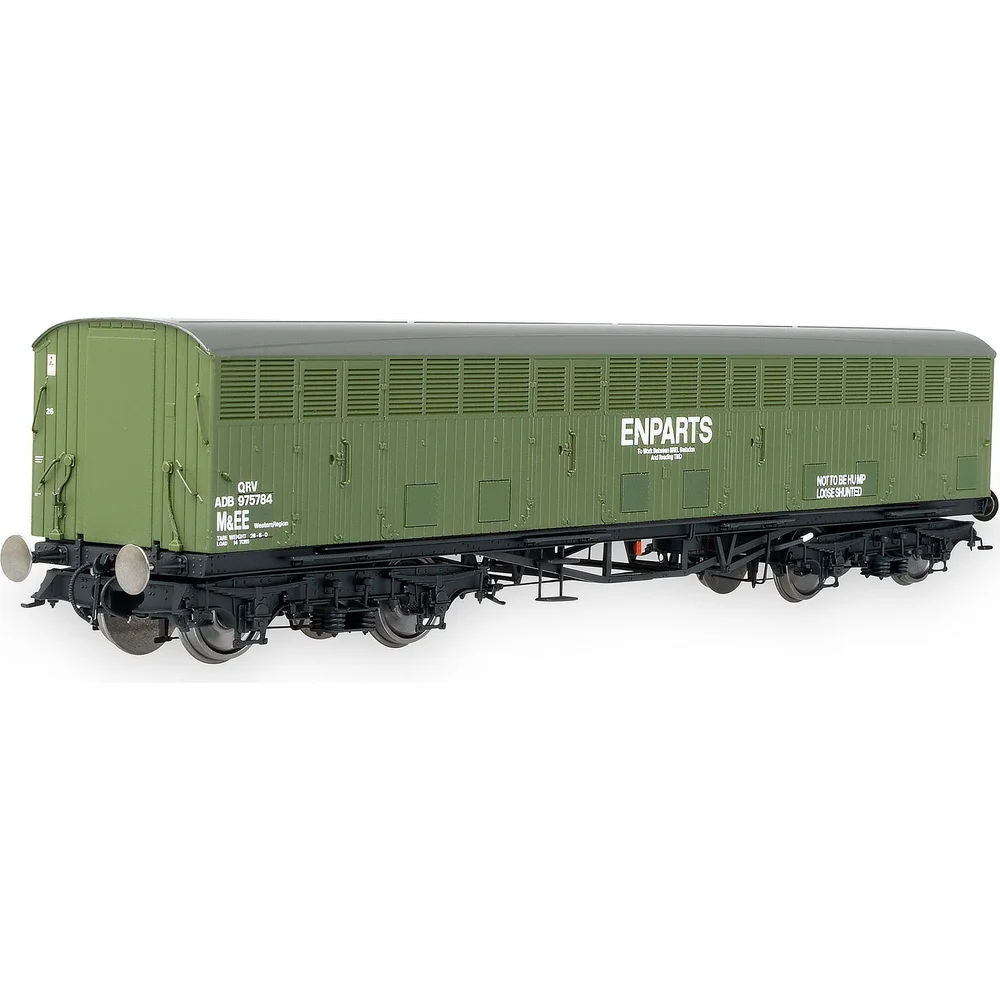
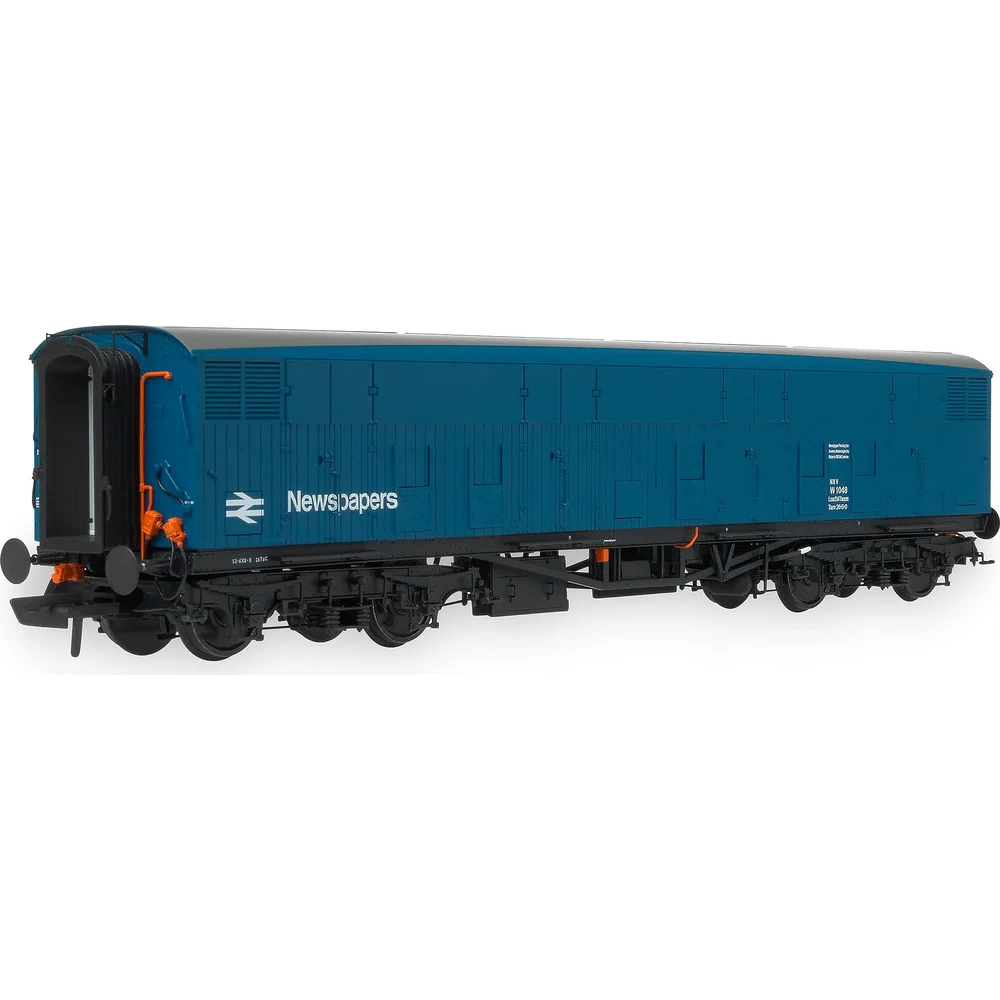
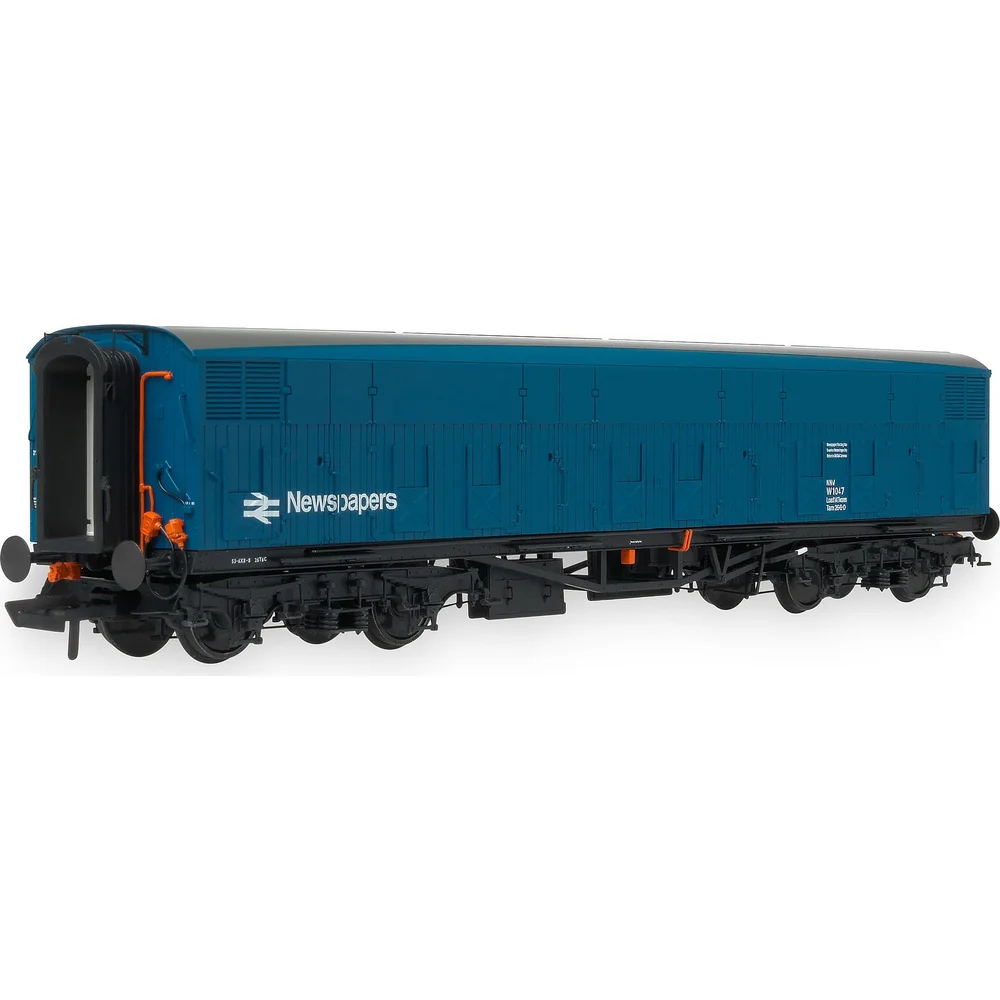
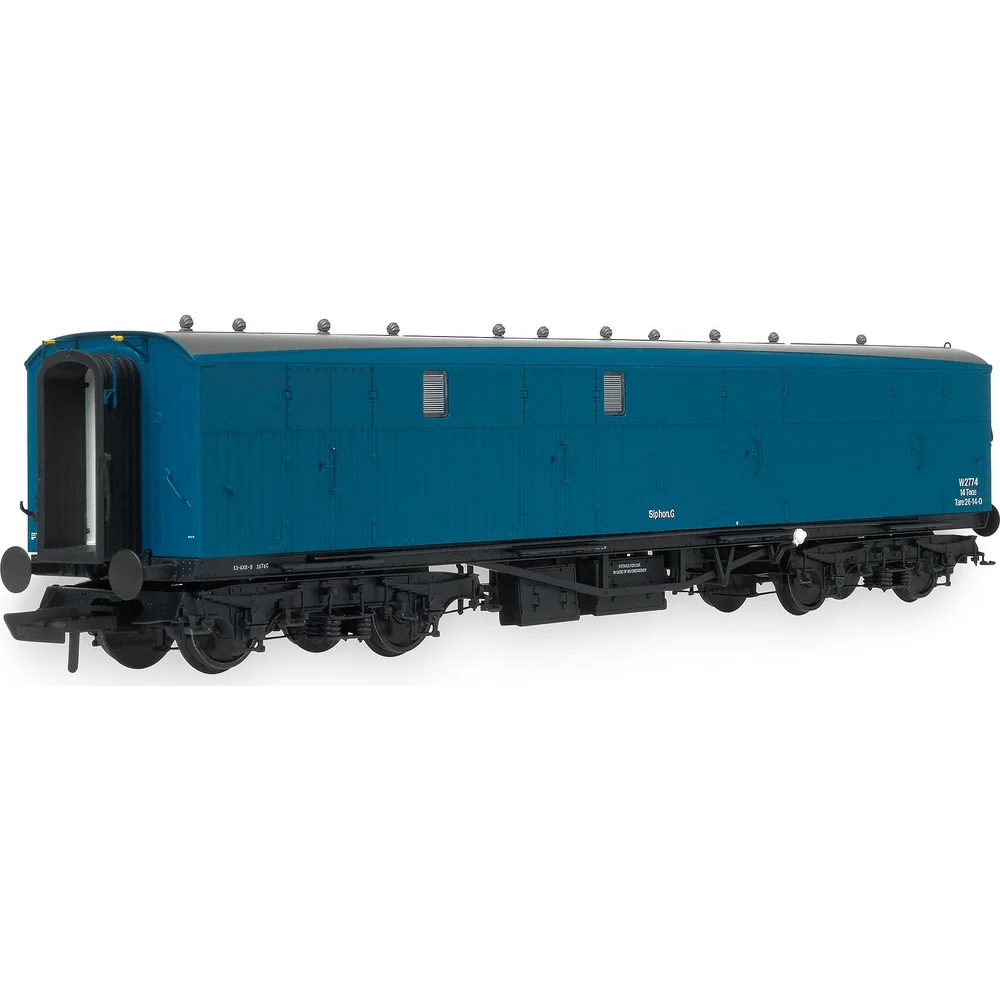
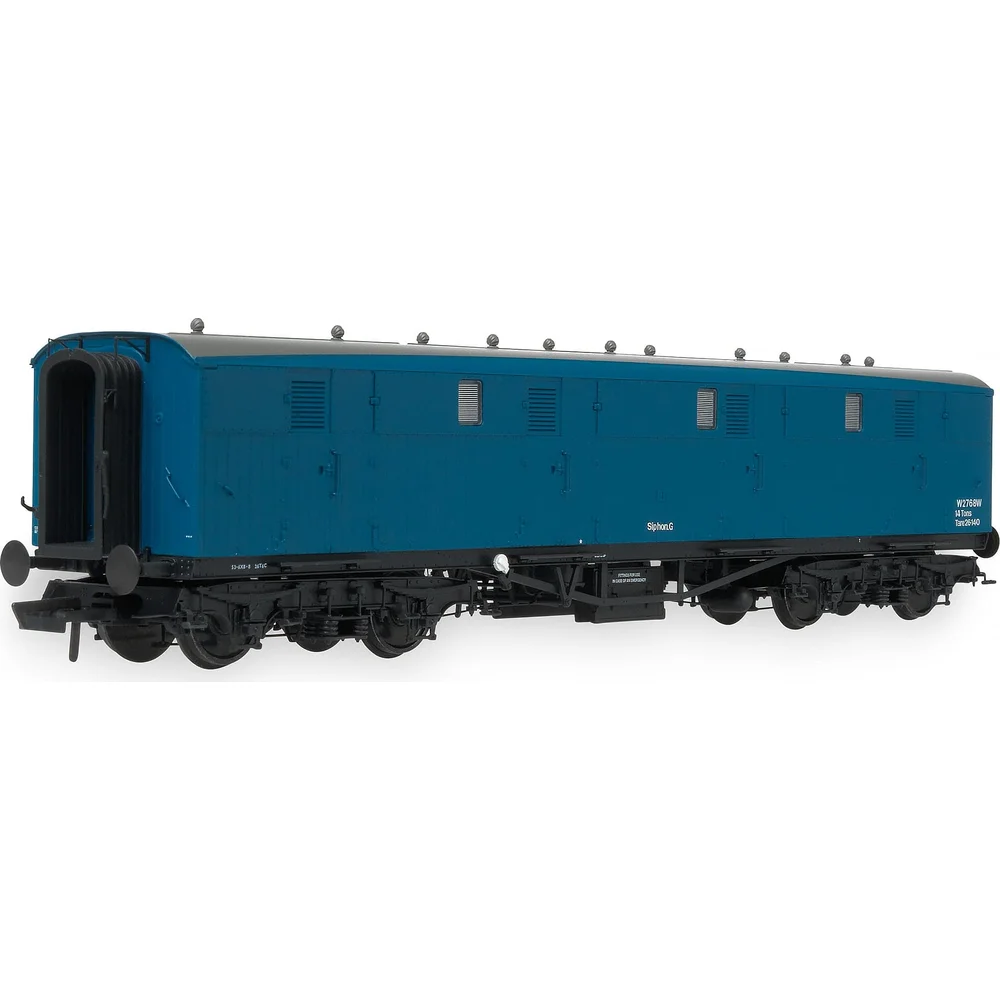
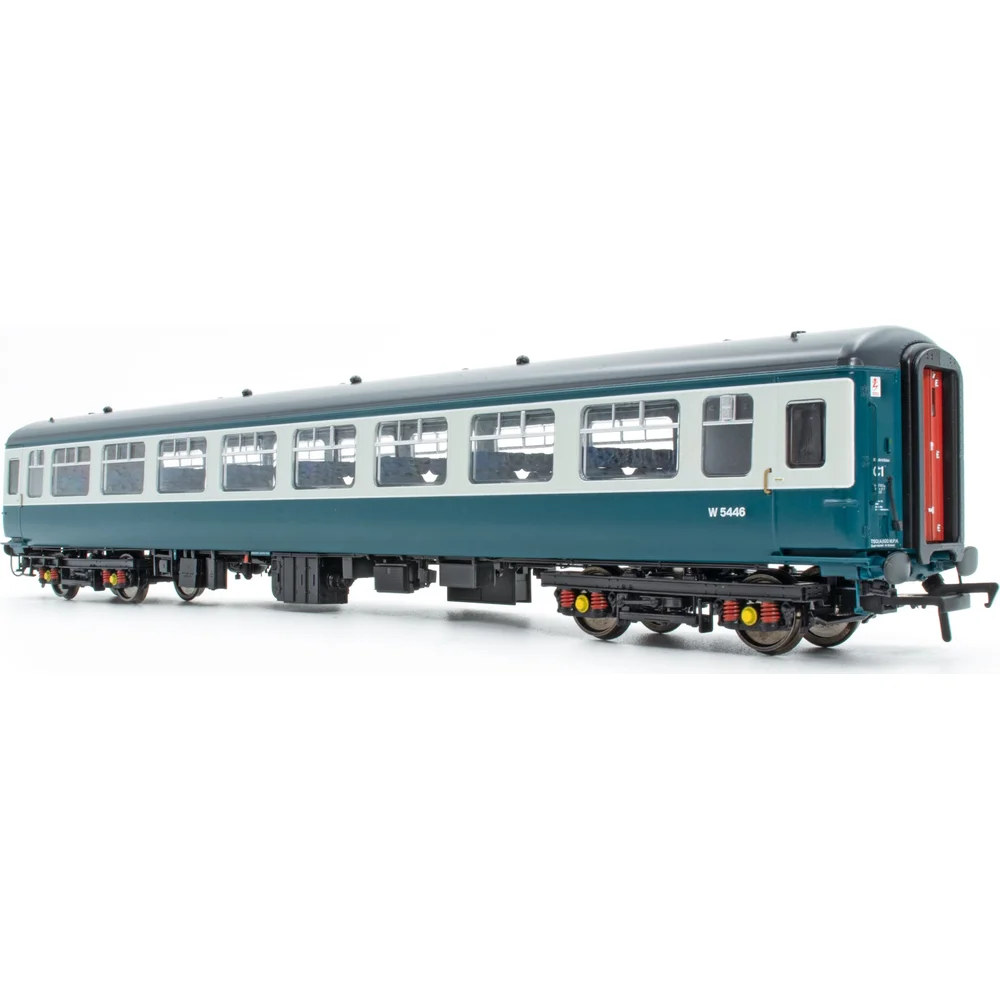
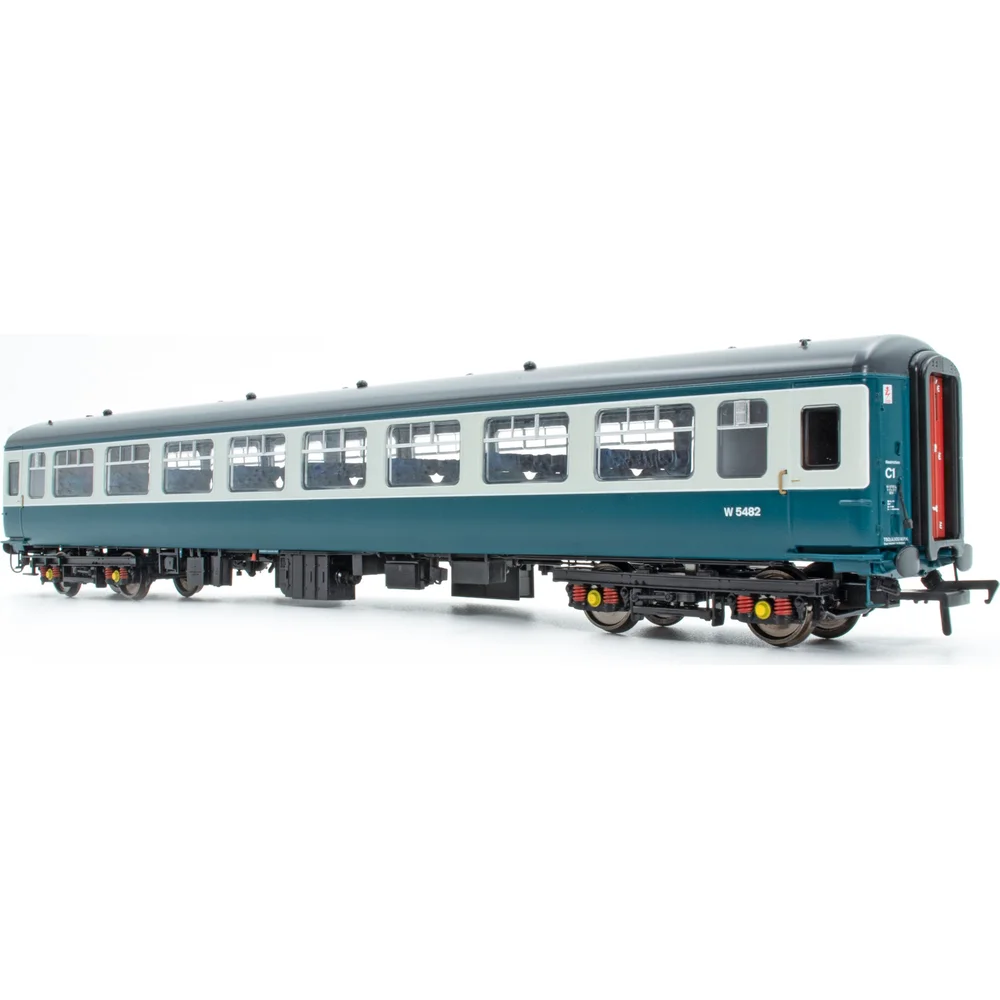
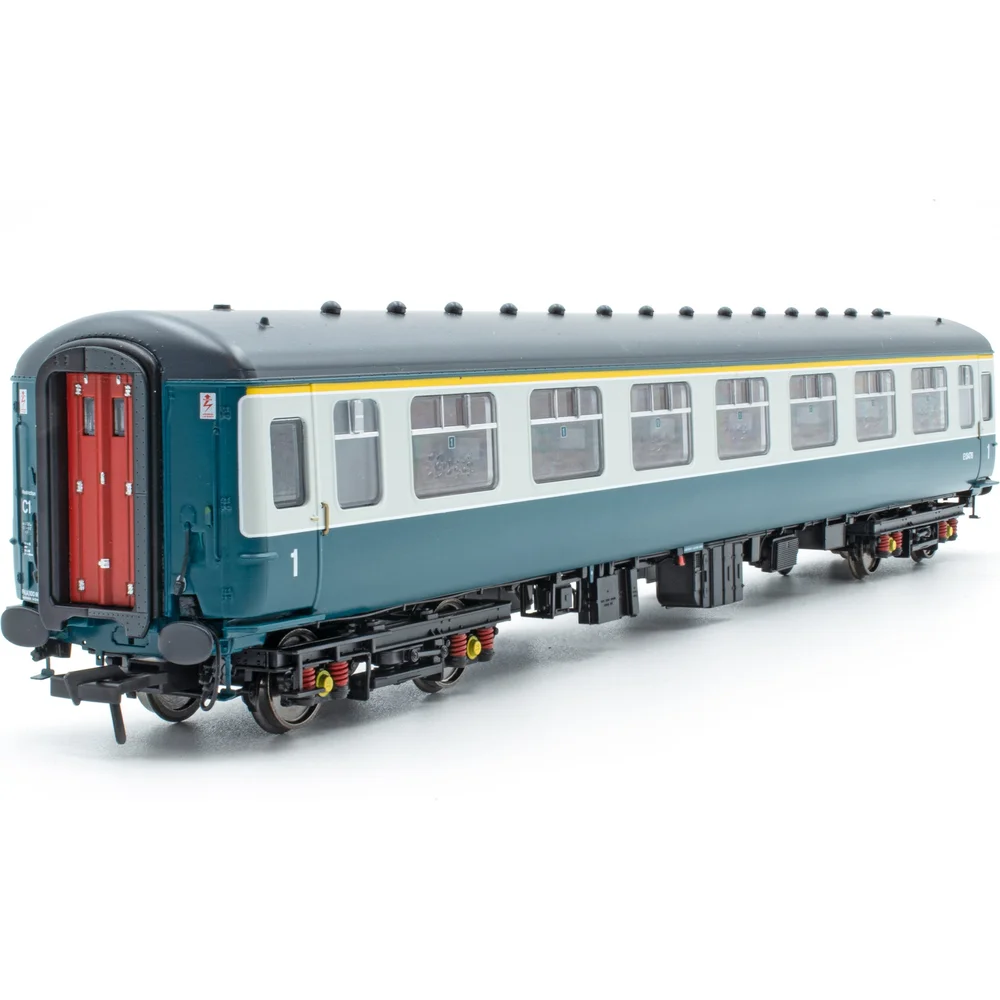
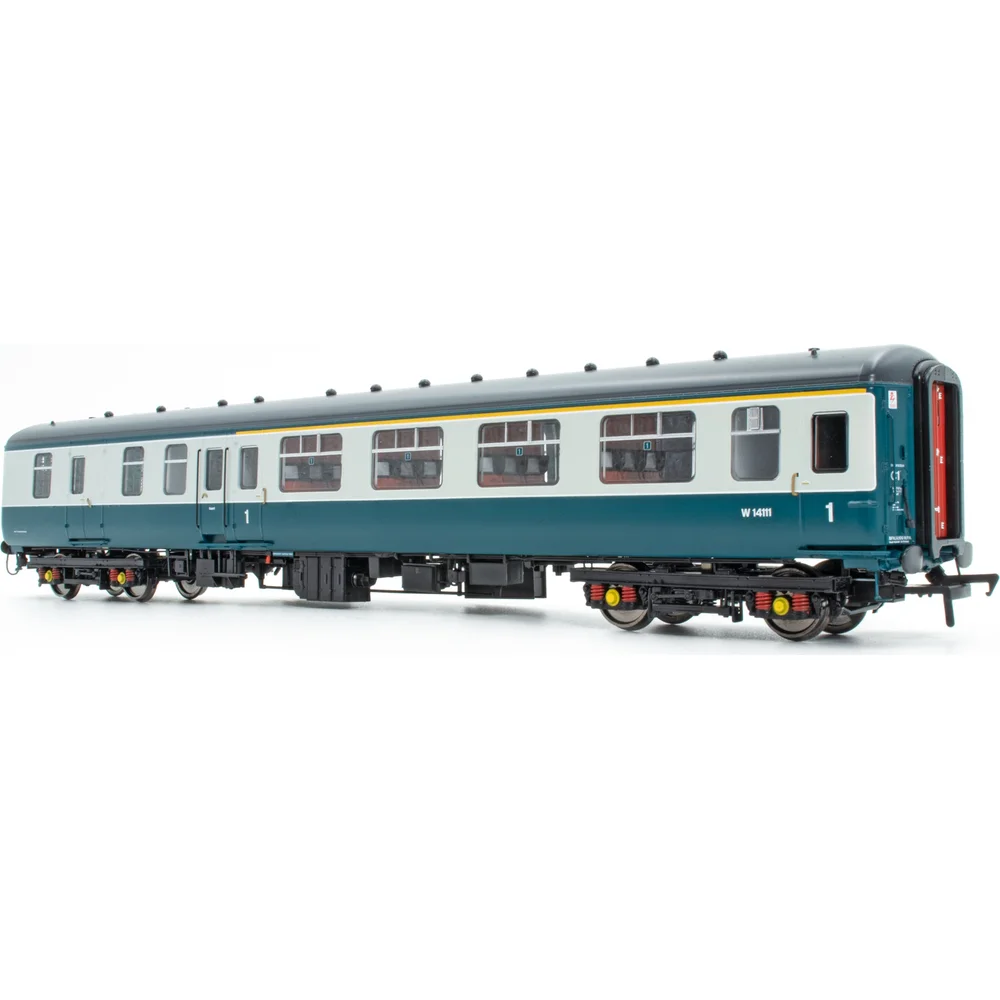
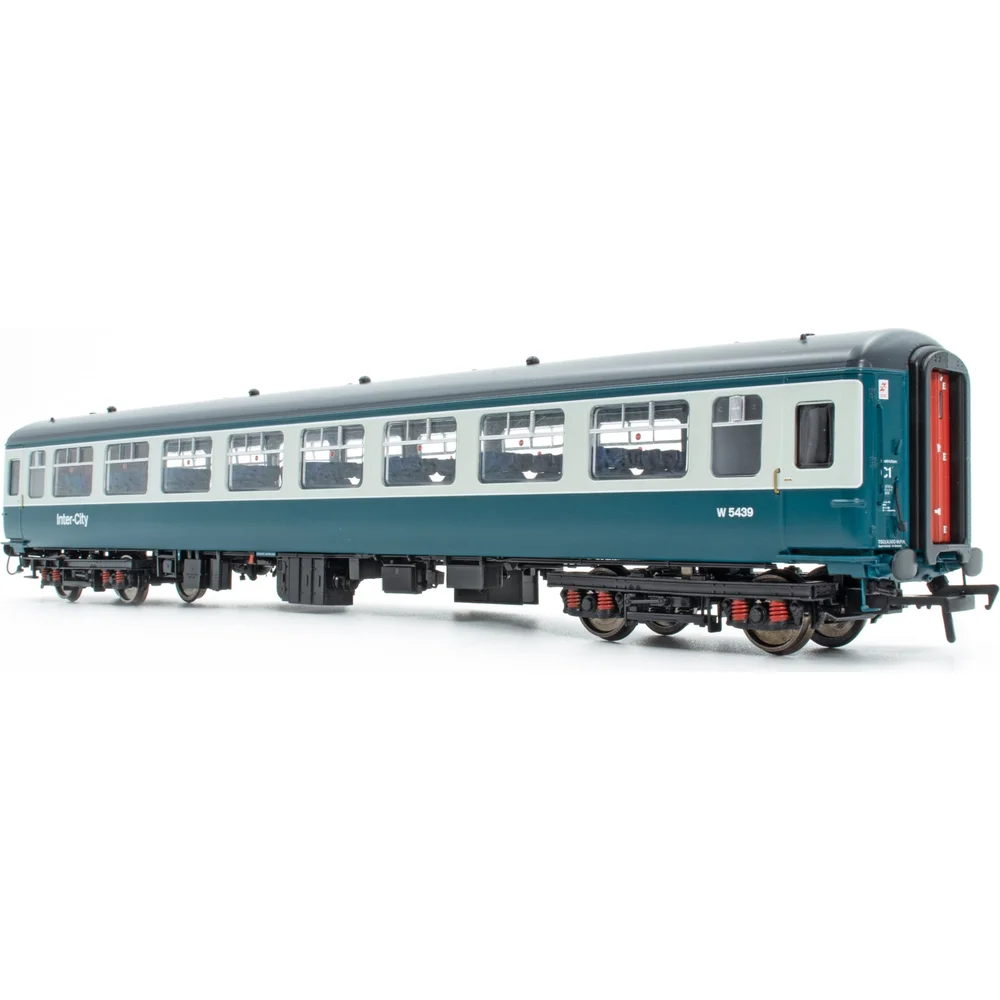
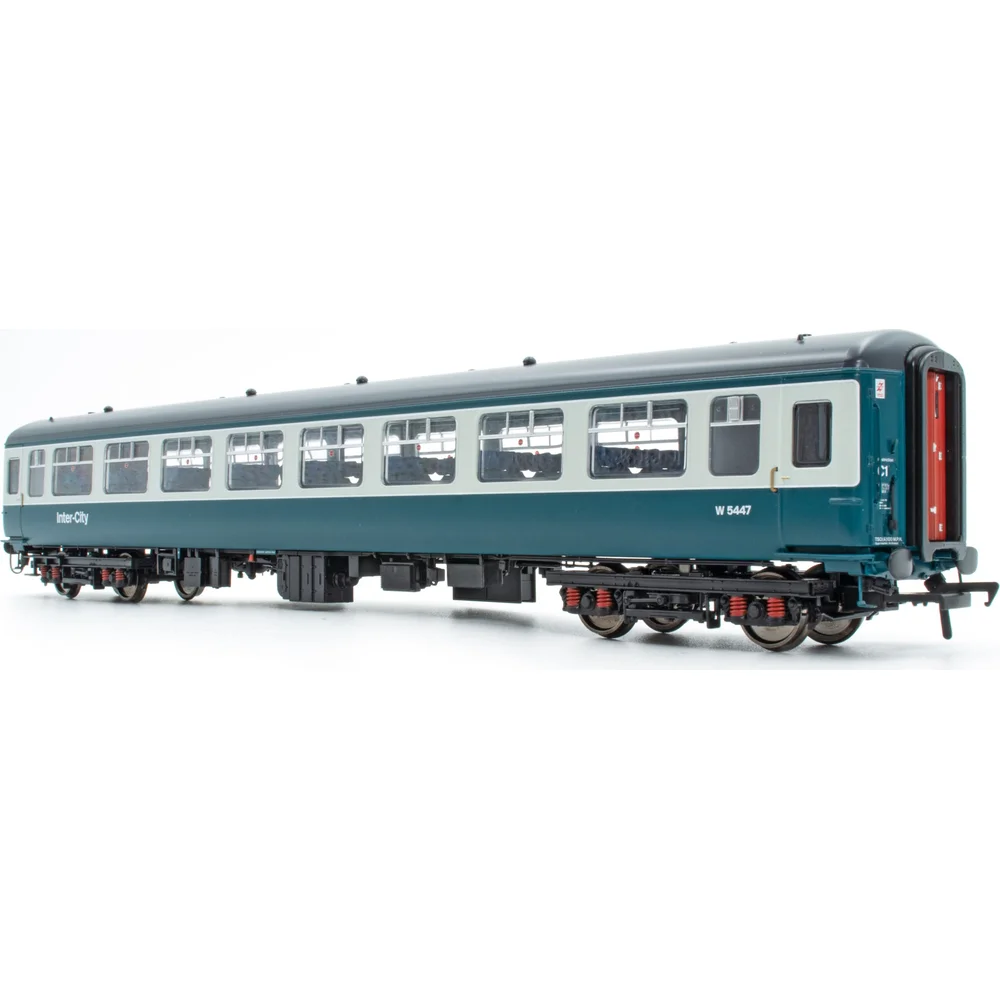
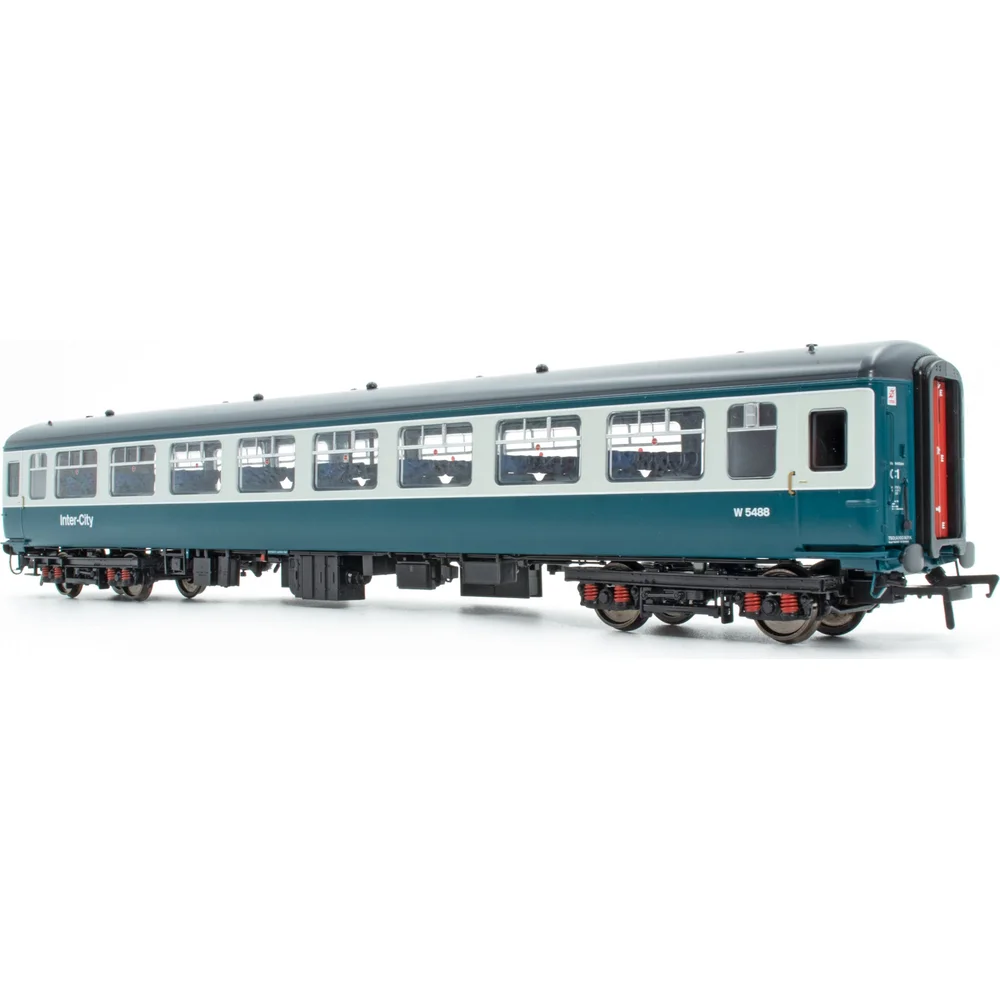
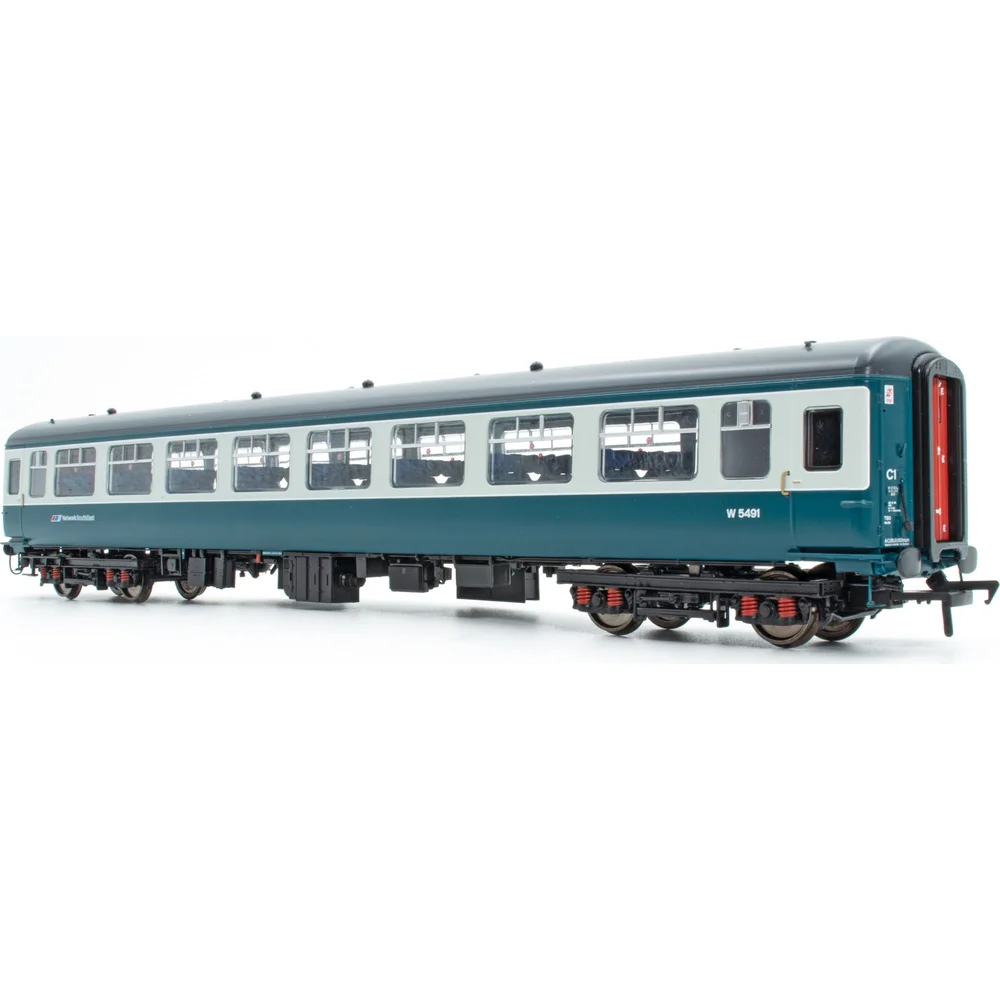
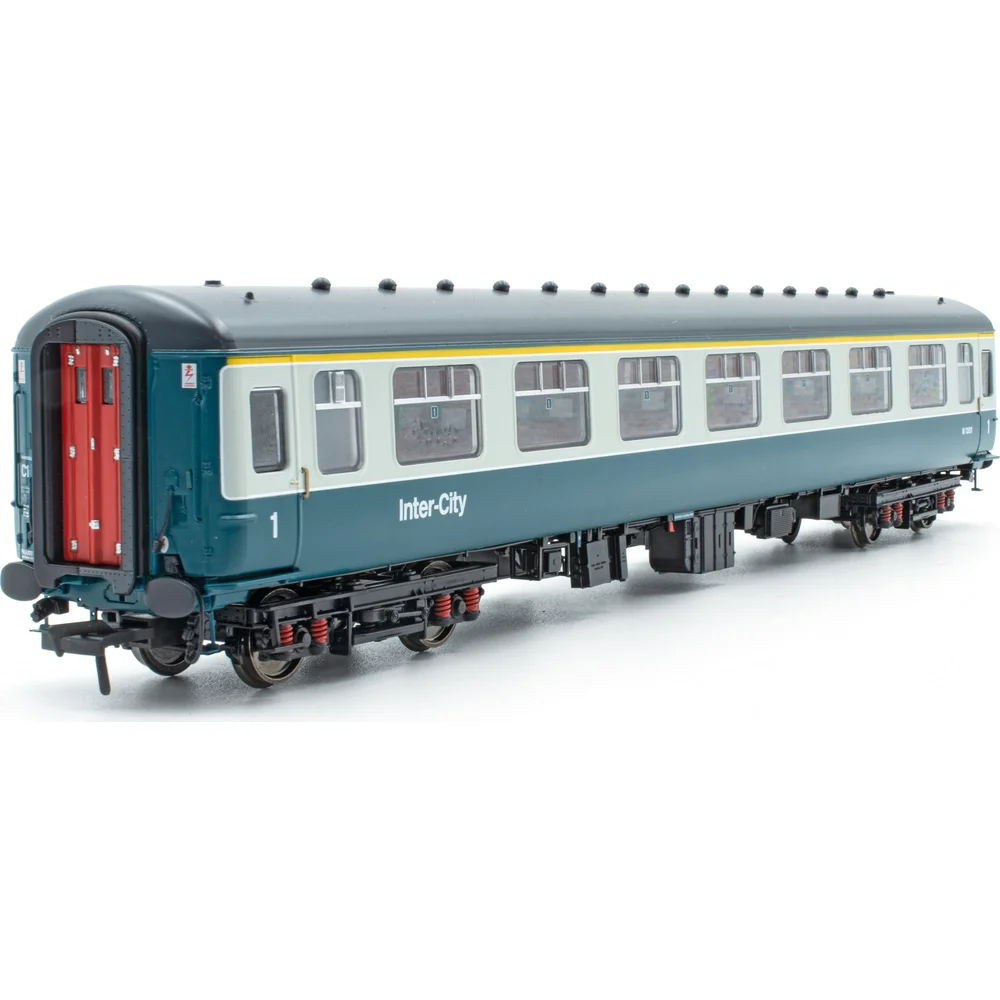
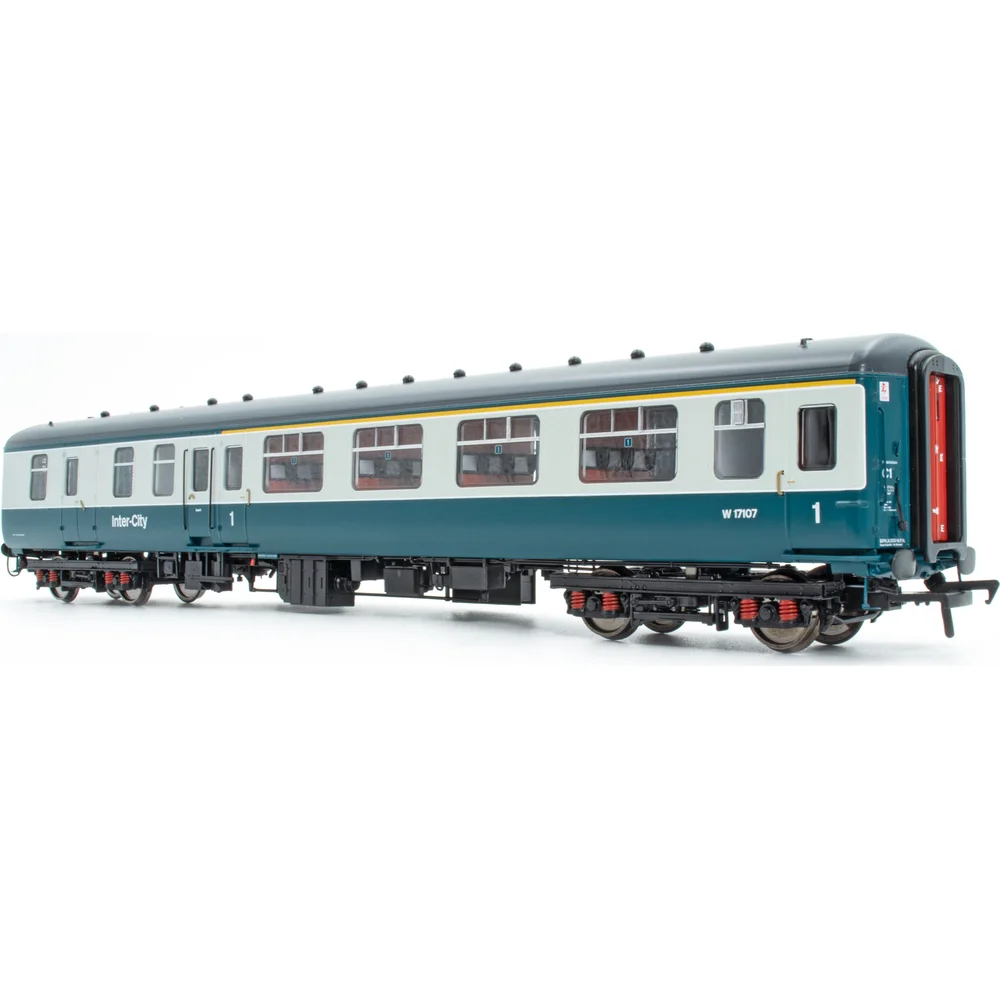
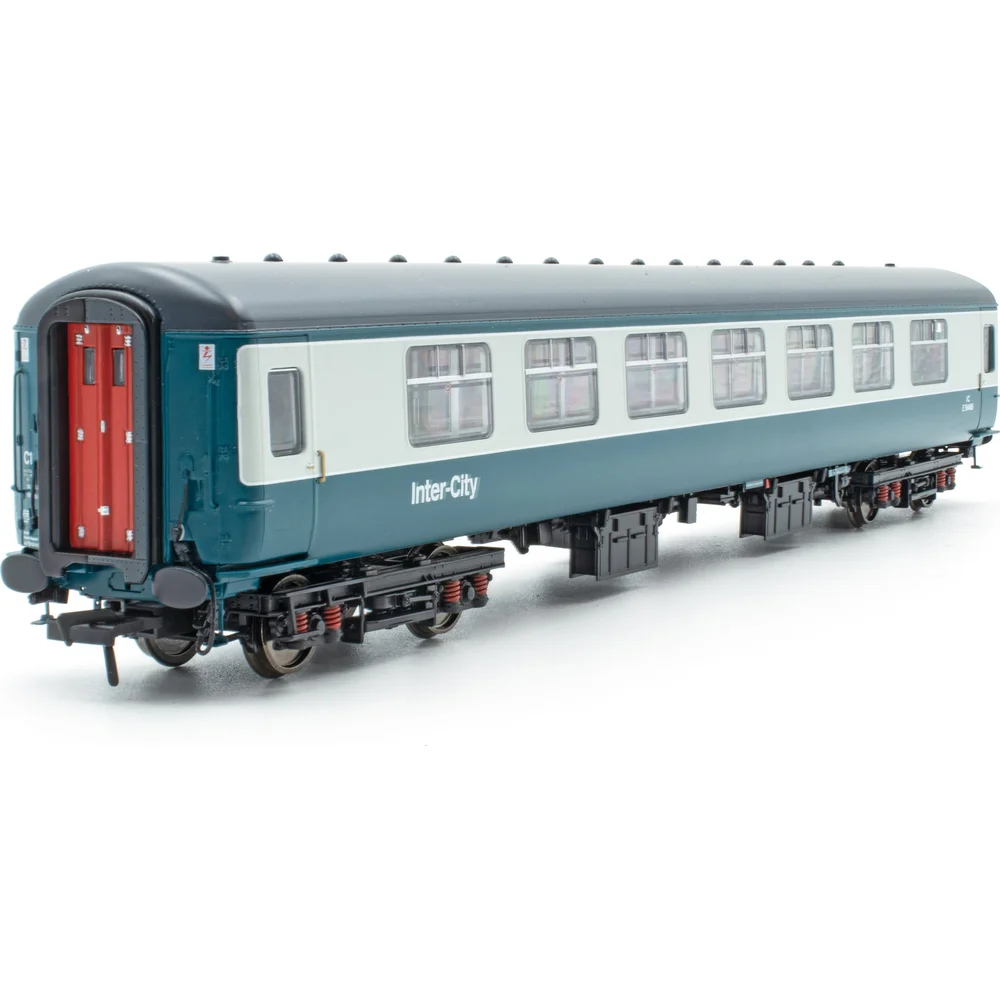
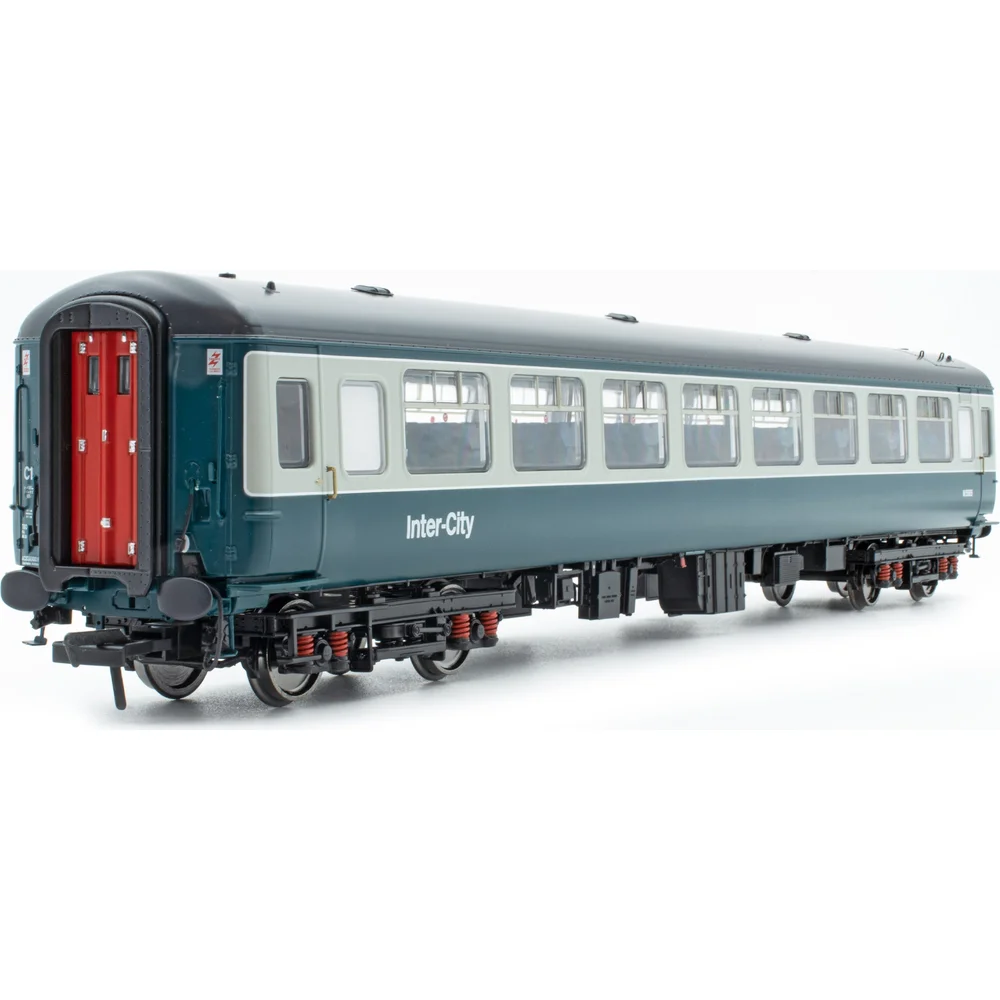
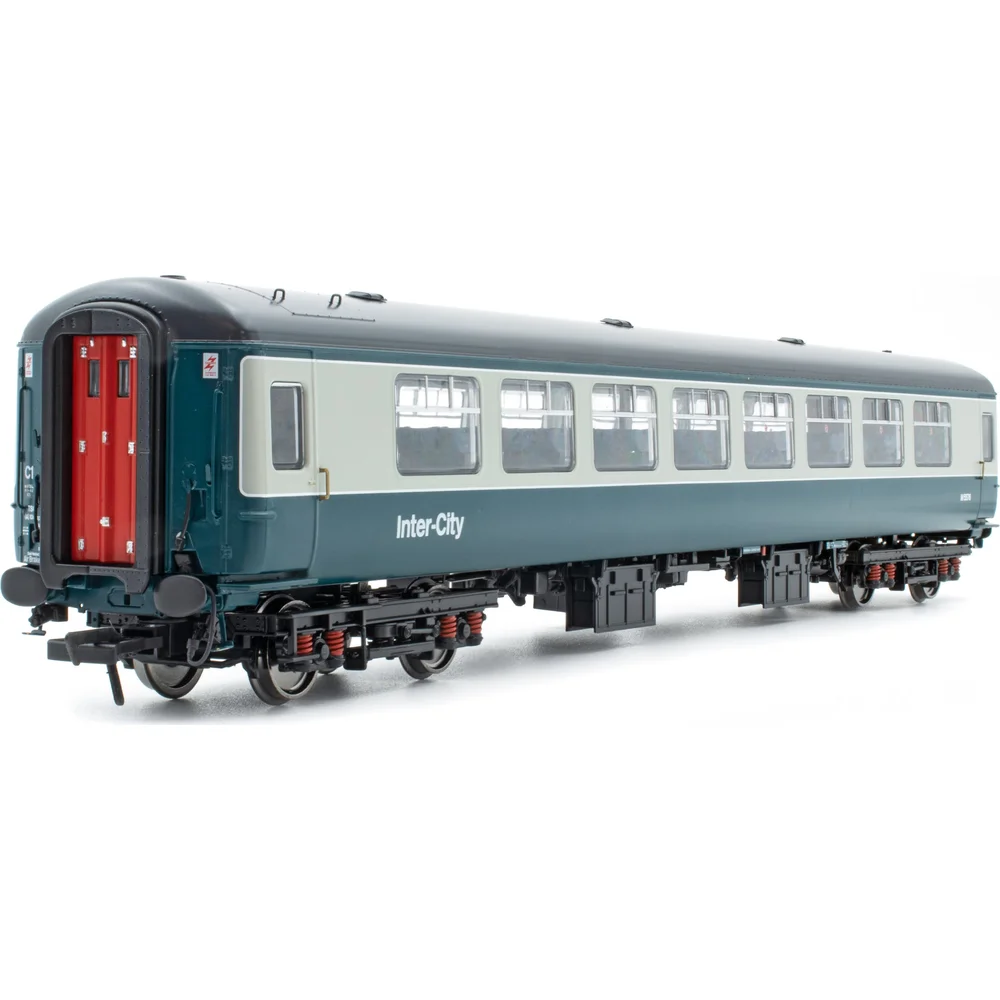
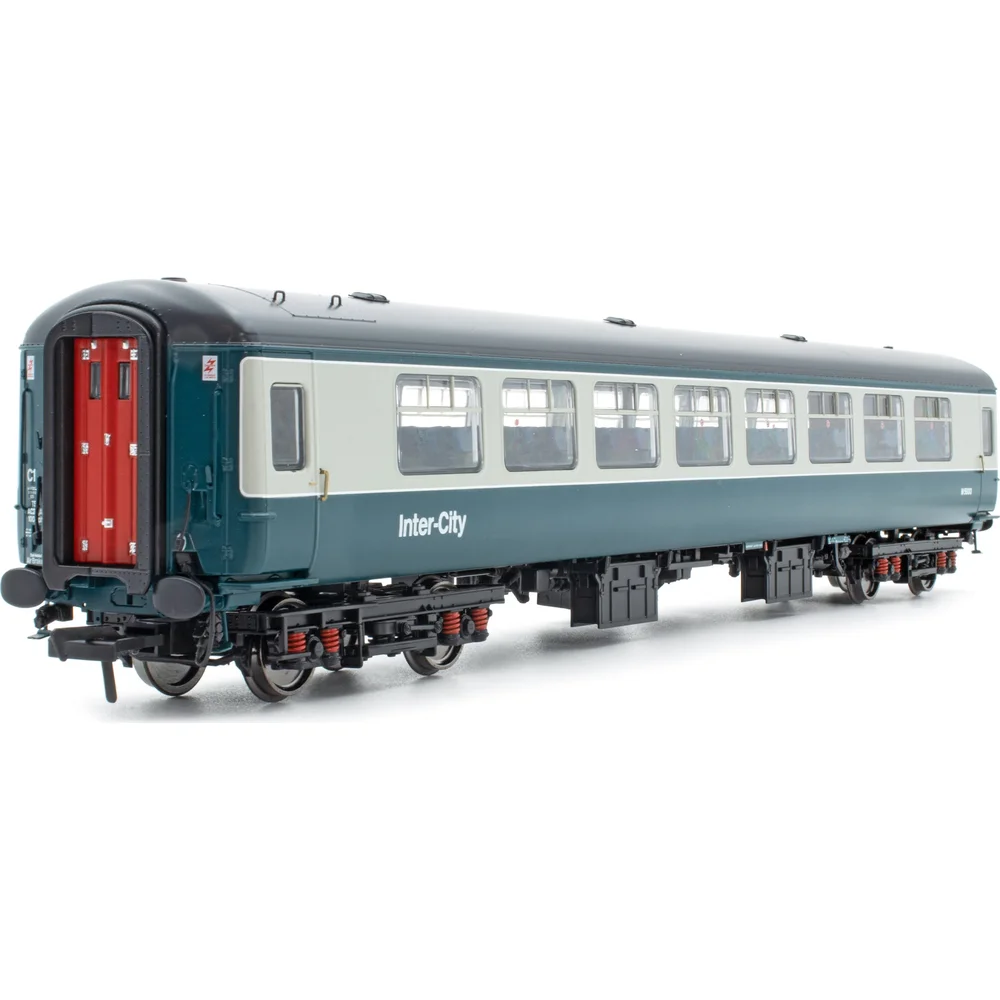
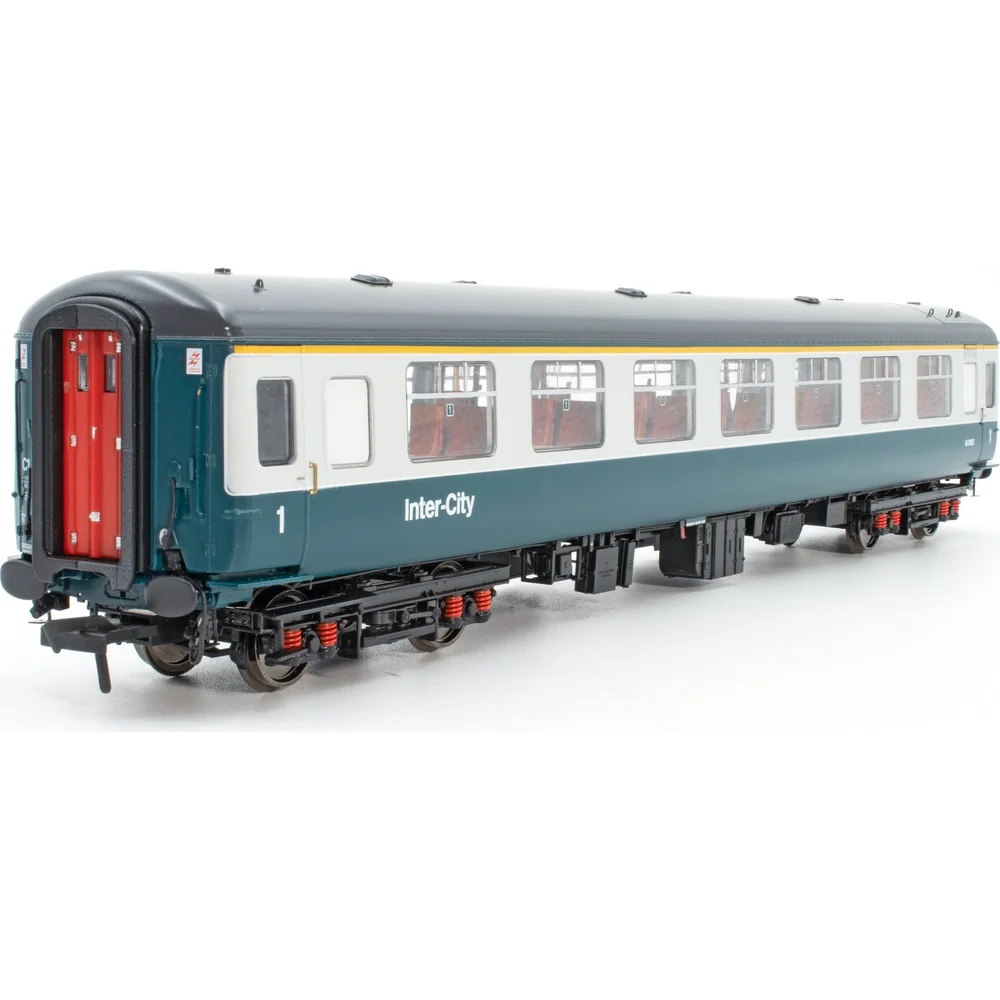
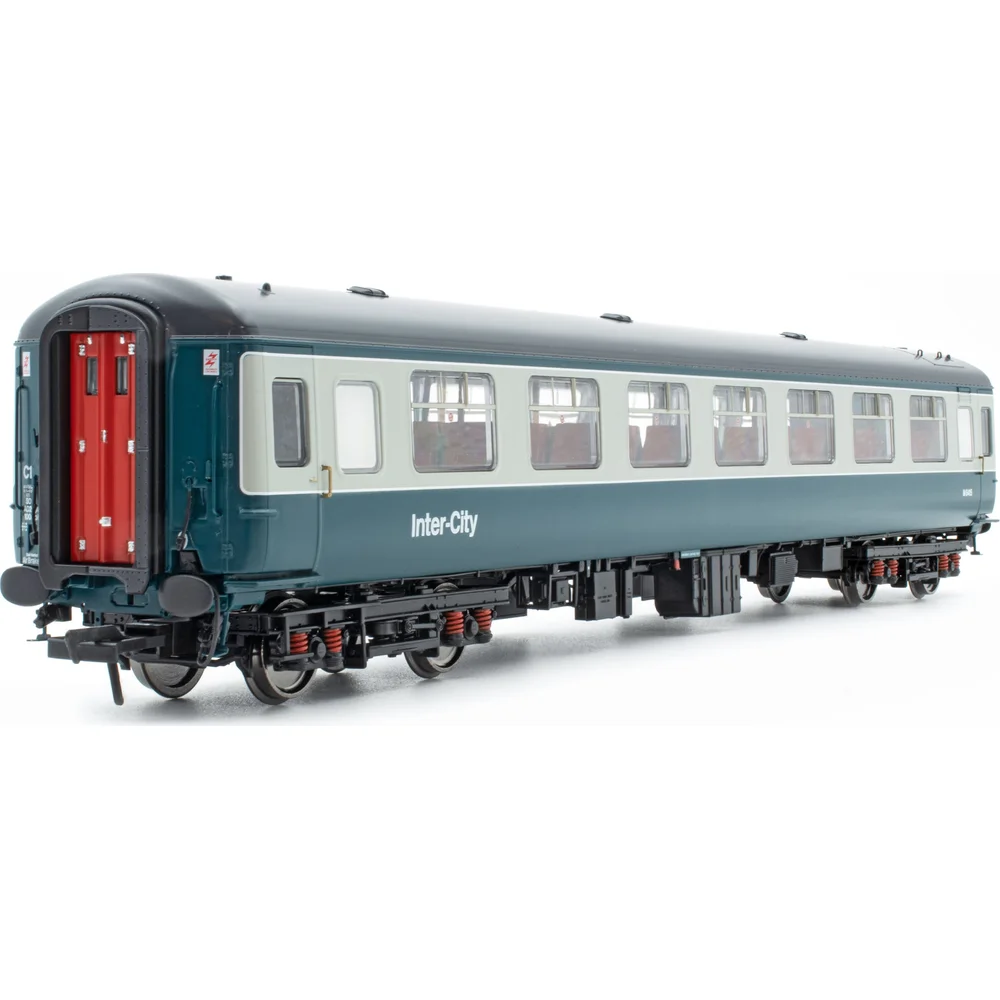
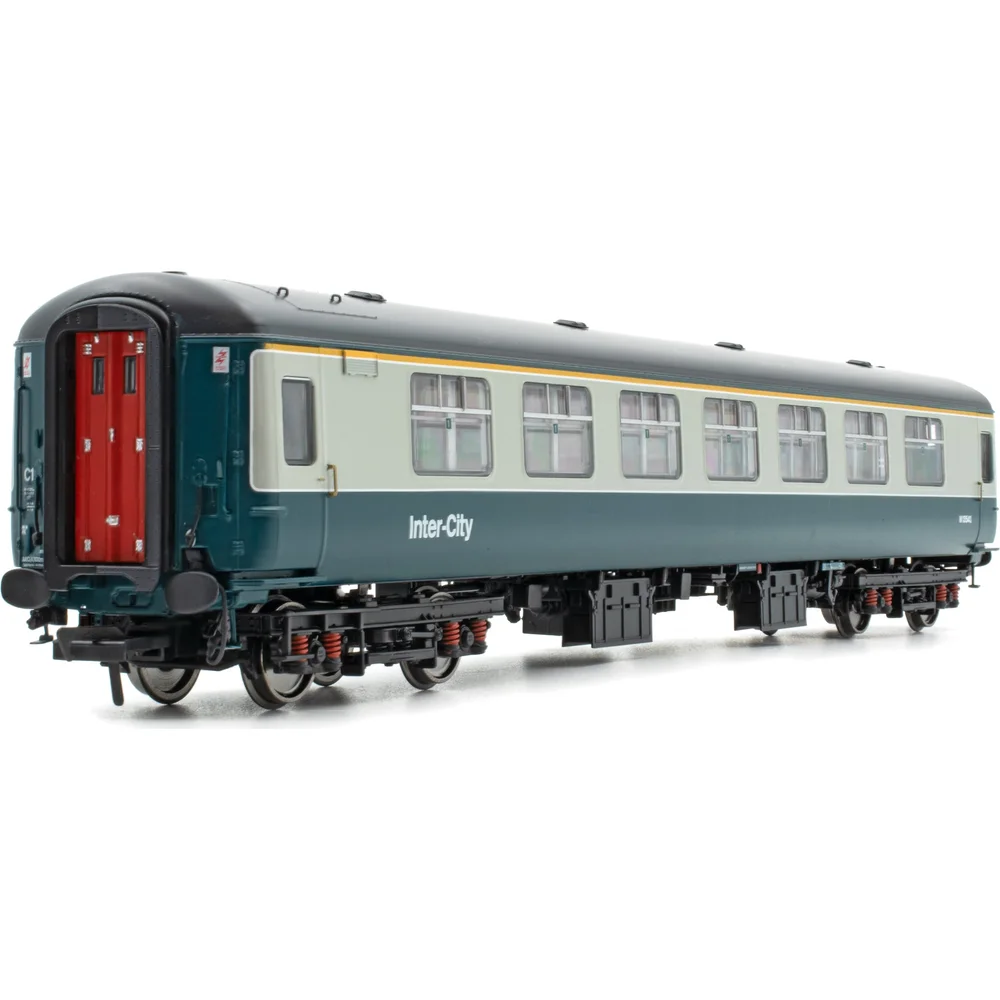
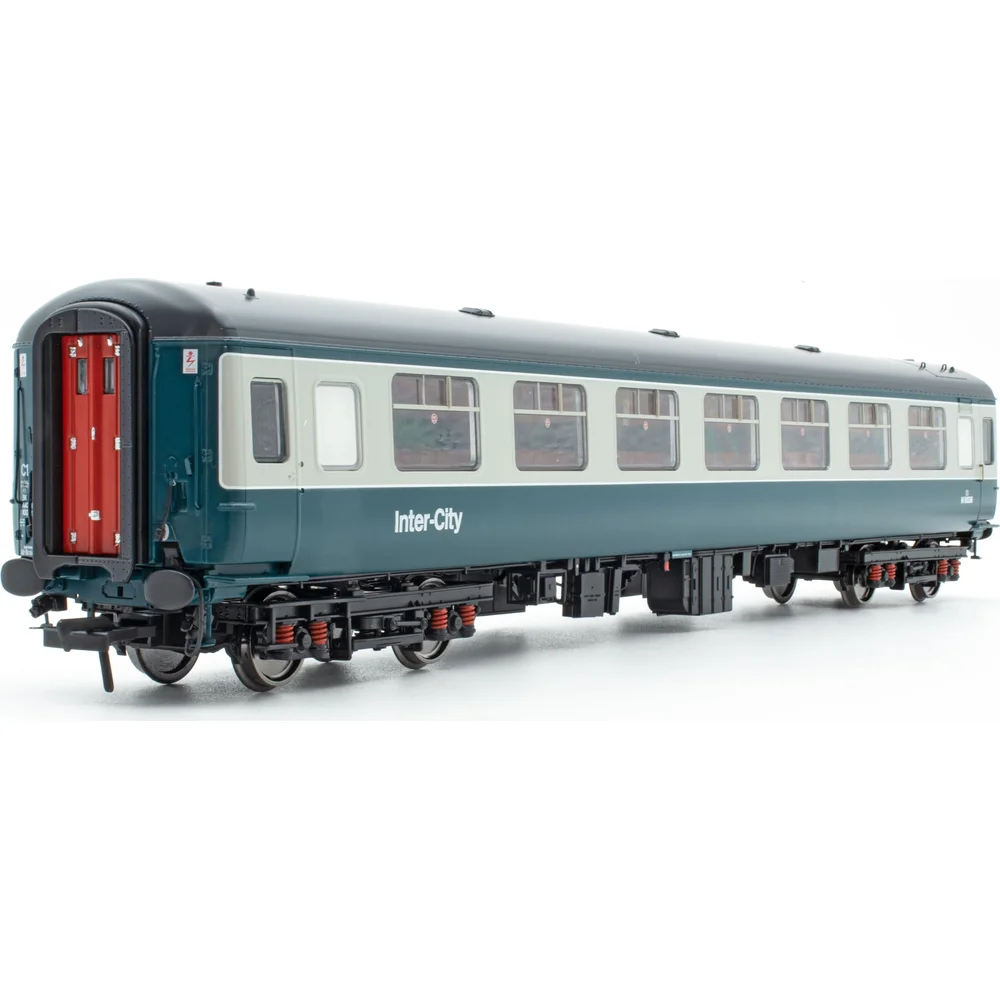
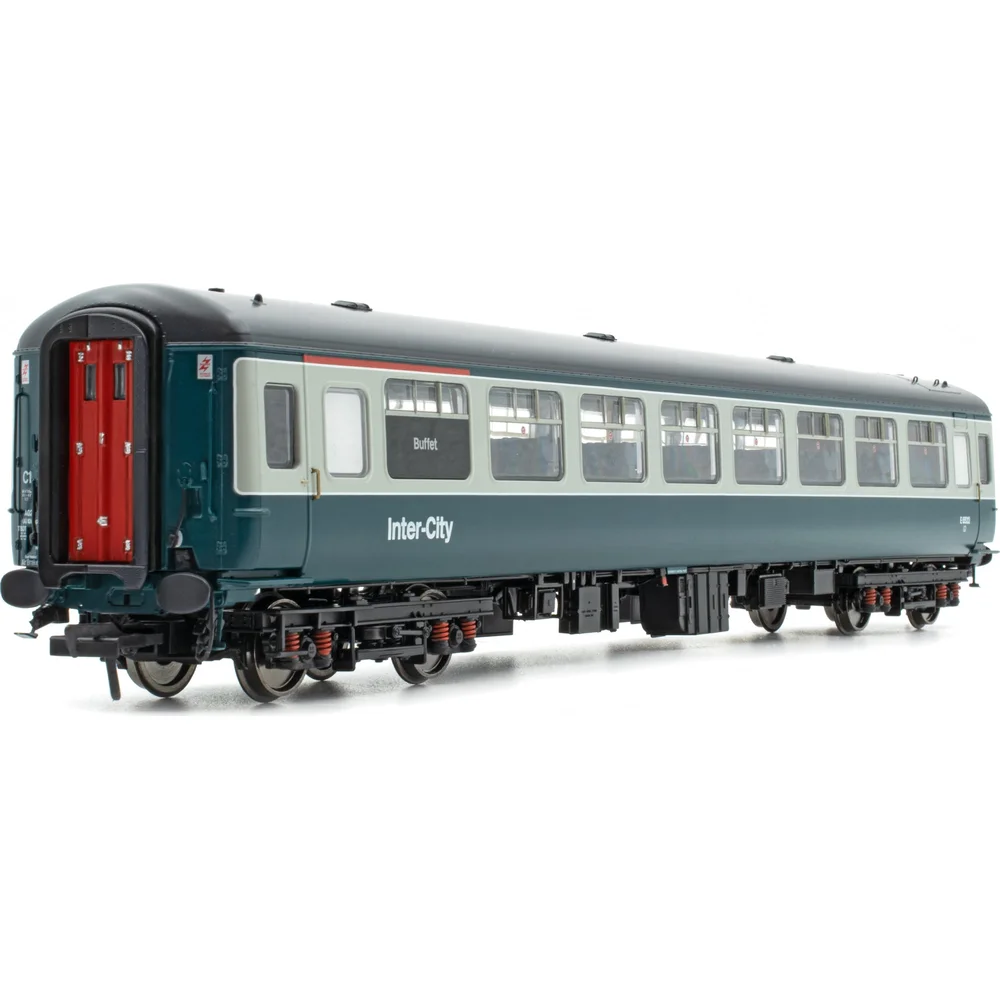
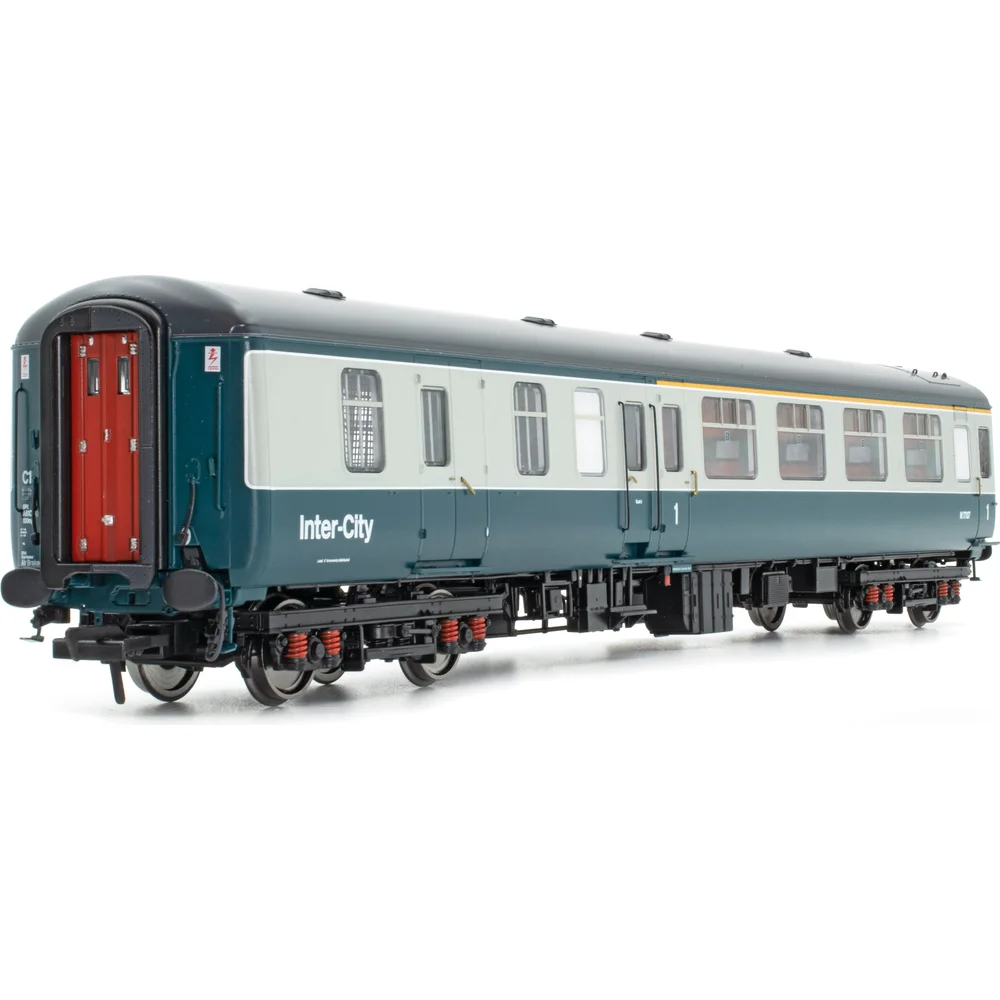
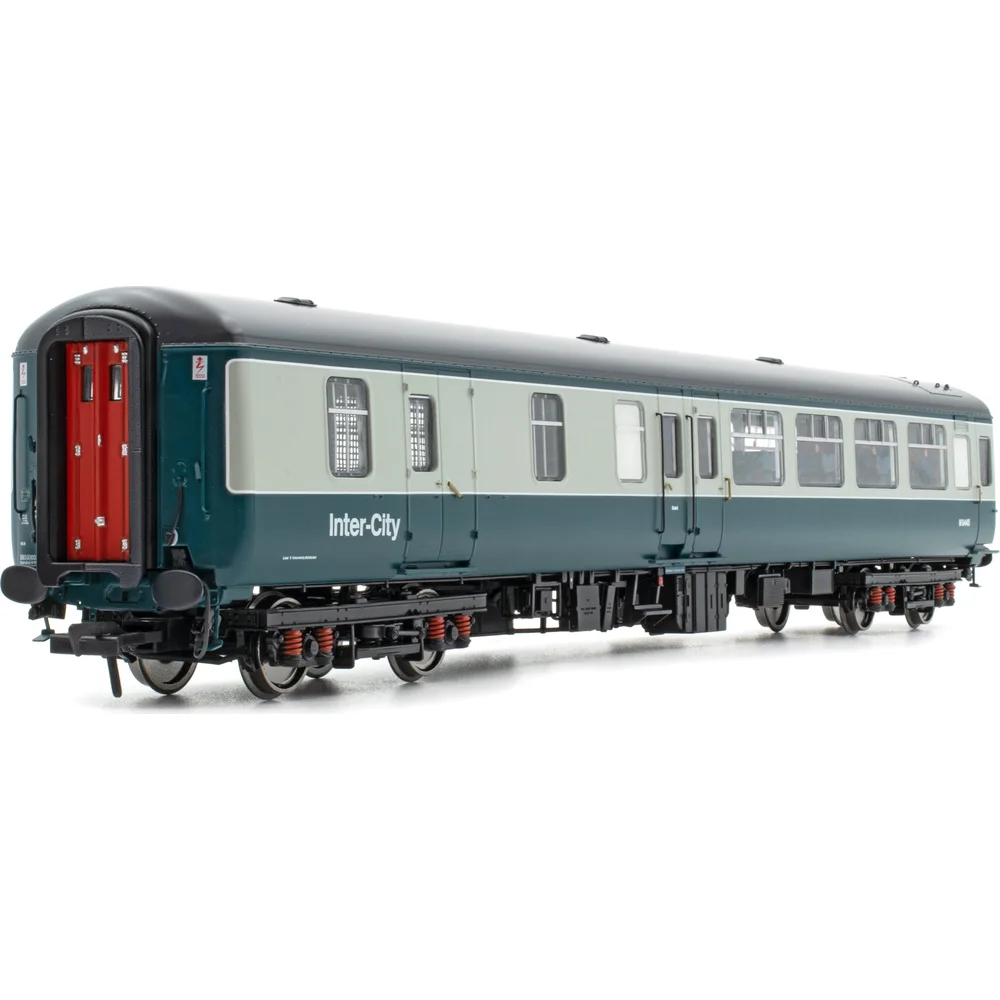
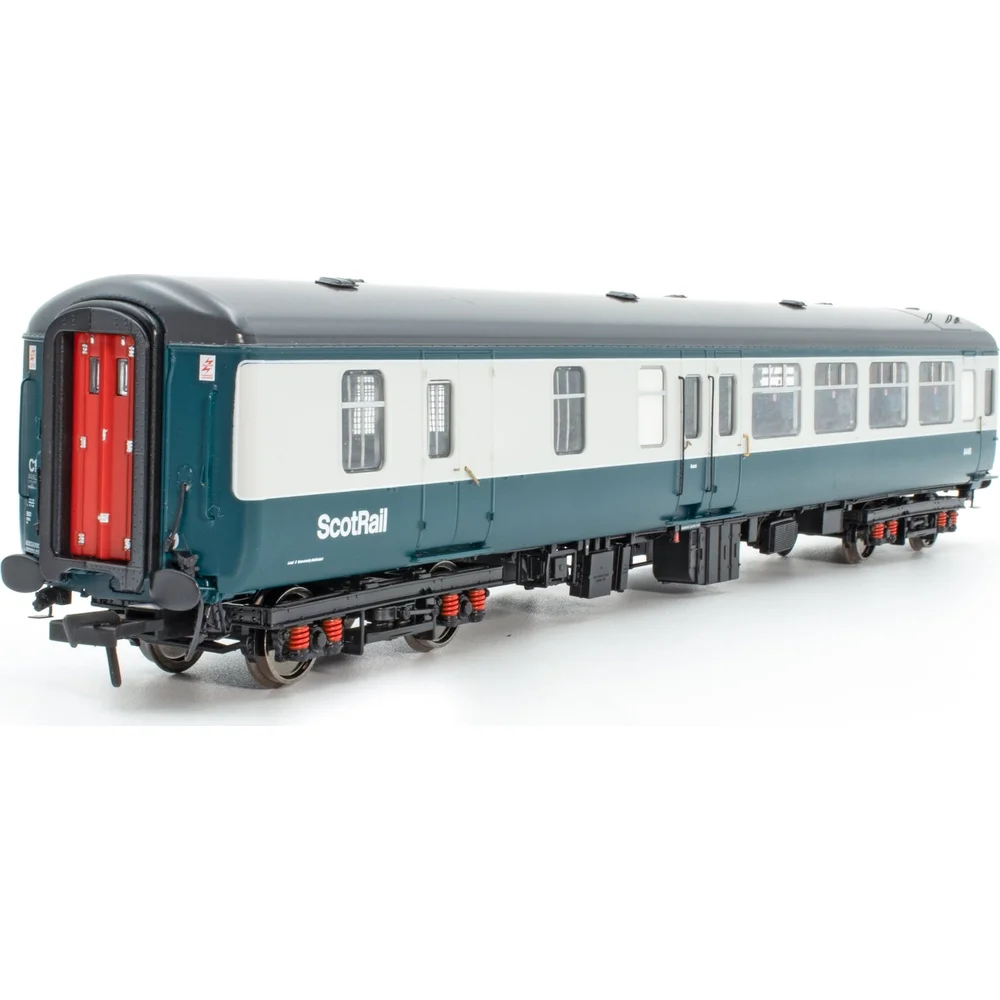
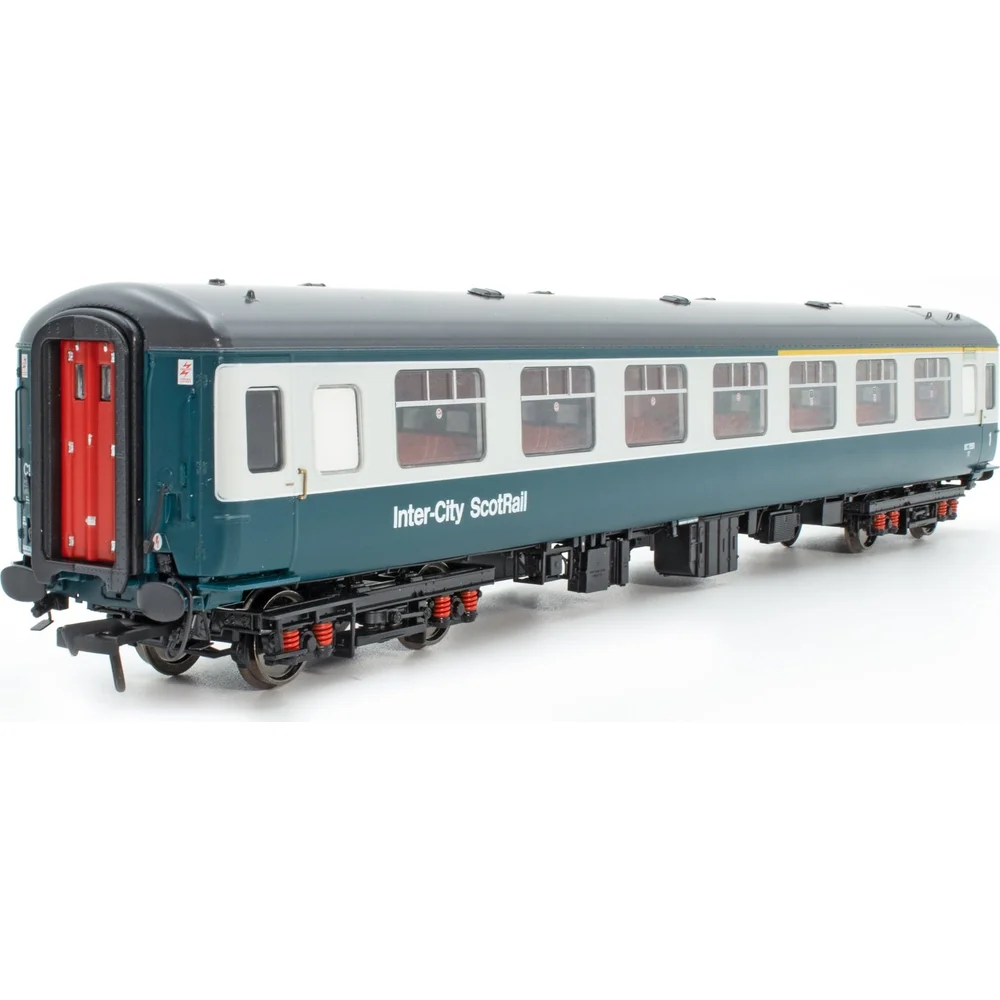
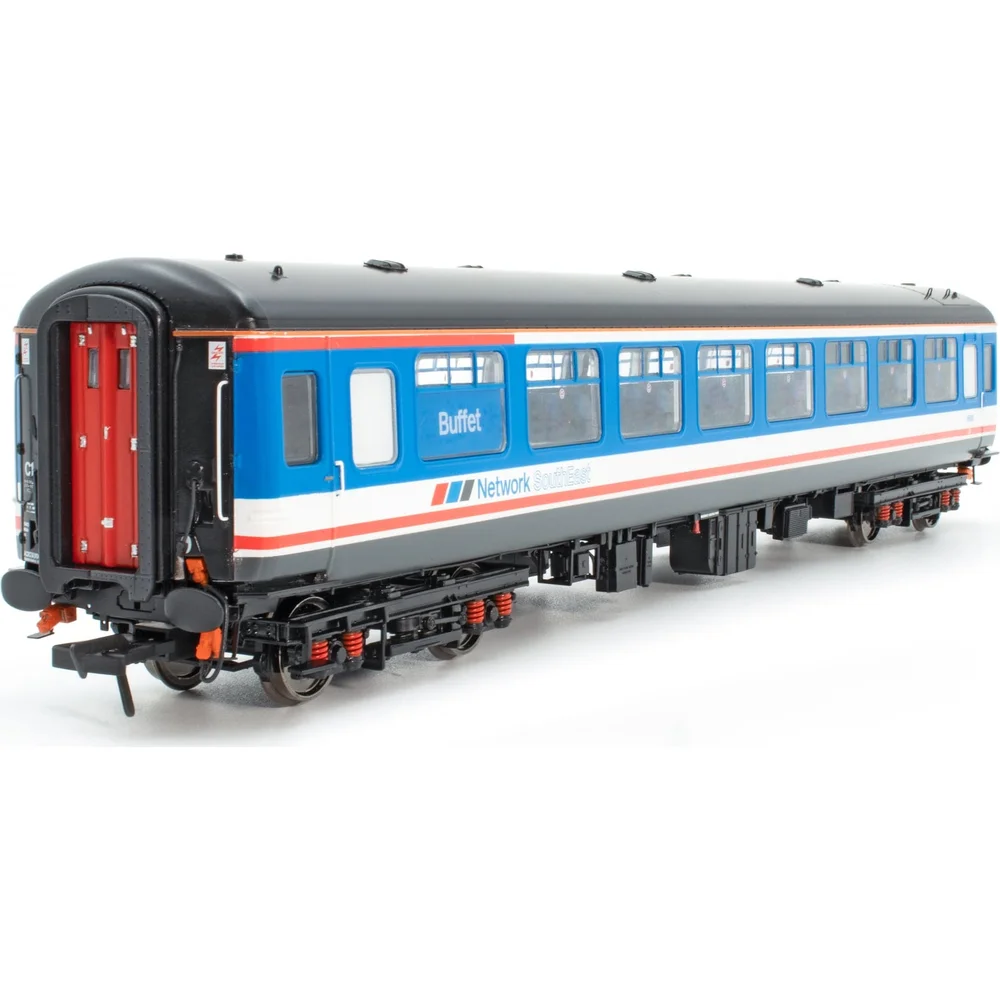
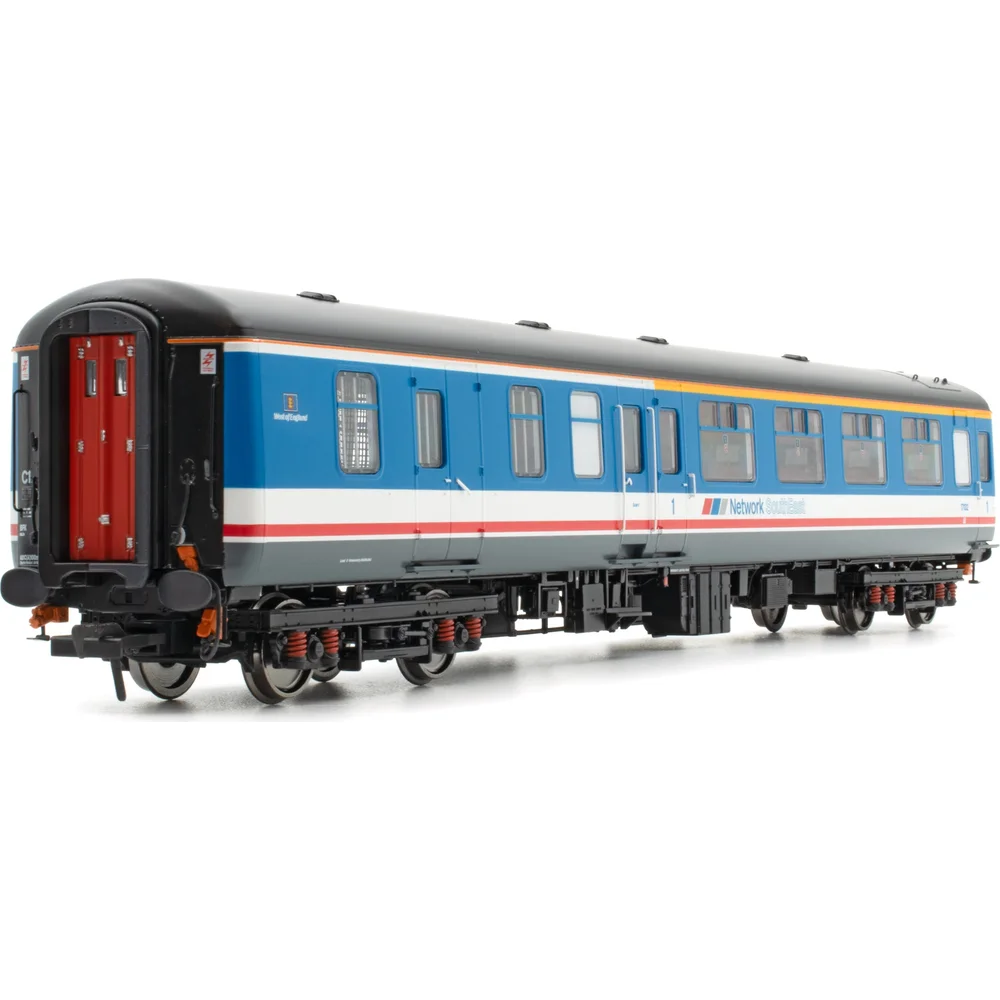
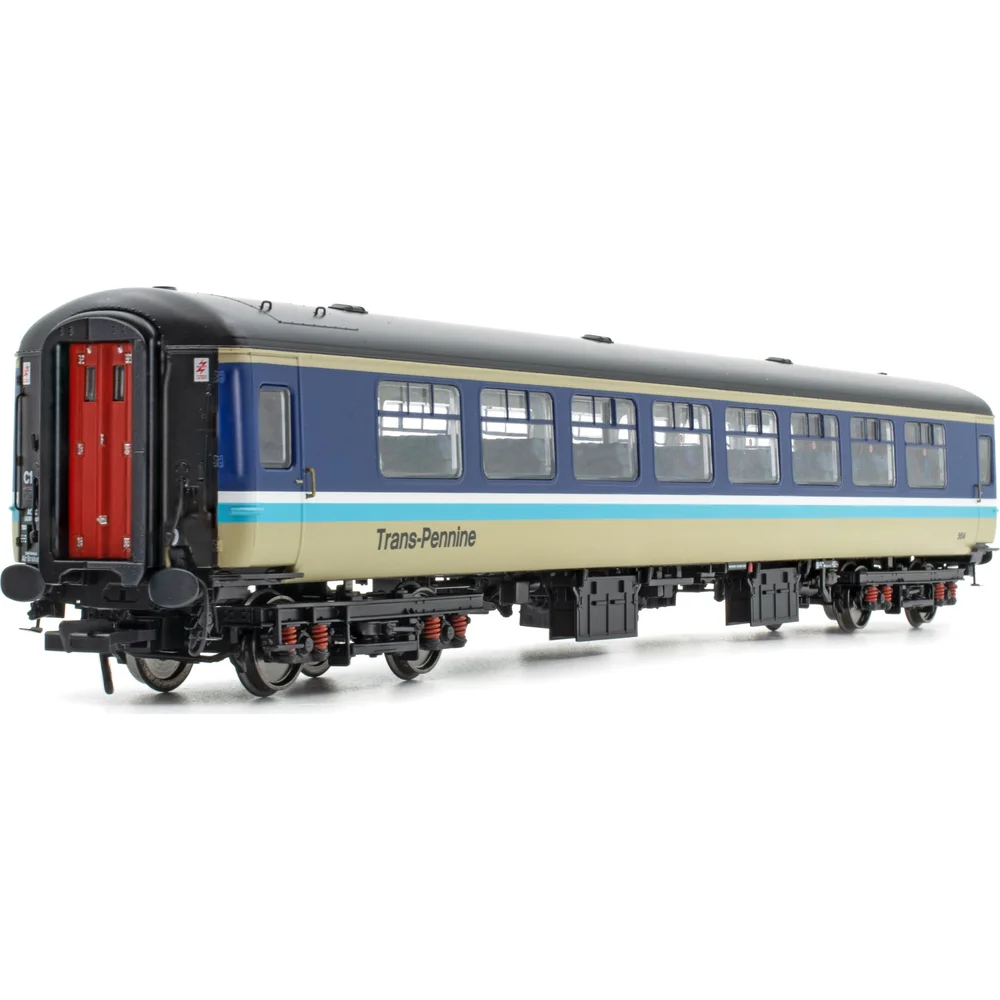
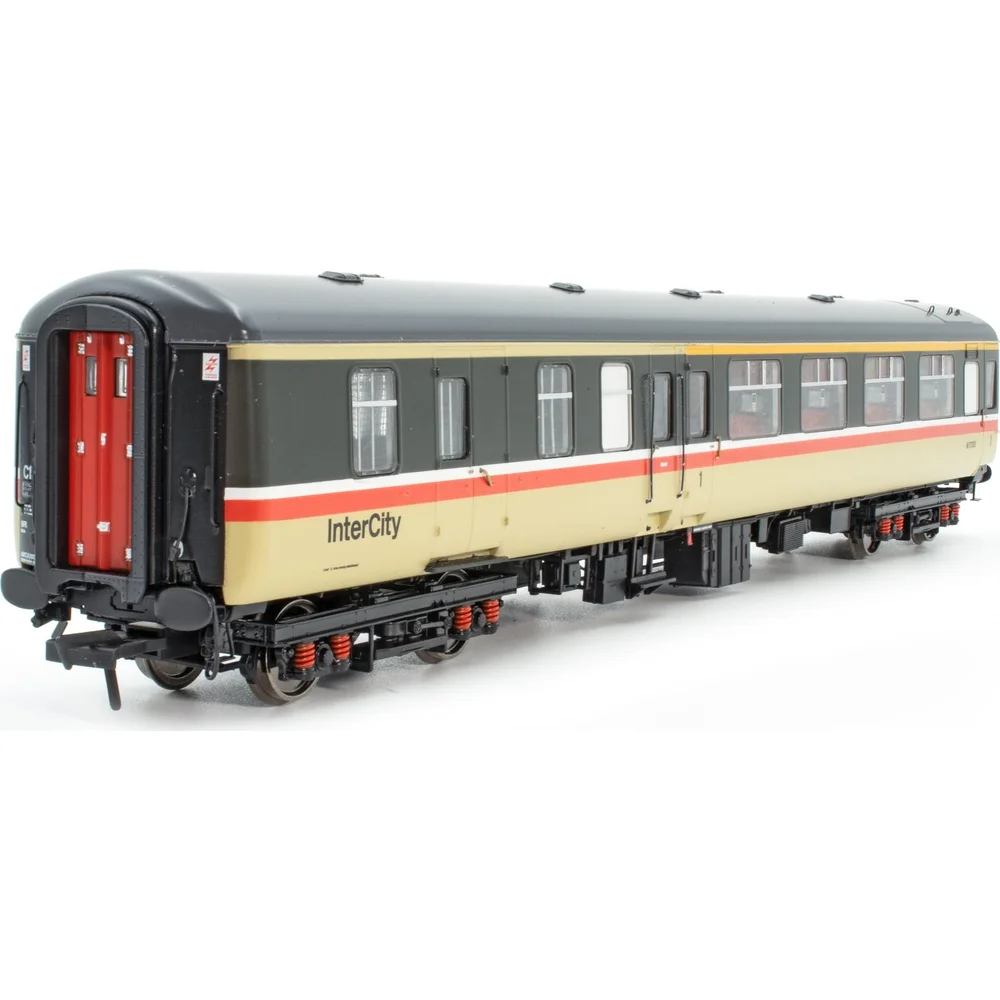
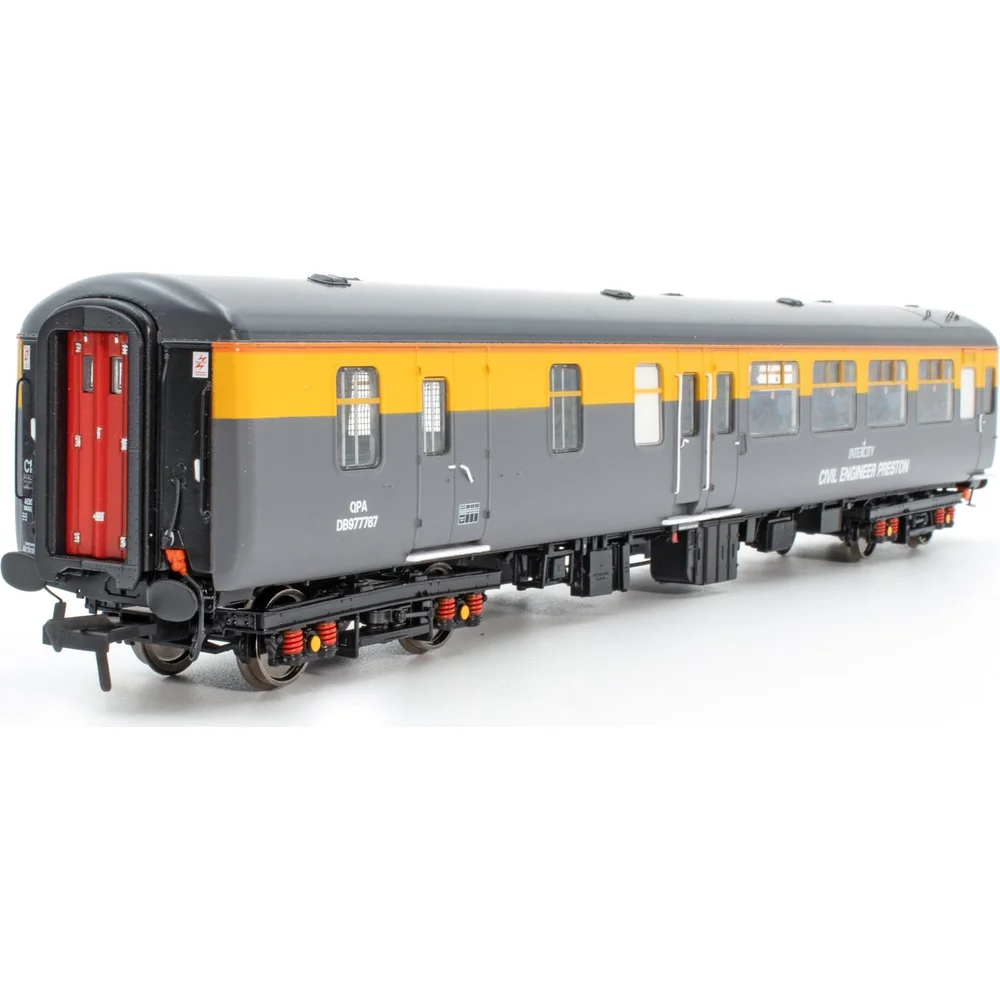
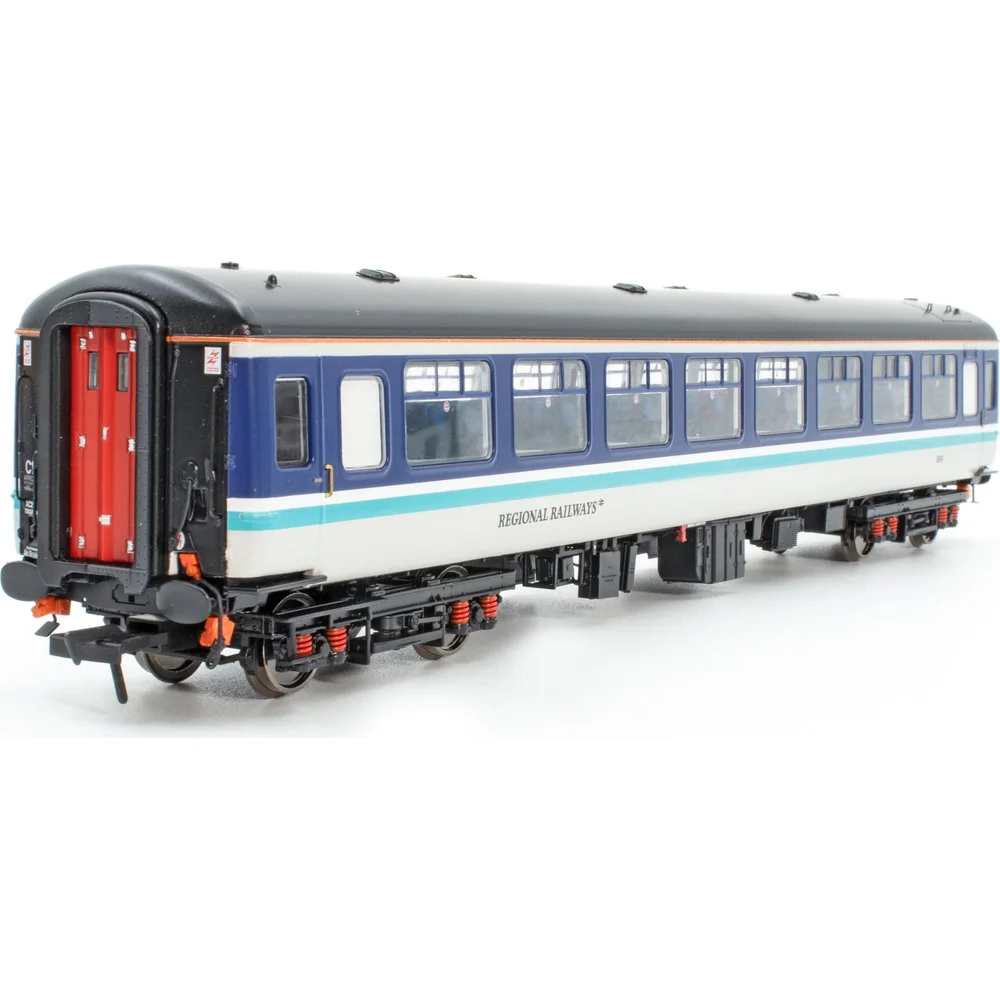
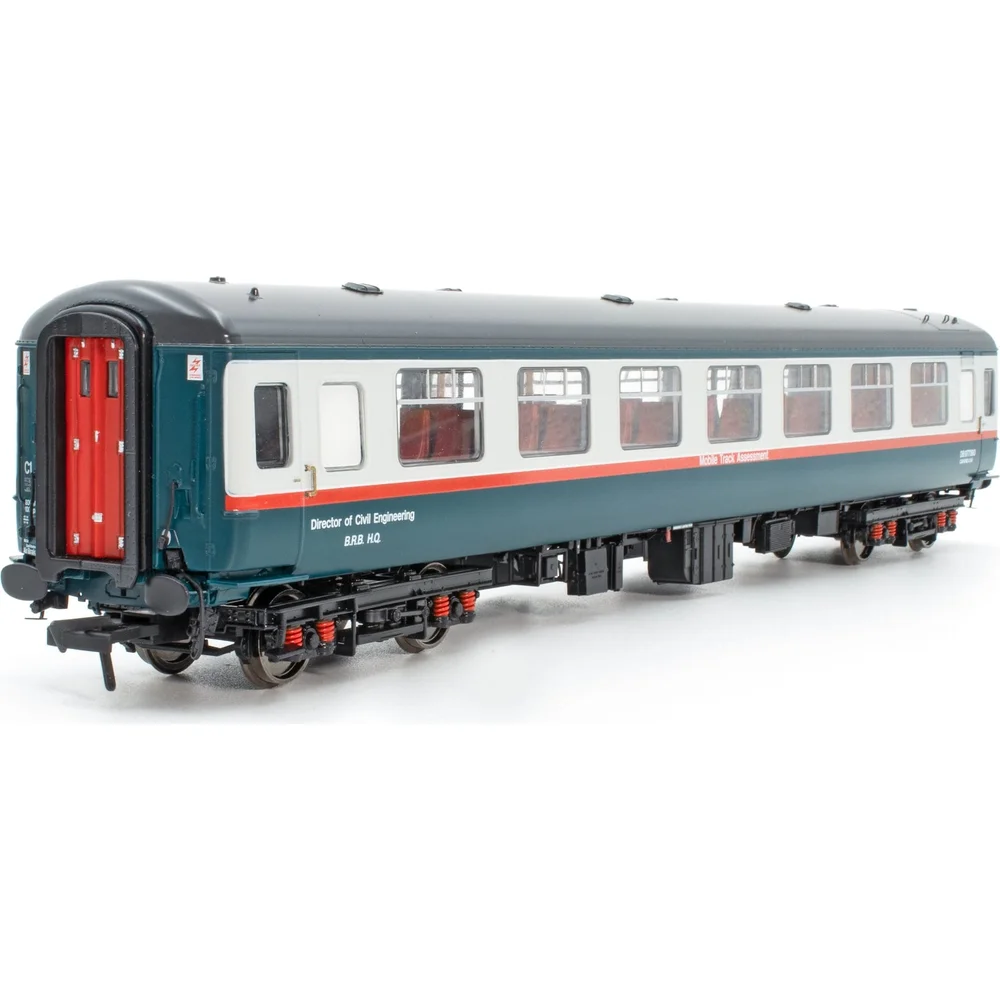
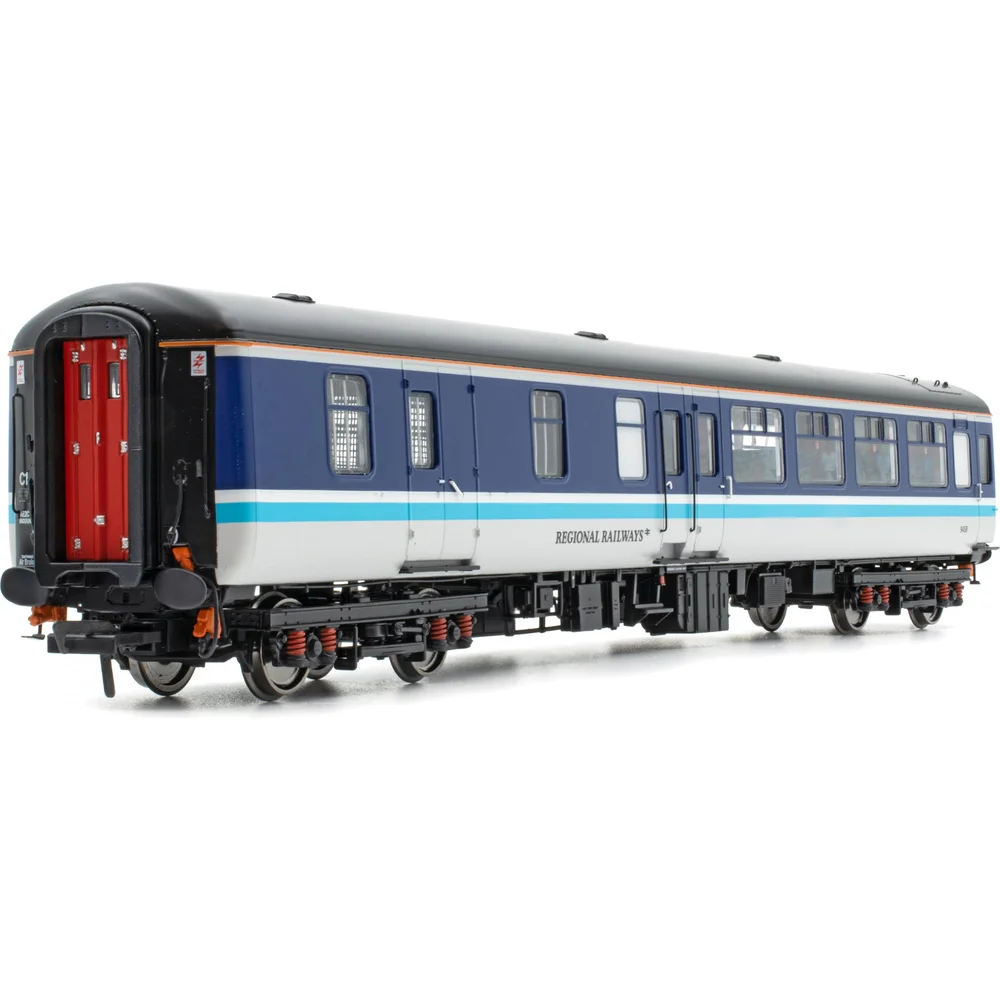
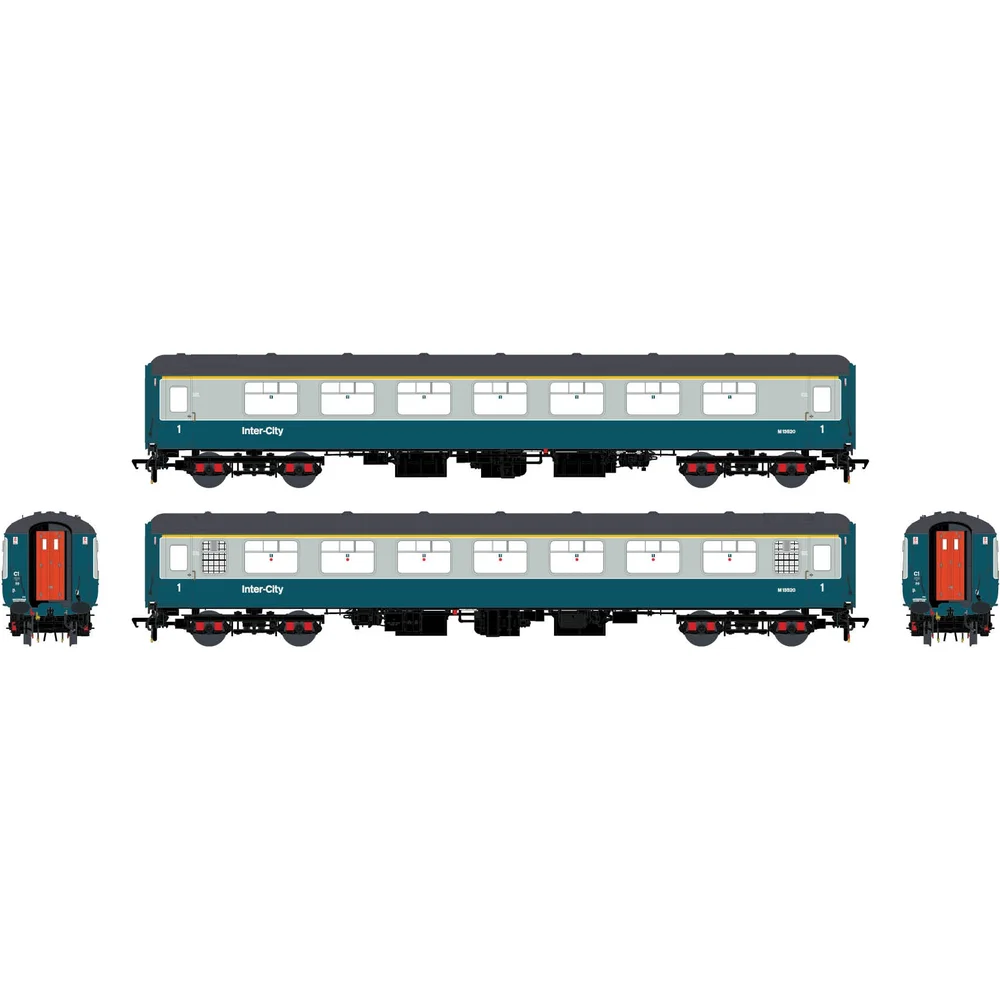
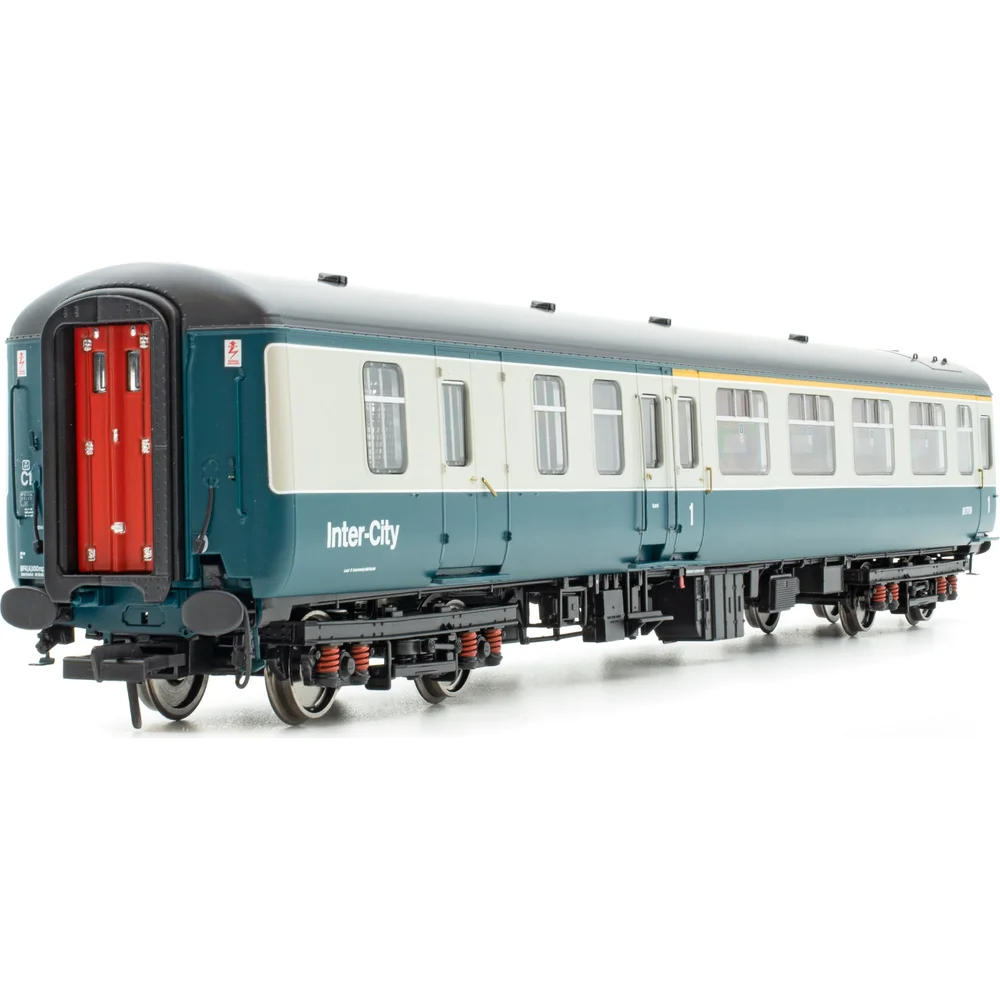
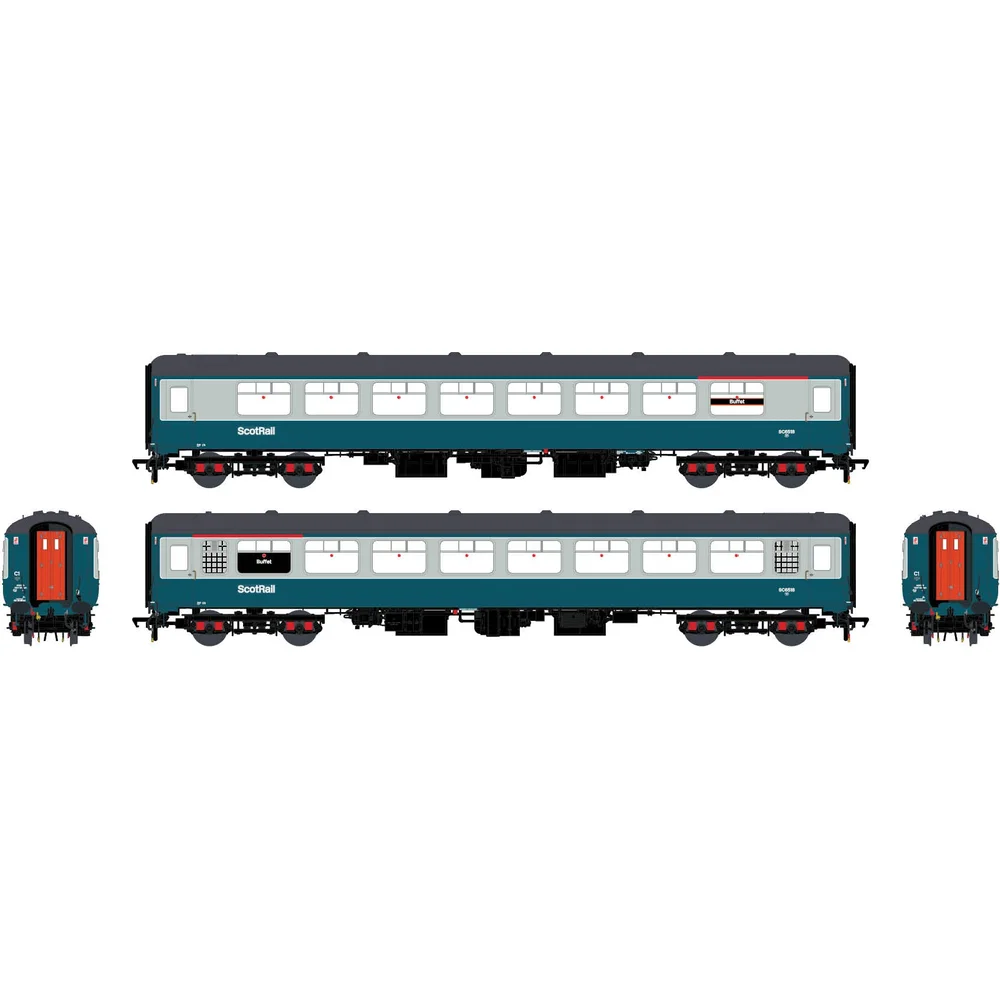
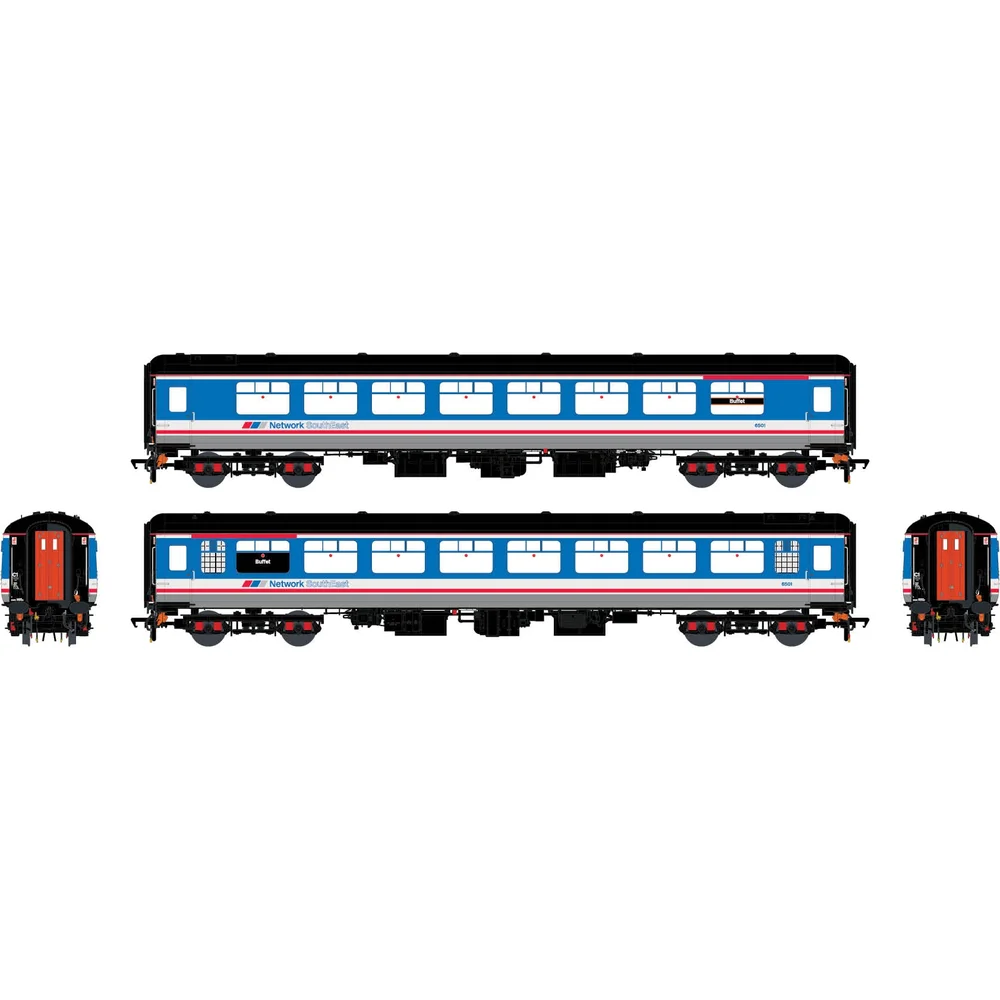
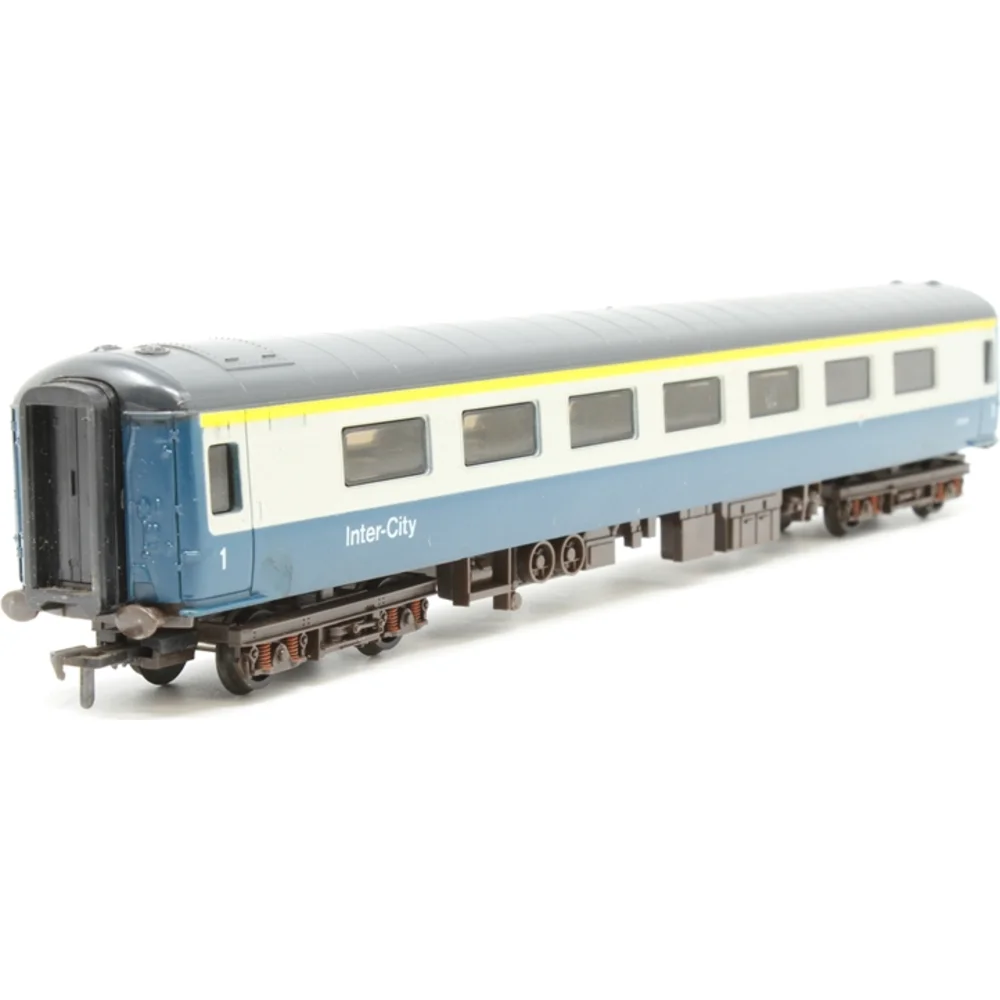
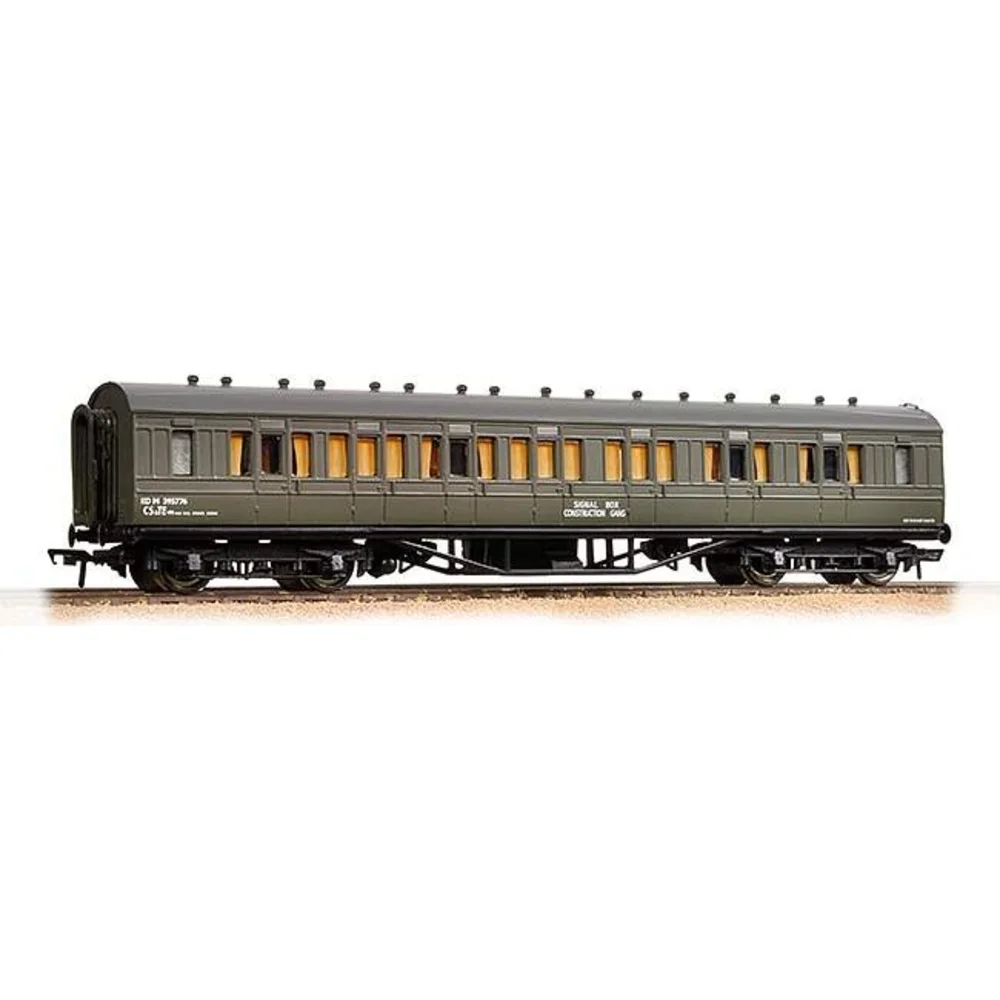
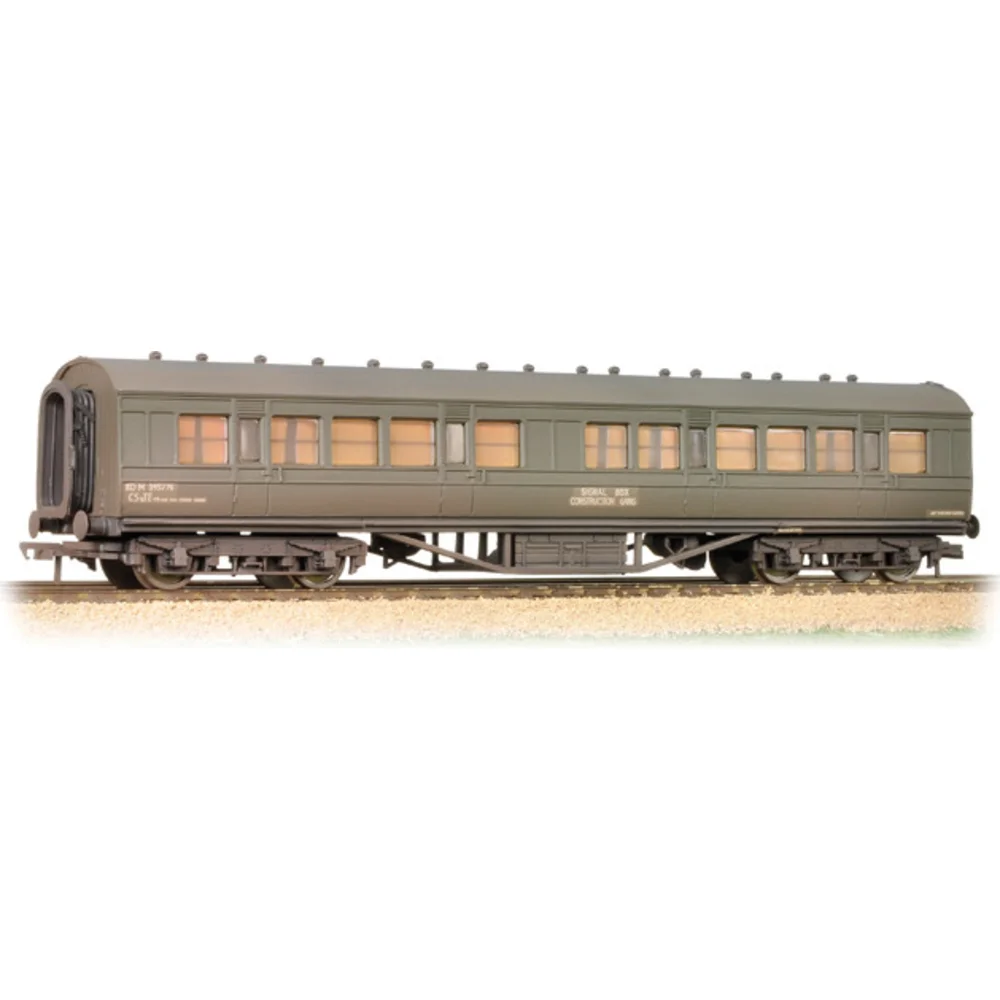
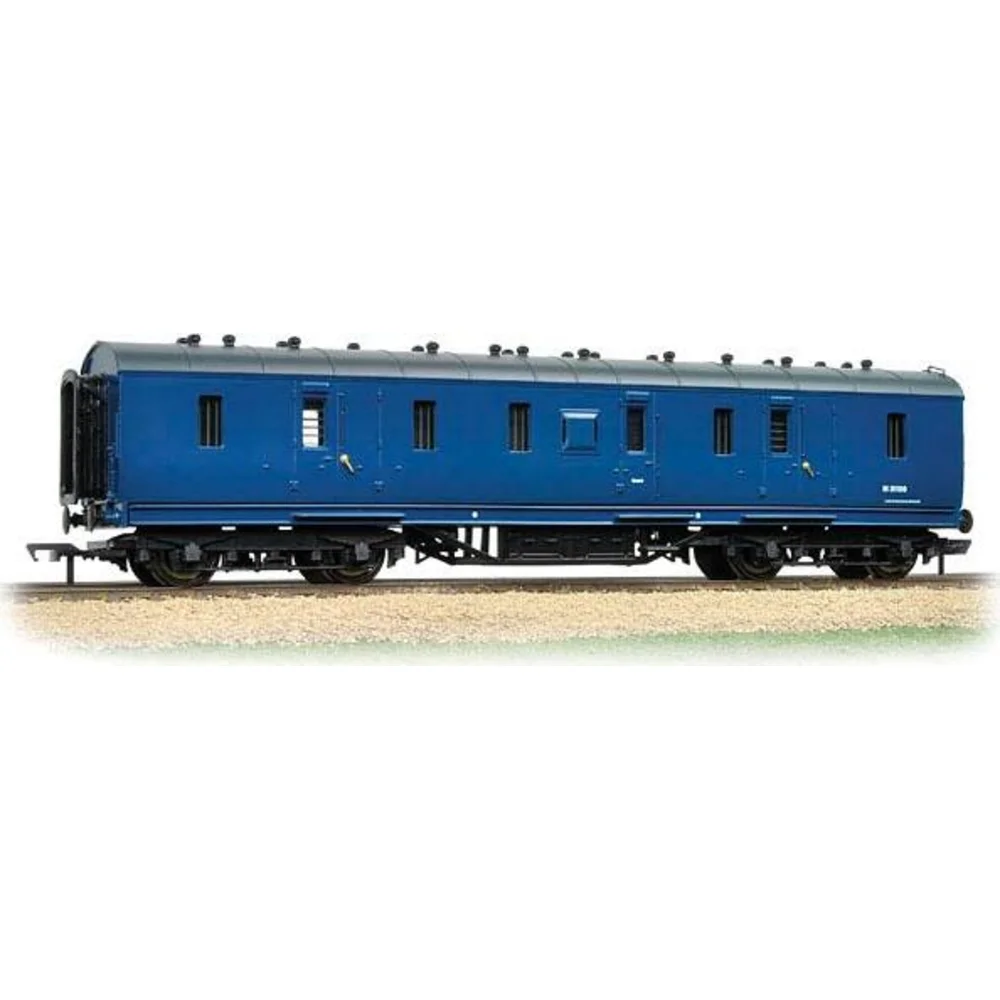
British Rail (BR) stands as one of the most significant chapters in Britain's railway history, representing the culmination of state ownership that began with the nationalisation of the "Big Four" railway companies in 1948. From 1965, when the organisation adopted the British Rail brand name and iconic double arrow logo, until privatisation in the 1990s, BR evolved from a post-war recovery operation into a modernised railway system that pioneered high-speed rail technology, corporate identity design, and business sector management. For railway enthusiasts and model railway hobbyists, the British Rail era offers an unparalleled wealth of locomotive designs, livery schemes, and operational scenarios that continue to define British railway modelling today.
Quick Takeaways
- Corporate Revolution: Introduced the iconic double arrow logo in 1965, setting new standards for transport corporate identity design
- Modernisation Pioneer: Implemented the ambitious 1955 Modernisation Plan, ending steam traction by 1968 in favour of diesel and electric power
- High-Speed Innovation: Developed the InterCity 125 (HST) and Advanced Passenger Train (APT), establishing Britain as a leader in rail technology
- Business Transformation: Revolutionary sectorisation in the 1980s created profitable business units like InterCity, Network SouthEast, and Regional Railways
- Infrastructure Investment: Massive electrification programmes on West Coast and East Coast Main Lines transformed intercity travel
- Design Excellence: Rail Blue livery, Rail Alphabet typeface, and systematic corporate branding influenced transport design globally
- Modelling Legacy: Extensive range of locomotive classes, multiple livery schemes, and diverse operational scenarios for all scales
The Birth of British Rail: From British Railways to Modern Corporate Identity
The transformation from British Railways to British Rail in 1965 marked far more than a simple name change—it represented a fundamental shift towards modern corporate management and visual identity that would influence transport branding worldwide. This evolution began in the early 1960s when railway management recognised that the organisation's dated heraldic imagery and inconsistent branding reflected poorly on a modernising transport system.
The Design Research Unit (DRU), Britain's premier multidisciplinary design consultancy, was commissioned to create a comprehensive corporate identity that would rival London Transport's renowned design standards. Under the leadership of Milner Gray and his team, including young designer Gerald Barney, the project took nine years to complete and fundamentally transformed how railways presented themselves to the public.
The iconic double arrow logo, designed by Gerald Barney in 1964-65, became one of Britain's most recognisable corporate symbols. Formed from two interlocked arrows across parallel lines representing double-track railway, the design embodied the modernist principles of simplicity, functionality, and timeless appeal. The logo's subtle tapering towards the centre corrected optical illusions that would otherwise make parallel lines appear to diverge—a sophisticated design detail that demonstrated the thoroughness of British Rail's new visual approach.
The comprehensive Corporate Identity Manual established Rail Blue and pearl grey as standard colours for all rolling stock, introduced Rail Alphabet typeface designed by Jock Kinneir and Margaret Calvert, and specified applications across every aspect of railway operation from locomotives to station signs, uniforms to cutlery. This systematic approach to corporate branding was revolutionary for its time and established templates that influenced transport organisations globally.
Insider tip: The double arrow's nickname "arrow of indecision" reflected public scepticism about BR's management, but the logo's endurance through privatisation and beyond demonstrates the power of excellent design to transcend corporate politics.
The 1955 Modernisation Plan: Vision, Implementation, and Consequences
The 1955 Modernisation Plan represented British Rail's most ambitious attempt to transform Britain's railway system for the modern age, with a staggering investment of £1.24 billion (equivalent to £29 billion today) over fifteen years. Published in December 1954 by the British Transport Commission, this comprehensive strategy aimed to eliminate steam traction, electrify principal routes, upgrade infrastructure, and create a railway capable of competing effectively with road transport.
The plan's central objectives included the complete dieselisation programme to replace Britain's 20,000 steam locomotives, extensive electrification of main lines including the West Coast route to Scotland and suburban networks around major cities, construction of modern marshalling yards with mechanised sorting systems, and closure of duplicated routes deemed unnecessary in a nationalised system.
Implementation began with the diesel locomotive pilot scheme, ordering small batches of different designs from various manufacturers to evaluate performance before placing bulk orders. However, political pressure to accelerate modernisation led to premature mass ordering of unproven designs, resulting in numerous mechanical failures and premature withdrawals. Some diesel classes were scrapped before the steam locomotives they were intended to replace, highlighting the programme's fundamental planning flaws.
The plan's failure stemmed from its conservative approach to railway operation, attempting to modernise existing practices rather than reimagining the railway's role in post-war transport. Massive investment in marshalling yards reflected 19th-century thinking about small-load freight traffic precisely when road transport was capturing this market. The legislation requiring BR to act as a "common carrier," accepting all freight regardless of profitability, prevented competitive pricing that might have retained traffic.
Despite its shortcomings, the Modernisation Plan achieved the complete elimination of steam traction by 1968 (except the narrow-gauge Vale of Rheidol line) and established electrification programmes that would prove successful in later decades. The plan's costly failure, reaching an annual deficit of £104 million by 1962, led directly to the appointment of Dr. Richard Beeching and the infamous rationalisation programme that followed.
Technical insight: Many Modernisation Plan locomotive designs, despite their operational problems, provide fascinating subjects for railway modellers interested in this transitional period. Classes like the unsuccessful North British Type 2s and Metropolitan-Vickers Co-Bos represent unique aspects of British railway experimentation.
The Beeching Era: Reshaping British Railways Through Rationalisation
The appointment of Dr. Richard Beeching as chairman of the British Railways Board in 1961 marked a watershed moment in British railway history. A businessman rather than a railwayman, Beeching brought industrial management techniques to an organisation that had struggled with mounting deficits despite massive modernisation investment. His controversial £120,000 salary—enormous for a nationalised industry—reflected the government's determination to apply commercial rigour to railway management.
The famous "Beeching Report"—formally titled "The Reshaping of British Railways"—published in March 1963, concluded that much of the railway network carried insufficient traffic to justify continued operation. The report's stark statistics revealed that one-third of the route mileage carried just 1% of total passenger miles, while half the stations contributed only 2% of total passenger revenue. This analysis led to recommendations for closing approximately 5,000 route miles and 2,363 stations.
Implementation of the Beeching cuts between 1963 and 1970 fundamentally altered Britain's railway geography. Rural communities lost their rail connections, industrial freight transferred to road haulage, and the comprehensive network built during Victorian expansion was reduced to a core of profitable or socially necessary routes. The psychological impact extended beyond operational changes—the railway's role as a comprehensive national transport system was permanently diminished.
The rationalisation programme achieved its immediate financial objectives, reducing the railway deficit and focusing resources on viable services. However, the social cost included isolated rural communities, environmental consequences of increased road freight, and lost opportunities for rail-based economic development. Modern transport planning recognises many closures as premature, with several routes subsequently converted to heritage railways or reopened for passenger service.
For railway modellers, the Beeching era offers poignant opportunities to recreate the final years of rural branch lines and secondary routes. The period from 1963-1970 featured mixed traffic scenarios as closures proceeded gradually, allowing authentic representation of declining services alongside continued main line prosperity.
High-Speed Revolution: InterCity 125 and the Advanced Passenger Train
British Rail's development of high-speed passenger services during the 1970s established the organisation as a world leader in railway technology, despite the mixed fortunes of individual projects. The InterCity 125 High Speed Train (HST) became one of British Rail's greatest commercial successes, while the technically advanced Advanced Passenger Train (APT) demonstrated Britain's engineering capabilities even as it struggled with operational challenges.
The InterCity 125, introduced in 1976, represented a pragmatic approach to high-speed rail development. Rather than building dedicated high-speed infrastructure like France's TGV system, BR developed trains capable of 125 mph operation on existing tracks. The HST's diesel power cars, designed around Paxman Valenta engines, provided 2,250 horsepower while maintaining the flexibility to operate over non-electrified routes throughout Britain.
HST services revolutionised intercity travel, reducing London-Bristol journey times to 95 minutes and London-Edinburgh to 4 hours 20 minutes. The trains' success extended beyond speed—their air-conditioned comfort, restaurant service, and reliability attracted passengers back from road and air transport. By the early 1980s, HST routes showed significant passenger growth, with some services achieving load factors exceeding 60%.
The Advanced Passenger Train project, running parallel with HST development, pursued more radical solutions to high-speed rail challenges. The APT's active tilting system allowed higher speeds through curves, while advanced braking systems enabled operation within existing signalling constraints. The experimental APT-E achieved 152.3 mph in 1975, followed by the electric APT-P reaching 162.2 mph in 1979—a British rail speed record that stood for 23 years.
Despite its technical achievements, the APT suffered from premature entry into passenger service in December 1981. Mechanical problems, particularly with the tilting mechanism and ride quality, generated negative publicity that overshadowed the train's genuine innovations. Political pressure and media criticism led to the project's abandonment by 1986, though APT technology subsequently influenced successful tilting trains worldwide, including the Pendolino fleets now operating on British railways.
Modelling opportunity: Both HST and APT represent pinnacle achievements of British railway engineering. Modern manufacturers offer detailed models in multiple scales, with sound-equipped versions capturing the distinctive Paxman Valenta engine note that became synonymous with 1980s intercity travel.
Sectorisation: The Business Revolution That Transformed British Rail
The introduction of sectorisation in 1982 represented British Rail's most significant organisational reform since nationalisation, replacing geographical regions with business-focused sectors that would ultimately provide the template for railway privatisation. This fundamental restructuring divided railway operations by market rather than territory, enabling focused management attention on distinct passenger and freight markets with specific operational requirements.
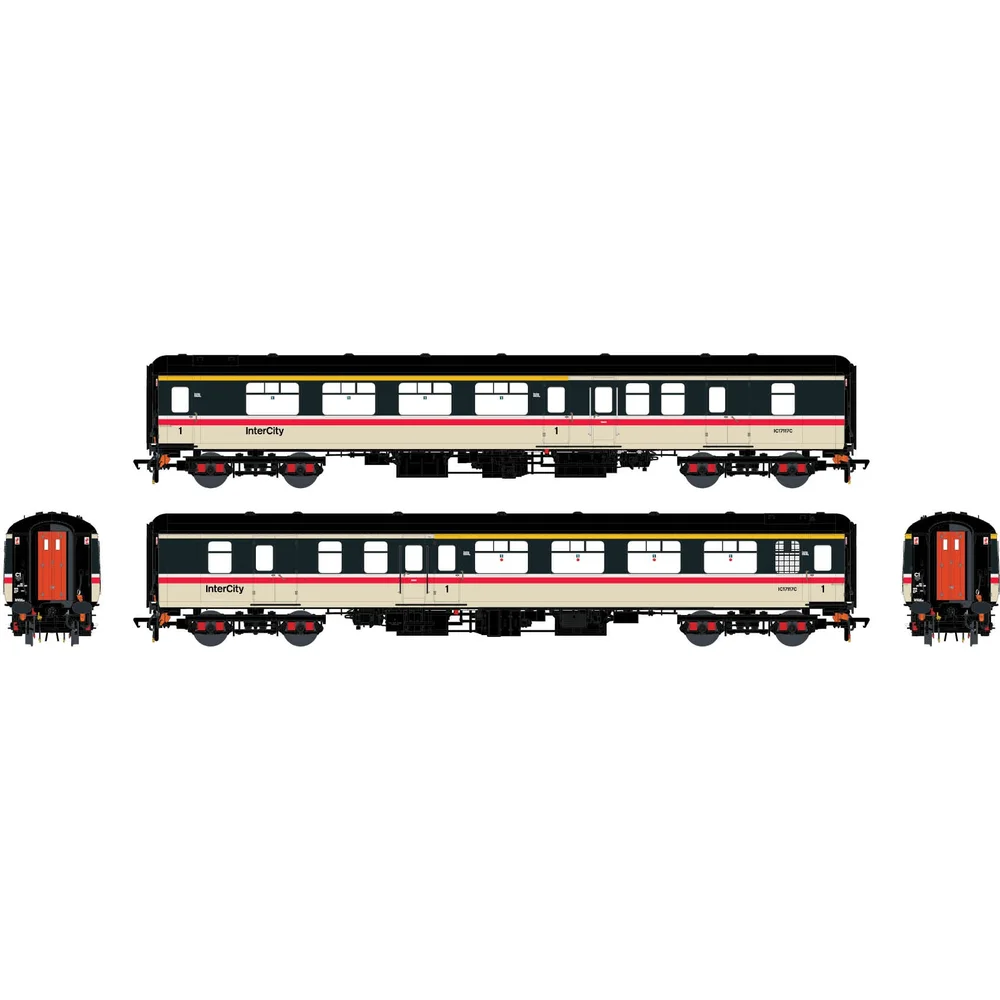
InterCity assumed responsibility for long-distance express services, inheriting prestigious named trains, modern rolling stock, and the most commercially viable routes. The sector's aggressive marketing, improved service quality, and focus on business travellers generated remarkable success—by 1989, InterCity achieved a £57 million profit, rising to £100 million by 1994. This performance made InterCity one of Britain's top 150 companies and demonstrated that railway passenger services could compete successfully with road and air transport.
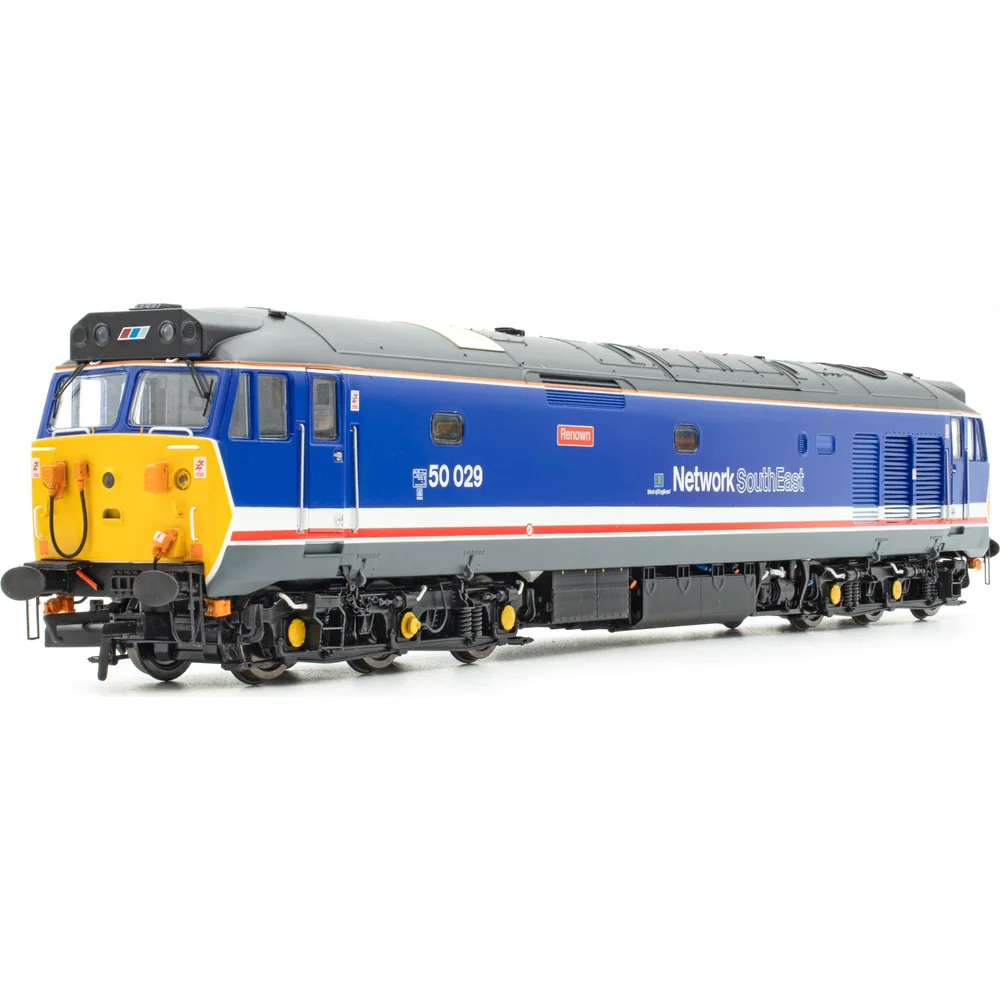
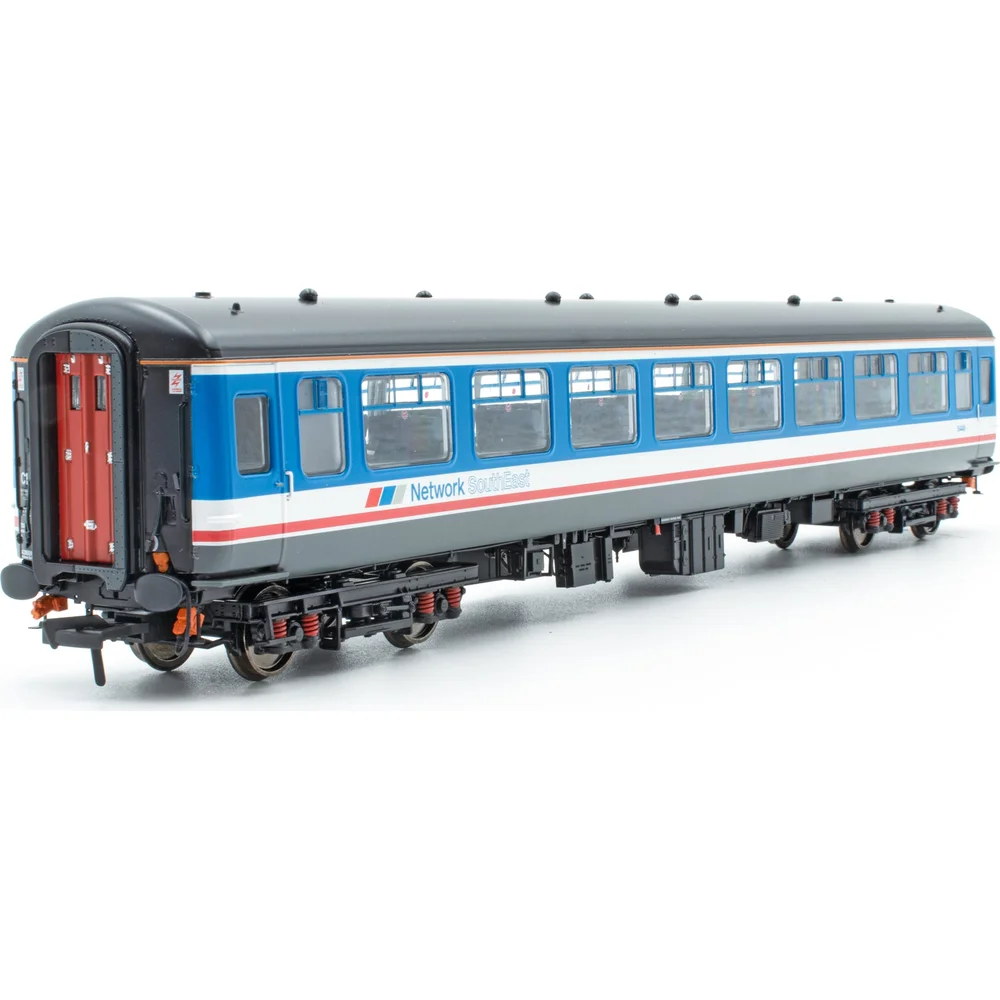
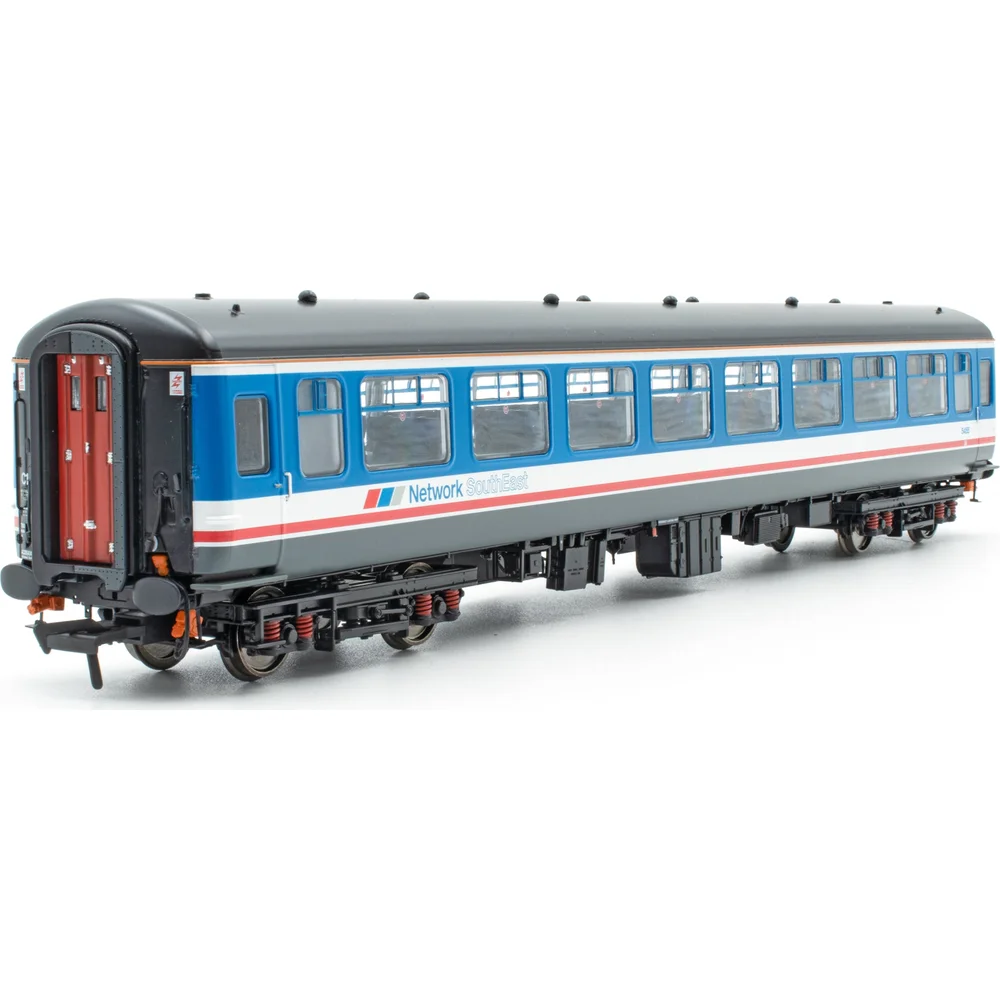
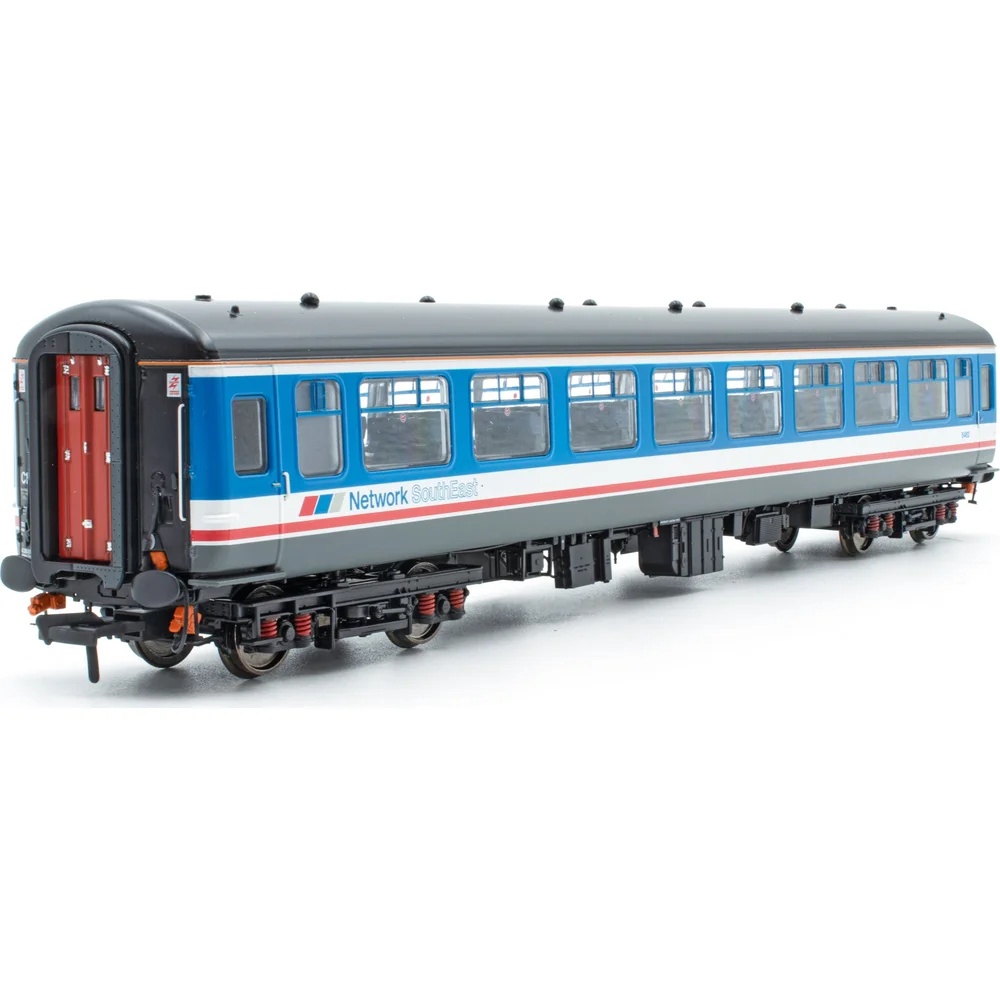
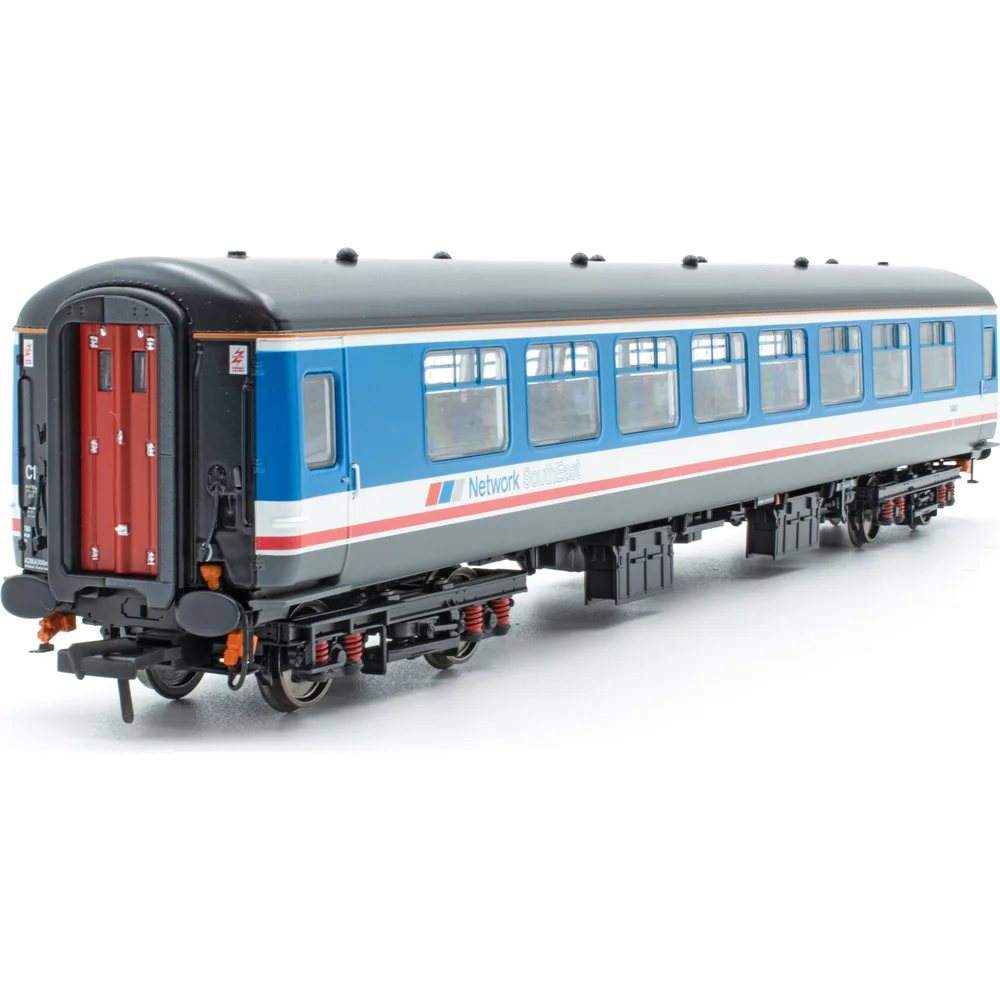
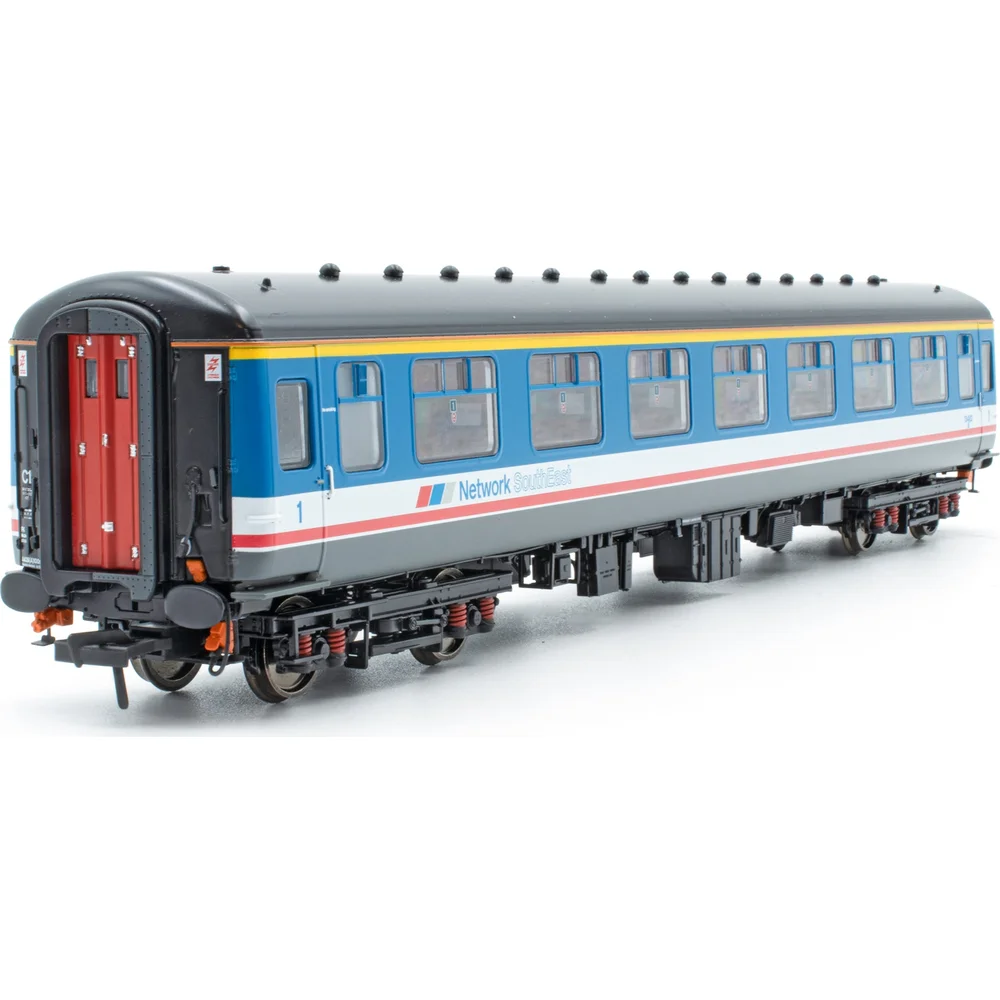
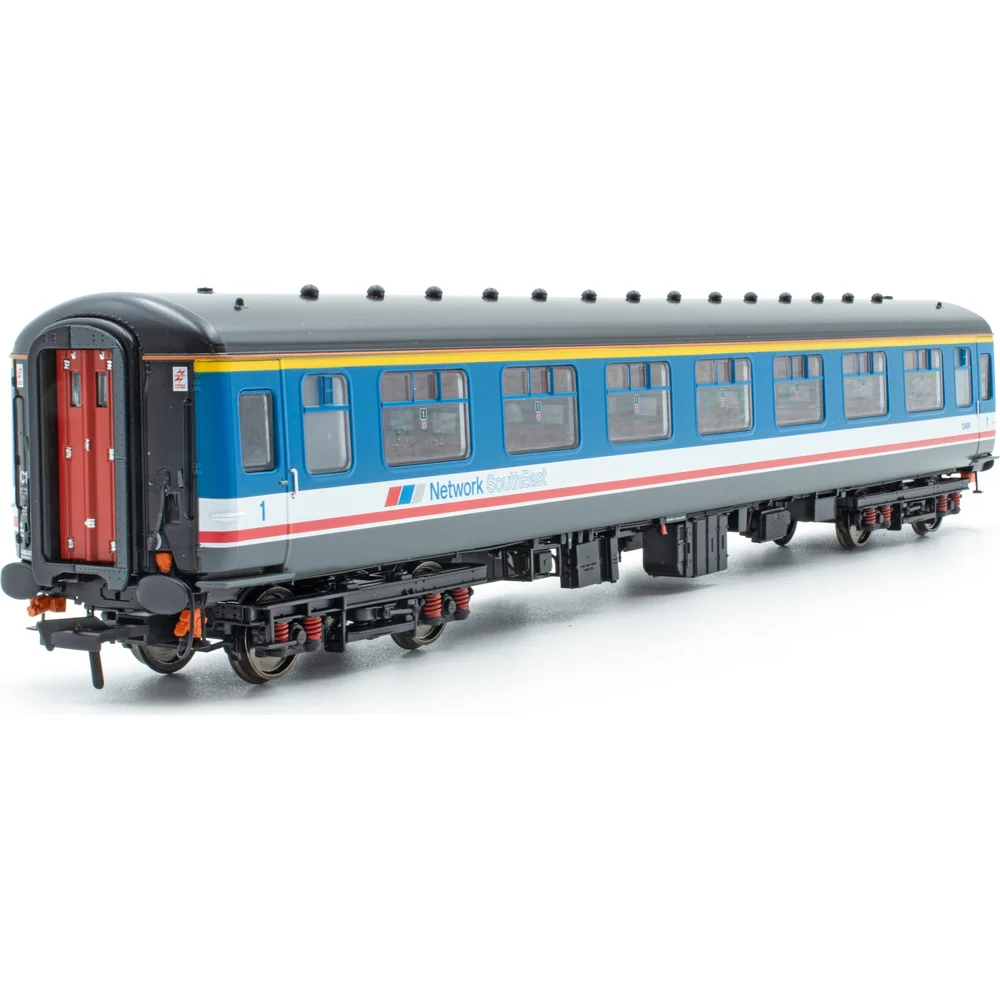
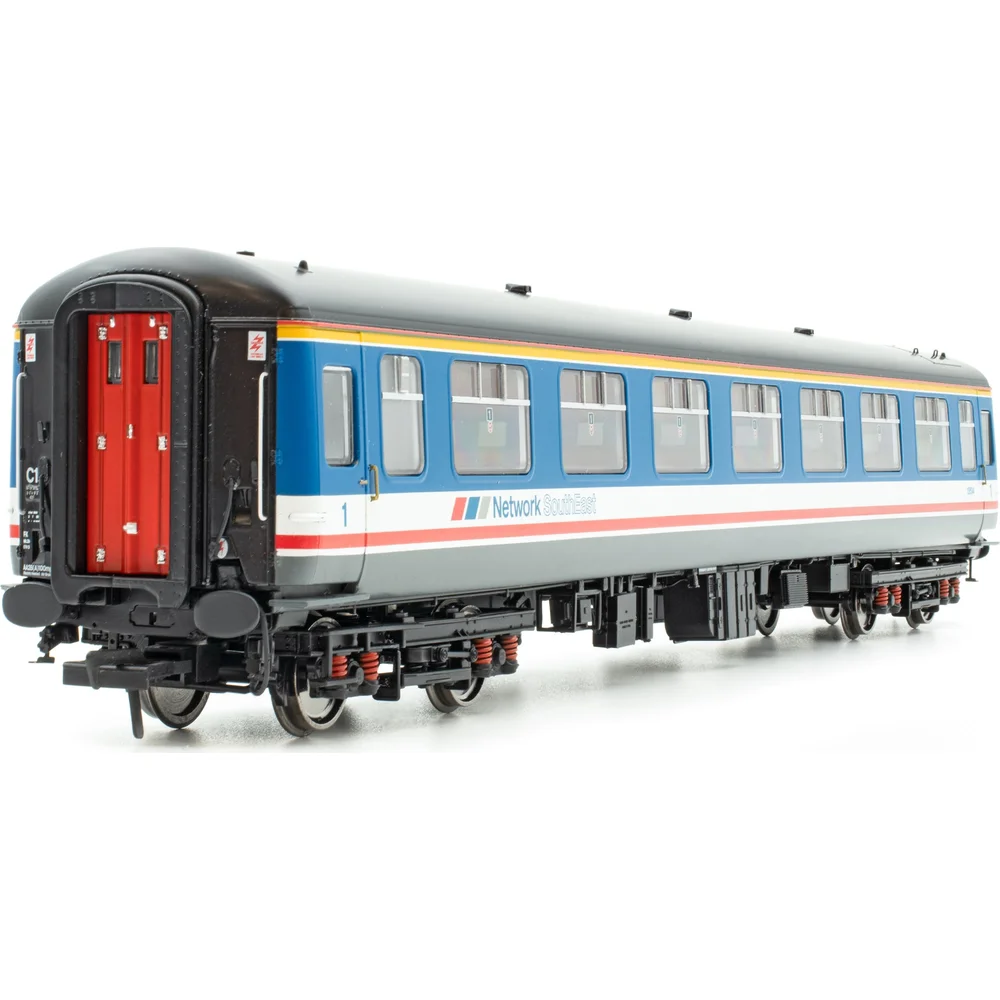
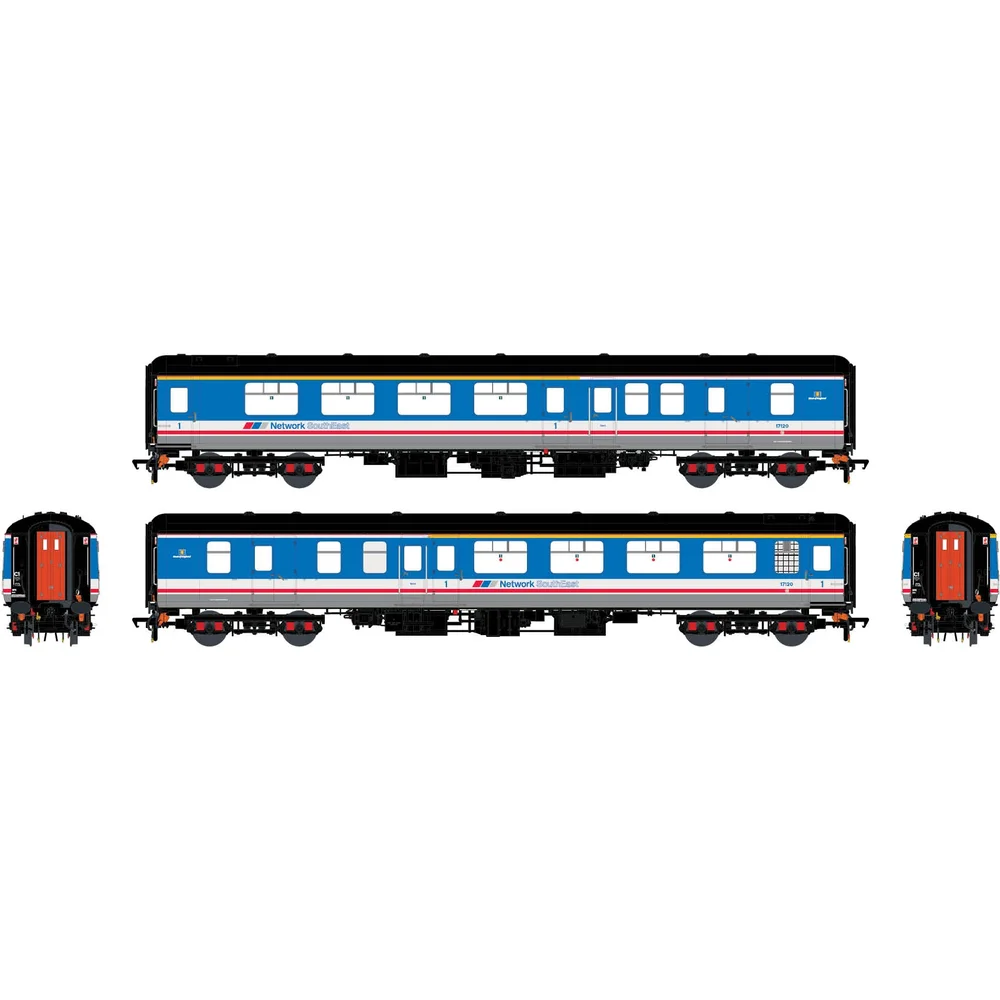
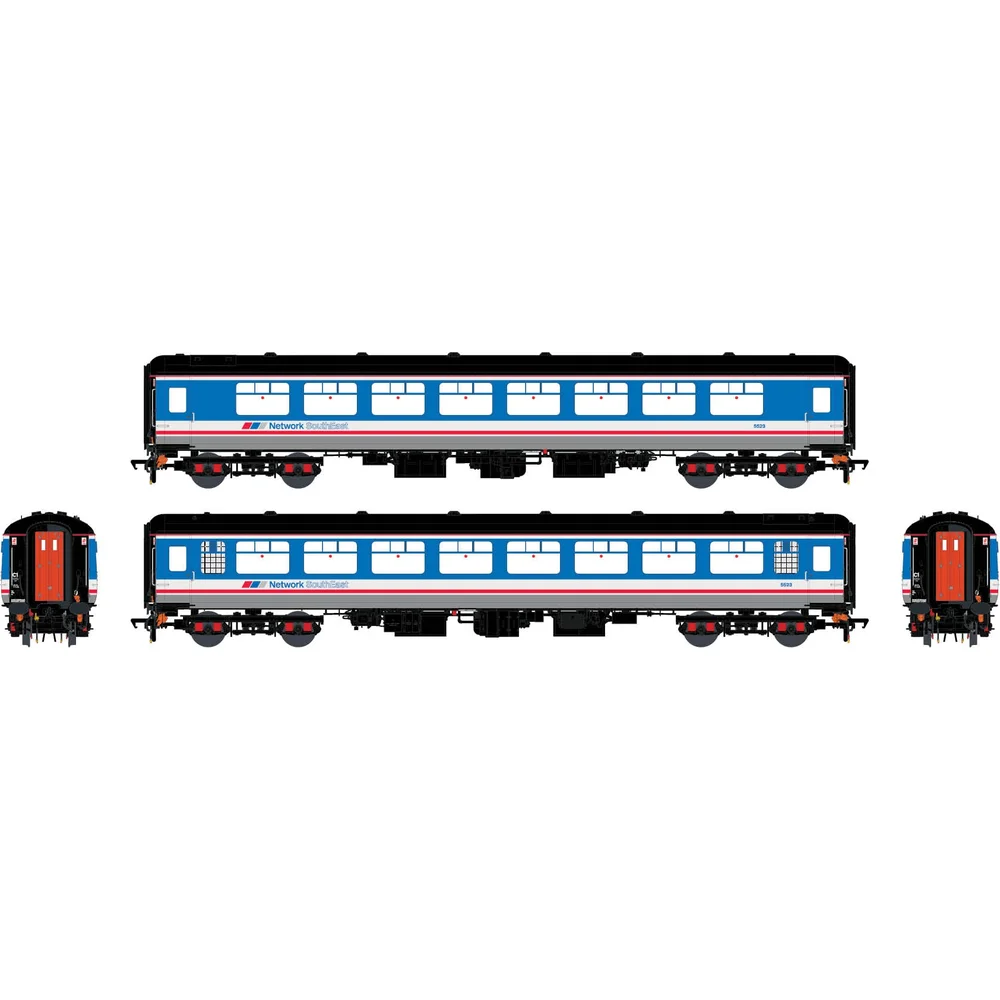
Network SouthEast (originally London & South East) coordinated commuter services around the capital, inheriting the complex suburban networks traditionally managed by separate regional headquarters. The sector introduced distinctive livery schemes, modernised rolling stock, and improved passenger facilities whilst managing the challenging economics of peak-hour only demand patterns. Network SouthEast's comprehensive approach to suburban transport planning influenced urban rail development throughout Britain.
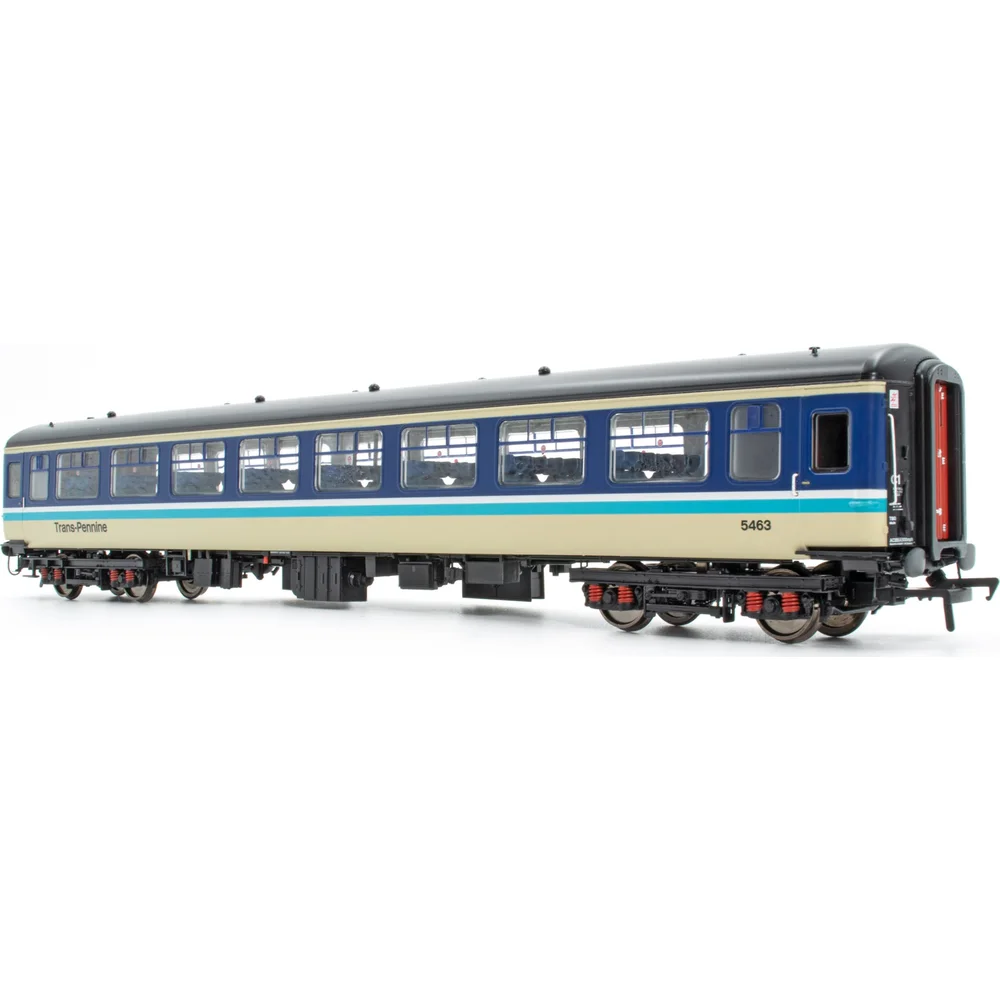
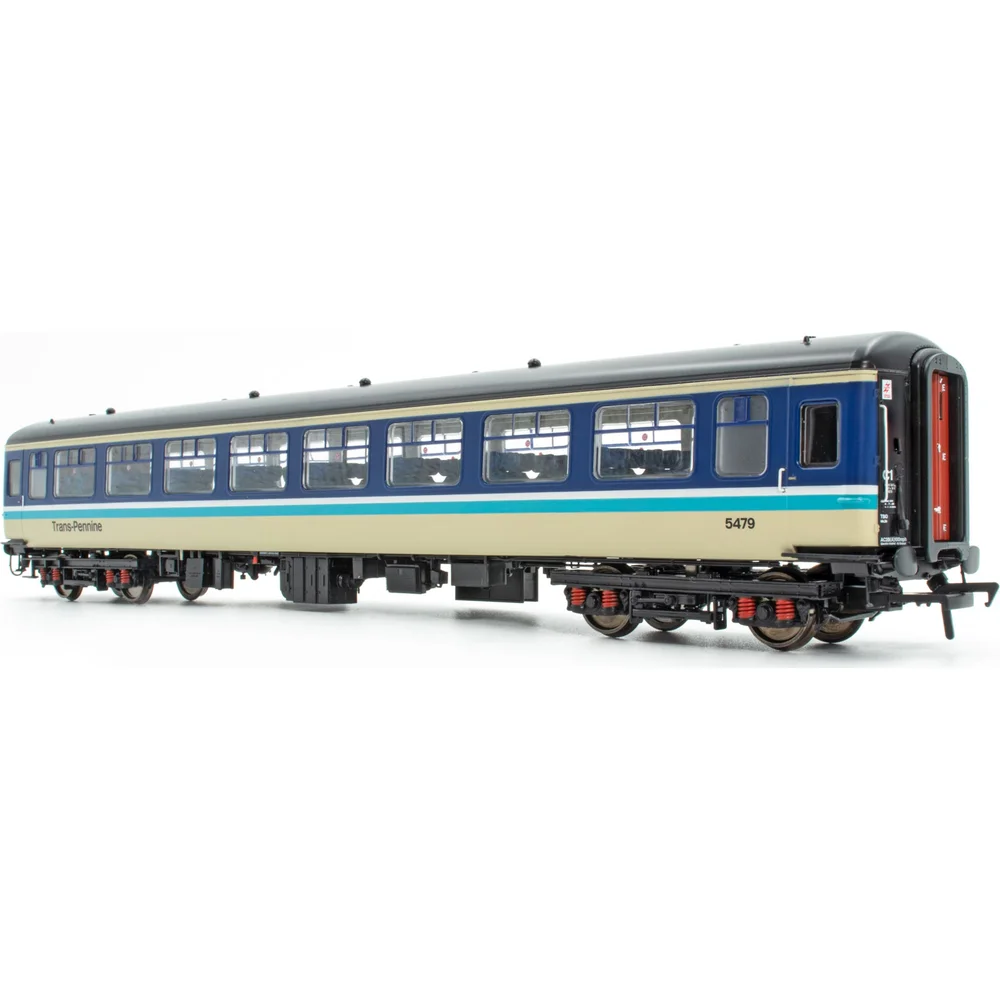
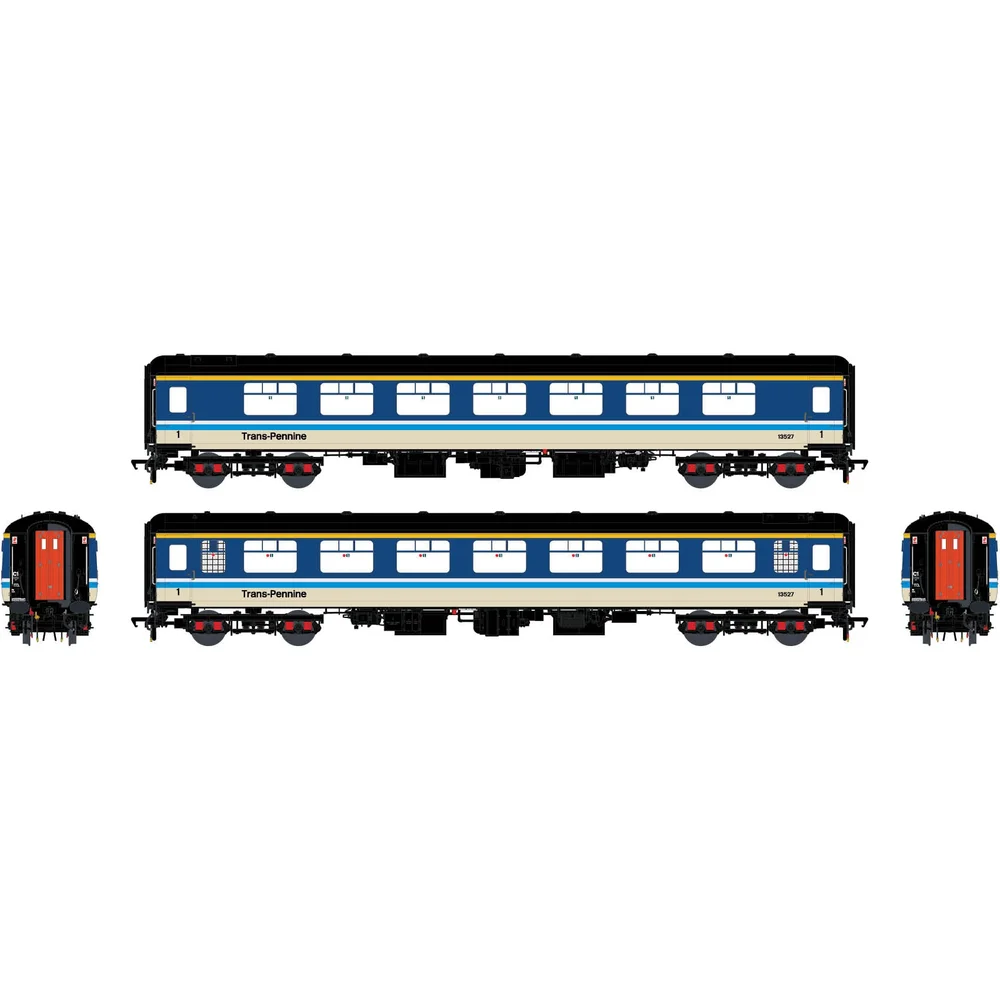
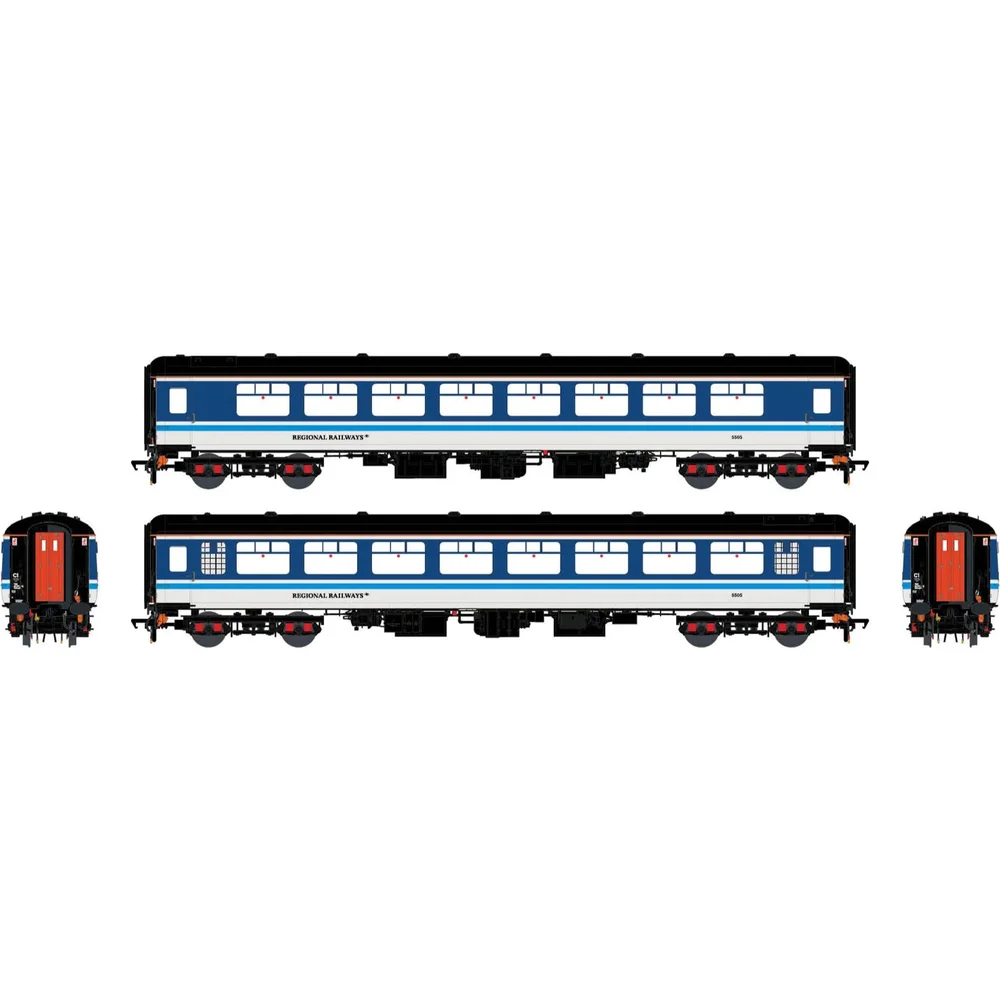
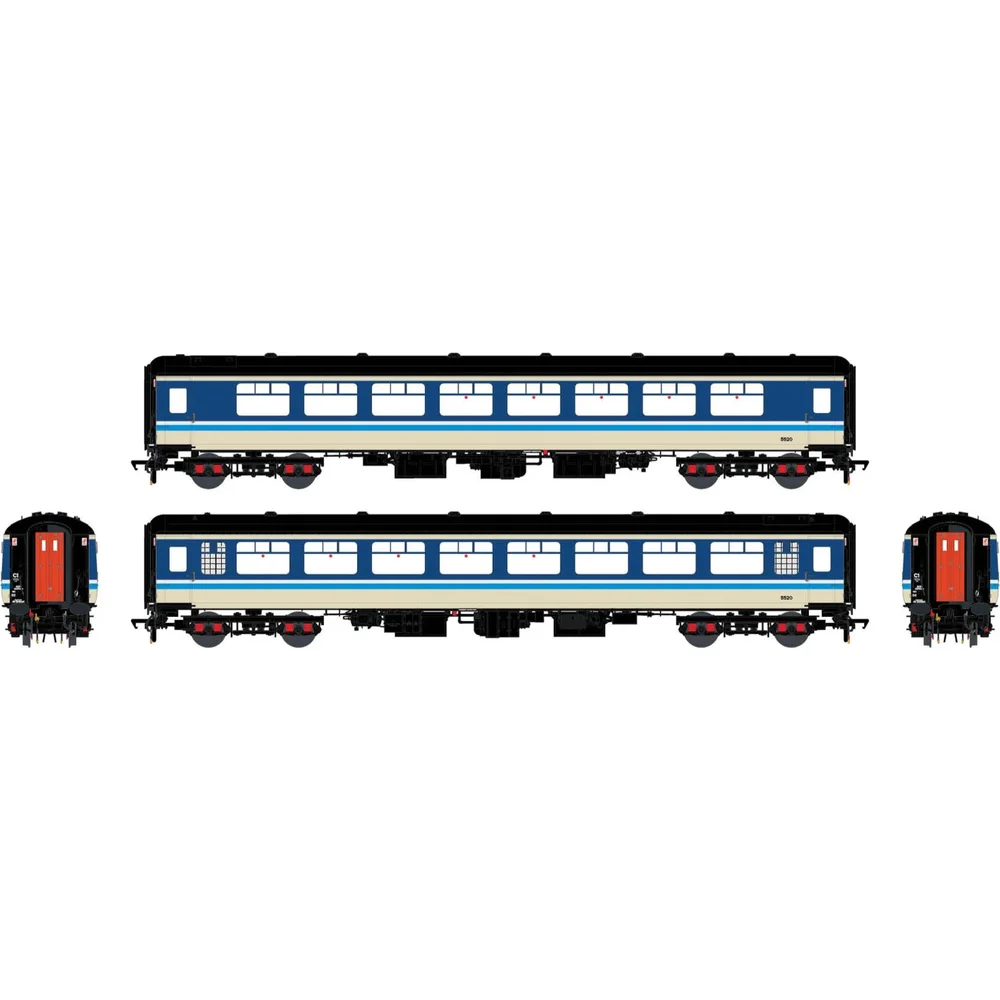
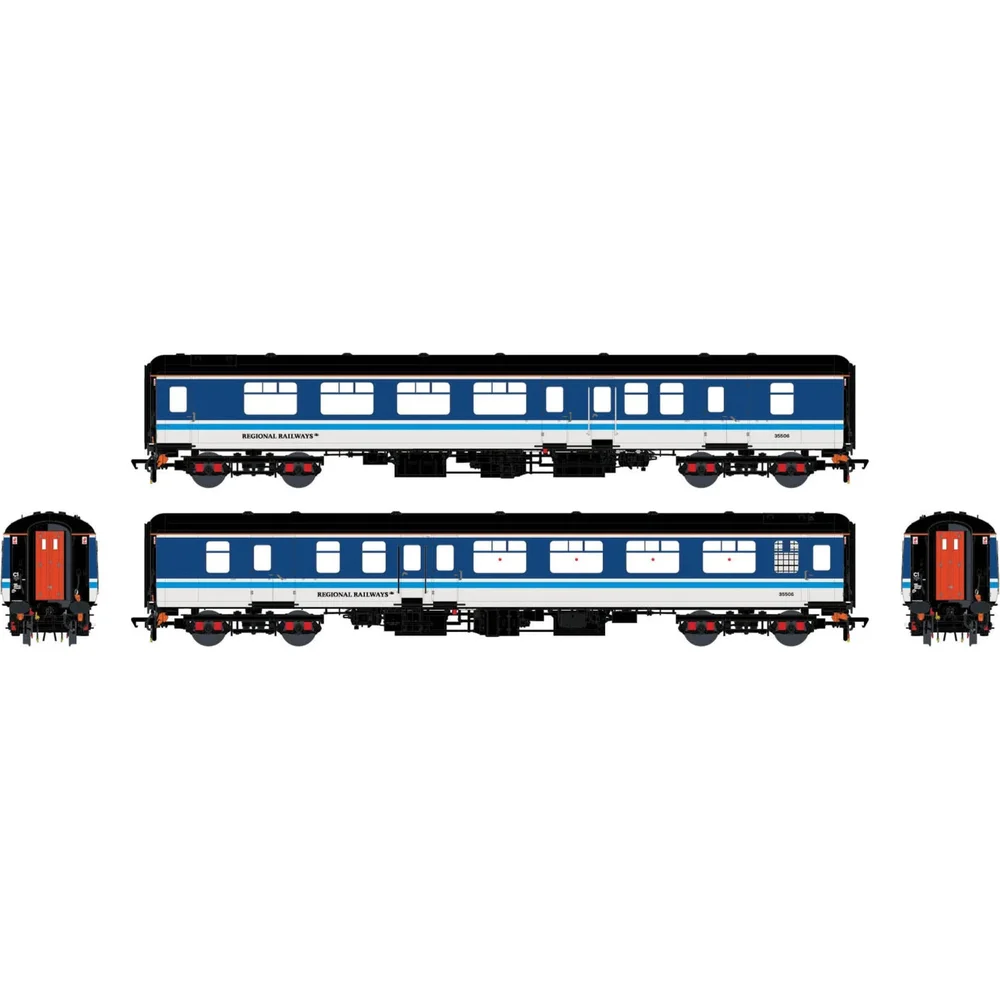
Regional Railways (initially Provincial) operated local and rural passenger services, facing the challenge of maintaining socially necessary but often unprofitable routes. The sector's innovative approach included steam rail motor revivals, community rail partnerships, and creative marketing campaigns that demonstrated rural railways' continuing social value. Regional Railways' diverse operations encompassed everything from Highland branch lines to Welsh valley services.
Freight operations were divided into Trainload Freight, handling bulk commodities like coal and steel; Railfreight Distribution, managing smaller consignments; and Rail Express Systems, operating mail and parcel services. This segmentation enabled specialised equipment, operational procedures, and commercial approaches tailored to different freight markets.
Each sector developed distinctive visual identities, ending the unified BR corporate image established in 1965. InterCity's grey and red scheme symbolised speed and efficiency, Network SouthEast's blue and red conveyed urban energy, whilst Regional Railways adopted various local colour schemes. These sector liveries provide excellent variety for railway modellers recreating 1980s and 1990s operations.
Operational insight: Sectorisation created fascinating mixed traffic scenarios as different sectors' trains shared infrastructure. Modellers can recreate authentic operations by running InterCity HSTs alongside Network SouthEast EMUs and Regional Railways DMUs, reflecting the operational complexity of post-1982 British Rail.
Electrification Programmes: Powering Modern Railway Operations
British Rail's electrification programme transformed Britain's principal railways from steam and diesel operation to modern electric traction, enabling higher speeds, increased capacity, and reduced environmental impact. These massive infrastructure projects, spanning several decades, demonstrated BR's commitment to long-term modernisation despite fluctuating political support and financial constraints.
The West Coast Main Line electrification, completed between 1959 and 1974, established 25kV AC overhead power from London Euston to Glasgow Central via Birmingham, Manchester, and Liverpool. This 401-mile project required complete infrastructure renewal including bridge modifications, signal system upgrades, and depot conversions. The investment enabled electric locomotive operation at up to 100 mph, subsequently increased to 110 mph, transforming journey times and service reliability.
Electric locomotive development paralleled infrastructure work, beginning with the pioneering AL1 class (later Class 81) and evolving through successive generations to the powerful Class 87 and Class 90 designs. These locomotives combined continental European technology with British operational requirements, featuring advanced thyristor control systems and regenerative braking capabilities. The Class 87 fleet, introduced from 1973, provided the backbone of West Coast electric services for over three decades.
The East Coast Main Line electrification, completed between 1985 and 1991, extended 25kV AC operation from London King's Cross to Edinburgh Waverley. This project coincided with the development of the InterCity 225 concept, featuring Class 91 electric locomotives, Mark 4 coaches, and Driving Van Trailers enabling push-pull operation at 125 mph. The Class 91 locomotives incorporated APT-derived technology including body-mounted traction motors and advanced bogie design.
Suburban electrification encompassed extensive third-rail DC systems around London, Manchester, Liverpool, and Glasgow, enabling high-frequency multiple unit operation with rapid acceleration and braking. The Southern Region's comprehensive 750V DC network, inherited from the pre-nationalisation Southern Railway, provided the template for suburban electric operation throughout Britain.
Electrification's benefits extended beyond operational improvements to environmental considerations and energy efficiency. Electric traction's superior power-to-weight ratio enabled longer, heavier trains whilst reducing infrastructure wear and noise pollution. The programme's success influenced subsequent High Speed 1 and High Speed 2 projects, establishing electrification as the preferred technology for modern railway development.
Technical detail: British Rail's electrification standards, including 25kV AC overhead systems and 750V DC third rail, established templates adopted by modern UK railways. Understanding these technical specifications helps modellers create authentic electrified layouts with appropriate infrastructure details.
Locomotive Development: From Steam Succession to Modern Traction
British Rail's locomotive development programme encompassed one of the most comprehensive transitions from steam to modern traction in railway history. The organisation inherited approximately 20,000 steam locomotives from the "Big Four" companies and systematically replaced them with diesel and electric designs that would define British railway operations for decades.
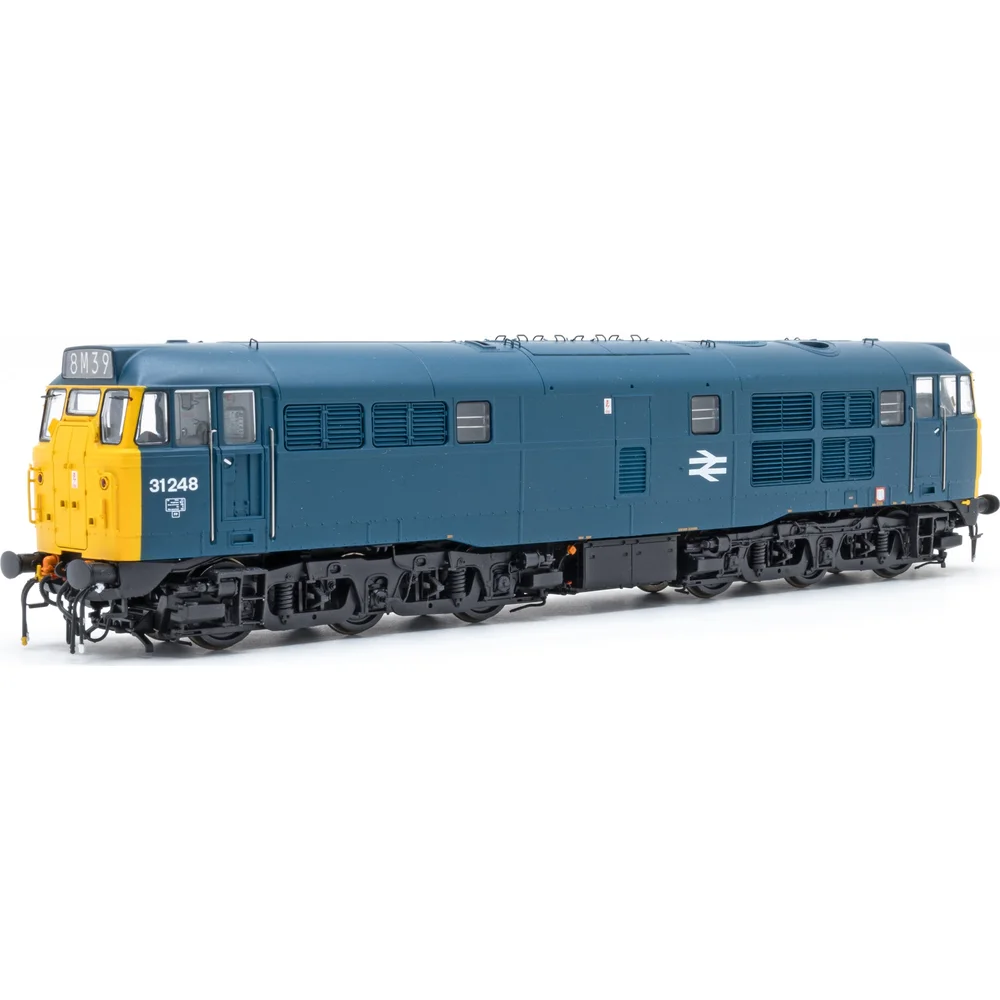
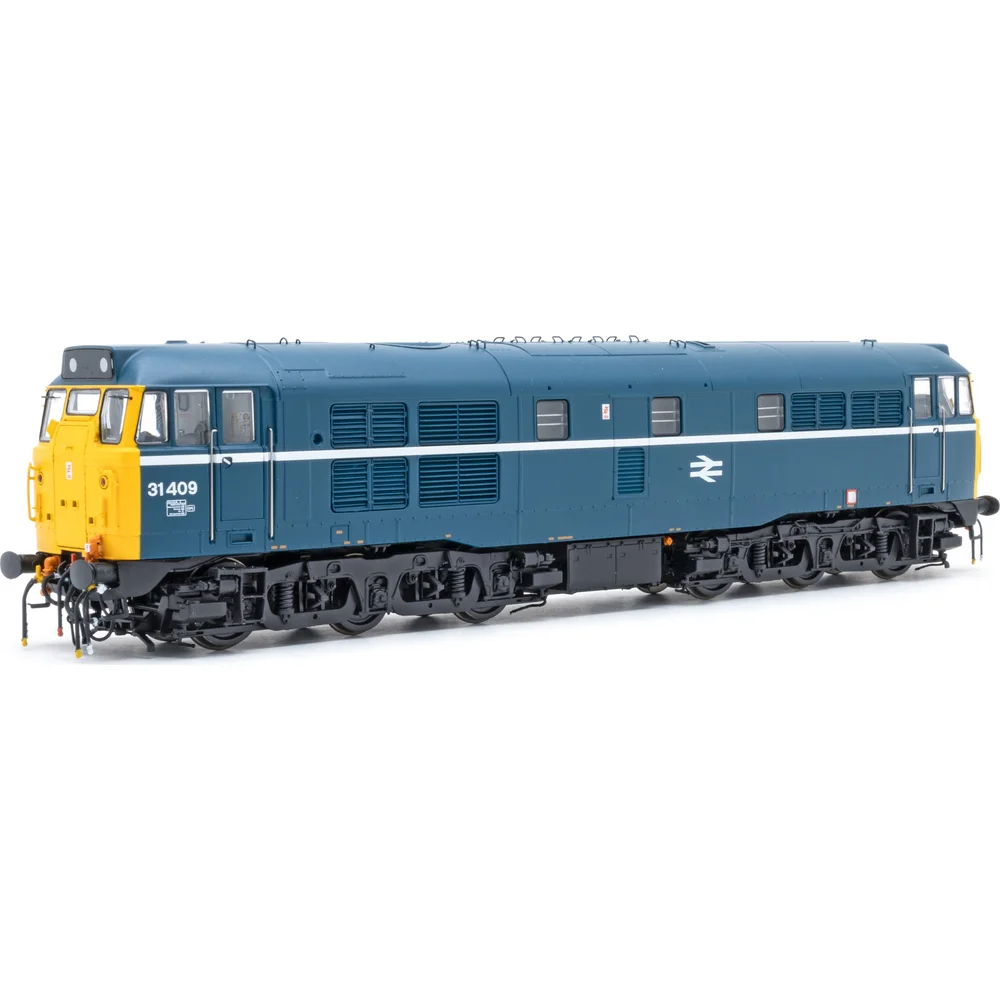
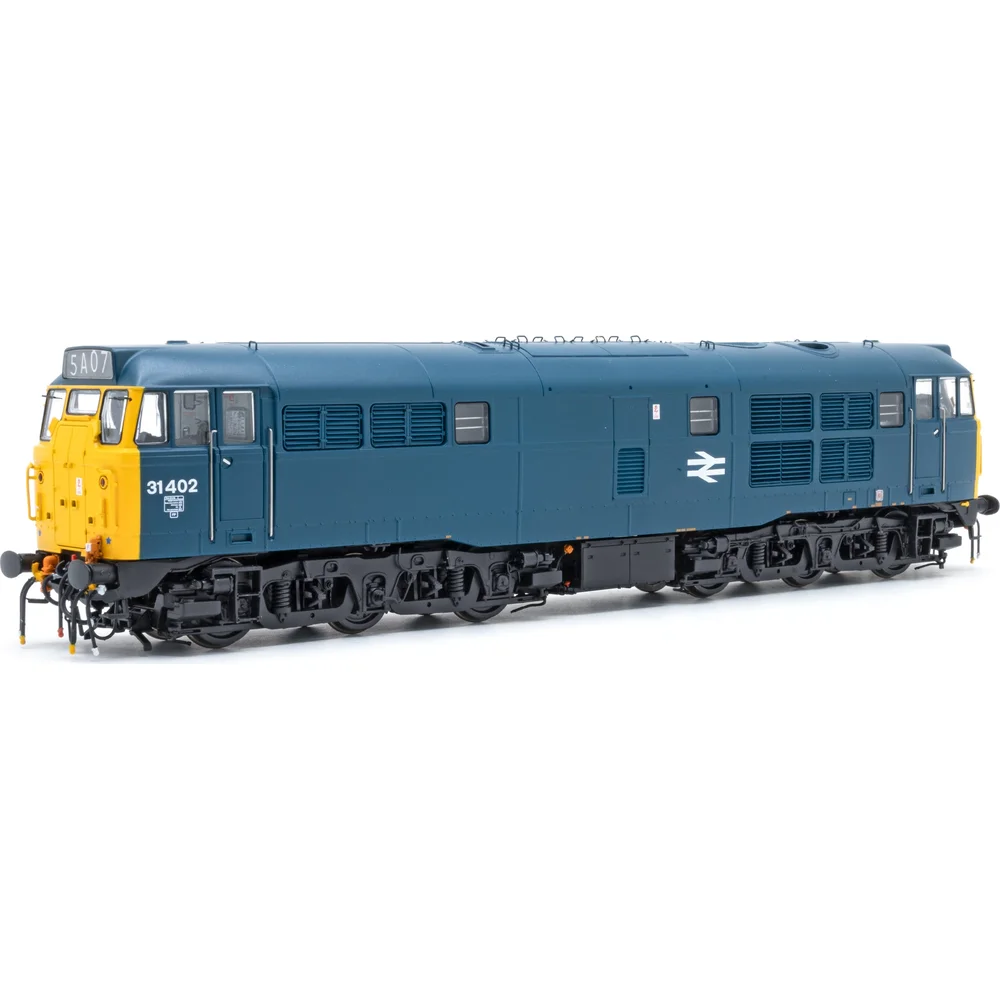
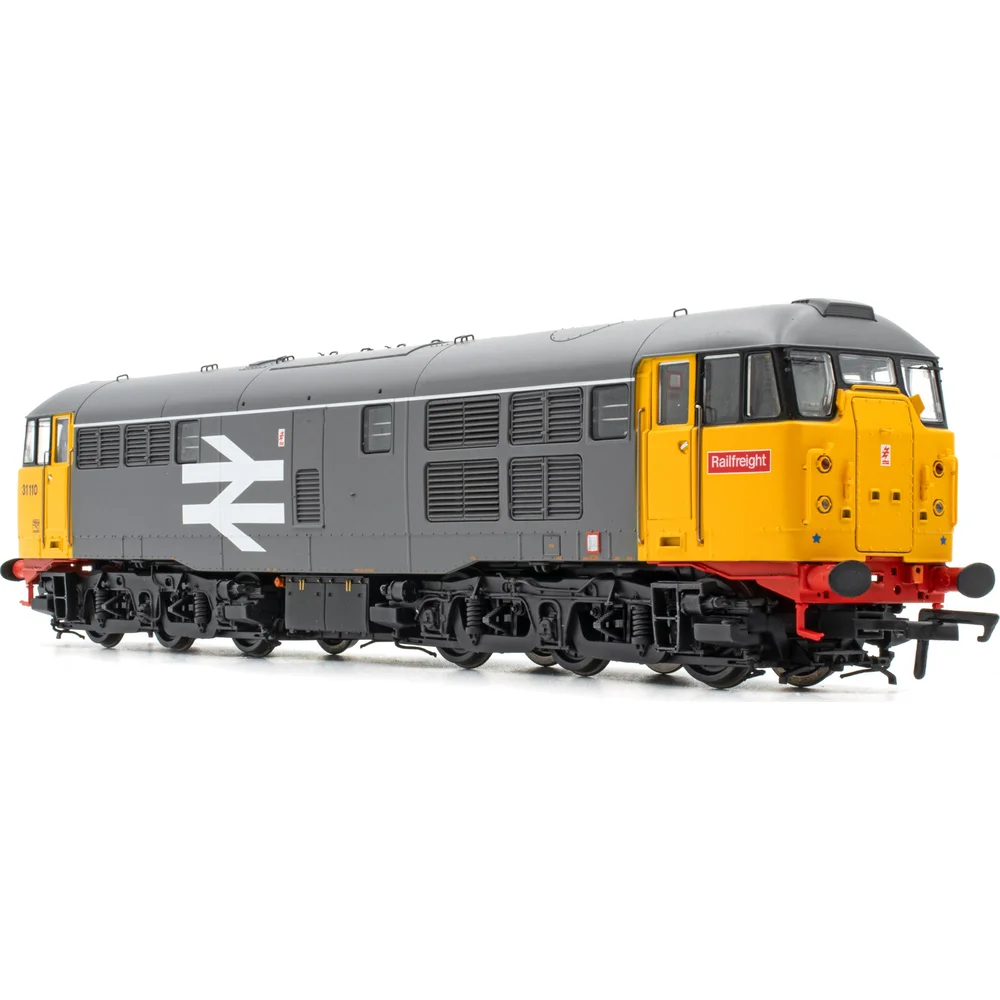
The diesel locomotive programme began with the pilot scheme ordering small batches from various manufacturers to evaluate different transmission systems, engine types, and power ratings. Early classes included the English Electric Type 1 (later Class 20), Brush Type 2 (Class 31), and Birmingham RC&W Type 3 (Class 27), establishing design principles that influenced subsequent development.
The successful English Electric Type 4 (Class 40) demonstrated the viability of high-power diesel traction, featuring the reliable Napier Deltic engine and capable of 90 mph operation. However, the most influential design emerged with the Brush Type 4 (Class 47), which became British Rail's most numerous locomotive class with 512 examples built between 1962 and 1968. The Class 47's versatility enabled operation on passenger and freight services throughout the BR network.
Electric locomotive development paralleled electrification programmes, beginning with the AL1 class (Class 81) for West Coast Main Line services. Successive generations incorporated improving technology—the Class 85 featured improved performance, the Class 86 introduced thyristor control, and the Class 87 provided 110 mph capability with enhanced reliability.
The revolutionary Class 91 electric locomotives, introduced for East Coast Main Line services in 1988, incorporated Advanced Passenger Train technology including body-mounted traction motors and advanced bogie design. These streamlined locomotives achieved 140 mph in testing and provided 125 mph service speed whilst operating in push-pull mode with Driving Van Trailers.
Multiple unit development transformed suburban and regional services through purpose-designed electric and diesel sets. The Class 508 Sprinter family, introduced from 1984, provided modern diesel traction for rural and cross-country services, whilst successive EMU designs modernised commuter operations around major cities.
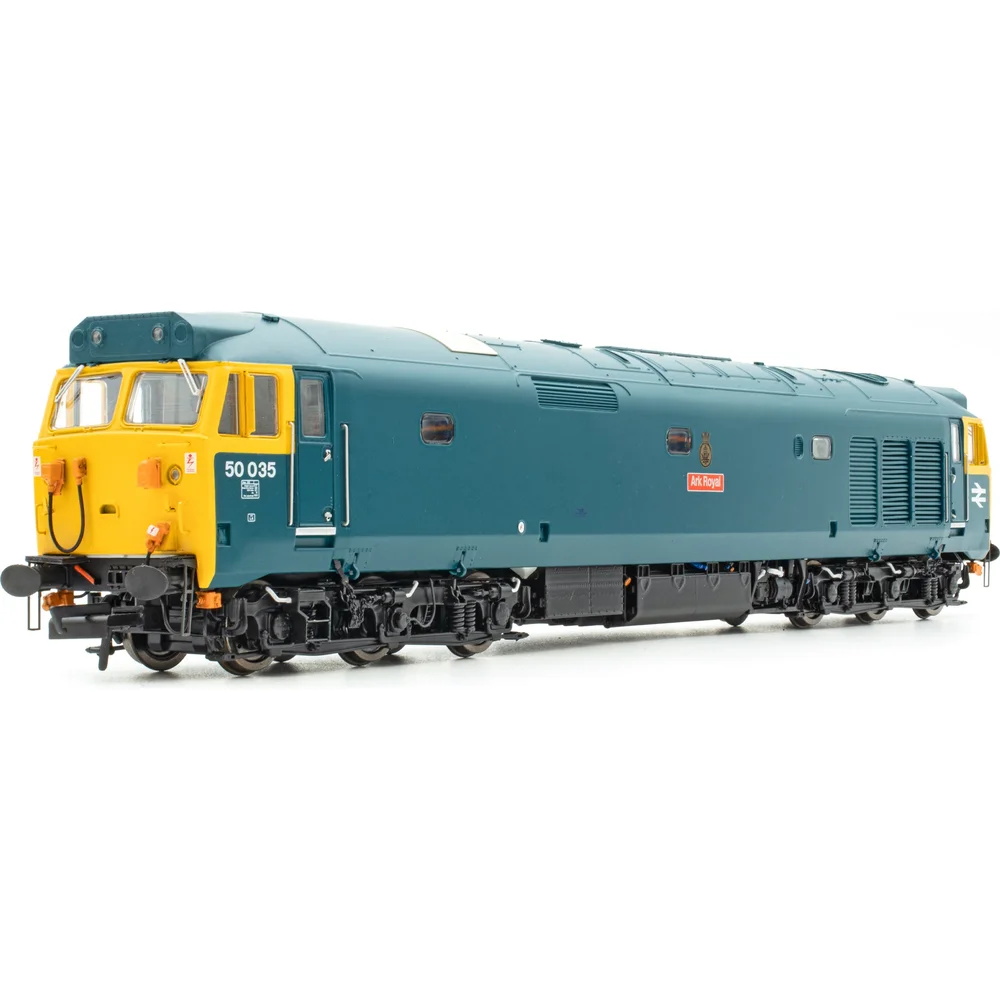
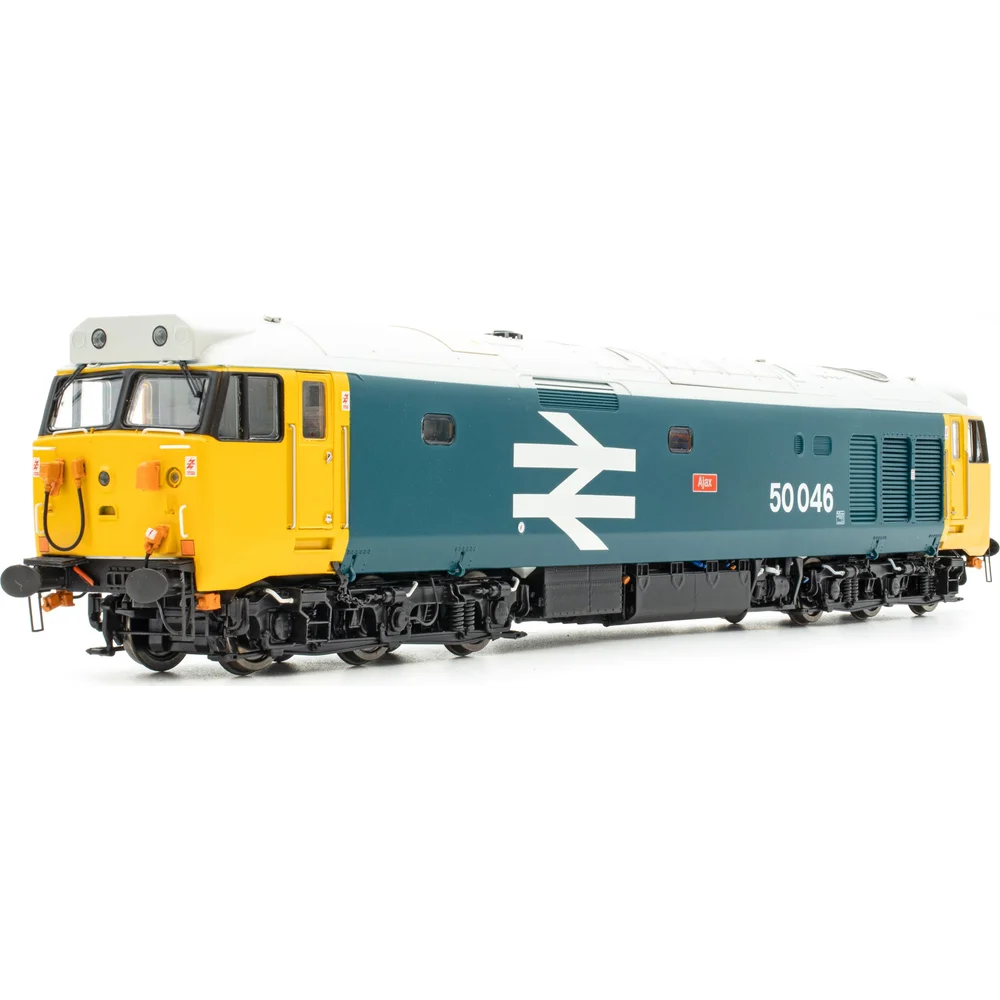
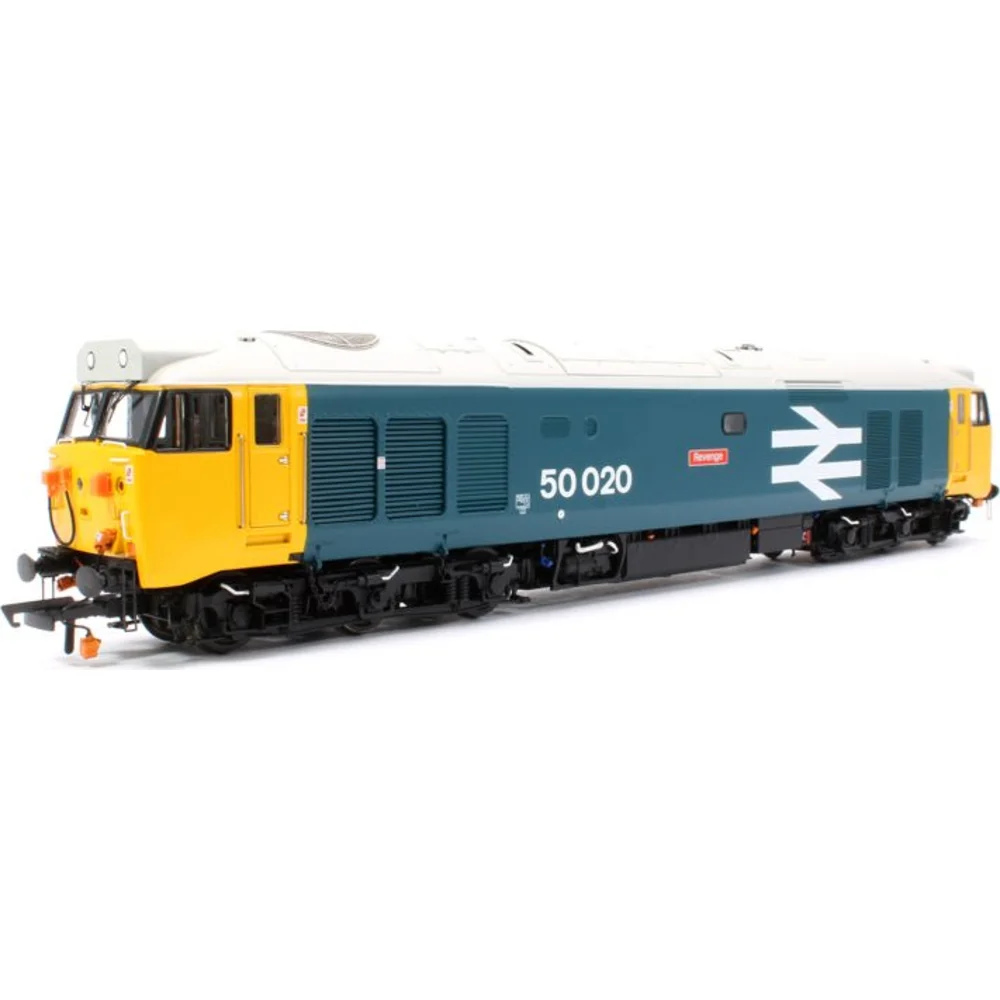
British Rail's locomotive heritage encompasses distinctive livery evolution from early green schemes through Rail Blue standardisation to sector-specific colours. Each period offers unique appeal for railway modellers, with manufacturers providing authentic models across all major classes and livery variations.
Collecting insight: British Rail locomotive development provides unparalleled variety for model railway enthusiasts. From unsuccessful early diesels to world-beating electric designs, the era offers authentic prototypes for every operational scenario and scale preference.
Classes
Rolling Stock Revolution: From Mark 1 to Modern Coaching Stock
The evolution of British Rail coaching stock from basic nationalisation-era carriages to sophisticated modern designs paralleled locomotive development and reflected changing passenger expectations throughout the BR period. This comprehensive modernisation programme transformed passenger comfort, safety standards, and operational efficiency whilst establishing design principles that influence contemporary railway practice.
The ubiquitous Mark 1 coaches, built from 1951 to 1974 with over 4,600 examples constructed, provided BR's passenger service backbone for three decades. These steel-bodied vehicles, derived from 1930s LMS designs, featured traditional compartment or open saloon accommodation with basic heating and lighting systems. Mark 1 longevity reflected robust construction and operational flexibility, with examples remaining in service until the 2000s.
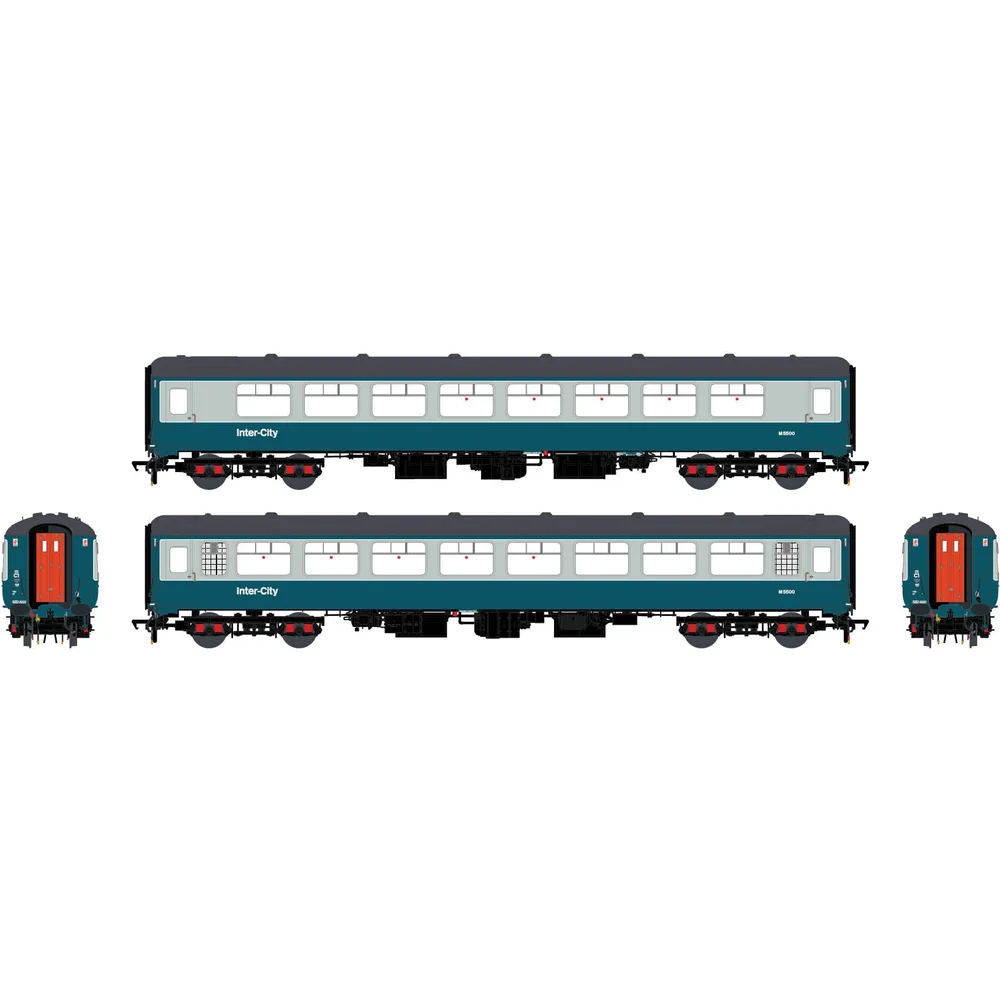
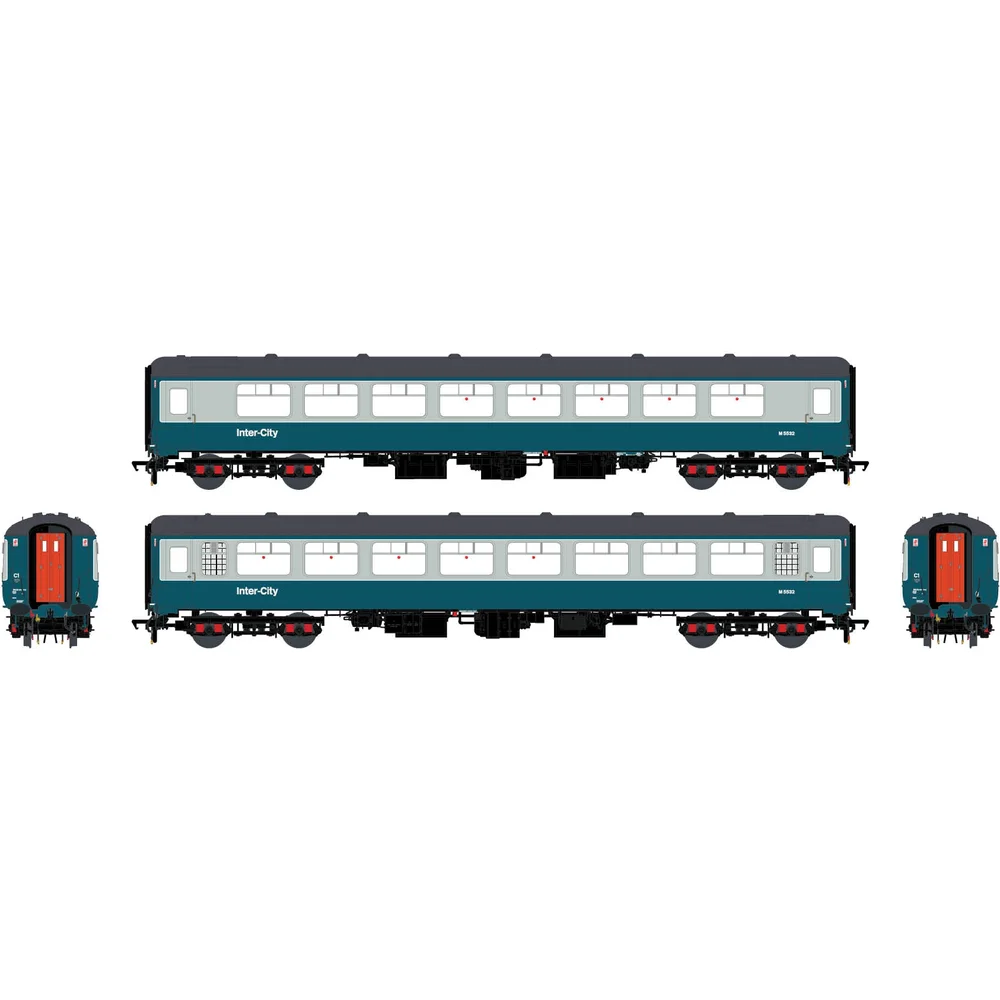
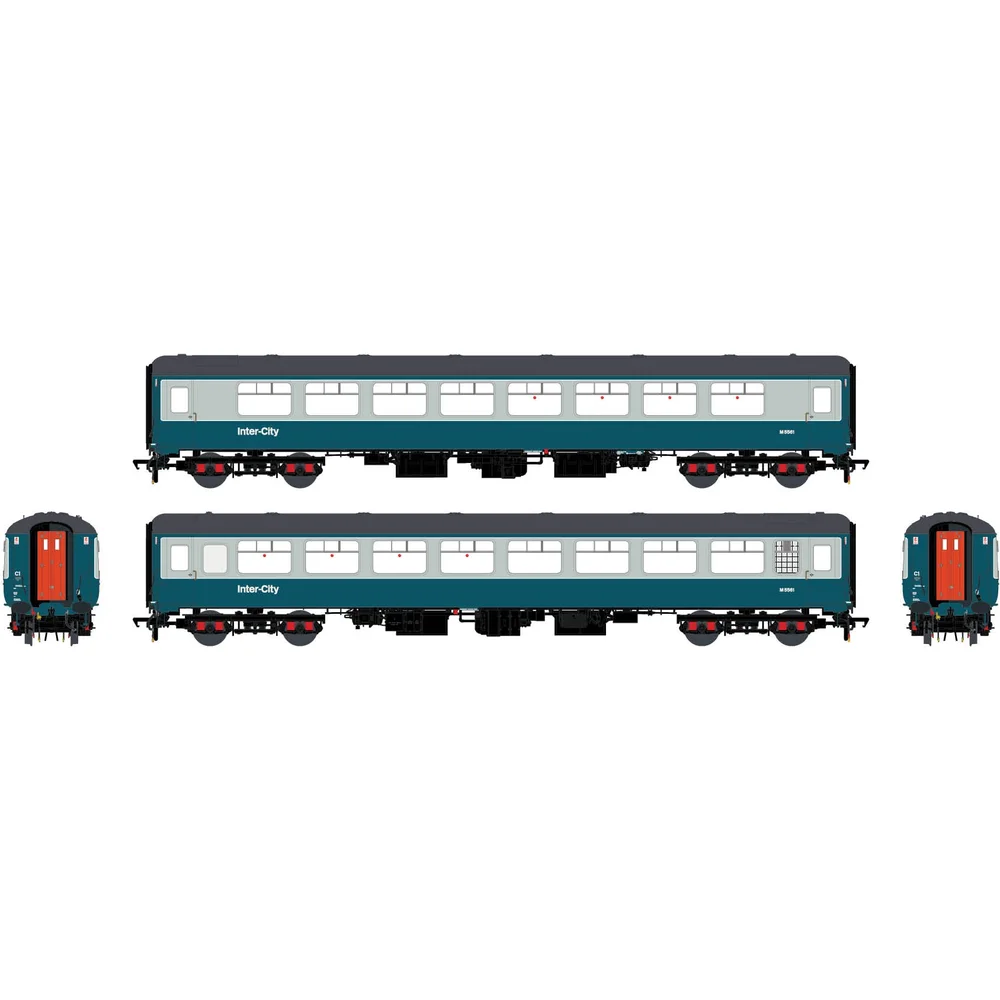
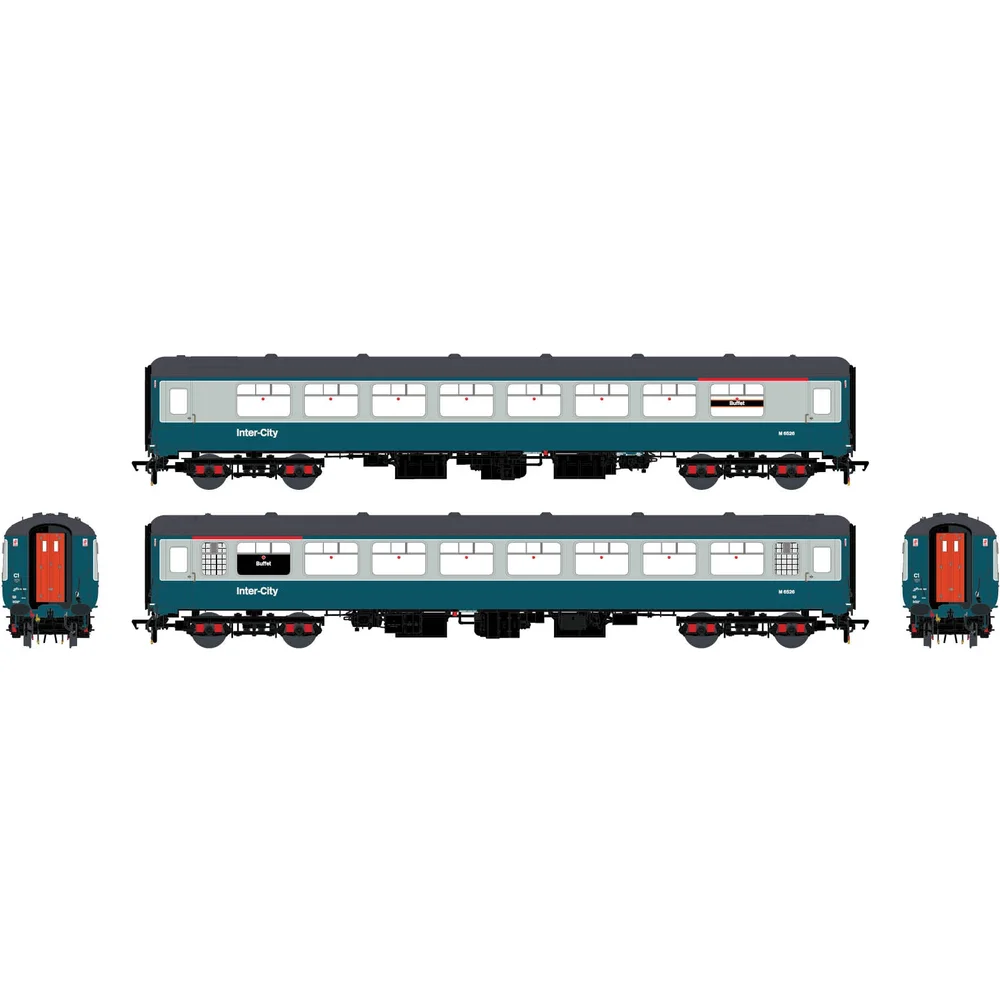
The Mark 2 series, introduced from 1963, incorporated improved ride quality through new suspension systems, better soundproofing, and enhanced passenger amenities including air conditioning on later examples. Mark 2 designs featured the distinctive rounded window profiles and smooth external finish that became synonymous with modern British Rail passenger service. These coaches formed InterCity services throughout the 1970s and 1980s.
The revolutionary Mark 3 coaches, developed specifically for High Speed Train operation, established new standards for passenger comfort and safety. Their air-conditioned interiors, aircraft-style seating, and comprehensive catering facilities attracted passengers back to rail travel from road and air alternatives. Mark 3 construction techniques, including aluminium bodysides and advanced bogies, enabled 125 mph operation whilst maintaining excellent ride quality.
Mark 4 coaches, introduced for East Coast Main Line electrification, represented the pinnacle of British Rail passenger vehicle development. These pressure-tight vehicles, designed for 140 mph operation, featured advanced electronics, comprehensive passenger information systems, and ergonomic interior design. The accompanying Driving Van Trailers enabled locomotive push-pull operation without the weight penalty of additional power cars.
Multiple unit development revolutionised suburban and regional services through integrated train-sets designed for specific operational requirements. The Class 508/509 Sprinter family provided modern diesel accommodation for cross-country services, whilst various EMU designs modernised commuter operations with improved acceleration, passenger capacity, and operational reliability.
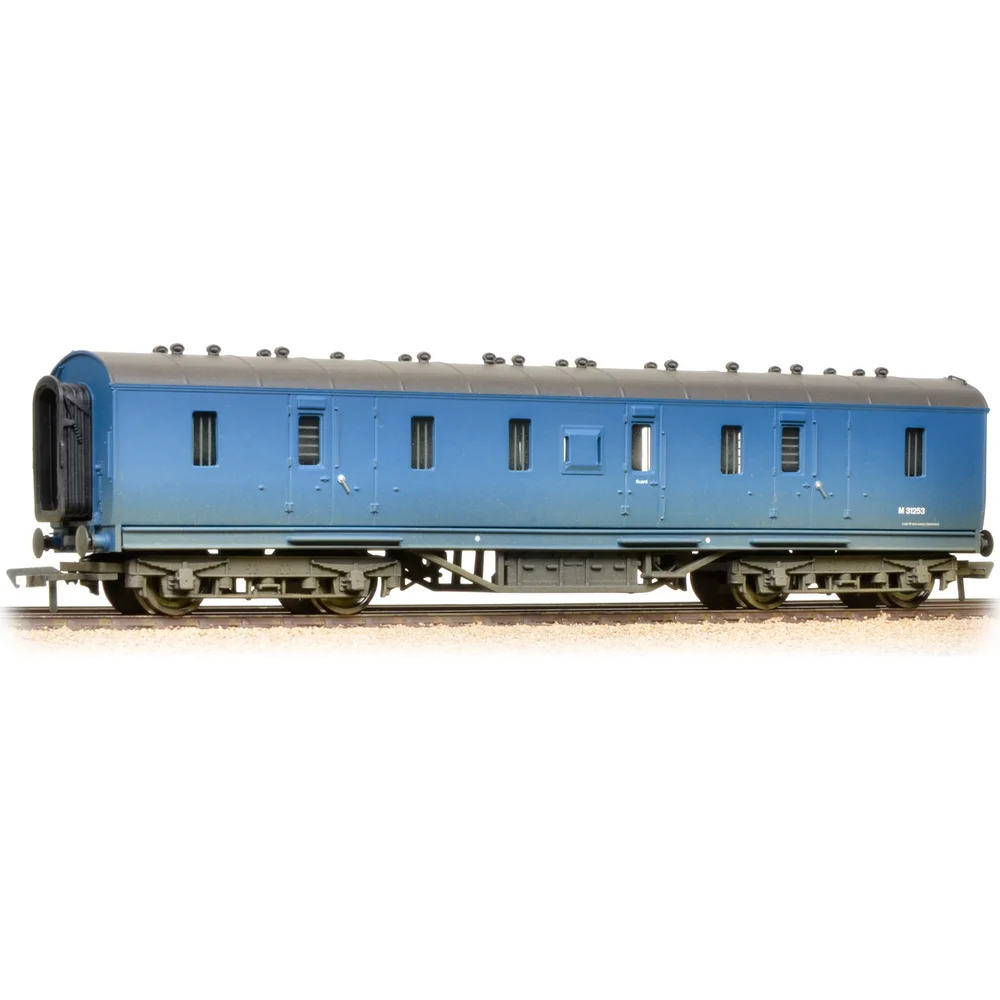
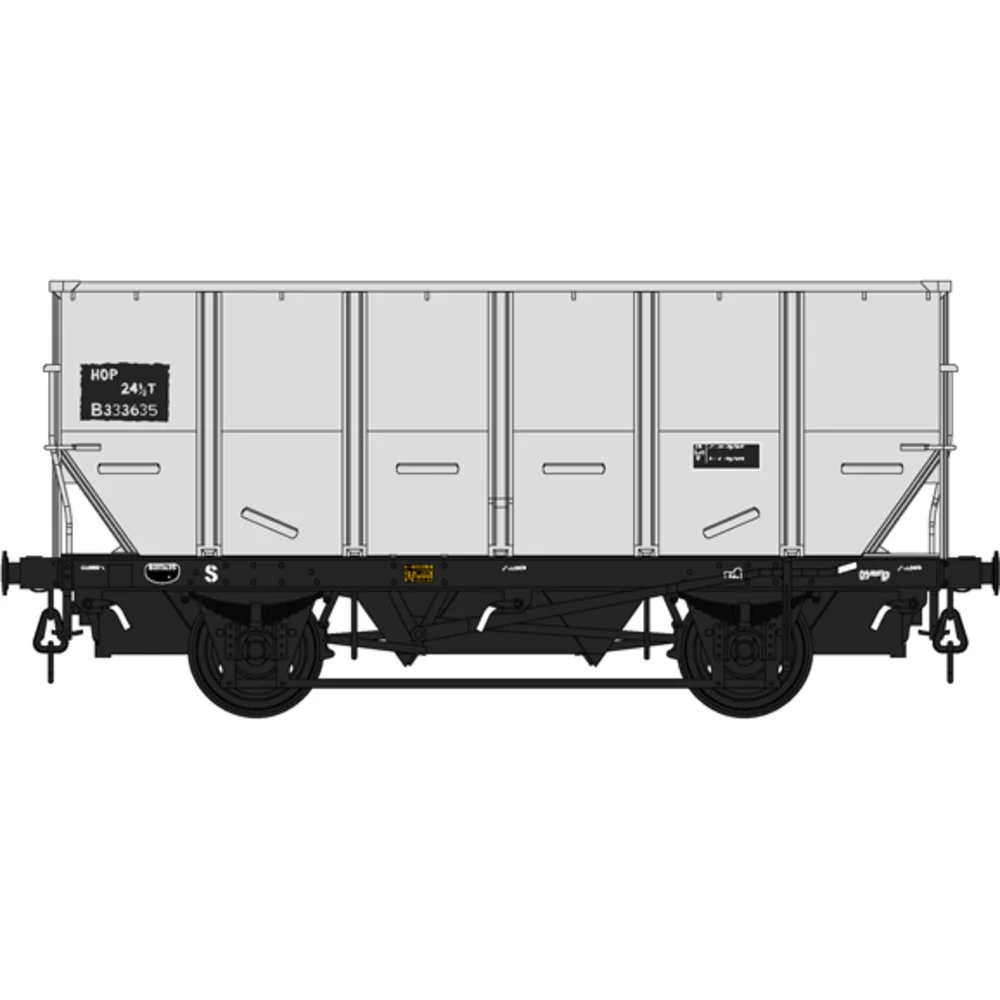
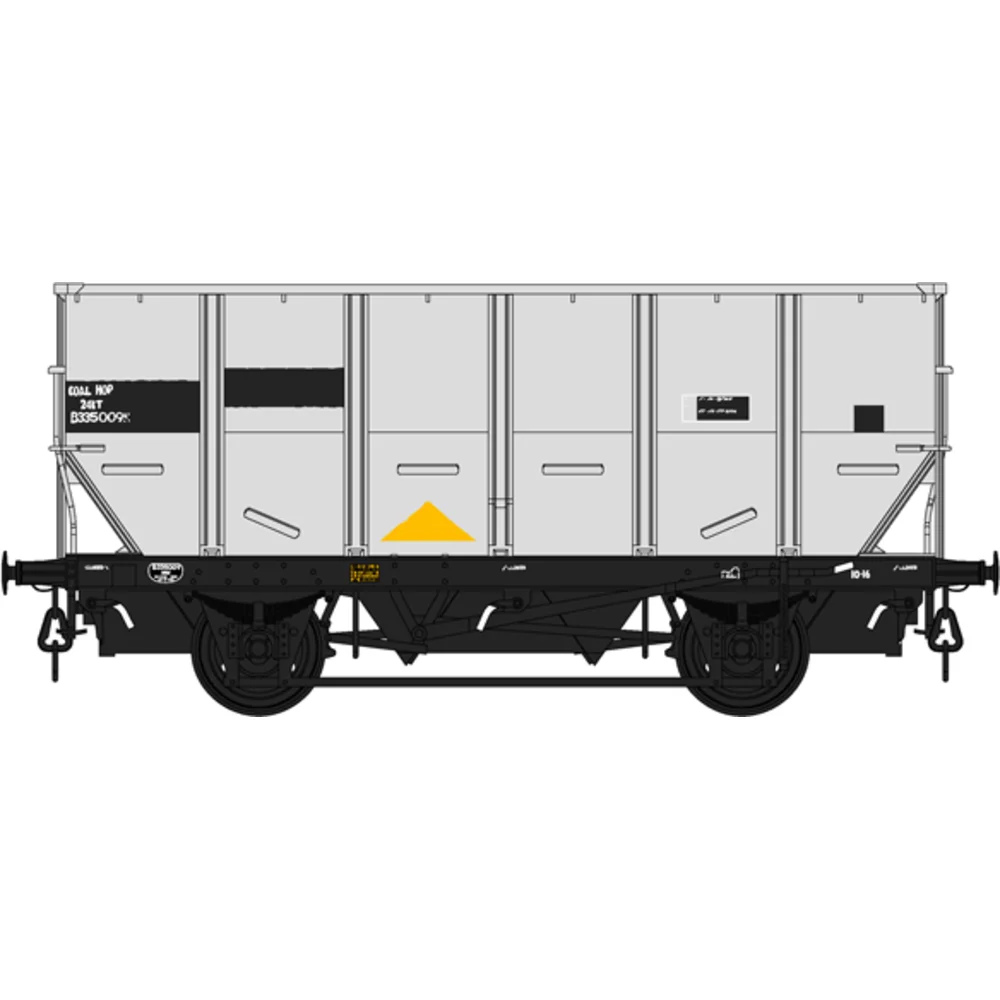
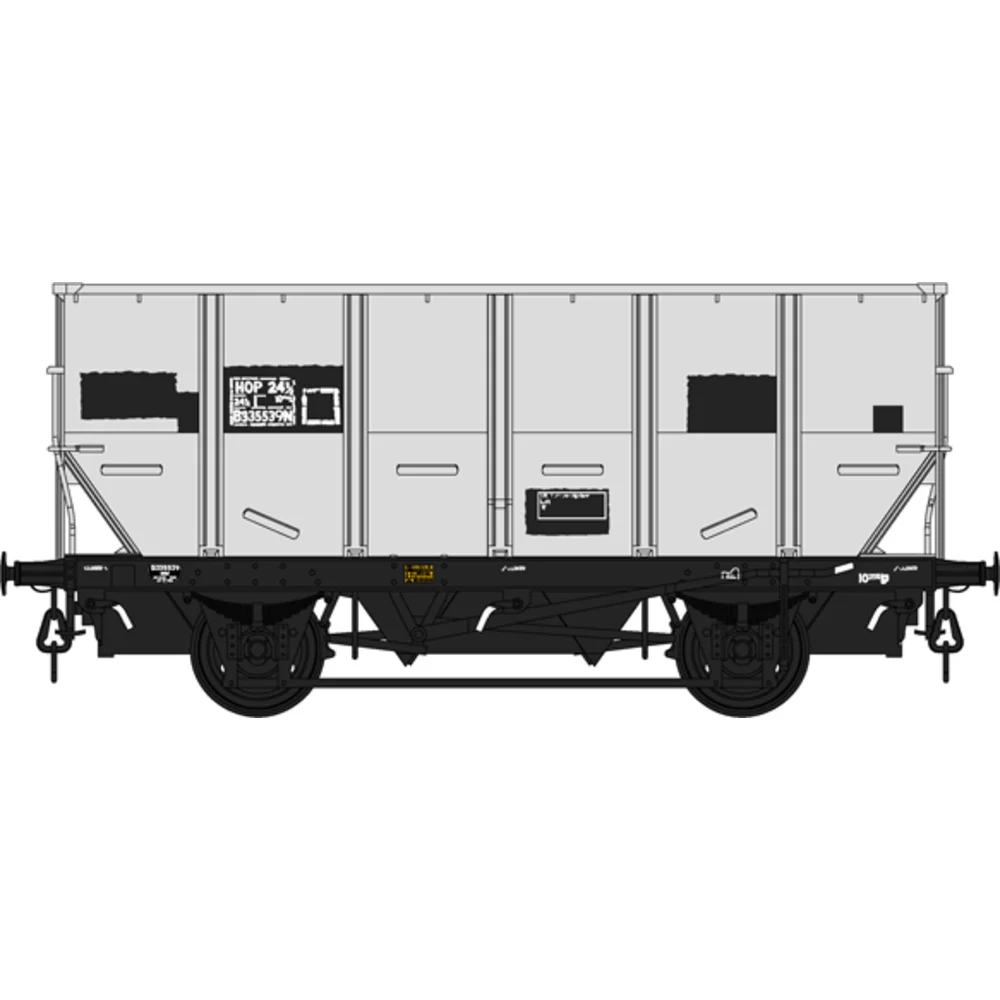
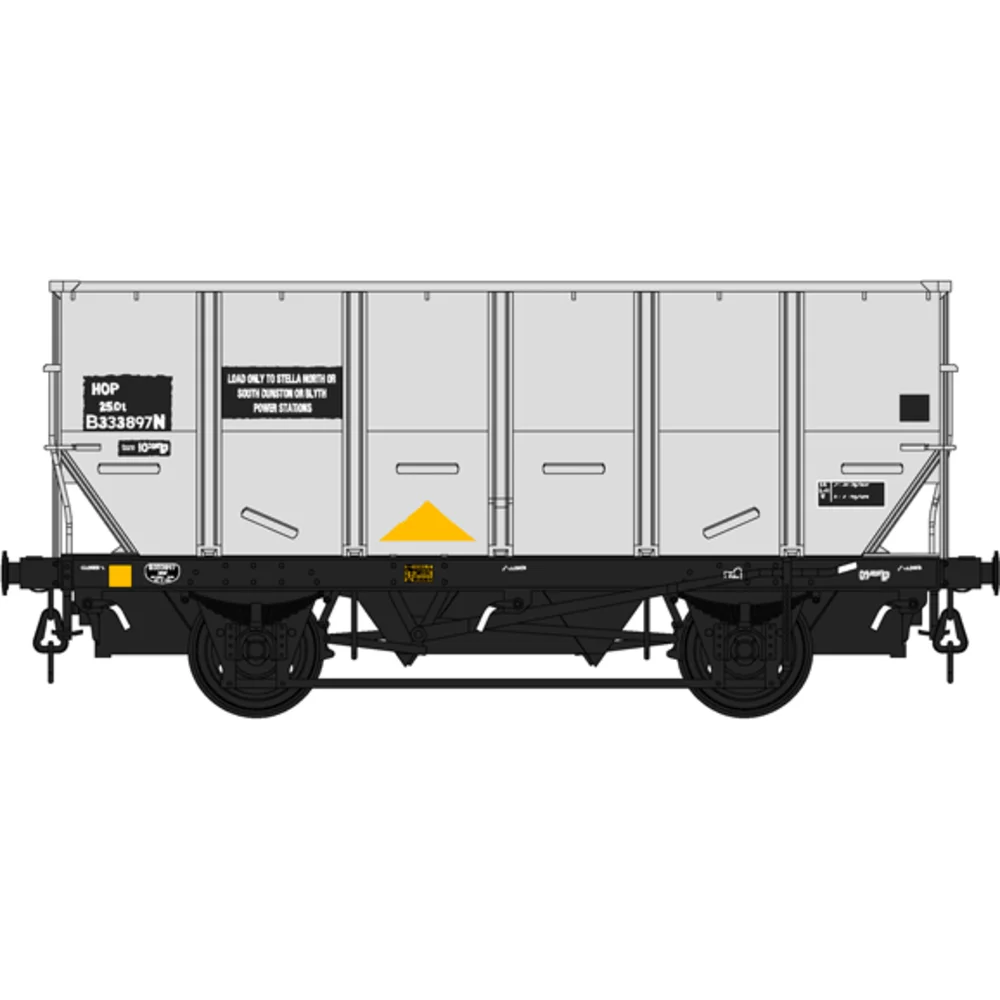
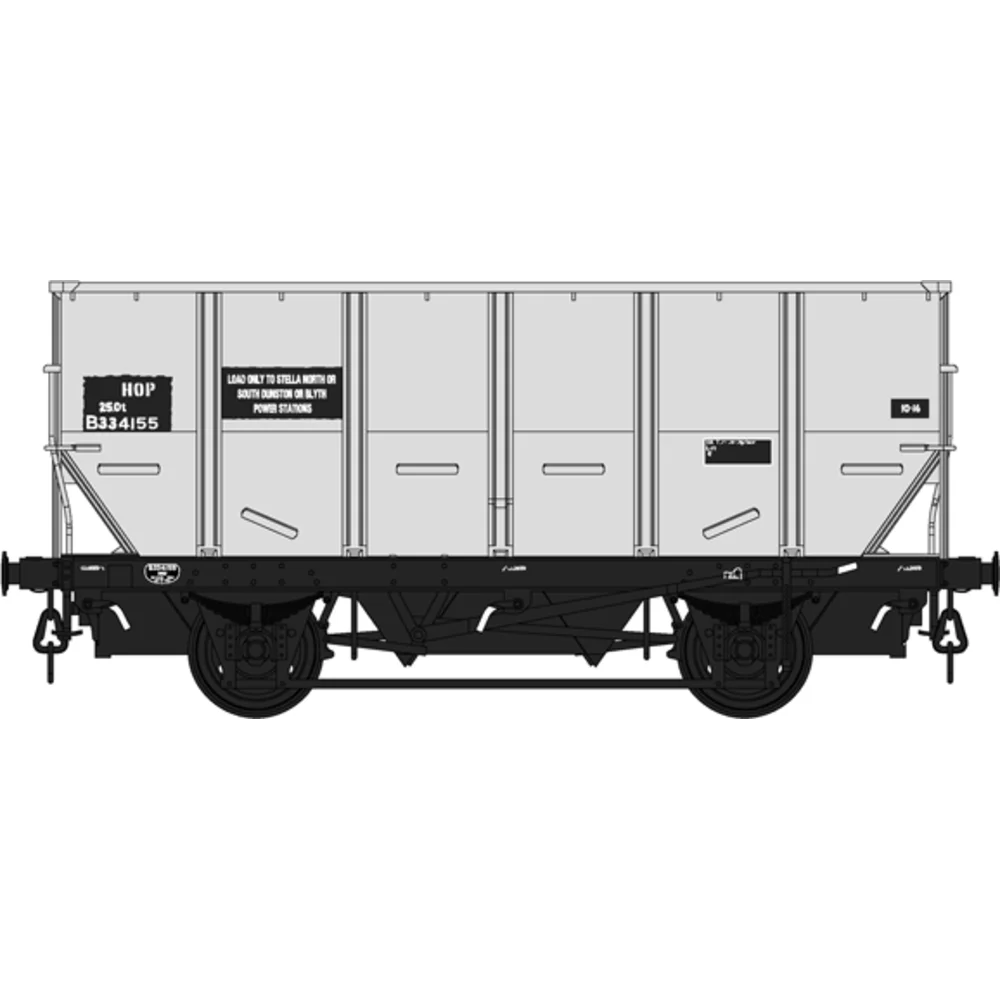
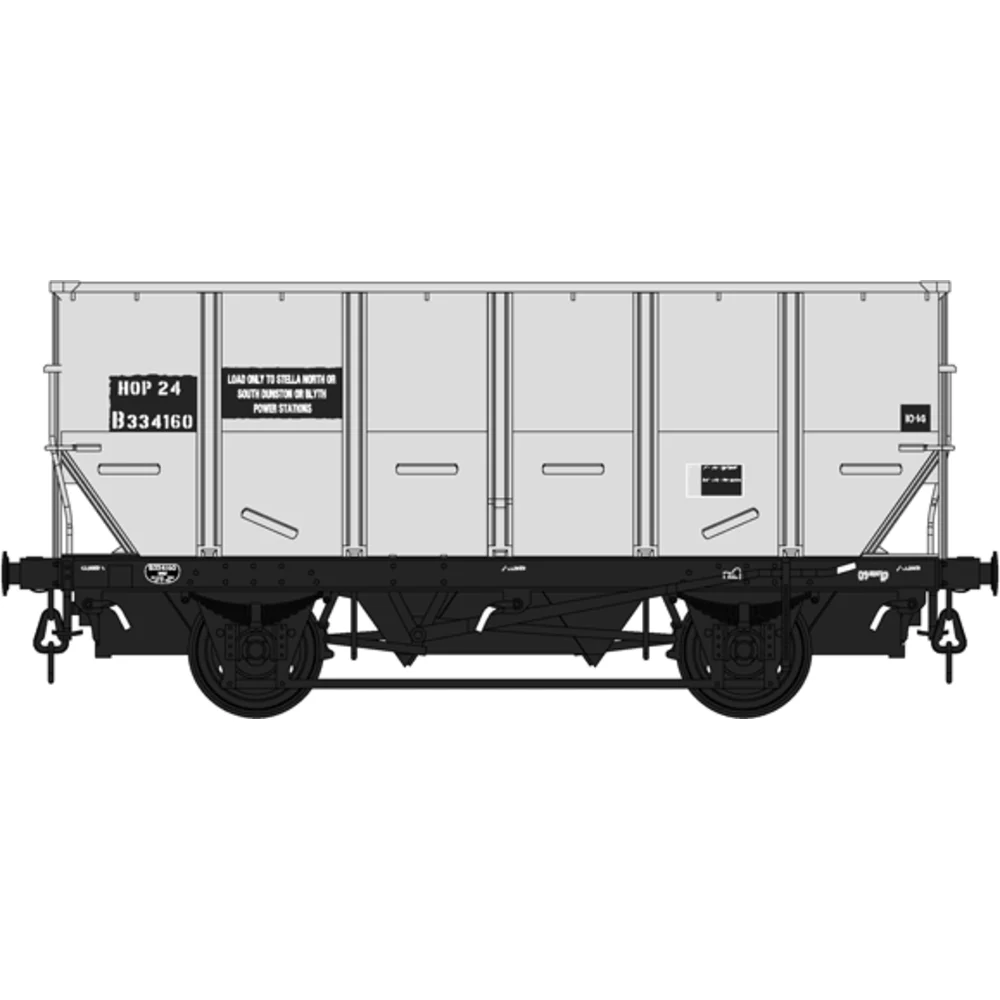
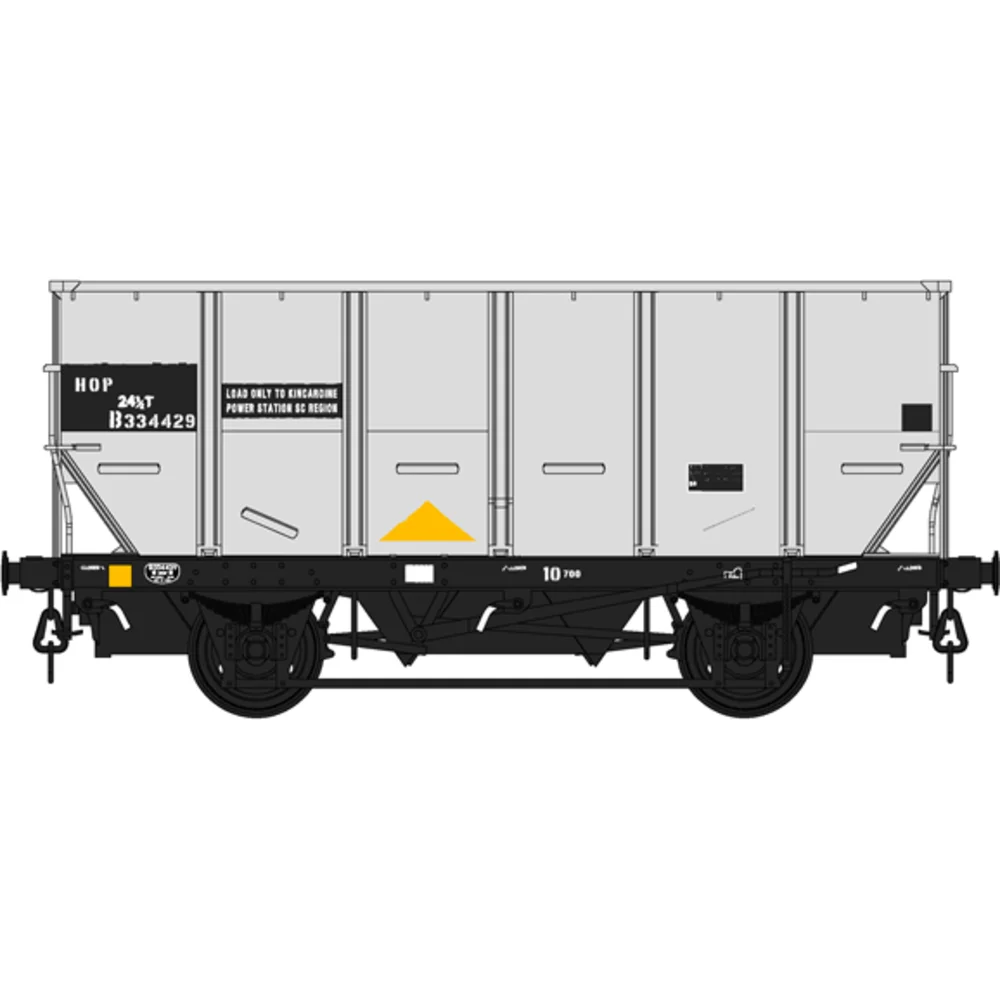
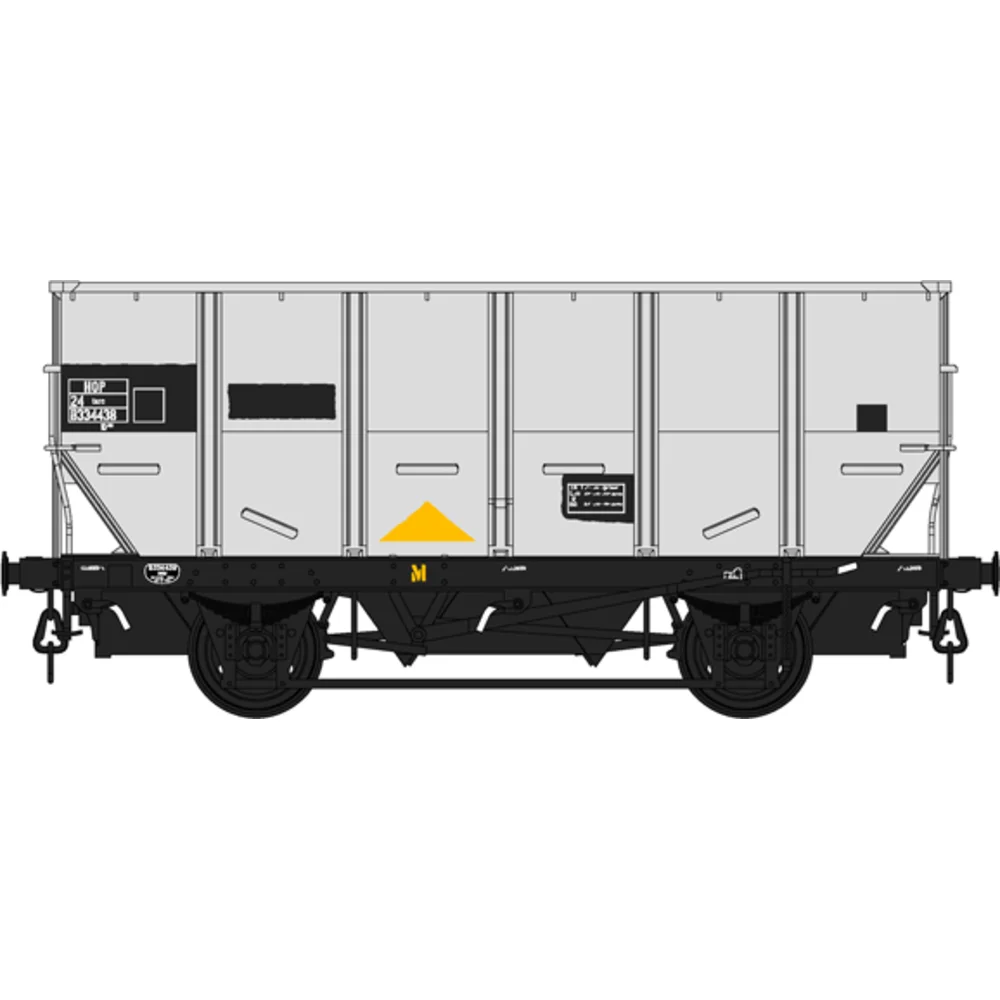
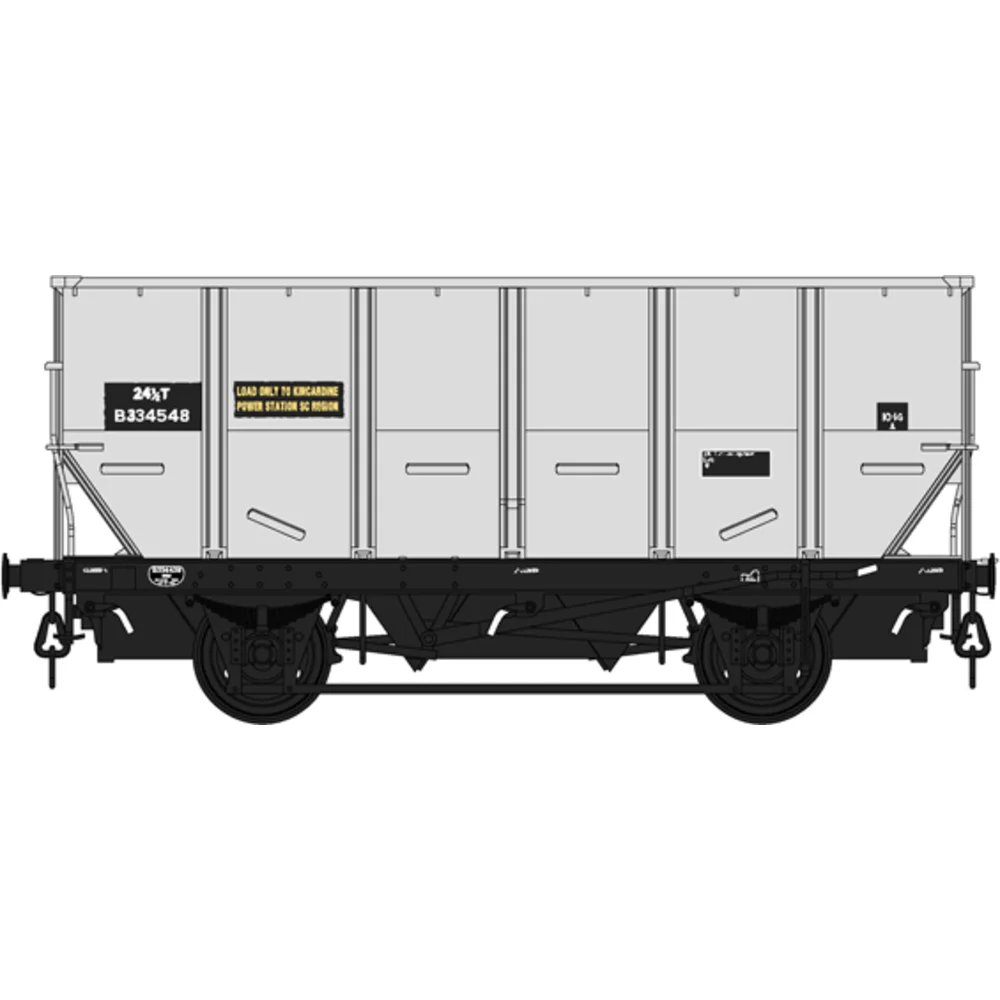
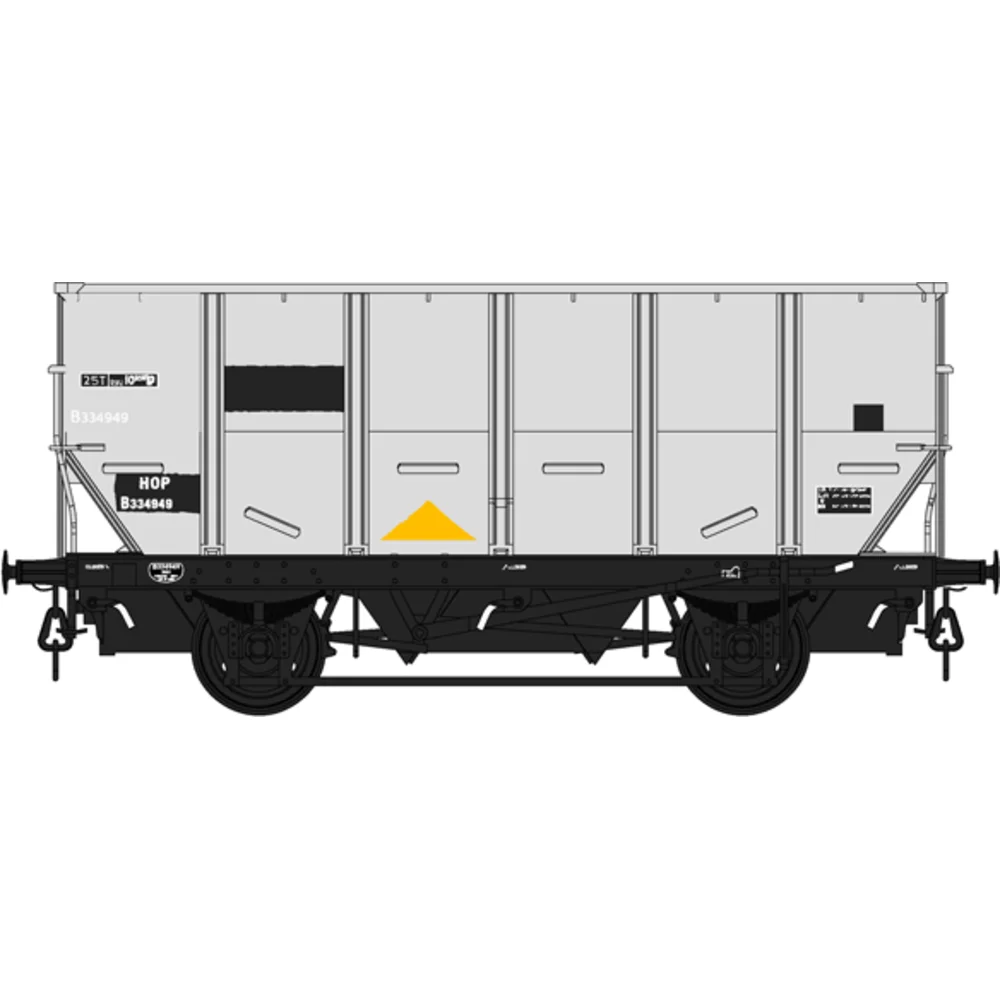
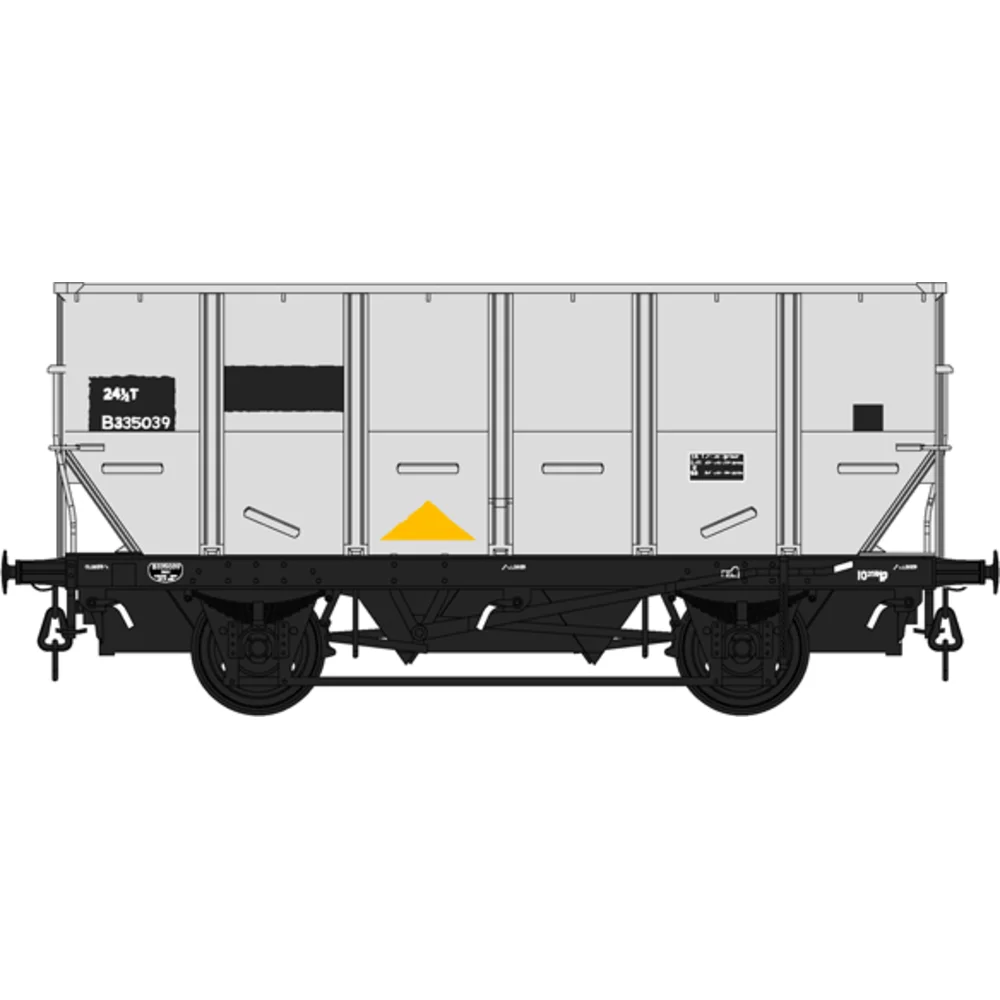
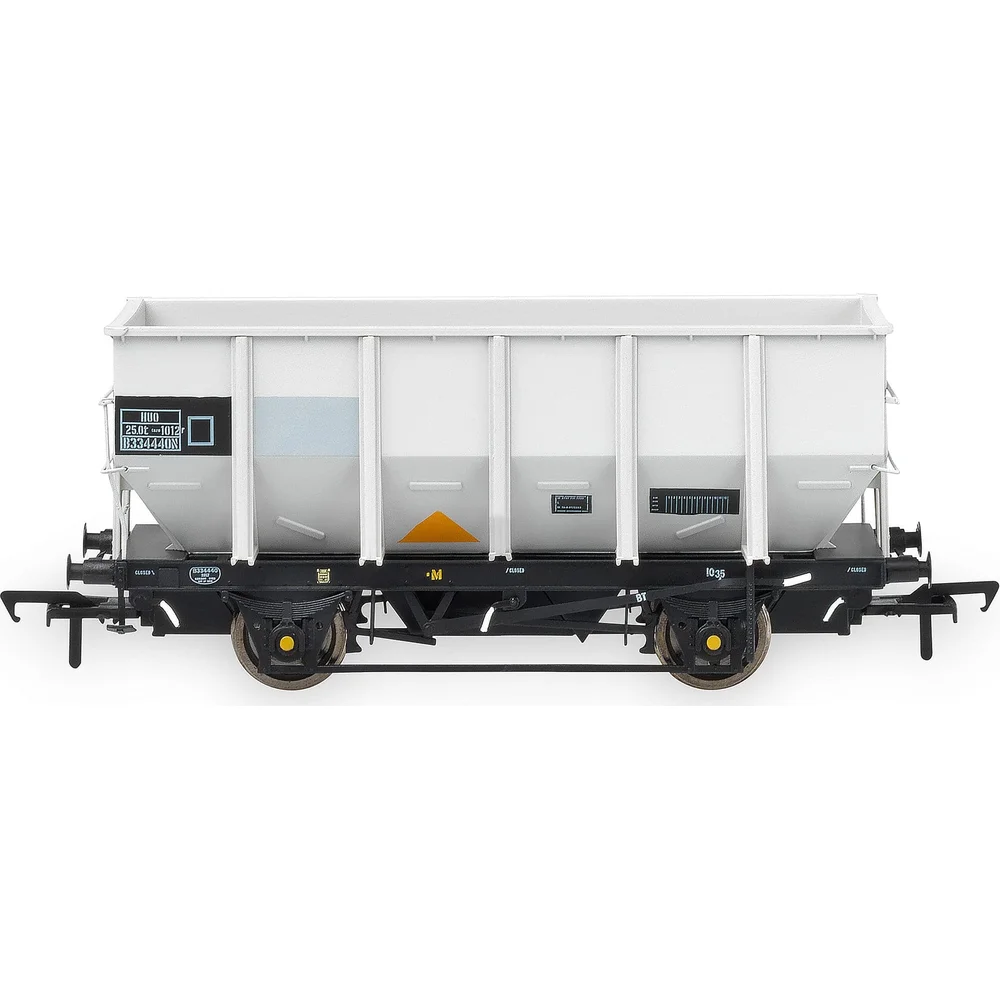
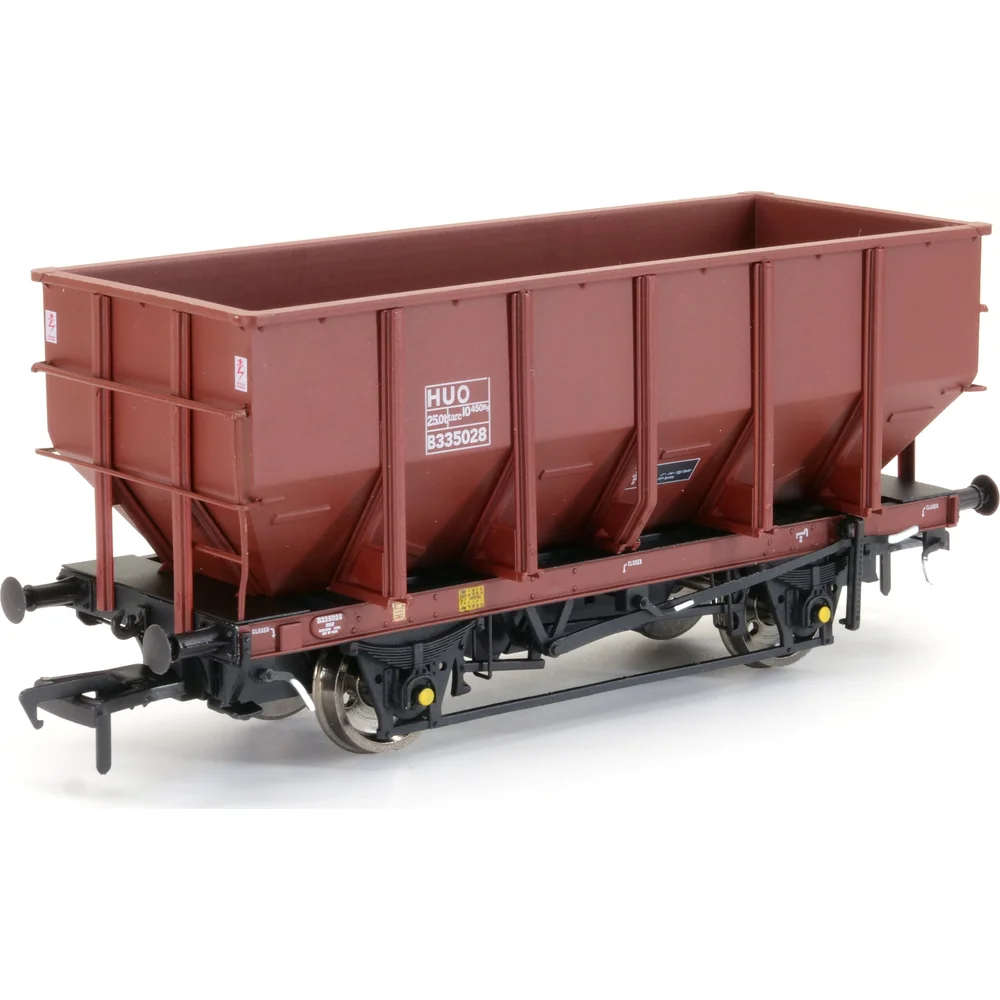
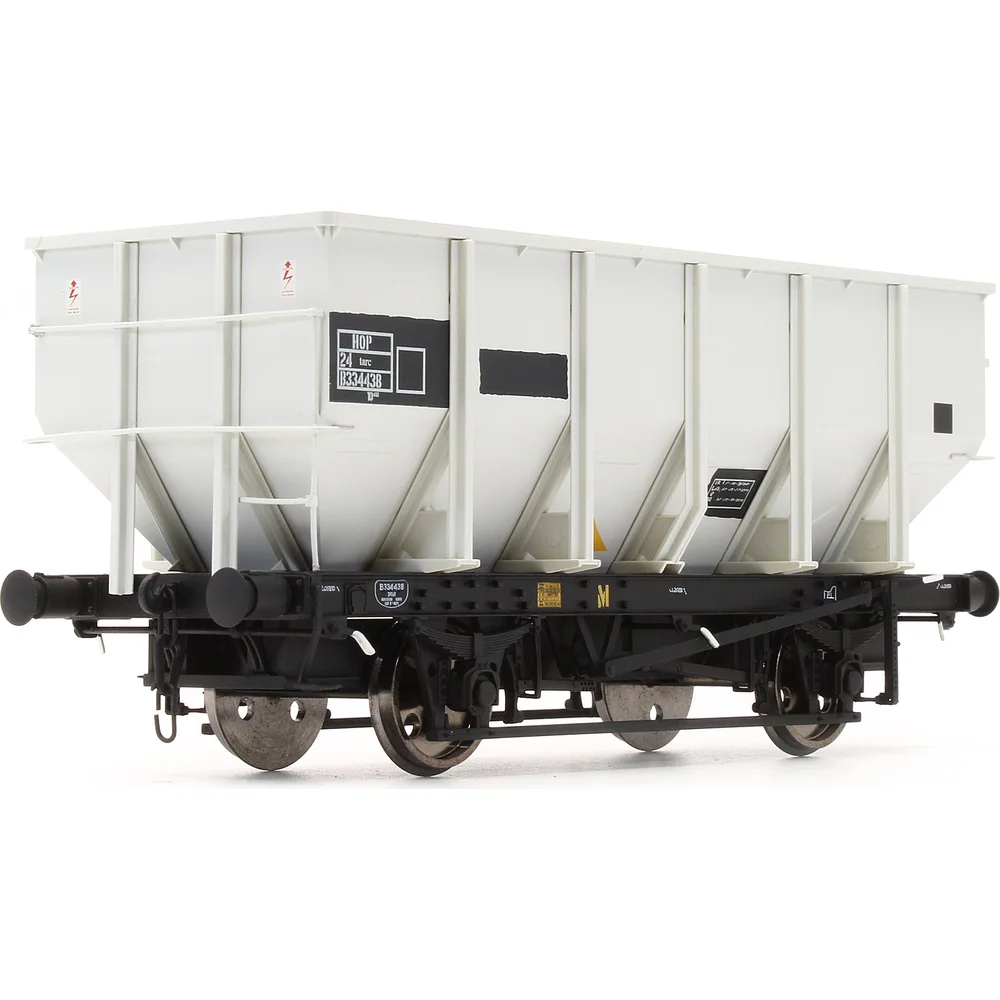
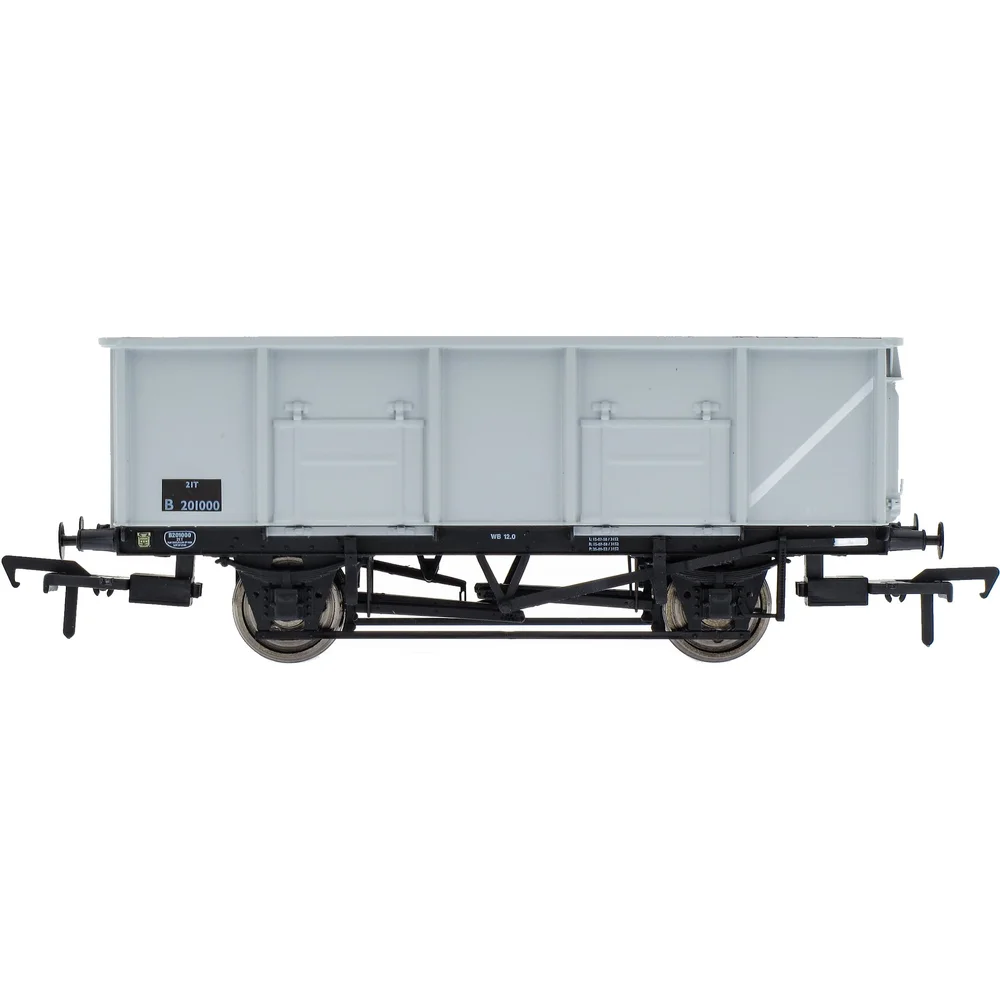
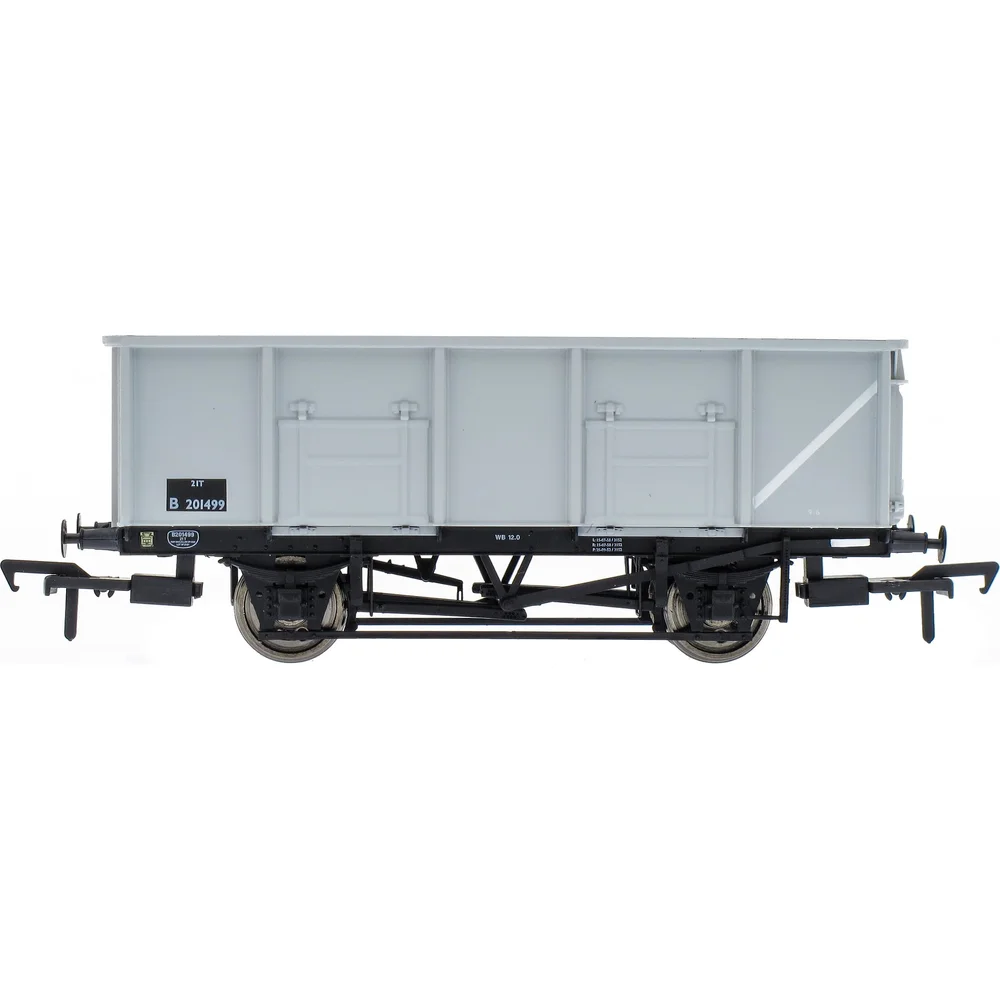
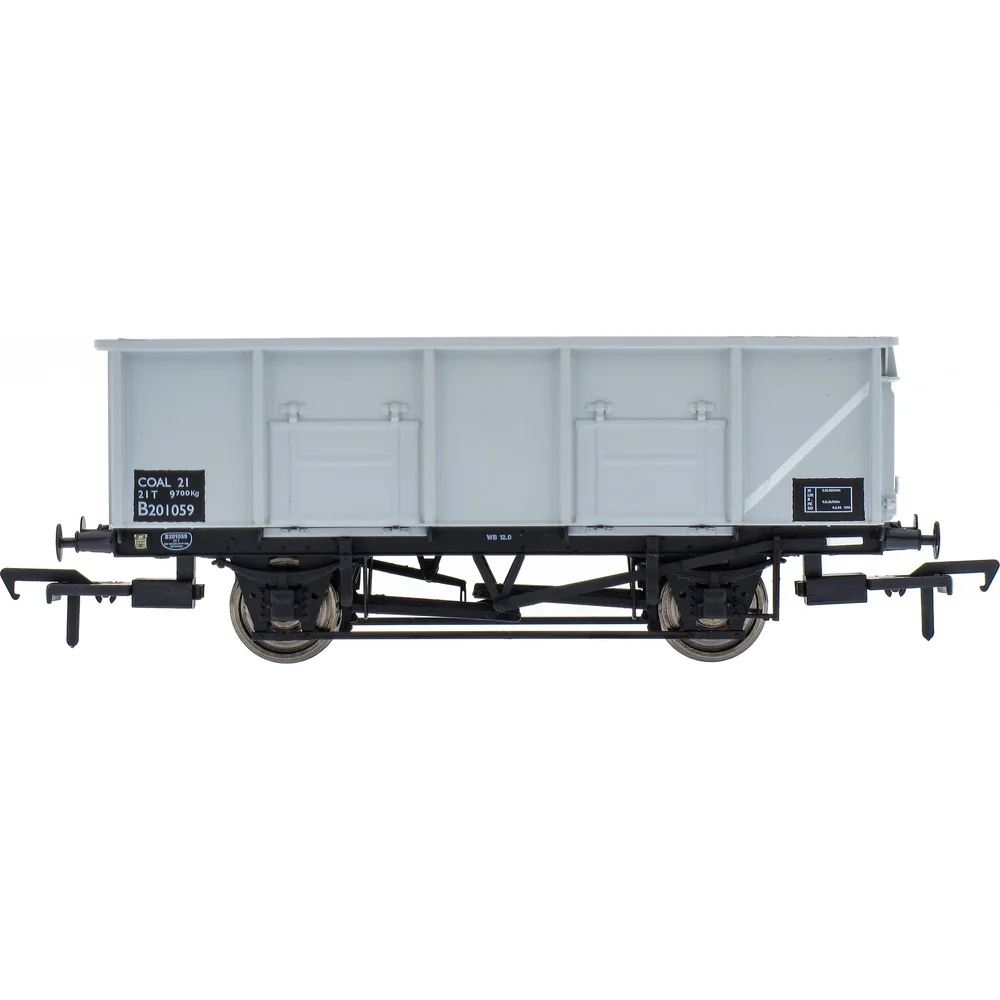
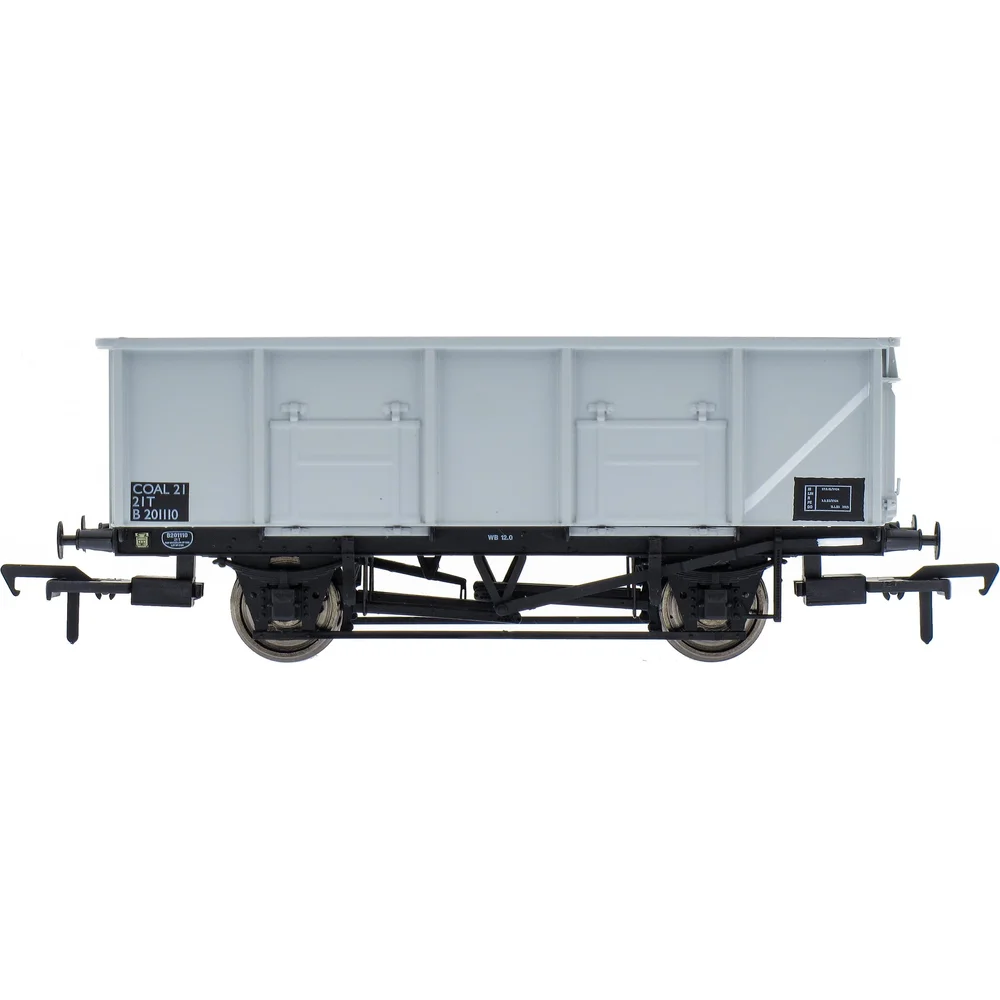
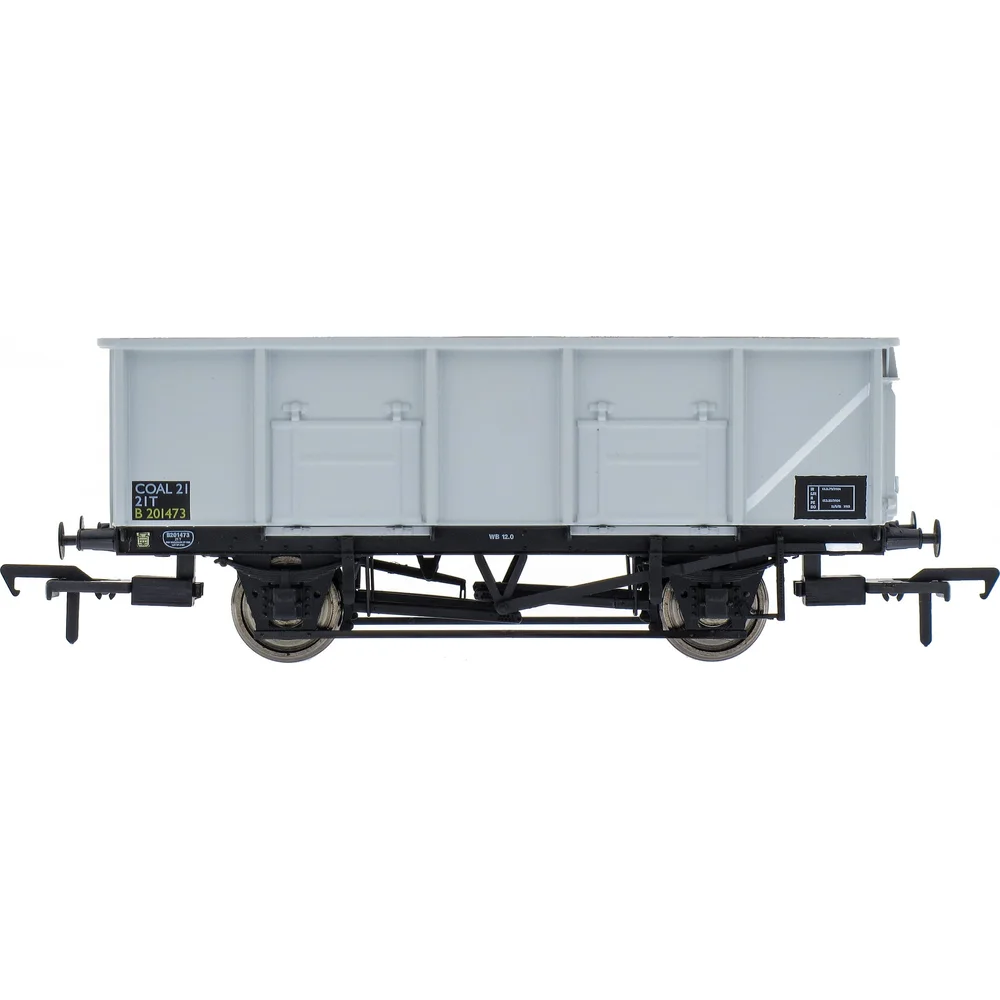
Freight vehicle development encompassed air-braked wagons enabling faster running and improved operational efficiency. The HAA coal hoppers and various container-carrying designs demonstrated British Rail's adaptation to changing freight requirements, though declining heavy industry reduced traditional traffic volumes.
British Rail coaching stock liveries evolved from early crimson and cream schemes through standardised Rail Blue to sector-specific colours including InterCity's grey and red, Network SouthEast's blue and red, and Regional Railways' various regional schemes. This evolution provides extensive variety for period-authentic model railway operations.
Modelling advantage: British Rail coaching stock development offers comprehensive prototype references for authentic train formations. Understanding vehicle types and appropriate combinations enables realistic service recreation across all operational periods.
Infrastructure Modernisation: Signals, Stations, and Support Systems
British Rail's infrastructure modernisation programme extended far beyond locomotive and rolling stock replacement to encompass comprehensive renewal of signalling systems, station facilities, and support infrastructure. These investments, often less visible than new trains, fundamentally transformed railway operational efficiency, safety standards, and passenger experience throughout the BR network.
The signalling modernisation programme replaced thousands of mechanical signal boxes with modern power installations featuring colour light signals, track circuiting, and centralised traffic control systems. Major resignalling schemes at locations like York, Birmingham New Street, and Glasgow Central consolidated multiple signal boxes into single modern installations, improving operational efficiency whilst reducing staffing requirements.
The introduction of Automatic Train Protection (ATP) systems on selected routes demonstrated British Rail's commitment to advanced safety technology. These systems automatically applied brakes if drivers passed signals at danger or exceeded speed limits, providing additional protection on high-speed routes. Though limited in extent, ATP installation influenced subsequent safety system development.
Station modernisation encompassed comprehensive rebuilding of major termini including Birmingham New Street, London Euston, and Edinburgh Waverley. These projects combined improved passenger facilities with operational enhancements, featuring modern concourses, upgraded retail areas, and better interchange connections. The distinctive 1960s architectural style reflected contemporary design philosophy whilst addressing functional requirements.
Maintenance facility development included new locomotive depots with modern servicing equipment, component repair capabilities, and administrative facilities. Major installations like Crewe Electric Depot and Neville Hill EMU Depot demonstrated British Rail's systematic approach to supporting modern traction types with appropriate infrastructure.
The TOPS system (Total Operations Processing System), introduced from 1971, revolutionised railway information management through computerised tracking of locomotives, rolling stock, and train services. This American-developed system provided real-time operational information whilst establishing the locomotive classification system still used today. TOPS implementation represented one of the earliest large-scale computerisation projects in British industry.
Telecommunications modernisation included comprehensive radio systems enabling communication between drivers and signal boxes, improved public address systems at stations, and integrated passenger information displays. These investments, whilst less glamorous than new trains, significantly enhanced operational efficiency and passenger service quality.
For heritage railway preservation, British Rail infrastructure provides authentic period details including signal box designs, platform furniture, and architectural elements. Understanding these details enhances model railway authenticity and helps preserve the complete railway environment rather than focusing solely on trains.
Reference value: British Rail infrastructure development offers excellent prototype material for detailed model railway construction. Signal arrangements, station layouts, and depot facilities provide authentic operational context for locomotive and rolling stock collections.
The Road to Privatisation: Political Pressure and Sector Preparation
The privatisation of British Rail emerged from ideological conviction, European Union directives, and genuine concerns about railway efficiency under state ownership. The Conservative government's systematic dismantling of nationalised industries during the 1980s inevitably targeted the railway system, despite InterCity's commercial success and Network SouthEast's operational achievements.
Preparatory steps began during the late 1980s with the disposal of ancillary businesses including Sealink ferries (1984), British Transport Hotels (1984), Travellers Fare catering (1988), and British Rail Engineering Limited (1989). These sales reduced BR's scope whilst testing privatisation methodologies and generating revenue for continued railway investment.
The Railways Act 1993 established the complex privatisation structure separating infrastructure ownership (Railtrack) from train operation (Train Operating Companies) and rolling stock ownership (Rolling Stock Companies). This vertical separation, influenced by EU Directive 91/440, aimed to introduce competition whilst maintaining network coordination through regulatory oversight.
The privatisation process completely dismantled the integrated railway system that had evolved since 1948. InterCity's profitable operations were divided among multiple franchises, Network SouthEast was fragmented into several operators, and Regional Railways was split between numerous companies serving different geographical areas. This fragmentation destroyed the operational synergies and commercial advantages that sectorisation had achieved.
Railtrack assumed ownership of track, signalling, and major stations, initially operating as a private company responsible for infrastructure maintenance and enhancement. The company's subsequent difficulties with major projects like the West Coast Route Modernisation and its collapse following the Hatfield accident demonstrated the challenges of separating infrastructure from operations.
The creation of 25 initial Train Operating Companies replaced British Rail's integrated management with complex contractual relationships requiring regulatory oversight, performance monitoring, and franchise reallocation processes. This multiplication of operators increased administrative overhead whilst reducing operational flexibility and strategic planning capabilities.
Despite privatisation's stated objectives of improved efficiency and customer service, subsequent analysis suggests mixed results. Passenger numbers increased significantly, but whether this reflected privatisation benefits or broader economic growth remains disputed. Government subsidies actually increased in real terms, whilst fare levels rose faster than inflation in many market segments.
For railway enthusiasts and modellers, privatisation's legacy includes the preservation of British Rail's design standards and operational practices within the new industry structure. Many locomotives, coaching stock designs, and operational procedures continued unchanged, enabling authentic representation of both BR and post-privatisation periods using similar equipment with different liveries.
Historical perspective: Understanding privatisation's complex implementation helps modellers appreciate the continuity and change in British railway operations. Many BR practices and equipment types continued under private operation, providing opportunities for realistic transition period layouts.
Modelling British Rail: Locomotives, Rolling Stock, and Operational Authenticity
Modelling British Rail operations offers railway enthusiasts unparalleled variety in locomotive types, livery schemes, and operational scenarios spanning nearly five decades of continuous development. From early BR green schemes through Rail Blue standardisation to sector-specific colours, the organisation provides authentic prototype material for every scale and interest area.
Locomotive selection should reflect British Rail's diverse motive power requirements across passenger, freight, and infrastructure trains. Essential classes include the versatile Class 47 diesel for mixed traffic duties, Class 43 HST power cars for high-speed services, Class 87 electrics for West Coast operations, and various EMU types for suburban services. Each class offers multiple livery options reflecting different periods and sector allocations.
The Rail Blue era (1965-1980s) provides unified visual coherence with all locomotives and rolling stock carrying standardised colours. This period enables large-scale layouts with consistent appearance whilst incorporating the full range of BR locomotive types from early diesels to modern electrics. Rail Blue models are widely available from major manufacturers in all popular scales.
Sector liveries (1980s-1990s) offer increased visual variety with InterCity's grey and red, Network SouthEast's blue and red, Regional Railways' various schemes, and freight sector colours including Railfreight grey and Construction sector yellow. This period enables mixed traffic scenarios reflecting the business-focused approach of later BR operations.
Rolling stock authenticity requires understanding appropriate coach types and formations for different services and periods. Mark 1 coaches dominated early BR services, Mark 2 stock appeared during the 1960s-1970s modernisation, whilst Mark 3 and Mark 4 vehicles equipped premium InterCity services. Multiple unit types similarly evolved from basic DMUs to sophisticated designs like the Class 158 Express Sprinters.
Operational scenarios should reflect British Rail's diverse traffic patterns including InterCity express services, Network SouthEast commuter operations, Regional Railways local trains, and various freight categories from Speedlink wagonload to Trainload Freight block trains. Understanding these operational patterns enables realistic timetabling and authentic mixed traffic movements.
Infrastructure details specific to the BR era include distinctive signal box designs, station architecture from various periods, and electrification equipment reflecting 25kV AC and 750V DC systems. The characteristic yellow warning panels introduced during the 1960s for driver visibility, TOPS numbering systems from 1973, and sector-specific branding elements all contribute to period authenticity.
Scale considerations affect modelling approach—OO gauge offers the widest selection of ready-to-run BR models from manufacturers like Hornby, Bachmann, and Heljan, whilst N gauge enables comprehensive route representation within limited space. Larger scales like O gauge provide superior detail levels for serious collectors focusing on specific locomotive types or periods.
Weathering techniques should reflect British Rail's operational environment and maintenance standards. InterCity locomotives typically maintained clean appearance reflecting prestige service requirements, whilst freight locomotives showed heavier weathering from industrial operations. Regional Railways units often displayed intermediate weathering levels reflecting varying maintenance standards and operational intensity.
Layout planning should consider authentic British Rail operational patterns with appropriate track arrangements, station facilities, and depot locations. Understanding BR's route geography, service patterns, and infrastructure development enables realistic layout design whether representing specific locations or prototypical operations.
Modelling tip: British Rail's systematic approach to locomotive and rolling stock management provides excellent reference material for authentic fleet compositions. TOPS records and official publications document exact formations, allocations, and modifications that help ensure historical accuracy in model collections.
Preservation and Heritage: British Rail's Continuing Influence
The heritage railway movement owes much to British Rail's systematic locomotive withdrawal programmes and enlightened preservation policies that enabled significant examples to survive for future generations. Unlike many railway administrations that scrapped historic equipment immediately upon withdrawal, BR often cooperated with preservation groups and museums to ensure important designs survived in operational condition.
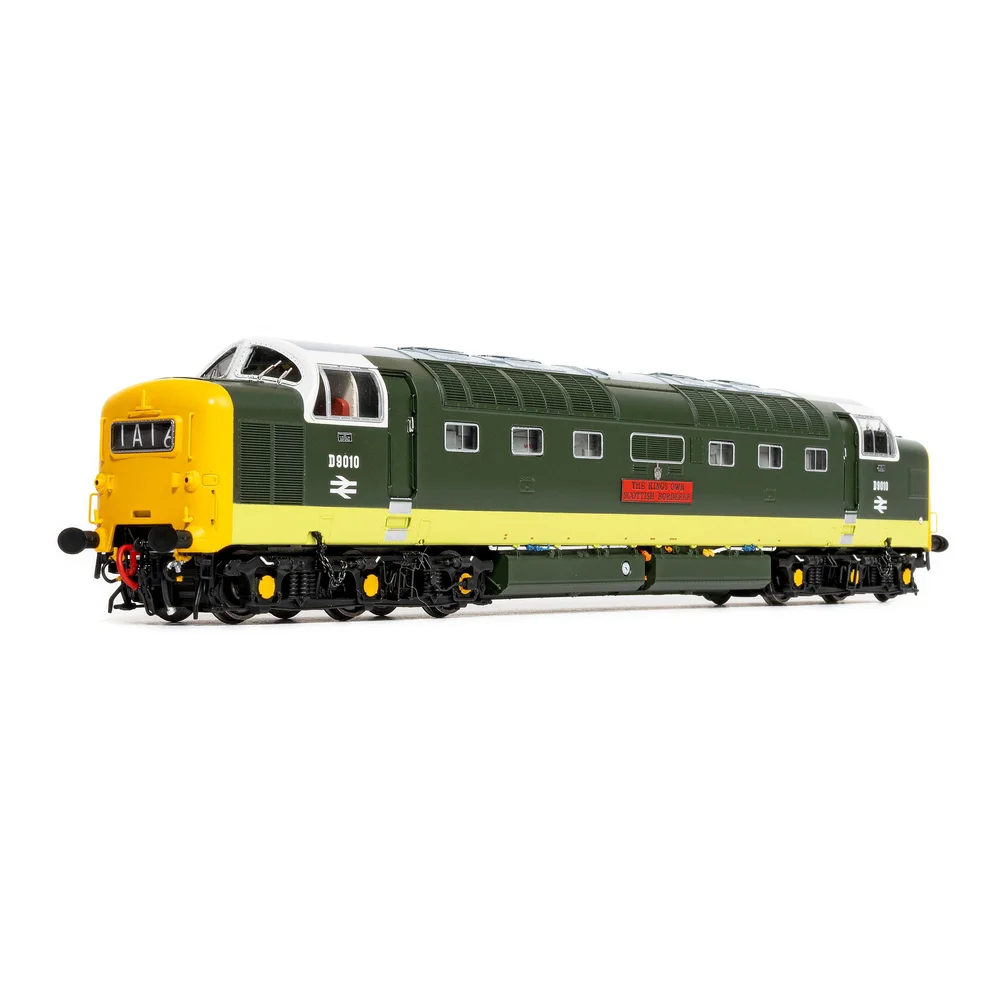
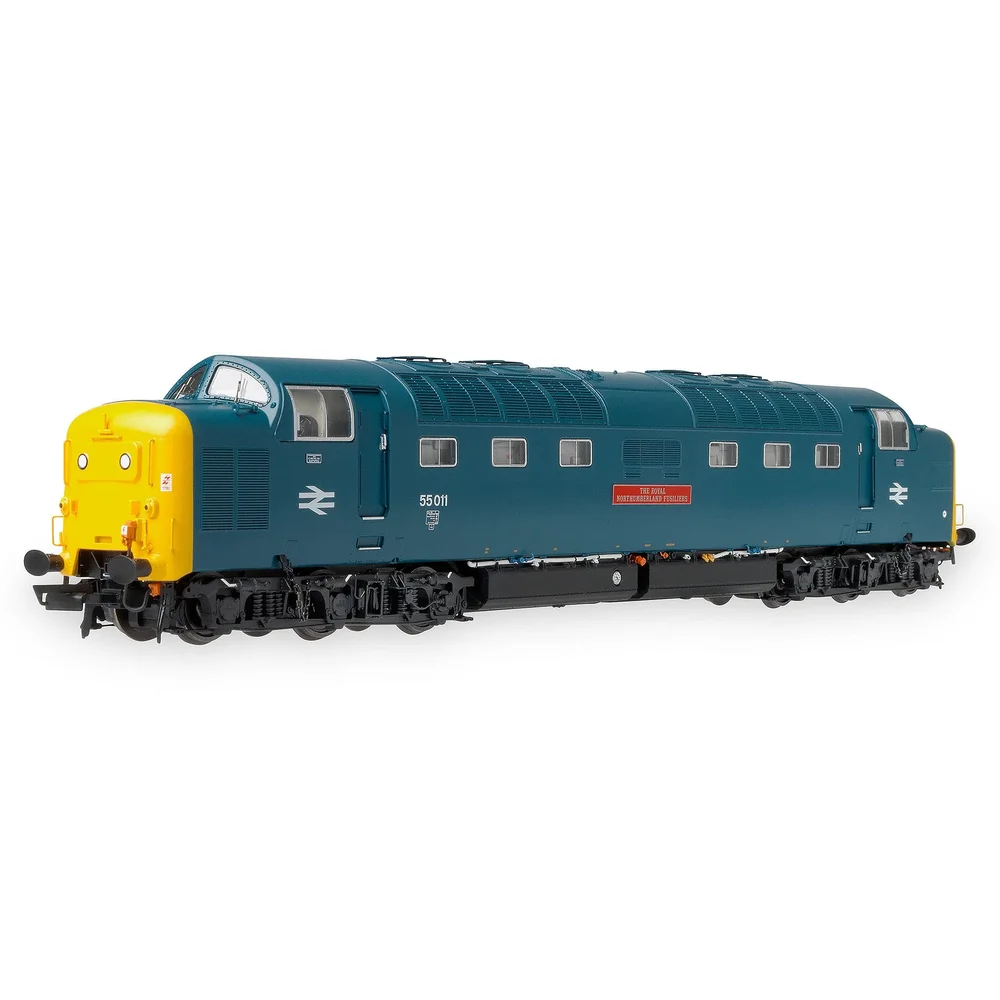
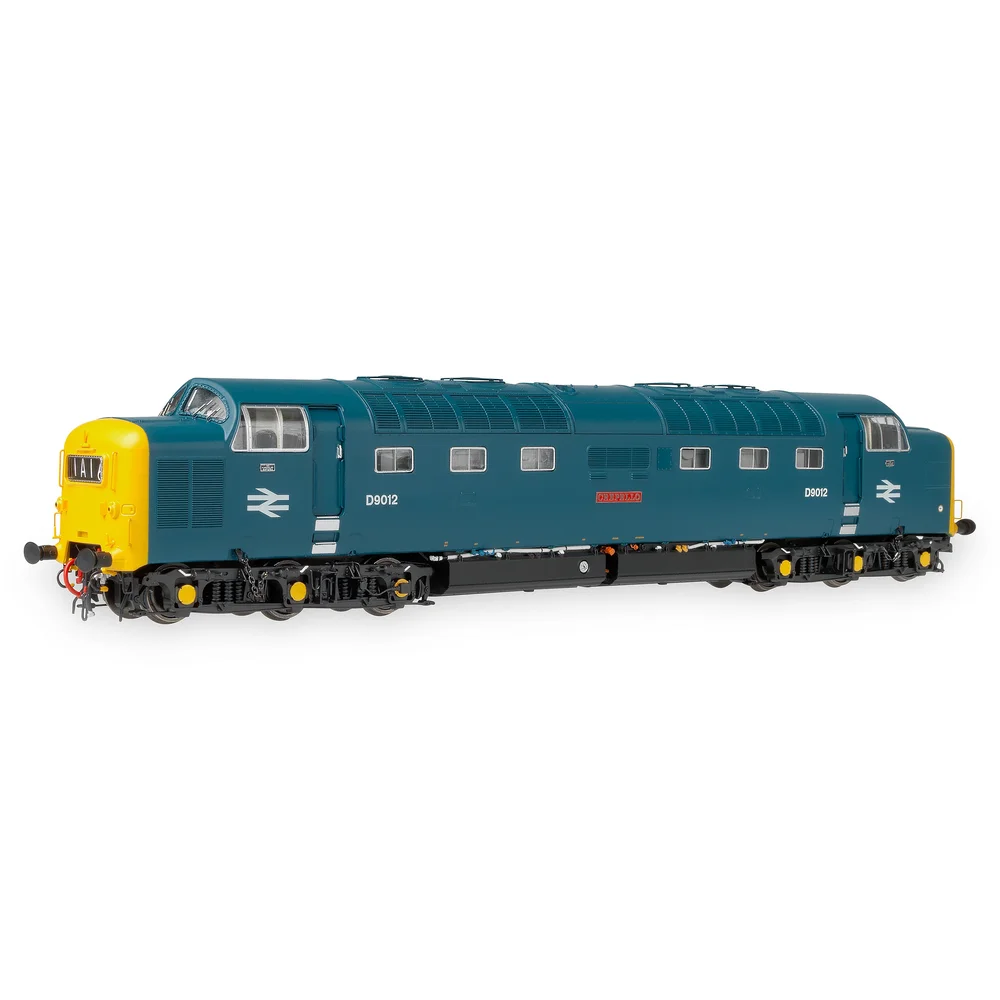
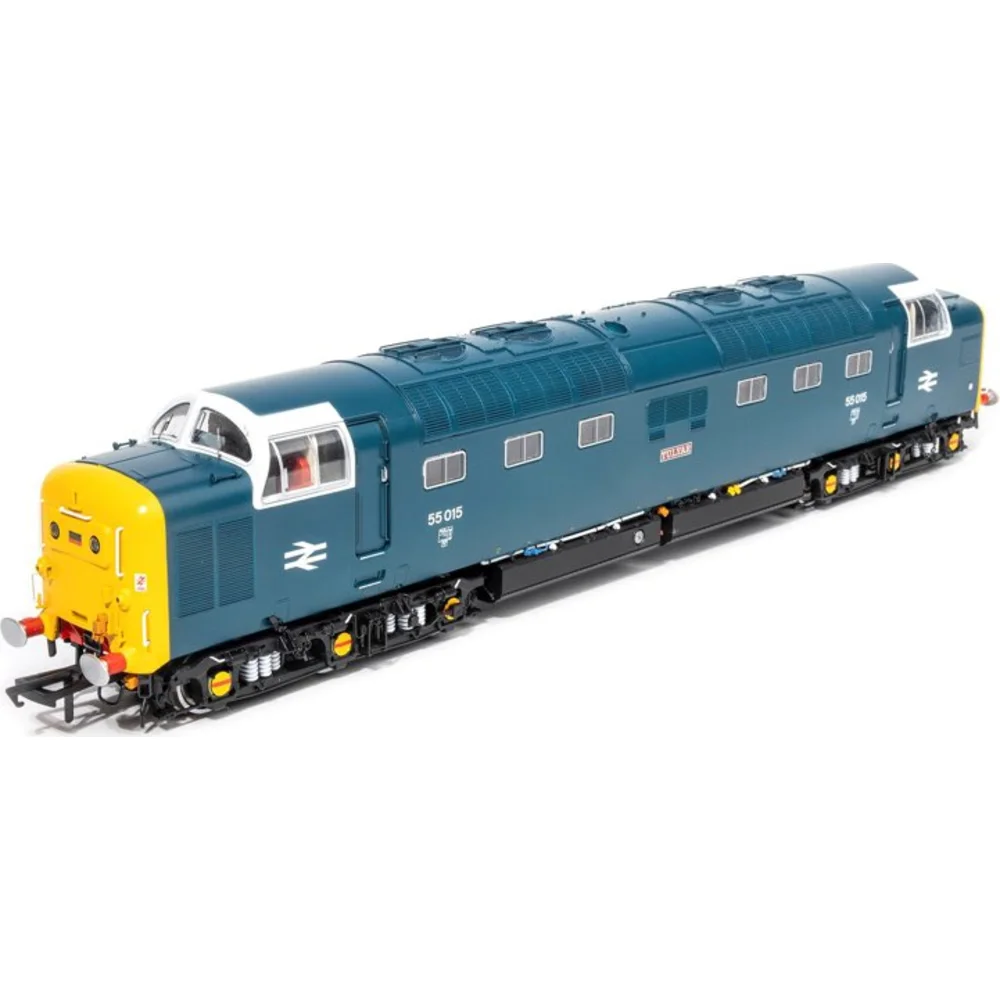
Major locomotive classes preserved from the BR era include Class 55 Deltics, various HST power cars, Class 40s, Class 47s, and numerous electric types from different periods. These preserved examples provide invaluable reference material for understanding operational details, maintenance procedures, and authentic weathering patterns that inform accurate modelling practices.
The Advanced Passenger Train preservation at the National Railway Museum and Crewe Heritage Centre demonstrates British Rail's pioneering role in high-speed rail technology. Despite APT's operational challenges, its innovative features influenced railway development worldwide and provide unique modelling subjects for enthusiasts interested in advanced technology.
Rolling stock preservation encompasses comprehensive collections of BR coaching stock from Mark 1 through Mark 4 types, enabling authentic period train formations on heritage railways. These preserved vehicles demonstrate construction techniques, interior fittings, and livery applications that assist modellers seeking accurate representations.
Many heritage railways operate over former BR routes using authentic infrastructure, signalling, and operational procedures. Lines like the North Yorkshire Moors Railway, Severn Valley Railway, and Great Central Railway provide living museums of BR practices whilst offering photographic opportunities for modelling reference.
The double arrow logo's survival through privatisation and adoption by National Rail demonstrates British Rail's enduring design influence. This corporate identity success story continues inspiring transport organisations worldwide whilst providing unifying visual continuity across Britain's fragmented railway industry.
Modern railway operations retain many British Rail practices including TOPS classification systems, operational procedures, and safety protocols developed during the nationalisation period. Understanding these continuities helps modellers appreciate how BR innovations continue influencing contemporary railway practice.
Museum collections at institutions like the National Railway Museum, Science Museum, and various heritage centres preserve British Rail documentation, equipment, and artifacts that provide comprehensive research resources for serious railway historians and modellers seeking authentic details.
Preservation insight: Visiting preserved BR locomotives and rolling stock provides invaluable modeling reference beyond what photographs can convey. Details like brake rigging arrangements, bogie configurations, and interior fittings are best studied from original examples maintained in authentic condition.
Finally: British Rail's Enduring Legacy in Modern Railway Culture
British Rail achieved remarkable transformation from a post-war recovery operation to a modernised transport system that established technological, operational, and design standards influencing railways worldwide. Despite political controversy and financial challenges, BR's innovations in high-speed rail, corporate identity, business management, and customer service created lasting improvements that continue benefiting contemporary railway operations.
The organisation's technical achievements encompassed world-leading developments in tilting train technology, high-speed diesel traction, electric locomotive design, and passenger comfort systems. The InterCity 125's commercial success demonstrated that railways could compete effectively with road and air transport through superior service quality, whilst APT research provided technological foundations for modern tilting trains operating worldwide.
British Rail's corporate identity programme established new standards for transport branding that influenced organisations globally. The double arrow logo's endurance through privatisation and beyond demonstrates excellent design's ability to transcend organisational changes whilst maintaining public recognition and professional credibility.
The sectorisation programme pioneered business-focused railway management that enabled commercial success within public ownership. InterCity's profitability proved that railway passenger services could achieve commercial viability whilst maintaining social objectives, providing templates for modern railway business models.
For contemporary railway enthusiasts and modellers, British Rail offers unparalleled variety in locomotive types, livery schemes, and operational scenarios. The organisation's systematic documentation, comprehensive photography, and preservation cooperation provide authentic reference materials enabling accurate historical recreation across all scales and interests.
The lessons of British Rail remain relevant for modern transport policy, demonstrating both the potential and limitations of state railway ownership. BR's achievements in technological innovation, service quality improvement, and operational efficiency balanced against financial constraints and political interference provide valuable insights for contemporary railway development.
Understanding British Rail's complete story—from nationalisation challenges through modernisation achievements to privatisation implementation—provides essential context for appreciating modern British railway development and the continuing evolution of transport policy. The organisation's legacy endures not only in preserved locomotives and heritage railways but in the operational practices, design standards, and customer service concepts that continue shaping railway development today.
Frequently Asked Questions
What was the difference between British Railways and British Rail?
British Railways was the official name from nationalisation in 1948 until 1965, when the organisation rebranded as British Rail with the introduction of the double arrow logo and comprehensive corporate identity. The name change reflected modernisation efforts and a desire to move away from traditional railway imagery.
Why did the 1955 Modernisation Plan fail despite massive investment?
The plan failed due to premature ordering of unproven diesel designs, continued adherence to outdated operational practices, and legal obligations as a "common carrier" that prevented competitive pricing. Investment in marshalling yards reflected 19th-century freight patterns whilst road transport was capturing small-load traffic.
What made the InterCity 125 so successful compared to the Advanced Passenger Train?
The InterCity 125 used proven diesel technology and conventional design principles, enabling reliable service introduction. The APT employed advanced but untested tilting and braking systems that suffered mechanical problems when rushed into passenger service before adequate development was complete.
How did British Rail's sectorisation influence railway privatisation?
Sectorisation created business-focused divisions like InterCity, Network SouthEast, and Regional Railways that provided organisational templates for privatisation. The sector structure demonstrated that railway operations could be managed as separate businesses whilst sharing common infrastructure.
Which British Rail locomotive classes are most popular with modellers today?
Popular classes include the Class 47 for versatility, Class 43 HST power cars for high-speed services, Class 87 electrics for West Coast operations, and various EMU types for suburban services. Each offers multiple livery options spanning different periods and sectors.
What do the different British Rail livery periods represent for modellers?
Rail Blue (1965-1980s) provides unified appearance across all locomotive types, whilst sector liveries (1980s-1990s) offer variety with InterCity grey/red, Network SouthEast blue/red, and Regional Railways schemes. Each period enables different operational scenarios and visual approaches.
How did British Rail's corporate identity influence modern transport branding?
BR's comprehensive approach to corporate identity, including the double arrow logo, Rail Alphabet typeface, and systematic colour schemes, established templates for transport branding worldwide. The double arrow's survival through privatisation demonstrates the power of excellent design to transcend organisational changes.
What happened to British Rail's infrastructure after privatisation?
Track, signalling, and major stations transferred to Railtrack (later Network Rail), whilst train operations were franchised to multiple private companies. This separation aimed to introduce competition whilst maintaining network coordination through regulatory oversight.
Which heritage railways best preserve British Rail operations and atmosphere?
Major heritage lines like the North Yorkshire Moors Railway, Severn Valley Railway, and Great Central Railway operate BR locomotives over original routes using authentic signalling and operational procedures. These provide living museums of BR practices and excellent photographic opportunities.
How can modellers achieve authentic British Rail operational scenarios?
Study BR timetables, route geography, and service patterns to understand realistic train formations and frequencies. Mix InterCity express services with suburban EMUs and freight trains, reflecting the operational diversity that characterised British Rail throughout its existence.
What technical innovations from British Rail continue influencing modern railways?
BR developments in tilting train technology, high-speed diesel traction, electric locomotive design, and passenger comfort systems continue influencing railway practice worldwide. The TOPS classification system, safety procedures, and operational practices established during nationalisation remain in use today.
Why did British Rail achieve commercial success in some sectors but not others?
InterCity succeeded through focused marketing, service quality improvement, and business travel targeting, whilst freight operations struggled with declining heavy industry and road transport competition. Suburban services faced peak-hour capacity constraints and infrastructure limitations affecting financial performance.